Antique Cabinets and Wardrobes

Images of vintage wooden cabinets and wardrobes showcasing craftsmanship and decorative styles from different eras, featuring intricate carvings and finishes.

Zeeland cabinet, Anonymous, 1650 Zeeland cabinet of egg, ebbbe, palm and rosewood. The upper cabinet has two doors with panels with cartouches and grotesken, between three lion heads with ring. The middle rule consists of blocks with inserting between diamond heads. The doors of the higher base cabinet wear cornis panels. The central and corner styles each show a spurs, dripping, cannelure forces, diamond head and insert. Sides with corned upper panels and bottom panels with wide frames and billioned sills. Northern NetherlandsZeeland (possibly) wood (plant material). oak (wood). ebony (wood). boxwood. rosewood (wood) cutting Zeeland cabinet of egg, ebbbe, palm and rosewood. The upper cabinet has two doors with panels with cartouches and grotesken, between three lion heads with ring. The middle rule consists of blocks with inserting between diamond heads. The doors of the higher base cabinet wear cornis panels. The central and corner styles each show a spurs, dripping, cannelure forces
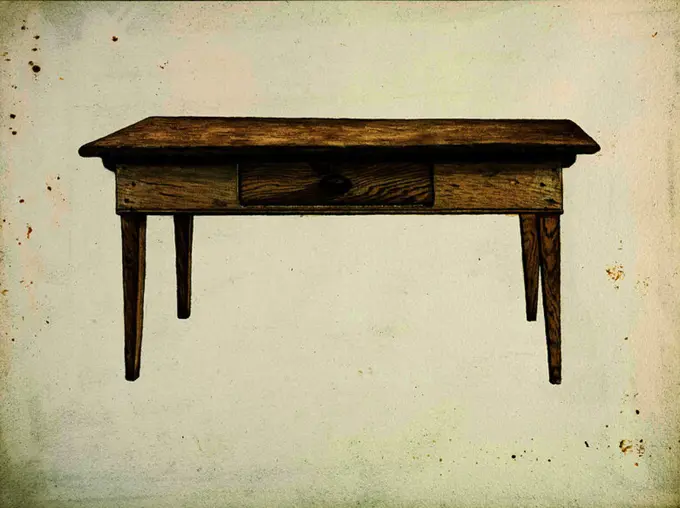
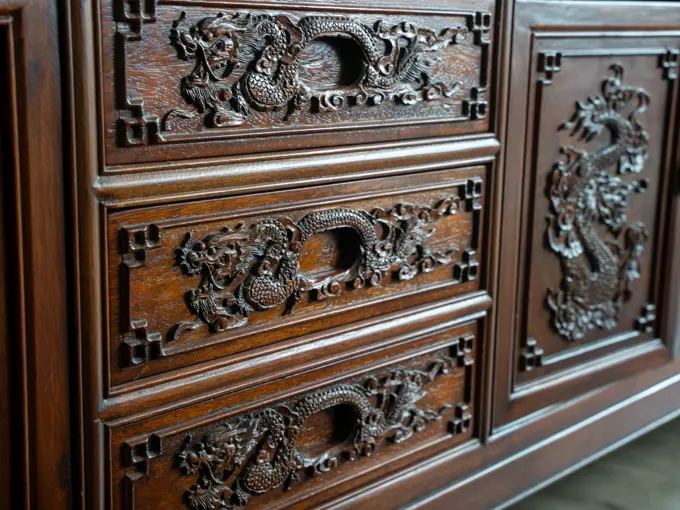
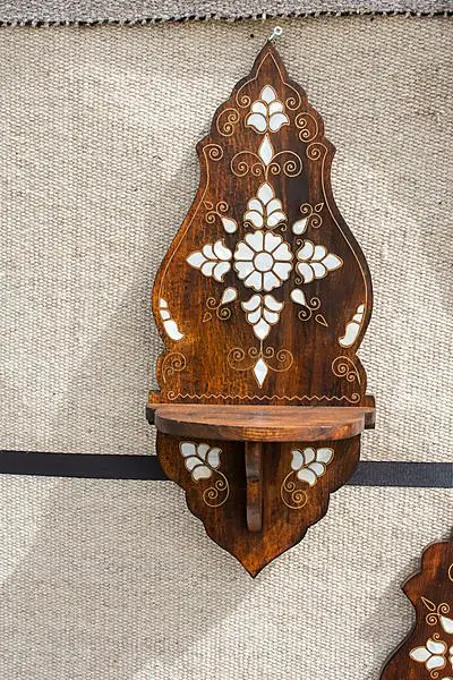
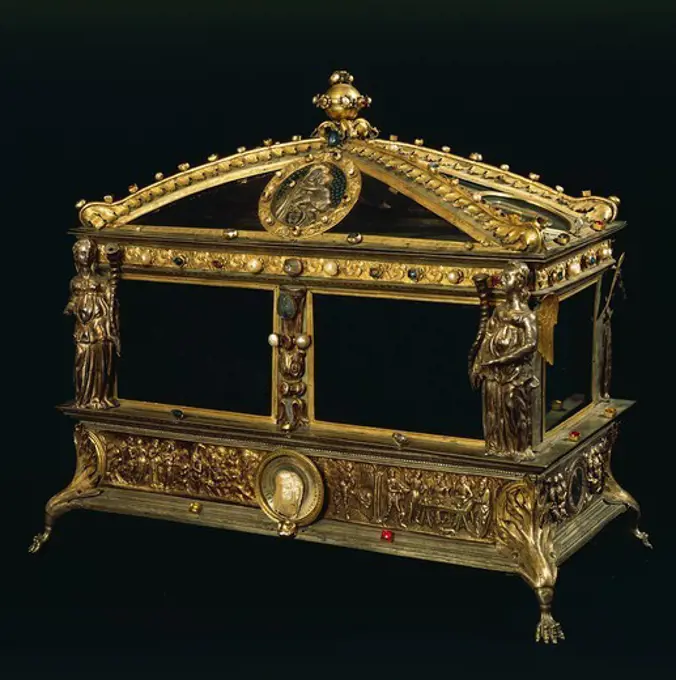
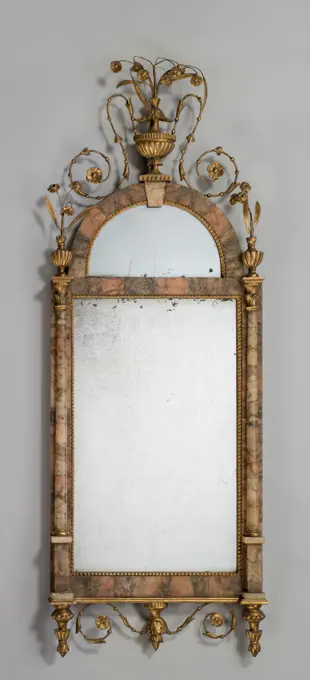
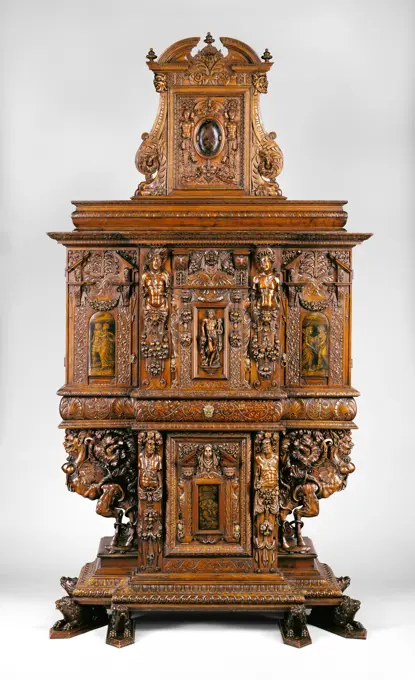
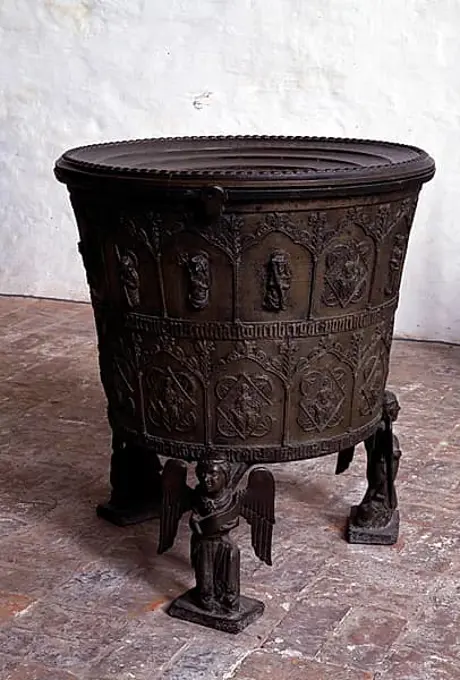
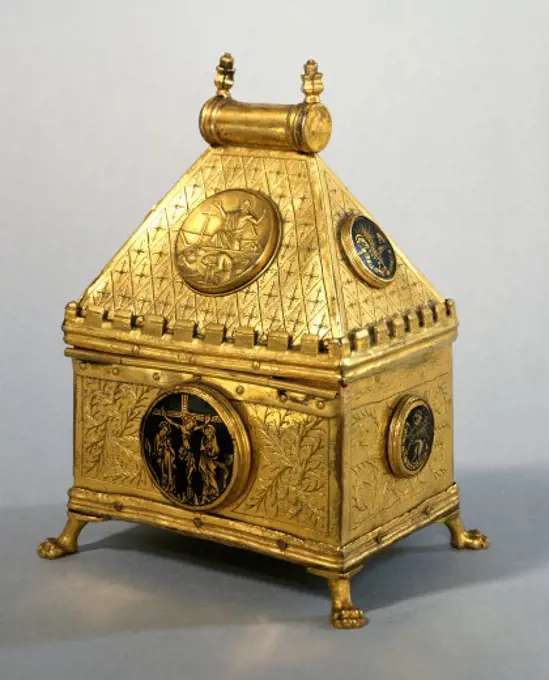
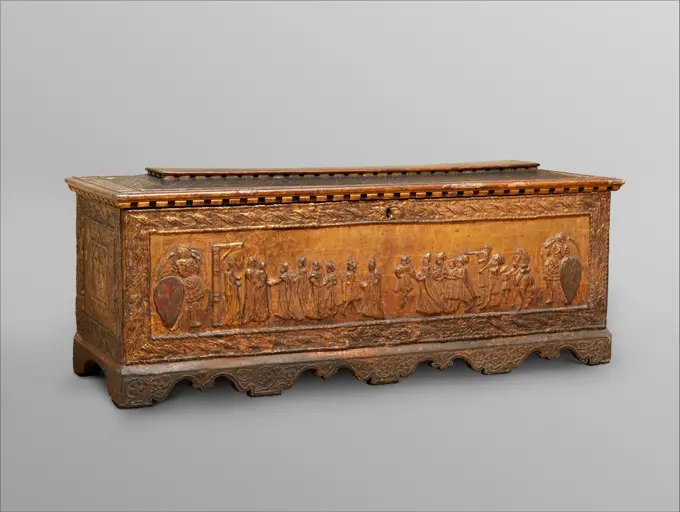
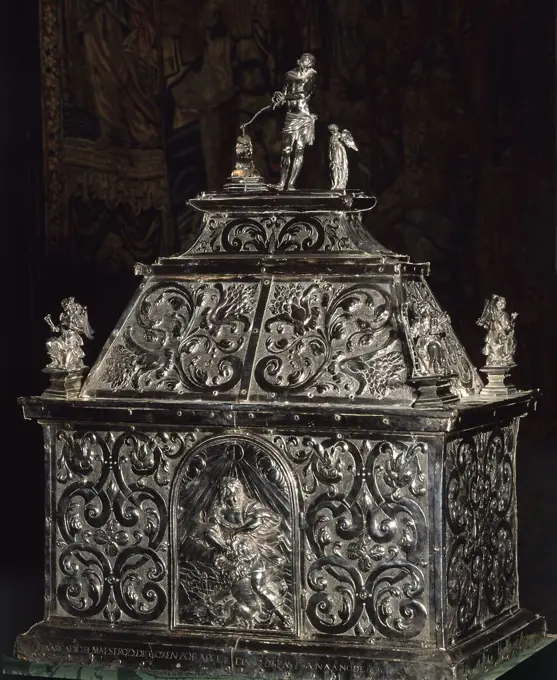
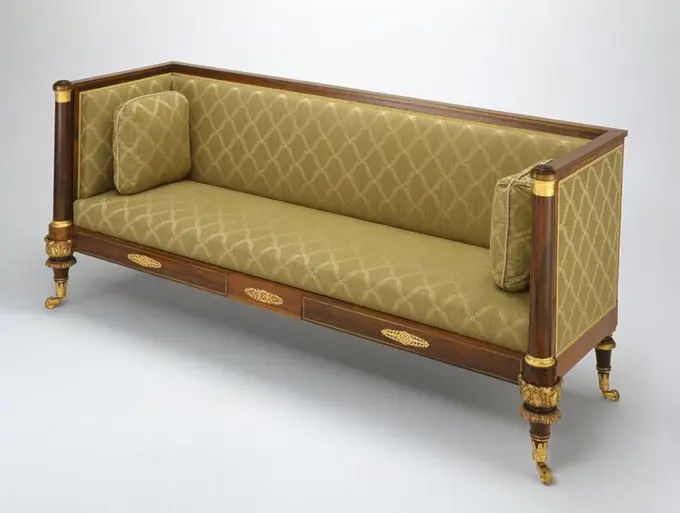
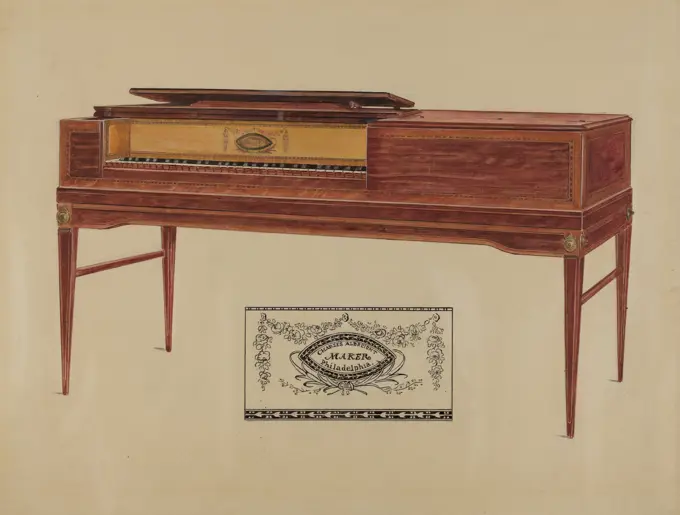
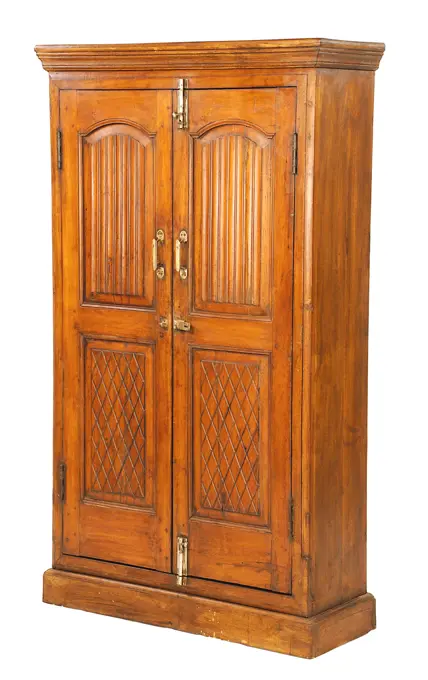
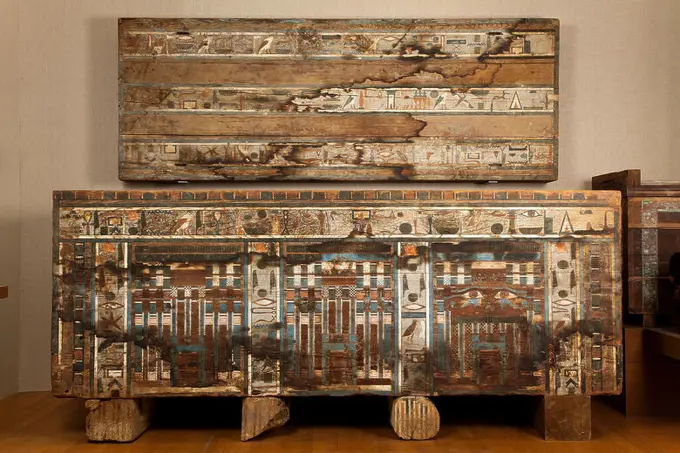
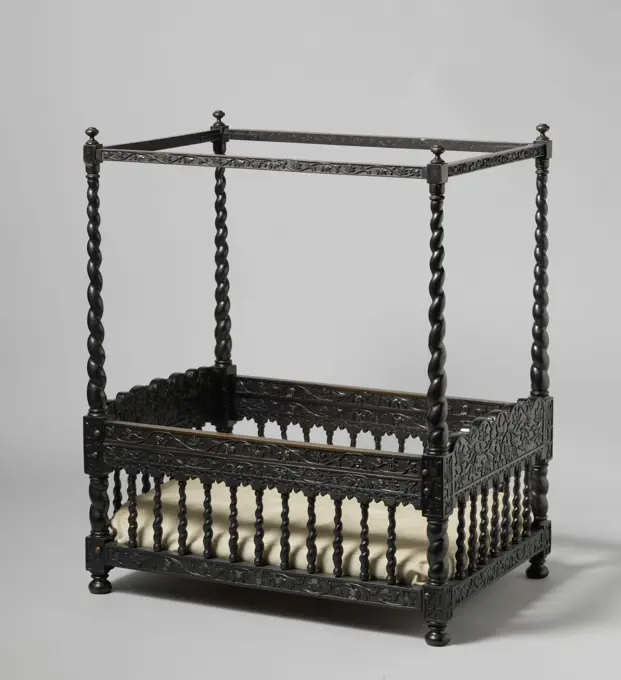
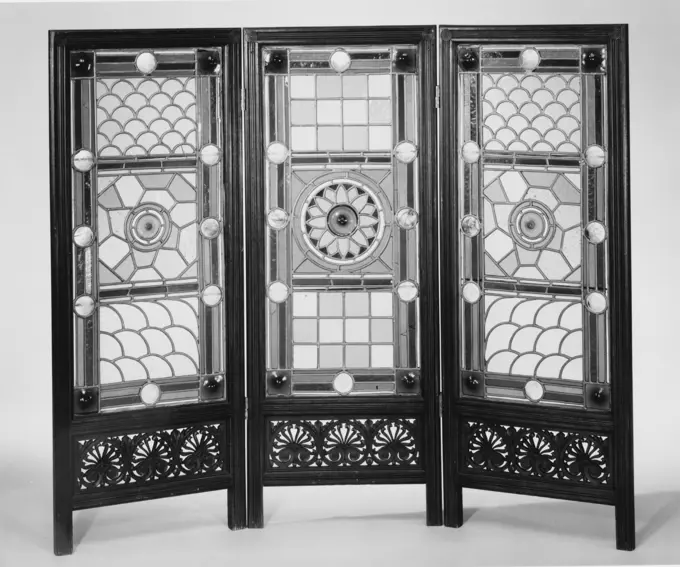
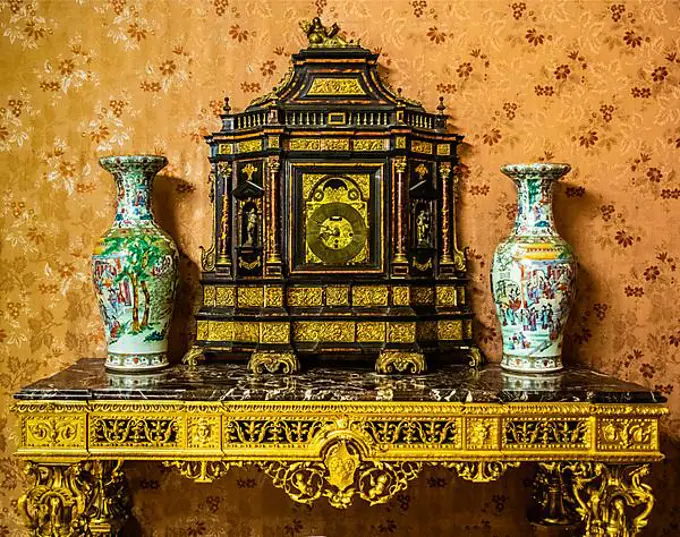
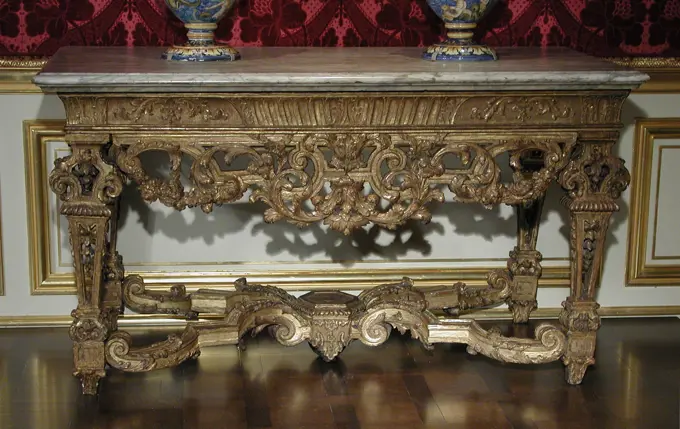
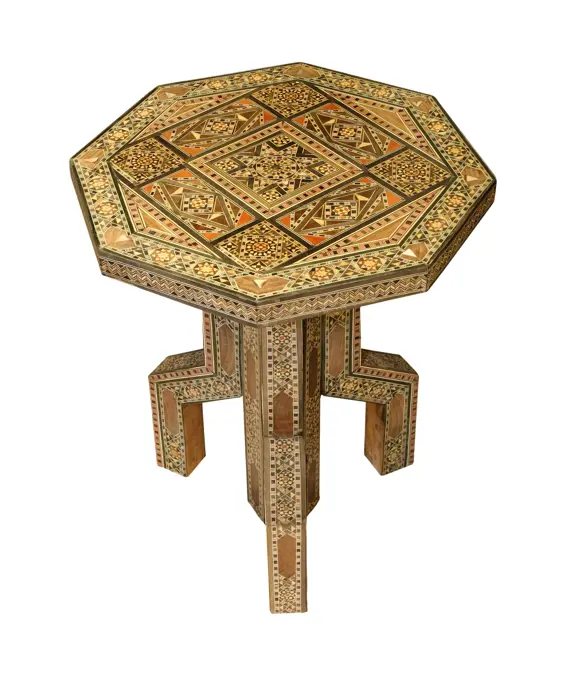
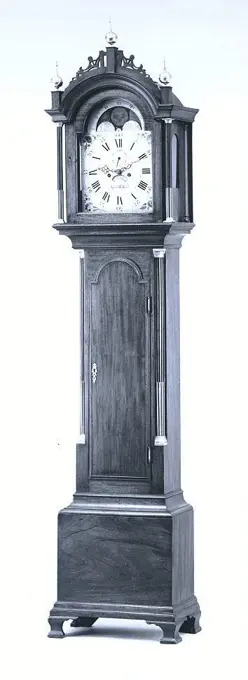
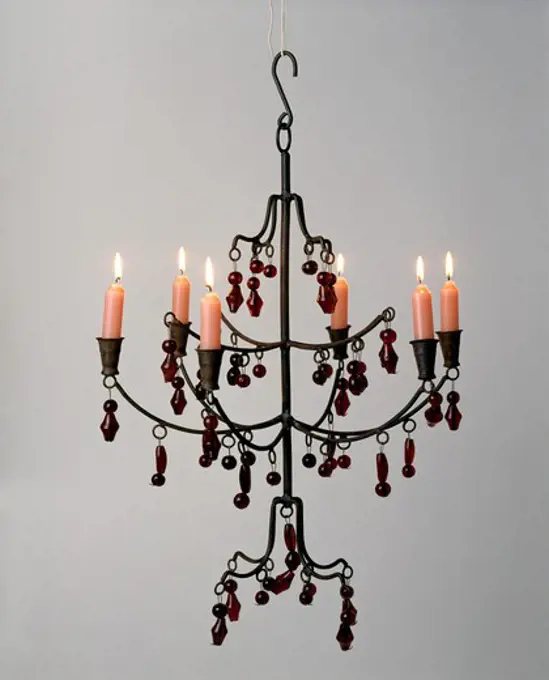
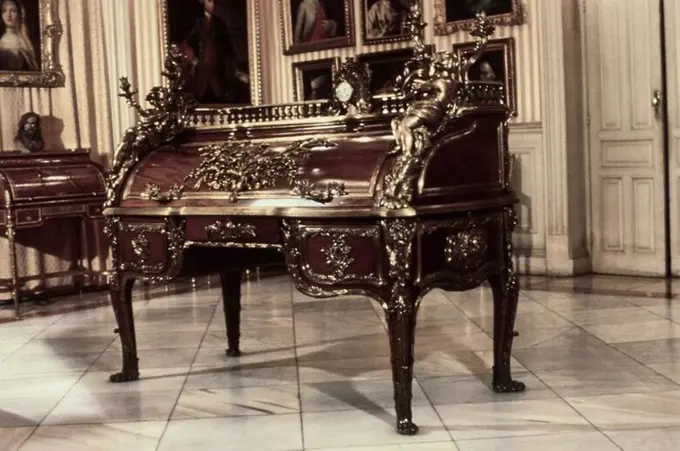
Stacked Side Tables and LampMirror 1720-1730 England. Carved and gilt wood with pewter mounts .Cabinet 1867 Maison Barbedienne Shown at the Paris International Exposition of 1867, this jewel-like cabinet was created by Maison Barbedienne the leading manufacturer of artistic bronzes. When the designer Louis-Constant Sévin joined the firm in 1855, the foundry began to make luxurious furnishings. Eclectic in nature, the cabinets decoration consists of colorful cloisonné enameling, originally a Chinese technique, displaying Near Eastern patterns. Not sold at the time of the Exposition, the cabinet was possibly purchased by William H. Vanderbilt on May 14, 1881 when he visited Barbediennes Paris workshops together with his art dealer George A. Lucas. It was placed in the drawing room of Vanderbilts recently completed New York residence which was one of the most magnificent mansions of the Aesthetic Movement.. Cabinet. French, Paris. 1867. Brass, with polychrome cloisonné enamel; velvet. Tabernacle door from Nuthout. Two corinthian semi-columns on a refreshment base flanking a niche and support the main frame. The fries and the basement are decorated with leaf and floral motifs. Dependent chalice clocks are applied to either side of the semi-columns. The attachment shows a Christ head in the middle within a uivorous medallion, surrounded by leaf raft and flanked by a bird, vase with flame and a cherub head. At the bottom of a cherub above a coat of arms with the coat of arms of Piccolomini.Sideboard (Hepplewhite). Dated: 1935/1942. Dimensions: overall: 22.9 x 29.2 cm (9 x 11 1/2 in.) Original IAD Object: none given. Medium: watercolor, gouache, colored pencil, and graphite on paper. Museum: National Gallery of Art, Washington DC. Author: John Dieterich.Baker's Table. Dated: c. 1937. Dimensions: overall: 22.4 x 30 cm (8 13/16 x 11 13/16 in.) Original IAD Object: overall: 5'long, 31" wide, 27" high. Medium: watercolor and graphite on paper. Museum: National Gallery of Art, Washington DC. Author: Earl Butlin.Intricately carved wooden drawers featuring a dragon motifOttoman art example of Mother of Pearl inlays from IstanbulChest-on-chestArchive cabinet Domkapittel Utrecht, Anonymous, 1500 - 1550 Estate cabinet of oak. Two continuous corner styles and a central style wear four clamped doors on iron cross -rods. The squares obtained by the intersection of the clamps are beamed circles inside the circles. Each pair of doors has two iron ditches with bolts. A tap with a hole is attached to one corner style and a rotating bracket on the other. Inside forty of the original drawers with Gothic Majuskels. Coming from the Domkapittel in Utrecht. Northern Netherlands wood (plant material). oak (wood). iron (metal)   Utrecht Estate cabinet of oak. Two continuous corner styles and a central style wear four clamped doors on iron cross -rods. The squares obtained by the intersection of the clamps are beamed circles inside the circles. Each pair of doors has two iron ditches with bolts. A tap with a hole is attached to one corner style and a rotating bracket on the other. Inside forty of the original drawers with Gothic Majuskels. CLookingglass.   Maker: John Paul Del Vecchio, American, died 1815  Maker: Joseph Del Vecchio, American, 1778-1815Built-in Cabinet. Dated: 1937. Dimensions: overall: 35.6 x 27.9 cm (14 x 11 in.) Original IAD Object: Approx. 10'high; 5'wide. Stands out 3" from wall.. Medium: watercolor, colored pencil, graphite, and heightening on paper. Museum: National Gallery of Art, Washington DC. Author: Marius Hansen.Goldsmith's art, Italy, 15th century. Francesco d'Antonio (active 1440-1453), Reliquary of the arm of Saint John the Baptist.Unknown, Bilbao Wall Mirrors (pair), c. 1800, marble, giltwood, alabaster, and glass.Cabinet. UnknownBronze baptism, Saint, SaintHanukkah lamp, 19th century, 9 1/2 x 5 1/4 x 2 1/4 in. (24.13 x 13.34 x 5.72 cm), Copper alloy, Italy, 19th centurySecretary. Dated: c. 1938. Dimensions: overall: 29.1 x 22.6 cm (11 7/16 x 8 7/8 in.) Original IAD Object: Approx. 67"high; 37 1/8"wide, base; 20"deep. Medium: watercolor, colored pencil, and graphite on paperboard. Museum: National Gallery of Art, Washington DC. Author: Ernest Busenbark.Jewel Casket. Southern Germany, probably Nuremberg, circa 1560. Furnishings; Accessories. Silver gilt, copper, steel, woodfine arts, liturgical objects, ""Bursenreliquar"", circa 1350, Ettenkirch parish church, religious art, religion, christianity, Germany, relic, relics, reliquary, reliquaries, Baden-W™rttemberg, Baden-Wuerttemberg, Baden-Wurttemberg, Baden, W™rttemberg, Wuerttemberg, Wurttemberg, middle ages, medieval,Box early 17th century British One of a set of twelve trenchers (64.101.1579-.1590) and a box (64.101.1591a, b). In center of trenchers are reserves containing moralising inscriptions. See also 64.101.1566-1578a, b, for a set of trenchers and box, probably from the same workshop, inscribed with humorous four-line verses on the relations between married people.. Box. British. early 17th century. Sycamore wood, painted and gilt. Natural SubstancesCassone mid-15th century Italian, Florence Cassone is a term given to costly decorated chests made in Italy from the fourteenth to the sixteenth centuries. Next to the marriage bed, cassoni were cherished in wealthy Renaissance households, for they held clothing, precious fabrics, and other valuables. Often commissioned by the groom, a cassone was prominently carried in the nuptial procession, laden with the dowry of his bride. The central scene apparently shows a different moment of such a wedding parade and is flanked by angels holding shields formerly painted with the couples coat of arms thus referencing the families united. The top was later replaced. The companion cassone is in the Isabella Stewart Gardner Museum. Italian Renaissance workshops produced cassone decorated with front panels displaying episodes from classical or biblical history and mythology, evidently felicitous narratives for the newly married. Other cassone designs featured ornamental and figural carvings and apYale ExaminationTablesWooden minbar, sermon pulpit of Ottoman times isolated on white backgroundColumbus Simpson, Sewing Box, c 1937 Sewing BoxSquare piano. The square pianos that first came into fashion in London in the 1760s were inspired by German examples. The rage for the new’ instrument soon spread to France and a little later, to the Netherlands, Italy, Germany and Spain. The outer appearance of this example suggests Dutch origins, even if the hammer action is in the English style.ARQUETA DE PLATA REPUJADA. Location: COLEGIATA DE LA ASUNCION. Pastrana. Guadalajara. SPAIN.Close-up of a decorative urn on a wooden deskSITIAL GOTICO. Location: INSTITUTO VALENCIA DE DON JUAN-COLECCION. MADRID. SPAIN.Footstool at the throne seat of King Willem III, Gebroeders Horrix, 1842 - 1849  Footstool at throne seat Willem III. On the bench a label: Wed. G. Dorens and Zn. Hofspiegelkoopers, Rokin 56 Amsterdam. Burned in: Palace Amsterdam. There are holes in the upholstery and pieces of gilding are missing. The Hague linden. gilding (material). velvet (fabric weave). gilding  The HagueBox Sofa. Attributed to Duncan Phyfe; American, born Scotland, 1768-1854. Date: 1815-1825. Dimensions: 85.7 × 208.3 × 69.2 cm (33 3/4 × 82 × 27 1/4 in.). Rosewood and gilded wood, with ormolu mounts, die-stamped brass inlay inset with rosewood, brass stringing, and gilt-brass castors. Origin: United States. Museum: The Chicago Art Institute, Chicago, USA.Florence Choate, Piano, c 1936 PianoBrass handle fitting on wooden almira, Jodhpur, Rajasthan, India Copyright: xSafatxAli/DinodiaxPhotoxSide Table. UnknownPair of Globes.Flower design on wooden iron hanging frame, Jodhpur, Rajasthan, India Copyright: xSafatxAli/DinodiaxPhotoxWilliam H Edwards, Dressing Table, c 1939 Dressing TableOuter coffin of Hapiankhtifi. Dimensions: L. 259.3  H. 94  W. 96 cm (8 ft. 6 1/16 in.  37 in.  37 13/16 in.). Dynasty: Dynasty 12. Date: ca. 1981-1802 B.C..The large outer coffin belonging to the steward Hapiankhtifi was found in a pit tomb at Meir. Inside were nested two smaller coffins, one rectangular and the second anthropoid (see 12.183.11b and c.1-.2). The exterior of the outer coffin is decorated with a horizontal band of inscription around the top of the box, and with vertical bands at regular intervals around the sides; the lid is also adorned with long bands of text. These contain offering and mortuary prayers designed to ensure Hapiankhtifi's successful transition to the afterlife and his eternal existence there. A pair of wedjat eyes has been painted at the head end of one of the long sides, so that the mummy, placed on its side within the nest of coffins, could see out. Between the bands of inscription are representations of niches, brightly painted to resemblChilds cot, anonymous, c. 1650 - c. 1700 Ebbenhouten cot resting on Bolpoten. The openwork sides consist of twisted, rejuvenating styles with leaf capital. The getting corner styles between decorated houses with studs, support a removable rectangular window, with twisted, also rejuvenating, corner styles, at the top, between smooth houses with a button connected by decorated rules. The short sides of the bed are corrugated at the top. The rules are decorated with leaf and flower vines on the inside and outside. Batavia wood (plant material). ebony (wood) Ebbenhouten cot resting on Bolpoten. The openwork sides consist of twisted, rejuvenating styles with leaf capital. The getting corner styles between decorated houses with studs, support a removable rectangular window, with twisted, also rejuvenating, corner styles, at the top, between smooth houses with a button connected by decorated rules. The short sides of the bed are corrugated at the top. The rules are decorated with leaf and floNorth America, USA, Georgia, Atlanta.  Display of furniture and pottery at the Atlanta History Center.Firescreen ca. 1880 Attributed to Herter Brothers. Firescreen. American. ca. 1880. Cherry, stained glass. Probably made in New York, New York, United StatesLamp. Culture: American. Dimensions: 26 3/4 x 20 1/2 in. (67.9 x 52.1 cm). Maker: Tiffany Studios (1902-32). Date: ca. 1902-18. Museum: Metropolitan Museum of Art, New York, USA.Landscape with birds. unknown c. 1700-1720 Tapestry Materials/Techniques: unknown Culture: French Weaving Center: Aubusson Ownership History: French & Co. 2 birds amongst flowering plants & trees; meandering river with waterfall leads to building in background; additional buildings on hills in the distance (BRD) border incorporating vases & baskets with flowers & fruit on brackets, acanthus leaves, lambrequins with tassels, tied ribbons & other decorative elements No French & Co. stock sheet in archive, no stock numberMirto palace with authentic decorations and original furniture represents the lifestyle of a wealthy family of the 18th century, Palermo, Sicily, Palermo, Sicily, Italy, EuropePiano Forte. Dated: c. 1936. Dimensions: overall: 22.9 x 29.3 cm (9 x 11 9/16 in.) Original IAD Object: 67" long; 27 7/8" wide; 33 3/4" high. Medium: watercolor, graphite, and pen and ink on paperboard. Museum: National Gallery of Art, Washington DC. Author: Ferdinand Cartier.SCREAM CLACE, Anonymous, 1800 - 1900 Chassis of the medal cabinet. Northern NetherlandsNetherlands wood (plant material). spruce (wood) Chassis of the medal cabinet. Northern NetherlandsNetherlands wood (plant material). spruce (wood)Table late 17th century French With its openwork decoration and X-shaped stretcher, this table bears a resemblance to tables recorded in a set of engraving by Pierre le Pautre (1660-1744) entitled "Livre de tables qui sont dans les apparements du roy sur lesquelles sont posée els bijoux du Cabinet des Médailles.". Table 189462Table Antique coffee table isolated with clipping path included Copyright: xZoonar.com/Baloncicix 7167786Casket 1590-1600 Venice. This casket, or chest, was conceived as a piece of heavenly architecture. Its contents can be glimpsed through 184 panels of hand-cut rock crystal (quartz). Two panels on the lid are engraved with the Latin phrase BONAE MATRIóVTERE FELIX To the good MotheróUse it with luck. According to tradition, Pope Clement VIII employed this and other similar pieces to present blessed linens to the mothers of first-born male children of European royal families.. Rock crystal, ebony, rosewood, walnut, silver gilt, paint, varnish, and glass .Corner chimneypiece, anonymous, c. 1700 - c. 1705 Chimney getting into the form of a corner, from pinewood with a red -marital mantle with profiles and a green painted bosom with mirror, decorated with gilt sculpture. The Hague wood (plant material). spruce (wood). marble (rock). looking glasses. copper (metal) painting / gilding Chimney getting into the form of a corner, from pinewood with a red -marital mantle with profiles and a green painted bosom with mirror, decorated with gilt sculpture. The Hague wood (plant material). spruce (wood). marble (rock). looking glasses. copper (metal) painting / gildingTall CaseClock.   Maker: Aaron Willard, 1757-1844Close-up of lighted candles in beaded black cast-iron chandelierAnónimo francés, siglo XVIII.Mesa escritorio de Maria Leczinska, esposa de Luis XV. Museum: MUSEO LAZARO GALDIANO, MADRID, SPAIN.Old mailbox, Hamburg, Germany, EuropeOld wooden confessional with purple curtain in a church, Venice, Veneto, Italy, Europe