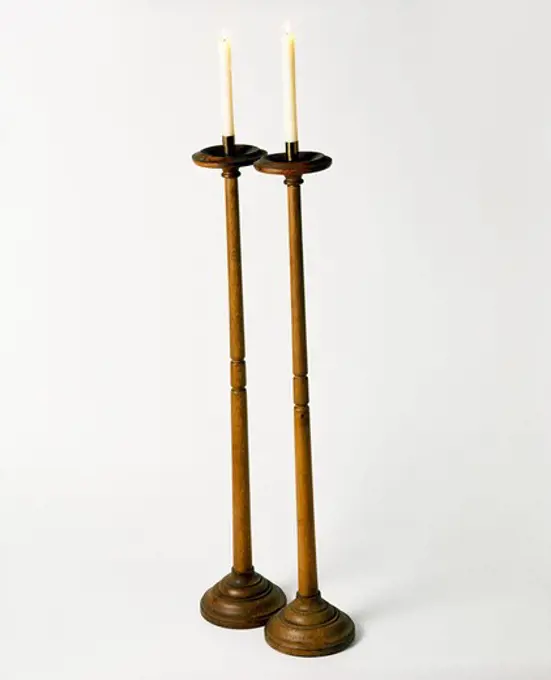
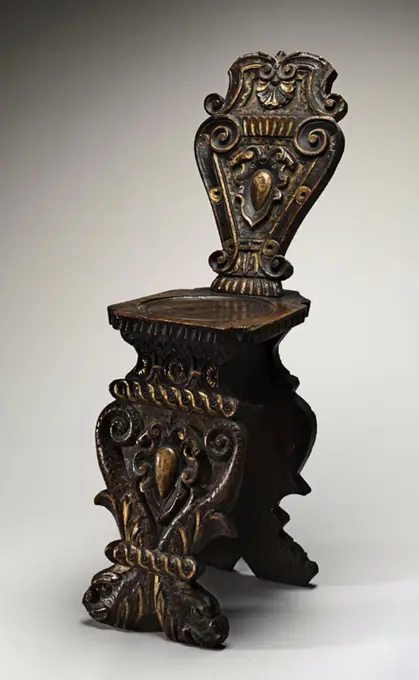
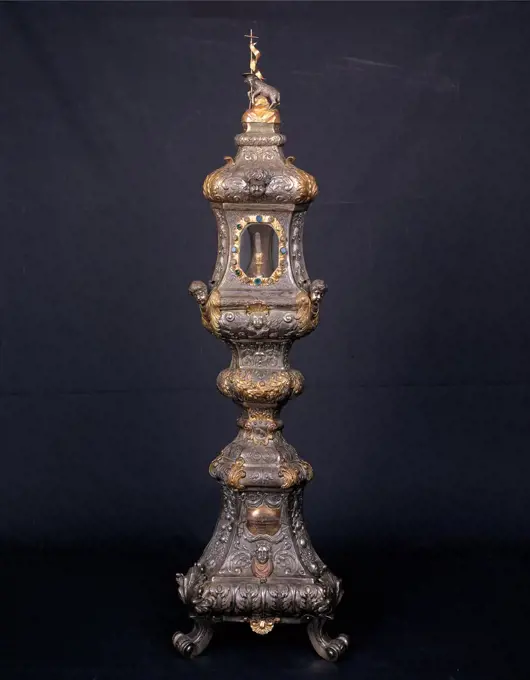
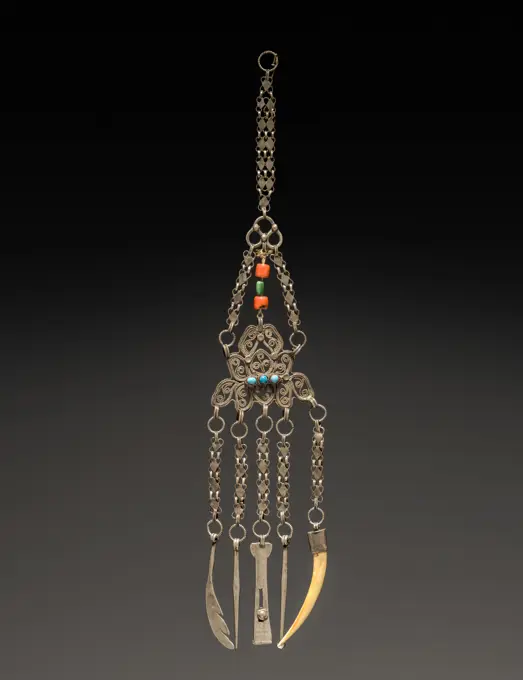
Antique Candlesticks

A collection of decorative candlesticks from various eras, showcasing intricate designs and materials including pewter and silver, highlighting historical craftsmanship.

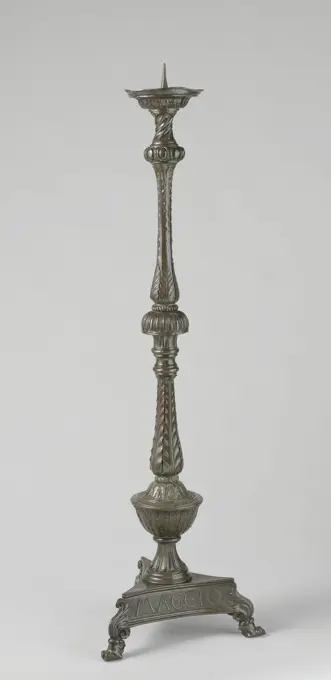
Candlestick, one of a pair, 18th century, 8 1/4 x 4 3/8 x 4 3/8 in. (20.96 x 11.11 x 11.11 cm), Pewter, United States, 18th century
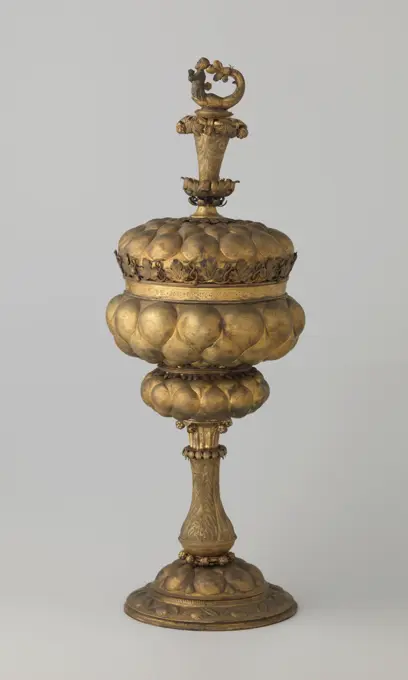
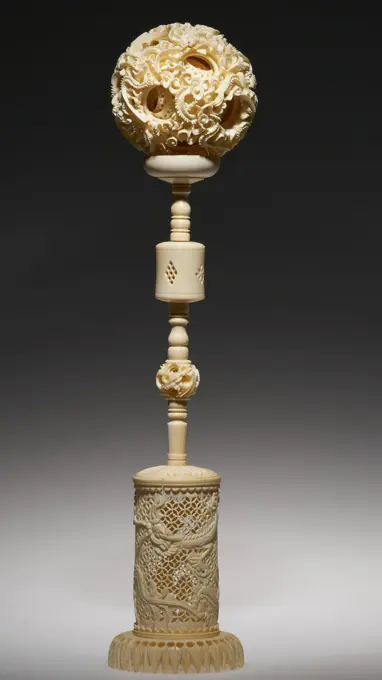
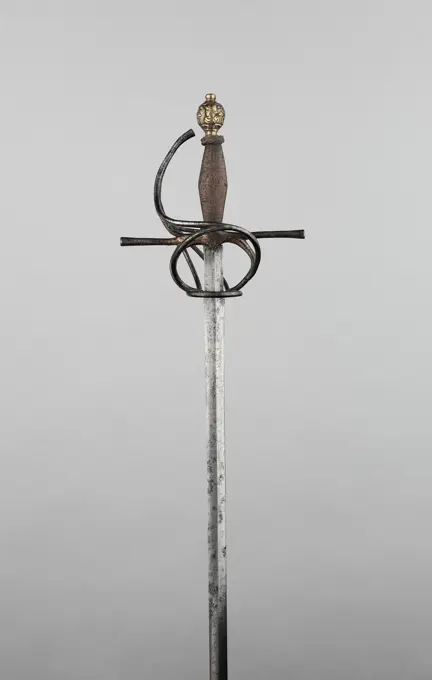
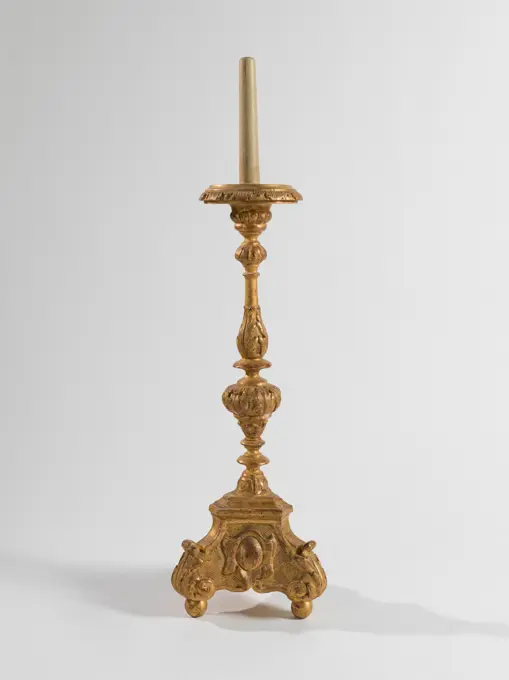
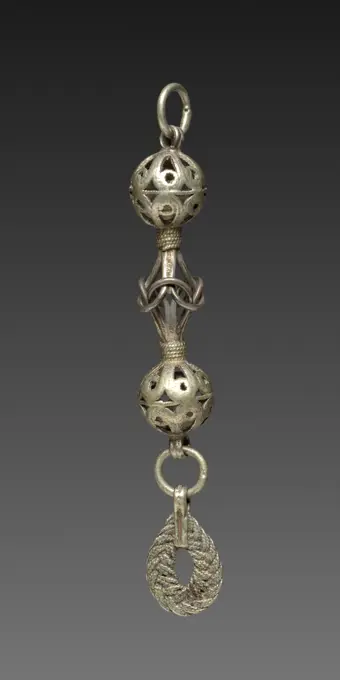
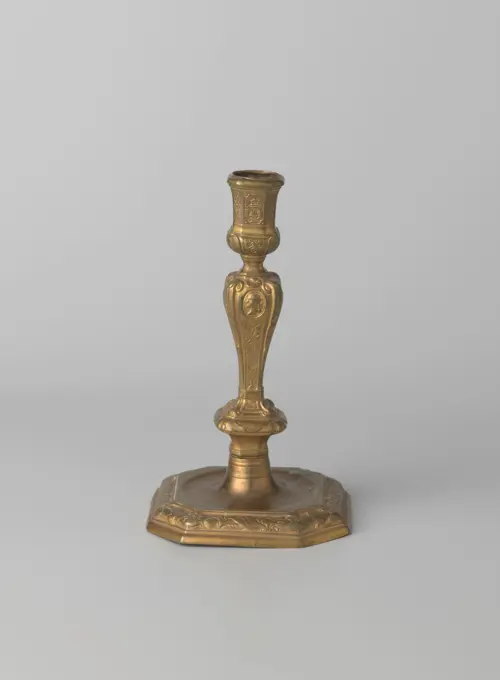
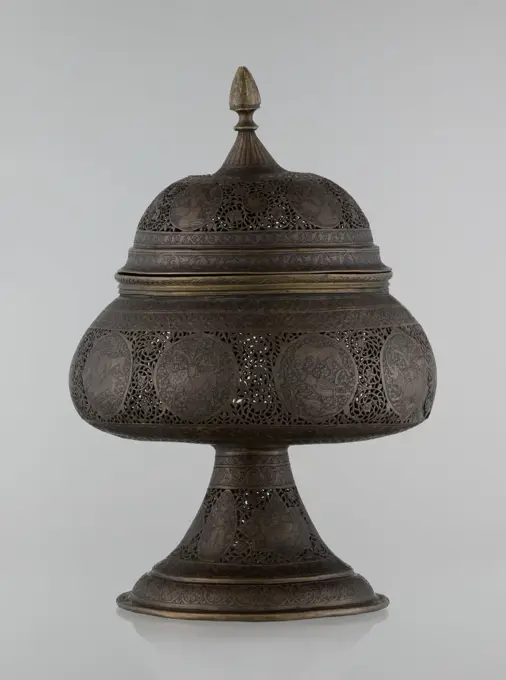
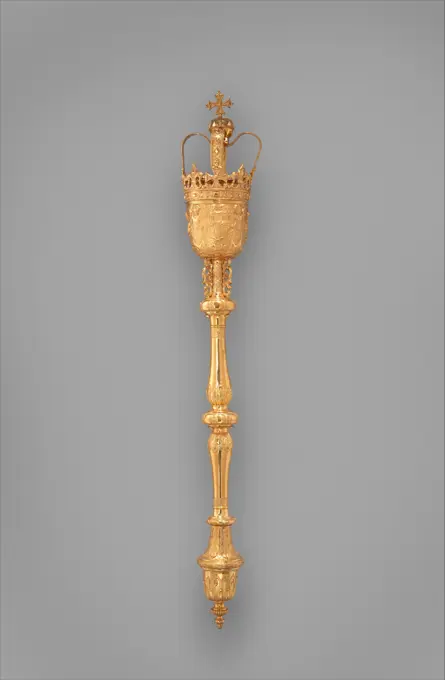
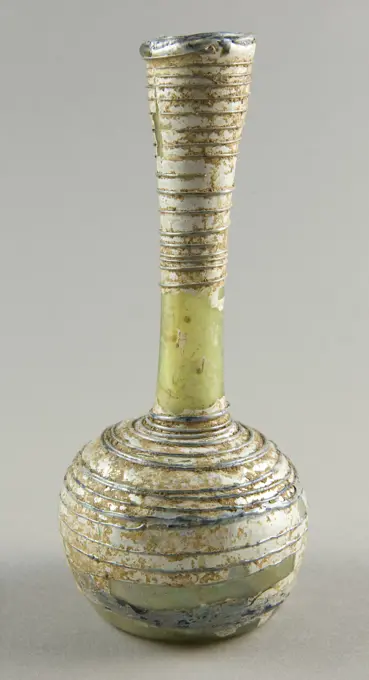
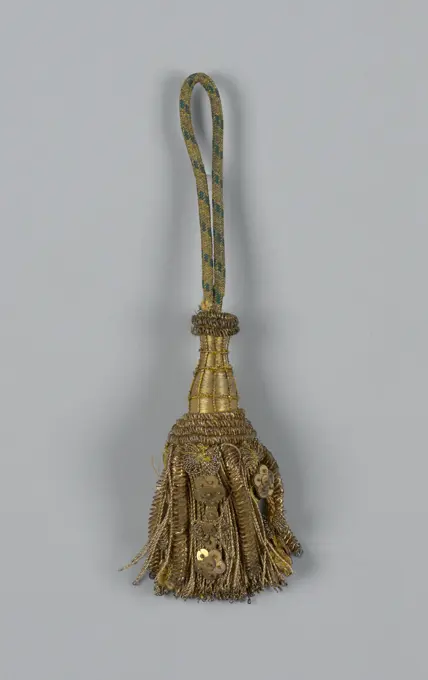
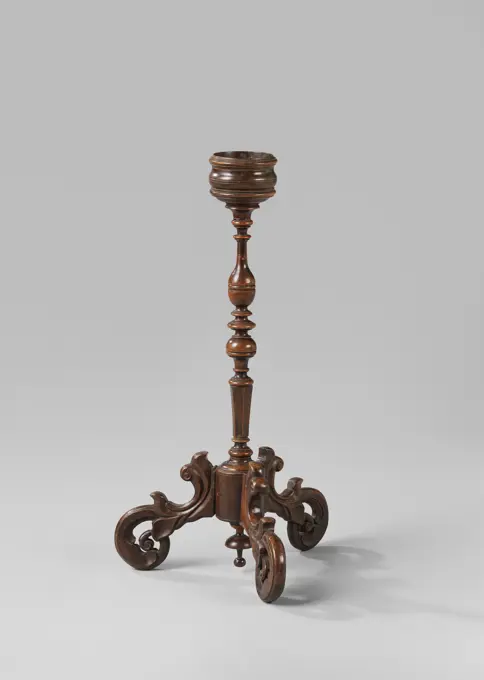
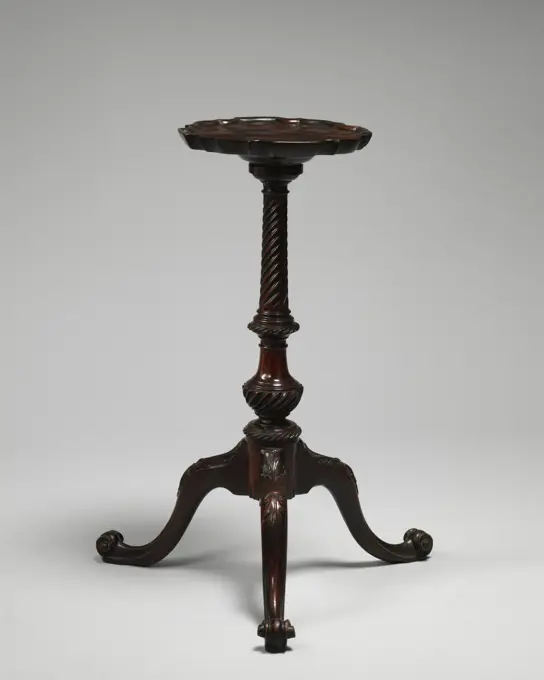
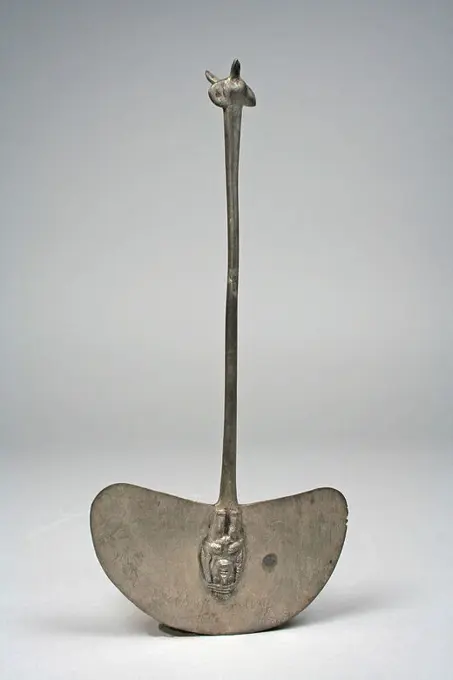
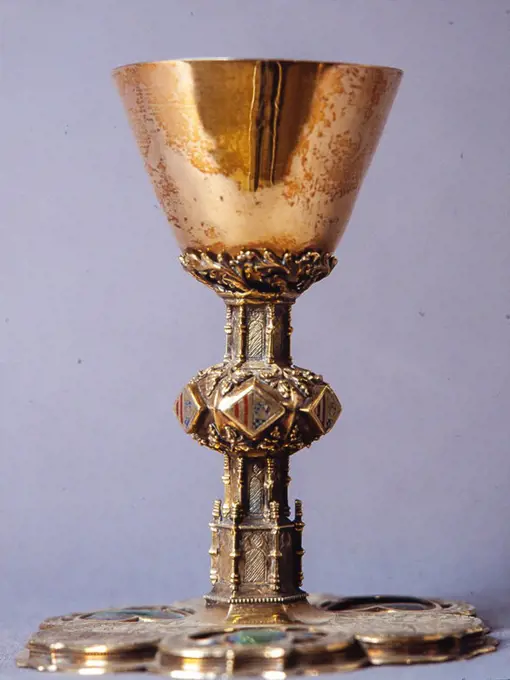
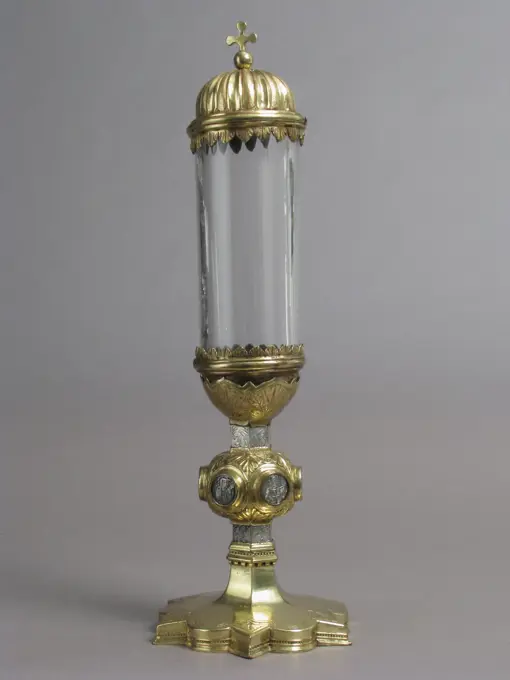
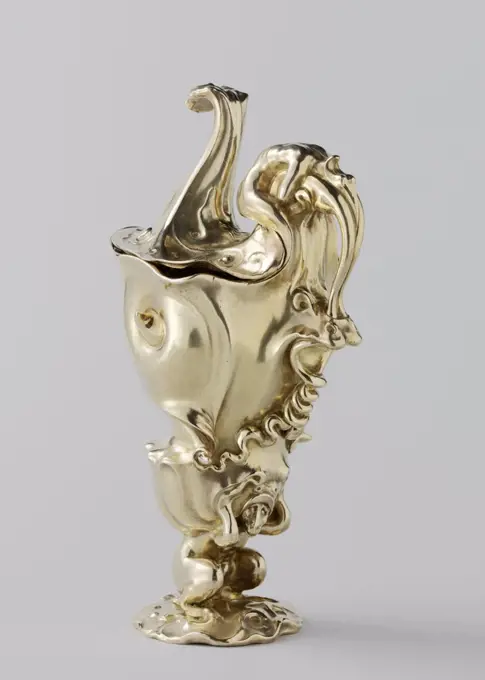
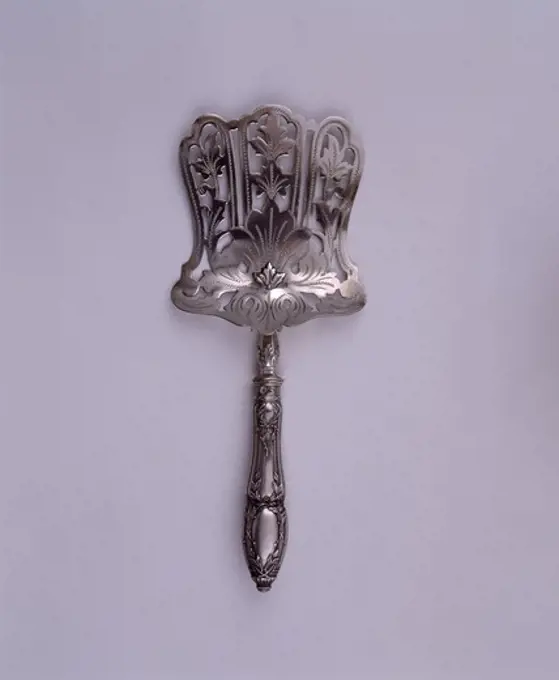
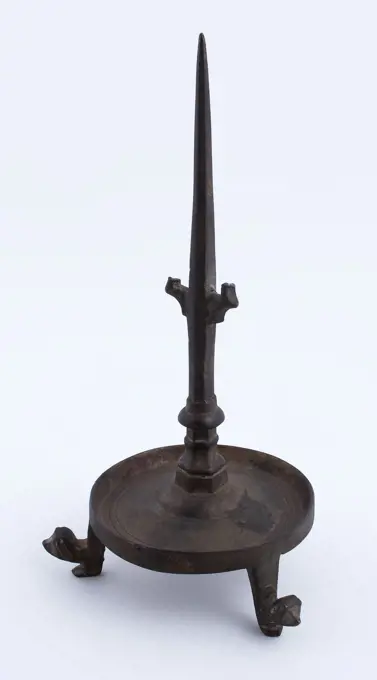
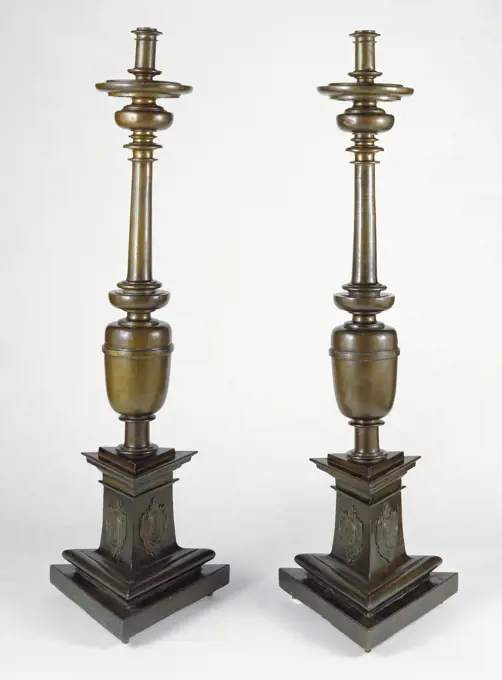
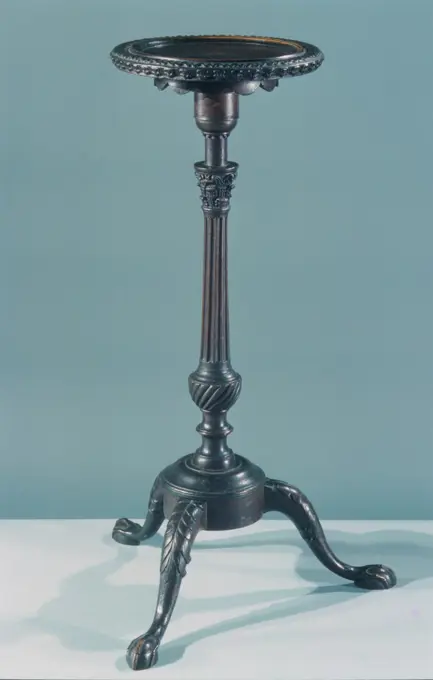
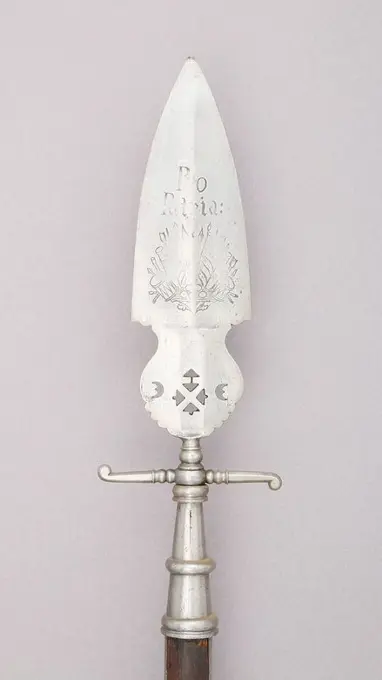
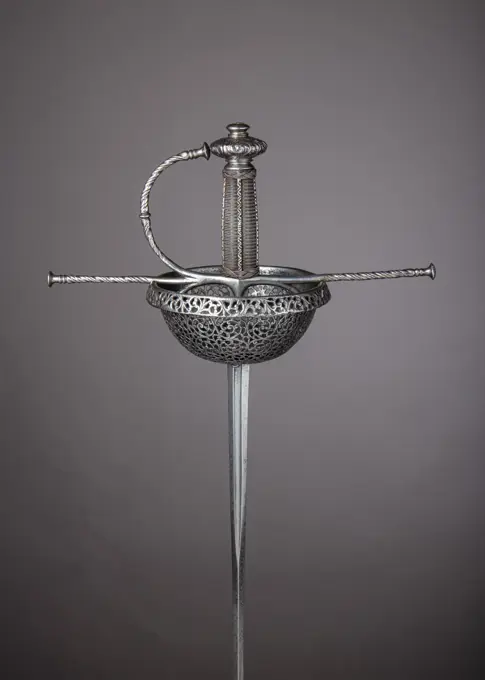
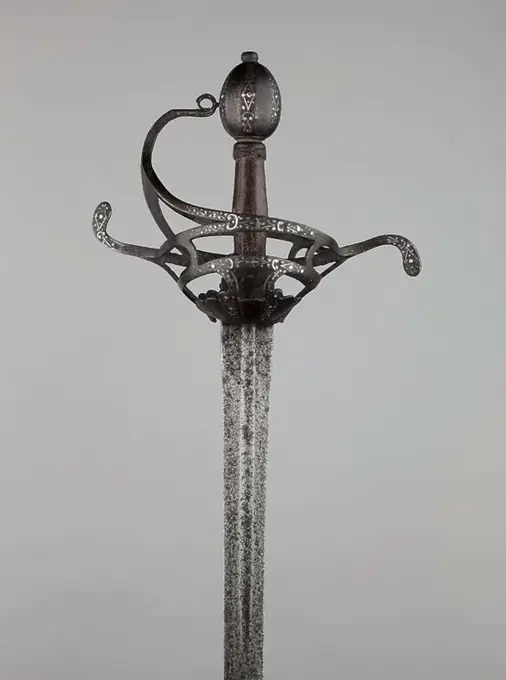
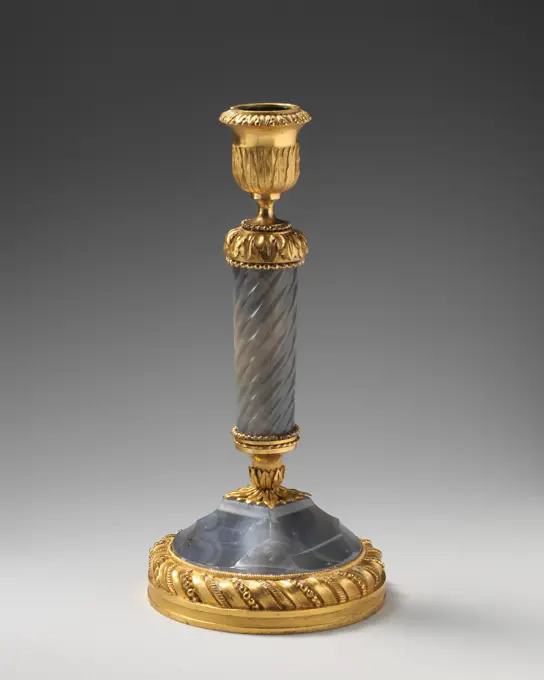
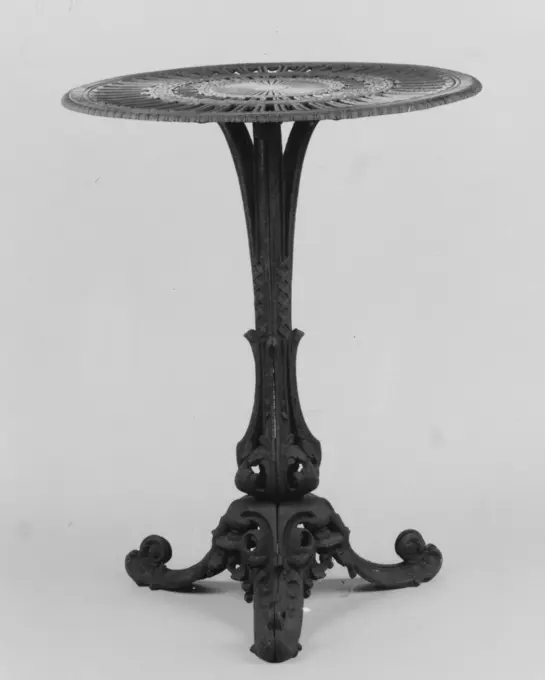
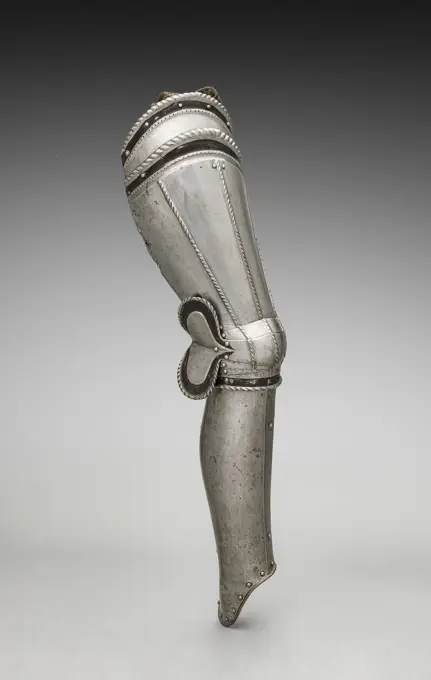
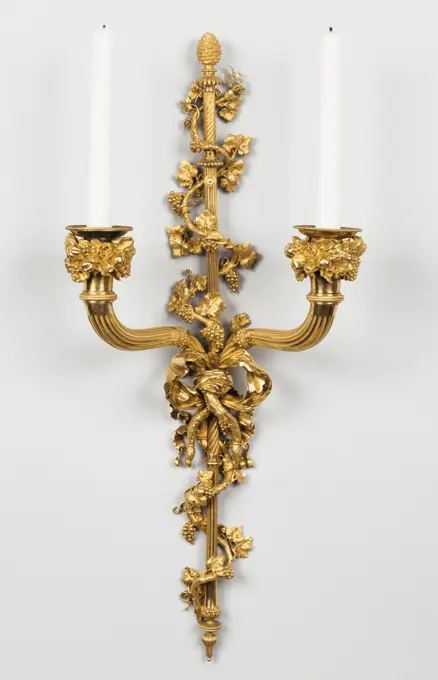
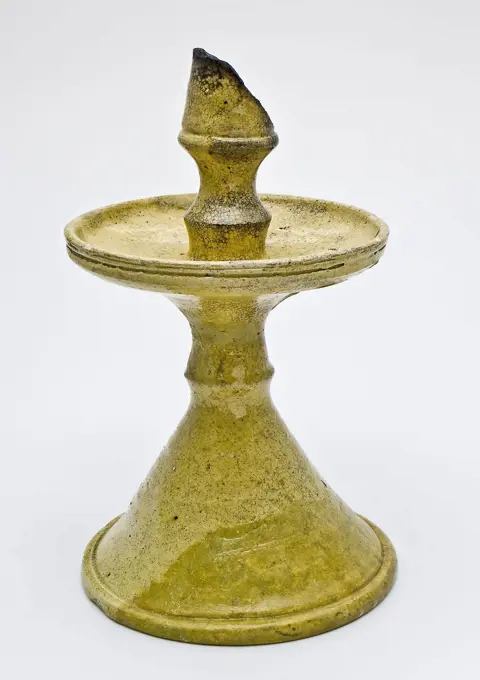
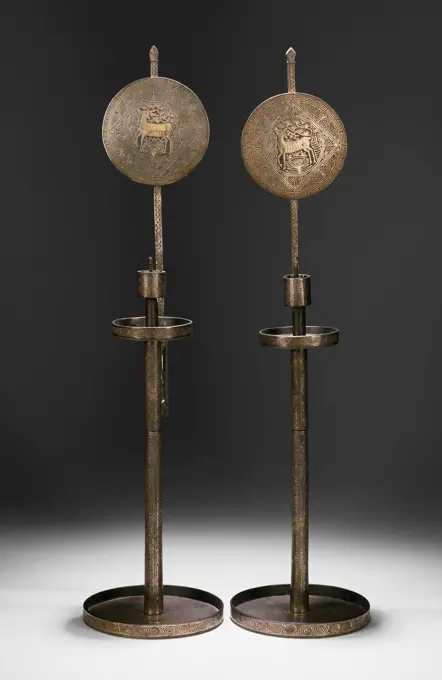
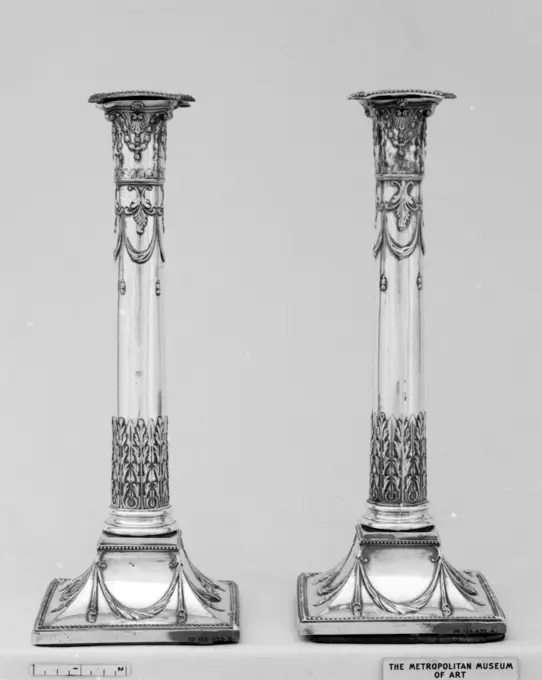
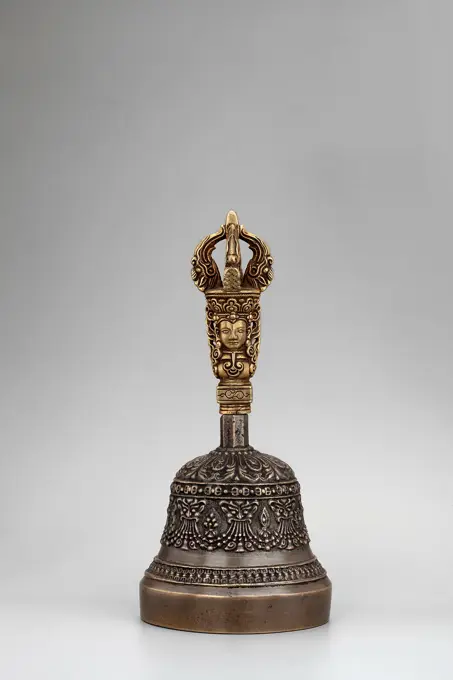
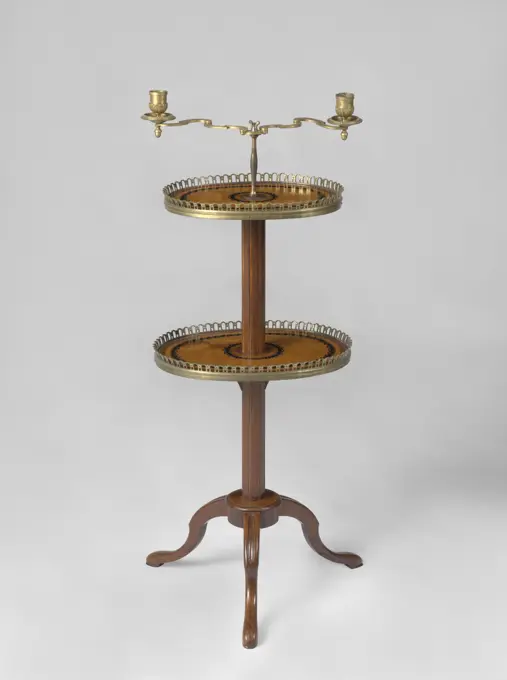
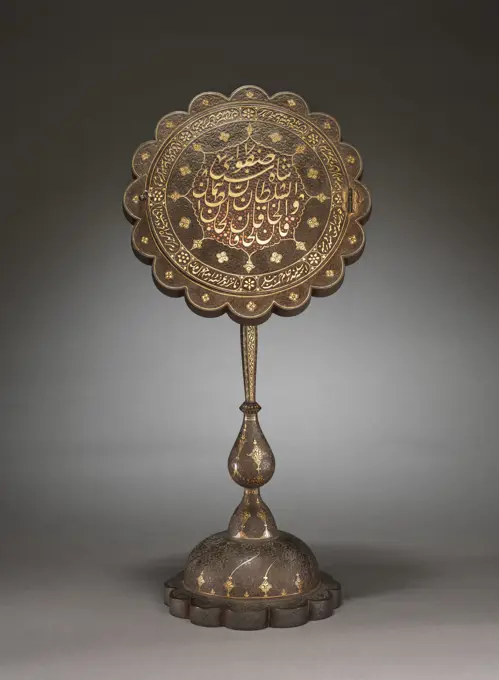
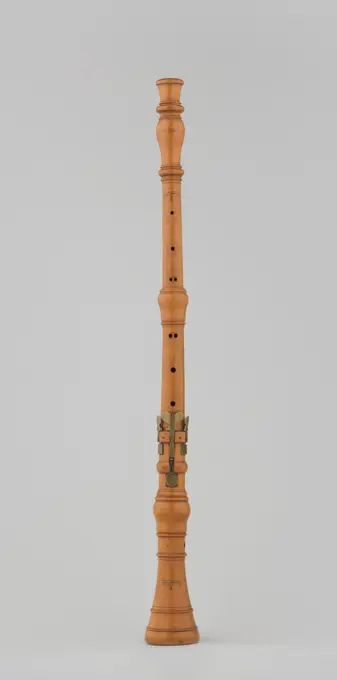
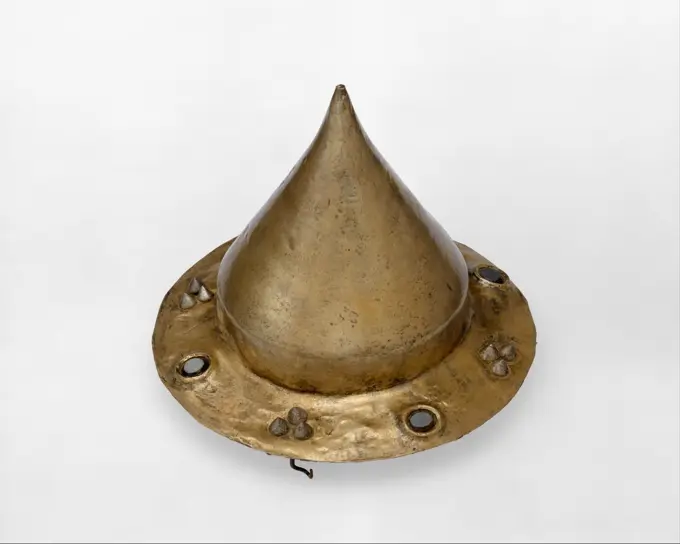
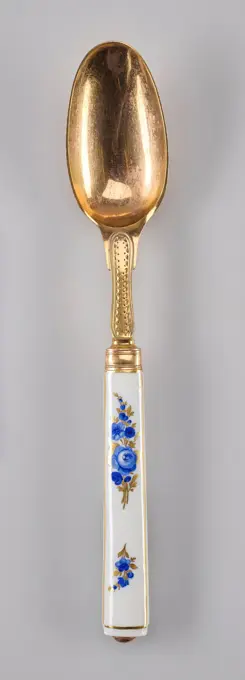
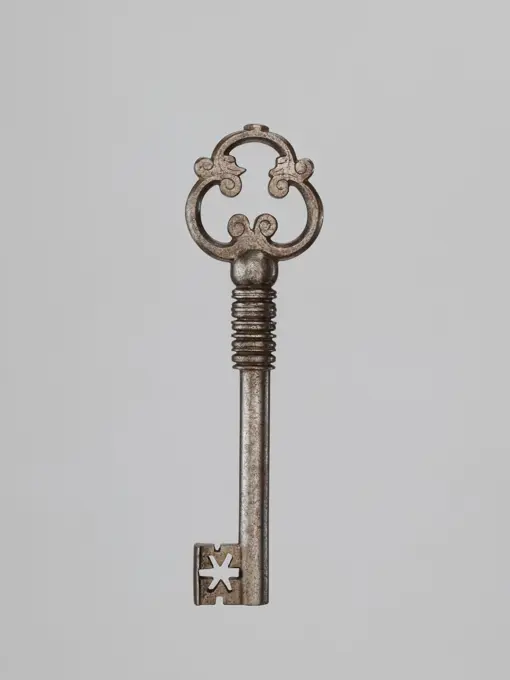
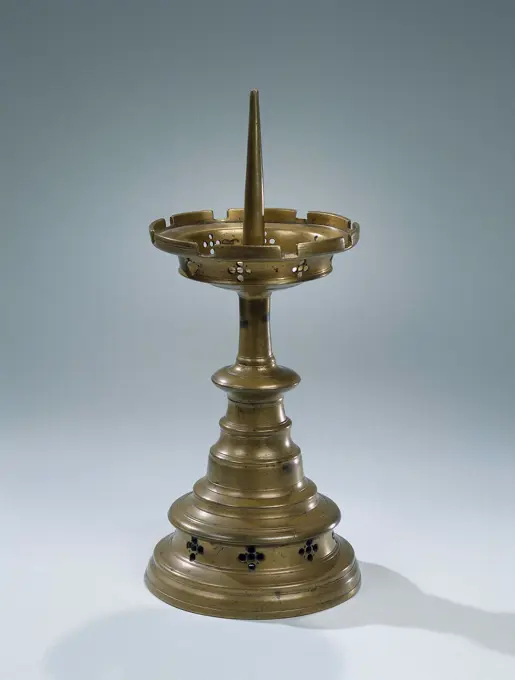
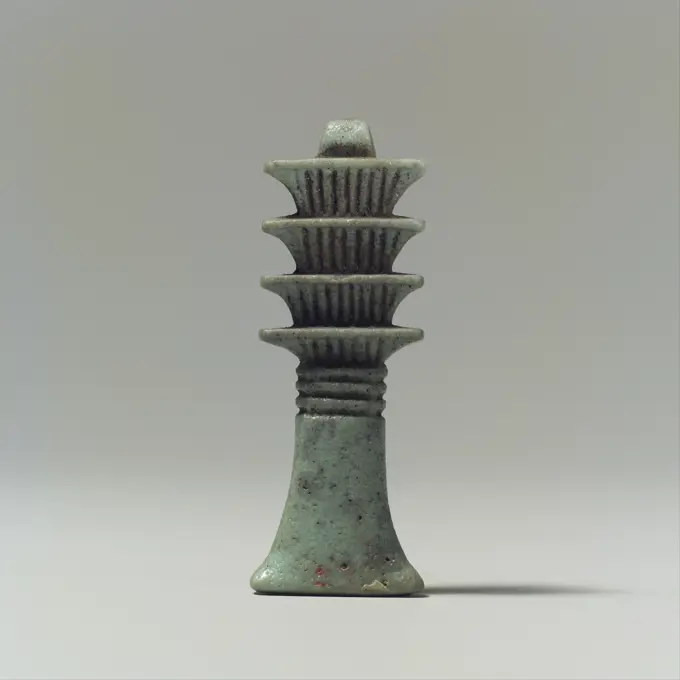
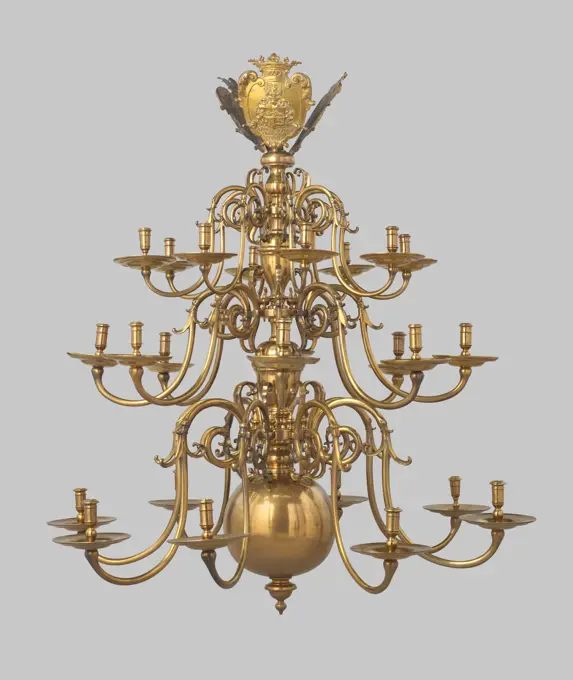
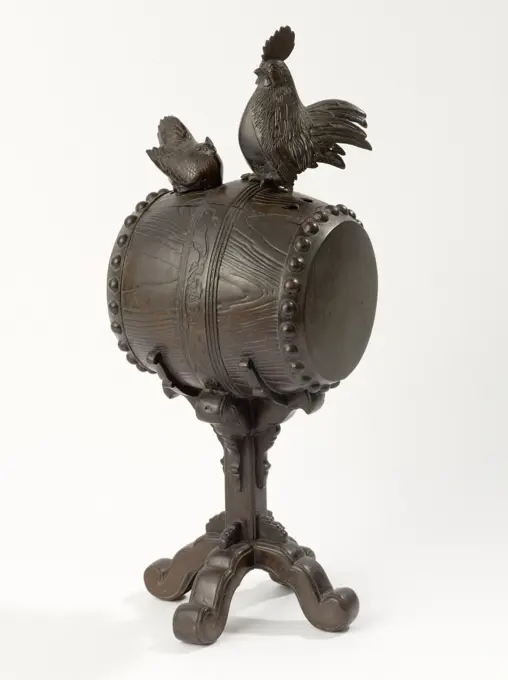
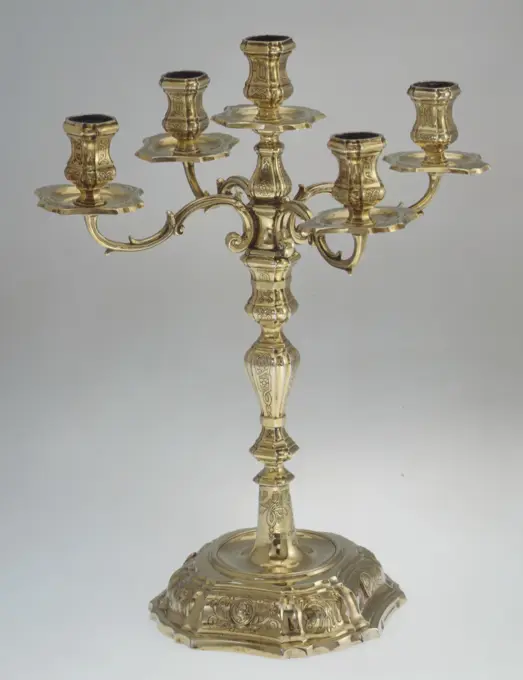
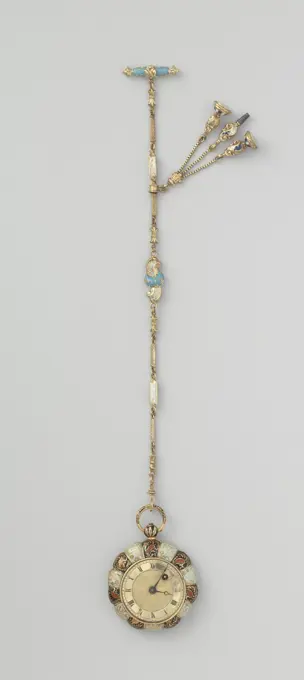
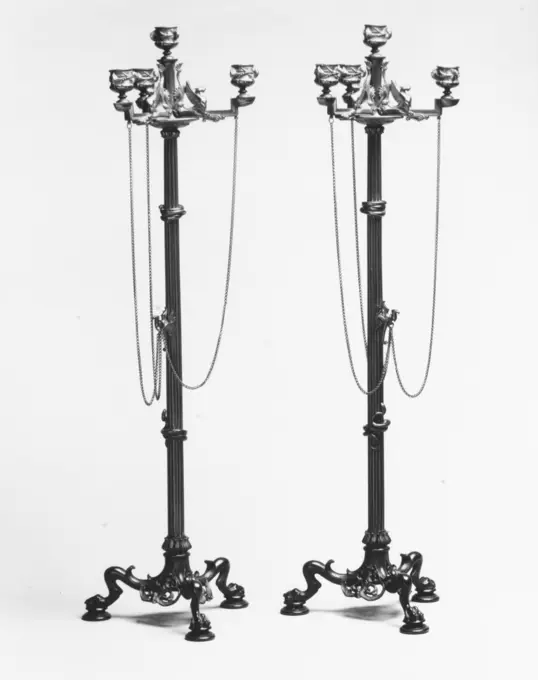
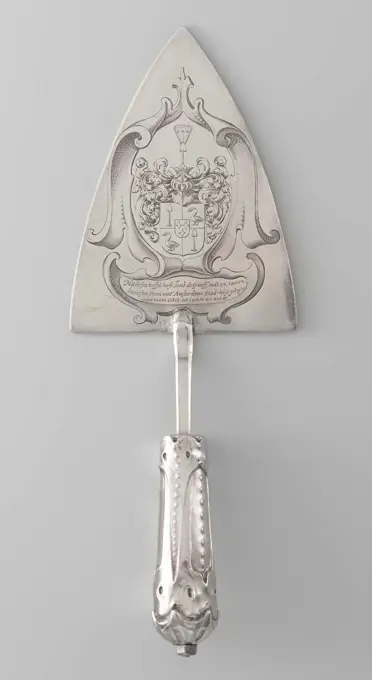
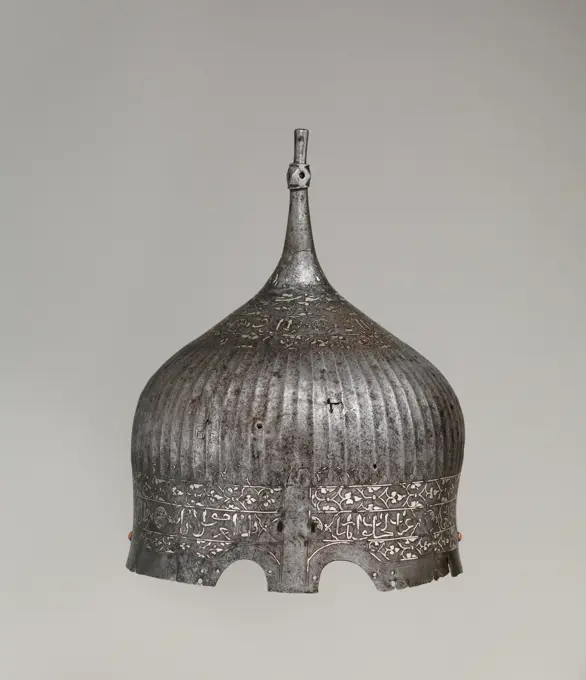
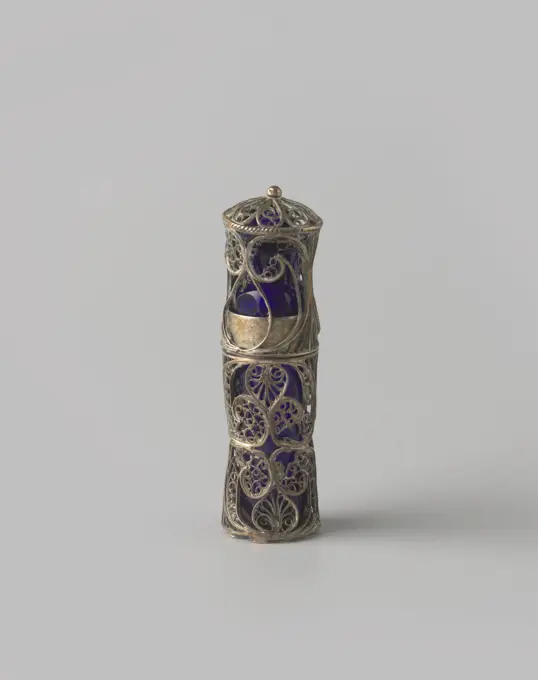
Candlestick, one of a pair, 18th century, 8 1/4 x 4 3/8 x 4 3/8 in. (20.96 x 11.11 x 11.11 cm), Pewter, United States, 18th centuryCandlestick, Andrea del Verrocchio, 1468 - 1469 On a concave, three-sided base with a leg on each corner, formed by a lion's claw, which turns up to an S-Volut with leaf motif, is the baluster-shaped shaft, which ends in a fat catcher with pin. The shaft is formed from bottom to top by a 'vase', the base of which is decorated at the bottom with hanging Godrons, the 'Cuppa' with a rising leaf motif and the 'lid' with a downy leaf motif; A cord -shaped ring, from which five -long, rising leaves spring and above which there are some ring -shaped profiles and a nodus widening upwards with godrons, decorated with grunts at the top; Furthermore, a second cord -shaped ring, from which a leaf with five -page points originates, placed against five elongated leaves, which turn into a thickening with egg list, and a concave, short trunk with twisted cannelures, on which the fat catcher, decorated with an upright leaf motif and profiled edge . On the sides of the base, against a history, in raisedGalvanoplastic Reproductie van de "Cup with Jonas" Uit Het Lüneburg Council, Fa. Vollgold & Sohn, 1533 Galvanoplastic reproduction of a jar of gilded silver, known as the Pocal Mit Jonas of 156. With lid. Berlin copper (metal). silver (metal) gilding Galvanoplastic reproduction of a jar of gilded silver, known as the Pocal Mit Jonas of 156. With lid. Berlin copper (metal). silver (metal) gildingCandlestick (one of a set of eight). Culture: British, London. Dimensions: Overall (confirmed): 11 7/16 x 6 1/8 x 6 1/8 in., 36.438oz. (29.1 x 15.6 x 15.6 cm, 1033g). Maker: Andrew Fogelberg (British, active by 1767-d. before 1815). Date: 1774/75. Museum: Metropolitan Museum of Art, New York, USA.Twisted Colonnet from the Balustrade in the Rolzaal in the Hof van Holland, The Hague, 1511 Column, twisted, from oak. Belonging to the shield carriers already present in the collection (BK-NM-144 and BK-NM-12304) and from the Hof van Holland in The Hague, founded by Karel de Naughty. Northern Netherlands oak (wood). paint (coating) Column, twisted, from oak. Belonging to the shield carriers already present in the collection (BK-NM-144 and BK-NM-12304) and from the Hof van Holland in The Hague, founded by Karel de Naughty. Northern Netherlands oak (wood). paint (coating)Carved, Nested Ball with Stand, one of a pair, 20th century, Ivory, China, 20th centuryFire-Making Tool (LotingSantik). Kandodelaber from silver, on a round foot and decorated with pearl and palm teeth. The three arms are flush-shaped. The trunk is awarded by a pine cone.Land;  beginning of the 19th century (1801-00-00-1900-00-00);Candlestick with two arms. The profiled Konian foot has a raised edge at the top, so that he can also serve as a fat catcher. At the foot the round stem is riveted, which is decorated with three buttons. The upper part of the trunk, which is partially provided with a thread, increases such that it can be used as a candle pin. The transition from the foot to the trunk has been marked by shivering. The two-armed turner has been placed on the trunk, which in the middle has a round hole with a thread that fits that of the shaft. The poor have the form of tripaces. In the round or pointed tapered ends, the candle pins are screwed on the fat catchers. The latter have six tilting and are decorated with six ornaments of three holes every time.Composite Rapier for a Boy Made 1580-1710 Germany. Iron with gilding, steel, brass, wood and copper .Anonymous. "Candelabra". Golden beech. 1700-1800. Paris, Carnavalet museum. 100082-4 FURNITUREButton, 1800s. Balkans(), 19th century. Silver; average: 8.3 cm (3 1/4 in.).Spice container, 19th century, 9 5/16 x 2 5/16 x 2 5/16 in. (23.65 x 5.87 x 5.87 cm), Silver, Austria, 19th centuryRitual Staff (Khatvanga). Culture: China. Dimensions: L. 11 1/8 in. (28.3 cm). Date: 1403-1424.Linear scrolls decorate the handle of this ritual staff (khatvanga), which is thought to quell demons and, by extension, the various obstacles found on one's spiritual journey. The finial of the staff consists of an overflowing vase, a long-standing Indic symbol of abundance, set beneath three heads-one human, one decaying, and one skeletal-which symbolize the inevitability of change and death. Museum: Metropolitan Museum of Art, New York, USA.Hinge to the chest;  XVII century (1601-00-00-1700-00-00);Bronze candlestick on square foot with, among other things, trophies, weapons and musical instruments, anonymous, 1650 - 1700 Polished bronze, ciseled and engraved candlestick on square base with beveled corners. The trunk is four -sided baluster -shaped, with a four -sided, multi -day profiled nodus and decorated on the flat sides with shell ornament, heads in medallions and trophies of weapons and musical instruments. The square candle holder has been chamfered on the corners. See also: BK-NM-12421-B. France bronze (metal) Polished bronze, ciseled and engraved candlestick on square base with beveled corners. The trunk is four -sided baluster -shaped, with a four -sided, multi -day profiled nodus and decorated on the flat sides with shell ornament, heads in medallions and trophies of weapons and musical instruments. The square candle holder has been chamfered on the corners. See also: BK-NM-12421-B. France bronze (metal)Censer;  XVIII/19th century (1790-00-00-1810-00-00);CandlestickMace After an original by Benjamin Pyne Manufacturer Elkington & Co. British 19th century, after 1722-23 original This electrotype is after an eighteenth-century original (1722-23), at time of reproduction owned by the Corporation of the City, Winchester.Cloches (dish covers), coolers, soup tureens, sauceboats, salt cellars, pepper and mustard pots, Jean Baptiste Claude Odiot, c. 1819 Empire double salt barrel, made of gilded silver. On a rectangular base, two women in antique traditional costume are back to a column. They each wear a round barrel with inner tray. Engraved with the weapon of Potemkin. Paris silver (metal). gilding (material) gilding Empire double salt barrel, made of gilded silver. On a rectangular base, two women in antique traditional costume are back to a column. They each wear a round barrel with inner tray. Engraved with the weapon of Potemkin. Paris silver (metal). gilding (material) gildingBottle 301 CE-1000 Syria. Glass, blown technique . Ancient RomanEye container to the eyes;  beginning of the 20th century (1901-00-00-1910-00-00);Tassel (Spain); metallic thread, linen, wood coreMiniature shovel (part of a set). Culture: British, London. Dimensions: Length: 3 5/8 in. (9.2 cm). Maker: Probably George Manjoy (British, active 1685-ca. 1720). Date: 1690-91. Museum: Metropolitan Museum of Art, New York, USA.Partisan ca. 1725 French. Partisan 27020Heart iron with a decoration consisting of the bust of a woman and a sphere, anonymous, c. 1625 - c. 1650 The object consists of three parts -screwed plea -iron parts: the rod, where the wood can be laid, the rods of screw wires, the vertical on the ends of screw wires, to attach the decoration. This consists of four cast, consented and engraved yellow -cutting parts: the base, the trunk, the ball, the button. The base, whose profile is sharply sweating up and out, has two feet decorated with rosettes and in the middle with the bust of a woman. The profiled tribe has a nodus. The ball is smooth. The richly profiled button has three buttons. In a later time, part of the upper vertical iron rod was sawn off and a hole was made with it, on which the confirmation end that can be applied then can be tightened at the bottom of the button. Northern Netherlands brass (alloy). iron (metal) forging / casting / engraving The object consists of three parts -screwed plea -iron parts: the rod, whereDagger (Katar). Culture: Indian. Dimensions: H. 11 13/16 in. (30 cm); W. 3 1/4 in. (8.3 cm); Wt. 12.4 oz. (351.5 g). Date: 18th century. Museum: Metropolitan Museum of Art, New York, USA.Kwispoor van Hout on articulated tribe. Spittoon. The tribe articulated with rotation rests on three nozzles places in the form of volutes. The trunk rests on the trunk, which offers space on a silver inner bin.Ritual Spoon (Bi) late 9th-early 8th century B.C. China. Ritual Spoon (Bi) 61157Candlestand ca. 1755 British. Candlestand. British. ca. 1755. Mahogany. Woodwork-FurnitureKnife, Figures. Culture: Quechua (). Dimensions: Overall: 4 1/2 x 7 7/8 in. (11.43 x 20 cm)Other: 4 1/2 in. (11.43 cm). Date: 16th-18th century. Museum: Metropolitan Museum of Art, New York, USA.Kandelaar, part of an ensemble, Hoeker & Zoon company, 1891 Silver candlestick, part of an ensemble Amsterdam silver (metal) Silver candlestick, part of an ensemble Amsterdam silver (metal)Cáliz de la reina María de Luna, 1396-1406, plata cincelada y esmaltada, 20,3 x 15,9 x 16,4 cm. Museu Nacional d'Art de Catalunya.Reliquary 16th century Italian. Reliquary 464175 Italian, Reliquary, 16th century, Copper-gilt, silver, rock crystal, Overall: 14 15/16 x 5 1/2 in. (38 x 13.9 cm). The Metropolitan Museum of Art, New York. Gift of J. Pierpont Morgan, 1917 (17.190.2106)Candlestick, Marble, gilt bronze, White marble candlestick (a), the urn shaped nozzle with removeable ormolu leaf collar (b), on fluted columnar shaft with ormolu stops; capstan base with leaf tip and bead molding., France, late 18th century, lighting, Decorative Arts, CandlestickLidded ewer, Adam van Vianen (I), 1614Close-up of tall, narrow wooden candle-sticks with lighted white candlesWalnut Stool (Sgabello), Carved and Gilded. Dated: c. 1540/1560. Dimensions: overall: 31.1 x 99.1 x 49.9 cm (12 1/4 x 39 x 19 5/8 in.). Medium: gilded walnut. Museum: National Gallery of Art, Washington DC. Author: Italian 16th Century.Gauntlet Sword (Pata) 18th century Indian, South Indian. Gauntlet Sword (Pata). Indian, South Indian. 18th century. Steel, brass. SwordsReliquary for St John the Baptist's right index finger, by Florentine Artist, 1698, 17th Century, embossed casting silver. Italy: Tuscany: Florence: Opera di Santa Maria del Fiore Museum. Whole artwork. Reliquary finger index gold gems decorations enamels precious stones cross Agnus DeiGeorges Burrows I, Caddy Spoon, 1799/1800, silver.Chatelaine with Toilet Articles, 1800s. Tibet (or Nepal), 19th century. Silver with semi-precious stones; overall: 29.9 cm (11 3/4 in.).Ewer (Germany); pewterClose-up of ornate silver slicerLouis XVI Style Candle Bracket, c. 1775-1790. France, style of Louis XVI, 18th Century. Gilded bronze; overall: 41.9 x 28 x 14 cm (16 1/2 x 11 x 5 1/2 in.).Candlestick with drip tray on three legs, with animal head and ring decorations, marked, candlestick candlestick lighting means bottomfound bronze, to tray 21,0 legs, cast Candlestick with drip tray on three legs Animal decoration and ring decoration in drip tray. Marked at the bottom with incised letter(s). On the legs stylized lion heads mark on the bottom: k inc inscribed IR also archeology Rotterdam City Triangle Groenendaal underground pit illuminate evening night candle Soil discovery: underground pit Rotterdam Groenendaal.Pair of Candlesticks; about 1650 - 1670; Bronze;Vase China. Vase 61208Child on swing. On an elongated album there is a swing on which a woman is sitting. A diamond pattern is engraved in the plate. The image is marked with twice a dolphin and a master's sign.Stand 1778-81 American Certain features of this stand are peculiar to furniture made in the Norwich area of Connecticut. The idiosyncratic knee carving, a symmetrical arrangement of flat, overlapping leaves, the bottom ones extended on the sides in high-relief scrolls, and the fluted colonette with carved Corinthian capital are features found on other furniture credited to Norwich.. Stand 1180Pedestal with Squatting Bear Made 206 BCE-220 CE China. Earthenware with molded decoration .Vase 19th century Italian, Venice (Murano). Vase. Italian, Venice (Murano). 19th century. Glass. GlassSpontoon. Culture: German. Dimensions: L. 86 in. (218.4 cm); L. of head 14 1/8 in. (35.9 cm); W. 4 1/2 in. (11.4 cm); Wt. 3 lbs. 2.6 oz. (1434.5 g). Date: ca. 1700. Museum: Metropolitan Museum of Art, New York, USA.Side chair (sgabello, pair with 1975.1.2038) possibly 19th or early 20th century (with reused footborads, possibly 16th or 17th century) Italian. Side chair (sgabello, pair with 1975.1.2038). Italian. possibly 19th or early 20th century (with reused footborads, possibly 16th or 17th century). Walnut, carved.. Woodwork-FurnitureCup-Hilted Rapier ca. 1650 Spanish or Italian, Brescia The rapier was the principal civilian sidearm throughout the sixteenth and seventeenth centuries. Designed for cut-and-thrust fencing of progressively complex techniques, the rapier is characterized by a double-edged blade with an acute point and an elaborate guard for the hand. The guards, usually of iron or steel, were subject to a variety of embellishment. They were engraved, chiseled, gilded, damascened, and encrusted in gold and silver in keeping with fashionable styles. Unless otherwise noted, the materials, attributions, and dating given here refer to the hilts. Rapier blades, invariably of steel, bear a variety of makers marks denoting their origin in the two principal centers of blademaking, Toledo in Spain and Solingen in Germany.. Cup-Hilted Rapier. Spanish or Italian, Brescia. ca. 1650. Steel, wood. Brescia, Lombardy. SwordsBasket -shaped dish; Kinkôzan, Sôbei VII (1867-1927); 19th/20th century (1891-00-00-1910-00-00);Candle crown of two heights with eight arms of yellow copper. Candle crown of two heights with eight arms of yellow copper. The arms are decorated with lobe ornament and dolphin heads. Under the bulb a small button with the inscription: Hendrick Scholten 1650.Rapier. English. Date: 1620-1640. Dimensions: Overall L. 104.1 cm (41 in.). Iron, steel, and silver. Origin: England. Museum: The Chicago Art Institute, Chicago, USA.. Image of cast silver, representing the holy Leonardus with staff, broken buoy and chain. The figurine is on a high, lined up with threaded tube.Halberd of the Personal Guard of Joseph Napoleon as King of Spain (1808-1813) ca. 1805 French. Halberd of the Personal Guard of Joseph Napoleon as King of Spain (1808-1813) 25923Candlestick (one of a pair) ca. 1775-1790 Probably French Since ancient times, cut and polished chalcedony was very much sought after and used for jewelry and precious objects. The semi-transparent stone was believed to have apotropaic powers. It is possible that the facetted pieces used in the present examples have been re-cut from older objects to create these stylish neo-classical objects.. Candlestick (one of a pair). Probably French. ca. 1775-1790. Pale blue chalcedony, gilt bronzeAttachment of a triangular salt barrel, awarded by the personification of hope. Attachment associated with triangular salt barrel of gold-plated silver: see further description at BK-1988-15-A.Garden Table ca. 1860. Garden Table 3873Rosewater Sprinkler (Gulab Pash) late 18th century. Rosewater Sprinkler (Gulab Pash). late 18th century. Silver; surface partially gilt. Made in India, probably Lucknow. MetalRight Leg, 1801-1900. Germany, 19th century. Steel with black paint; overall: 27.3 x 33 cm (10 3/4 x 13 in.).Set of four wall lights.Application;  18th century (1701-00-00-1800-00-00);Arrow Point, 1700s. Japan, Edo period (1615-1868). Steel; overall: 24 cm (9 7/16 in.); head: 7.6 cm (3 in.).Yellow earthenware candle holder, candleholder soil found ceramic earthenware glaze, hand-turned glazed baked Candle holder or candleholder of white baking clay completely covered with lead glaze. Yellow pottery. High foot in the form of an inverted funnel. Drip tray with groove over the outer circumference of the edge. Conical holder for the candle Traces of use archeology Rotterdam Heliport terrain illuminate evening night sleep transport Soil discovery: Heliport site Rotterdam June 1978.Candle Stick. Korea, Joseon (1392-1910), 19th century. Furnishings; Lighting. Iron with silver wire inlayCandlestick with three arms. The candlestick consists of the following poured and scilated parts: the base, the strain and middle fat catcher, which are cast in one whole, the two soldered arms, each of which are composed of two arms, nodus and the fat catcher, the three substantial at The stake of unprofilated candles pins. The trunk has two nodi and is decorated with fine grooved rings. In this way the particularly profiled fat catchers.Candlestick (one of a pair) ca. 1775-80 British. Candlestick (one of a pair). British. ca. 1775-80. Sheffield plate. Metalwork-SilverplatePricket Candlestick 16th-17th century European, possibly Spanish or French. Pricket Candlestick. European, possibly Spanish or French. 16th-17th century. Iron. Miscellaneous-Ironwork. Small arm of candles wreath.. Small arm of candles wreath.BOKEK;  2 after. XVII century (1675-00-00-1700-00-00);Bell. unknown, craftsmanCross thorough; Unknown Ethiopian workshop (1400-1970); 20th century (1801-00-00-1978-00-00);deposit of Wacław Korabiewicz, crosses, Ethiopian crosses, hand crossesTable, decorated with marquetery and standing on three broken S-shaped, ray-ranking feet, with cylindrical intersection and with grooves decorated trunk. With two oval sheets with gilded bronze edge, Roger Lacroix, c. 1770 - c. 1775 Table decorated with marquetery of satin, rosewood and ebony on oak core. Three broken S-shaped, rayed feet wear on a cylindrical intersection of the round, with grooves decorated, trunk. Oval blades are applied to half and on top, which show edges with circular scoops in Marqueterie and wear a gilded bronze edge with gallery around. In the middle of the tribe an adjustable steel rod with two gilded bronze, fold -out candle arms. Paris wood (plant material). oak (wood). satinwood (wood). rosewood (wood). ebony (wood). iron (metal). bronze (metal) gilding Table decorated with marquetery of satin, rosewood and ebony on oak core. Three broken S-shaped, rayed feet wear on a cylindrical intersection of the round, with grooves decorated, trunk. Oval blades are apMirror Stand, 1800s. Iran, Qajar Period, 19th Century. Steel engraved and inlaid with gold and silver with openwork calligraphic design on hinged door; diameter: 25.5 cm (10 1/16 in.); overall: 52.5 cm (20 11/16 in.); diameter of base: 18.6 cm (7 5/16 in.).Oboe, Jan Steenbergen, c. 1700 - c. 1730 Hobe of Palmhout with three brass valves. The third and fourth gap are double. There are two holes in the cup. Marked on all parts: I: Steenbergen (in a roll) / Fleur de Lis. Amsterdam boxwood. brass (alloy) Hobe of Palmhout with three brass valves. The third and fourth gap are double. There are two holes in the cup. Marked on all parts: I: Steenbergen (in a roll) / Fleur de Lis. Amsterdam boxwood. brass (alloy)Shield Boss late 4th century Western European, Gallo-Roman (found in Vermand, France) This boss, or umbo, was originally attached over a hole in the center of a circular or oval wooden shield and protected the hand of the person holding it. The shield was carried by the grip (accession number 17.192.142a-c), which was riveted across the hollow center of the shield on the inner side. These objects come from the tomb of a military official in Vermand, France, an area known in the fourth century as Gaul, which was then a province of the Roman Empire. Other finds from the same tomb, including a belt buckle, a decorative plaque, and the fittings from a spear shaft, are displayed in one of the Metropolitan Museums galleries of early medieval art.. Shield Boss 35771Spoon, from a flatware dessert service, 18th century, Meissen Porcelain Factory, Meissen, Germany, est. 1710, Hard paste porcelain, gilt metal, Germany, 18th centuryHandbell, Barend Swierinck (attributed to), 1778 The bell -shaped bell has a baluster -shaped handle with a spherical button, separated from the handle by a constricted part. Along the underside of the bell runs a slightly deepened, with ribbons -bound wreaths of bay leaves and berries. The bell is decorated with three bound bay leaves with berries, hung on tied ribbons, of which an oval medallion with a men's head desired to the left hangs. There is a layer between bell and stem, rejuvenating connecting piece, imposed with a star and surrounded by a pearl edge. The lower part of the button is contained in a leaf wreath. The clapper is missing. Amsterdam silver (metal) The bell -shaped bell has a baluster -shaped handle with a spherical button, separated from the handle by a constricted part. Along the underside of the bell runs a slightly deepened, with ribbons -bound wreaths of bay leaves and berries. The bell is decorated with three bound bay leaves with berries, hung on tied ribbonKey;  18th century (1601-00-00-1700-00-00);. The object is composed of the following parts: the foot, the trunk and the fat catcher, which are poured into one whole, and the candle pin. The strain is from inside corpse to just above the knot. The profiled konian foot is about in a profiled conical strain, which is complete and smooth after the knot. Subsequently, this part goes over in the fat catcher, on which the long-proof-to-footed candle pin has been applied. The round-deeped fat catcher, which has virtually the same cross-section as the foot, has a flat lying edge, which turns into a narrow-upright battlement in a narrow-up. All parts are decorated with fine grooved rings. In a wall of the foot and in the fat catcher, eight decorations are applied in each case, consisting of a perforation in the form of a five pass.Space Heater, Bird' still bank, c. 1892, Chamberlin & Hill, Ltd., Walsall, Staffordshire, England, 6 1/2 x 4 1/16 x 4 1/16 in. (16.51 x 10.32 x 10.32 cm), Iron, pigment, 19th centuryDjed Pillar Amulet 1086-30 B.C. Third Intermediate Period-Ptolemaic Period The djed-pillar is a stylized representation of an early fetish that probably consisted of plant material. From the beginning of ancient Egyptian history, it was used as a symbol signifying permanence. Later it was associated with the god Osiris and identified as his backbone. The djed-pillar here was probably used as a funerary amulet to ensure permanence and to closely connect the deceased to Osiris, who was revived after death.. Djed Pillar Amulet. 1086-30 B.C.. Faience. Third Intermediate Period-Ptolemaic Period. From EgyptButton, 1800s. Sardinia, 19th century. Silver; overall: 9 cm (3 9/16 in.).Arm of a candle crown in three heights, Anonymous, 1717 chandelier The S-shaped arm is equipped with a ridge on the tribe side to secure it with a pin in the stand ring. At the trunk, the arm is decorated at the end and to the center with two stylized dolphin heads and with curls, the shape of which is derived from the lobe ornament. To the outside, the arm ends in a thickening, in which a hole provided with a thread is applied to attach the candle holder to the fat catcher. The arm is cast using the same model as the other arms of the wreath. The candle holder is cylinder -shaped with profiled excellent edge and with a baluster foot, which turns into a threaded end, in which the center hole at the bottom. The fat catcher is deepened twice at the top towards the center. At the bottom it is profiled around the hole in the somewhat spherical center and the edge is ribbed. The fat catcher has been cast using the same model as the other fat catchers of this wreath. The pin is equipped withDrum. Bronze. Japan. Paris, Cernuschi museum. Animal, Japanese art, bronze, rooster, foot, hen, drum, volatile, animalCandelabrum (one of a pair) second quarter 18th century Daniel Friedrich Metius. Candelabrum (one of a pair). German, Lübben. second quarter 18th century. Silver gilt. Metalwork-SilverWatch, Charles Oudin, c. 1820 - c. 1840 Gold watch with shaded gold dial. The cupboard is lobed. Decorated behind and strap with colored email. Chain with key and two cachets. clockmaker: Parisjeweler: Switzerland (possibly) gold (metal). Gold watch with shaded gold dial. The cupboard is lobed. Decorated behind and strap with colored email. Chain with key and two cachets. clockmaker: Parisjeweler: Switzerland (possibly) gold (metal).Four-light candelabrum (one of a pair) Antoine-Louis Barye French modeled ca. 1845, cast probably 1864-75Combination Spanner-Primer Flask-Screwdriver with the Coat of Arms of the Haller von Hallerstein and Nüzel von Sunderspuhl Families 1595-1605 Nuremberg. A wheellock mechanism could not be used without a spanner, or winding key. Often this essential tool was combined with others to make loading a long gun or pistol more convenient. Here, the handle doubles as a powder flask, with a nozzle on top to prime the pan of the lock with fine powder; at the base is a screwdriver to take the gun apart for cleaning.. Brass, gilded and engraved; iron; steel; and mother-of-pearl .Candelabrum, c. 1800. France, late 18th-early 19th century. Gilt and patinated metal; overall: 49.9 x 25.7 x 12.3 cm (19 5/8 x 10 1/8 x 4 13/16 in.).. The laying of the first stone of the Town Hall on Dam Square in Amsterdam was an especially solemn occasion, which was performed by four sons and nephews of the mayors. The mayors had special objects made at their own cost. This trowel, commissioned by the most important mayor, Cornelis de Graeff, is the most splendid. Both the handle and the blade are ornamented with fashionable Auricular-style motifs, Johannes Lutmas trademark.Turban Helmet 15th century Turkish or Iranian, in the style of Turkman armor Helmets of this type are usually called turban helmets becuase of their large bulbous shape and the flutings that imitate the folds of a turban. Because certain dervish groups wore turbans wound with a prescribed number of folds to represent an important mystical number, it is likely that turban helmets were regarded not merely as armor but also as a kind of religious insignia, their very shape marking the wearer as a fighter in a Holy War.Turban helmets, together with mail-and-plate armor of matching decoration, were intended for the heavy cavalry and are recorded as early as the fourteenth century. The examples exhibited here appear to have belonged to the dynasty of Aq Quyunlu (White Sheep Turkoman) that ruled northwestern Iran and Anatolia in the fifteenth century. The inscriptions, damascened with gold and silver, glorify temporal rulers, wish the owner well, or give advice on how to attain virtue.. TurbaBlue glass bottle with silver filter, c. 1400 - c. 1950 Blue glass bottle with silver filter.  glass. silver (metal) filigree Blue glass bottle with silver filter.  glass. silver (metal) filigree