Antique Candlesticks

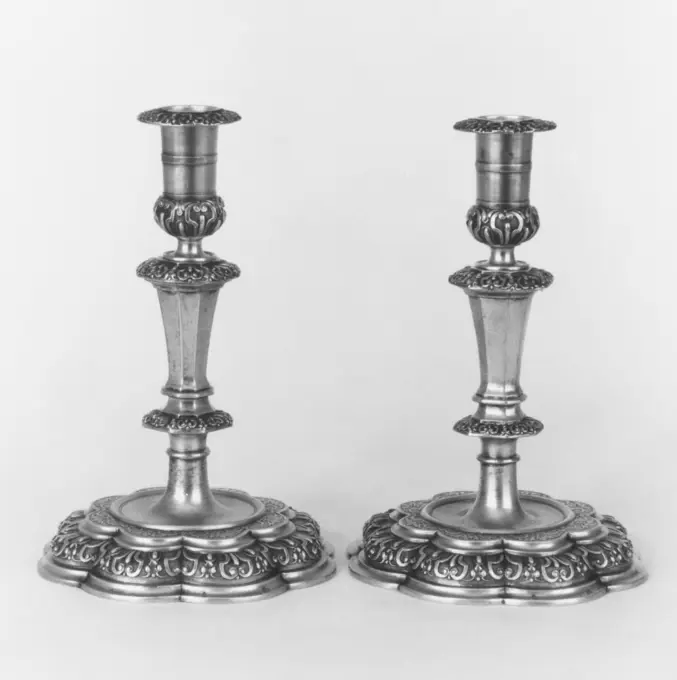
A collection of decorative candlesticks from various eras, showcasing intricate designs and materials including pewter and silver, highlighting historical craftsmanship.

Candlestick, one of a pair, 18th century, 8 1/4 x 4 3/8 x 4 3/8 in. (20.96 x 11.11 x 11.11 cm), Pewter, United States, 18th century
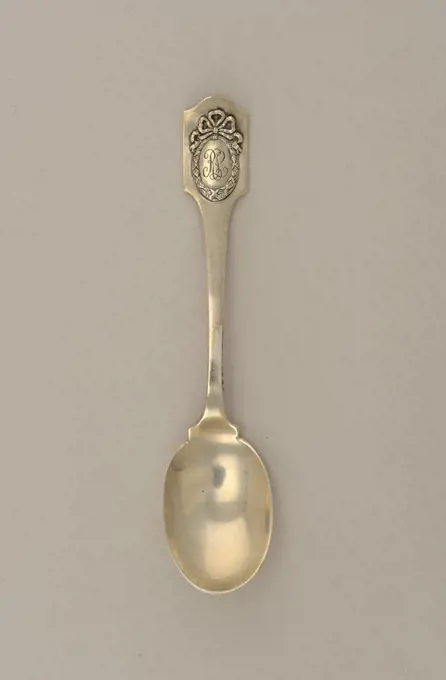
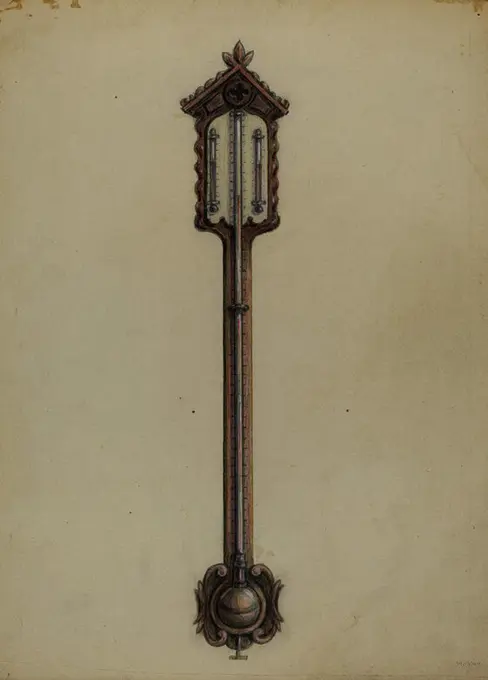
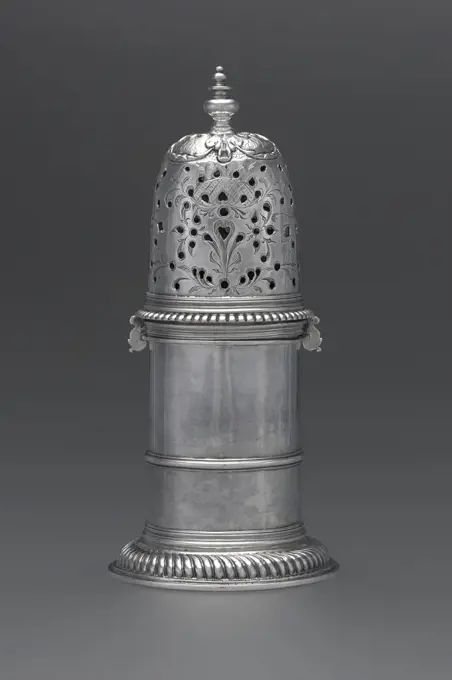
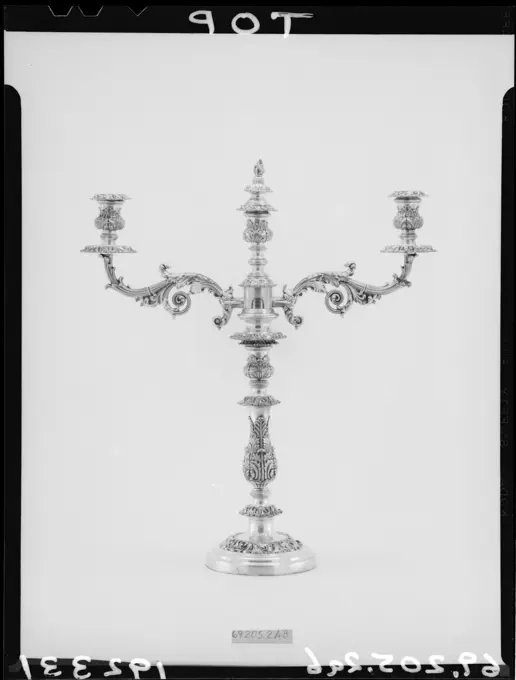
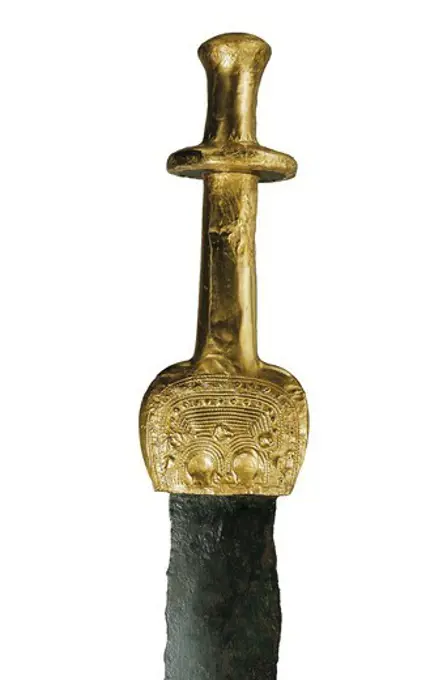
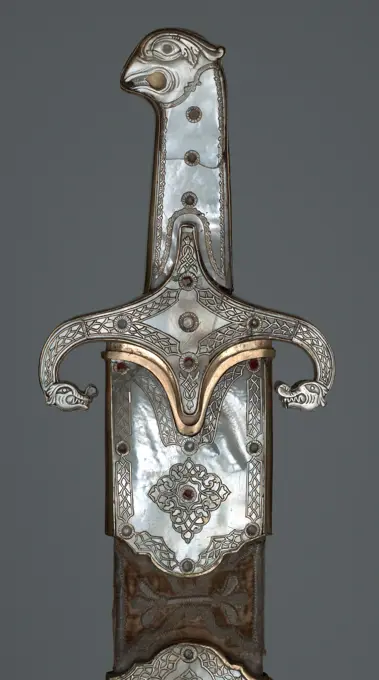
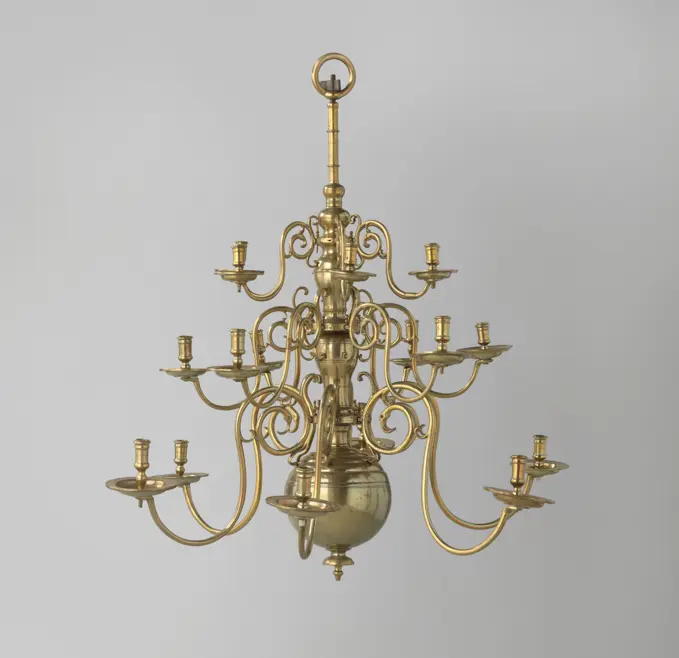
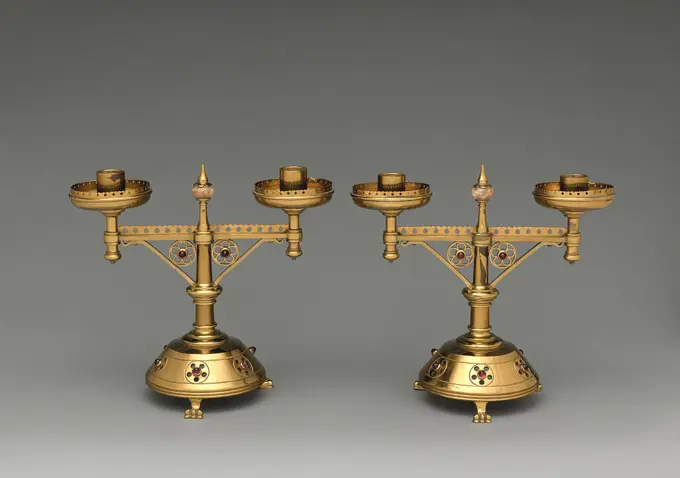
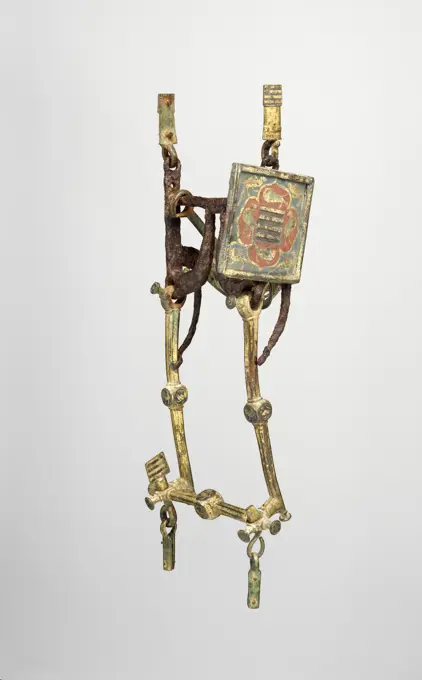
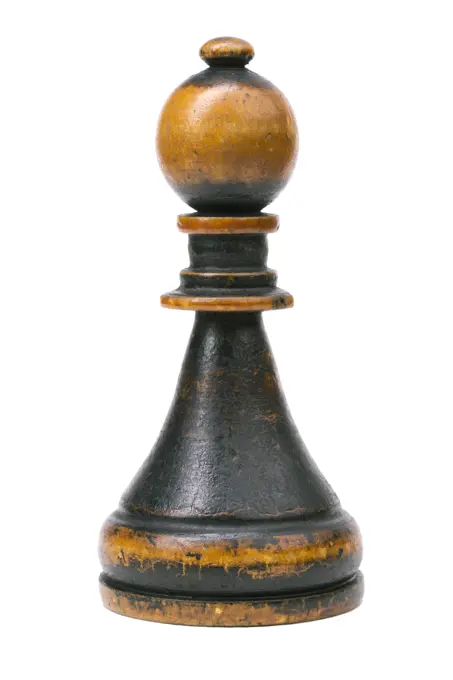
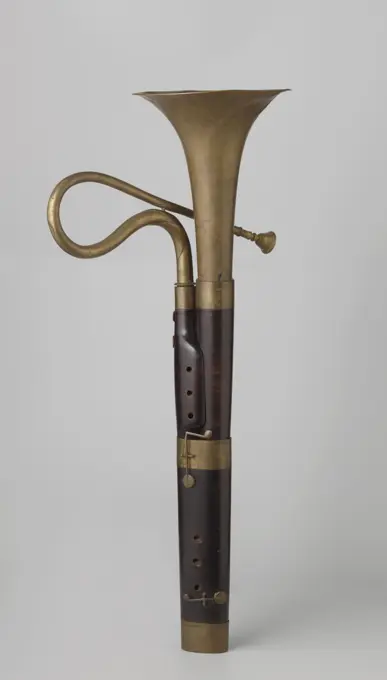
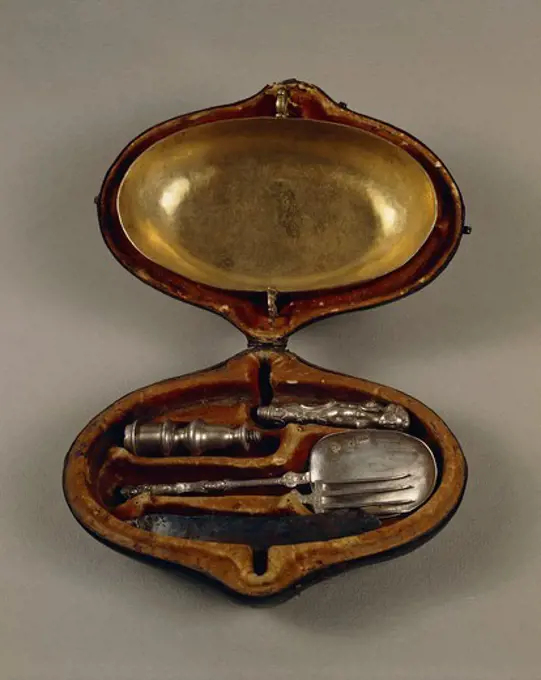
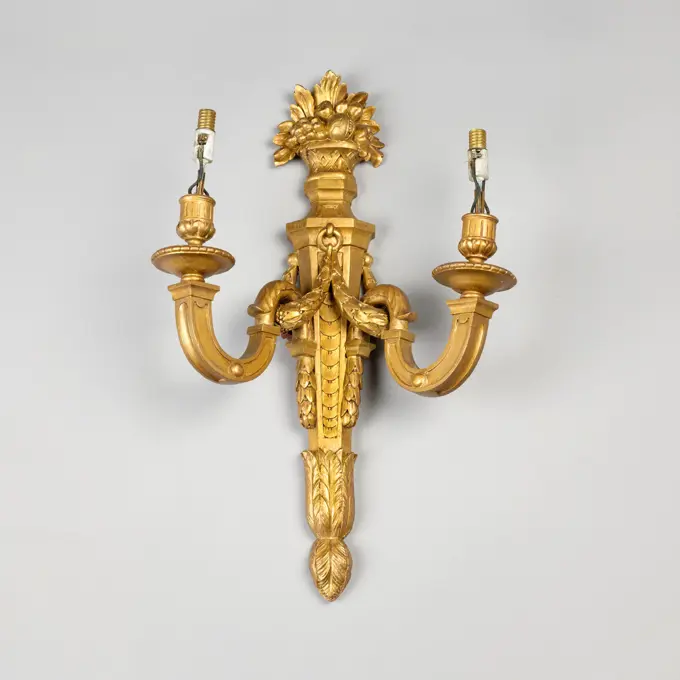
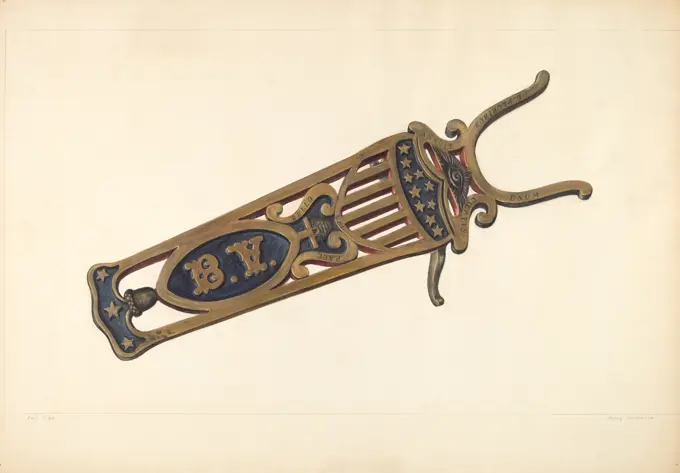
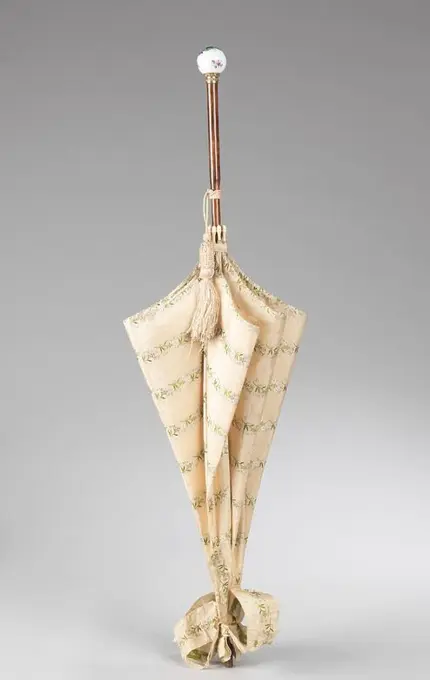
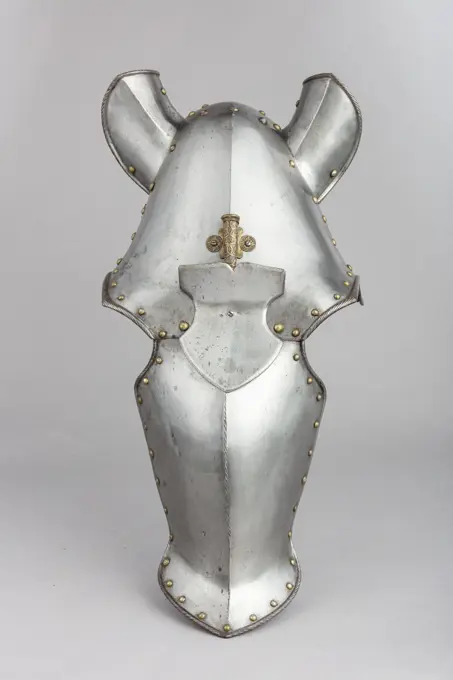
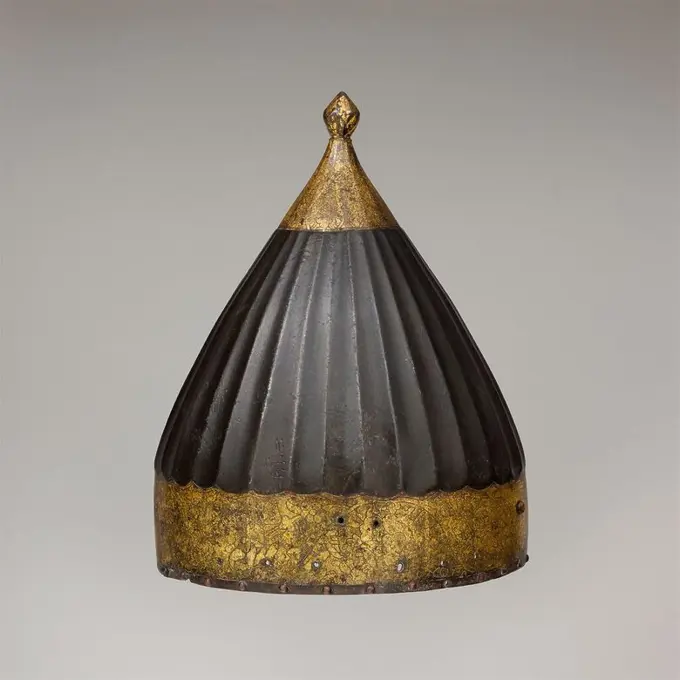
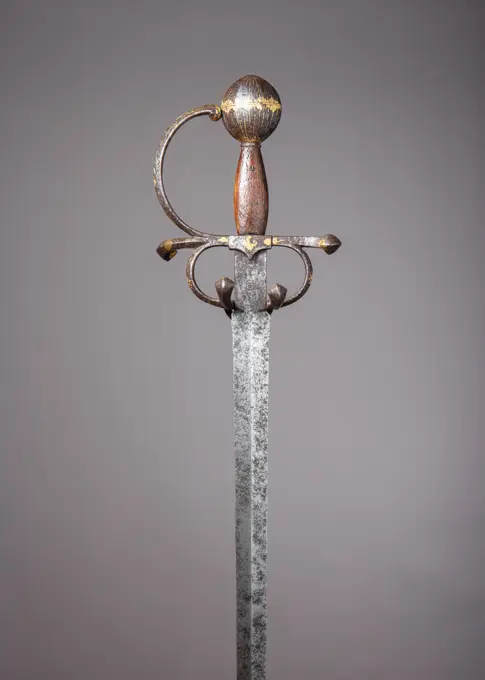
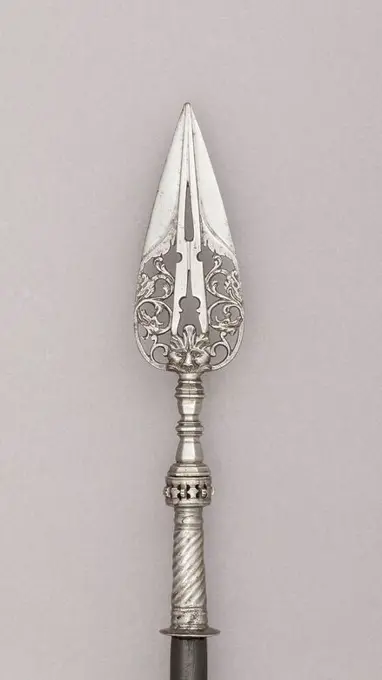
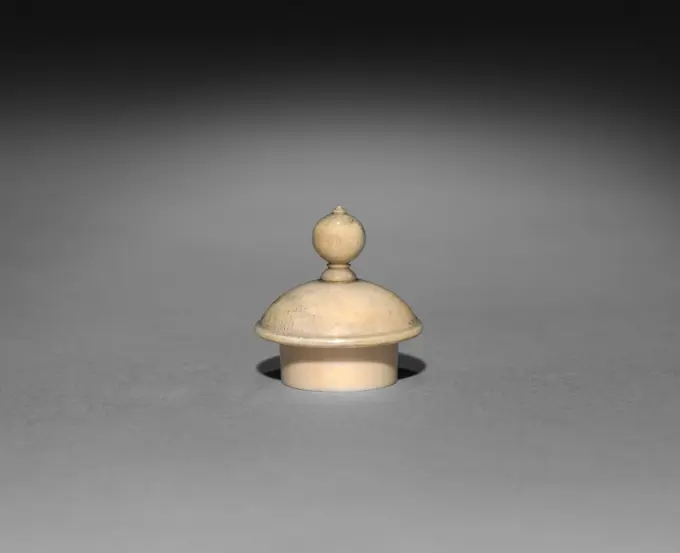
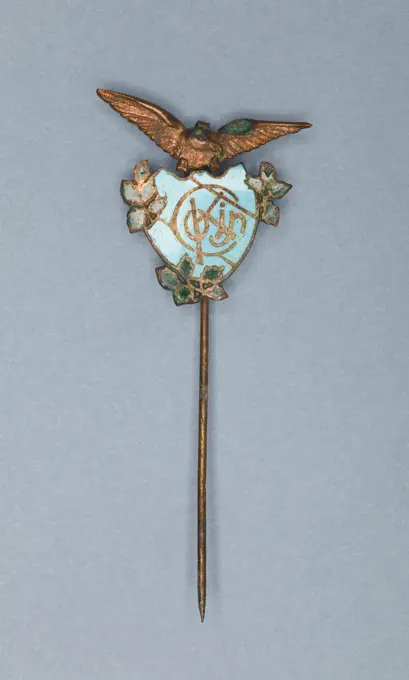
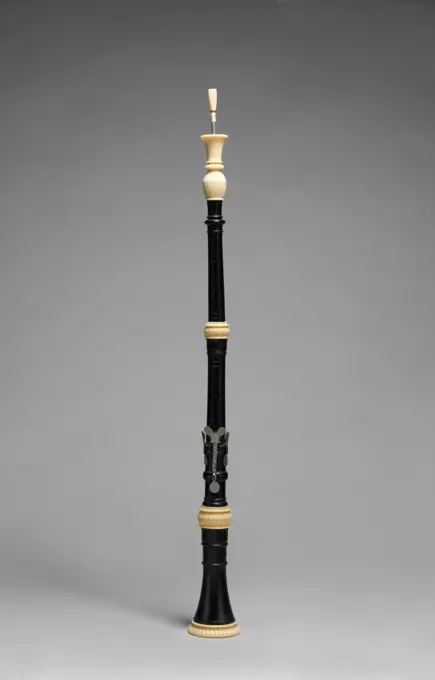
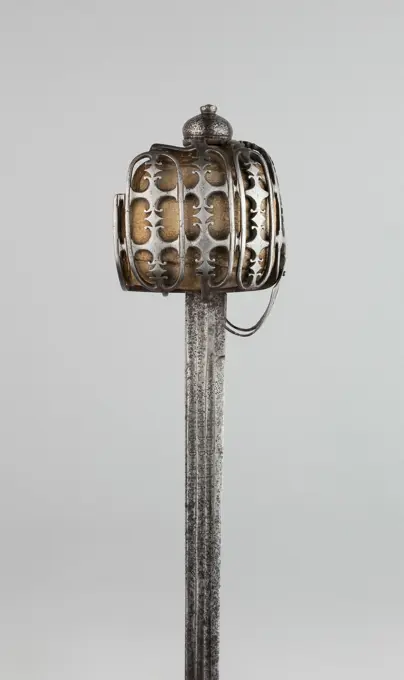
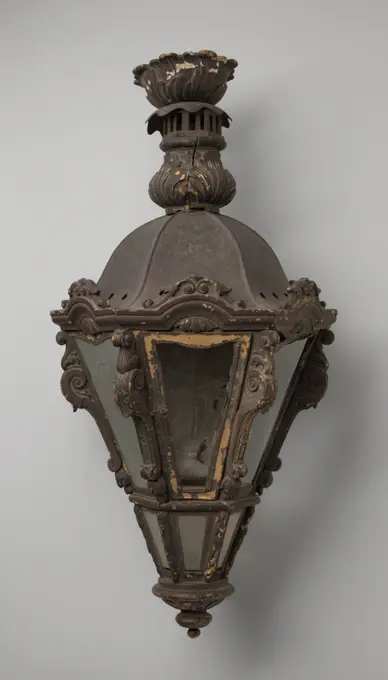
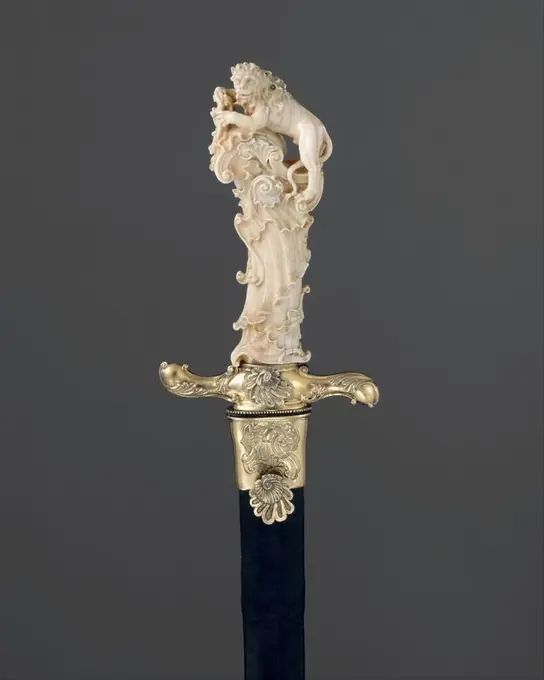
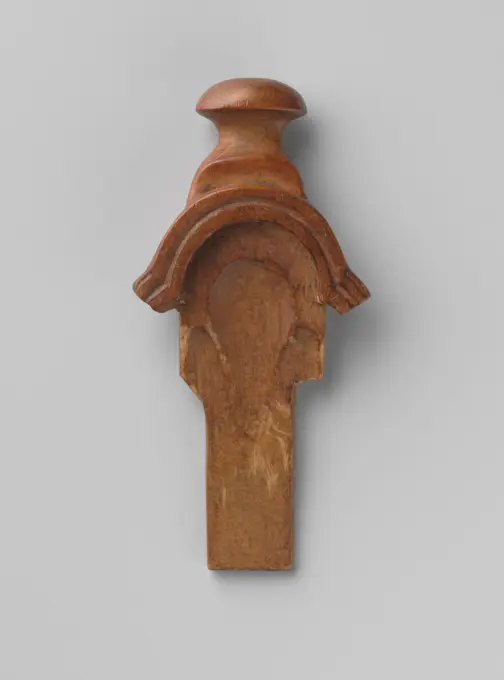
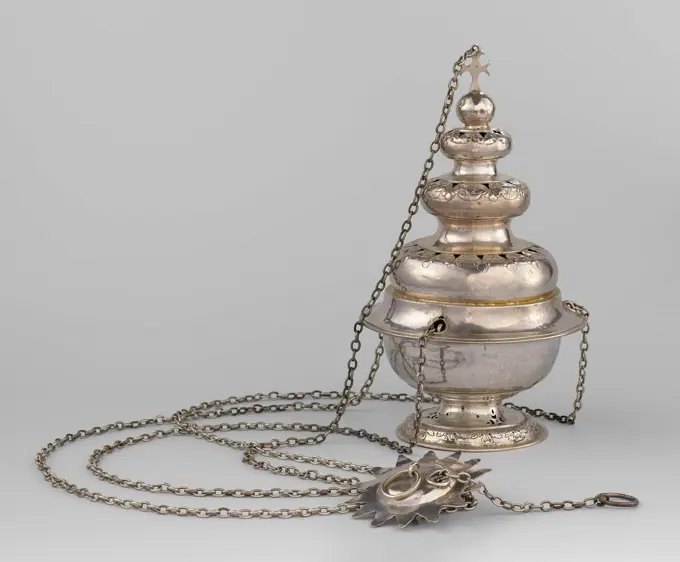
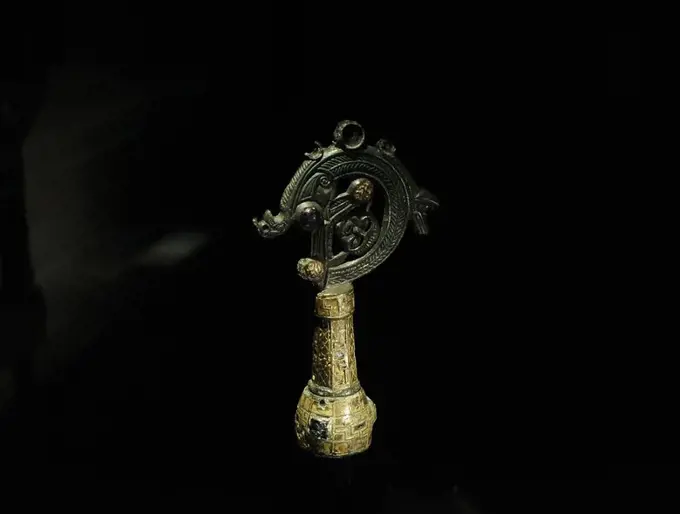
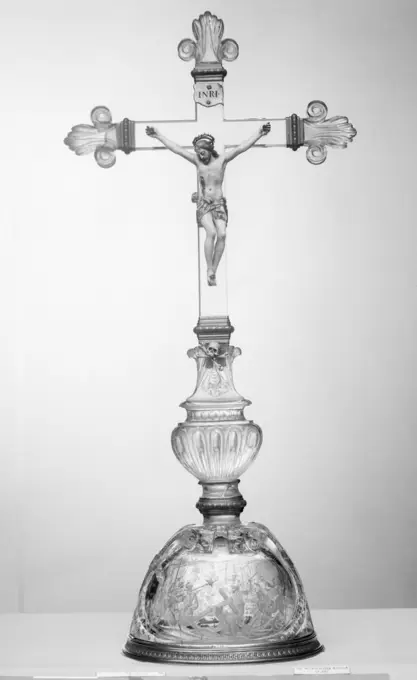
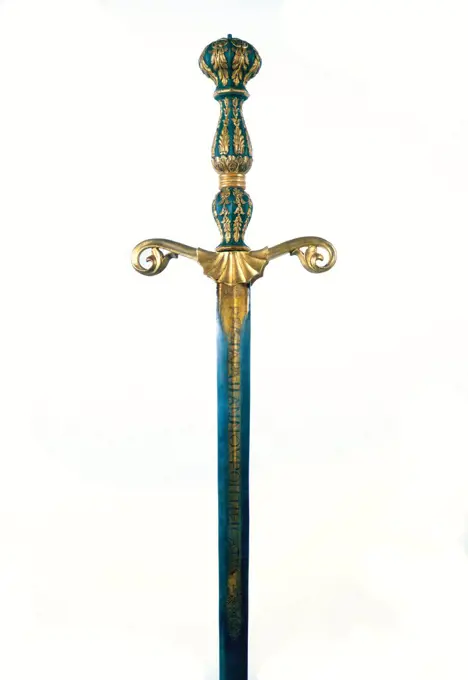
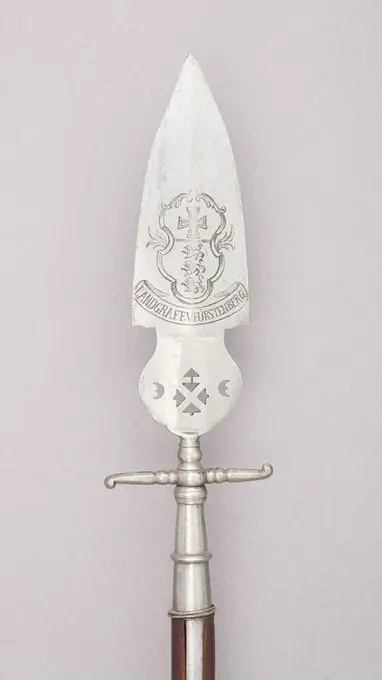
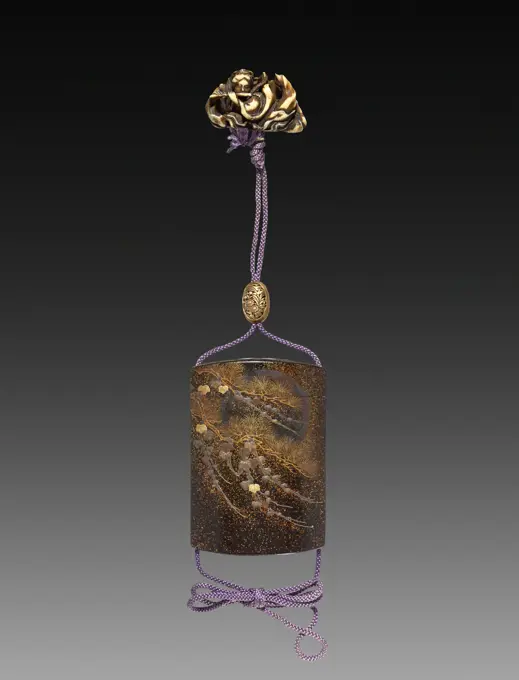
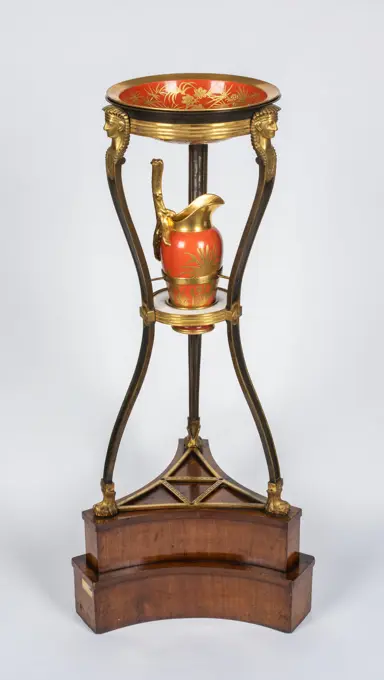
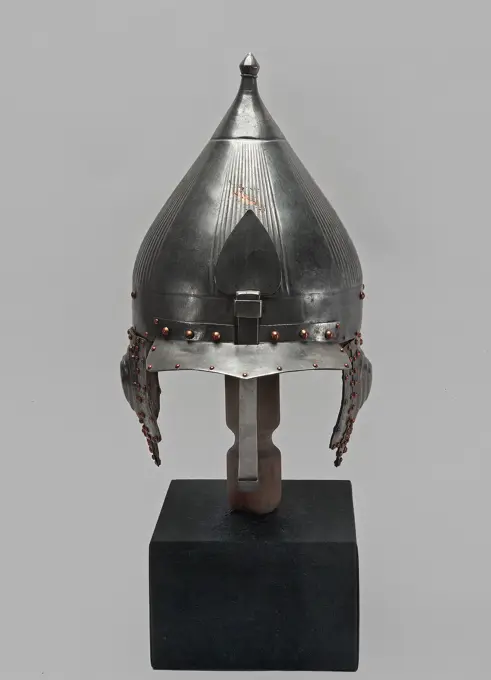
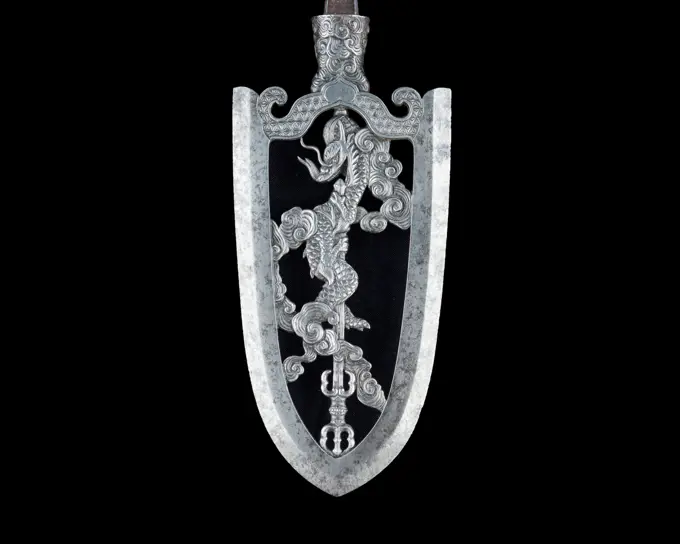
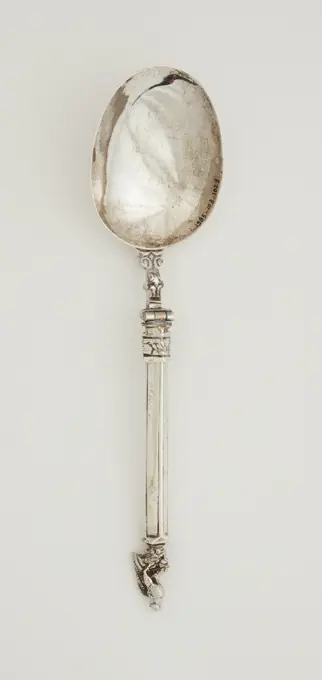
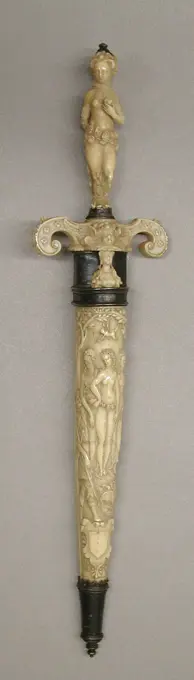
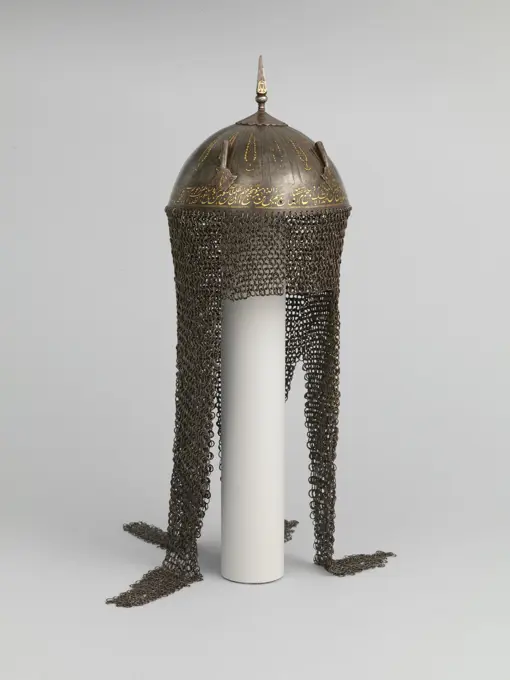
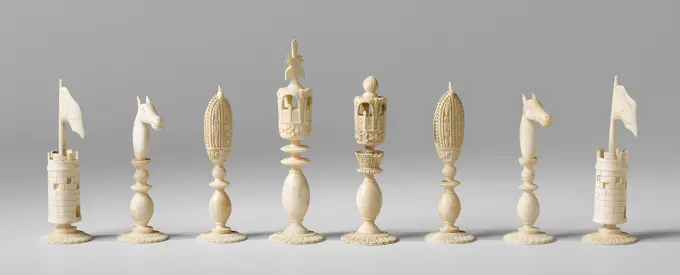
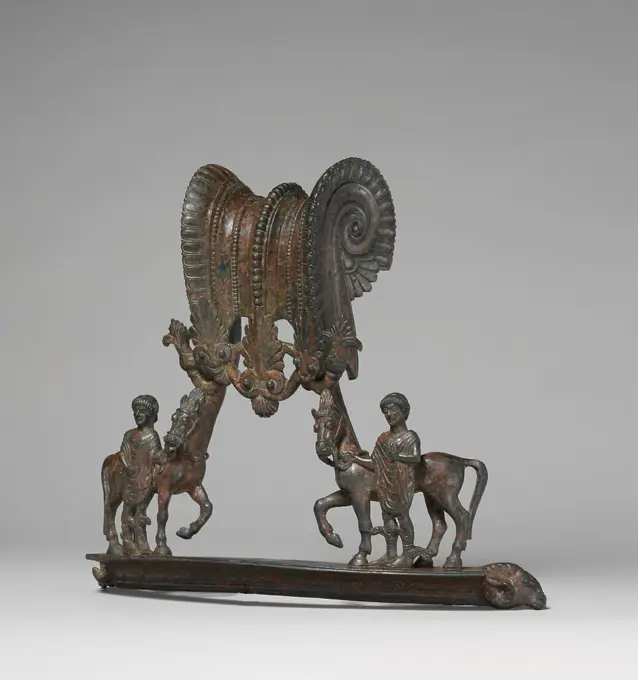
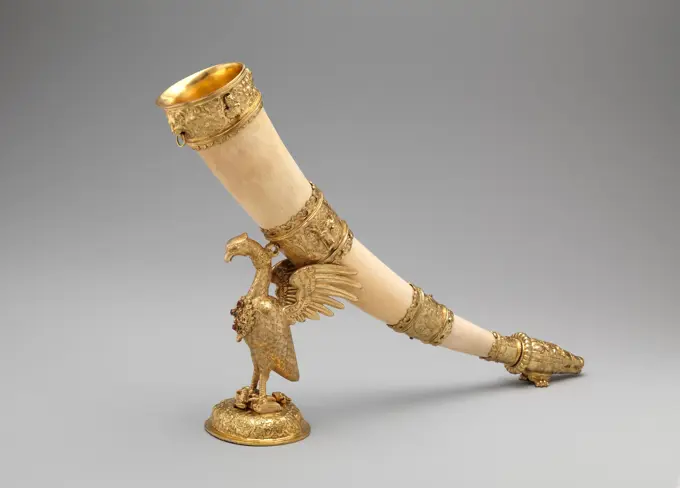
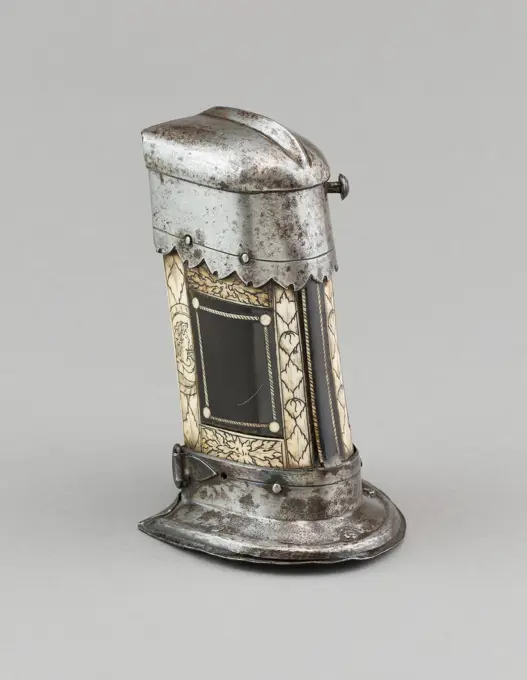
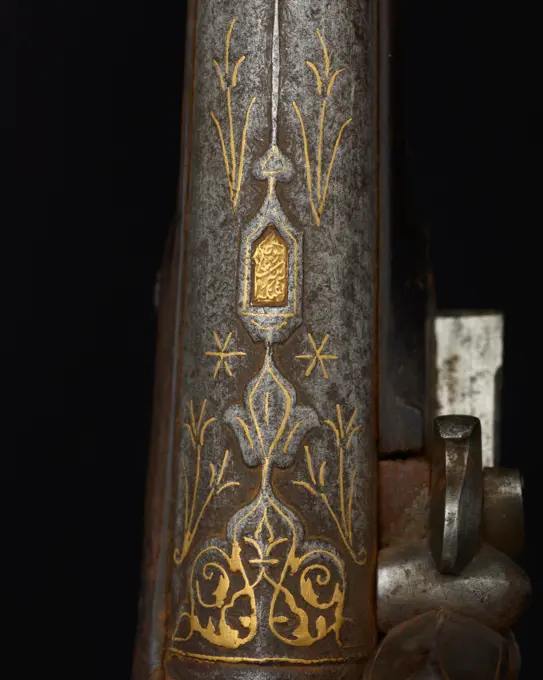
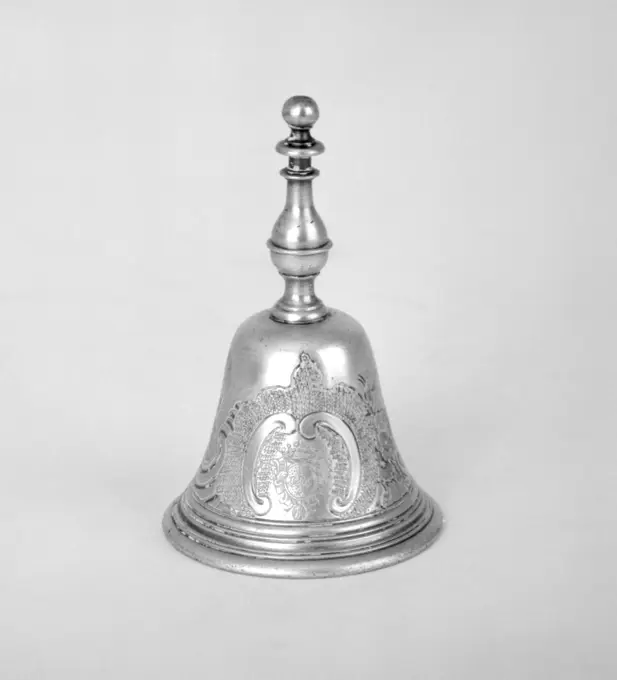
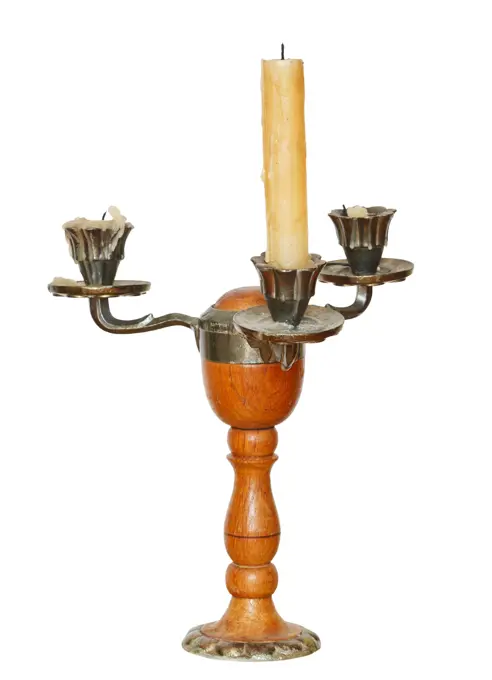
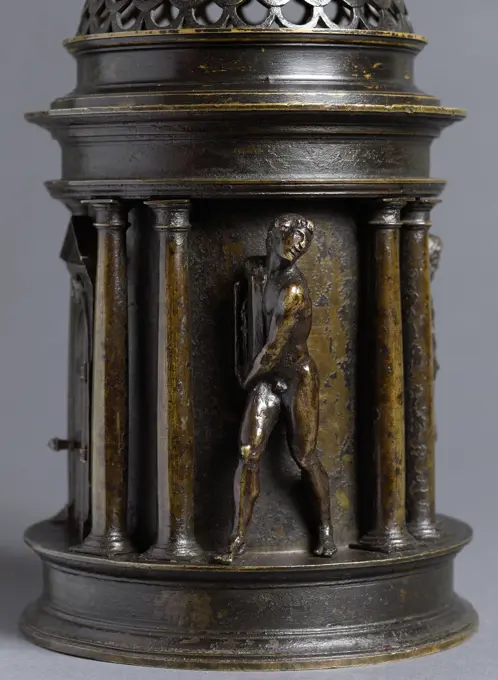
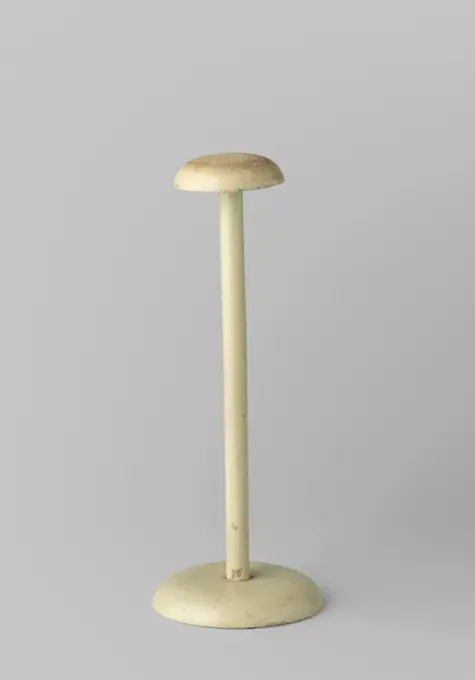
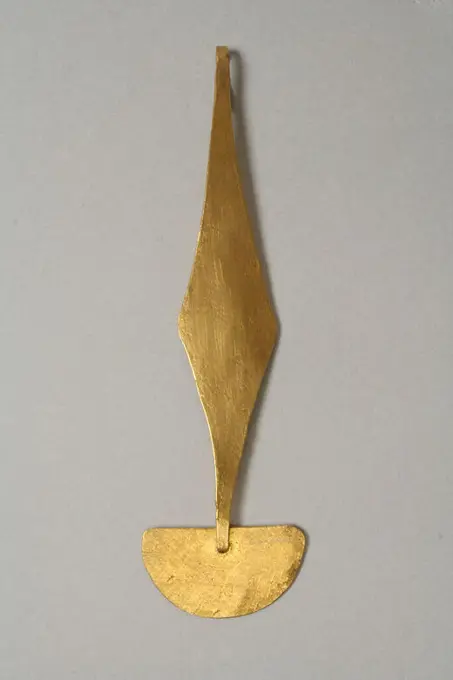
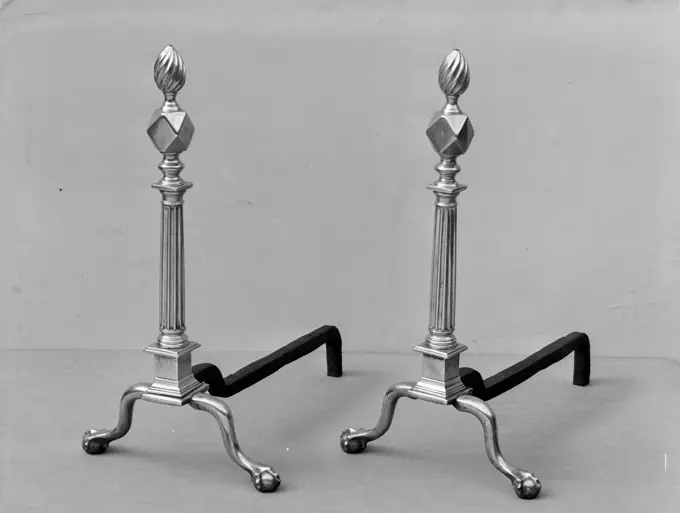
Apostle Spoon: St. James, 1634-1634. England, London, 17th century. Silver; overall: 18.8 cm (7 3/8 in.).Charles Bowman, Shaving Stand, c 1938 Shaving StandCup-Hilted Rapier possibly Spainish early 17th century The rapier was the principal civilian sidearm throughout the sixteenth and seventeenth centuries. Designed for cut-and-thrust fencing of progressively complex techniques, the rapier is characterized by a double-edged blade with an acute point and an elaborate guard for the hand. The guards, usually of iron or steel, were subject to a variety of embellishment. They were engraved, chiseled, gilded, damascened, and encrusted in gold and silver in keeping with fashionable styles. Unless otherwise noted, the materials, attributions, and dating given here refer to the hilts. Rapier blades, invariably of steel, bear a variety of makers marks denoting their origin in the two principal centers of blademaking, Toledo in Spain and Solingen in Germany. View more. Cup-Hilted Rapier. possibly Spainish. early 17th century. Steel. Swords'Louis XVI' tableware, Joseph E. Birmingham, Shreve & Co., founded 1852, silver, Integral construction. Oval concave bowl. Handle of rectangular line ending in shouldered, rectangular terminal embossed with oval wreath with ribbon bow, enclosing monogram., ca. 1909, cutlery, Decorative Arts, Spoon, SpoonMeminial spoon, Anonymous, 1706 Memorial spoon of silver, with a round scoop and a pointed praise. On top of the stem a Charitas show. At the rear the engraved initials D.B. Brands: Enkhuizen, (1706), Kleine Leeuw and the annual letter T. Enkhuizen silver (metal) Memorial spoon of silver, with a round scoop and a pointed praise. On top of the stem a Charitas show. At the rear the engraved initials D.B. Brands: Enkhuizen, (1706), Kleine Leeuw and the annual letter T. Enkhuizen silver (metal)Thermometer. Dated: c. 1936. Dimensions: overall: 30.5 x 22.9 cm (12 x 9 in.) Original IAD Object: 66" long; 9" wide. Medium: watercolor, graphite, and colored pencil on paperboard. Museum: National Gallery of Art, Washington DC. Author: Franklin C. Moyan.Infant by M.A Cup. De Ruyter. Wooden case with red velvet-covered and decorated with silver galon.Maker: Bartholomew Le Roux, American, ca. 1665-1713, Caster, ca.1705, Silver, 8 in. (20.3 cm), Unequaled in American silver for its monumental size and richness of decoration, this caster by Bartholomew le Roux represents a European tradition of style and craftsmanship in the American colonies. Used to dispense expensive spices, the eighteenthth-century tableware illustrates typical Baroque ornamentation, including gadroons on the foot and flange, scrolled bayonet fasteners, and a pierced cover with engraved symmetrical floral and foliate scrolls. Elaborate silver table services, made for wealthy patrons, often contained casters smaller in scale than this example. Already a fully trained craftsman before he emigrated, the Huguenot le Roux became a noted craftsman in New York and later passed on his skills to his sons andgrandson. , Made in New York, New York, American, 18thcentury, Containers -MetalsTerrestrial Globe 1828 James Wilson. Terrestrial Globe 8487Pair of Candlesticks. Belgium, Dinant, end of the 14th century. Furnishings; Lighting. Cast brassFood PlatterHandscreen, Printed silk leaf, turned and gilded wood handle, Handscreen with wide octogonal silk leaf leaf printed with a still life of pottery, birds and instruments in the late 18th century style. Turned and gilded wood handle., possibly France, early 19th century, costume & accessories, HandscreenKey;  18th century (1701-00-00-1800-00-00);Pair of altar candlesticks Flemish, Liège 18th century View more. Pair of altar candlesticks. Flemish, Liège. 18th century. Pewter. Metalwork-PewterMetal blowpipe, blowpipe pipe medical_ instrument iron tin wool, soldered tin tin tinned textile sheet Blowpipe on one side with funnel on other side of oval rounded plate covered with sheet. At the end an oval flat plate soldered in the longitudinal direction of the tube Hearing by tobacco squirrel syringe for drowning people drowning water rescue medical care medical treatment health care doctor surgery Arrenberg tobacco inn pub Casket with various objects used in the last part of the 18th century and the beginning of the 19th century the attempts to revive the spirits of the drowning. On the box is the name Benjamin Arrenberg. This lived in the last third of the eighteenth century was vendrig in 1788-1791. Leproosmeester 1792-1794 The box will therefore be from the nineteen nineteenth century.Candelabrum ca. 1830. Candelabrum. ca. 1830. Silver plate on copper. Made in EnglandPole-Screen 1846-1851 Dublin. The firm of Arthur James Jones and Son of Dublin displayed a large suite of elaborately carved furniture made from Irish bog yew at the Great Exhibition of the Works of Industry of All Nations in London in 1851 and again at Dublinís Great Industrial Exhibition of 1853. The suite included, among other objects, a tilt-top table, an etagere, and pair of pole fire screens, one of which is seen here.The furnitureís carved iconography references the countryís historic events, extinct and existing flora and fauna, mottoes, legends, monuments, and antiquities. Rising from a tripod base consisting of helmeted heads of ancient warriors, the pole terminates with a copy of an antique bronze spearhead. An ancient Irish Gallowglass (a heavily armed warrior), is depicted on the looking-glass shield.. Irish bog yew and mirror glass; brass mount .Argaric sword. 1500 -700 BC. Gold hilt. Celtic art. Jewelry. SPAIN. MADRID (AUTONOMOUS COMMUNITY). Madrid. National Museum of Archaeology.Przeszo Przyszoci unknownBasket-Hilted Broadsword (Schiavona) Made 1690-1710 Venice. Steel and bronze .Arm with candle holder of candle crown of three heights, c. 1675 - c. 1725 Candle belonging to a brass candle crown of three heights. The S-shaped arm has a curl and turns outside into the flat thickening with a screw hole. The candle holder is secured with the fat catcher. The fat catcher is ribbed at the bottom of the opening and also has twice two grooved rings. The cylindrical candle holder, who has a profiled excellent edge, two grooved rings and a thickening, turns into a baluster with the end of threads at the bottom and a button in which the center hole can be seen. This is the fourth arm of the upper position ring, numbered with 4 round points. The pin, to attach the arm to the stand ring, has a round button on top. Southern Netherlands (possibly) brass (alloy) casting Candle belonging to a brass candle crown of three heights. The S-shaped arm has a curl and turns outside into the flat thickening with a screw hole. The candle holder is secured with the fat catcher. The fat catPair of candlesticks. Culture: British. Designer: Bruce J. Talbert (British, Dundee, Scotland 1838-1881 London). Dimensions: Overall (each): 8 3/4 × 9 1/2 in. (22.2 × 24.1 cm). Manufacturer: Hart, Son, Peard & Co.. Date: ca. 1870.Bruce J. Talbert was an influential Scottish designer who is mainly known for his richly-ornamented furniture in the Gothic style. The Pericles Cabinet (2015.281a, b) is emblematic of his most ambitious work. He was also a successful commercial designer and these candlesticks represent the work he did for a middle class market, which included schemes for interior furnishings like textiles, metalwork, stained glass and carpets. In 1868 (though dated 1867) he published his first and most influential book, Gothic Forms Applied to Furniture, Metal Work and Decoration for Domestic Purposes, which championed the structural honesty of the reformed Gothic style. The candlesticks represent the juncture of historicizing imagery with modern manufacturing. Intended for a Curb Bit second quarter 14th century Franco-Neapolitan This adorned ceremonial horse bit was probably made for an important figure of the Royal court of Naples, at this time ruled by the French family of Anjou. The iron mouthpiece, according to contemporary equestrian manuals, was designed for horses with a hard mouth and widely-split lips. The U-shaped curb bar, attached to the mouthpiece and pierced with trefoils and quatrefoils, was placed around the lower jaw. It would have pressed the sensitive chin of the horse when the reins were pulled. The long gilded shanks are decorated with several four-sided knobs bearing dragons and birds on enameled backgrounds. The remaining large side boss is decorated with a square shield bearing a coat of arms: barry Or and Sable (gold and black), placed in a quatrefoil, and surrounded by gilded birds on a blue and red enameled background. The other boss, preserved in the musée de Cluny, in Paris, bears the arms of another family: Azure (blue), a benRose water sprinkler from Western India. Dated 19th CenturyGrape Cup of Gilded Silver, Heinrich Mack (attributed to), 1600 - 1625 The cuppa with lid in the shape of a grape paw is worn by a monkey. The lid is crowned by a naturalistic flower bouquet. Nuremberg silver (metal). gilding (material) gilding The cuppa with lid in the shape of a grape paw is worn by a monkey. The lid is crowned by a naturalistic flower bouquet. Nuremberg silver (metal). gilding (material) gildingKatar dagger, 1700s. India, Mughal. Iron handle with gold inlay; steel blade; wooden sheath with velvet cover, brass boss, iron tip with gold inlay; overall: 45.6 x 8.2 cm (17 15/16 x 3 1/4 in.). Stabbing daggers called katar were distinctive to India and often worn by soldiers and courtiers, tucked into their belts. Covering the entire handle are tiny scenes of lions and cheetahs hunting deer and buffalo in rocky wooded settings.Pendant Bell 8th-16th century Costa Rica or Panama. Pendant Bell. Costa Rica or Panama. 8th-16th century. Gold. Costa Rica or Panama. Metal-Ornamentsbishop chess piece vintage wooden rook chess piece isolated on white Copyright: xZoonar.com/YuryxZapx 1053976987stRussian bassoon middle joint, Hanken, 1850 - 1950 Middle piece wooden Russian Fagot. Marked: Hanken Rotterdam. Rotterdam wood (plant material). copper (metal) Middle piece wooden Russian Fagot. Marked: Hanken Rotterdam. Rotterdam wood (plant material). copper (metal)Cáliz, Punxo de Barcelona, siglo XV-XVI. Museu Nacional d'Art de Catalunya.Silversmith's art, Italy, 17th century. Silver travel cutlery set, 1699, bearing silversmith's Pietro Fera mark and owner's DFM mark.Base for a Cross. Culture: Byzantine. Dimensions: Overall: 5 x 1 15/16 x 2 1/16 in. (12.7 x 4.9 x 5.2 cm); Top (Diameter-Top exterior): 1 1/16in. (2.7cm). Date: 11th century.This miniature building is a base to support a portable cross. Its equal-armed cross shape and dome reproduce in miniature the church design most popular during the Middle Byzantine centuries. Museum: Metropolitan Museum of Art, New York, USA.Test piece in the form of a articulated bell jar, A. Storm (Possible), 1770 Test piece in the form of a articulated bell jar. The hexagonal chalice has a wide, convex top edge with ornament and inscription: test piece made by A. Storm. Leeuwarden silver (metal) filigree Test piece in the form of a articulated bell jar. The hexagonal chalice has a wide, convex top edge with ornament and inscription: test piece made by A. Storm. Leeuwarden silver (metal) filigreeSconce;  End of the 19th century (1890-00-00-1900-00-00);Plant decoration, festiences, classicism (style), decorative vasesHenry Rasmusen, Brass Bootjack, c 1938 Brass BootjackGa  zka roses;  1 PO. 18th century (1700-00-00-1800-00-00);Kanon op adds Anonymous c. 1750 - c. 1800 Cannon on afuit. The cannon is engraved and is marked: crowned o and an ax. Netherlands silver (metal) Cannon on afuit. The cannon is engraved and is marked: crowned o and an ax. Netherlands silver (metal)Parasol. Culture: probably French. Date: 1880-89.One of the fashionable features of this parasol is the ball handle, which was one of the most popular styles in the 1880s. Also, this parasol would function well as a sunshade in addition to being a decorative accessory. Museum: Metropolitan Museum of Art, New York, USA.Shaffron (Horse's Head Defense) ca. 1580 German (Augsburg). Shaffron (Horse's Head Defense). German (Augsburg). ca. 1580. Steel, leather, brass. Augsburg. Equestrian Equipment-ShaffronsHelmet. Culture: Turkish. Dimensions: H. 10 7/8 in. (27.6 cm); Diam. 8 1/2 in. (21.6 cm); Wt. 3 lb. 7.4 oz. (1570.6 g). Date: dated A.H. 977/A.D. 1588-89.This example is inscribed with the name Vizier Hasan Pasha and the date A.H. 977 (A.D. 1588-89). A number of helmets and other elements of armor are engraved with the names of high-ranking Ottoman officials. These are not necessarily owners' names but presumably served as inventory markings, indicating the vizier who was responsible for the armories at the time or designating helmets that belonged to men under the vizier's command. Hasan Pasha was governor of Egypt from 1580 to 1583. Museum: Metropolitan Museum of Art, New York, USA.Wood water lining, Fif-sided. The five-sided bucket with the attachments is poured. Four sides have a profiling derived from architecture. The fifth is smooth and forms the back. The bucket extracts to the top edge and at the hollow base. Two sides have a stopper, the straight top of which has been serrated by cisellation. The renewed handle is attached in these pieces. One attachment has been restored.Rapier of Emperor Charles V (1500-1558) ca. 1540 Francesco Negroli This rapier, from the workshop of the famous Milanese armorer Francesco Negroli, belonged to Emperor Charles V, whose troops laid siege to Florence in 1529-30. Rapiers were the principal civilian sidearm throughout the sixteenth and seventeenth centuries. Designed for cut-and-thrust techniques, a rapier typically has a double-edged blade with an acute point and an elaborate guard for the hand. The guards, usually of iron or steel, were subject to a variety of embellishment. They were engraved, chiseled, gilded, damascened, and encrusted in gold and silver in keeping with fashionable styles.. Rapier of Emperor Charles V (1500-1558). Italian, Milan. ca. 1540. Steel, gold, silver, wood. Milan. SwordsSpontoon. Culture: French. Dimensions: L. 72 1/8 in. (183.5 cm); L. of head 11 1/8 in. (28.6 cm); W. 2 1/4 in. (5.7 cm); Wt. 2 lbs. (907.2 g). Date: 18th century. Museum: Metropolitan Museum of Art, New York, USA.Snuff Bottle (stopper), 1644-1911. China, Qing dynasty (1644-1911). Glass; overall: 7 cm (2 3/4 in.).Candelabrum with a Dancer. UnknownCommemorative badge of the Sokół Gymnastic SocietyCandelabra (One of a Pair) 1855-1865 England. Painted bronze . William WhiteOboe in C before 1727 Hendrik Richters Dutch Hendrik Richters (1683-1727) is considered to be one of the finest oboe makers of his period. About 30 oboes survive from the shop he shared with his brother Frederik (1694-1770). Some, like this one, are lavishly decorated with expensive materials. The brothers used the state-of-art eighteenth-century technology to lathe the instrument's ornamental turnings. The metal keys, engraved with floral designs, musical and dancing figures, were fashioned by professional silversmiths or engravers. French instrument makers invented the oboe late in the seventeenth century by redesigning the treble shawm. In contrast to the loud shawm, the oboist takes the reed between the lips enabling the player to control the articulation, volume, pitch, and quality of sound. This permitted more expressivity, a musical trait of growing importance during this period. To enhance playing technique, two keys, the C and E-flat, were added to the oboe. Since some playersBrisé Carnet De Bal; carved ivory and mother-of-pearl sticks, metal pencil holderBasket-Hilted Broadsword (Claymore) Made 1750-1770 Scotland. Steel, wood, and leather .Lantern, hexagonal, made of bronzed wood, anonymous, 1700 - 1715 Bronzed wooden hexagonal gang lantern. Glass secured with lead strips, three windows are missing. Metal suspension ring. Northern Netherlands (possibly)Netherlands (possibly) wood (plant material). lead (metal). iron (metal). glass Bronzed wooden hexagonal gang lantern. Glass secured with lead strips, three windows are missing. Metal suspension ring. Northern Netherlands (possibly)Netherlands (possibly) wood (plant material). lead (metal). iron (metal). glassHunting Sword with Scabbard. Culture: German, possibly Munich. Dimensions: L. 29 1/2 in. (74.9 cm); L. of blade 23 1/4 in. (59 cm); W. of blade 1 1/8 in. (2.8 cm); D. of blade 5/16 in. (0.8 cm);Wt. 1 lb. 2 oz. (510.29 g); Wt. of scabbard 1 lb 6 oz. (624 g). Sword maker: Grip attributed to Joseph Deutschmann (German, Imst 1717-1787 Passau). Date: ca. 1740.Very similar sword grips of ivory, carved with fanciful Rococo ornament of shells and waves, are recorded in the armory of the prince-elector of Bavaria in Munich in the 1740s. The lion at the top of the grip holds a crescent moon beneath its paw, probably alluding to recent European victories over the Ottoman Turks in Eastern Europe. Museum: Metropolitan Museum of Art, New York, USA.Rasp of Palmhout, Jos. Sergent Vitrarius, 1716 Palmhout lid from rasp. Sliding lid with an oval button. France boxwood Palmhout lid from rasp. Sliding lid with an oval button. France boxwood. Censer of silver with high, four times around vaulted lid. Driven leaf decoration on foot and on sections. Sun shaped chain plate. Engraved on the lid edge: Kruislam, Maria with Child and St. Bavo (). Signature.Hand Bell 19th century Italian. Hand Bell. Italian. 19th century. Metal. Italy. Idiophone-Struck-bell-clapperIrish Crosier Helgo. Irish origin and would have formed part of a bishop's staff. The coiled top of the crozier was made in Ireland around 800 AD. This artefact arrived on Helgo island either as pillaged goods, during a Viking raid, or exclusive aristocratic gifts. Bronce and decorated with enamel and coloured glass inlays. Swedish History Museum. Stockholm. Sweden.Crucifix 16th century Italian, Milan See 41.100.313 for another crystal crucifix.. Crucifix 193514Spoon with pear -shaped container and stem crowned by a man with hat and walking stick., Claes Bel (Possible), 1698 Spoon of silver, with a pear -shaped container. The stem is crowned by a man with a hat and walking stick. The letters G.D are engraved on the underside of the container. Brand: annual letter L = 1795; Amsterdam. Hoorn (North Holland) silver (metal) Spoon of silver, with a pear -shaped container. The stem is crowned by a man with a hat and walking stick. The letters G.D are engraved on the underside of the container. Brand: annual letter L = 1795; Amsterdam. Hoorn (North Holland) silver (metal)Coat rack with hat plateau, mirror and two umbrellas. Coat rack of wrought iron, with hat plateau, mirror and two umbrella branches.Prayer m  19th century () (1801-00-00-1900-00-00);Tower cross whose intersection was forged into a window in which a cloverleaf. Stam is decorated with curls, c. 1400 - c. 1950 A forged iron cross (from a spire or roof fault) on a fork, around which a Konian iron head () The trunk is decorated with various gone curls, the intersection forged into a window in which a clover leaf. The cross arms end in a lily. The striker is thin and rounded as a pivot for a wind vane. The wind vane is missing.  iron (metal) A forged iron cross (from a spire or roof fault) on a fork, around which a Konian iron head () The trunk is decorated with various gone curls, the intersection forged into a window in which a clover leaf. The cross arms end in a lily. The striker is thin and rounded as a pivot for a wind vane. The wind vane is missing.  iron (metal)Blessed sword donated by Pope Pius II to the Doge Cristoforo Moro in the year 1463, by Unknown, 1463, 15th Century, Unknow. Italy, Veneto, Venice, Ducal Palace, Armoury. Detail. Grip: haft handle knob spirals blade sword.Spontoon. Culture: German. Dimensions: L. 85 1/2 in. (217.2 cm); L. of head 13 3/4 in. (34.9 cm); W. 4 1/8 in. (10.5 cm); Wt. 2 lbs. 8.1 oz. (1136.8 g). Date: ca. 1700. Museum: Metropolitan Museum of Art, New York, USA.Miniature fireback (part of a set). Culture: British, London. Dimensions: 3 1/2 × 2 1/2 in. (8.9 × 6.4 cm). Maker: David Clayton (British, active 1689). Date: late 17th-early 18th century. Museum: Metropolitan Museum of Art, New York, USA.Globe Cup, Christoph Ritter (3), after Hendrik Hondius (1), c. 1640 The Hemelerrobe is worn by Heracles and stands on a triangular base, decorated with sea monsters, cartouches and shells. A medal is applied to the bottom. The medal and cartouches carry inscriptions, which explain why an honorable role has been assigned to August and Alcmenene. The globe is crowned by a Phoenix that rises from its ashes. maker: Neurenbergafter print by: Amsterdam silver (metal). afwerking: gold (metal) gilding / casting / etching / engraving The Hemelerrobe is worn by Heracles and stands on a triangular base, decorated with sea monsters, cartouches and shells. A medal is applied to the bottom. The medal and cartouches carry inscriptions, which explain why an honorable role has been assigned to August and Alcmenene. The globe is crowned by a Phoenix that rises from its ashes. maker: Neurenbergafter print by: Amsterdam silver (metal). afwerking: gold (metal) gilding / casting / etching / engravingInro, 1615-1868. Japan, Edo period (1615-1868). Lacquer; overall: 8.3 x 5.8 cm (3 1/4 x 2 5/16 in.).Washstand (athénienne). unknown, furniture factory, Koenigliche Porzellan Manufaktur - KPM (Berlin ; 1763-1918), factoryHelmet;  16th century (1501-00-00-1600-00-00);Osman dynasty (1299-1922), military, Islamic art, Turkish (culture)Morion-Cabasset 16th century Italian. Morion-Cabasset 34263Ceremonial Arrowhead (Yanone) dated 1645 Umetada Motoshige Japanese Large arrowheads, pierced and elaborately chiseled with landscapes, birds, flowers, dragons, and Buddhist divinities, were created to be admired for the beauty of their metalwork and design rather than for use in archery. This arrowhead is dated 1645 and signed by Umetada Motoshige (died 1675), a member of the Umetada school of swordsmiths, tsuba makers, and iron chiselers. It belongs to a group of more than thirty similarly signed and dated pieces in the Metropolitan Museum's collection (including acc. nos. 32.75.318, .327, .330, .334, .337, .339-.340, .398-.399, .403, .406, .409) that may have been made for presentation or as a votive offering to a shrine. The symbol on this arrowhead is that of the Buddhist deity Kurikara (or Fud My-): a double-edged blade (ken) entwined with a dragon.. Ceremonial Arrowhead (Yanone). Japanese. dated 1645. Steel. Archery Equipment-ArrowheadsFolding Fork And Spoon (Netherlands); silver; L x W x D (Fork): 16 x 1.5 x 1 cm (6 5/16 x 9/16 x 3/8 in.) L x W x D (Bowl): 7 x 5 x 1.5 cm (2 3/4 x 1 15/16 x 9/16 in.) L x W x D (Overall): 19.5 x 5 x 3.7 cm (7 11/16 x 1 15/16 x 1 7/16 in.); The Robert L. Metzenberg Collection, gift of Eleanor L. Metzenberg; 1985-103-102-a,bFlageolet, anonymous, c. 1750 Piccolo of Palmhout with six holes, mounted with Berlin's silver. A second attachment in a higher tone is salvaged in a bred of copper wire.  wood (plant material). mahogany (wood). German silver. copper (metal). Piccolo of Palmhout with six holes, mounted with Berlin's silver. A second attachment in a higher tone is salvaged in a bred of copper wire.  wood (plant material). mahogany (wood). German silver. copper (metal).Herm of Dionysos; Attributed to the Workshop of Boëthos of Kalchedon (Greek, active about 200 - 100 B.C.); Asia Minor; about 200 - 100 B.C; Bronze, calcitic stone; 103.5 × 23.5 × 19.5 cm (40 3,4 × 9 1,4 × 7 11,16 in.)Dagger with Sheath and Knife early 19th century; blade, 18th century French, Dieppe; blade, British. Dagger with Sheath and Knife. French, Dieppe; blade, British. early 19th century; blade, 18th century. Steel, ivory, silver, gold. Dieppe. KnivesAlabastron. warsztat egipski, workshopLeft Cuisse, 1801-1900. Germany, 19th century. Steel with black paint; overall: 27.3 x 33 cm (10 3/4 x 13 in.).Helmet (Kulah Khud) 18th-19th century Persian. Helmet (Kulah Khud) 32084Low, wide candlestick with candle pin. The object consists of a foot placal on three legs and a pin, which can be cast and turned in one whole. The round base with centergat in the bottom is decorated with two double grooved rings and has a raised edge. The legs are serrated at the end.Schaakspel, witte stukken.Easy chess game from ivory. The pieces have a vase form with a round, wide varied base, decorated with a palmet edge. The king and the queen are designed as a kind of pavilions, the runners as stylized bishopsies, the towers are depicted by towers with flags and the horses through horse heads. The pawns have a vase form with a flame.Candlestick (part of a set of four) 1701-5 (Johann) Daniel Schäffler I. Candlestick (part of a set of four). German, Augsburg. 1701-5. Silver gilt. Metalwork-SilverBronze handles from a large volute-krater (vase for mixing wine and water). Culture: Etruscan. Dimensions: H. 9 in. (22.9 cm). Date: ca. 500-475 B.C..The handles have the distinctive shape associated with a type of krater made in Vulci and exported to Etruscan settlements as far away as Spina in Northern Italy. The youths wearing winged boots and holding the bridles of their horses are almost certainly the twin gods, Castur and Pultuce (Roman: Castor and Pollux), the sons of Zeus; the two are known in Etruscan as Tinas Cliniar. These are the largest and most elaborate handles of this type now extant. Museum: Metropolitan Museum of Art, New York, USA.Silversmith: Johannes Frijthoff, Silver scatter spoon, scoop spoon spoon kitchenware silver, sawn engraved Two identical silver scoops backside stalk (smashed): sprinkle sugar spreadingPillarHorn 19th century, after 1597-1609 original Elkington & Co. British This electrotype is after a late 16th-early 17th century original (1597-1609), at the time of reproduction in the treasury of the Kremlin, Moscow.. Horn 186637Spontoon 18th century French. Spontoon 27022Cartridge Box 1570-1600 Saxony. Wood, ebony, bone, and iron .Pistol with a rock castleTable bell 1755-57 Johann Martin Satzger I. Table bell 206195Crown (adéńlá), 1900s. Africa, West Africa, Nigeria, Yorùbá-style maker. Cloth (probably cotton and wool), glass beads, reeds, cardboard, wood, plant fiber, cotton, and quills; diameter: 26.8 cm (10 9/16 in.); overall: 105.9 cm (41 11/16 in.); cone: 35.1 cm (13 13/16 in.); fringe: 55.3 cm (21 3/4 in.). The most important of all regalia, topped with the "royal bird" Okin, this headdress connects the king to Oduduwa, the mythical founder of the Yoruba. The veil of beaded strings masks the identity of the wearer and protects his subjects from the supernatural powers that radiate from his face. The crown also signifies the "inner head" of the king, the locus of an awesome life force called ase.triple candlestick with one candle isolated triple candlestick with one candle isolated on white background Copyright: xZoonar.com/ValeryxVoennyyx 6191764Burnt-Parfum (detail on the right side). Bronze, northern Italy, 16th century. Museum of Fine Arts of the City of Paris, Petit Palais. INCENSE BURNER Bronze, burning perfume, bruise-parfumLow, wide candlestick with candle pin, Anonymous, 1375 - 1425 The object consists of a foot placed in three legs and a pin that may have been cast and turned into one whole. The round base with center hole in the bottom is decorated with two double grooved rings and has a raised edge. The legs are serrated at the end. Northern Netherlands (possibly) brass (alloy) casting The object consists of a foot placed in three legs and a pin that may have been cast and turned into one whole. The round base with center hole in the bottom is decorated with two double grooved rings and has a raised edge. The legs are serrated at the end. Northern Netherlands (possibly) brass (alloy) castingOld antique rusty key hanging from a stringHat standard of light green painted wood, c. 1950 Hat standard of light green painted wood. The straight trunk rests on a smooth round base, which bears a bulb support. West-Europa wood (plant material) Hat standard of light green painted wood. The straight trunk rests on a smooth round base, which bears a bulb support. West-Europa wood (plant material)Musketese gunpowder unknownNewel post. Culture: French. Dimensions: Overall (confirmed): 52 1/2 x 23 x 15 in. (133.4 x 58.4 x 38.1 cm);Overall (historic dimension, superceded): 52 3/4 in. (134 cm). Date: 18th century. Museum: Metropolitan Museum of Art, New York, USA.. Five-part INRO decorated with exterminated geese in gold lacquer and inlaid with mother-of-pearl.Holy water bottle and tapestry case 18th century Tibet. Holy water bottle and tapestry case 39400Ear Ornament. Culture: Caldas or Sonso. Dimensions: H. 3 7/8 x W. 5/8 in. (9.8 x 1.6 cm). Date: 9th-15th century. Museum: Metropolitan Museum of Art, New York, USA.Andiron 1760-80. Andiron. 1760-80. Brass, iron. Probably made in New York, New York, United States