Antique Candlesticks

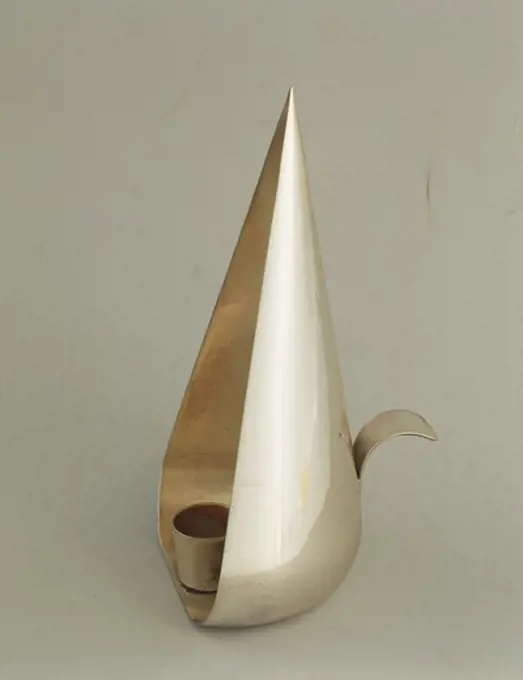
A collection of decorative candlesticks from various eras, showcasing intricate designs and materials including pewter and silver, highlighting historical craftsmanship.

Candlestick, one of a pair, 18th century, 8 1/4 x 4 3/8 x 4 3/8 in. (20.96 x 11.11 x 11.11 cm), Pewter, United States, 18th century
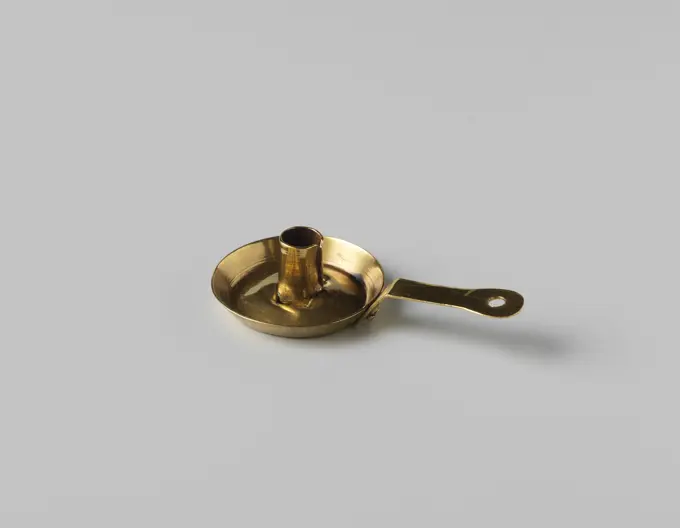
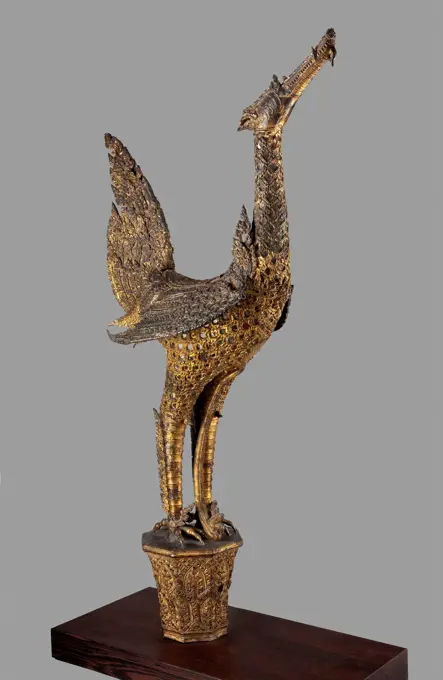
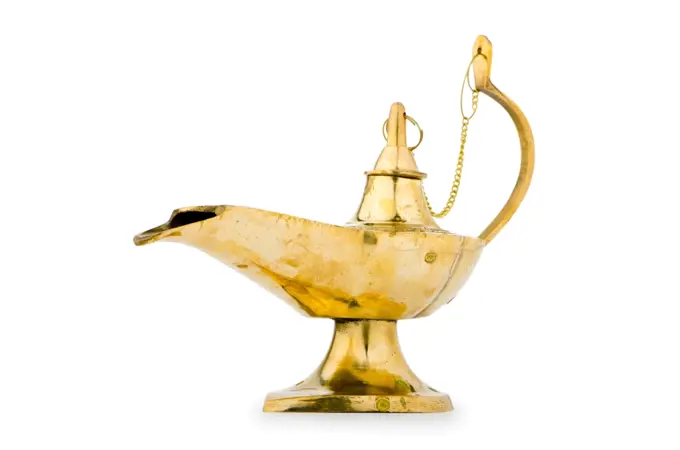
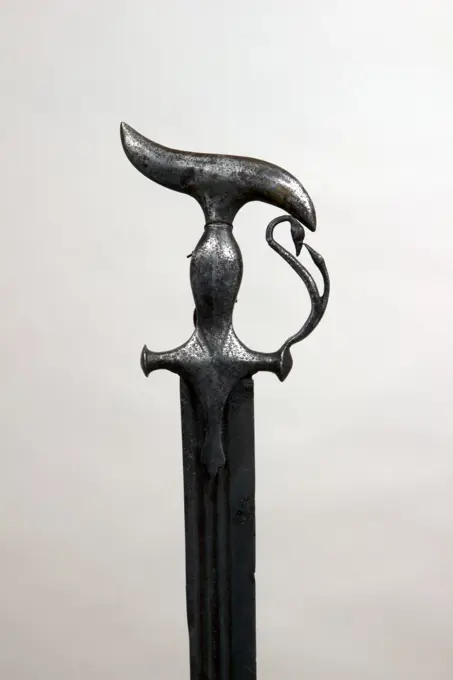
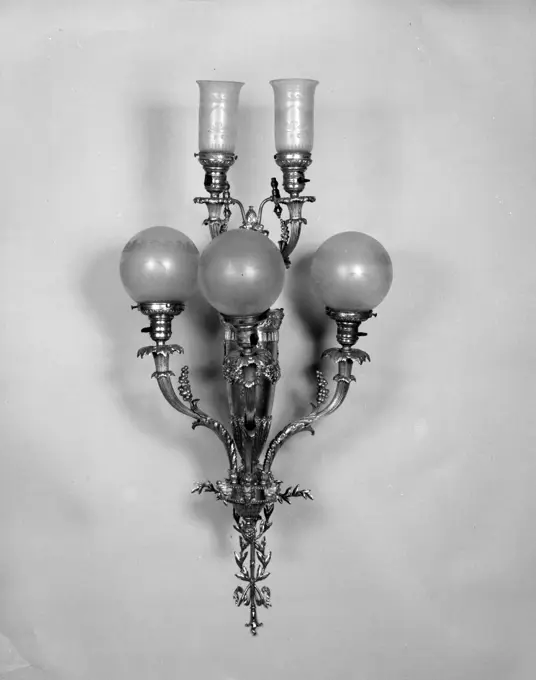
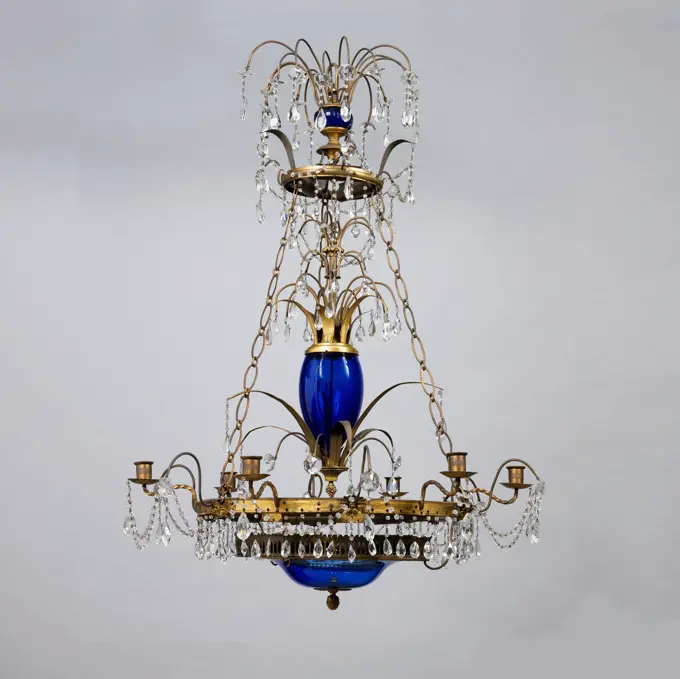
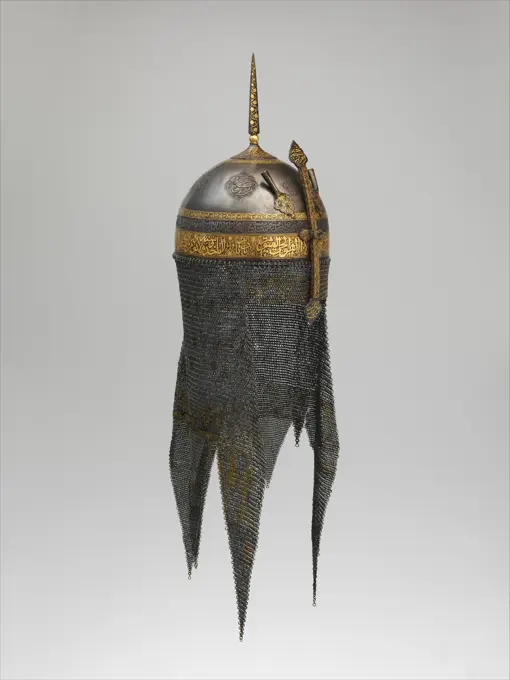
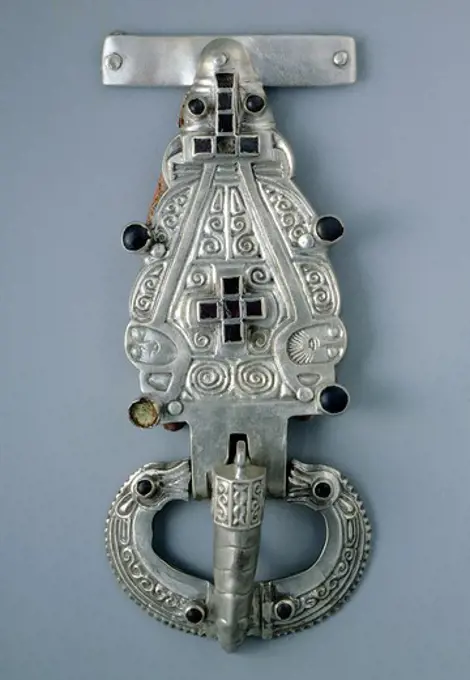
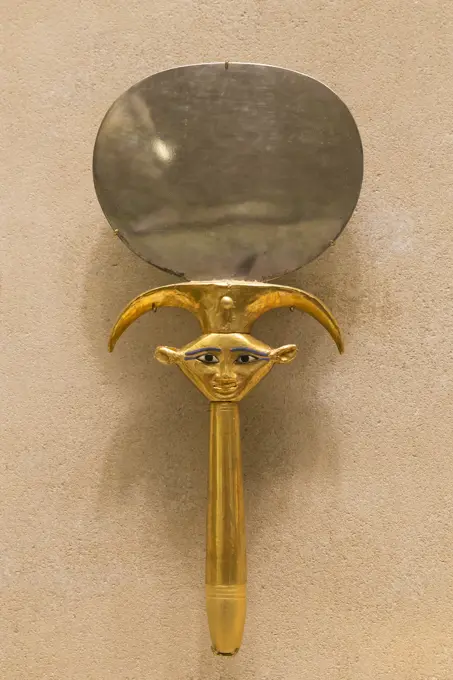
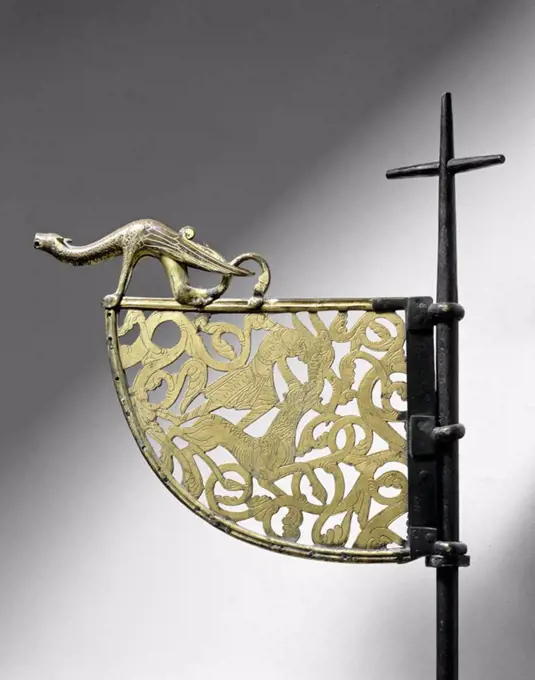
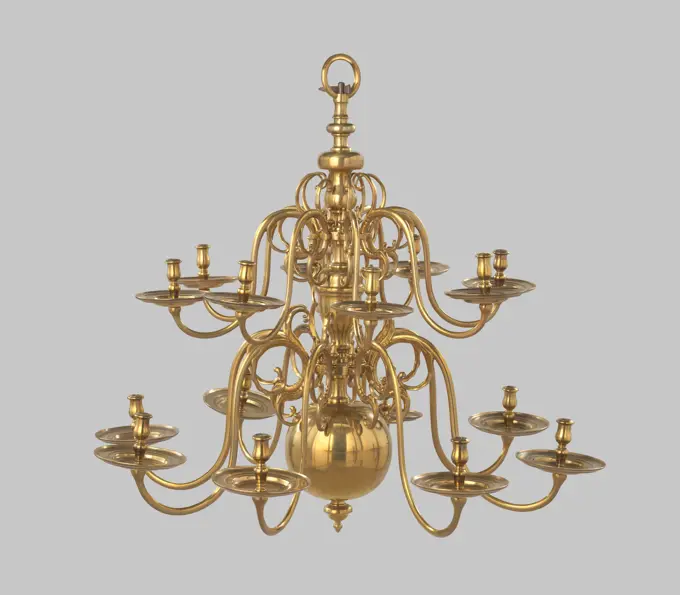
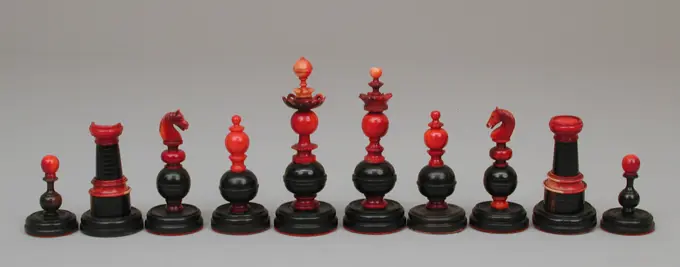
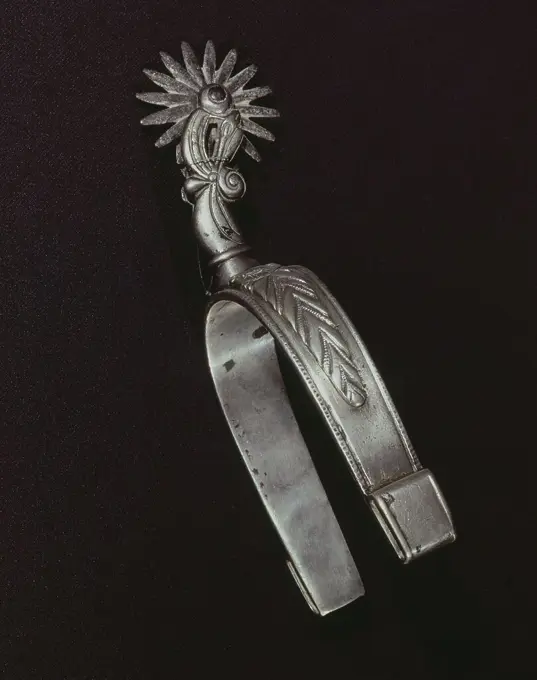
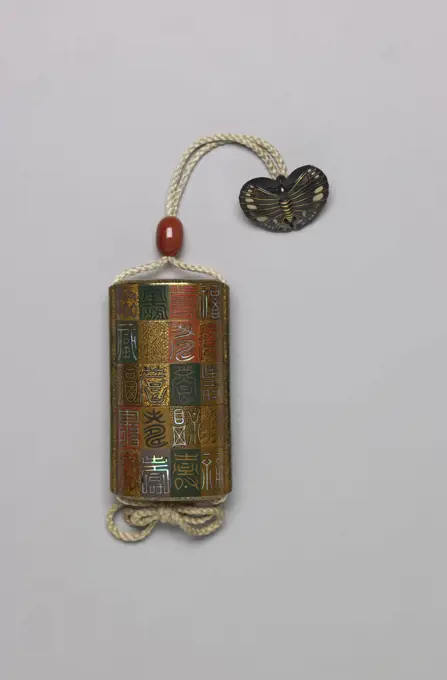
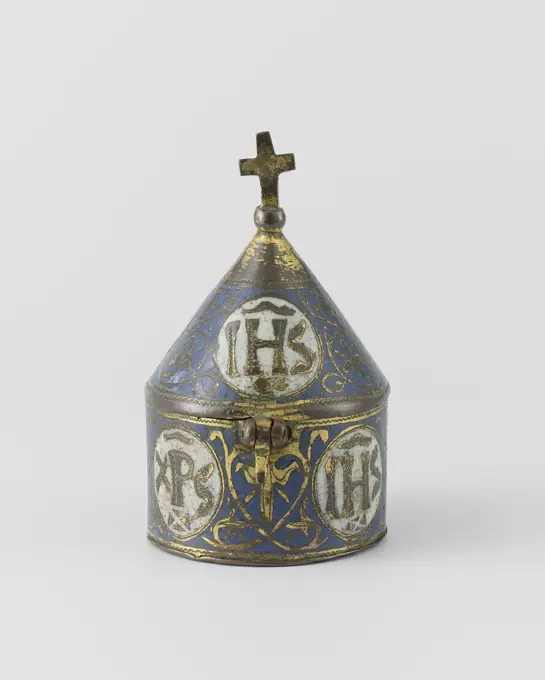
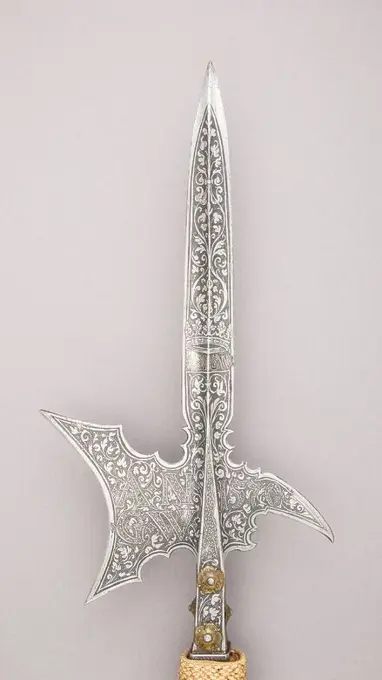
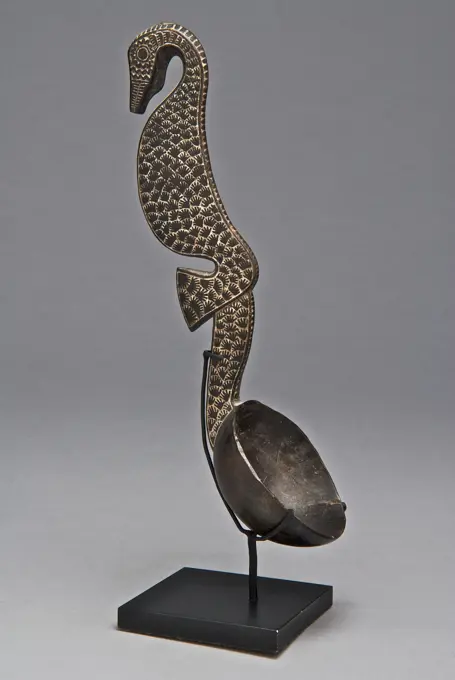
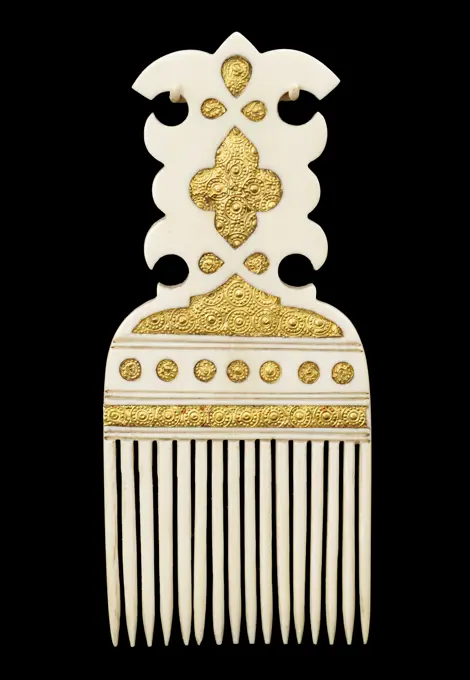
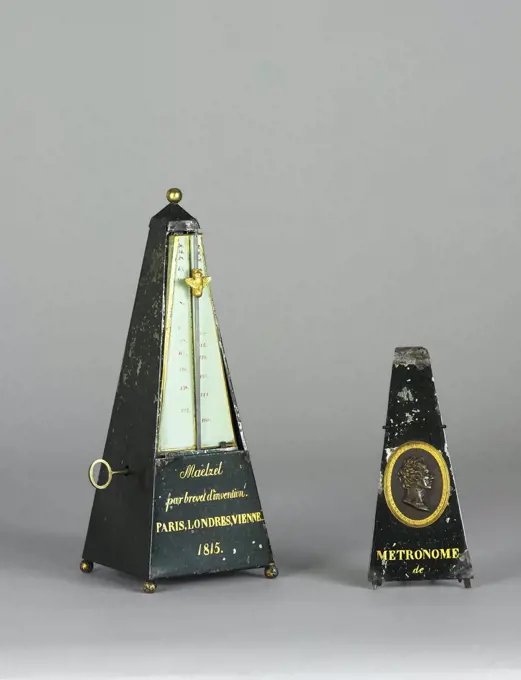
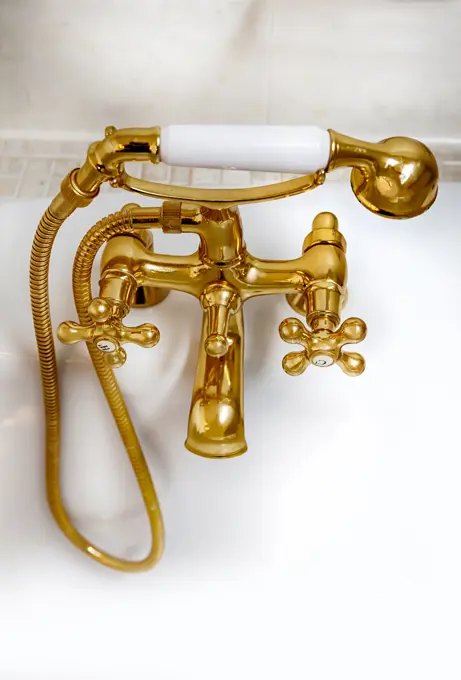
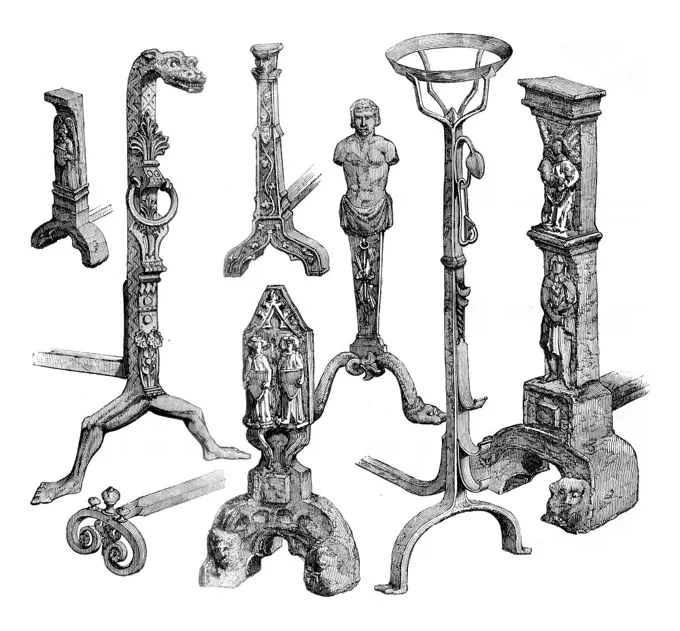
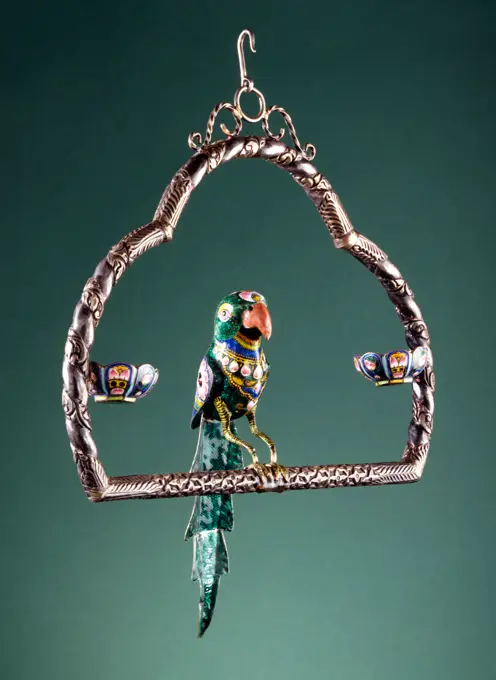
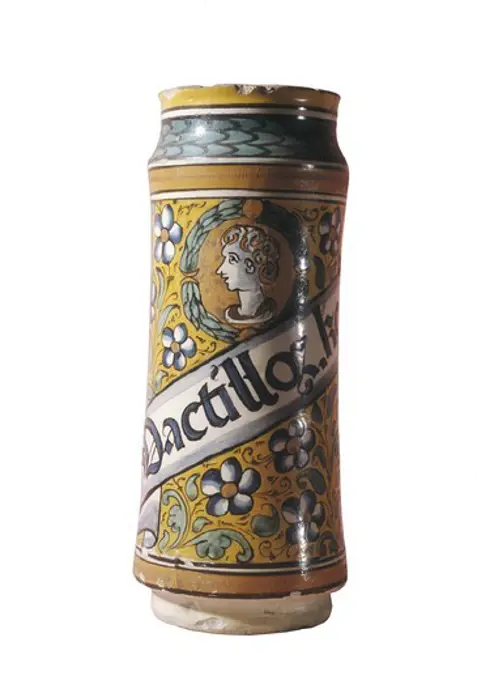
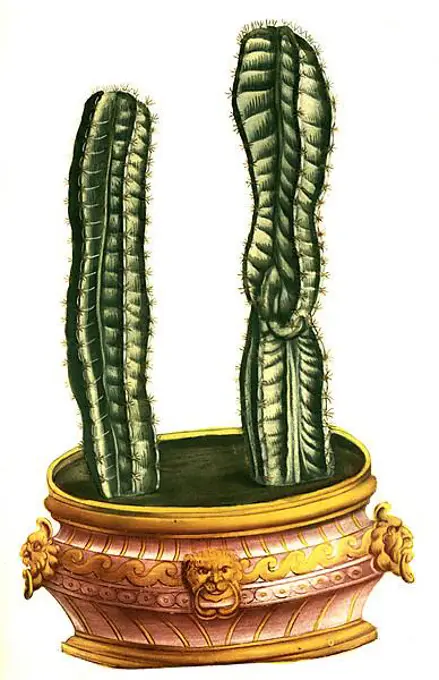
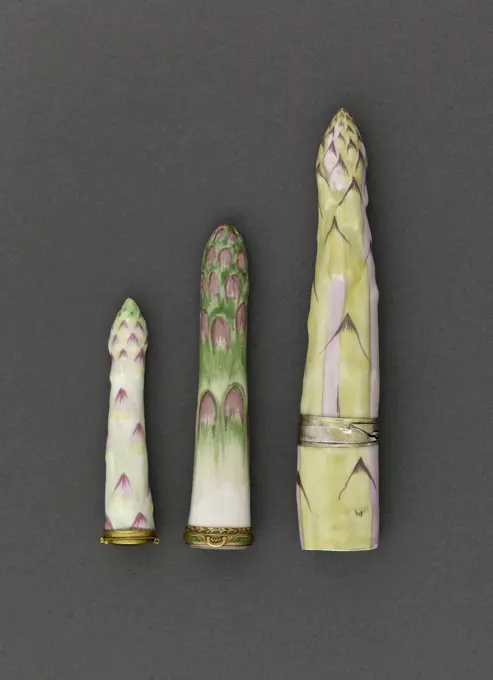
Pair of Candelabra, François Désiré Froment-Meurice, 1853 Kandelaber of partially gilded silver. On the Kandelaber an angel is combined with feet and arms in a lush rococo style and with decorative motifs in an Arabic idiom. Paris silver (metal). gilding (material) gilding Kandelaber of partially gilded silver. On the Kandelaber an angel is combined with feet and arms in a lush rococo style and with decorative motifs in an Arabic idiom. Paris silver (metal). gilding (material) gildingBlaker with flat steals. Blaker of brass with flat stem in which hole.White ionic design column on dark backgroundCandlestick isolated on white backgroundVintage chandelierTripod vesselSilversmith's Art, Italy 20th century. Piero De Vecchi, Silver candlestick made for Calderoni, based on a drawing of Luciano Sanvito for the first international exhibition of jewels and silversmith's pieces.Silversmith: Cornelis Knuijsting, Silver candlestick in the shape of corinthian column with capital on square foot decorated with garlands and blaasquins, candlestick candlestick holder silver, molded appliqued Square curved foot stem and candle holder in the form of corinthian column with capital flat grease trap with profiled outer edge outer edge foot (smashed) illuminateMythical wild goose. unknown, sculptorEagle Weather Vane and Standard c 1801-1900 Maryland (Object made in), United States (Artist's nationality). Copper and gilding . Artist unknownArm of a candle crown in two heights, Anonymous, 1630 The S-shaped arm is provided with a ridge on the trunk side with an opening to secure it with a pin in the stand rings. At the trunk the arm is decorated on the end and to the center with two stylized dolphin heads and with three pairs of curls or leaves executed in lobe style. To the outside, the arm ends in a lip, in which a hole provided with a thread is applied, to confirm the candle holder and the fat catcher. The arm is cast using the same model as the other arms of the wreath. The cylindrical candle holder has two profiled ribs, two grooved rings and profiled excellent edge. The fat catcher is deepened twice at the top towards the center. At the bottom it is profiled around the hole on the somewhat spherical middle and ribbed on the edge and with two grooved rings. The fat catcher has been cast using the same model as the other fat catchers of this wreath. The pin is equipped with a vase -shaped button. This is the fourth armJohn Dana, Lamp, c 1936 LampAncient lamp isolated on the whiteSword 18th-19th century Indian. Sword 31044Gas Lighting Fixture ca. 1895. Gas Lighting Fixture. ca. 1895. MetalChandelier (probably Sweden); glass, gilt metalHelmet with Talismanic Inscriptions 18th century Although this helmet was a serviceable military object, it was probably used as an accessory of a parade armour. Forged from watered steel and damascened in gold with talismanic inscriptions, it contains an invocation to 'Ali, the son-in-law and cousin of the Prophet, and calls upon him for protection against harm and danger. The verses are distinctly Shi'i, and commonly found on objects from the Timurid through the Qajar periods in Iran and Central Asia.. Helmet with Talismanic Inscriptions 444625Silver and bronze buckle with rhomboid plaque, Crimea. Gotho-Alanic Civilization, 3rd-4th Century.Key;  19th century (1701-00-00-1800-00-00);Mirror, Reign of Thutmose III, Metropolitan Museum of Art, Manhattan, New York City, USA, North AmericaThree windmills for drawing water, Johannes van Somerwil (I) (attributed to), 1760 On a rectangular plate with beveled corners, are the front and back wall of a mill. The walls are open and carry the pivot on which the blades turn. The blades are drilled out. There is a bird on top of every wall. The edge of the plate is decorated. There is a hole in the plate, causing a rope that is attached to the pivot and that the blades can run by putting on it. The mill is marked: Mt. = Foot 443 and an ax. Amsterdam silver (metal) On a rectangular plate with beveled corners, are the front and back wall of a mill. The walls are open and carry the pivot on which the blades turn. The blades are drilled out. There is a bird on top of every wall. The edge of the plate is decorated. There is a hole in the plate, causing a rope that is attached to the pivot and that the blades can run by putting on it. The mill is marked: Mt. = Foot 443 and an ax. Amsterdam silver (metal)Anonymous, drum support (common name), -500. Cernuschi Museum, Asia Museum of Asia in the city of Paris.Wax jack ca. 1675 British. Wax jack. British. ca. 1675. Steel. Metalwork-SteelPochette 18th century French. Pochette. French. 18th century. wood, ivory. France. Chordophone-Lute-bowed-unfrettedArrowhead (Yanone). Culture: Japanese. Dimensions: L. 20 1/4 in. (51.4 cm); L. of head 5 in. (12.7 cm); W. 2 3/4 in. (7 cm); Wt. 2.9 oz. (82.2 g). Date: dated 17th century. Museum: Metropolitan Museum of Art, New York, USA.Shield. Culture: Philippine, Mindanao. Dimensions: H. 40 3/8 in. (102.6 cm); W. 17 1/4 in. (43.8 cm); D. 3 1/4 in. (8.3 cm); Wt. 4 lb. 2.1 oz. (1873.9 g). Date: 18th-19th century. Museum: Metropolitan Museum of Art, New York, USA.Tall Clock. Culture: American. Dimensions: 96 1/2 x 21 1/2 x 12 1/2 in. (245.1 x 54.6 x 31.8 cm). Maker: Jacob Diehl (1776-1858). Date: ca. 1800. Museum: Metropolitan Museum of Art, New York, USA.Wall Sconce ca. 1853 This wall sconce and its mate (64.36.4) come from the parlor of the Tweedy House, built in 1853 in North Attleboro, Massachusetts.. Wall Sconce 9650Baby-CarrierStakeHandle of bronze bowl, from Bisenzio (Tuscany region, Italy)TubaGilded bronze weather vane for XIIth century. Viking ship from Tingelsted, 1150-1200. Museum: Historisk Museet, OSLO, NORWAY.Snuff Bottle with European Figures (stopper), 1736-95. China, Qing dynasty (1644-1911), Qianlong mark and reign (1736-95). Painted enamel on copper;CRUZ RELICARIO EN PLATA. Location: CONVENTO DE LAS CLARISAS / MUSEO DE ARTE SACRO. MONFORTE DE LEMOS. LUGO. SPANIEN.Silversmith: Johannes Verlooven, Silver cake server, cut open with tree of life with flowers and flower bud, cake shovel kitchen utensil silver, forged sawn engraved molded Triangular flat tray smooth steel handle back (debossed) servingTurban Helmet. Culture: Iranian. Dimensions: H. 11 11/16 in. (29.7 cm); Diam. 9 1/4 in. (23.5 cm); Wt. 3 lb. 0.7 oz. (1380.6 g). Date: late 15th century.Helmets of this type are usually called turban helmets becuase of their large bulbous shape and the flutings that imitate the folds of a turban. Because certain dervish groups wore turbans wound with a prescribed number of folds to represent an important mystical number, it is likely that turban helmets were regarded not merely as armor but also as a kind of religious insignia, their very shape marking the wearer as a fighter in a Holy War.Turban helmets, together with mail-and-plate armor of matching decoration, were intended for the heavy cavalry and are recorded as early as the fourteenth century. The examples exhibited here appear to have belonged to the dynasty of Ak-Koyunlu (White Sheep Turkoman), which ruled northwestern Iran and Anatolia in the fifteenth century. The inscriptions, damascened with gold and silver, glorify tempA drawing showing wall lamp furnishings at the Hofburg, Vienna I, executed in graphite, black ink, with yellow, brown, and gray washes, early 19th century.Flower pyramid, the metal pot (attributed to), after Lambertus van Eenhoorn, c. 1692 - c. 1700 Segment of flower pyramid of faience, blue painted in the glaze. Music figures and figures with scale. Delft . Segment of flower pyramid of faience, blue painted in the glaze. Music figures and figures with scale. Delft .Arm of a candle crown in two heights, Anonymous, 1650 - 1675 chandelier The S-shaped arm is equipped with a ridge on the trunk side with an opening to secure it with a pin in the stand ring. At the trunk, the arm is decorated at the end with a stylized dolphin head and with two curls, the design of which is derived from the lobe ornament. To the outside, the arm ends in a thickening, in which a hole provided with a thread is applied to attach the candle holder with the fat catcher. The arm is cast using the same model as the other arms of the wreath and has the same size. The candle holder has a round narrowing upwards and in an excellent edge -transmitting vase shape on the baluster foot with a threaded end, in which the center hole at the bottom. The fat catcher is deepened once at the top to the middle. At the bottom she is profiled on the edge and around the hole on the somewhat spherical center. The fat catcher always has its own size and is cast with the help of the same model asArm of a candle crown in two heights, Anonymous, 1650 - 1675 chandelier The S-shaped arm is equipped with a ridge on the trunk side with an opening to secure it with a pin in the stand ring. At the trunk, the arm is decorated at the end with a stylized dolphin head and with two curls, the design of which is derived from the lobe ornament. To the outside, the arm ends in a thickening, in which a hole provided with a thread is applied to attach the candle holder with the fat catcher. The arm is cast using the same model as the other arms of the wreath and has the same size. The candle holder has a round narrowing upwards and in an excellent edge -transmitting vase shape on the baluster foot with a threaded end, in which the center hole at the bottom. The fat catcher is deepened once at the top to the middle. At the bottom she is profiled on the edge and around the hole on the somewhat spherical center. The fat catcher always has its own size and is cast with the help of the same model asDA-SC-89-09760. Base: UnknownChessmen late 18th century Spanish or French. Chessmen. Spanish or French. late 18th century. Ivory, ebonized boxwood. Chess SetsESPUELA DE PLATA ARAUCANA. Location: MUSEO DE AMERICA-COLECCION, MADRID, SPAIN.Inrö with Stylized Characters for Prosperity andLongevity, 19thcentury, Inro: gold lacquer ground on wood with pigment, decoration in nashiji and kirikane, and inlay of mother-of-pearl and gunmetal; netsuke: ivory with metal and wire inlay; ojime: carnelian, 3 3/4 × 2 in. (9.5 × 5.1cm), Japan, Japanese, Edo period(1615-1868), Containers -WoodMirror 19th century China. Mirror 69709Pixis with medallion with the letters IHS and the Monogram XPS, Anonymous, c. 1250 - c. 1275 Pixis of gilded copper and email champlevé. The body cylindrical. The cone -shaped lid is crowned by a cross on a sphere. The lid is connected to the body with a hinge and has a pierced SNEB on the opposite side, which fits the body between two eyes and can thus be closed with a pen. The lid is decorated with blue soil of enamel, on which rank ornament, which is four on the body, and on the lid three medallions of white enamel. The medallions alternately show the letters IHS and the Monogram XPS. The soil is connected with clamps that were forged on the underside of the body. Limoges copper (metal). gilding Pixis of gilded copper and email champlevé. The body cylindrical. The cone -shaped lid is crowned by a cross on a sphere. The lid is connected to the body with a hinge and has a pierced SNEB on the opposite side, which fits the body between two eyes and can thus be closed with a pen. The lidVintage Photograph. Three sarna bells.Rosewater Sprinkler or Bottle with Light Brown and Chrysanthemums. Rose water dropper or point bottle at high foot of porcelain with spherical body and long, narrow neck, covered with a café-au-lait glaze and painted in underglaze blue. The bottle is covered with a light brown glaze and with in front of blue three round fields with chrysanthemum saved. Monochrome brown with blue and white.Cruz, siglo XVII. Museu d'Història de Catalunya.Hand Drum (kundu), 19th-20th century, 30 3/4 x 5 3/4 in. (78.11 x 14.61 cm), Wood, wicker, skin, Indonesia, 19th-20th centuryHalberd of Johann Georg, Prince-Elector of Brandenburg (reigned 1571-98). Culture: German. Dimensions: L. 8 ft. 7 1/2 in. (262.9 cm); L. of head 21 1/4 in. (54 cm); W. 10 1/4 in. (26 cm); Wt. 6 lbs. 1.5 oz. (2764.1 g). Date: dated 1570. Museum: Metropolitan Museum of Art, New York, USA.COPA DE METAL DORADO. Location: VICTORIA AND ALBERT MUSEUM. LONDON. ENGLAND.Spoon with a Handle in the Shape of aSeahorseSouvenir spoon with view of the capitol building and arms of the United States European late 19th century View more. Souvenir spoon with view of the capitol building and arms of the United States. European. late 19th century. Silver, parcel-gilt and enamel. Metalwork-SilverHair comb, about 1800, 4 15/16 x 2 1/8 x 1/4 in. (12.5 x 5.4 x 0.64 cm), Ivory, gold, Tanzania, 18th-19th century, Whoever gave this comb to his wife more than 200 years ago must have loved her dearly. Carefully carved and made of precious materials (elephant ivory and gold folio), its something the owner would have shown off, perhaps even wearing it in her hair. It would signal that she was among the wealthy elite of Zanzibar, and had married well.Hooked Harp. Culture: Austrian. Dimensions: Height (at highest): 55 1/8 in. (140 cm)Width: 9 1/4 in. (23.5 cm). Date: 18th century. Museum: Metropolitan Museum of Art, New York, USA.Metronome by Johann Maelzel, Mälzel, Johann Nepomuk (1772-1838)golden faucet detail of classic bedroom with golden faucet Copyright: xZoonar.com/AriadnaxdexRaadtx 5472911Set of Four Teaspoons, c. 1770-1780. Samuel II Drowne (American, 1749-1815). Silver; overall: 2.6 cm (1 in.).Landiers preserved in the Museum of Cluny, vintage engraved illustration. Magasin Pittoresque 1858.Toilet brush;  19th/20th century (1890-00-00-1910-00-00);Parrot on a Swing. India, Uttar Pradesh, Varanasi, late 19th century. Sculpture. Enameled silver inlaid with foil-backed glass set in gold; parcel-gilt silver repousséCatalan pharmacy pot (17th-18th c.). Ceramics. SPAIN. CATALONIA. BARCELONA. Vic. Vic Episcopal Museum.Rhipsalis baccifera (Cereus quadrangularis), quinque angula, a genus of plant (cactaceae) in the family, Historical, digitally restored reproduction from an 18th century originalGerman anonymous. Asparagus -shaped stretches. Porcelain. 18th century. Paris, Cognacq-Jay museum. 56642-3 Asparagus, Etui, PorcelainSource, Elisenbrunnen, Friedrich-Wilhelm-Platz, Aachen, North Rhine-Westphalia, Germany, EuropeEiffel tower miniature