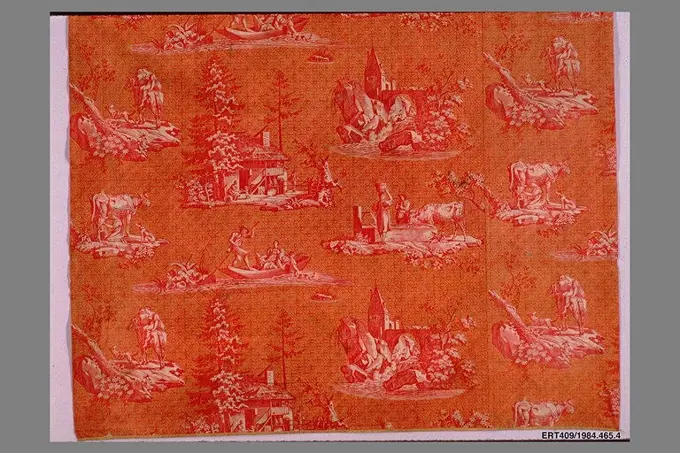
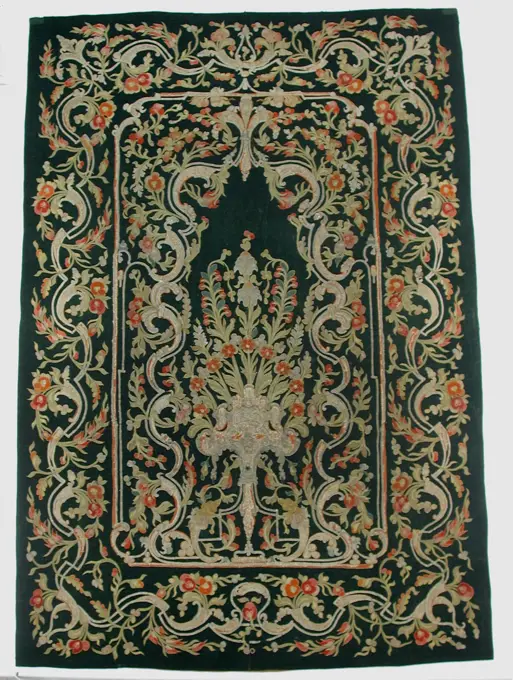
Antique Carpets and Fabrics

A collection of exquisite carpets and textile fragments featuring elaborate patterns and historical significance, showcasing traditional craftsmanship.

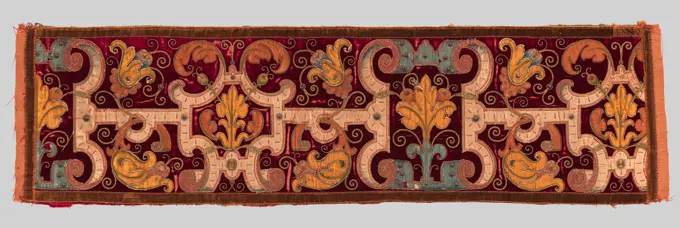
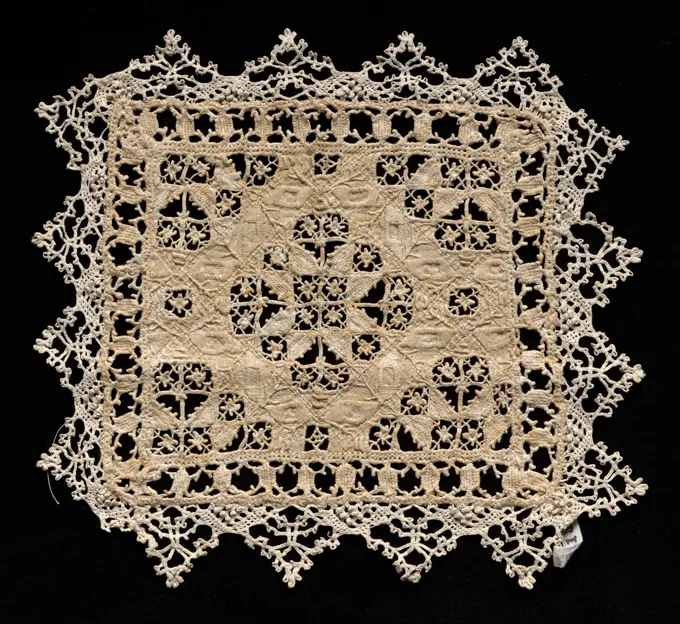
Pillow cover, Medium: silk on linen Technique: embroidered on plain weave, Embroidered cushion cover showing a diamond lattice with symmetrical flowering vine in red silk on linen., Italy, 16th-17th century, embroidery & stitching, Pillow cover
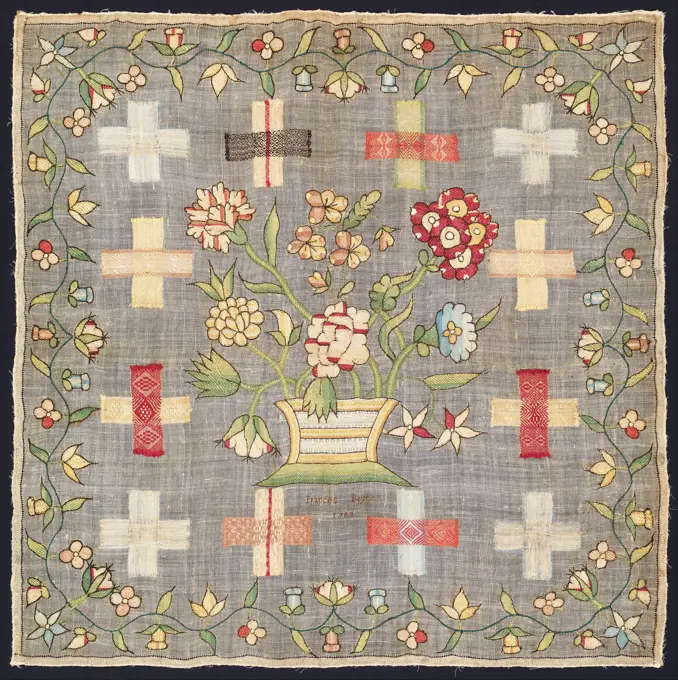
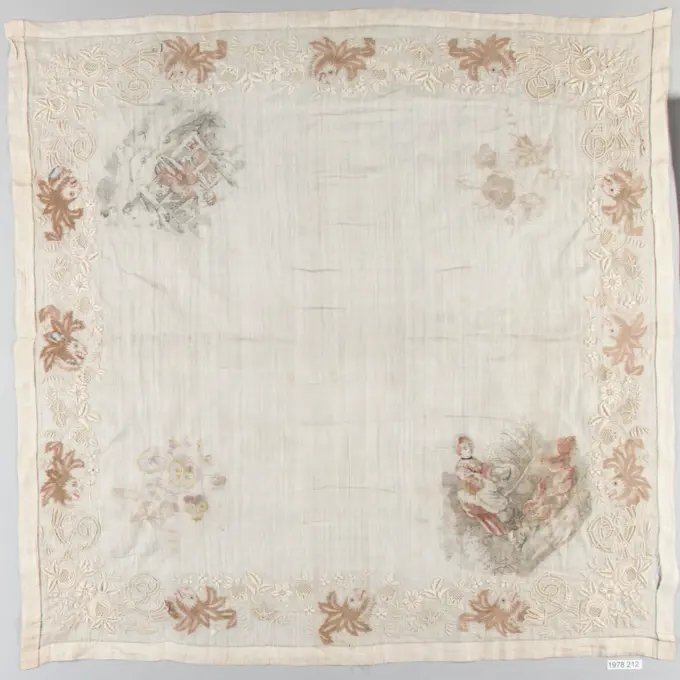
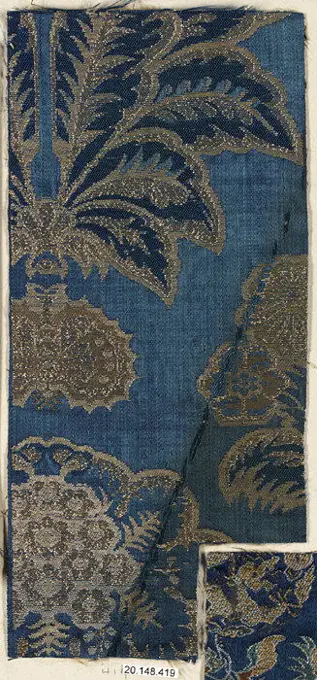
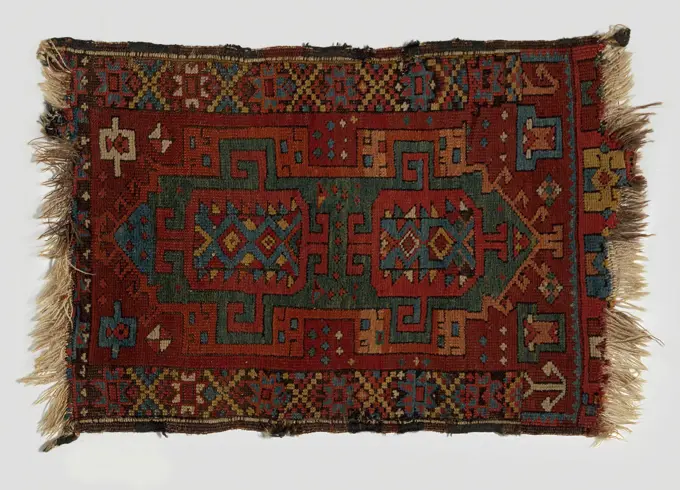
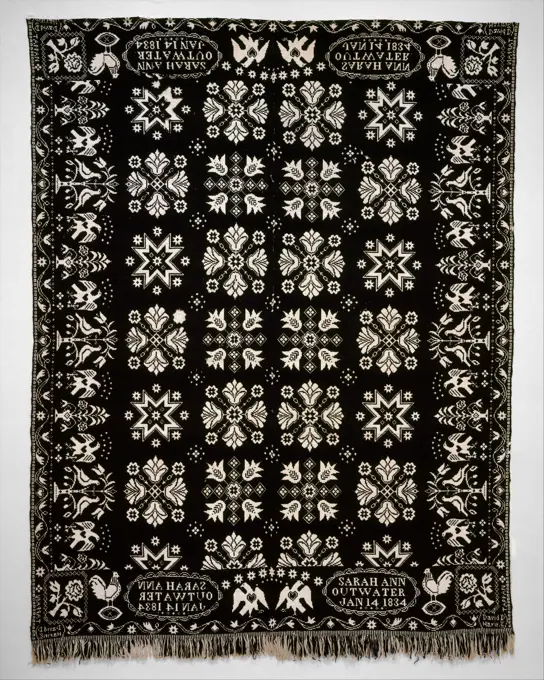
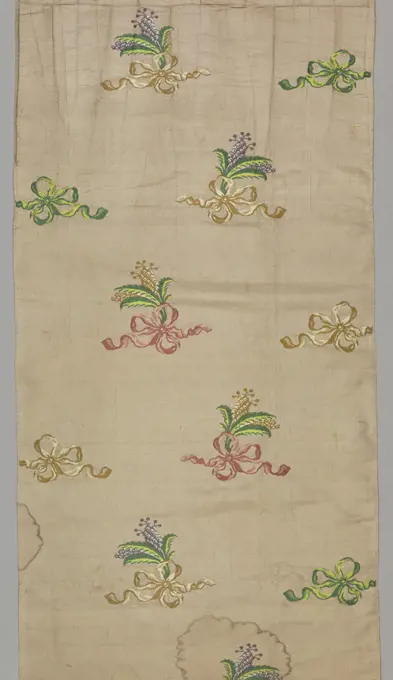
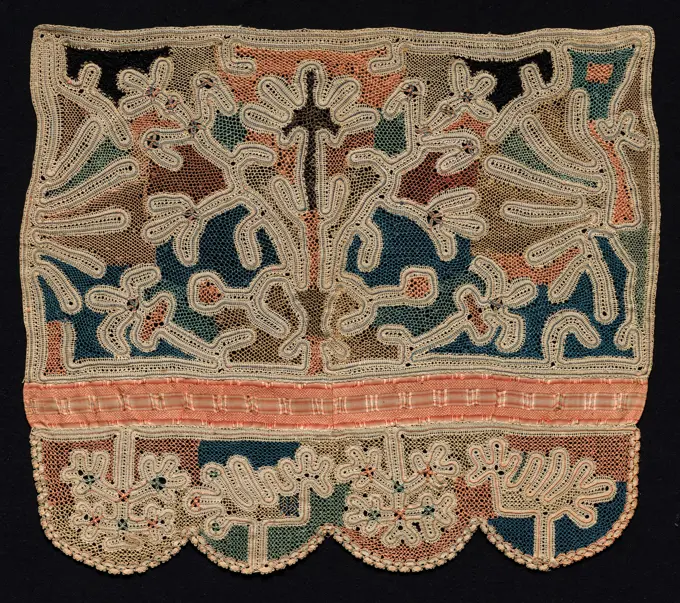
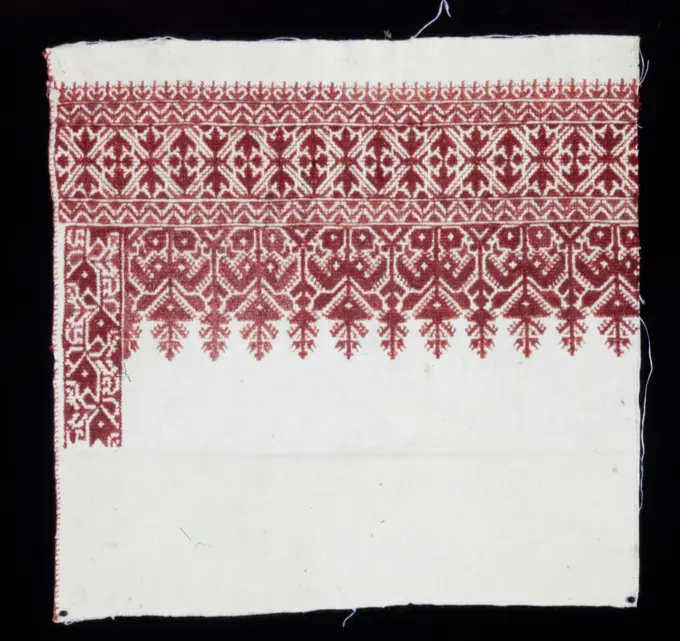
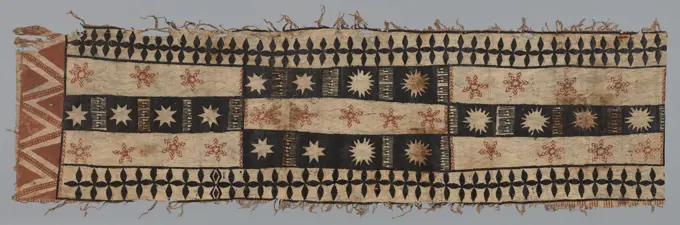
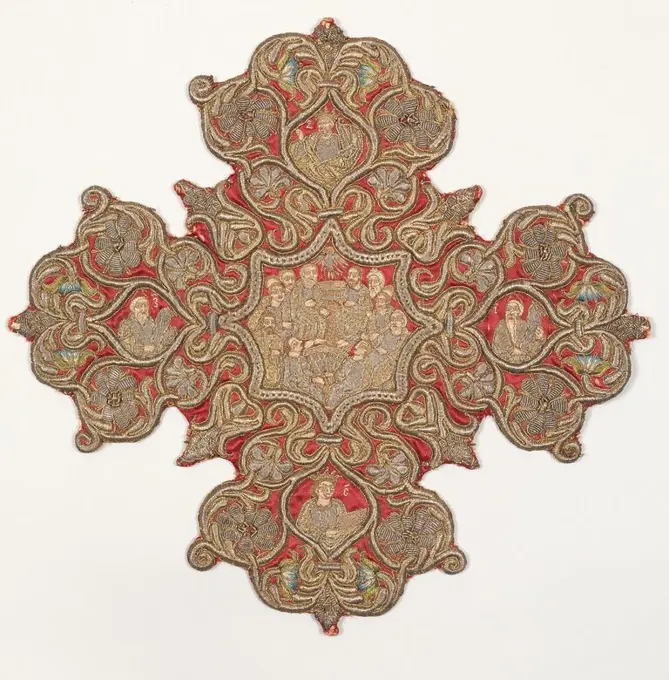
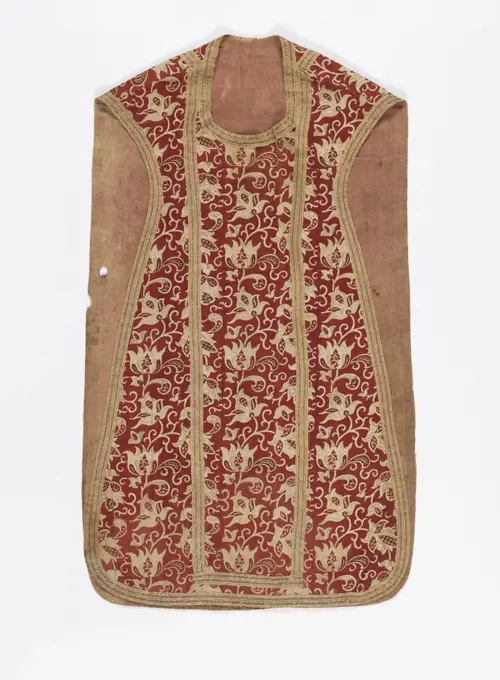
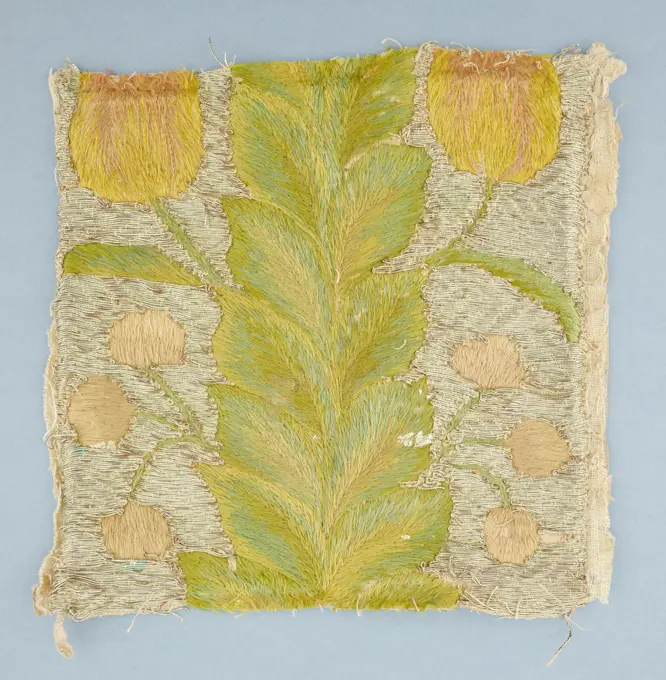
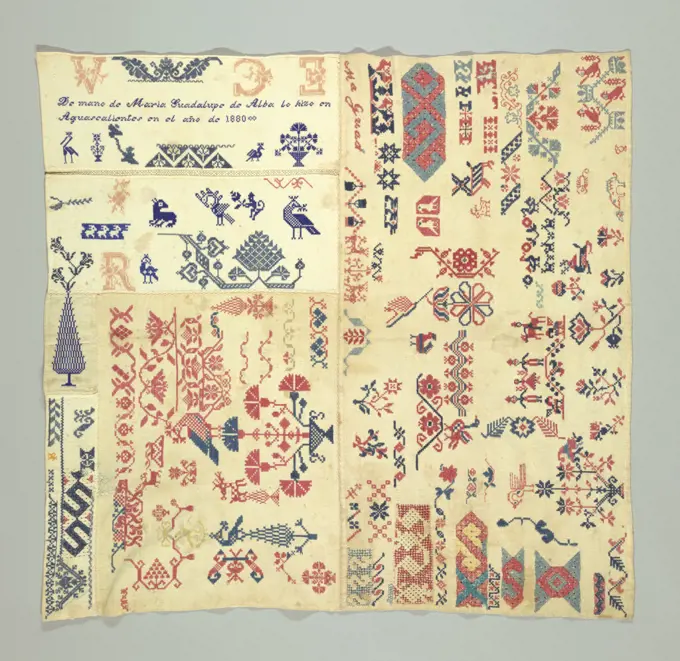
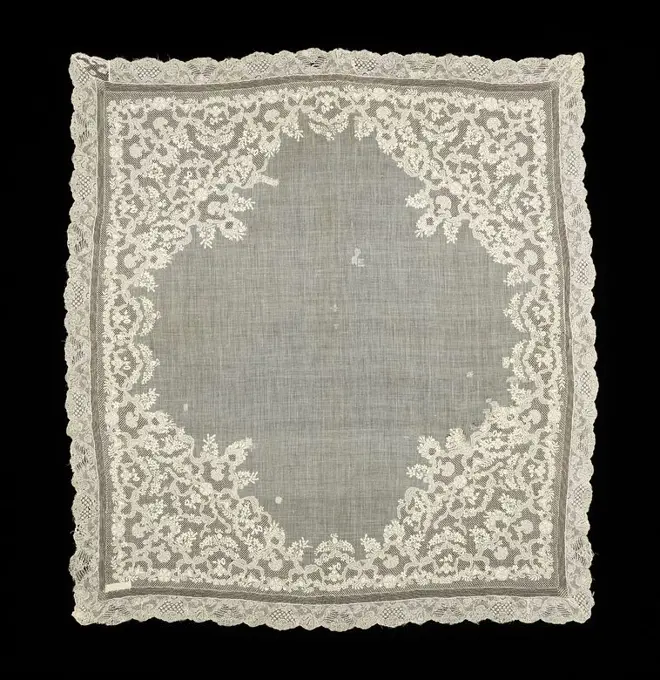
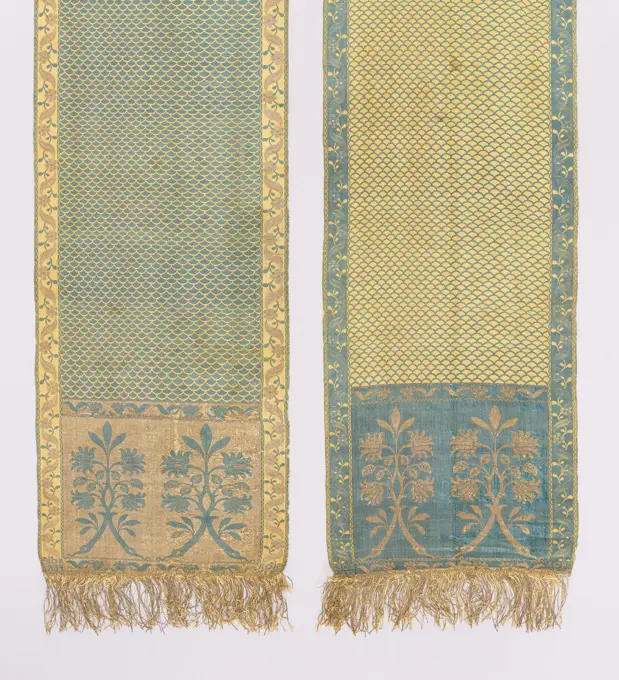
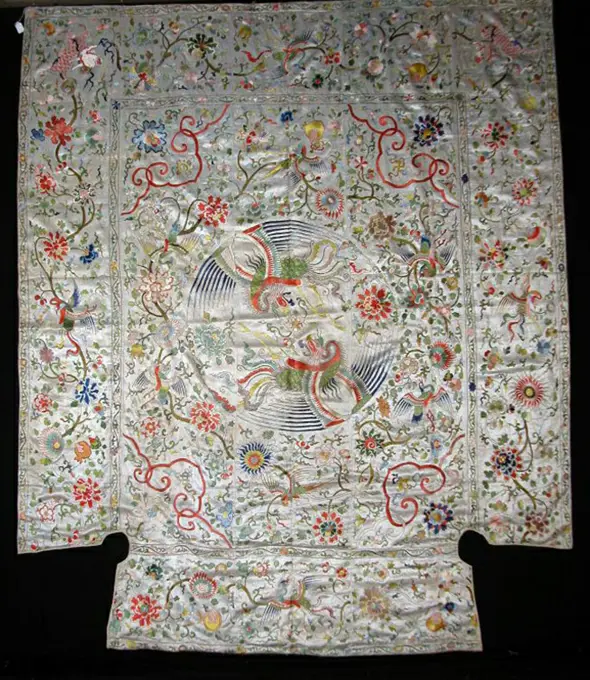
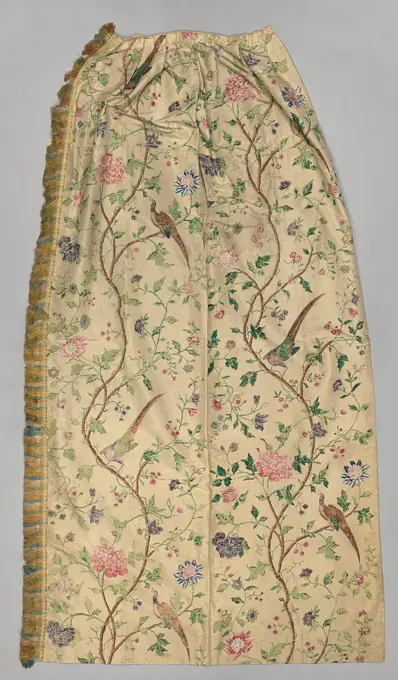
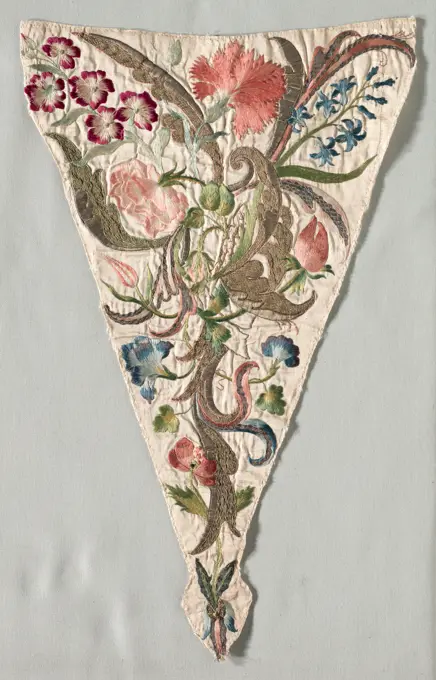
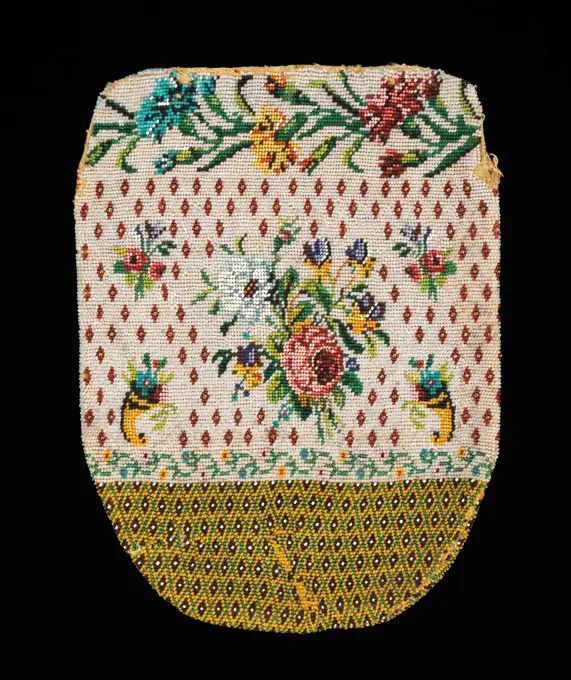
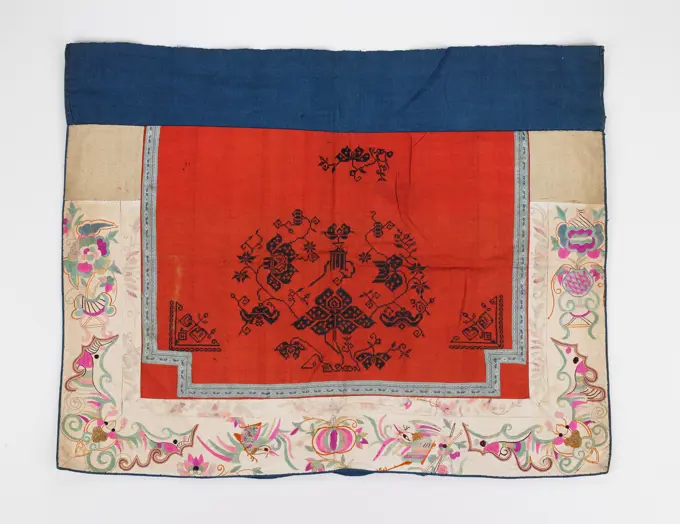
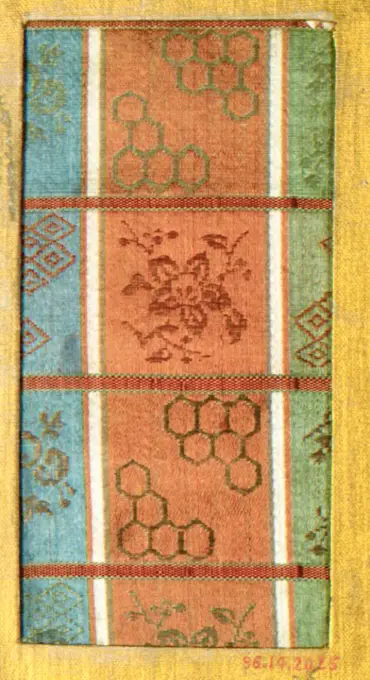
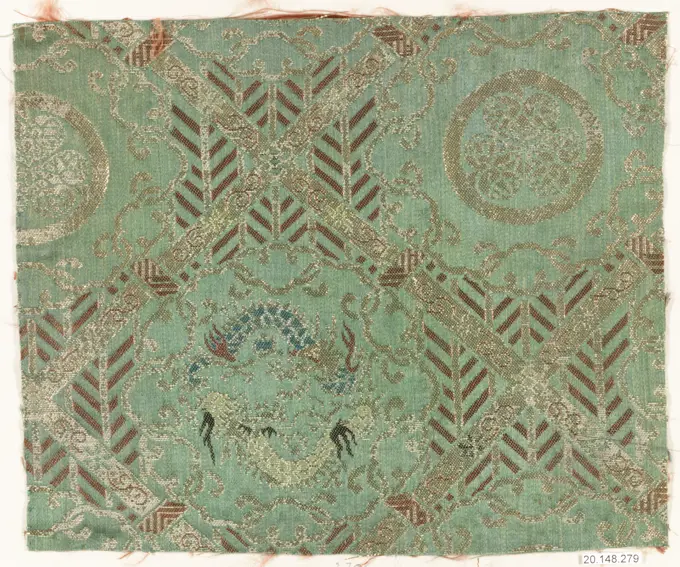
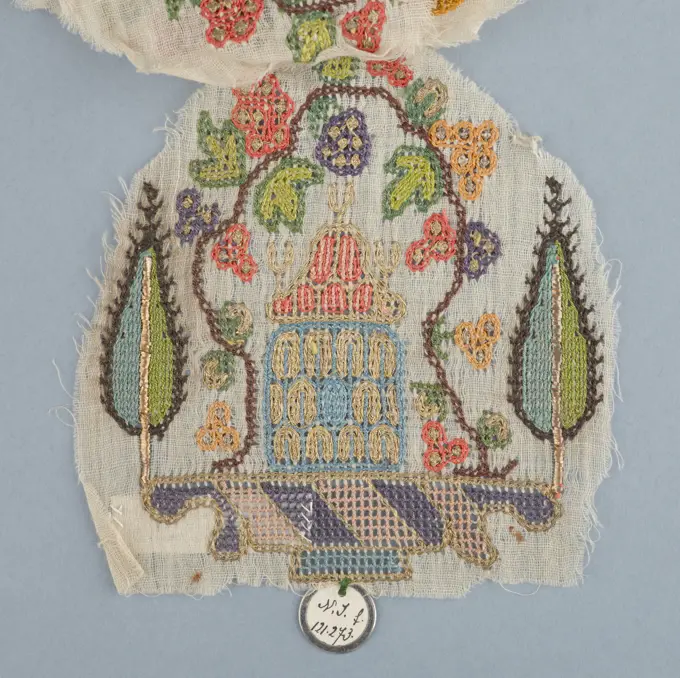
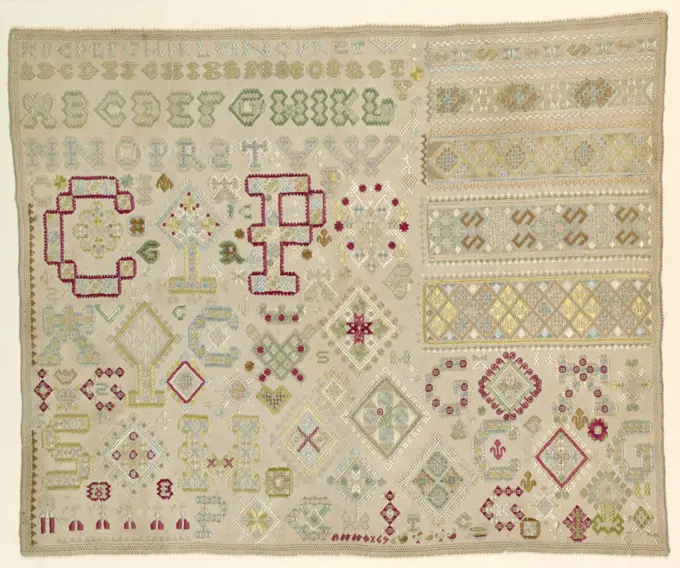
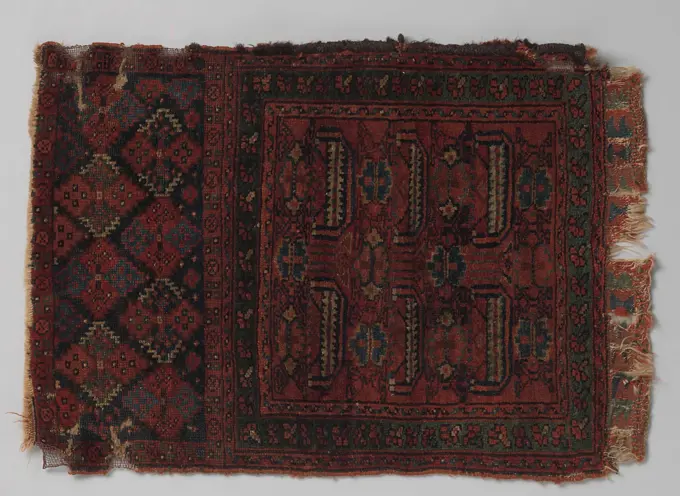
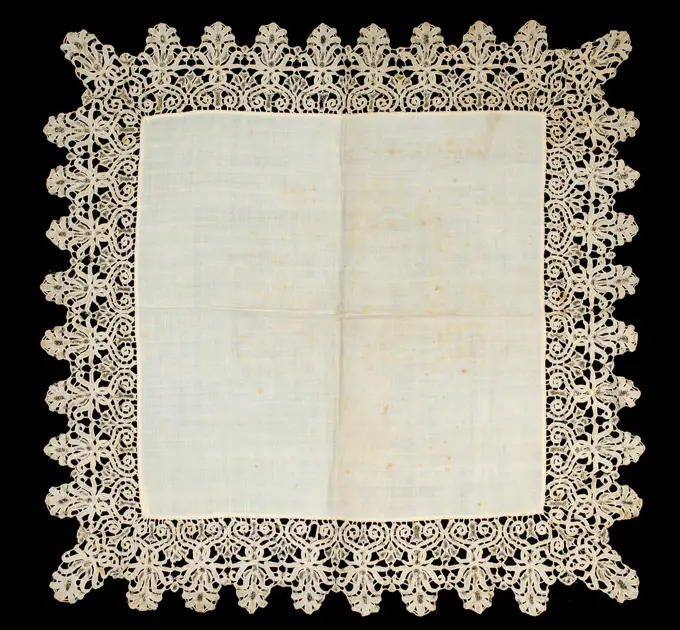
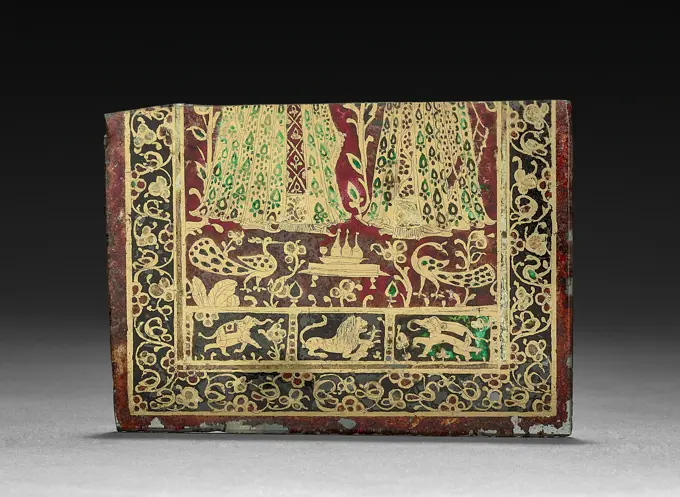
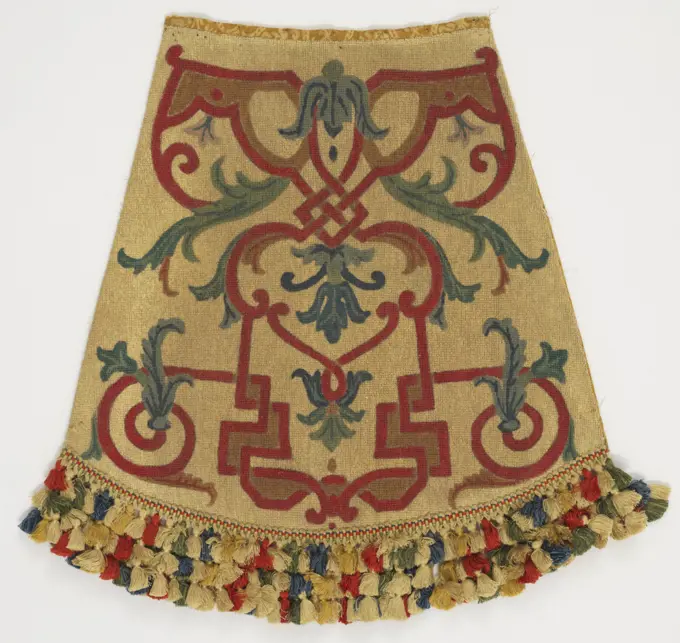
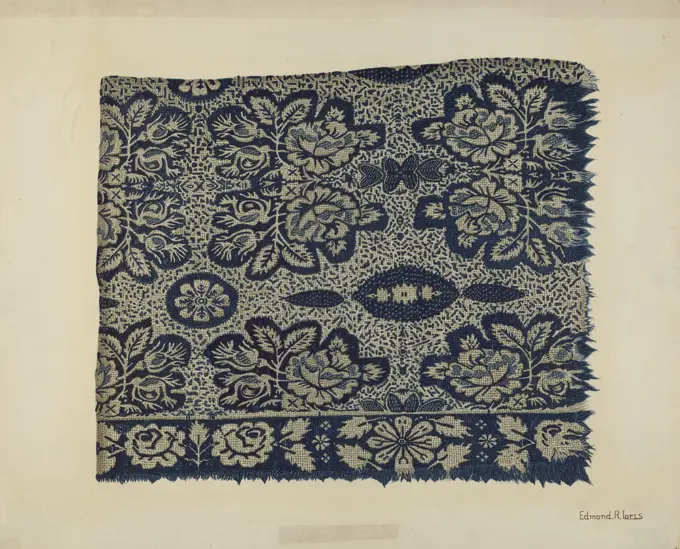
Hanging 18th century. Hanging 450511Fragment (USA); cottonCover of white cotton, with colorful silk embroidery ,, c. 1700 - c. 1800 Cover of white cotton, with colorful silk embroidery. The pattern has staggered rows of two entangled fine forgated branches, on which two flowers, tendrils, sheets and berries. Persia (possibly) cotton (textile). silk embroidering Cover of white cotton, with colorful silk embroidery. The pattern has staggered rows of two entangled fine forgated branches, on which two flowers, tendrils, sheets and berries. Persia (possibly) cotton (textile). silk embroideringQuiltBaby Carrier, 18 1/2 x 16 in. (46.99 x 40.64 cm), Silk (), metal, linen (); needlework, ChinaEmbroidered darning sampler 1780 Frances Boyce Frances Boyce produced a very finely worked selection of decorative darning stitches, made further challenging by the delicate nature of the foundation fabric on which she worked. Apparently, her skill went hand in hand with modesty, as her signature is quite small.. Embroidered darning sampler 211490Doily (Mexico); cotton, glass beadsQuilt -Handkerchief Spanish 19th centuryBedcover (North Carolina Lily Quilt) Made 1845-1855 United States. .Cushion Cover Made 1689 England. Linen and cotton, weft-float faced twill weave; embroidered with wool yarns in arrowhead, back, buttonhole, herringbone, Roumanian, running, satin, sheaf filling, and stem stitches; wool tassels at corners .Piece early 18th century China. Piece 71410Wall Pocket; silk, metallic threadHeadscarf 1850-99 Russian. Headscarf 173436Fragments; silks and gold metal thread on linen foundationCartouch dress. Cartouch dress. Midfield: brown-red fond with double crop with pointed top and foot, in cognacleur with green perimeter and filled with two blocks provided from outside of hooks and inside with tidy windows. Borders: In two types: the standing different from the lying edge. 1. A rust-brown border walks side times, where star flowers are between yellow, checkered crosses. 2. Under- and top edges in terrarill with yellow double hooks placed in squares.Headcovering 19th century. Headcovering. 19th century. Silk; basket weave. Attributed to Tunisia. Textiles-CostumesBorder, Medium: silk on linen Technique: embroidered, Long narrow border with a pattern of stylized plants at one edge in a row. In red silk on linen., Italy, 17th century, embroidery & stitching, BorderFragment; silk, metallicCoverlet 1834 David Daniel Haring American This dark blue wool and undyed cotton double cloth coverlet is woven in two panels and seamed at the center. Floral and star motifs typically found in Haring's work decorate the central field. The left and right borders have images of eagles with outspread wings alternating with vases of flowers and pairs of birds in trees. From left to right along each panel of the top and bottom borders, there is a rooster standing on an egg, the inscription cartouche, and an eagle. The Haring trademark of a rose with four leaves on its stem appears in each corner block. There is natural fringe along the bottom edge.. Coverlet 13646Carpet. unknown, authorKontusz sash/belt. unknown, authorSampler Made 1801 Germany. Linen, plain weave; embroidered with silk in darning and cross stitches .Long Sampler, 1845. Mexico, 19th century. Embroidery; average: 61 x 36.9 cm (24 x 14 1/2 in.).Textile, Medium: silk Technique: plain weave foundation, discontinuous supplementary weft patterning (brocading) bound in twill, Sprigs of flowers tied with bows, horizontally offset, in shades of pink on a white ground. Secondary monochrome pattern of white sprigs., Spitalfields area, England, ca. 1740, woven textiles, TextileBook cover with yellow and green striped floral pattern 19th century Anonymous. Book cover with yellow and green striped floral pattern. Anonymous , 19th century. 19th century. Relief print (wood or metal). PrintsHandkerchief (Switzerland); linenChair Seat Made 1601-1700 France. Hemp, plain weave; embroidered with silk in cross and tent stitches .Fragment of a Sleeve 5th-6th century. Fragment of a Sleeve 443708Carpet Fragment. Date: ca. 17th century. Museum: Metropolitan Museum of Art, New York, USA.Towel End, c 1700s- 1800s. Russia, Kostroma province, 18th-19th century. Cotton or linen (est.); straight (continuous) bobbin lace (Vologda tape lace). The tape forms figural or plant motifs outlined with colored gimp (heavy cord) with a polychrome plaited ground linking the tape; applied silk (est.) ribbon; overall: 33 x 38.1 cm (13 x 15 in.). This Russian lace panel was likely used to embellish the end of a bathing towel. Textiles of this type are valuable for their fine lace making including ancient folk motifs, ritual significance, exemplification of the role of textiles in their society, and in this case, connection to a prominent woman collector, Natalia de Shabelsky, without whom this textile and others like it might have been lost.Stomacher mid-18th century American. Stomacher 98051Embroidery FragmentTowel end, 17th century, 10 1/16 x 10 1/2 in. (25.6 x 26.7 cm), Cotton, embroidery, Morocco, 17th centuryCover sheet Saddle bag Decorated with grid motif; triple edge with rosette flowers, Jaffi Volk, c. 1800 - c. 1900 Cover of a saddle bag, Jaffi-Kurdistan-Mosul, of which the midfield is divided into windows by a grid. Triple edge whose middle is decorated with rectangles in which rosette flowers. At the bottom of an embroidered beard. Kurdistan Necklace and impact: Wool Cover of a saddle bag, Jaffi-Kurdistan-Mosul, of which the midfield is divided into windows by a grid. Triple edge whose middle is decorated with rectangles in which rosette flowers. At the bottom of an embroidered beard. Kurdistan Necklace and impact: WoolSampler; silk embroidery, linen foundation, silk ribbon; Warp x Weft: 22 x 43 cm (8 11/16 x 16 15/16 in.); Bequest of Mrs. Henry E. Coe; 1941-69-169Tapa Cloth, Before 1971. Oceania, Melanesia, Fiji Islands. Mulberry bark (Broussonetia papyrifera); overall: 239 x 79 cm (94 1/8 x 31 1/8 in.).Bedcover (Quilt Top). Susan (née Mumma) Major (1843-1926); United States, Pennsylvania, Dauphin County, probably Harrisburg. Date: 1850. Dimensions: 280.8 x 278.9 cm (110 1/2 x 109 3/4 in.). Cotton, plain weave; appliquéd with pieced plain weave; and plain weave; roller printed. Origin: Pennsylvania. Museum: The Chicago Art Institute, Chicago, USA.Piece 18th-19th century Japan. Piece. Japan. 18th-19th century. Silk. Textiles-WovenSilk Fragment, early 1600s. Italy, early 17th century. Lampas weave, silk and metal thread; overall: 40.7 x 24.8 cm (16 x 9 3/4 in.).Plug of multicolored silk on linen. Stoppipe with embroidery. The embroidery has the initials gr in a arm board. The edge has been worked out.Embroidered cross from an Omophorion. Culture: Ottoman. Dimensions: Overall: 10 × 10 1/2 in. (25.4 × 26.7 cm). Date: late 17th or early 18th century.Formed as sprays of floral ornament, this embroidered cross from a bishop's outer stole, or omophorion, reflects the eastward spread of the Baroque style via Venice. This embroidered cross and its pair (see 17.120.108) depict the Crucifixion of Christ and the Pentecost, surrounded, respectively, by the writers of the Gospels and four prophets. Museum: Metropolitan Museum of Art, New York, USA.Album with performances of weapons, various manufacturers, 1550 - 1749 Album with 81 performances on 28 album blades, preceded by 16 and followed by 24 Blanco magazines. The performances mainly concern family weapons. In addition, some vignettes and blazon. Half parchment band with decorative paper plates.  band: parchment (animal material). paper engraving / etching Album with 81 performances on 28 album blades, preceded by 16 and followed by 24 Blanco magazines. The performances mainly concern family weapons. In addition, some vignettes and blazon. Half parchment band with decorative paper plates.  band: parchment (animal material). paper engraving / etchingChasuble, Medium: cotton Technique: resist block printed, Chasuble printed in a dull brick red color showing a design of vine and flower. Tulip-like blossoms are rendered in natural size and have faded green and dark red interior decoration Trimmed with one-inch wide braid of natural color linen with flat gold woven in. Lined with rose-colored glazed linen., Spain, late 17th or early 18th century, printed, dyed & painted textiles, ChasubleChalice Cover Made 1801-1900 Spain. Silk, warp-faced plain weave; embroidered in silk floss, metal strip wrapped on silk core, metal strip; two-ply metal threads twisted; laid work, couched, couching, stem, outline. bobbin made lace in metal thread .Linen Fragment on which a soil of silk embroidered. White linen fragment, on which a floor of white silk tense. On the side, ornaments are embroidered and the monogram of Maria in gold thread.Cope Made 1601-1675 Italy. Silk, satin weave; underlaid with linen, plain weave; embroidered with silk, gilt-metal-strip-wrapped silk and gilt-metal-strips in crossed back, running, satin, and split stitches; laid work, couching, and padded couching; beaded with coral beads; edged with woven tapes .Tray  colourful flowers on a blue background unknownFragment striped, multicolored silk tissue. Fragment striped, multicolored silk tissue.Seat Cushion China. Seat Cushion. China. Qing dynasty (1644-1911). Textiles-VelvetsFragment of chasuble orphrey, embroidered unknownConciliate belt; Manufaktura Paschalis Jakubowicz (Warsaw; label Pasów; 1788-1794); 1791-1794 (1791-00-00-1794-00-00);Fragment (China); tempera on silkSampler, Maria Guadalupe de Alba, Medium: wool, silk, and cotton embroidery on cotton foundation Technique: embroidered in cross, back, and satin stitches on plain weave foundation with one brand on knotted net, Patchwork of six smaller samplers., Aguascalientes, Mexico, 1880, embroidery & stitching, SamplerHandkerchief. Culture: American. Designer: Catherine Hubert. Date: ca. 1820.An accomplished young woman of the early 19th century was expected to master many types of needlework. This handerchief, made by Miss Catherine Hubert (1799-1898) when she was about 20 years old, presents intricate embroidery, drawn work and cut work as well as handmade lace. A handsome piece, it is remarkable not only for its workmanship but as a document of women's work of that period in general and of one individual in particular. Museum: Metropolitan Museum of Art, New York, USA.Border Made 1601-1625 Italy. Linen, plain weave; pulled thread work embroidered with silk in back, double running, and two-sided Italian cross stitch; edged with silk and linen fringe of oblique twill interlacing with two-color supplementary weft uncut fringe .Kontusz sash belt. Manufaktura Aleksandra Unruga (Kobyłka ; wytwórnia pasów ; 1781-1787), factoryCoverlet Made 1625-1675 China. Silk, satin weave; embroidered with silk and gold-leaf-over-lacquered-paper-strip-wrapped cotton in Chinese knot, eyelet, feather, satin, single satin, split and stem stitches; laidwork and couching; underlined with linen, plain weave; lined with cotton plain weave; edged with silk plain weave paired warp .Fragment of embroidery unknownCope Made 1675-1700 Spain. Linen, plain weave; embroidered with silk in satin, padded satin and split stitches; laid work and couching; lined with linen, plain weave; edged with silk, warp-faced plain weave with cut weft fringe .Curtain of painted silk decorated with flowers and birds. Curtain from painted silk. A consignment drawing was printed on a fine white cross-side side and a painting in colors by hand (), The pattern of which consists of an ascending wavy branched and flowering stem, on which two pheasants are seated and around which a green rank winds. The flowers are: Lotus of red and white large purple and pink-red peony, lotus of blue and pink, purple and rose carnation and fantasy flowers in rose, purple, yellow and bleu. The leaves equal to those of chrysanthemums. The curtain consists of two jobs. Lining of fine brushed light brown cotton and 20th century Shantung.Flowers and animals, Anonymous, 1789 print. decorated paper Leaf with all kinds of different flowers and animals. In bronze on light green colored paper. Numbered below: n: 5. Netherlands paper  animals. flowersStomacher (Devant de Corsage), 1700s. Italy, 18th century. Embroidery; silk and metal on satin; overall: 41.5 x 25.8 cm (16 5/16 x 10 3/16 in.).Embroidered shawl unknownFragment (Italy); silk, metallicTextile Fragment 17th century. Textile Fragment 454464Bag 1830-60 Mexican The typical European floral and animal motifs seen on this bag are paired with the geometric designs often seen in native Mexican art. The combination deftly summarizes the way the two worlds overlapped in colonial Mexico. This bag is particularly notable for its skillful color changes and perspectival rendering. It is part of the Mexican beadwork collection of over 600 pieces assembled by Elizabeth Morrow (1873-1955), mother of writer Anne Morrow Lindbergh, the wife of renowned aviator Charles Lindbergh. Morrow collected the objects between 1927 and 1930, when her husband, Dwight Morrow, Sr., served as U.S. ambassador to Mexico. She lent the collection to the Brooklyn Museum in 1938 and upon her death, her children donated it. A collection of 155 pieces of Mexican ceramics and other decorative arts were given to Amherst College, her husband's alma mater. Mrs. Morrow collected Mexican beadwork, along with other examples of colonial and native arts, to decorate theirStop patch of linen and silk on cotton mousseline., Anonymous, 1779 Stop strap of linen and silk on cotton. The embroidery has the crowned initials EW, the text out 14 and the date anno 1779. Utrecht (possibly) linen (material). silk. cotton (textile) embroidering Stop strap of linen and silk on cotton. The embroidery has the crowned initials EW, the text out 14 and the date anno 1779. Utrecht (possibly) linen (material). silk. cotton (textile) embroideringWall Hanging, 27 5/8 x 34 in. (70.17 x 86.36 cm), Cotton, rayon; needlework, ChinaPiece 18th-19th century Japan. Piece 67737Piece 18th century Japan. Piece 71269Panel. India, Gujarat, early 18th century. Architecture; Architectural Elements. Wood appliqué with bone; brass roundelsValance; silk, metal wrapped silk on linenEmbroidered motifs from kerchief trimming unknownFragment silk fabric with multicolored embroidery .. Fragment silk tissue with embroidery. The tissue has a pink soil on which a white scalloped band with branches and brushes along the edge. Flower garlands and ribbons with snares are embroidered on the white tape.Fragment (Italy); silk, metallicSampler, Medium: silk embroidery on linen foundation Technique: embroidered in satin, padded satin, stem, eyelet, feather over withdrawn element work, four-sided (square), cross, and whipped running stitches on plain weave foundation, Initials, bands of pattern at upper right and five wise maidens at lower left. Five wise maidens (Matthew 25.1) with their lamps., Teerschelling, Netherlands, 1696, embroidery & stitching, SamplerSaddle bag, cover page. Front of a saddle bag. Midfield is decorated with sickle leaves and blue rosettes against a red fond. Intermediate strip with a variety of windows. At the bottom of a beard.Piece 17th century China. Piece. China. 17th century. Silk / Compound weave. Textiles-WovenFragment. Dimensions: Rug: L. 22 1/2 in. (57.2 cm)W. 16 1/4 in. (41.3 cm). Date: 15th-16th century. Museum: Metropolitan Museum of Art, New York, USA.Table Cover (Spain); linenPocket 18th century Italian or Spanish. Pocket 460297Wall pocket, Medium: silk, metal Technique: Embroidery on rust-red silk satin. Stem, satin and knot stitches using dyed silks; couched gold-wrapped silk and strips of silver foil; plus attached silver spangles., Wall pocket in red satin, embroidered in polychrome silks and metal threads. Four pockets and a shaped top, each decorated with flowers, worked in satin stitch and shaded, and outlined with metal thread and with couched metal thread for foliage. Fruit, wheat, and birds also feature in the design. Edged with gold lace, bound with linen tape and backed with red brocatelle., Germany, Austria, or Switzerland, 17th century, embroidery & stitching, Wall pocketSquare scarf with colorful heart rosette on white stock within wide ornamented edges, Fleury Chavant (Manner of), c. 1830 - c. 1840 Square scarf made of woven wool, with colorful heart rosette on a white stock within a wide -vertied edge. The pattern is symmetrical on the cross axes. In the heart rosette, which is red outside and inside, there is a square, on which eight Botas with deep bending point voltutes, which are cut over by eight smaller, all in alternating light and dark blue. There are four light green quarter circles with small cypresses. The round inner edge radiates to the middle with fine tens of C-Voluten in red and yellow, cut by whimsically shaped blue tifders. The first edge is the widest with couples of bone botas in dark red, dark moss green and light blue, the contours of which have a lower edge of narrow inner -in -ner cypress -shaped botas next to black or dark green gates. The middle edge has surfaces separately botas, paving in pairs, between which half rosetteHandkerchief 19th century European. Handkerchief 169671Fragment of the Reverse Side of a Mirror, 1700s. India, probably Jaipur, 18th century. Gilded and enameled glass; overall: 8.3 x 11.5 cm (3 1/4 x 4 1/2 in.).Bed hangings, Technique: embroidery, tent stitch, Two sets of curtains and six valences (three for bed and three for tester.) The design is one of cartouches of genre scenes alternated with grotesques and strapwork in bright colors on an off-white background., France, late 17th-early 18th century, embroidery & stitching, Bed hangingsPanel Made 1790-1810 France. Silk, warp-faced 7 1 satin weave with supplementary brocading wefts bound in weft-float faced 1 3 twill interlacings .Kidderminster Carpet, c.1851. Carpet shown at the Great Exhibition, ca. 1851Edmond Lorts, Woolen Coverlet, c 1941 Woolen CoverletFragment of Textile Band 15th century German. Fragment of Textile Band 463292Band 17th century French. Band. French. 17th century. Velvet, silk and metal thread. Textiles-EmbroideredNeedlepoint (Cutwork) and Bobbin Lace Doily, 16th century. Italy, 16th century. Lace, needlepoint and bobbin: linen; average: 17.8 x 18.8 cm (7 x 7 3/8 in.).Towel cover, Medium: cotton on linen Technique: withdrawn element with darned motifs, Towel cover embroidered in design of crossing diagonal lines enclosing flowers is above cross borders with initials 'B.S.' The date, flowers, paired birds and animals worked in cross stitch. At the bottom is a band of drawnwork ornamented with flowers in darned and overcasting stitches. Edged with cotton fringe., Pennsylvania, USA, 1826, lace, Towel coverNeedlepoint Lace Cap, 18th century. France, Alençon, 18th century. Lace, needlepoint: linen; overall: 33.5 x 31 cm (13 3/16 x 12 3/16 in.).Textile Fragment 5th century. Textile Fragment 447339Brocade Textile. Culture: Italian. Dimensions: Overall: 8 3/4 × 3 7/8 in. (22.3 × 9.9 cm)Storage (Mat): 13 × 8 1/2 in. (33 × 21.6 cm). Date: 14th century. Museum: Metropolitan Museum of Art, New York, USA.Fan box first half 19th century Chinese. Fan box. Chinese. first half 19th century. Cardboard and cloth. FansSampler, Elizabeth Miskey, American, b. 1811, Medium: silk and wool embroidery, linen foundation Technique: embroidered in chain, stem, rococo and cross stitches on plain weave foundation, A large basket of fruit surrounded by flowering sprays, and a verse:, THE TEAR OF SYMPATHY, No radiant pearl which crested fortune wears, No gem that sparkling hangs from beauties ears, Not the bright stars which night's blue arch adorn, Not rising sun that gild the vernal morn, Shines with such lustre as the tear that breaks, For others woe down virtues lovely cheeks, Inscribed: Respectfully presented to Anthony and Elizabeth Miskey by their affectionate daughter Elizabeth Miskey done in her 12th year Philadelphia April 25th 1822, Surrounded by a floral border., Philadelphia, Pennsylvania, USA, 1822, embroidery & stitching, SamplerLength ca. 1814 Demarne. Length 229868