Antique Ceramic and Glass Vessels

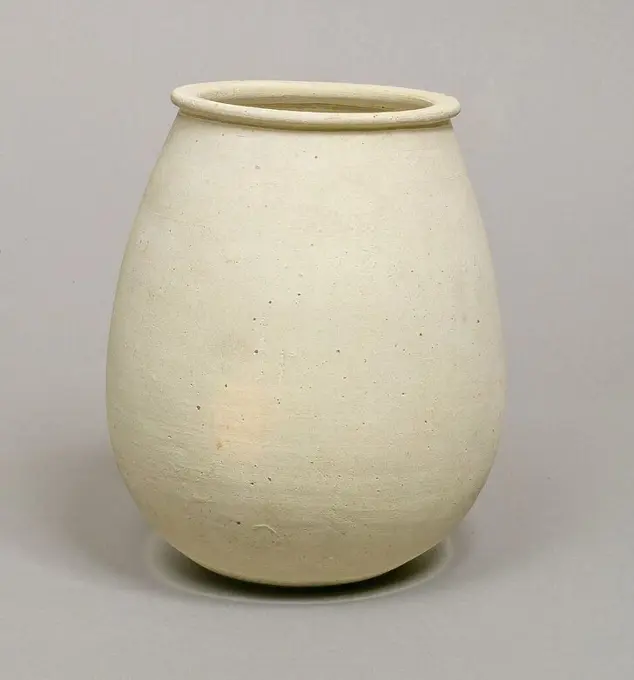
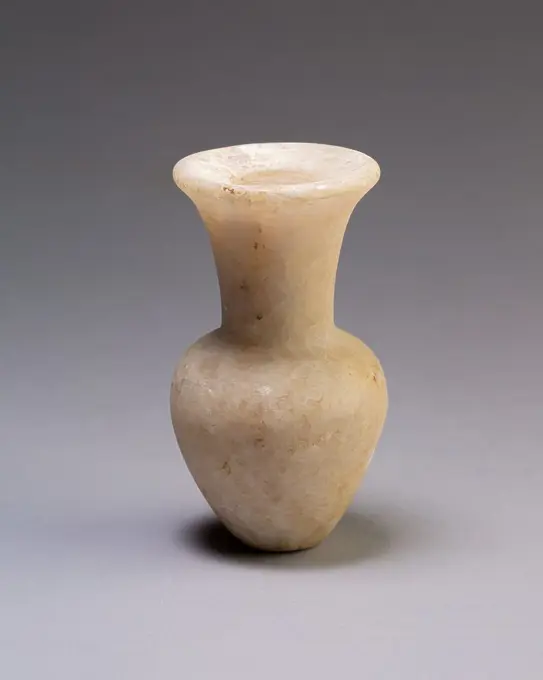
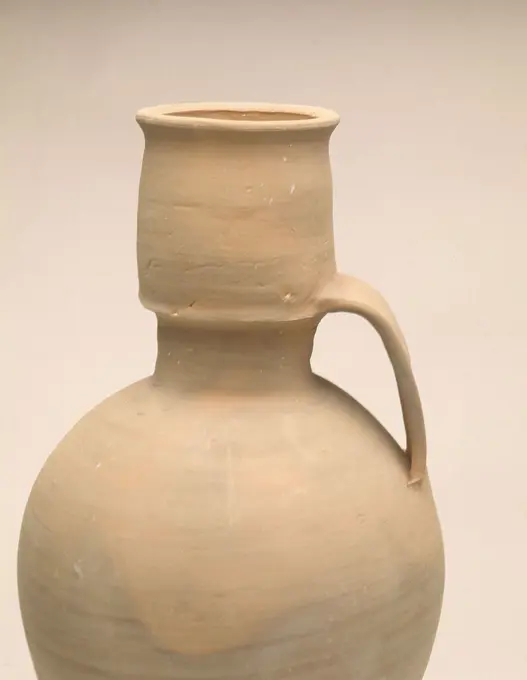
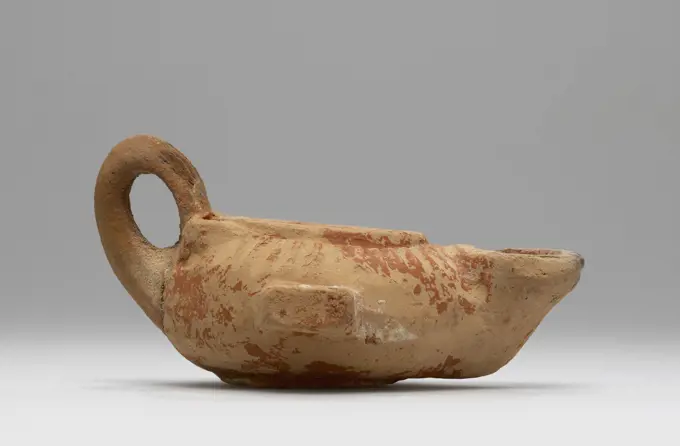
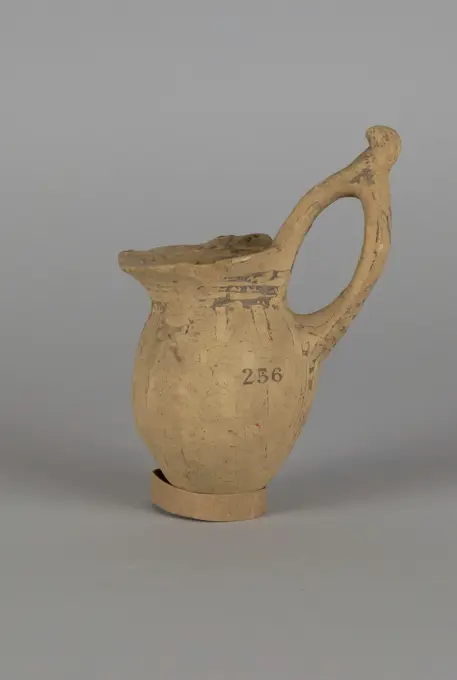
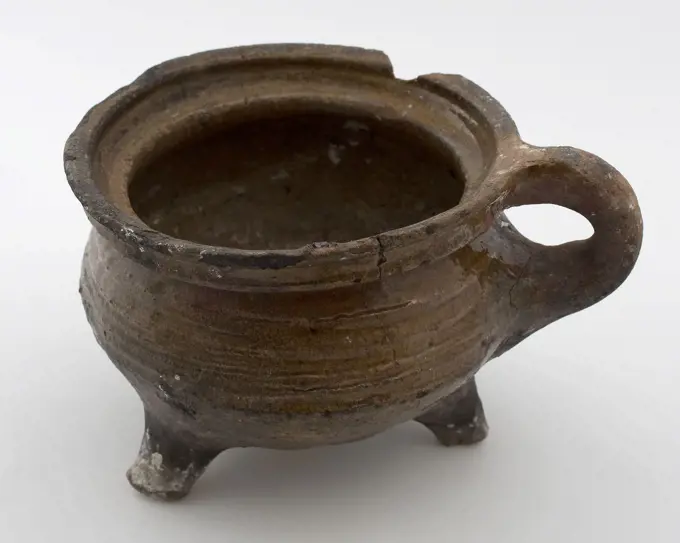
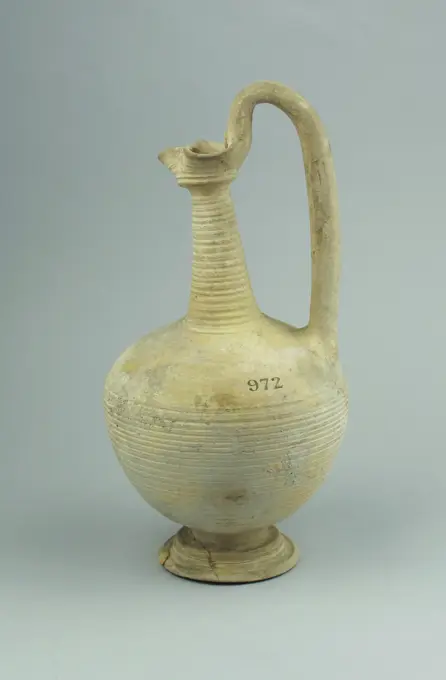
Images of historical pottery and glass vessels, highlighting intricate designs and textures, featuring muted colors and showcasing cultural craftsmanship.
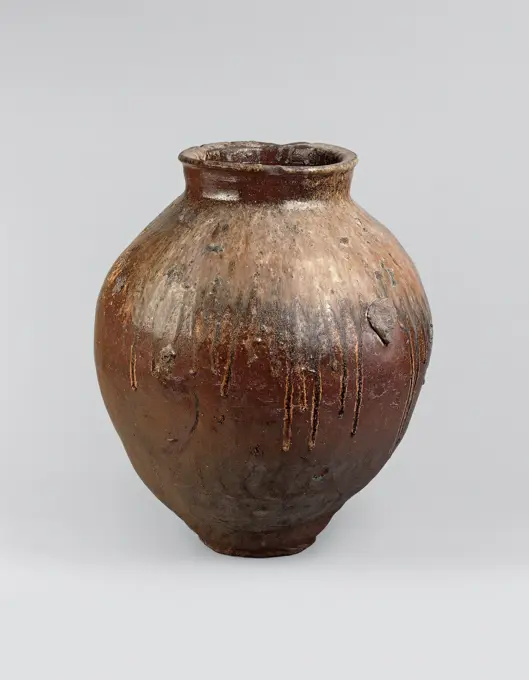
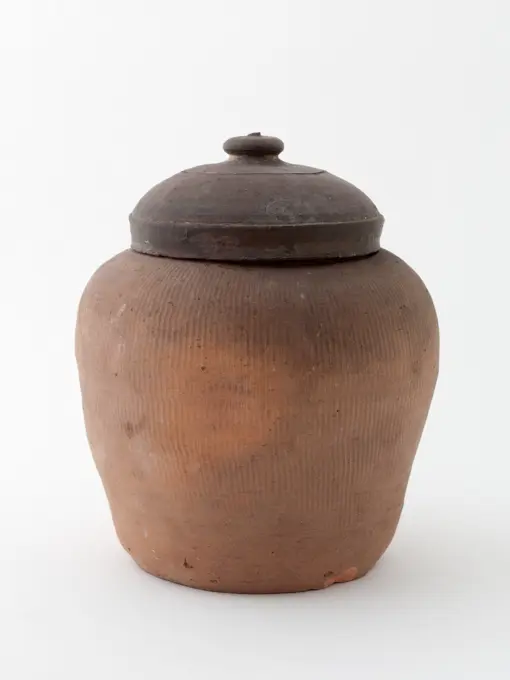
Storage jar, early 17th century, Unknown Japanese, 21 1/2 × 17 1/2 × 18 in. (54.61 × 44.45 × 45.72 cm), Tokoname ware; stoneware with natural ash glaze, Japan, 17th century, A light-colored glaze descends from the wide neck and covers the sloping shoulders of this storage jar from the Tokoname kilns. Named for the town of Tokoname on the Chita Peninsula south of Nagoya, Tokoname ware has been produced since the eleventh century at a number of kilns in the vicinity of the town. The high iron content of Tokoname clay leads to a characteristic dark, red-brown surface.
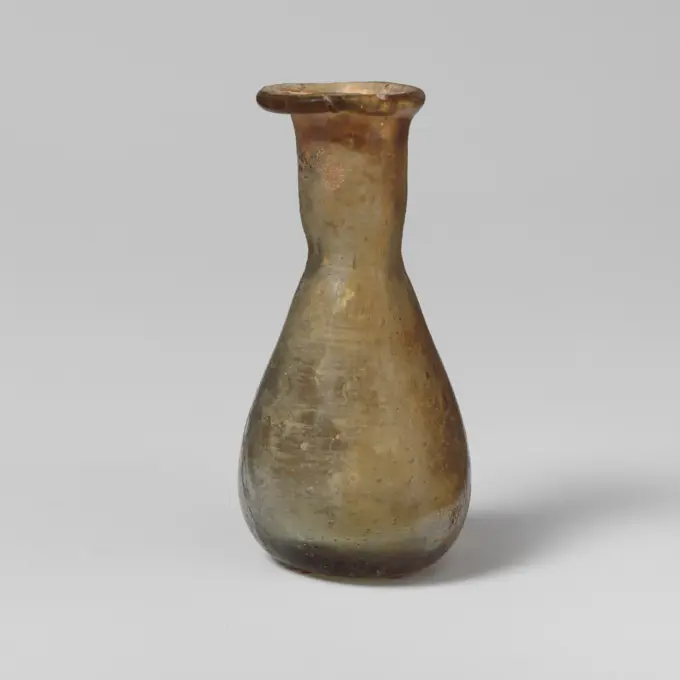
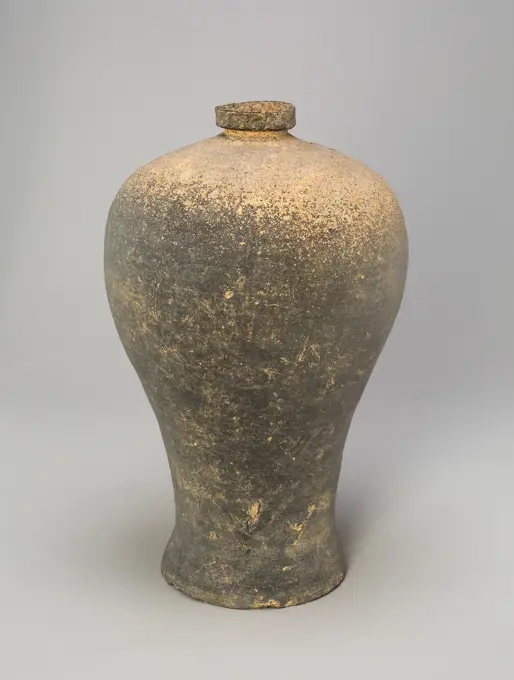
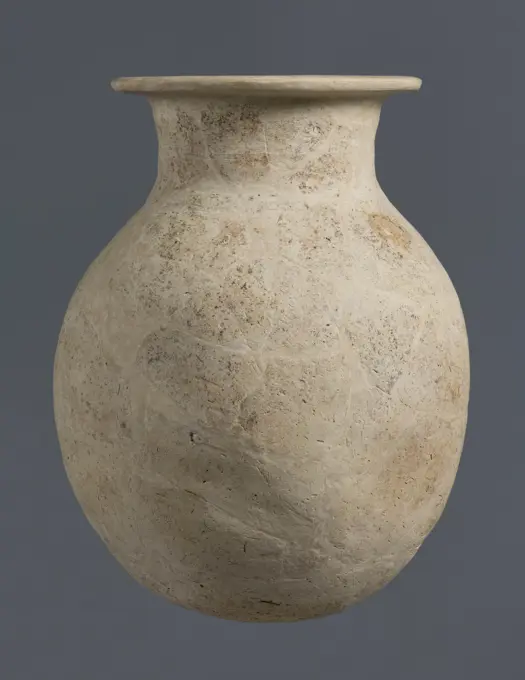
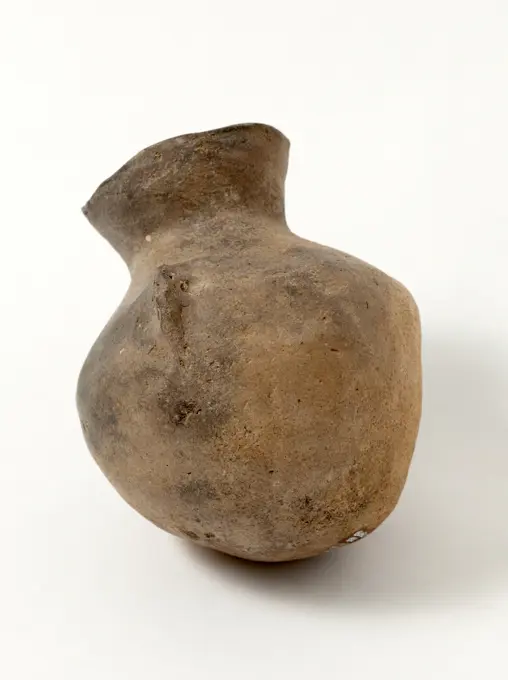
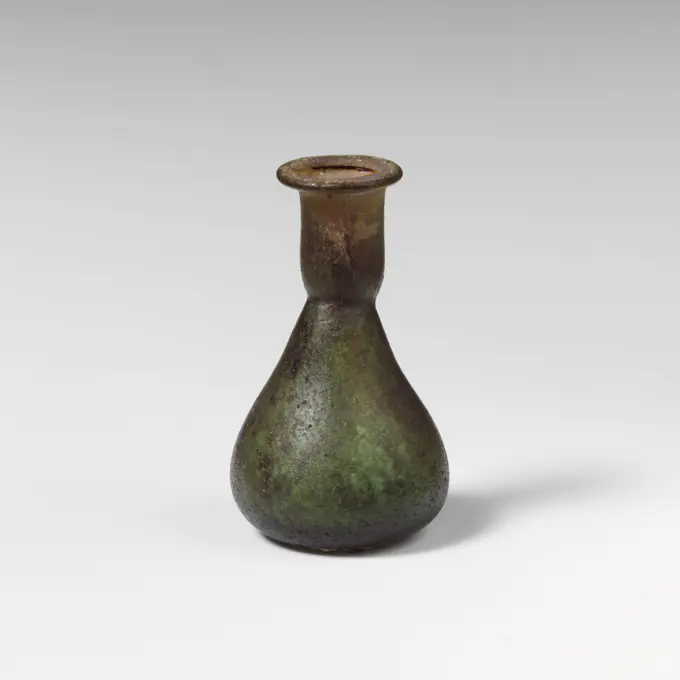
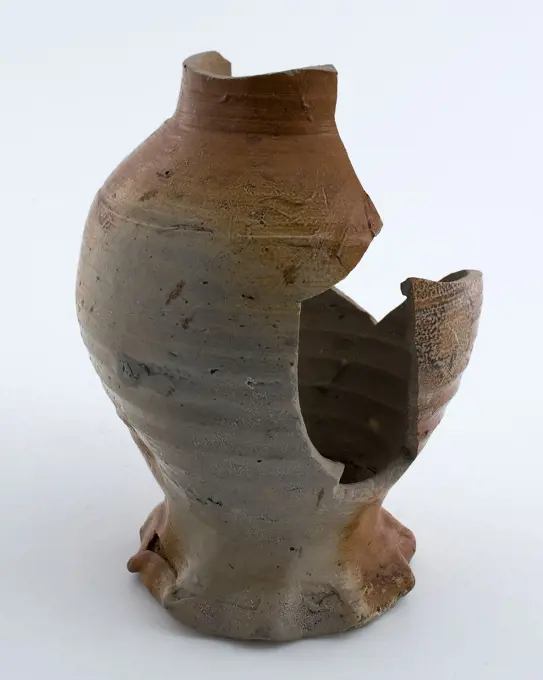
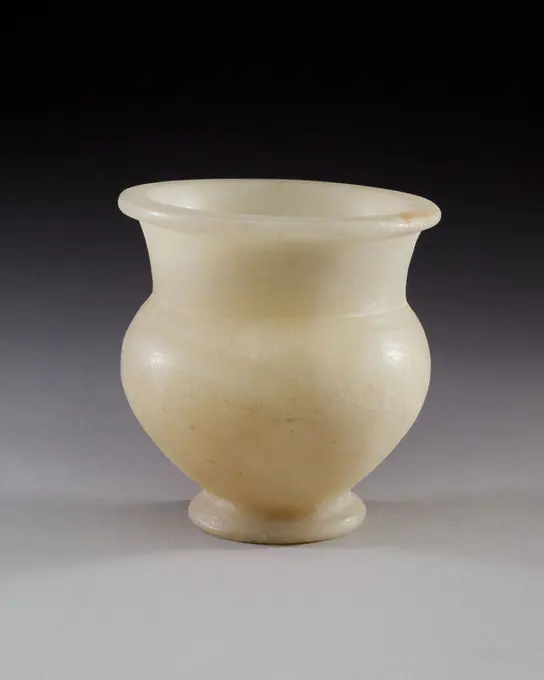
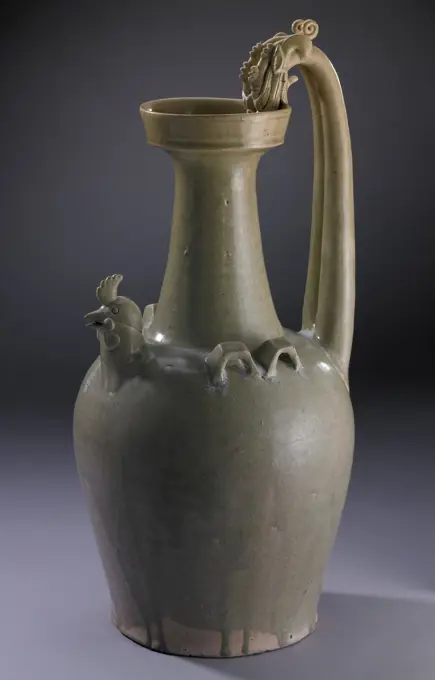
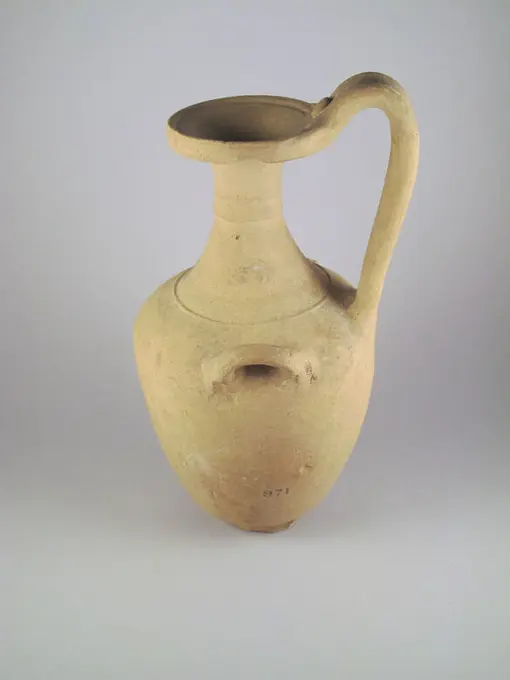
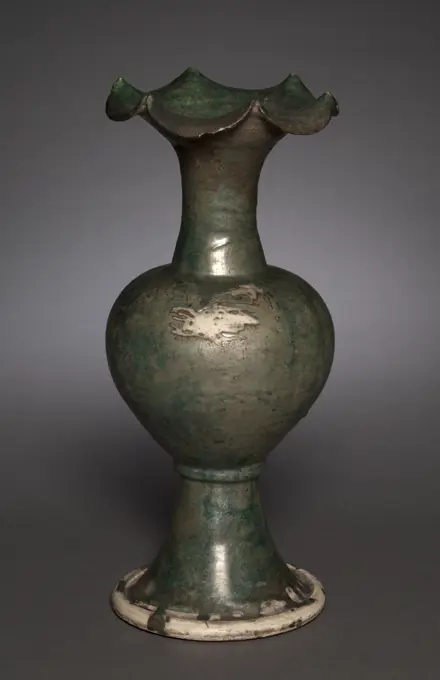
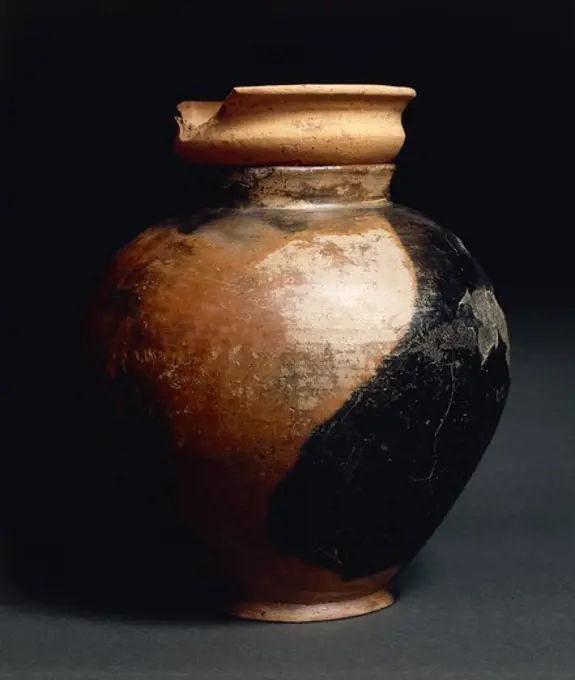
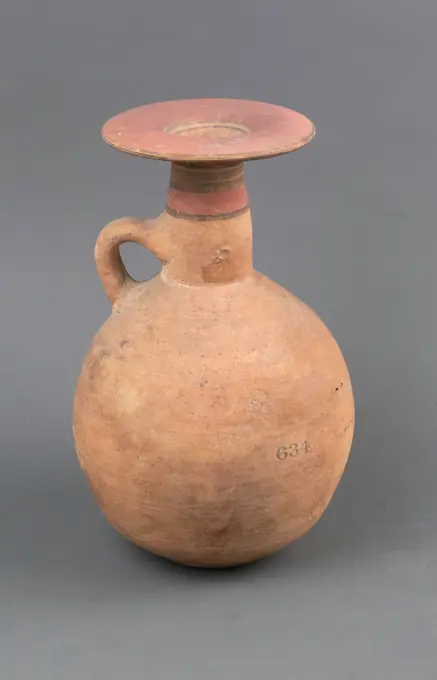
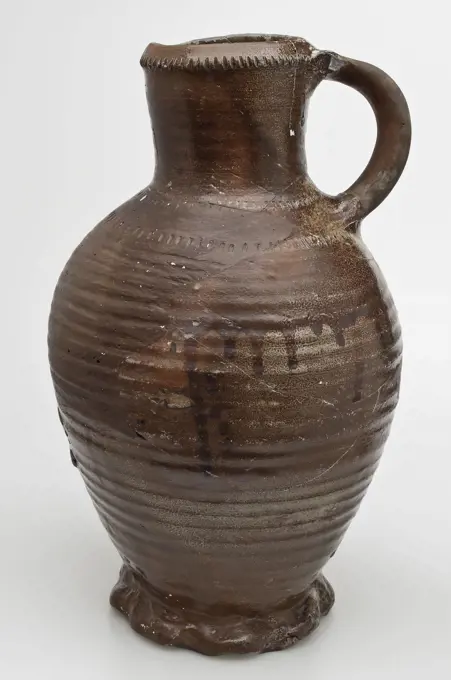
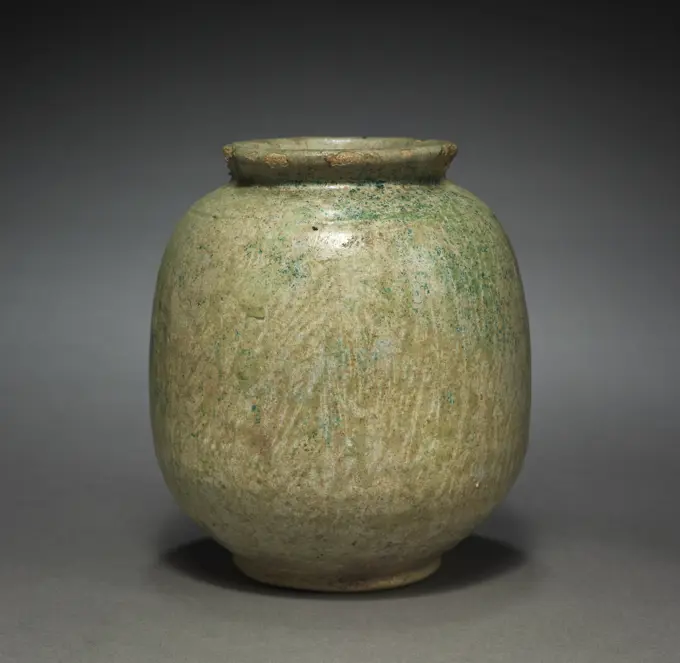
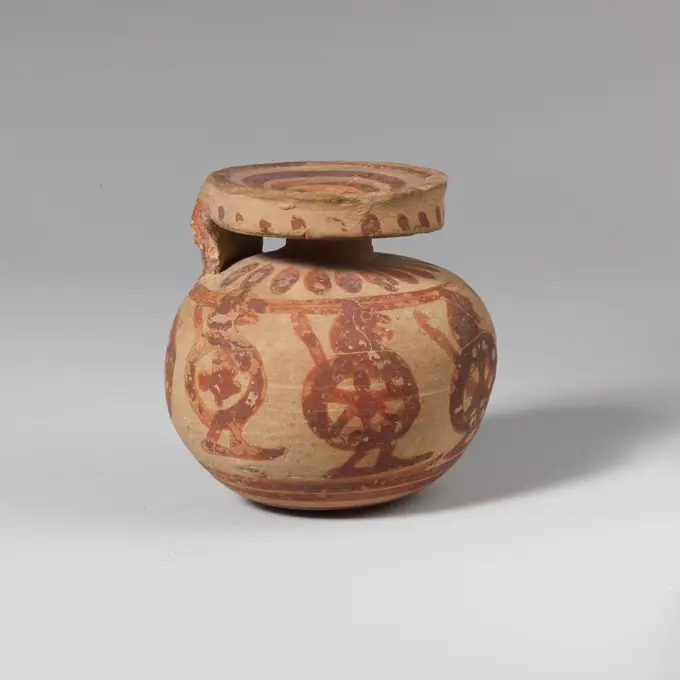
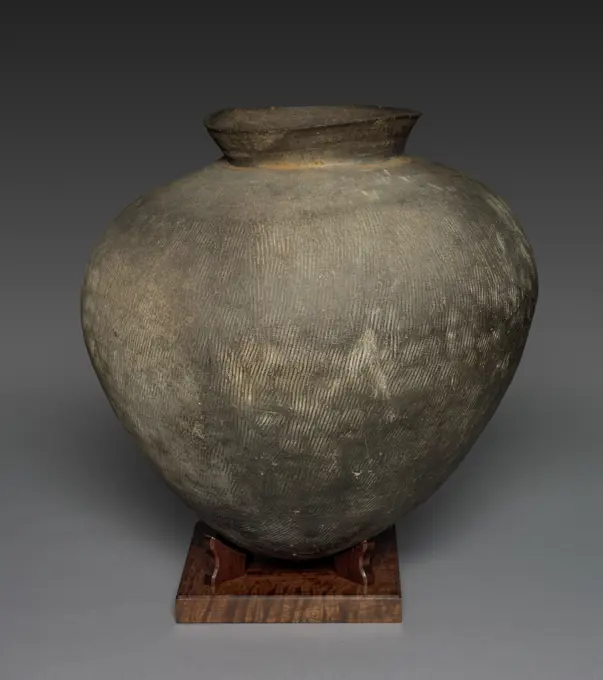
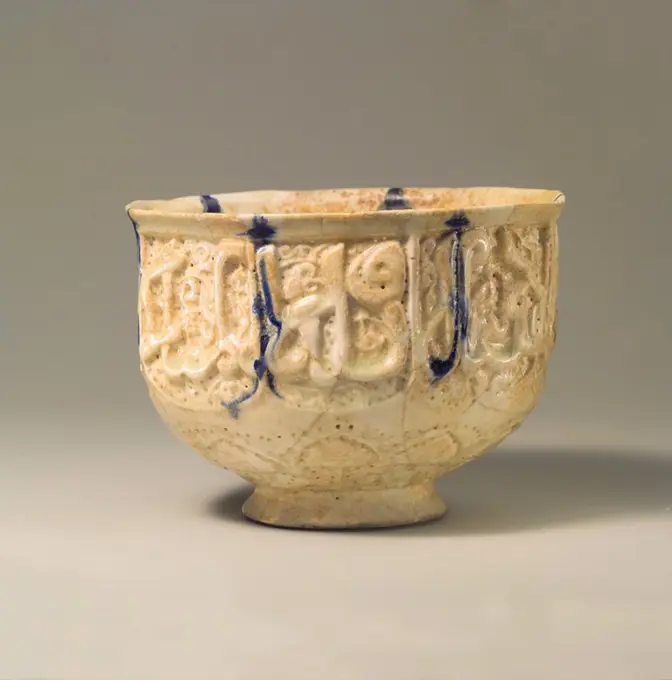
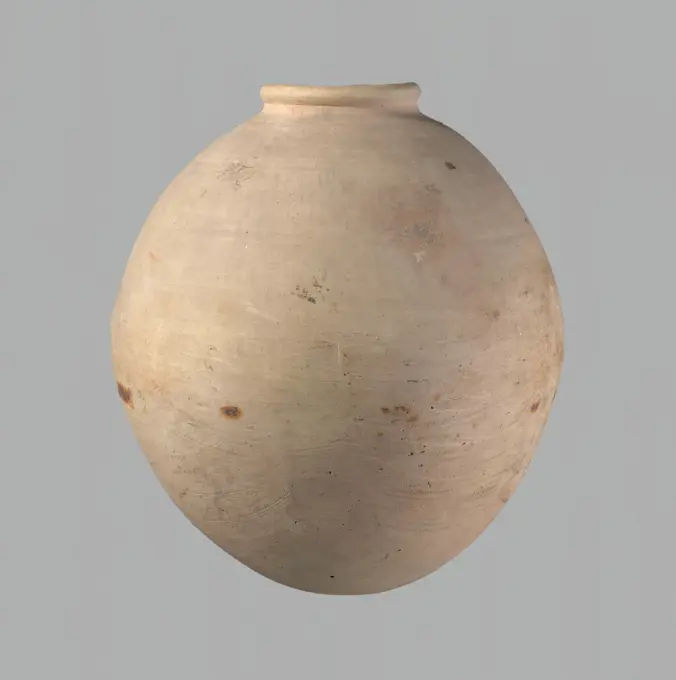
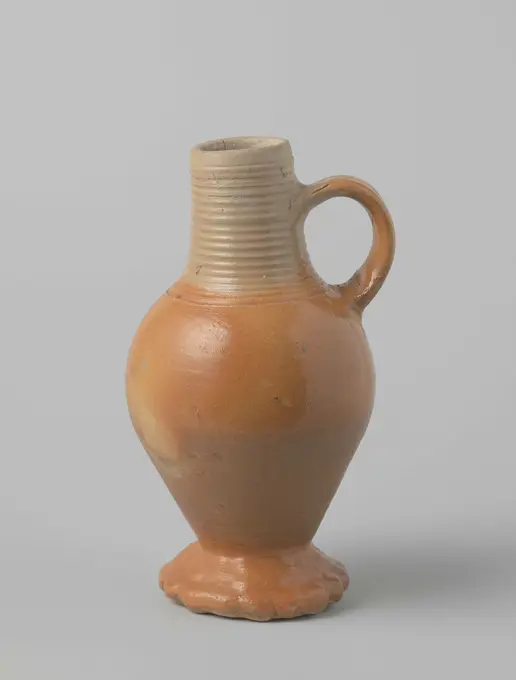
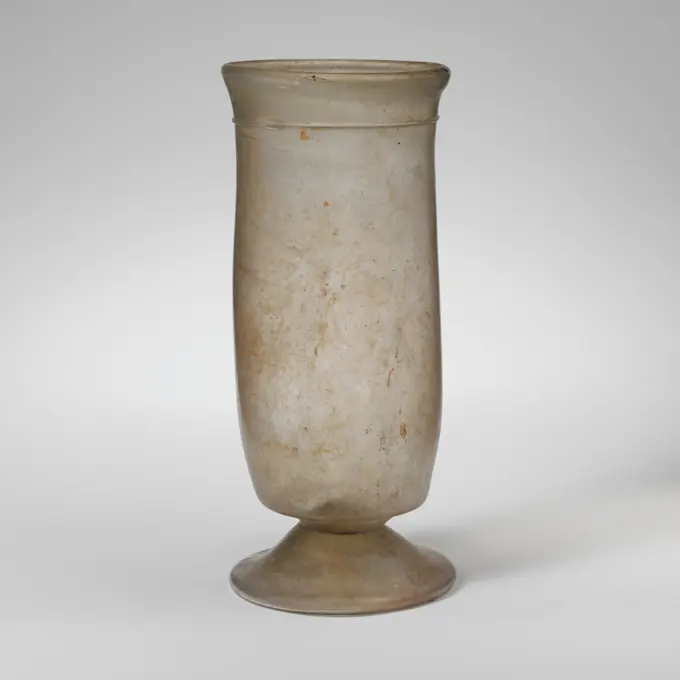
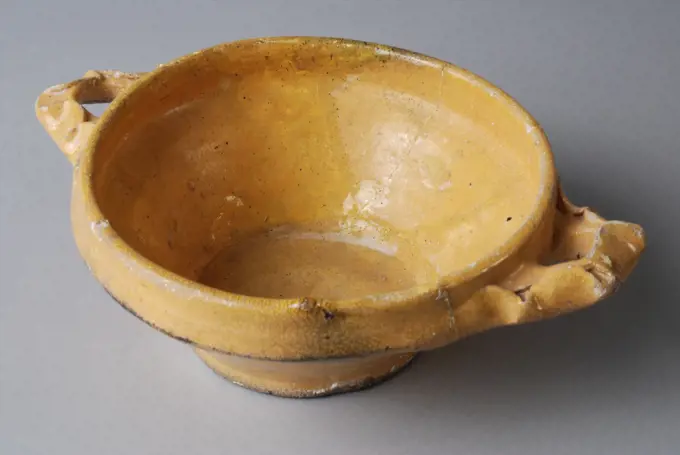
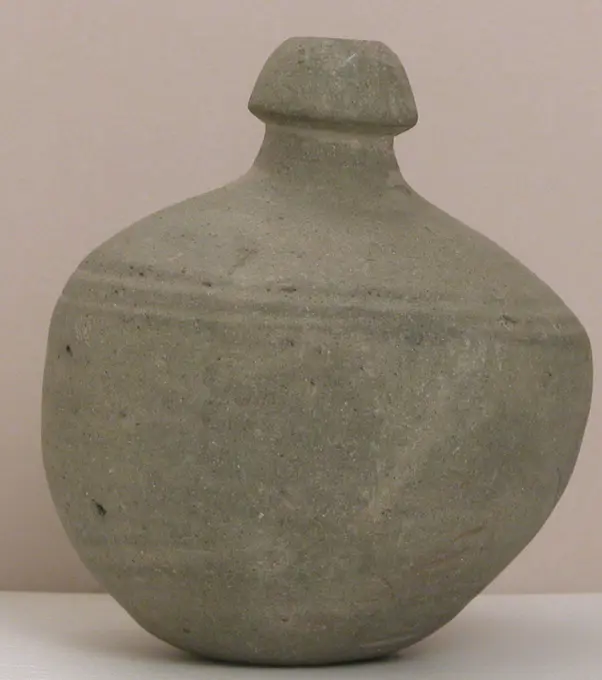
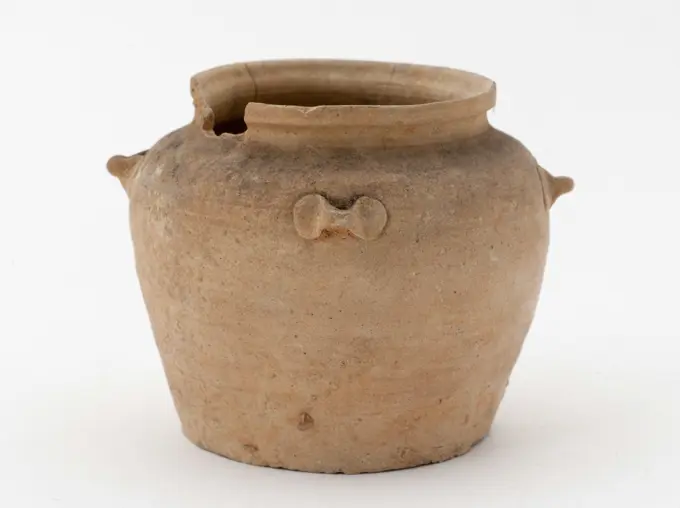
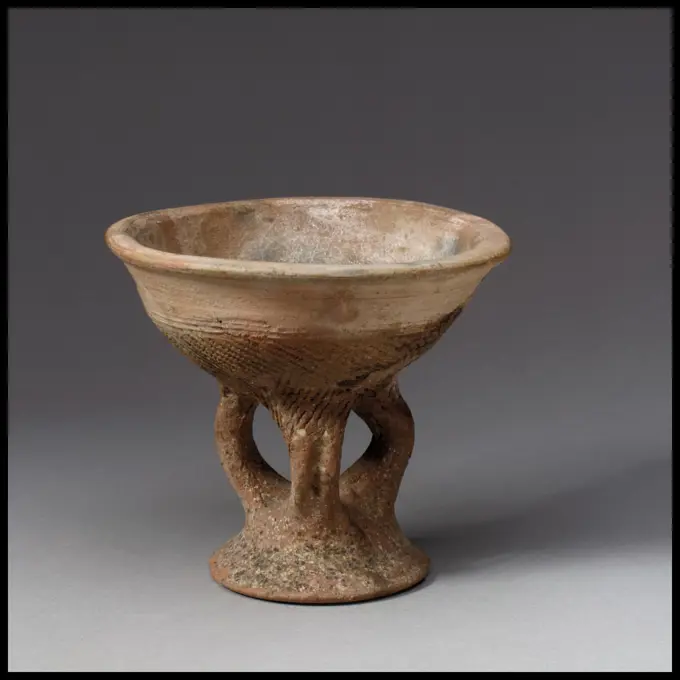
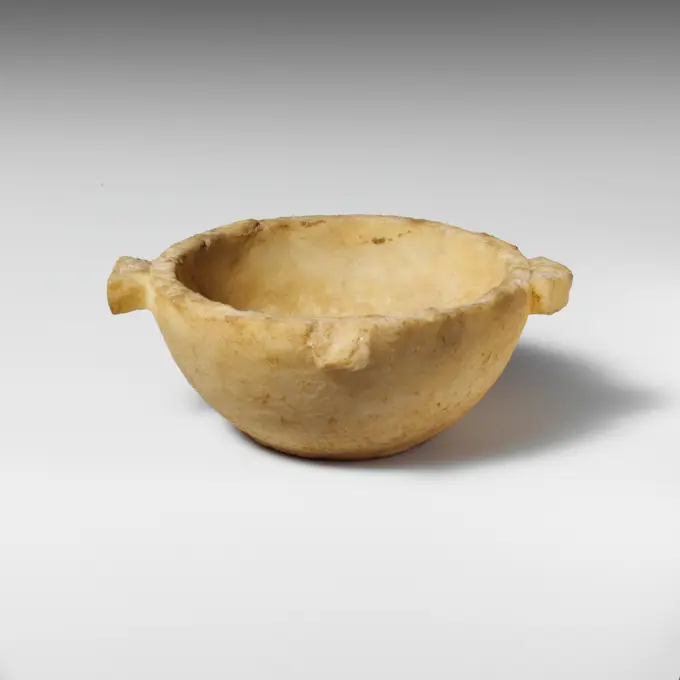
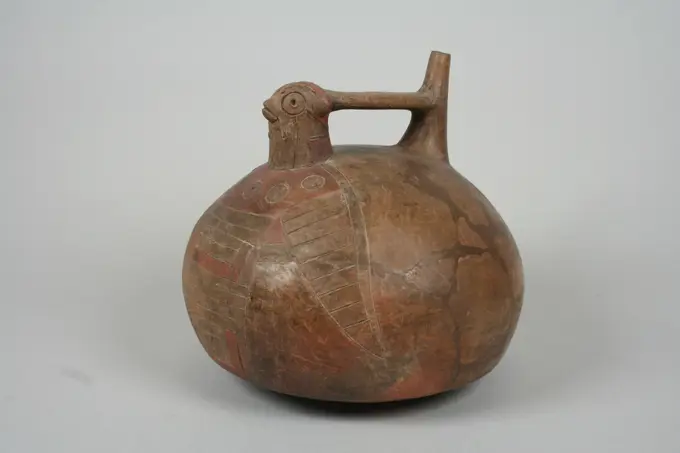
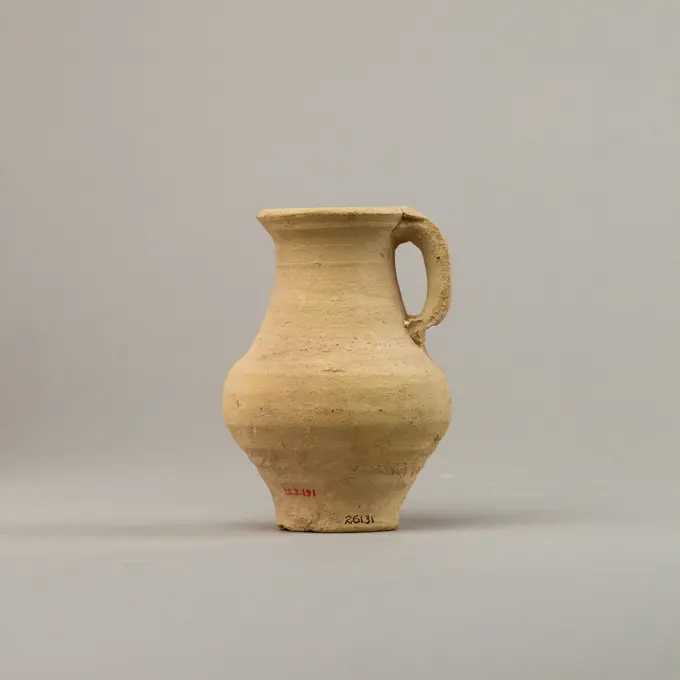
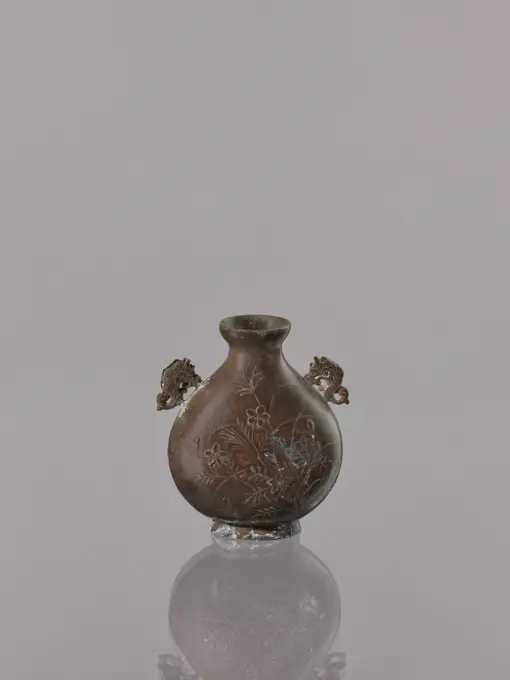
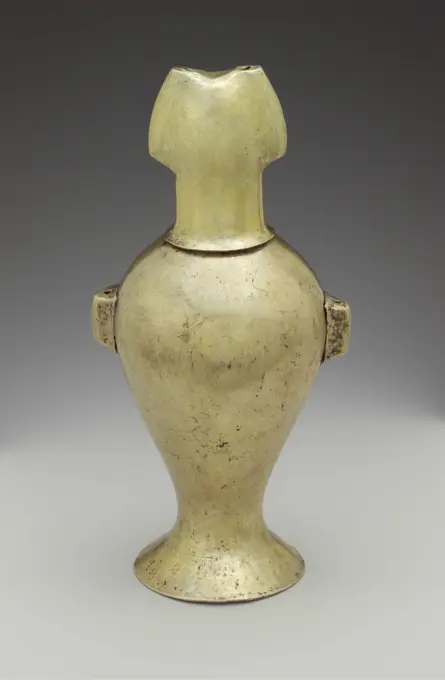
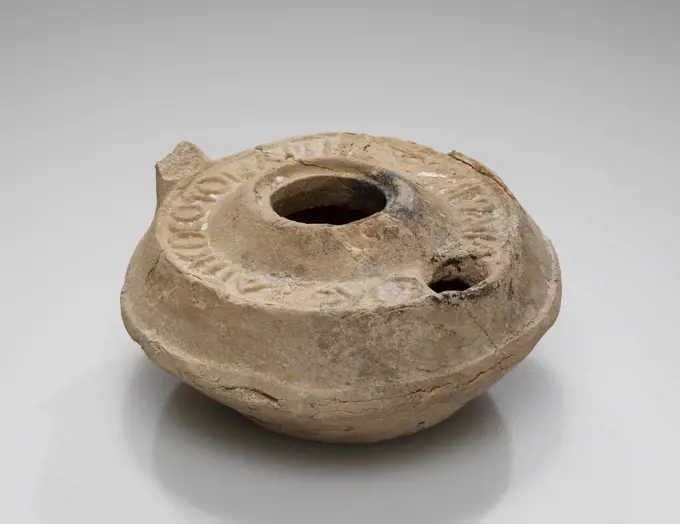
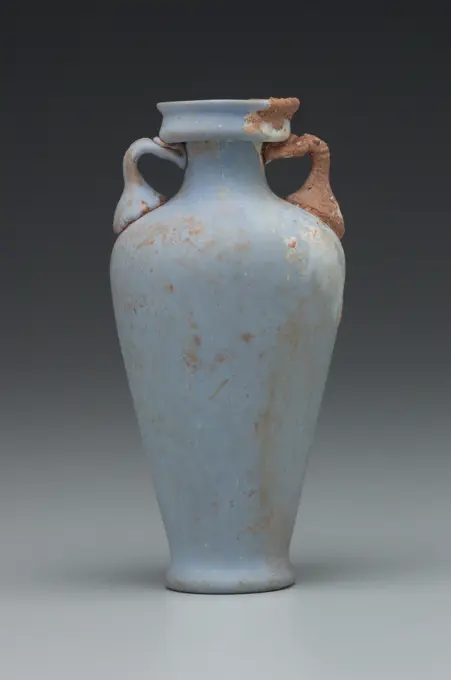
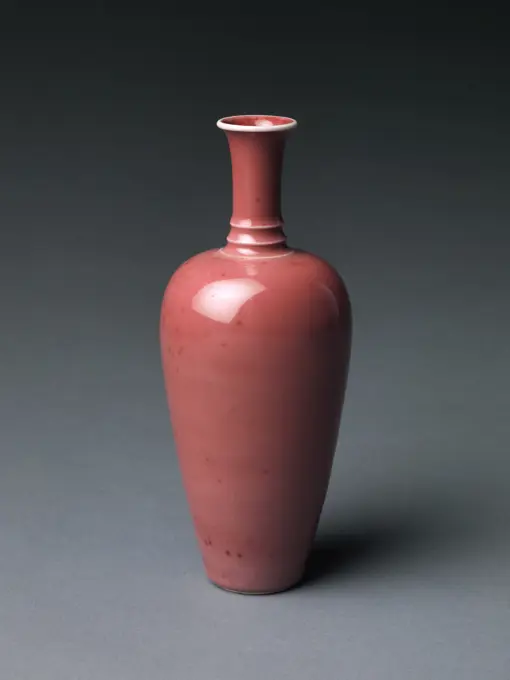
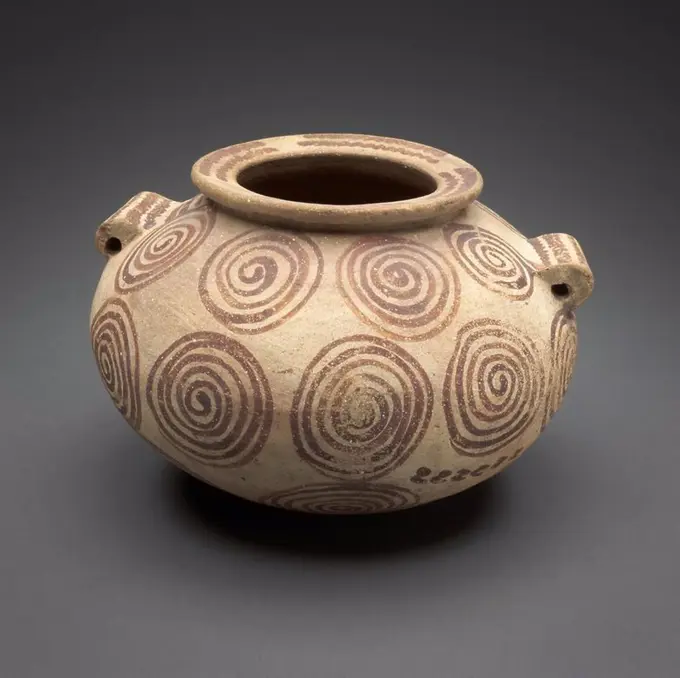
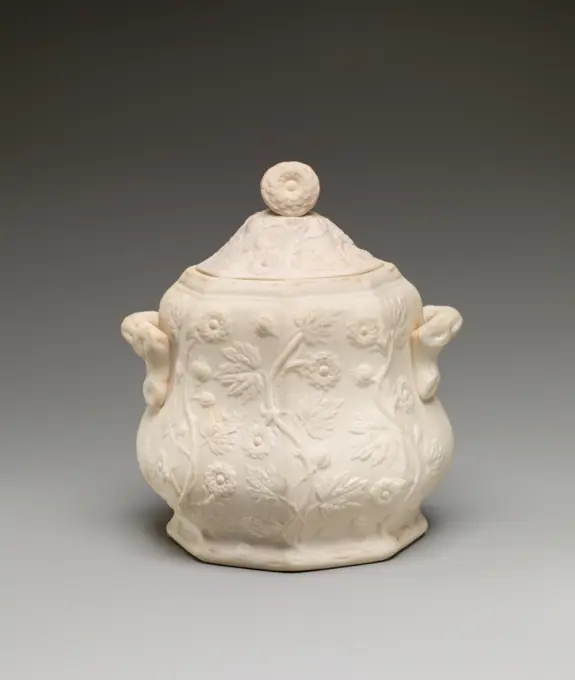
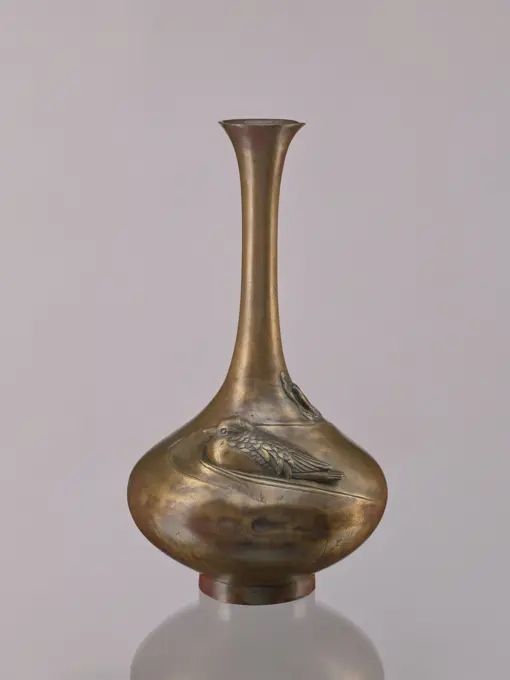
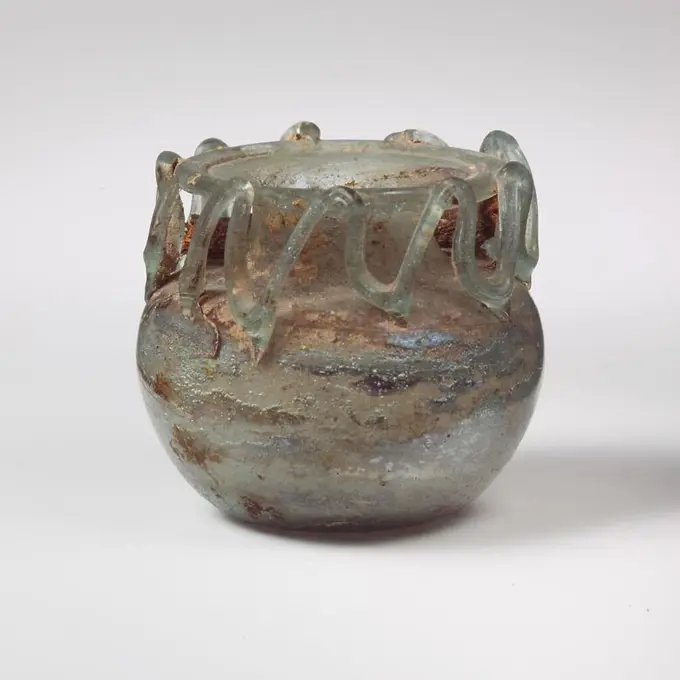
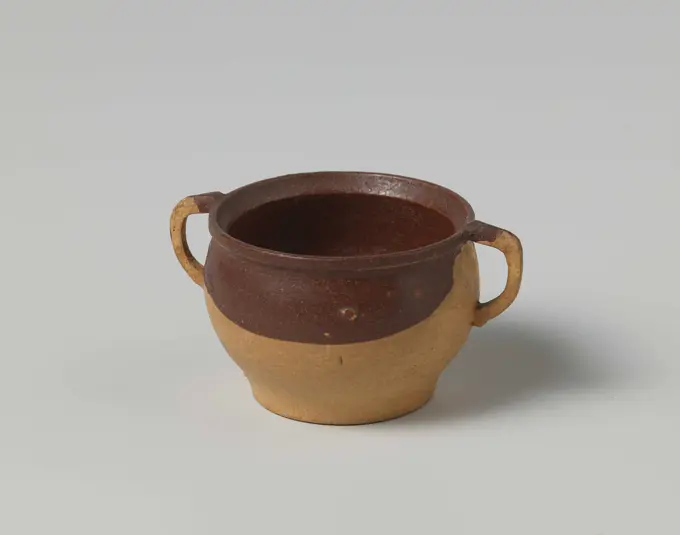
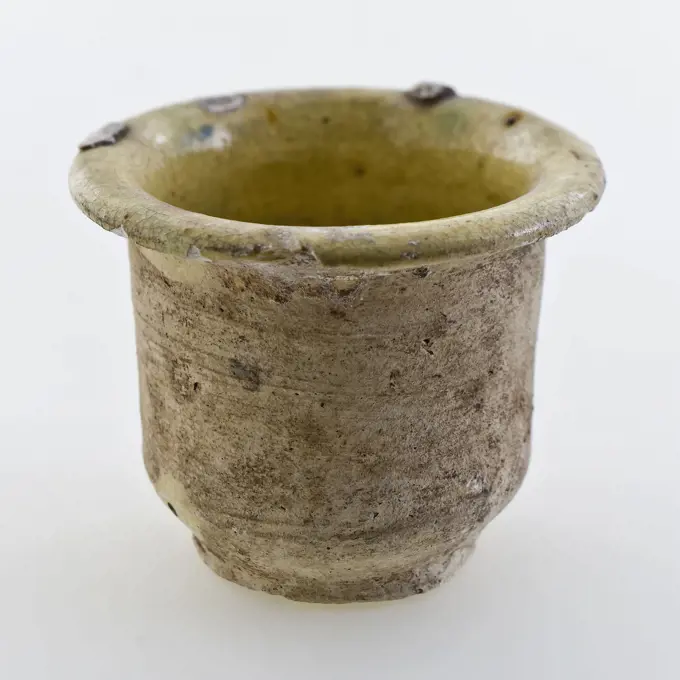
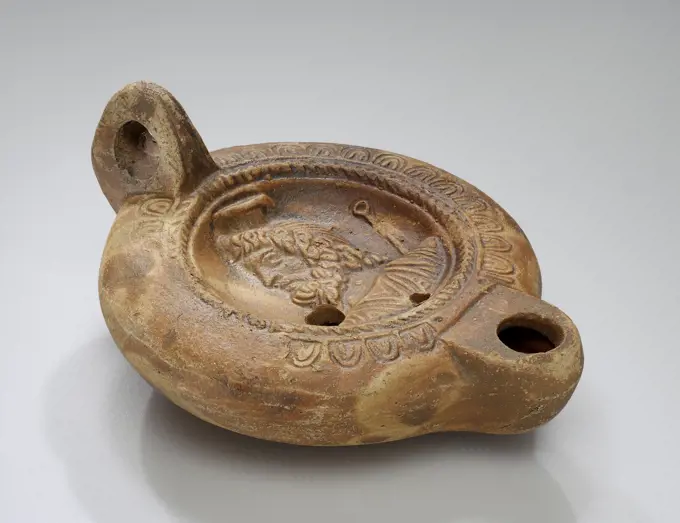
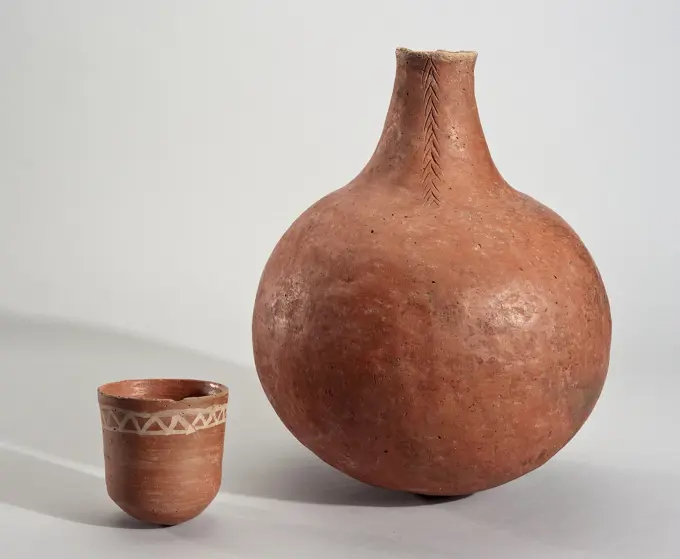
Storage jar, early 17th century, Unknown Japanese, 21 1/2 × 17 1/2 × 18 in. (54.61 × 44.45 × 45.72 cm), Tokoname ware; stoneware with natural ash glaze, Japan, 17th century, A light-colored glaze descends from the wide neck and covers the sloping shoulders of this storage jar from the Tokoname kilns. Named for the town of Tokoname on the Chita Peninsula south of Nagoya, Tokoname ware has been produced since the eleventh century at a number of kilns in the vicinity of the town. The high iron content of Tokoname clay leads to a characteristic dark, red-brown surface.Vase (usual name). Sandstone, Céladon. Cernuschi Museum, Asia Museum of Asia in the city of Paris.Glass perfume bottle 1st century A.D. Roman Miniature perfume bottleTranslucent pale green.Rim folded out, over, and in, forming lobsided mouth; slightly funnel-shaped neck, tooled in around base; conical body with slightly convex sides; thick, flattened bottom, concave at center.Intact; some bubbles; dulling and slight iridescence on exterior; iridescent weathering on interior.. Glass perfume bottle 239743Ovoid bottle with a green glaze, anonymous, c. 1100 - c. 1299 Egg -shaped bottle of earthenware, covered with a gray -green glaze. The enamel is partially worn and in the neck and on the belly is an attack on the seabed. Vietnam (possibly) earthenware. glaze vitrification Egg -shaped bottle of earthenware, covered with a gray -green glaze. The enamel is partially worn and in the neck and on the belly is an attack on the seabed. Vietnam (possibly) earthenware. glaze vitrificationBottle-Shaped Vase (Maebyong) 1065-1135 Korea. Stoneware with natural ash glaze .Bureau pitcher; Unknown Night -Tamanian workshop; approx. 2600 2350 BC ; Early period D Azira III (-2600-00-00--2350-00-00);Pottery Retort, a container used for distilling liquids.. Found at Weoley Castle, Birmingham, a Birmingham Museums Trust heritage site .Storage jar Unrecorded Edgefield District potter American possibly Thomas M. Chandler, Jr. American Manufacturer Thomas Chandler Pottery ca. 1850 View more. Storage jar. possibly Thomas M. Chandler, Jr.. ca. 1850. Alkaline-glazed stoneware with kaolin slipSmall BowlBottle 700 CE-799 CE China. Stoneware with ivory glaze .Vessel, Glass, Tilted, squat, pear-shaped body; short neck with flaring mouth, flanged lip; pale green with iridescent surface., Roman Empire, probably Syria, 2nd century, glasswares, Decorative Arts, VesselPot of pottery. Broken pot, but restored, to the foot some tricks, edge and bottom of ditto (). At the pot a pot or a fragment with Invnr. BK-NM-1699.Spherical ointmentBottle. Terracotta. Neolithic. Paris, Carnavalet museum. Bottle, neolithic, terracotta, dishes, archeological vestigeGlass jug. Culture: Roman. Dimensions: H.: 2 7/8 in. (7.3 cm)Diam.: 2 3/8 x 1 in. (6 x 2.5 cm). Date: 1st-2nd century A.D..Small, one-handled jug.Translucent pale blue green; handle in same color.Rim, folded out, round, and in, pressed flat and into top of mouth; cylindrical neck, with horizontal tooled indent around base; squat globular body; slightly concave bottom; four-ribbed strap handle attached to upper body, drawn up, turned in horizontally, and trailed on to top of neck under rim.Intact; some bubbles; dulling, pitting, iridescence, and areas of creamy weathering. Museum: Metropolitan Museum of Art, New York, USA.Glass perfume bottle 1st century A.D. Roman Miniature perfume bottleTranslucent green.Rim folded out, over, and in, and flattened around mouth; cylindrical neck, tooled in around base; piriform body; flat bottom.Intact; pinprick bubbles; dulling, pitting, and iridecsent weathering.. Glass perfume bottle 239770Fragment stoneware jug on pinched foot, salt glaze, jug holder soil find ceramic stoneware glaze salt glaze, hand-turned glazed baked Stoneware jug on squeeze foot. Bulb body with wide neck Gray glazed with gray and brown speckled fields. Rotation from the shoulder to the foot archeology underground pit Rotterdam City Triangle Blaak Groenendaal indigenous pottery import drinking pouring table Soil discovery: underground pit Groenendaal direction Blaak on ± 4 meter -N..P 1977.05.24.Jar. Dimensions: H. 9.5 cm (3 3/4 in.); Diam. 9.3 cm (3 5/8 in.), D. 8 cm (3 1/8 in.). Dynasty: Dynasty 18, early. Reign: reign of Thutmose II-Early Joint reign. Date: ca. 1492-1473 B.C..When it was found (inside basket 36.3.59), this jar of Egyptian alabaster had a scrap of coarse linen stuffed into its mouth. This was probably intended to keep the contents, perhaps some sort of liquid or oil, from spilling out. Museum: Metropolitan Museum of Art, New York, USA.Cut. Terracotta, Vietnam, 10th-12th century. Provenance: Vietnam. Paris, Cernuschi museum. 78605-14 Archeology, Vietnamese art, cut, container, terracotta, archeological vestige, XEME X 10th 10th 10th century, XIIIEM XIIIth 13th 13th 13th 13Chicken-head Ewer, c. 570, 18 7/8 x 9 1/8 x 8 3/4 in. (47.94 x 23.18 x 22.23 cm), Yue ware Stoneware with pale greyish-green glaze, China, 6th century, Inspired by Southern dynasties period (420-589) ceramics, northern green ware developed throughout the Northern Qi (550-577) and succeeding Sui dynasties (589-618). This magnificent chicken-headed ewer, for instance, with its dragon decor handles has its roots in the smaller chicken-head ewers of Eastern Qin (317-420). Northern Qi dynasty versions will generally have a taller, more slender body however and the simple bridge-shaped loop handle of the earlier style is replaced by a 'double-section' annular loop handle. In contrast to the exaggerated dragon heads at the top of the handles, the chicken-head becomes smaller until by the high Tang period (c. 750) the chicken head disappears altogether and is replaced by a ewer with a short, cylindrical spout on the shoulder. From that time onward, vessels with bird head decor tended to featurCan. Jacoba-can of Stoneware. The foot is waved by finger pressure. The belly is flattened egg-shaped and weak ribbed.AryballosLarge Incised Jar. Culture: Vietnam. Dimensions: H. 15 1/2 in. (39.4 cm). Date: 15th-16th century. Museum: Metropolitan Museum of Art, New York, USA.Dish;  around 2686- 2181 BC ; Old PAJug. Culture: Cypriot. Dimensions: 9 1/4in. (23.5cm). Date: 400-310 B.C..Oinochoe with knob-like rivet where handle joins neck, of unpainted clay. Museum: Metropolitan Museum of Art, New York, USA.Vase, 1000s-1100s. Northern China, Liao dynasty (916-1125) or Northern Song dynasty (960-1127). Green-glazed stoneware with underglaze white-slip coating, Cizhou ware; diameter: 13.5 cm (5 5/16 in.); overall: 32.6 cm (12 13/16 in.).Italic civilizations, Liguri. Cinerary urn. From the necropolis of Ameglia, province of La Spezia.Jug 600-480 B.C. Cypriot One-handled globular jug, unpainted body, lip painted red, bands on neck.. Jug. Cypriot. 600-480 B.C.. Terracotta. Cypro-Archaic II. VasesStirrup Vase with Stopper, 20th century, 10 1/2 x 6 7/8 in. (26.7 x 17.46 cm), Earthenware, Democratic Republic of Congo, 20th centuryJar, anonymous, anonymous, c. 1300 - c. 1499 Egg -shaped pot of stoneware, covered with a green glaze. The underside is unglazed. The edge has been broken and has been restored with gold lacquer and paintwork painted with maple leaves, prunus blossoms and plovers with waves. Old label on the bottom with 'W511'. SETO. Japan stoneware. glaze. gold (metal). lacquer (coating) painting / lacquering / vitrification Egg -shaped pot of stoneware, covered with a green glaze. The underside is unglazed. The edge has been broken and has been restored with gold lacquer and paintwork painted with maple leaves, prunus blossoms and plovers with waves. Old label on the bottom with 'W511'. SETO. Japan stoneware. glaze. gold (metal). lacquer (coating) painting / lacquering / vitrificationGlass perfume bottle. Culture: Roman. Dimensions: 4 3/4 in. (12 cm)Other: 2 3/4 in. (7 cm)Diam. of rim: 15/16 in. (2.4 cm). Date: 1st-2nd century A.D..Colorless ().Small, everted rim, with beveled outer lip; cylindrical neck, with tooling around base; piriform body; rounded bottom, flat at center.Intact, except for part of rim and large crack in body; many bubbles; deep pitting and brilliant iridescent weathering. Museum: Metropolitan Museum of Art, New York, USA.High stoneware jug be used with wheel decoration, standing ear, pinched foot ring, jug be found on the floor ceramic stoneware glaze salt glaze, belly 19.0 foot 13.0 hand-turned glazed baked Large stoneware jug with wide ear Ear restoration in plaster. On shoulder and neck edge radstamp decoration pinched foot entirely with rings brown with gray spots glazed. Egg-shaped model with cylindrical neck archeology Valckensteyn Poortugaal Albrandswaard indigenous pottery import packaging drink drinking pouring Soil discovery: castle Valckensteyn at Poortugaal now Albrandswaard 1962 Gracht bij de brug.Ovoid Vase, 1-200. Parthian, 1st-2nd Century. Terracotta; overall: 15 cm (5 7/8 in.).Terracotta aryballos (oil flask). Culture: Greek, Corinthian. Dimensions: H. 2 3/16 in. (5.6 cm). Date: ca. 575-550 B.C..Frieze of hoplites. Museum: Metropolitan Museum of Art, New York, USA.Storage Jar: Sueki ware, 700s. Japan, Nara period (710-94). Stoneware with incised and impressed decoration and natural ash glaze; diameter of mouth: 23.8 cm (9 3/8 in.); overall: 49.2 x 50 cm (19 3/8 x 19 11/16 in.). This robust vessel was formed from clay coils that were beaten inside and out with wooden paddles to compress the body walls and merge the coils. In addition, the exterior surface was paddled and scored with carved wooden tools to decorate the body walls. Finally, the vessel was turned on a potter's wheel to attach the neck with a smoothly finished surface. A high firing (approximately 1000°), which culminated with a reduced oxygen phase, produced the dark gray surface tone. Sueki ware ceramics originated in the mid-400s, when Korean potters and kiln builders established clusters of kilns in the modern Osaka area. Other production centers were established in the outlying provinces by the late 500s, providing for the diffusion of this ceramic ware throughout the country iPre-Columbian art. Pre-Incan. Cuasmal culture (500-1500 AD). Poterry vase with human neck. 37 x 33 cm (diameter). From Ecuador. Private collection.Jar. Dimensions: h. 19.7 cm (7 3/4 in); diam. 16.6 cm (6 9/16 in). Dynasty: Dynasty 12. Date: ca. 1981-1550 B.C.. Museum: Metropolitan Museum of Art, New York, USA."Opening of the Mouth" vessel of Perneb. Dimensions: H: 8.4 cm (3 5/16 in.). Dynasty: Dynasty 5. Reign: reign of Isesi-Unis. Date: ca. 2381-2323 B.C..An essential rite performed during the funeral ceremonies was the "Opening of the Mouth." Thought to have evoked the rituals carried out at the birth of a child, this served to restore the senses of the newly deceased (resident in spirit within the mummified body or a statue), so that he or she could once again breathe, speak, eat, drink, see, and hear.This vessel is part of a set used for this ceremony. It would have held milk, or salt or fresh water (see also 14.7.92; 14.7.93; and 14.7.94).For a complete set of implements for this ritual, see 07.228.117a-h. Museum: Metropolitan Museum of Art, New York, USA.Bowl 4th-7th century Coptic. Bowl 478855Ewer 9th-10th century. Ewer 449873Conical ointmentPierced Bowl Signed by Hasan al-Qashani. Dimensions: H. 4 1/4 in. (10.8cm)Diam. 6 1/4 in. (15.9 cm)Wt. 11.9 oz. (337.4 g). Date: late 11th-early 12th century.The auspicious words "glory, prosperity, blessed power, and mercy to its owner" are inscribed in cursive script on this bowl, while the kufic inscription reads "Made by Hasan al-Qashani." The latter portion of the potter's name links him to Kashan, a central Iranian town that was a major center for stonepaste production and is believed to have had a monopoly on complex ceramic technologies. Stonepaste, however, was produced throughout Iran. Museum: Metropolitan Museum of Art, New York, USA.BOTIJO DE CUELLO ANCHO Y UN ASA-DETALLE SUPERIOR-S XX ARTE POPULAR. Location: ALFARERIA. MOTA DEL CUERVO. CUENCA. SPAIN.Small JugDish;  around 2686- 2181 BC ; Old PANaczynie o elipsoidalnym brzuścu. nieznany warsztat północno mezopotamski (ca 2600-ca 2350 a.C.), workshopVase, anonymous, c. 1700 - c. 1800 Vase of red colored earthenware, with curls as ears.  earthenware Vase of red colored earthenware, with curls as ears.  earthenwareJug. Jar with ear, from stoneware. The foot is slightly serrated, the neck is decorated with rings. Apart from the neck, the jug with orange-brown glaze is covered.Glass beaker 3rd-4th century A.D. Roman Colorless with yellow green tinge; trail in same color.Slightly everted rim, folded round and in, forming an inner lip; cylindrical body with slightly uneven and convex side, then turned in and tooled horizontally around base; splayed tubular foot, made by folding; deep, pushed-in bottom with pontil mark at center.Below rim a single trail wound horizontally once around body.Intact; pinprick bubbles and blowing striations, with some glassy inclusions and black impurities; dulling and iridescent weathering.. Glass beaker 256716Yellow pap bowl on stand with two pinched, lobed ears, porcelain crockery holder soil find ceramic earthenware glaze lead glaze, hand turned molded glazed baked Porring bowl white shard in- and outside yellow glaze two pinched lobed scooped ears rotations Slightly curved upper edge archeology Valckensteyn Poortugaal Albrandswaard native pottery kitchen food nutrition food porridge cook cook porridge food serve Soil discovery: castle Valckensteyn in Poortugaal now Albrandswaard 1961-1962.Jar with four knobs, late 5th-early 6th century, Unknown Korean, 7 1/2 × 7 5/8 × 7 3/4 in. (19.05 × 19.37 × 19.69 cm), Stoneware with incised design, Korea, 5th-6th centuryGlass jug. Culture: Roman. Dimensions: 3 5/8 in. (9.3 cm)Other: 2 7/16 in. (6.2 cm)Diam. of rim: 1 1/16 in. (2.7 cm). Date: 1st-2nd century A.D..Small, one-handled jugTranslucent pale blue green; handle in same color.Rim folded out, down, and up, with vertical rounded lip above mouth; short cylindrical neck; conical body curving in to flat base; handle attached as a long vertical pad to body, drawn out and round, and trailed onto top of neck and outer edge of rim with vertical tooled thumb rest above.Decoration of four horizontal projecting pressed fins on pad below handle.Intact; some pinprick bubbles; dulling, some pitting, and iridescent weathering. Museum: Metropolitan Museum of Art, New York, USA.Spheroconical Vessel 9th-10th century This ceramic vessel was excavated at the site of Tepe Madrasa in Nishapur.Nishapur was a vital city in the early and middle Islamic periods, located along one of the main trajectories that connected Iran and West Asia Islamic lands with Central Asia and China. These itineraries are often referred by the term Silk routes’ but were in fact crucial to the movement of constellations of materials and objects, as well as people and ideas. The diverse population of Nishapur and its surroundings, from the better-researched elite groups of merchants, land-owning aristocracy, and literates, to the less-known artisans, farmers, miners, and servants, were instrumental in adapting global cultural trends to create their own distinctive visual languages. This is seen in the material remains of everyday life in medieval Nishapur - from pots and pans to lighting devices, inkwells, textiles and trimmings, jewelry, games and toys, talismanic devices, weapons, coins,Ovode 4 -handed pot ". Terracotta white transparent glazing. Paris, Muse Cernuschi. Vietnamese art, Break, Vietnamese collection, Ebrecher, transparent glacide, Ovolid pot, four handles, white terracotta, archeological vestigeVessel: Footed Base 13th century Tellem peoples The Tellem are believed to have arrived at the rocky Bandiagara Escarpment in present-day southern Mali sometime during the eleventh century A.D. By the fifteenth to sixteenth centuries, the Tellem population was devastated, possibly due to famine caused by drought or Songhai and Mossi slave raids. Their cultural legacy, however, profoundly influenced the Dogon, a people who succeeded them and continue to populate the Bandiagara to this day. Although the origins of the Dogon remain unclear, they are not direct descendents of the Tellem, who appear to have left no distinct ancestors. The name by which they are remembered, "Tellem," is a Dogon word signifying "We found them."Three- and four-footed pottery bowls like this one have been found in caves directly below Tellem burial caves in the Bandiagara cliffs. Stylistically distinct from other forms of Tellem pottery, this type of bowl is believed to have been made specifically for funerary Alabaster mortar or deep bowl ca. 1600-1050 B.C. Cypriot The irregularly shaped bowl has three lugs, only one of which is well preserved.. Alabaster mortar or deep bowl 244018Bottle, Falcon 4th-3rd century B.C. Paracas. Bottle, Falcon. Paracas. 4th-3rd century B.C.. Ceramic, pigment. Peru. Ceramics-ContainersJug 300 BC-100 AD Ptolemaic Period - early Roman Period Most of the archaeological finds from the Tomb of Nespekashuty originate from the courtyard and first chamber of the tomb. While the relief finds can be assigned with confidence to the tomb, the other general finds and graffiti testify to a long usage life. This small pitcher dates to the Ptolemaic or early Roman Period, about thrid century BC through first century AD, centuries after Nespekashuty's burial.The courtyard finds help to sketch the long life and various incarnations of the tomb. Nespekashuty had used for his tomb the courtyard and causeway of an earlier Dynasty 11 tomb of a high official of Mentuhotep II. That tomb's position in the northern cliffs of Deir el Bahri, and above the subsequently built temple of Hatshepsut made it suited for certain reuses. Already in the Third Intermediate Period the tomb was reused for a burial and seemingly for overflow off offerings from the Hathor Shrine in Hatshepsut's Temple. PossiFlask 250 CE-350 CE Syria. Glass, blown technique . Ancient RomanBowl. Culture: Coptic. Dimensions: Overall: 4 11/16 x 7 1/4 in. (11.9 x 18.4 cm). Date: 4th-7th century. Museum: Metropolitan Museum of Art, New York, USA.Vase with handles in the shape of Shachi;  19th/20th century (1890-00-00-1910-00-00);Electrum vase with lid ca. 2300-2000 B.C. Anatolian This vase, along with 1989.281.46-.48 are said to have been found together, are best paralleled by pieces found by Heinrich Schliemann at Troy in a stratigraphic level know as Troy II. The wealth of jewelry and objects from the latest phase, Troy IIg, led Schliemann to believe that he had found the city described by Homer. In reality, this material is datable to about a thousand years before the Trojan War.. Electrum vase with lid 255922Vase. Egyptian. Date: 1292 BC-1202 BC. Dimensions: 9.5 × 8 × 8 cm (3 3/4 × 3 1/8 × 3 1/8 in.). Glass. Origin: Egypt. Museum: The Chicago Art Institute, Chicago, USA. Author: Ancient Egyptian.Bowl with a hunting scene in relief, anonymous, c. 1100 - c. 1199 Come from quartz fritry, decorated in relief with hunting scenes and a sitting person. On the outer wall, slightly continuous on the inner wall, three underlaze blue stripes under transparent alarm laze. Iran earthenware. cobalt (mineral). glaze painting / vitrification Come from quartz fritry, decorated in relief with hunting scenes and a sitting person. On the outer wall, slightly continuous on the inner wall, three underlaze blue stripes under transparent alarm laze. Iran earthenware. cobalt (mineral). glaze painting / vitrificationLid-lid box (lime jar) (common name). Bluish gray covered sandstone. Cernuschi Museum, Asia Museum of Asia in the city of Paris.Glass beaker 2nd-3rd century A.D. Roman Translucent pale yellow green.Rounded, flaring rim; cylindrical body with slightly convex, vertical side, curving in at base to integral tubular base ring; bottom with small kick at center and pontil scar.Intact; pinprick and a few larger bubbles; dulling, iridescence, and patches of faint weathering.. Glass beaker 239817Lamp, Asia Minor; 1st - 4th century; Terracotta; 3.1 x 8.5 x 8.5 cm (1 1,4 x 3 3,8 x 3 3,8 in.)Pot 4th-7th century Coptic. Pot 476267AmphoriskosCANTARO DE DOS ASAS CON TAPA DECORADA-BARRO TONO CHAMPAGNE. Location: ALFARERIA. ALBOX. Almería. SPAIN.Vase 1713-22 China Lush pinkish-red glazes, such as the peach bloom” on this small vase, were first produced in the third quarter of the seventeenth century. Small vases in this shape have long been thought to belong to sets of eight or more accoutrements designed for a writing table. This is one of four vases, each with a subtly different shape, that were found among a set of implements. It is distinguished from the others by the three thin rings at the base of the neck. These sets, which may or may not actually have been used, were most likely intended for presentation as gifts to officials working at the court. As is often the case with works produced for the court, a six-character inscription on the base indicates that it was made during the reign of the Kangxi emperor (Da Qing Kangxi nian zhi). The style of writing of the Chinese characters, however, helps date the piece to the period from 1678 to 1688. Vase. China. 1713-22. Porcelain with peach-bloom glaze (Jingdezhen ware). QinJar with Painted Decoration. Egyptian. Date: 3500 BC-3200 BC. Dimensions: 13.3 × 19.5 × 19.2 cm (5 1/4 × 7 5/8 × 7 1/2 in.). Ceramic, pigment. Origin: Egypt. Museum: The Chicago Art Institute, Chicago, USA. Author: Ancient Egyptian.ceramic bottle with barbotine decoration, Iberian period three hundred and fifty to fifty BC, Huesca museum, Aragon community, Spain.Prehistory, Italy, Iron Age. Villanovan culture. Bowl.Lamp, Asia Minor; 1st - 4th century; Terracotta; 2.4 x 5.6 x 7.5 cm (15,16 x 2 3,16 x 2 15,16 in.)Jug ca. 3200-1050 B.C. Cypriot High horned handle and string-holes in lip.. Jug. Cypriot. ca. 3200-1050 B.C.. Terracotta. Bronze Age. VasesPottery cooking jug, grape-model, red shard, internally glazed, sausage ear, on three legs, cooking pot tableware holder utensils earthenware ceramics earthenware glaze lead glaze, hand turned fried glazed earthenware cooking jug grape-model red shard largely covered with lead glaze sausage three paws traces archeology indigenous pottery food prepare cooking kitchenMadrid, 06/06/2023. Museum of the Royal Collections, National Heritage. Archaeological remains found in the walled area. Photo: Ernesto Agudo Archdc.Nesting Bowl. Culture: Coptic. Dimensions: Overall: 1 1/2 x 3 7/8 in. (3.8 x 9.8 cm). Date: 4th-7th century. Museum: Metropolitan Museum of Art, New York, USA.Jug - Belleville Pottery Company, 1901-1914 Belleville Pottery Company, 1901-1914JARRA PARA AGUA-ORDINARIA-BARRO BLANCO SIN VIDRIAR-ARTE POPULAR S XX. Location: ALFARERIA. Vera. Almería. SPAIN.Jug 400-310 B.C. Cypriot Vase with incised body and moulded neck; of unpainted clay.. Jug. Cypriot. 400-310 B.C.. Terracotta. Cypro-Classical II. VasesSugar Bowl 1847-48 Fenton's Works. Sugar Bowl 7959Lamp. UnknownVase. unknown, craftsmanJug ca. 2000-1600 B.C. Cypriot. Jug. Cypriot. ca. 2000-1600 B.C.. Terracotta. Middle Bronze Age. VasesOblong Single Spout Bottle. Culture: Paracas. Dimensions: H x W: 7 3/4 x 8 3/4 in. (19.7 x 22.2 cm). Date: 5th-2nd century B.C.. Museum: Metropolitan Museum of Art, New York, USA.Terracotta alabastron (perfume vase). Culture: Etruscan. Dimensions: H.: 4 5/8 in. (11.7 cm). Date: early 6th century B.C..This is an Etruscan adaptation of a Corinthian prototype. The shape has become rather stiff and elongated, and a small handle has been added. Museum: Metropolitan Museum of Art, New York, USA.Glass jar. Culture: Roman. Dimensions: 1 5/8 × 1 3/4 in. (4.1 × 4.4 cm)Diam. of rim: 1 7/16 in. (3.6 cm). Date: 3rd-4th century A.D..Small jar.Translucent pale blue green with purple streaks; trail in same color.Rim folded out, over, and in, and pressed into wide horizontal mouth; short, cylindrical neck, expanding downwards; almost horizontal shoulder; squat, bulbous body; shallow kick in bottom with traces of circular pontil mark.Trail wound round from left to right in zigzag between outer edge of shoulder and rim, forming openwork collar.Intact, but one strand of trail missing with crack in body below; many bubbles; dulling, small patches of soil encrustation and blackish weathering on exterior; encrustation and iridescent weathering on interior. Large piece of woody root trapped behind trail around neck.Bluish round blown glass vase with zigzag glass threads from shoulder to lip. Museum: Metropolitan Museum of Art, New York, USA.Cachepot - Dion Pottery Dion PotteryOil LampStockboard with ear and lid, painted in light and dark brown. Storage jar with one ear, turned wood; Brunette and further light brown painted on the inside and top edge. Twisted two pieces, with a loose lid.Terracotta one-handled cup ca. 1750-1700 B.C. or 3rd-1st century B.C. Minoan or Greek The way that the handle is attached to the inside of the lip is unusual for a Minoan cup.. Terracotta one-handled cup. Minoan or Greek. ca. 1750-1700 B.C. or 3rd-1st century B.C.. Terracotta. Middle Minoan IIIA or possibly Hellenistic. VasesPottery ointment jar, white shard, internally glazed yellow, ointment jar pot holder soil find ceramic earthenware glaze lead glaze, hand turned glazed baked Pottery ointment white shard internal yellow glazed on stand. Cylindrical model with narrowing above the foot archeology health care indigenous pottery pharmacy store sell craftLamp, Asia Minor; 1st - 4th century; Terracotta; 7.6 x 1.4 x 8.8 cm (3 x 9,16 x 3 7,16 in.)Jar and lid ". Terracotta. Vietnam-Xe-Xive s. Paris, Cernuschi museum. 72187-26 Lid, jar, Vietnamese object, terracottaJar 12th-13th century. Jar 444515Mug, gull (cylinder);  IV-VI century; Postmeroic period (301-00-00-600-00-00);Collection of ancient Egypt, message, rescue excavations, IV Qatracta, SudanGlass beaker signed by Jason. Culture: Roman, Syro-Palestinian. Dimensions: Height: 3 9/16 in. (9.1 cm)Diameter: 2 5/8 × 2 9/16 in. (6.7 × 6.4 cm). Date: mid-1st century A.D..Translucent green.Outsplayed knocked-off rim with indent below; body with convex sides, tapering downwards; flat bottom, recessed within rounded edge.Three-part mold with two vertical sections joined to cup-shaped bottom section, forming decoration in relief on sides and bottom; two horizontal ridges above central frieze containing two Greek inscriptions, each in two lines and divided vertically by a stylized palm frond; below frieze, three more horizontal ridges; near bottom on cup section of mold, two more horizontal ridges; on bottom, raised circle surrounding central depression with small boss.Intact except for one small chip in rim; blowing striations, some pinprick and a few larger bubbles; dulling, pitting, and brilliant iridescent weathering on exterior, and thick creamy brown weathering with soil encLamp. Unknown