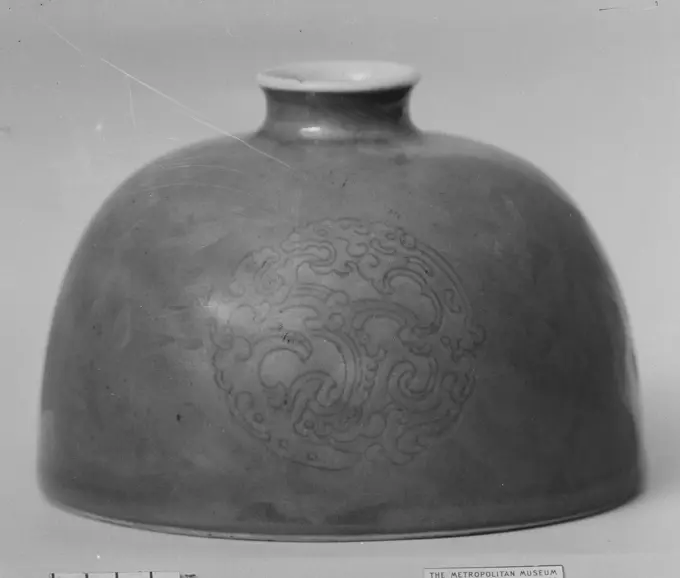
Antique Ceramic Vessels

A series of historical ceramic jars and vases from China and Japan, showcasing intricate designs and varying forms from different dynastic periods, emphasizing age and craftsmanship.
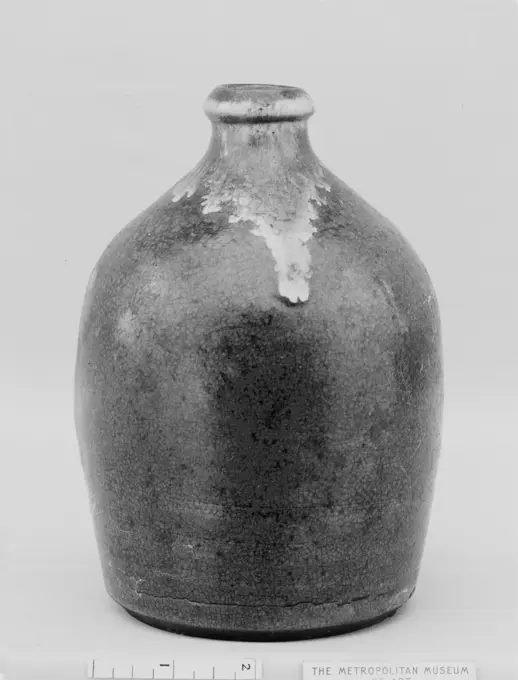
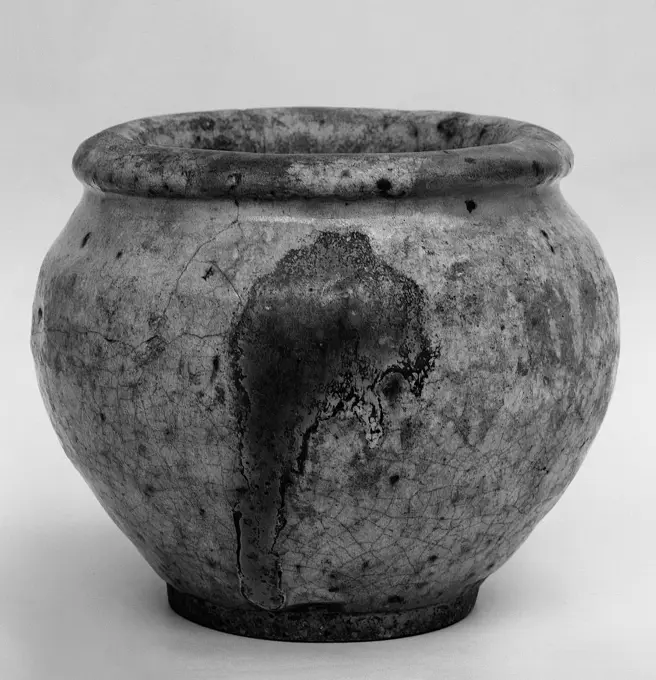
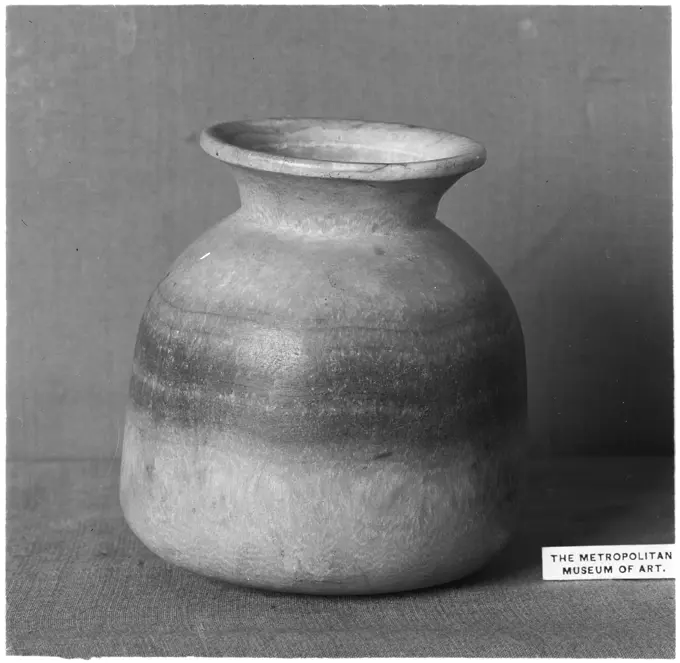
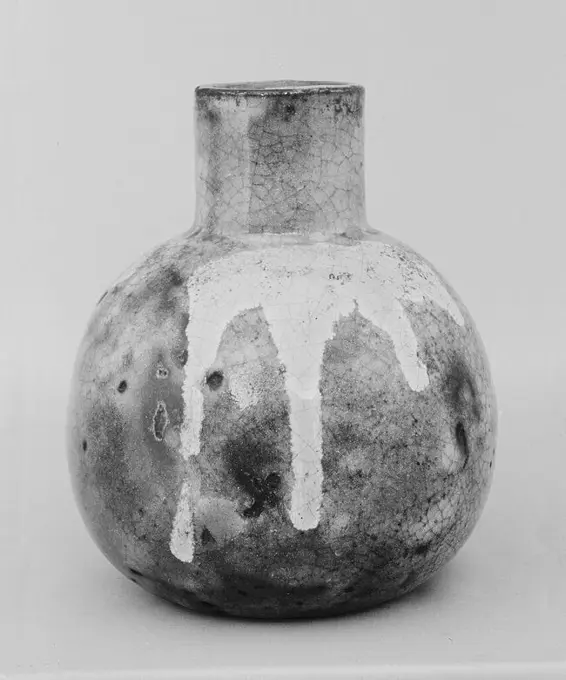
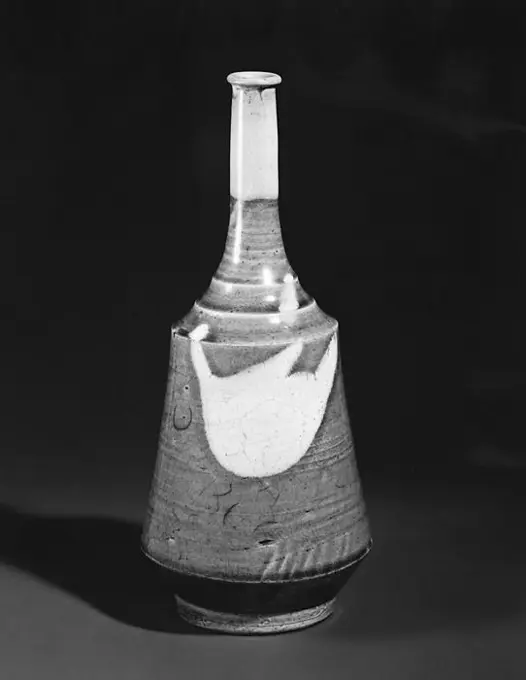
Oil Bottle 19th century Japan. Oil Bottle. Japan. 19th century. Clay covered with a crackled glaze (Seto ware). Edo (1615-1868) or Meiji period (1868-1912). Ceramics
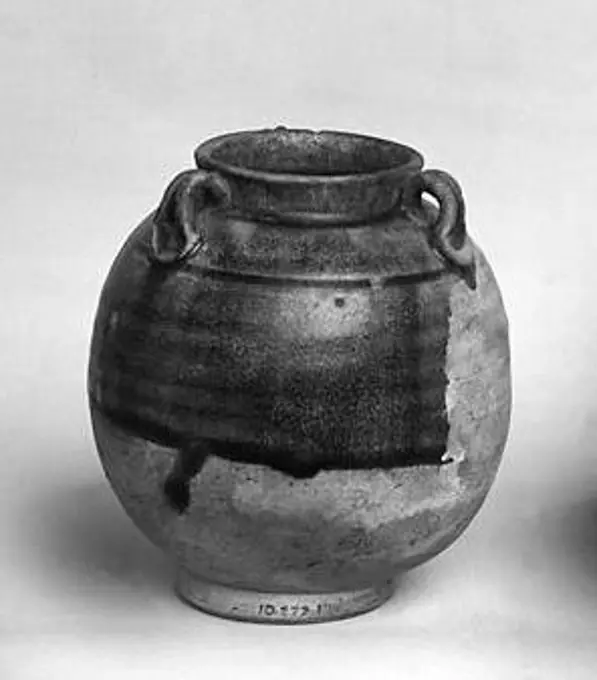
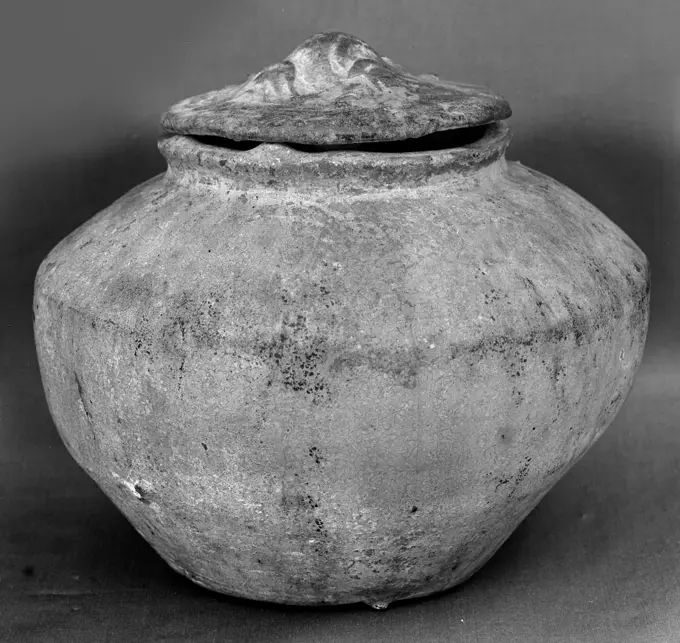
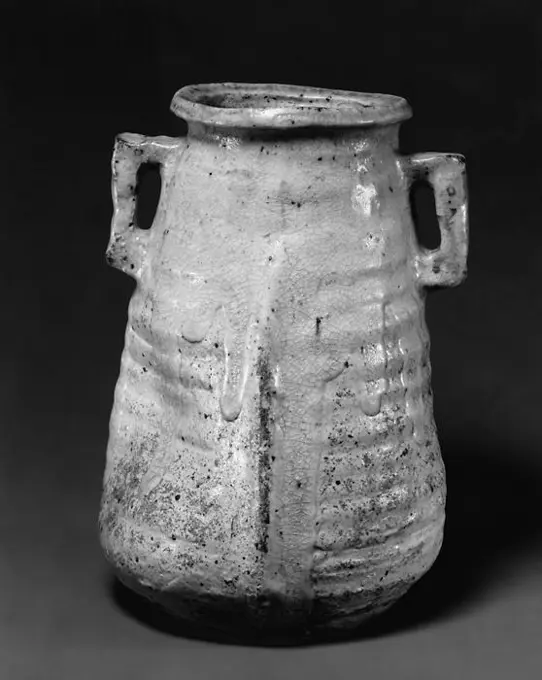
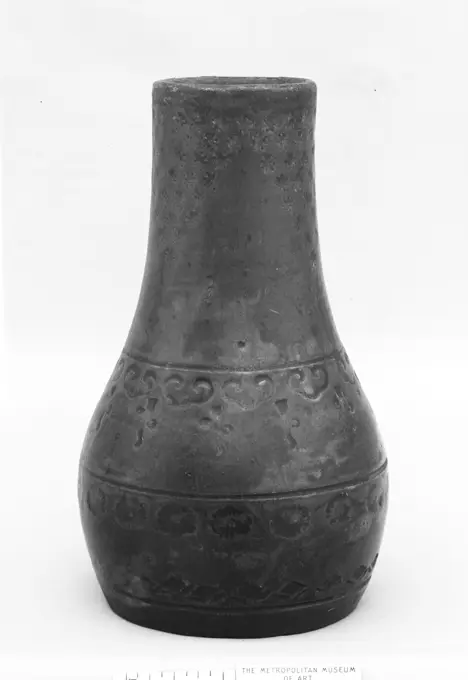
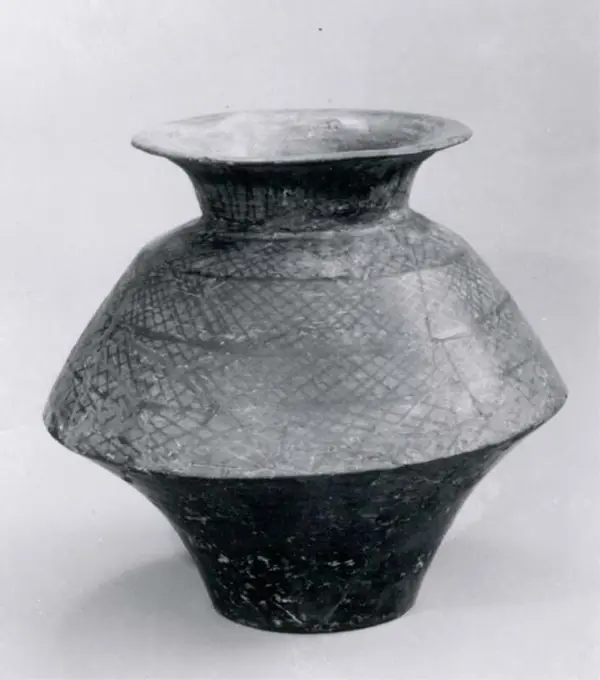
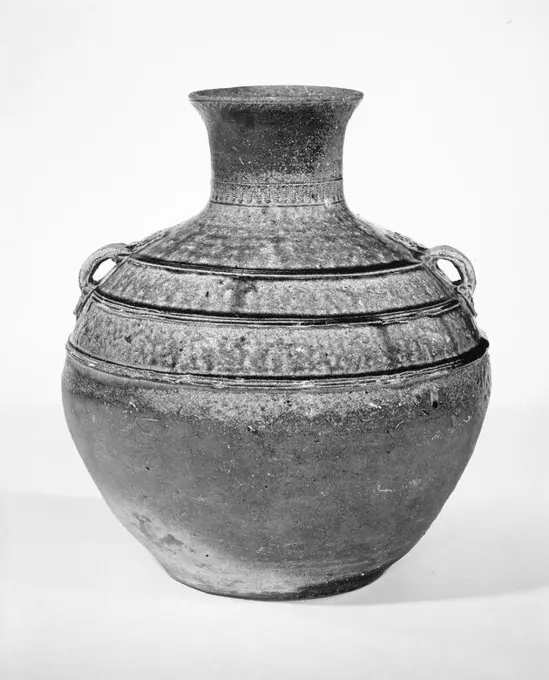
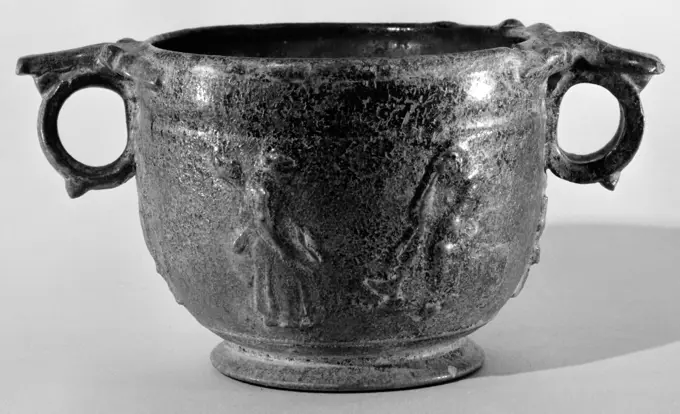
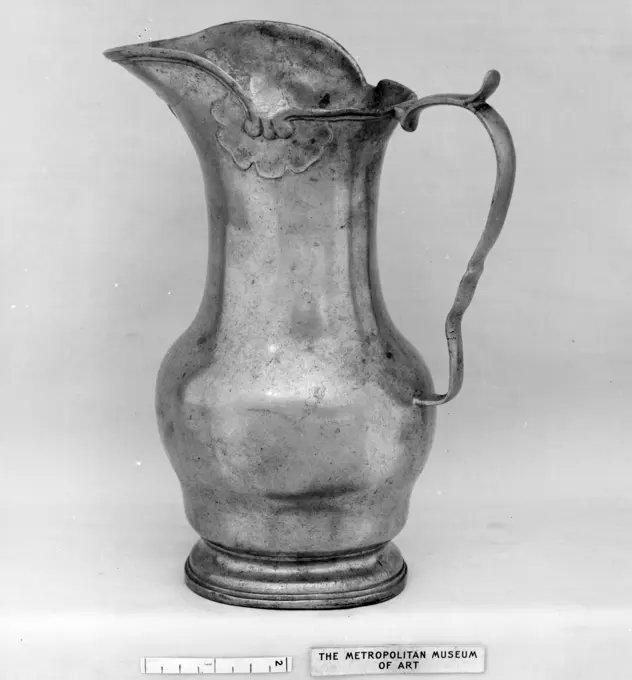
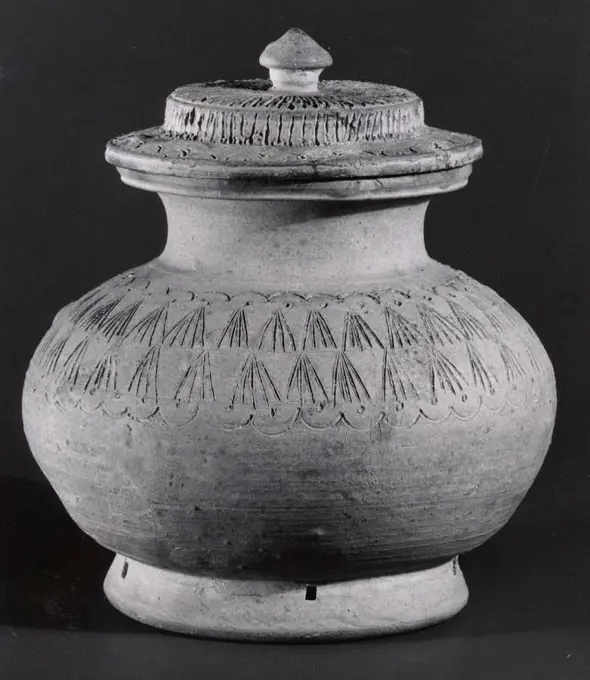
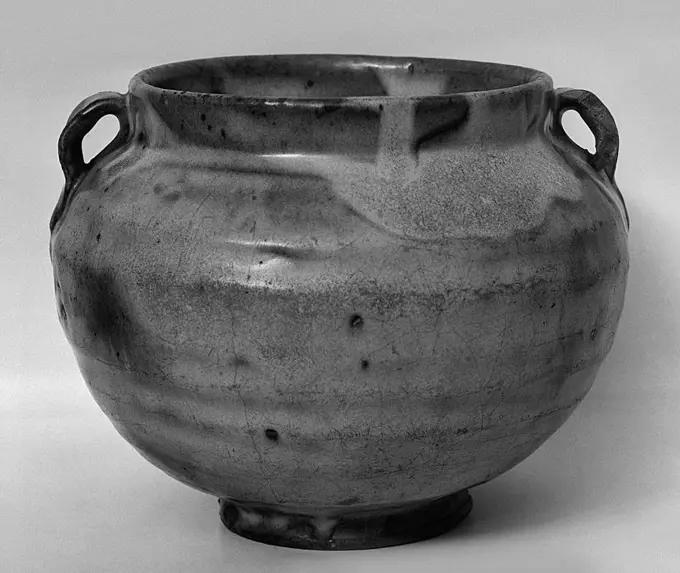
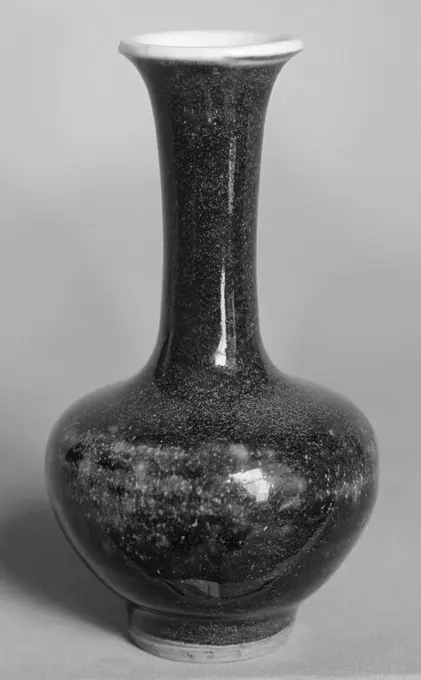
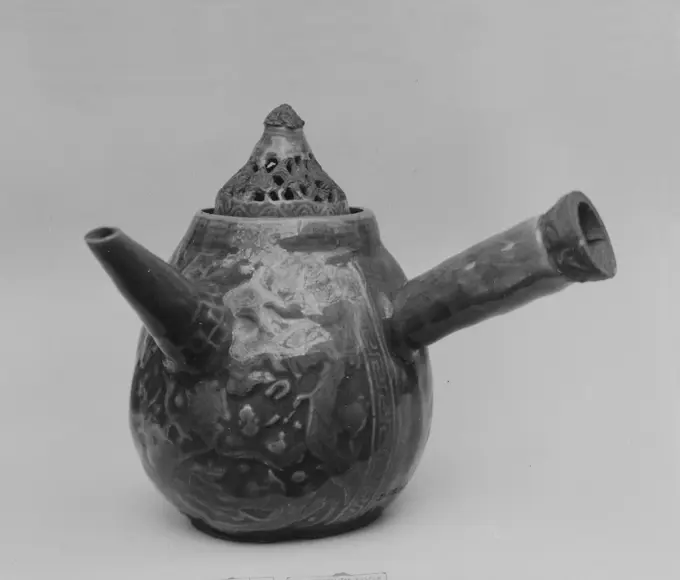
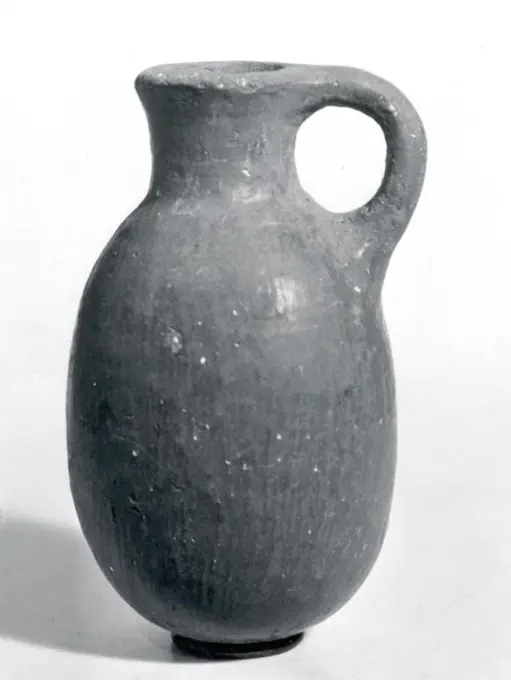
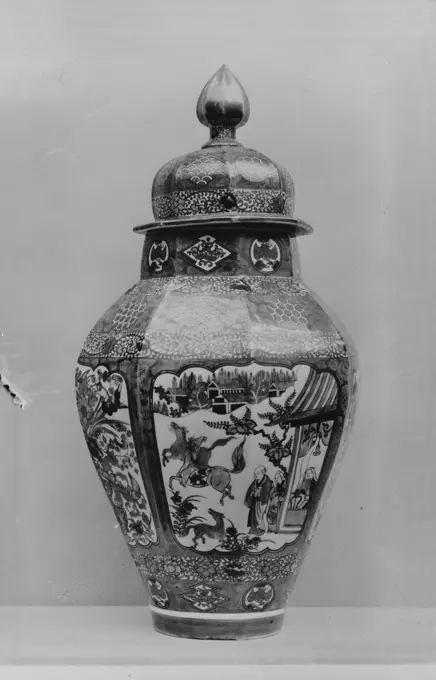
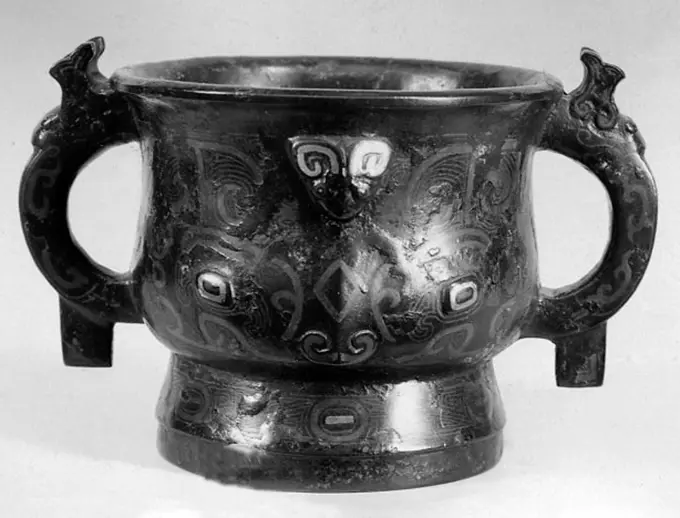
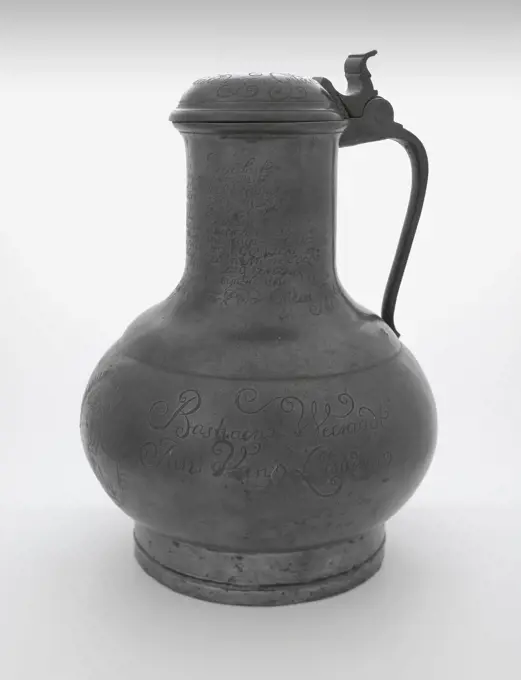
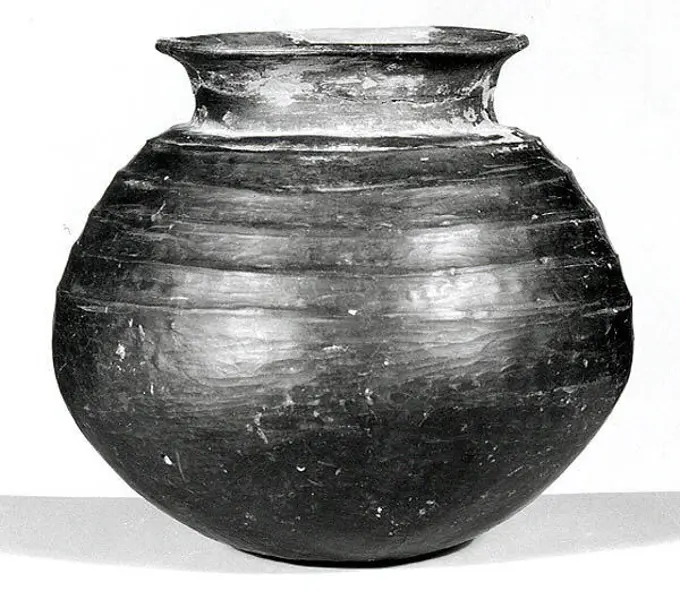
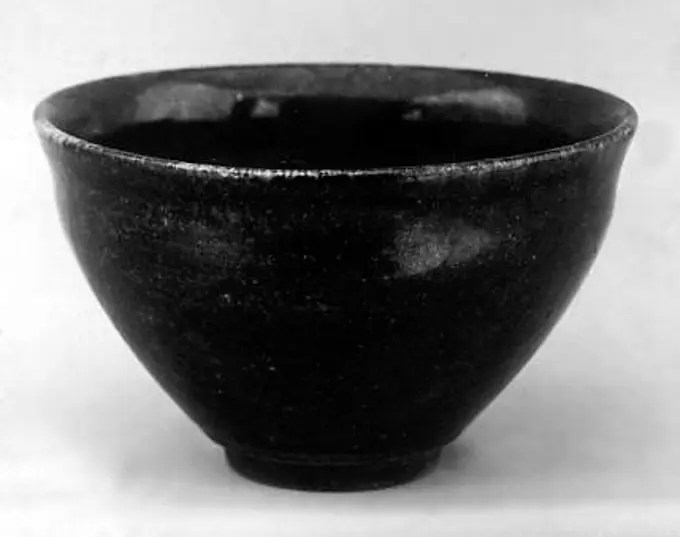
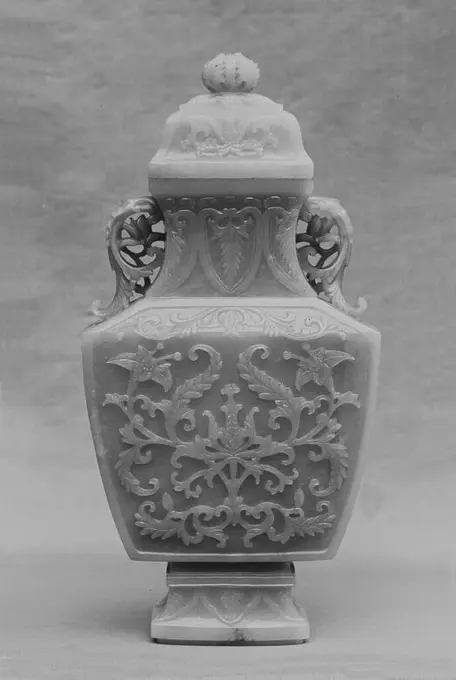
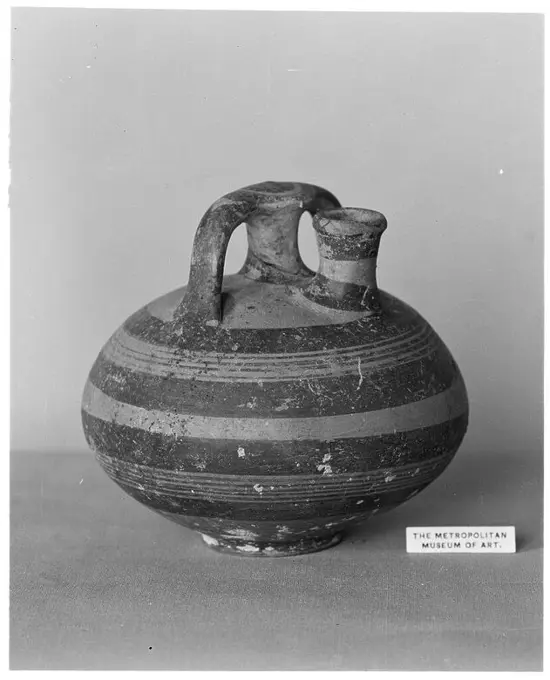
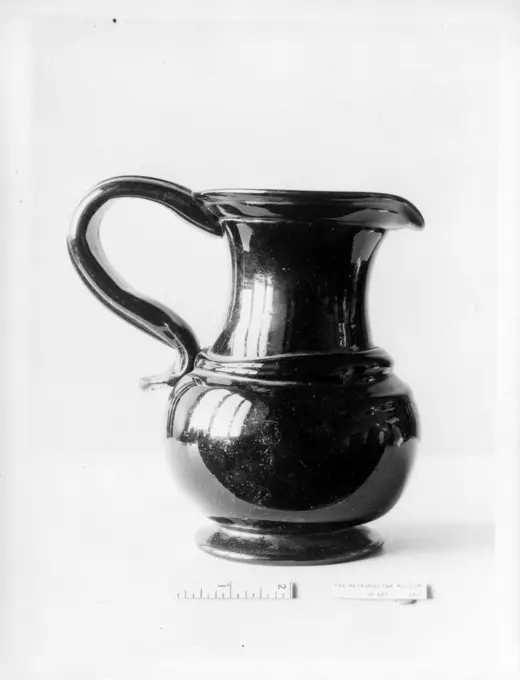
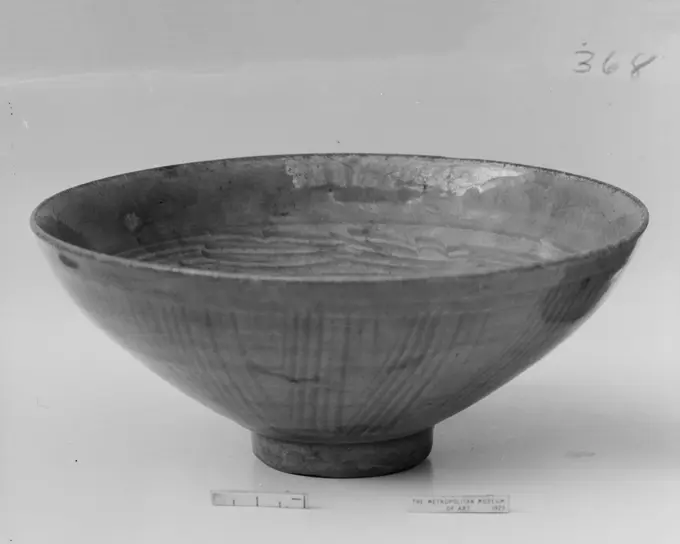
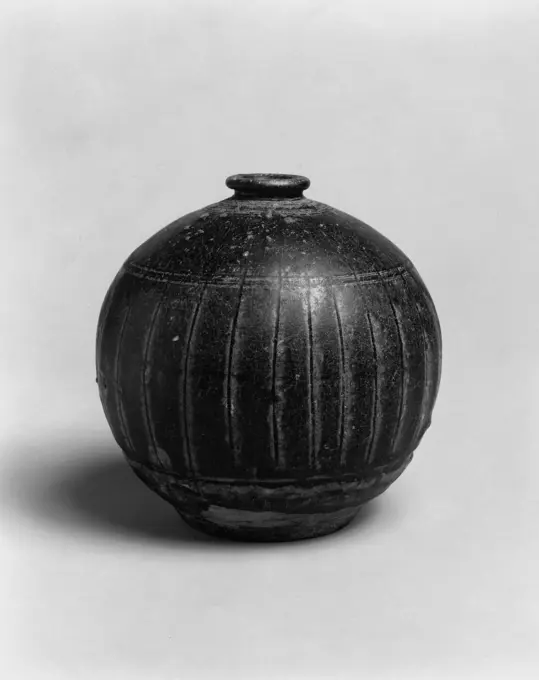
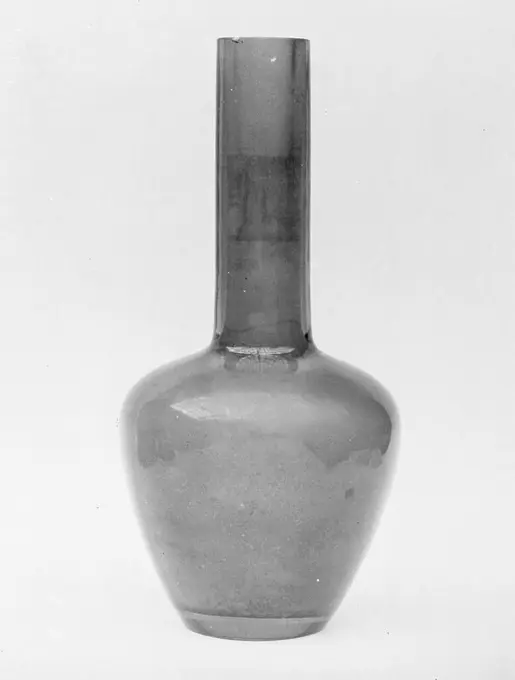
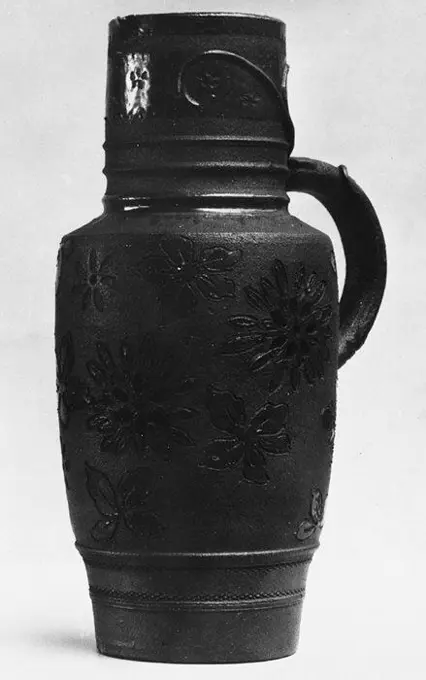
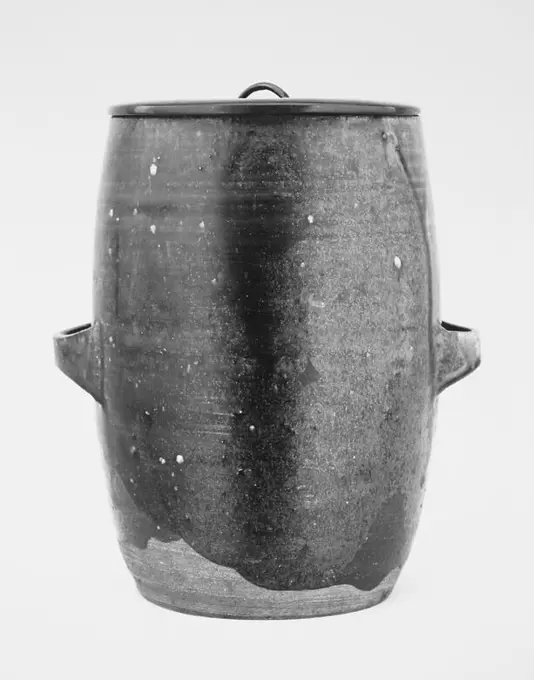
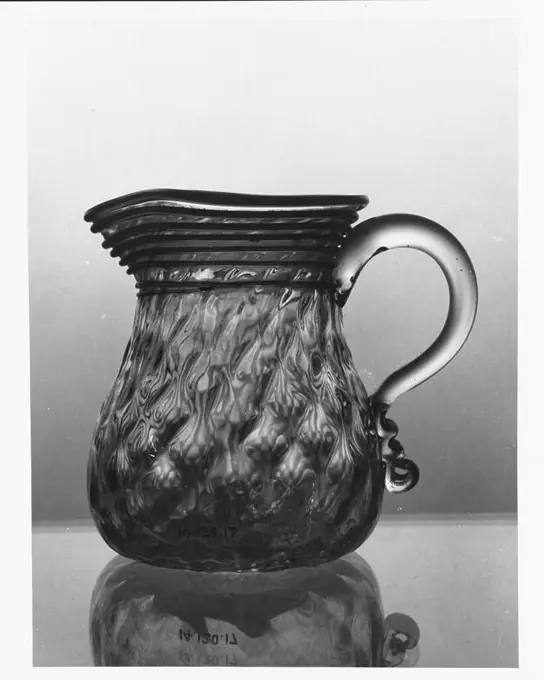
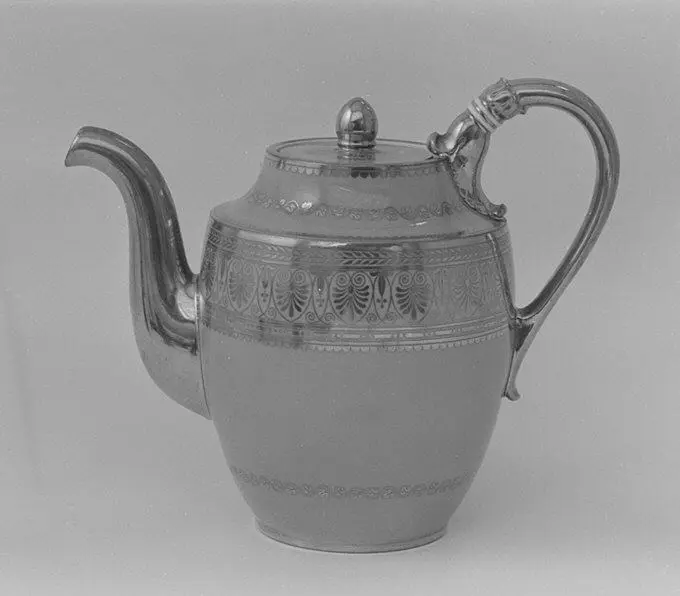
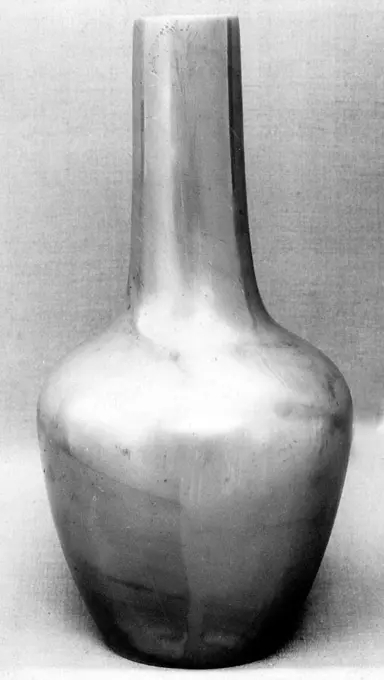
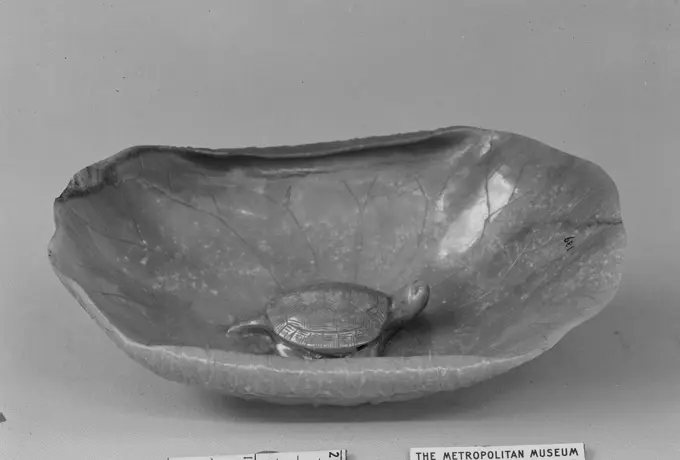
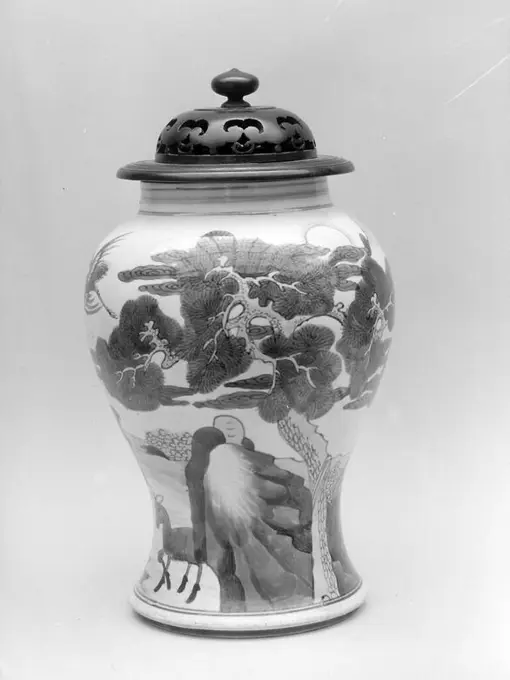
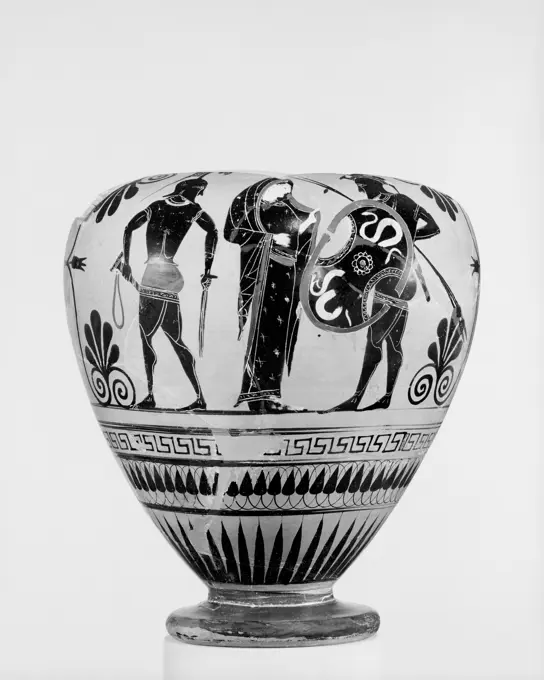
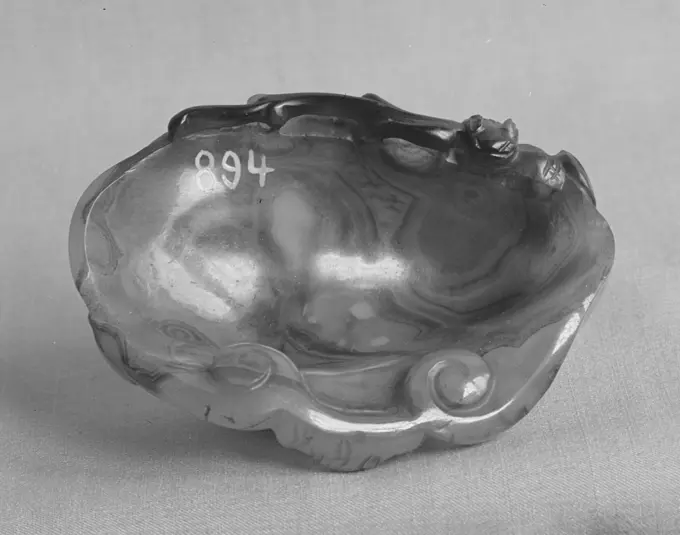
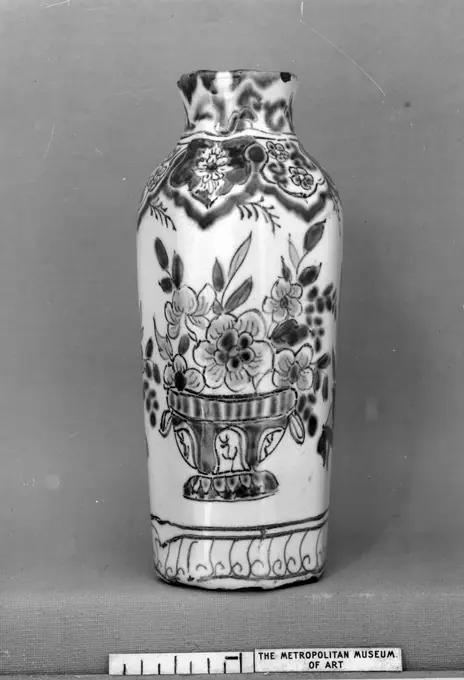
Covered Jar. Culture: China. Dimensions: H. 14 in. (35.6 cm). Museum: Metropolitan Museum of Art, New York, USA.Oil Bottle 19th century Japan. Oil Bottle. Japan. 19th century. Clay covered with a crackled glaze (Seto ware). Edo (1615-1868) or Meiji period (1868-1912). CeramicsJar with three lugs late 6th-early 7th century China. Jar with three lugs. China. late 6th-early 7th century. Stoneware with brown glaze. Sui (581-618)-early Tang (618-907) dynasty. CeramicsVase with Cover China. Vase with Cover. China. Pottery. Han dynasty (206 B.C.-A.D. 220). CeramicsSmall Vessel with Ivy Leaf Finials on the Handle. UnknownJug. UnknownFlower vase Japan. Flower vase 63941Vase 17th century Japan. Vase. Japan. 17th century. Clay with a mottled glaze; impressed decorations (Karatsu ware). Momoyama (1573-1615) or Edo period (1615-1868). CeramicsMiniature Vase 19th century China. Miniature Vase 41285Carinated jar ca. 3000-2250 B.C. Iran This biconical pottery vessel has a sharp edge around its middle where the two halves of the vessel were joined. It also has an abrupt shoulder and a wide, flaring rim. It is made of grey clay using a potters wheel, and decorated with several horizontal registers of hatching.This vessel was excavated at Tureng Tepe in what is today northeastern Iran, near the modern city of Gorgan. During the Bronze Age Tureng Tepe was a large settlement, possibly even with a mudbrick palace at the center of town. In this period the dead were buried under the floors of houses, indicating perhaps a belief that they continued to play an important role in family affairs. Pottery vessels such as this one were placed in these graves. The shape of this vessel provides no hint of what it was used for. Possibly it was a drinking vessel, to be used with a straw, but this is only a guess. It also unclear whether these vessels were used on a daily basis or specifically for fVase with lid ca. 1922 Herman A. Kähler Danish. Vase with lid 487245Jar (Labakou Hu). Culture: China. Dimensions: H. 15 1/8 in. (38.4 cm); H. 13 1/2 in. (34.3 cm). Date: 1st century B.C.. Museum: Metropolitan Museum of Art, New York, USA.Bottle vase 18th century China. Bottle vase. China. 18th century. Porcealin with crackled yellow glaze (Jingdezhen ware). Qing dynasty (1644-1911). CeramicsVase 1870-90 American. Vase. American. 1870-90. Blown spangled black glass. Possibly made in Wheeling, West Virginia, United StatesLead-Glazed Skyphos. UnknownBottle vase 18th century China. Bottle vase 46022Bowl China. Bowl. China. Pottery (Jun type). Yuan dynasty (1271-1368). CeramicsEwer (part of a set) 18th century Flemish. Ewer (part of a set). Flemish. 18th century. Pewter. Metalwork-PewterVessel with Cover ca. 7th century Korea. Vessel with Cover 52090Jug late 18th-early 19th century probably British, Nailsea. Jug. probably British, Nailsea. late 18th-early 19th century. Glass. GlassCricket cage 18th-19th century China. Cricket cage. China. 18th-19th century. Gourd, ivory. Qing dynasty (1644-1911). Cricket cagesCreamer 1780-1820 British, probably. Creamer 2590Bottle 20th century Korea. Bottle 57400Lazio Viterbo Viterbo Museo Civico31. Hutzel, Max 1960-1990 Views of paintings (Middle Ages through 18th c.), frescoes, a tabernacle, coffin, sculpture reliefs, portal fragments, busts, sculpture, tapestry found in the Pinacoteca, Second floor gallery and Second floor cloister sequences. Antiquities: Many views of Etruscan and Roman fragments, sculpture, sarcophagi, pottery, masks, jewelry and other objects found in the Storeroom sequence (inventory numbers on back of prints), and the Cloister, Second floor Cloister, Valle Giulia, Sala Romana and Sala Etrusca sequences. General Notes: There are eight separate numerical sequences for this location. The cloister as an architectural structure, rather than museum site, is documented in the record and file for S. Maria della Verita, Cloister, all views of which are stored in Medieval core collection. Five views from the Museo Civico Second floor cloister sequence are stored in Medieval. German-born photographer and scholar Max Hutzel (1911-Ewer 8th-9th century. Ewer 452507Jar 13th-14th century China. Jar. China. 13th-14th century. Stoneware with light blue glaze (Jun ware). Yuan dynasty (1271-1368). CeramicsJar ca. 2323-2150 B.C. Old Kingdom This bag-shaped jar owes more to vessel shapes in pottery than to the older tradition of stone vessels. Note how the artisan has skillfully employed the dark brown vein in the stone to form a band around the body of the vessel.. Jar. ca. 2323-2150 B.C.. Travertine (Egyptian alabaster). Old Kingdom. From Egypt. Dynasty 6-8Vase. Culture: Japan. Dimensions: H. 6 1/2 in. (16.5 cm). Date: 19th century. Museum: Metropolitan Museum of Art, New York, USA.Jar ca. 6th-8th century A.D. Sasanian or Islamic. Jar 322996Bottle. Culture: China. Dimensions: H. 4 1/2 in. (11.4 cm). Museum: Metropolitan Museum of Art, New York, USA.Emilia-Romagna Ferrara Ferrara Museo Civico di Schifanoia80. Hutzel, Max 1960-1990 General Notes: INCOMPLETE RECORD--NEGATIVES PROCESSED, PRINTS FILED German-born photographer and scholar Max Hutzel (1911-1988) photographed in Italy from the early 1960s until his death. The result of this project, referred to by Hutzel as Foto Arte Minore, is thorough documentation of art historical development in Italy up to the 18th century, including objects of the Etruscans and the Romans, as well as early Medieval, Romanesque, Gothic, Renaissance and Baroque monuments. Images are organized by geographic region in Italy, then by province, city, site complex and monument.Teapot 1800 Aoki Mokubei Japanese. Teapot. Aoki Mokubei (1767-1833). Japan. 1800. Faience decorated in relief, celadon glaze (Kyoto ware). Edo period (1615-1868). CeramicsOil jug ca. late 8th-7th century B.C. Israelite. Oil jug 323154Vase with cover 1720 Japan. Vase with cover. Japan. 1720. Porcelain decorated with enamels (Arita ware, Imari type). Edo period (1615-1868). CeramicsIncense burner 16th century China. Incense burner 42097Tinsmith, Flappe or jug from the bag carrier's guild, jug crockery holder tin, cast engraved Horizontal soldering joints jug on high standing ring spherical belly high neck and band-shaped upright spherical spherical lid with hook-shaped thumb rest and two-pivot hinge recessed bottom: metal casting bag carrier carriers guild bag carrier serving guild pouringJar with ribbed decoration ca. 2800 B.C. Iran This ceramic jar has a globular body, a flat base, a short neck and an everted rim. Its shoulder is decorated with five horizontal ridges running in parallel. It is made of gray clay and has been burnished. It was excavated at Yarim Tepe in northeastern Iran, six miles south of the modern town of Gonbad-e Kavus. Yarim Tepe was a small settlement, inhabited from the Neolithic to the Parthian period, with many interruptions. This jar probably dates to the Early Bronze Age, when this region served as an important link between the emerging cities of Mesopotamia and Afghanistan, one of the few sources of both tin and lapis lazuli in the ancient Near East.. Jar with ribbed decoration 325597Antique glass 1898, Middle EastTeabowl 18th century Japan. Teabowl. Japan. 18th century. Clay covered with a mottled glaze (Karatsu ware). Edo period (1615-1868). CeramicsCoconut cup case ca. 1503 Italian. Coconut cup case. Italian. ca. 1503. Leather, velvet and gilt tooling. Natural Substances-LeatherworkVase with cover. Culture: China. Dimensions: H. 7 1/2 in. (19.1 cm); W. 3 3/4 in. (9.5 cm); D. 1 5/8 in. (4.2 cm). Museum: Metropolitan Museum of Art, New York, USA.Terracotta stirrup jar. Culture: Helladic, Mycenaean. Dimensions: H. 1 9/16 in. (4 cm). Date: ca. 1400-1300 B.C..With spout and two handles, decorated in red with broad and narrow bands. Museum: Metropolitan Museum of Art, New York, USA.Water Pot 19th century Japan. Water Pot. Japan. 19th century. Clay covered with a thin glaze and a crackled overglaze; also an enamel splash (Shidoro ware). Edo (1615-1868) or Meiji period (1868-1912). CeramicsPitcher 1700-1800 American. Pitcher. American. 1700-1800. Free-blown amber glass. Made in United StatesLazio Viterbo Viterbo Museo Civico10. Hutzel, Max 1960-1990 Views of paintings (Middle Ages through 18th c.), frescoes, a tabernacle, coffin, sculpture reliefs, portal fragments, busts, sculpture, tapestry found in the Pinacoteca, Second floor gallery and Second floor cloister sequences. Antiquities: Many views of Etruscan and Roman fragments, sculpture, sarcophagi, pottery, masks, jewelry and other objects found in the Storeroom sequence (inventory numbers on back of prints), and the Cloister, Second floor Cloister, Valle Giulia, Sala Romana and Sala Etrusca sequences. General Notes: There are eight separate numerical sequences for this location. The cloister as an architectural structure, rather than museum site, is documented in the record and file for S. Maria della Verita, Cloister, all views of which are stored in Medieval core collection. Five views from the Museo Civico Second floor cloister sequence are stored in Medieval. German-born photographer and scholar Max Hutzel (1911-Water Coupe China. Water Coupe. China. Porcelain with incised decoration under peachbloom glaze. Qing dynasty (1644-1911), Kangxi mark and period (1662-1722). CeramicsBottle 19th century Japan. Bottle 52214Ewer last quarter 18th century R. S. J.. Ewer 191919Bowl China. Bowl. China. Stoneware with carved and stippled decoration under celadon glaze. Song dynasty (960-1279). CeramicsJar late 11th-12th century Cambodia. Jar. Cambodia. late 11th-12th century. Ceramic (Khmer ware). CeramicsBottle. Culture: China. Dimensions: H. 9 3/16 in. (23.3 cm). Museum: Metropolitan Museum of Art, New York, USA.Jug 1882-86 Haviland & Co. American and French Determined that pottery vessels should be regarded as true works of art, avant-garde ceramicists in France in the last decades of the nineteenth century transformed their craft into an intellectual and emotional endeavor. The pioneers of this revival were Jean Carriès, Ernest Chaplet, Théodore Deck, and Auguste Delaherche. These revolutionary artist-potters embraced artisanal traditions while pursuing lost techniques through exhaustive experimentation. Reacting to what they viewed as an excessive and improper use of ornament, they celebrated the simplicity and sincerity of their medium, following the tenets of the Art Nouveau style taking place in Europe. Based on the principles of the British Arts and Crafts movement, Art Nouveau artists sought to reform the decorative arts by emphasizing uniqueness and a return to craftsmanship. Artist-potters found inspiration in Asian ceramics, particularly Japanese stoneware (a hard, dense type of potHead-shaped flask early 1st Millennium Roman. Head-shaped flask. Roman. early 1st Millennium. Glass. Roman. Levant or SyriaVase 19th century China. Vase 51232Water Pot. Culture: Japan. Dimensions: H. 7 3/8 in. (18.7 cm). Date: 18th century. Museum: Metropolitan Museum of Art, New York, USA.Creamer. Culture: American or British. Dimensions: H. 3 1/2 in. (8.9 cm); Diam. 3 5/8 in. (9.2 cm). Date: 1700-1800. Museum: Metropolitan Museum of Art, New York, USA.Teapot (théière pestum) (part of a service) 1846 Sèvres Manufactory French. Teapot (théière pestum) (part of a service) 201380Bowl. Culture: China. Dimensions: H. 2 5/8 in. (6.7 cm); Diam. 4 5/8 in. (11.7 cm). Museum: Metropolitan Museum of Art, New York, USA.Candlestick (candeliere) ca. 1560-80 Italian, probably Urbino. Candlestick (candeliere). Italian, probably Urbino. ca. 1560-80. Maiolica (tin-glazed earthenware). Ceramics-PotteryBowl 18th-19th century Japan. Bowl. Japan. 18th-19th century. Porcelain decorated in red-orange, blue, green and gilt (Arita ware, Imari style)). Edo period (1615-1868). CeramicsBottle 18th century China. Bottle. China. 18th century. Glass. Qing dynasty (1644-1911), Qianlong period (1736-95). GlassDish China. Dish. China. Nephrite. Qing dynasty (1644-1911), Qianlong period (1736-95). JadeImitation of an Oinochoe. UnknownCosmetic container ca. late 3rd-early 2nd millennium B.C. Bactria-Margiana Archaeological Complex. Cosmetic container 326705Bottle 18th century China. Bottle. China. 18th century. Agate. HardstonePitcher 1826-38 Tucker Factory. Pitcher. American. 1826-38. Porcelain. Made in Philadelphia, Pennsylvania, United StatesStanding cup with cover early 18th century Bohemian. Standing cup with cover. Bohemian. early 18th century. Glass. GlassLazio Viterbo Tarquinia Palazzo Vitelleschi31. Hutzel, Max 1960-1990 Exterior views of Palazzo and museum as well as interior courtyard views and interior views of vaulting. 15th cent. gothic architecture (1436-39, 1460-90). Inside palazzo is the Cappella gentilizia, 15th century, and the antecappella, with frescoes of the story of Lucrezia alternating with the cardinal virtues. Antiquities: Phoenician: faience. Etruscan: sarcophagi; pottery; bronze implements (weapons, vessels, mirrors, candelabra). Gold jewelry. Terracotta masks, statuettes and votive objects. Roman: marble statues, bronze vessels, pottery. Object Notes: Hutzel photo campaign dates: February 15, 1984 and November 9, 1985. It appears that there may have been another campaign for which there are no notes. Palazzo Vitelleschi houses the Museo Nazionale Tarquiniese, antiquities prints are located in antiquities section. Only a few of the antiquities prints are matched to negatives. However, the NNP numbers follow the higBowl. Unknown1 lge. vase, glazed pottery for the Boston Public Schools , Vases. The Massachusetts WPA Federal Art Project Photograph CollectionBottle. Culture: Japan. Dimensions: H. 10 1/4 in. (26 cm). Date: 18th century. Museum: Metropolitan Museum of Art, New York, USA.Vessel 19th century Japan. Vessel 60080Lazio Viterbo Viterbo Museo Civico46. Hutzel, Max 1960-1990 Views of paintings (Middle Ages through 18th c.), frescoes, a tabernacle, coffin, sculpture reliefs, portal fragments, busts, sculpture, tapestry found in the Pinacoteca, Second floor gallery and Second floor cloister sequences. Antiquities: Many views of Etruscan and Roman fragments, sculpture, sarcophagi, pottery, masks, jewelry and other objects found in the Storeroom sequence (inventory numbers on back of prints), and the Cloister, Second floor Cloister, Valle Giulia, Sala Romana and Sala Etrusca sequences. General Notes: There are eight separate numerical sequences for this location. The cloister as an architectural structure, rather than museum site, is documented in the record and file for S. Maria della Verita, Cloister, all views of which are stored in Medieval core collection. Five views from the Museo Civico Second floor cloister sequence are stored in Medieval. German-born photographer and scholar Max Hutzel (1911-Vase. Culture: Chinese. Dimensions: H. 13 1/8 in. (33.3 cm). Date: 1700-1800. Museum: Metropolitan Museum of Art, New York, USA.Neck-amphora ca. 520 B.C. Attributed to the Antimenes Painter. Neck-amphora. Greek, Attic. ca. 520 B.C.. Terracotta; black-figure. Archaic. VasesTwo-handled cup 1769-70 I. M.. Two-handled cup 197383Dish 18th century China. Dish. China. 18th century. Chalcedony-agate. HardstoneFragmentary Kantharos. Attributed to the Xenon Group (Greek (Apulian))Double Spout and Bridge Bottle with Bird 5th-2nd century B.C. Paracas. Double Spout and Bridge Bottle with Bird 308714Votive Juglet. UnknownVase 19th century Japan. Vase 59849Vase (one of a pair) second half 18th century Anthoni Pennis. Vase (one of a pair). Dutch, Delft. second half 18th century. Tin-glazed earthenware. De Twee Scheepjes (The Two Little Ships). Ceramics-PotteryVase. Culture: China. Dimensions: H. 4 in. (10.2 cm). Museum: Metropolitan Museum of Art, New York, USA.Decanter 1820-40 Possibly Boston & Sandwich Glass Company. Decanter 3098Cricket cage 18th-19th century China. Cricket cage. China. 18th-19th century. Gourd, wood. Qing dynasty (1644-1911). Cricket cagesCoffeepot ca. 1735 Meissen Manufactory German. Coffeepot 197663Lazio Viterbo Viterbo Museo Civico67. Hutzel, Max 1960-1990 Views of paintings (Middle Ages through 18th c.), frescoes, a tabernacle, coffin, sculpture reliefs, portal fragments, busts, sculpture, tapestry found in the Pinacoteca, Second floor gallery and Second floor cloister sequences. Antiquities: Many views of Etruscan and Roman fragments, sculpture, sarcophagi, pottery, masks, jewelry and other objects found in the Storeroom sequence (inventory numbers on back of prints), and the Cloister, Second floor Cloister, Valle Giulia, Sala Romana and Sala Etrusca sequences. General Notes: There are eight separate numerical sequences for this location. The cloister as an architectural structure, rather than museum site, is documented in the record and file for S. Maria della Verita, Cloister, all views of which are stored in Medieval core collection. Five views from the Museo Civico Second floor cloister sequence are stored in Medieval. German-born photographer and scholar Max Hutzel (1911-Lazio Viterbo Viterbo Museo Civico20. Hutzel, Max 1960-1990 Views of paintings (Middle Ages through 18th c.), frescoes, a tabernacle, coffin, sculpture reliefs, portal fragments, busts, sculpture, tapestry found in the Pinacoteca, Second floor gallery and Second floor cloister sequences. Antiquities: Many views of Etruscan and Roman fragments, sculpture, sarcophagi, pottery, masks, jewelry and other objects found in the Storeroom sequence (inventory numbers on back of prints), and the Cloister, Second floor Cloister, Valle Giulia, Sala Romana and Sala Etrusca sequences. General Notes: There are eight separate numerical sequences for this location. The cloister as an architectural structure, rather than museum site, is documented in the record and file for S. Maria della Verita, Cloister, all views of which are stored in Medieval core collection. Five views from the Museo Civico Second floor cloister sequence are stored in Medieval. German-born photographer and scholar Max Hutzel (1911-Kohl pot ca. 1802-1640 B.C. Middle Kingdom. Kohl pot. ca. 1802-1640 B.C.. Travertine (Egyptian alabaster). Middle Kingdom. From Egypt, Memphite Region, Lisht North, West of tomb 954 (location not recorded), Surface burial 952, MMA excavations, 1921-22; (none assigned. Dynasty 13Wineglass 18th century German, Potsdam. Wineglass. German, Potsdam. 18th century. Glass. GlassBottle 19th century Japan. Bottle. Japan. 19th century. Clay covered with thin, mottled glaze (Seto ware). Edo (1615-1868) or Meiji period (1868-1912). CeramicsBowl China. Bowl. China. Pottery (Jun ware). Song dynasty (960-1279). CeramicsJug 18th century British, probably Bristol. Jug. British, probably Bristol. 18th century. Glass. GlassBottle Japan 17th century View more. Bottle. Japan. 17th century. Paste covered with a glaze splashed with black, left-handed itogiri (Seto ware). Momoyama (1573-1615) or Edo period (1615-1868). CeramicsPorringer 1700-1800 American. Porringer. American. 1700-1800. Pewter. Made in Rhode Island, United StatesVaso Mediceo (Firenze) , Antiquities, Vases, Medici vase. Nicholas Catsimpoolas CollectionCup 18th century, decoration ca. 1720-25 Meissen Manufactory German. Cup 198101Tea Jar 18th century Japan. Tea Jar 62613Vase 1882-86 Haviland & Co. American and French Determined that pottery vessels should be regarded as true works of art, avant-garde ceramicists in France in the last decades of the nineteenth century transformed their craft into an intellectual and emotional endeavor. The pioneers of this revival were Jean Carriès, Ernest Chaplet, Théodore Deck, and Auguste Delaherche. These revolutionary artist-potters embraced artisanal traditions while pursuing lost techniques through exhaustive experimentation. Reacting to what they viewed as an excessive and improper use of ornament, they celebrated the simplicity and sincerity of their medium, following the tenets of the Art Nouveau style taking place in Europe. Based on the principles of the British Arts and Crafts movement, Art Nouveau artists sought to reform the decorative arts by emphasizing uniqueness and a return to craftsmanship. Artist-potters found inspiration in Asian ceramics, particularly Japanese stoneware (a hard, dense type of poVase. Culture: China. Dimensions: H. 2 7/8 in. (7.3 cm); Diam. 1 5/16 in. (3.3 cm). Museum: Metropolitan Museum of Art, New York, USA.