Antique Ceramic Vessels

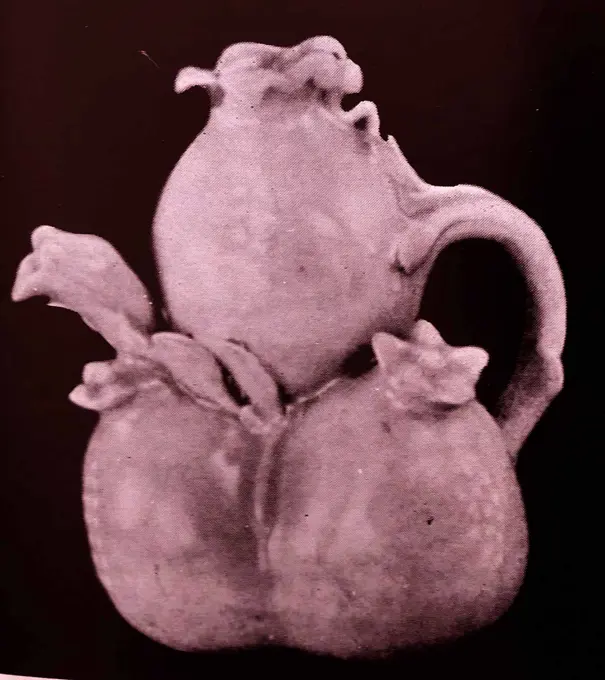
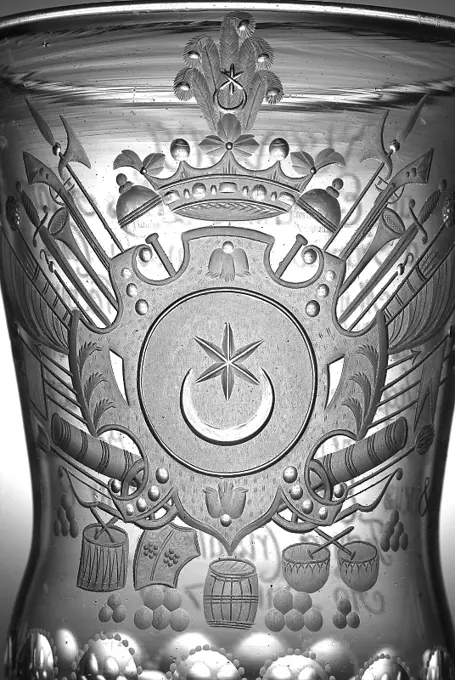
A series of historical ceramic jars and vases from China and Japan, showcasing intricate designs and varying forms from different dynastic periods, emphasizing age and craftsmanship.
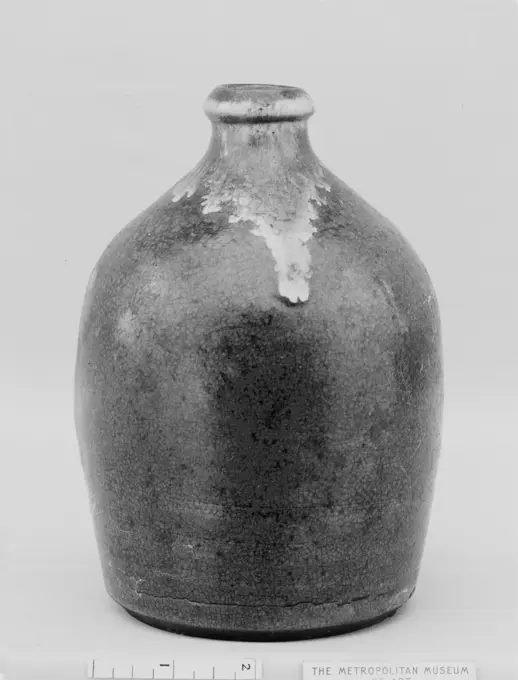
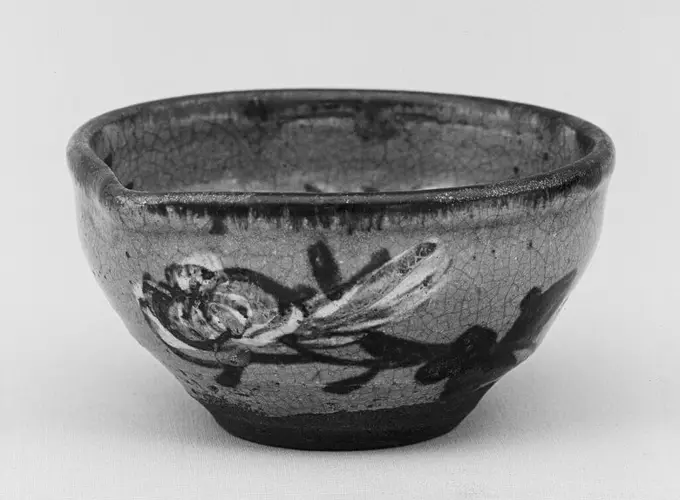
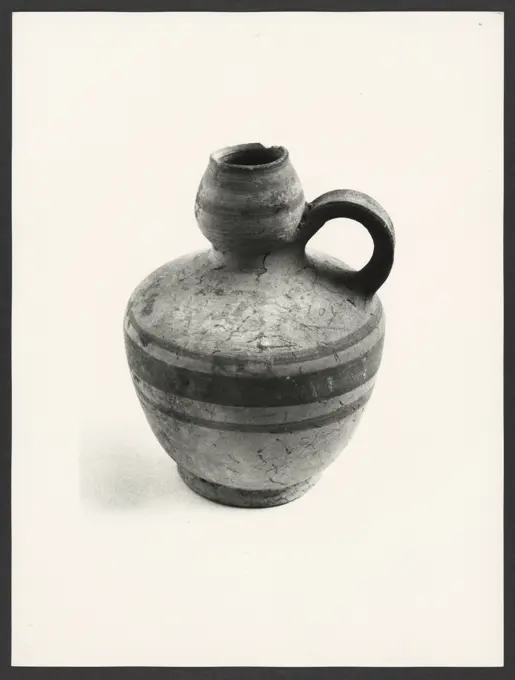
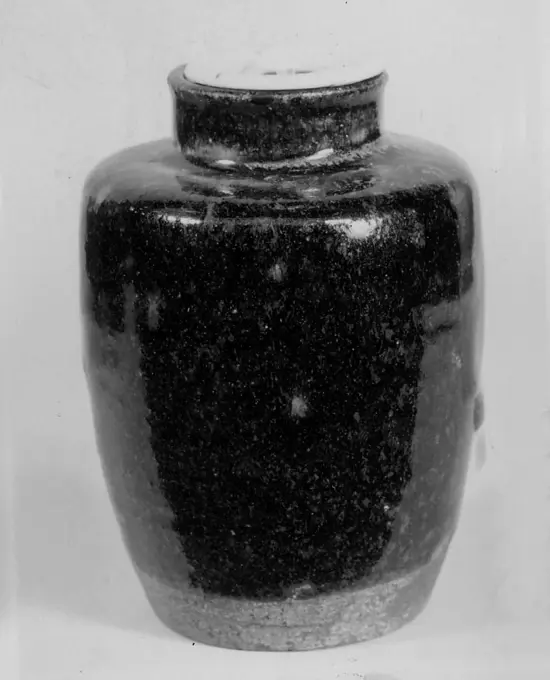
Oil Bottle 19th century Japan. Oil Bottle. Japan. 19th century. Clay covered with a crackled glaze (Seto ware). Edo (1615-1868) or Meiji period (1868-1912). Ceramics
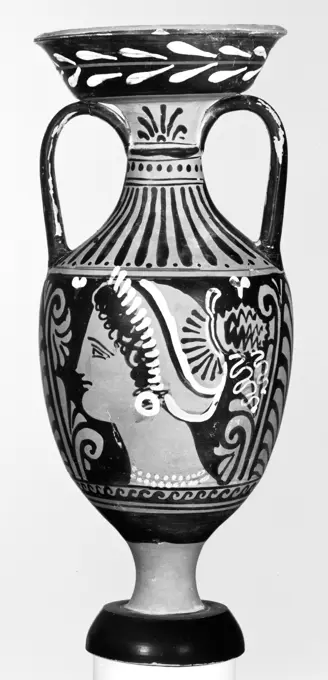
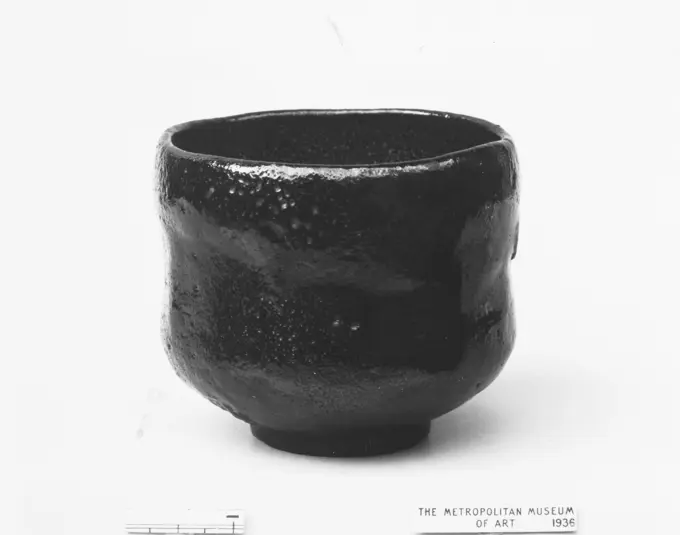
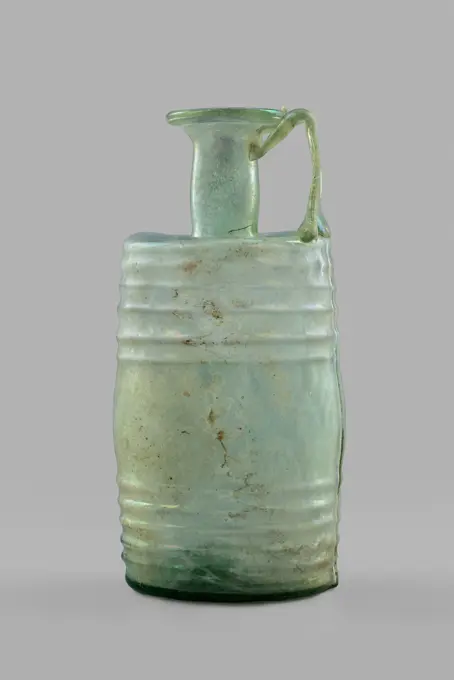
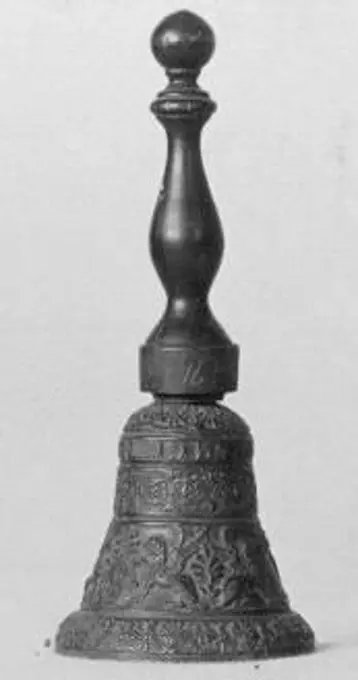
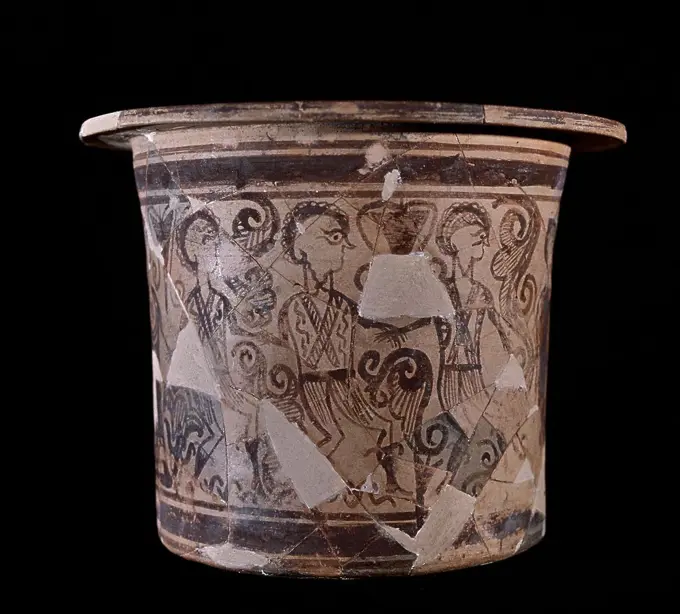
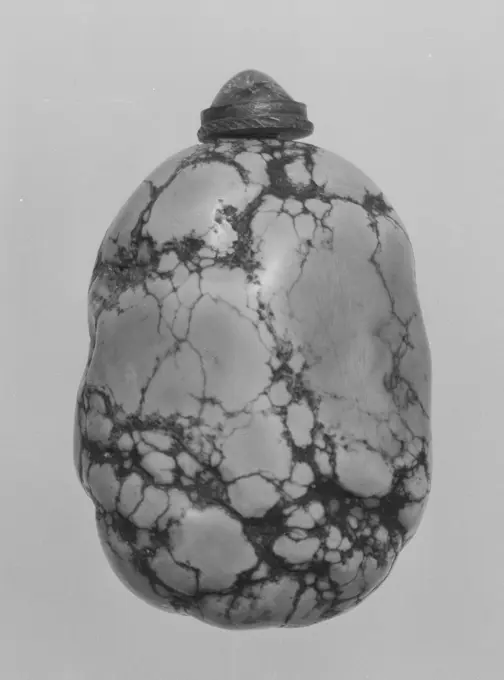
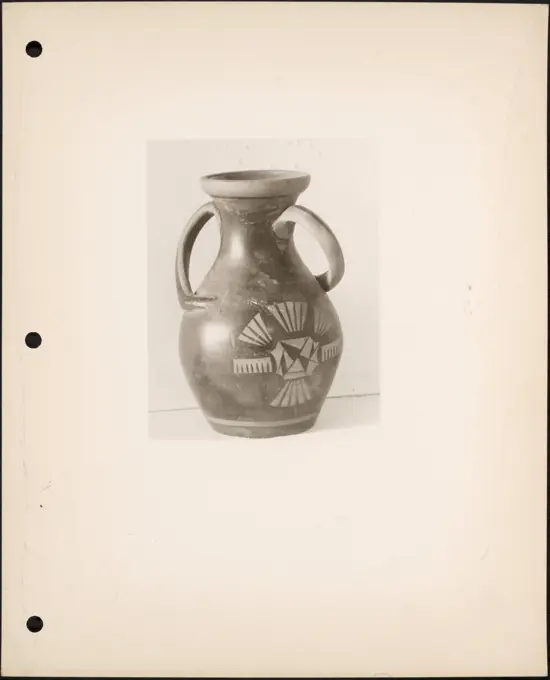
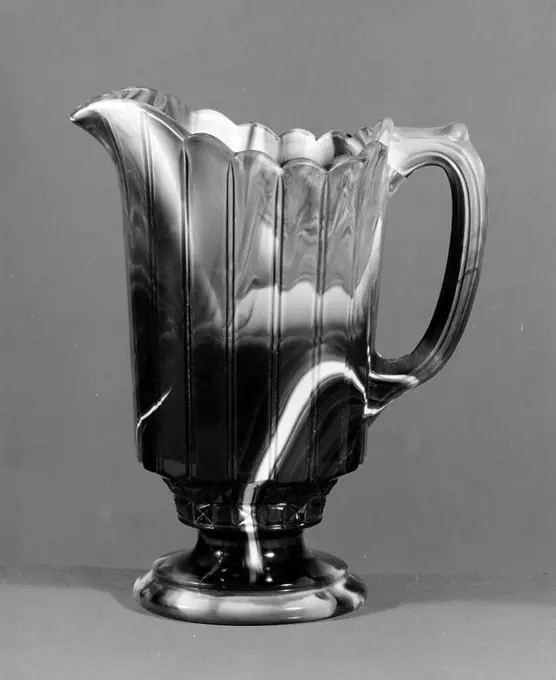
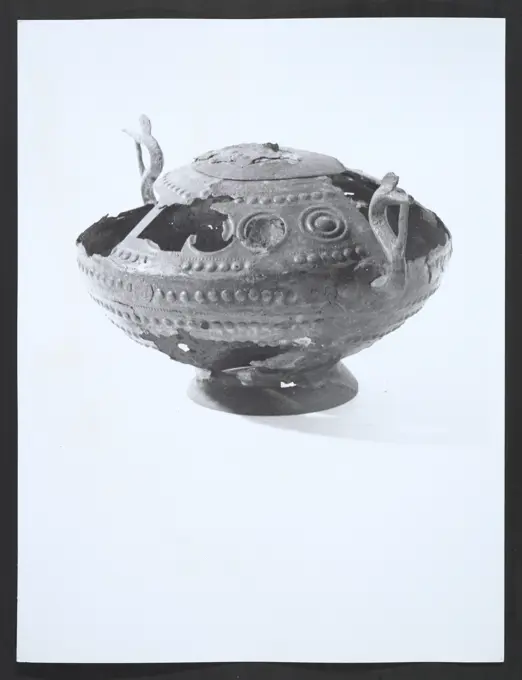
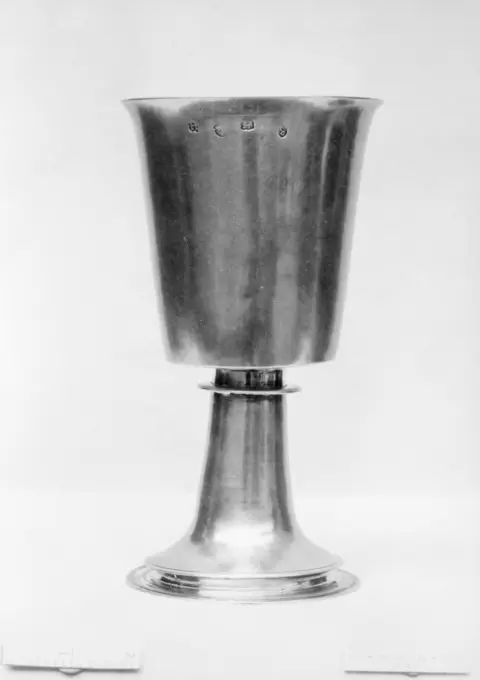
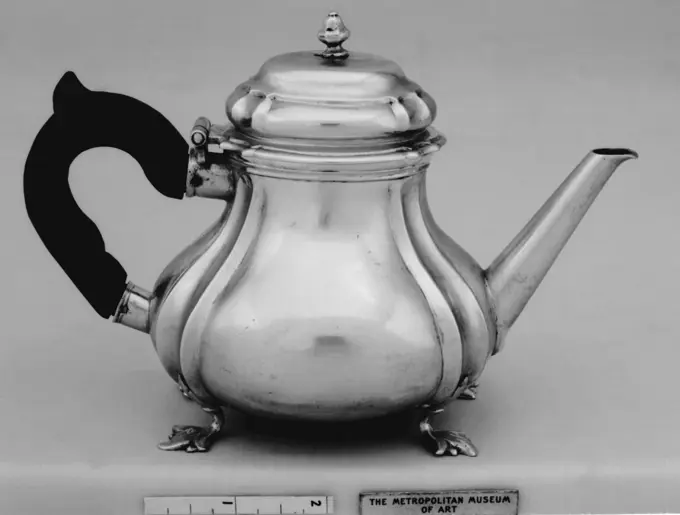
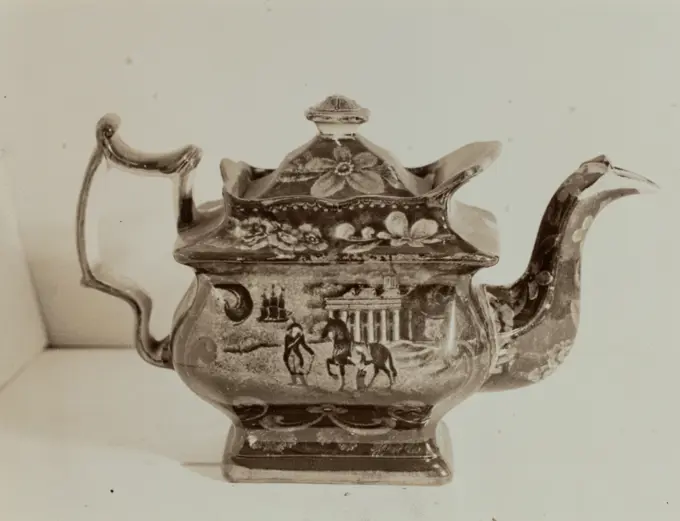
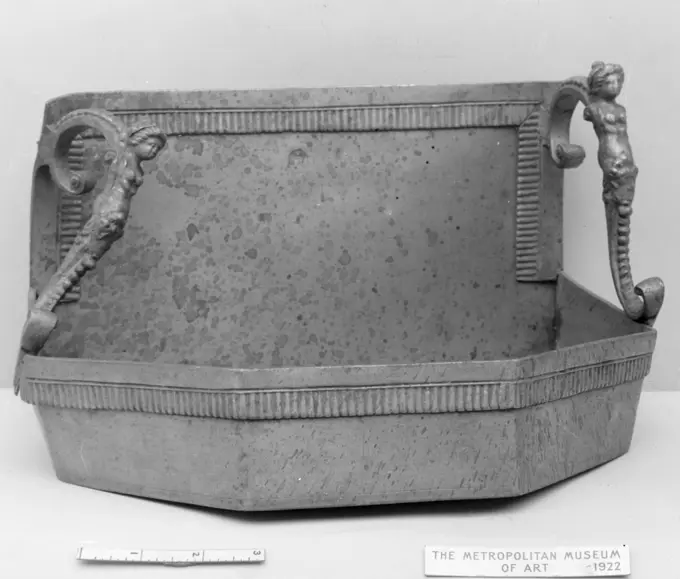
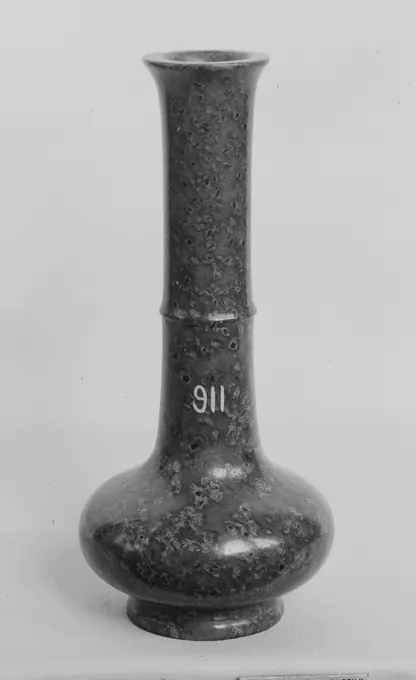
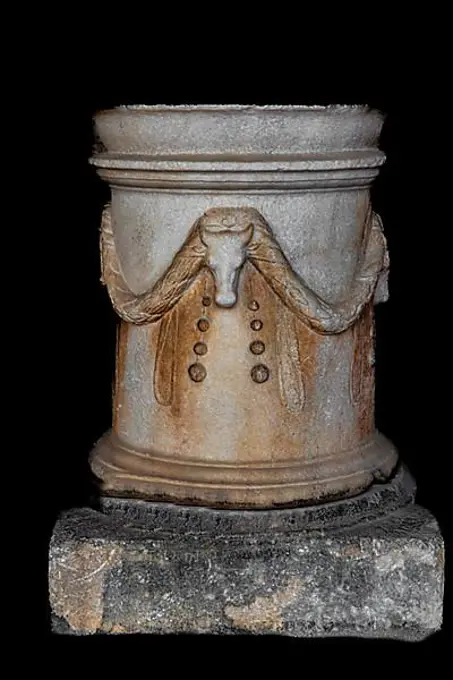
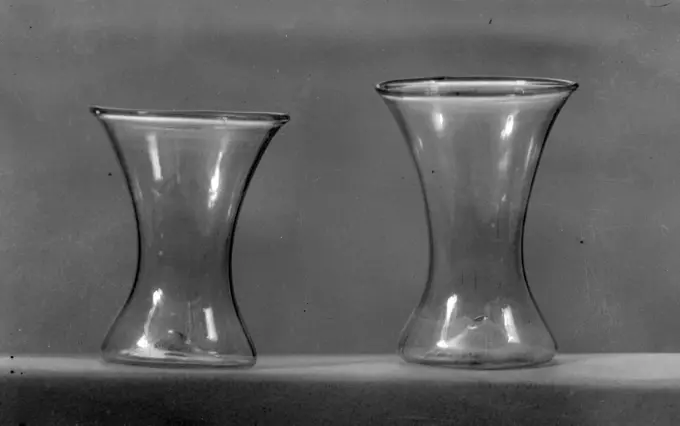
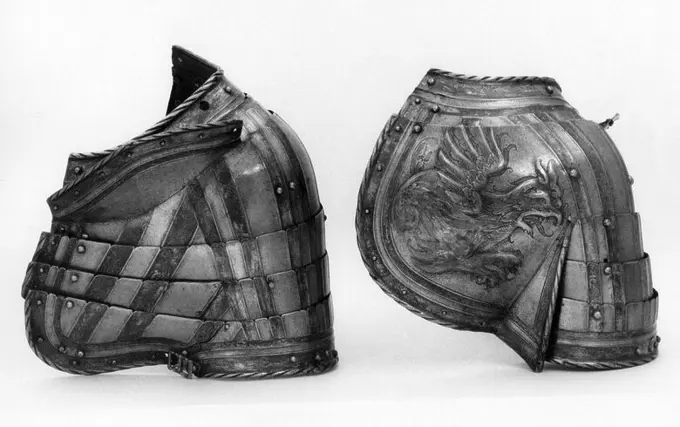
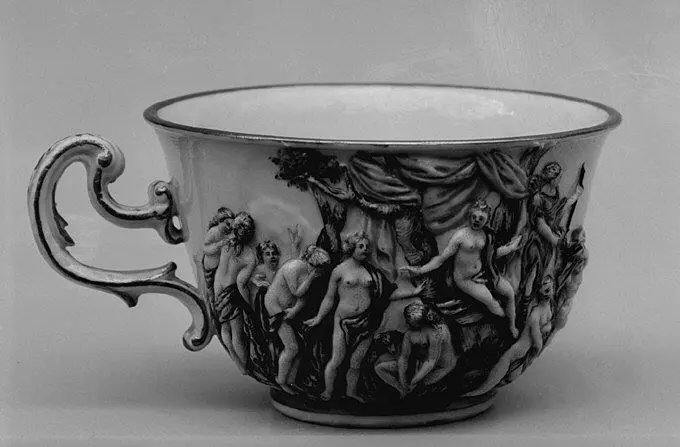
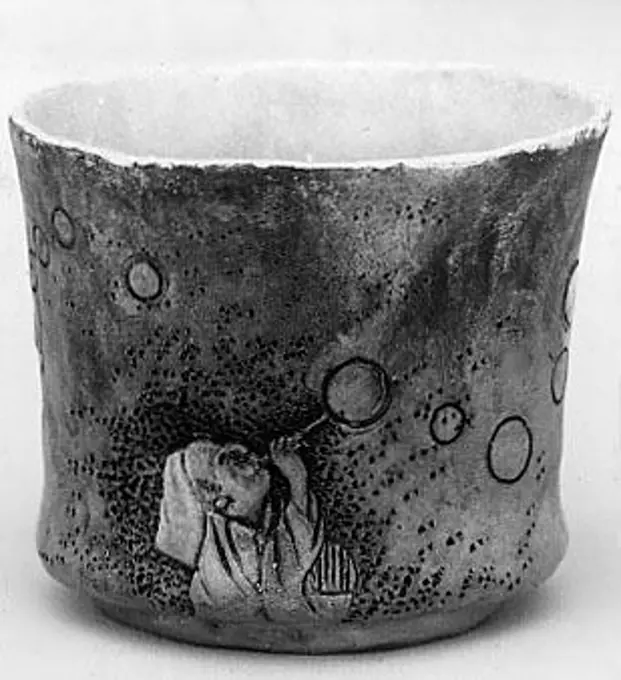
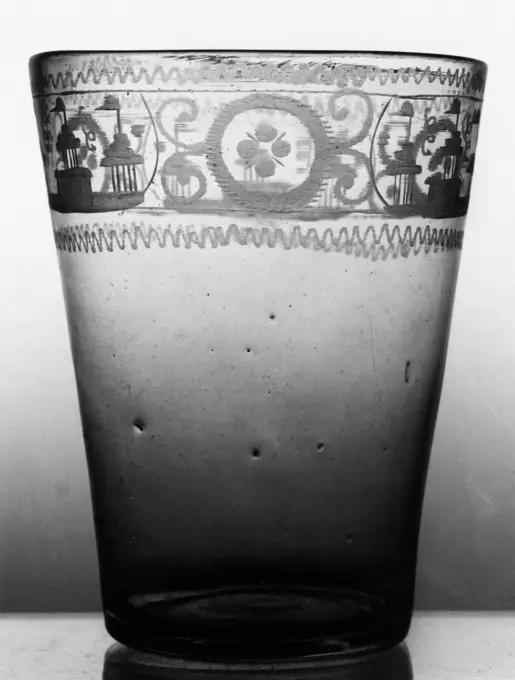
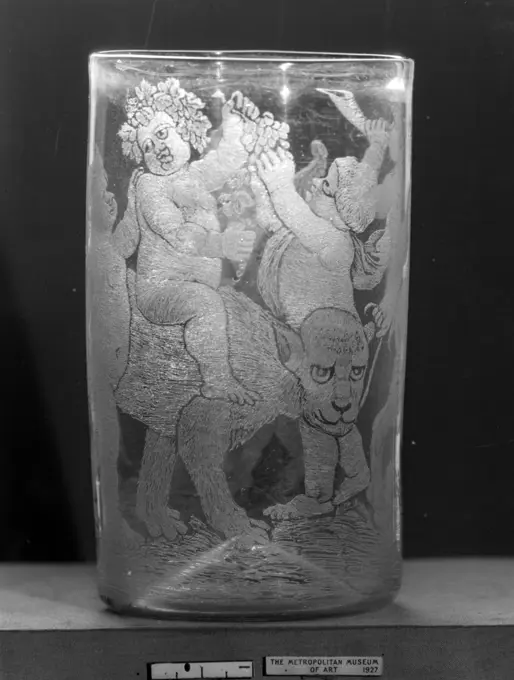
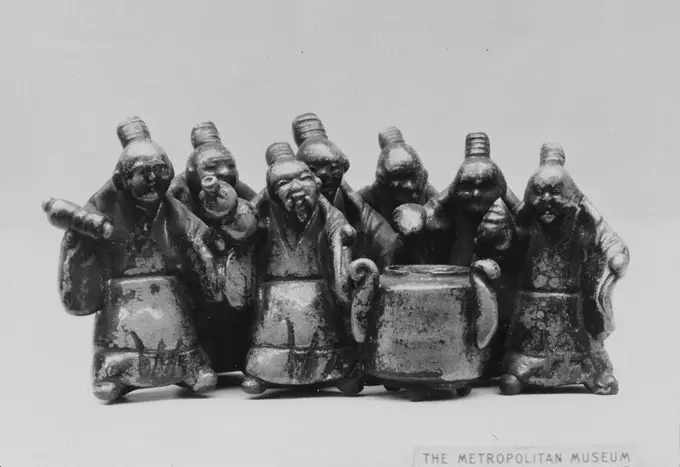
Milk jug (part of a service) 1809-19 Marc Jacquart This tea and coffee service (38.12.1-.5) is distinguished both by the enormous scale of its pieces and the high quality of the cast and applied decoration. While its sugar bowl is missing, the service is an unusually grand survivor of silver from the Napoleonic period. The mother-of-pearl handles add to the impression of luxury but also serve a functional purpose, as they do not conduct the heat generated by the hot liquids that the vessels contained.. Milk jug (part of a service) 198022Vase. Culture: China. Dimensions: H. 9 1/2 in. (24.1 cm). Museum: Metropolitan Museum of Art, New York, USA.Apulian Amphora. Attributed to the Workshop of the Baltimore Painter, Lavello Group (South Italian (Apulian), active 330 - 310 B.C.)Bowl (Wan). Culture: China. Dimensions: Diam. 9 3/4 in. (24.8 cm). Date: 2300-2000 B.C.. Museum: Metropolitan Museum of Art, New York, USA.Lamp A.D. 9th-10th century Islamic. Lamp. Islamic. A.D. 9th-10th century. Ceramic. early Islamic. Central AsiaTeabowl ca. 1730 Raku Sanyū Japanese. Teabowl 63171Bulb Bowl. Culture: China. Dimensions: H. 3 in. (7.6 cm); Diam. 9 3/8 in. (23.8 cm). Museum: Metropolitan Museum of Art, New York, USA.Beaker of Zhou Design. Culture: China. Dimensions: H. 9 1/4 in. (23.5 cm); W. 4 5/8 in. (11.7 cm). Museum: Metropolitan Museum of Art, New York, USA.Vase after 1885 American. Vase. American. after 1885. Blown satin yellow glass. Made in United StatesCoffeepot ca. 1775-80 Würzburg Porcelain Manufactory. Coffeepot 198828Robert Stewart, Cup and Saucer, c 1939 Cup and SaucerCovered SugarBowlCampania Caserta Capua Museo Campano024. Hutzel, Max 1960-1990 Medieval: Byzantine architectural fragments; parchment fragments with miniatures (12th century) from Montecassino; painted wooden crucifix (13th century); Carolingian crucifixes; Bishop's miter (11th century) of gold and silver damask; fresco (13th century). Post-medieval: Architecture (15th century). Formerly the Palazzo Antignano. Unusual Catalan/Moorish-style portal; Paintings on panel and canvas (15th-18th centuries); marble intarsia (16th century); marble sculpture: busts of Christ and Mary (17th century); sculpture of saints in marble and in wood (15th century); painted and gilded sculpture in wood; marble grave sculpture (16th century); sarcophagus with allegorical carvings; gold reliquary "Rosa d'Oro"; crucifix made of elephant tusk Specific Location: Pianterreno Antiquities: Italic sculpture (seated women holding babies); inscription. Photo campaign #1: 533 photos. Roman relief and sculpture; cinerary urns; Greek aBox with Cover second half of the 13th-early 14th century China. Box with Cover 50705Covered Bowl China. Covered Bowl 62135Bottle, on the bottom reference "Fron"; Frontinus workshop; End of III-Poczcz 4th century (290-00-00-310-00-00);Pendant shaped like a cornflower ca. 1070 BC or later Third Intermediate Period or later A number of small amulets or other items were found in the excavation of Nespekashuty's tomb, spanning its long use life. See the discussion under 23.3.468.. Pendant shaped like a cornflower. ca. 1070 BC or later. Blue glass. Third Intermediate Period or later. From Egypt, Upper Egypt, Thebes, Deir el-Bahri, Tomb of Nespekashuty (TT 312, MMA 509), MMA excavations, 1922-23Bowl. Culture: Japan. Dimensions: H. 2 1/4 in. (5.7 cm); Diam. 4 1/4 in. (10.8 cm). Date: 18th century. Museum: Metropolitan Museum of Art, New York, USA.E. Hugo, Teapot, c. 1860, silver.Vase (vaso). Culture: Italian, Deruta. Dimensions: Height: 9 1/16 in. (23cm). Date: ca. 1520-30. Museum: Metropolitan Museum of Art, New York, USA.Teabowl ca. 1830 Yosobei II Japanese. Teabowl. Yosobei II. Japan. ca. 1830. Clay covered with a transparent glaze and in black enamels (Kiyomizu ware). Edo period (1615-1868). CeramicsVase China. Vase 50739Handbell 19th century () Italian. Handbell. Italian. 19th century (). Bronze, wood, iron. Italy. Idiophone-Struck-bell-clapperVase. Culture: China. Dimensions: H. 26 in. (66 cm); W. 11 in. (27.9 cm). Museum: Metropolitan Museum of Art, New York, USA.Campania Caserta Capua Museo Campano018. Hutzel, Max 1960-1990 Medieval: Byzantine architectural fragments; parchment fragments with miniatures (12th century) from Montecassino; painted wooden crucifix (13th century); Carolingian crucifixes; Bishop's miter (11th century) of gold and silver damask; fresco (13th century). Post-medieval: Architecture (15th century). Formerly the Palazzo Antignano. Unusual Catalan/Moorish-style portal; Paintings on panel and canvas (15th-18th centuries); marble intarsia (16th century); marble sculpture: busts of Christ and Mary (17th century); sculpture of saints in marble and in wood (15th century); painted and gilded sculpture in wood; marble grave sculpture (16th century); sarcophagus with allegorical carvings; gold reliquary "Rosa d'Oro"; crucifix made of elephant tusk Specific Location: Pianterreno Antiquities: Italic sculpture (seated women holding babies); inscription. Photo campaign #1: 533 photos. Roman relief and sculpture; cinerary urns; Greek aCushion late 19th century China. Cushion 70294VASO DE LA DANZA CERAMICA PROCEDENTE DE LIRIA - KALATHOS. Location: MUSEO DE PREHISTORIA Y ARQUEOLOGIA. Valencia. SPAIN.Storage jar 14th-15th century Japan. Storage jar 49270Snuff bottle with stopper 18th-19th century China. Snuff bottle with stopper. China. 18th-19th century. Turquoise. Qing dynasty (1644-1911). Snuff BottlesBeverly Pottery vase , Pottery, Vases. The Massachusetts WPA Federal Art Project Photograph CollectionLazio Viterbo Viterbo Museo Civico48. Hutzel, Max 1960-1990 Views of paintings (Middle Ages through 18th c.), frescoes, a tabernacle, coffin, sculpture reliefs, portal fragments, busts, sculpture, tapestry found in the Pinacoteca, Second floor gallery and Second floor cloister sequences. Antiquities: Many views of Etruscan and Roman fragments, sculpture, sarcophagi, pottery, masks, jewelry and other objects found in the Storeroom sequence (inventory numbers on back of prints), and the Cloister, Second floor Cloister, Valle Giulia, Sala Romana and Sala Etrusca sequences. General Notes: There are eight separate numerical sequences for this location. The cloister as an architectural structure, rather than museum site, is documented in the record and file for S. Maria della Verita, Cloister, all views of which are stored in Medieval core collection. Five views from the Museo Civico Second floor cloister sequence are stored in Medieval. German-born photographer and scholar Max Hutzel (1911-Crystals can stop with metal stop, from the Louvre.Incense Burner from 11-12th century Koryo (Goreyo) (Goreyo) Dynasty of KoreaFolding spoon second quarter 16th century Flemish, Antwerp. Folding spoon 203992Beaker ca. 1730 Bohemian. Beaker. Bohemian. ca. 1730. Zwischengold glass. GlassPitcher. Culture: American. Dimensions: H. 9 1/2 in. (24.1 cm); Diam. 5 7/8 in. (14.9 cm). Maker: Challinor, Taylor and Company (1866-1891). Date: 1870-90. Museum: Metropolitan Museum of Art, New York, USA.Lazio Viterbo Viterbo Museo Civico6. Hutzel, Max 1960-1990 Views of paintings (Middle Ages through 18th c.), frescoes, a tabernacle, coffin, sculpture reliefs, portal fragments, busts, sculpture, tapestry found in the Pinacoteca, Second floor gallery and Second floor cloister sequences. Antiquities: Many views of Etruscan and Roman fragments, sculpture, sarcophagi, pottery, masks, jewelry and other objects found in the Storeroom sequence (inventory numbers on back of prints), and the Cloister, Second floor Cloister, Valle Giulia, Sala Romana and Sala Etrusca sequences. General Notes: There are eight separate numerical sequences for this location. The cloister as an architectural structure, rather than museum site, is documented in the record and file for S. Maria della Verita, Cloister, all views of which are stored in Medieval core collection. Five views from the Museo Civico Second floor cloister sequence are stored in Medieval. German-born photographer and scholar Max Hutzel (1911-1Communion cup 1641-42 Probably by H. Babington. Communion cup 195246Ministry of Information First World War Official Collection Bronze Lion (16th Century) with the arms of the Danish Family Alkeveders; exhibited in Tower of London.Caddy ca. 1735 Meissen Manufactory German. Caddy 199206Teapot 18th century Jacob von Holten. Teapot 188788 Maker: Jacob von Holten, w. 1724, Teapot, 18th century, Silver, H. 4 3/4 in. (12.1 cm); L. 6 3/4 in. (17.1). The Metropolitan Museum of Art, New York. Gift of Rev. Alfred Duane Pell, 1903 (03.2.7)Snuff bottle with stopper 19th century China. Snuff bottle with stopper 41190Pitcher. Maker, probably by: Boston and Sandwich Glass Works, American, 1826-88Attic Black-Figure Neck Amphora Fragment (comprised of 3 Joined Fragments). UnknownHelmut Hiatt, Teapot  Mt Vernon, c 1936 Teapot - Mt. VernonElsevier photo collection. Series: Utensils prehistoric time Bronze time. Urn cremation decorated cord nail impressions (Nistelrode n.b.). undatedLavabo basin late 16th-early 17th century French or German. Lavabo basin 188520 French or German, Lavabo basin, late 16thearly 17th century, Pewter, Overall: 7  12  9 in. (17.8  30.5  22.9 cm). The Metropolitan Museum of Art, New York. Gift of Henry Victor Burgy, 1901 (01.23.117)Bottle 18th century China. Bottle. China. 18th century. Serpentinite. HardstoneBowl ca. 1750 British, Bristol. Bowl. British, Bristol. ca. 1750. Tin-glazed earthenware. Ceramics-PotteryBase of a cylindrical funeral altar of Ariston, son of Demostratos, 1st century BC, Laodikeia in Phoenicia, Archaeological Museum in the former Order Hospital of the Knights of St John, 15th century, Old Town, Rhodes Town, Greece, EuropeBasket 19th century Japan. Basket 62220Miniature beaker early 19th century German. Miniature beaker. German. early 19th century. Glass. GlassTeapot 18th century Portuguese. Teapot 191933Campania Caserta Capua Museo Campano03. Hutzel, Max 1960-1990 Medieval: Byzantine architectural fragments; parchment fragments with miniatures (12th century) from Montecassino; painted wooden crucifix (13th century); Carolingian crucifixes; Bishop's miter (11th century) of gold and silver damask; fresco (13th century). Post-medieval: Architecture (15th century). Formerly the Palazzo Antignano. Unusual Catalan/Moorish-style portal; Paintings on panel and canvas (15th-18th centuries); marble intarsia (16th century); marble sculpture: busts of Christ and Mary (17th century); sculpture of saints in marble and in wood (15th century); painted and gilded sculpture in wood; marble grave sculpture (16th century); sarcophagus with allegorical carvings; gold reliquary "Rosa d'Oro"; crucifix made of elephant tusk Specific Location: Pianterreno Antiquities: Italic sculpture (seated women holding babies); inscription. Photo campaign #1: 533 photos. Roman relief and sculpture; cinerary urns; Greek anBronze ritual vessel. Western Zhou period. 11th cent B.C. China.Tea Jar 17th century Japan. Tea Jar 62640Fragment of shoulders, neck, mouth, lip and handle of pouring bottle, bottle holder soil find glass, free blown and shaped Fragment of shoulders neck mouth pouring lip and handle of pouring bottle in clear green glass Probably spherical body. Round shoulders to cylindrical slightly rejuvenated neck running out to mouth with shaving clip. Handle with cover set on shoulder folded up and with thumb rest on the neck. neck through convex glass thread that narrows through the back of the handle and ends at the end of the shoulder archeology Rotterdam City Center Stadsdriehoek Oudehaven archaeological find in the soil Oude Haven 1979 - 1980.Incense Burner China. Incense Burner. China. Cloisonné enamel. Qing dynasty (1644-1911), Qianlong period (1736-95). CloisonnéOil lamp. Culture: China. Dimensions: H. 3 in. (7.6 cm); W. 3 3/8 in. (8.6 cm). Date: 18th century. Museum: Metropolitan Museum of Art, New York, USA.Sauceboat early 18th century French. Sauceboat 189127 French, Sauceboat, early 18th century, Pewter, Overall: 2 1/4  3 5/8  6 1/2 in. (5.7  9.2  16.5 cm). The Metropolitan Museum of Art, New York. Rogers Fund, 1906 (06.852)Helmet (Hachi) dated 1850 Japanese. Helmet (Hachi). Japanese. dated 1850. Iron, gold, lacquer. HelmetsPair of Pauldrons (Shoulder Defenses). Culture: German. Dimensions: Wt. of right pauldron 2 lb. 9 oz. (1162 g); Wt. of left pauldron 2 lb. 11 oz. (1219 g). Date: ca. 1550. Museum: Metropolitan Museum of Art, New York, USA.Helmet (Hachi) 17th century Japanese. Helmet (Hachi). Japanese. 17th century. Iron, leather, lacquer, gold. HelmetsMegarian Bowl. UnknownTankard 1761-99 Frederick Bassett. Tankard. American. 1761-99. Pewter. Possibly made in New York, New York, United States; Possibly made in Hartford, Connecticut, United StatesTea cup (part of a service) ca. 1760 Doccia Porcelain Manufactory Italian. Tea cup (part of a service) 196907Cup early 19th century Koren. Cup 53612Tea jar 18th century Japan. Tea jar. Japan. 18th century. Clay, brown glaze with blue and light brown (Seto ware). Edo period (1615-1868). CeramicsTumbler 1770-1820. Tumbler 9010Beaker second half 17th century Dutch. Beaker. Dutch. second half 17th century. Glass. GlassVase dated 1203 China. Vase 51066Group of Sennin Standing Around a Camp Kettle. Culture: Japan. Dimensions: H. 2 3/4 in. (7 cm); L. 6 in. (15.2 cm). Date: 1840. Museum: Metropolitan Museum of Art, New York, USA.Bell. Culture: Northern Italian. Dimensions: Overall: 8 1/2 × 7 1/2 in. (21.6 × 19.1 cm). Date: late 18th-early 19th century. Museum: Metropolitan Museum of Art, New York, USA.Group of Sennin Standing Around a Camp Kettle 1840 Japan. Group of Sennin Standing Around a Camp Kettle. Japan. 1840. Faience covered in craquelé glazes (Raku ware). Edo period (1615-1868). CeramicsWine Pot from 11-12th century Koryo (Goreyo) (Goreyo) Dynasty of Korea. Celadon glaze; modelled, incised and white slip decoration.Cairo Museum, No. 100. Byzantine capital. Chapiteau byzantin , Capitals Columns. Nicholas Catsimpoolas CollectionToast goblet. Huta Kryształowa (huta szkła; 1717/1718- ca 1794), glass works