Antique Ceramics

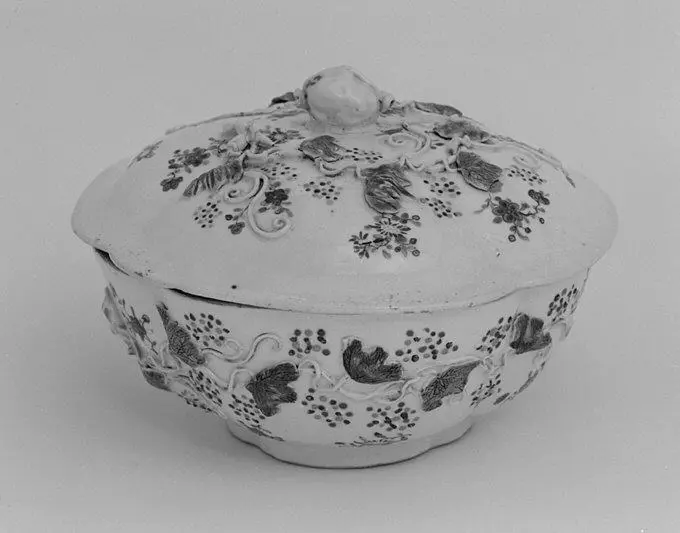
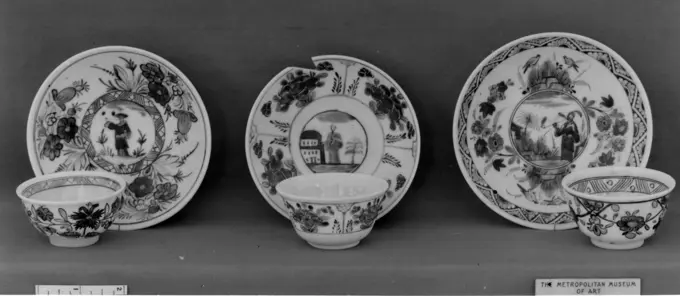
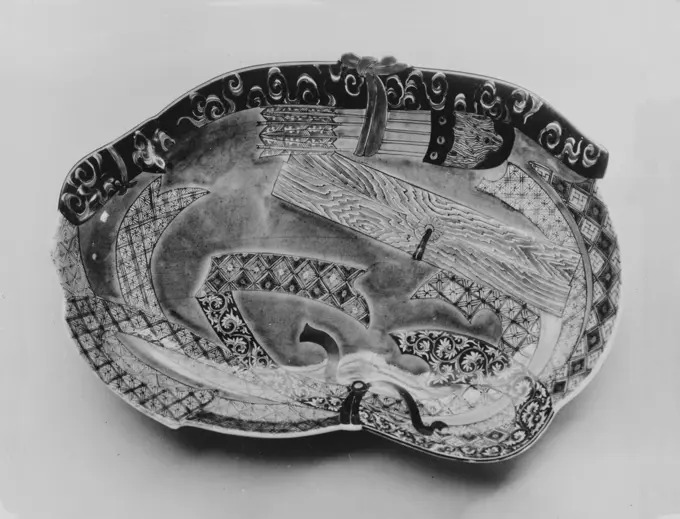
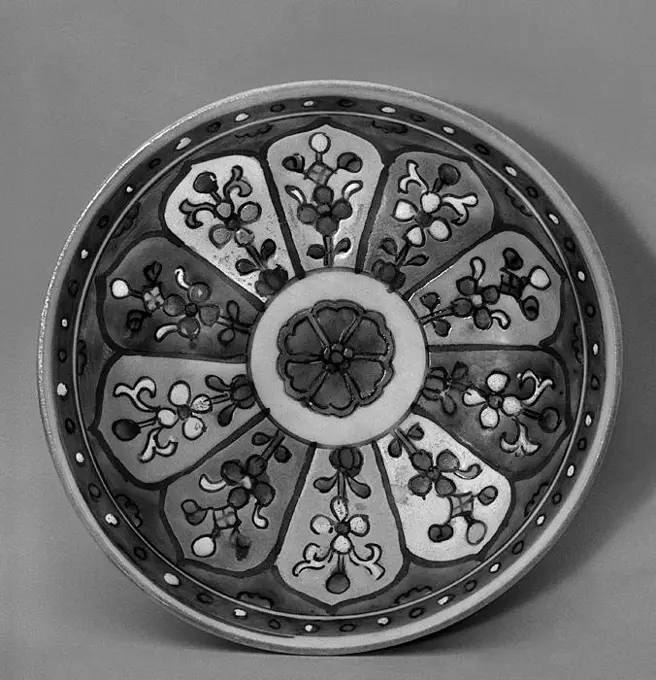
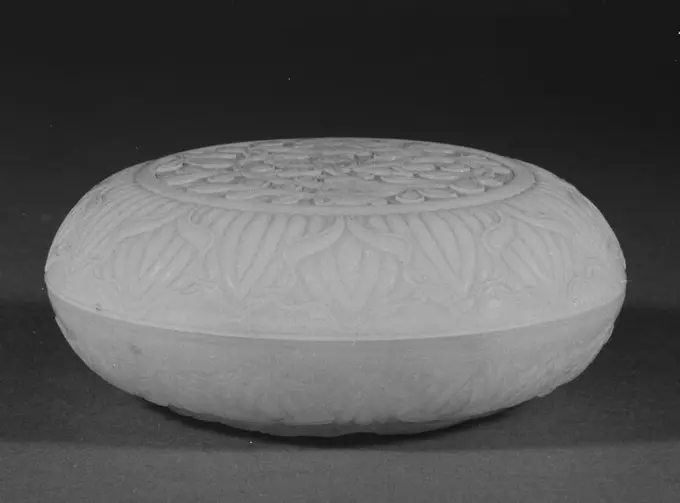
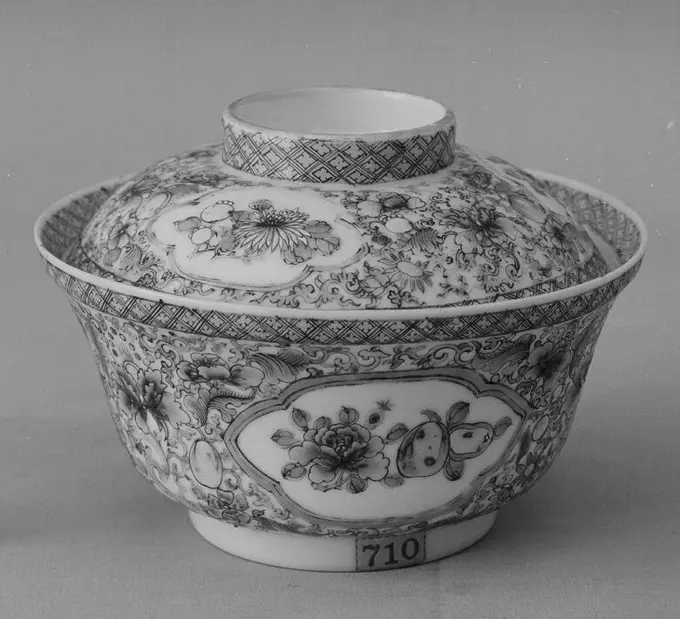
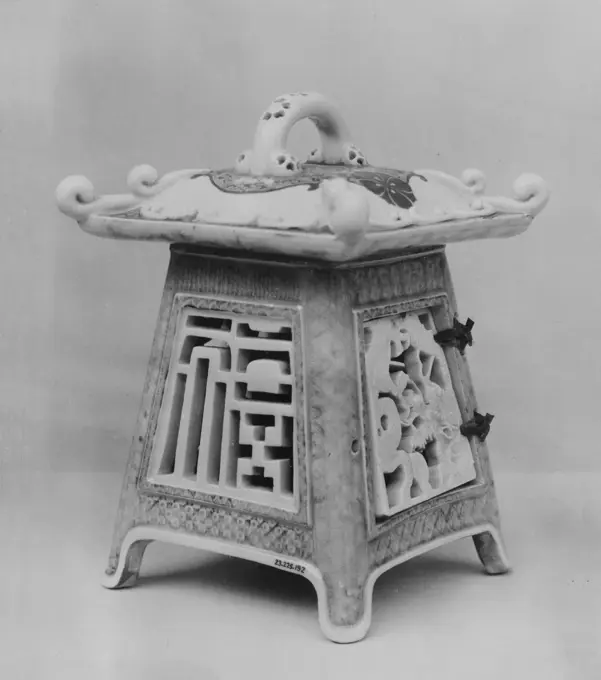
Historical porcelain dishes and bowls from various cultures, showcasing intricate designs and patterns. Both functional and decorative art forms.

Dish ca. 1600 China. Dish. China. ca. 1600. Porcelain (Kraak porcelain). Ming dynasty (1368-1644). Ceramics
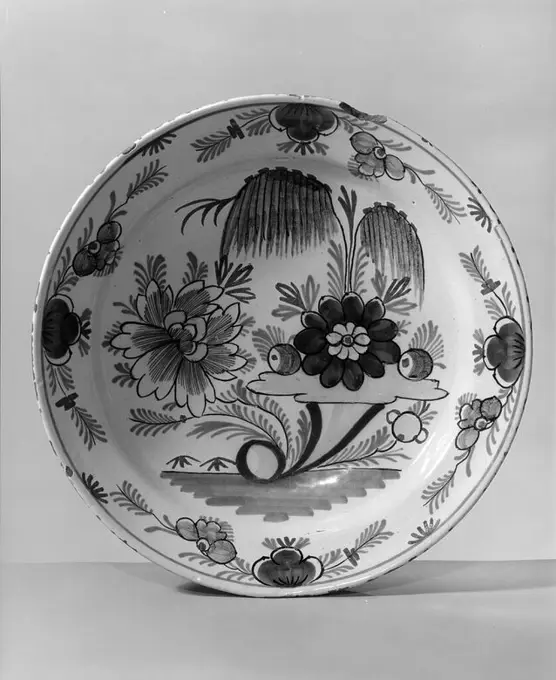
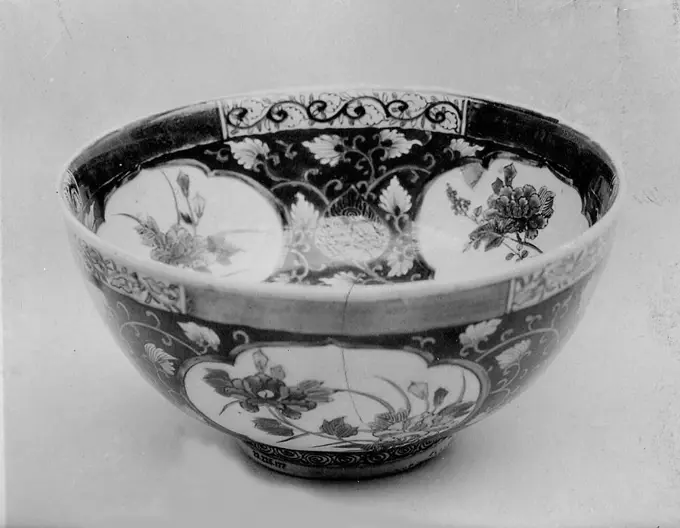
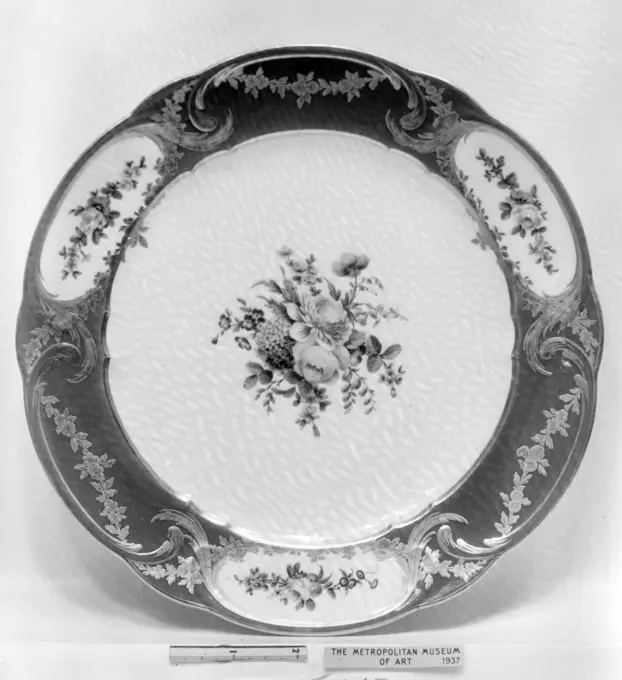
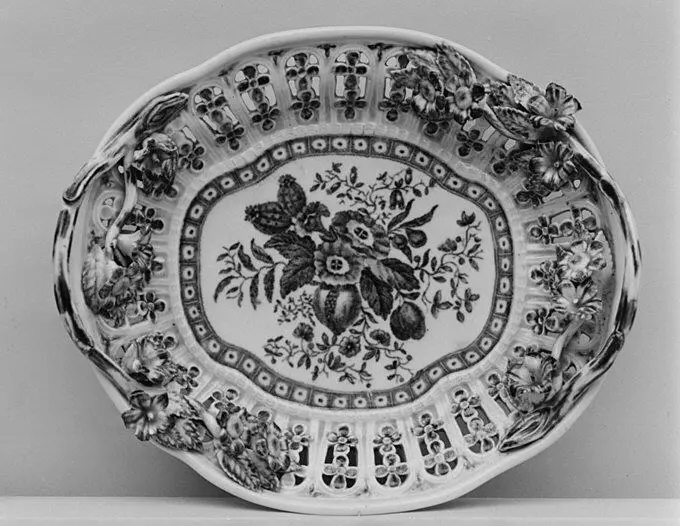
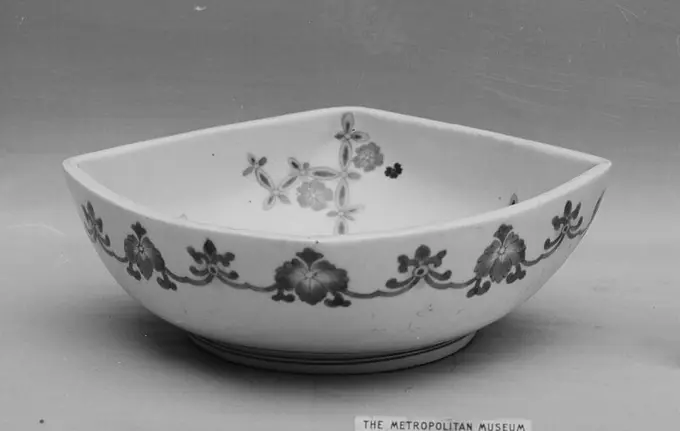
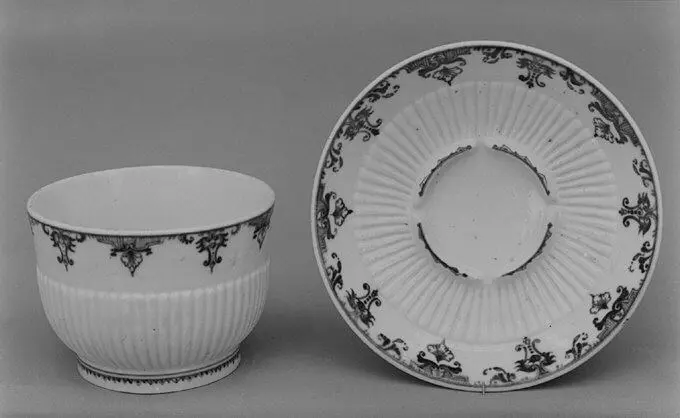
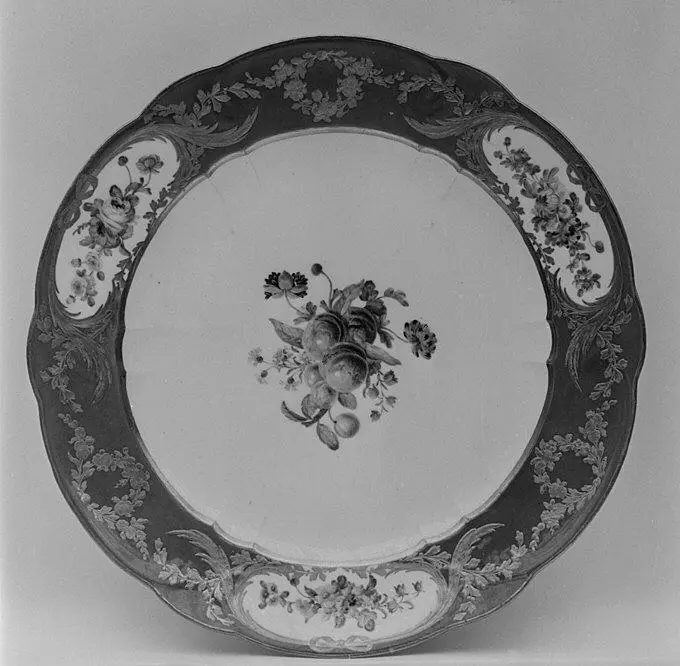
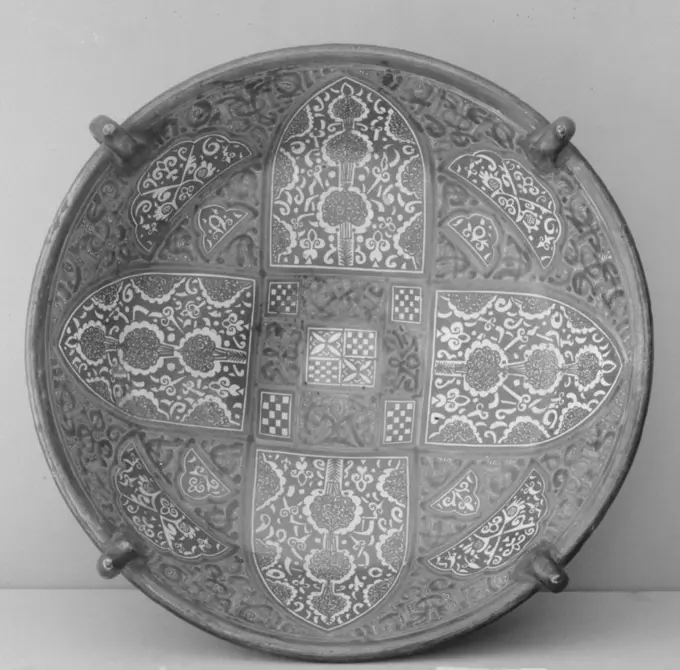
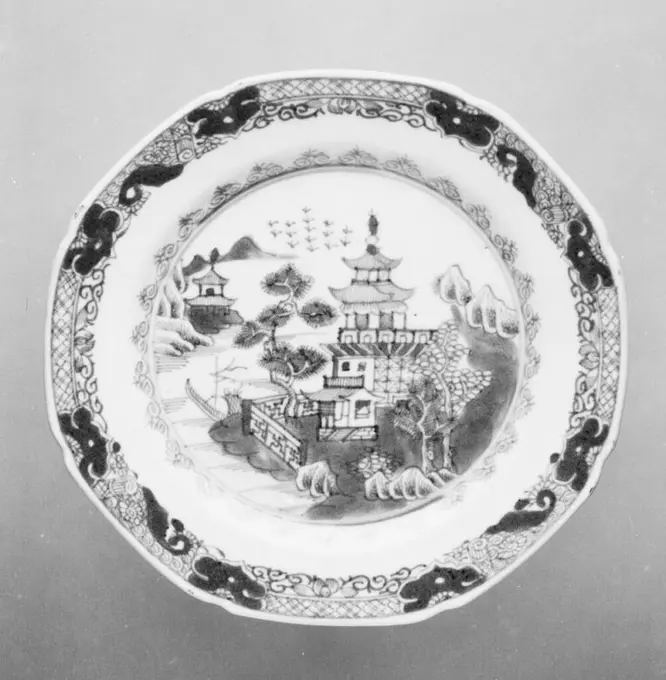
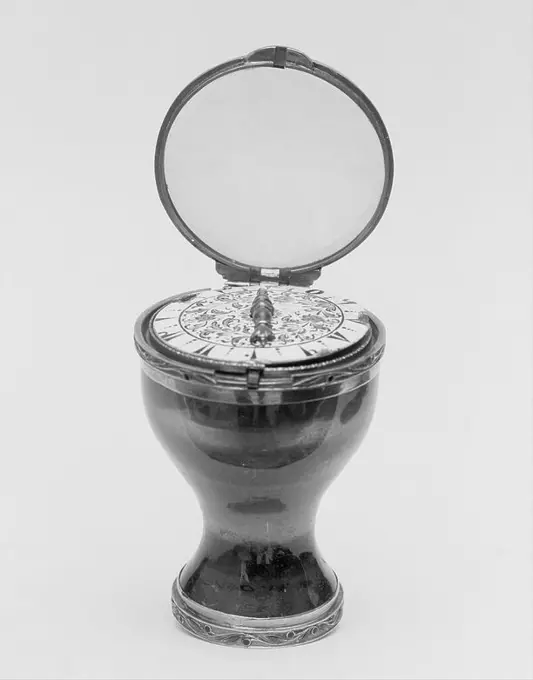
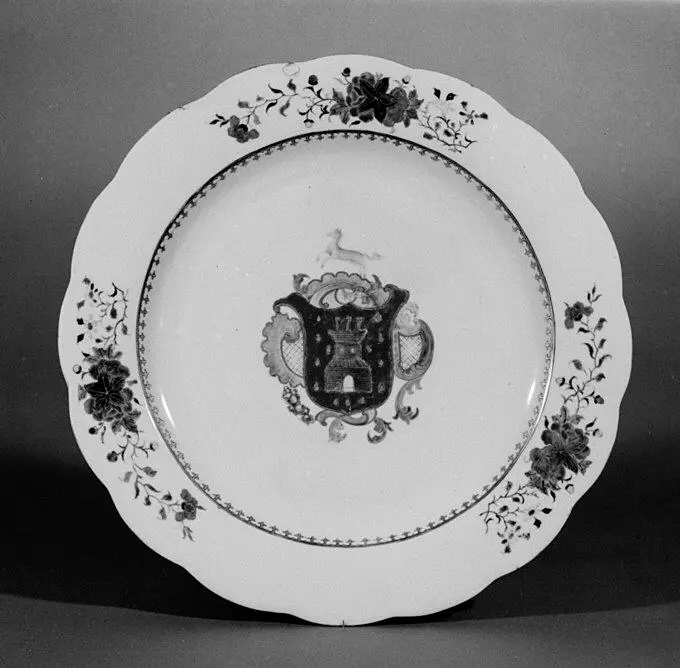
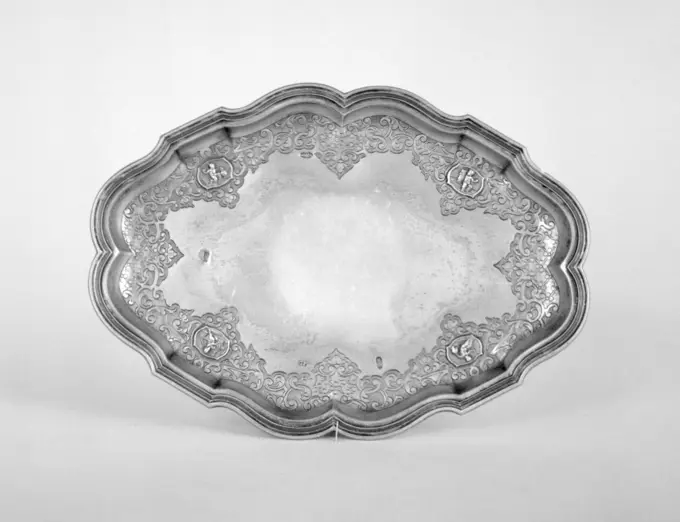
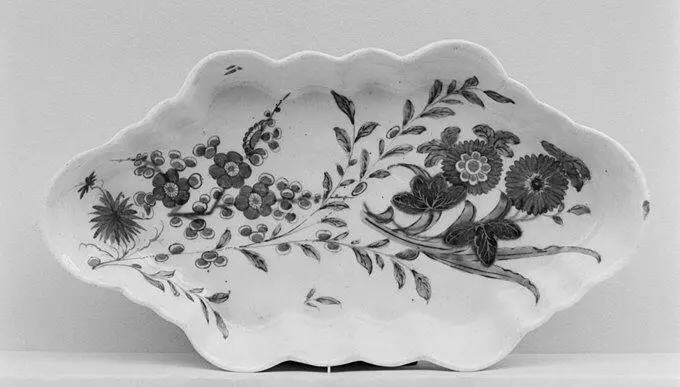
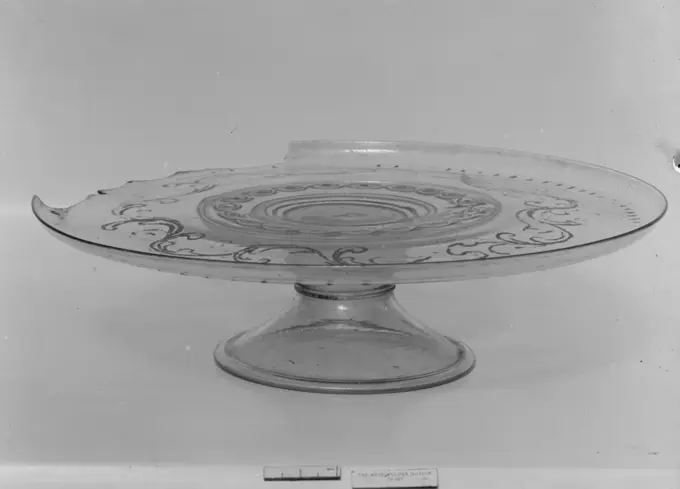
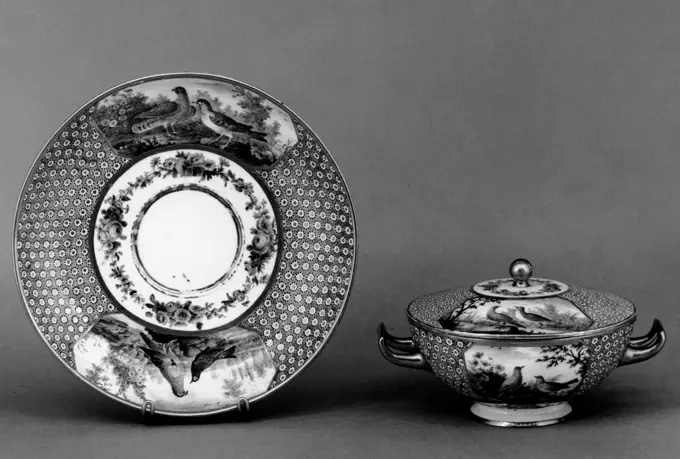
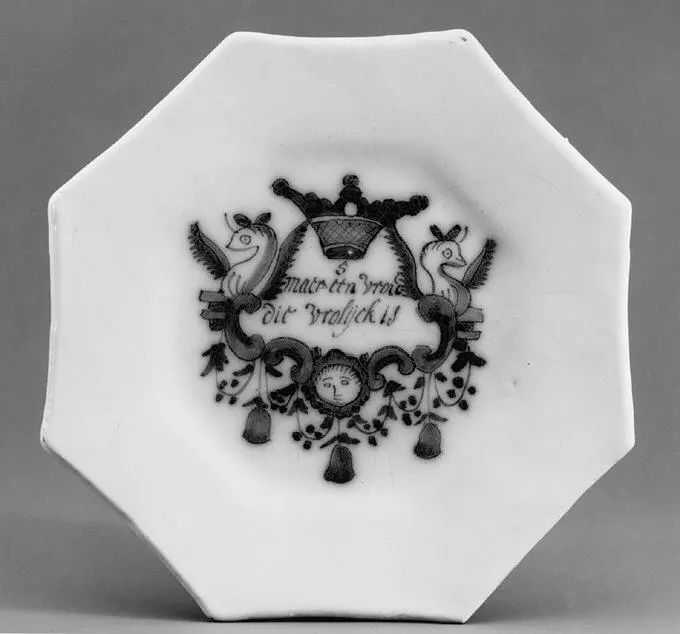
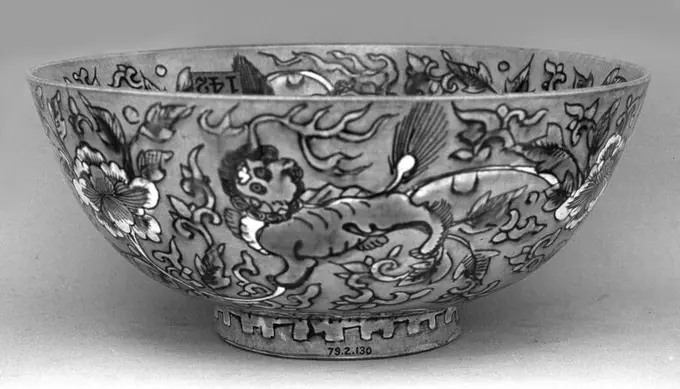
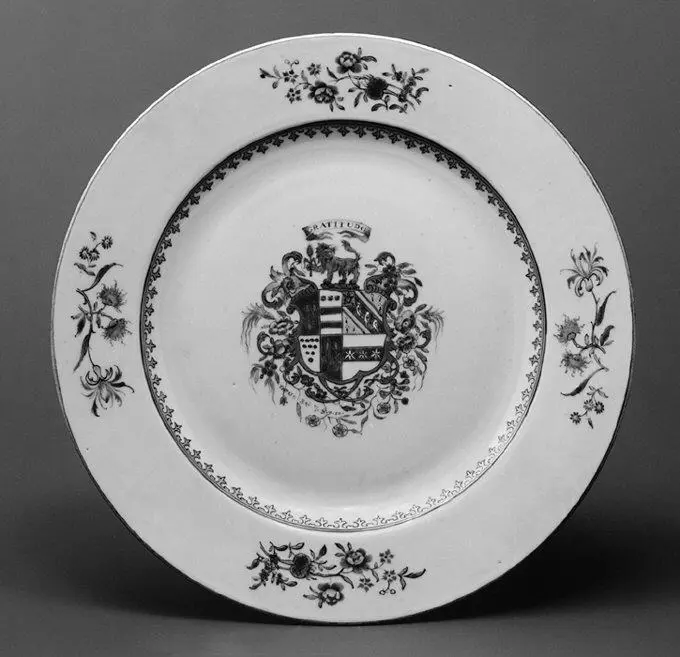
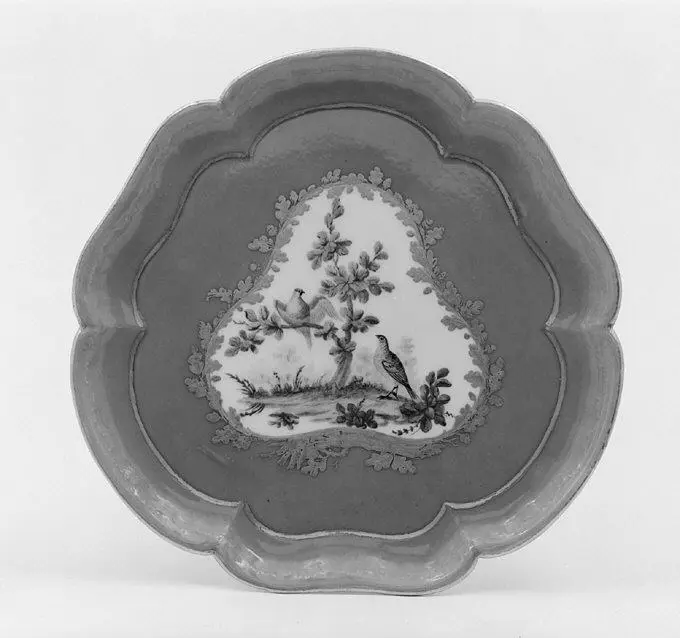
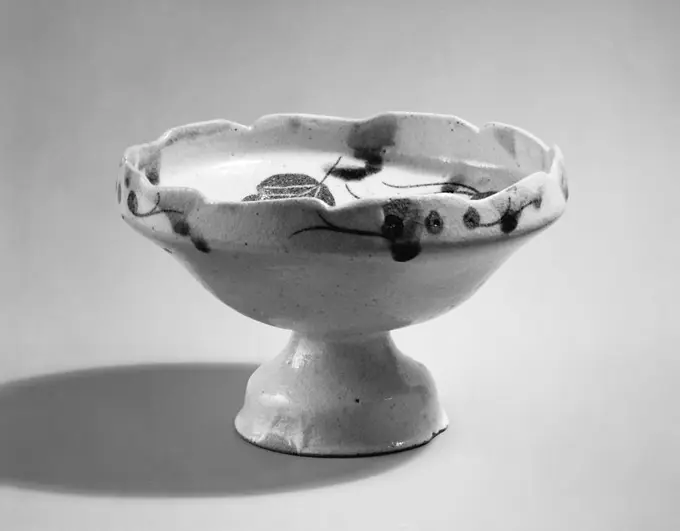
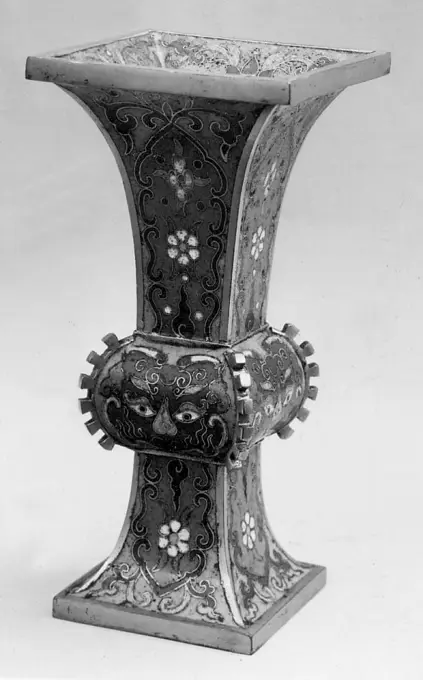
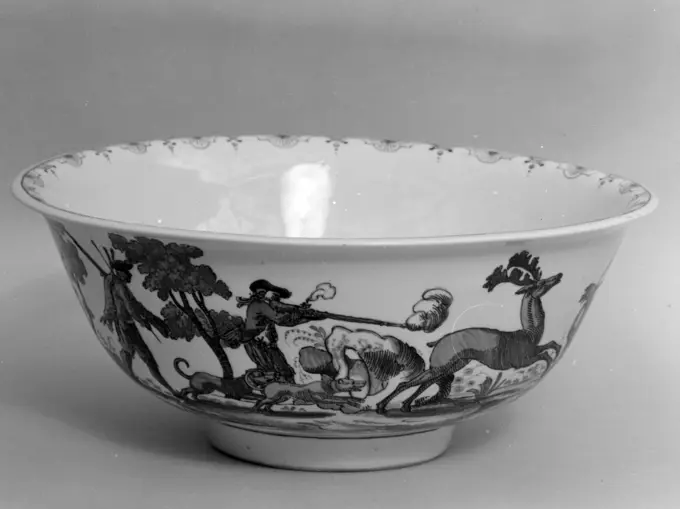
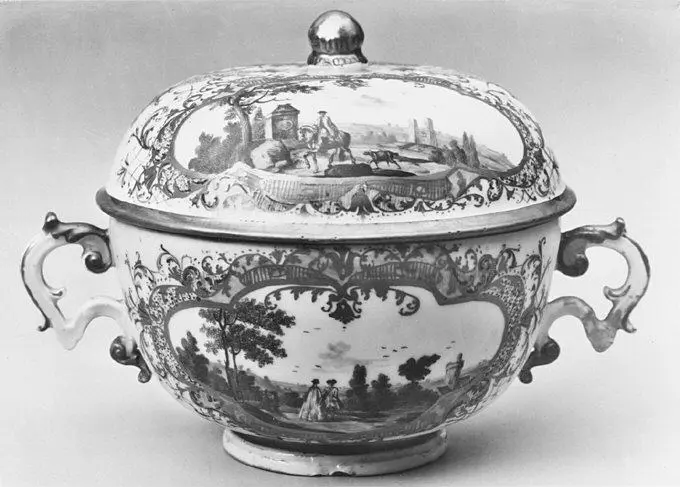
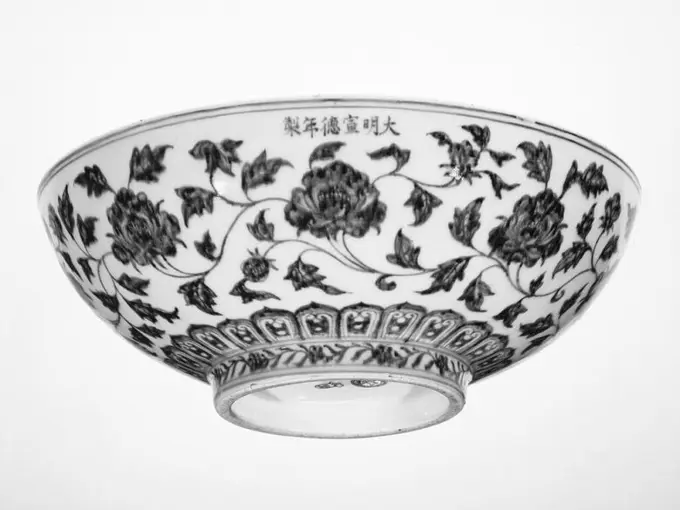
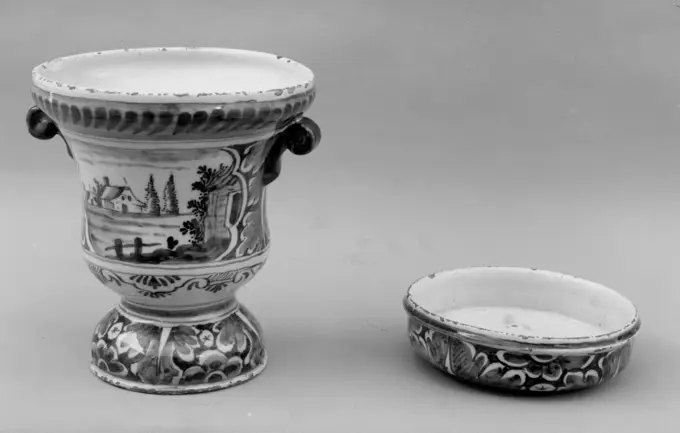
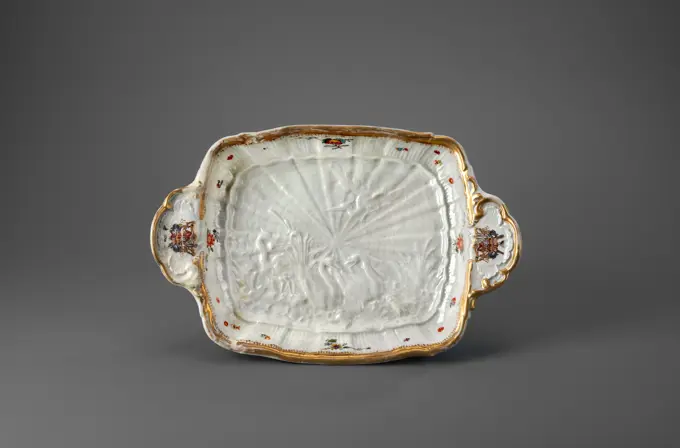
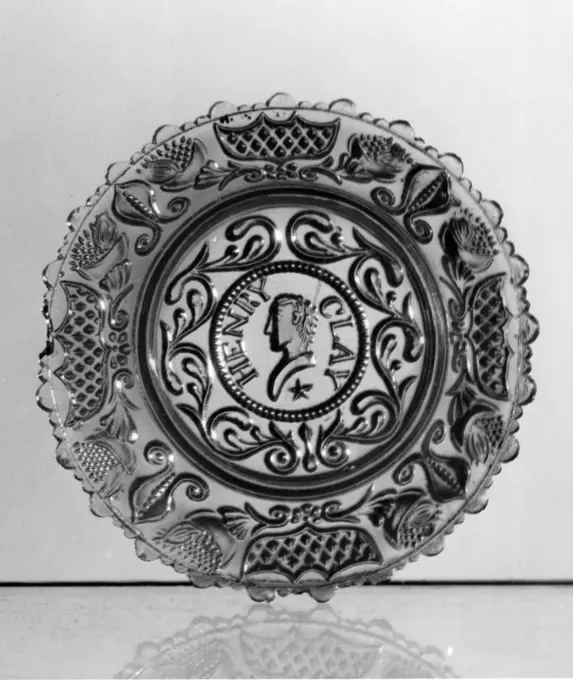
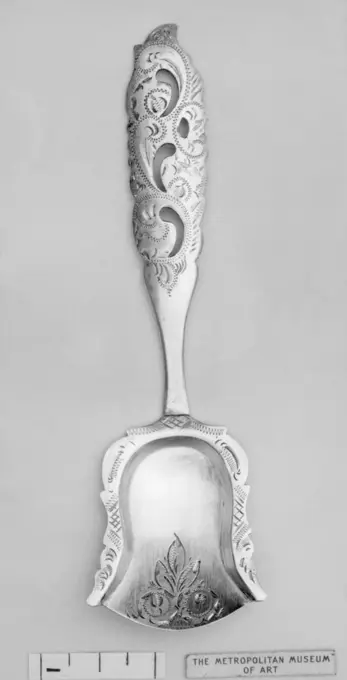
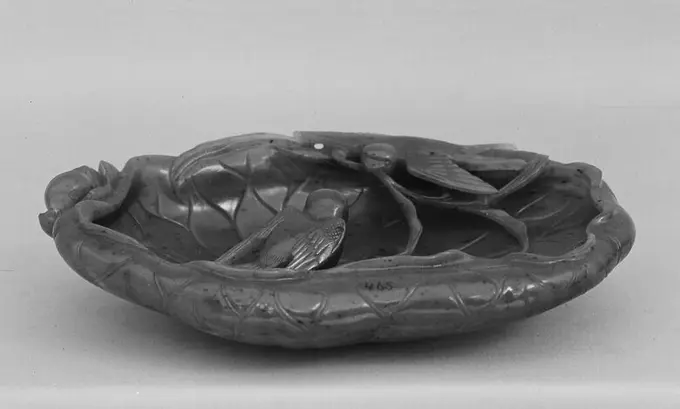
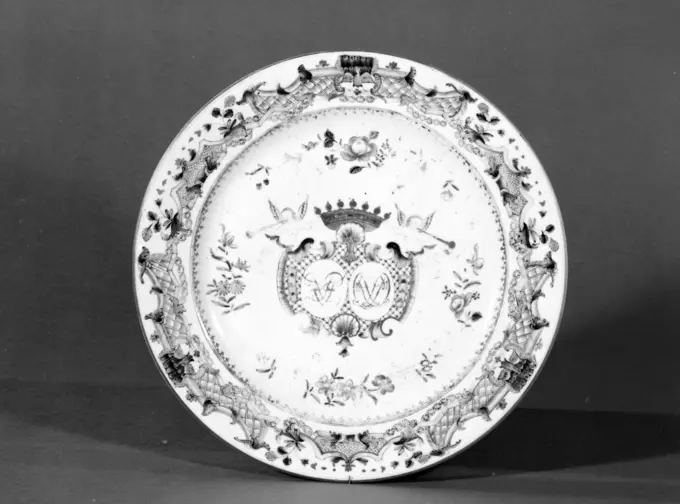
Platter (one of a pair) ca. 1760 Chinese, for Danish market. Platter (one of a pair). Chinese, for Danish market. ca. 1760. Hard-paste porcelain. Ceramics-Porcelain-ExportBowl 18th century China. Bowl. China. 18th century. Porcelain painted in underglaze blue, and overglaze yellow enamel. Qing dynasty (1644-1911). CeramicsDish ca. 1600 China. Dish. China. ca. 1600. Porcelain (Kraak porcelain). Ming dynasty (1368-1644). CeramicsPlate. Culture: Dutch. Dimensions: H. 2 1/4 in. (5.7 cm); Diam. 2 3/8 in. (6 cm). Date: 1700-1800. Museum: Metropolitan Museum of Art, New York, USA.Bowl 19th century Seifu Yohei Japanese. Bowl. Seifu Yohei (1803-1861). Japan. 19th century. White porcelain decorated with blue under the glaze, polychrome enamels (Kyoto ware). Edo (1615-1868) or Meiji period (1868-1912). CeramicsPlate. Culture: China. Dimensions: Diam. 9 in. (22.9 cm). Date: late 18th-19th century. Museum: Metropolitan Museum of Art, New York, USA.Bowl 1750 Japan. Bowl. Japan. 1750. Porcelain decorated with enamels (Arita ware, Imari type). Edo period (1615-1868). CeramicsBowl 1800 Japan. Bowl 62997Plate (Assiette à palmes) (1 of 102) (part of a service) 1772 Sèvres Manufactory French. Plate (Assiette à palmes) (1 of 102) (part of a service). French, Sèvres. 1772. Soft-paste porcelain. Ceramics-PorcelainRitual Object (Bi) ca. late 3rd-2nd millennium B.C. China. Ritual Object (Bi). China. ca. late 3rd-2nd millennium B.C.. Jade (nephrite). Neolithic period. JadeTureen with cover (part of a service) 1785-1800 Chinese, for British market. Tureen with cover (part of a service) 201189Stand ca. 1770 Worcester factory. Stand 198422Bowl 19th century Japan. Bowl. Japan. 19th century. Clay covered with slip and a transparent crackled glaze decorated with polychrome enamels (Banko ware). Edo (1615-1868) or Meiji period (1868-1912). CeramicsPlate 1740-50 Meissen Manufactory German. Plate 199198Square Bowl. Culture: Japan. Dimensions: H. 2 3/4 in. (7 cm); W. 7 3/4 in. (19.7 cm). Date: 1780. Museum: Metropolitan Museum of Art, New York, USA.Saucer (part of a service) 1770-85 Chinese, for British market. Saucer (part of a service) 201210Cup (gobelet litron) 1782 Sèvres Manufactory French. Cup (gobelet litron) 191145Bowl ca. 1750 British. Bowl. British. ca. 1750. Lead-glazed earthenware. Ceramics-PotterySalver 1744-45 John Robinson. Salver 199704Footed Dish. Culture: China. Dimensions: H. 3 3/4 in. (9.5 cm); Diam. 9 1/4 in. (23.5 cm). Date: late 18th-19th century. Museum: Metropolitan Museum of Art, New York, USA.Bowl ca. 1710-20 Saint-Cloud factory. Bowl 188629 Factory: Saint-Cloud, French, active by 16931766, Saucer, ca. 171020, Soft-paste porcelain, Diameter: 5 1/4 in. (13.3 cm). The Metropolitan Museum of Art, New York. Gift of Alfred Duane Pell, 1902 (02.6.68)Plate (Assiette à palmes) (1 of 102) (part of a service) 1784 Sèvres Manufactory French. Plate (Assiette à palmes) (1 of 102) (part of a service) 197978Bowl 19th century Spanish Tin-glazed earthenware, of which lusterware is one type, was developed in the Middle East in the ninth and tenth centuries to imitate the porcelains produced in China. The opaque white glaze concealed the clay body, which could range from pale buff to brick red, allowing for brilliant effects created by painting the white surface with metal oxides that fired to a range of colors. This technique, as well as the use of metallic lusteran iridescent, coppery painted glazespread throughout the Muslim world, arriving among the potters of Valencia in the thirteenth century. The so-called Hispano-Moresque lusterware, with its fusion of Islamic and Gothic styles and motifs, often in shaped imitating those of metal vessels, was treasured by the elite in Spain during the fifteenth century and exported to the courts of Europe. The Valencian industry declined in the late sixteenth century, as colorful Italian Renaissance maiolica gained in popularity among the fashionablTray (part of a service) 1775 Sèvres Manufactory French. Tray (part of a service) 202206Bowl ca. 1840 American. Bowl 750Plate 18th century Possibly by Adriaen Kocks. Plate 198664Tray (part of a service) 1770-85 Chinese, for British market. Tray (part of a service) 201012Covered Cup on Pedestal 19th century Japan. Covered Cup on Pedestal 46973Deep Dish China. Deep Dish. China. Cloisonné enamel. Ming dynasty (1368-1644). CloisonnéPlate 1800-1810 Chinese, for British market The Helena Woolworth McCann collection of Chinese-export porcelain is a lasting tribute to the knowledge and judgment of the collector whose name it bears. The objects in her collection, consisting of about 4,000 pieces, of which 441 were generously given to The Met, were made in China to the order of European and American clients during the seventeenth, eighteenth, and nineteenth centuries. Assembling such a comprehensive and distinguished group not only called for rare insight and informed taste, but required extensive travel and search in Europe. The typical collector of this material focuses on wares destined for one region: the Continent, England, or America. Mrs. McCann, however, collected without regard to the market, the resulting collection thus reflecting the variety and extend of the trade in Chinese porcelain throughout the Western world at the peak of its popularity. Following her untimely death in 1938, her children gave the colDish 1804-13 Sèvres Manufactory French Porcelain decorated with a black ground in imitation of Asian lacquer was produced at Sèvres for about a fifteen-year period beginning in 1790. Furniture decorated with imported black lacquer panels saw a resurgence of popularity in the last two decades of the eighteenth century, and the Sèvres factory's efforts to simulate black lacquer on porcelain were probably stimulated by this renewed general interest in lacquer decoration. Black-ground Sèvres porcelain was decorated with chinoiserie scenes executed in gold, which was often applied in subtle tones of yellow, green, and red. Small decorative highlights were often executed in platinum, and the ability to apply platinumfirst mastered by the factory in 1790may have been an impetus to produce these lacquer-inspired pieces.[Jeffrey H. Munger, 2015. Dish 202681Dish dated 1689 Swiss, Winterthur. Dish 199758Cup and saucer ca. 1755 British, Staffordshire. Cup and saucer 197576Dish with cover (part of a set) 1740-70 Chinese, for European market. Dish with cover (part of a set) 201317Cup with magic fungus (one of a pair) late 17th-early 18th century China. Cup with magic fungus (one of a pair). China. late 17th-early 18th century. Porcelain painted in underglaze cobalt blue (Jingdezhen ware). Qing dynasty (1644-1911), Kangxi period (1662-1722). CeramicsTeabowl and saucer (not en suite) ca. 1750 German. Teabowl and saucer (not en suite). German. ca. 1750. Glass. GlassChinese, Cake Basket, 19th century, hard-paste porcelain.Plate 1720 Japan. Plate. Japan. 1720. Decorated with blue (Arita ware, Imari type). Edo period (1615-1868). CeramicsPlate. Culture: China. Dimensions: H. 7/8 in. (2.2 cm); Diam. 7 1/2 in. (19.1 cm); Diam. of foot 4 5/8 in. (11.7 cm). Date: 16th-19th century. Museum: Metropolitan Museum of Art, New York, USA.Watch. Culture: French, Rouen. Maker: Watchmaker: Jean Hubert (l'iné) (French, active 1663-95). Date: ca. 1645-70. Museum: Metropolitan Museum of Art, New York, USA.Dish ca. 1765 Chinese, for European market. Dish 205235Salver 1736-37 Gottlieb Menzel. Salver 206239Spoon tray (part of a service) ca. 1765-70 Worcester factory. Spoon tray (part of a service) 198448Dish with Turnip Design 1620-1640 Japan Popular design motifs were often copied by various kilns and retained with little change for decades (see plate 1975.268.505 for a similar rendition of the turnip motif made thirty to forty years later).. Dish with Turnip Design 52248Sponge box ca. 1725 D.M.. Sponge box 205032Saucer ca. 1815-21 French, Paris. Saucer 194888Pyx first half 17th century German. Pyx 191614Soup Plate 1800-1830 Chinese. Soup Plate. Chinese. 1800-1830. Porcelain. Made in ChinaCup with lions 19th century China. Cup with lions. China. 19th century. Porcelain painted in overglaze polychrome enamels (Bencharong ware for Thai market). Qing dynasty (1644-1911). CeramicsTeabowl and saucer (assembled) 18th century Limbach Porcelain Manufactory The gift of the Hans Syz Collection in 1995 endowed the Museum with nearly three hundred examples of European and Asian ceramics meticulously acquired by Swiss-born collector Dr. Syz (1894-1991) to chart the migration of models and patterns from East to West. Documenting a continuous process of influence and adaptation, these pieces provide a discriminating review of the nuances of stylistic change resulting from three centuries of trade.. Teabowl and saucer (assembled). German, Thuringia, Limbach. 18th century. Hard-paste porcelain. Ceramics-PorcelainTazza early 17th century Italian, Venice (Murano). Tazza. Italian, Venice (Murano). early 17th century. Glass. GlassPair of salvers on pedestal feet 1720 Paul de Lamerie British. Pair of salvers on pedestal feet. British, London. 1720. Silver. Metalwork-SilverSèvres Porcelain Manufactory, Covered Ecuelle with Stand, 1793-97, soft-paste porcelain.Vegetable dish with cover (part of a service) ca. 1810 Chinese, for Portuguese market. Vegetable dish with cover (part of a service) 200998Plate (part of a set) ca. 1660-90 Dutch, Delft The legends inscribed in the well of these plates (1977.22.5-.10) make one continuous verse. When read in numerical sequence, the inscription is: "Clean plates and napkins/ tablecloths without stains/ full glasses and fine flutes/ make the stomach open/ but the mistress of the house who is joyful/ makes the real happiness of the table".. Plate (part of a set). Dutch, Delft. ca. 1660-90. Tin-glazed earthenware. Ceramics-PotteryBowl ca. 1740 Meissen Manufactory German. Bowl 203161Bowl. Culture: China. Dimensions: H. 3 7/16 in. (8.7 cm); Diam. 7 7/8 in. (20 cm). Date: 18th century. Museum: Metropolitan Museum of Art, New York, USA.Cup (part of a service) ca. 1750 Chinese, for British market. Cup (part of a service) 201351Plate ca. 1760 Chinese, for British market The arms are those of Ralph Bigland (d. 1784) and his two wives, Ann Wilkins (m. 1737) and Ann Weir. The inscription "DEUT 8th 7-8-9-10" refers to the passage in Deuteronomy beginning "For the Lord thy God bringeth thee into a good land"; verse 8, "A land of wheat, and barley, and vines..", contains a punning allusion to Bigland's name as bigg is a Scottish and northern English variety of barley.. Plate. Chinese, for British market. ca. 1760. Hard-paste porcelain. Ceramics-Porcelain-ExportPlate (part of a service) ca. 1765 Chinese, for Portuguese market. Plate (part of a service) 201145Cup and saucer ca. 1785 Fulda Pottery and Porcelain Manufactory. Cup and saucer 188776 Factory: Fulda Pottery and Porcelain Manufactory, German, 17641789, Cup and saucer, ca. 1785, Hard-paste porcelain, Height (cup .288): 2 3/4 in. (7 cm); Diameter (saucer .289): 5 in. (12.7 cm). The Metropolitan Museum of Art, New York. Gift of Alfred Duane Pell, 1902 (02.6.288, .289)Saucer. Culture: Japan. Dimensions: Diam. 5 1/8 in. (13 cm). Date: 19th century. Museum: Metropolitan Museum of Art, New York, USA.Stand for ice-cream cup (plateau Bouret) (one of four) (part of a service) 1771 Sèvres Manufactory French The table services produced at Sèvres in the eighteenth century were highly prized and extremely expensive. They were not only purchased by the Crown and members of the aristocracy but also given by the king as diplomatic gifts to foreign courts and visiting dignitaries, and the esteem in which they were held did much to enhance the factorys prestige and fortunes. Because the number of pieces composing a service was very large, the cost was enormous, but this did not deter many courtiers from ordering a dinner or dessert service, or both.One of the most celebrated services produced at Sèvres was delivered to Louis-René-Édouard, prince de Rohan-Guémenée (1734-1803), on September 7, 1772. All of the pieces were decorated with the rich turquoise ground color known as bleu céleste and with birds encircled by an elaborate gilt wreath of oak leaves and acorns. Many of the components of Pilgrim bottle 19th century Italian. Pilgrim bottle 186286Plinth 18th century French. Plinth. French. 18th century. Wood, carved and painted. Woodwork-FurnitureChop plate ca. 1790 Chinese, for European market. Chop plate 201016Cup with figures mid-17th century China. Cup with figures. China. mid-17th century. Porcelain painted in underglaze cobalt blue (Jingdezhen ware). Qing dynasty (1644-1911). CeramicsFooted Dish early 17th century Japan. Footed Dish 52207Bowl with cover ca. 1730-35 Meissen Manufactory German. Bowl with cover 197665Dish. Culture: British. Dimensions: 11 1/16 x 7 1/2 in. (28.1 x 19.1 cm). Date: ca. 1835. Museum: Metropolitan Museum of Art, New York, USA.Fan ca. 1820-35 French. Fan 209568Cream jug (part of a service) 1800-1830 J. Spode. Cream jug (part of a service) 187964 Factory: J. Spode, Cream jug (part of a service), 18001830, Soft-paste porcelain, Height: 4 1/2 in. (11.4 cm). The Metropolitan Museum of Art, New York. Gift of Rev. W. P. Eigenbrodt, 1894 (94.5.21)Sauceboat ca. 1750 British. Sauceboat. British. ca. 1750. Stoneware. Made in EnglandBasin 1794-ca. 1834 Samuel Green. Basin. American. 1794-ca. 1834. Pewter. Made in Boston, Massachusetts, United StatesVase in the Shape of an Archaic Bronze Vessel 18th century China. Vase in the Shape of an Archaic Bronze Vessel. China. 18th century. Cloisonné and painted enamel. Qing dynasty (1644-1911), Qianlong period (1736-95). CloisonnéCup with cover China. Cup with cover. China. Jadeite. Qing dynasty (1644-1911), Qianlong period (1736-95). JadeDish with floral pattern 19th century China. Dish with floral pattern 46175Worcester Porcelain Manufactory, Saucer Dish, c. 1770, soft-paste porcelain.Plate, c. 1820. Paul Storr (British, 1771-1844). Silver; overall: 1.5 x 79 x 25 cm (9/16 x 31 1/8 x 9 13/16 in.).Sugar bowl () (part of a service) late 18th or early 19th century Lowestoft The tea service (67.192.1a, b-.16) is an example of "Mandarin" porcelain, painting done in imitation of Chinese export ware with figures in pink, red and blue. It was a style taken from Chinese drawings and used at the Bristol and Worcester factories as well.. Sugar bowl () (part of a service) 204800Covered seal box. Culture: China. Dimensions: H. (1 15/16 in. (4.9 cm); Diam. 3 5/8 in. (9.2 cm). Date: 19th century. Museum: Metropolitan Museum of Art, New York, USA.Bowl 1835-50 American. Bowl. American. 1835-50. Lacy pressed glass. Made in New England, United StatesTray 1737-38 Paul de Lamerie British. Tray. British, London. 1737-38. Silver. Metalwork-SilverCovered Bowl. Culture: China. Dimensions: H. with cover 3 1/4 in. (8.3 cm); Diam. 4 3/4 in. (12.1 cm). Museum: Metropolitan Museum of Art, New York, USA.Hanging lamp 1840 Japan. Hanging lamp. Japan. 1840. Porcelain decorated with enamels (Arita ware, Imari type). Edo period (1615-1868). CeramicsBowl ca. 1725-30 Vienna. Bowl. Austrian, Vienna. ca. 1725-30. Hard-paste porcelain. Ceramics-PorcelainDish with cover ca. 1740 Meissen Manufactory German. Dish with cover 188550 Factory: Meissen Manufactory, German, 1710present, Dish with cover, ca. 1740, Hard-paste porcelain, Height: 4 3/8 in. (11.1 cm). The Metropolitan Museum of Art, New York. Gift of W. B. Osgood Field, 1902 (02.5.35a, b)Bowl with Peonies, Narcissus, and Pomegranates. Culture: China. Dimensions: Diam. 11 1/4 in. (28.6 cm). Date: early 15th century. Museum: Metropolitan Museum of Art, New York, USA.Vase and coaster 1700-1755 Factory of de Porceleyne Lampetkan. Vase and coaster 187848 Factory: Factory of de Porceleyne Lampetkan, Vase and coaster, 17001755, Tin-glazed earthenware, Height: 7 in. (17.8 cm). The Metropolitan Museum of Art, New York. Gift of Henry G. Marquand, 1894 (94.4.339a, b)Plate ca. 1785 Chinese, possibly for American market. Plate 190475 Chinese, Plate, ca. 1785, Hard-paste porcelain, Diam. 6 3/16 in. (15.7 cm.). The Metropolitan Museum of Art, New York. Bequest of Margarette A. Jones, 1906 (07.233.30)Cup. Culture: China. Dimensions: H. at handles 3 1/4 in. (8.3 cm); H. of bowl 2 7/8 in. (7.3 cm); Diam. of rim 4 5/8 in. (11.7 cm); W. (between outer edge of handles) 7 in. (17.8 cm); Diam. of base 2 3/4 in. (7 cm). Date: 16th century. Museum: Metropolitan Museum of Art, New York, USA.Dish 1857 American. Dish 3228Toy dessert plate - Charles Allerton & Sons Charles Allerton & SonsSmall bowl for sweets. Kaendler, Johann Joachim (1706-1775), sculptor, Eberlein, Johann Friedrich (1695-1749), sculptor, Koenigliche Porcellain Fabrique, Meissen (1710-1763), factoryHenry Clay CupPlate. Maker, probably by: Boston and Sandwich Glass Works, American, 1826-88Caddy spoon 1867 Dutch. Caddy spoon 188252 Dutch, Caddy spoon, 1867, Silver, 5 1/8 in. (13.0 cm). The Metropolitan Museum of Art, New York. Gift of Mrs. Samuel P. Avery, 1897 (97.2.229)Lotus-Leaf Dish. Culture: China. Dimensions: H. 1 5/8 in. (4.2 cm); W. 6 3/4 in. (17.2 cm); L. 4 15/16 in. (12.5 cm). Museum: Metropolitan Museum of Art, New York, USA.Incense box and cover. Culture: Japan. Dimensions: H. 2 1/4 in. (5.7 cm); L. 3 in. (7.6 cm). Date: 1850. Museum: Metropolitan Museum of Art, New York, USA.Architectural fragment early 15th century China. Architectural fragment. China. early 15th century. Stoneware with polychrome glaze. Ming dynasty (1368-1644). CeramicsCenter Table ca. 1825 Attributed to Joseph Meeks & Sons American. Center Table. American. ca. 1825. Cherry, mahogany veneer, pine, ash, poplar, marble. Made in New York, New York, United States