Antique Ceramics

Historical porcelain dishes and bowls from various cultures, showcasing intricate designs and patterns. Both functional and decorative art forms.

Dish ca. 1600 China. Dish. China. ca. 1600. Porcelain (Kraak porcelain). Ming dynasty (1368-1644). Ceramics
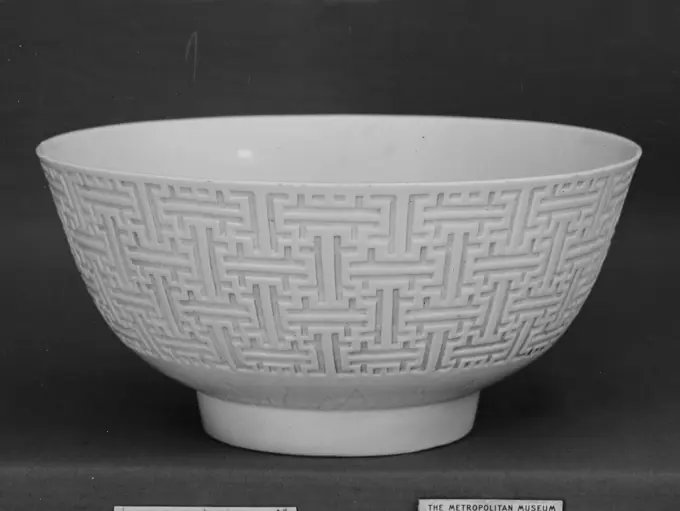
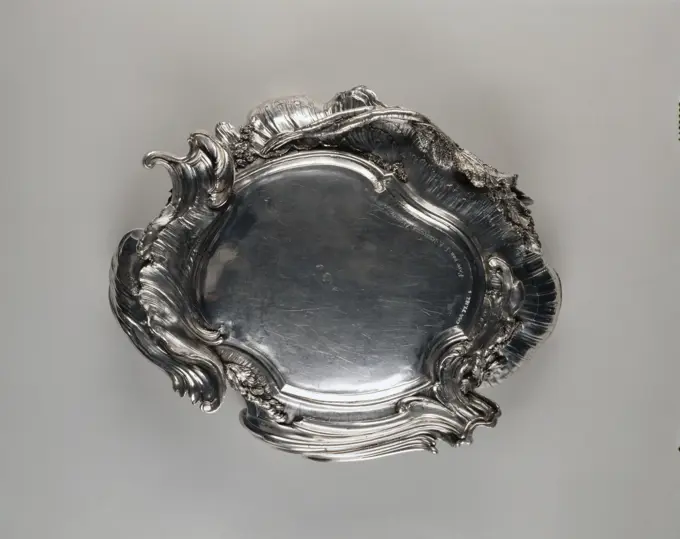
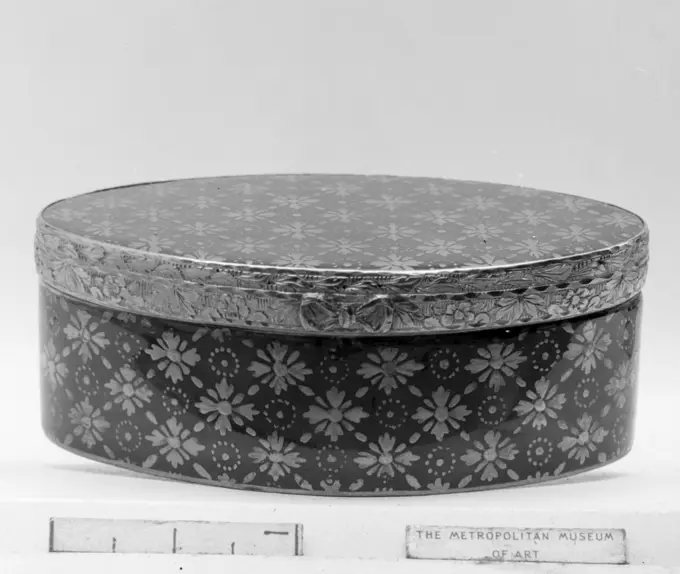
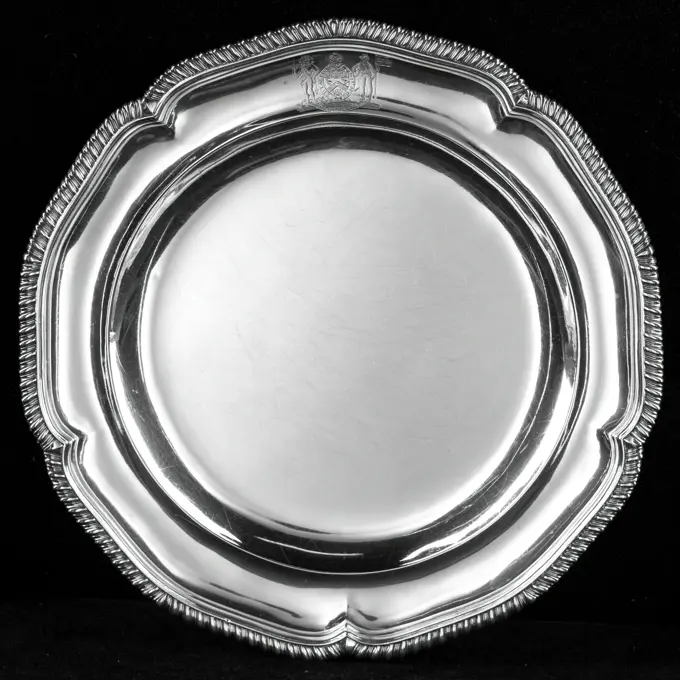
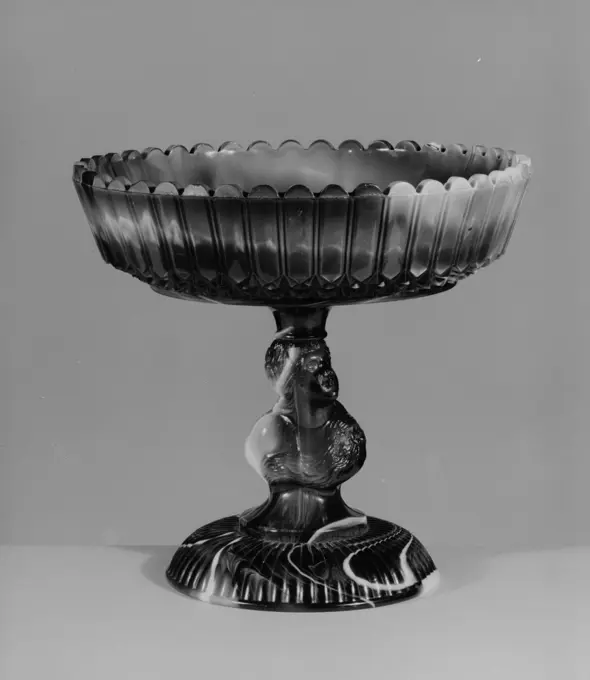
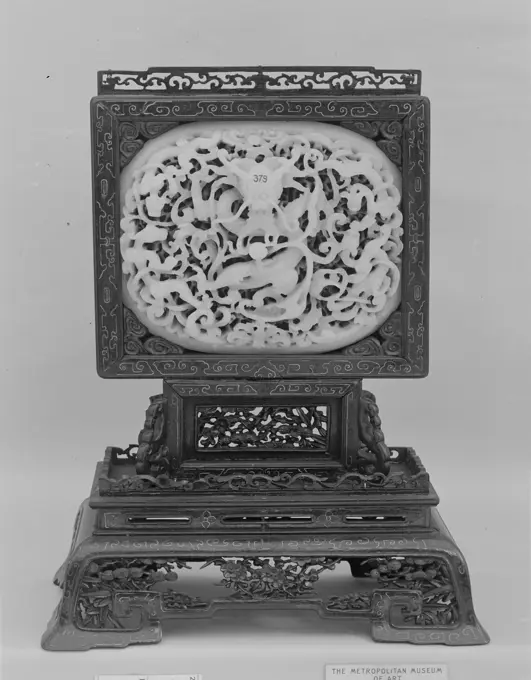
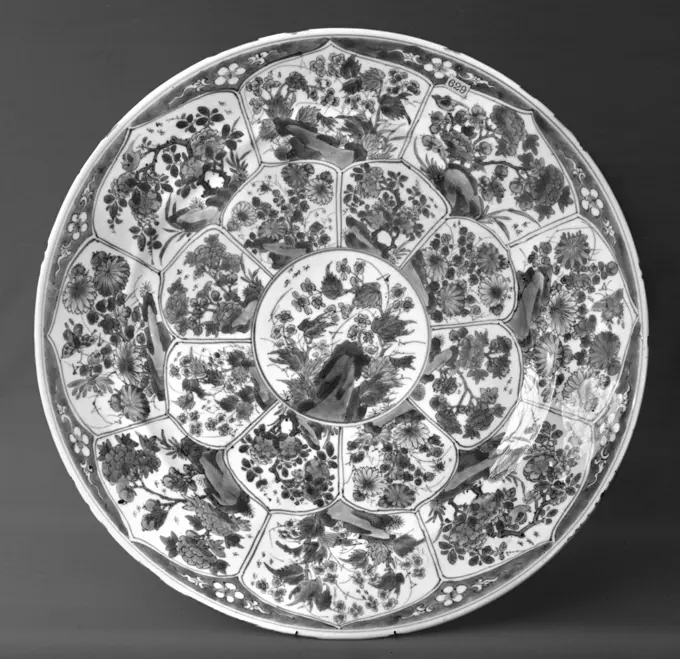
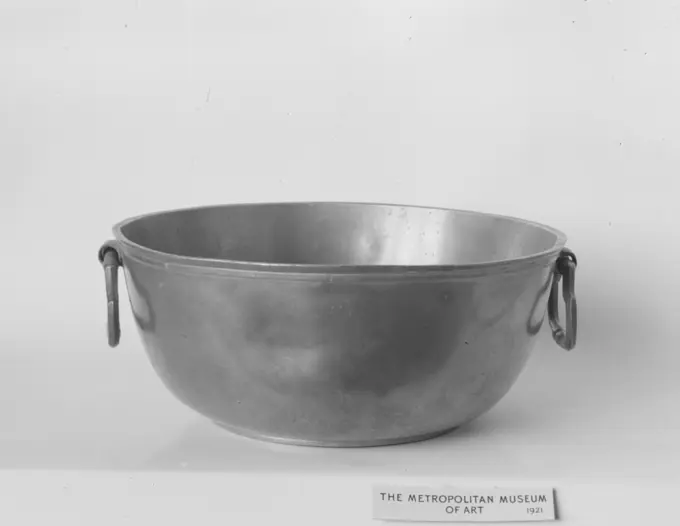
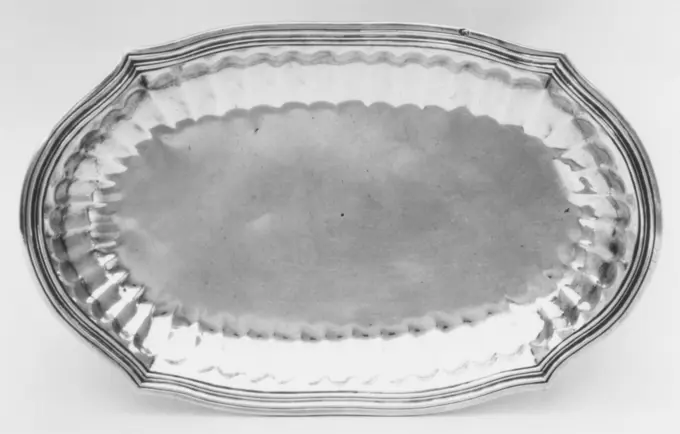
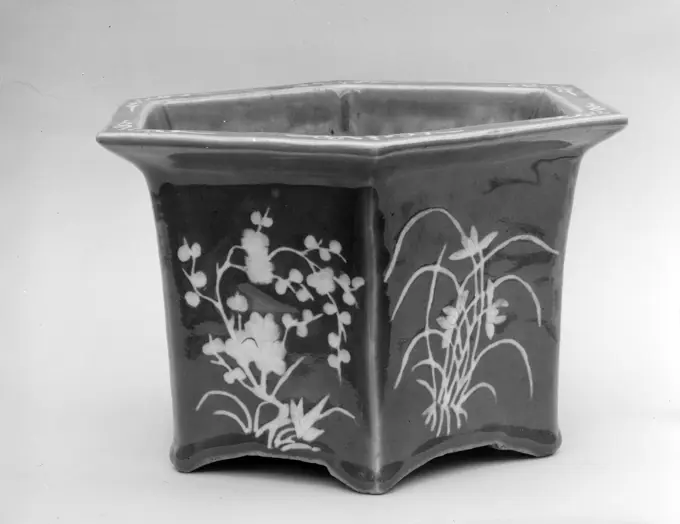
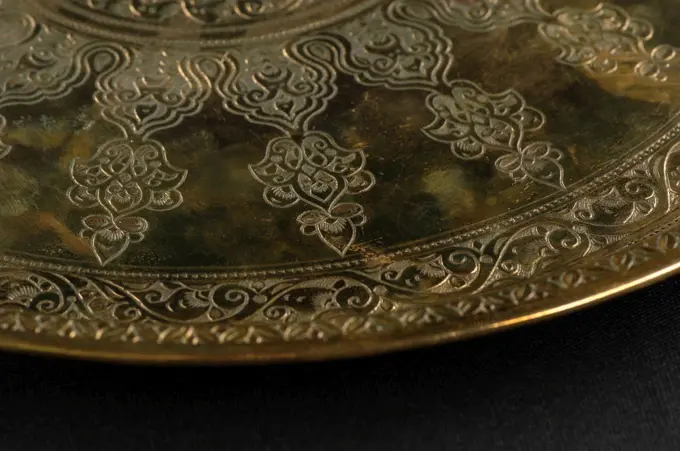
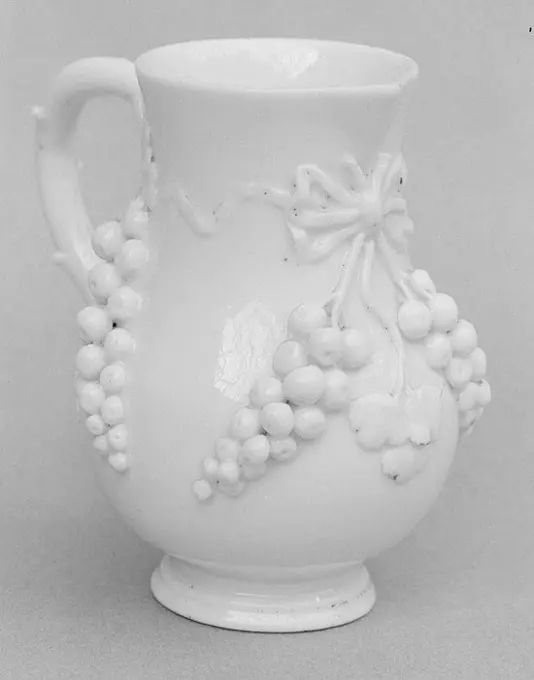
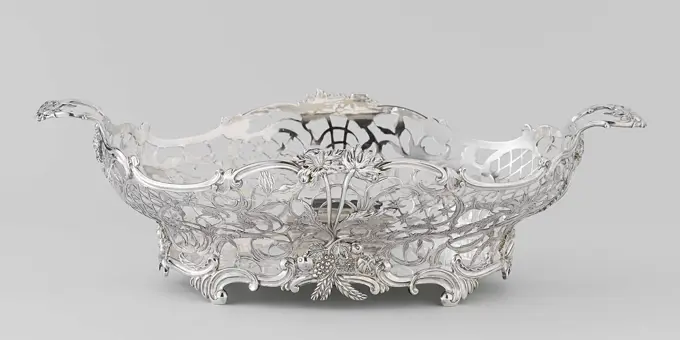
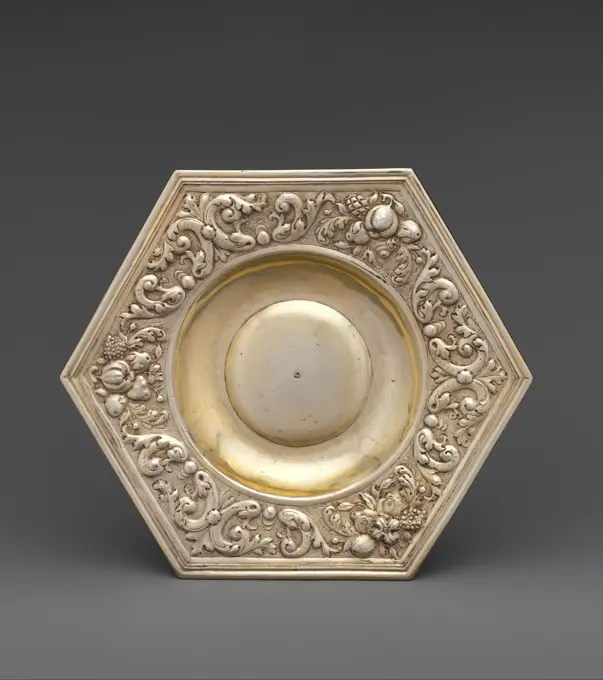
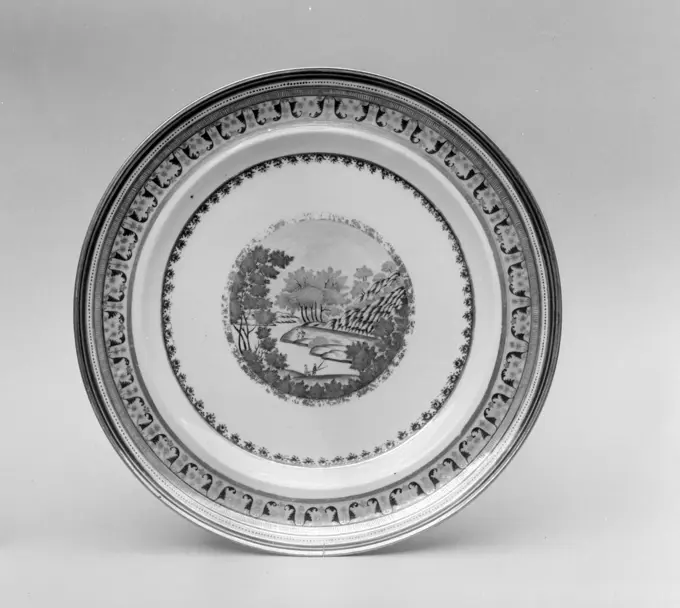
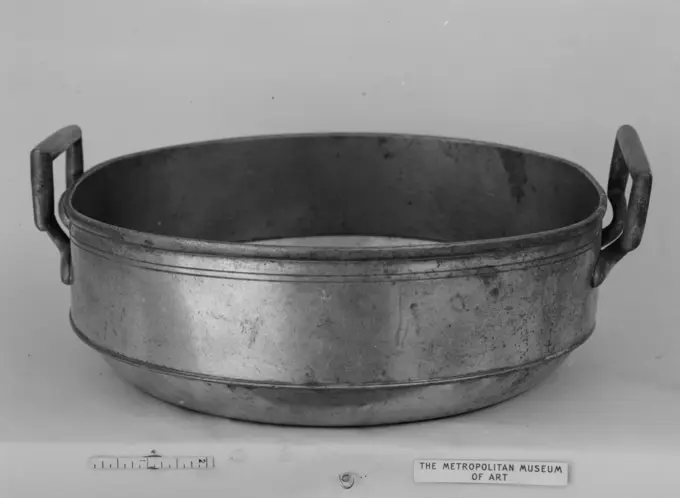
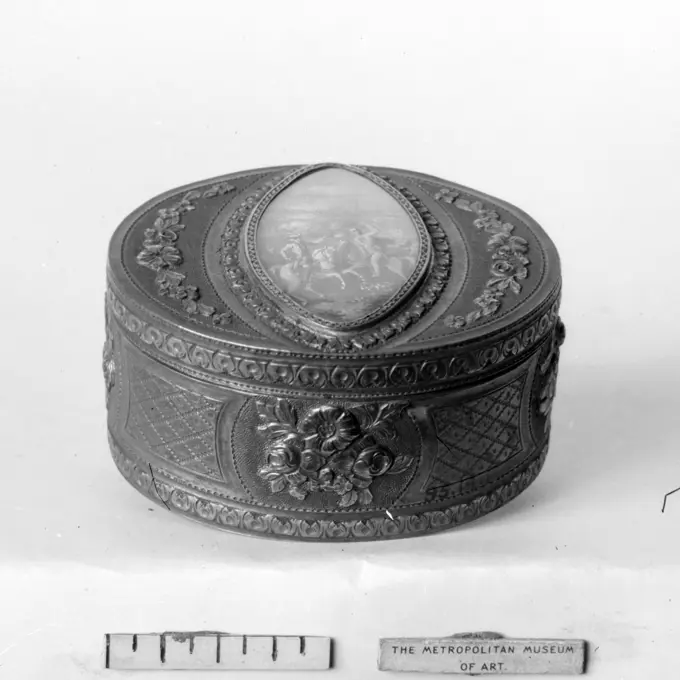
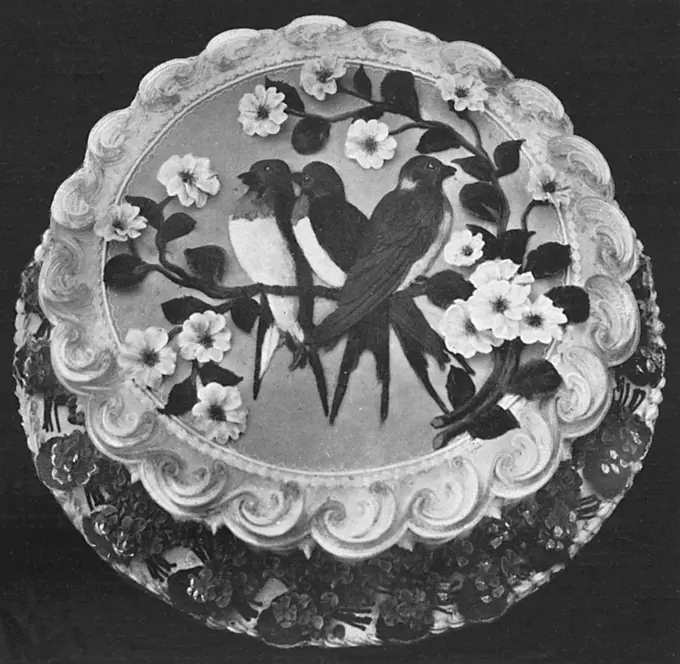
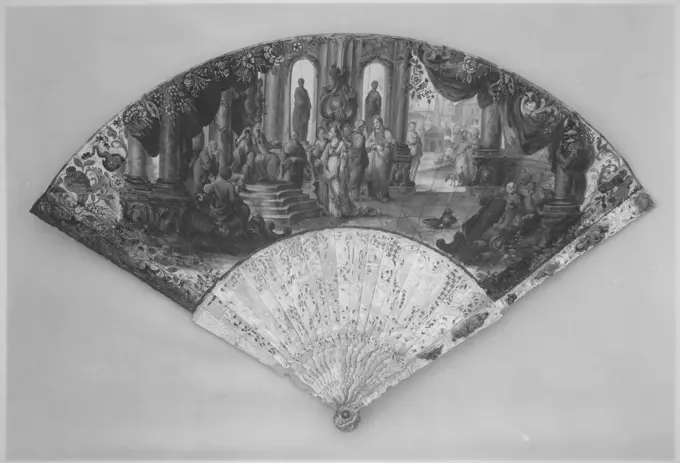
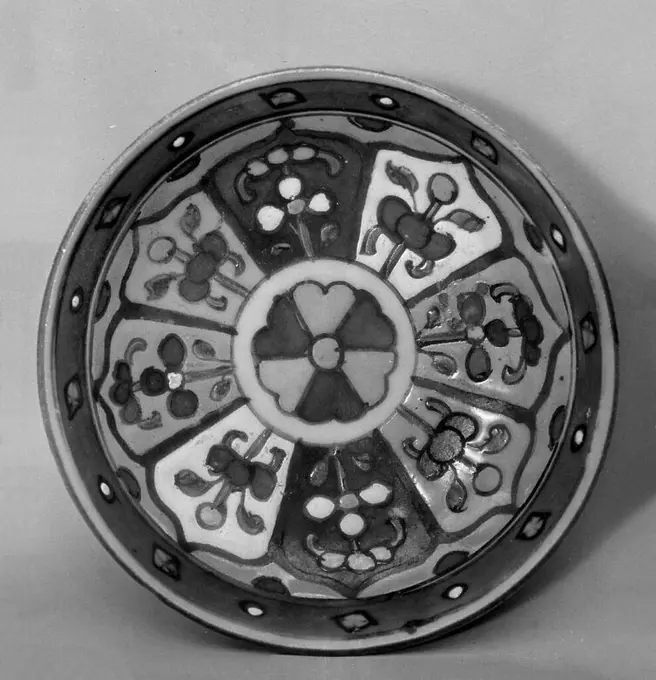
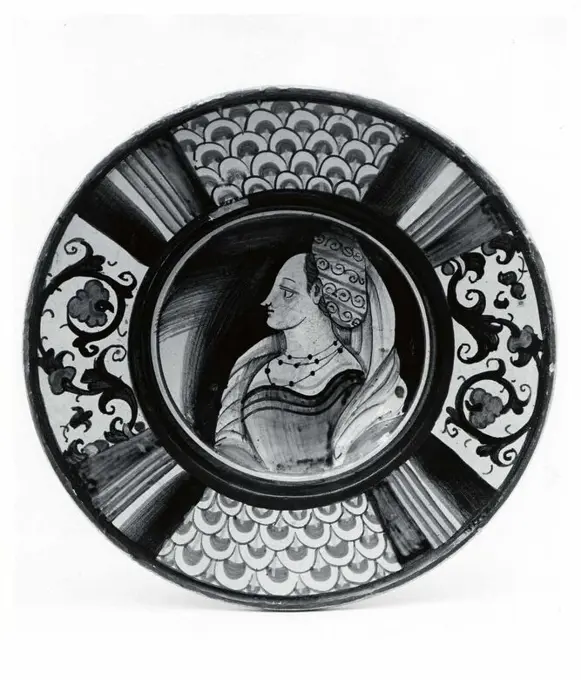
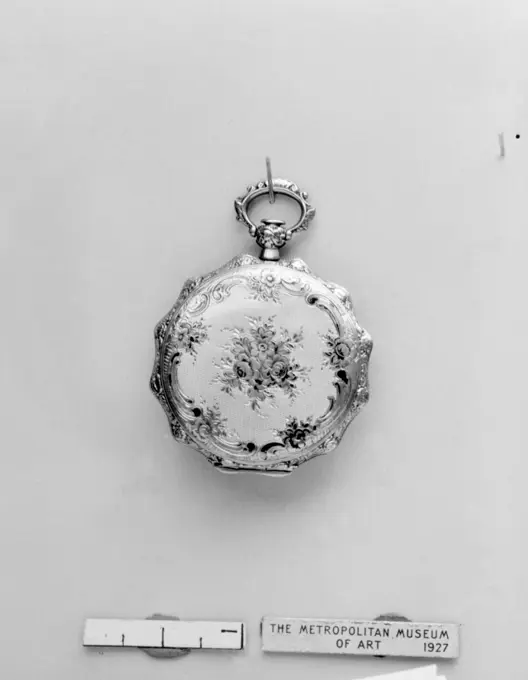
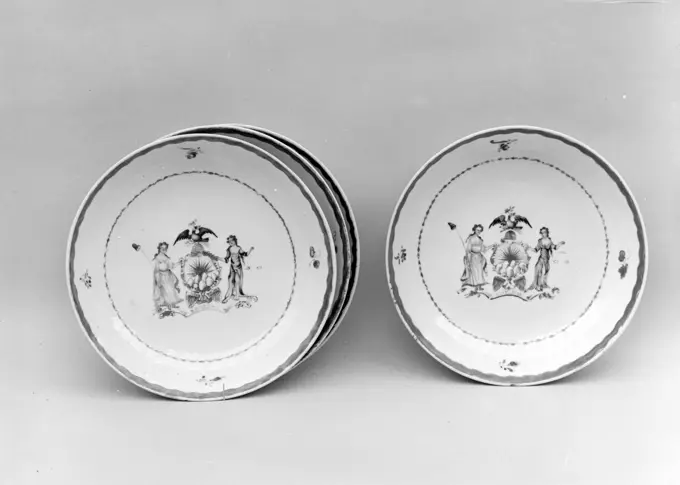
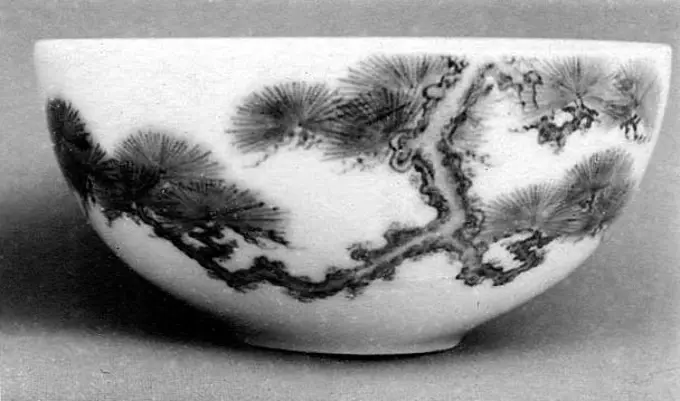
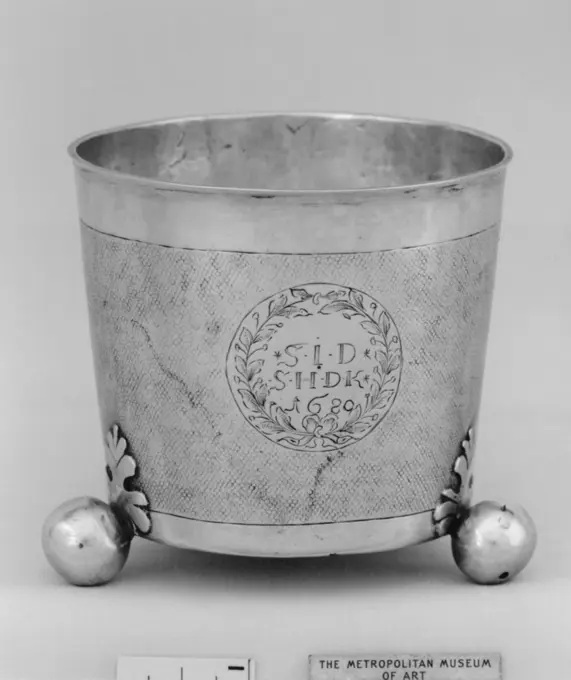
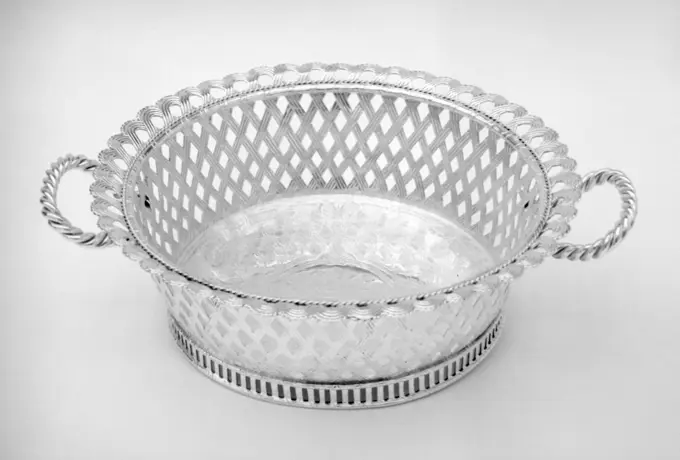
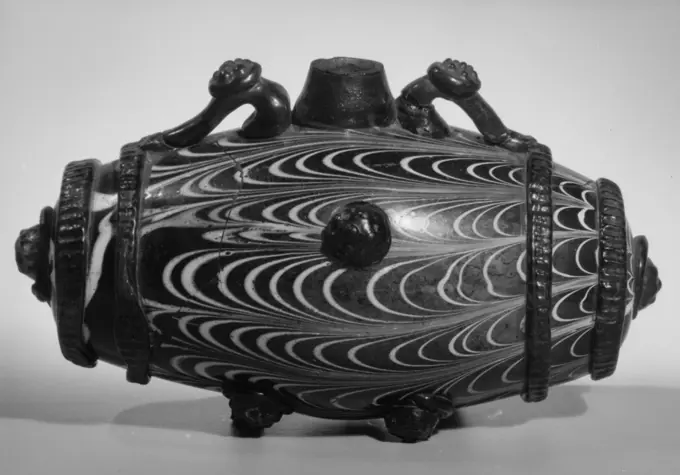
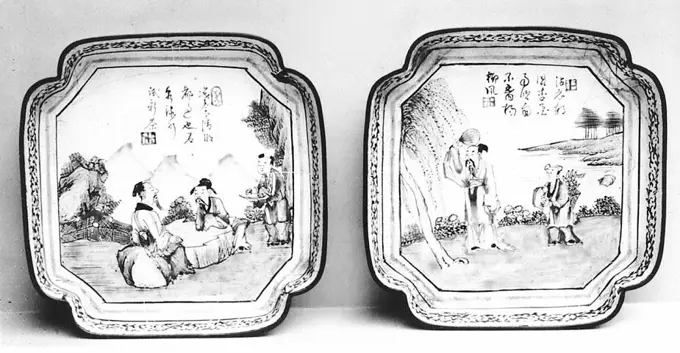
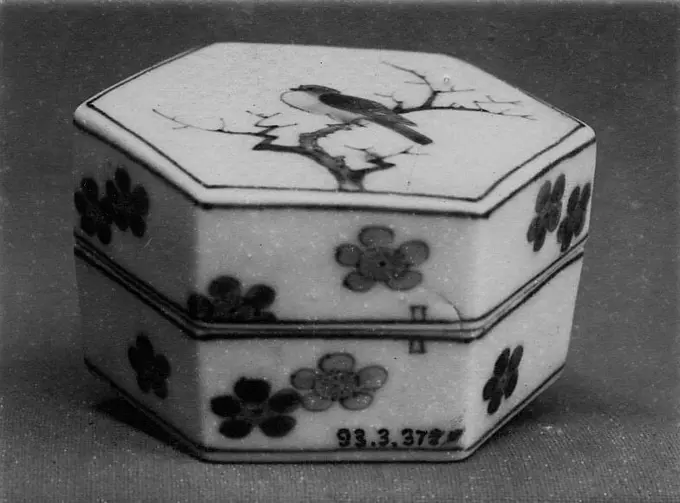
Fan third quarter 18th century French. Fan. French. third quarter 18th century. Paper, ivory. FansFan ca. 1860 French. Fan 209788Plate - "Landing of the Pilgrims". Dated: c. 1936. Dimensions: overall: 20.3 x 25.4 cm (8 x 10 in.) Original IAD Object: 8 7/16" in diameter. Medium: black and white photograph. Museum: National Gallery of Art, Washington DC. Author: Helmut Hiatt.Plate. Dated: c. 1936. Dimensions: overall: 20.3 x 25.4 cm (8 x 10 in.) Original IAD Object: 10 1/4" in diameter. Medium: black and white photograph. Museum: National Gallery of Art, Washington DC. Author: Helmut Hiatt.Jar with cover (part of a traveling tea service) ca. 1788 French, Paris. Jar with cover (part of a traveling tea service) 194847Bowl China. Bowl. China. Porcelain with low-relief decoration under clear glaze. Qing dynasty (1644-1911), Kangxi mark and period (1662-1722). CeramicsStand for a Covered Tureen, 1735-38. Juste-Aurèle Meissonnier (French, 1695-1750), Pierre-François Bonnestrenne (French). Silver; overall: 8.9 x 45.8 x 38.1 cm (3 1/2 x 18 1/16 x 15 in.). See entry for cover record 1977.182.Snuffbox ca. 1785-90 French In eighteenth-century Europe, Paris led the production of high-quality luxury goods. Parisian goldsmiths made a wide range of small, personal articles such as snuffboxes; étuis to hold sealing wax, tweezers, or utensils for sewing; souvenirs, which contained thin ivory tablets for note taking; and shuttles for knotting lace. Gold snuffboxes and boxes decorated with portrait miniatures were prized and frequently given as royal gifts, often to ambassadors or members of the court in lieu of cash payments for their services. Coveted and admired, these boxes were produced from a variety of materials. The best were skillfully made of gold and embellished with diamonds, enameled decoration, lacquer, and other luxurious materials. By the middle of the century, the taking of snuff had become an entrenched social ritual, and the snuffbox, too, had become an important social prop. Snuffboxes were considered highly fashionable accessories, with some merchants advertisinPlate, one of twelve, c. 1807, William Sumner, English, -1807, Silver, England, 19th centuryBowl 1770-1800 British. Bowl 660Purple marble glass compote 1870-90 Challinor, Taylor and Company. Purple marble glass compote. American. 1870-90. Pressed purple marble glass. Made in Tarentum, Pennsylvania, United StatesTea Cozy ca. 1870 American or British. Tea Cozy. American or British. ca. 1870. Canvas embroidered with wool, silk thread, and beads. Possibly made in England; Possibly made in United StatesKeman (Decorative Pendant Disk) 13th century Japan Pendant disks known as keman, thought to have originated as floral wreaths placed before Buddhist altars as votive offerings, are an integral part of the interior decor of the Buddhist temple. They are generally suspended from columns or from the outer edges of the canopy above the altar platform. This exceptionally well-crafted example features a pair of facing birds modeled in relief, their wings outstretched as if caught in midflight.. Keman (Decorative Pendant Disk) 44888Table screen China. Table screen. China. Jadeite, pale green mottled with clouds of varied tint passing from grey to greyish-green suffused in parts with a purplish tint. Qing dynasty (1644-1911), Jiaqing period (1796-1820). JadeTable screen China. Table screen. China. Jadeite. Ming dynasty (1368-1644). JadePlate ca. 1760 probably Joseph Flower. Plate 196560Plate with flowers late 17th-early 18th century China. Plate with flowers. China. late 17th-early 18th century. Porcelain painted in underglaze cobalt blue (Jingdezhen ware). Qing dynasty (1644-1911), Kangxi period (1662-1722). CeramicsLid. Culture: China. Dimensions: Diam. 4 1/2 in. (11.4 cm). Date: late 18th-19th century. Museum: Metropolitan Museum of Art, New York, USA.Plate 1830-45 American. Plate. American. 1830-45. Lacy pressed glass. Made in New England, United StatesPlate - "Table Rock, Niagra". Dated: c. 1936. Dimensions: overall: 20.3 x 25.4 cm (8 x 10 in.) Original IAD Object: 10 1/8" in diameter. Medium: black and white photograph. Museum: National Gallery of Art, Washington DC. Author: Helmut Hiatt.Pair of Couters (Elbow Defenses) 16th century German. Pair of Couters (Elbow Defenses). German. 16th century. Steel. Armor PartsJohn Parker I Edward Wakelin, Dishes (pair), 1770/71, silver.Case ca. 1760 French. Case 206714Box with Cover 18th century Tibet. Box with Cover 37782Sampler 19th century Austrian. Sampler 228146Watch 19th century Watchmaker: S. Devaulx. Watch 195583Bowl 17th-18th century Dutch This piece is a basin from a lavabo, usually set into wooden table and lifted out by its handles.. Bowl. Dutch. 17th-18th century. Pewter. Metalwork-PewterTray 1744-45 Pierre Hugé. Tray 200194Butter Dish 1870-85 American. Butter Dish. American. 1870-85. Pressed blue glass. Possibly made in Pittsburgh, Pennsylvania, United StatesJardiniere 1700-1800 Chinese. Jardiniere. Chinese. 1700-1800. Porcelain. Made in ChinaClaude François Mermilliod, Pair of Plates, 1819-38, silver.Host can with an inscription, a coat of arms and date 1671. Mackensen, Andreas I (ca 1596-1677), goldsmithCharles Hatfield, Salver, 1732/33, silver.close-up of the tray with Eastern engraving. tray with engravingCream jug ca. 1750 French. Cream jug. French. ca. 1750. Soft-paste porcelain. Ceramics-PorcelainThe oval, flat bottom is caught in the cast lower edge, which is made up of S and C volutes, four of which curls down to form the legs. In the middle of each side a stretched c-volute carries a number of fruits, on both long sides, among other things, a bunch of grapes, a pineapple and a pomegranate with corners underneath, on the short sides, among other things, a melon and a pear on a bed of a bed Leaves. From this flowers bloom over the vaulted wall, one and two sides on both short sides two. With their blast they interrupt the top edge of the basket. The wall is completely open with volutes, garlands, flowers, fruits, ears, seed beads and railing with and without rosettes, which are all engraved and together form an asymmetrical pattern, however on the two long sides and at the two short sides almost the same is (restored or missing in a few places). The molded fruits and flowers have been imposed on this. The molded upper edge is made up of C and S vultuts and flows fluently into Departure from Frövi; Railway Museum. Ordered from Gustafsberg's porcelain factory in early 1870 by the first holder of Frövi Railway restaurant. Gift by Mrs. Elgstrand in 1934Hexagonal dish (part of a set) second half 17th century Paulus Roth These five dishes (2010.110.13-17) would appear most spectacular when seen in flickering candlelight or radiant sunlight. The masterful balance between the foliage and fruit ornamentation on the rim is exquisite. These dishes originally belonged to members of the Hungarian dynasty of the Barons Bornemisza.LiteratureTihamér Gyárfás. A brassai ötvösség története. Brassó, 1912, pp. 110-11, no. 206.European Silver, Objects of Vertu and Miniatures / Orfèvrerie européene, objets de vitrine et miniatures. Sale cat., Christies, Geneva, May 9, 1989, p. 58, no. 109.Judit H. Kolba. Hungarian Silver: The Nicolas M. Salgo Collection. London, 1996, p. 45, no. 23.ExhibitedErdély régi művészeti emlékeinek kiállítása az Iparművészeti múzeumban / Ausstellung alten Kunstgewerbes aus Siebenbürgen. Exh. cat. Museum of Applied Arts. Budapest, 1931, p. 47, no. 231, pl. XVI.ReferencesElemér Kőszeghy. Magyarországi ötvösjegyek a középkortól 1Plate 1800-1830 Chinese. Plate. Chinese. 1800-1830. Porcelain. Made in ChinaPot 18th century possibly Flemish This pot was possibly used for cooking and serving vegetables.. Pot. possibly Flemish. 18th century. Pewter. Metalwork-PewterBowl with cover and stand 1730-35 Meissen Manufactory German. Bowl with cover and stand 205884Snuffbox with miniature representing battle scene late 18th century () French In eighteenth-century Europe, Paris led the production of high-quality luxury goods. Parisian goldsmiths made a wide range of small, personal articles such as snuffboxes; étuis to hold sealing wax, tweezers, or utensils for sewing; souvenirs, which contained thin ivory tablets for note taking; and shuttles for knotting lace. Gold snuffboxes and boxes decorated with portrait miniatures were prized and frequently given as royal gifts, often to ambassadors or members of the court in lieu of cash payments for their services. Coveted and admired, these boxes were produced from a variety of materials. The best were skillfully made of gold and embellished with diamonds, enameled decoration, lacquer, and other luxurious materials. By the middle of the century, the taking of snuff had become an entrenched social ritual, and the snuffbox, too, had become an important social prop. Snuffboxes were considered highly fashBowl 1760 Japan. Bowl 62940Porringer.   Maker: John Danforth, American, 1741-1799Bowl 1899 Alexandre-Louis-Marie Charpentier. Bowl 208054Box 1762-63 Possibly by Jacques Michel Lemaire. Box 193894John Parker I Edward Wakelin, Basket, 1766/67, silver.Dish ca. 1760 British, probably Bristol. Dish 196815Presentation Cake. With Bluebirds and Wild Roses     Date: 1936Plate - Waterworks, Philadelphia. Dated: c. 1936. Dimensions: overall: 20.3 x 25.4 cm (8 x 10 in.) Original IAD Object: 10 1/8" in diameter. Medium: black and white photograph. Museum: National Gallery of Art, Washington DC. Author: Helmut Hiatt.Dish (one of a pair) 1729-30 I D British. Dish (one of a pair) 204682Fan 1700-1723 possibly Italian. Fan 209954Foot stove 18th century Dutch. Foot stove. Dutch. 18th century. Wood. Woodwork-FurnitureDish. Culture: China. Dimensions: H. 1 1/4 in. (3.2 cm); Diam. 4 1/8 in. (10.5 cm). Date: late 18th-19th century. Museum: Metropolitan Museum of Art, New York, USA.Wreath 18th century French. Wreath. French. 18th century. Wood. WoodworkDish (piatto). Culture: Italian, Deruta. Dimensions: Diameter: 10 1/4 in. (26.1cm). Date: ca. 1540. Museum: Metropolitan Museum of Art, New York, USA.Watch ca. 1835 Watchmaker: Frederick Courvoisier. Watch 195668Saucer 1785-1805 Chinese. Saucer. Chinese. 1785-1805. Porcelain. Made in ChinaBowl 1820 Japan. Bowl. Japan. 1820. White porcelain decorated with blue under the glaze (Hirado ware). Edo period (1615-1868). CeramicsCup 17th century Danish. Cup 192130Basket (one of a pair) 1729-30 Paul de Lamerie British. Basket (one of a pair). British, London. 1729-30. Silver. Metalwork-SilverFracture for F. Larson ,.  Records of U.S. Army OperationalFlask 17th century possibly French. Flask. possibly French. 17th century. Glass. GlassIce cream spoon (one of a pair) French 19th century View more. Ice cream spoon (one of a pair). French. 19th century. Silver. Metalwork-SilverArchitectural Tile China. Architectural Tile. China. Stoneware with colored glazes. Qing dynasty (1644-1911). CeramicsBowl ca. 1730-50 China. Bowl 51117Jar 1780 Japan. Jar. Japan. 1780. Pottery with craquele glaze and low-relief decoration with enamels (Kyoto ware, Kenzan style). Edo period (1615-1868). Ceramics12/31/1949. Italian boat 16th century Osma Museum.Bunting ca. 1760 Bow Porcelain Factory British. Bunting 203558Roßwein. Villa of the shoe manufacturer Carl Fuchs, at the station 1. music room, midfield of the ceilingSquare Dish 19th century China. Square Dish 40828Fruit bowl on tableIncense Box with Cover 1820 Japan. Incense Box with Cover. Japan. 1820. White porcelain decorated with blue under the glaze (Hirado ware). Edo period (1615-1868). CeramicsFan 18th century Dutch There are tiny, real shells in the guards of this extremely elaborate fan.. Fan 209930Figure of a Rooster 1830-70 American. Figure of a Rooster. American. 1830-70. Parian porcelain. Probably made in Bennington, Vermont, United States