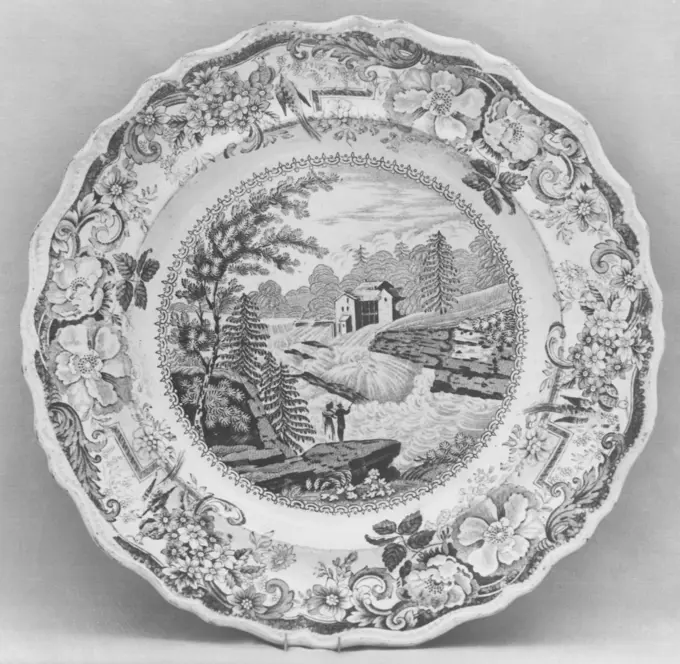
Antique Ceramics

A collection of antique ceramics including bowls and plates from various cultures, showcasing intricate designs and historical craftsmanship.
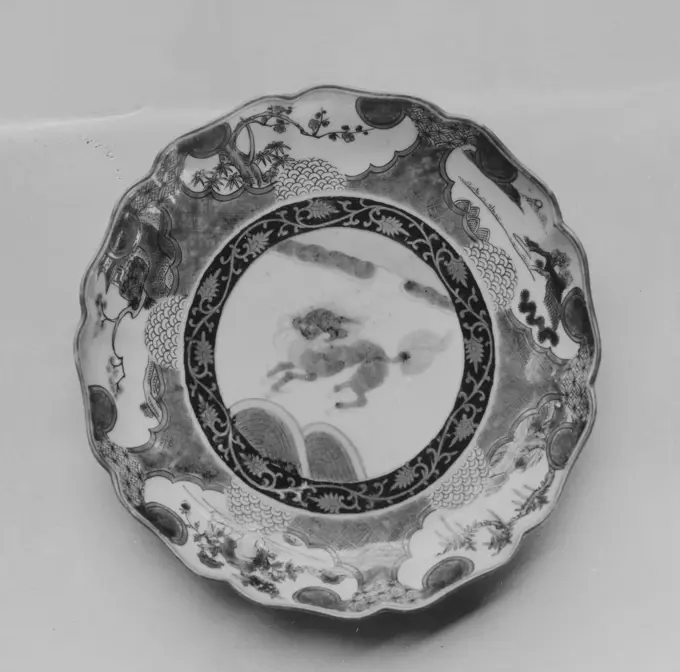
Plate 1760 Japan. Plate. Japan. 1760. Porcelain decorated with enamels (Arita ware, Imari type). Edo period (1615-1868). Ceramics
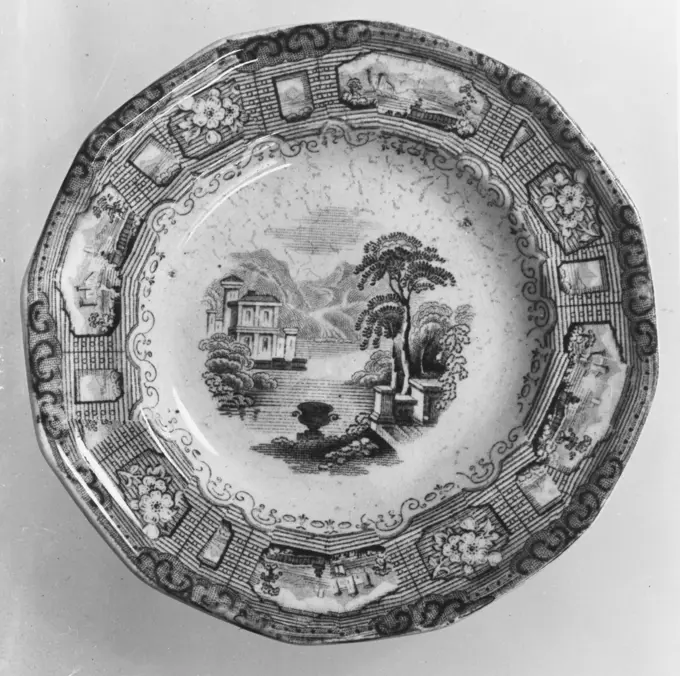
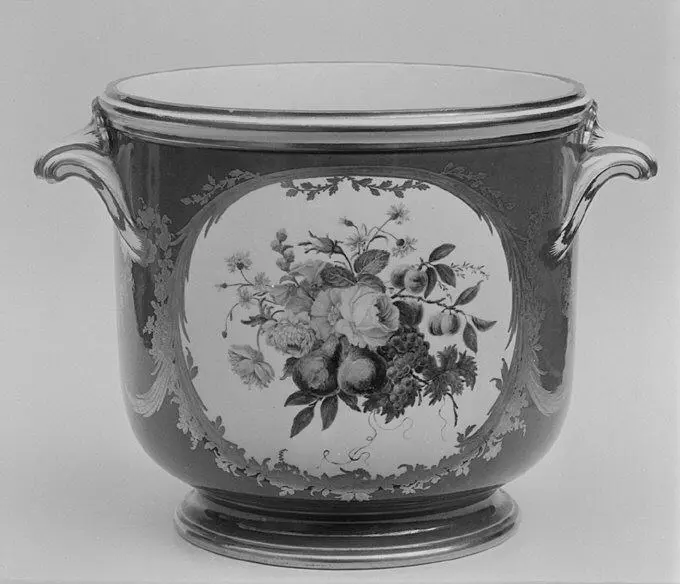
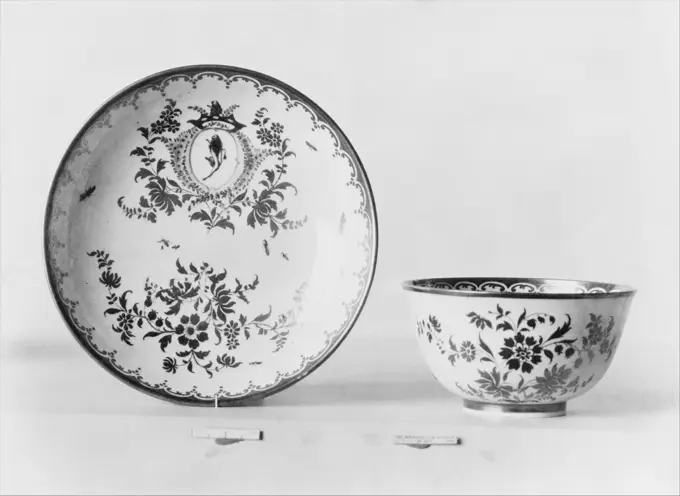
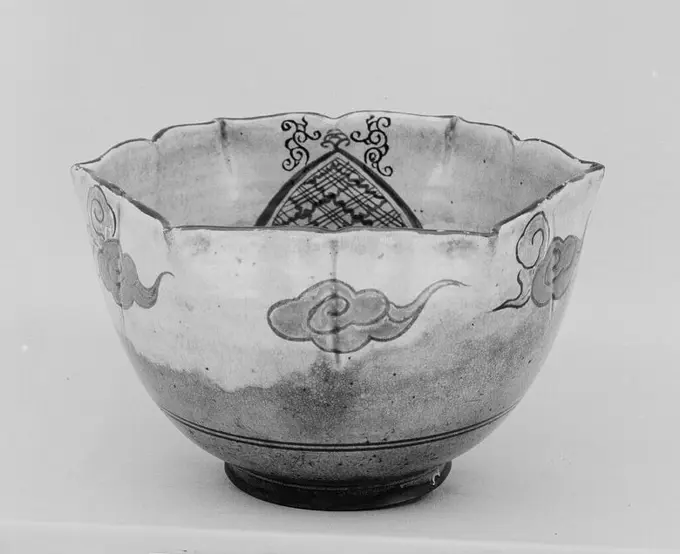
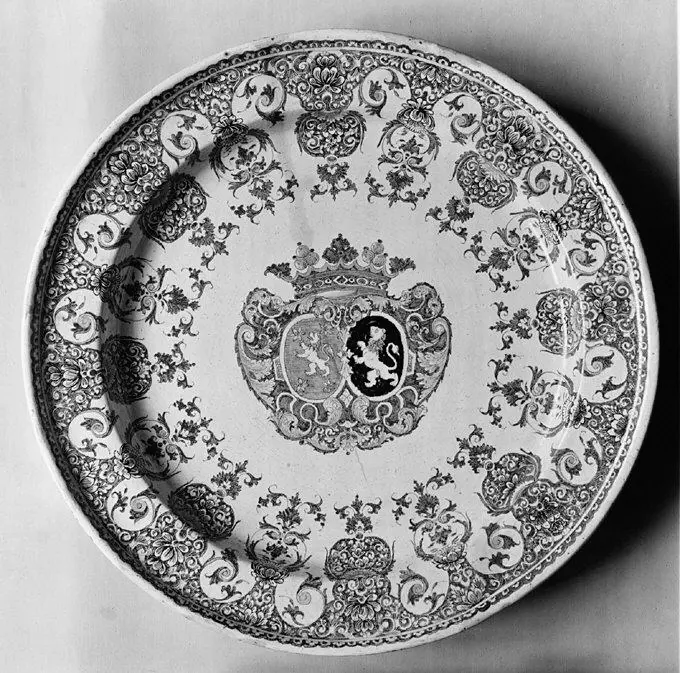
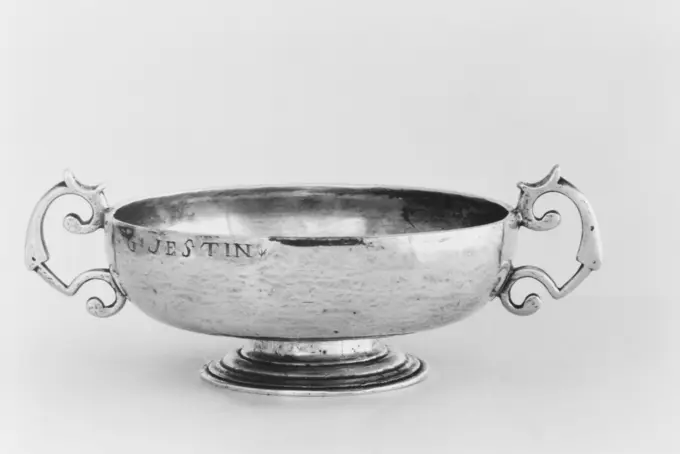
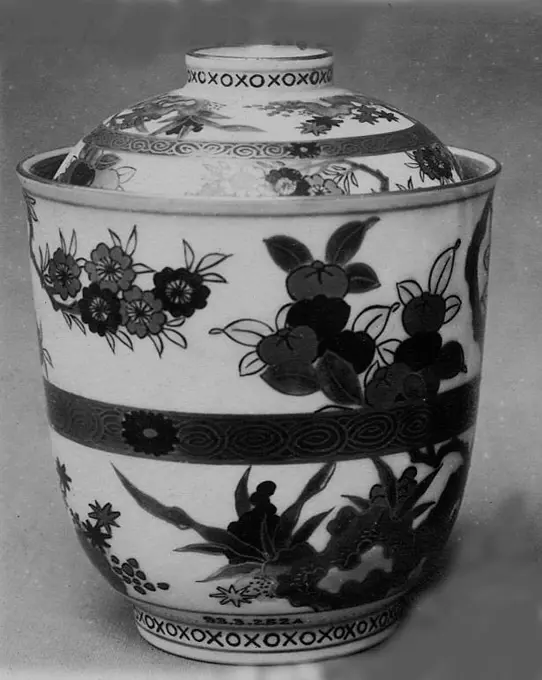
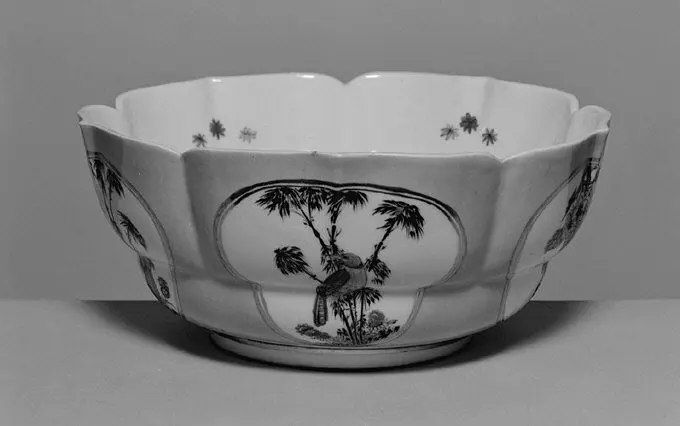
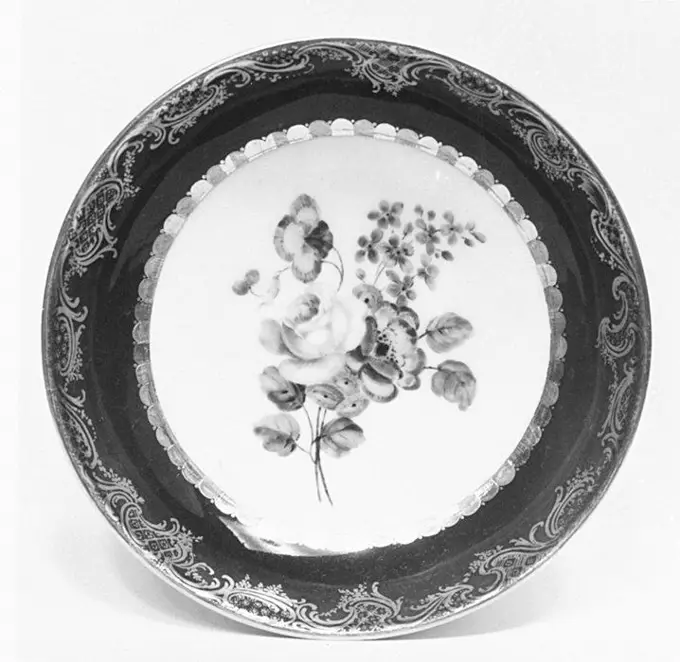
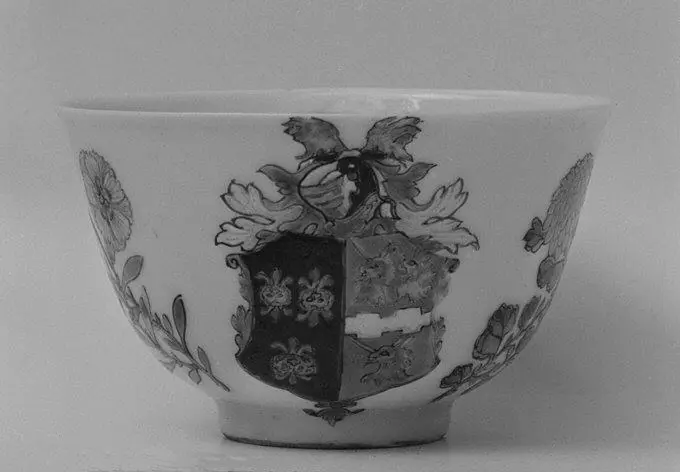
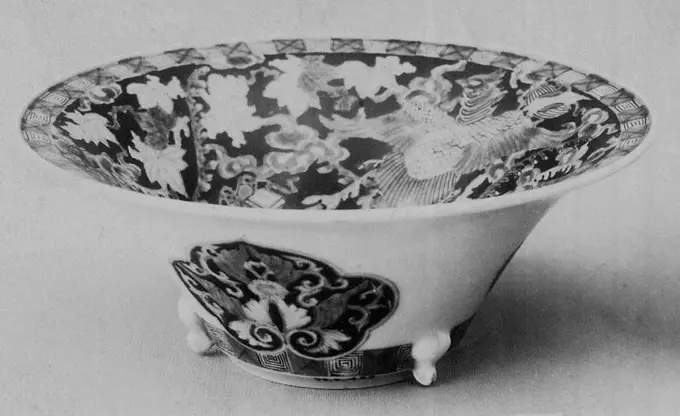
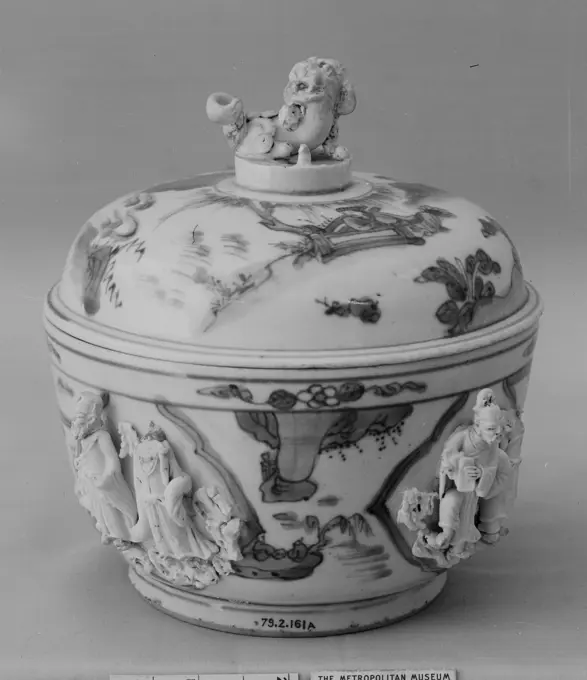
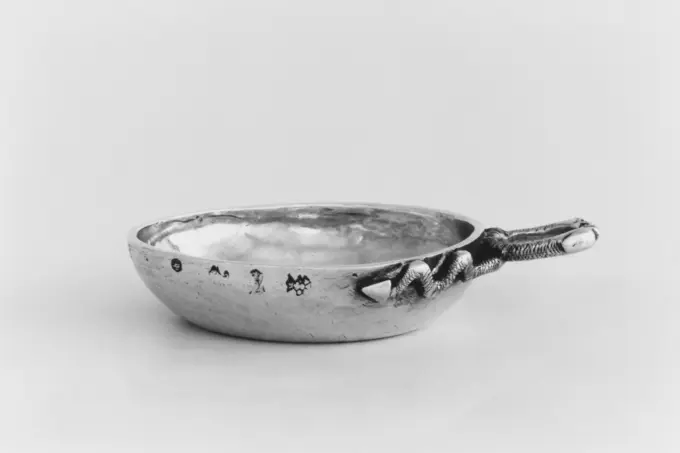
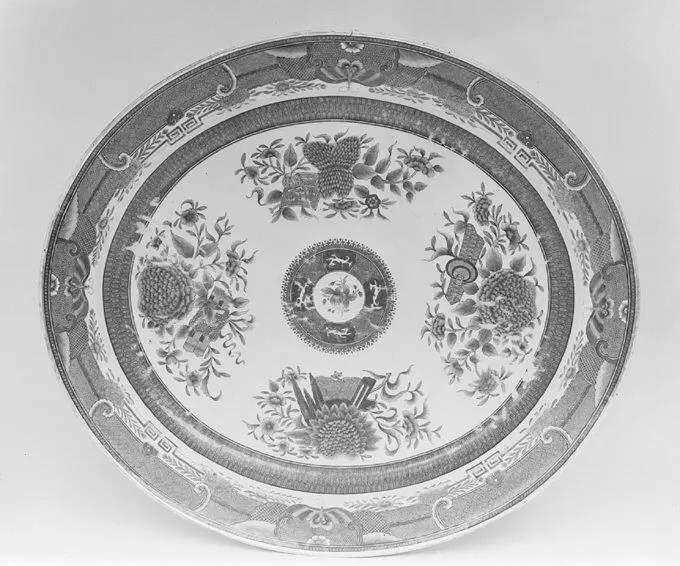
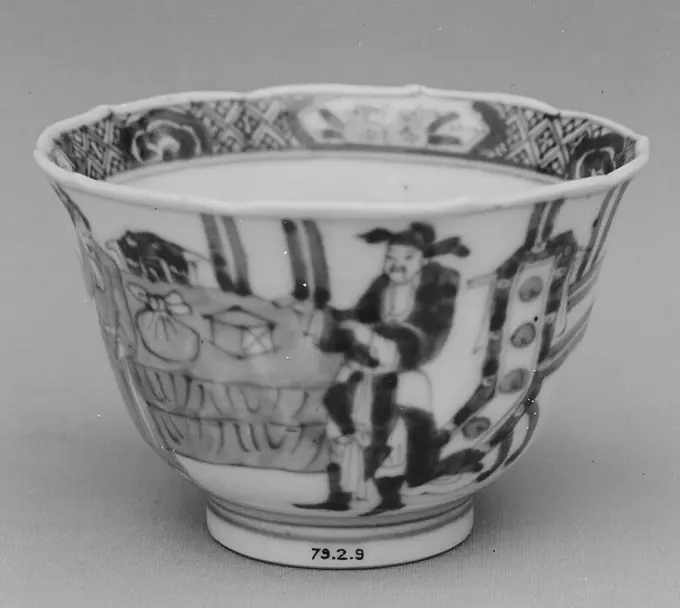
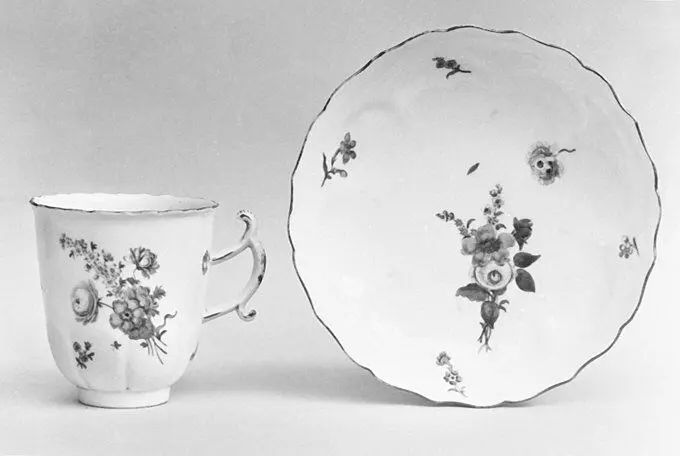
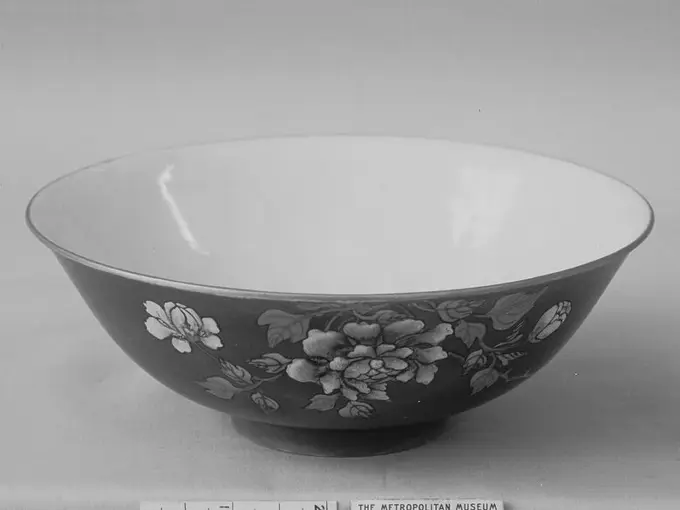
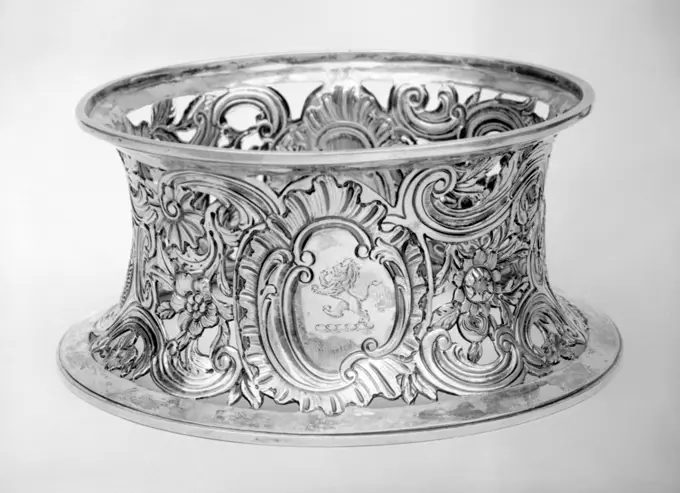
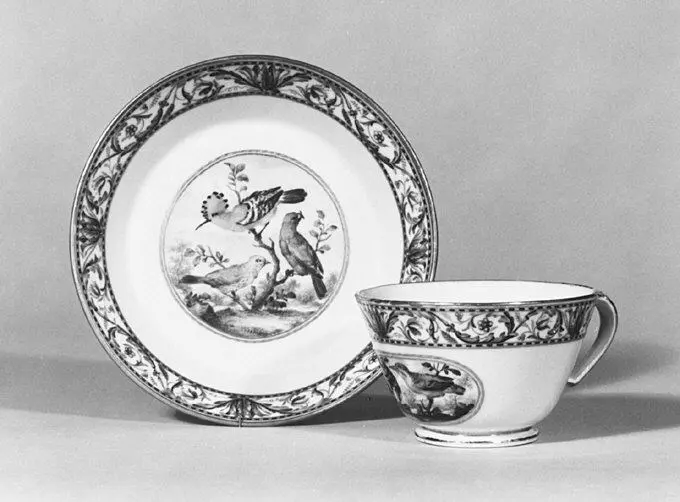
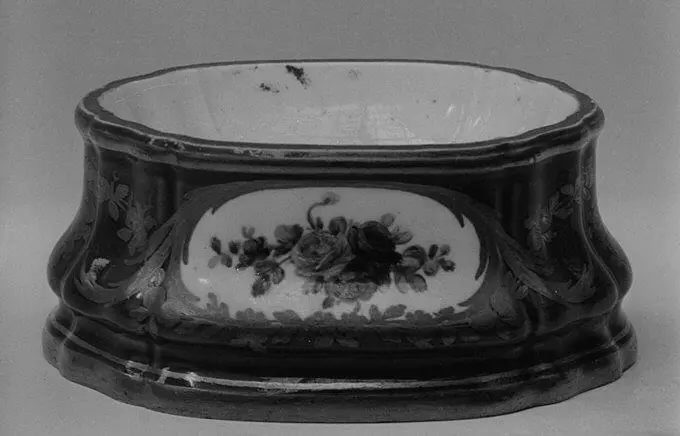
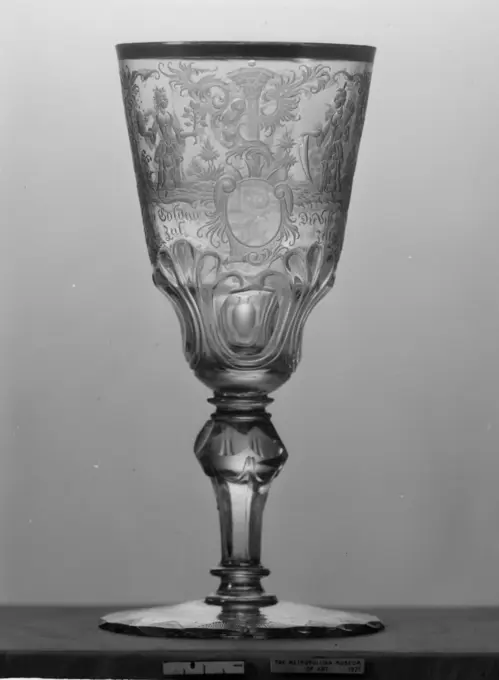
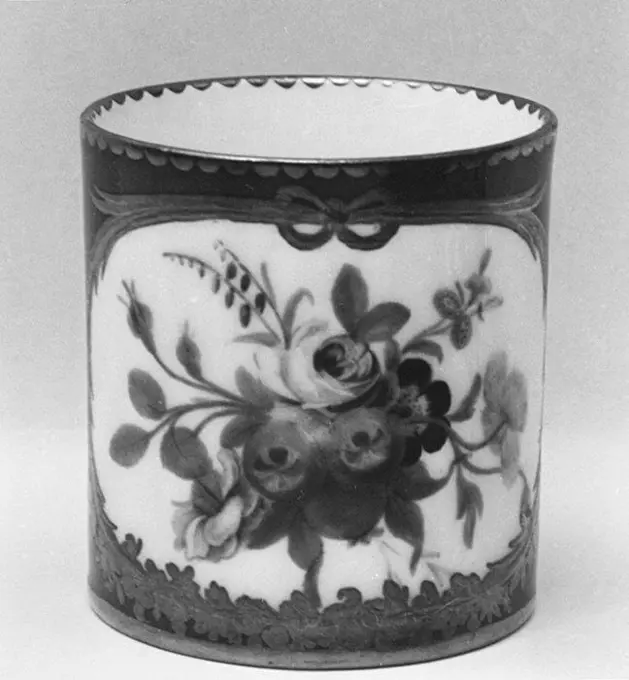
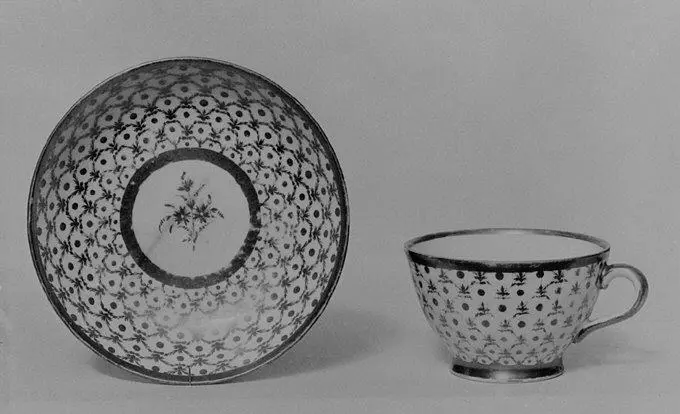
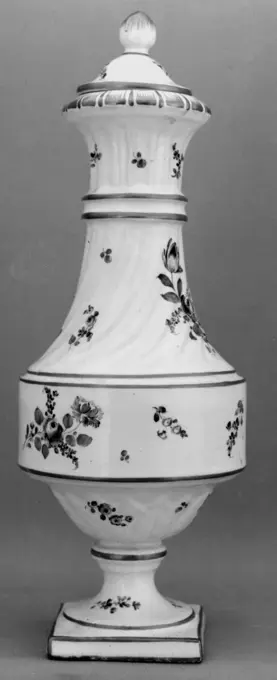
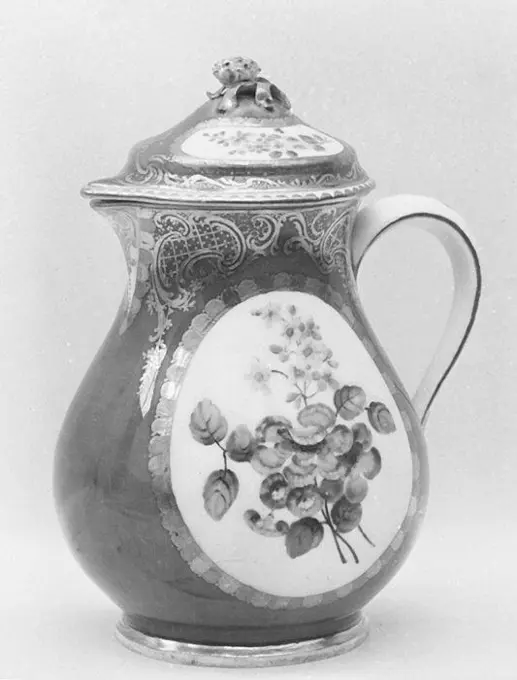
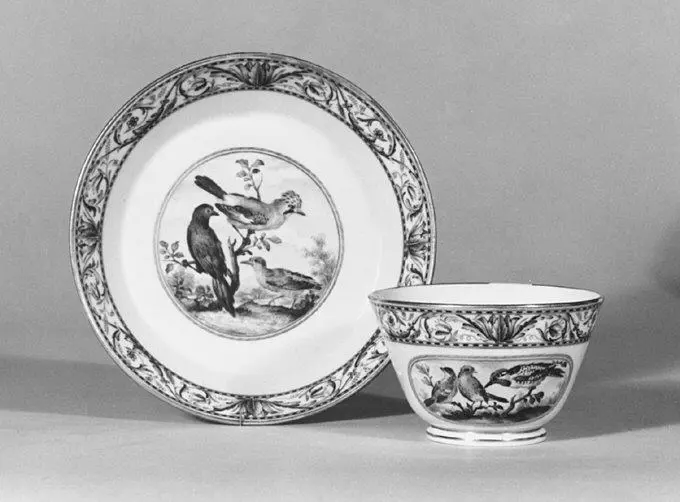
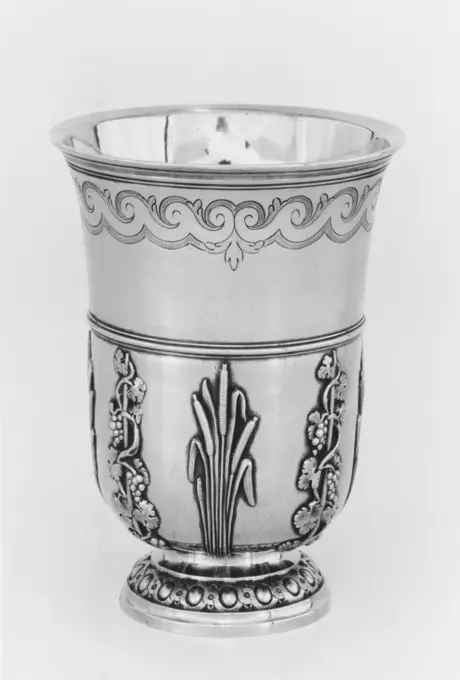
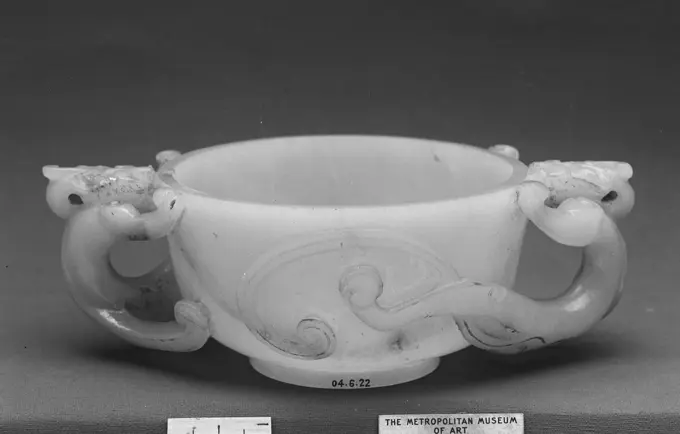
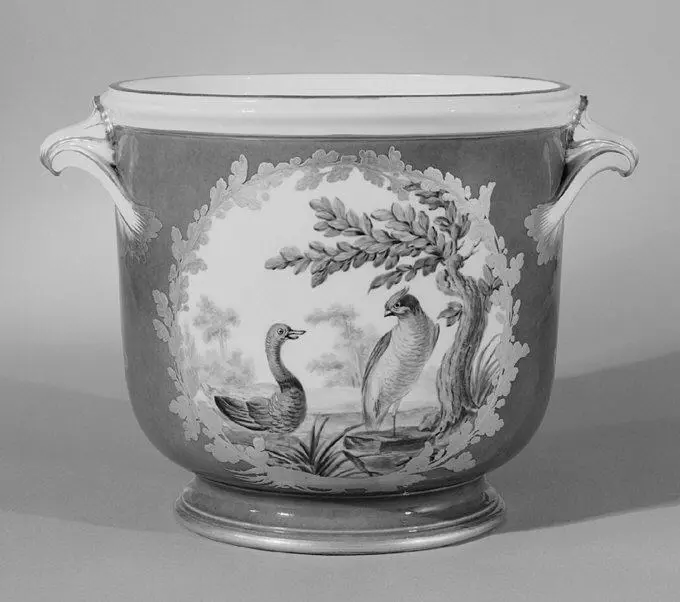
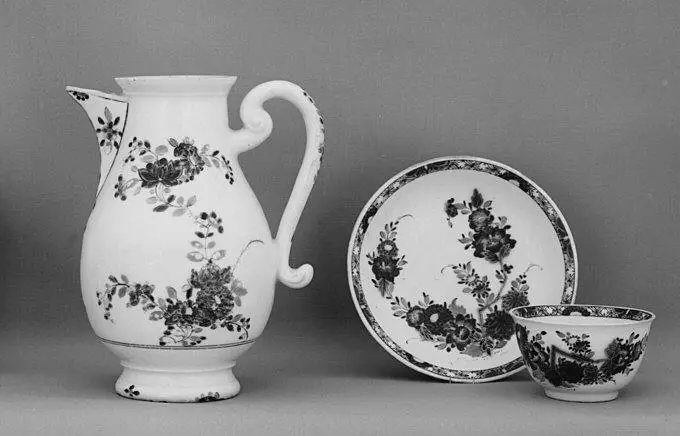
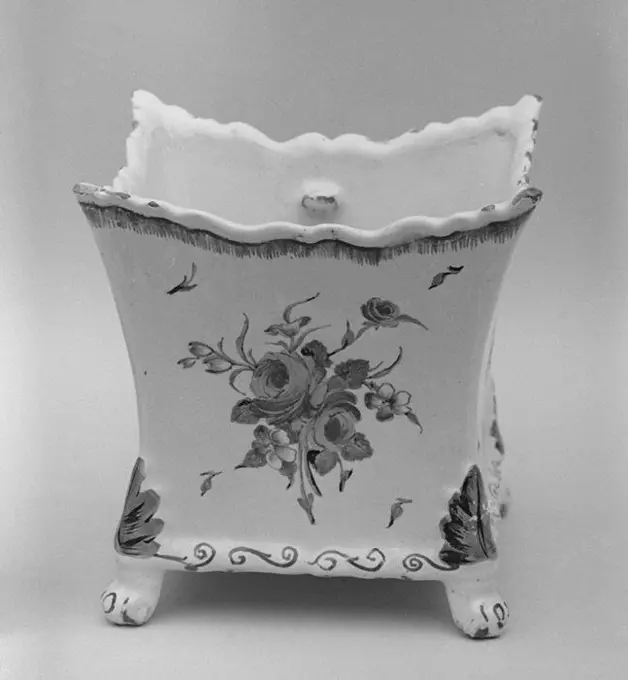
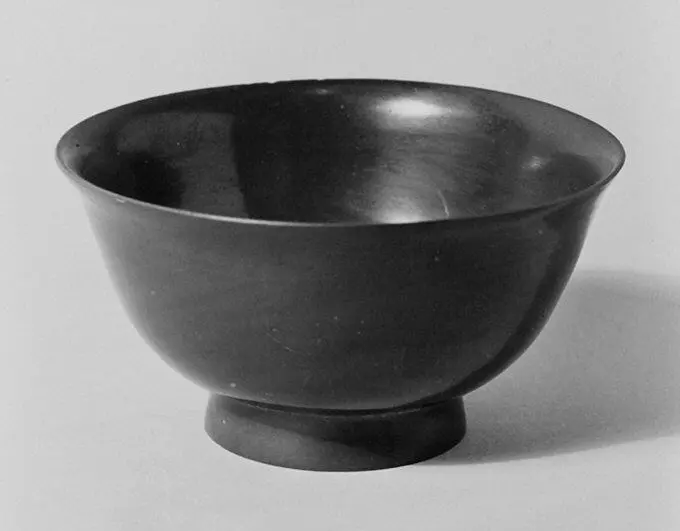
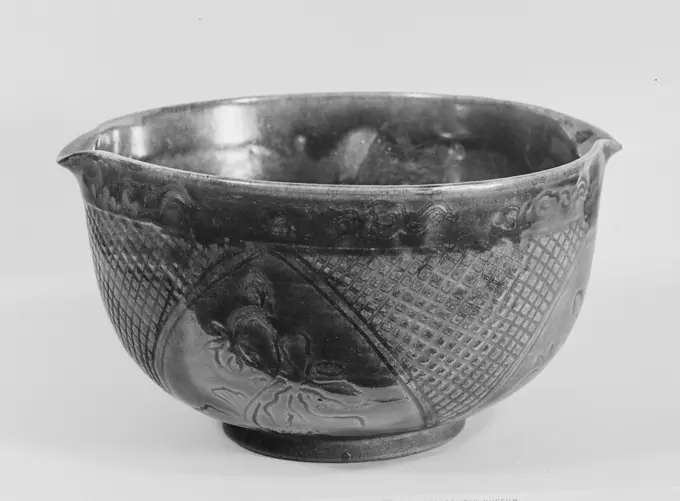
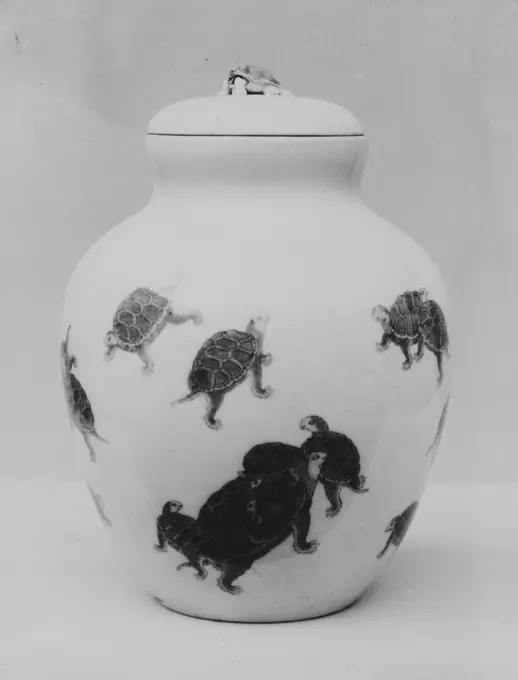
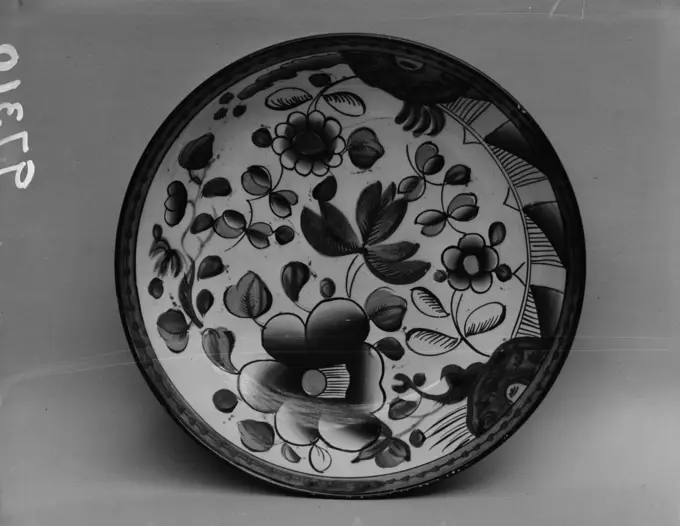
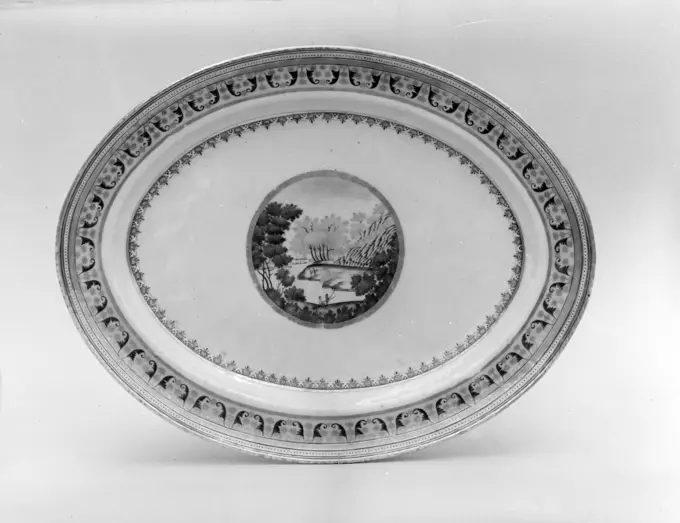
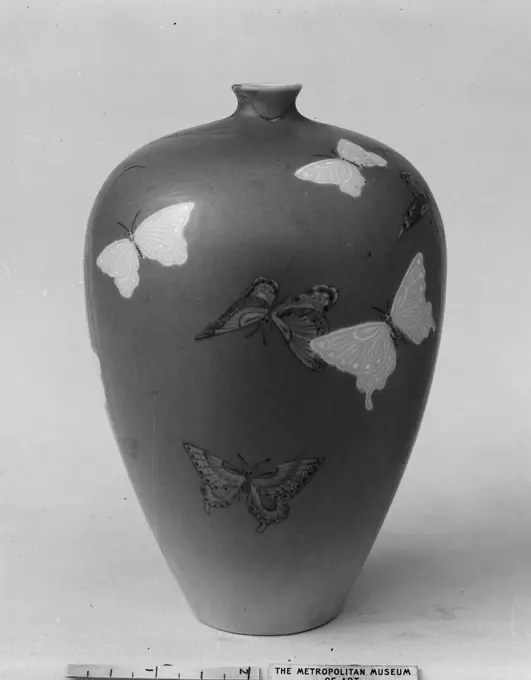
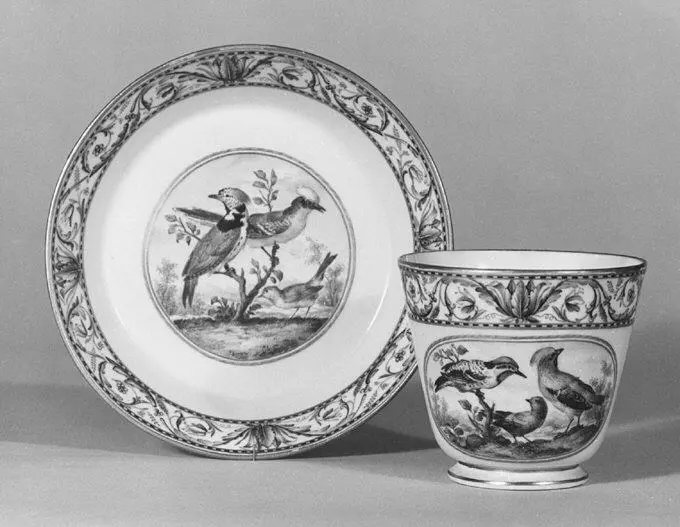
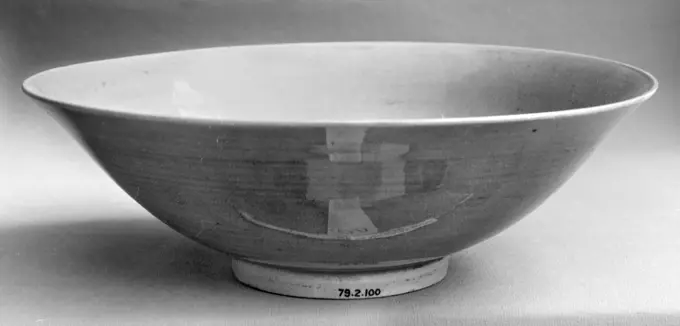
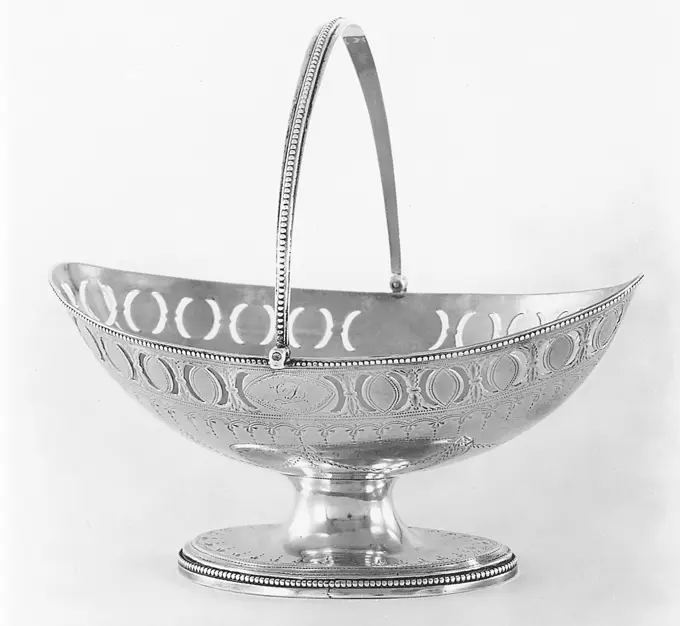
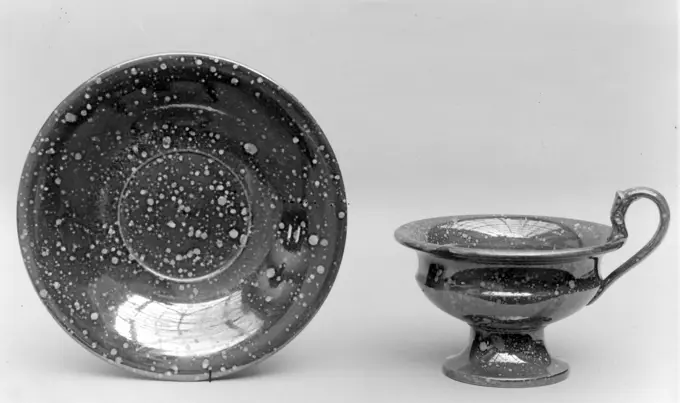
Two teabowls (part of a service) ca. 1760 Worcester factory. Two teabowls (part of a service) 204817Bowl 18th century Japan. Bowl 52380Plate China. Plate 52823Plate ca. 1815-ca. 1835 British (American market). Plate 6025Vase with cover ca. 1740-45 Chantilly. Vase with cover 196553Plate 1760 Japan. Plate. Japan. 1760. Porcelain decorated with enamels (Arita ware, Imari type). Edo period (1615-1868). CeramicsBottle cooler (seau à bouteille) (part of a service) 1783 Sèvres Manufactory French. Bottle cooler (seau à bouteille) (part of a service) 197857Teabowl and saucer 1770-75 Cozzi Manufactory Italian. Teabowl and saucer 189014Bowl. Culture: Japan. Dimensions: H. 4 3/8 in. (11.1 cm); Diam. 7 3/4 in. (19.7 cm). Date: 19th century. Museum: Metropolitan Museum of Art, New York, USA.Plateau ca. 1705-20 French, Rouen Faience, or tin-glazed and enameled earthenware, first emerged in France during the sixteenth century, reaching widespread usage among elite patrons during the seventeenth and early eighteenth centuries, prior to the establishment of soft-paste porcelain factories. Although characterized as more provincial in style than porcelain, French faience was used at the court of Louis XIV as part of elaborate meals and displays, with large-scale vessels incorporated into the Baroque garden designs of Versailles. Earlier examples of French faience attest to the strong influence of maiolica artists from Italy. Later works demonstrate the ways in which cities such as Nevers, Rouen, Lyon, Moustiers, and Marseille developed innovative vessel shapes and decorative motifs prized among collectors throughout Europe. While faience can be created from a wide mixture of clays, it is foremost distinguished by the milky opaque white color achieved by the addition of tin oxidCup 18th century Japan. Cup 46581Collection cup 1713-53 Guillaume Hamon This type of bowl is known in France is known as a "coupe à quêter" (collection cup). At provincial weddings such cups are passed around among the wedding guests who drop coins into them as gifts for the young couple.. Collection cup 200297Plate (Assiette à palmes) (1 of 102) (part of a service) Manufactory Sèvres Manufactory French Decorator Jean-Jacques Pierre the Younger French 1780 View more. Plate (Assiette à palmes) (1 of 102) (part of a service). French, Sèvres. 1780. Soft-paste porcelain. Ceramics-PorcelainBeaker second half 17th century Reinhold Riel. Beaker 192120Cup and saucer ca. 1760-70 Ludwigsburg Porcelain Manufactory. Cup and saucer 199284Tureen with cover (part of a service) ca. 1790 Chinese, for British market. Tureen with cover (part of a service) 201198Cup with Cover 1780 Japan. Cup with Cover 62475Bowl possibly ca. 1735 Meissen Manufactory German. Bowl 203160Saucer (part of a service) 1759-60 Sèvres Manufactory French Small tea services, often intended for just two people, were produced in large quantities at the Sèvres factory. Both the number of surviving services and the factory's extensive archives indicate that tea wares were not only popular but also an important source of revenue for the factory. This set (37.20.5-.9) is missing its sugar bowl and a cup and saucer, but it is notable nevertheless for its lavish gilding.Jeffrey H. Munger, 2006. Saucer (part of a service) 197833Teabowl and saucer ca. 1730 Chinese, for British market. Teabowl and saucer 208937Bowl 1720-25 Meissen Manufactory German. Bowl 203162Cup ca. 1730-35 Meissen Manufactory German. Cup 199177Unknown, Vase, 19th century, hard-paste porcelain.Bowl 1780 Japan. Bowl. Japan. 1780. White porcelain decorated with blue under the glaze, colored enamels (Arita ware). Edo period (1615-1868). CeramicsCovered Bowl late 16th-early 17th century China. Covered Bowl. China. late 16th-early 17th century. Porcelain painted in underglaze blue with biscuit relief decoration. Ming dynasty (1368-1644). CeramicsWine taster 1763-64 Pierre Antoine Viaucourt. Wine taster 200300Platter early 19th century Chinese, probably for American market. Platter. Chinese, probably for American market. early 19th century. Hard-paste porcelain. Ceramics-Porcelain-ExportCup. Culture: China. Dimensions: H. 2 1/2 in. (6.4 cm); W. 3 1/4 in. (8.3 cm). Date: early 18th century. Museum: Metropolitan Museum of Art, New York, USA.Covered Box 18th century China. Covered Box. China. 18th century. Cloisonné and painted enamel. Qing dynasty (1644-1911), Qianlong period (1736-95). CloisonnéJug with cover (part of a service) 1750-60 Chinese, for British market. Jug with cover (part of a service). Chinese, for British market. 1750-60. Hard-paste porcelain. Ceramics-Porcelain-ExportSèvres Porcelain Manufactory, Tray and Tea Service, 1773, hard-paste porcelain.Cup and saucer ca. 1750 Meissen Manufactory German. Cup and saucer 199231Bowl. Culture: China. Dimensions: H. 2 1/2 in. (6.4 cm); Diam. 7 in. (17.8 cm). Museum: Metropolitan Museum of Art, New York, USA.Tankard Manufactory Vienna Factory director Claudius Innocentius Du Paquier period Austrian ca. 1730Basin China. Basin 52032Double-Sided Teapot with Tree Peonies. Culture: China. Dimensions: H. 6 in. (15.2 cm); W. 5 1/2 in. (14 cm). Date: late 17th-early 18th century. Museum: Metropolitan Museum of Art, New York, USA.Dish ring ca. 1760 Irish, Dublin. Dish ring 201863Teacup (part of a service) ca. 1780-85 Meissen Manufactory German. Teacup (part of a service) 209383Salt (one of two) (part of a service) 1783 Sèvres Manufactory French. Salt (one of two) (part of a service) 197843Wineglass ca. 1760 German, Silesia. Wineglass. German, Silesia. ca. 1760. Glass. GlassCup (gobelet litron) (one of nine) (part of a service) 1786 Sèvres Manufactory French. Cup (gobelet litron) (one of nine) (part of a service) 197851Cup and saucer 1778-99 Rue Thiroux: Queen's Factory. Cup and saucer. French, Paris. 1778-99. Hard-paste porcelain. Rue Thiroux: Queen's Factory. Ceramics-PorcelainVase 18th century Höchst Manufactory. Vase. German, Höchst. 18th century. Faience (tin-glazed earthenware). Ceramics-PotteryBowl with flowers (one of a pair) mid-18th century China. Bowl with flowers (one of a pair). China. mid-18th century. Porcelain painted in overglaze polychrome enamels (Jingdezhen ware). Qing dynasty (1644-1911), Qianlong period (1736-95). CeramicsHot milk jug (part of a service) 1759-60 Sèvres Manufactory French Small tea services, often intended for just two people, were produced in large quantities at the Sèvres factory. Both the number of surviving services and the factory's extensive archives indicate that tea wares were not only popular but also an important source of revenue for the factory. This set (37.20.5-.9) is missing its sugar bowl and a cup and saucer, but it is notable nevertheless for its lavish gilding.Jeffrey H. Munger, 2006. Hot milk jug (part of a service) 197831Cup with Cover 1780 Japan. Cup with Cover 47015Teacup (part of a service) ca. 1780-85 Meissen Manufactory German. Teacup (part of a service) 209384Cup (one of a pair). Culture: China. Dimensions: H. 1 13/16 in. (4.6 cm); Diam. 3 3/4 in. (9.5 cm). Museum: Metropolitan Museum of Art, New York, USA.Cup 1774-75 Probably Nicolas Gonthier. Cup 200288Saucer 1760 () possibly Sèvres Manufactory French. Saucer 194894Urn ca. 1865 American. Urn. American. ca. 1865. Bronze. Made in New York, United StatesBrush holder China. Brush holder. China. Porcelain decorated with cobalt blue under transparent glaze (Jingdezhen ware). Ming dynasty (1368-1644), Wanli period (1573-1620). CeramicsBowl China. Bowl. China. Jade. Qing dynasty (1644-1911), Kangxi period (1662-1722). JadeSquare Cup 19th century China. Square Cup 40920Worcester Porcelain Manufactory, Teapot Stand, c. 1760-70, soft-paste porcelain.Plate ca. 1830-ca. 1835 British (American market). Plate. British (American market). ca. 1830-ca. 1835. Earthenware, transfer-printed. Made in Staffordshire, EnglandSweetmeat glass ca. 1760 German, Silesia. Sweetmeat glass. German, Silesia. ca. 1760. Glass. GlassWine-bottle cooler (seau à bouteille) (part of a service) 1771-72 Sèvres Manufactory French The table services produced at Sèvres in the eighteenth century were highly prized and extremely expensive. They were not only purchased by the Crown and members of the aristocracy but also given by the king as diplomatic gifts to foreign courts and visiting dignitaries, and the esteem in which they were held did much to enhance the factorys prestige and fortunes. Because the number of pieces composing a service was very large, the cost was enormous, but this did not deter many courtiers from ordering a dinner or dessert service, or both.One of the most celebrated services produced at Sèvres was delivered to Louis-René-Édouard, prince de Rohan-Guémenée (1734-1803), on September 7, 1772. All of the pieces were decorated with the rich turquoise ground color known as bleu céleste and with birds encircled by an elaborate gilt wreath of oak leaves and acorns. Many of the components of the service bePitcher 1830-70 American. Pitcher. American. 1830-70. Parian porcelain. Probably made in Bennington, Vermont, United StatesJar with butterflies late 17th-early 18th century China. Jar with butterflies. China. late 17th-early 18th century. Porcelain painted in overglaze polychrome enamels (Jingdezhen ware), wooden cover inlaid with jade. Qing dynasty (1644-1911), Kangxi period (1662-1722). CeramicsCoffeepot ca. 1725-70 Meissen Manufactory German. Coffeepot 188730 Factory: Meissen Manufactory, German, 1710present, Coffeepot, ca. 172570, Hard-paste porcelain, Height: 6 3/8 in. (16.2 cm). The Metropolitan Museum of Art, New York. Gift of Alfred Duane Pell, 1902 (02.6.230)Cup with handle. Culture: China. Dimensions: H. 2 1/4 in. (5.7 cm); W. 5 1/2 in. (14 cm). Museum: Metropolitan Museum of Art, New York, USA.Cup and Saucer ca. 1780 French, possibly. Cup and Saucer 2802Plate (Assiette à palmes) (1 of 102) (part of a service) 1772 Sèvres Manufactory French. Plate (Assiette à palmes) (1 of 102) (part of a service). French, Sèvres. 1772. Soft-paste porcelain. Ceramics-PorcelainJardinières ca. 1775 French, Sinceny. Jardinières 200800Teabowl and saucer ca. 1708-9 Meissen Manufactory This tea bowl, an exact copy of a Chinese tea bowl, was formerly in the Japanese Palace in Dresden, built in 1717 by the Elector Augustus II "the Strong" to house his large collection of Oriental porcelains along with the more extraordinary products of his porcelain factory at Meissen.. Teabowl and saucer 199130Plate. Culture: British (American market). Dimensions: Diam. 6 1/8 in. (15.6 cm). Date: ca. 1825. Museum: Metropolitan Museum of Art, New York, USA.Dish. Culture: British (American market). Dimensions: Diam. 8 in. (20.3 cm). Date: ca. 1825. Museum: Metropolitan Museum of Art, New York, USA.Bowl 19th century Japan. Bowl. Japan. 19th century. Clay incised with design under brown glaze; foot unglazed; (Banko ware). CeramicsJar and cover 1850 Japan. Jar and cover. Japan. 1850. Porcelain decorated blue underglaze (Hirado ware). Edo period (1615-1868). CeramicsBowl China. Bowl. China. Porcelain. Ming dynasty (1368-1644). CeramicsSaucer (part of a service) 18th century Meissen Manufactory German. Saucer (part of a service) 209401Saucer ca. 1825 British (American market). Saucer. British (American market). ca. 1825. Earthenware, gaudy dutch. Made in Staffordshire, EnglandCup (part of a service) 1770-85 Chinese, for British market. Cup (part of a service) 201347Platter 1800-1830 Chinese. Platter. Chinese. 1800-1830. Porcelain. Made in ChinaVase with Butterflies late 19th century Kat Tomotar Japanese. Vase with Butterflies. Kat Tomotar (Japanese, 1851-1916). Japan. late 19th century. Porcelain with underglaze blue, overglaze pink and white slip. Meiji period (1868-1912). CeramicsSaucer 1750-70 Chinese, probably for Continental European market. Saucer 201338Dish 1773-74 Paul-David Bazille. Dish 200308Cup (probably part of a traveling set) ca. 1680-90 T. T., England. Cup (probably part of a traveling set) 197397Cup. Culture: British. Dimensions: 2 x 3 in. (5.1 x 7.6 cm). Date: 1800-1830. Museum: Metropolitan Museum of Art, New York, USA.Covered Wine Pot China. Covered Wine Pot. China. Painted enamel. Qing dynasty (1644-1911), Qianlong period (1736-95). EnamelsBerry Dish ca. 1867 Boston & Sandwich Glass Company. Berry Dish. American. ca. 1867. Blown glass. Made in Sandwich, Massachusetts, United StatesPlate 19th century Probably by Edmé Samson. Plate 210763Teabowl Nin'ami Dōhachi (Takahashi Dōhachi II) Japanese ca. 1850Tureen with cover (part of a service) 1770-85 Chinese, for British market. Tureen with cover (part of a service) 201134Plate 1756 Pierre Bernard. Plate. French, Marseilles (Aix Mint). 1756. Gilded silver. Metalwork-SilverCoffee cup (part of a service) ca. 1780-85 Meissen Manufactory German. Coffee cup (part of a service) 209378Cup 16th century China. Cup. China. 16th century. Porcelain painted in underglaze blue. Ming dynasty (1368-1644), Jiajing period (1522-66). CeramicsBowl 18th century probably Italian, Venice. Bowl. probably Italian, Venice. 18th century. Glass. GlassBowl 18th century China. Bowl. China. 18th century. Porcelain with turquoise glaze. Qing dynasty (1644-1911), Qianlong period (1736-95). CeramicsTeapot ca. 1763-67 Nymphenburg Porcelain Manufactory. Teapot 199295Tray (part of a set) ca. 1740-50 Meissen Manufactory German. Tray (part of a set) 187810 Factory: Meissen Manufactory, German, 1710present, Tray (part of a set), ca. 174050, Hard-paste porcelain, 5  6 3/4 in. (12.7  17.1 cm). The Metropolitan Museum of Art, New York. Gift of Henry G. Marquand, 1894 (94.4.297)Vase 18th century China. Vase 40620Charles Hougham, Sugar Basket, 1791/92, silver.Bowl. Culture: China. Dimensions: H. 1 3/8 in. (3.5 cm); Diam. 3 3/4 in. (9.5 cm). Museum: Metropolitan Museum of Art, New York, USA.Teapot 1830-70 American. Teapot. American. 1830-70. Parian porcelain. Probably made in Bennington, Vermont, United StatesCreamer 1830-40 American. Creamer. American. 1830-40. Lacy pressed glass. Made in New England, United StatesTeacup (one of a pair) 1820-30 French, Sarreguemines. Teacup (one of a pair). French, Sarreguemines. 1820-30. Pottery. Ceramics-PotteryPlate ca. 1823-ca. 1834 James and Ralph Clews British. Plate 6113Bowl 1780-1820 British, probably. Bowl. British, probably. 1780-1820. Blown pattern-molded lead glass. Probably made in England