Antique Ceramics

A collection of antique ceramics including bowls and plates from various cultures, showcasing intricate designs and historical craftsmanship.
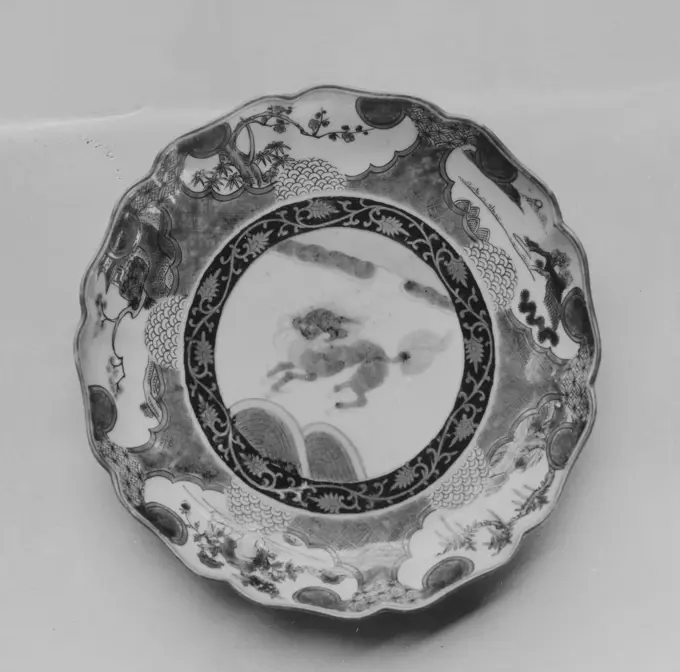
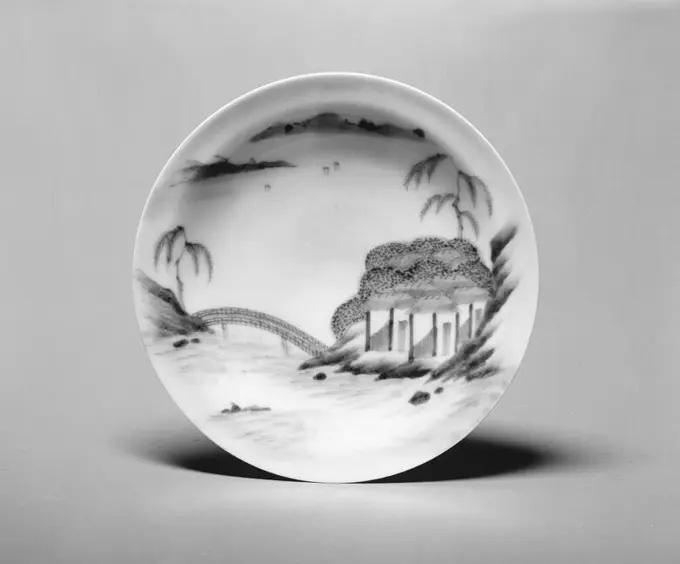
Plate 1760 Japan. Plate. Japan. 1760. Porcelain decorated with enamels (Arita ware, Imari type). Edo period (1615-1868). Ceramics
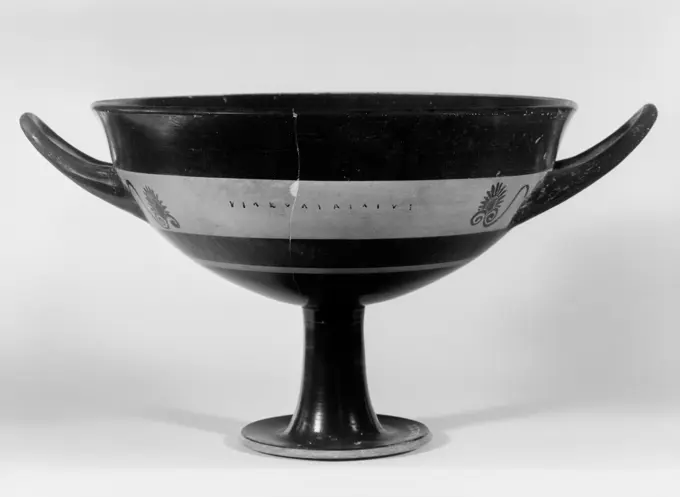
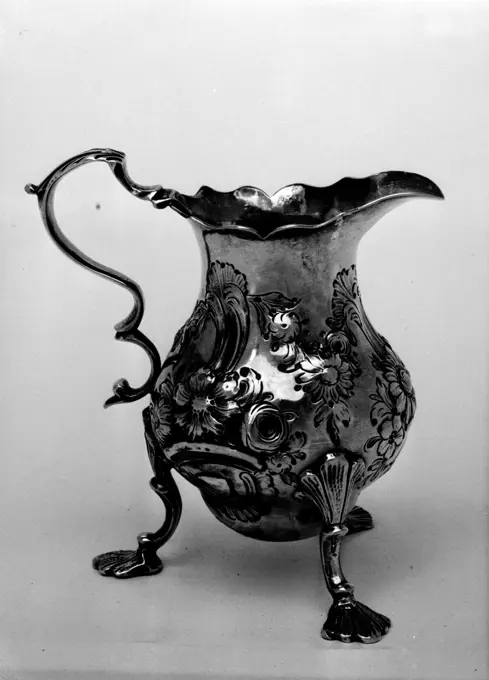
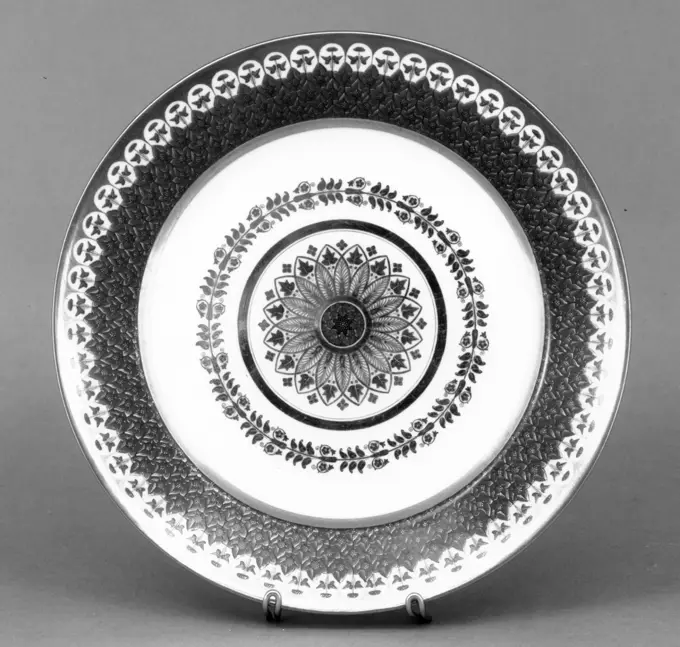
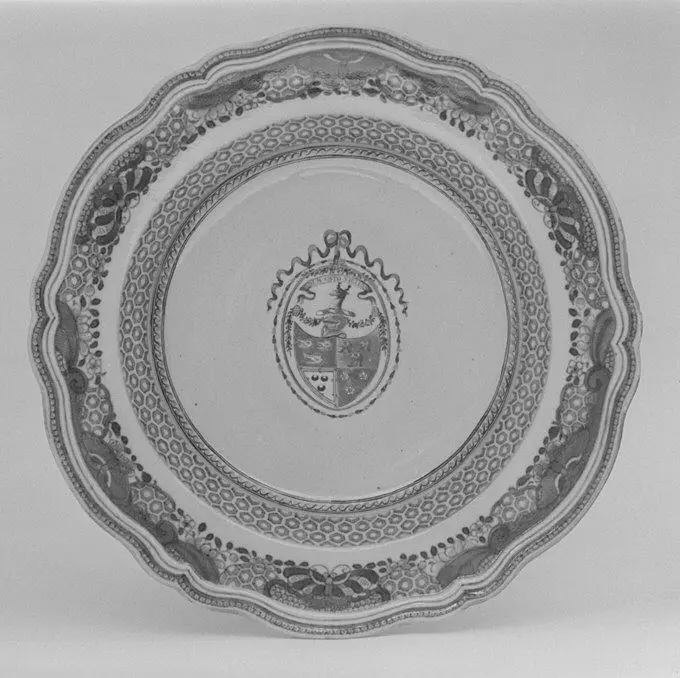
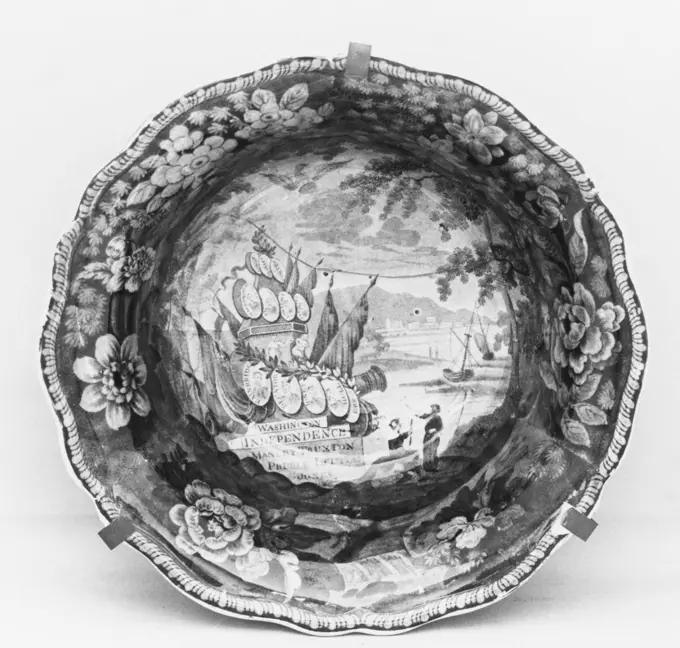
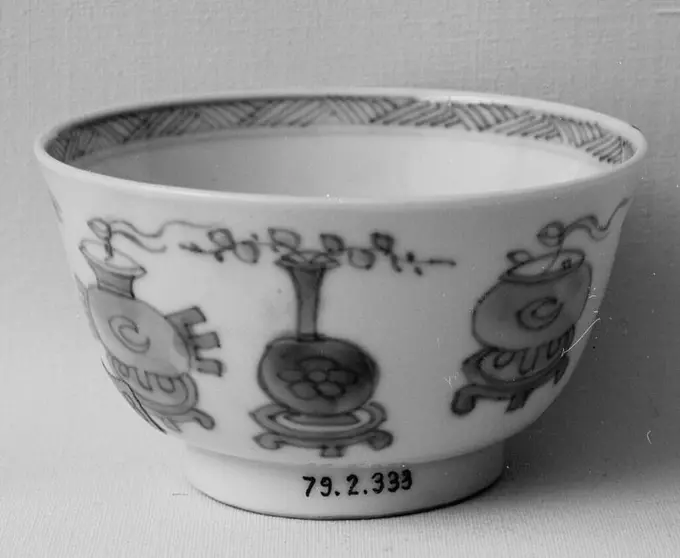
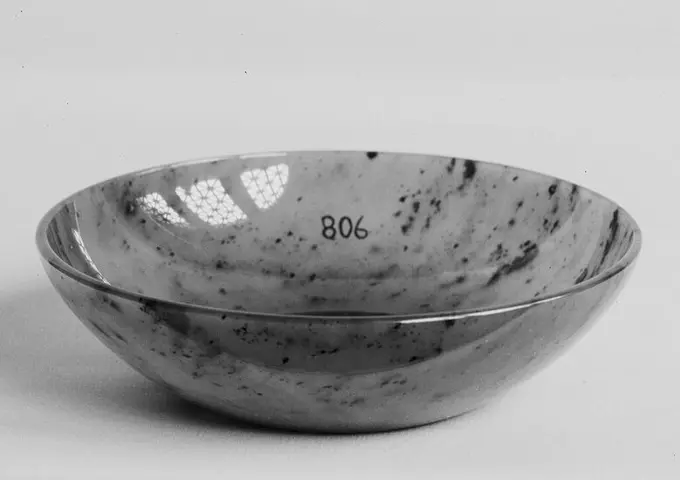
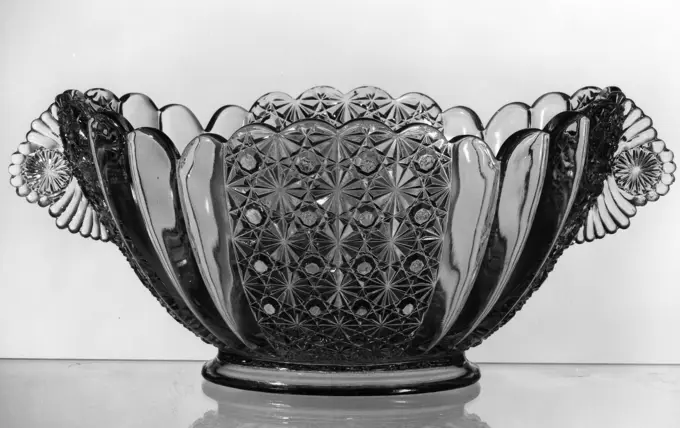
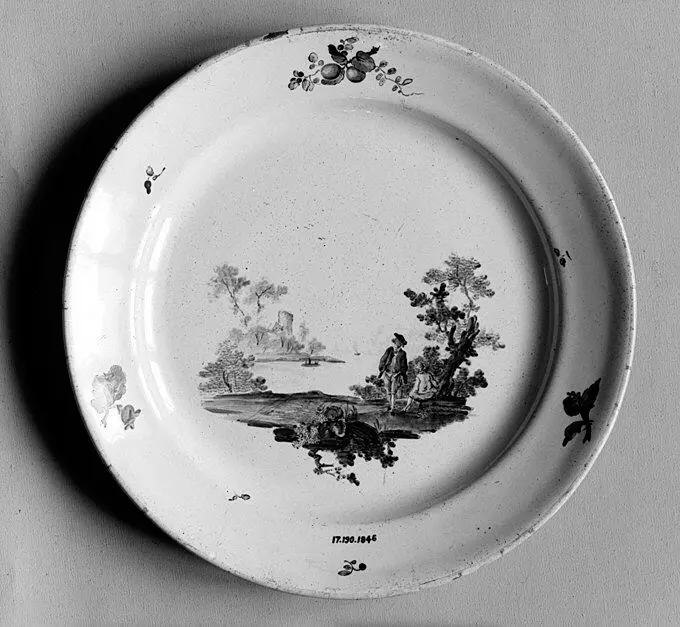
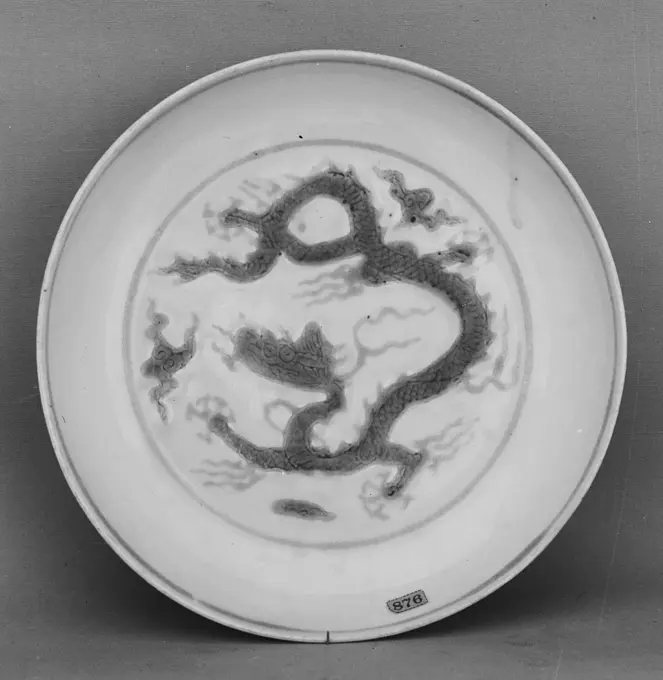
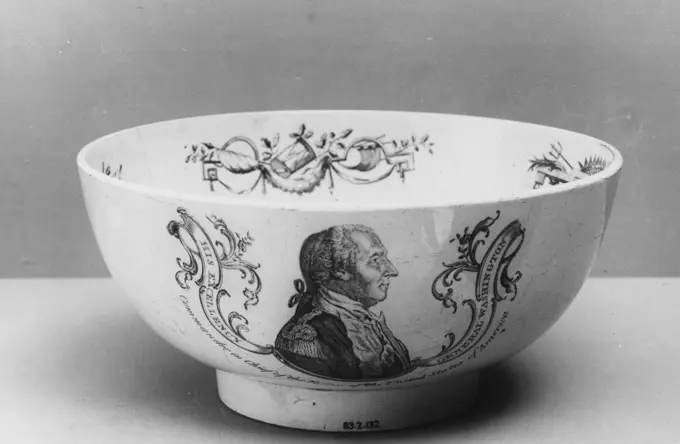
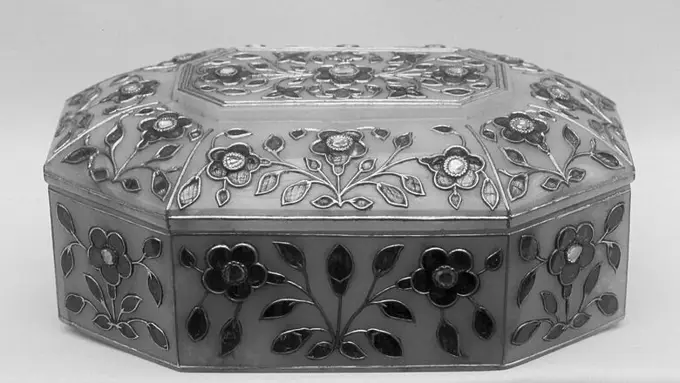
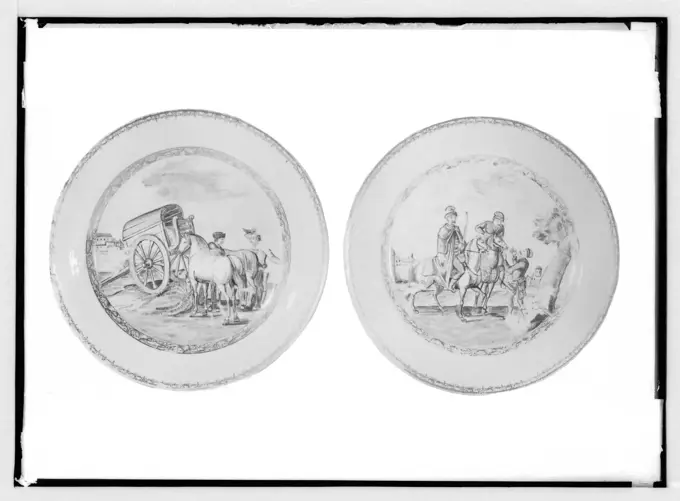
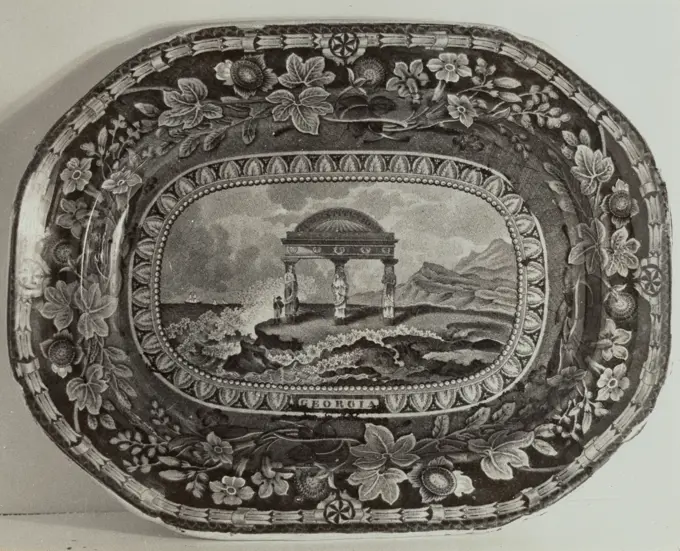
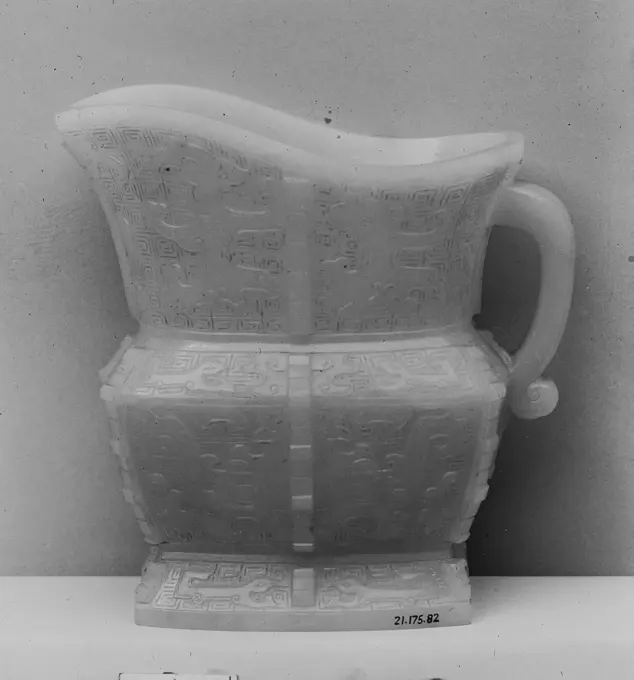
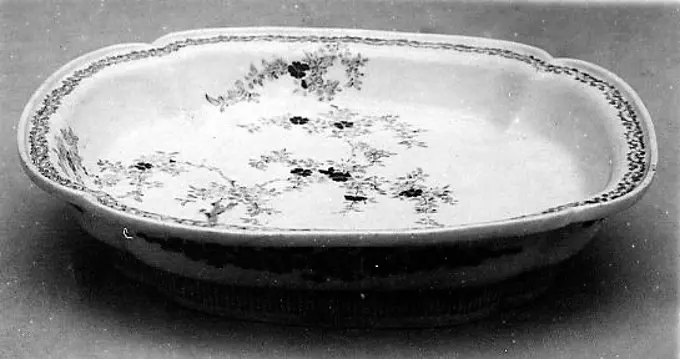
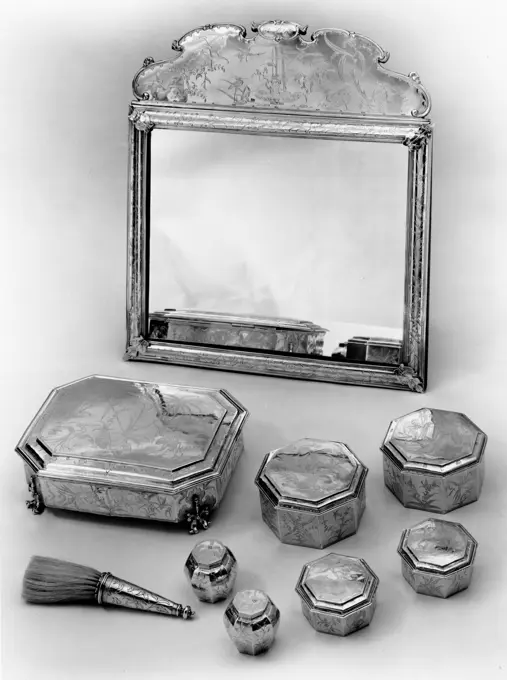
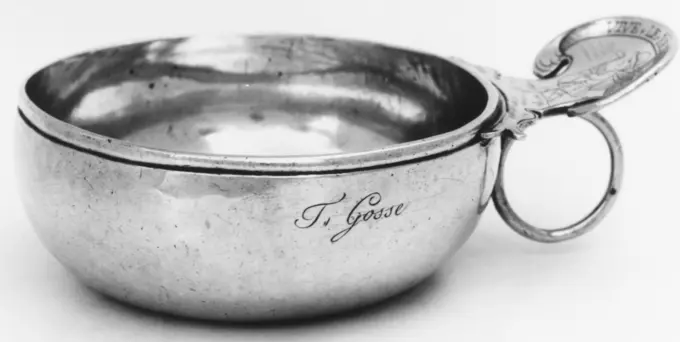
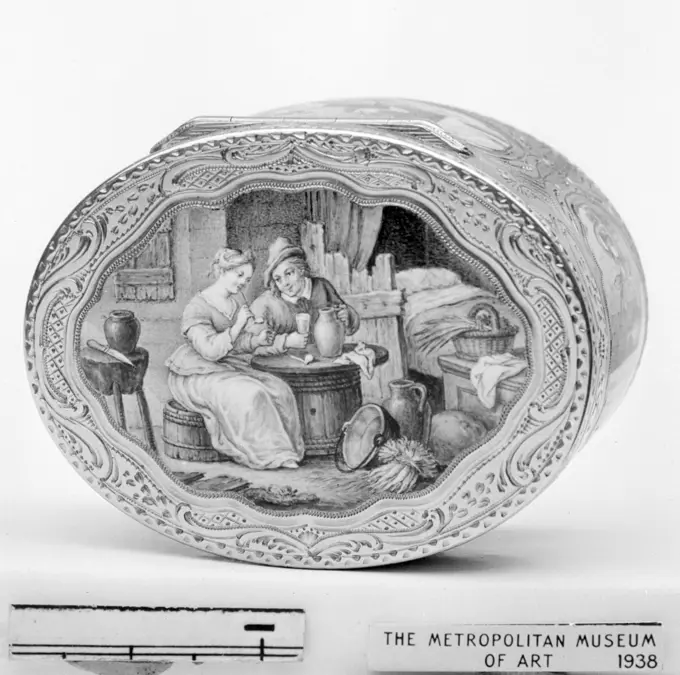
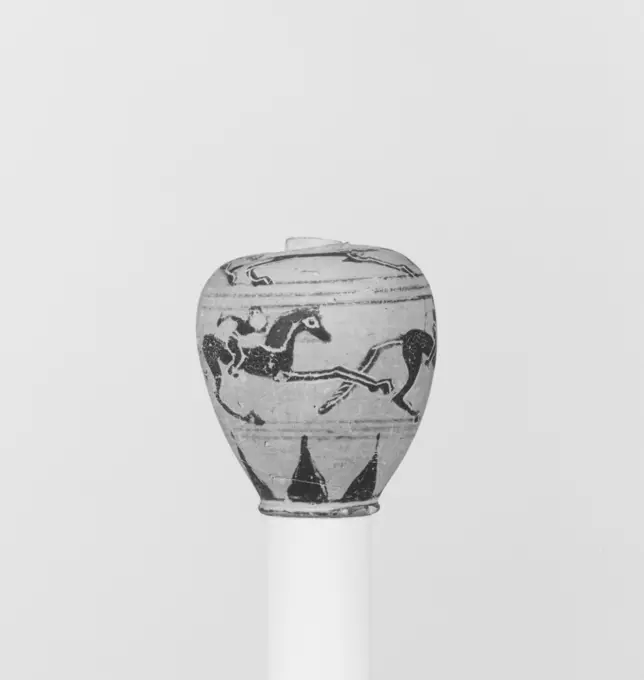
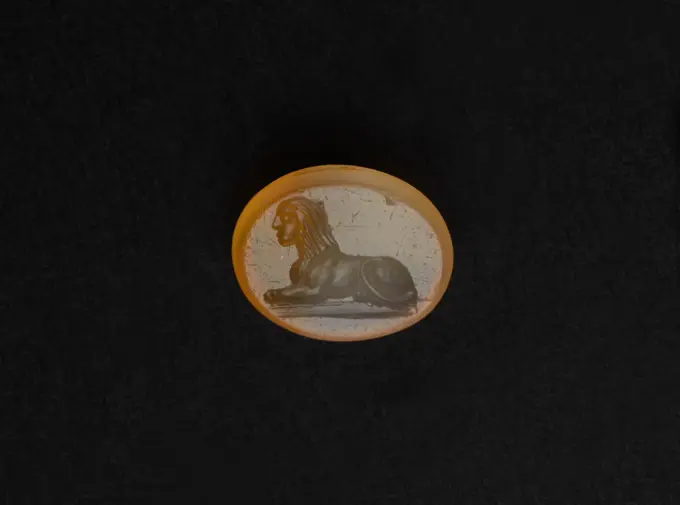
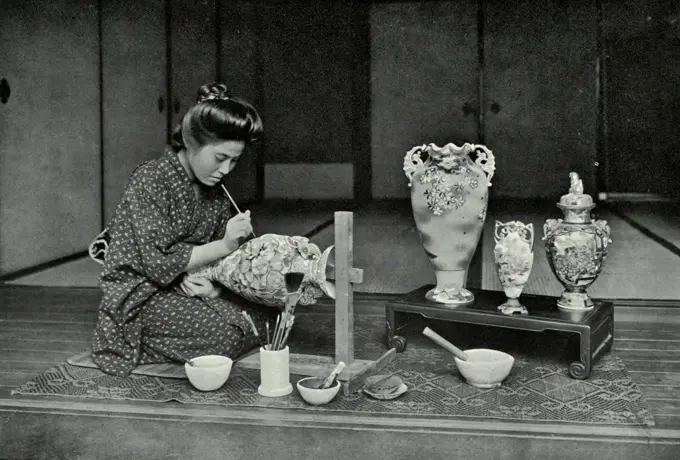
Cup 1800-1830 British. Cup. British. 1800-1830. Earthenware, lusterware. Made in EnglandCream pitcher (part of a service) ca. 1760 Worcester factory. Cream pitcher (part of a service) 204814Kylix, band-cup 3rd quarter of the 6th century B.C. Greek, Attic Meaningless inscriptions between handles; at handles, palmettes.. Kylix, band-cup. Greek, Attic. 3rd quarter of the 6th century B.C.. Terracotta; black-figure. Archaic. VasesBowl 16th century Italian, Venice (Murano). Bowl. Italian, Venice (Murano). 16th century. Glass. GlassCream jug 1754-55 Samuel Meriton British This elegant cream pot has repoussé decoration of flowers and rocaille motifs. It represents the type of high-style silver imported by wealthy Americans and copied by native silversmiths.. Cream jug. British, London. 1754-55. Silver. Metalwork-SilverBeaker 1773 Al'derman Petrov Fiodor. Beaker 187179Sèvres Porcelain Manufactory, Plate, 1823, hard-paste porcelain.Burrage Davenport, Basket, 1780/81, silver.Dish Japan. Dish 52289Saucer. Culture: Chinese. Dimensions: Diam. 5 1/2 in. (14 cm). Date: ca. 1820. Museum: Metropolitan Museum of Art, New York, USA.Tea Bowl with Autumn Grasses first half of the 19th century Nin'ami Dōhachi (Takahashi Dōhachi II) Japanese. Tea Bowl with Autumn Grasses 58850"Trick" Bowl. Culture: China. Dimensions: H. 2 5/8 in. (6.7 cm); Diam. 5 1/2 in. (14 cm). Date: first half of the 19th century. Museum: Metropolitan Museum of Art, New York, USA.Dish ca. 1730-50 China. Dish 42320Soup plate 1770-85 Chinese, for British market. Soup plate 201130Hand Warmer China. Hand Warmer. China. Painted enamel. Qing dynasty (1644-1911), Qianlong period (1736-95). EnamelsBasin ca. 1816-ca. 1830 British (American market). Basin 349Cup. Culture: China. Dimensions: H. 1 5/8 in. (4.1 cm); Diam. of foot: 1 1/2 in. (3.8 cm); Diam. of rim: 2 3/4 in. (7 cm). Date: late 17th-early 18th century. Museum: Metropolitan Museum of Art, New York, USA.Bowl. Culture: Russia. Dimensions: H. 1 5/16 in. (3.4 cm); W. 4 13/16 in. (12.2 cm). Date: 1883. Museum: Metropolitan Museum of Art, New York, USA.Cup 1780 Japan. Cup 62802Pierre-Prix Lessere, Wine Taster, 1766, silver.CompotePlate 1753-95 French, Sceaux Faience, or tin-glazed and enameled earthenware, first emerged in France during the sixteenth century, reaching widespread usage among elite patrons during the seventeenth and early eighteenth centuries, prior to the establishment of soft-paste porcelain factories. Although characterized as more provincial in style than porcelain, French faience was used at the court of Louis XIV as part of elaborate meals and displays, with large-scale vessels incorporated into the Baroque garden designs of Versailles. Earlier examples of French faience attest to the strong influence of maiolica artists from Italy. Later works demonstrate the ways in which cities such as Nevers, Rouen, Lyon, Moustiers, and Marseille developed innovative vessel shapes and decorative motifs prized among collectors throughout Europe. While faience can be created from a wide mixture of clays, it is foremost distinguished by the milky opaque white color achieved by the addition of tin oxide to Dish China. Dish. China. Porcelain with incised and enameled decoration. Ming dynasty (1368-1644), Zhengde mark and period (1506-21). CeramicsPlate. Dated: c. 1936. Dimensions: overall: 20.3 x 25.4 cm (8 x 10 in.) Original IAD Object: 6 1/2" in diameter. Medium: black and white photograph. Museum: National Gallery of Art, Washington DC. Author: Helmut Hiatt.Fun -- For Small Patients : Cut paper or material in strips 1½ in by 24in and fold as shown. May 28, 1951.Bowl 1770-1800 British. Bowl 661Box with cover. Culture: India. Dimensions: H. 2 1/4 in. (5.7 cm); W. 5 3/8 in. (13.7 cm); D. 3 5/8 in. (9.2 cm). Date: 18th-19th century. Museum: Metropolitan Museum of Art, New York, USA.Saucer. Culture: Japan. Dimensions: H. 3/4 in. (1.9 cm); Diam. 5 in. (12.7 cm). Date: 1830. Museum: Metropolitan Museum of Art, New York, USA.Two painted porcelain plates travel representationsBowl. Culture: China. Dimensions: H. 2 1/2 in. (6.4 cm); Diam. 5 3/4 in. (14.6 cm). Museum: Metropolitan Museum of Art, New York, USA.Creamer 1830-40 American. Creamer. American. 1830-40. Lacy pressed opalescent glass. Made in New England, United StatesToilet jar with cover ca. 1750-60 Mennecy. Toilet jar with cover 195217Helmut Hiatt, Platter  Georgia Arms, c 1936 Platter - Georgia ArmsTeabowl and saucer ca. 1715 Chinese, for Dutch market. Teabowl and saucer 206822Plate (part of a set) ca. 1764-88 De Porceleyne Bijl. Plate (part of a set) 195789Crystal bowl with spout, from the Louvre.Saucer ca. 1740 Meissen Manufactory German. Saucer 199137Snuffbox 1782 Jean-Joseph Barrière In eighteenth-century Europe, Paris led the production of high-quality luxury goods. Parisian goldsmiths made a wide range of small, personal articles such as snuffboxes; étuis to hold sealing wax, tweezers, or utensils for sewing; souvenirs, which contained thin ivory tablets for note taking; and shuttles for knotting lace. Gold snuffboxes and boxes decorated with portrait miniatures were prized and frequently given as royal gifts, often to ambassadors or members of the court in lieu of cash payments for their services. Coveted and admired, these boxes were produced from a variety of materials. The best were skillfully made of gold and embellished with diamonds, enameled decoration, lacquer, and other luxurious materials. By the middle of the century, the taking of snuff had become an entrenched social ritual, and the snuffbox, too, had become an important social prop. Snuffboxes were considered highly fashionable accessories, with some merchants advVase. Culture: China. Dimensions: H. 24 1/2 in. (62.2 cm). Date: mid-17th century. Museum: Metropolitan Museum of Art, New York, USA.Cup late 17th-early 18th century China. Cup. China. late 17th-early 18th century. Porcelain with low-relief decoration under a clear glaze, Dehua ware (blanc de chine). Qing dynasty (1644-1911), Kangxi period (1662-1722). CeramicsPitcher China. Pitcher. China. Nephrite. Qing dynasty (1644-1911), Qianlong period (1736-95). JadeDish 1750 Japan. Dish 44446Bowl. Culture: American. Dimensions: 5 x 10 1/2 in. (12.7 x 26.7 cm). Maker: Possibly T. G. Hawkes and Company. Date: 1880-90. Museum: Metropolitan Museum of Art, New York, USA.Plate ca. 1831 Job & John Jackson. Plate. British (American market). ca. 1831. Earthenware, transfer-printed. Made in Staffordshire, EnglandRodman Nichols House, Salem: interior, china , Tableware. Samuel Chamberlain Photograph Negatives CollectionThomas Jenkins and maker's mark AH, star above, crescent below, probably for Abraham Hind, Toilet Service (assembled), 1673-82, silver.Wine taster ca. 1735 Attributed to Pierre Desnos. Wine taster. French, Rouen. ca. 1735. Silver. Metalwork-SilverSargent House, Corner cupboard, Salem MA, interior , Cabinets Case furniture, Porcelain. Samuel Chamberlain Photograph Negatives CollectionTea service consisting of jug, milk jug, sugar can and two shells with saucersSnuffbox with domestic scenes 1757-58 Mathieu Coiny fils In eighteenth-century Europe, Paris led the production of high-quality luxury goods. Parisian goldsmiths made a wide range of small, personal articles such as snuffboxes; étuis to hold sealing wax, tweezers, or utensils for sewing; souvenirs, which contained thin ivory tablets for note taking; and shuttles for knotting lace. Gold snuffboxes and boxes decorated with portrait miniatures were prized and frequently given as royal gifts, often to ambassadors or members of the court in lieu of cash payments for their services. Coveted and admired, these boxes were produced from a variety of materials. The best were skillfully made of gold and embellished with diamonds, enameled decoration, lacquer, and other luxurious materials. By the middle of the century, the taking of snuff had become an entrenched social ritual, and the snuffbox, too, had become an important social prop. Snuffboxes were considered highly fashionable accessories, wPoll photo collection. Reporting of Tetterode Glass Amsterdam. Glass scales. 1948Proto-Corinthian Ovoid Aryballos. UnknownKraków  Sukiennice  Exhibition of Muhammads, Asian and European ceramics; February April 1934 Światowida Photo AgencySphinxBox with Medallion Top 1775-1883 Charles Nicolas Cochin II French. Box with Medallion Top 941Box with portrait of a lady 1817 French. Box with portrait of a lady. French. 1817. Wood, tortoiseshell, gold, ivory, glassPainting pottery for export - Japan, circa 1900