Antique Ceramics And Artifacts

Diverse historical vases and unique artifacts made from jade, wood, and stoneware, reflecting cultural artistry from past centuries.
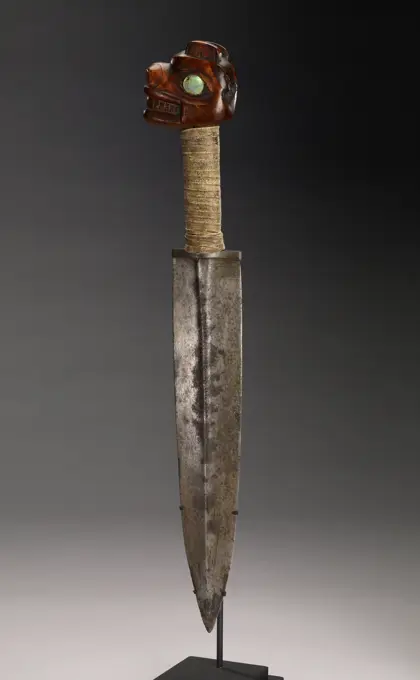
Fighting dagger, c. 1825-1830, 17 3/4 x 2 7/8 x 1 3/8 in. (45.09 x 7.3 x 3.49 cm), Burly hardwood (probably maple), abalone, steel, leather, 19th century, Every Tlingit man owned and carried a fighting dagger, which was always by his side. The Tlingit referred to this type of dagger as quoth-lar, meaning 'to strike with the fist,' and they used weapons like this against Native and non-Native enemies. The steel was probably salvaged from ship parts found on the shores of Alaska. The blade was Native-forged and is slightly concave for strength and ease of sharpening.
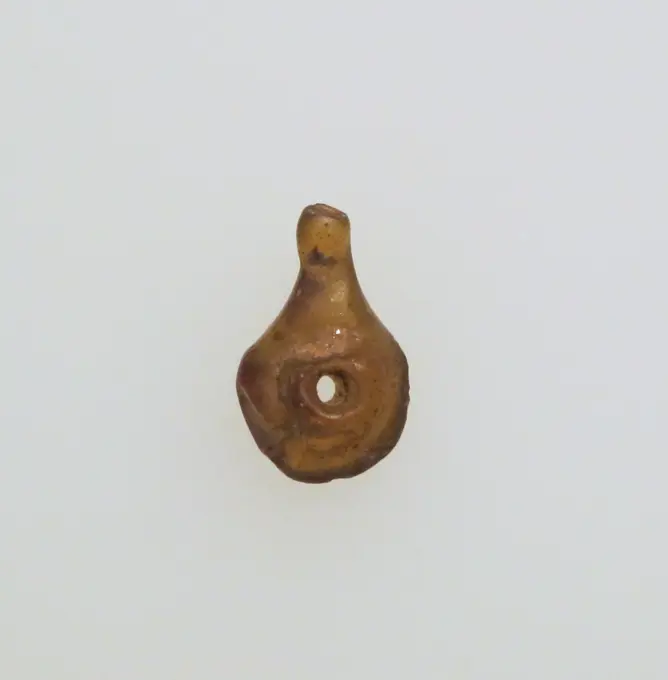
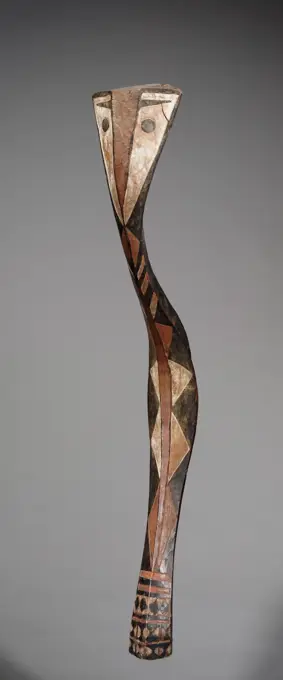
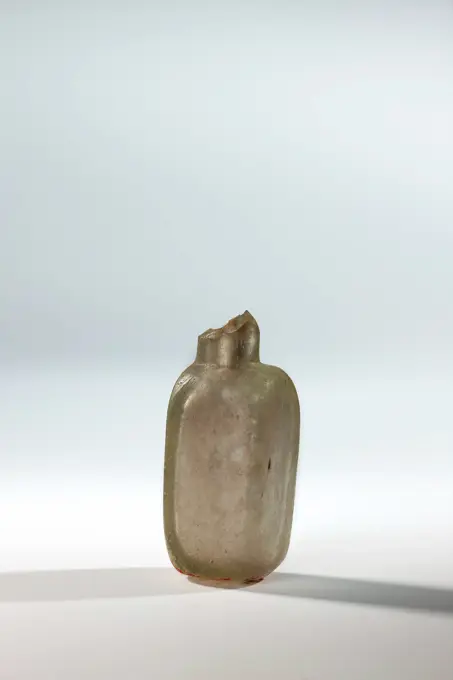
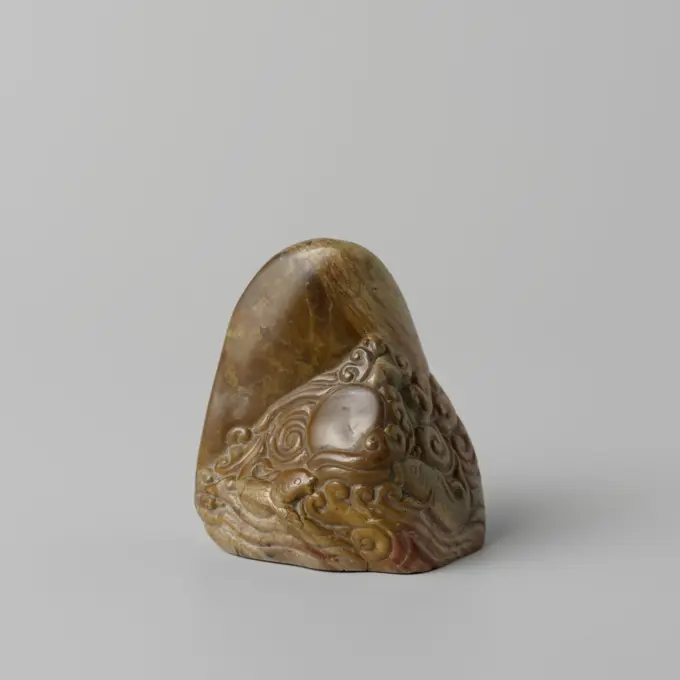
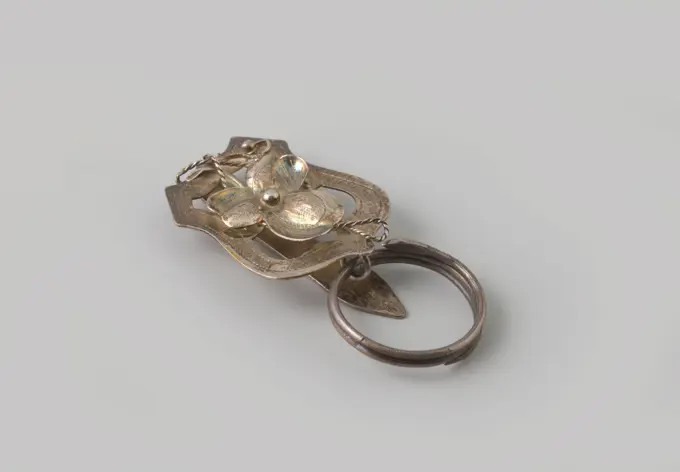
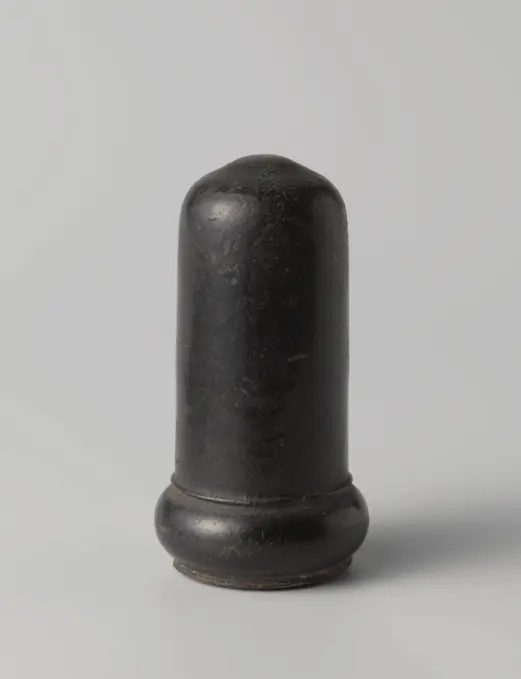
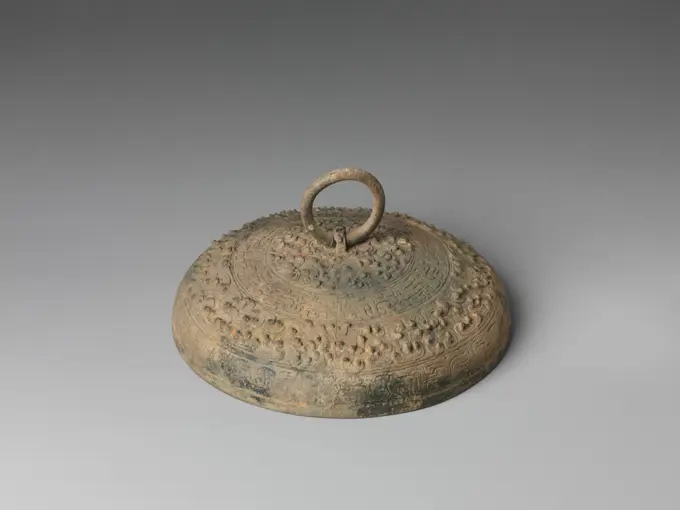
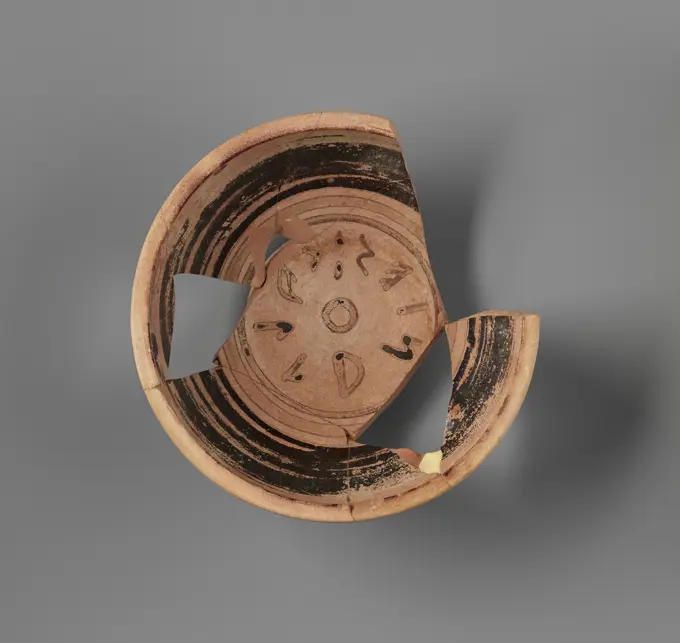
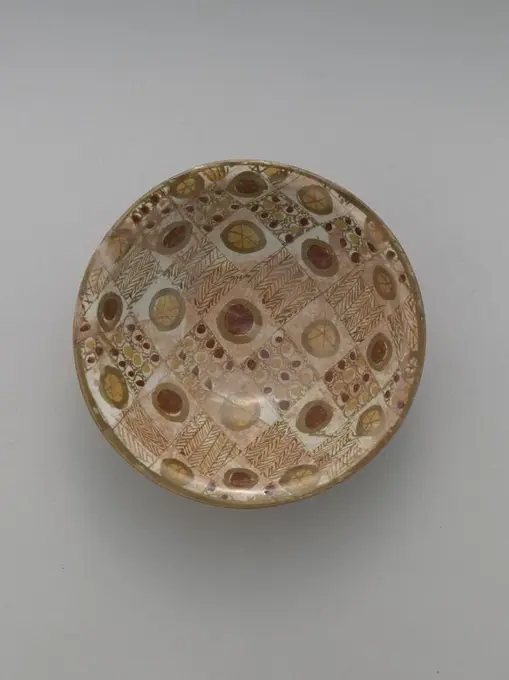
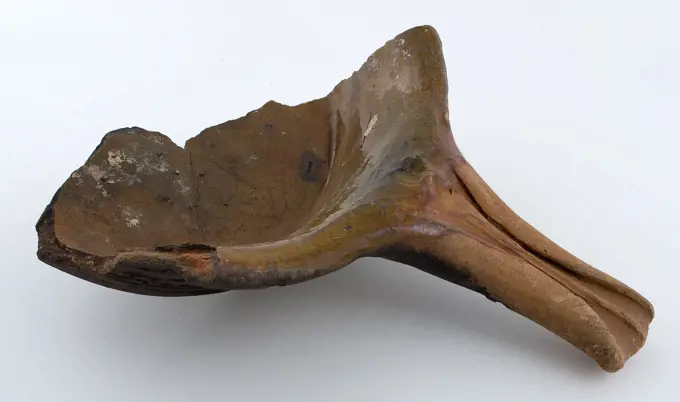
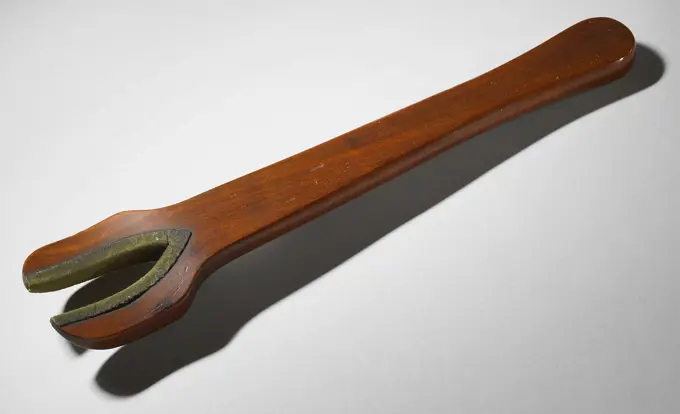
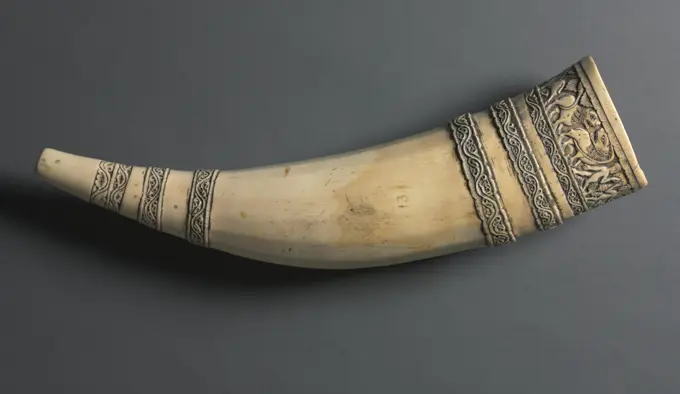
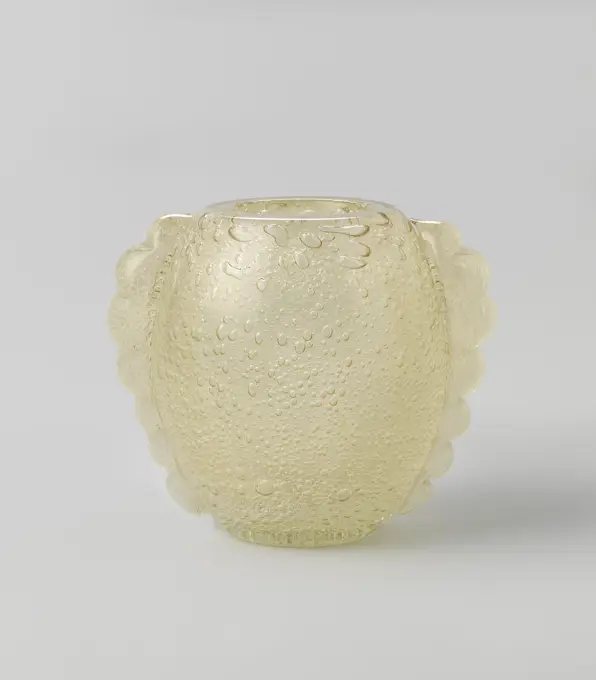
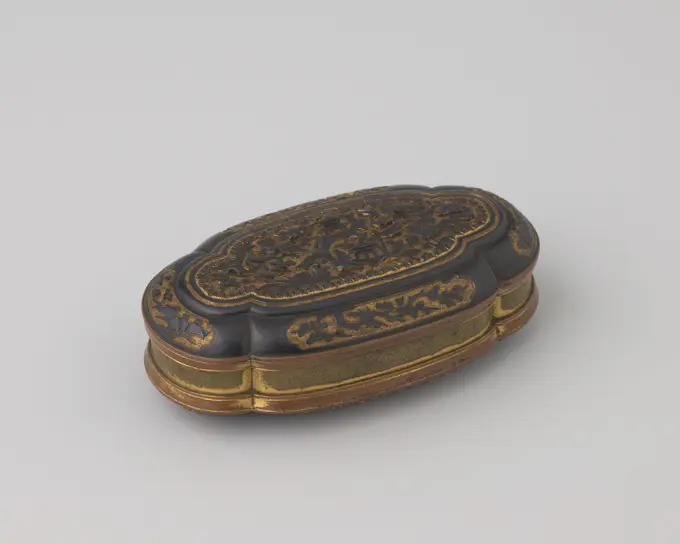
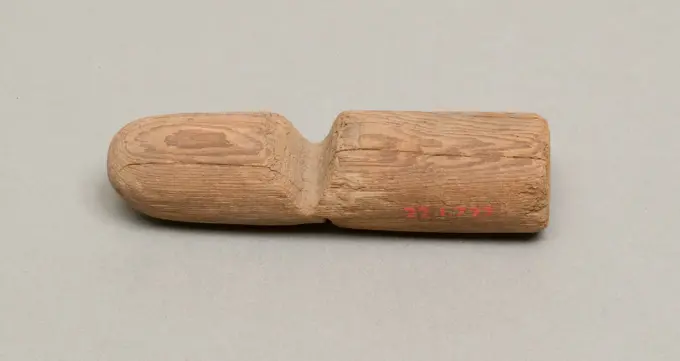
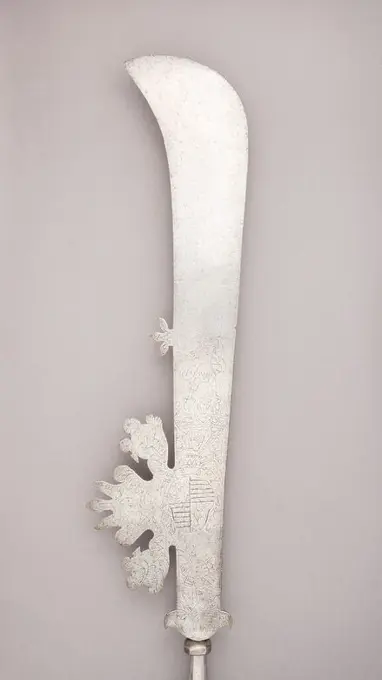
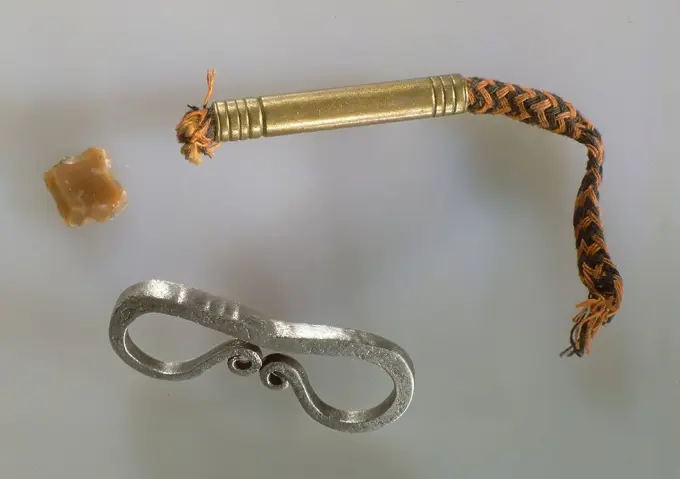
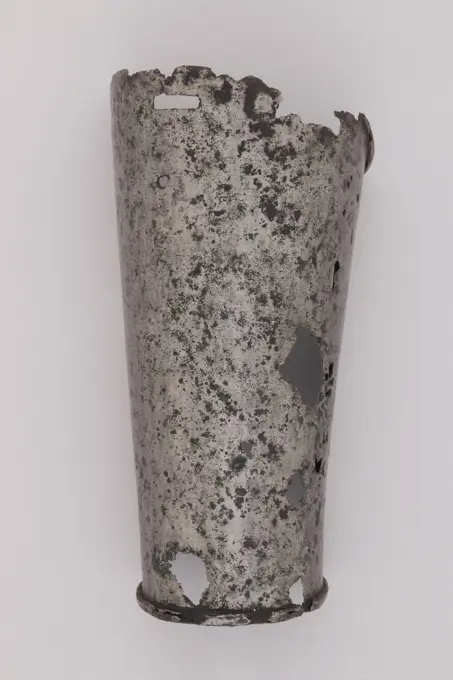
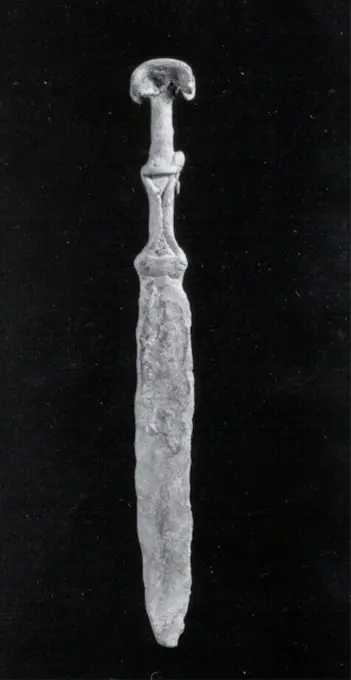
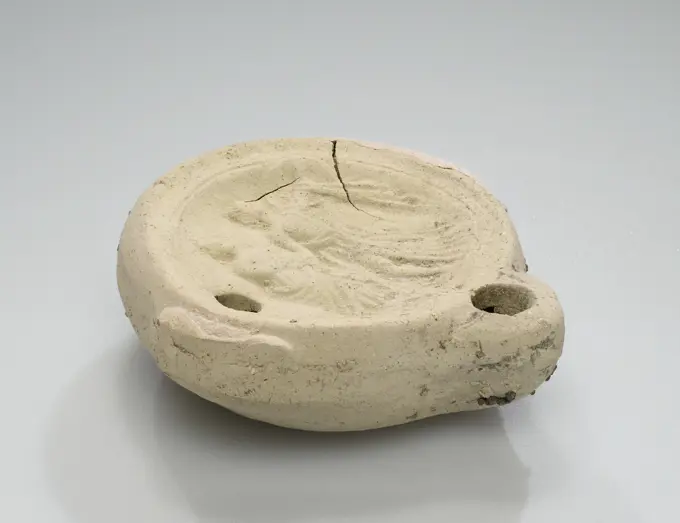
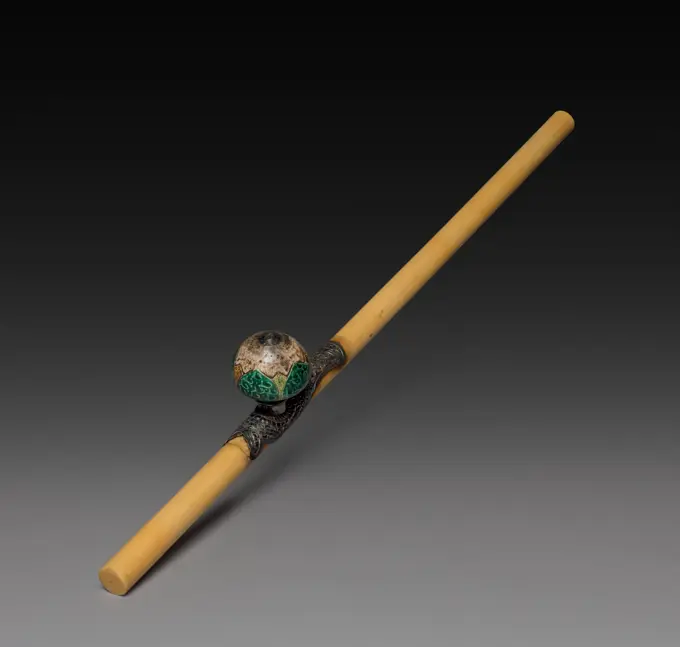
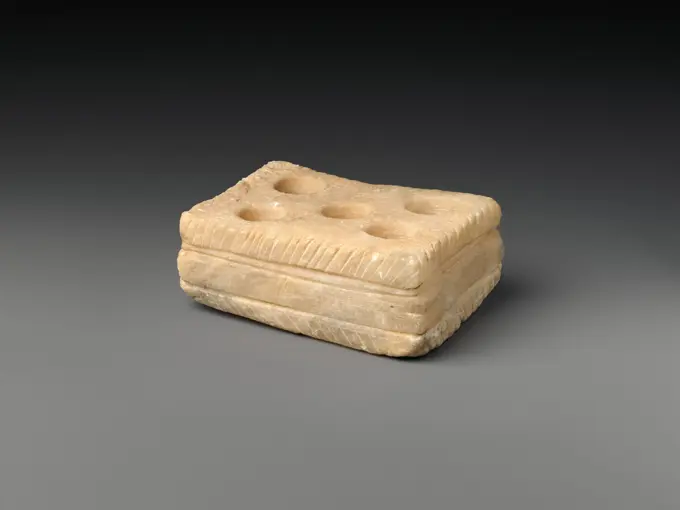
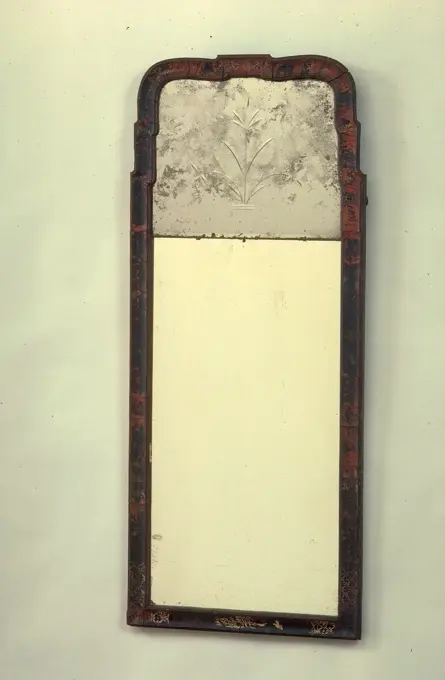
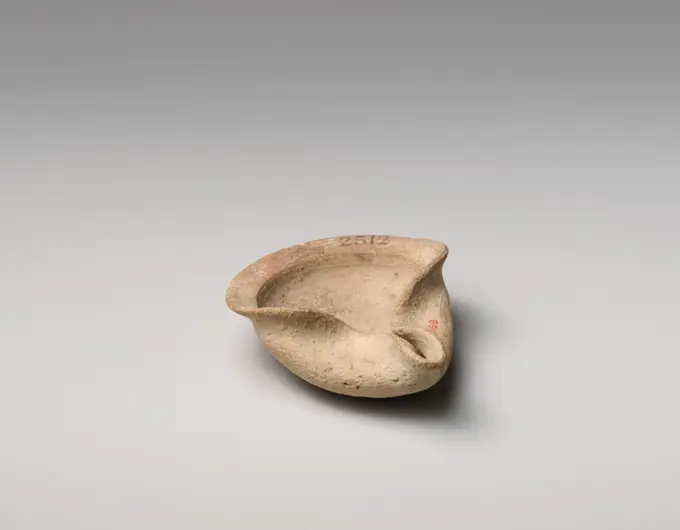
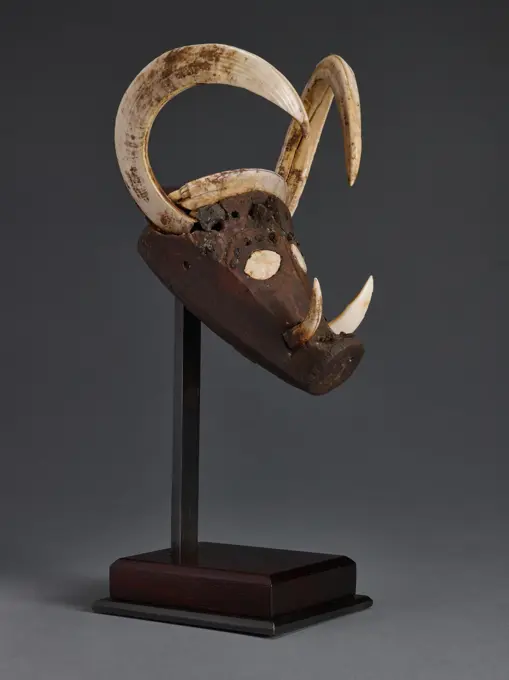
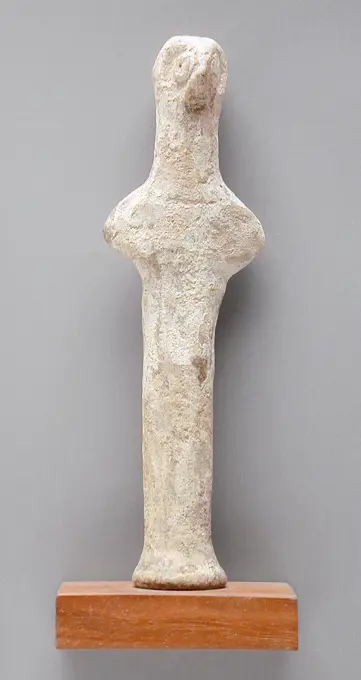
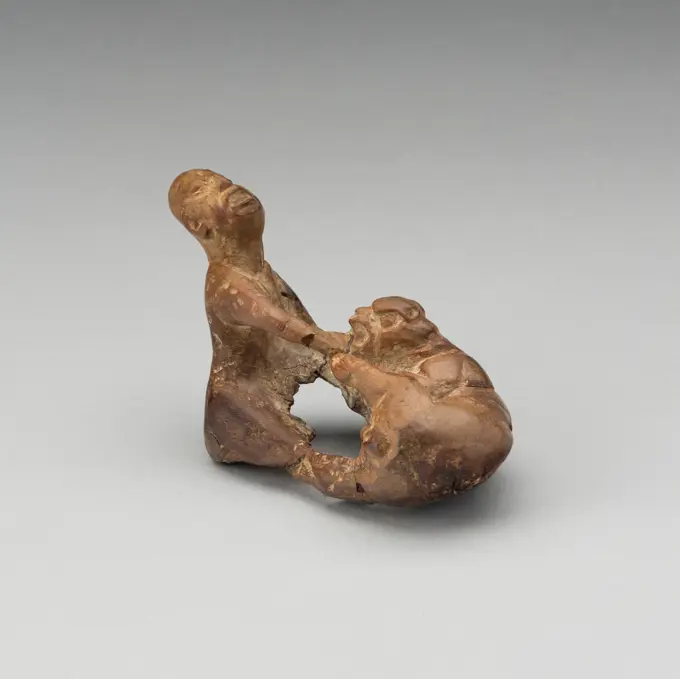
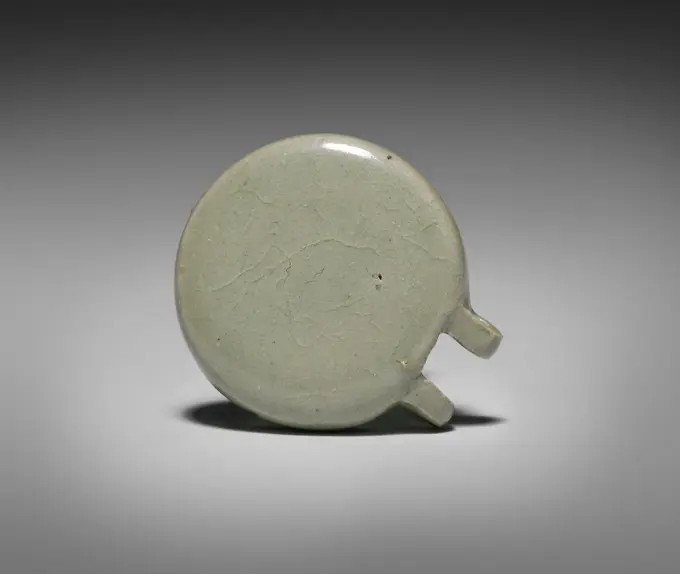
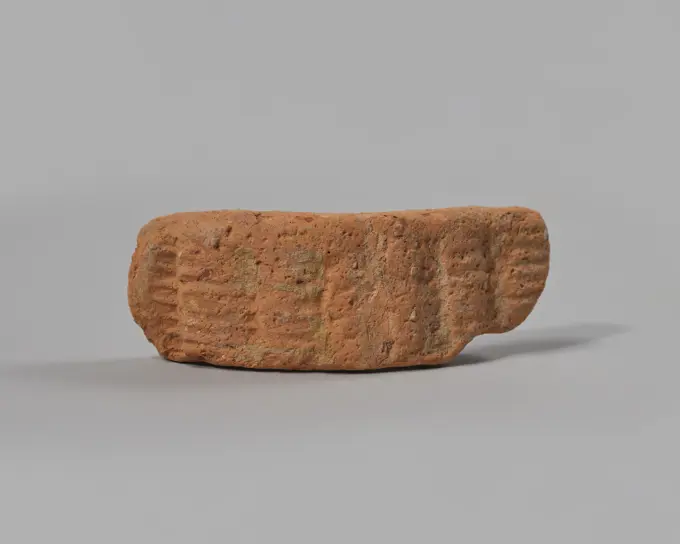
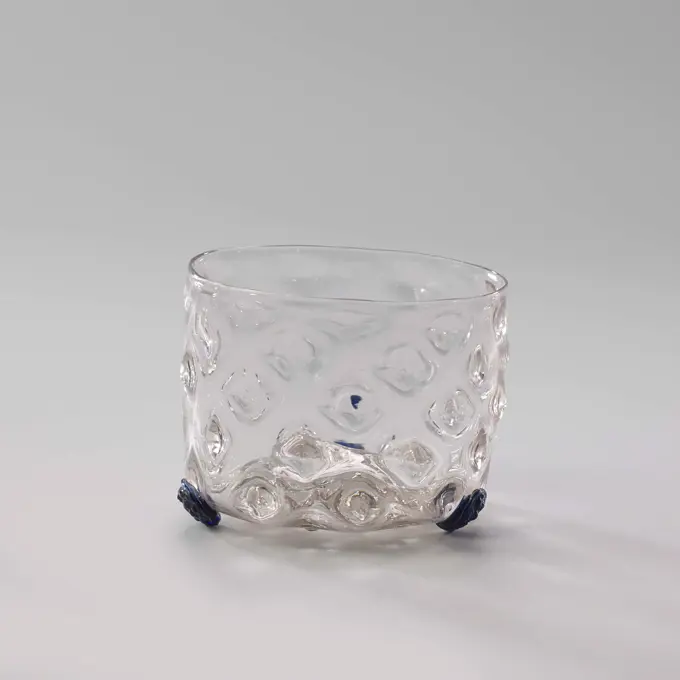
Vase 19th century China. Vase. China. 19th century. Jade. JadeSerpent Headdress, late 1800s-early 1900s. Guinea Coast, Guinea, possibly Baga, late 19th-early 20th century. Wood (Nauclea pobeguinii) and paint; overall: 148 cm (58 1/4 in.).Veldfles, anonymous, c. 1300 - c. 1400 Flat -round field bottle of stoneware. The bottle has a small neck on which two ears run to the top edge of the abdomen. Concentric rings are visible on the abdomen. NetherlandsRijnstreek (possibly)Meuse area (possibly) stoneware Flat -round field bottle of stoneware. The bottle has a small neck on which two ears run to the top edge of the abdomen. Concentric rings are visible on the abdomen. NetherlandsRijnstreek (possibly)Meuse area (possibly) stonewareBottle. unknown, craftsmanPul decorated with a cartouche. PUL made of brown glazed stoneware with in an oval cartouche, decorated with rollerwork and mascarons, a shield in which a herself with a sword piercing naked women's figure. With year 1578. The ear and part of the top is missing.Terracotta saucer-shaped lamp 4th century B.C. Cypriot Wheel-made with edge folded in to form a narrow wick rest; broad, slanting rim, with horizontal lip; broad, open, flat body; undefined, flat base.Intact.. Terracotta saucer-shaped lamp. Cypriot. 4th century B.C.. Terracotta. Late Classical. TerracottasLámpara de aceite. Museu Català de les Arts i Tradicions Populars.Fighting dagger, c. 1825-1830, 17 3/4 x 2 7/8 x 1 3/8 in. (45.09 x 7.3 x 3.49 cm), Burly hardwood (probably maple), abalone, steel, leather, 19th century, Every Tlingit man owned and carried a fighting dagger, which was always by his side. The Tlingit referred to this type of dagger as quoth-lar, meaning 'to strike with the fist,' and they used weapons like this against Native and non-Native enemies. The steel was probably salvaged from ship parts found on the shores of Alaska. The blade was Native-forged and is slightly concave for strength and ease of sharpening.Planets-manager. Cornalet Collection Sites 2013-2016. Numismatic.Cut. Terracotta white paste, beige glaze. Cernuschi Museum, Asia Museum of Asia in the city of Paris.Mirror and handle, anonymous, 1300 - 1400 Mirror and handle, separate from each other, handle is decorated with heavenly nymph sitting on rock. Indonesia bronze (metal) Mirror and handle, separate from each other, handle is decorated with heavenly nymph sitting on rock. Indonesia bronze (metal)Seal, anonymous, 1900 - 1999  China .  China .Glass perfume bottle Roman 2nd-3rd century CE Colorless, streaked with translucent purple.Rim folded out, round, and in; slightly flaring mouth with flattened side; cylindrical neck, with horizontal faint indent around base; tall conical body; thick, pushed-in bottom with pontil scar.Intact; pinprick and larger bubbles in bottom, blowing striations; dulling, creamy weathering, and brilliant iridescence. View more. Glass perfume bottle. Roman. 2nd-3rd century CE. Glass; blown. Mid Imperial. GlassPijpenkop from the wreck of the East Indians Hollandia, Anonymous, 1700 - in Or Before 1743  Pipe, bowl, whole market illegible; fragment. Netherlands pipe clay   SecondMountVamplate, 1500s. Germany, 16th century. Steel with scalloped edge; brass rivets; diameter: 28.6 cm (11 1/4 in.); overall: 7.7 cm (3 1/16 in.).Bronze ligula (ear pick) ca. 3rd-4th century A.D. Roman Spoon, miniature.. Bronze ligula (ear pick). Roman. ca. 3rd-4th century A.D.. Bronze. BronzesMosquito net on Ring, Anonymous, 1900 - 1949 Mosquito net in the shape of a coat of arms on which a flower with three leaves and a button in the middle and a twisted silver thread as a flower stem. The hook is attached to a ring in the shape of a snake. The Dutch East Indies, 20th century.  silver (metal) Mosquito net in the shape of a coat of arms on which a flower with three leaves and a button in the middle and a twisted silver thread as a flower stem. The hook is attached to a ring in the shape of a snake. The Dutch East Indies, 20th century.  silver (metal)Sconce And Socket (USA); tin, glass, pewterClarinet mouthpiece cover, anonymous, c. 1800 - c. 1850 Clarinet mouthpiece cap to protect wicker. Horend with five deck pieces (BK-NM-11430-124-A to BK-NM-11430-124-F).  wood (plant material) Clarinet mouthpiece cap to protect wicker. Horend with five deck pieces (BK-NM-11430-124-A to BK-NM-11430-124-F).  wood (plant material)Soil of lantern with weapons above the windows, 1700 The bottom of the lantern, reversed equal to the roof (see BK-16969-A-1), but without the last section. The lamp is decorated with rosettes. Coming from the collection of Dr. F. Mannheimer. Venice iron (metal) gilding The bottom of the lantern, reversed equal to the roof (see BK-16969-A-1), but without the last section. The lamp is decorated with rosettes. Coming from the collection of Dr. F. Mannheimer. Venice iron (metal) gildingPendant in the Form of a Bird, 475-221 BCE, 3/4 x 1 1/16 x 1/8 in. (1.91 x 2.7 x 0.32 cm), Ivory jade, China, 5th-3rd century BCECover for Ritual Vessel China. Cover for Ritual Vessel 61259Fragmentary Bowl. UnknownBowl. Dimensions: H. 2 3/8 in. (6 cm)Diam. 7 3/4 in. (19.7 cm). Date: first half 9th century. Museum: Metropolitan Museum of Art, New York, USA.Pin with Two Seated Ibex. Northern Afghanistan, 2000-1500 B.C.. Jewelry and Adornments; pins. BronzeFragment earthenware baking pan with scalloped handle, casserole dishes holder kitchen utensils earthenware ceramics earthenware glaze lead glaze, hand turned molded glazed baked Large earthenware baking pan. Red shard internally glazed Wide and scalloped handle Two finger or thumb impressions on the edge of the handle. Straight side wall rotating breeches over the side wall on the outside thick and round top edge. Roetsporen at the bottom archeology underground pit Rotterdam City center Stadsdriehoek Blaak Groenendaal indigenous pottery frying baking food preparation kitchen cooking Soil discovery: underground pit Groenendaal direction Blaakstation 1977.06.15.Bottle belly (doraq). unknown, craftsmanWeights fork. Wooden weights fork, locally lined with sheet.Cylinder still bank, 20th century, 4 7/8 x 1 11/16 x 1 11/16 in. (12.38 x 4.29 x 4.29 cm), Wood, metal, 20th centuryThe So-called Horn of Saint Blaise, 1100-1200. South Italy or Sicily, 12th century. Ivory; overall: 12 cm (4 3/4 in.).Pa. German Soap Dish. Dated: c. 1940. Dimensions: overall: 30.3 x 22.5 cm (11 15/16 x 8 7/8 in.) Original IAD Object: 2 3/4" high; 3 1/2" in diameter. Medium: watercolor and graphite on paperboard. Museum: National Gallery of Art, Washington DC. Author: Anne Mentzoff.Bowl ca. 1050-900 B.C. Cypriot Bowl with two handles, maltese cross and bands on under side.. Bowl. Cypriot. ca. 1050-900 B.C.. Terracotta. Iron Age. VasesTerracotta fragment of a column-krater (bowl for mixing wine and water) second quarter of the 5th century B.C. Greek, Attic Part of a profiled foot from a column-krater. Terracotta fragment of a column-krater (bowl for mixing wine and water). Greek, Attic. second quarter of the 5th century B.C.. Terracotta; red-figure. Classical. VasesDouble flute (Flute of agreement), Michiel Parent, c. 1700 Palmhout chord flute also known as double flute or harmonic flute. Marked (lily) / parent (on a banderol) / (lily) Amsterdam boxwood Palmhout chord flute also known as double flute or harmonic flute. Marked (lily) / parent (on a banderol) / (lily) Amsterdam boxwoodLoom equipment ca. 1850-1070 B.C. Late Middle Kingdom or New Kingdom, Ramesside. Loom equipment. ca. 1850-1070 B.C.. Wood. Late Middle Kingdom or New Kingdom, Ramesside. From Egypt, Memphite Region, Lisht North, Late New Kingdom Settlement, MMA excavations, 1920-22. Dynasty 19-20Glass pendant in the form of a lamp Hellenistic, Roman, or Islamic Translucent honey brown.Pendant shaped like an oil lamp with hole pierced vertically through body; oval body with projecting, upturned nozzle, with raised lip to center of discus (around hole) and convex bottom.Chipped around body, possibly missing a handle; slight dulling and encrustation.. Glass pendant in the form of a lamp. Hellenistic, Roman, or Islamic. Glass. GlassVase of yellow glass with a decoration of air bubbles, Daum Frères, c. 1937 Flat ground. Laterly flattened spherical body with two heavy, lobed ears. Decoration of air bubbles in the body and ears. On the bottom with the needle etched the signature Daum Nancy France and the Lothingse Cross. Nancy glass glassblowing Flat ground. Laterly flattened spherical body with two heavy, lobed ears. Decoration of air bubbles in the body and ears. On the bottom with the needle etched the signature Daum Nancy France and the Lothingse Cross. Nancy glass glassblowingStandard support ca. 8th-7th century B.C. Iran. Standard support 324077Porridge bowl, Anonymous, c. 1600 - c. 1700Stirrup. Culture: West Slavic. Dimensions: H. 5 1/8 in. (13 cm); W. 4 7/8 in. (12.4 cm); D. 3/4 in. (1.9 cm); Wt. 3 oz. (85 g). Date: 10th-11th century.This simple stirrup of Slavic type is said to have been found on the site of Dolkheim, today in Northern Poland.Horses had great importance in Slavic society, in both its social and religious aspects. Equestrian equipment, like stirrups, spurs and bits, are regularly found in their burials, even after their Christianization, among the goods warriors wanted to bring with them to the afterlife. The elite would sometimes even be accompanied by sacrificed horses, a meaningful practice at that time, considering the high economic value of horses. Museum: Metropolitan Museum of Art, New York, USA.Vase with the "weed" (weed) pattern, n.v. Plateelbakkerij Ram, c. 1923 - c. 1927 Vase of earthenware, with wide -ranging foot and just squeezed neck, cylindrical. Painted in blue, red, yellow, green, purple and black with the "weed" pattern. Mouth edge and divide inside Purple painted, trimmed on the inside with a yellow piping. Marked: Colenbrander/Ram; Ramskop with Arnhem Holland/earthenware left and right, all under each other without a circle; Pattern weeds; B; 29.f.v.b. and scratches the form number 29. Arnhem earthenware Vase of earthenware, with wide -ranging foot and just squeezed neck, cylindrical. Painted in blue, red, yellow, green, purple and black with the "weed" pattern. Mouth edge and divide inside Purple painted, trimmed on the inside with a yellow piping. Marked: Colenbrander/Ram; Ramskop with Arnhem Holland/earthenware left and right, all under each other without a circle; Pattern weeds; B; 29.f.v.b. and scratches the form number 29. Arnhem earthenwareArm ca. 1353-1336 B.C. New Kingdom, Amarna Period. Arm 549847Planets-manager. Cornalet Collection Sites 2013-2016. Numismatic.Suassa Tobacco box ,, 1700 - 1800  Oval, double -wave tobacco box with hinged lid; Black and copper -colored. On the edge of the lid and the bottom cartouches with plant and floral motifs, black on copper color. On the lid and on the bottom: large cartouche with Asian landscape: flowering trees with birds, houses and a figure in a boat with waving vanes. Tonkin metal. gilding (material). casting / gilding  TonkinCylinder seal of Senwosret III. Dimensions: L. 2 × W. 0.6 × H. 0.6 cm (13/16 × 1/4 × 1/4 in.). Dynasty: Dynasty 12. Reign: reign of Senwosret III. Date: ca. 1878-1840 B.C.. Museum: Metropolitan Museum of Art, New York, USA.. The plain jug and cups on view here were used in the Westerkerk in Amsterdam, one of four churches built in the city for Protestant worship during the first half of the 17th century. Protestants repudiated what they feltwas the sinful, ostentatious display of wealth in the Catholic Church. They favoured highly austere objectseven for the solemn celebration of communion.Lintel(Parhongkom)Chafing Dish; repousséd cooper, turned woodLoom Heddle Jack ca. 1850-1070 B.C. Late Middle Kingdom or New Kingdom, Ramesside. Loom Heddle Jack. ca. 1850-1070 B.C.. Wood. Late Middle Kingdom or New Kingdom, Ramesside. From Egypt, Memphite Region, Lisht North, Late New Kingdom Settlement, MMA excavations, 1920-22. Dynasty 19-20Handle with hinge ..Fauchard. Culture: Italian. Dimensions: L. 8 ft. 10 1/2 in. (270.5 cm); L. of head 37 in. (94 cm); W. 9 13/16 in. (24.9 cm); Wt. 7 lbs. 9 oz. (3430.3 g). Date: ca. 1625. Museum: Metropolitan Museum of Art, New York, USA.FaaMence lid jar with blue -green stock, anonymous, c. 1700 - c. 1750  Pot of multicolored painted faience on a blue -green stock, the lid is missing. The pot is part of a couple. The pot includes two identical pots and two cups. Delft earthenware. tin glaze.Key Roman. Key 244237Flower vase with dragon, 19th century, Unknown Japanese, 9 1/2 × 9 1/4 × 9 1/4 in. (24.13 × 23.5 × 23.5 cm), Bronze, Japan, 19th centurySugarBowl.   Maker: Adrian Bancker, American, 1703-1772Engraved Scaraboid with a Grasshopper. UnknownVase fragment 1st century B.C.-1st century A.D. Roman Fleur-de-lis.. Vase fragment 250386Miniature tea caddy. Artist: David Clayton (British, active 1689). Culture: British, London. Dimensions: Height: 1 5/16 in. (3.3 cm). Date: ca. 1720-30. Museum: Metropolitan Museum of Art, New York, USA.PEDERNAL O SILEX CON ESLABON Y MECHA. Location: FOSFORERA ESPAÑOLA. MADRID. SPAIN.Part of a Forearm Defense (Vambrace) ca. 1450-70 Italian This is part of a large find of medieval armor discovered in 1840 in the ruins of the fortress of Chalcis, on the Greek island of Euboea (then a Venetian colony called Negroponte). The fortress had been captured and destroyed by the Turks in 1470. Now divided largely between the Ethnological Museum, Athens, and The Metropolitan Museum of Art, the Chalcis hoard contains many rare and unusual elements of fourteenth- and fifteenth-century armor. Of particular importance are the variety of headpieces and the many fragments of brigandines (armor for the torso constructed of small plates riveted to layers of fabric), some of which retain portions of their original velvet covering. The Chalcis armor provides a unique picture of the armament used in the Aegean, one of the easternmost military outposts of the Venetian empire.. Part of a Forearm Defense (Vambrace). Italian. ca. 1450-70. Steel. Armor PartsDagger ca. 10th-9th century B.C. Iran. Dagger 325829Fork, Wood, steel, Fork has four, slightly curved tines, rounded shoulders. Flat flaring neck, octagonal metal socket with twisted wire at edges. Carved wooden handle with four figures; Faith, Hope, Charity and Justice with their attributes, surmounted by scrolls, shell with bird and figure of cherub riding a lion. Around bottom of handle: 'IK.LEEF.OP.HOOP' (I am living on hope.) Engraved on socket: KID, Netherlands, early 17th century, cutlery, Decorative Arts, ForkLamp. UnknownView 3 of 3. Martinware Jug, 1900-1905. Manufacturer: Martin Brothers. Modelled by: Robert Wallace MartinWater Pipe Base probably 18th-19th century. Water Pipe Base. probably 18th-19th century. Glass; free blown with applied decoration; tooled on the pontil. Attributed to Iran. GlassPrzeszo Przyszoci unknownOpium Pipe, 1800s. China, Qing dynasty (1644-1911). Ivory stem decorated with raised design, metal repoussé work; overall: 52.4 cm (20 5/8 in.).Vessel or ritual stand ca. 2600-2500 B.C. Sumerian. Vessel or ritual stand. Sumerian. ca. 2600-2500 B.C.. Alabaster (). Early Dynastic IIIa. Mesopotamia, NippurPriem with row and two stripes. Rebel of which has a curve and at thickest points a decoration of two stripes.Grahal-Manzara. Carnavalet 2013-2016 collection sites. Numismatics.Glass perfume bottle. Culture: Roman. Dimensions: 4 7/8in. (12.5cm)Other: 2 7/16in. (6.1cm)Diam. of rim: 1 in. (2.5 cm). Date: 2nd-3rd century A.D..Candlestick unguentarium.Colorless with greenish tinge.Rim folded out, over, and in; short, flaring mouth; slender, tall, slightly concave neck; horizontal shoulder; sides of body expanding downwards; pushed-in bottom; circular pontil scar at center of bottom.Intact; some bubbles; deep pitting and iridescent weathering. Museum: Metropolitan Museum of Art, New York, USA.MountLookingglassTulband van Crêpe Georgette puts Aigrette, Aine-Montaillé, c. 1910 - C. 1915 Turban from Crêpe Georgette with Aigrette, which was probably added later. Address: Aine-Montaillé/Paris/i. Place Vendôme. Paris whole:. Turban from Crêpe Georgette with Aigrette, which was probably added later. Address: Aine-Montaillé/Paris/i. Place Vendôme. Paris whole:.Terracotta saucer-shaped lamp 4th century B.C. Cypriot Wheel-made with edge folded in to form a narrow wick rest; broad, horizontal rim, with rounded lip; deep, concave, open body; undefined, convex base.Intact.. Terracotta saucer-shaped lamp. Cypriot. 4th century B.C.. Terracotta. TerracottasHanden van Vertind iron with leaf motifs, anonymous, 1600 - 1800 Handen of Vertind iron. At the bottom a large round opening of a hinge with a round start. From there, two symmetrical leaf motifs spring, which split towards the end.  iron (metal). tin (metal) Handen of Vertind iron. At the bottom a large round opening of a hinge with a round start. From there, two symmetrical leaf motifs spring, which split towards the end.  iron (metal). tin (metal)Blade with iron blade, at the end half cylindrically bent, tapered wooden handle, knife cutlery cutting tool soil find wood iron metal, current bent condition) archeologyGlass mosaic ornament in the form of a shell ca. 1st century A.D. Roman Translucent cobalt blue, appearing black, with overlays in opaque white and yellow.Solid block with flat underside in the shape of a bivalve mollusc with radiating ribs.Decoration of nine marvered trails applied across shell in alternating yellow and white.Intact, but chipped around edges; dulling, pitting of surface bubbles, and faint iridescence.This unusual object may have served as part of a wall inlay.. Glass mosaic ornament in the form of a shell 245810Excerpt of copper from the wreck of the East Indians Hollandia, 1700 - in or before 1743  Parts of artefacts; eroded fragments: materials; copper. Netherlands copper (metal)   SecondGoldweight Bird, 19th-20th century, 9/16 x 1 1/16 x 1 in. (1.43 x 2.7 x 2.54 cm), Brass, Ghana, 19th-20th centuryBoars Head SculptureChieftains DoorFigurine. Anatolia, Syro-Hittite, 2500-800 B.C.. Sculpture. CeramicMirror. Culture: Japan. Dimensions: Diam. 4 3/16 in. (10.6 cm). Museum: Metropolitan Museum of Art, New York, USA.Sculpted style of oak, from the so -called house of Alva, Warmoestraat in Amsterdam, Anonymous, c. 1500 - c. 1699 Carryed oak style without finish from the so -called Huis van Alva, Warmoestraat in Amsterdam. In total it concerns two consoles, three wide and three narrow styles (BK-KOG-755-A to C, E to H). See also BK-KOG-754-1 to 7, these are 6 painted styles that come from the same house. Northern Netherlands (possibly) wood (plant material). oak (wood) Carryed oak style without finish from the so -called Huis van Alva, Warmoestraat in Amsterdam. In total it concerns two consoles, three wide and three narrow styles (BK-KOG-755-A to C, E to H). See also BK-KOG-754-1 to 7, these are 6 painted styles that come from the same house. Northern Netherlands (possibly) wood (plant material). oak (wood)Goldweight Antelope, 19th-20th century, 1 13/16 x 3/4 x 1 5/8 in. (4.6 x 1.91 x 4.13 cm) (with wood base), Brass, Ghana, 19th-20th centuryStrigil Cypriot Long, curved blade.. Strigil 244346Figure of a Jaguar Attacking a Man 250 CE-900 CE México. Wood . MayaTorsoGlass mosaic ribbed bowl fragment Roman late 1st century BCE-early 1st century CE Body fragment.Translucent deep purple and opaque yellow.Convex curving side.Mosaic pattern formed from sections of a single cane in purple ground with large irregular yellow streaks and swirls; on exterior, part of a prominent vertical rib with rounded profile, tapering downward.Polished interior; pitting of surface bubbles on interior; dulling and iridescent weathering on exterior and edges. Cut down into an oval shape, perhaps in antiquity. View more. Glass mosaic ribbed bowl fragment. Roman. late 1st century BCE-early 1st century CE. Glass; cast and tooled. Early Imperial. GlassCome with a show of a rooster, c. 1600 - c. 1650 Come with two ears, made of earthenware, decorated with a sludge decoration and covered with lead glaze. On the inside of the bowl a representation of a rooster. Part of the wall is missing. North Holland earthenware. lead glaze Come with two ears, made of earthenware, decorated with a sludge decoration and covered with lead glaze. On the inside of the bowl a representation of a rooster. Part of the wall is missing. North Holland earthenware. lead glazeFlakonik - tabakierka. unknown, craftsmanVase 1880-90. Vase. 1880-90. Pressed purple marble glass. Made in EnglandWater Ewer for Rituals with Incised Parrot Design (lid), 1100s. Korea, Goryeo period (918-1392). Stoneware with celadon glaze, incised and carved decoration; overall: 36.2 x 14 cm (14 1/4 x 5 1/2 in.). This distinctively shaped celadon vessel is a kundika. With a spout on one side, this type of vessel is often used in Buddhist purification rituals. Unlike most existing examples that have an image of a willow tree, this work has a rare flying phoenix design incised on its surface.Black square jewelry box, c. 1824 - c. 1838 Zwarte square jewelry box in front of two overhangers.  gold (metal) filigree Zwarte square jewelry box in front of two overhangers.  gold (metal) filigreeReduced housing model: left scale. Terracotta. Cernuschi Museum, Asia Museum of Asia in the city of Paris.Pendant (possibly Italy); wood, painted and gildedKnob cup on paws. Small knob cup with inserted bottom. Cylindrical body blown into mold with diamond-shaped lumps, stands on three blue legs in shape of braam buds.Mexico.Mexico city.National Museum of Anthropology.Nahuatl people culture. Musical instruments.