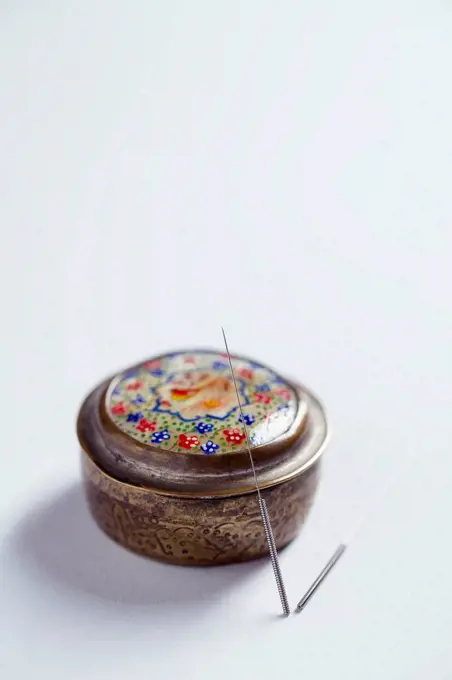
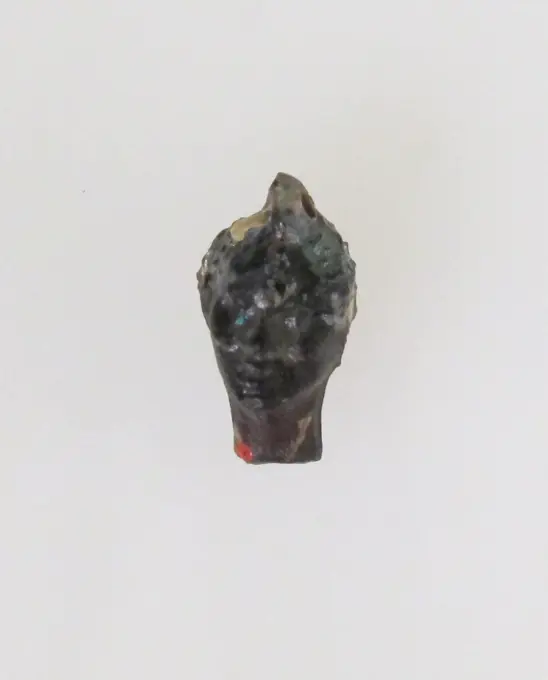
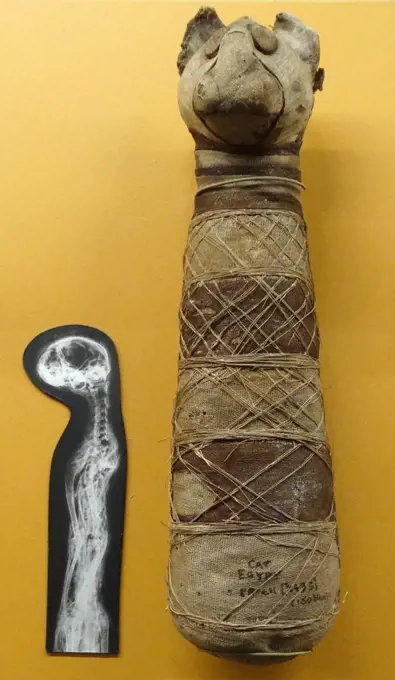
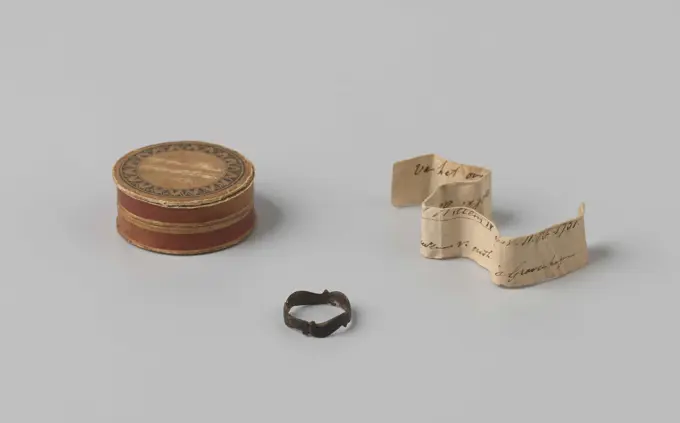
Antique Ceramics And Artifacts

Diverse historical vases and unique artifacts made from jade, wood, and stoneware, reflecting cultural artistry from past centuries.
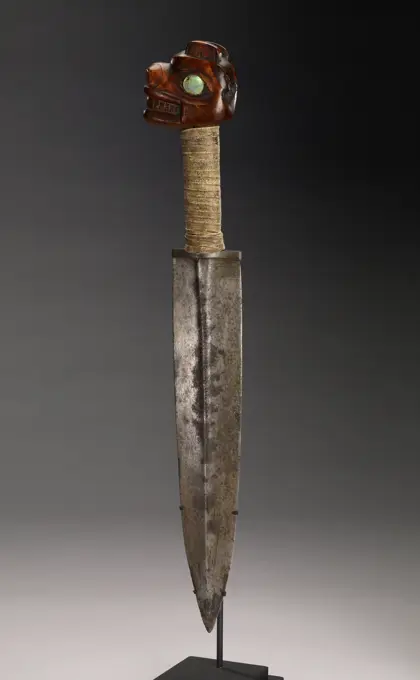
Fighting dagger, c. 1825-1830, 17 3/4 x 2 7/8 x 1 3/8 in. (45.09 x 7.3 x 3.49 cm), Burly hardwood (probably maple), abalone, steel, leather, 19th century, Every Tlingit man owned and carried a fighting dagger, which was always by his side. The Tlingit referred to this type of dagger as quoth-lar, meaning 'to strike with the fist,' and they used weapons like this against Native and non-Native enemies. The steel was probably salvaged from ship parts found on the shores of Alaska. The blade was Native-forged and is slightly concave for strength and ease of sharpening.
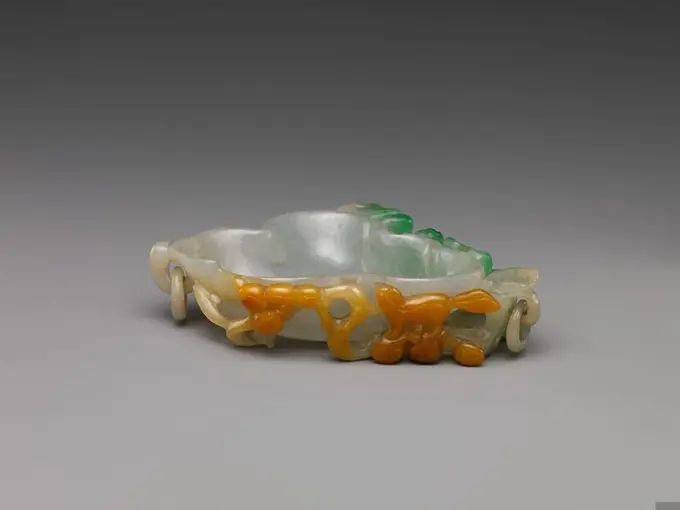
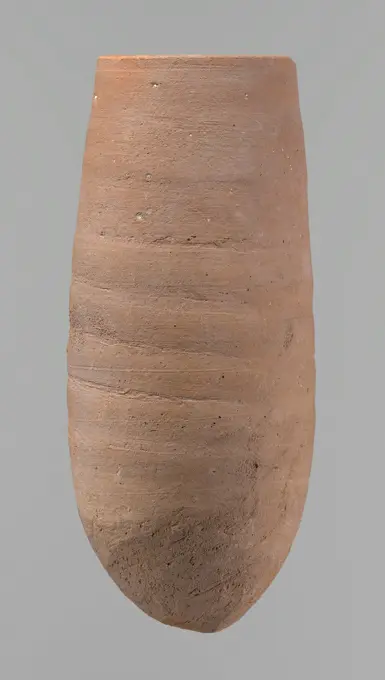
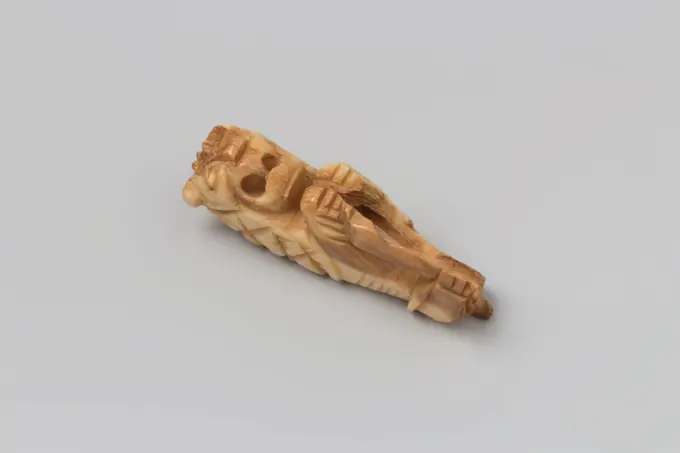
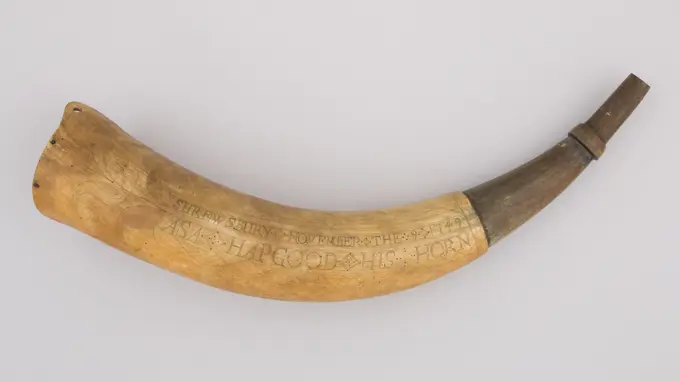
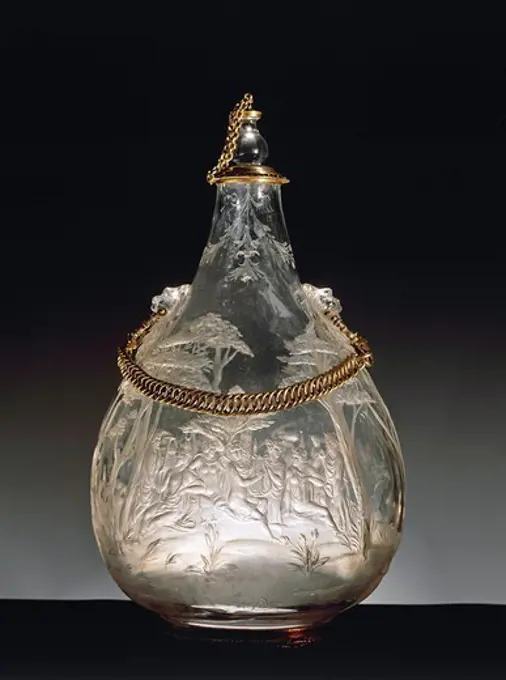
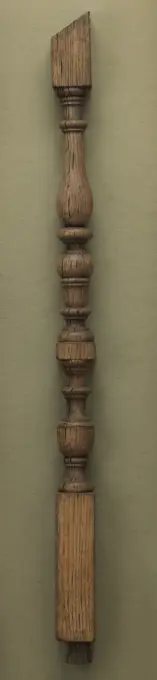
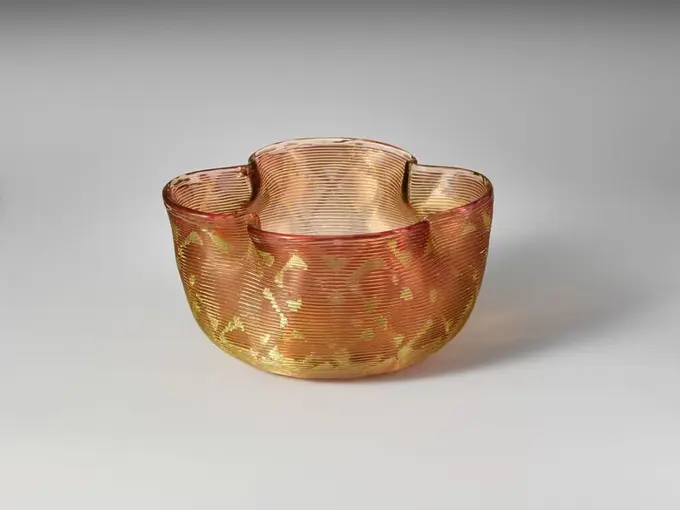
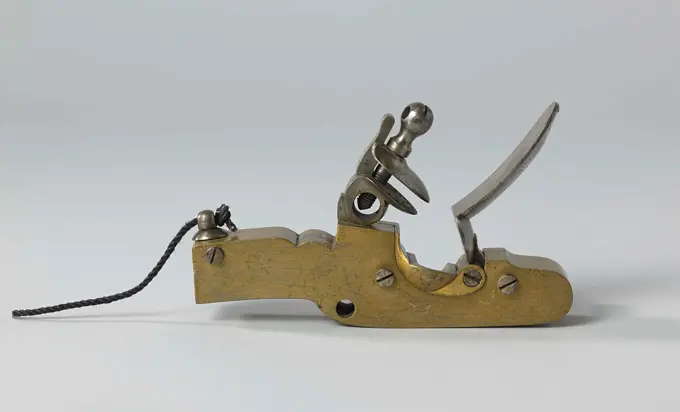
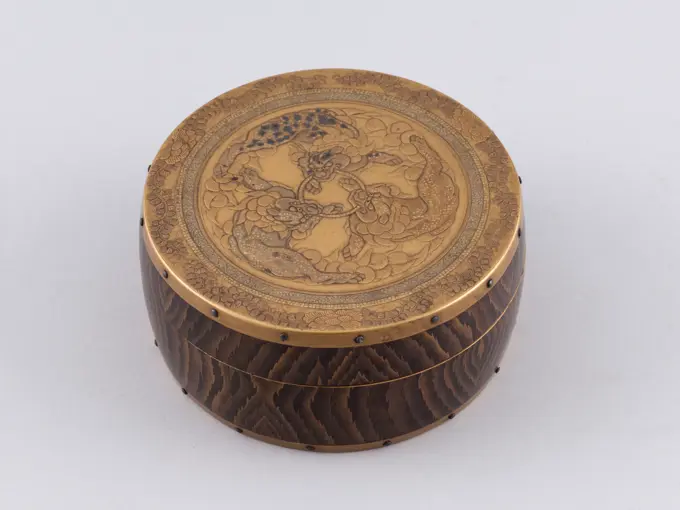
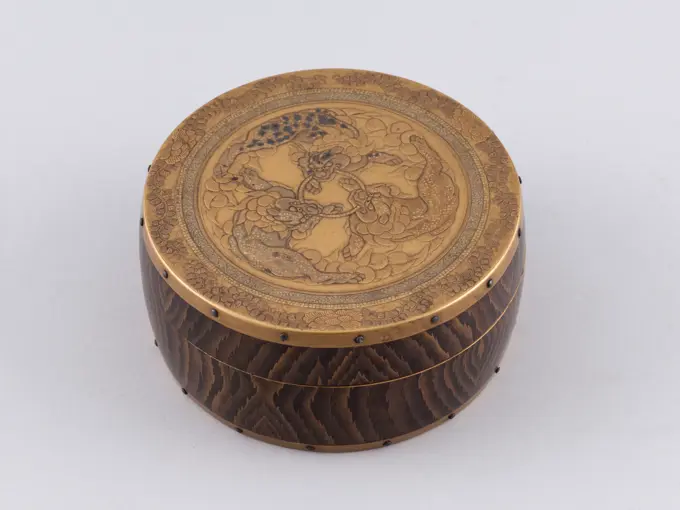
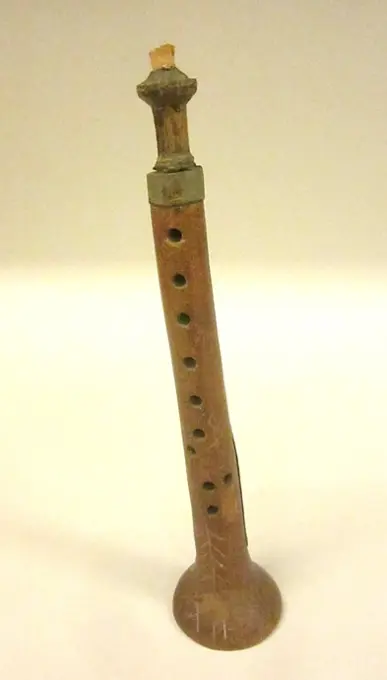
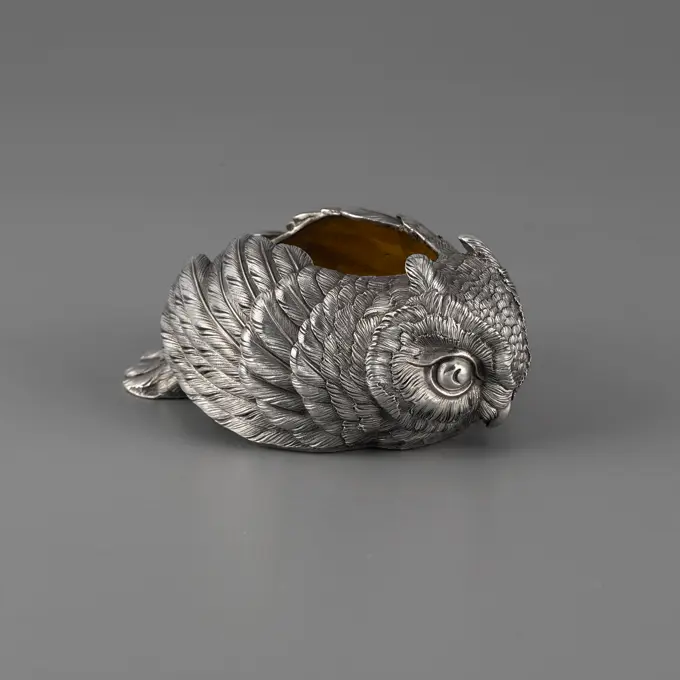
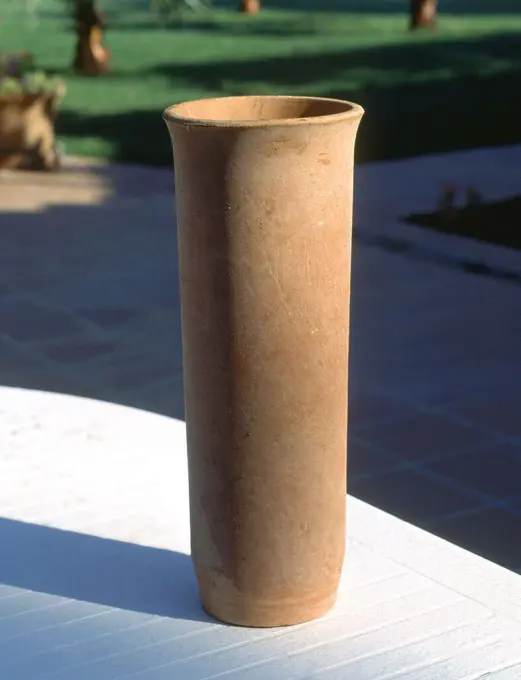
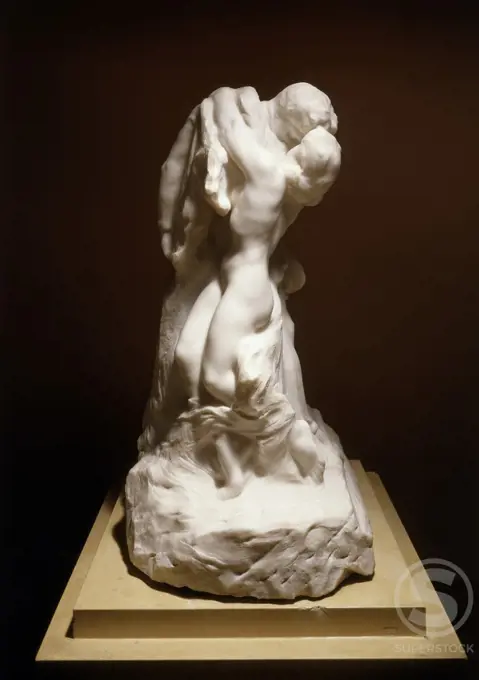
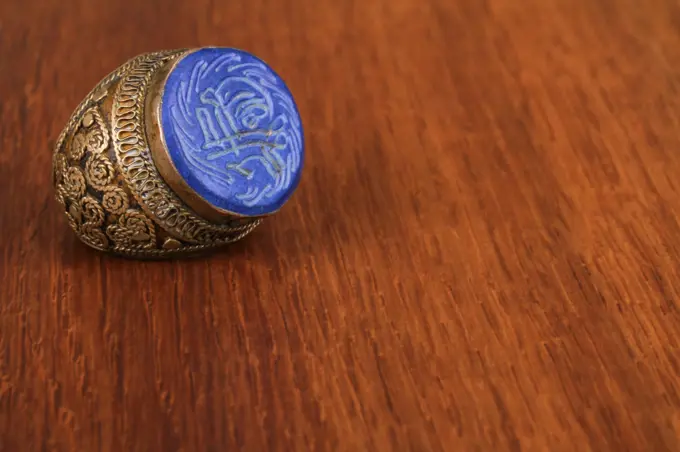
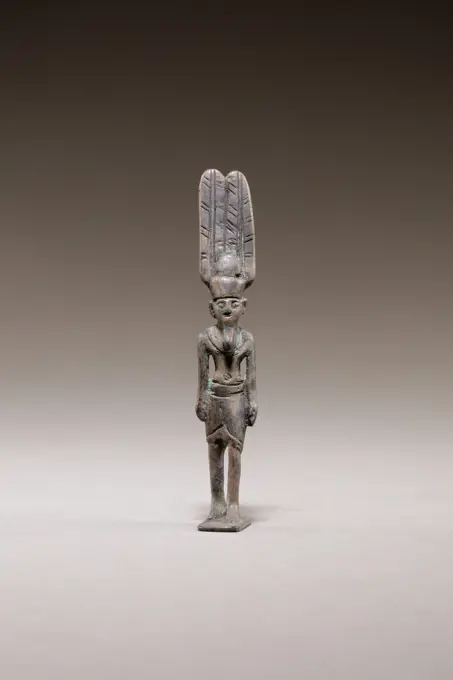
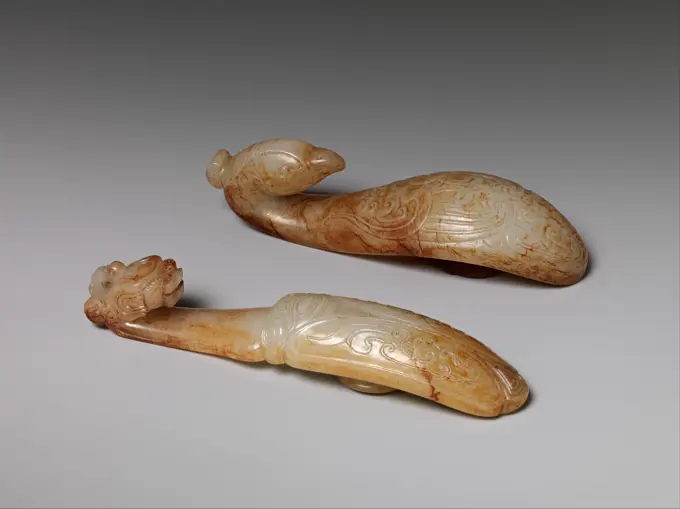
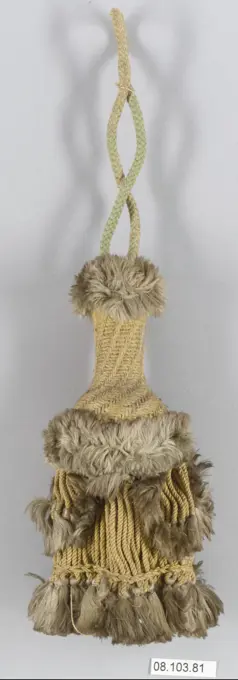
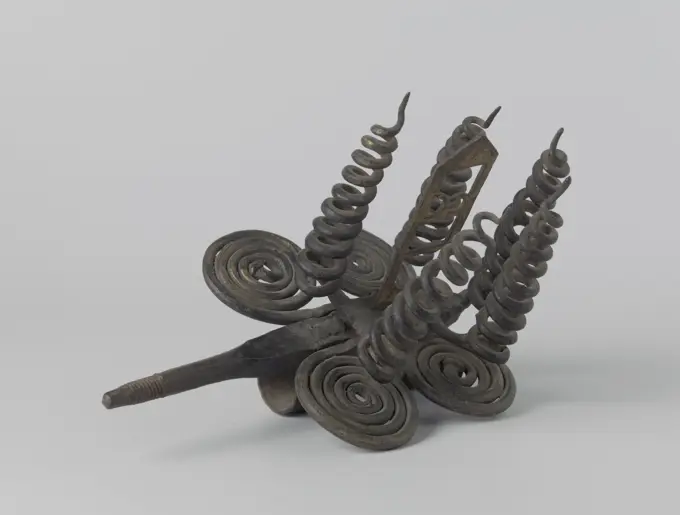
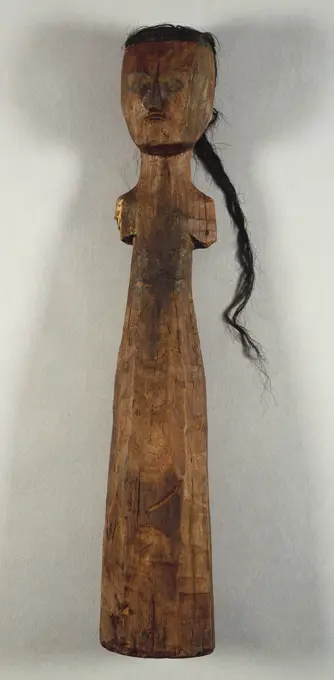
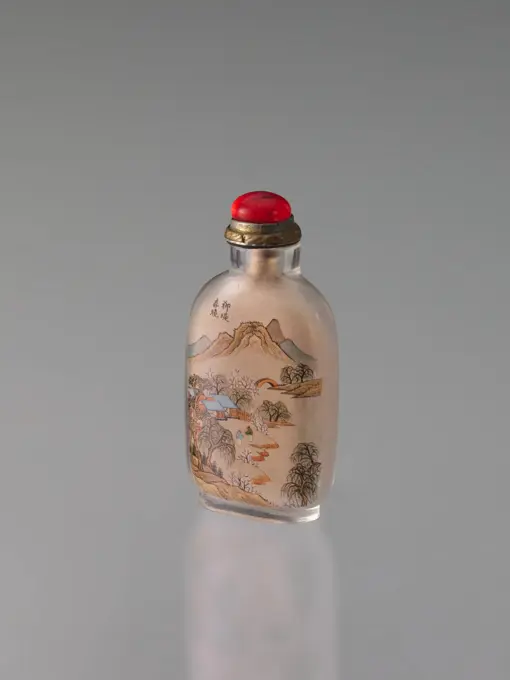
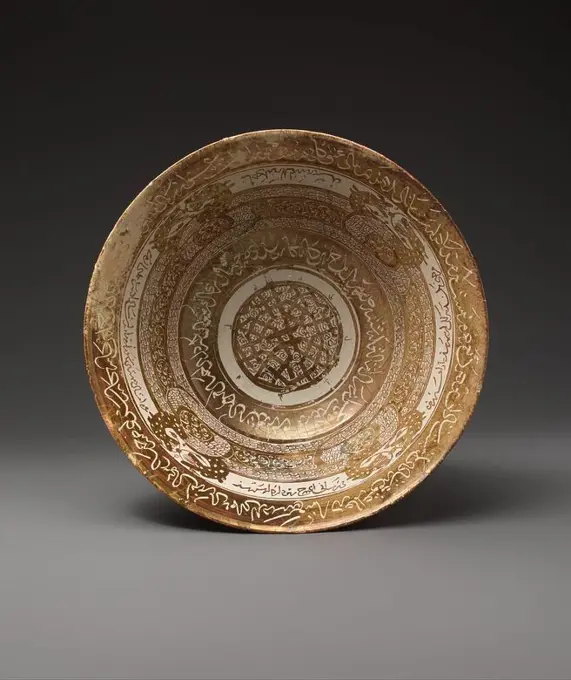
Bowl with Dragons. Dimensions: H. 4 1/4 in. (10.8 cm)Diam. 8 7/16 in. (21.4 cm)Wt. 15.3 oz. (433.8 g). Date: dated A.H. 607/A.D. 1210.Snakelike dragons, their heads confronting one another, run concentrically and intertwine on this bowl. Dragons were associated with the pseudo-planet al-Jawzahr, able to cause and reverse eclipses by swallowing moon and sun, and were thus both terrifying and beneficial, protective, and apotropaic. The bowl may have had a perceived beneficial quality, amplified by a twice-inscribed benediction: May your power and glory be perpetual / May your good fortune surpass all limits / So that everything in this bowl brings you enjoyment / Oh master of the world, may it prolong your life. Museum: Metropolitan Museum of Art, New York, USA.Netsuke of Monkey. Culture: Japan. Dimensions: H. 1 5/8 in. (4.1 cm); W. 1 3/4 in. (4.4 cm). Date: 19th century. Museum: Metropolitan Museum of Art, New York, USA.Dish with grapes and squirrels. Culture: China. Dimensions: H. 3/4 in. (1.9 cm); W. 2 1/2 in. (6.4 cm); L. 3 1/4 in. (8.3 cm). Date: 18th century.The combination of squirrels and grapes is a rebus wishing the owner or viewer a long life. Museum: Metropolitan Museum of Art, New York, USA.Wine Bottle 18th century Japan. Wine Bottle. Japan. 18th century. Clay covered with a glaze of Bizen type and overglaze drippings of Satsuma-type glaze (Takatori ware). Edo period (1615-1868). CeramicsDish;  around 1550 1069 BC ; New PAIvory Lion, c. 1400 - c. 1950 sculpture Ivory lion, cut from a tooth of a walrus.  ivory   Zeeuwsche UytkyckPaper button in the peach;  XVIII-19th century (1790-00-00-1810-00-00);Purchase (provenance)Snuff Bottle China. Snuff Bottle 41558Powder Horn dated 1749 Colonial American, Shrewsbury, Massachusetts This horn is one of the earliest dated American engraved powder horns in existence. It is engraved with the owner's name, Asa Hapgood, of Shrewsbury, Massachusetts.. Powder Horn 24654Goldsmith's art, Italy, 16th century. Rock crystal and gold flask. Height 25 cm. Saracchi Workshop manufacture.Lidded goblet Huta KrysztaGlass dish 4th century A.D. Roman Colorless.Tubular rim, folded up, round, down, and in, forming collar on underside; shallow S-shaped side to body; integral tubular foot ring; pushed-in bottom with domed thickening at center and traces of large circular pontil mark.Intact; pinprick and a few larger bubbles; dulling, yellow brown iridescence, and patches of whitish weathering on exterior.. Glass dish 244704Baluster first half 18th century British. Baluster. British. first half 18th century. Oak. WoodworkBuckle Shank 5th-7th century Visigothic. Buckle Shank. Visigothic. 5th-7th century. Bronze. Miscellaneous-Buckles & OrnamentCup Plate 1825-60. Cup Plate 2947Donkey rig New Kingdom, Ramesside ca. 1295-1070 B.C. View more. Donkey rig. ca. 1295-1070 B.C.. Wood. New Kingdom, Ramesside. From Egypt, Memphite Region, Lisht North, Cemetery, MMA excavations. Dynasty 19-20Censer in the shape of fo lion with a ball. unknown, craftsmanFinger Bowl. Culture: American. Dimensions: H. 2 1/2 in. (6.4 cm); Diam. 5 1/8 in. (13 cm). Maker: Possibly Boston & Sandwich Glass Company (American, 1825-1888, Sandwich, Massachusetts). Date: 1880-88. Museum: Metropolitan Museum of Art, New York, USA.Art Nouveau mug. Lefebvre, Eugene (fl. 1896-1910), goldsmithWheellock from a Rifle. German or Austrian. Date: 1670-1690. Dimensions: L. 33 cm (13 in.). Steel. Origin: Europe. Museum: The Chicago Art Institute, Chicago, USA.Confessional, Detail from Side. Dated: 1940. Dimensions: overall: 35.4 x 24.6 cm (13 15/16 x 9 11/16 in.) Original IAD Object: 11" x 3 1/8" x 3/8". Medium: watercolor, colored pencil, graphite on paper. Museum: National Gallery of Art, Washington DC. Author: Harry Mann Waddell.Gunlock (Flintlock) .Ruds gun lock (flint lock) with brass house and iron lock mechanism, rooster and pandes. For monting on the cannon, the lock has a pin and a hole in front of a bolt in the middle. The tractor has a retraction rope.Sake cup (guinomi), 19th century, Unknown Japanese, 15/16 x 3 9/16 x 3 9/16 in. (2.38 x 9.05 x 9.05 cm), Lacquer, Japan, 19th century, One of the most distinctive techniques for using lacquer was developed by Japanese artisans in the early 10th century. Known as maki-e, or 'sprinkled pictures,' this technique involved sprinkling gold or silver powder onto the surface of damp lacquer. This sake cup represents the opulent extreme of this tradition as it had evolved in the 18th and 19th centuries. Using a variety of techniques, lacquer artists created designs, primarily in gold, that encrusted the entire surface of their wares. For this small sake cup, relatively coarse gold flakes were scattered across the surface to form the ground. This speckled surface was known as 'pear skin' (nashiji). Two tortoises were rendered in slight relief (takamaki-e) and distinguished from the background by the use of very fine gold powder. Since tortoises live to great ages, Japanese typically depict them Drinking Vessel (Kero) 1100-1200 Peru. Ceramic and pigment . IncaMiniature salt box 18th century British. Miniature salt box. British. 18th century. Silver. Metalwork-Silver-MiniatureThree RedPlates. Artist: Shoju, active late 18th - early 19th centuryBox of ivory, turned, with continued copper lid, anonymous, c. 1700 - c. 1900 Box of ivory, twisted, with continued copper lid with copper and further ivory edge. On the copper edge the words nemant for. Mete + Sick. Grote + Cinge Aeten-Tho + Don + VN + Movgelick + Sint. In the box four dolphins and a swan, also from ivory.  ivory. copper (metal) Box of ivory, twisted, with continued copper lid with copper and further ivory edge. On the copper edge the words nemant for. Mete + Sick. Grote + Cinge Aeten-Tho + Don + VN + Movgelick + Sint. In the box four dolphins and a swan, also from ivory.  ivory. copper (metal)Cactus flower vase 1870-80 Moore Brothers. Cactus flower vase. British, Longton. 1870-80. Bone china with enamel decoration and gilding. Ceramics-PorcelainWillow-Leaf Bottle Vase 1662-1722 China. Porcelain with copper-red (peachbloom) glaze .Anonymous. Round box forming drum, in gold lacquer imitating wood; Interior containing tray and 8 small perfume boxes in gold lacquer. Closed box. Lacquer. Museum of Fine Arts of the City of Paris, Petit Palais. Round box, closer, wood imitation, lacquer object, gold, perfume, drumAnonymous. Round box forming drum, in gold lacquer imitating wood; Interior containing tray and 8 small perfume boxes in gold lacquer. Closed box. Lacquer. Museum of Fine Arts of the City of Paris, Petit Palais. Round box, closer, wood imitation, lacquer object, gold, perfume, drumFragment stoneware mineral water pitcher, marked, mineral water pitcher jar product packaging container soil find ceramic stoneware glaze salt glaze, hand turned stamped glazed baked Fragment of stoneware mineral water pitcher. Marked with round stamp and underneath the ear marked by the potter Gray glazed. Turning loops on the inside In front of the stamp: SELTERS in the middle lion underneath text: HERZOGTHUM NASSAU; under the ear the pottery brand: N NUM 73 archeology Rotterdam City Triangle Groenendaal underground pit advertising indigenous pottery import drink cured medicine drug transport packaging Soil discovery Rotterdam underground pit Groenendaal (from canal dredger) 1976-08-24.Box-form ornament with granulation. Dimensions: Diam. 1.7 × H. 0.7 cm (11/16 × 1/4 in.). Date: 6th-4th century BC.This box-form ornament has an opening in the form of an eight-pointed star on its upper surface. Ornaments like these with their extensive granulation are probably pre-Ptolemaic. Museum: Metropolitan Museum of Art, New York, USA.Mirror. Culture: Korea. Dimensions: Diam. 5 1/8 in. (13 cm). Museum: Metropolitan Museum of Art, New York, USA.Vat van twisted, solid wood, anonymous, c. 1700 - c. 1799 A barrel of solid maple wood. Amsterdam (possibly) maple (wood) A barrel of solid maple wood. Amsterdam (possibly) maple (wood)Terracotta fragment of a skyphos (deep drinking cup) 5th century B.C. Greek, Attic Part of the lower body and foot of a black glazed skyphos; the outer edge of the foot is glazed; the underside is reserved, with small black glazed circle in the center, which has a dot in the middle. Terracotta fragment of a skyphos (deep drinking cup). Greek, Attic. 5th century B.C.. Terracotta; black glaze. Late Archaic/Classical. VasesPotato Masher. Dated: c. 1940. Dimensions: overall: 43.4 x 20.3 cm (17 1/16 x 8 in.) Original IAD Object: 10" long; 3" in diameter. Medium: watercolor and graphite on paperboard. Museum: National Gallery of Art, Washington DC. Author: Clarence W. Dawson.Miser's Purse (France); silk, metal; L: 36 cm (14 3/16 in.)Planets-manager. Cornalet Collection Sites 2013-2016. Numismatic.Stoffer with hair on the bottom and on the short side, with round profiled steel, anonymous, c. 1675 - c. 1699 Dustpan of rosewood; Pork hair under and in the head of the narrow round back used; Round steel with profile decoration; Yarn wire new. Amsterdam (possibly) rosewood (wood). Dustpan of rosewood; Pork hair under and in the head of the narrow round back used; Round steel with profile decoration; Yarn wire new. Amsterdam (possibly) rosewood (wood).Dish (usual name), 1615. Sandstone coated with polychrome enamels. Cernuschi Museum, Asia Museum of Asia in the city of Paris.Roast of iron with a copper button, c. 1400 - c. 1950   iron (metal). copper (metal)   iron (metal). copper (metal)TAPIZ - CONOS. Author: GARCIA BENITO I. Location: PREMIO NACIONAL DE TAPICES. Aranjuez. MADRID. SPAIN.Stirrup 10th-11th century West Slavic This simple stirrup of Slavic type is said to have been found on the site of Dolkheim, today in Northern Poland.Horses had great importance in Slavic society, in both its social and religious aspects. Equestrian equipment, like stirrups, spurs and bits, are regularly found in their burials, even after their Christianization, among the goods warriors wanted to bring with them to the afterlife. The elite would sometimes even be accompanied by sacrificed horses, a meaningful practice at that time, considering the high economic value of horses.. Stirrup. West Slavic. 10th-11th century. Iron. Dolkheim, East Prussia. Equestrian Equipment-StirrupsBuckle 15th-16th century European. Buckle. European. 15th-16th century. Bronze, patina. Miscellaneous-Buckles & OrnamentGlass eye bead. Culture: Greek, Eastern Mediterranean. Dimensions: 13/16 × 7/8 in. (2 × 2.2 cm). Date: 4th century B.C..Opaque yellow ground; additions in opaque white and translucent cobalt blue.Cylindrical with rounded ends to large vertical hole.Four staggered horizontal rows of six eyes in white and blue.Intact, except for tiny chips at edges of hole; dulling and creamy iridescent weathering. Museum: Metropolitan Museum of Art, New York, USA.Tray with Chinese characters, bats, and fruits. Culture: China. Dimensions: Diam. 14 1/2 in. (36.8 cm). Date: 1736-1795.The dense, multilayered surface of this dish is typical of Qianlong-period carved lacquer. At center is the character for longevity (shou) surrounded by first a circle of bats and then a lobed cartouche containing the phrase "ten thousand longevities and eternal spring" (wan sui chang chun). The outer border of fruits and flowers also refers to long life. The dish was likely presented as a birthday present or used to proffer and display a gift. Museum: Metropolitan Museum of Art, New York, USA.Acupuncture needles and pill box, close upGlass pendant in the form of an African's head late 2nd-1st century B.C. Greek, Eastern Mediterranean Translucent purple, appearing black.Solid, vertical pendant, with mold marks running up sides and top of head, and under his neck; suspension loop on top of head pierced through from proper right to proper left side.Shaped like the head of an African, with prominent brows, cheeks and chin, pointed nose, large lips, knobby hair, and a long neck.Intact, but some chipping around mold seams and on top of head behind suspension loop; dulling and slight weathering.. Glass pendant in the form of an African's head. Greek, Eastern Mediterranean. late 2nd-1st century B.C.. Glass; mold-made. Late Hellenistic. GlassMummified Cat from Egypt. Dated 2493 BCMourning ring Willem IV. Mourning ring Willem IV, worn by the courteses after his death. On the ring the inscription: "OB: 11 oct - 1751: illegible - generous: Nass - Prin: AurMonkey ca. 1770 Derby Porcelain Manufactory. Monkey. British, Chelsea-Derby. ca. 1770. Soft-paste porcelain. Derby Porcelain Manufactory (British, 1751-1785). Ceramics-PorcelainFinial Support. Iran, Luristan, Luristan bronzes, circa 1350-650 B.C.. Architecture; Architectural Elements. Bronze, castLeft arm with cartouche traces presumably of the Aten ca. 1353-1336 B.C. New Kingdom, Amarna Period. Left arm with cartouche traces presumably of the Aten 549811Jean Roffay. "Taste-vin". Money. 1788. Museum of Fine Arts of the City of Paris, Petit Palais. 74385-12 Silver, silverware, bottleneck, TastevinIncense Burner. Culture: China. Dimensions: H. with wooden cover: 10 1/4 in. (26 cm). Date: late 18th-first half of the 19th century. Museum: Metropolitan Museum of Art, New York, USA.Flint pocket gun, Jan Flock, in or after 1650 - Before 1688 flintlock pistol Flint pocket gun with pulled tumbling loop, part of a couple. The final mechanism is hidden in a partially iron, partially gilded yellow -oriented house that runs into the handle; The rooster is engraved with a blossom branch; The straight tractor protrudes from the bottom of the house and is not protected by a tractor bracket. The barrel consists of two parts: one with eight grooves drawn round part at the front that is crug and a signed, octagonal Kulas at the back. The flask consists of only a short handle of gilded yellow buyer with a bearing eye on the bottom, which is stamped with the number 513 mounted round stamped; A raised surface runs over the flask that runs into a leaf and is engraved with a brand in the form of two curved fish above the number 31 on 210-a and 32 on 210-B; No provision for a chest of drawers. Utrecht iron (metal). brass (alloy). gilding (material) gilding / engravingShabti Box of Nany ca. 1050 B.C. Third Intermediate Period Seven shabti boxes were interred with Nany; five came to New York in the division of finds (30.3.26-.30) and two are now in the Egyptian Museum, Cairo. All are made of sycomore wood and have high ends and flat lids that were meant to slide into grooves, although only one box (Cairo JE 55044) actually had these made. A white stucco wash was applied after the lids were closed. A total of 392 faience shabtis were divided between the boxes, in most cases packed tightly in an upright position. They are of two types: foremen and workers, with an average ratio of one foreman to ten workers. This box contained 5 supervisors and 63 workers.. Shabti Box of Nany. ca. 1050 B.C.. Sycomore, stucco, paint. Third Intermediate Period. From Egypt, Upper Egypt, Thebes, Deir el-Bahri, Tomb of Meritamun (TT 358, MMA 65), first corridor, burial of Nany, MMA excavations, 1928-29. Dynasty 21Head of a WomanPaperweight. Culture: American. Designer: Designed by William Leighton Sr. (1808-1891). Dimensions: H. 2 1/8 in. (5.4 cm); Diam. 3 3/16 in. (8.1 cm). Manufacturer: Manufactured by New England Glass Company (American, East Cambridge, Massachusetts, 1818-1888). Date: ca. 1850. Museum: Metropolitan Museum of Art, New York, USA.Earring ca. 1st century B.C.-1st century A.D. Parthian. Earring 326146Planets-manager. Cornalet Collection Sites 2013-2016. Numismatic.Teapot;  20th century (1901-00-00-1930-00-00);mortar on black table ceramic white mortar tool on black table Copyright: xZoonar.com/FuroxLxFelixx 9054637Longcase clock. unknown, joiner, Krantz, Józef ( fl. ca 1825-1850), watchmakerChirimia 19th century Chibchas or Muyscas. Chirimia 502032Dutch” pipe bowl with condensate trap Gross, IgnazModel of a Gunlock (Percussion).Model of a percussion lock on a base board. The hammer has an elongated hole for the axle and is mounted between two cheeks, which are open forward. A conductor on the hammer ensures that the hammer is running first and then pulled back by the tractor rope. This movement prevents the hammer from remaining above the zund hole if the fire beam comes out from it. Scale 1: 1.Vase in the Shape of a Bamboo Basket with Bean Vines and Butterflies. Culture: Japan. Dimensions: H. 11 in. (27.9 cm); Gr. W. (at handles) 7 1/4 in. (18.4 cm). Date: second half of the19th century. Museum: Metropolitan Museum of Art, New York, USA.Modern granite,Victory podium show cosmetic product geometric. 3D renderingWorkshop of the Miseroni / 'Heliotrope oval platter with octagonal tracery'. Ca. 1610. Enamel, Bloodstone, Gold, Pearls, Silver-gilt, Brass. Museum: Museo del Prado, Madrid, España. Author: TALLER DE LOS MISERONI.Cameo; Europe; 18th - 19th century;  layered gemstone; 4 × 0.8 cm (1 9,16 × 5,16 in.)Miniature Bottle Vase With Chinese Ladies and Flower Sprays. Miniature bottle-shaped vase of porcelain with a spreading neck, painted in underglaze blue. The belly is modeled in six compartments with in four Chinese ladies (long lines) and in two flower branches. A flower branch twice twice. Blue White.Fibula. Italy, Etruscan, circa 750-700 B.C.. Jewelry and Adornments; pins. BronzeCarnavalet museum, tokens collectionHippopotamus head figurine. Dimensions: L. 6.8 × W. 5.4 × H. 5.7 cm (2 11/16 × 2 1/8 × 2 1/4 in.). Dynasty: Dynasty 12-13. Date: ca. 1981-1640 B.C.. Museum: Metropolitan Museum of Art, New York, USA.Water dropper (suiteki), 19th century, Unknown Korean, 2 3/4 x 3 3/16 x 2 15/16in. (7 x 8.1 x 7.5cm), Porcelain, Korea, 19th centuryHead of Ivory. Ivory head. One side a christ's head and the other side a skull.Octagonal Pyramidal Stamp Seal; Persian Empire; about 500 B.C; Blue chalcedony; 1.9 × 1.5 cm (3,4 × 5,8 in.)Box. Culture: Japan. Dimensions: H. 2 in. (5.1 cm); w. 2 3/4 in. (7 cm); L. 3 1/2 in. (8.9 cm). Date: 19th century. Museum: Metropolitan Museum of Art, New York, USA.Terracotta vessel fragment with marine motif ca. 1450-1400 B.C. Minoan From Phylakopi, MelosFragment with part of shell () design.. Terracotta vessel fragment with marine motif 248560Salt shaker in the form of an owl; Fabergé, Karl (St. Petersburg and Moscow; label Z Otnicz and jewelry; 1872-1918), Rappoport, Julius (1864-1916); The nine years of the 19th century (1890-00-00-1899-00-00);Foundation Jakub Ksawery Count. Potocki (1934-) - collections, Partage Plus, Potocki, Jakub Ksawery (1863-1934) - collection, gift (provenance), spices, spices (vessel), owls, salt (vessel), testamentary recording of Jakub Ksawery PotockiSpectacles. Artist: Nathaniel Olmsted, American, 1785-1860CANALON EN BARRO PARA BAJANTES DE TEJADOS - S XX POPULAR. Location: ALFARERIA. ISLA. MALLORCA. SPAIN.Marsh Bowl, 1540-1350 BC. Egypt, New Kingdom, early Dynasty 18, reign of Hatshepsut or Tuthmosis III. Blue faience with purple decoration; diameter: 22.3 cm (8 3/4 in.).Romeo And Juliet Auguste Rodin (1840-1917 French) Hermitage Museum, St. Petersburg, Russia Antique stone pot, CSMVS Museum, Mumbai, Maharashtra, India, Asia India Copyright: xDuttagupta/DinodiaxPhotox -Agujas para hacer punto de madera. Museu Català de les Arts i Tradicions Populars.Fragment (Peru); cotton, woolCap 1820-25. Cap. 1820-25. BrassThis is a very old ring from Anatolia. Ottoman styleStatuette of Amun-Re Late Period-Ptolemaic Period 664-30 B.C. View more. Statuette of Amun-Re. 664-30 B.C.. Bronze. Late Period-Ptolemaic Period. From EgyptTwo belt hooks with archaistic patterns 18th century China. Two belt hooks with archaistic patterns. China. 18th century. Jade (nephrite). Qing dynasty (1644-1911). Jade. Round unforeseen leaves with a raised edge. Signature and dated.Tassel 18th century French. Tassel 213577crystal perfume bottle, Mughal, India, 17th centuryFlagpone holder, Anonymous, 1850 - 1900  Flagpone holder, decorated with five spirals, four curls and a metal plate in which the letters 'IR' are cut out. With two rings, in which the flagpole can be stabbed. The bottom ends in one point of thread. Traces of gold paint. Numbered '56'. unknown metalNatte servant, old wooden statuette. Kingdom of Chu, China, the end of the combatant kingdoms and the beginning of the western Han (front view). CCø Paris Musées / Museum Cernuschi, Museum of Arts of Asia in the city of Paris China, Han previous Han Dynasty, Combative kingdoms, mat, chu kingdom, servant, woodSilver gilt yad (pointer) used to read a sacred text of the Torah. Dated 18th CenturySnuffer with a plug; Ma, Shaoxuan (1869-1939); 1906 (1701-00-00-1900-00-00);