Antique Ceramics And Artifacts

Diverse historical vases and unique artifacts made from jade, wood, and stoneware, reflecting cultural artistry from past centuries.
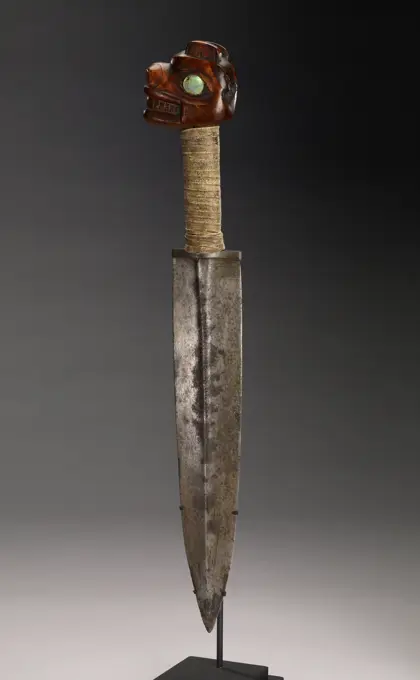
Fighting dagger, c. 1825-1830, 17 3/4 x 2 7/8 x 1 3/8 in. (45.09 x 7.3 x 3.49 cm), Burly hardwood (probably maple), abalone, steel, leather, 19th century, Every Tlingit man owned and carried a fighting dagger, which was always by his side. The Tlingit referred to this type of dagger as quoth-lar, meaning 'to strike with the fist,' and they used weapons like this against Native and non-Native enemies. The steel was probably salvaged from ship parts found on the shores of Alaska. The blade was Native-forged and is slightly concave for strength and ease of sharpening.
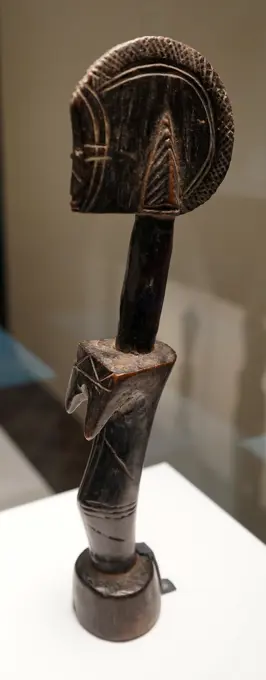
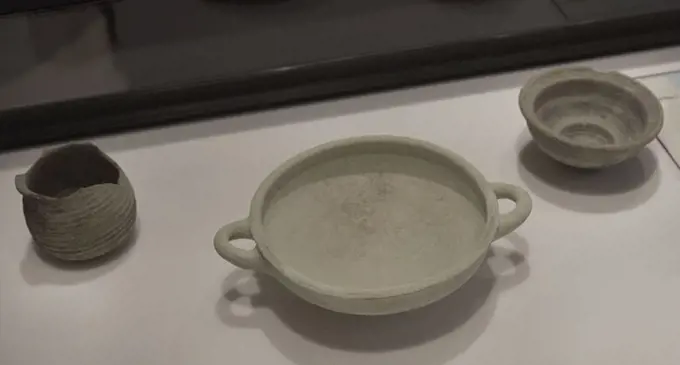
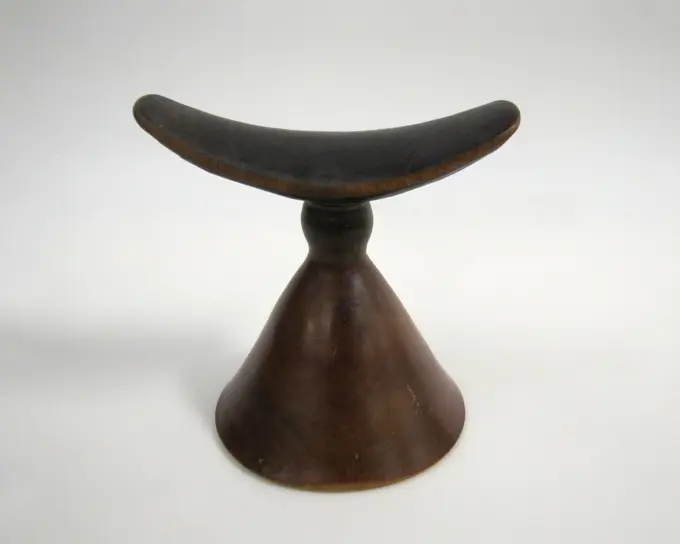
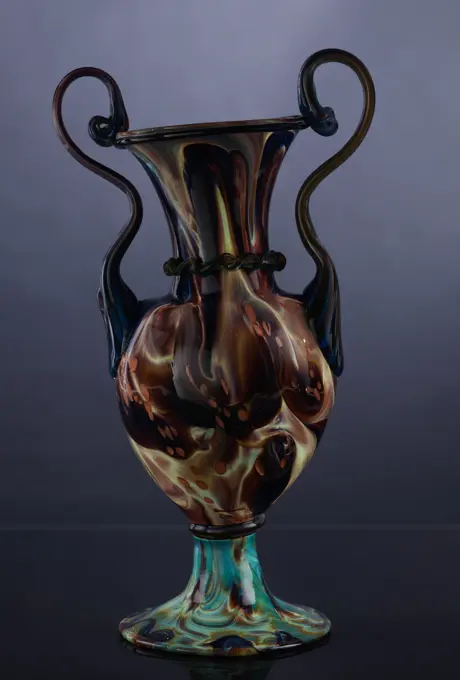
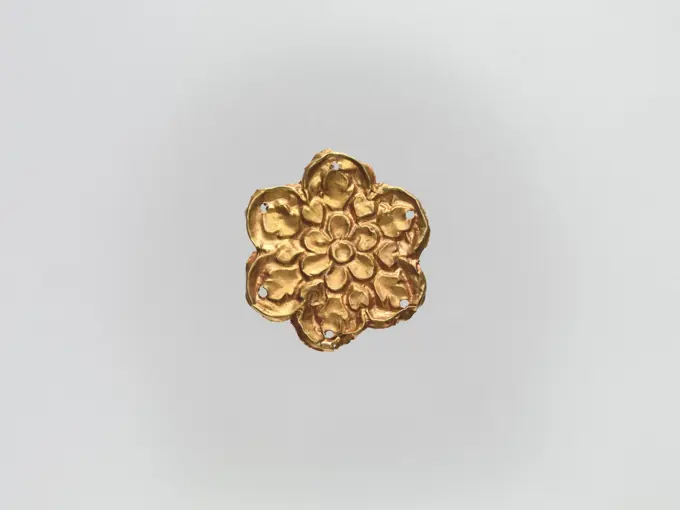
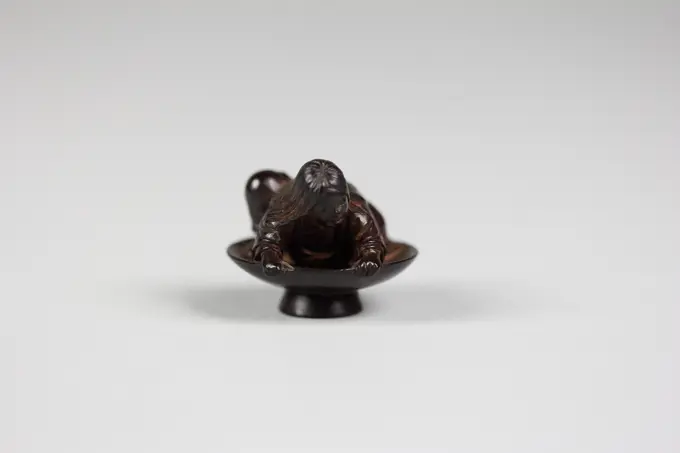
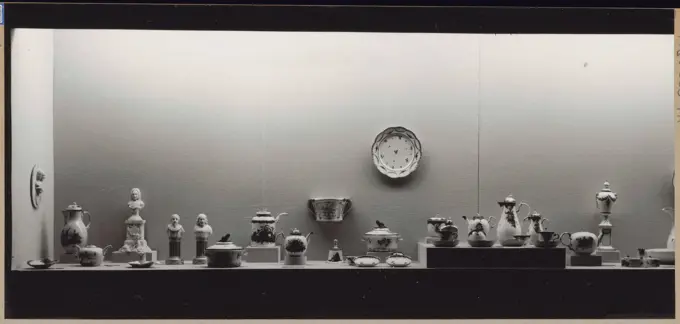
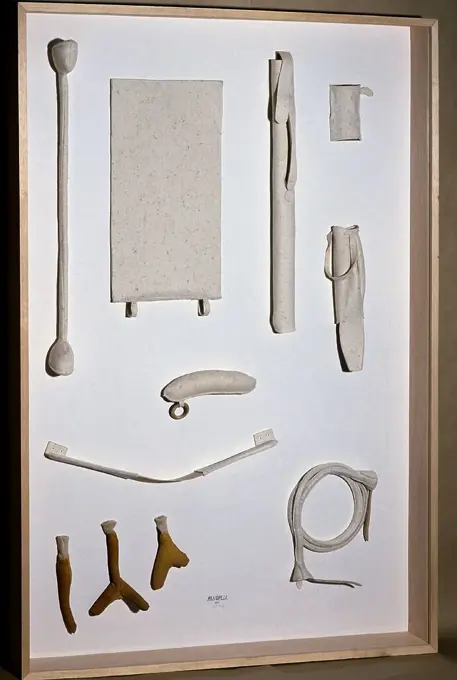
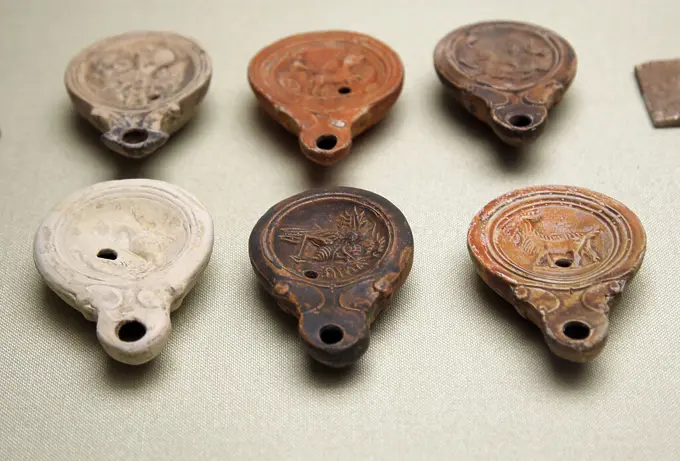
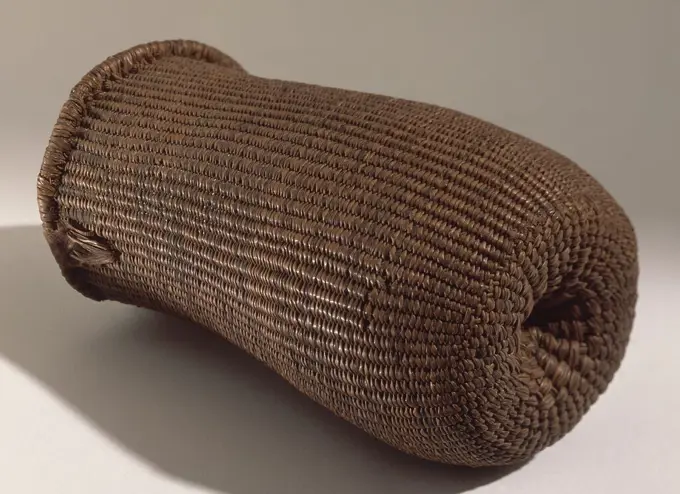
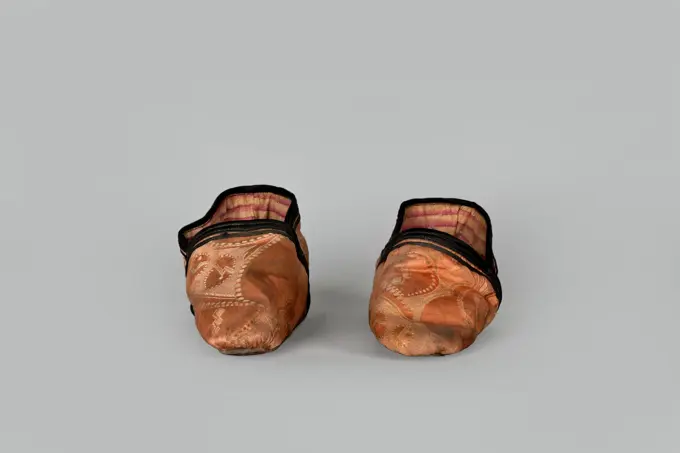
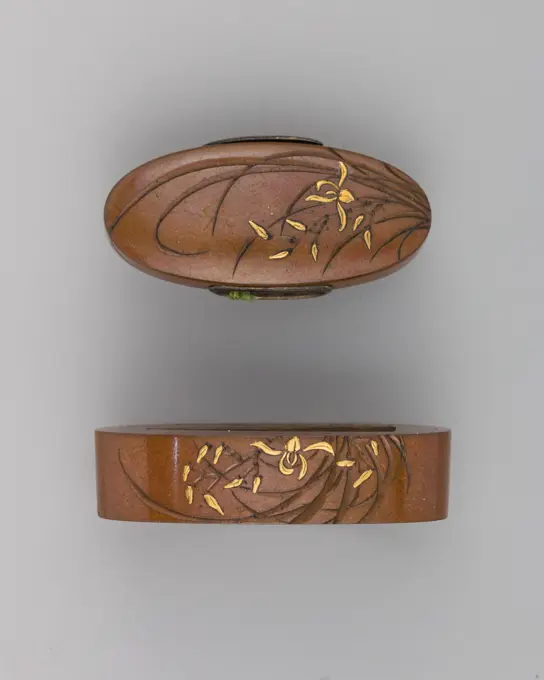
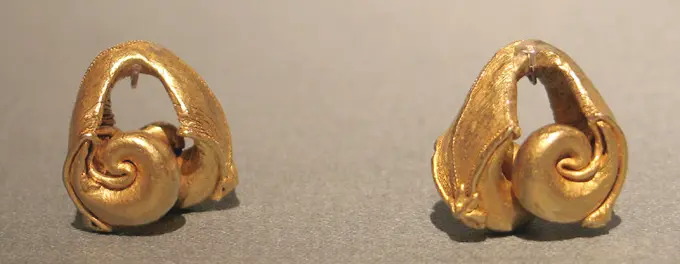
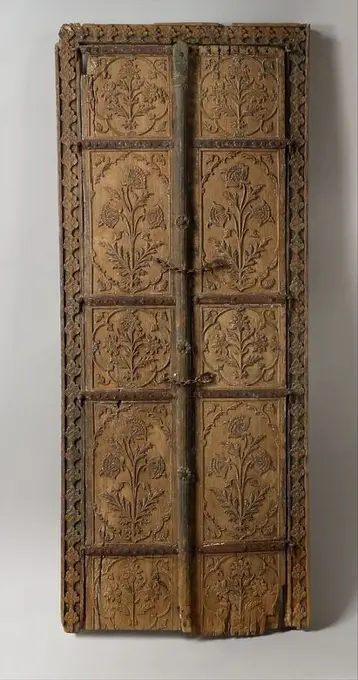
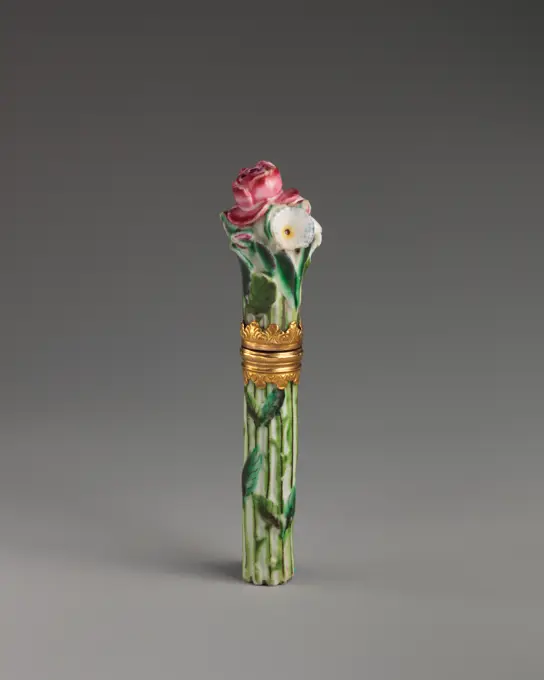
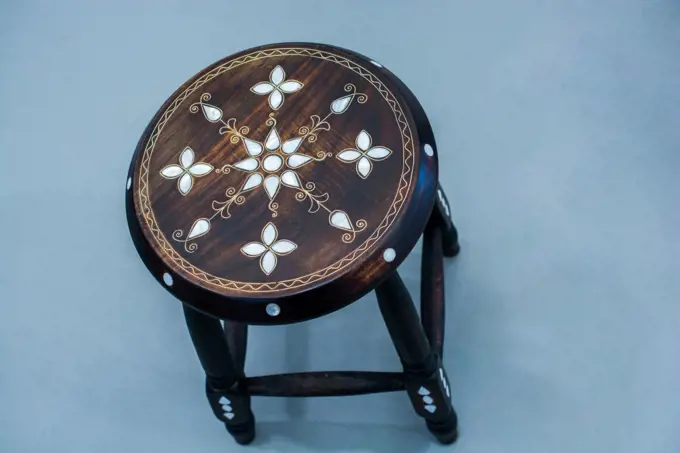
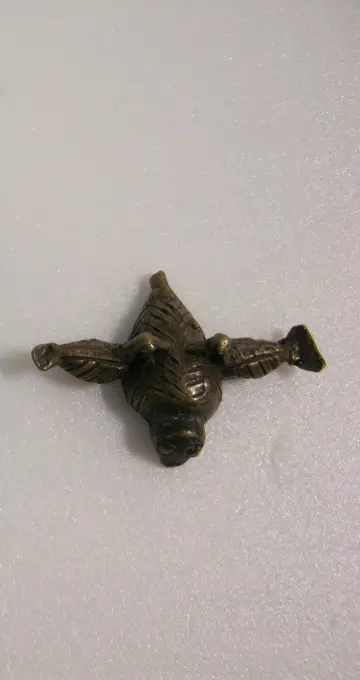
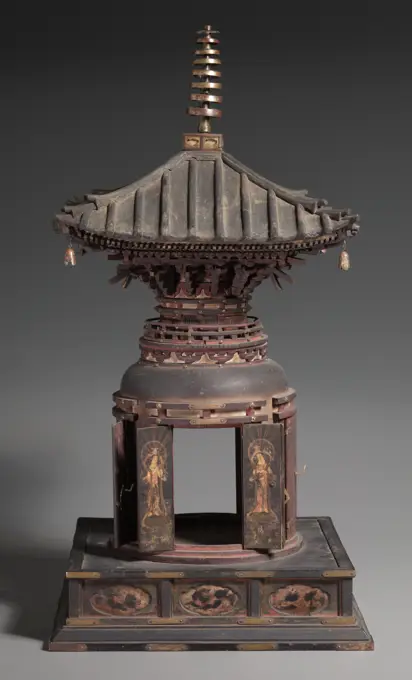
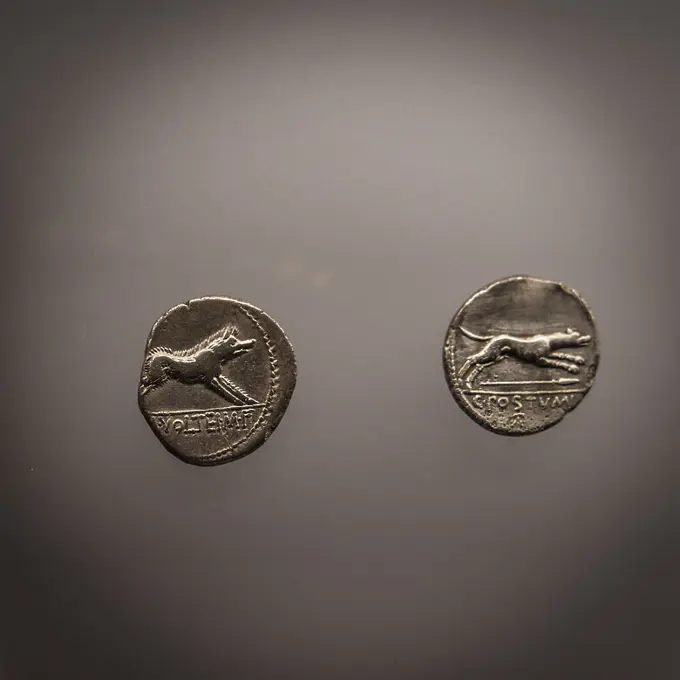
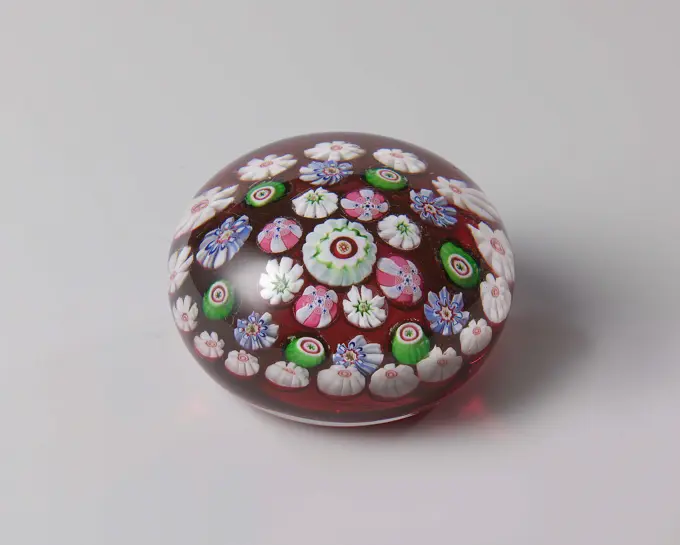
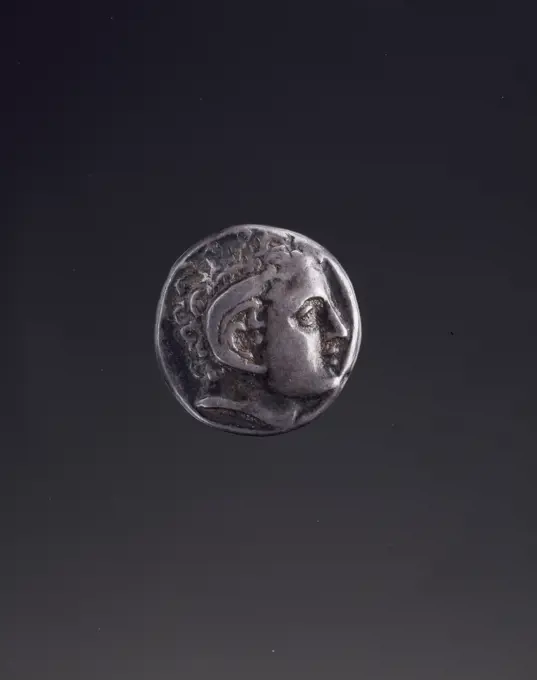
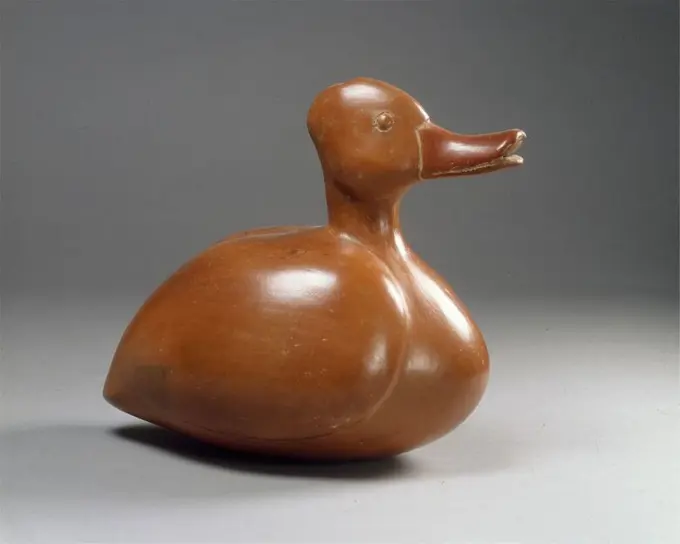
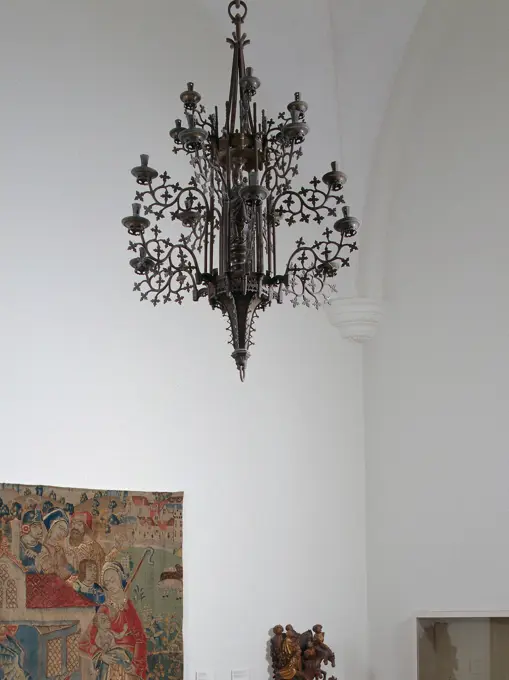
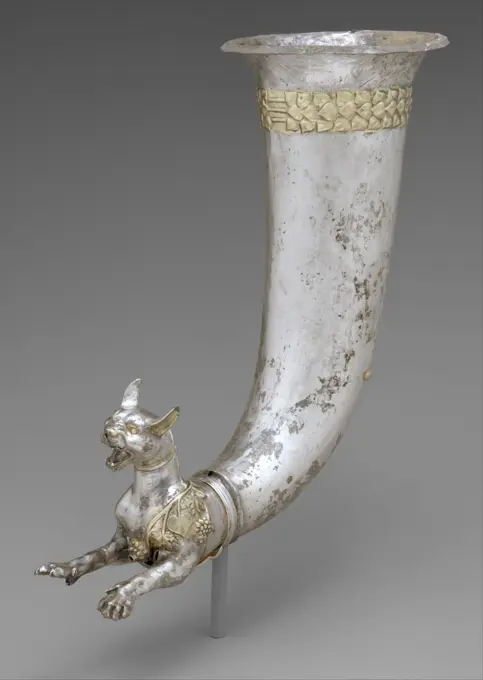
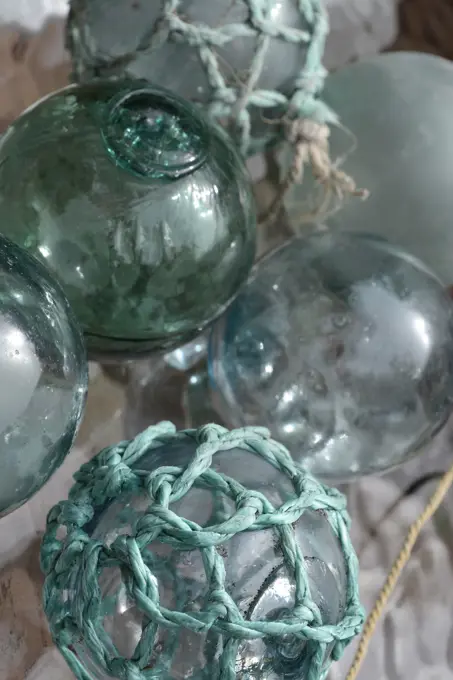
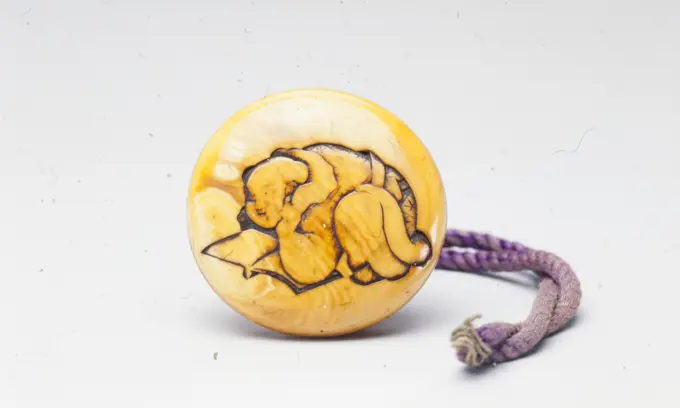
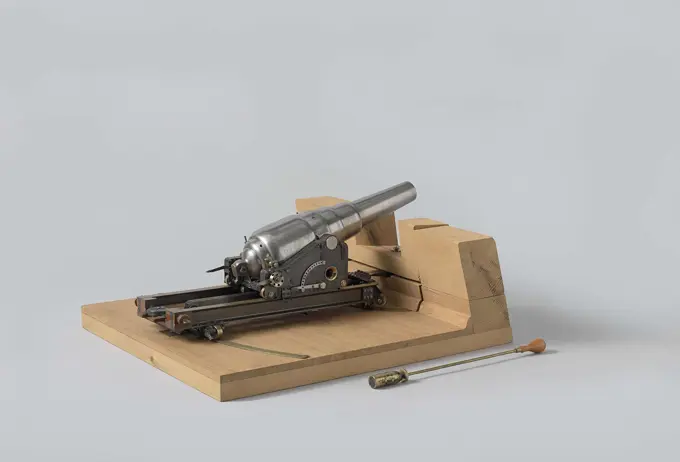
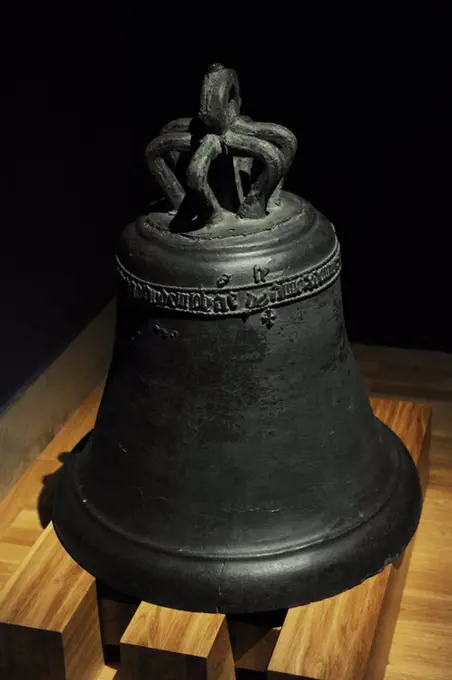
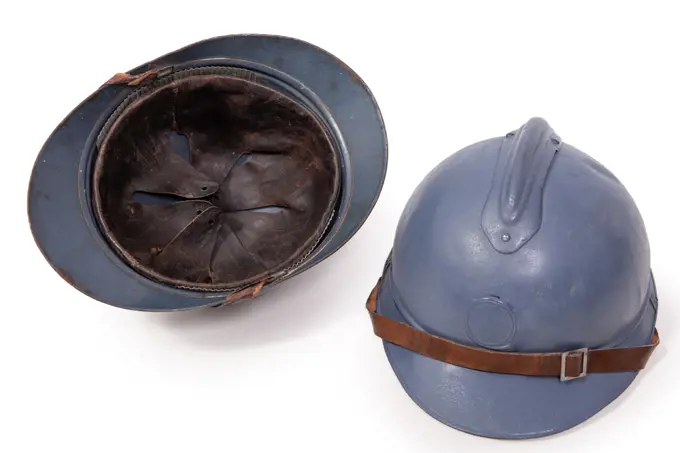
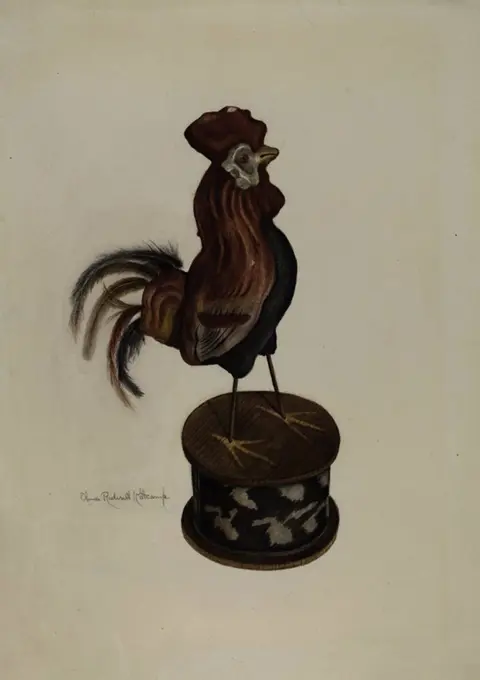
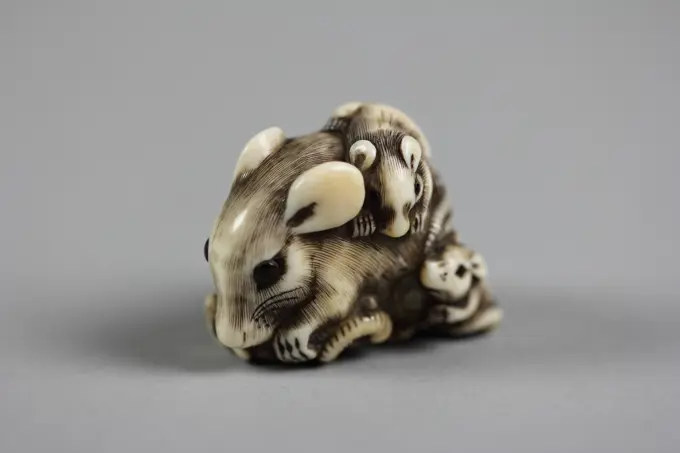
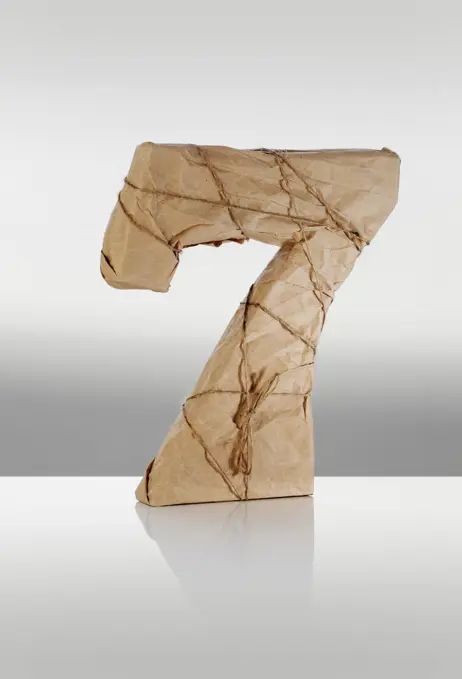
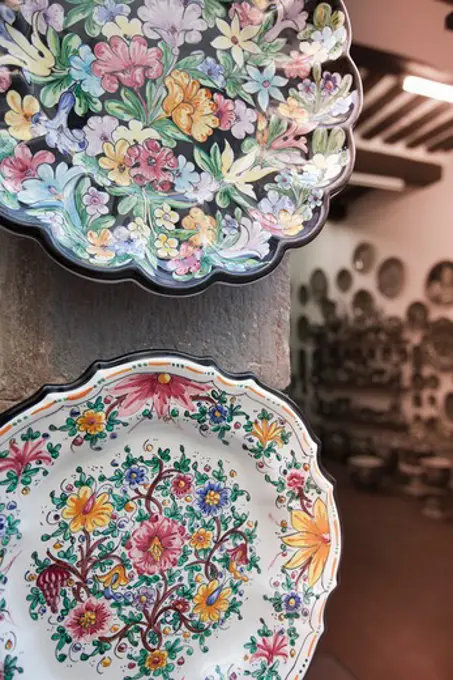
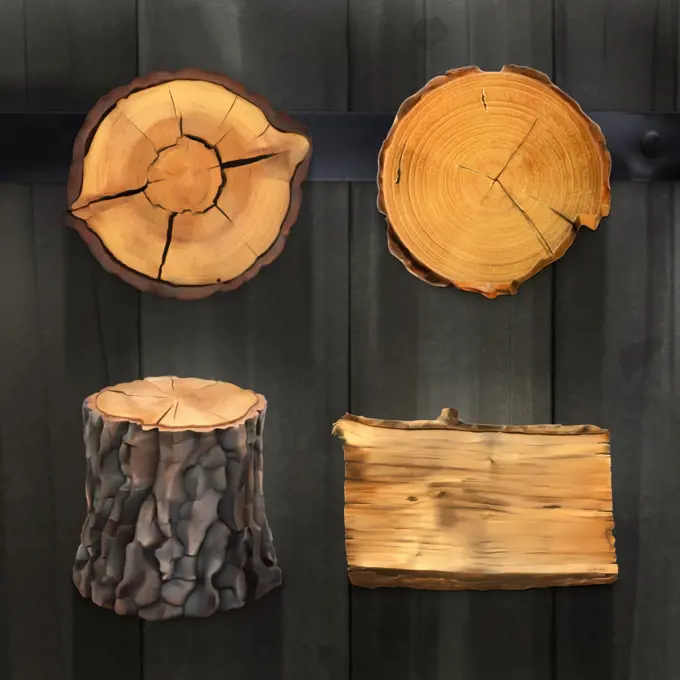
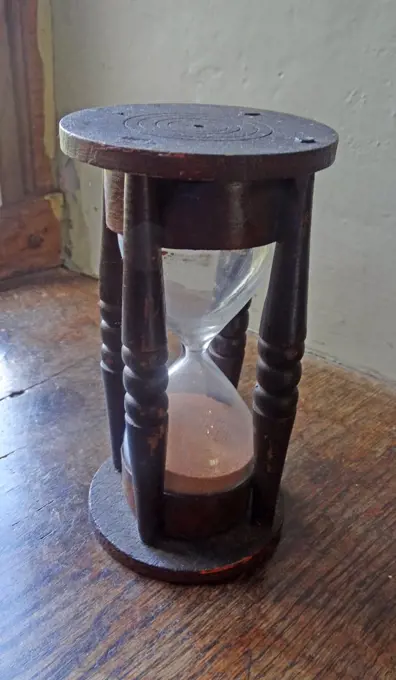
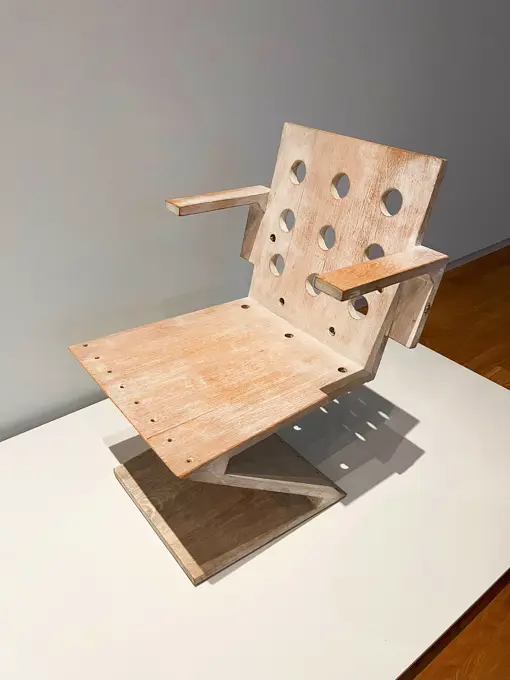
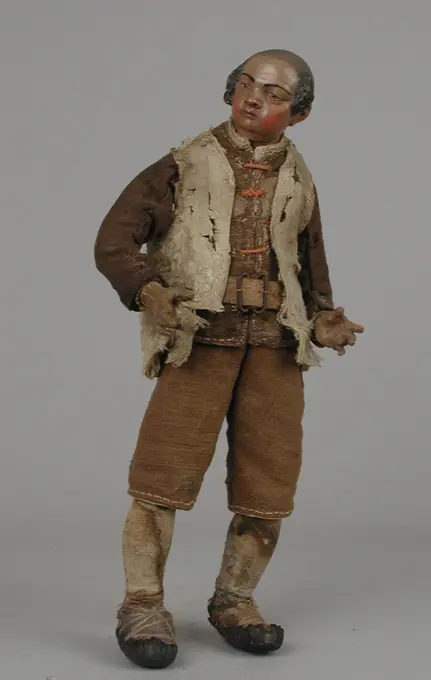
Neck from a vessel depicting the goddess Hathor flanked by felines New Kingdom, Ramesside ca. 1279-1213 B.C. Though fragmentary, the decoration on this gold band from the neck of a mostly missing silver vessel suggests the vessel held intoxicating drink. The Hathor heads point to the vessel's close association with Hathor, daughter of the sun-god Re, and the flanking animals, in this case lion cubs rather than the usual cats, are a reference to Sakhmet / Bastet. All these goddesses are associated with the tale of the Distant Goddess. The Distant Goddess myth subsumes that of the Destruction of Mankind - a tale of the rampaging goddess who was only halted by intoxication. Additionally, particular festivities associated with Eye of Re goddesses seem to encourage drunkenness as a way of transcendence and association with divinity. View more. Neck from a vessel depicting the goddess Hathor flanked by felines. ca. 1279-1213 B.C.. Silver, gold. New Kingdom, Ramesside. From Egypt, Eastern Delsecurity ball on white backgroundWooden female Biiga figure; Mossi; Burkina Fasso; West Africa 1920Roman Villa of Ramla. Located in the western sector of Ramla Bay, in Xaghra (Gozo Island, Malta). Archaeological site excavated between 1910 and 1911 by Professor Temi Zammit. It consisted of nineteen rooms, six of which seemed to form a separate group while the rest formed a fairly complete set of baths supplied with water from a nearby spring. Roman pottery vessels. Gozo Museum of Archaeology. Cittadella de Victoria. Gozo, Malta.Headrest, 19th century, 6 1/4 x 4 3/4 x 4 3/4 in. (15.9 x 12.1 x 12.1 cm), Wood, Ethiopia, 19th centuryPrzeszo Przyszoci unknownFlower-Shaped Clothing Plaque 7th-9th century China (Xinjiang Autonomous Region, Central Asia) The nomadic communities of Central Asia used such plaques to embellish clothing and horse trappings. As these nomadic cultures herded animals and were constantly moving, their artistic production was expressed in portable objects that marked the wearers status and wealth. The outstanding preservation of these fragile ornaments suggests they were used in conjunction with burials, where the body was aggrandized with valuable textiles and augmented with gold. Although it is difficult to date and place these objects geographically, their presence in Central Asia and has a long, established history.. Flower-Shaped Clothing Plaque 65203Netsuke 19th century Japan. Netsuke 591201615. sandstone coated with polychrome enamels. Cernuschi Museum, Asia Museum of Asia in the city of Paris.Wall Clock. Dated: c. 1938. Dimensions: overall: 49.5 x 29.3 cm (19 1/2 x 11 9/16 in.) Original IAD Object: 1/2 size rendering. Medium: watercolor, colored pencil, and graphite with someheightening on paperboard. Museum: National Gallery of Art, Washington DC. Author: Therkel Anderson.Showcase with various objects; Exhibition Hollands Porcelain own property (1958-04-30) ..PANOPLIA - 1992 - FIELTRO, LATEX Y MADERA - 150x105x9. Author: RAMON GUILLEN BALMES. Location: PRIVATE COLLECTION. Coruña. SPAIN.Roman era. Oil lamps. Andalusia, Spain. Archaeological Museum of Seville. Spain.Coffee Mill 19th century. Coffee Mill 444544CAPACETE DE ESPARTO PROCEDENTE DE LA CUEVA DE LOS MURCIELAGOS DE ALBUOL (GRANADA) - 3400 AC. Location: MUSEO ARQUEOLOGICO NACIONAL-COLECCION, MADRID, SPAIN.German pipe museum Oberelsbach, Rhoen, Franconia, Bavaria, Germany, EuropeSlippers;  19th century (1801-00-00-1900-00-00);Untitled (Head). Joan Miró (Spanish, 1893-1983); Josep Llorens Artigas (Spanish, 1892-1980). Date: 1956. Dimensions: 17 3/4 × 6 1/2 × 11 in. (45.1 × 16.5 × 27.9 cm). Glazed and fired ceramic, and iron. Origin: Spain. Museum: The Chicago Art Institute, USA.VASO DEL AMOR CON INSCRIPCIONES GOTICAS S XVI. Location: CATEDRAL-INTERIOR. Toledo. SPAIN.Box. Culture: probably British, South Staffordshire. Dimensions: Overall (confirmed): 1 5/8 × 1 5/8 × 1 1/4 in. (4.1 × 4.1 × 3.2 cm). Date: probably early 19th century.Small boxes for sweets in the shape of three-dimensional animals were popular gifts in eighteenth-century England. Museum: Metropolitan Museum of Art, New York, USA.Sword-Hilt Collar and Pommel (Fuchigashira) 19th century Japanese A fuchigashira is a pair of matching sword fittings comprising the fuchi (collar at the base of the grip of the sword hilt) and kashira (pommel cap at the end of a sword hilt).. Sword-Hilt Collar and Pommel (Fuchigashira). Japanese. 19th century. Copper, gold. Sword Furniture-Fuchi-KashiraPair of Earrings 8th-early 9th century or earlier Indonesia (Java). Pair of Earrings 50429Pair of Flower Style Doors. Dimensions: H. 73 in. (185.4 cm) W. 30 in. (76.2 cm) includes both doorsD. 3 in. (7.6 cm)Wt. 63 lbs. (28.6 kg). Date: second half 17th century.The flower style associated with the height of Mughal aesthetics and refinement finds expression in this pair of carved wood doors. The depiction of complete flowering plants, carved in low relief and placed in a symmetrical arrangement, is the hallmark of this style, which had its genesis in the reign of the Mughal emperor Jahangir (1605-27). In accordance with their patrons' interests, artists of this period studied European herbals, borrowing the techniques of combining front and side views and infusing the petals and leaves of the plants with a sense of movement. During the reign of Jahangir's son Shah Jahan (1627-58), and especially from the 1630s on, the plant studies were transformed into decorative motifs, arranged in rows to cover textiles, objects, and architectural spaces. As they were incorporated intoAnkletCoins, electric cableMorions. Type of helmet, 16th century. Armoury. Grandmaster Palace. Valletta, Malta.Nosegay ca. 1750-55 Saint James's Factory. Nosegay. British, London. ca. 1750-55. Soft-paste porcelain. Ceramics-PorcelainPitcher. Maker, attributed to: William Boch and Brothers, American, 1844-1857Small piece of cut wood log used for wood texture backgroundGunlock (flintlock) on a dummy breech or an 18-pounder Cannon, Rijkswerf Vlissingen, 1820 flintlock. scale model Flint lock on wooden model of the Kulas of a cannon of 18 pounds. The lock has a brass house with iron slot mechanism, rooster and pandess. The lock is mounted in length against the right side of the closure, with a pin in the front and a bolt in the middle. Pan and pandel are short and the final elevation is set up for this lock. This lock is identical to NG-MC-696. Flushing wood (plant material). brass (alloy). iron (metal)Vase, Tiffany Glass and Decorating Company, American, 1892 - 1900, mold-blown favrile glass, Blue-green iridescent vase, with wide foot, mounted with amphora-shaped body with distended oversized neck. Neck in-stamped with vertical chevron pattern of simple leaf forms that disappear into base., ca. 1900, glasswares, Decorative Arts, vase, vaseCARETA CONTRA GASES MODELO GUERRA DE 1914. Location: PRIVATE COLLECTION. Laguardia. ALAVA. SPAIN.Ottoman art example of Mother of Pearl inlaysMushroom still life macro shotCherry blossoms, Sake cupFunerary Cone of the Overseer of Sculptors Su ca. 1550-1295 B.C. New Kingdom. Funerary Cone of the Overseer of Sculptors Su. ca. 1550-1295 B.C.. Pottery. New Kingdom. From Egypt, Upper Egypt, Thebes, Khokha, near the tomb of Nebamun and Ipuky (TT 181), MMA excavations, 1910. Dynasty 18Arretine ware fragment Roman Medusa mask.. Arretine ware fragment 250274Terracotta fragment of a calyx-krater (bowl for mixing wine and water) 470-460 B.C. Greek, Attic Part of the handle of a calyx-krater; at the handle root, a zone of tongues; part of a circumscribed palmette. Terracotta fragment of a calyx-krater (bowl for mixing wine and water). Greek, Attic. 470-460 B.C.. Terracotta; red-figure. Classical. VasesGoldweight Two Birds With an Alligator, 19th-20th century, 7/16 x 1 1/2 x 1 1/16 in. (1.11 x 3.81 x 2.7 cm), Brass, Ghana, 19th-20th centuryInk stone and brush penShop Sign - Grapes. Dated: c. 1938. Dimensions: overall: 53.9 x 35.6 cm (21 1/4 x 14 in.) Original IAD Object: 30" long. Medium: watercolor, graphite, and colored pencil on paper. Museum: National Gallery of Art, Washington DC. Author: Robert Pohle.Copper Mace Head 200 B.C.-A.D. 200 Vicús. Copper Mace Head 315216Statuette of a woman  With arms lowered.. Statuette of a woman  246283Many-Jeweled Stupa Reliquary (Tahōtō shari yōki), early to mid-1300s. Japan, Kamakura period (1185-1333). Wood and metal; average: 68 x 34.4 cm (26 3/4 x 13 9/16 in.).coins from the Iberian period representing the Erymanthian wild boar, Iberian culture, Iberian Museum of Jaén, Andalusia, Spain.Arc-shaped pendant (huang). China. Date: 1000 BC-800 BC. Dimensions: 2.7 × 12.2 × 1 cm (1 1/16 × 4 13/16 × 3/8 in.). Jade. Origin: China. Museum: The Chicago Art Institute, Chicago, USA.Fragment of a vessel. A low curvature of the glass fragment allows the assignment to a vessel. The color of the glass opposes between green, blue and yellow. On it, two types of flowers in millefiori technology are shown: a type has a yellow point with beam-shaped white lines, the other a white center and white lines. For the production, different colored glasses into tubes and rods were formed. These were compressed and heated, causing a long bar. The glass sliced now had different amorphous or floral patterns. Thereafter, several of these platelets were folded together, heated again and pressed into the vascular shape. Burry for the elaborate manufacturing process and its fragility was one of the luxury articles of antiquity.Portrait list of dark red wood with intarsia of pink flowers, leaving from behind a yellow inner table ...Gold Sheet Fragment A.D. 900-1470 Peruvian. Gold Sheet Fragment 309078PRESS paper from Millefioriglas. Plated spherical, colorless body, Millefioriglas on a dark red fond.Didrachm; Cyrene, Cyrenaica, North Africa; 308 - 277 B.C; Silver; 0.0078 kg (0.0172 lb.);Figure group of a shepherd, and shepherdess near a ruin, Weesper porseleinfabriek, c. 1764 Group of Porcelain (Biscuit) representing a whistling shepherd and a lute sheep with sheep for a piece of architecture consisting of half a bow, a column and a piece of wall. On the left on the column is an Amor figure and on the right on a wall is a vase. There is a dolphin under the vase. Not marked. The hollow bottom shows three cones. Weesp porcelain. biscuit (porcelain, material) Group of Porcelain (Biscuit) representing a whistling shepherd and a lute sheep with sheep for a piece of architecture consisting of half a bow, a column and a piece of wall. On the left on the column is an Amor figure and on the right on a wall is a vase. There is a dolphin under the vase. Not marked. The hollow bottom shows three cones. Weesp porcelain. biscuit (porcelain, material)Duck. Culture: Comala. Dimensions: H. 11 x L. 12 3/8 in. (27.9 x 31.4 cm). Date: 2nd century B.C.-A.D. 3rd century. Museum: Metropolitan Museum of Art, New York, USA.Headdress -Pre-colombian. Aztec coiled rattlesnake, c. 1325-1521. Granite. Height : 36 cms., diameter: 53 cms. British Museum, London, England, United Kingdom.. Candle arm belonging to a candle wreath of three heights with maria chapel in the middle. The arm is bent twice and has five leaves. The fat catcher rests at the end, which has a vertical knurled edge on the underside with cross block motifs. The candle holder is six more flaky with a perforated side and back and has a vertically annular bottom. This is the second arm of the upper ring (the cover), numbered with 2 dots.. Candle arm belonging to a candle wreath of three heights with maria chapel in the middle. The arm is bent twice and has eleven leaves. The fat catcher rests at the end, which has a vertical knurled edge on the underside with cross block motifs. The candle holder is six more flaky with a perforated side and back and has a vertically annular bottom. This is the first arm of the middle ring (center of the bars), numbered with 1 spot.Rhyton terminating in the forepart of a wild cat ca. 1st century B.C. Parthian Elaborate bowls, animal-headed drinking vessels, and rhytonsvessels which have a hole at the front from which liquid flowswere highly valued in ancient Near Eastern society. During the pre-Achaemenid, Achaemenid, and Parthian periods, examples made of silver, gold, and clay were used throughout a vast area extending both to the east and west of Iran. The animals on these vessels included the ram, horse, bull, ibex, supernatural creatures, and female divinities; some were engraved with royal inscriptions. Rhytons made of precious materials were probably luxury wares used at royal courts. Both the rhyton and the animal-headed vessel were adopted by the Greek world as exotic and prestigious Oriental products.Dating from the Parthian period, this silver rhyton is a fine example of the enduring influence of Hellenistic culture, which owes much to the artistic traditions of Achaemenid Iran. The horn-shaped vesseUSA, Alaska, Ketchikan, antique Japanese fishing floats.Bronze spear-heads Greek, about 5th century BC From Olympia.Par de prendedores (tupus). Oro. Cultura Inca, Horizonte Tardó (1400-1533 d. C.). Perú. Museo de América. Madrid. España.Top view of wooden cutting board on old stone countertop.Goldweight Mudfish, 20th century, 3/4 x 1/2 in. (1.91 x 1.3 cm), Bronze, Ghana, 20th centuryBoy reading, early 19th century, Unknown Japanese, 7/16 x 5/8 in. (1.1 x 1.59 cm) (closed, without cord), Ivory, cord, Japan, 19th centuryFinialCase, Steel, glass, leather-covered cardboard case, Steel-rimmed spectacles (a) in a case of cardboard covered with gold tooled leather, early 19th century, metalwork, Decorative Arts, CaseFragment of Chain with LobedFinialEpaulet from Jhr. Hoeufft, captain in 1830/32 at the Schutterij department, 1830 - 1832  Epaulet, part of couple, for a captain of the mobile militia, ca. 1830-1832. The epaulette consists of a tongue of silver -spillon. The magazine of the epaulette has a more or less oval label on which the text says in ink: Jonkheer Hoeufft. 1830-1832. Captain Schutterij 133. Silver frills hanging on the leaf. Underzakes are lined with red sheet, on which feed remnants of paper labels with partly readable text: in the ... street .... Heiligenweg ... Van den Broecke ... makes and sells all types of military ornaments etc. etc. in Amsterdam. Netherlands silver thread. cloth. paper   Netherlands. Very detailed model of a 18 cm cannon on a swivel edge on a ship part. The iron loop is from the Armstrong front loader mantle type, with three grooves; Targeting means have been applied. Being out and sled are made of metal. The upperfuit has an Eleveer device with gear and rack on either side. The slide has a braking device consisting of five iron plates, between which teeth of the upper suit run; With a clamping device with lever on the outside of the upper suit, the brake is operated. Hoists and pansy are missing. The sledge is placed on traacirs on a ship deck behind a gun portion, with a spindle bolt in the gate threshold; The wheels under the corners of the carriage are radially compared to the spindle bolt. The model is a loading stick on which a grenade is screwed.Church Bell. Poland, 1434. Cast bronze. From the parish church at Zalasowa, near Tarnow. National Museum of Krakow. Poland. Europe.Head of Silenos. Culture: Cypriot. Dimensions: H. 1 11/16 in. (4.3 cm). Date: 2nd century B.C..The head is mold-made and hollow. The top and back of the head, the nape, and the left ear are missing; the surface is scratched. The facial type is generally similar to that of inv. no. 74.51.1496, but the head is not from the same mold and is more summarily rendered. Museum: Metropolitan Museum of Art, New York, USA.two french military helmet of the First World War on the white backgroundGoldweight Crocodile, 19th-20th century, 1/4 x 5/8 x 2 5/16 in. (0.64 x 1.59 x 5.87 cm), Brass, Ghana, 19th-20th centuryEmbrasse belonging to a set of curtains with flower design on yellow fond, le mirepère et fils, 1850 - 1860 Embrasse belonging to a set of silk curtains with floral design on yellow stock from the small dance hall of Noordeinde Palace. manufacturer: LyonThe Hague silk. lampas (textile material) Embrasse belonging to a set of silk curtains with floral design on yellow stock from the small dance hall of Noordeinde Palace. manufacturer: LyonThe Hague silk. lampas (textile material)Cup with famille rose type decoration with an image of an armed women unknownCuba, Havana. Vintage car door handle.Cuba, Havana. Vintage car, door handle.Toy Rooster. Dated: 1935/1942. Dimensions: overall: 38.5 x 26.2 cm (15 3/16 x 10 5/16 in.) Original IAD Object: 10" high. Medium: watercolor and graphite on paper. Museum: National Gallery of Art, Washington DC. Author: Elmer R. Kottcamp.Chairs, benches and chimney'Inro Containing Five Sections, Coral Ojimewith a Netsuke in the form of Demons Persecutor Seki'. Japan, 19th century. Dimensions: 9,3x6,2 cm. Museum: State Hermitage, St. Petersburg.Black wooden decorative candleholder on the tableRat with Three Young mid-19th century Japan The rat is associated with Daikoku, the God of Wealth, and is the first sign of the Zodiac. This netsuke would been worn as a talisman by someone born in the Year of the Rat.. Rat with Three Young. Japan. mid-19th century. Ivory. Edo period (1615-1868). NetsukeModel of A Gun Carriage, Rijkswerf Amsterdam, 1854 demonstration model Model of an affit, incomplete. The body becomes narrower forward. The transverse bandage between the cheeks consists of a sloping calf with breastpiece with breast valve, and the axle stations; Zoolplaat is a beam lying in the longitudinal direction between the axle bodies. The cheeks have three stairs and an ellipse -shaped cut below. A sledge is applied under the axle stations, on which a clamping device works as a brake against the recuula; This brake is missing. The sledge is a wooden frame, attached to the front with brass and provided with a pivot bolt. Two small rollers have been installed at the bottom of the rear axle body, with their axles radial compared to the pivot bolt when the piece is on board; With a lever, these rollers lift the chop of the rear wheels as a pastry. The model has brass eye bolts, tapand covers and other batters. Scale 1: 5 (derived). model maker: Amsterdamafter design by: United Kin(ALACRAN) - 2000. Author: VICTORIA CIVERA REDONDO 1955/. Location: GALERIA SOLEDAD LORENZO. MADRID. SPAIN.Seven Number seven wrapped in brown paper. Copyright: xZoonar.com/J.xSandvikx 5013385Close up of decorative potteryWood, vector set banners and signs on black17th century egg timer; English.030227-F-6449C-012. Base: Aviano Air Base State: Pordenone Country: Italy (ITA)Pair of Sword-Grip Ornaments (Menuki). Culture: Japanese. Dimensions: Menuki (a); L. 1 3/8 in. (3.5 cm); Wt. 0.2 oz. (5.7 g); menuki (b); L. 1 1/4 in. (3.2 cm); Wt. 0.2 oz. (5.7 g). Date: 19th century. Museum: Metropolitan Museum of Art, New York, USA.Wooden mask from Papua New Guinea. Dated 20th CenturyAmsterdam, Netherlands. June 3, 2024. Design chairs in the Rijksmuseum im Amsterdam. Amsterdam, Netherlands. June 3, 2024. Design chairs in the Rijksmuseum im Amsterdam. High quality photo Copyright: xZoonar.com/BertxDexBoerx 21802329Shepherd second half 18th century Italian, Naples In 1964, Loretta Hines Howard generously presented to the Museum over 140 Neapolitan crèche figures, dating from the second half of the eighteenth century. The varied assortment includes figures from the three traditional scenes of a complete Neapolitan presepio: the Nativity, with angels, shepherds, and sheep; the procession of the three Magi, with their colorful retinue of attendants; and the varied and gay crowd of country and town people thronging the tavern, or inn, of Bethlehem  the diversorium mentioned by St. Luke, where on the Holy Night there was no place for Mary and Joseph. Averaging between twelve and fifteen inches in height, according to the position they were to take in perspective in the stage set, the figures are pliable and can be given poses at will, according to their facial expressions. Their bodies are made of tow and wire, their arms and legs are finely carved of wood, and their heads and shoulders are modeled oCollection of sports trophiesCoin display, Museo Nacional de Arte Romano, national museum of Roman art, Merida, Extremadura, Spain, Europe