Antique Ceramics and Dishware

A historical collection of intricately designed ceramic plates and saucers, showcasing floral patterns and artistic craftsmanship from various periods and styles.

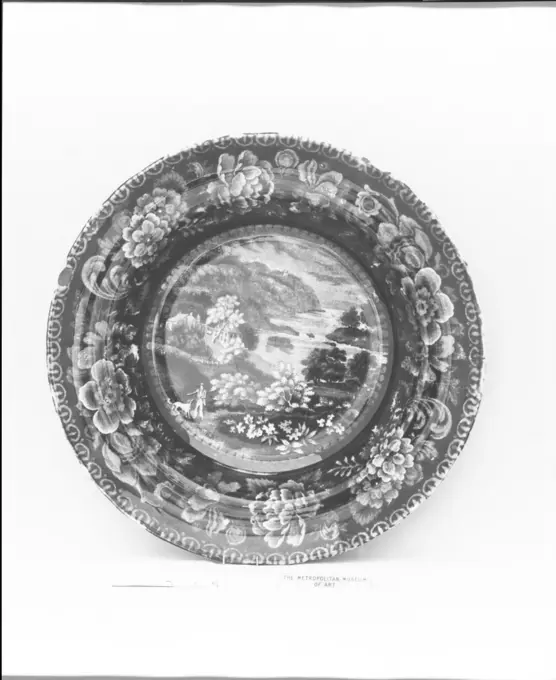
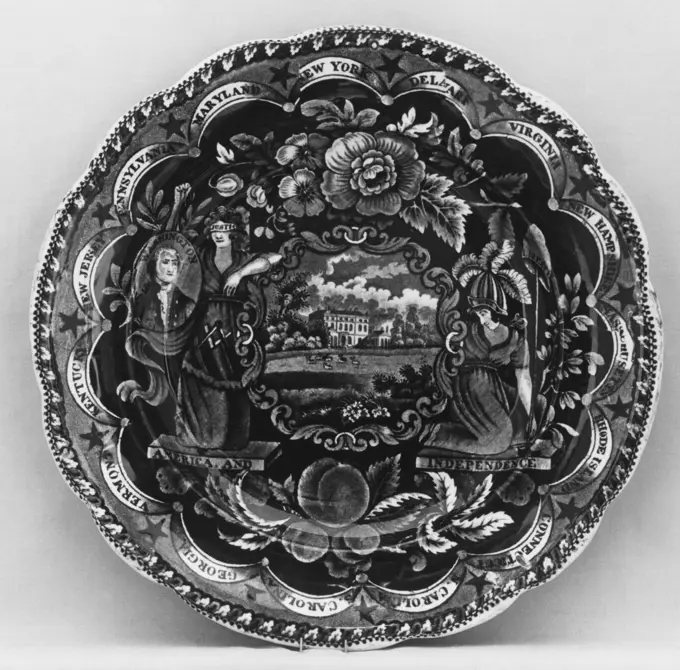
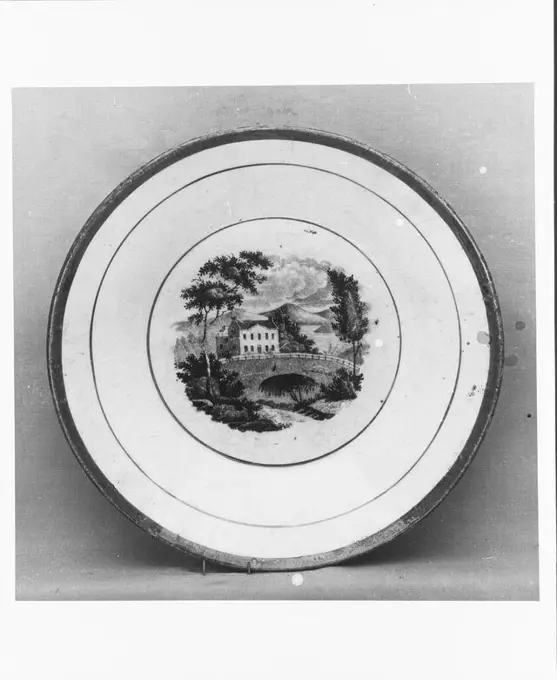
Soup Plate ca. 1815-ca. 1834 James and Ralph Clews British. Soup Plate 7659
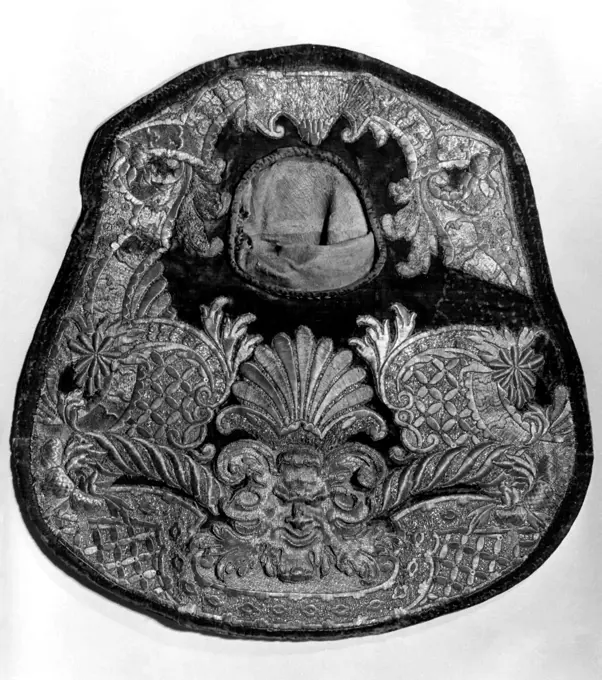
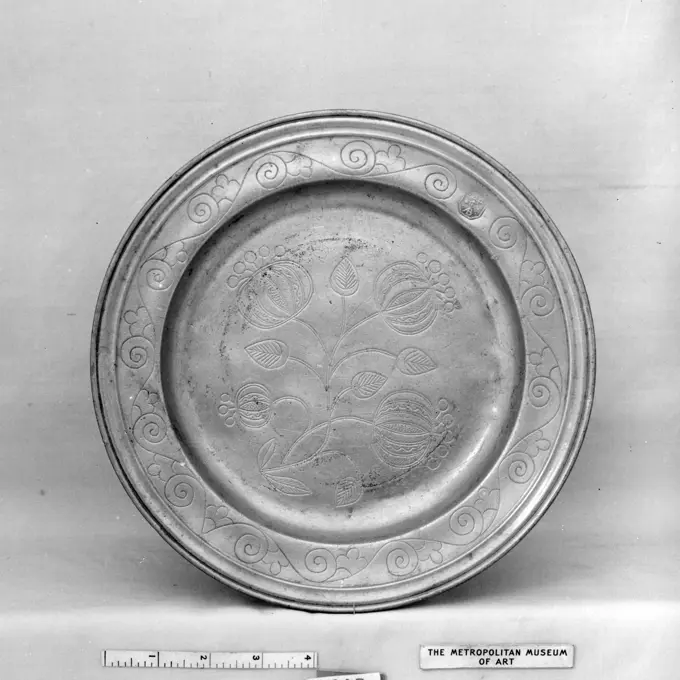
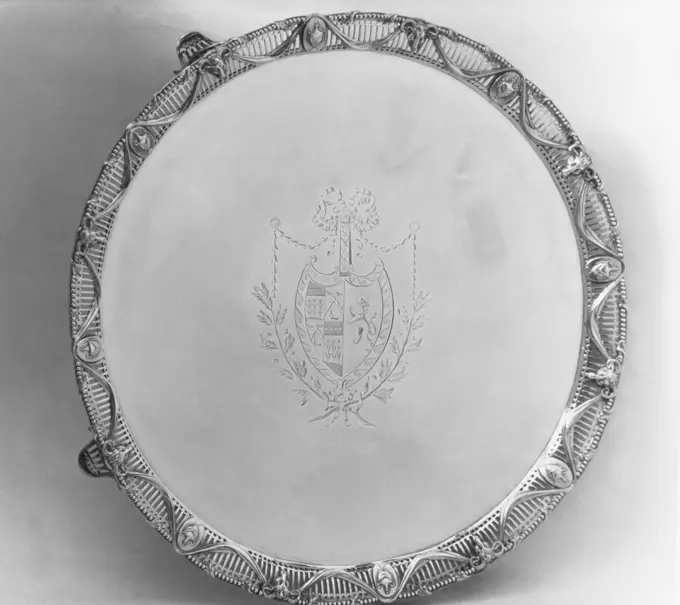
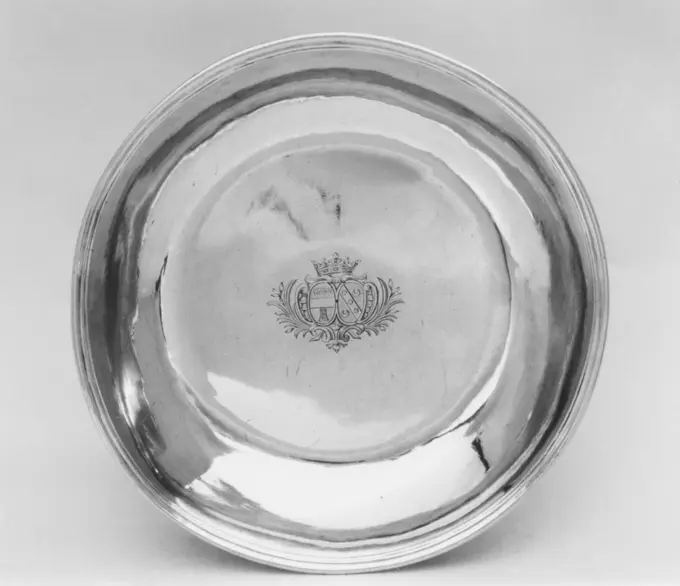
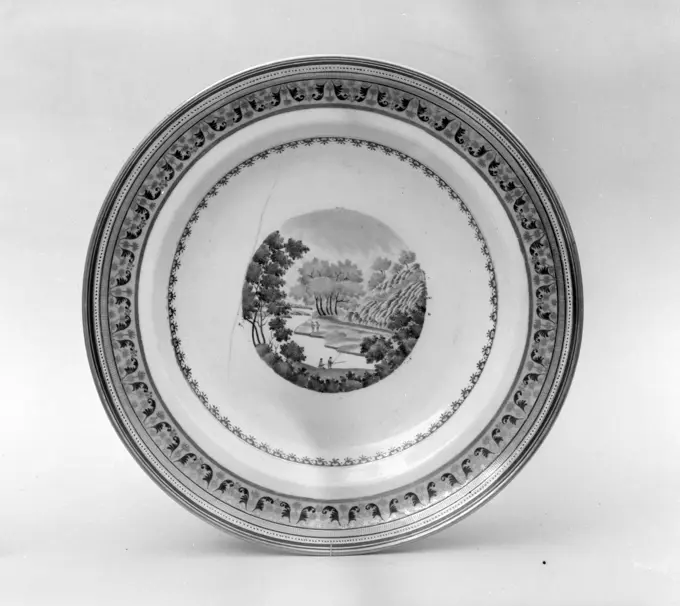
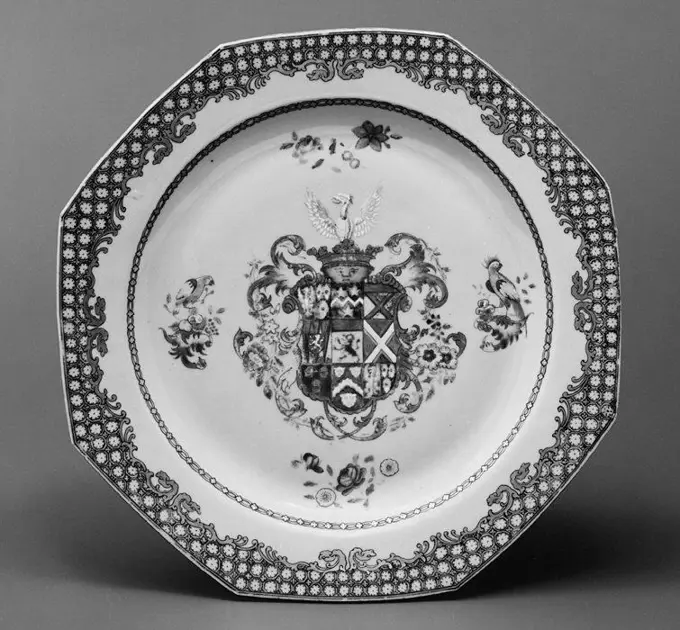
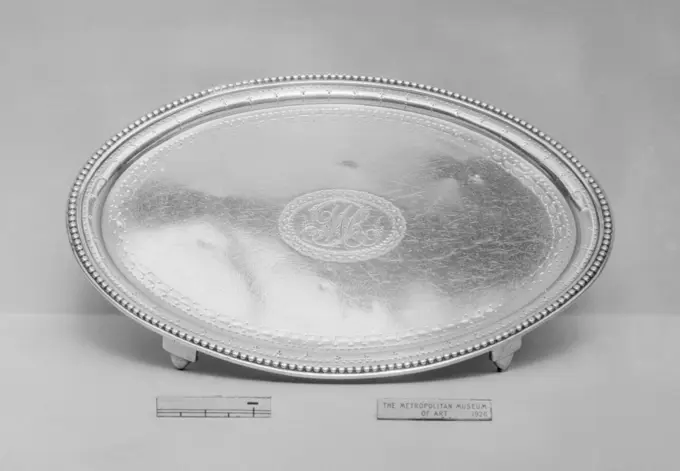
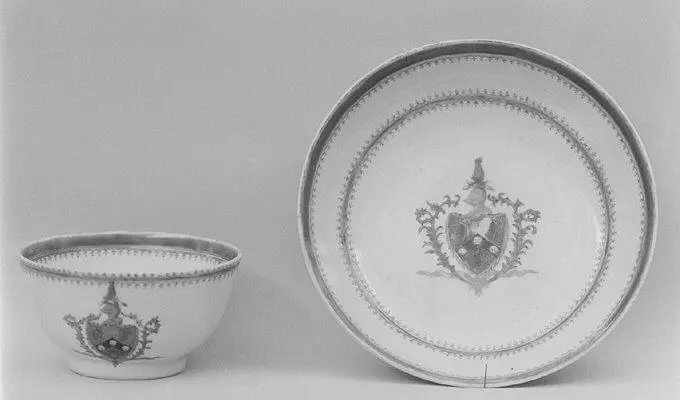
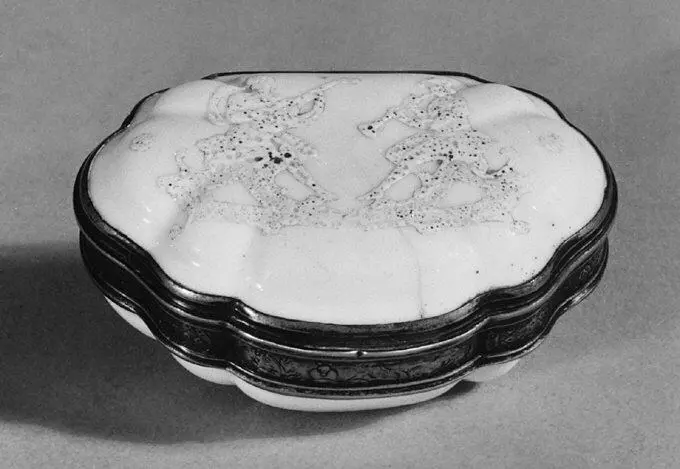
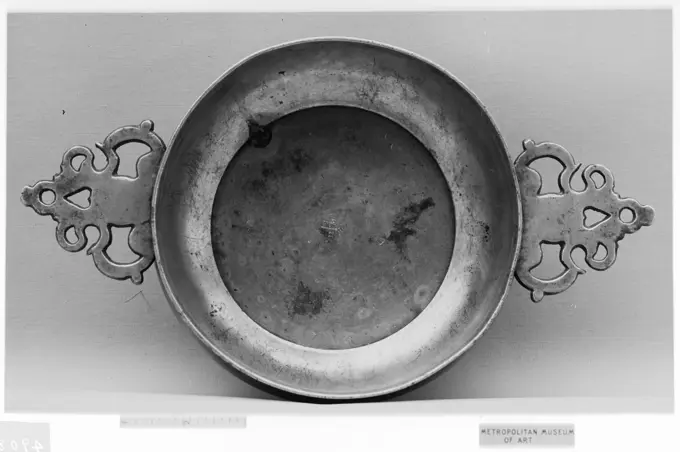
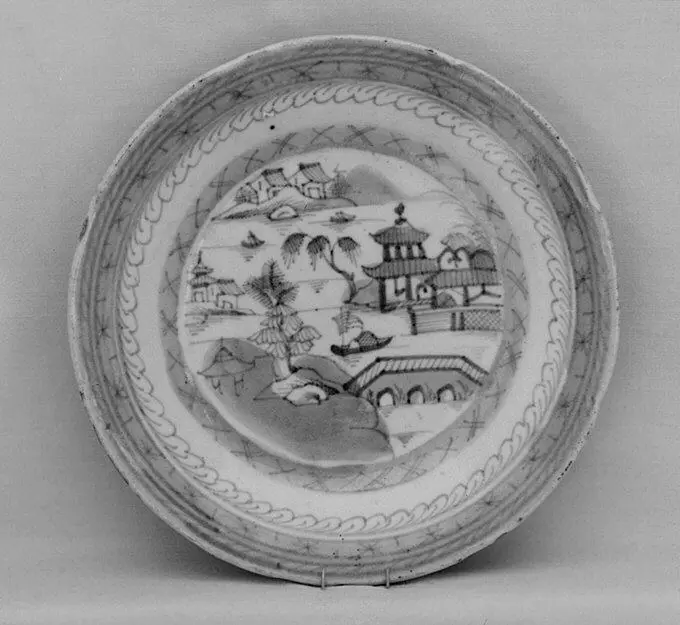
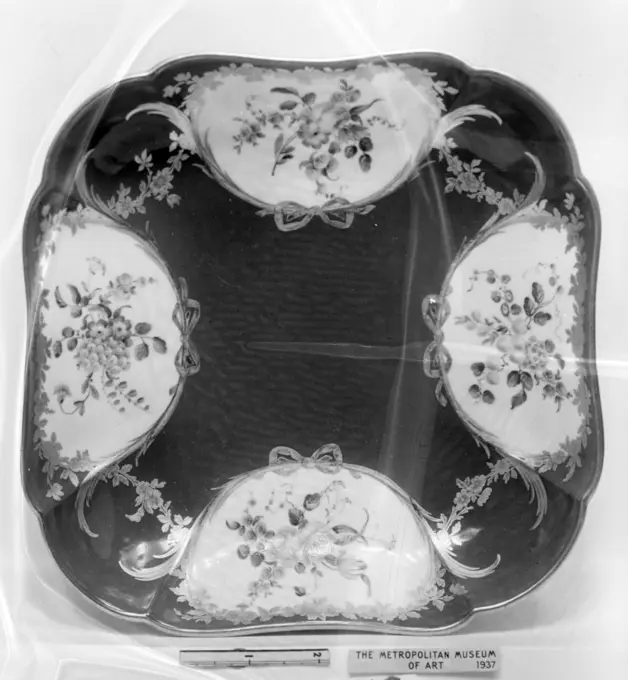
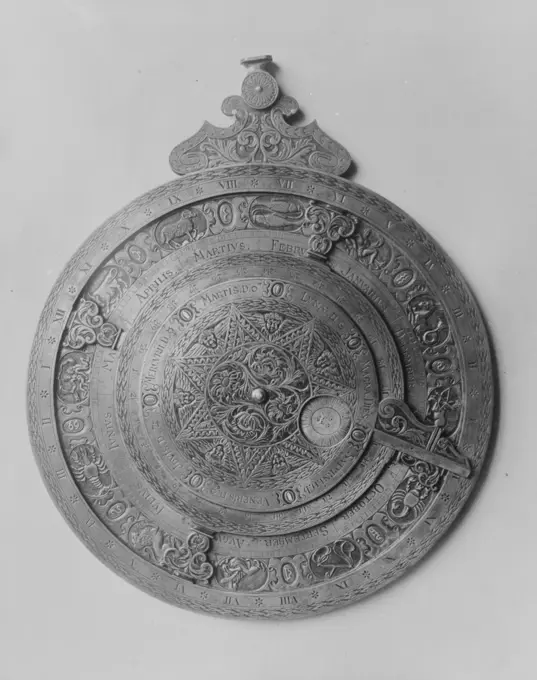
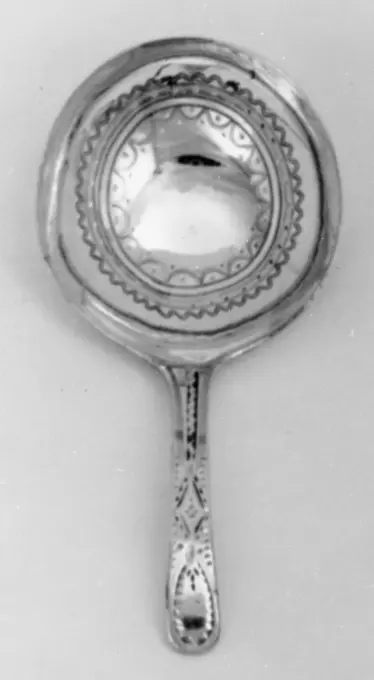
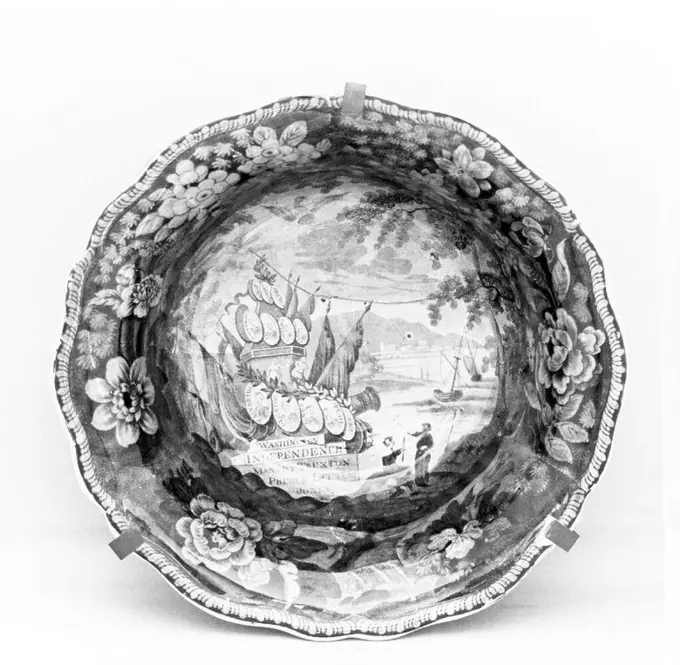
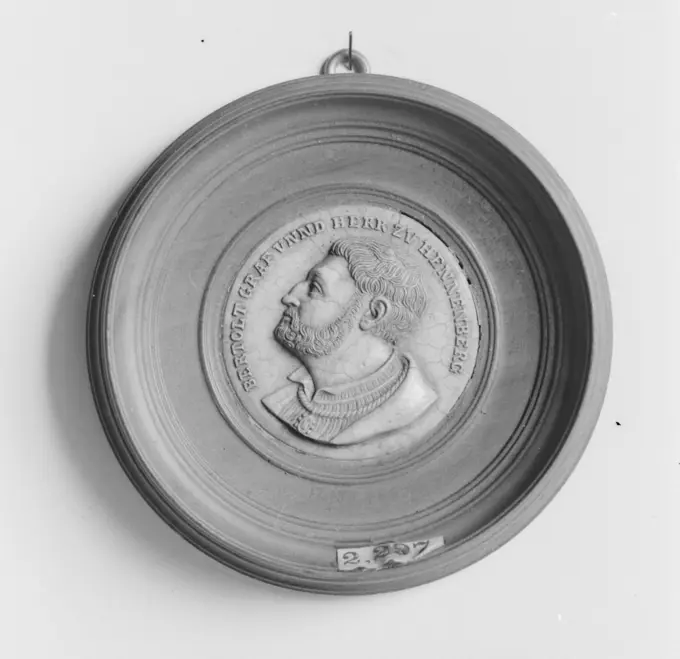
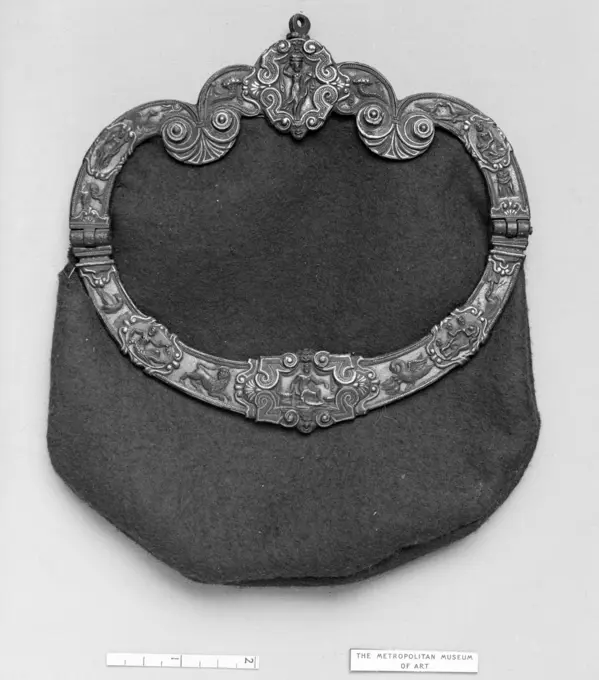
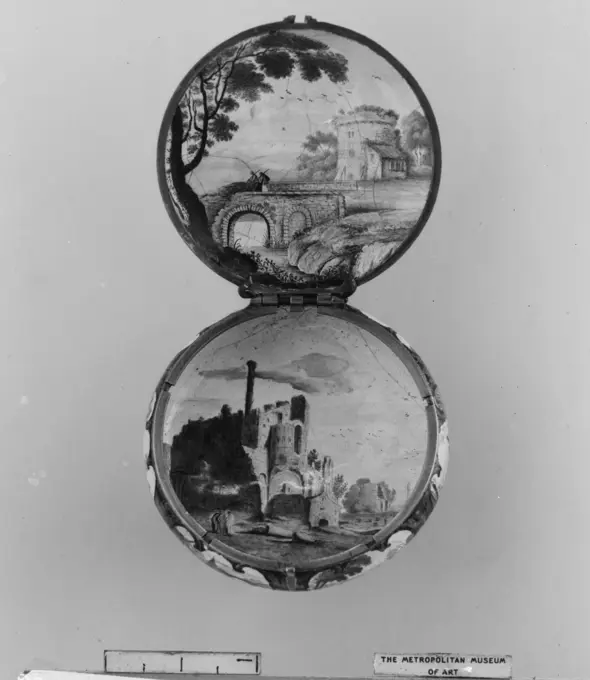
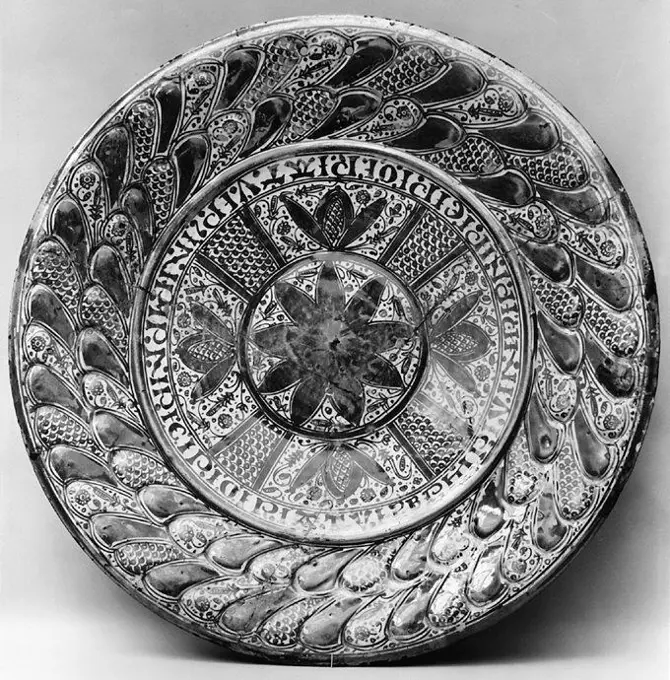
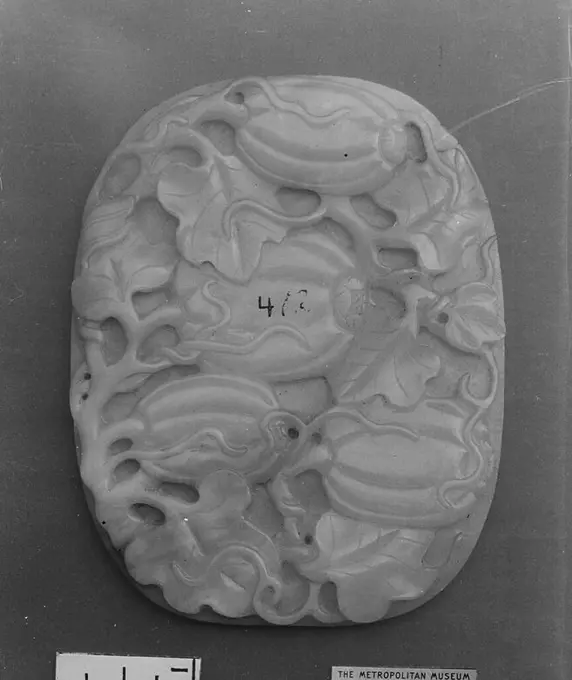
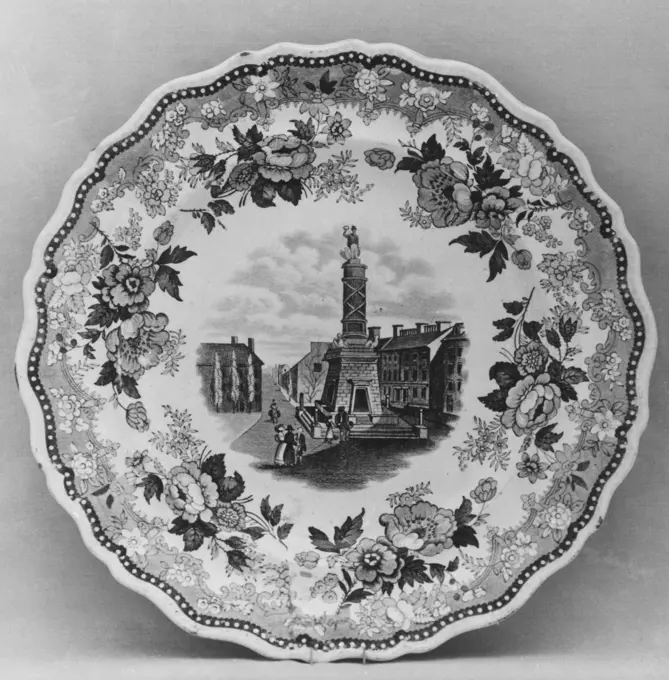
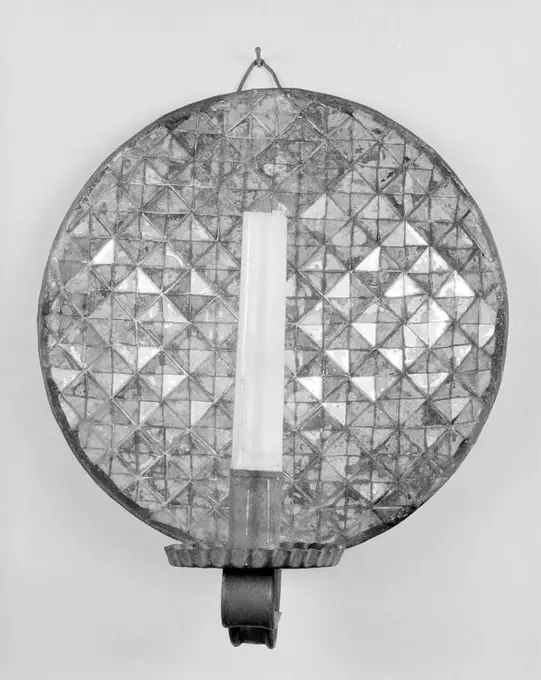
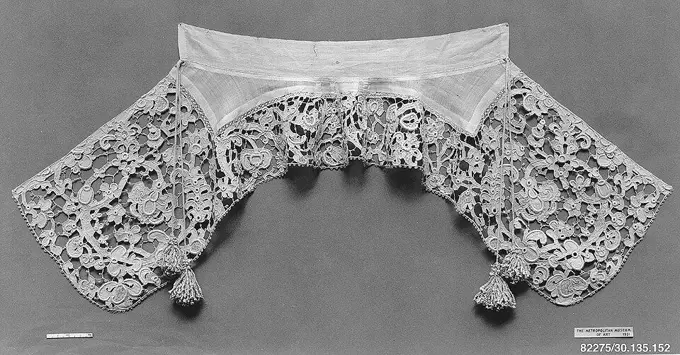
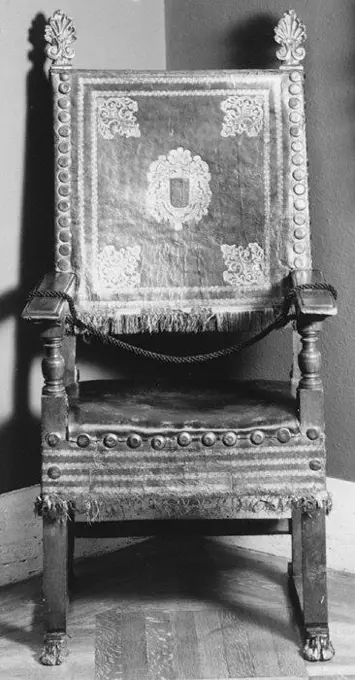
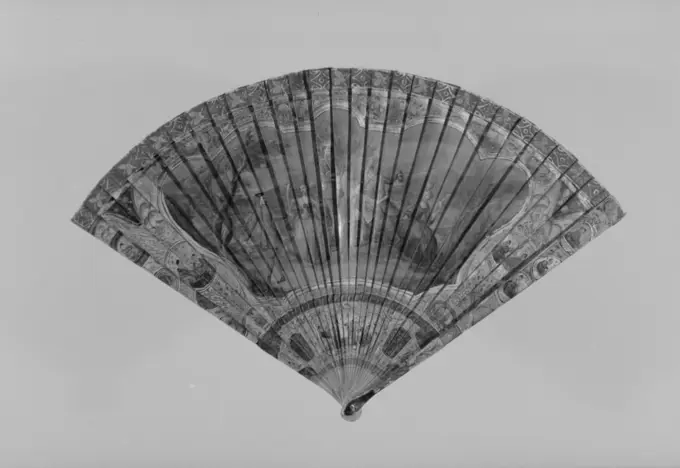
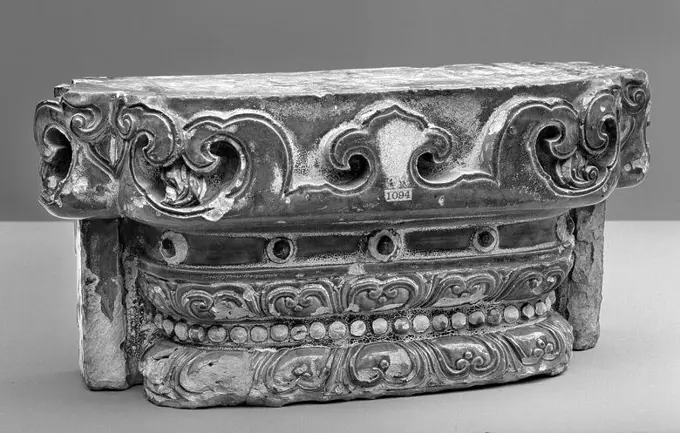
Saucer (one of nine) (part of a service) 1786 Sèvres Manufactory French. Saucer (one of nine) (part of a service). French, Sèvres. 1786. Soft-paste porcelain. Ceramics-PorcelainSoup Plate ca. 1815-ca. 1834 James and Ralph Clews British. Soup Plate 7659Saucer (one of nine) (part of a service) 1786 Sèvres Manufactory French. Saucer (one of nine) (part of a service) 197852Dish late 18th century Dutch. Dish 187872 Dutch, Dish, late 18th century, Tim-glazed earthenware, Diameter: 13 1/2 in. (34.3 cm). The Metropolitan Museum of Art, New York. Gift of Henry G. Marquand, 1894 (94.4.371)Plate. Culture: British (American market). Dimensions: Diam. 8 1/8 in. (20.6 cm). Maker: Mellor, Venables & Co. (active ca. 1834-51). Date: ca. 1840-ca. 1845. Museum: Metropolitan Museum of Art, New York, USA.Plate ca. 1745 Chinese, for British market. Plate 202510Pair of Pistol Holsters mid-18th century probably Italian or French Holsters of this type, each containing a single pistol, were attached at the front of the saddle, one on each side, giving the rider easy access to his weapons. The saddle and shabrack (saddle cloth) were sometimes made as a set with textile matching that of the holsters.. Pair of Pistol Holsters 24819Plate 18th century possibly Flemish. Plate. possibly Flemish. 18th century. Pewter. Metalwork-PewterPair of Pistol Holsters. Culture: probably Italian or French. Dimensions: 51.87.1; H. 19 1/4 in. (48.9 cm); W. 19 1/4 in. (48.9 cm); 51.87.2; H. 19 3/4 in. (50.2 cm); W. 19 1/4 in. (48.9 cm); Wt. of each 14.1 oz. (399.7 g). Date: mid-18th century.Holsters of this type, each containing a single pistol, were attached at the front of the saddle, one on each side, giving the rider easy access to his weapons. The saddle and shabrack (saddle cloth) were sometimes made as a set with textile matching that of the holsters. Museum: Metropolitan Museum of Art, New York, USA.Dish (one of a pair) ca. 1770 Worcester factory. Dish (one of a pair) 199048Plate ca. 1830-ca. 1835 British (American market). Plate. British (American market). ca. 1830-ca. 1835. Earthenware, transfer-printed. Made in Staffordshire, EnglandMirror in the shape of an eight-lobed flower 8th-9th century China. Mirror in the shape of an eight-lobed flower 49590Salver 1775-76 W.C., London. Salver 198038Saucer 18th century, decoration ca. 1720-25 Meissen Manufactory German. Saucer 197668Plate ca. 1815-ca. 1834 James and Ralph Clews British. Plate 6116Plate ca. 1760 British, Staffordshire. Plate 197610Plate 1846 Sèvres Manufactory French. Plate 198017Dish (one of a pair) 1697-1704 French, Paris. Dish (one of a pair) 200202Talerz z serwisu sułtańskiego,. Belweder (manufaktura fajansu ; 1770-1780), factoryCushion Cover for Throne China. Cushion Cover for Throne 68525Dish ca. 1818-ca. 1846 Enoch Wood & Sons British. Dish. British (American market). ca. 1818-ca. 1846. Earthenware, transfer-printed. Made in Staffordshire, Stoke-on-Trent, EnglandSoup Plate 1800-1830 Chinese. Soup Plate. Chinese. 1800-1830. Porcelain. Made in ChinaSaucer ca. 1730 Vienna A cup with a saucer that has a raised gallery is called a trembleuse, probably because the gallery prevented the cup from falling when the saucer was held by someone with trembling hands. Trembleuses were used primarily for hot chocolate, which was popular among the affluent Viennese, and were a specialty of Du Paquier.. Saucer 199120Plate (Assiette à palmes) (1 of 102) (part of a service) 1772 Sèvres Manufactory French. Plate (Assiette à palmes) (1 of 102) (part of a service) 197974Cup Plate 1832 Probably Boston & Sandwich Glass Company. Cup Plate. American. 1832. Lacy pressed glass. Probably made in Sandwich, Massachusetts, United StatesDish ca. 1730 Japan. Dish. Japan. ca. 1730. White crackled porcelain decorated with blue under the glaze, polychrome enamels (Arita ware, Ko Imari style). Edo period (1615-1868). CeramicsHot Water Plate 1800-1830 Chinese. Hot Water Plate. Chinese. 1800-1830. Porcelain. Made in ChinaDish stand ca. 1760 Worcester factory. Dish stand. British, Worcester. ca. 1760. Soft-paste porcelain. Worcester factory (British, 1751-2008). Ceramics-PorcelainPlate ca. 1800-1810 Chinese for export. Plate. Chinese for export. ca. 1800-1810. Porcelain. Made in ChinaPlate ca. 1735-40 Meissen Manufactory German. Plate 200931Plate ca. 1745-55 Chinese, for British market. Plate 237827Saucer with Thai mythical figures 19th century China. Saucer with Thai mythical figures 46180Stand 1785-86 John Wakelin. Stand 195477Watch ca. 1650 Watchmaker: Jean Gaspard Du Val. Watch. French. ca. 1650. Rock crystal, metal, enamel, silver. HorologyPlate (assiette à palmes) (1 of 102) (part of a service) ca. 1775 Sèvres Manufactory French. Plate (assiette à palmes) (1 of 102) (part of a service) 197918Saucer (part of a service) ca. 1740 After a design by Cornelis Pronk Dutch. Saucer (part of a service) 202539Watch ca. 1840-60 Watchmaker: Callaud. Watch. French, Paris. ca. 1840-60. Gold, enamel. HorologyCup and saucer last quarter 18th century Chinese, for British market. Cup and saucer 195539Maker's mark JL in script, Spoon Tray, c. 1770s, silver.Snuffbox ca. 1740 French, Saint-Cloud In eighteenth-century Europe, Paris led the production of high-quality luxury goods. Parisian goldsmiths made a wide range of small, personal articles such as snuffboxes; étuis to hold sealing wax, tweezers, or utensils for sewing; souvenirs, which contained thin ivory tablets for note taking; and shuttles for knotting lace. Gold snuffboxes and boxes decorated with portrait miniatures were prized and frequently given as royal gifts, often to ambassadors or members of the court in lieu of cash payments for their services. Coveted and admired, these boxes were produced from a variety of materials. The best were skillfully made of gold and embellished with diamonds, enameled decoration, lacquer, and other luxurious materials. By the middle of the century, the taking of snuff had become an entrenched social ritual, and the snuffbox, too, had become an important social prop. Snuffboxes were considered highly fashionable accessories, with some merchants Trinket Box 1830-70 American. Trinket Box. American. 1830-70. Parian porcelain. Probably made in Bennington, Vermont, United StatesHandkerchief mid-19th century Belgian, Brussels. Handkerchief 221701Bowl. Culture: American. Dimensions: Diam. 6 1/2 in. (16.5 cm). Date: 1835-40. Museum: Metropolitan Museum of Art, New York, USA.Plate ca. 1780 Nymphenburg Porcelain Manufactory. Plate 199292Bowl 1830-40 American. Bowl. American. 1830-40. Lacy pressed glass. Made in New England, United StatesPorringer 17th century Flemish or Dutch. Porringer. Flemish or Dutch. 17th century. Pewter. Metalwork-PewterPlate early 19th century Chinese, possibly for European or American market. Plate 193052Fruit dish (part of a service) 1772 Sèvres Manufactory French. Fruit dish (part of a service). French, Sèvres. 1772. Hard-paste porcelain. Ceramics-PorcelainPerpetual calendar with lunar and solar tables European 19th century View more. Perpetual calendar with lunar and solar tables. European. 19th century. Steel, silver details. HorologyPlate. Culture: China. Dimensions: Diam. 16 1/2 in. (41.9 cm). Date: late 16th-early 17th century. Museum: Metropolitan Museum of Art, New York, USA.Plate. Culture: British (American market). Dimensions: Diam. 10 1/4 in. (26 cm). Maker: Job & John Jackson (active 1831-35). Date: ca. 1831-ca. 1835. Museum: Metropolitan Museum of Art, New York, USA.Thomas Wallis II, Caddy Spoon, 1800/1, silver.Bowl ca. 1840 Mexican. Bowl 678unknown (unknown), Tea cup and saucer, c. 1740-1755, Qianlong, arts and crafts, saucer diameter 14 cm, cup height . 7 cmDish 1616 British, London. Dish 204979Plate. Culture: British (American market). Dimensions: Diam. 8 3/4 in. (22.2 cm). Maker: Possibly Ralph Stevenson & Williams (active ca. 1825-27). Date: ca. 1825-ca. 1827.This blue and white transfer-printed earthenware plate possibly made by the Staffordshire firm of Ralph Stevenson & Williams features a view of the City Hotel located on the west side of Broadway between Thames and Cedar Streets in New York. Built in 1794 with five storeys and seventy-eight rooms, the City Hotel was New York's most famous early hotel and perhaps the first American structure built and used solely as a hotel. Museum: Metropolitan Museum of Art, New York, USA.Bertold, Count and Duke of Hennenberg 1500-1550 German. Bertold, Count and Duke of Hennenberg. German. 1500-1550. Steatite (soapstone). Sculpture-MiniatureCounter 16th century German. Counter. German. 16th century. Ivory. Sculpture-MiniatureShell engraved with winged female deity, sphinxes, and lotus plants 700-600 BC The shell of a species of large clam (Tridacna squamosa), native to the Indian Ocean, the Red Sea, and the Persian Gulf, was used to carve a distinctive type of cosmetic container during a short period from the late seventh to the early sixth century B.C. More than a hundred containers of this type survive, and have been found throughout the Near East and Mediterranean, as far east as Iran and as far west as Italy. Unworked shells have been found in Palestine and Transjordan, suggesting that the workshops where these containers were manufactured were located in these regions. This remarkably preserved shell bears elaborate incised decoration on the outer surface. A four-winged figure wearing an intricate embroidered or woven garment holds floral branches in both hands, and lotus flowers and buds sprout from her shoulders. Two small winged sphinxes flank her, each surrounded by more branches which sprout budsNativity Italian, Florence second half 15th century View more. Nativity. Italian, Florence. second half 15th century. Silver gilt, niello. Metalwork-Silver In CombinationPlatter 1740-50 Chinese, for British market. Platter 201079Purse first quarter 18th century British. Purse 229043Purse frame probably second half 16th century Northern Italian. Purse frame 193631Watch case 17th century French. Watch case. French. 17th century. Metal, enamel. HorologyPorringer.   Maker: Benjamin Burt, 1729-1805Dish with The Nativity German, Silesia ca. 1550Bliżej Kultury unknownDish 16th century Spanish Tin-glazed earthenware, of which lusterware is one type, was developed in the Middle East in the ninth and tenth centuries to imitate the porcelains produced in China. The opaque white glaze concealed the clay body, which could range from pale buff to brick red, allowing for brilliant effects created by painting the white surface with metal oxides that fired to a range of colors. This technique, as well as the use of metallic lusteran iridescent, coppery painted glazespread throughout the Muslim world, arriving among the potters of Valencia in the thirteenth century. The so-called Hispano-Moresque lusterware, with its fusion of Islamic and Gothic styles and motifs, often in shaped imitating those of metal vessels, was treasured by the elite in Spain during the fifteenth century and exported to the courts of Europe. The Valencian industry declined in the late sixteenth century, as colorful Italian Renaissance maiolica gained in popularity among the fashionablPlaque. Culture: China. Dimensions: H. 3 1/8 in. (7.9 cm); W. 4 in. (10.2 cm); D. 1/4 in. (0.6 cm). Museum: Metropolitan Museum of Art, New York, USA.David Willaume, Dish, 1709/10, silver.Sconce 1795-1815. Sconce. 1795-1815. Silver plate on copper. Possibly made in South Yorkshire, Sheffield, EnglandPlate ca. 1818-ca. 1846 Enoch Wood & Sons British. Plate 5970Pendant 18th century. Pendant 447792Dish 1631-32 William Maunday. Dish 204891Chair seat cover mid-18th century British. Chair seat cover 221888Tins of lebkuchen (cookies), probably manufactured by German company Baren-SchmidtMitre case with the arms of Cardinal Scipio Gonzaga 1587-93 Italian Cardinal Scipio Gonzaga was created Patriarch of Jerusalem in 1585 and Cardinal in 1587.. Mitre case with the arms of Cardinal Scipio Gonzaga. Italian. 1587-93. Leather, wood, flannel, and cord. Natural Substances-LeatherworkSherd ca. early to mid-3rd millennium B.C. Indus. Sherd 324707Plate ca. 1755-65 French, Lille The mark on the underside of this plate"A.T."is for Août, or August, and cutting and binding wheat is an activity of that month. Other 'months' plates in this series are known, inscribed "Mi," "Av," "Jv," "Jl," "St," and "Ob," for May, April. January, July, September and October.. Plate 194409Plate ca. 1831 Job & John Jackson. Plate 6147Platter ca. 1831-ca. 1835 Job & John Jackson. Platter 6138Sconce. Dimensions: 11 9/16 x 9 1/8 in. (29.4 x 23.2 cm). Date: 1700-1800. Museum: Metropolitan Museum of Art, New York, USA.Fan third quarter 18th century French. Fan. French. third quarter 18th century. Paper, ivory. FansPlate 1830-45 American. Plate. American. 1830-45. Lacy pressed glass. Made in Midwest, United StatesFan early 18th century French. Fan 209973William Vincent, Basket, 1773/74, silver.Falling band (collar) with tassels ca. 1660-65 Italian, Venice. Falling band (collar) with tassels. Italian, Venice. ca. 1660-65. Linen; needle lace. Textiles-LacesArmchair 16th-17th century Italian. Armchair 204774Dish Japan. Dish 63603Plate. Culture: British, Leeds, Yorkshire. Dimensions: Diameter: 7 1/2 in. (19.1 cm). Date: late 18th century. Museum: Metropolitan Museum of Art, New York, USA.Taper Winder 1795-1800. Taper Winder. 1795-1800. Silver platePainted wooden boxAnefo photo collection. Romanian ambassador Dr. G. Elian opens exhibition Romanian folk art in Madurodam, Dr. G. Elian. August 24, 1971. The Hague, South HollandSilver phiale (libation bowl) with gilding 4th century B.C. Greek The decoration of the exterior consists of a rosette surrounded by two series of silver and gilded petals. Two Greek letters and a dotted circle appear on the lip.. Silver phiale (libation bowl) with gilding 251060Paten 1716-17 Joseph Clare. Paten. British, London. 1716-17. Silver. Metalwork-SilverPlate, one of twelve, c. 1807, William Sumner, English, -1807, Silver, England, 19th centuryFan French late 19th centuryDish ca. 1690 British, Staffordshire. Dish 195222Fan 18th century French. Fan. French. 18th century. Ivory. FansArchitectural Tile. Culture: China. Dimensions: H. 8 3/8 in. (21.3 cm); W. 17 in. (43.2 cm). Date: ca. 1412-30. Museum: Metropolitan Museum of Art, New York, USA.