Antique Ceramics and Dishware

A historical collection of intricately designed ceramic plates and saucers, showcasing floral patterns and artistic craftsmanship from various periods and styles.

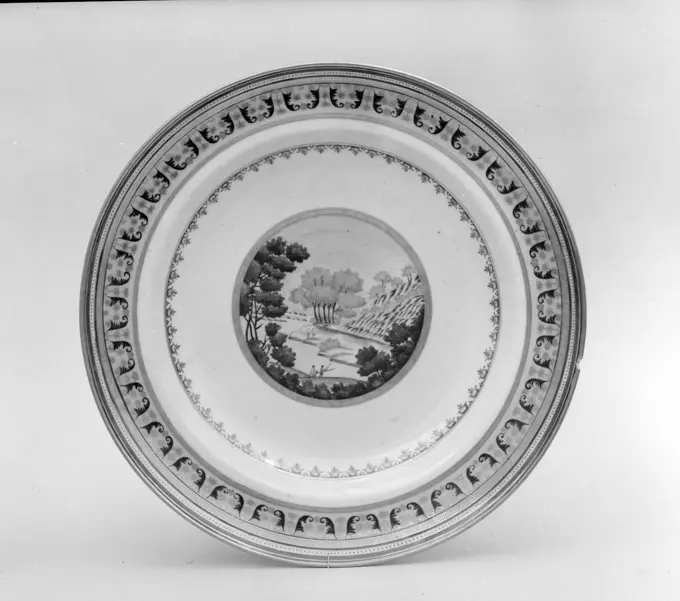
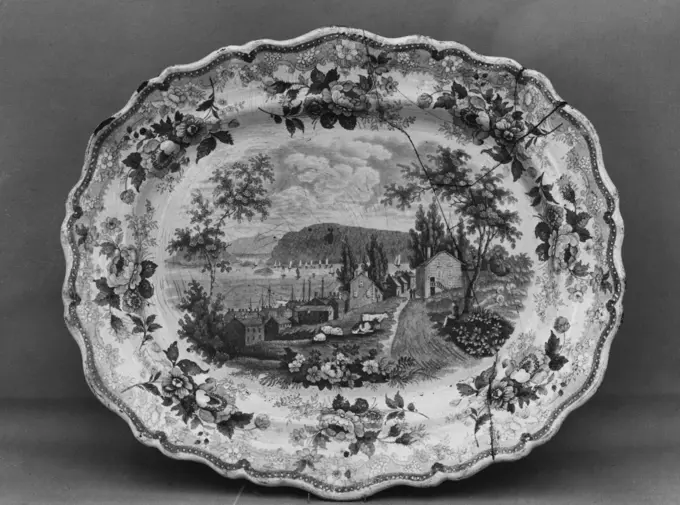
Soup Plate ca. 1815-ca. 1834 James and Ralph Clews British. Soup Plate 7659
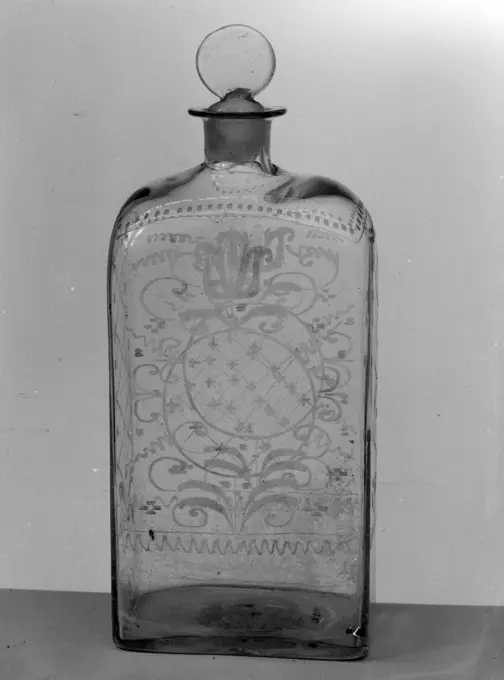
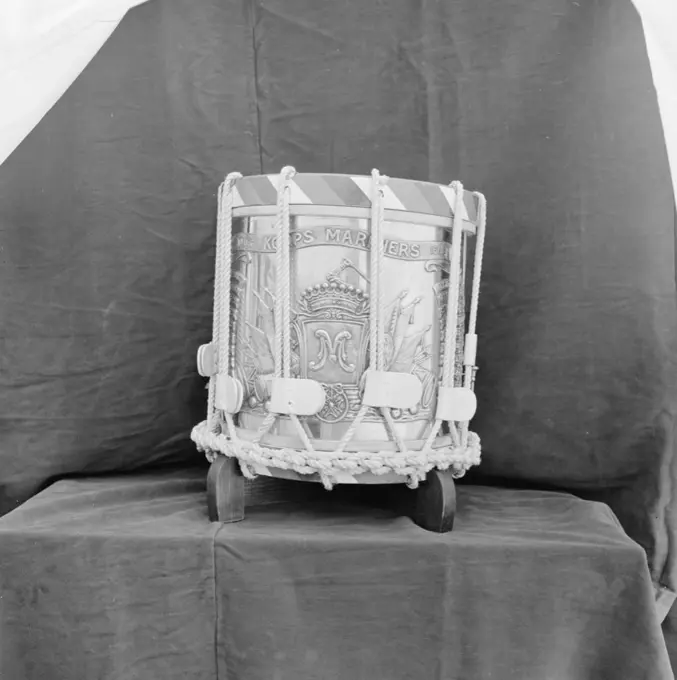
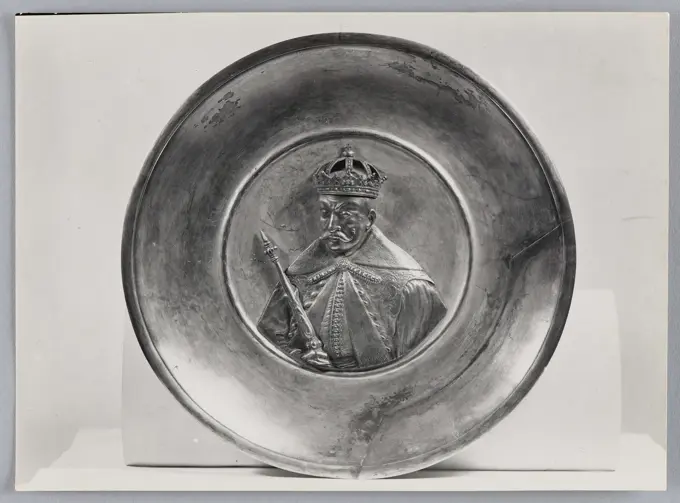
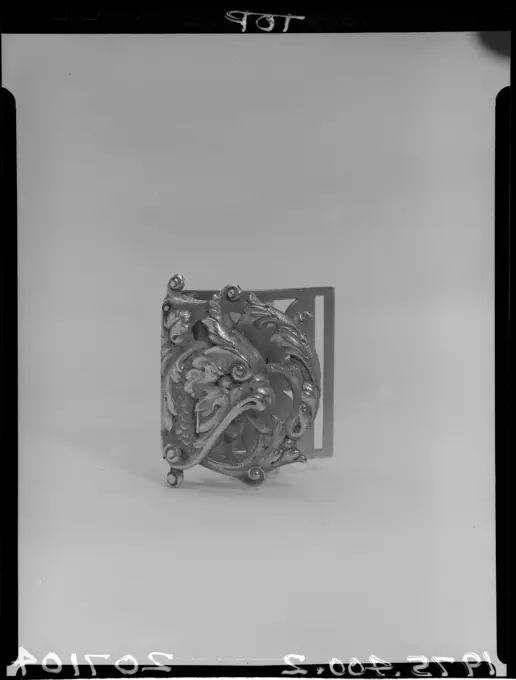
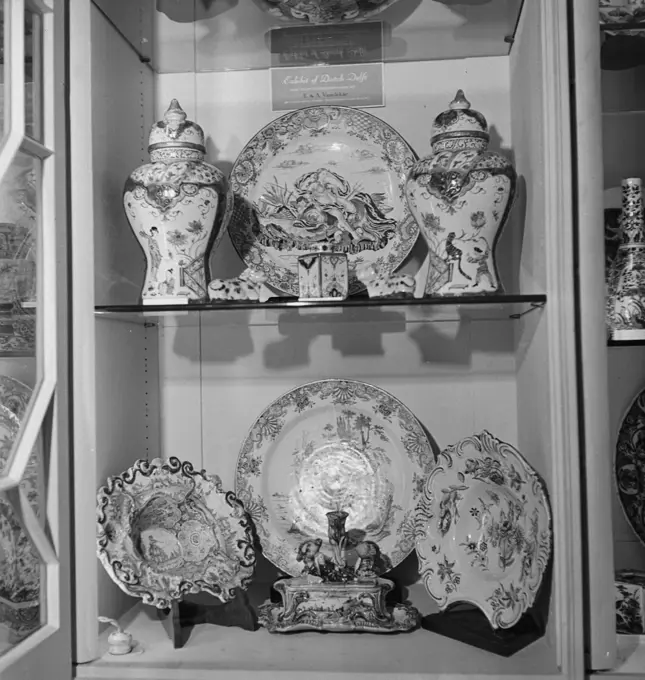
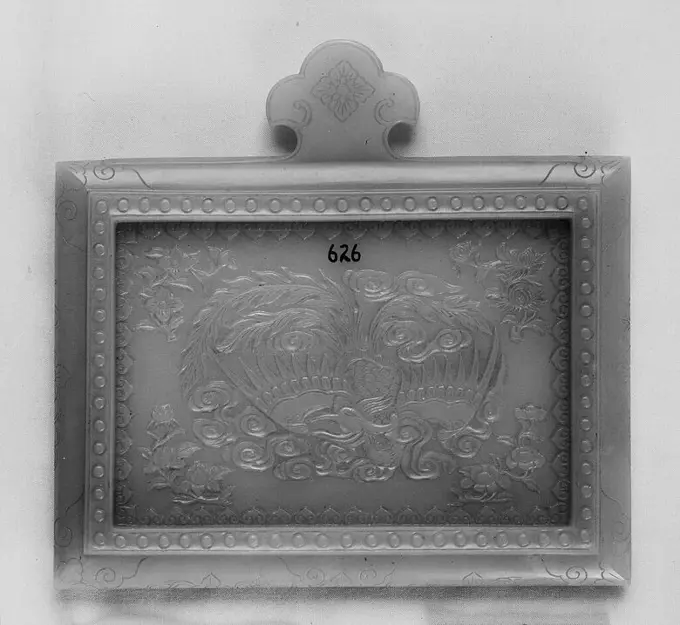
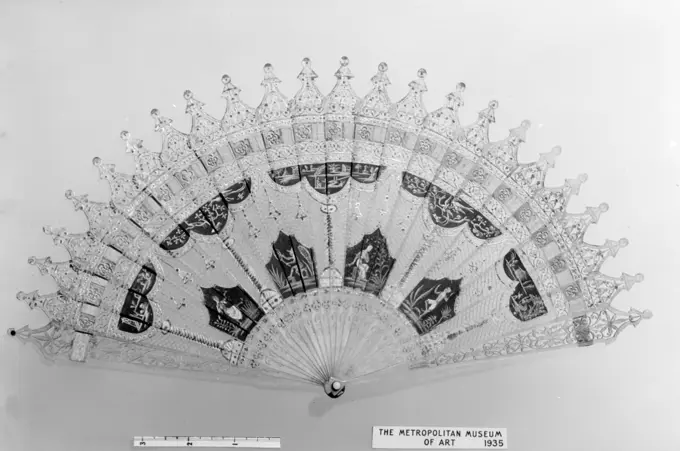
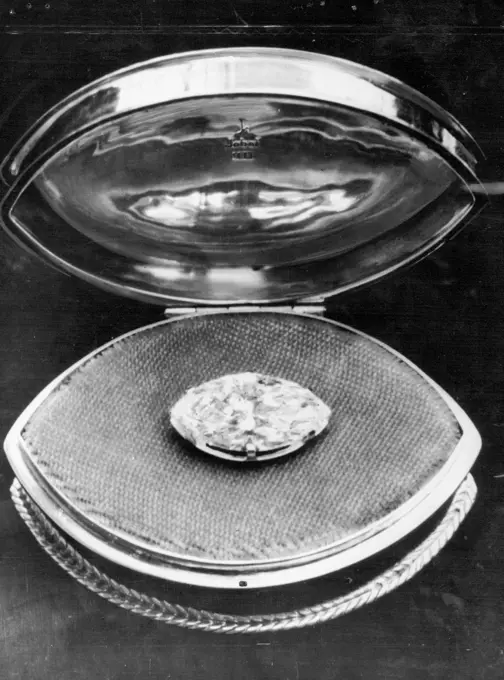
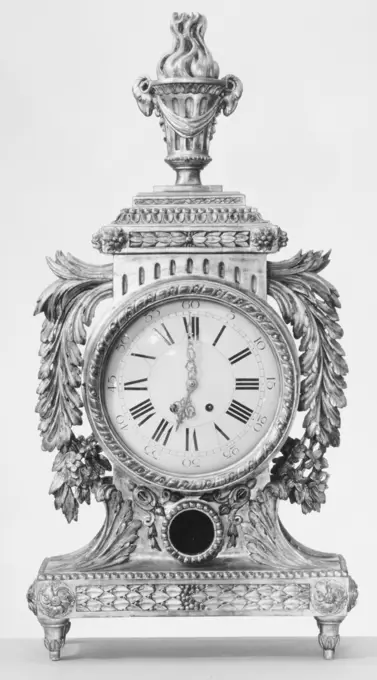
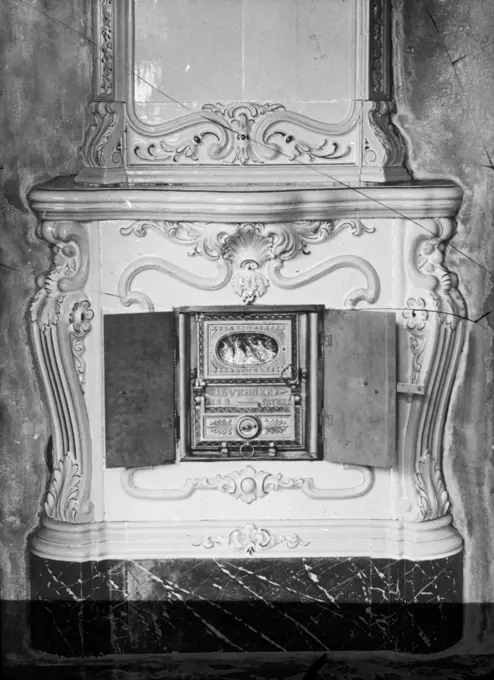
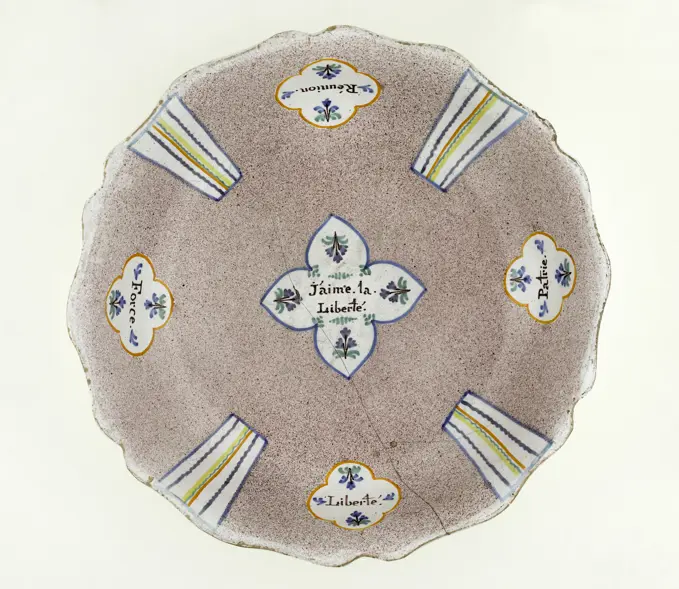
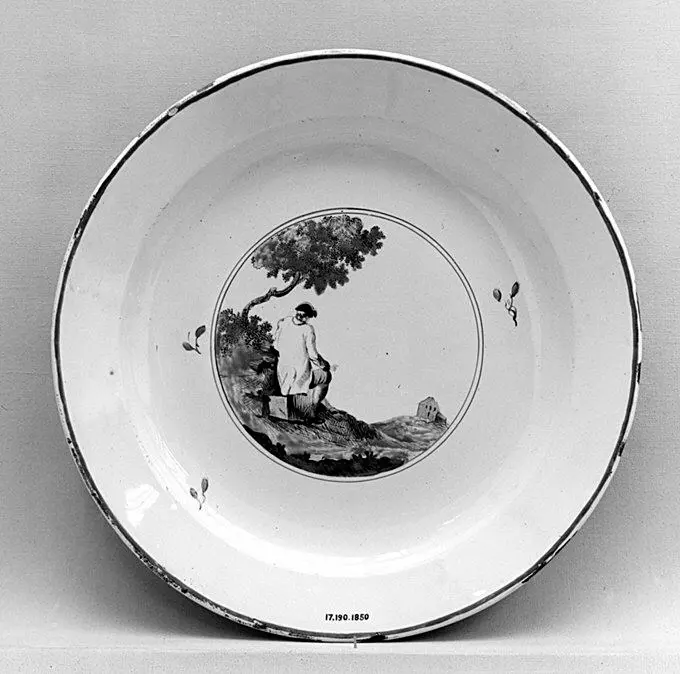
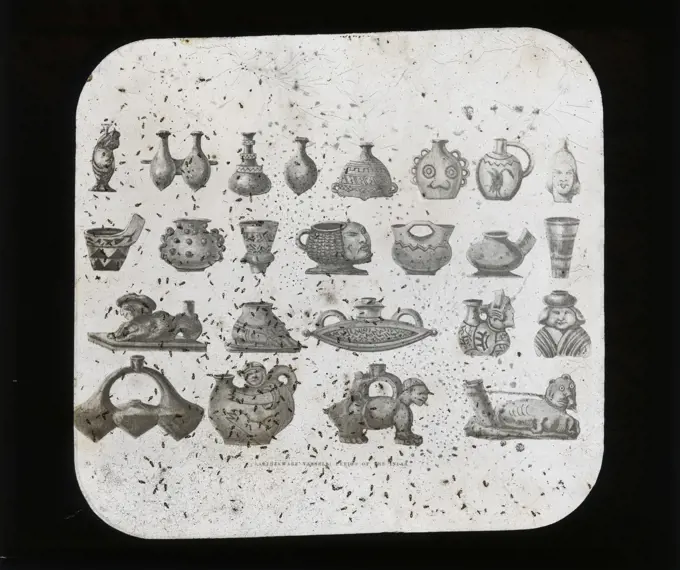
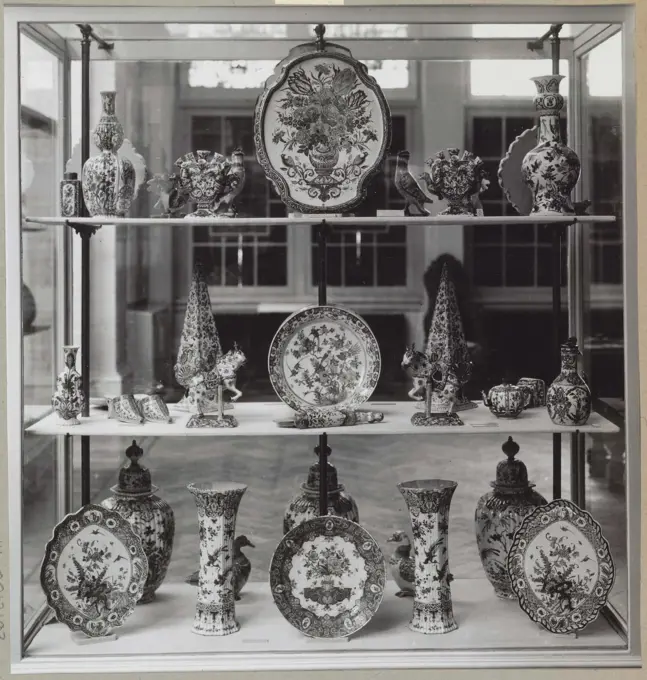
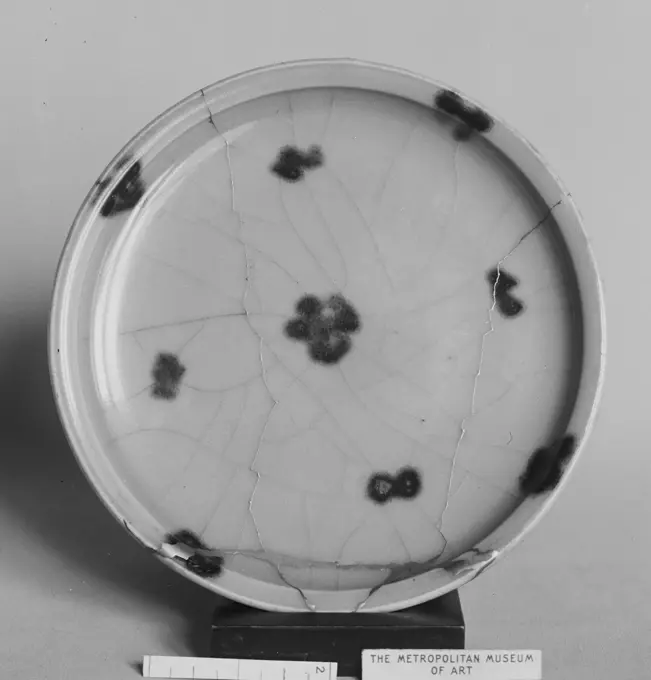
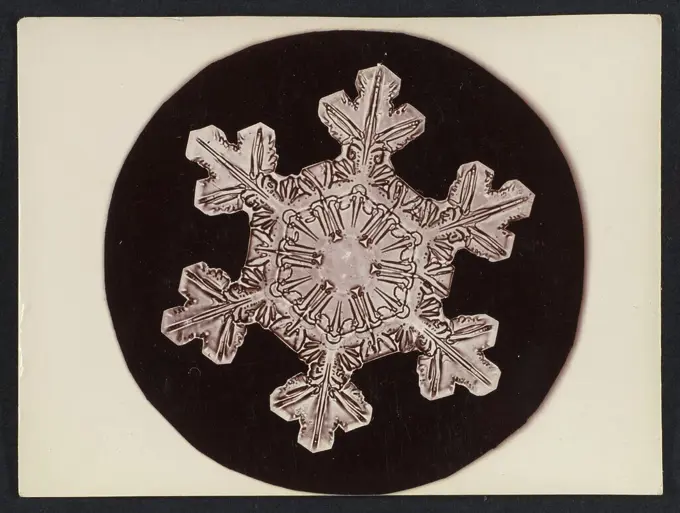
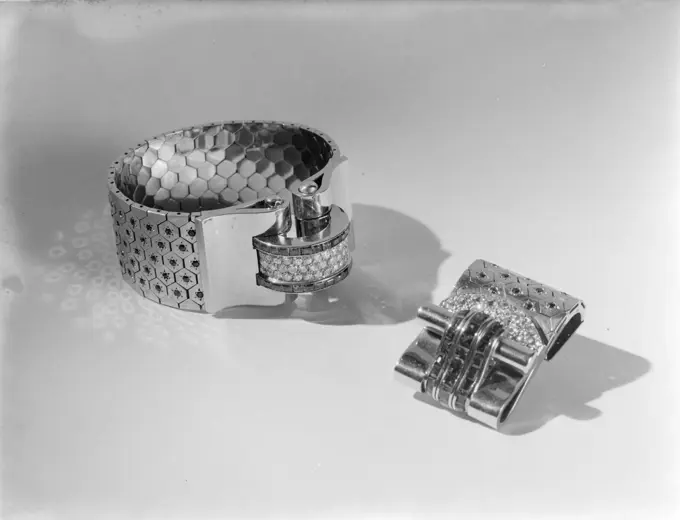
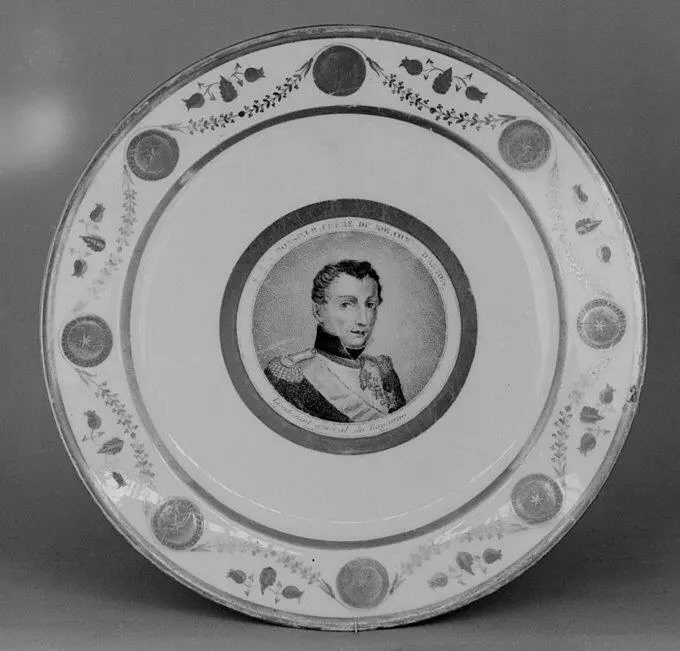
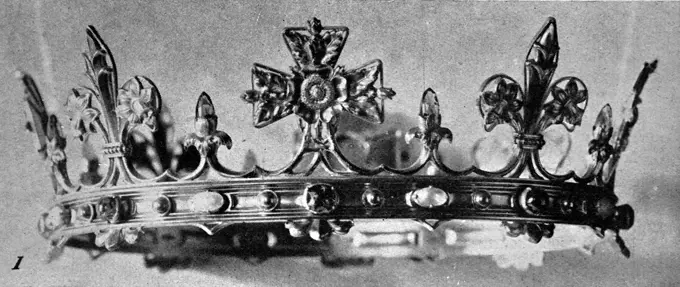
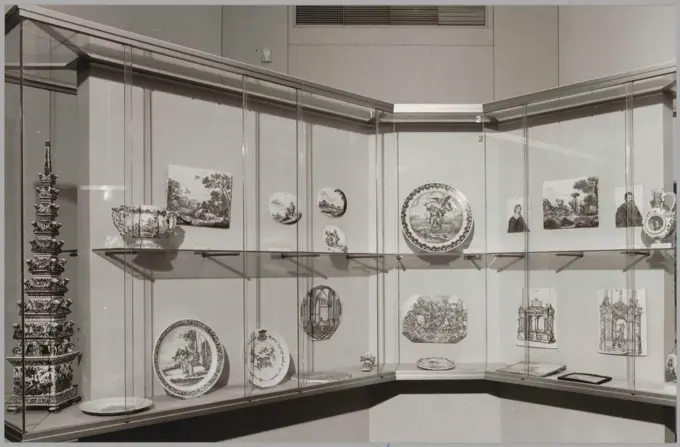
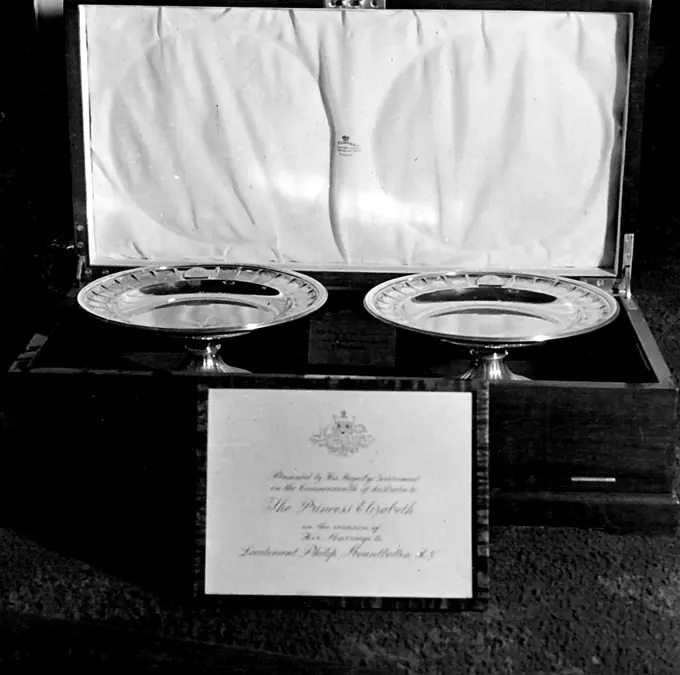
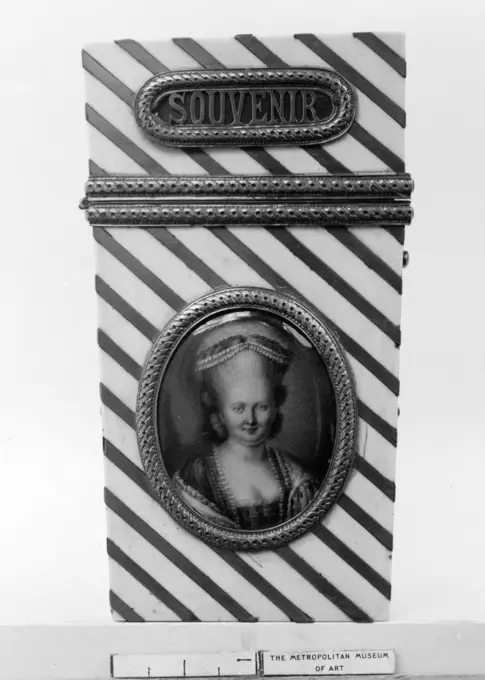
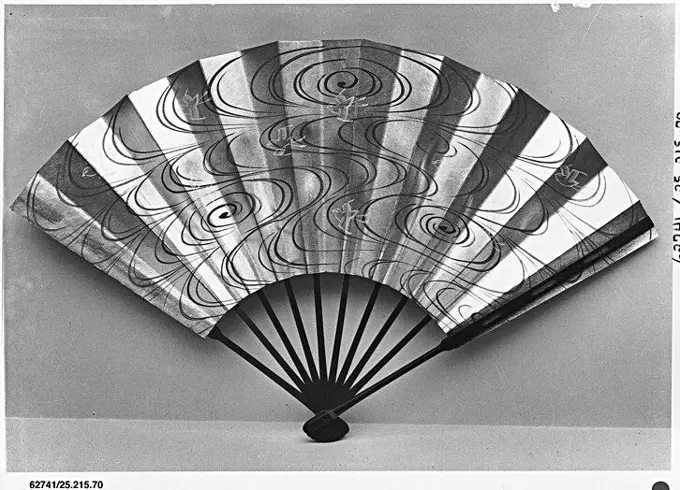
Parts of a pair of andirons. Culture: French. Dimensions: Overall (each): 9 1/2 × 3 1/2 in. (24.1 × 8.9 cm). Date: 18th century. Museum: Metropolitan Museum of Art, New York, USA.Watch ca. 1830-40 Watchmaker: Firm of Lépine. Watch 193357Soup Plate 1800-1830 Chinese. Soup Plate. Chinese. 1800-1830. Porcelain. Made in ChinaA base for mahogany bottles with a silver frieze of garlands kept by Putt's day of the otnik Jan Fryderyk Suck (19th century) from the Leopold Méyet collection, in the collections of the National Museum in Warsaw from 1915 - general view;  around 1920-1922 (not after 16.05.1922) (1918-00-00-1922-00-00);Bottle second half 18th century Dutch. Bottle. Dutch. second half 18th century. Glass. GlassChair seat cover mid-18th century British. Chair seat cover 221891A depth from the Marine Chapel of the Royal Netherlands Marine (Markap).Photography of Patena with the performance of Władysław Jagiełło with royal insignia - general view in the front;  20th century (1901-00-00-2000-00-00);Watch ca. 1815-30 Watchmaker: Firm of Guirodon et Cie. Watch. Swiss, Geneva. ca. 1815-30. Gold, jewels, enamel, silver. HorologyPhotograph of a plate with the bust of Stephen Batory with royal insignia. unknown, photographerDish 1757-58 Edme-Pierre Balzac. Dish 200339Platter (part of a service) ca. 1765 Chinese, for Portuguese market. Platter (part of a service) 201152Fan ca. 1825 French. Fan 209784Watch late 18th century French or Swiss. Watch 193371Ornament for Headdress 18th-19th century China. Ornament for Headdress 60806Money changer's box French, possibly Nancy late 17th-early 18th centuryVase China. Vase 40678Fragment of a Bowl. Dimensions: H. 1 5/8 in. (4.1 cm)L. 4 7/8 in. (12.4 cm)D. 3 5/8 in. (9.2 cm)Wt. 5.4 oz. (153.1 g). Date: 14th-15th century. Museum: Metropolitan Museum of Art, New York, USA.Buckle 1900-1924 Probably Theodore B. Starr This gold buckle is one half of a pair made by New York City jewelry firm T.B. Starr & Co. These buckles depict stylized dolphins and acanthus leaves, and they are delicately chased to create a textured finish. Theodore B. Starr was among the most prominent and influential jewelry and silversmithing firms in New York City during the late nineteenth and early twentieth centuries. Originally in partnership with jeweler and silversmith Herman Marcus under the name of Starr & Marcus, Theodore B. Starr established his own eponymous firm in 1877. Starrs work was regularly and enthusiastically heralded in the press. On March 18th, 1880 "The Independent" published an article in which “The House of Theodore B. Starr” is described as an establishment that develops “an educated demand for ‘beauty in use;” and where one will find “his taste and his intelligence stimulated.” The article goes on to state, “No more striking proof exists of the progress whPlateau 17th century probably Italian. Plateau. probably Italian. 17th century. Copper, gilt. Metalwork-ElectrotypeDish 18th century Japan. Dish. Japan. 18th century. Pottery covered crackled glaze and decorations; handle of imitation lacquer (Kyoto ware). Edo period (1615-1868). CeramicsAnefo photo collection. Hie Holland England / Anefo London series. Delft Porcelain, Loaned Mr. Vanderkar, Exhibited Netherlands House, Charles Street, London. Porcelain Inkstand (1600) Exhibition Delft Pottery. Porcelain ink set (1600). 1943. Britain, LondonPlatter ca. 1831-ca. 1835 Job & John Jackson. Platter 6523Wall bracket (one of a pair) 18th century Dutch. Wall bracket (one of a pair) 856696Plate, one of twelve, c. 1807, William Sumner, English, -1807, Silver, England, 19th centuryFrame with mirror. Culture: China. Dimensions: H. 5 9/16 in. (14.1 cm); W. 5 1/4 in. (13.3 cm); D. 5/8 in. (1.6 cm). Museum: Metropolitan Museum of Art, New York, USA.Portions of an Armor Garniture. Culture: German, Augsburg. Etcher: Jörg Sorg the Younger (German, Augsburg, ca. 1522-1603). Date: ca. 1550-55, some etched decoration, 19th century.The elements of armor exhibited here represent parts parts of several closely related garnitures, the etched ornament of which can be attributed to the Augsburg etcher Jörg Sorg the Younger. Three similar armors made for Spanish knights in 1551 and 1553 were recorded in Sorg's pen-and-wash album of armor designs that is now preserved in the Württembergische Landesbibliothek, Stuttgart. The numerous exchange and reinforcing pieces indicate that the armor was adaptable for use not only in battle but also in several forms of tournament. Museum: Metropolitan Museum of Art, New York, USA.Valance (one of a set of six) late 17th-early 18th century French or Italian. Valance (one of a set of six) 227013Fan early 19th century French. Fan. French. early 19th century. Horn. FansQueen's Farewell Diamond From South African People: The large unset diamond presented to the Queen.Glittering souvenirs as well as sparkling memories accompany the Royal Family on their homeward voyage from South Africa. As mementos of the Royal tour of the Union, beautiful diamonds were presented to the King and Queen and their daughters by the South African people. King George was given unset diamonds mounted in war in the form of a Springbok (symbol of South Africa). Queen Elizabeth received a magnificent mast single stone, Princess Elizabeth a necklace and Princess Margaret a bracelet. April 24, 1947.Medallion (Belgium); linenPortable equatorial sundial ca. 1766-90 Andreas Vogler. Portable equatorial sundial 188850 Maker: Andreas Vogler, ca. 17301800, Portable equatorial sundial, ca. 176690, Brass, gilt, 2-7/8 x 2-1/2 in. (7.3 x 6.4 cm). The Metropolitan Museum of Art, New York. Gift of Mrs. Stephen D. Tucker, 1903 (03.21.40)Plate mid-17th century Japan. Plate 50327Mantel clock (pendule) case ca. 1770, dial and movement ca. 1860-90 Clockmaker: Firm of Samuel Marti et Cie, Paris This clock was formerly in the collection of Prince Don Gerolamo Rospigliosi.. Mantel clock (pendule) 205158Skiopticone image. Stove for firing peat.Cradle 1815-20 American. Cradle. American. 1815-20. Mahogany, rosewood, brass, white pine. Made in New York, New York, United StatesAnonymous. Saladier "I like freedom". Earthenware. 1791-1793. Paris, Carnavalet museum. 72430-3 Faience, freedom, revolutionary period, French revolution, salad bowlPlate, one of twelve, c. 1807, William Sumner, English, -1807, Silver, England, 19th centuryMass Bell 19th century Belgium. Mass Bell. Belgium. 19th century. Metal. Flanders, Belgium. Idiophone-Struck-bell-clapperPlate ca. 1785 () French, Valenciennes Faience, or tin-glazed and enameled earthenware, first emerged in France during the sixteenth century, reaching widespread usage among elite patrons during the seventeenth and early eighteenth centuries, prior to the establishment of soft-paste porcelain factories. Although characterized as more provincial in style than porcelain, French faience was used at the court of Louis XIV as part of elaborate meals and displays, with large-scale vessels incorporated into the Baroque garden designs of Versailles. Earlier examples of French faience attest to the strong influence of maiolica artists from Italy. Later works demonstrate the ways in which cities such as Nevers, Rouen, Lyon, Moustiers, and Marseille developed innovative vessel shapes and decorative motifs prized among collectors throughout Europe. While faience can be created from a wide mixture of clays, it is foremost distinguished by the milky opaque white color achieved by the addition of tiUniversal ring sundial 18th century German. Universal ring sundial 188841Plate early 18th century Chinese, for Dutch market. Plate 205090Earthenware vessels: period of the Incas, Augustus and Alice Dixon Le Plongeon papers, 1763-1937, bulk 1860-1910, Le Plongeon, Augustus, 1826-1908, Collodion, between 1862 and 1884, Le Plongeon photographed from an illustration in a book.Plate 1814-21/2 rue de Popincourt. Plate 188701 Factory: rue de Popincourt, Maker: Joseph Darte, French, director 18041822, Plate, 181421/2, Hard-paste porcelain, Diameter: 9 3/16 in. (23.3 cm). The Metropolitan Museum of Art, New York. Gift of Alfred Duane Pell, 1902 (02.6.187)Vignette H American. , 1840s-1850s. Watercolor and graphite, 5 3/4 x 3 1/4 in. (14.6 x 8.3 cm).   American Art 1840s-1850sLooking Glass. Dimensions: 47 x 23 in. (119.4 x 58.4 cm). Date: 1790-1800. Museum: Metropolitan Museum of Art, New York, USA.Earrings 10th-11th century. Earrings 452411Cummings Art Treasures, Bogota Gold Museum Jewels. Photographs of Marshall Plan Programs, Exhibits, and PersonnelShowcase with ceramics, in the middle are two horses; Courter extension courtyard. .Plate China. Plate. China. Porcelain (Longquan ware). Song dynasty (960-1279). CeramicsFan mid-19th century French. Fan 209781Saucer (one of a pair) second half 18th century or later European. Saucer (one of a pair) 204717Snow Crystal. Artist: Wilson Alwyn Bentley (American, 1865-1931). Dimensions: Image: 2 7/8 in. × 3 in. (7.3 × 7.6 cm)Sheet: 2 15/16 in. × 4 in. (7.5 × 10.1 cm). Date: 1890s-1920s. Museum: Metropolitan Museum of Art, New York, USA.Flowers. Neilson, Jacques (French, b.1714-d.1788) (workshop) weaver c. 1750-1800 Tapestry Dimensions: H 25' x W 20.5" Tapestry Materials/Techniques: unknown Culture: French Weaving Center: Paris Ownership History: French & Co. Inscriptions: Woven signature in lower field, right: Neilson.ex. Floral arrangement tied with ribbon Framed. French & Co. stock sheet missing from archive, 39908/4An engraving depicting a typical Victorian washstand with a decorative enamelled back. Dated 19th centuryNativity and The Adoration of the Shepherds 18th century possibly French, Provence. Nativity and The Adoration of the Shepherds. possibly French, Provence. 18th century. Wax, fabric, glass. Sculpture-MiniatureShowcase with objects of ceramics including dishes, plates, a pot, a brush and a picture of a cow; Trial setup ceramics. .Fan first half 18th century Italian. Fan. Italian. first half 18th century. Skin, inlaid silver, and tortoiseshell. FansPoll photo collection. Advertising photography. Bracelet and earrings with diamonds; Van Cleef and Arpels. August 1936. France, ParisShowcase with chinese porcelain under a painting; Troostzaal. .Mirror Case 18th-19th century China. Mirror Case 68777Fan French late 19th centuryPlate 1814-21/2 rue de Popincourt. Plate 188700 Factory: rue de Popincourt, Maker: Joseph Darte, French, director 18041822, Plate, 181421/2, Hard-paste porcelain, Diameter: 9 3/16 in. (23.3 cm). The Metropolitan Museum of Art, New York. Gift of Alfred Duane Pell, 1902 (02.6.186)Fan Made 1870-1890 France. Carved and gilded pearl sticks with guards painted silk mount .STRATY WOJENNE MNKMaterials: No. 20 crochet cotton, a No. 4£ crochet hook, a piece of linen. Abbreviations: Ch-chain; tr-treble; dc-double crochet; sc-single crochet. Note: Instead of being worked on a chain base, the edging may be worked into the hemmed edge of the linen. In this case, begin at the 2nd round, working 2 ch, 1 tr all around, making about five spaces to an inch. February 18, 1952. (Photo by Langham Studio).Wreath. WreathPendant 12th century. Pendant 451056Photograph showing the gold coronet used in the investiture of the Prince of Wales, held at Carnarvon Castle, North Wales, 1911.     The Prince later became Edward VIII and shortly thereafter Duke of Windsor.     Date: 1911Showcase with objects of Delft earthenware (blue); Arts and crafts fall in 1985. Room 255 is an octagonal room (octogoon) with Delftware.Poll photo collection. Diamond trade, grinders, fair. Image of nine cut diamonds. January 1, 1932. Amsterdam, Noord-HollandDesigns for Wright MedalsBust of a woman possibly Italian 19th centuryBuckle China. Buckle 40926Buckle China. Buckle 40927Bandbox. Dated: 1935/1942. Dimensions: overall: 45.6 x 56 cm (17 15/16 x 22 1/16 in.) Original IAD Object: 19" long; 11 3/4" wide. Medium: black and white photograph. Museum: National Gallery of Art, Washington DC. Author: American 20th Century.Wedding Gifts For T.R.H. Princess Elizabeth and The Duke Of Edinburgh -- The Present from His Majesty's Government in the Commonwealth of Australia - A pair of Silver fruit dishes on fluted and engraved bases, with fluted borders and plain Centres, each dish bearing the Arms of the Commonwealth. February 16, 1948. (Photo by The Central Office of Information, London).Richard Rugg, Salver, 1765/66, silver.Souvenir with portrait of a woman 1775-85 probably French In eighteenth-century Europe, Paris led the production of high-quality luxury goods. Parisian goldsmiths made a wide range of small, personal articles such as snuffboxes; étuis to hold sealing wax, tweezers, or utensils for sewing; souvenirs, which contained thin ivory tablets for note taking; and shuttles for knotting lace. Gold snuffboxes and boxes decorated with portrait miniatures were prized and frequently given as royal gifts, often to ambassadors or members of the court in lieu of cash payments for their services. Coveted and admired, these boxes were produced from a variety of materials. The best were skillfully made of gold and embellished with diamonds, enameled decoration, lacquer, and other luxurious materials. By the middle of the century, the taking of snuff had become an entrenched social ritual, and the snuffbox, too, had become an important social prop. Snuffboxes were considered highly fashionable accessories, Fan ca. 1830-40 French. Fan 209570Fan 20th century Japan. Fan. Japan. 20th century. Paper and metal paint / PaintBaguette molding (pair with 1975.1.2508) 1740-50 French. Baguette molding (pair with 1975.1.2508). French. 1740-50. Pine back frame with oak upper moldings.. FramesSouvenir late 18th century () probably Swiss. Souvenir 193947Decanter Label Louis Boudo American 1810-25Anefo photo collection. A knitner as a ripening price. April 27, 1962. Amsterdam