Antique Ceramics and Jars

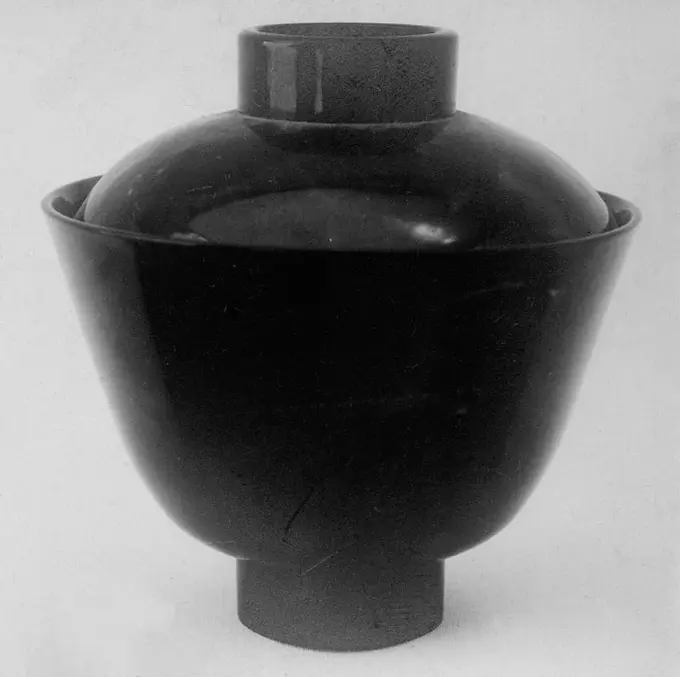
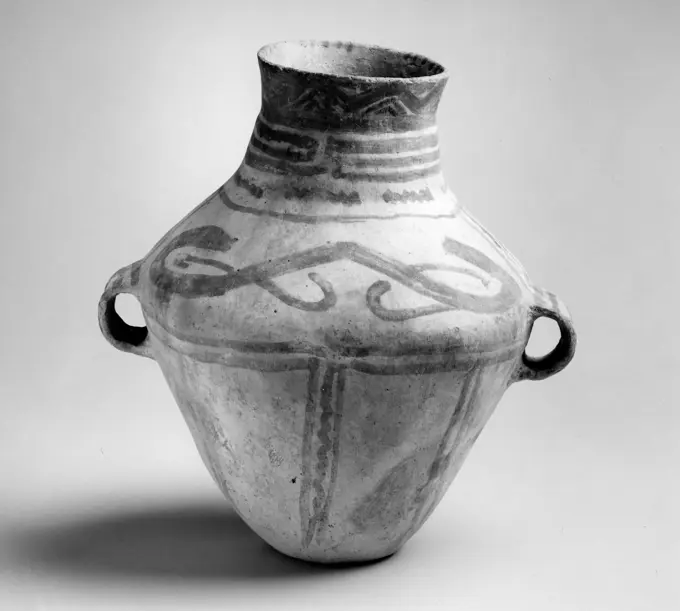
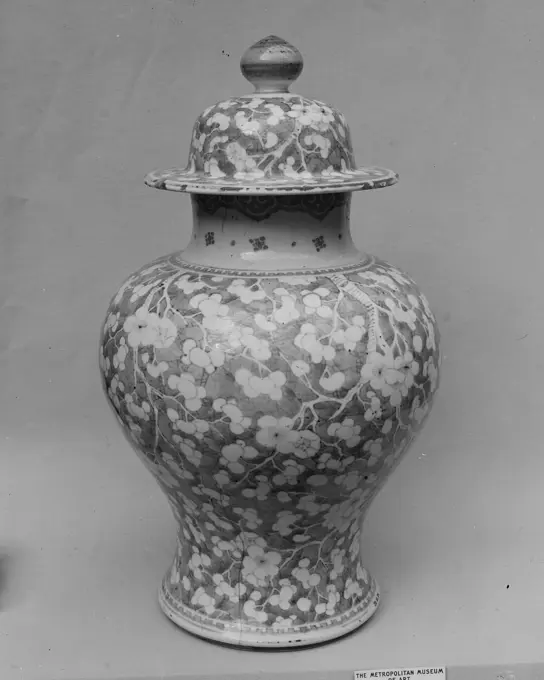
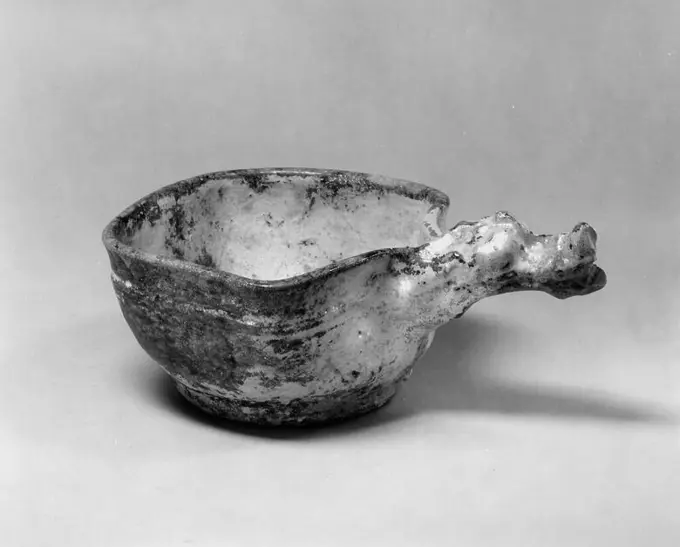
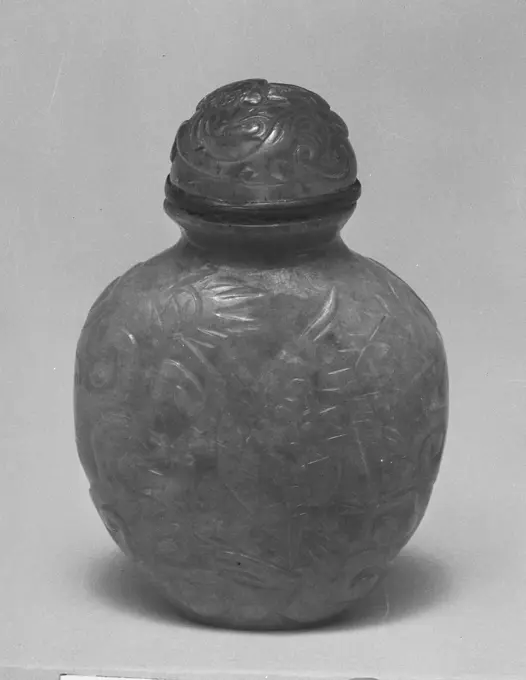
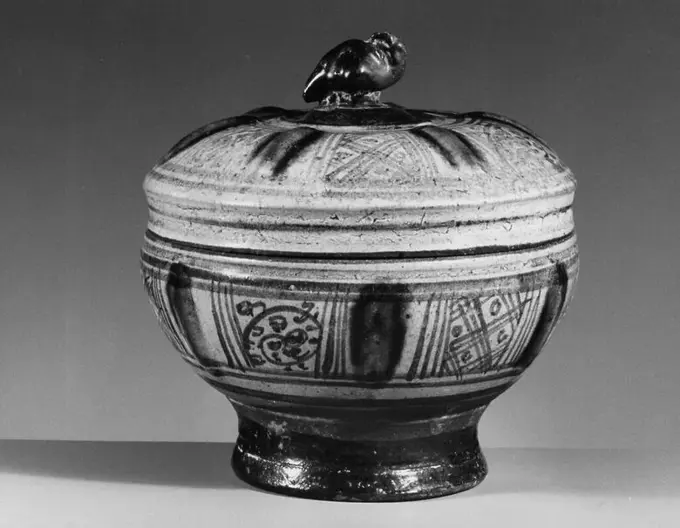
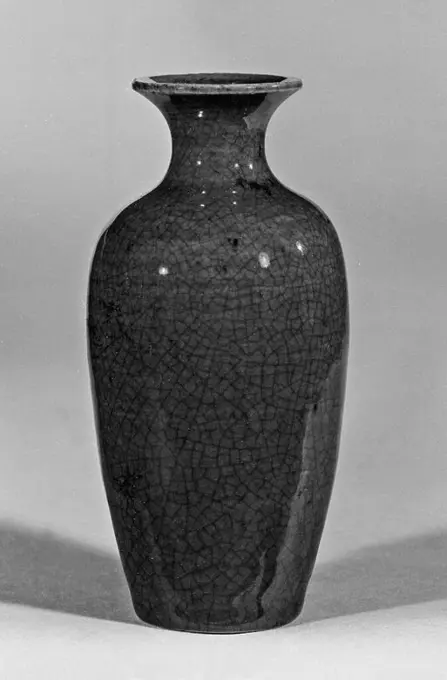
A variety of ancient pottery and vessels, featuring intricate designs and historical significance from various cultures, captured in black and white.
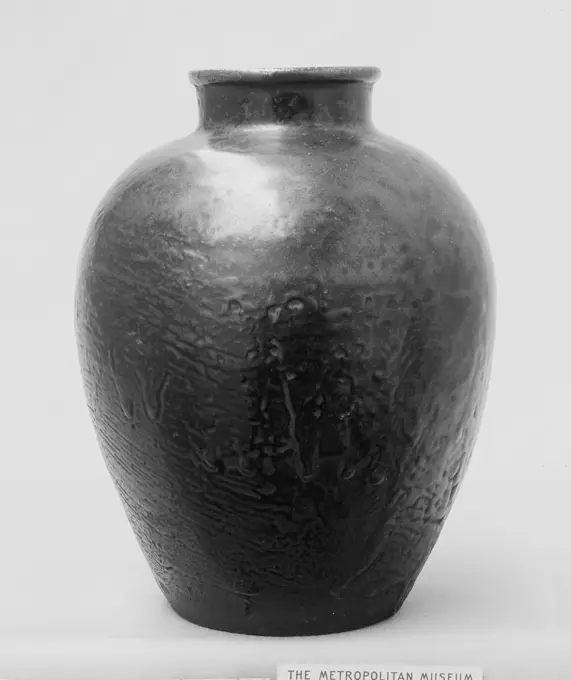
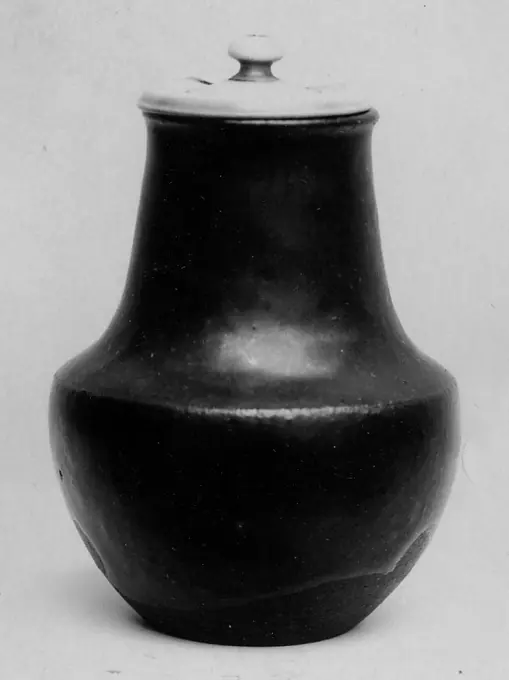
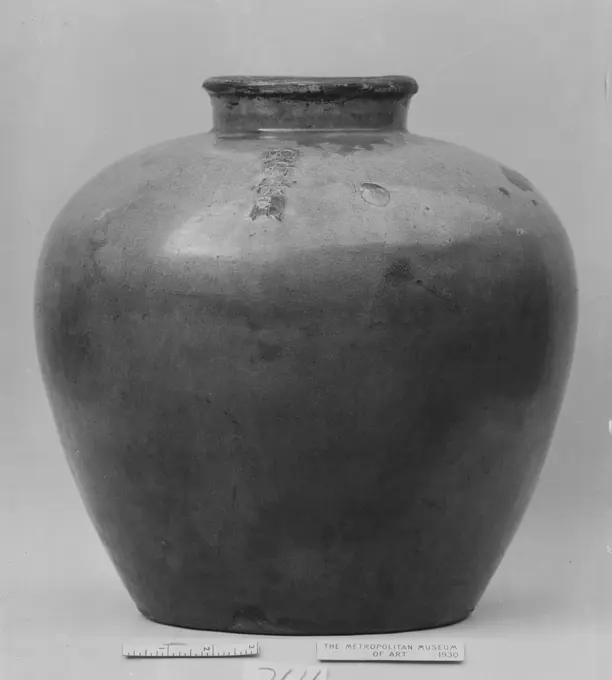
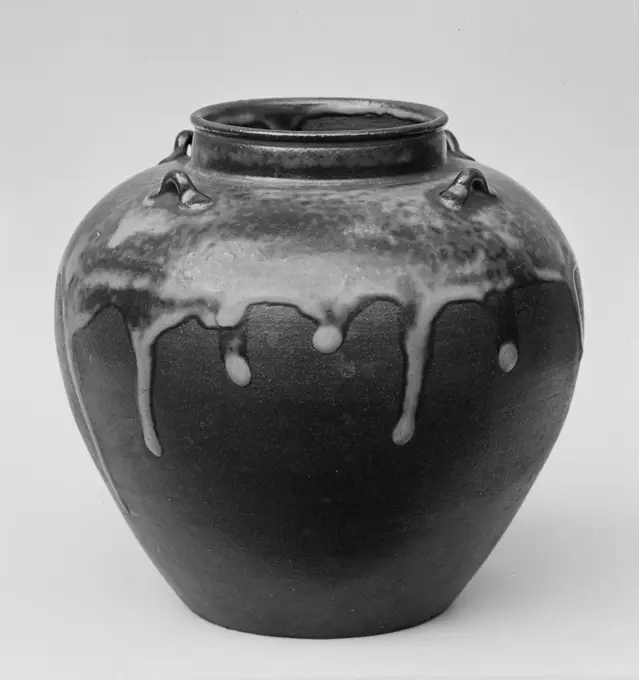
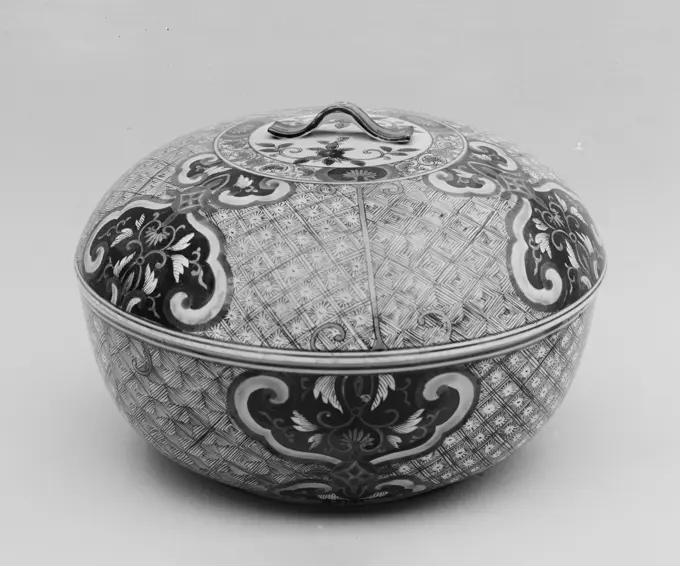
Jar 18th century Japan. Jar. Japan. 18th century. Clay covered with glaze; base stained (Seto ware). Edo period (1615-1868). Ceramics
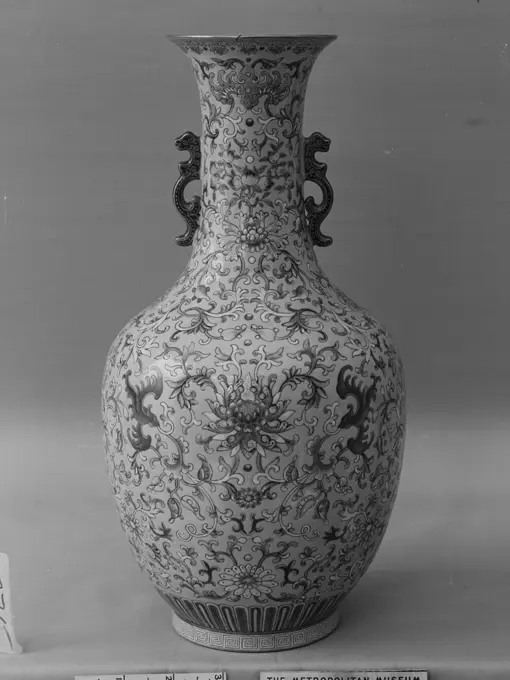
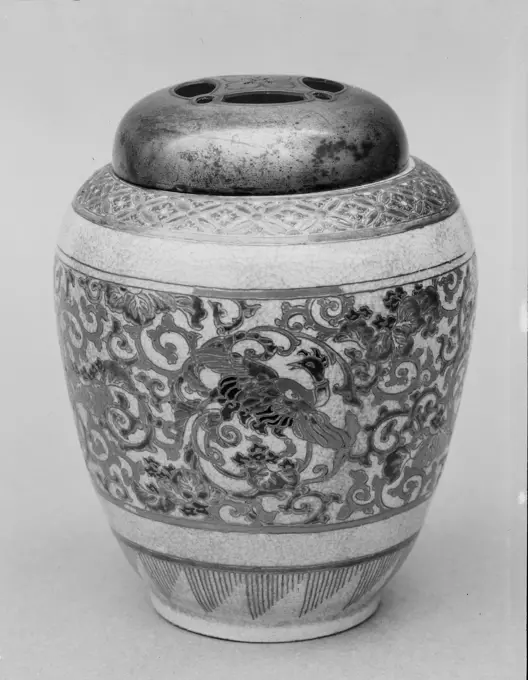
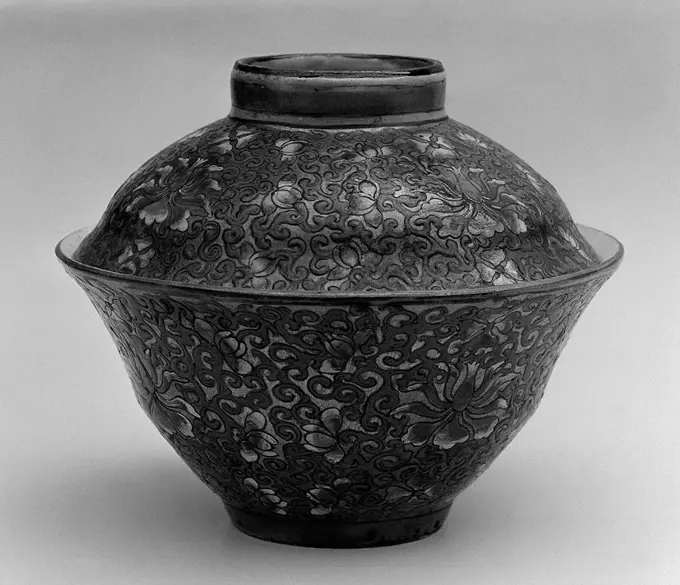
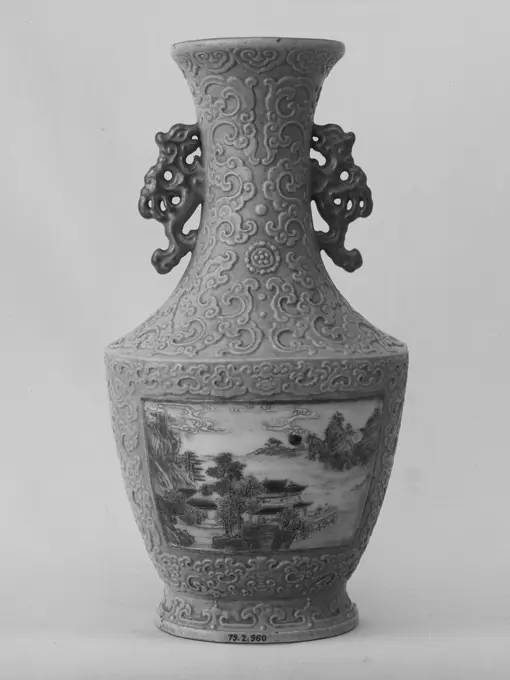
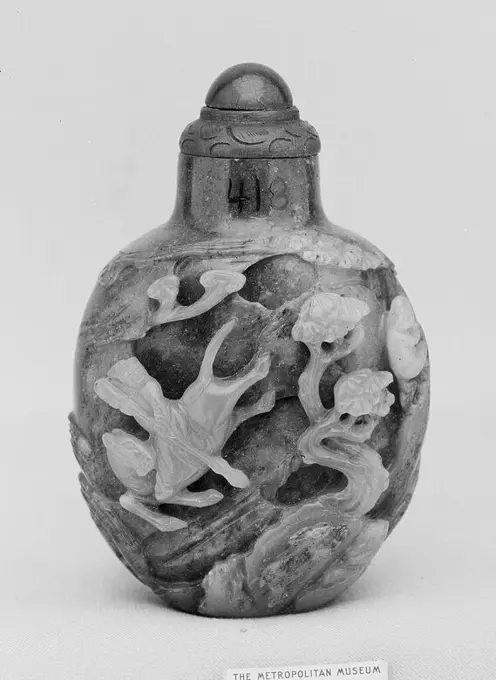
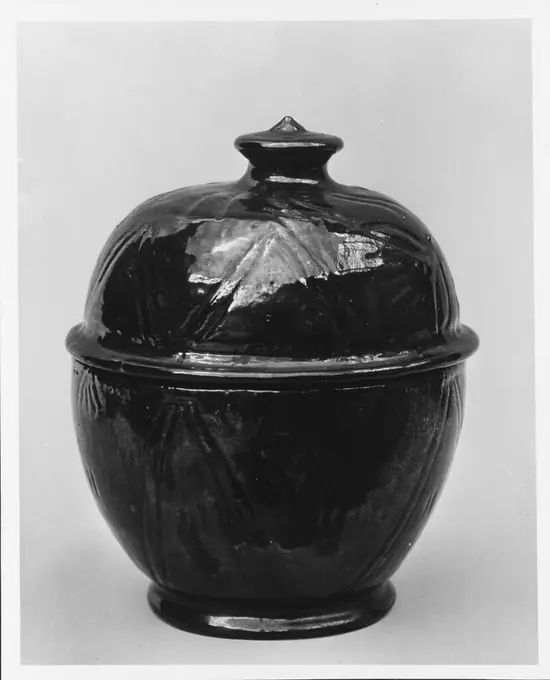
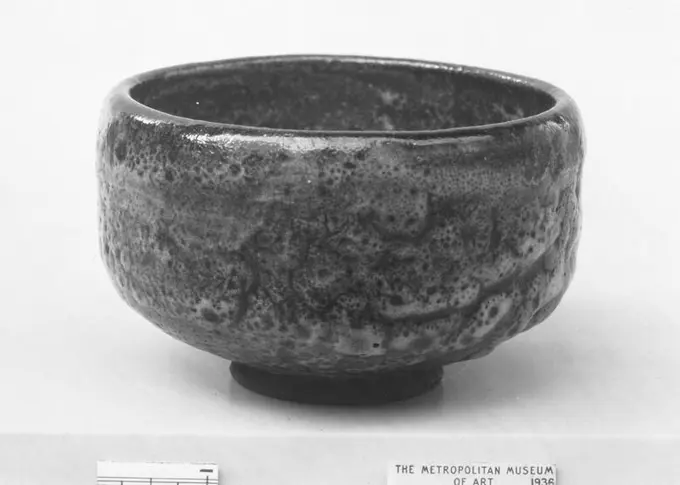
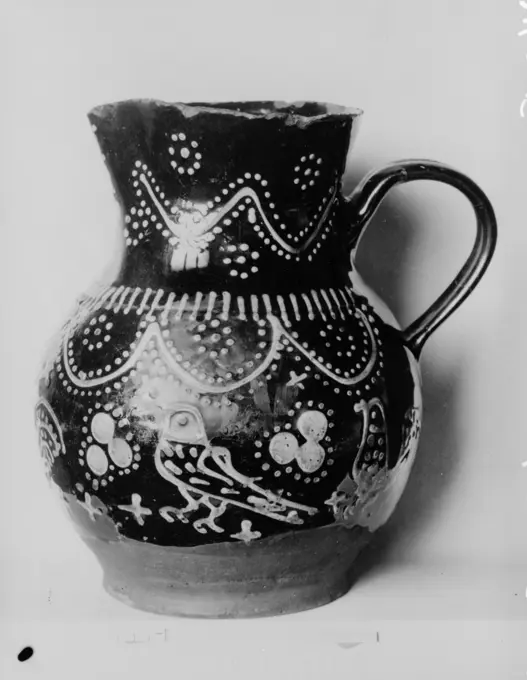
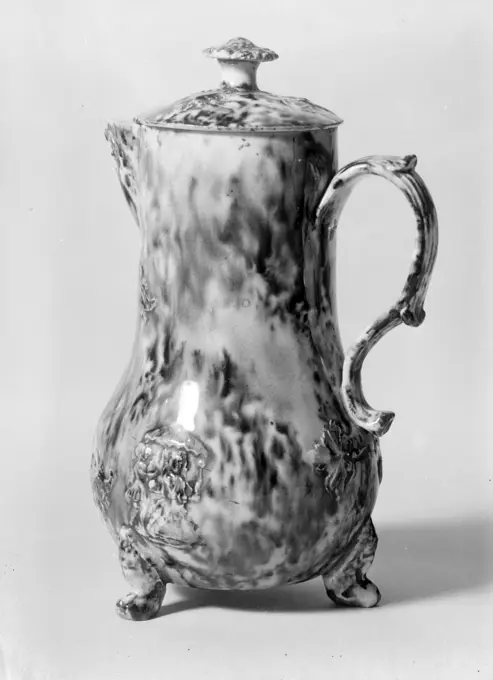
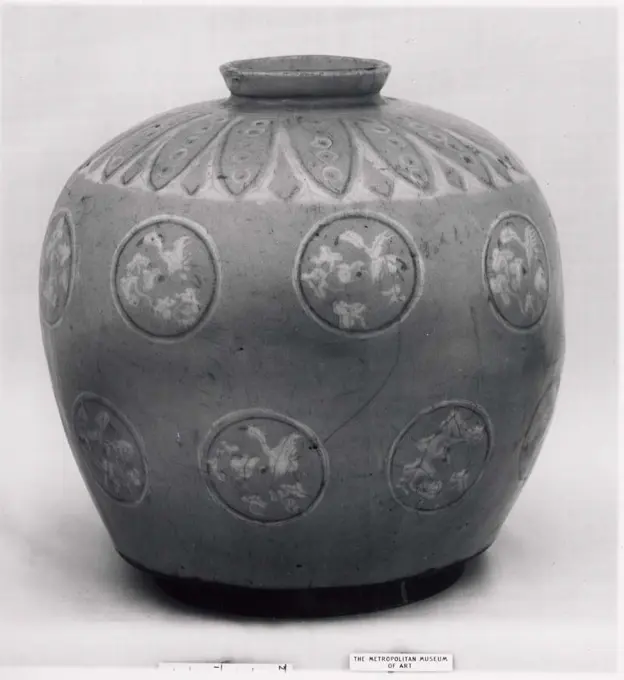
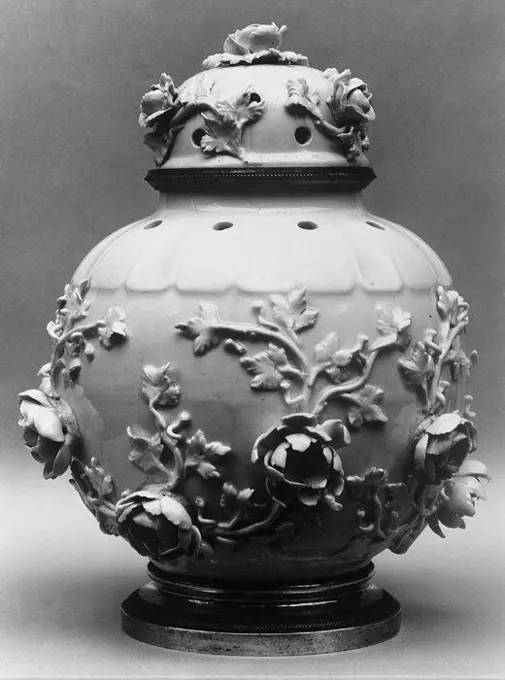
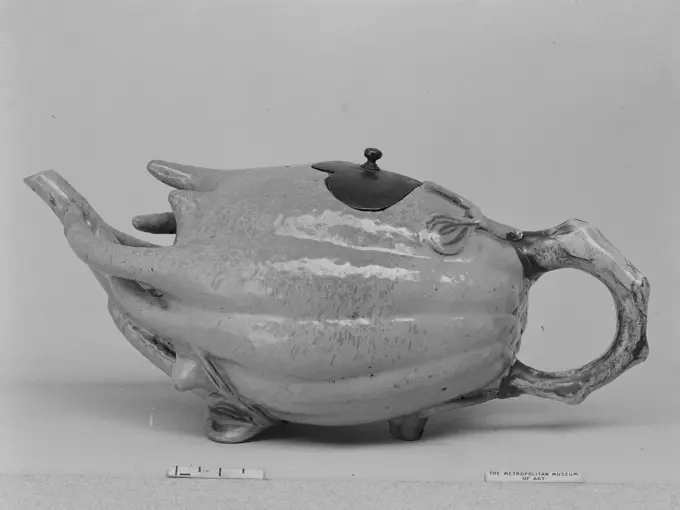
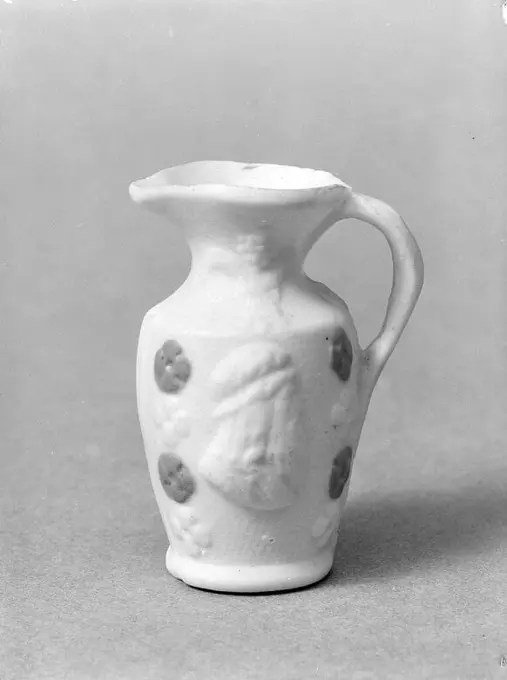
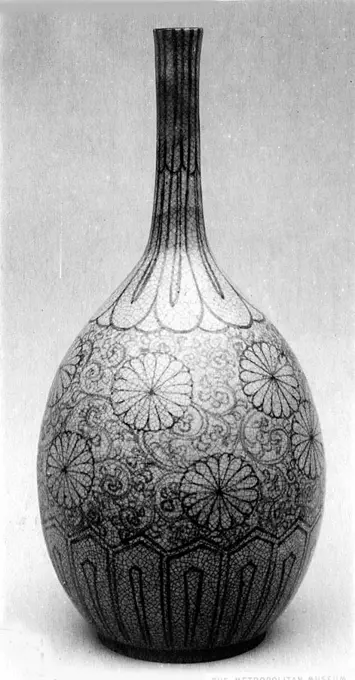
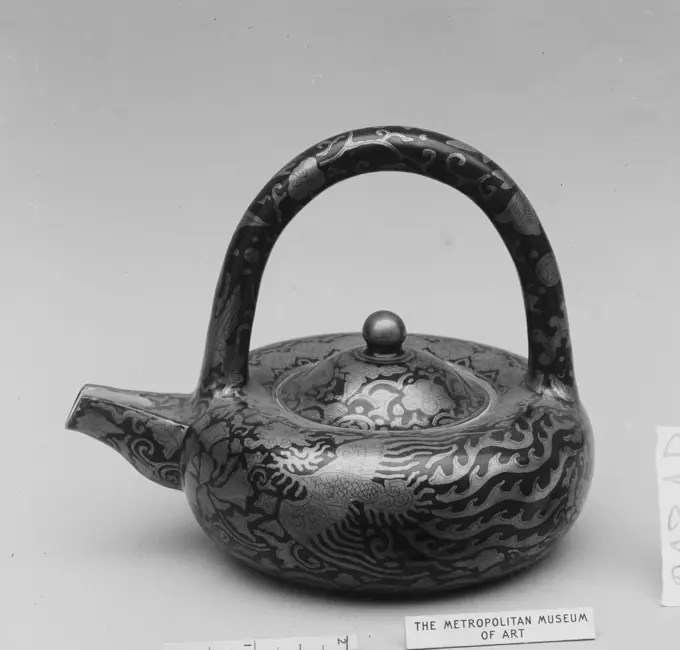
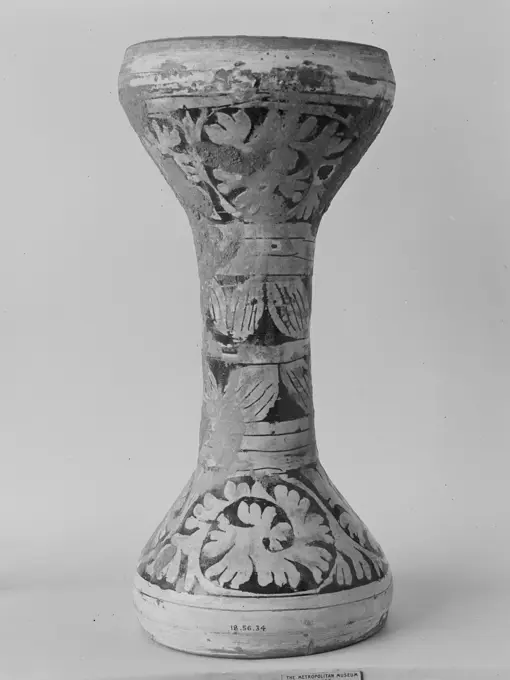
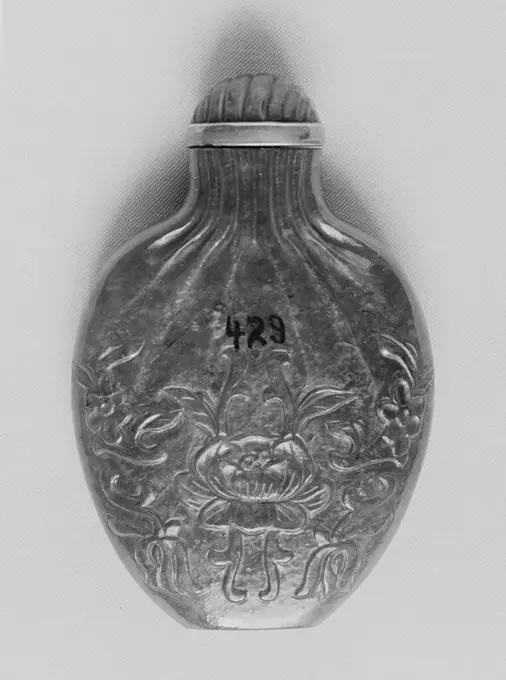
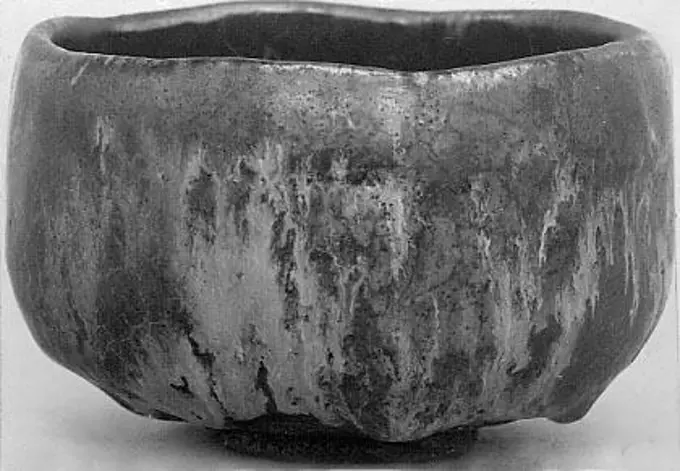
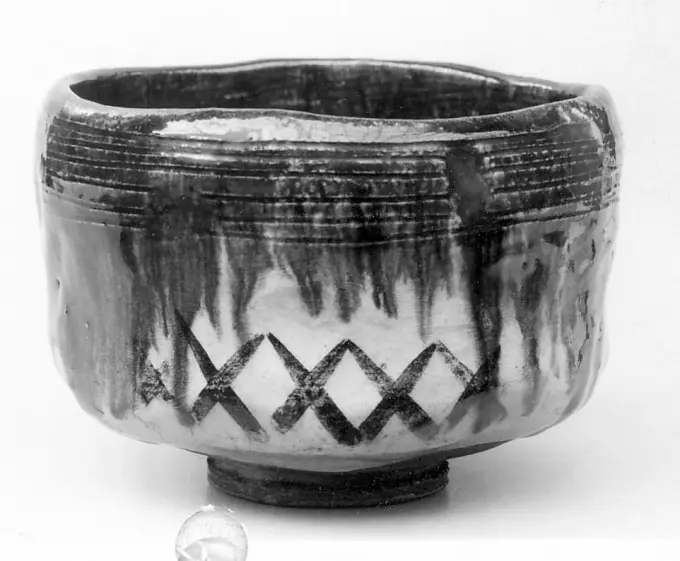
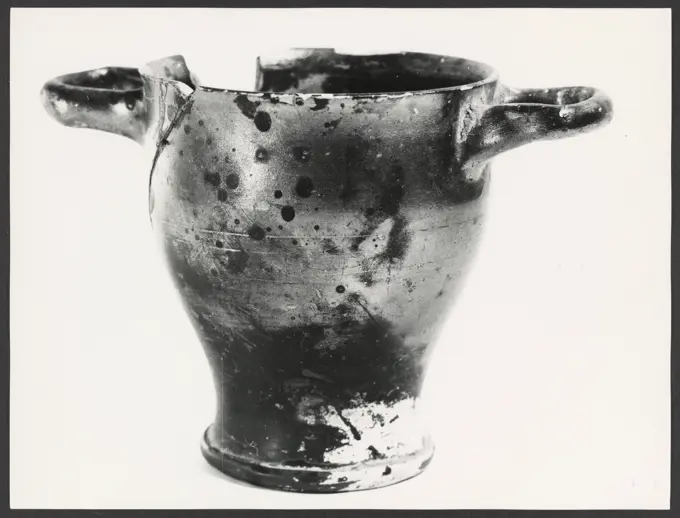
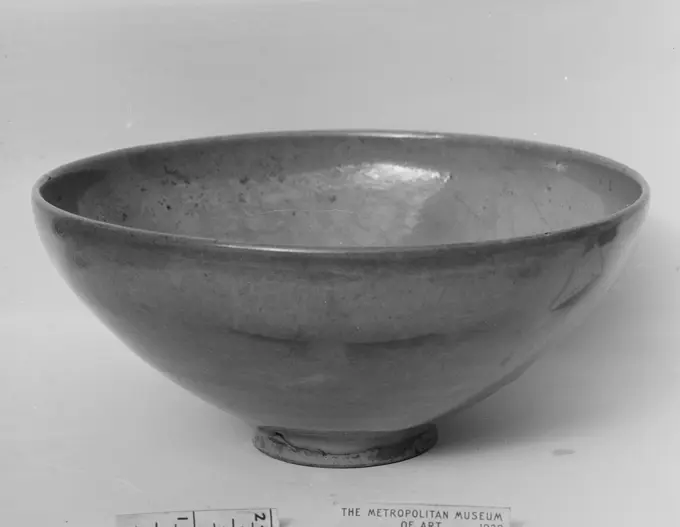
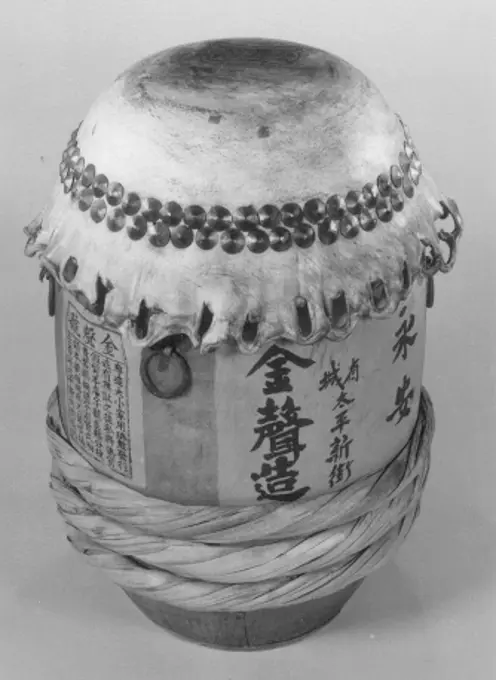
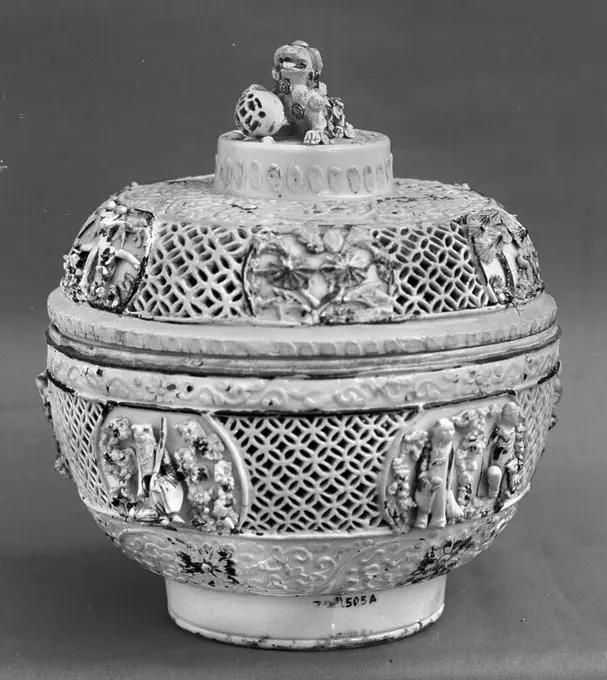
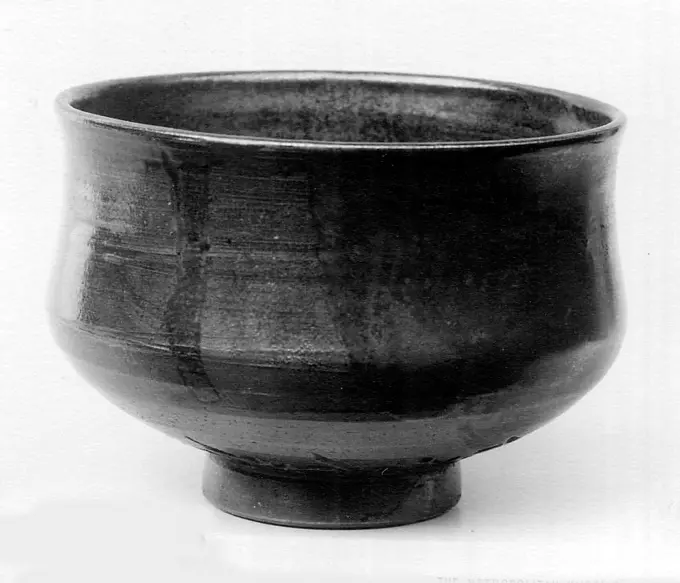
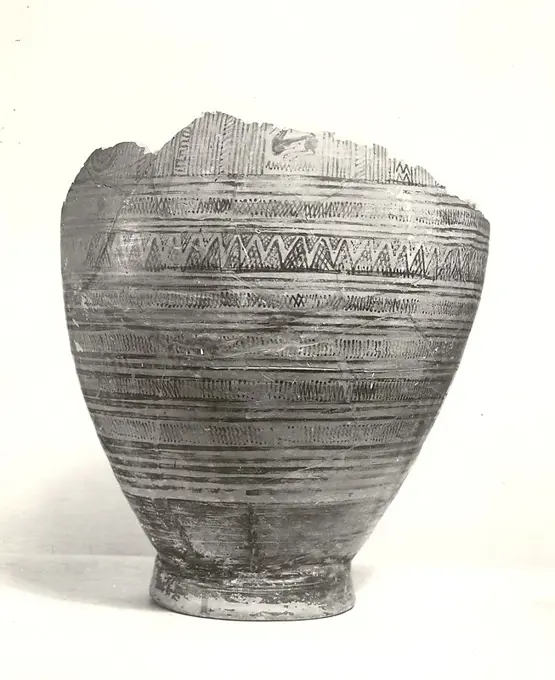
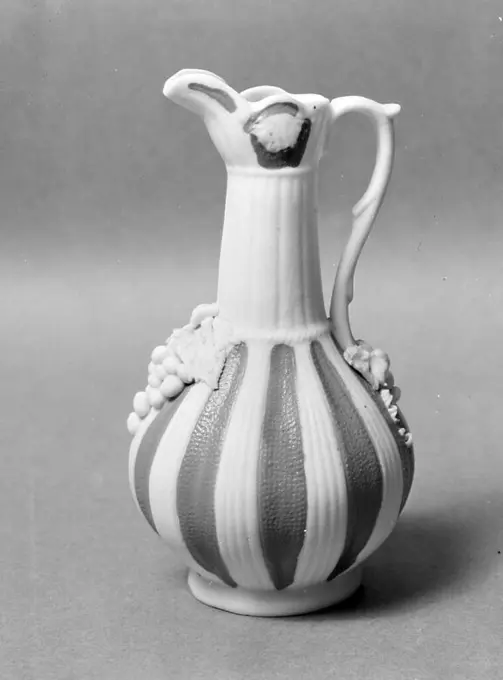
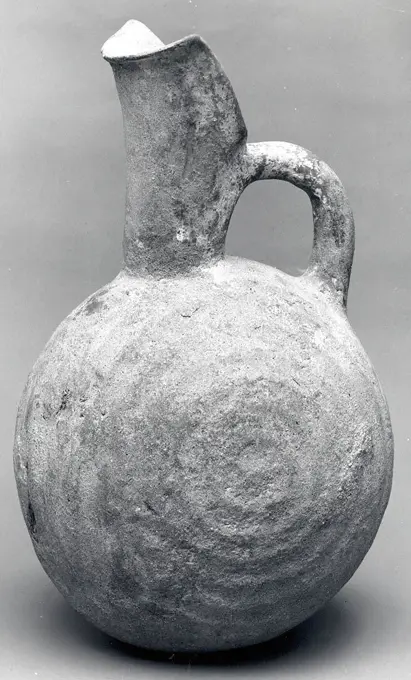
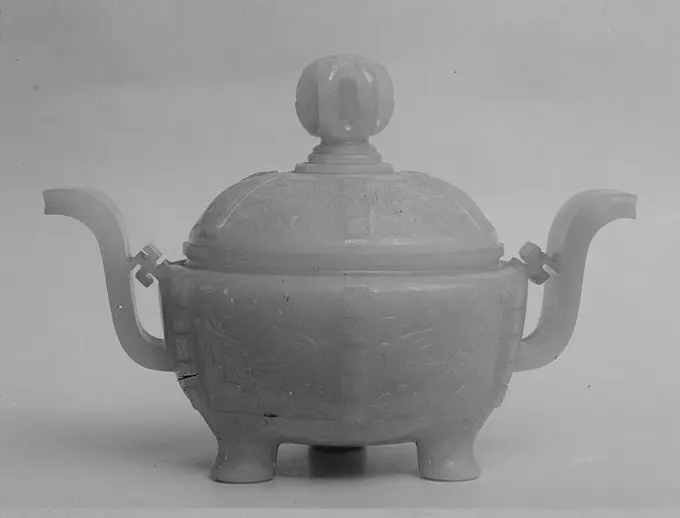
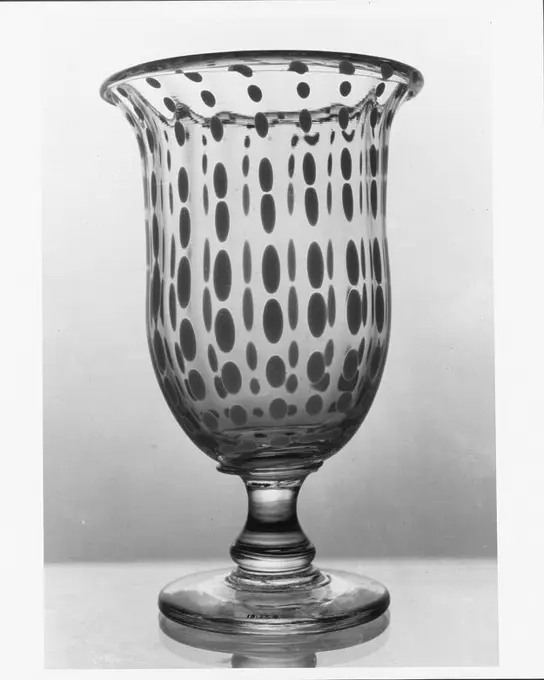
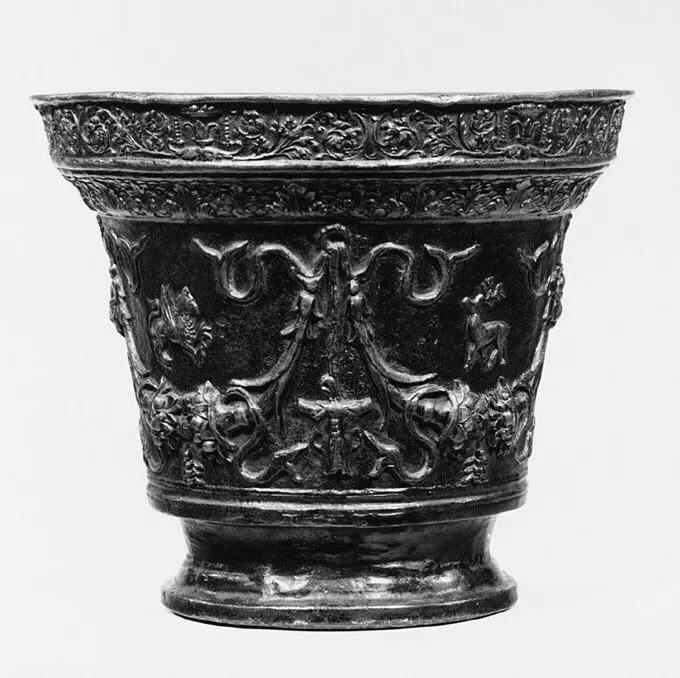
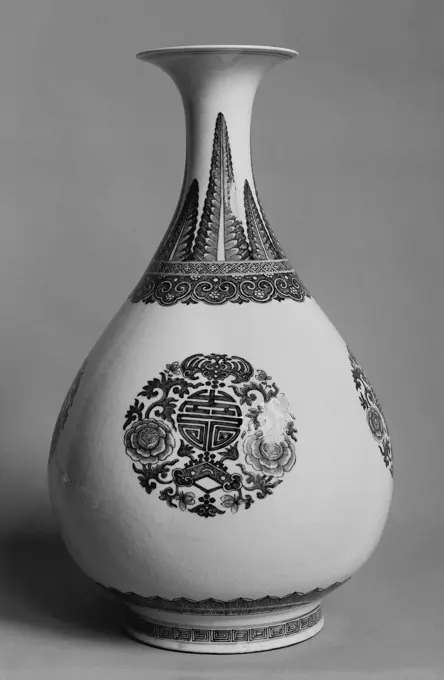
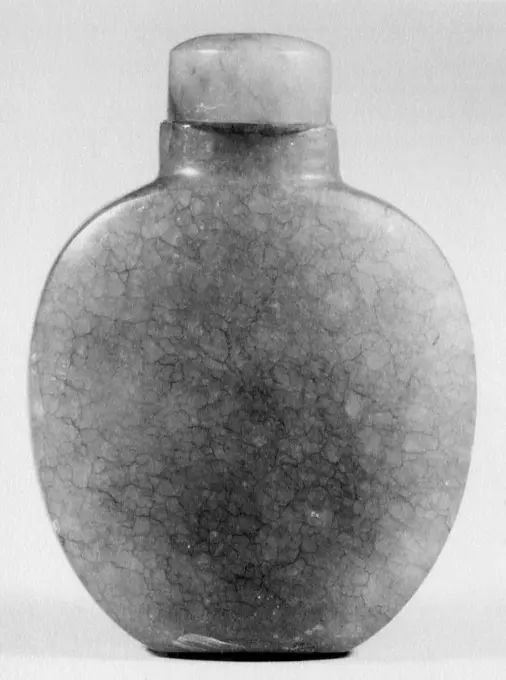
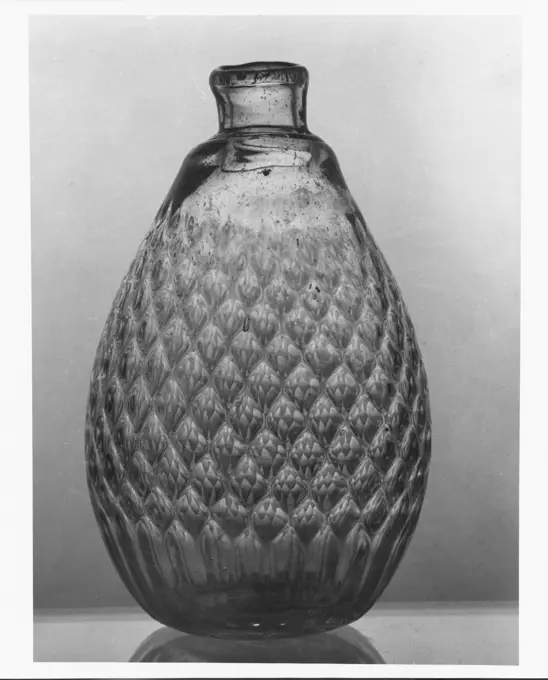
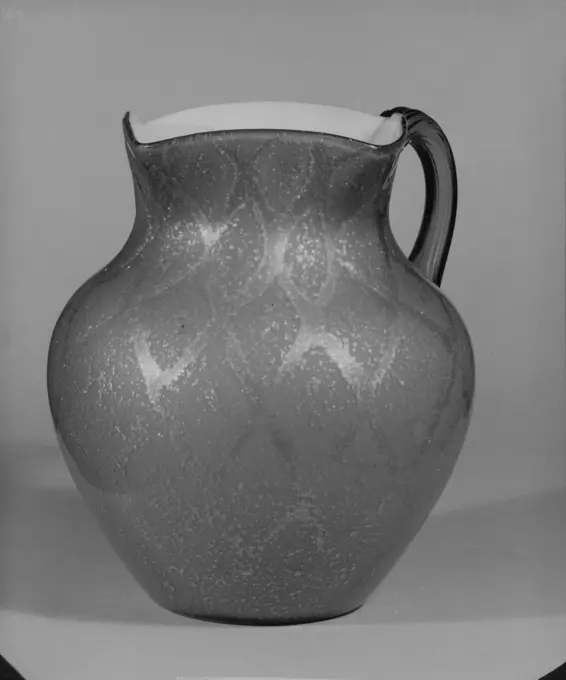
Pitcher 1870-90 American. Pitcher. American. 1870-90. Blown spangled orange, white opaque and amber glass, mica flecks. Possibly made in Wheeling, West Virginia, United StatesJar 18th century Japan. Jar. Japan. 18th century. Clay covered with glaze; base stained (Seto ware). Edo period (1615-1868). CeramicsVase China. Vase. China. Porcelain painted in overglaze polychrome enamels. Qing dynasty (1644-1911), Jiaqing mark and period (1796-1820). CeramicsMiniature Jar with Cover late 18th century Japan. Miniature Jar with Cover. Japan. late 18th century. Porcelain, with four pheasant medallions in scroll setting, enameled in blue, green, red and black with gold, on creamy white crackled glaze; diaper design in red and green enamels at neck; lowest register decorated with triangle pattern of gold striations; cover of silver alloy with floral design cut out and incised (Satsuma ware). Edo period (1615-1868). CeramicsCovered bowl with floral patterns mid-19th century China. Covered bowl with floral patterns 46670Gallipot China. Gallipot. China. Porcelain with ox-blood glaze. Qing dynasty (1644-1911), Kangxi period (1662-1722). CeramicsJar. Culture: Japan. Dimensions: H. 5 1/2 in. (14 cm); Diam. 5 1/2 in. (14 cm). Date: 19th century. Museum: Metropolitan Museum of Art, New York, USA.Vase. Culture: China. Dimensions: H. 18 1/2 in. (47 cm). Museum: Metropolitan Museum of Art, New York, USA.Tea jar ca. 1700 Japan. Tea jar. Japan. ca. 1700. Dark brown clay covered with an almost even green glaze (Satsuma ware). Edo period (1615-1868). CeramicsJar China. Jar. China. Red stoneware. Yuan dynasty (1271-1368). CeramicsFlask Japan. Flask 49264Vase. Culture: China. Dimensions: H. 19 1/8 in. (48.6 cm). Museum: Metropolitan Museum of Art, New York, USA.Wall Vase late 18th-19th century China. Wall Vase. China. late 18th-19th century. Cloisonné enamel. Qing dynasty (1644-1911). CeramicsVase late 17th-early 18th century China. Vase. China. late 17th-early 18th century. Porcelain with copper red glaze (Jingdezhen ware), silver mounts. Qing dynasty (1644-1911), Kangxi period (1662-1722). CeramicsSnuff bottle with stopper. Culture: China. Dimensions: H. incl. top 2 7/8 in. (7.3 cm); H. w/o top 2 3/8 in. (6 cm); W. 1 7/8 in. (4.8 cm); D. 1 1/4 in. (3.2 cm). Museum: Metropolitan Museum of Art, New York, USA.Lekyt aryballosowy czarnofigurowy. unknown, authorCovered Bowl. Culture: American. Dimensions: H. 6 in. (15.2 cm); Diam. 5 in. (12.7 cm). Date: 1800-1830. Museum: Metropolitan Museum of Art, New York, USA.Cup with Cover 19th century China. Cup with Cover 42021Covered Jar late 18th-early 19th century China. Covered Jar. China. late 18th-early 19th century. Porcelain with relief decoration and overglaze polychrome enamels. Qing dynasty (1644-1911). CeramicsJar (Guan) 3200-2000 B.C. China. Jar (Guan) 44429Jar 17th century Japan. Jar. Japan. 17th century. Clay covered with underglaze and overglaze running in large drops (Bizen ware, Imbe style). Edo period (1615-1868). CeramicsCovered Jar China. Covered Jar. China. Porcelain. Qing dynasty (1644-1911), Kangxi period (1662-1722). CeramicsTeabowl. Artist: Raku Tannyu (Japanese, 1795-1854). Culture: Japan. Dimensions: H. 2 3/4 in. (7 cm); Diam. 4 5/8 in. (11.7 cm). Date: ca. 1810. Museum: Metropolitan Museum of Art, New York, USA.Pitcher 1700-1710 British (American market) The whimsical birds and flowers on this pitcher are typical of the designs that influenced American slipware in the late eighteenth and early nineteenth centuries.. Pitcher. British (American market). 1700-1710. Earthenware with slip decoration. Possibly made in Staffordshire, EnglandHanging Vase. Culture: Japan. Dimensions: H. 5 1/2 in. (14 cm). Date: 19th century. Museum: Metropolitan Museum of Art, New York, USA.Bottle vase with floral scrolls 18th century China. Bottle vase with floral scrolls 48641Covered milk jug 1750-60 Possibly Wedgwood-Whieldon partnership. Covered milk jug. British (American market). 1750-60. Earthenware. Made in Staffordshire, EnglandCovered Jar. Culture: China. Dimensions: H. 18 1/2 in. (47 cm). Date: late 18th-early 19th century. Museum: Metropolitan Museum of Art, New York, USA.Lazio Viterbo Viterbo Museo Civico70. Hutzel, Max 1960-1990 Views of paintings (Middle Ages through 18th c.), frescoes, a tabernacle, coffin, sculpture reliefs, portal fragments, busts, sculpture, tapestry found in the Pinacoteca, Second floor gallery and Second floor cloister sequences. Antiquities: Many views of Etruscan and Roman fragments, sculpture, sarcophagi, pottery, masks, jewelry and other objects found in the Storeroom sequence (inventory numbers on back of prints), and the Cloister, Second floor Cloister, Valle Giulia, Sala Romana and Sala Etrusca sequences. General Notes: There are eight separate numerical sequences for this location. The cloister as an architectural structure, rather than museum site, is documented in the record and file for S. Maria della Verita, Cloister, all views of which are stored in Medieval core collection. Five views from the Museo Civico Second floor cloister sequence are stored in Medieval. German-born photographer and scholar Max Hutzel (1911-Cup. Culture: Japan. Dimensions: H. 1 1/2 in. (3.8 cm). Date: 19th century. Museum: Metropolitan Museum of Art, New York, USA.Bottle. Culture: Japan. Dimensions: H. 4 1/4 in. (10.8 cm); Diam. 3 3/8 in. (8.6 cm). Date: 19th century. Museum: Metropolitan Museum of Art, New York, USA.Vase early 20th century Korea. Vase. Korea. early 20th century. Stoneware with inlaid decoration under celadon glaze. CeramicsFood Container (Kui). Culture: China. Dimensions: H. 3 9/16 in. (9 cm); L. 8 1.2 in. (21.6 cm). Date: 1st-2nd century. Museum: Metropolitan Museum of Art, New York, USA.Snuff bottle with stopper China. Snuff bottle with stopper. China. Pale green jadeite, pink glass stopper. Qing dynasty (1644-1911), Kangxi period (1662-1722). Snuff BottlesWater vessel (Càntir) 18th century Spanish, Catalonia This distinctively Catalan form of communal drinking vessel evolved during the seventeenth century. One spout is for filling, the other for drinking without having the liquid touch the mouth.. Water vessel (Càntir). Spanish, Catalonia. 18th century. Glass. GlassVessel in the Shape of a Lotus Bud ca. 15th century Thailand. Vessel in the Shape of a Lotus Bud. Thailand. ca. 15th century. Earthenware. CeramicsVessel with Lid. Culture: Thailand. Dimensions: H. (incl. cover) 5 1/8 in. (13 cm); Diam. 5 3/16 in. (13.2 cm). Date: ca. 15th century. Museum: Metropolitan Museum of Art, New York, USA.Jar. Culture: Japan. Dimensions: H. 6 1/2 in. (16.5 cm). Date: 19th century. Museum: Metropolitan Museum of Art, New York, USA.Emilia-Romagna Ferrara Ferrara Museo Civico di Schifanoia81. Hutzel, Max 1960-1990 General Notes: INCOMPLETE RECORD--NEGATIVES PROCESSED, PRINTS FILED German-born photographer and scholar Max Hutzel (1911-1988) photographed in Italy from the early 1960s until his death. The result of this project, referred to by Hutzel as Foto Arte Minore, is thorough documentation of art historical development in Italy up to the 18th century, including objects of the Etruscans and the Romans, as well as early Medieval, Romanesque, Gothic, Renaissance and Baroque monuments. Images are organized by geographic region in Italy, then by province, city, site complex and monument.Vase. Culture: China. Dimensions: H. 2 3/4 in. (7 cm); Diam. 1 1/4 in. (3.2 cm). Museum: Metropolitan Museum of Art, New York, USA.Campania Caserta Capua Museo Campano017. Hutzel, Max 1960-1990 Medieval: Byzantine architectural fragments; parchment fragments with miniatures (12th century) from Montecassino; painted wooden crucifix (13th century); Carolingian crucifixes; Bishop's miter (11th century) of gold and silver damask; fresco (13th century). Post-medieval: Architecture (15th century). Formerly the Palazzo Antignano. Unusual Catalan/Moorish-style portal; Paintings on panel and canvas (15th-18th centuries); marble intarsia (16th century); marble sculpture: busts of Christ and Mary (17th century); sculpture of saints in marble and in wood (15th century); painted and gilded sculpture in wood; marble grave sculpture (16th century); sarcophagus with allegorical carvings; gold reliquary "Rosa d'Oro"; crucifix made of elephant tusk Specific Location: Pianterreno Antiquities: Italic sculpture (seated women holding babies); inscription. Photo campaign #1: 533 photos. Roman relief and sculpture; cinerary urns; Greek aPotpourri jar with cover French 19th century View more. Potpourri jar with cover. French. 19th century. Hard-paste porcelain, silver plate. Ceramics-PorcelainTeapot in the Shape of Buddha's-hand Citron 19th century China. Teapot in the Shape of Buddha's-hand Citron. China. 19th century. Stoneware with colored glazes (possibly glazed Yixing ware, Jiangsu Province). Qing dynasty (1644-1911). CeramicsPitcher. Culture: American. Dimensions: 2 1/2 x 1 13/16 x 1 9/16 in. (6.4 x 4.6 x 4 cm). Date: 1830-70. Museum: Metropolitan Museum of Art, New York, USA.Long-Necked Bottle 1780 Japan. Long-Necked Bottle 62792Incense Burner 18th century Japan. Incense Burner. Japan. 18th century. Pottery covered with crackled glaze, enriched with cloisonné; bronze rings at sides (Kyoto ware). Edo period (1615-1868). CeramicsCup (one of a pair) 18th century () French, Strasbourg. Cup (one of a pair) 200228Lazio Viterbo Viterbo Museo Civico47. Hutzel, Max 1960-1990 Views of paintings (Middle Ages through 18th c.), frescoes, a tabernacle, coffin, sculpture reliefs, portal fragments, busts, sculpture, tapestry found in the Pinacoteca, Second floor gallery and Second floor cloister sequences. Antiquities: Many views of Etruscan and Roman fragments, sculpture, sarcophagi, pottery, masks, jewelry and other objects found in the Storeroom sequence (inventory numbers on back of prints), and the Cloister, Second floor Cloister, Valle Giulia, Sala Romana and Sala Etrusca sequences. General Notes: There are eight separate numerical sequences for this location. The cloister as an architectural structure, rather than museum site, is documented in the record and file for S. Maria della Verita, Cloister, all views of which are stored in Medieval core collection. Five views from the Museo Civico Second floor cloister sequence are stored in Medieval. German-born photographer and scholar Max Hutzel (1911-Jar. Culture: China. Dimensions: H. 8 5/8 in. (21.9 cm). Museum: Metropolitan Museum of Art, New York, USA.Vase with two ears decorated with floral motifs, birds and fish, c. 1875 - c. 1900 photograph   cardboard. photographic support albumen print container of ceramics: jar, jug, pot, vase. applied arts, arts and crafts; industrial design. flowers ~ ornament. ornament derived from plant forms. ornamental birds. fishesVase. Culture: China. Dimensions: 1 3/4 x 3 3/8 in. (4.4 x 8.6 cm). Museum: Metropolitan Museum of Art, New York, USA.Dropper flask. Culture: Roman. Dimensions: H. 8.6 cm; diam. of rim 4.5 cm; diam. of body 5.7 cm. Date: 3rd-4th century. Museum: Metropolitan Museum of Art, New York, USA.Vase China. Vase. China. Porcelain painted in overglaze polychrome enamels. Qing dynasty (1644-1911), Daoguang mark and period (1821-50). CeramicsBox and Cover 1780 Japan. Box and Cover. Japan. 1780. White porcelain decorated under the glaze (Arita ware). Edo period (1615-1868). CeramicsSake Ewer (Chshi) with Phoenixes and Auspicious Patterns first half of the19th century Eiraku Hozen In 1827, the daimyo of Kii (present-day Wakayama Prefecture) presented a gold seal, inscribed “Kahin Shiry,” to Eiraku Hozen, the eleventh-generation Nishimura Zengor potter who had built him a kiln. In gratitude, the daimyo also gave the ceramist a silver seal with the name “Eiraku.” From this date, ceramics made by the family workshop bore these marks.. Sake Ewer (Chshi) with Phoenixes and Auspicious Patterns. Eiraku Hozen (Japanese, 1795-1854). Japan. first half of the19th century. Porcelain painted with red and gold (kinrande) over a transparent glaze (Kyoto ware, Eiraku type). Edo period (1615-1868). CeramicsSnuff Bottle China. Snuff Bottle. China. Porcelain. Qing dynasty (1644-1911), Qianlong period (1736-95). Snuff BottlesBottle China. Bottle 48646Drum China. Drum. China. Pottery (Cizhou ware). Tang dynasty (618-907). CeramicsSnuff bottle with stopper. Culture: China. Dimensions: H. 2 1/2 in. (6.4 cm); W. 1 5/8 in. (4.2 cm); D. 1/2 in. (1.3 cm). Museum: Metropolitan Museum of Art, New York, USA.Covered Jar 1739-75 Designed by Justus Brouwer Dutch. Covered Jar. Dutch. 1739-75. Earthenware. Made in Delft, South Holland, NetherlandsCovered Jar. Culture: Dutch. Designer: Designed by Justus Brouwer (Dutch, active 1739-1775). Dimensions: H. 15 in. (38.1 cm). Manufacturer: Manufactured by The Porcelain Axe. Date: 1739-75. Museum: Metropolitan Museum of Art, New York, USA.Teabowl 19th century Japan. Teabowl 62593Tea Jar 18th century Japan. Tea Jar 62597Bottle 18th century Japan. Bottle 62702Jar. Culture: China. Dimensions: H. 6 1/4 in. (15.9 cm). Museum: Metropolitan Museum of Art, New York, USA.Ice cream cup (Tasse à glace) (part of a service) 1780 Sèvres Manufactory French. Ice cream cup (Tasse à glace) (part of a service) 231154Bottle ca. 1700 William Cleffius. Bottle 190732Incense burner with cover China. Incense burner with cover. China. Nephrite, white with very light greenish tint. Qing dynasty (1644-1911), Qianlong period (1736-95). JadeTeabowl ca. 1852 Keinyu Japanese. Teabowl 63197Lazio Latina Sezze Antiquarium Comunale70. Hutzel, Max 1960-1990 German-born photographer and scholar Max Hutzel (1911-1988) photographed in Italy from the early 1960s until his death. The result of this project, referred to by Hutzel as Foto Arte Minore, is thorough documentation of art historical development in Italy up to the 18th century, including objects of the Etruscans and the Romans, as well as early Medieval, Romanesque, Gothic, Renaissance and Baroque monuments. Images are organized by geographic region in Italy, then by province, city, site complex and monument.Bowl China. Bowl. China. Pottery (Jun ware). Song dynasty (960-1279). CeramicsBeaker China. Beaker. China. Porcelain. Qing dynasty (1644-1911), Kangxi period (1662-1722). CeramicsGu 19th century Chin Shing (Golden Voice) Store, Canton. Gu 500606Incense burner 18th century Japan. Incense burner 60074Campanian Black-Figure Neck Amphora. UnknownCovered Bowl. Culture: China. Dimensions: H. 6 in. (15.2 cm); W. 5 1/4 in. (13.3 cm). Date: late 16th or 17th century. Museum: Metropolitan Museum of Art, New York, USA.Pitcher 1880-88 Possibly Boston & Sandwich Glass Company. Pitcher. American. 1880-88. Blown amber glass with applied threaded decoration. Made in Sandwich, Massachusetts, United StatesJug ca. 1700 Rose factory. Jug 187750 Factory: Rose factory, Jug, ca. 1700, Tin-glazed earthenware, Height: 12 1/2 in. (31.8 cm). The Metropolitan Museum of Art, New York. Gift of Henry G. Marquand, 1894 (94.4.120)Teabowl ca. 1820 Sashu Kintaro Japanese. Teabowl. Sashu Kintaro (Japanese,). Japan. ca. 1820. Reddish brown clay; thin brown glaze with thick black overglaze on one side of the exterior and opposite side of the interior (Sado ware). Edo period (1615-1868). CeramicsFlower Holder 1700-1800 American. Flower Holder 3758Fragment amfory w stylu geometrycznym. unknown, authorIncense Burner ca. 1780 Japan. Incense Burner. Japan. ca. 1780. Porcelaneous ware with silver stand and cover. Edo period (1615-1868). CeramicsEwer. Culture: American. Dimensions: H. 5 7/8 in. (14.9 cm); Diam. 3 1/4 in. (8.3 cm). Date: 1830-70. Museum: Metropolitan Museum of Art, New York, USA.Cup with handle China. Cup with handle. China. Nephrite. Song dynasty (960-1279). JadeCreamer 1800-1815 Chinese. Creamer. Chinese. 1800-1815. Porcelain. Made in ChinaSpouted jug with raised concentric circles ca. 2700-2400 B.C.. Spouted jug with raised concentric circles. ca. 2700-2400 B.C.. Ceramic. Early Bronze Age II. Northwestern AnatoliaBottle 5th-6th century. Bottle 447029Hobnail pitcher. Culture: American. Dimensions: H. 7 1/8 in. (18.1 cm). Maker: Probably Hobbs, Brockunier and Company (1863-1891). Date: after 1886. Museum: Metropolitan Museum of Art, New York, USA.Covered incense burner. Culture: China. Dimensions: H. 5 in. (12.7 cm); W. 5 3/8 in. (13.7 cm). Museum: Metropolitan Museum of Art, New York, USA.Snuff Bottle 19th century China. Snuff Bottle. China. 19th century. Glass. Qing dynasty (1644-1911). Snuff BottlesVase. Culture: American. Dimensions: H. 7 7/8 in. (20 cm). Date: 1860-80. Museum: Metropolitan Museum of Art, New York, USA.Renaissance-style mortar 19th century Style of the workshop of Vincenzo Grandi Mortars were produced in fair abundance throughout northern Italy. In the central zone of the Linsky mortar, classical swags of meandering ribbons and firmly modeled cornucopias enframe alternating griffins and stags. The ornamentation closely resembles that of mortars (such as one in the Kunstgewerbemuseum, Berlin) also attributable to the workshop of Vicenzo and Gian Gerolamo Grandi by analogy with the highly worked bronze utensils, including buckets and bells, which they produced in Trent for Bishop Bernardo da Cles between 1532 and 1539.1 The relatively spacious design of the mortar may indicate that it was made at a slightly later date, when the Grande were relocated to Padua—between 1542 and the death of Vicenzo in 1577/78.James David Draper, The Jack and Belle Linsky Collection in the Metropolitan Museum of Art, New York, 1984, p. 150, no. 64Footnotes:1 F. Cessi, Vicenzo e Gian Gerlamo Grandi scTerracotta lekythos (oil flask). Culture: Greek, Attic. Dimensions: H.: 15 in. (38.1 cm)Diam.: 11 in. (27.9 cm). Date: ca. 440-430 B.C..Two women at tombThe woman at left holds a kanoun, a large basket presumably containing offerings. The hare on top of the stele itself is difficult to explain. The major questions are whether it represents a living animal or an image and what it signifies. Among the possible interpretations are that the deceased enjoyed hunting hares--a well-attested pursuit--or that the animal was a pet. Museum: Metropolitan Museum of Art, New York, USA.Vase 18th century China. Vase. China. 18th century. "Soft paste" porcelain painted in underglaze blue. Qing dynasty (1644-1911), probably Qianlong period (1736-95). CeramicsSnuff Bottle 19th century China. Snuff Bottle 41759Flask 1770-1830 European, probably. Flask. European, probably. 1770-1830. Blown pattern-molded non-lead glassHenry Meyers, Jug, 1935 1942 JugNeck-amphora last quarter of 6th century B.C. Attributed to the Painter of Oxford 213. Neck-amphora 246242Flask 17th-18th century possibly French. Flask. possibly French. 17th-18th century. Glass. GlassBowl ca. 3rd millennium B.C. China. Bowl 52525