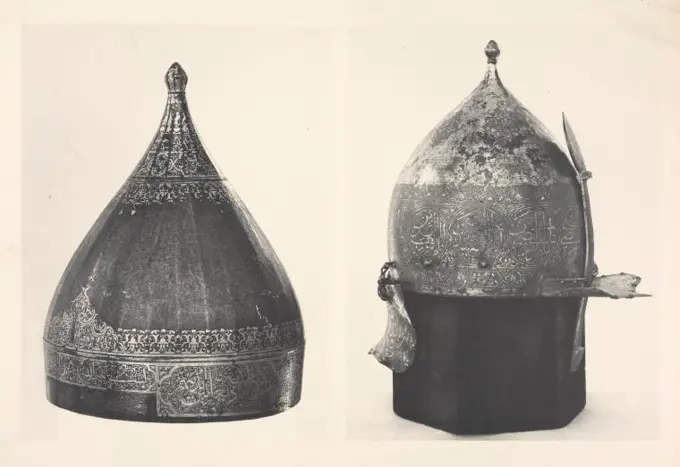
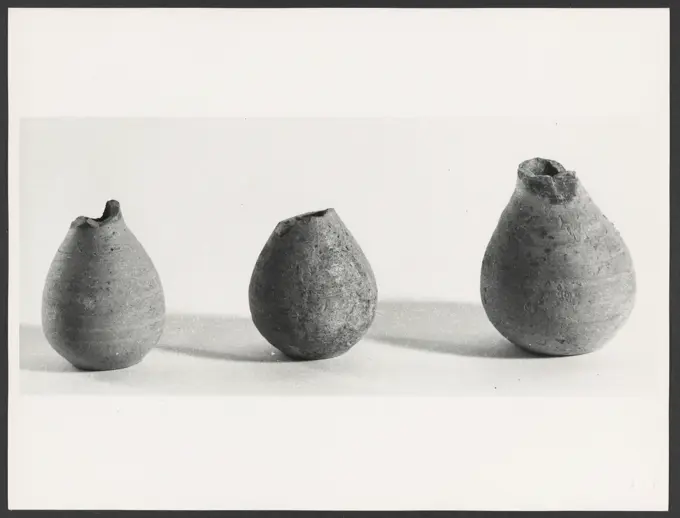
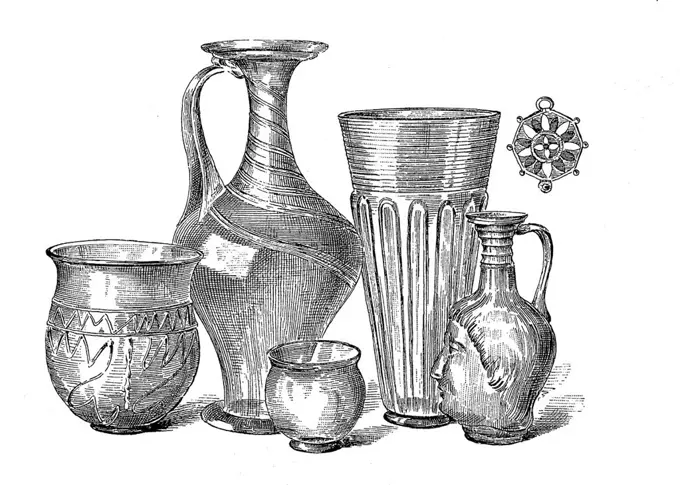
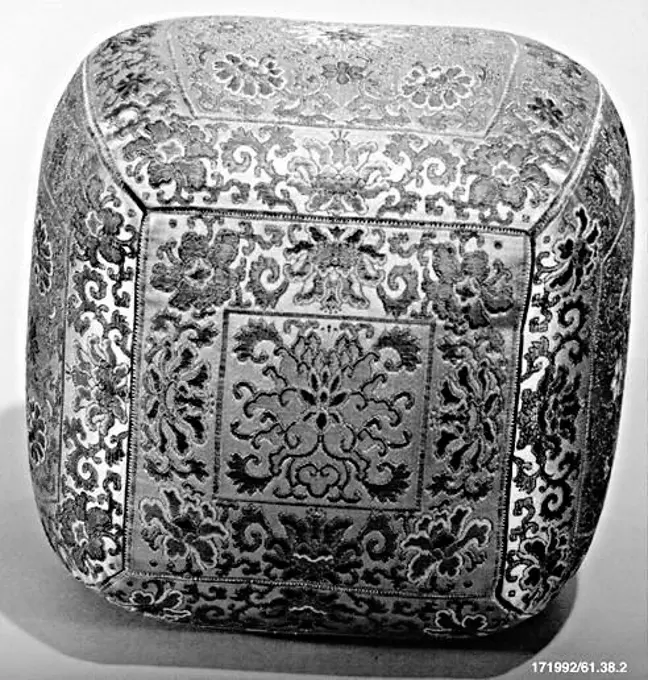
Antique Ceramics and Jars

A variety of ancient pottery and vessels, featuring intricate designs and historical significance from various cultures, captured in black and white.
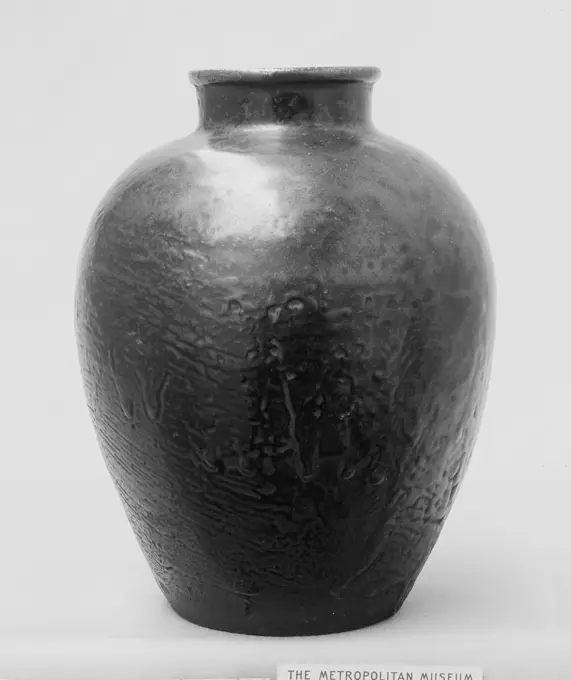
Jar 18th century Japan. Jar. Japan. 18th century. Clay covered with glaze; base stained (Seto ware). Edo period (1615-1868). Ceramics
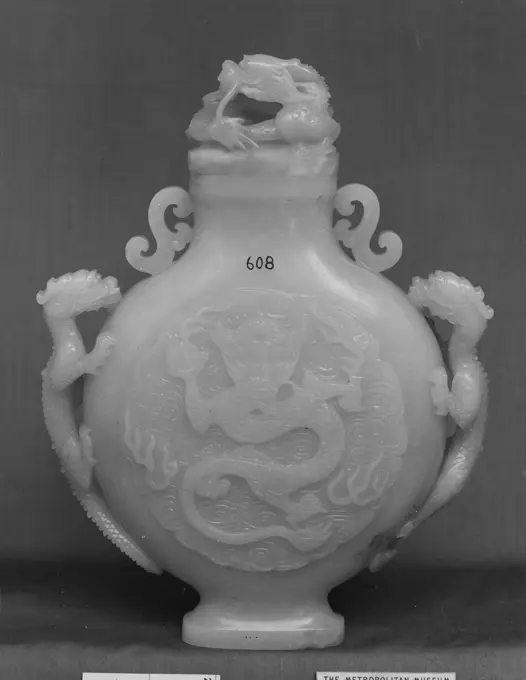
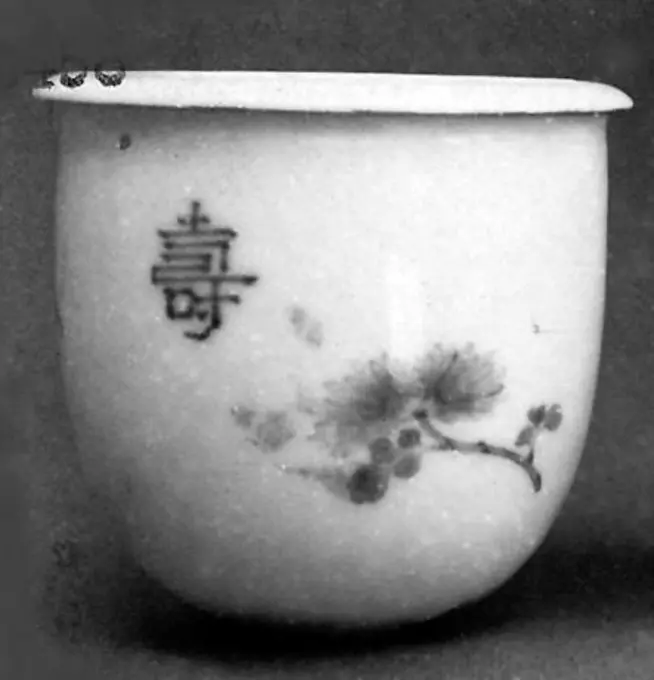
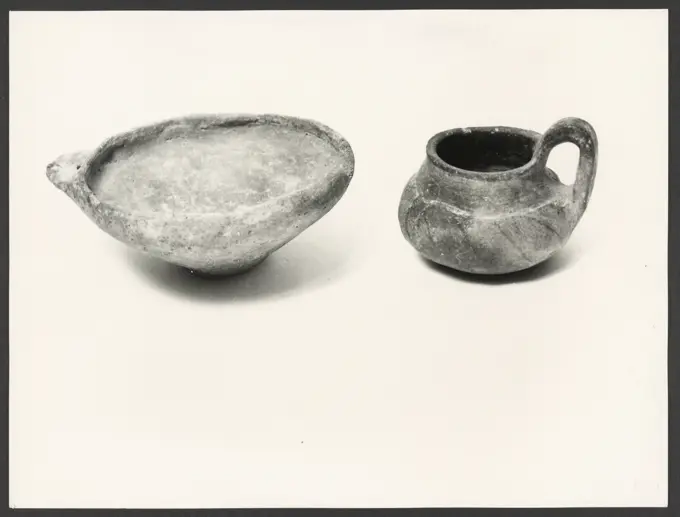
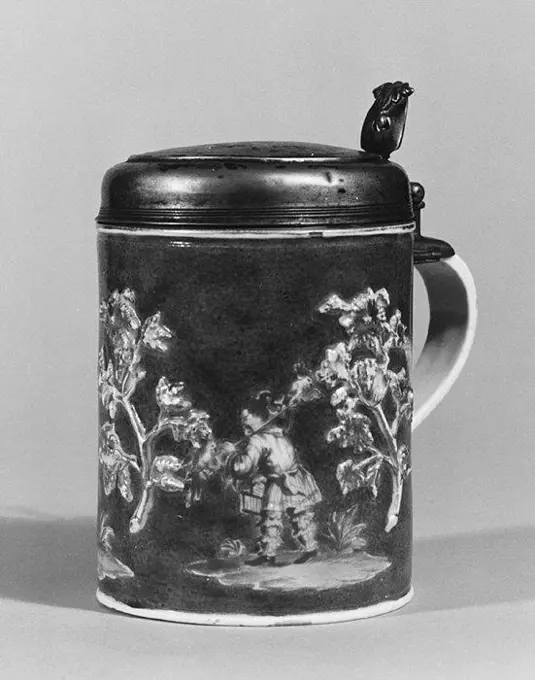
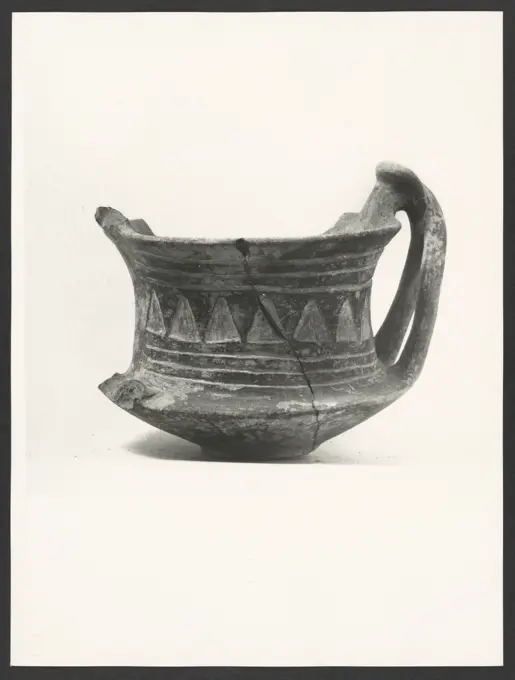
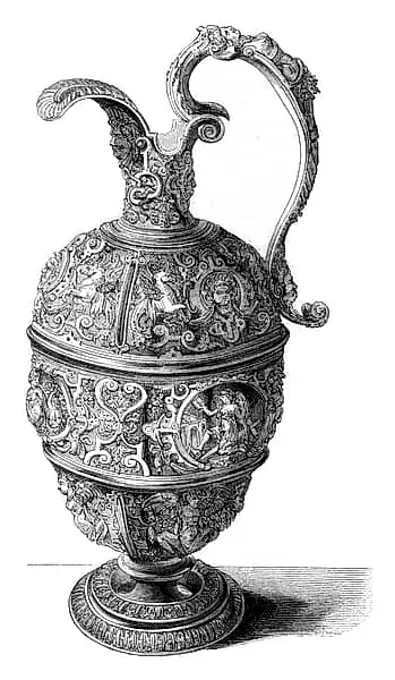
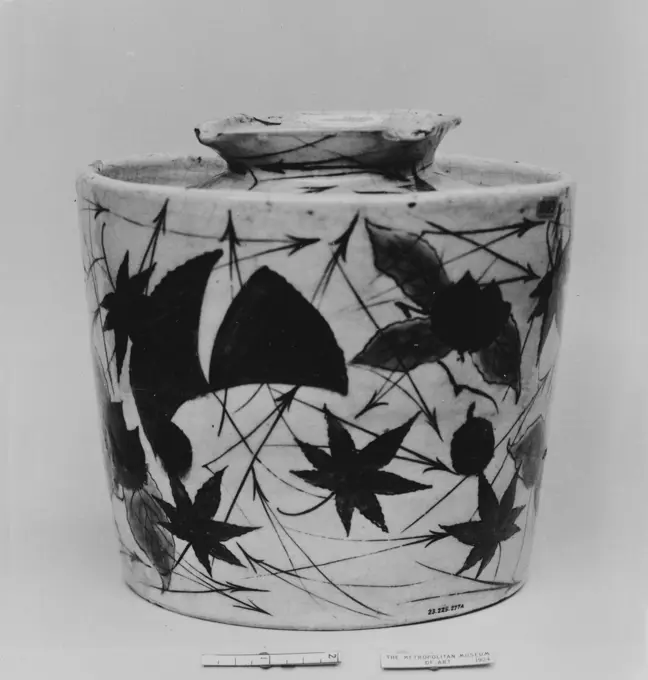
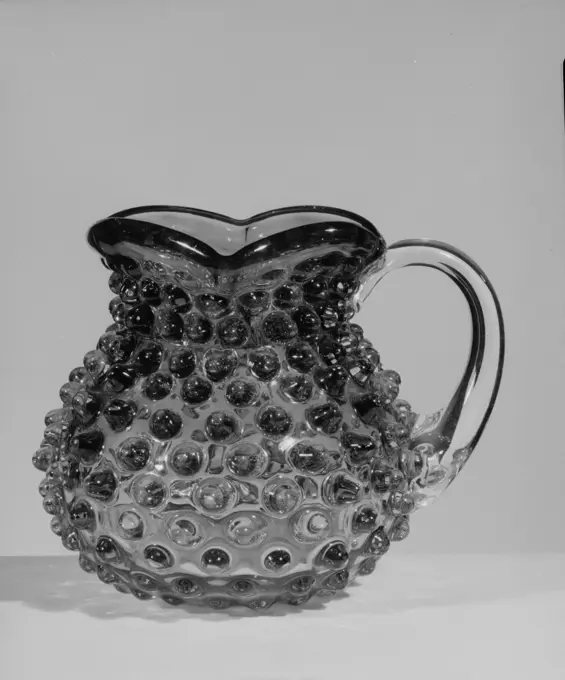
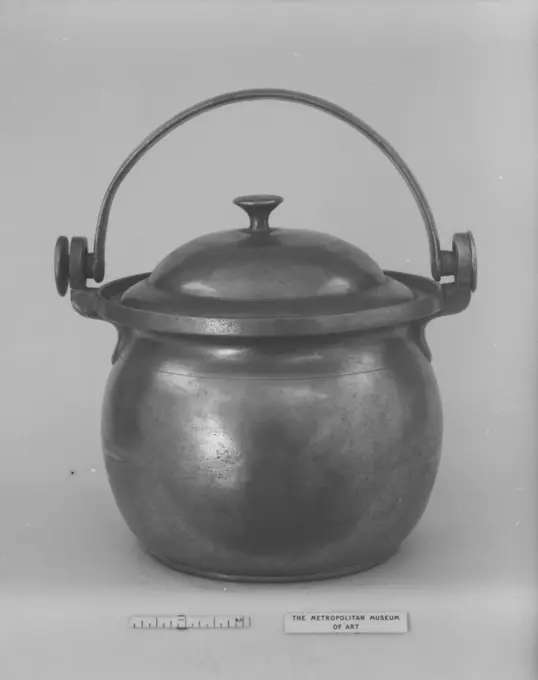
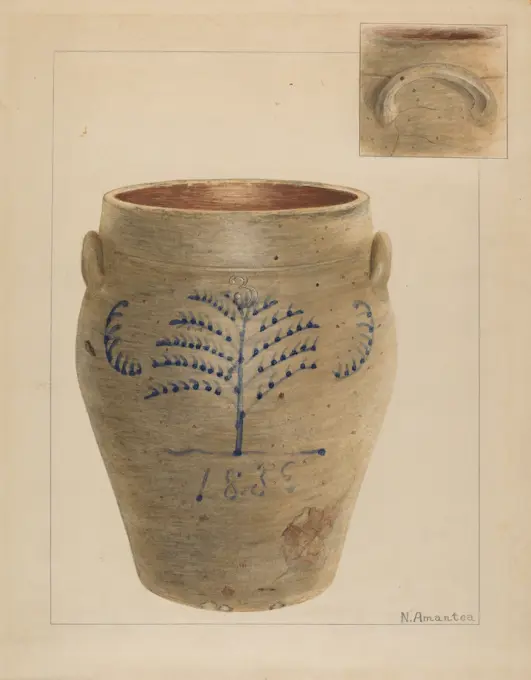
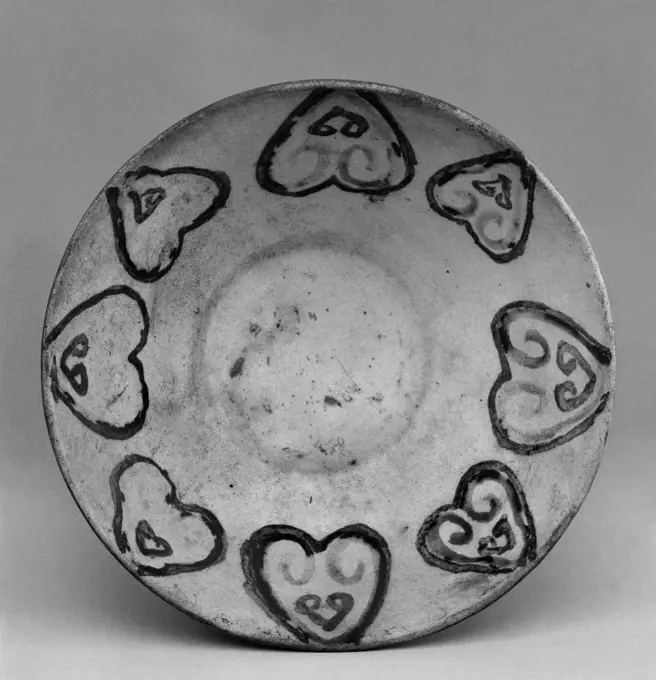
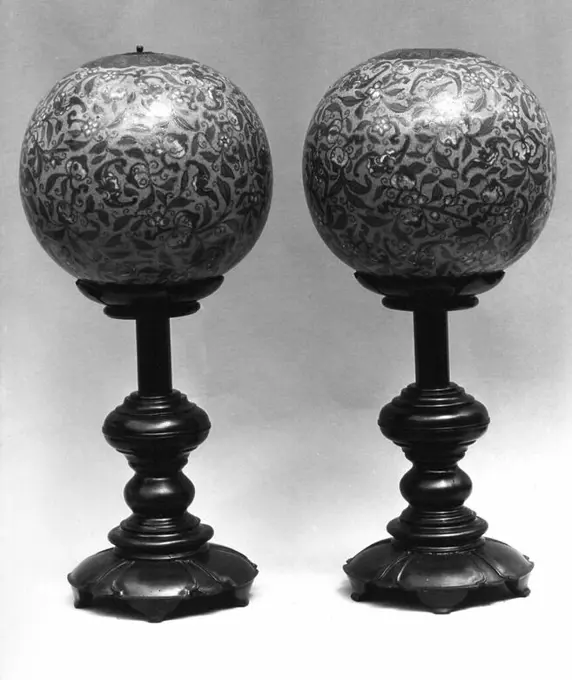
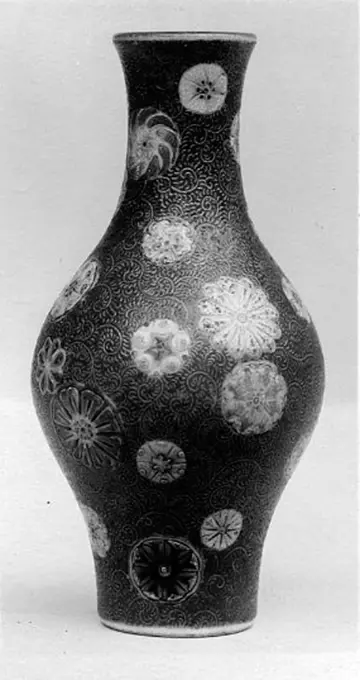
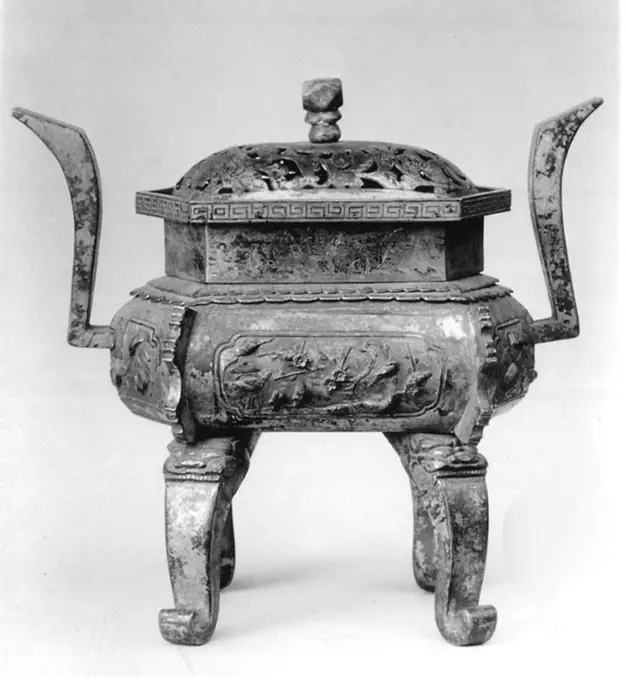
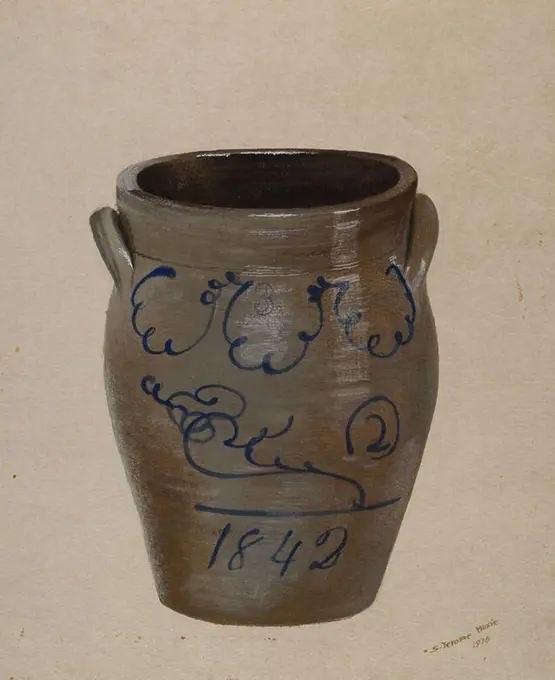
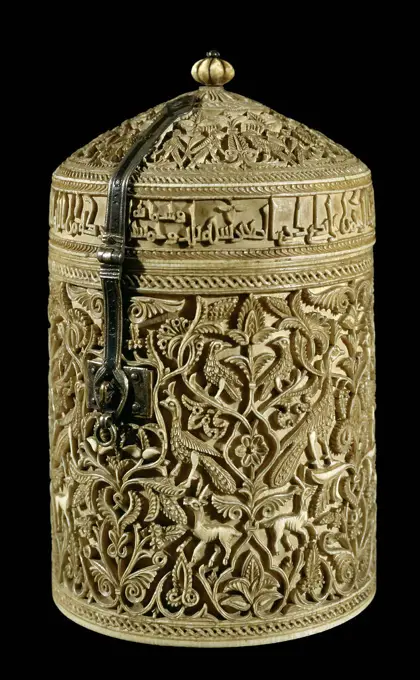
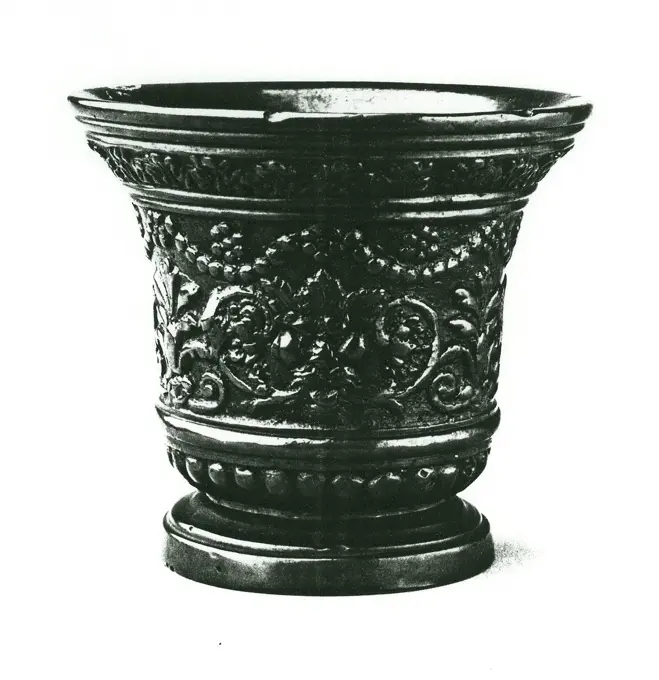
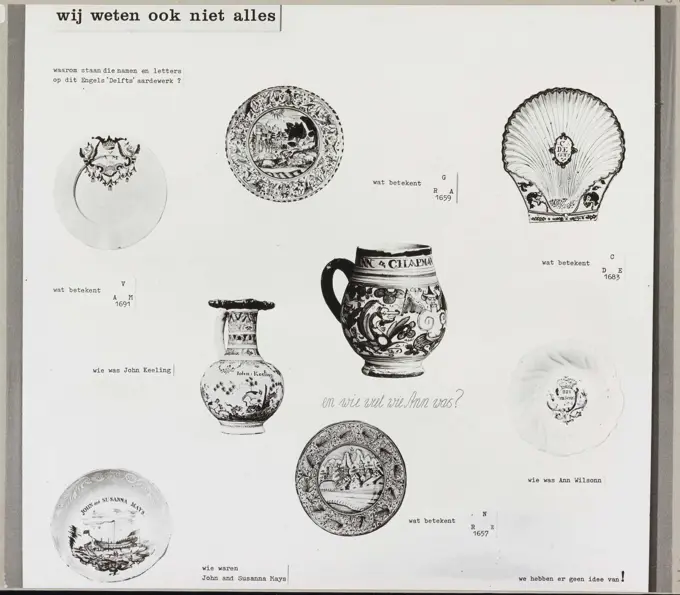
Teapot China. Teapot 52964Pilgrim bottle China. Pilgrim bottle. China. Jade (nephrite). Qing dynasty (1644-1911), Qianlong period (1736-95). JadeArchaic Vases, of the kind known as Phœnician or Corinthian. Stephen Thompson (British, about 1830 - 1893)Mosquito Smoker. Culture: Japan. Dimensions: H. 7 1/4 in. (18.4 cm); Diam. 8 3/8 in. (21.3 cm). Date: 19th century. Museum: Metropolitan Museum of Art, New York, USA.Vase 19th century Japan. Vase 59833Lead-Glazed Skyphos. UnknownTeapot China. Teapot. China. Porcelain painted in enamels on the biscuit. Qing dynasty (1644-1911), Kangxi period (1662-1722). CeramicsVase. Culture: China. Dimensions: H. 9 7/8 in. (25.1 cm). Date: 18th century. Museum: Metropolitan Museum of Art, New York, USA.Lazio Viterbo Viterbo Museo Civico73. Hutzel, Max 1960-1990 Views of paintings (Middle Ages through 18th c.), frescoes, a tabernacle, coffin, sculpture reliefs, portal fragments, busts, sculpture, tapestry found in the Pinacoteca, Second floor gallery and Second floor cloister sequences. Antiquities: Many views of Etruscan and Roman fragments, sculpture, sarcophagi, pottery, masks, jewelry and other objects found in the Storeroom sequence (inventory numbers on back of prints), and the Cloister, Second floor Cloister, Valle Giulia, Sala Romana and Sala Etrusca sequences. General Notes: There are eight separate numerical sequences for this location. The cloister as an architectural structure, rather than museum site, is documented in the record and file for S. Maria della Verita, Cloister, all views of which are stored in Medieval core collection. Five views from the Museo Civico Second floor cloister sequence are stored in Medieval. German-born photographer and scholar Max Hutzel (1911-Stand first half of 7th century B.C. Etruscan Cauldron stand of red ware.. Stand 246641Nesting Wine Cup 1820 Japan. Nesting Wine Cup. Japan. 1820. White porcelain decorated with blue under the glaze (Hirado ware). Edo period (1615-1868). CeramicsLazio Roma Subiaco Monastery of S. Scolastica Archaeological Museum9. Hutzel, Max 1960-1990 Antiquities: Views of antiquities in museum, including sarcophagi, plates, vases, coins. General Notes: Hutzel guide says we have negatives, but we cannot find them. German-born photographer and scholar Max Hutzel (1911-1988) photographed in Italy from the early 1960s until his death. The result of this project, referred to by Hutzel as Foto Arte Minore, is thorough documentation of art historical development in Italy up to the 18th century, including objects of the Etruscans and the Romans, as well as early Medieval, Romanesque, Gothic, Renaissance and Baroque monuments. Images are organized by geographic region in Italy, then by province, city, site complex and monument.Vase (Gallipot) China. Vase (Gallipot) 52885Wine Bottle. Culture: Japan. Dimensions: H. 7 in. (17.8 cm). Date: 19th century. Museum: Metropolitan Museum of Art, New York, USA.Tankard 1715-20, cover 1722 Meissen Manufactory German. Tankard 206007Lazio Viterbo Viterbo Museo Civico53. Hutzel, Max 1960-1990 Views of paintings (Middle Ages through 18th c.), frescoes, a tabernacle, coffin, sculpture reliefs, portal fragments, busts, sculpture, tapestry found in the Pinacoteca, Second floor gallery and Second floor cloister sequences. Antiquities: Many views of Etruscan and Roman fragments, sculpture, sarcophagi, pottery, masks, jewelry and other objects found in the Storeroom sequence (inventory numbers on back of prints), and the Cloister, Second floor Cloister, Valle Giulia, Sala Romana and Sala Etrusca sequences. General Notes: There are eight separate numerical sequences for this location. The cloister as an architectural structure, rather than museum site, is documented in the record and file for S. Maria della Verita, Cloister, all views of which are stored in Medieval core collection. Five views from the Museo Civico Second floor cloister sequence are stored in Medieval. German-born photographer and scholar Max Hutzel (1911-Museum of Cluny, Pewter Ewer, vintage engraved illustration. Magasin Pittoresque 1852Campania Salerno Nocera Inferiore Museo dell'Agro Nocerino3. Hutzel, Max German-born photographer and scholar Max Hutzel (1911-1988) photographed in Italy from the early 1960s until his death. The result of this project, referred to by Hutzel as Foto Arte Minore, is thorough documentation of art historical development in Italy up to the 18th century, including objects of the Etruscans and the Romans, as well as early Medieval, Romanesque, Gothic, Renaissance and Baroque monuments. Images are organized by geographic region in Italy, then by province, city, site complex and monument.Snuff Bottle China. Snuff Bottle. China. Brown and yellow nephrite with aquamarine stopper. Qing dynasty (1644-1911), Qianlong period (1736-95). Snuff BottlesBottle with One Handle. Culture: Japan. Dimensions: H. 9 in. (22.9 cm). Date: 18th century. Museum: Metropolitan Museum of Art, New York, USA.Jar with cover 1820 Kiyomizu Rokubei I Japanese. Jar with cover. Kiyomizu Rokubei I (Japanese, 1737-1799). Japan. 1820. Faience boldly craquelé with design in colored enamels (Kiyomizu ware). Edo period (1615-1868). CeramicsHobnail Creamer after 1886 Probably Hobbs, Brockunier and Company. Hobnail Creamer. American. after 1886. Pressed cranberry and colorless glass. Made in Wheeling, West Virginia, United StatesBell 1st century A.D. () Italian. Bell. Italian. 1st century A.D. (). Metal. Italy. Idiophone-Struck-bell-clapperVase with scenes from Romance of the Three Kingdoms China. Vase with scenes from Romance of the Three Kingdoms. China. Porcelain painted in underglaze cobalt blue (Jingdezhen ware). Qing dynasty (1644-1911), Kangxi period (1662-1722). CeramicsLazio Viterbo Viterbo Museo Civico3. Hutzel, Max 1960-1990 Views of paintings (Middle Ages through 18th c.), frescoes, a tabernacle, coffin, sculpture reliefs, portal fragments, busts, sculpture, tapestry found in the Pinacoteca, Second floor gallery and Second floor cloister sequences. Antiquities: Many views of Etruscan and Roman fragments, sculpture, sarcophagi, pottery, masks, jewelry and other objects found in the Storeroom sequence (inventory numbers on back of prints), and the Cloister, Second floor Cloister, Valle Giulia, Sala Romana and Sala Etrusca sequences. General Notes: There are eight separate numerical sequences for this location. The cloister as an architectural structure, rather than museum site, is documented in the record and file for S. Maria della Verita, Cloister, all views of which are stored in Medieval core collection. Five views from the Museo Civico Second floor cloister sequence are stored in Medieval. German-born photographer and scholar Max Hutzel (1911-1Lazio Viterbo Viterbo Museo Civico64. Hutzel, Max 1960-1990 Views of paintings (Middle Ages through 18th c.), frescoes, a tabernacle, coffin, sculpture reliefs, portal fragments, busts, sculpture, tapestry found in the Pinacoteca, Second floor gallery and Second floor cloister sequences. Antiquities: Many views of Etruscan and Roman fragments, sculpture, sarcophagi, pottery, masks, jewelry and other objects found in the Storeroom sequence (inventory numbers on back of prints), and the Cloister, Second floor Cloister, Valle Giulia, Sala Romana and Sala Etrusca sequences. General Notes: There are eight separate numerical sequences for this location. The cloister as an architectural structure, rather than museum site, is documented in the record and file for S. Maria della Verita, Cloister, all views of which are stored in Medieval core collection. Five views from the Museo Civico Second floor cloister sequence are stored in Medieval. German-born photographer and scholar Max Hutzel (1911-Pijzel decorated with saints and heart shapes, anonymous, c. 1500 - c. 1600 The cast round mortar extends upwards and has a protruding profiled edge. The wall is distributed vertically by nine excellent ribs decorated with three studs. These are connected to each other by a pearl edge. Reliefs have been applied underneath and above; A heart shape containing Maria with child () With a shell as a background in the bottom row, and among others Jacobus de Memer, Barbara, and the head of John the Baptist at the top. The protruding part is decorated with a border with nine three -passes, a pearl edge with nine beads, and a border with six -leaf roses. The Puy bronze (metal) casting The cast round mortar extends upwards and has a protruding profiled edge. The wall is distributed vertically by nine excellent ribs decorated with three studs. These are connected to each other by a pearl edge. Reliefs have been applied underneath and above; A heart shape containing Maria with child () With a shelFountain. William Chaffers (English, 1811 - 1892)Dinner pail 18th century possibly French. Dinner pail. possibly French. 18th century. Pewter. Metalwork-PewterNicholas Amantea, Crock, 1936 CrockTea Caddy ca. 1790-1800 Chinese. Tea Caddy. Chinese. ca. 1790-1800. Porcelain. Made in ChinaHobnail Water Pitcher after 1886 Probably Hobbs, Brockunier and Company. Hobnail Water Pitcher. American. after 1886. Pressed colorless and cranberry glass. Made in Wheeling, West Virginia, United StatesBowl with stylized clouds 13th-14th century China. Bowl with stylized clouds. China. 13th-14th century. Stoneware with red and green enamels (Cizhou-type ware). Jin (1115-1234)-Yuan (1271-1368) dynasty. CeramicsSamuel Sulkowitz, Jug, c 1936 JugHat Stand (One of a Pair). Culture: China. Dimensions: H. 14 1/4 in. (36.2 cm). Date: 18th century.The spherical part of each hatstand is decorated in colorful cloisonné enamel with a floral scroll and two auspicious motifs: peaches, associated with longevity, and bats, associated with good fortune. The globes, which have perforated lids, are hollow and would have been filled with scent. Museum: Metropolitan Museum of Art, New York, USA.Spice box 18th century Flemish. Spice box. Flemish. 18th century. Pewter. Metalwork-PewterMiniature vase with floral medallions China. Miniature vase with floral medallions 52975Incense Burner China. Incense Burner. China. Gilt bronze. Ming dynasty (1368-1644). MetalworkButter Crock. Dated: 1936. Dimensions: overall: 27.8 x 22.8 cm (10 15/16 x 9 in.) Original IAD Object: 11 3/4" High 10 1/2" Dia.(center) 6 1/2" Dia.(bottom). Medium: gouache, heightening, and graphite on paperboard. Museum: National Gallery of Art, Washington DC. Author: Jerome Hoxie.Pair of bottles 19th century Dutch, Delft. Pair of bottles 187744Stoneware chamber pot, embossed with lions and coats of arms, dated, pot holder sanitary soil found ceramic stoneware glaze salt glaze cobalt, hand turned fried glazed Stoneware chamber pot gray shard with salt glaze profiled bandoor with curled tail profile rings around neck and bottom of the body in the weapon medallions the date: 1691 archeology heraldry alien pottery import drains hygiene sleeping nightCovered jar with floral patterns 19th century China. Covered jar with floral patterns 46239Cricket pot 18th-19th century China. Cricket pot. China. 18th-19th century. Unglazed earthenware, porcelain, silk. Qing dynasty (1644-1911). Cricket cagesBOTE DE ZAMORA - BOTE DE MARFIL PROCEDENTE DE MEDINA AZAHARA - 964 - PERIODO CALIFAL. Location: MUSEO ARQUEOLOGICO NACIONAL-COLECCION. MADRID. SPAIN.Bottle 1760 Japan. Bottle 62724Covered Vessel. Culture: China. Dimensions: H. 12 in. (30.5 cm); W. 4 3/4 in. (12 cm); L. 12 1/2 in. (31.8 cm). Museum: Metropolitan Museum of Art, New York, USA.Mortar 19th century Italian or German This mortar is decorated with a frieze of grotesque masks and stylized palmettes under garlands; a band of acanthus leaves is under the rim. The lack of wear and the crude facture corroborate the late dating.. Mortar 460437Flask Depicting the Marquis deLafayette.   Maker: Coventry Glass Works, American, 1813-1850Proprietor: Stebbins and Stebbins, American, in partnership 1824-25Proprietor: Stebbins and Chamberlin, in partnership 1825 - 1830  Subject: Gilbert du Motier, Marquis de Lafayette, French, 1757-1834Gallic pottery, vintage engraved illustration. Magasin Pittoresque 1873Manufacture de Sevres, Gallic pottery, vintage engraved illustration. Magasin Pittoresque 1873Helm aus Kupfer; Helm aus Eisen.. Prints. 1912. The Miriam and Ira D. Wallach Division of Art, Prints and Photographs: Art & Architecture CollectionVase perfumes, vintage engraved illustration. Private life of Ancient-Antique family-1881.Low rectangular vase and cylindrical vase with RitzdekorLazio Latina Sezze Antiquarium Comunale82. Hutzel, Max 1960-1990 German-born photographer and scholar Max Hutzel (1911-1988) photographed in Italy from the early 1960s until his death. The result of this project, referred to by Hutzel as Foto Arte Minore, is thorough documentation of art historical development in Italy up to the 18th century, including objects of the Etruscans and the Romans, as well as early Medieval, Romanesque, Gothic, Renaissance and Baroque monuments. Images are organized by geographic region in Italy, then by province, city, site complex and monument.Pottery vessels from Roman times, various jugs, a drinking cup and the second from the left is an ointment bottle, Germany, digitally restored reproduction of a 19th century original, exact original date unknown, EuropeSet of ancient vase hand drawn ink sketch. Engraved style vector illustration.Pottery vessels from the Roman period, drinking cups in various sizes, a jug and a bottle, Germany, digitally restored reproduction of an original fro...Light image, photography from the Nordic architecture meeting on Gotland 1920.Cushion late 19th century China. Cushion 70292Bhaja, dagobahs illegible under the rockAn engraving depicting various ancient Egyptian oil lamps. Dated 19th century Information center: Panel for the public with background information about the exhibited items; Exhibition English Delft pottery. .Presentation of jugs and bottles; Exhibition price of the sea. .Anefo photo collection. Exhibition of Russian art treasures in the municipality of Museum in The Hague. Museums, art treasures. September 27, 1966. The Hague, South HollandHand drawn illustration of a seamless pattern with greek antique vessels isolated on white, black and white linear compositionGhee Shop. John Edward Saché (Prussian or British, born Prussia, 1824 - 1882)