Antique Ceramics and Pottery

Fragments and complete pieces of antique pottery demonstrating rich patterns and glazes from different historical periods and regions.

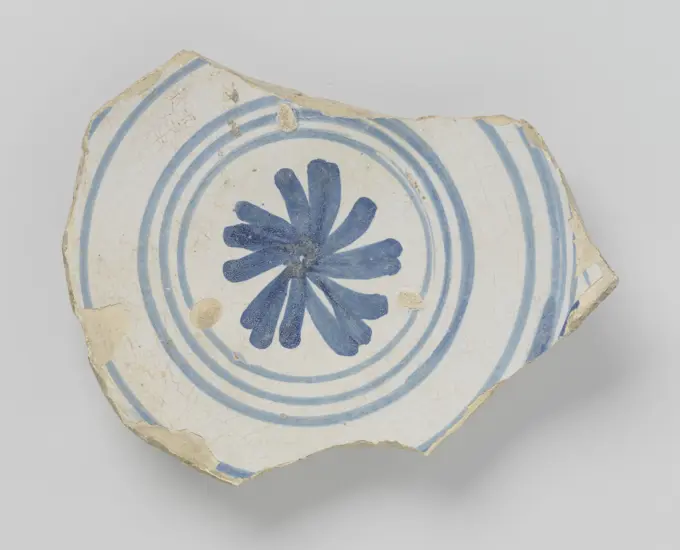
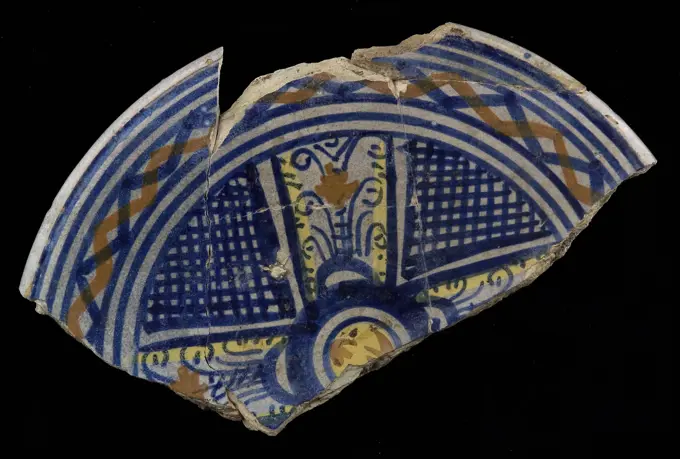
Sharf of a white -baking earthenware, with decoration of flower shapes and circles in blue, c. 1500 - c. 1899 fragment   earthenware. glaze
Sharf of a white -baking earthenware, with decoration of flower shapes and circles in blue, c. 1500 - c. 1899 fragment earthenware. glaze
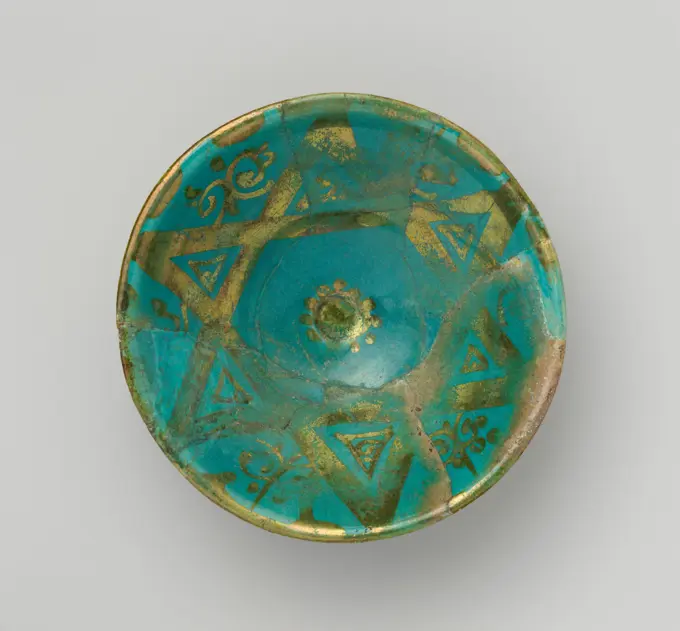
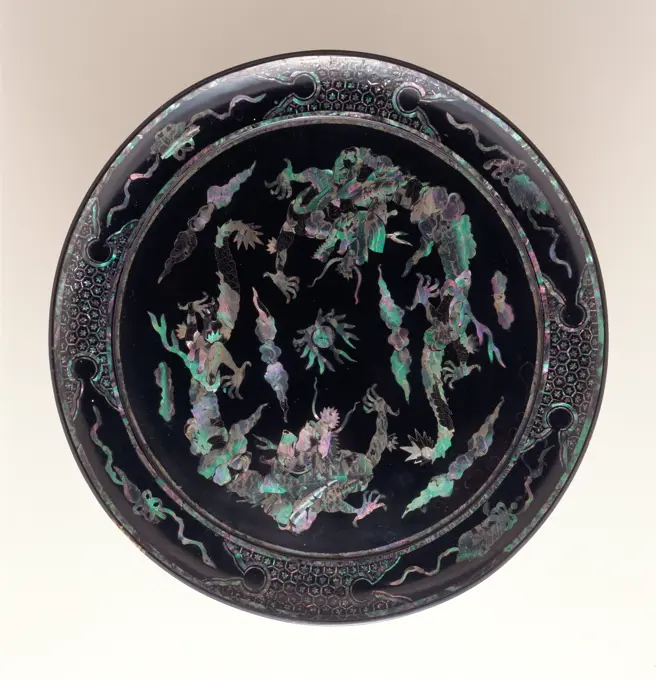
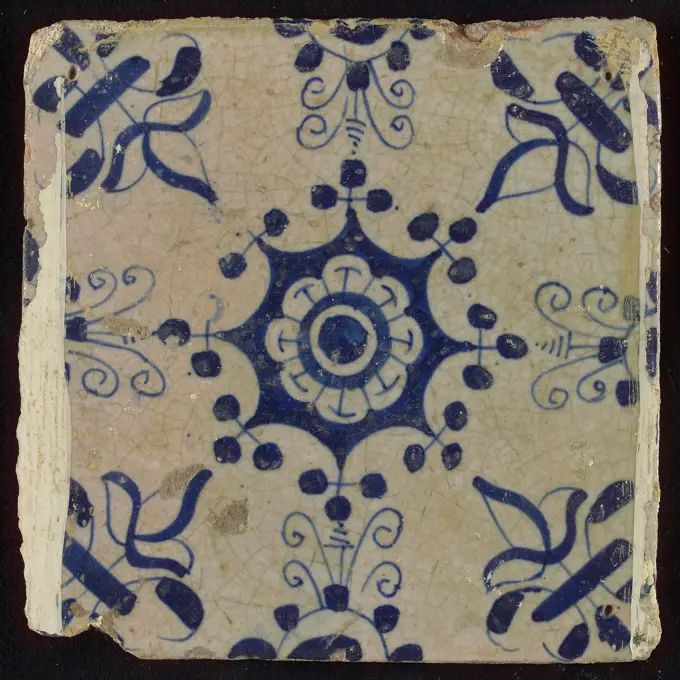
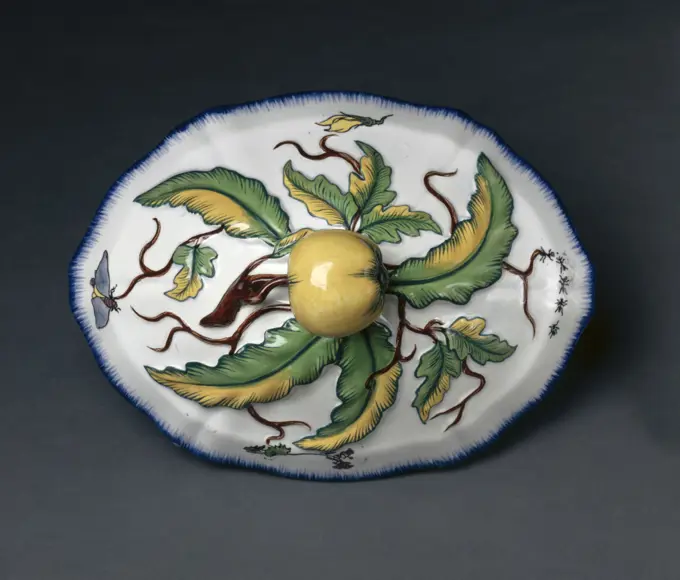
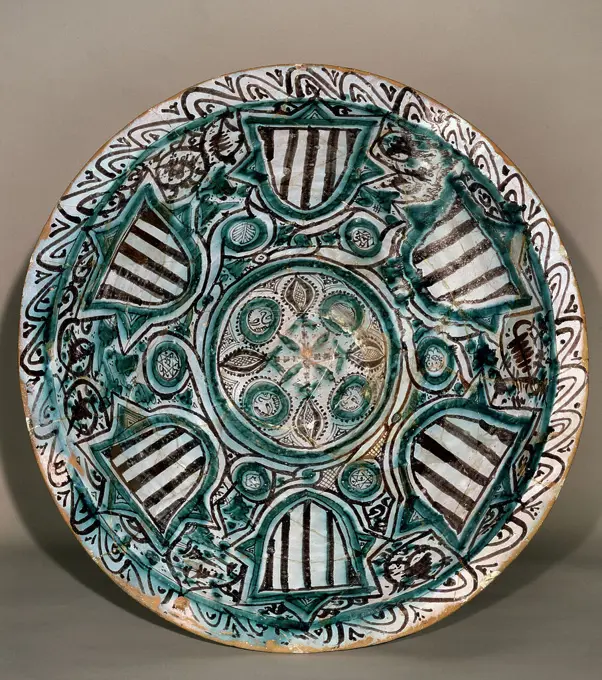
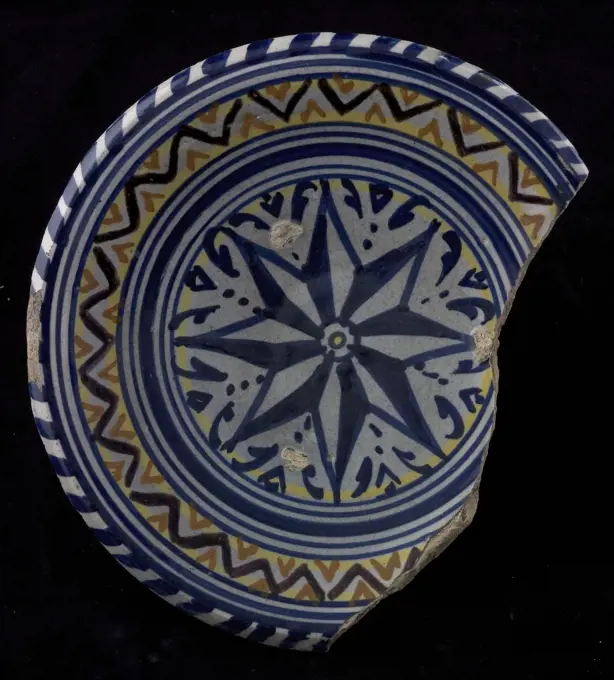
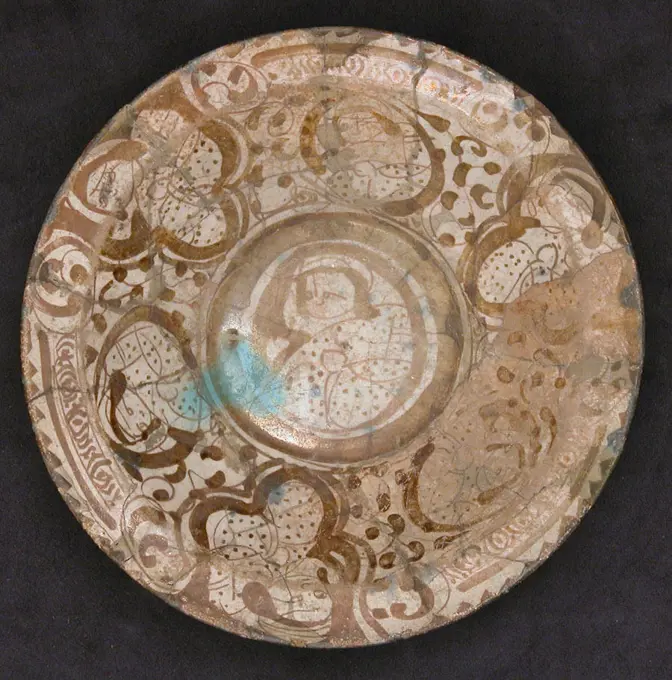
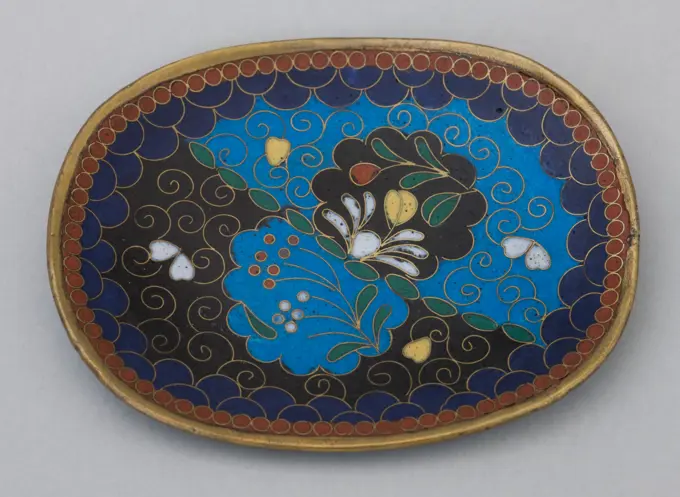
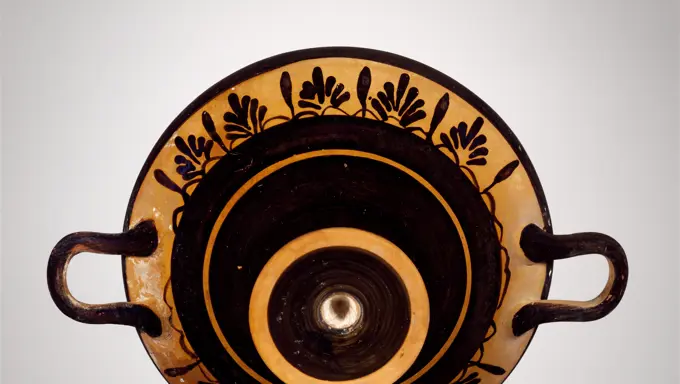
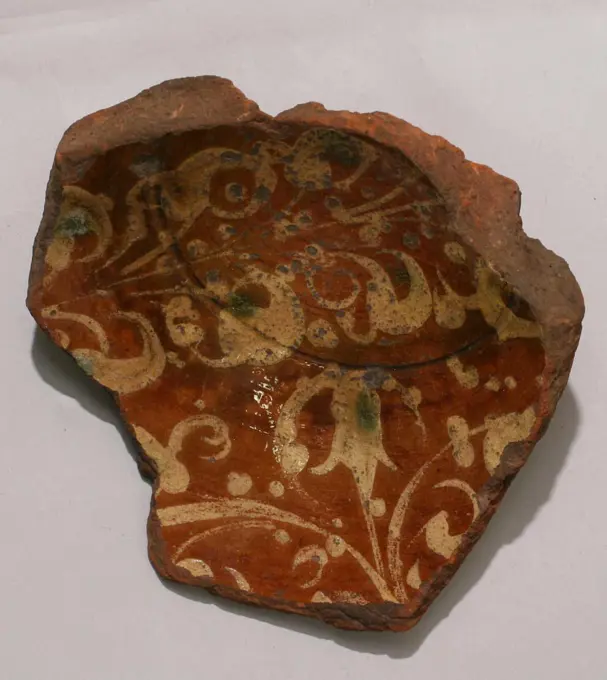
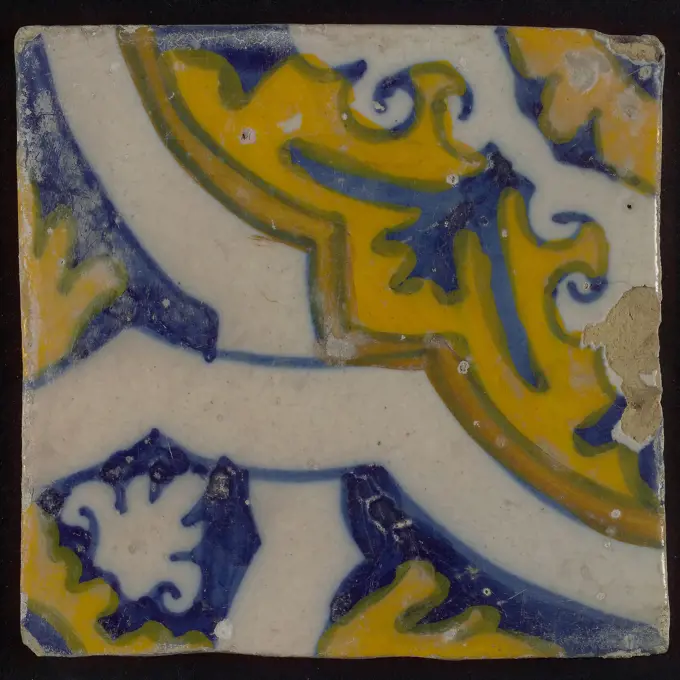
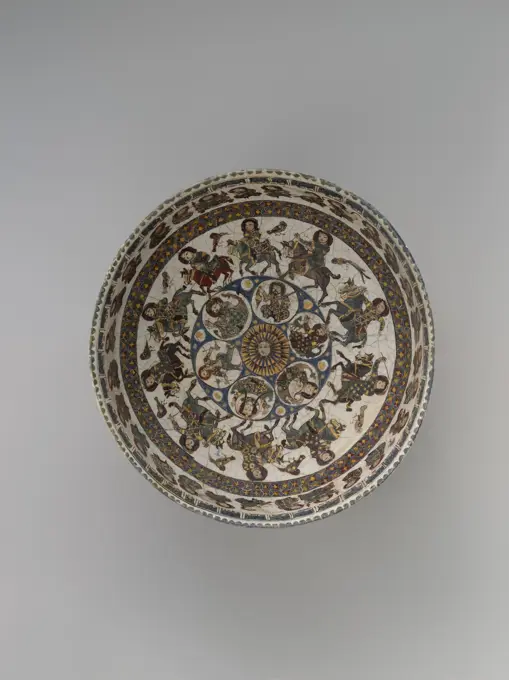
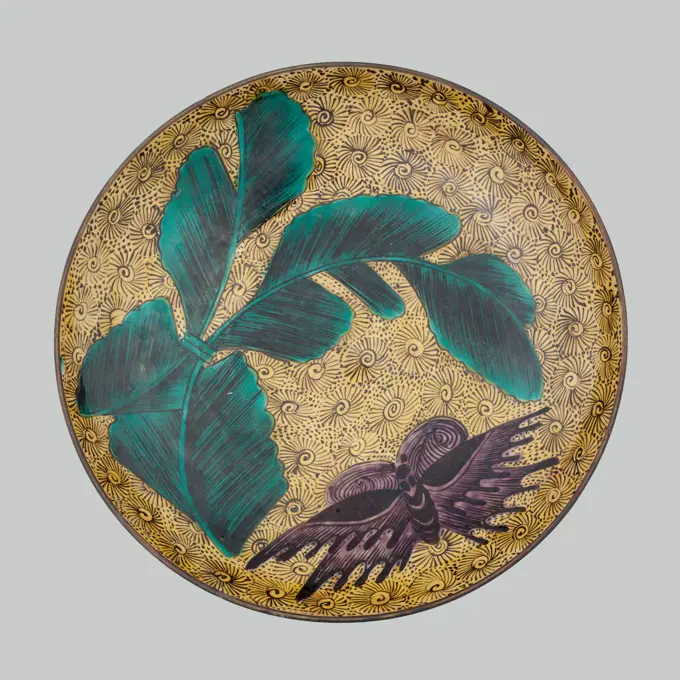
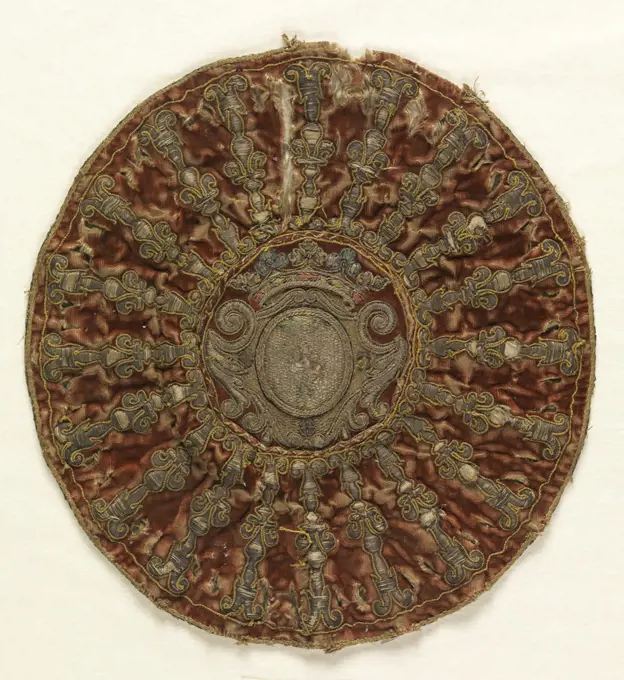
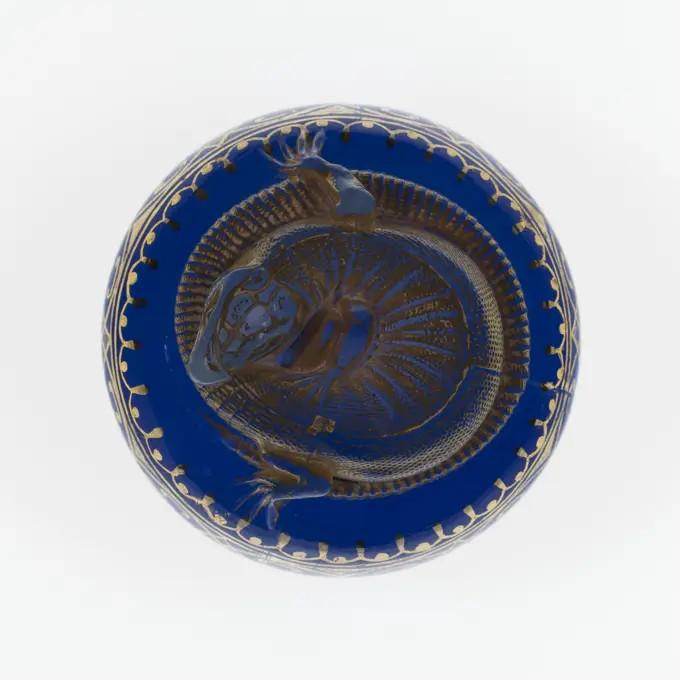
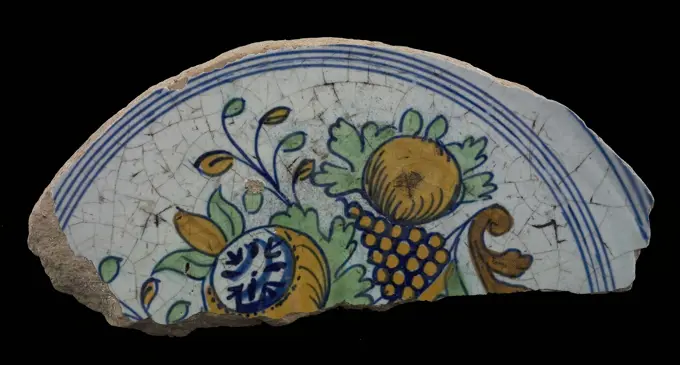
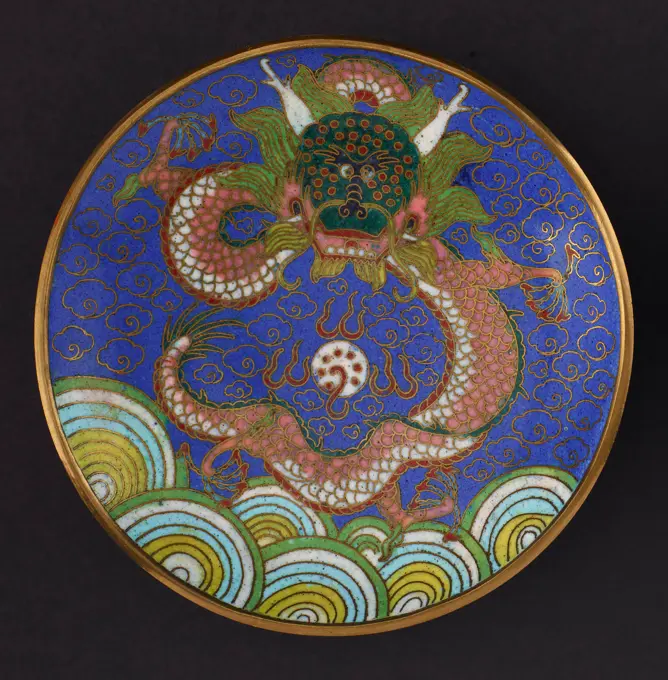
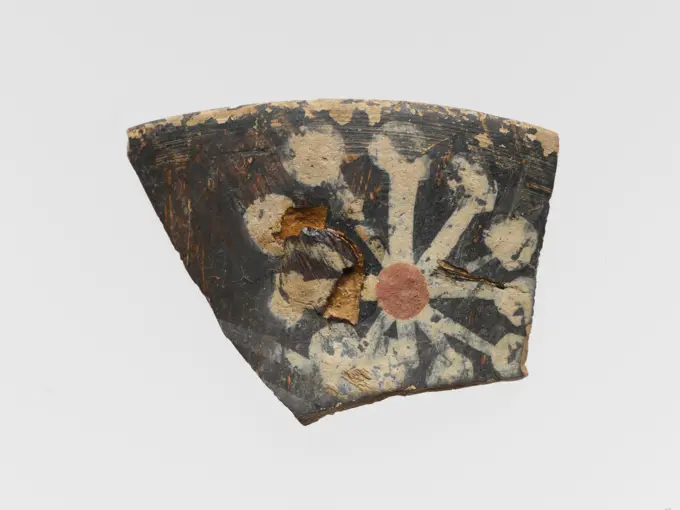
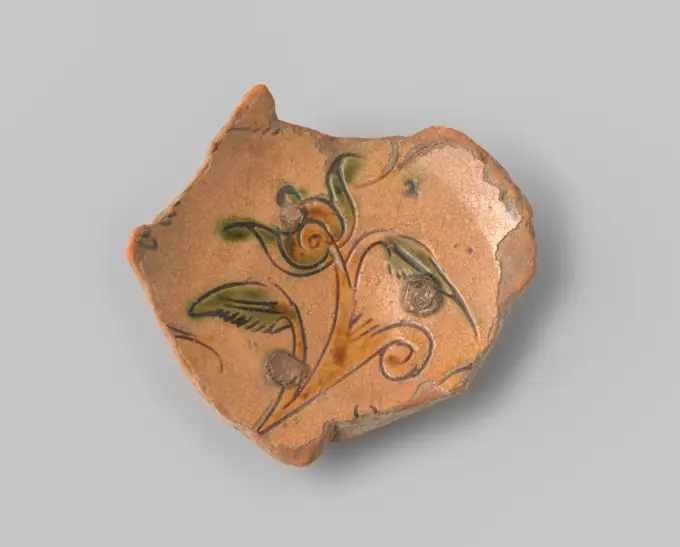
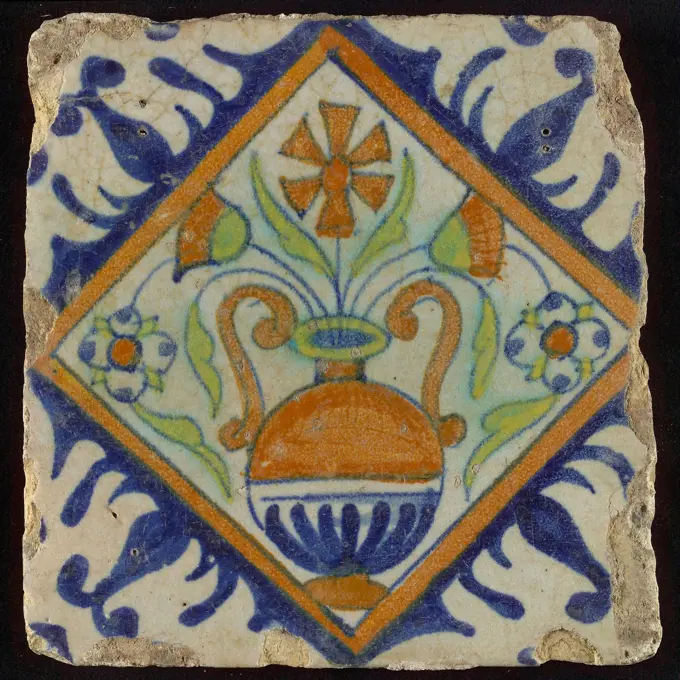
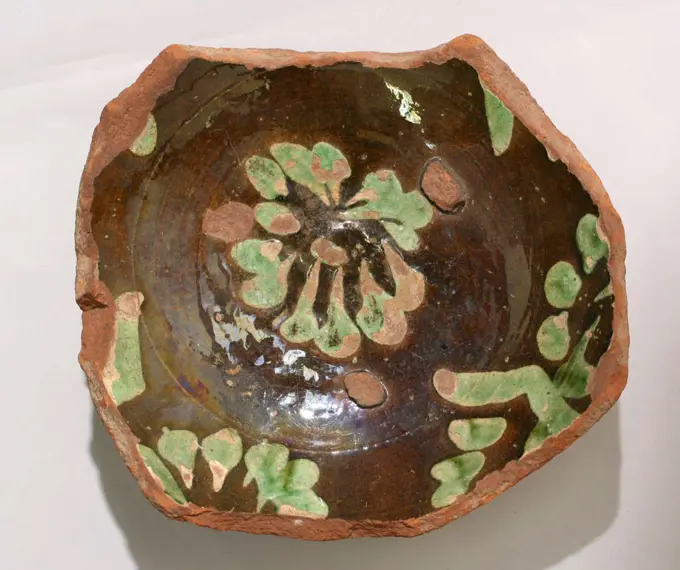
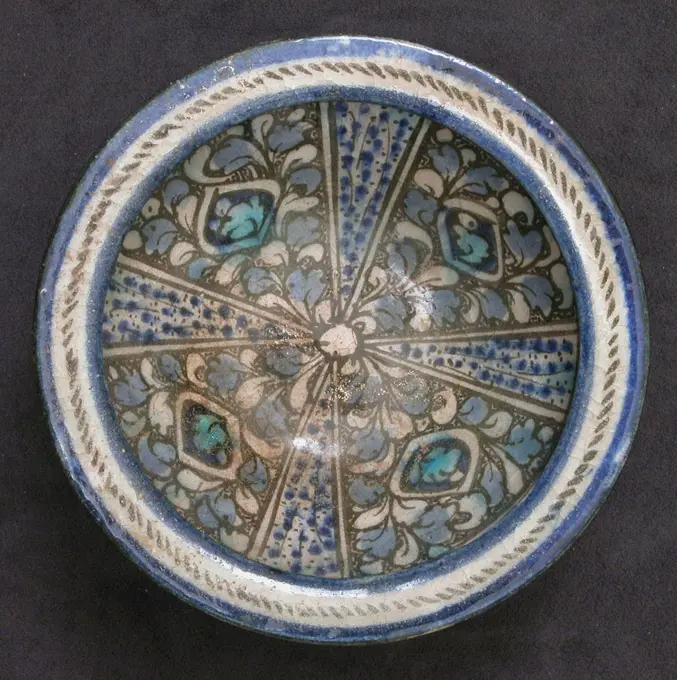
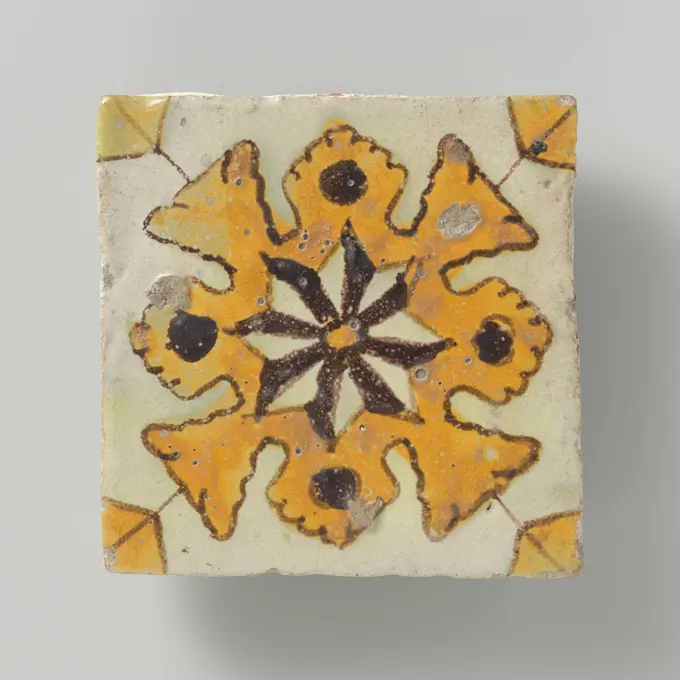
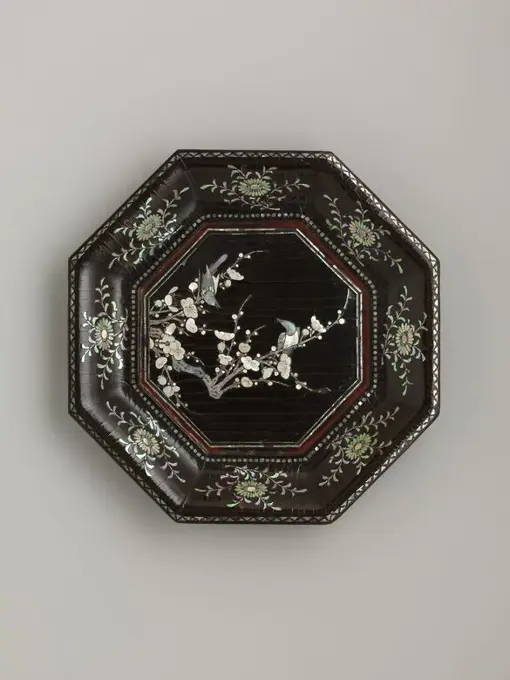
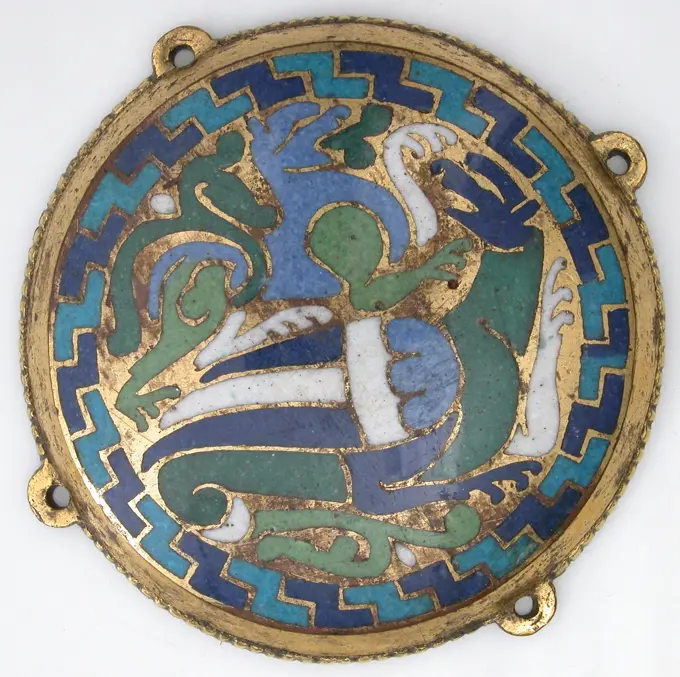
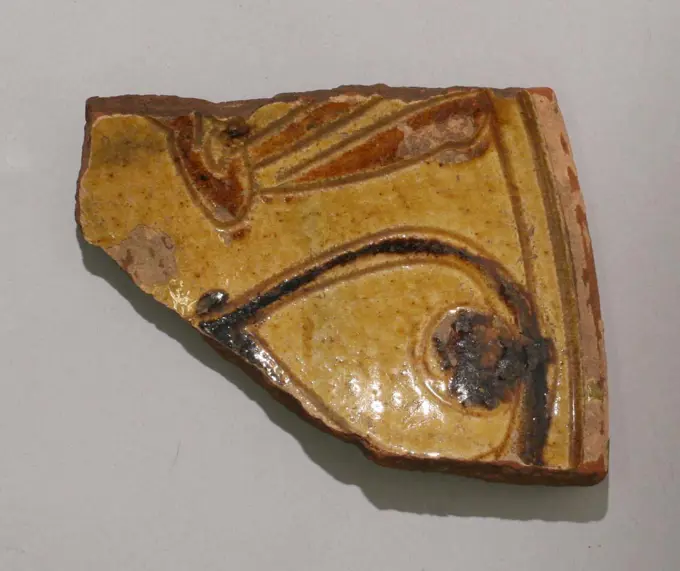
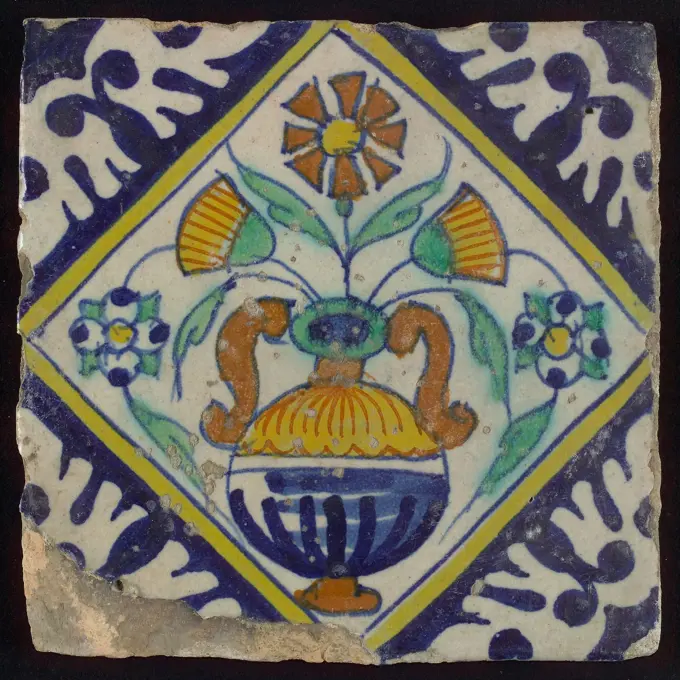
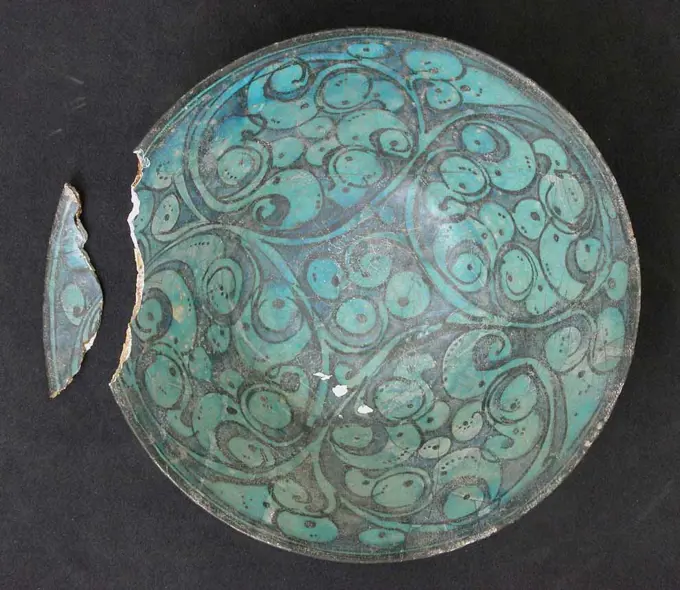
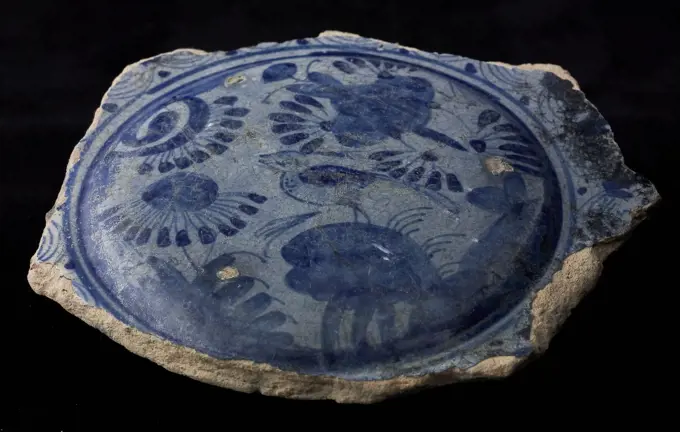
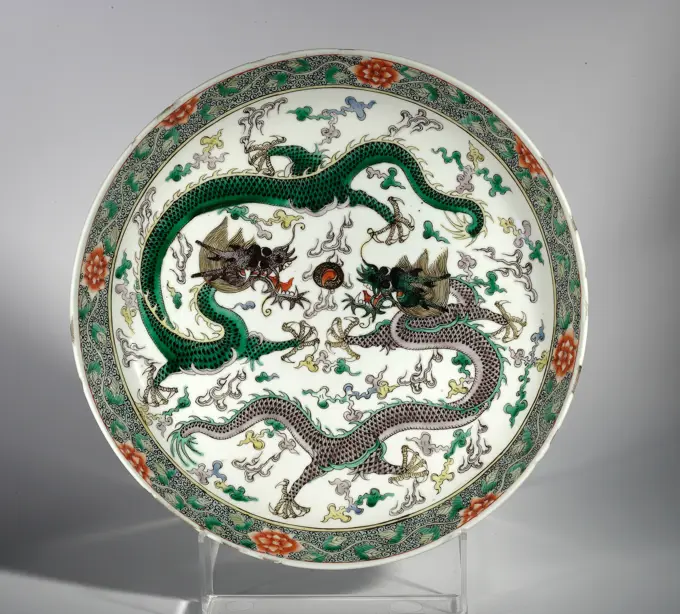
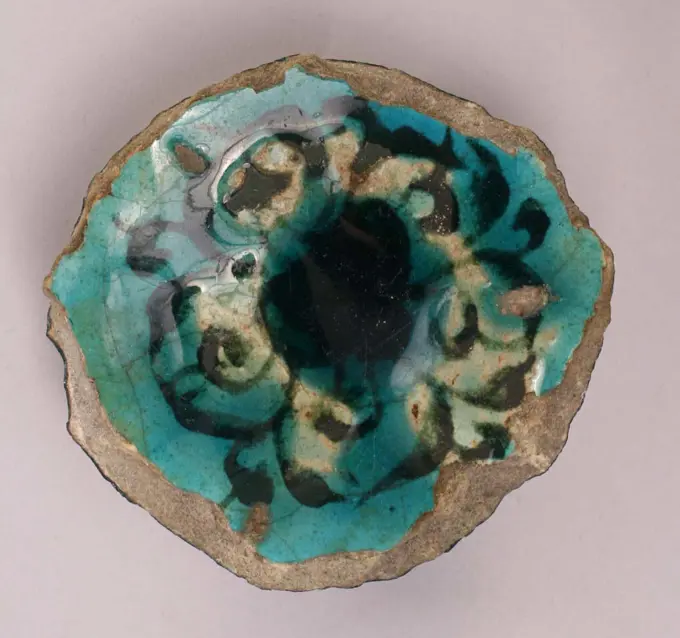
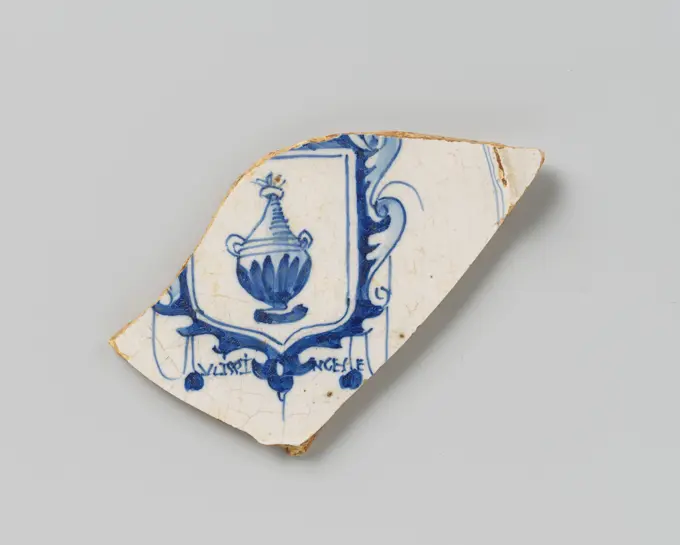
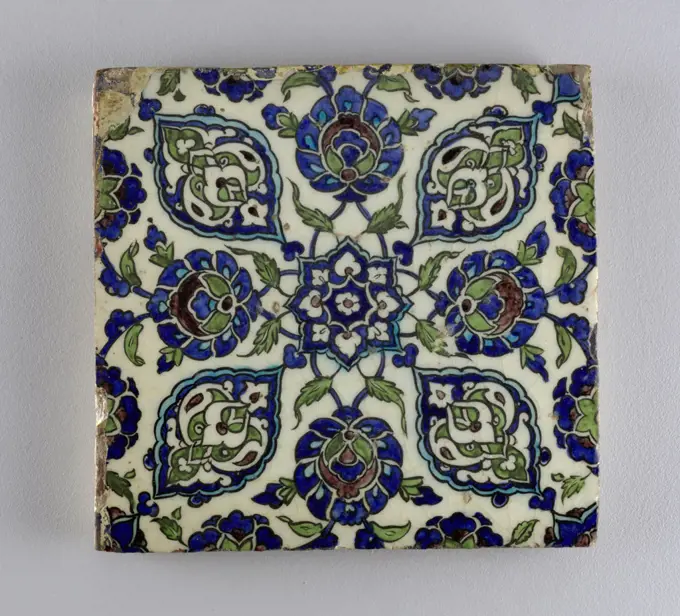
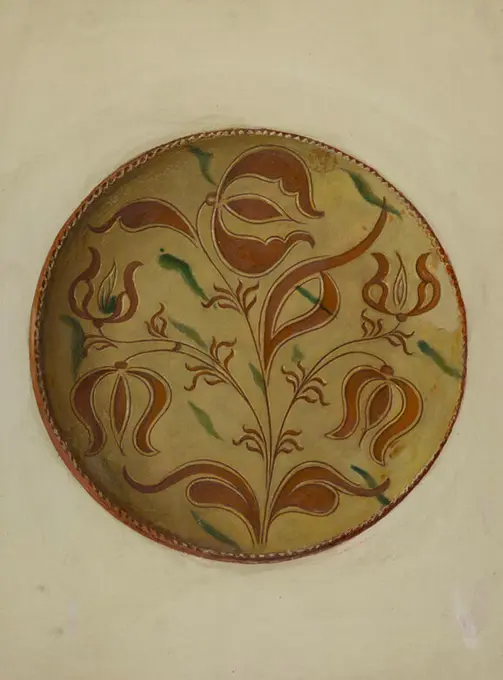
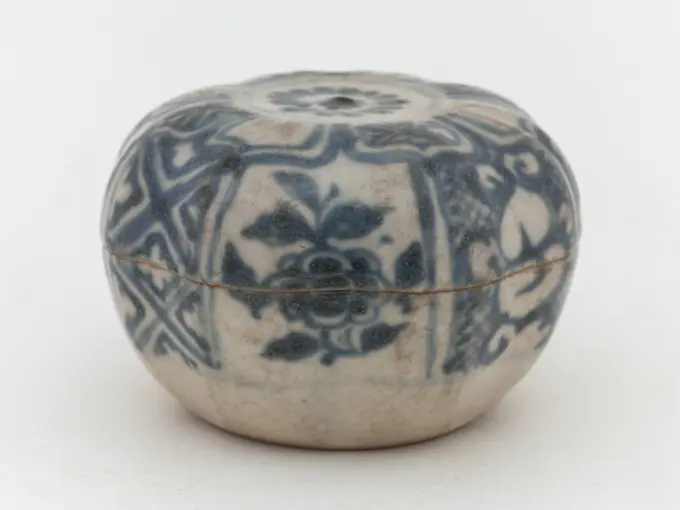
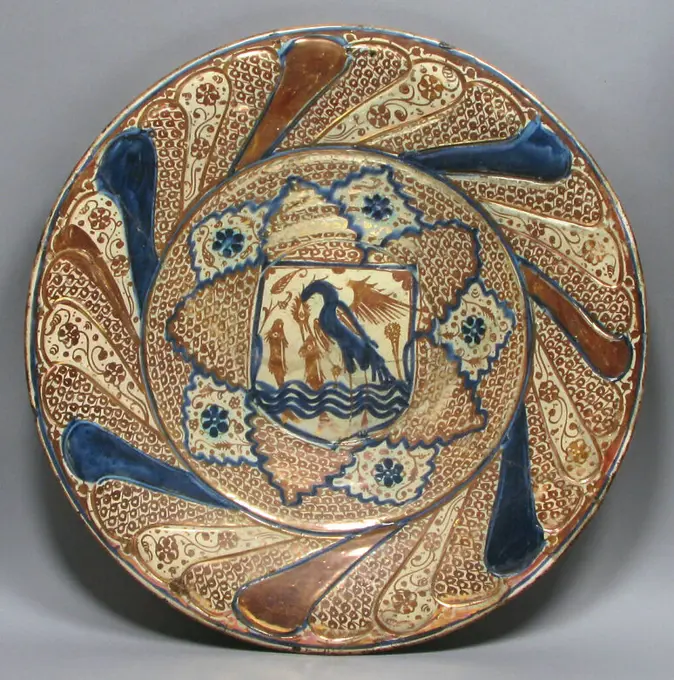
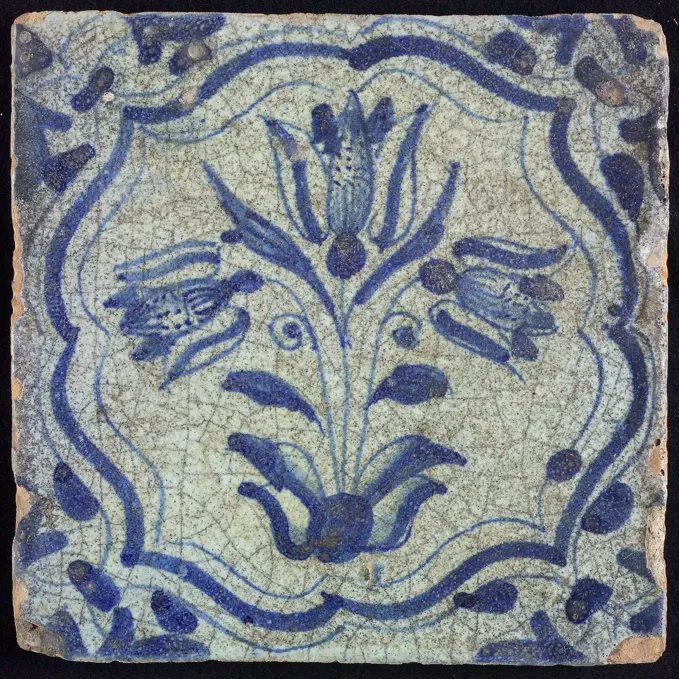
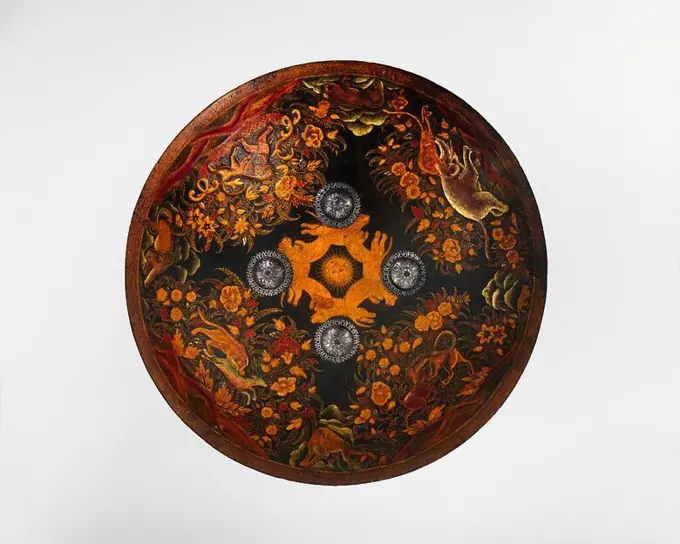
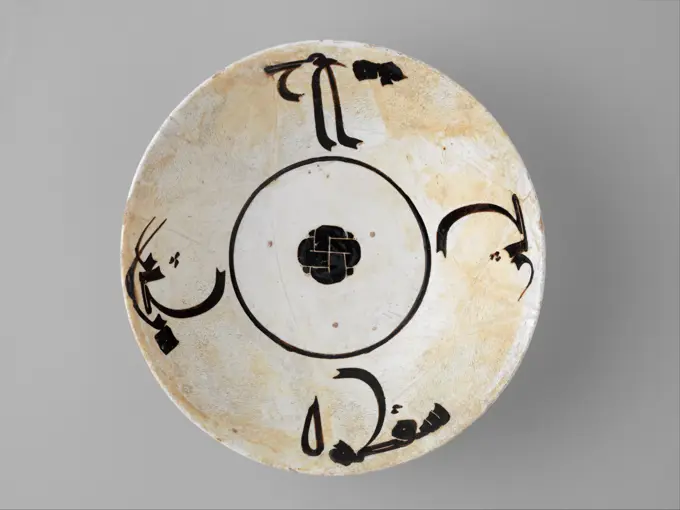
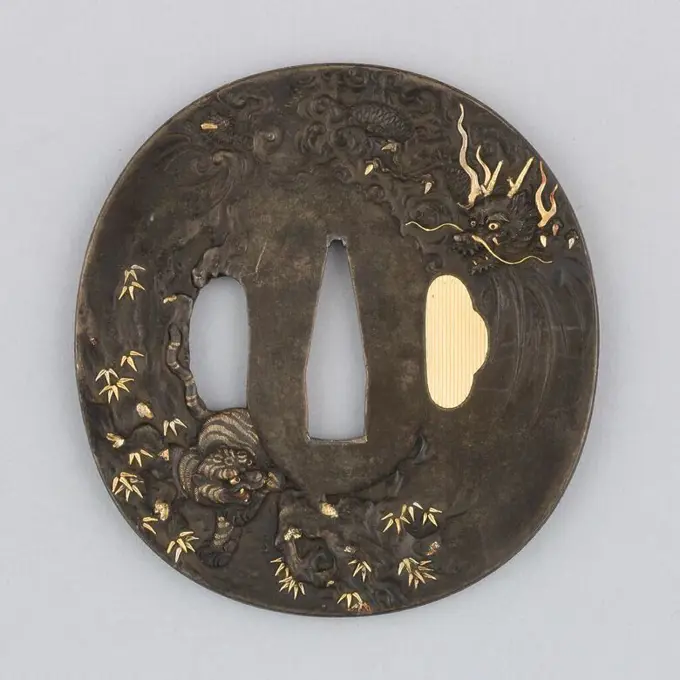
Bowl 9th-10th century. Bowl 449722White -baking earthenware saucer, with foot ring, with colorless glaze on the top, on which a painting of curls, leaves and circles in blue, anonymous, 1600 - 1650  Northern Netherlands earthenware. glaze majolica  Northern Netherlands earthenware. glaze majolicaExcerpt (foot) with red shard, with red, yellow, white, brown, green and blue glaze, anonymous, 1200 - 1899  Italy earthenware  Italy earthenwarePlate. unknown, craftsmanSharf of a white -baking earthenware, with decoration of flower shapes and circles in blue, c. 1500 - c. 1899 fragment   earthenware. glazeOctagonal saucer with flower scrolls in panel decoration, anonymous, c. 1700 - c. 1725 Octagonal dish of porcelain, painted in under -glaze blue. On the flat a flower branch in a double medallion; Around eight -radiating compartments with stylized flower vines; The edge with a band with zigzag work. Iron wire frame. Blue White. China porcelain. glaze. cobalt (mineral). iron (metal) painting / vitrification Octagonal dish of porcelain, painted in under -glaze blue. On the flat a flower branch in a double medallion; Around eight -radiating compartments with stylized flower vines; The edge with a band with zigzag work. Iron wire frame. Blue White. China porcelain. glaze. cobalt (mineral). iron (metal) painting / vitrificationDish 19th century. Dish 446696CERAMICA IRANI-PLATO DE BARRO AMARILLO S IX. Location: MUSEO ARQUEOLOGICO NACIONAL-COLECCION. MADRID. SPAIN.CW Perky, Pa German Pie Dish, c 1937 Pa. German Pie DishLuster Bowl mid-12th century This bowl, reconstructed from ancient fragments and some modern infills, is an example of the earliest stonepaste vessels produced in Syria in the second half of the 11th century. Coated with a turquoise glaze, it features a six-pointed star whose points alternate with vegetal designs in golden luster.. Luster Bowl. mid-12th century. Stonepaste; luster-painted. Made in Syria. CeramicsDish with Two Dragons Chasing a Flaming Pearl. Ryukyu Islands, about 1700-1800. Furnishings; Serviceware. Black lacquer on wood core with mother-of-pearl inlayFragment majolica dish, blue on white, in the middle eight-pointed star with face, dish crockery holder soil find ceramic earthenware glaze, baked underside covered with lead glaze clear manganese and green tinted Monochrome archeology decorate food servingTile, blue on white, central flower within star shape, three-piece around, half rosette, corner pattern lily, wall tile tile sculpture ceramics pottery glaze, baked 2x glazed painted 'Haarlem tile'. Yellow ruddy and red shard square Two or four nail holes. AIb3 Haarlem Bellevue Rotterdam Hillegersberg-Schiebroek Hillegersberg Zuid Kleiweg Originating from Huize Bellevue, which stood on the Kleiweg.Majolica dish, polychrome, fruit bowl on one foot, cable edge, plate dish crockery holder soil find ceramic earthenware glaze, total, majolica baked underside covered with lead glaze milky and gray Polychrome archeology decorate servingCover for a Tureen, 1866-75. Creil Factory (French), Félix Bracquemond (French, 1833-1914). Porcelain; overall: 21.6 cm (8 1/2 in.).PLATO DE LOZA TUROLENSE EN VERDE Y MANGANESO CON ESCUDOS ARAGONESES Y ATAURIQUES - SIGLO XIV. Location: ARCHAEOLOGICAL MUSEUM. TERUEL. SPAIN.Soul of majolica dish decorated with polychrome decor in Italian style, dish crockery holder fragment earthenware pottery earthenware glaze tin glaze lead glaze, w 12.5 hand-turned baked 2x majolica Soul of majolica dish decorated with symmetrical decor in Italian style Decor in orange brown and blue Orange shard clearly scraped with ground red pottery underside partly covered with greenish lead glaze archeology Italy Rotterdam Heliport grounds indigenous pottery import food room table decorate serve Soil discovery: Heliport site Rotterdam June 1978.Fragment faience plate, blue on white, landscape, plate dish crockery holder soil find ceramic earthenware glaze tin glaze, Cooked archeology(Mokhfia) Ceramic Vessel. Morocco, Fez, first half of 19th century. Ceramics. CeramicSword Guard (Tsuba). Culture: Japanese. Dimensions: H. 3 in. (7.6 cm); W. 2 3/4 in. (7 cm); thickness 1/4 in. (0.6 cm); Wt. 5.5 oz. (155.9 g). Date: ca. 1615-1868. Museum: Metropolitan Museum of Art, New York, USA.Bowl 9th-10th century. Bowl 449849Majolica dish, polychrome, in the middle an eight-pointed star, cable edge, dish crockery holder majolica soil finds ceramic earthenware enamel, baked underside covered with clear lead glaze. Polychrome archeology adorn serving foodDish 12th-13th century. Dish 447180Ornament tile, diagonal ornament in quatrefoil with bows in which orange apples and flowers, palm corner, corner pattern rosette, wall tile tile sculpture ceramics pottery glaze, baked 2x glazed painted Yellow and reddish shard square two and four nail holes. Multicolored: brown blue green yellow on white ground (variation in light and dark). Saving technique in blue on white.Ashtray with medallions with floral motifs unknownPlate Baranowski, Józef (1863 or 1868 1942)Fragment of a dish of earthenware decorated with a star in circles, anonymous, c. 1675 - c. 1725 Fragment of a dish of earthenware, at the top with tinglaze, covered at the rear with lead glaze, decorated with a star in circles, in blue on white soil. Excavated in London, Middlesex Street. England (possibly) earthenware. tin glaze majolica Fragment of a dish of earthenware, at the top with tinglaze, covered at the rear with lead glaze, decorated with a star in circles, in blue on white soil. Excavated in London, Middlesex Street. England (possibly) earthenware. tin glaze majolicaPlate from v.O.c.-ship the 'white lion'. Plate from v.o.c.-ship the 'white lion', 85%% present.Terracotta kylix (drinking cup) early 5th century B.C. Greek, Boeotian Exterior, palmettesThe black-figure technique and its variant, silhouette, were practiced well into the fifth century B.C. in Boeotia. Their survival probably facilitated the appearance of a full-blown figural style in the so-called Cabiric vases of the fourth century B.C. A fine example ( 1971.11.1 ) is exhibited on the main floor, just west of the Sardis column in a case devoted to Greek theater.. Terracotta kylix (drinking cup) 254382 Greek, Boeotian, Terracotta kylix (drinking cup), early 5th century B.C., Terracotta, H. 2 3/4 in. (7 cm); diameter 6 1/8 in. (15.5 cm); width with handles 8 1/4 in. (20.9 cm). The Metropolitan Museum of Art, New York. Rogers Fund, 1941 (41.162.211)Fragment of a Bowl 14th-15th century. Fragment of a Bowl 446332Ornament tile, diagonally across the tile white braid band motif, corner motif quarter rosette, wall tile tile sculpture ceramic earthenware glaze, baked 2x glazed painted Light yellow shard with fine red dots and square strings. Multicolored: blue (ocher to lemon) yellow and orange on white. Savings technique MoorsBowl with Courtly and Astrological Motifs late 12th-early 13th century The figures and decoration on the interior of this bowl combine imagery of the courtly cycle and astronomy. In the center the sun is surrounded by personifications of the planets (clockwise) Mars, Mercury, Venus, the moon, Saturn, and Jupiter. Islamic astronomers believed the planets orbited the earth, forming seven concentric circles. An eighth, outer sphere contained the constellations and signs of the zodiac, possibly represented by the six large and twelve small gold circles between the planets heads. Listen to experts illuminate this artwork's story Listen Play or pause #6685. Overview: Objects inspired by Astrology, Astronomy, and Science, Part 1 Play or pause #6685. Overview: Objects inspired by Astrology, Astronomy, and Science Supported by Bloomberg Philanthropies We're sorry, the transcript for this audio track is not available at this time. We are working to make it available as soon as possible.. Bowl wPlat (Hirabachi) with banana leaf and butterfly decor ". Porcelain. Beginning of the period of Edo (1603-1867), around 1640-1670. Provenance: Japan. Paris, Cernuschi museum. Paris, Cernuschi museum. 144391-10 Asian art, extreme-East art, Japanese, ceramic art, edo period, porcelain, dishSharf of yellowish baking earthenware, with white glaze, with a decorative edge and a figure of a standing angel in blue, anonymous, 1600 - 1650 at the front  Northern Netherlands earthenware. glaze majolica  Northern Netherlands earthenware. glaze majolicaGaming purse, Medium: silk, metallic yarns, leather lining Technique: embroidered, Gaming purse, now flat, has a heraldic shield in the center with scrolling columnar forms radiating to the edges. Heavy metal thread embroidery on rust-colored velvet., Italy, 16th century, embroidery & stitching, Gaming pursePaperweight 1840-1865 France. Glass . Compagnie de Saint LouisFragments of majolica dish, polychrome, fruit bowl on one foot, plate dish crockery holder soil find ceramic earthenware glaze, Cooked on the underside covered with lead glaze. Polychrome Orange grape bunches with blue contours archeology Rotterdam decorate serving food archaeological find in the soil Rotterdam 1941.Plate with a dragon on a cobalt blue background unknownTerracotta rim of a cup with rosette ca. 1800-1700 B.C. Minoan From Knossos, CretePart of rim, polychrome, white rosette on dark ground.. Terracotta rim of a cup with rosette. Minoan. ca. 1800-1700 B.C.. Terracotta; Kamares ware. Middle Minoan II. VasesExcerpt with red shard, with a flower in sgrafitto technology with yellow and green glaze, anonymous, 1200 - 1899  Italy earthenware  Italy earthenwareTile, orange, brown, green and blue on white, flowerpot in square, corner pattern palm, wall tile tile sculpture ceramic earthenware glaze, baked 2x glazed paintedCarnavalet Museum, Medals CollectionFragment of Bowl 14th-15th century. Fragment of Bowl 445419Tile, tulip on ground in yellow, purple, green and blue on white, inside serrated square with plume, corner pattern french lily, wall tile tile sculpture ceramic earthenware glaze, baked 2x glazed paintedDish probably 14th century. Dish 449038Tile- Foliated Pattern, c 1500s- 1600s. Holland/ Netherlands, 16th- 17th century. Glazed ceramic; overall: 14.8 x 14.8 cm (5 13/16 x 5 13/16 in.).Twee tegels.Two tiles with a multi-colored (yellow, green and blue) painted flowerpot. In the corners, a quarter of rosette.Bowl 9th-10th century. Bowl 453301Sherd with floral scrolls, anonymous (possibly), c. 1600 - c. 1799 Sharf of earthenware, painted in the enamel with a flower vank. Majolica. Netherlands earthenware. tin glaze. lead glaze painting / vitrification Sharf of earthenware, painted in the enamel with a flower vank. Majolica. Netherlands earthenware. tin glaze. lead glaze painting / vitrificationBowl 14th century. Bowl 447131Thread waxing tool, 19th-20th century, 3 7/8 x 2 5/16 x 11/16 in. (9.84 x 5.87 x 1.75 cm), Wood, lacquer, Taiwan, 19th-20th centuryFragment sign from V.O.C. ship De 'Witte Leeuw', Anonymous, Before 1613 plate (dishes) Fragment sign from V.O.C. ship the 'Witte Leeuw'. Jingdezhen bone china (material)   Sint-HelenaTile. Tile, painted in yellow, manganese. Lobby rosette, in which an eight-pointed star. In the corners a quarter octos, with a thin line connected to the rosette.Dish with Flowering Plum and Birds. Culture: China. Dimensions: H. 1/8 in. (.3 cm); Diam.11 5/8 in. (29.5 cm). Date: 14th century.Flowering plums and birds, possibly magpies, a popular theme in the paining and poetry of the Southern Song dynasty (1279-1368), were understood as harbingers of spring, because the plum is one of the first blossoms to appear as winter ends. This depiction of plum blossoms, which range from buds to full blooms, derives from the influential Manual of Plum Blossom Likeness (Meihua xishen pu), written by the artist Song Boren in the mid-thirteenth century, which discusses and illustrates the different stages in the life of this delicate flower. Museum: Metropolitan Museum of Art, New York, USA.Spiral-form EarringDish 10th-11th century. Dish. 10th-11th century. Glass; free blown. Excavated in Iran, Nishapur. GlassCombat Between Dragon and Dog (one of five medallions from a coffret) ca. 1110-30 French The blue and green beasts, locked in battle and compressed into these circular medallions, are emblematic of goldsmiths work created at Conques under the patronage of Abbot Boniface (r. 1107-after 1121). On a similar box still at Conques, an inscription proudly proclaims: “In all respects, the coffrets of Conques demonstrate brilliant workmanship.”. Combat Between Dragon and Dog (one of five medallions from a coffret) 464564Scherf of a pot from the wreck of the East Indians Hollandia, Anonymous, 1700 - in Or Before 1743 pot Stoneware, Rhenish, Westerwald, pot; of body, sim. NG 1980-27H2624r. Westerwald stoneware   SecondBowl late 13th century- early 14th century Korea. Bowl 57392Sword Guard (Tsuba) ca. 1615-1868 Japanese A tsuba is a sword guard and part of a sword mounting. It is mounted between the swords blade and grip to protect the users hands.. Sword Guard (Tsuba) 34472Fragment 14th-15th century. Fragment 445543Tile, orange, brown, green, and blue on white, flowerpot in square, corner pattern palm, wall tile tile sculpture ceramic earthenware glaze, baked 2x glazed paintedCovered Cosmetic Box with Chrysanthemum Flower Heads. Korea. Date: 1235-1265. Dimensions: H. 3.5 cm (1 3/8 in.); diam. 9.6 cm (3 3/4 in.). Celadon-glazed stoneware with underglaze inlaid decoration of black and white clays. Origin: Korea. Museum: The Chicago Art Institute, Chicago, USA.Tile (USA); Manufactured by J. & J. G. Low Art Tile Works; glazed stoneware; 10.8 x 10.8 x 1.1 cm (4 1/4 x 4 1/4 x 7/16 in. )Fragment majolica dish, yellow, orange and blue on white, cross shape with shaded areas in between, dish plate crockery holder soil find ceramic earthenware glaze tin glaze lead glaze, Two fragments of majolica dish: consists of five fragments is an edge fragment. Wide stand ring Backside gray-pink glazed except for the front gray glazed front stand on which dark blue orange yellow decoration imprints. Light yellow shard archeology Rotterdam railway tunnel serving Soil discovery: rail tunnel Rotterdam.Tile tableau with Prince Maurits. Loose tile belonging to the tile tableau with Prince Maurits.Bowl 12th-13th century. Bowl 452607Majolica pancake dish with 'bird in Chinese garden' from the Wanli period, dish crockery holder soil find ceramic earthenware glaze lead glaze tin glaze, majolica painted baked glazed Fragment of majolica dish Sphere middle wide standing ring with cavity in the middle. Backside black discolored except the cavity front light blue glazed on which dark blue decoration prints. brown-yellow shard scraped pottery. Archeology in Rotterdam prehistoric Rotterdam railway tunnel native pottery food room serve China Chinese garden Soil discovery: rail tunnel Rotterdam.Dish of the green family. unknown, craftsmanFloor tile with multicolored rosette. Square floor tile with a multicolored (blue, green, yellow and orange) rosette within two intersecting windows. In the corners, rays.Tray, from a Lemonade Set, Royal Worcester, English, established 1751, hard paste porcelain, vitreous enamel, gold, Trilobed dish decorated with auspicious symbols and bamboo. Gilt pattern at inner edge., England, 1879, ceramics, Decorative Arts, tray, trayPavement tiles 16th-17th century Spanish, Seville. Pavement tiles 187929Cuenca ceiling tile, two pieces, with central octagonal medallion with leaf rosette, anonymous, 1500 - 1550 Two Cuenca ceiling tiles, painted in white (stock), ocher yellow, dark green, manganese and light blue. On the short sides unglazed. A wide tire forms a central octagonal medallion, a leaf rosette in the field. The corners around the medallion are trimmed with tires with a pearl list. In the corners of the quarter rosettes. Sevilla earthenware. tin glaze Two Cuenca ceiling tiles, painted in white (stock), ocher yellow, dark green, manganese and light blue. On the short sides unglazed. A wide tire forms a central octagonal medallion, a leaf rosette in the field. The corners around the medallion are trimmed with tires with a pearl list. In the corners of the quarter rosettes. Sevilla earthenware. tin glazeFragment 13th-16th century. Fragment 452469Pendant 9th-12th century. Pendant. 9th-12th century. Millefiori glass. Attributed to Iraq or Syria. GlassPa. German Bride or Cap Box. Dated: c. 1937. Dimensions: overall: 51 x 38 cm (20 1/16 x 14 15/16 in.) Original IAD Object: 7" high; 18" wide. Medium: watercolor, graphite, and gouache on paperboard. Museum: National Gallery of Art, Washington DC. Author: Frances Lichten.Tray. Culture: British, Worcester. Dimensions: 17 × 14 in. (43.2 × 35.6 cm). Factory: Worcester factory (British, 1751-2008). Date: 1884.The lozenge-shaped tray is transfer-printed in underglaze blue with a complex design of circles filled with different ground patterns, as though numerous decorated disks had been spread out over the tray, overlapping and overlapped by their neighbors. Over all are clumps of stenciled motifs in gold, consisting of decorated circles, squares, hexagons, plants, flowers, pen boxes, and leaves. The mark S.Y. in gold on the underside of the tray is that of an anonymous gilder. Other marks are a printed Royal Worcester Company mark, a v for the year I884, and the Company's impressed mark, also crowned.In 1876 the director of the Royal Worcester Porcelain Company, Reginald Binns, sent back to England a large consignment of Japanese ceramics purchased at the Centennial Exhibition in Philadelphia. Two years later the Royal Worcester Porcelain Company was awarUnknown (n. - d.), Ombilician dish. Earthenware, clay earth, stanniferous enamel, metal chandelier with red reflections. Petit Palais, Museum of Fine Arts of the City of Paris.Excerpt of a dish, anonymous, 1600 - 1625 Fragment of a dish: coarse shard of yellow-red tinted earth at the back with tin-containing lead glaze and on front with decor in blue, yellow and manganese on white lead glaze. Soil find in garden soil between the Amstel and the Amstelveenseweg. Northern Netherlands earthenware Fragment of a dish: coarse shard of yellow-red tinted earth at the back with tin-containing lead glaze and on front with decor in blue, yellow and manganese on white lead glaze. Soil find in garden soil between the Amstel and the Amstelveenseweg. Northern Netherlands earthenwareScherf with inscription Vlissinghe, Anonymous, c. 1650 - c. 1680 Sharf of a plate, of blue painted faience. The shard is part of the flat and is painted with the Wapen van Vlissingen, including the inscription Vlissinghe. On the other side a standing figure (Chinese) with a coat of arms () Is painted. The shard is a soil find from Leiden. Delft earthenware. tin glaze.   Leiden Sharf of a plate, of blue painted faience. The shard is part of the flat and is painted with the Wapen van Vlissingen, including the inscription Vlissinghe. On the other side a standing figure (Chinese) with a coat of arms () Is painted. The shard is a soil find from Leiden. Delft earthenware. tin glaze.   LeidenOrnament tile, diagonal ornament in quatrefoil with bows in which orange apples and flowers, palm corner, corner pattern rosette, wall tile tile sculpture ceramics pottery glaze, baked 2x glazed painted Yellow and reddish shard square two and four nail holes. Multicolored: brown blue green yellow on white ground (variation in light and dark). Saving technique in blue on white.Wall tile, Lead-glazed earthenware, Similar to 1951-66-3., Ottoman Empire (present day Syria), late 16th-early 17th century, tiles, Decorative Arts, Wall tileJardiniere. Nieborów (manufaktura majoliki ; 1881-1899), factoryPlato de Manises, siglo XV. Colección privada.Pa. German Pie Dish. Dated: c. 1936. Dimensions: overall: 49.1 x 36.2 cm (19 5/16 x 14 1/4 in.). Medium: watercolor, graphite, and gouache on paperboard. Museum: National Gallery of Art, Washington DC. Author: Max Soltmann.Tile (Netherlands); glazed earthenware; L x W x D: 14.8 x 14.8 cm (5 13/16 x 5 13/16 in.); 1934-5-5Cover box. Porcelain sandstone, cobalt blue under cover. 15th century. Paris, Cernuschi museum. Asian art, Chinese art, cobalt blue, box, lid, gres, porcelain, 15th xve xv 15th 15th 15th centuryDish. Culture: Spanish. Dimensions: 18 × 2 3/8 in. (45.7 × 6 cm). Date: late 15th-early 16th century. Museum: Metropolitan Museum of Art, New York, USA.Flower tile with three-pillar tulip in brace frame, blue decor on white ground, corner filling: voluten, wall tile tile sculpture ceramics pottery glaze tin glaze, in shape made baked glazed painted baked Wall tile with blue decor on white fond. Flower tile with the central representation of three-pillar in brace frame. Corner filling: voluten. Orange-yellow shard. Scraped earthenware Slightly slanted sides. On the back practice drawing joke or caricature In blue paint on the back: figure without hands shown from knee height indigenous potteryFlower tile with large flower pot, blue decor on white ground, corner filling: ox head, wall tile tile sculpture ceramic earthenware enamel tinglage, in form made baked glazed painted baked Wall tile with blue decor on white fond. Flower tile with large flower pot in which flowering bouquet The flowerpot is on ground. Corner filling: big ox head. Orange-red shard. Scraped earthenware Slightly slanted sides. narrow strip has been cut off along the underside so that the tile can be placed fittingly on the wall: Pastel indigenous potteryShield (Dhàl). Culture: Indian, probably Rajastan. Dimensions: Diam. 20 1/2 in. (52.1 cm). Date: ca. 1800.Ornately decorated shields of this type appear to come from the Hindu-ruled areas of Rajastan in central India. Museum: Metropolitan Museum of Art, New York, USA.Shield. Culture: Italian, probably Venice. Dimensions: Diam. 23 1/2 in. (59.69 cm); Wt. 4 lb. 12 oz. (2155 g). Date: ca. 1600.This is one of a large group of shields decorated in a Middle Eastern style and thought to have been made for the bodyguard of Wolf Dietrich von Raitenau, prince-archbishop of Salzburg (reigned 1587-1612). Museum: Metropolitan Museum of Art, New York, USA.Colored image on the glass for SkiopTikon / Laterna Magica.A thin walled bowl with turquoise blue enamel unknownDessert plate - Fall of Montmorency near Quebec Enoch Wood & Sons, 1818-1845 Enoch Wood & Sons, 1818-1845Bowl with Inscription 10th century A particularly fine example of the calligraphic ware produced in the Nishapur region, the simple black decoration on this white, slip-covered bowl is confined to four blocks of writing surrounding a central knot motif.. Bowl with Inscription. 10th century. Earthenware; white slip with incised black slip decoration under transparent glaze. Attributed to Iran or present-day Uzbekistan, Nishapur or Samarqand. Excavated in Iran, Nishapur. CeramicsSword Guard (Tsuba). Culture: Japanese. Dimensions: H. 2 3/4 in. (7 cm); W. 2 5/8 in. (6.7 cm); thickness 3/16 in. (0.5 cm); Wt. 3.6 oz. (102.1 g). Date: early 19th century. Museum: Metropolitan Museum of Art, New York, USA.Medallion Made 1601-1700 Italy. Silk; embroidered with silk and metal thread .Tile with blue curved edge with decoration, tile picture footage fragment ceramic pottery glaze, d 1.3Floor tile. Floor tile with leaf drinks and circles.