Antique Ceramics and Pottery

Fragments and complete pieces of antique pottery demonstrating rich patterns and glazes from different historical periods and regions.

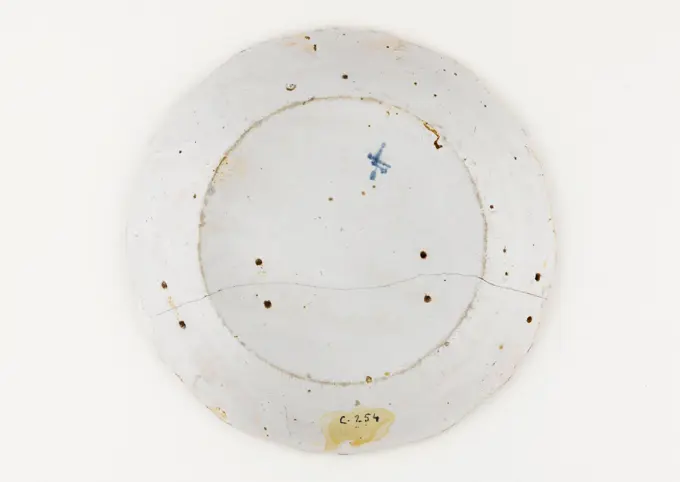
Sharf of a white -baking earthenware, with decoration of flower shapes and circles in blue, c. 1500 - c. 1899 fragment   earthenware. glaze
Sharf of a white -baking earthenware, with decoration of flower shapes and circles in blue, c. 1500 - c. 1899 fragment earthenware. glaze
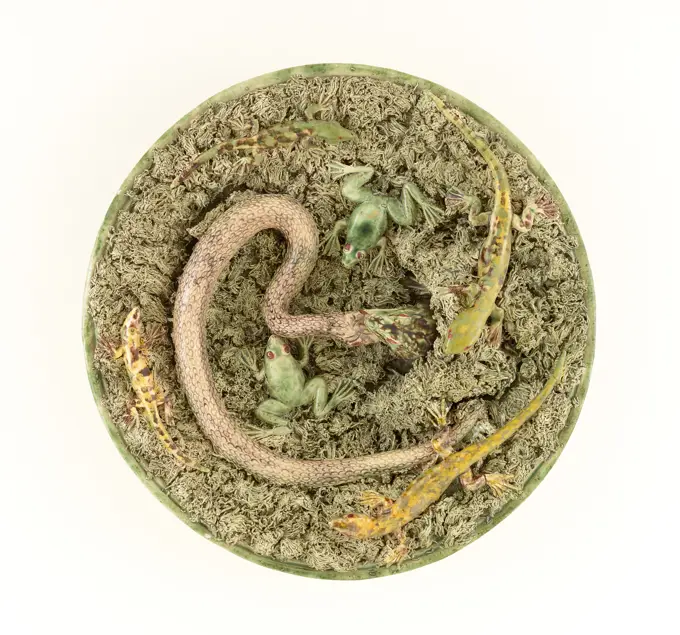
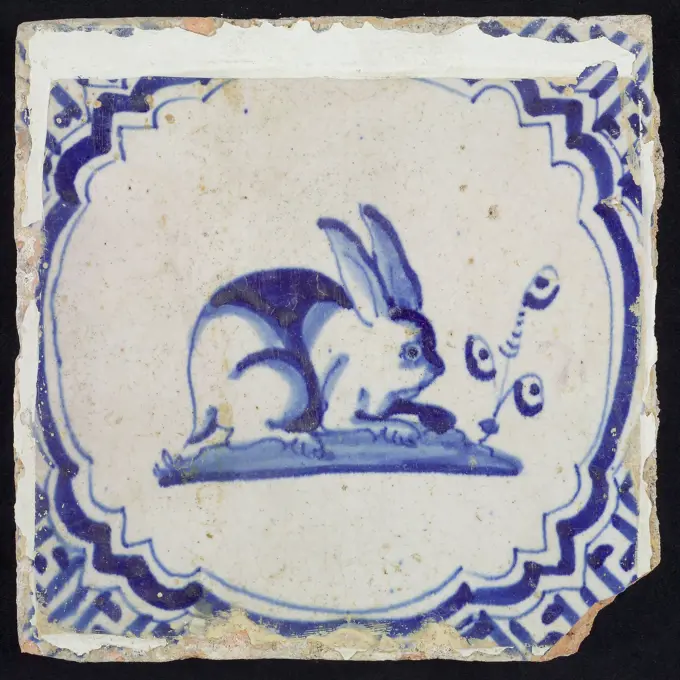
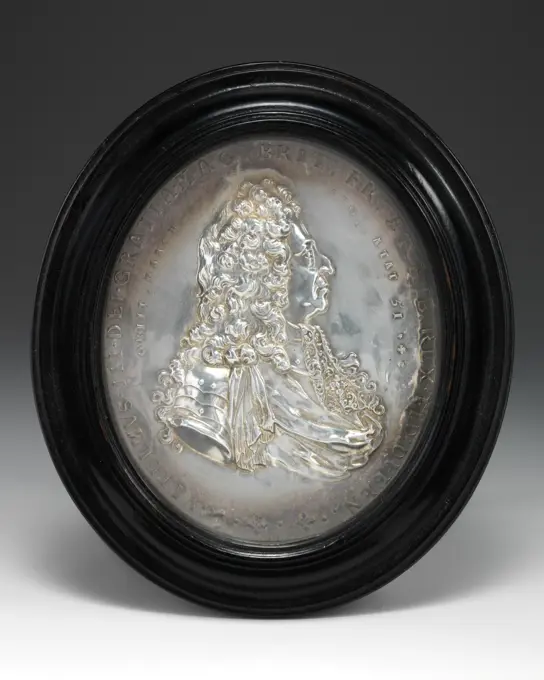
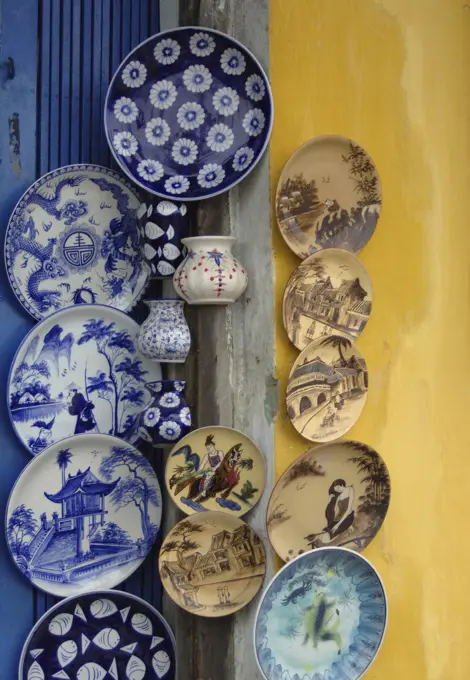
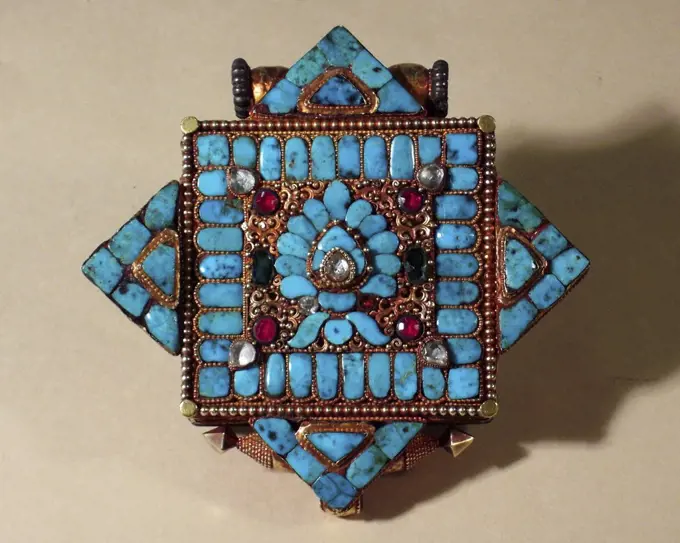
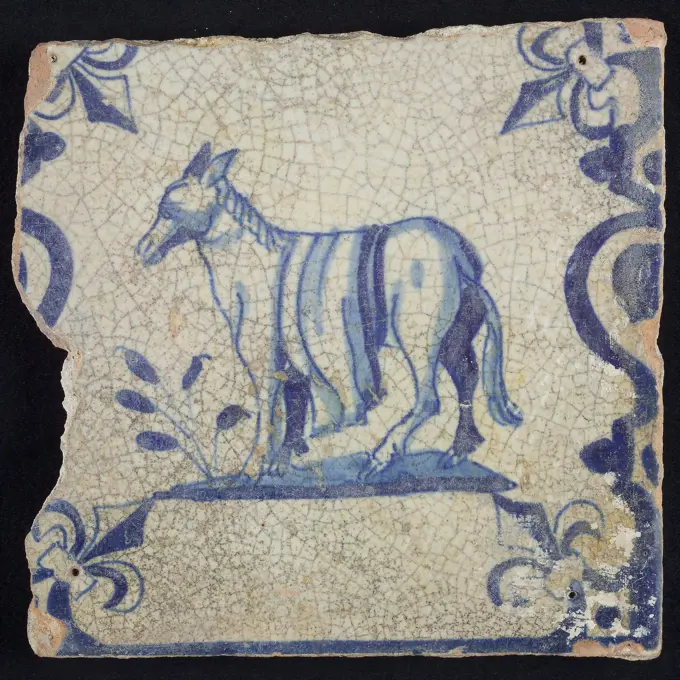
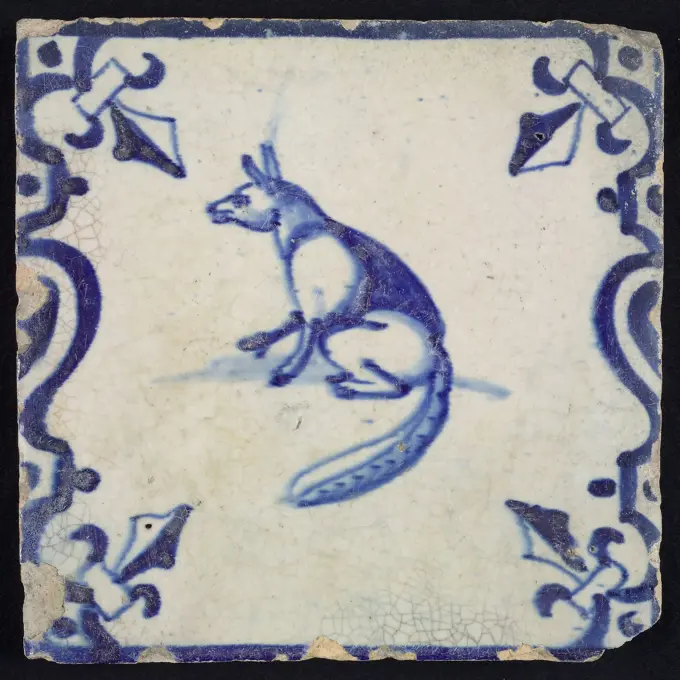
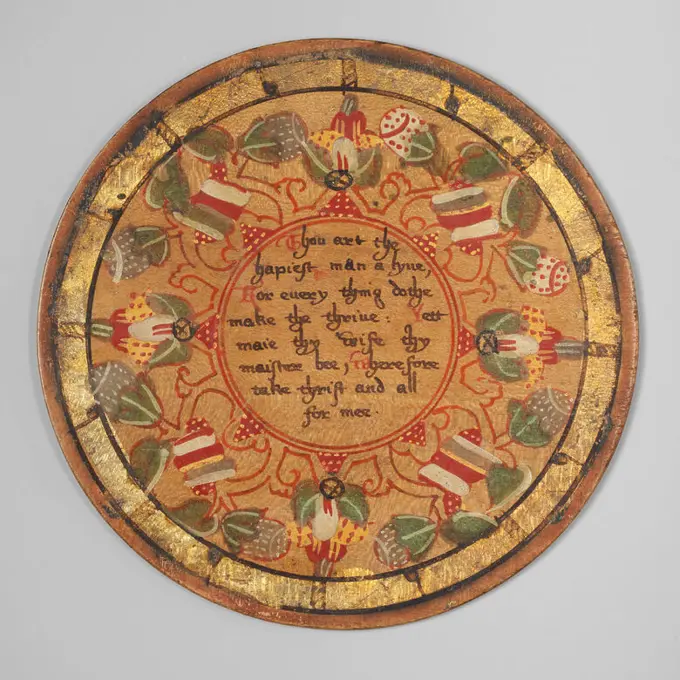
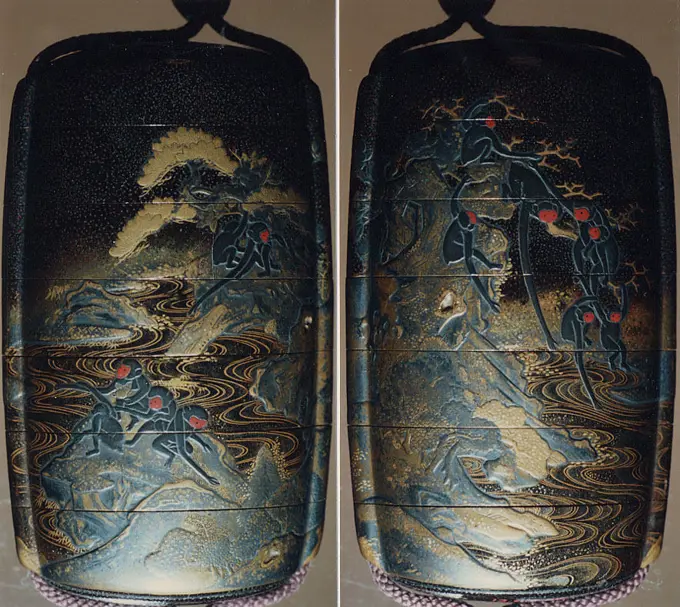
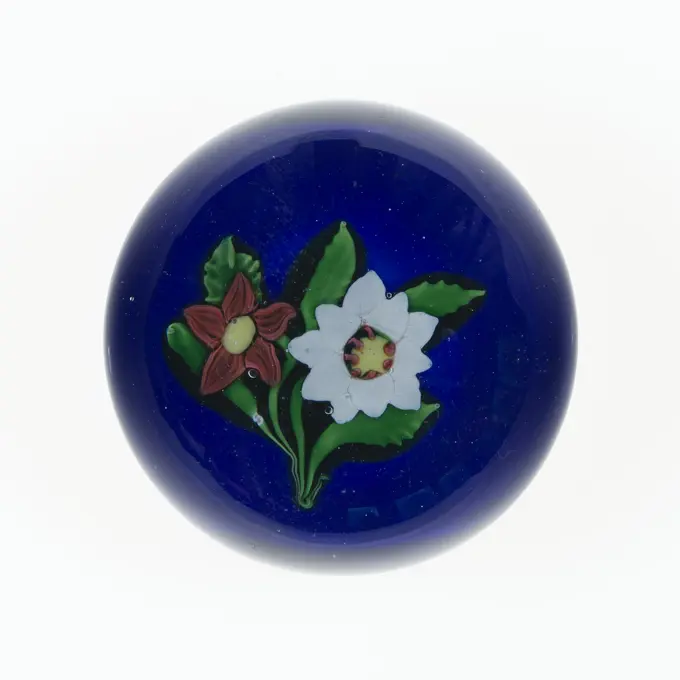
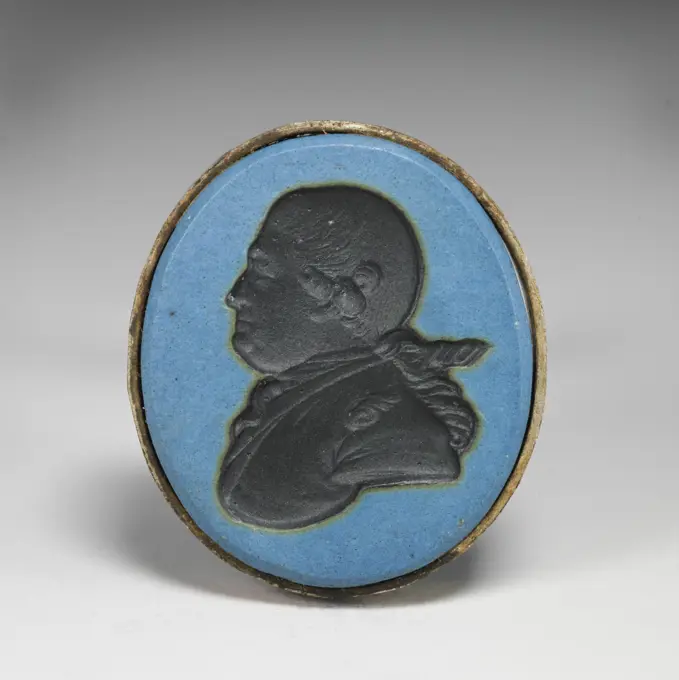
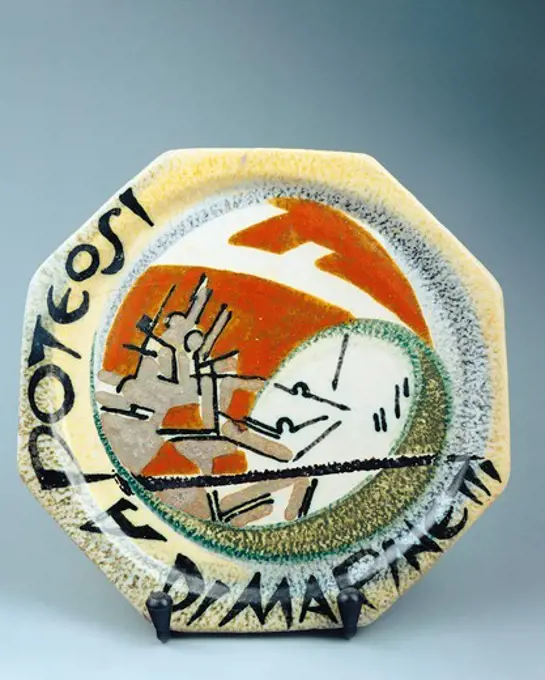
Tile with fish. Tile with a multi-colored (blue, orange, green, yellow, brown and purple) painted fish in water inside a circle with cable motif. In the corners, leaves in filling technology.Plate. José Alves Cunha (Portugal, 1860-circa 1885). Portugal, circa 1860-1885. Furnishings; Accessories. Glazed earthenwareLotus and BirdsTerracotta lamp with multiple nozzles and ring handle 1st century B.C.-1st century A.D. Roman. Terracotta lamp with multiple nozzles and ring handle. Roman. 1st century B.C.-1st century A.D.. Terracotta. TerracottasAnimal tile, hare to the right on ground within scalloped frame with braces, in blue on white, corner motif meanders, wall tile tile sculpture ceramics pottery glaze, baked 2x glazed painted Rotterdam Hillegersberg-Schiebroek Hillegersberg Zuid Kleiweg Bellevue Originating from Huize Bellevue that stood on the Kleiweg.old wooden plate, Mallorca,Islas Baleares,Spain.William III, King of England (1650-1702) 18th century British. William III, King of England (1650-1702). British. 18th century. Silver. Metalwork-SilverPlate Made 1760-1770 Staffordshire. Lead-glazed earthenware (creamware) .CERAMICA DE SARGADELOS - DOS PLATOS CON DECORACIONES AZULES. Location: BANCO EXTERIOR-COLECCION. MADRID. SPAIN.Occupation tile, blue with basket-maker, corner motif of ox-head, wall tile tile sculpture ceramic earthenware glaze, baked 2x glazed painted sellerField of nine tiles with open pomegrases. Field of nine tiles (3 x 3) each with a multi-colored (blue, green, orange and yellow) painted pomegranate painted. Along the edges, half a rosette and in the corners, a lily.Asia, Vietnam. Ceramic plates on display, Hoi An, Quang Nam ProvinceTile, multi -colored decorated with an ornament of braided stars, anonymous, c. 1400 - c. 1600 Tile, multi-colored decorated in Cuenca technology with an ornament of braided stars. Spain earthenware. tin glaze Tile, multi-colored decorated in Cuenca technology with an ornament of braided stars. Spain earthenware. tin glazeDish, the ribs alternately blue and white, separated by golden piping, c. 1775 - c. 1800  Dish for under the milk jug. Ribbed, the edges are serrated. The ribs separated by vertical gold piping. The Cavities Dark Blue (Blue du Roi), the ribs white, on which a decoration of leaf work and braid tire. The edges gilded, gilding inwards. Marked in underlaze blue. Worcester earthenware vitrificationRank Badge (China); silk and metallic embroidery on silk foundation, coral beadsGlass Fragment. Culture: European. Dimensions: Overall: 2 3/4 x 2 3/4 in. (7 x 7 cm). Date: 15th century (). Museum: Metropolitan Museum of Art, New York, USA.Ancient Tibet: Gau pendant. A prayer-box worn as jewellery. Decorated with precious stones and turquoise.Boeotian fibula engraved with boat and archers figuresAnimal tile, standing donkey or horse to the left on plot between balusters, in blue on white, corner pattern French lily, wall tile tile sculpture ceramic earthenware glaze, baked 2x glazed painted Square. Blue donkey or horse with blanket over the back. Baluster ornament with french lilies.Conical Bowl with Blossoming Plum 1127-1279 China. This bowlís striking, variegated blue hue was created accidentally during firing, when the iron-rich glaze chemically reacted with a mixture of wood or bamboo ash that was applied to its surface. The original dark brown hue is preserved in the more thinly coated rim and in the hauntingly delicate pattern of blossoming plum that was applied in resist by a stencil of cut paper. As the first flower to bloom in late winter, the plum blossom was associated with beauty, renewal, and fortitude, and became an auspicious motif in Chinese painting and decorative arts during the Song dynasty.. Jizhou ware; glazed light gray stoneware with reserved papercut decoration .18 plates, each decorated with a Netherlandish province, 1822 Porcelain plate, painted on the glaze in email colors and gold. On the flat a topographical representation of the province of South Brabant. The inner wall is covered with blue with a chalice twice in gold with a bird head and flower vines on either side. A third flower drink has, instead of a chalice, the weapon of South Brabant in the middle and the fourth shows the weapon of the Netherlands. Marked on the underside with the monogram r.d. and the year 1822. porcelain company: ParisLow Countries porcelain. glaze. gold (metal) painting / gilding / vitrification  United Kingdom of the Netherlands. Brabant Porcelain plate, painted on the glaze in email colors and gold. On the flat a topographical representation of the province of South Brabant. The inner wall is covered with blue with a chalice twice in gold with a bird head and flower vines on either side. A third flower drink has, instead of a chalice, the weapon of South BrAnimal tile, sitting fox to the left on ground between balusters, in blue on white, corner pattern french lily, wall tile tile sculpture ceramic earthenware glaze, baked 2x glazed painted Square. Blue fox sitting on white. Baluster ornament with french lilies.Dish with Chinese-style Landscape. Japan, circa 1650s-1660s. Ceramics. Arita ware, Suisaka style; porcelain with caramel-brown glaze and painted with a landscape in gold and silver overglaze enamelsTrencher (one of a set). Culture: British. Dimensions: Diameter: 5 in. (12.7 cm). Date: late 16th-early 17th century.Banquets usually ended with candied fruits or other sweetmeats served on such decorative "spice dishes" of silver or wood. The gold effects were achieved with yellow varnish over a layer of silver-leaf. The verses were written in Black Letter script, with elaborate capital letters in Lombardic script. The verses, either amusing or moralizing, were shared with the other diners. Museum: Metropolitan Museum of Art, New York, USA.Anonymous. Plate. Earthenware. Paris, Carnavalet museum. 72088-4 Decoration, Faience, Revalleaireaire, French Revolution, PlatePendants 7th-5th century B.C. Italic Eight amber pendants in the shape of a vase.. Pendants. Italic. 7th-5th century B.C.. Amber. Archaic. Miscellaneous-AmberHeaddress, 1900s. Africa, Central Africa, Cameroon, Grassfields region, Bamileke maker. African gray parrot feathers, wood, plant fiber, probably cotton, string, and colorant; diameter: 90 cm (35 7/16 in.).Case (Inrō) with Design of Flowering Morning Glory 19th century Japan. Case (Inrō) with Design of Flowering Morning Glory 58799Case (Inrō) with Design of Monkeys Hanging from Trees Above Waves (obverse); Monkeys Seated on Rocks (reverse) 18th-19th century Japan. Case (Inrō) with Design of Monkeys Hanging from Trees Above Waves (obverse); Monkeys Seated on Rocks (reverse) 58596Paperweight 1840-1865 France. Technological improvements to optical scientific instruments in the mid-nineteenth century spurred a veritable obsession across Europe with identifying and classifying the natural world. Amateur botanists were eager to collect and preserve floral specimens, which they intently researched and catalogued. In response to this broad appeal, French glassmakers made paperweights that portrayed the very botanical subjects that were so enthusiastically sought. Many weights represented specimens with horticultural correctness, but others were entirely fanciful creations. Paperweights like this example speak to the periodís fascination with taxonomic systems.From the late 1840s to early 1860s, French manufacturers of fine glass and crystalósuch as Baccarat (Alsace), Clichy (Paris), and Saint-Louis (Lorraine)ócatered to the vast public enthusiasm for beautiful yet functional desk accessories. Paperweights, which were designed to secure loose papers against drafts, weAnonymous / "Edge tiles", XV and XVI century.Intaglio 18th century Josiah Wedgwood British. Intaglio. British, Etruria, Staffordshire. 18th century. Jasperware. Josiah Wedgwood (British, Burslem, Stoke-on-Trent 1730-1795 Burslem, Stoke-on-Trent). Ceramics-PotteryHexagonal plate by Giovanni Acquaviva (1900-1971)