Antique Ceramics and Tableware

Historic ceramics including bowls and trays, showcasing intricate designs from different cultures, emphasizing artistic quality and craftsmanship.
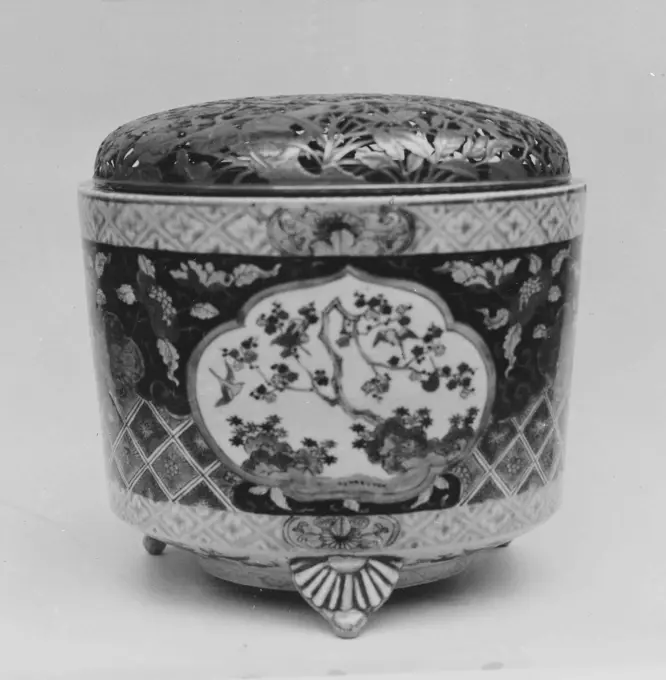
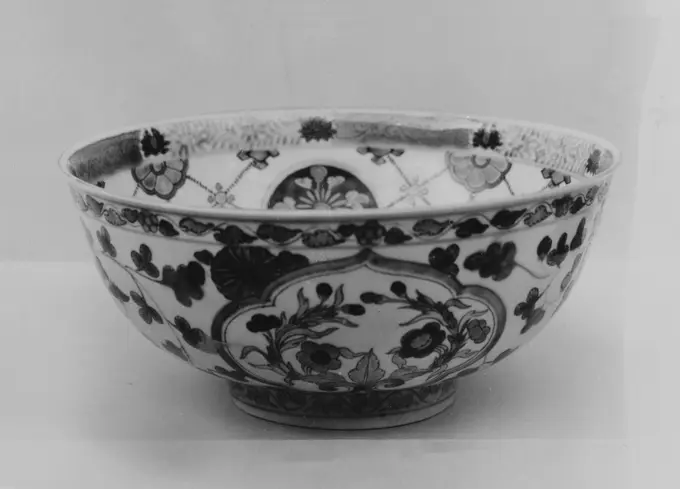
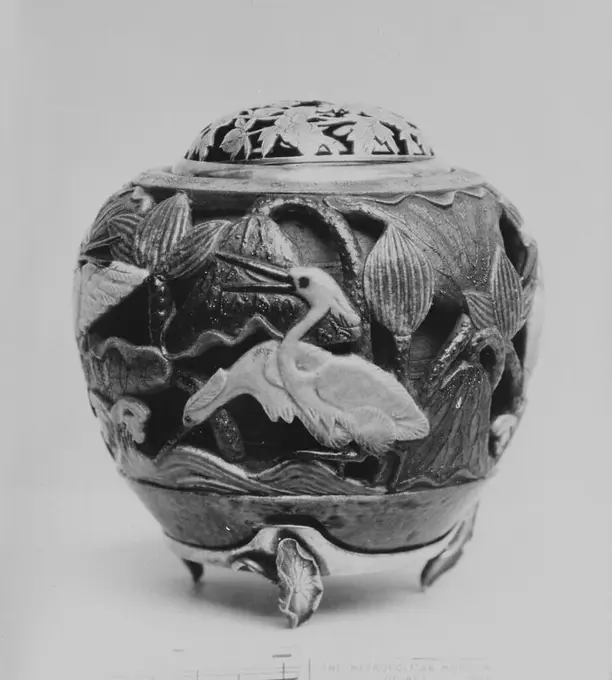
Censer with Silver Lid 1750 Japan. Censer with Silver Lid. Japan. 1750. Porcelain decorated with enamels (Arita ware, Imari type). Edo period (1615-1868). Ceramics
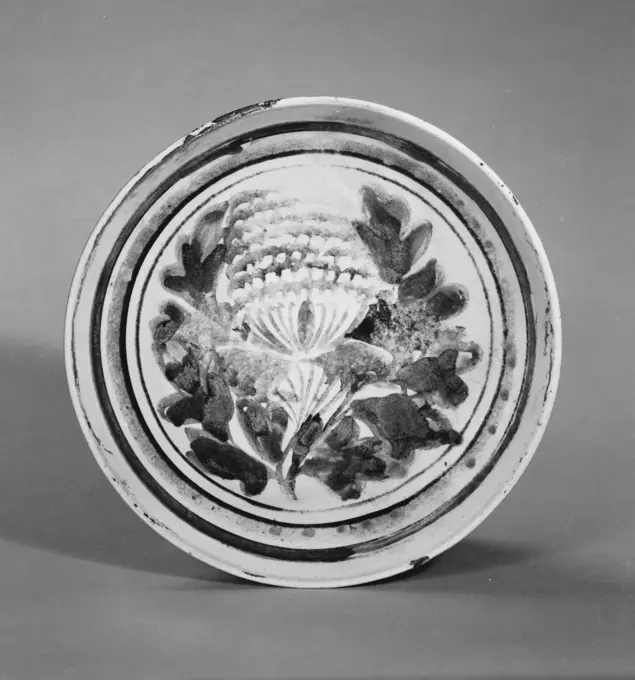
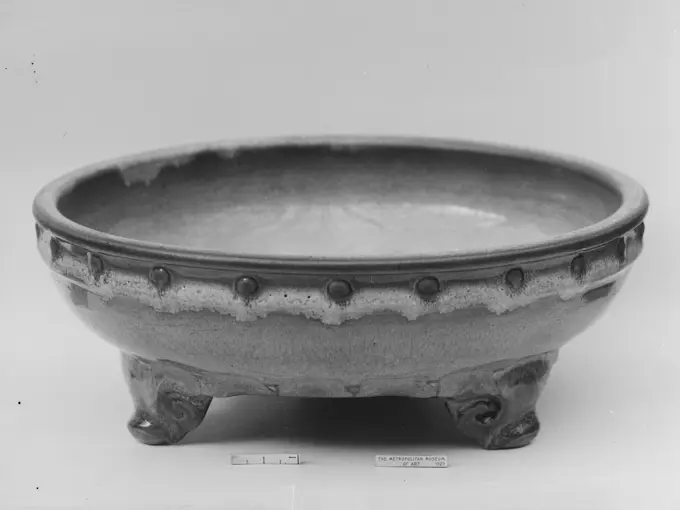
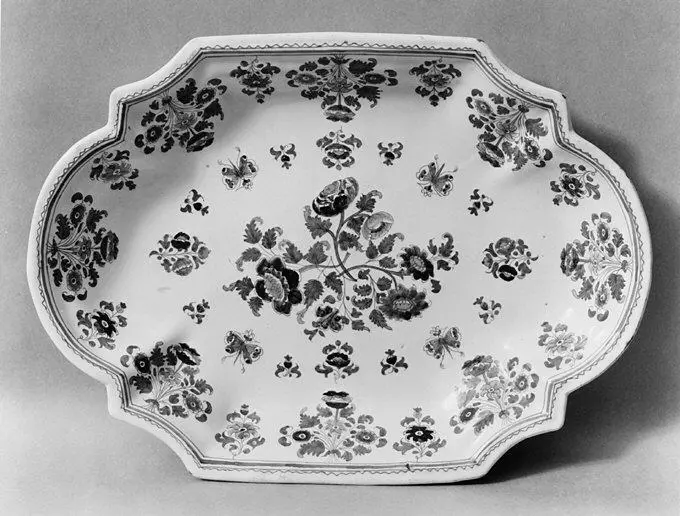
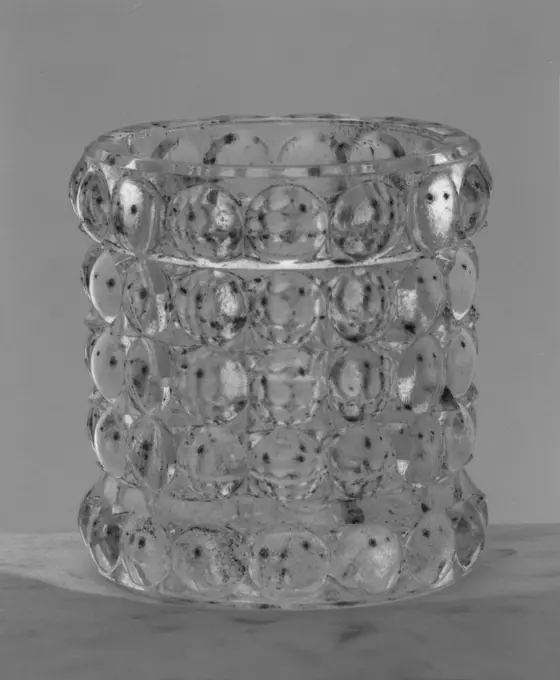
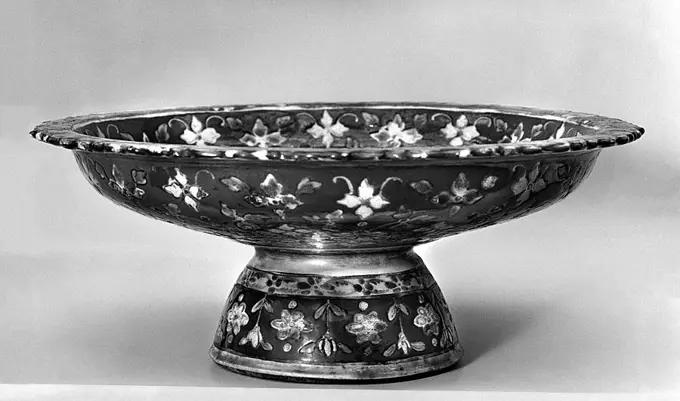
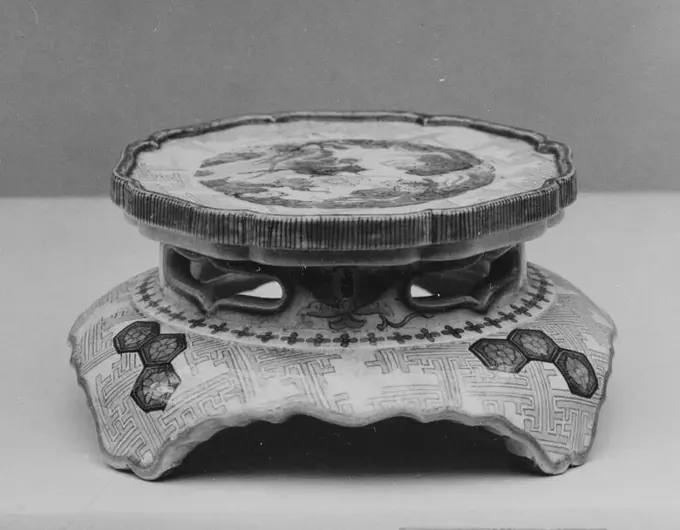
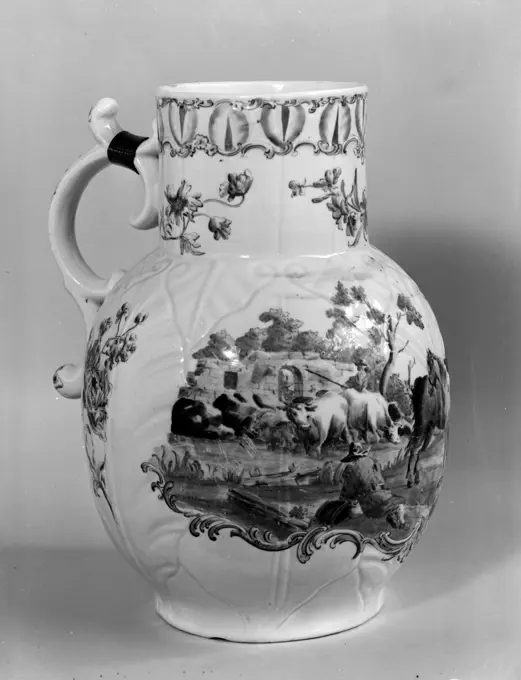
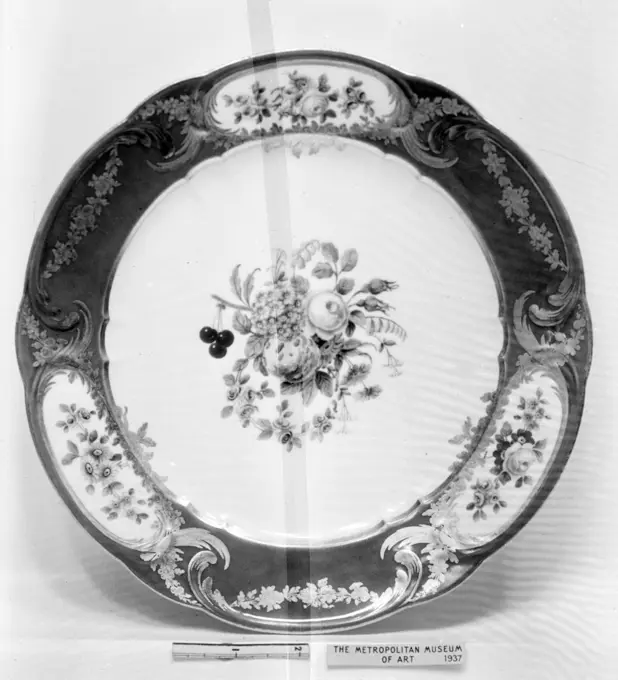
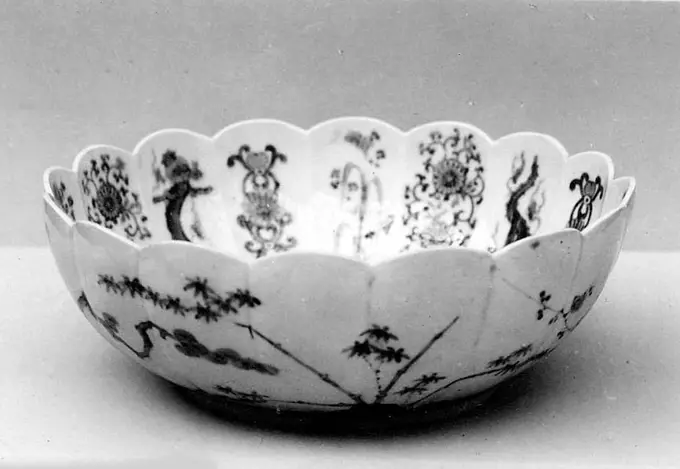
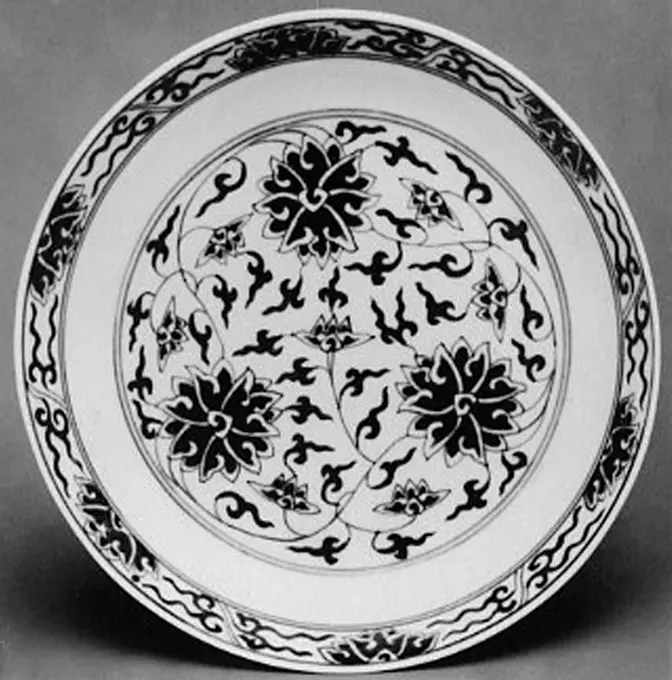
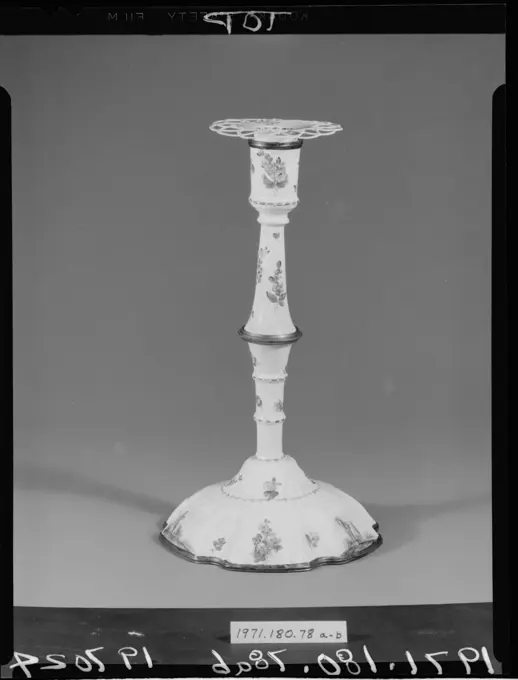
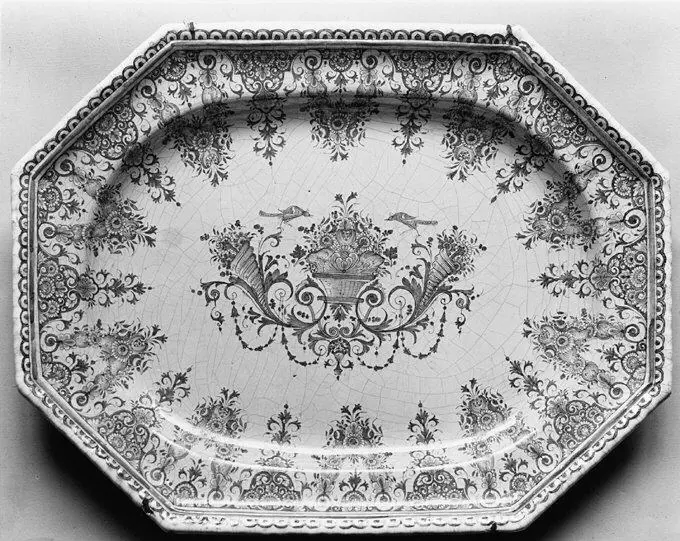
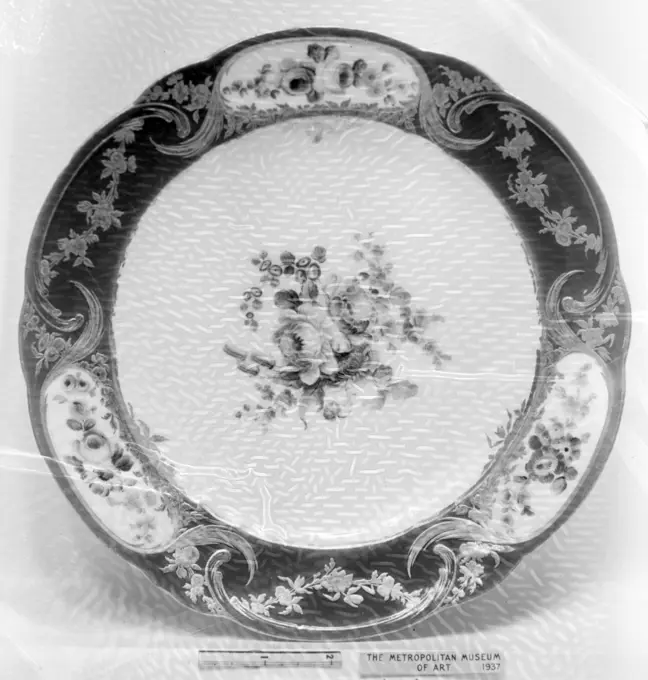
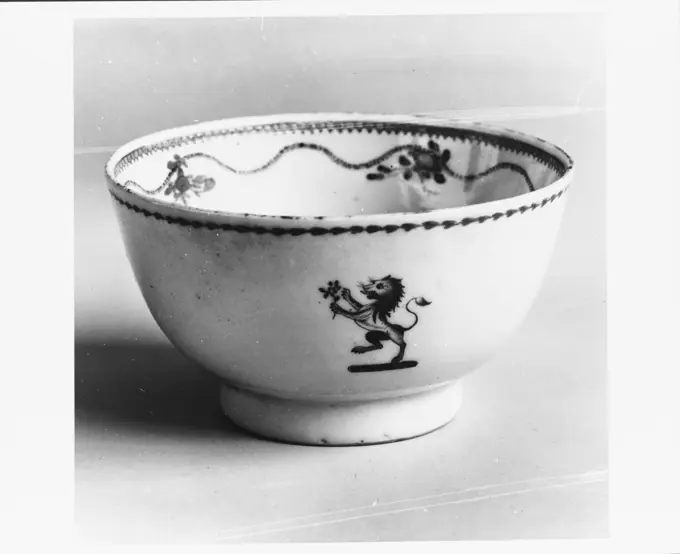
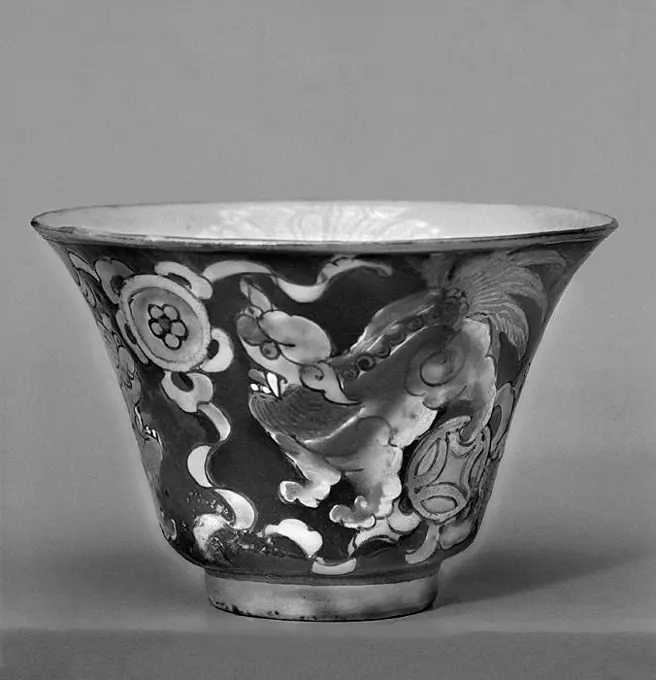
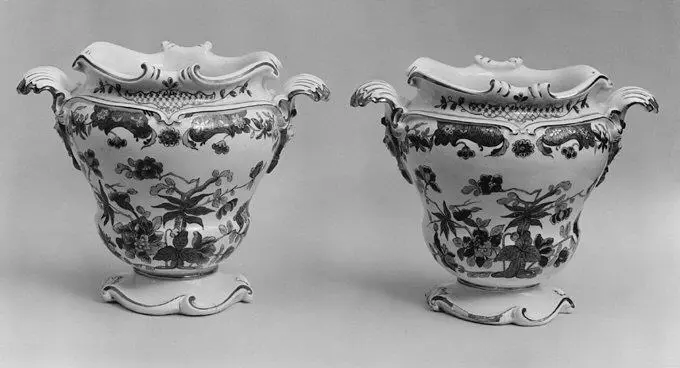
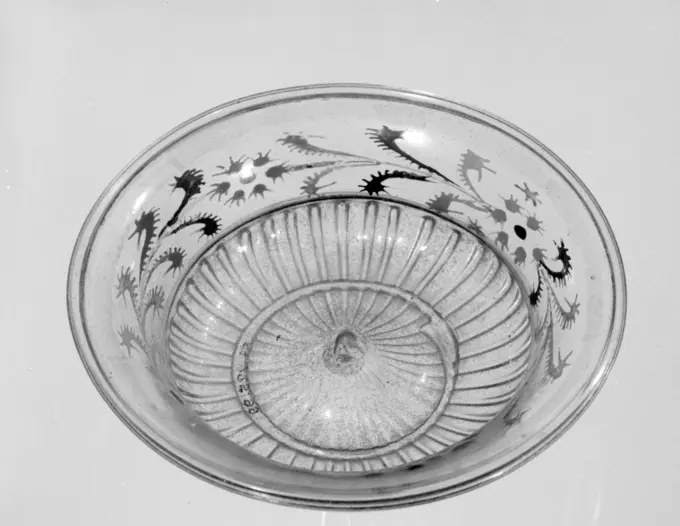
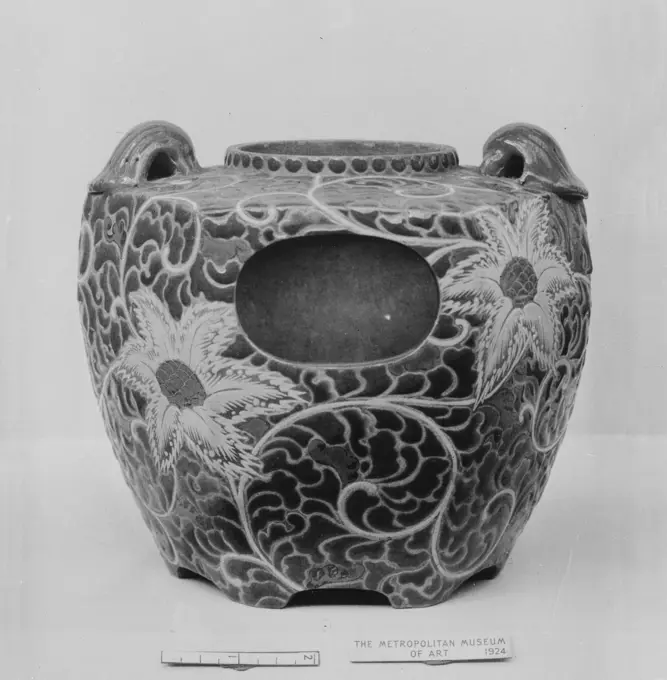
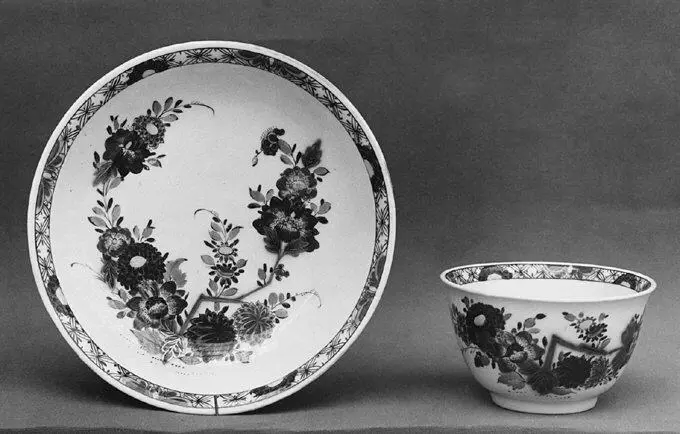
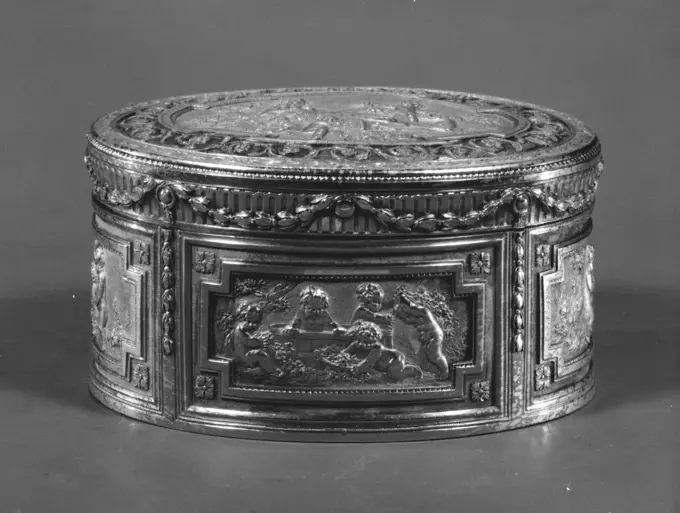
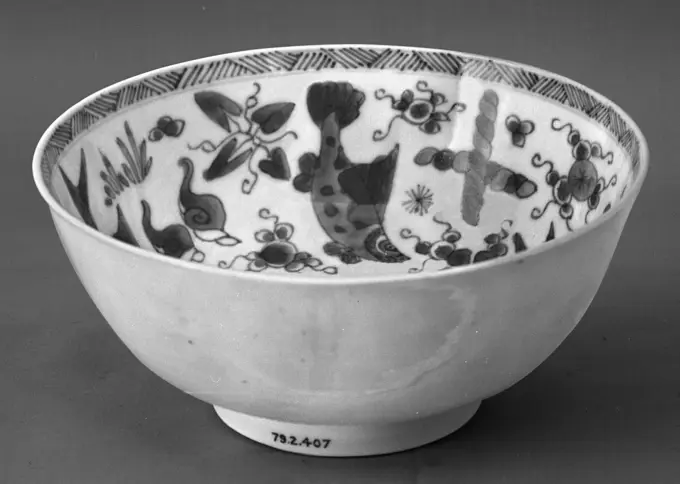
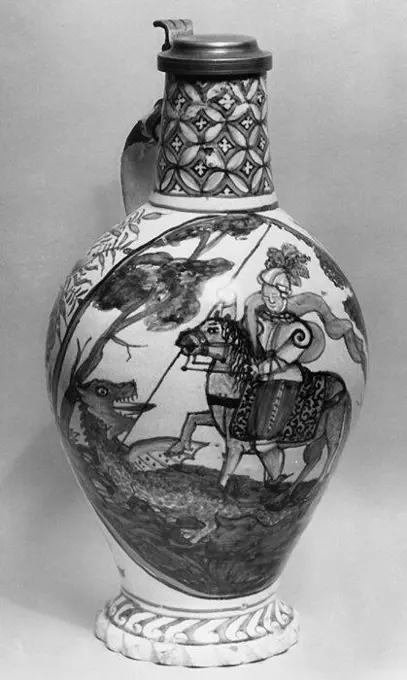
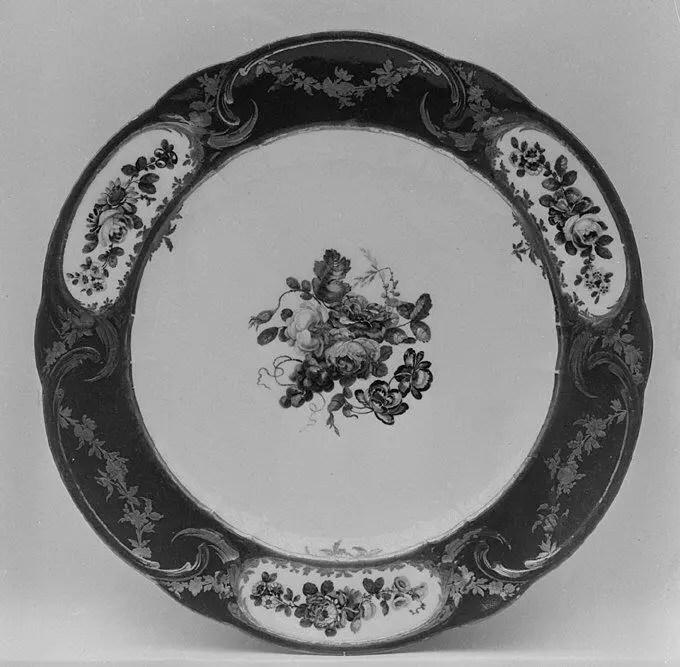
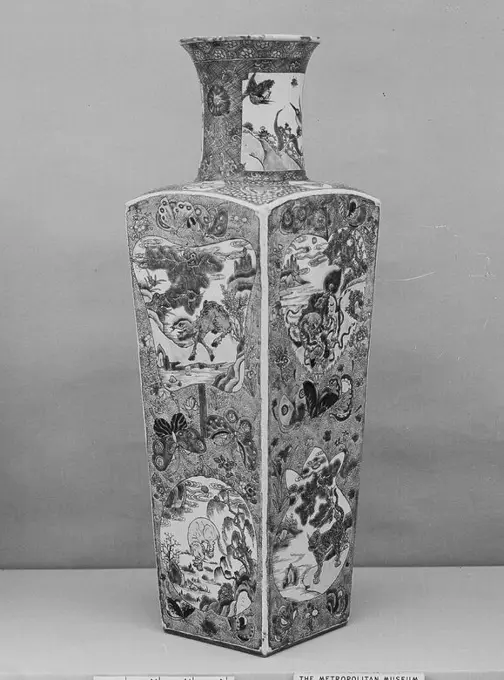
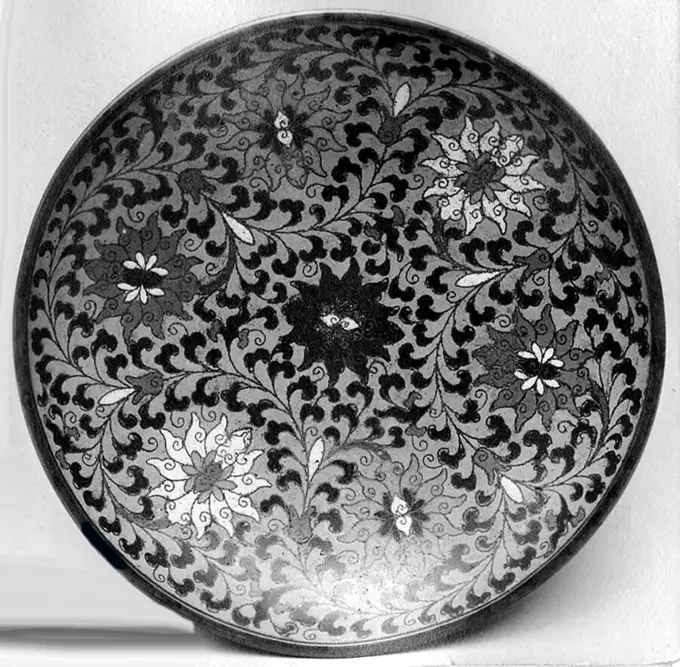
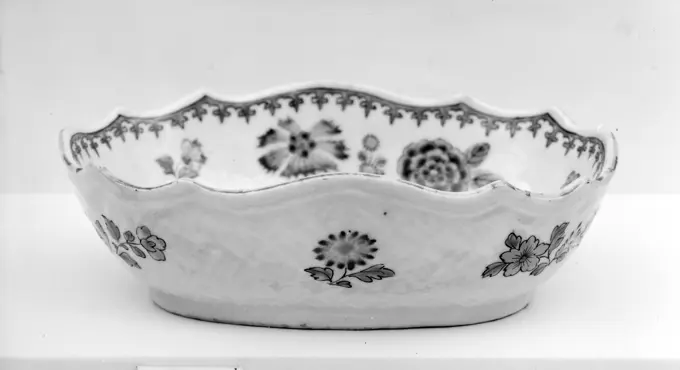
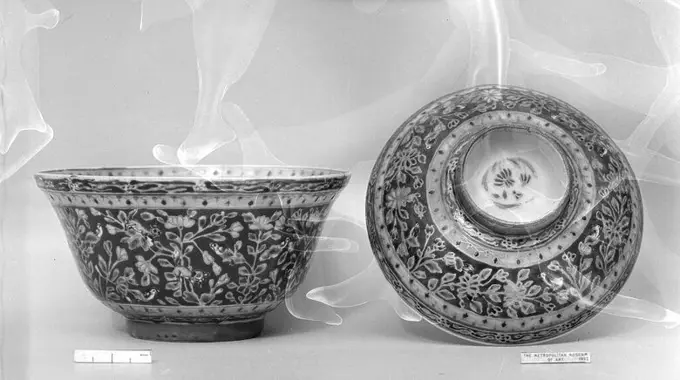
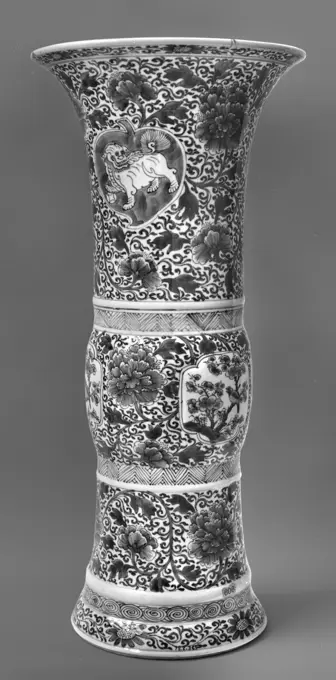
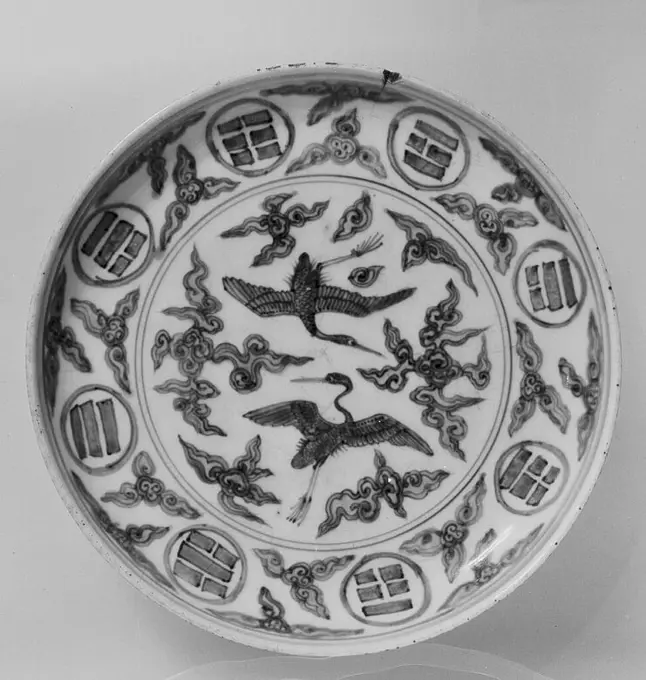
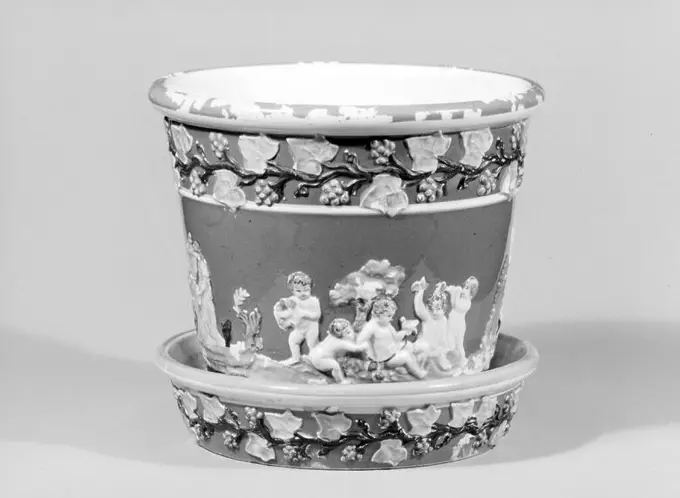
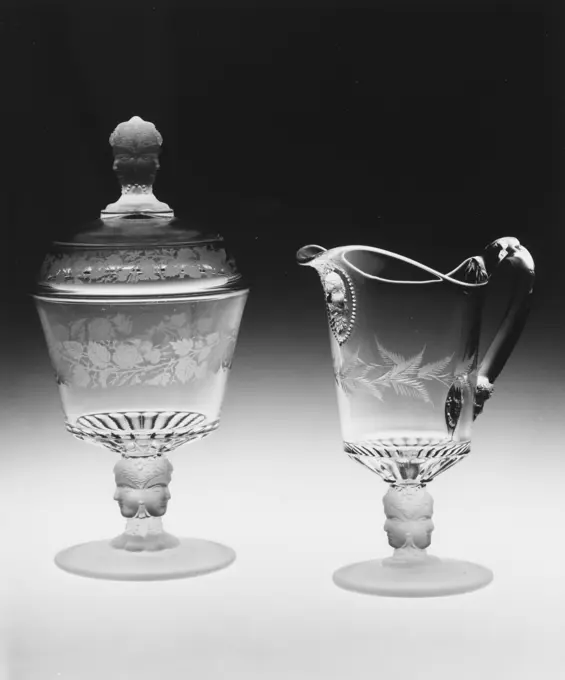
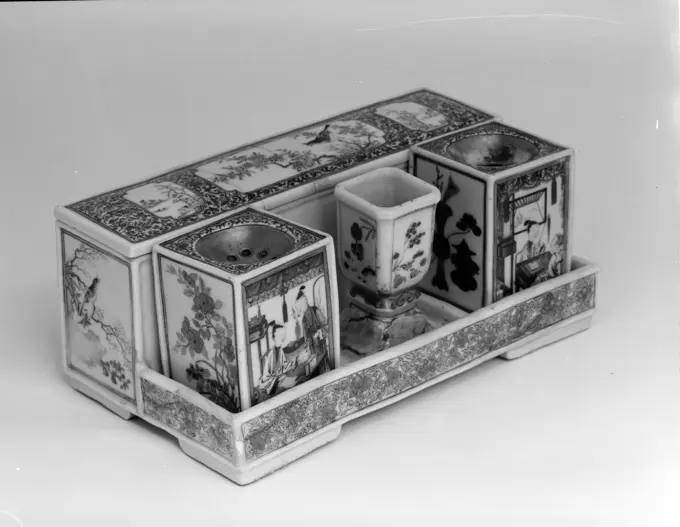
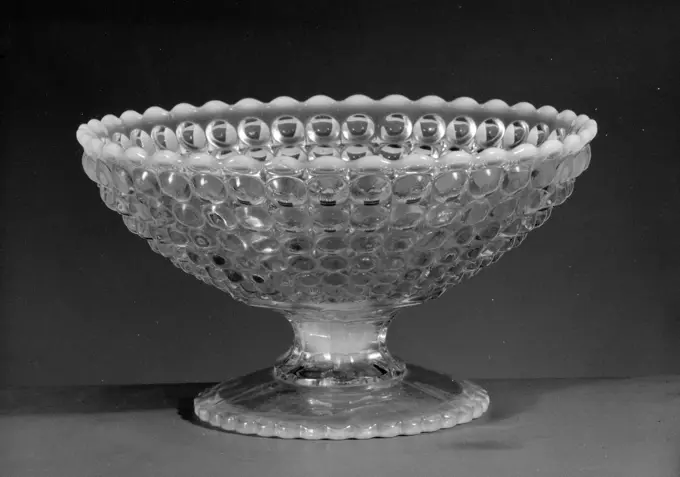
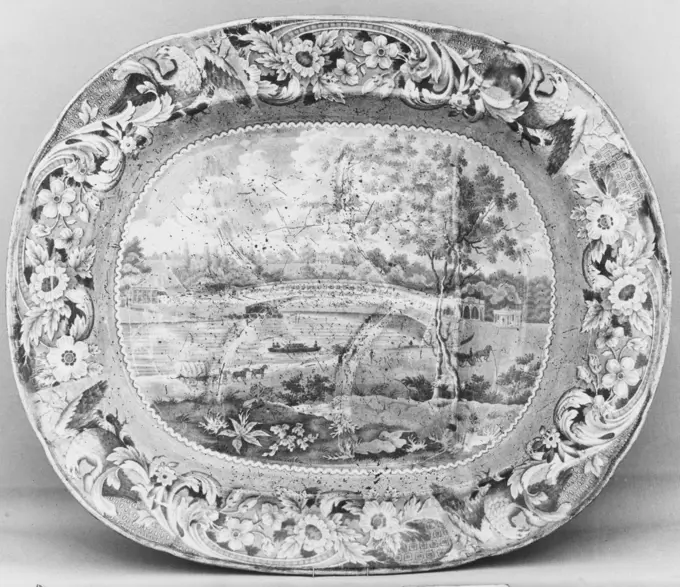
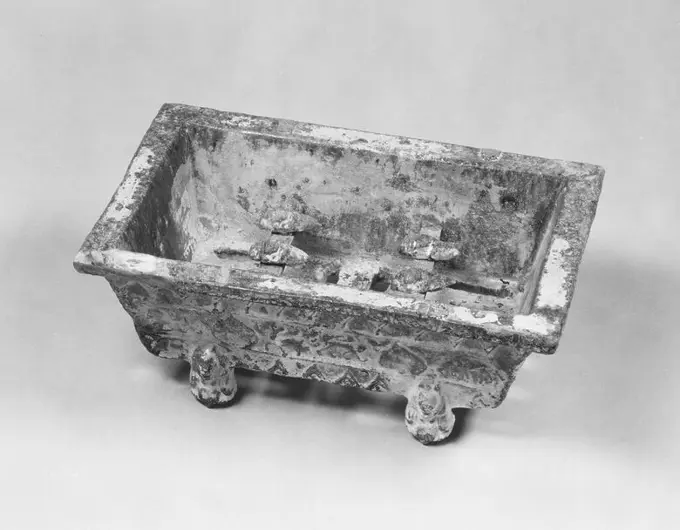
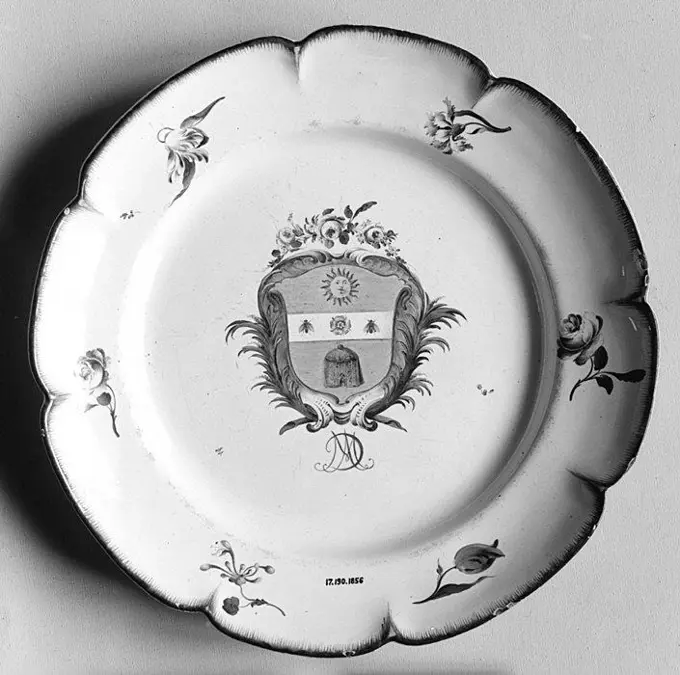
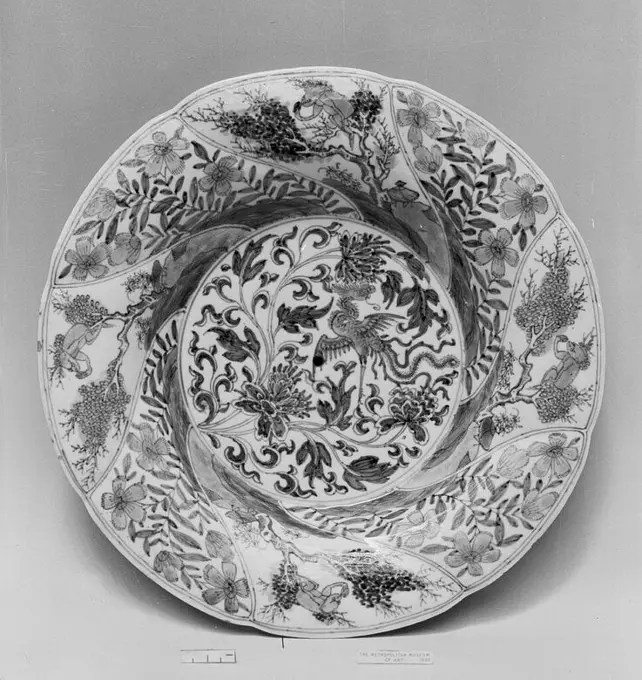
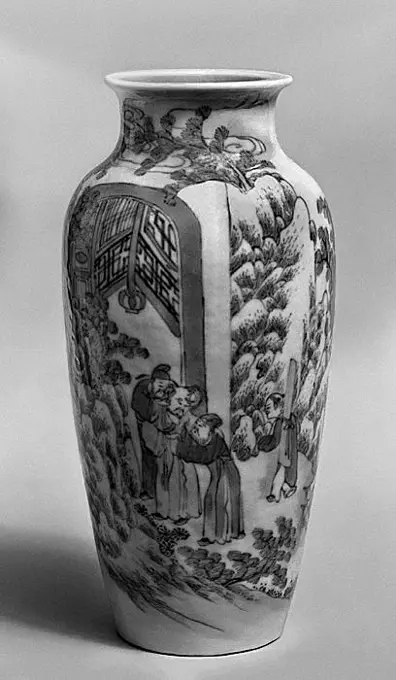
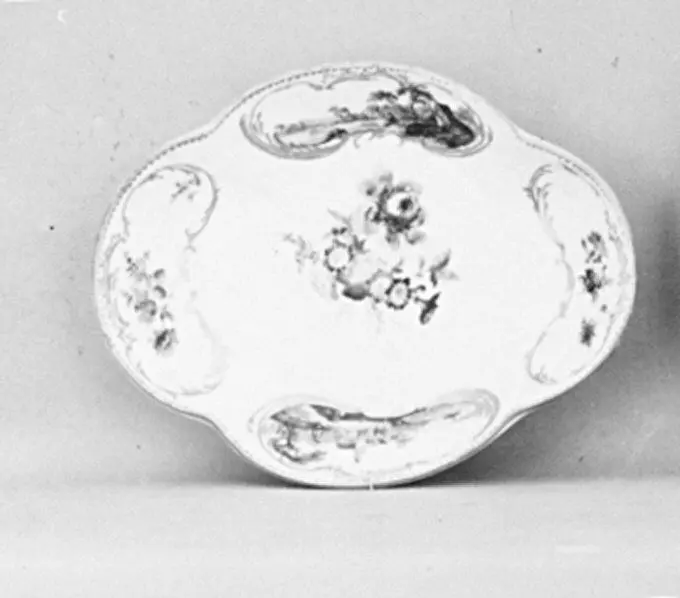
Small tray 1750-60 Meissen Manufactory German. Small tray 188747 Factory: Meissen Manufactory, German, 1710present, Small tray, 175060, Hard-paste porcelain, Length: 6 1/2 in. (16.5 cm). The Metropolitan Museum of Art, New York. Gift of Alfred Duane Pell, 1902 (02.6.247)Bowl 13th century China. Bowl 42444Ten-Sided Bowl 1780 Japan. Ten-Sided Bowl 44440Bowl China. Bowl. China. Pottery (Jun ware). Song dynasty (960-1279). CeramicsBulb pot first half 19th century British. Bulb pot 207354Bowl 1750 Japan. Bowl. Japan. 1750. Porcelain decorated with blue under the glaze and colored enamels (Arita ware, Imari type). Edo period (1615-1868). CeramicsPlatePlate (part of a service) 1777 Sèvres Manufactory French. Plate (part of a service). French, Sèvres. 1777. Soft-paste porcelain. Ceramics-PorcelainCenser with Silver Lid 1750 Japan. Censer with Silver Lid. Japan. 1750. Porcelain decorated with enamels (Arita ware, Imari type). Edo period (1615-1868). CeramicsPlatter early 19th century Chinese, probably for American market. Platter 201092Platter ca. 1750-70 Olérys Factory Faience, or tin-glazed and enameled earthenware, first emerged in France during the sixteenth century, reaching widespread usage among elite patrons during the seventeenth and early eighteenth centuries, prior to the establishment of soft-paste porcelain factories. Although characterized as more provincial in style than porcelain, French faience was used at the court of Louis XIV as part of elaborate meals and displays, with large-scale vessels incorporated into the Baroque garden designs of Versailles. Earlier examples of French faience attest to the strong influence of maiolica artists from Italy. Later works demonstrate the ways in which cities such as Nevers, Rouen, Lyon, Moustiers, and Marseille developed innovative vessel shapes and decorative motifs prized among collectors throughout Europe. While faience can be created from a wide mixture of clays, it is foremost distinguished by the milky opaque white color achieved by the addition of tin oxiToothpick Holder ca. 1888 Richards and Hartley Flint Glass Co.. Toothpick Holder 8760Covered bowl 1750 Japan. Covered bowl. Japan. 1750. Porcelain decorated with enamels (Arita ware, Imari type). Edo period (1615-1868). CeramicsSalver 1742/43 probably by John Swift British The arms of Bray impaling Sadlier are engraved at the center.. Salver 198030Footed dish with Thai mythical figures 19th century China. Footed dish with Thai mythical figures 46222Coffee Cup and Saucer ca. 1860-66 Chinese, for American market. Coffee Cup and Saucer. Chinese, for American market. ca. 1860-66. Porcelain. Made in ChinaDish. Culture: Japan. Dimensions: H. 2 1/2 in. (6.4 cm); Diam. 8 5/8 in. (21.9 cm). Date: 1750. Museum: Metropolitan Museum of Art, New York, USA.Stand. Culture: Japan. Dimensions: H. 2 7/8 in. (7.3 cm); Diam. 6 5/8 in. (16.8 cm). Date: 1840. Museum: Metropolitan Museum of Art, New York, USA.Dish with Stone Wall first half of the 18th century Japan. Dish with Stone Wall. Japan. first half of the 18th century. Porcelain with underglaze blue and overglaze polychrome enamels, gold (Arita ware, Imari type). Edo period (1615-1868). CeramicsIncense Burner late 17th-early 18th century China. Incense Burner. China. late 17th-early 18th century. Brass. Qing dynasty (1644-1911). MetalworkGoblet late 16th century Flemish. Goblet. Flemish. late 16th century. Glass. GlassJug ca. 1760 Worcester factory. Jug. British, Worcester. ca. 1760. Soft-paste porcelain. Worcester factory (British, 1751-2008). Ceramics-PorcelainJar with cover ca. 1750-60 Mennecy. Jar with cover 201881Plate (Assiette à palmes) (1 of 102) (part of a service) 1786 Sèvres Manufactory French. Plate (Assiette à palmes) (1 of 102) (part of a service). French, Sèvres. 1786. Soft-paste porcelain. Ceramics-PorcelainPlate 1700-1800 Dutch. Plate. Dutch. 1700-1800. Earthenware. Made in Delft, South Holland, NetherlandsPlate ca. 1815-34 James and Ralph Clews British. Plate 5971Bowl 1820 Japan. Bowl. Japan. 1820. Porcelain decorated in blue under the glaze; (Arita kiln, Imari type). Edo period (1615-1868). CeramicsDish China. Dish 49828Plate 11th-12th century China. Plate 42430Incense Burner 19th century China. Incense Burner 40630Candlestick 1700-1800. Candlestick. 1700-1800. Copper, enamel, brass. Made in EnglandBowl with Thai mythical figures 19th century China. Bowl with Thai mythical figures. China. 19th century. Porcelain painted in overglaze polychrome enamels (Bencharong ware for Thai market). Qing dynasty (1644-1911). CeramicsVase on Stand China. Vase on Stand. China. Porcelain painted in overglaze famille rose enamels against a yellow ground, with gilt on the biscuit. Qing dynasty (1644-1911), late Qianlong period (1736-95). CeramicsWine taster ca. 1728 Attributed to Daniel Mameaux. Wine taster 198845Demitasse Cup and Saucer ca. 1860-66 Chinese, for American market. Demitasse Cup and Saucer. Chinese, for American market. ca. 1860-66. Porcelain. Made in ChinaPlateau ca. 1705-20 French, Rouen Faience, or tin-glazed and enameled earthenware, first emerged in France during the sixteenth century, reaching widespread usage among elite patrons during the seventeenth and early eighteenth centuries, prior to the establishment of soft-paste porcelain factories. Although characterized as more provincial in style than porcelain, French faience was used at the court of Louis XIV as part of elaborate meals and displays, with large-scale vessels incorporated into the Baroque garden designs of Versailles. Earlier examples of French faience attest to the strong influence of maiolica artists from Italy. Later works demonstrate the ways in which cities such as Nevers, Rouen, Lyon, Moustiers, and Marseille developed innovative vessel shapes and decorative motifs prized among collectors throughout Europe. While faience can be created from a wide mixture of clays, it is foremost distinguished by the milky opaque white color achieved by the addition of tin oxidPlate (assiette à palmes) (1 of 102) (part of a service) 1786 Sèvres Manufactory French. Plate (assiette à palmes) (1 of 102) (part of a service). French, Sèvres. 1786. Soft-paste porcelain. Ceramics-PorcelainTea cup (part of a service) 1750-70 Chinese, for Continental European market. Tea cup (part of a service) 201232Tray 19th century China. Tray. China. 19th century. Painted enamel. Qing dynasty (1644-1911). EnamelsPlate (Assiette à palmes) (1 of 102) (part of a service) 1767 Sèvres Manufactory French. Plate (Assiette à palmes) (1 of 102) (part of a service). French, Sèvres. 1767. Soft-paste porcelain. Ceramics-PorcelainBowl with cover ca. 1720-25, decorated ca. 1725-30 Meissen Manufactory German. Bowl with cover 199150Bowl (part of a service) 1800-1830 J. Spode. Bowl (part of a service) 187963 Factory: J. Spode, Bowl (part of a service), 18001830, Soft-paste porcelain, Height: 3 3/4 in. (9.5 cm). The Metropolitan Museum of Art, New York. Gift of Rev. W. P. Eigenbrodt, 1894 (94.5.20)Cup 1785-90 Chinese. Cup. Chinese. 1785-90. Porcelain. Made in ChinaCup with lions 19th century China. Cup with lions. China. 19th century. Porcelain painted in overglaze polychrome enamels (Bencharong ware for Thai market). Qing dynasty (1644-1911). CeramicsPair of vases 1745-50 Capodimonte Porcelain Manufactory. Pair of vases 200955Bowl 18th century, decoration ca. 1750 Chinese with Dutch decoration. Bowl 185911Bowl late 15th-early 16th century Italian, Venice (Murano). Bowl. Italian, Venice (Murano). late 15th-early 16th century. Glass, enamelled. GlassSlop Bowl 1848-51 Ball, Tompkins and Black. Slop Bowl. American. 1848-51. Silver. Made in New York, New York, United StatesClove boiler 1780 Rakutozan Japanese. Clove boiler. Rakutozan (Japanese,). Japan. 1780. Faience decorated in enamels (Kyoto ware). Edo period (1615-1868). CeramicsIce pail with cover and liner (seau à glace) (one of three) (part of a service) ca. 1770 Sèvres Manufactory French. Ice pail with cover and liner (seau à glace) (one of three) (part of a service). French, Sèvres. ca. 1770. Soft-paste porcelain. Ceramics-PorcelainPlate (part of a service) 1784 Sèvres Manufactory French. Plate (part of a service) 197980Cup 18th century Meissen Manufactory German. Cup 188726 Factory: Meissen Manufactory, German, 1710present, Saucer, 18th century, Hard-paste porcelain, Diameter: 4 7/8 in. (12.4 cm). The Metropolitan Museum of Art, New York. Gift of Alfred Duane Pell, 1902 (02.6.226)Soup Tureen. Culture: British (American market). Dimensions: 9 1/8 x 12 1/2 x 9 1/4 in. (23.2 x 31.8 x 23.5 cm). Date: ca. 1760. Museum: Metropolitan Museum of Art, New York, USA.Soup Tureen ca. 1760 British (American market). Soup Tureen. British (American market). ca. 1760. Stoneware. Made in Staffordshire, EnglandCup 1889 Emile Gallé French. Cup 481002Two-handled bowl 1654-55 T. G., London. Two-handled bowl. British, London. 1654-55. Silver gilt. Metalwork-SilverSaucer first half of the 19th century China. Saucer. China. first half of the 19th century. Porcelain painted in overglaze famille rose enamels, crimson pink glaze on reverse. Qing dynasty (1644-1911). CeramicsSnuffbox 1766-67 Robert Joseph Auguste French In eighteenth-century Europe, Paris led the production of high-quality luxury goods. Parisian goldsmiths made a wide range of small, personal articles such as snuffboxes; étuis to hold sealing wax, tweezers, or utensils for sewing; souvenirs, which contained thin ivory tablets for note taking; and shuttles for knotting lace. Gold snuffboxes and boxes decorated with portrait miniatures were prized and frequently given as royal gifts, often to ambassadors or members of the court in lieu of cash payments for their services. Coveted and admired, these boxes were produced from a variety of materials. The best were skillfully made of gold and embellished with diamonds, enameled decoration, lacquer, and other luxurious materials. By the middle of the century, the taking of snuff had become an entrenched social ritual, and the snuffbox, too, had become an important social prop. Snuffboxes were considered highly fashionable accessories, with some meBowl 1835-50 Possibly Cristalleries de Saint-Louis. Bowl. 1835-50. Lacy pressed glass. Probably made in FranceBowl with crab and fish 18th century China. Bowl with crab and fish. China. 18th century. Porcelain painted in underglaze cobal blue, light brown glaze on the exterior (Jingdezhen ware). Qing dynasty (1644-1911). CeramicsSalt 1830-40 Possibly Boston & Sandwich Glass Company. Salt. American. 1830-40. Lacy pressed amethyst glass. Made in Sandwich, Massachusetts, United StatesPair of orange stands (part of a service) ca. 1738-41 Meissen Manufactory German. Pair of orange stands (part of a service) 206671Jug ca. 1640-50 Portuguese, Lisbon. Jug 200882Saucer 1785-90 Chinese, for American market. Saucer. Chinese, for American market. 1785-90. Porcelain. Made in ChinaPlate (Assiette à palmes) (1 of 102) (part of a service) 1767 Sèvres Manufactory French. Plate (Assiette à palmes) (1 of 102) (part of a service) 197950Tankard 18th century German, Bavaria. Tankard. German, Bavaria. 18th century. Earthenware, pewter. Ceramics-PotteryVase with Animals and Mythical Creatures. Culture: China. Dimensions: H. 18 3/4 in. (47.6 cm). Date: early 18th century.Porcelains painted with enamels in which the color green predominates are often classified as famille verte, based on the writings of the nineteenth-century French collector and connoisseur Albert Jacquemart (1808-1875). It should be noted that French terms such as famille verte are used only in Western and not in Chinese scholarship and have, therefore, not been used here. Museum: Metropolitan Museum of Art, New York, USA.Platter 1761-62 Jacques III Rondot. Platter 200191Salver.   Maker: John B. Jones, American, 1782-1854Dish with Stylized Flowers late 16th-early 17th century China During the sixteenth century there was a general decline in the quality of official wares in all media, including cloisonné. Attention centered on productivity and efficiency, a change from the fifteenth century, when the primary aim was to make the finest objects regardless of cost. The duller palette and imprecise enameling and gilding show the effects of the commercially oriented production of the time.. Dish with Stylized Flowers 40752Dish 1736-95 Chinese export porcelain was one of the luxuries deemed essential to a well-appointed eighteenth-century house. Until 1784, when direct trade began between China and America, Chinese porcelain came to the colonies by way of Europe. This dish was part of a large service that descended in the Verplanck family of New York.. Dish. 1736-95. Porcelain. Made in ChinaCovered Bowl. Culture: China. Dimensions: H. 3 1/2 in. (11.1 cm); Diam. 4 5/8 in. (10.8 cm). Date: late 18th-19th century. Museum: Metropolitan Museum of Art, New York, USA.Bowl. Culture: China. Dimensions: H. 3 3/4 in. (9.5 cm); Diam. 8 in. (20.3 cm). Date: 18th century. Museum: Metropolitan Museum of Art, New York, USA.Plate late 16th century possibly Swiss. Plate 189082 possibly Swiss, Plate, late 16th century, Pewter, 7/8  9 1/4 in. (2.2  23.5 cm). The Metropolitan Museum of Art, New York. Rogers Fund, 1906 (06.755)Vase with lion, elephant, and qilin late 17th-early 18th century China. Vase with lion, elephant, and qilin. China. late 17th-early 18th century. Porcelain painted in underglaze cobalt blue (Jingdezhen ware). Qing dynasty (1644-1911), Kangxi period (1662-1722). CeramicsIncense Burner. Culture: Japan. Dimensions: H. (with cover) 2 3/8 in. (6 cm). Date: ca. 1780. Museum: Metropolitan Museum of Art, New York, USA.Dish. Culture: China. Dimensions: H. 1 5/16 in. (3.3 cm); Diam. 8 1/8 in. (10.6 cm). Museum: Metropolitan Museum of Art, New York, USA.Pomander 1844 Dutch. Pomander. Dutch. 1844. Silver. Metalwork-SilverFruit dish ca. 1760-80 British, Staffordshire. Fruit dish 194486Covered bowl with floral pattern 19th century China. Covered bowl with floral pattern 46283Teapot early 18th century China. Teapot. China. early 18th century. Porcelain painted in underglaze blue with "powder-blue" glaze. Qing dynasty (1644-1911), Kangxi period (1662-1722). CeramicsCachepot. Culture: British (American market). Dimensions: With stand: H. 4 7/8 in. (12.4 cm); Diam. 5 7/16 in. (13.8 cm). Date: 1775-1800. Museum: Metropolitan Museum of Art, New York, USA.Wine taster 1775-76 French, Paris. Wine taster 200186Cream Pitcher ca. 1878-90 George Duncan and Sons. Cream Pitcher 14281Inkstand 1750-70 Chinese, for European market. Inkstand. Chinese, for European market. 1750-70. Hard-paste porcelain. Ceramics-Porcelain-ExportCompote ca. 1888 Richards and Hartley Flint Glass Co.. Compote. American. ca. 1888. Pressed colorless and opalescent glass. Made in Tarentum, Pennsylvania, United StatesFan French last quarter 19th centuryCovered Box China. Covered Box 40939Platter ca. 1824-ca. 1836 Joseph Stubbs. Platter 6533Dish 1860 Japan. Dish. Japan. 1860. Faience decorated in brilliant enamels. Edo period (1615-1868). CeramicsLazio Roma Velletri Museo Capitolare9. Hutzel, Max 1960-1990 Medieval: Breviaries (two, 14-15th century); "The Passion" on vellum (French school, late 13th century); reliquaries. Post-medieval: Paintings, frescoes, vestments, sculpture, metalwork, panel painting Object Notes: Bibliographic material housed in Center library. Hutzel photo campaign dates: one undated, another November 9, 1985. It is likely that notes for the Pinacoteca Cattedrale (no separate Hutzel entry) describe items under this heading. TCI seems to indicate that the Museo Capitolare is adjacent to the cathedral. As well, some prints are missing; the initial Hutzel entry indicates that there are 422 prints. At this count, I can find 142. German-born photographer and scholar Max Hutzel (1911-1988) photographed in Italy from the early 1960s until his death. The result of this project, referred to by Hutzel as Foto Arte Minore, is thorough documentation of art historical development in Italy up to the 18th century, incluModel of a Rectangular Brazier. Culture: China. Dimensions: H. 3 9/16 in. (9 cm); W. 9 1/4 in. (23.5 cm). Date: 1st-2nd century. Museum: Metropolitan Museum of Art, New York, USA.Plate 18th century French, Lunéville Faience, or tin-glazed and enameled earthenware, first emerged in France during the sixteenth century, reaching widespread usage among elite patrons during the seventeenth and early eighteenth centuries, prior to the establishment of soft-paste porcelain factories. Although characterized as more provincial in style than porcelain, French faience was used at the court of Louis XIV as part of elaborate meals and displays, with large-scale vessels incorporated into the Baroque garden designs of Versailles. Earlier examples of French faience attest to the strong influence of maiolica artists from Italy. Later works demonstrate the ways in which cities such as Nevers, Rouen, Lyon, Moustiers, and Marseille developed innovative vessel shapes and decorative motifs prized among collectors throughout Europe. While faience can be created from a wide mixture of clays, it is foremost distinguished by the milky opaque white color achieved by the addition of tin oPlate. Culture: China. Dimensions: H. 1 1/2 in. (3.8 cm); Diam. 10 5/8 in. (27 cm)Diam. of foot 5 1/4 in. (13.3 cm). Museum: Metropolitan Museum of Art, New York, USA.Jar with Cover China. Jar with Cover. China. Porcelain. Qing dynasty (1644-1911), Kangxi period (1662-1722). CeramicsCup 16th century China. Cup. China. 16th century. Porcelain with white glaze (Jingdezhen ware). Ming dynasty (1368-1644). CeramicsShowcase with objects of ceramics; Halls of crafts July 1962..Vase with figures in a landscape late 18th century China. Vase with figures in a landscape 47589War Hat (Jingasa) probably 18th century Japanese. War Hat (Jingasa). Japanese. probably 18th century. Iron. HelmetsSnuff bottle 1690 German. Snuff bottle 192685