Antique Ceramics and Tableware

Historic ceramics including bowls and trays, showcasing intricate designs from different cultures, emphasizing artistic quality and craftsmanship.
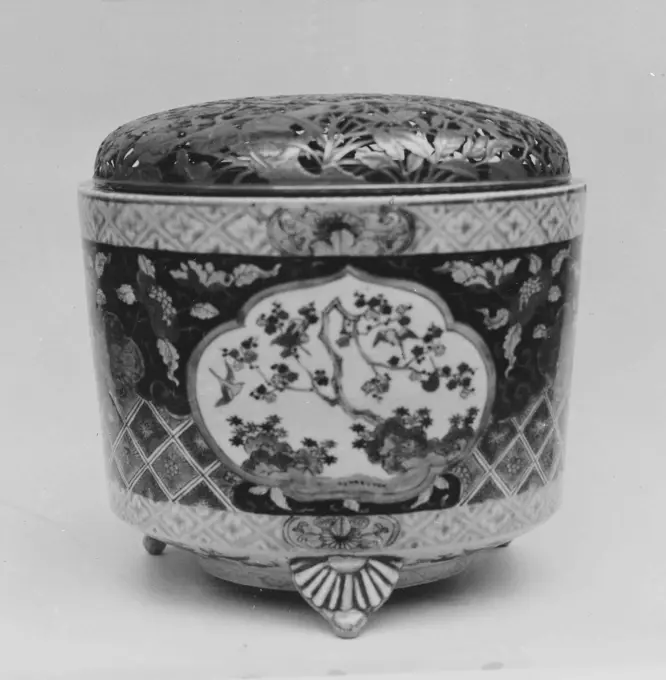
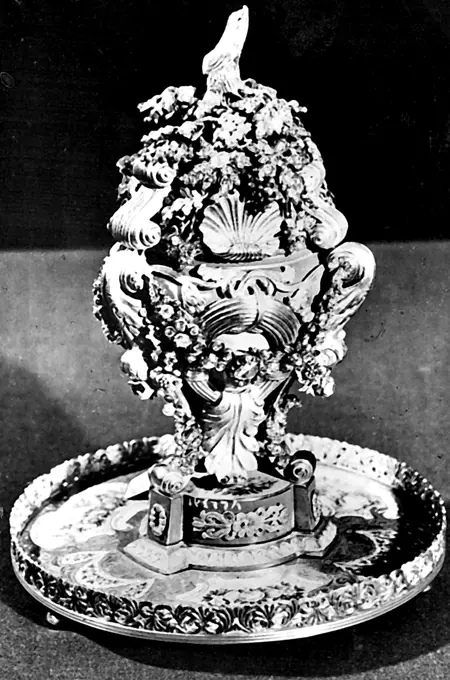
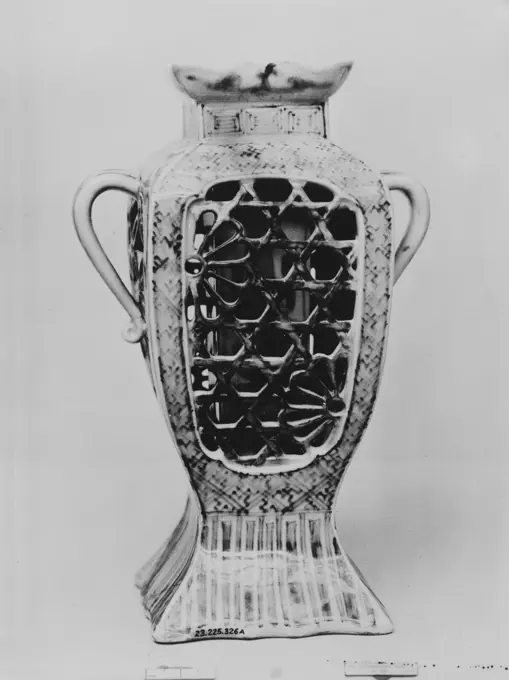
Censer with Silver Lid 1750 Japan. Censer with Silver Lid. Japan. 1750. Porcelain decorated with enamels (Arita ware, Imari type). Edo period (1615-1868). Ceramics
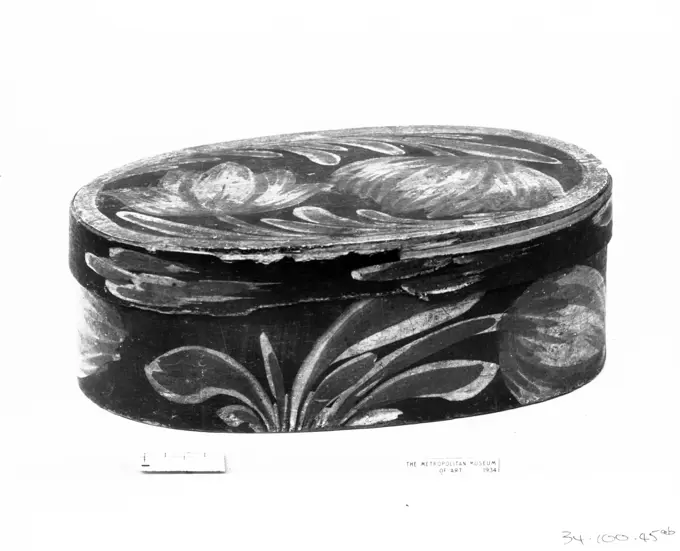
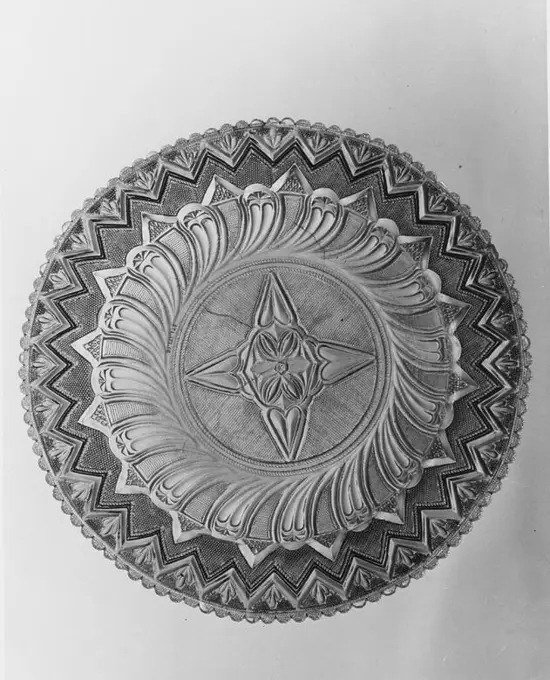
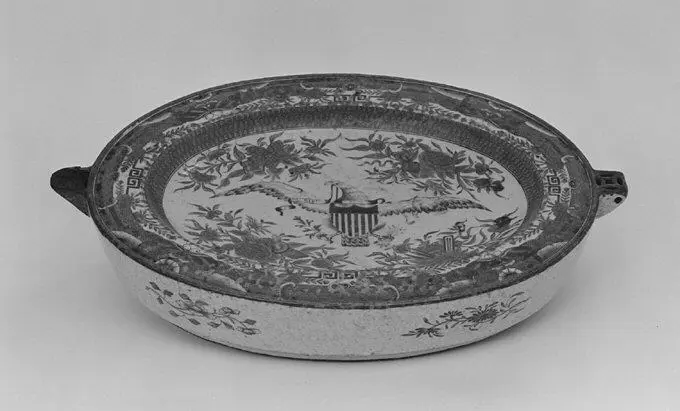
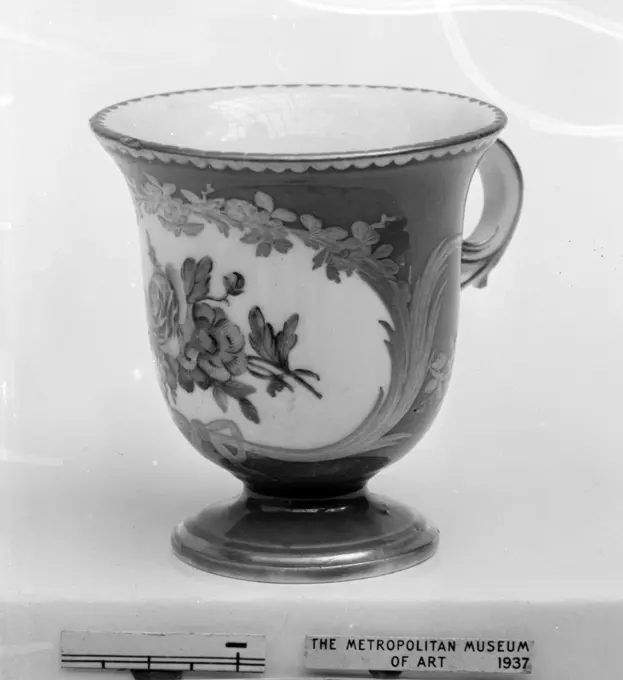
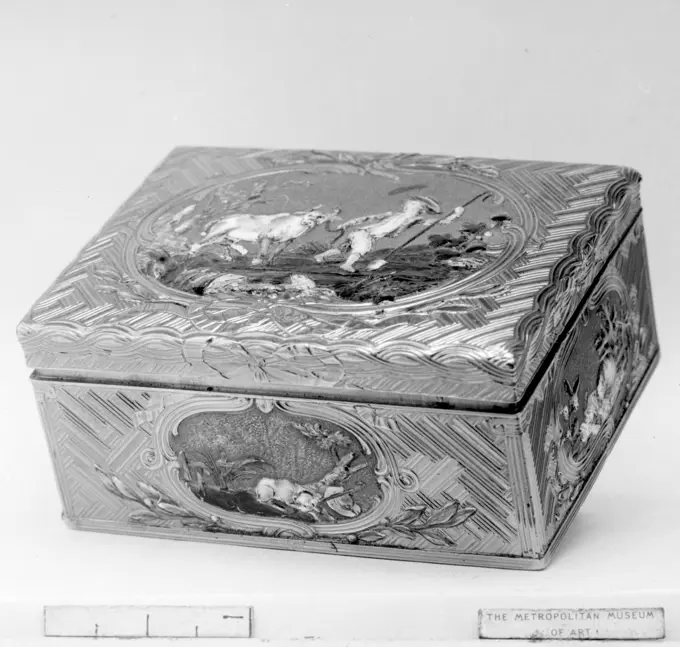
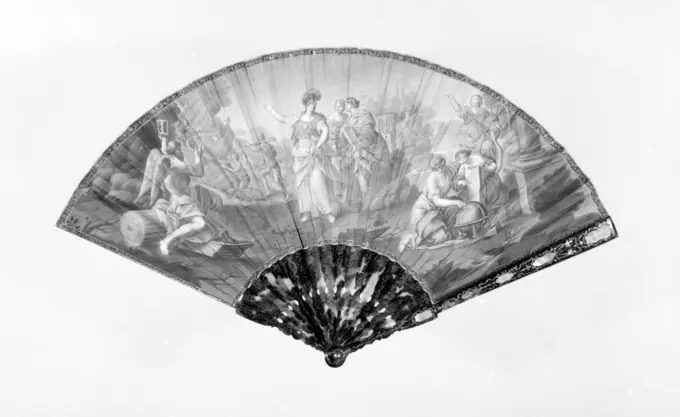
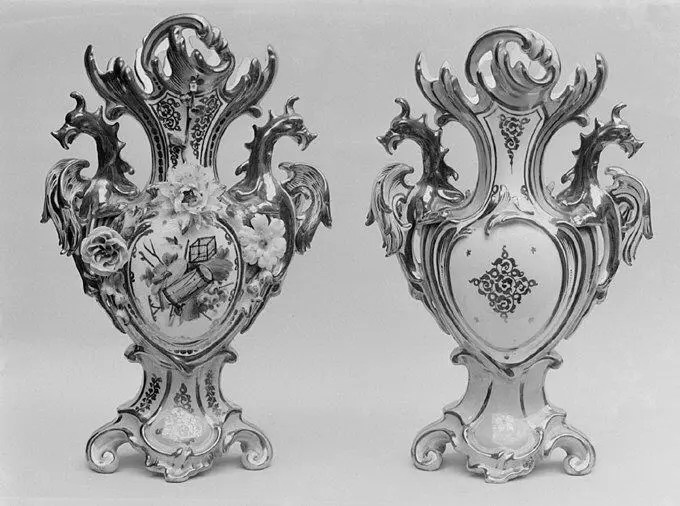
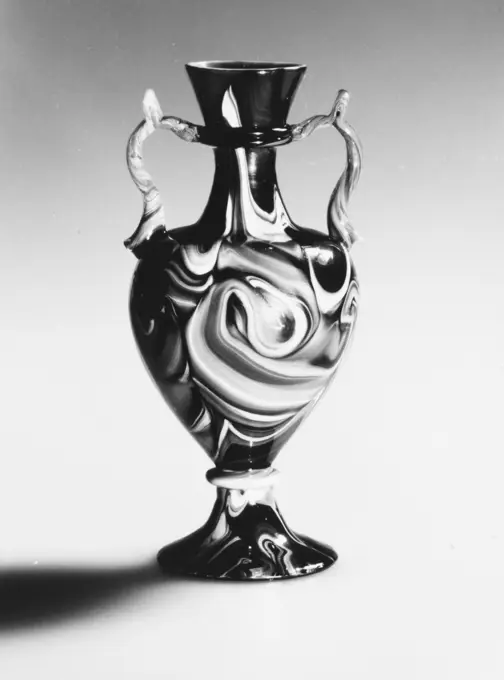
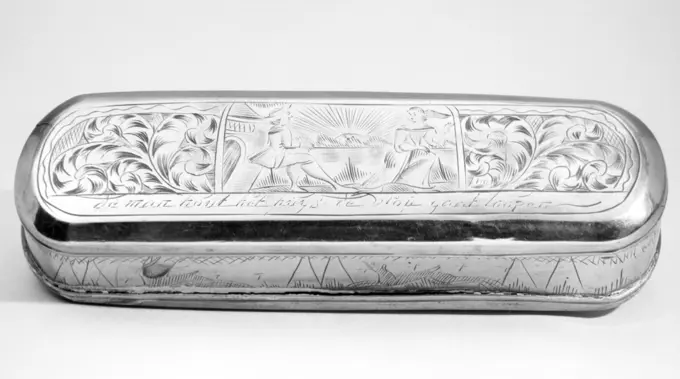
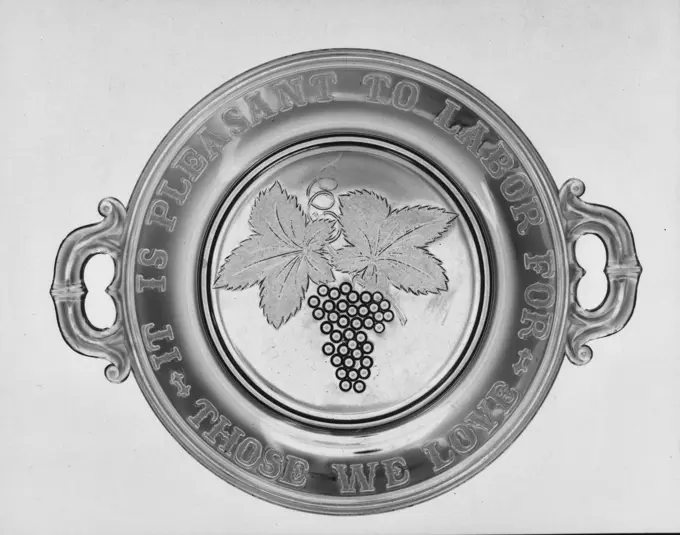
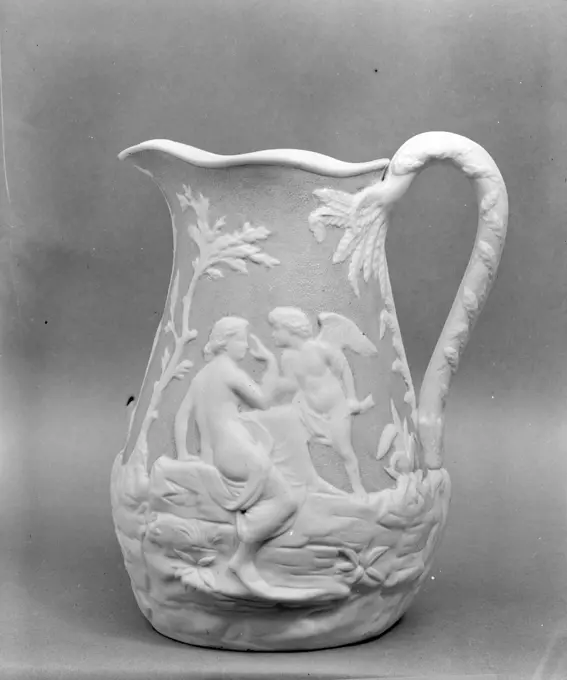
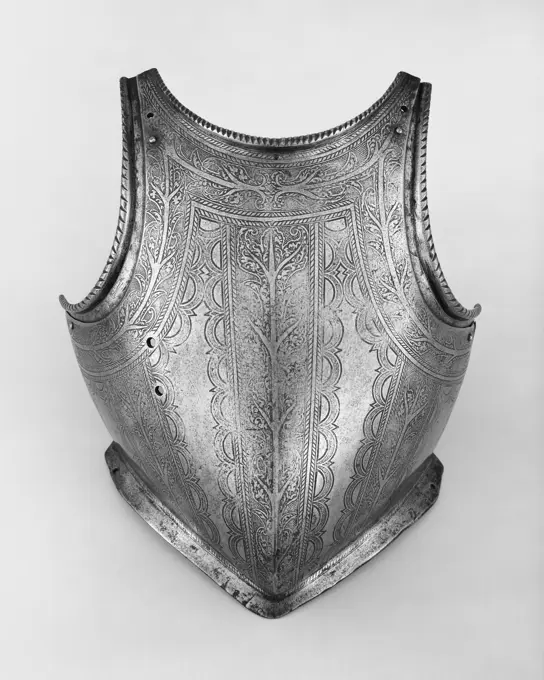
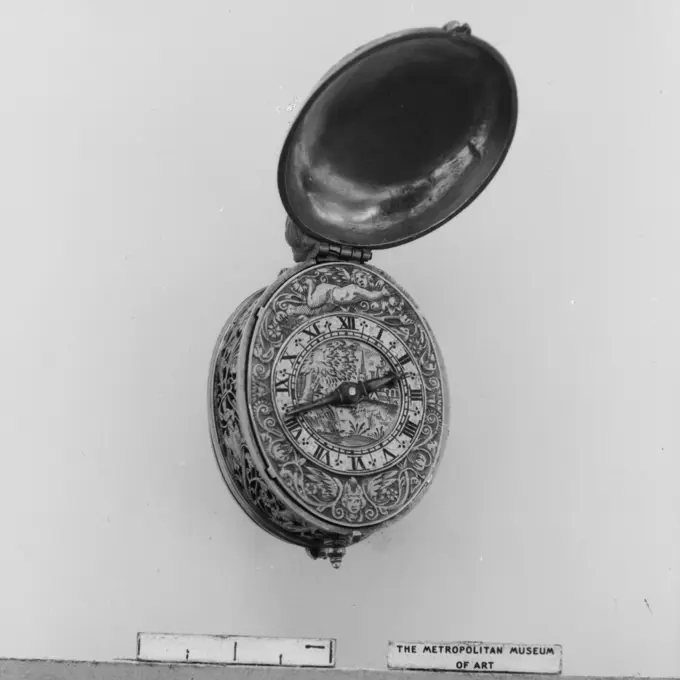
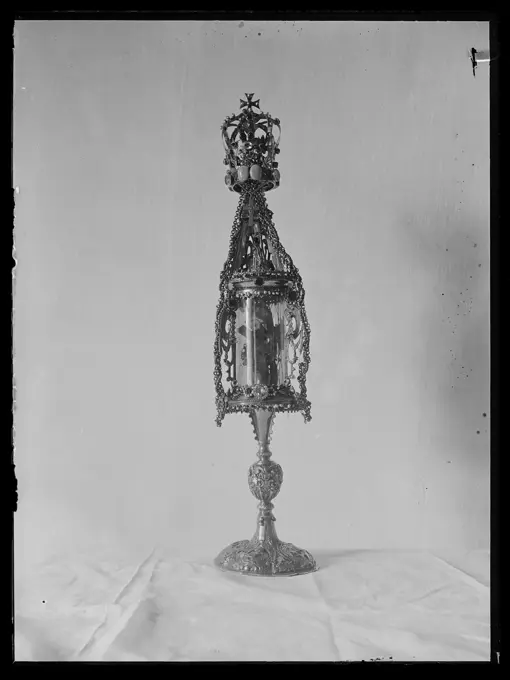
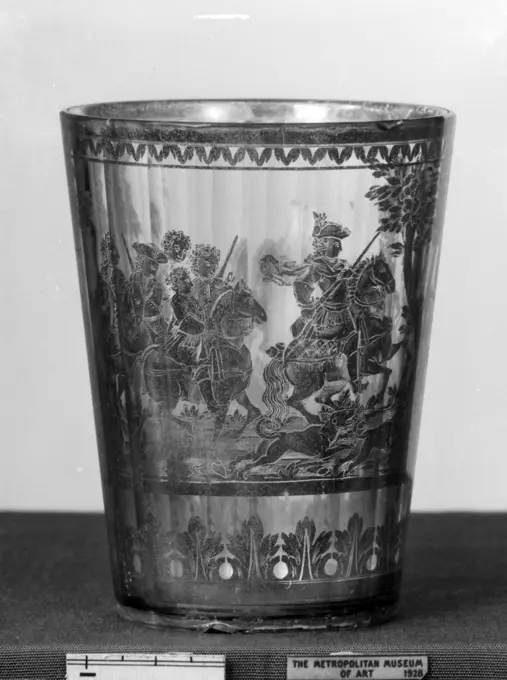
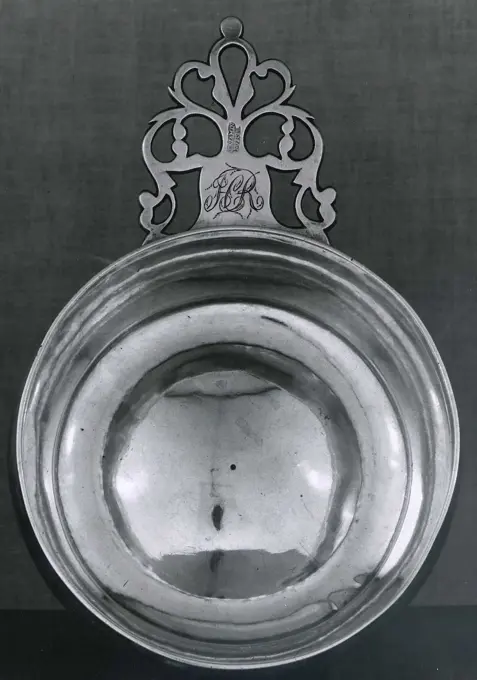
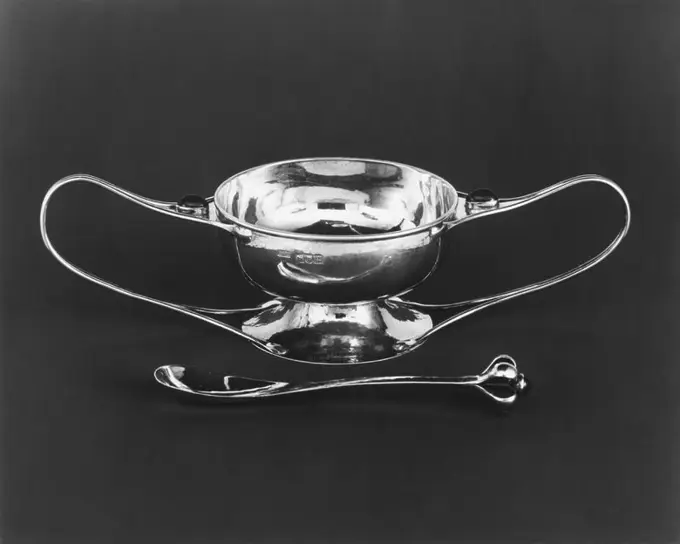
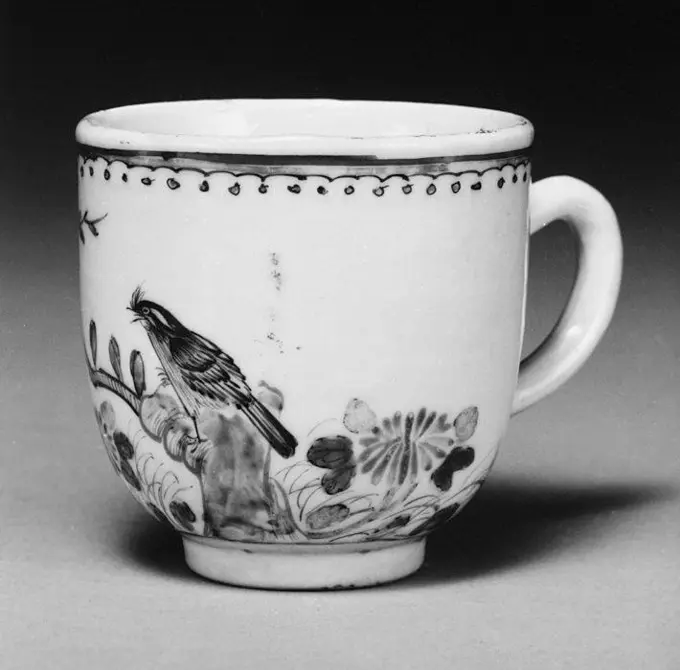
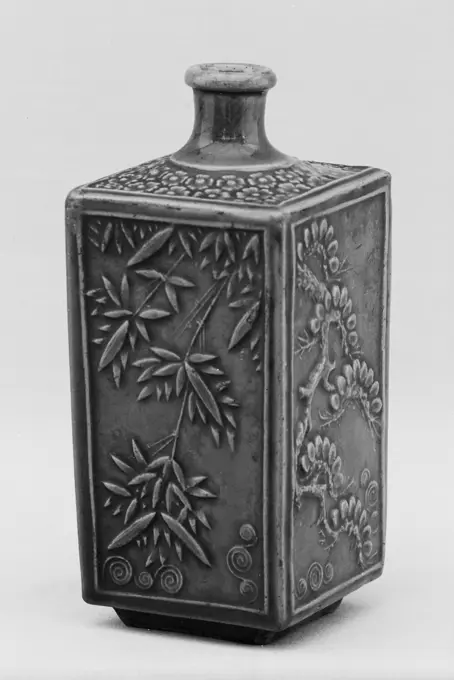
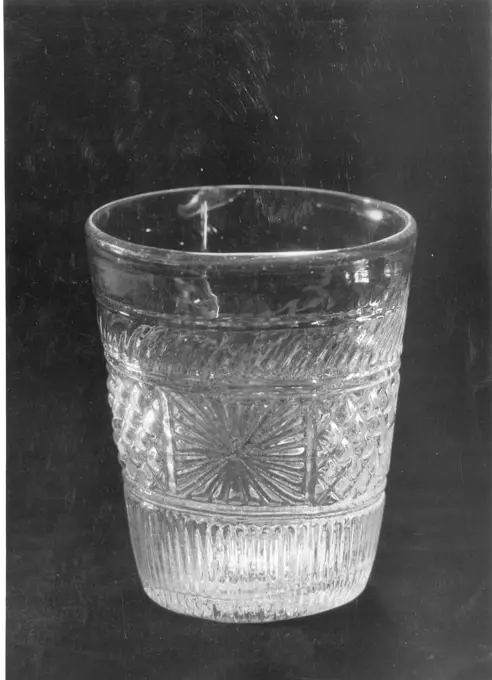
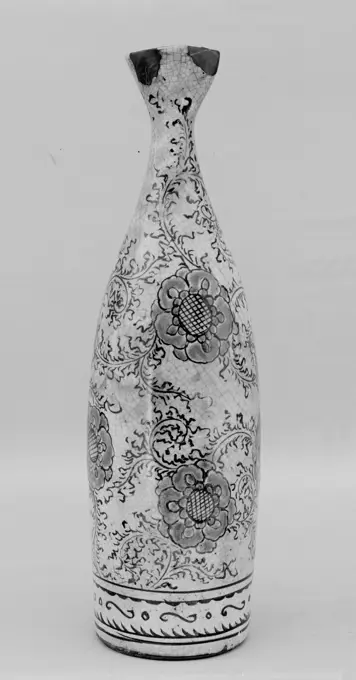
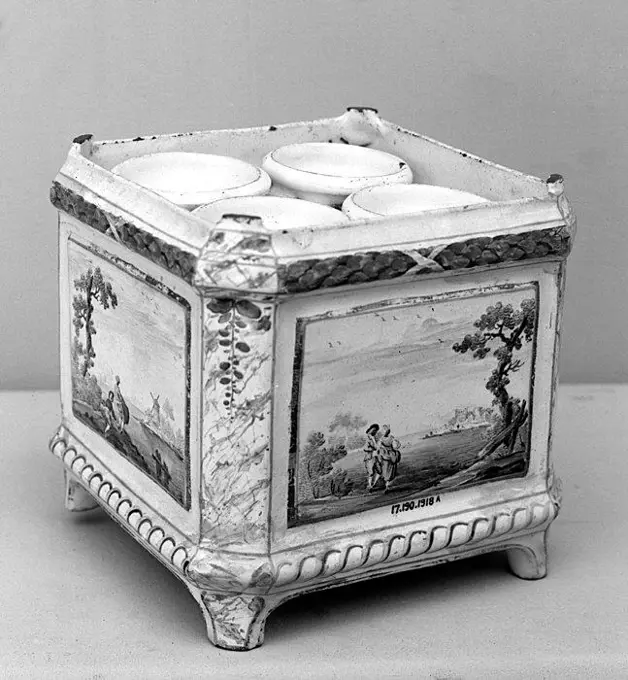
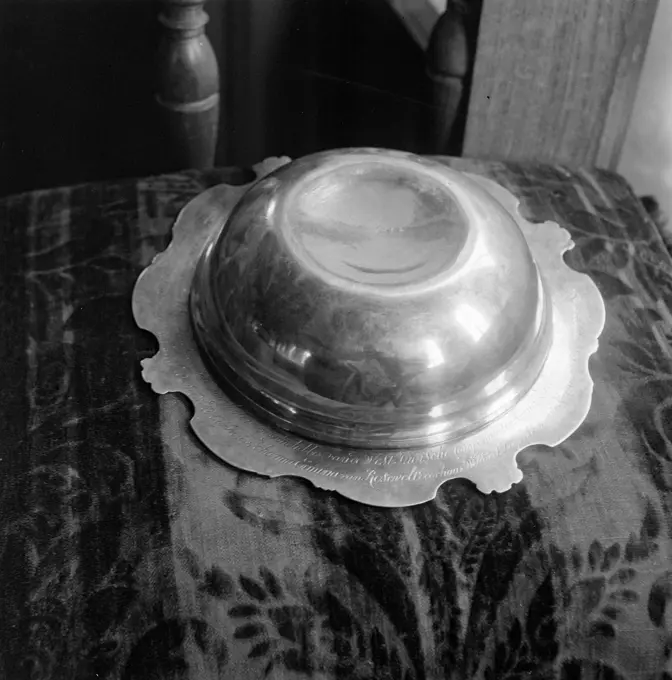
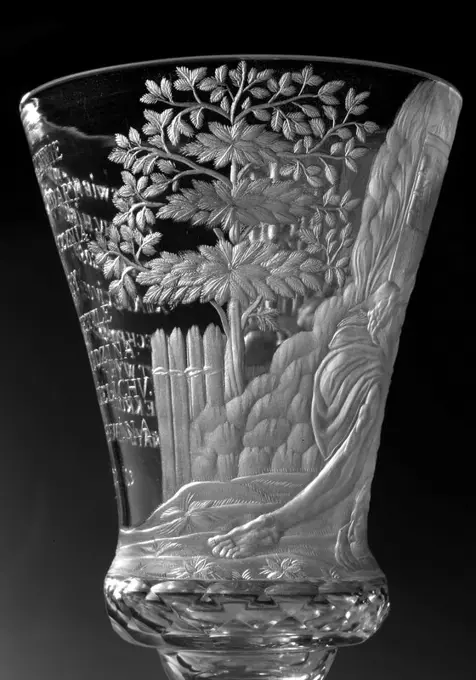
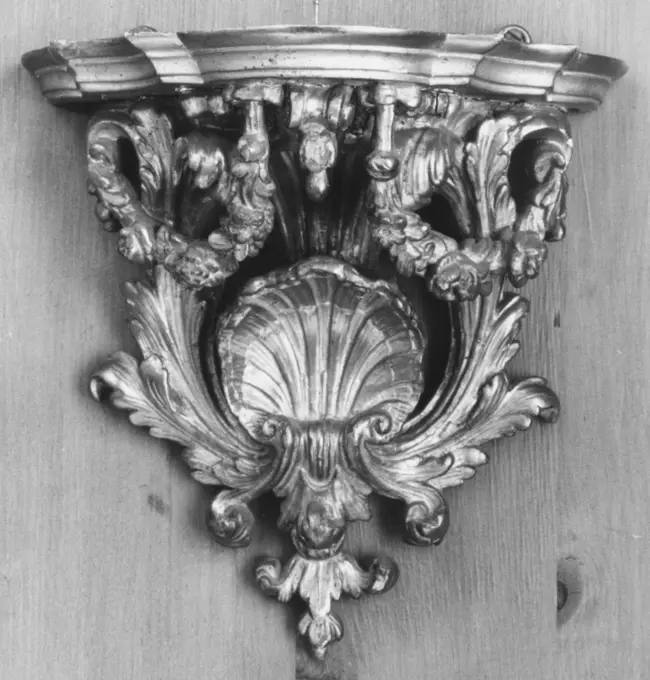
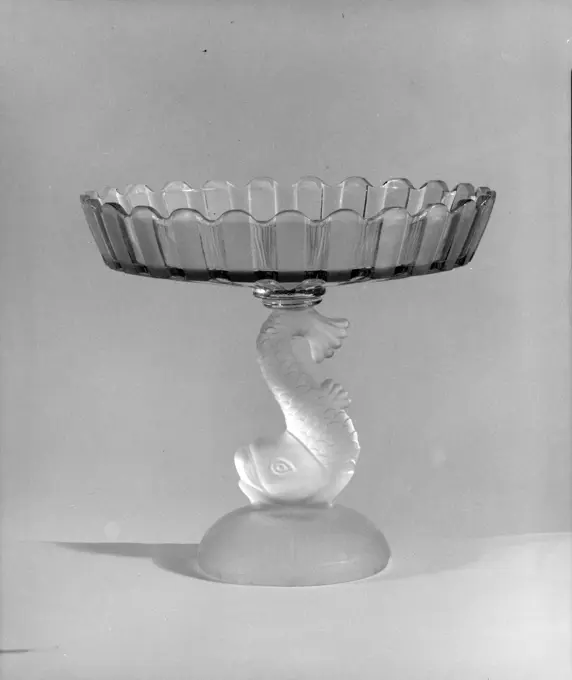
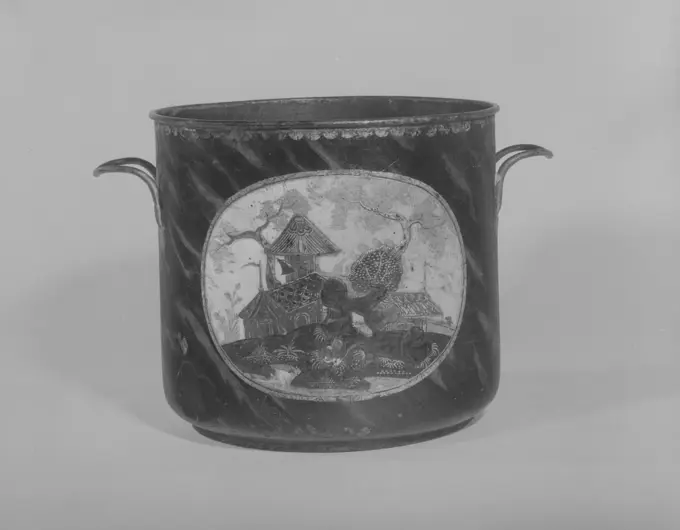
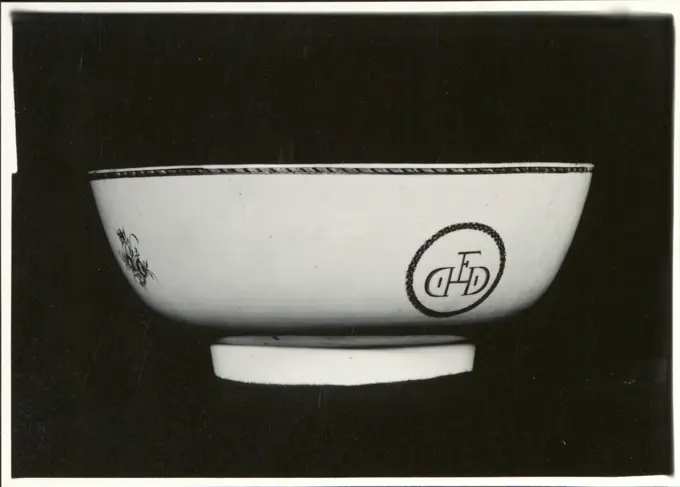
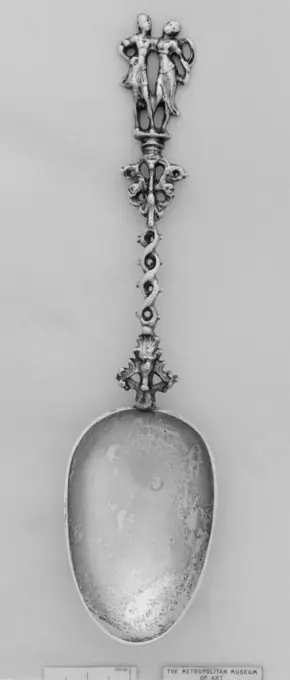
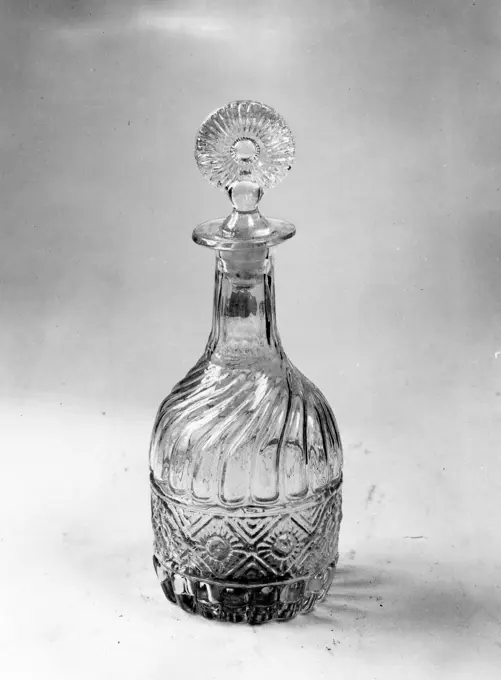
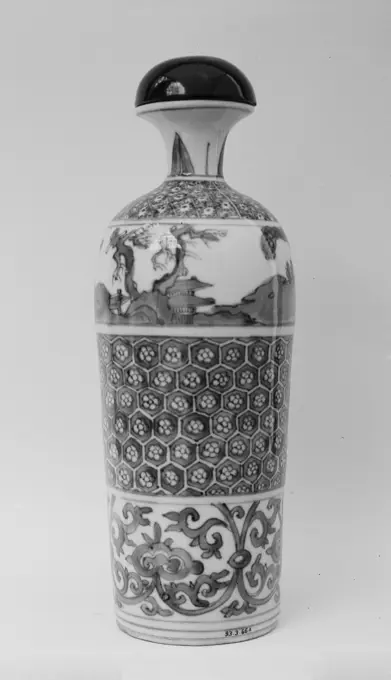
Dish for a ewer (bacile da versatore) ca. 1520-30 Italian, Deruta. Dish for a ewer (bacile da versatore). Italian, Deruta. ca. 1520-30. Maiolica (tin-glazed earthenware). Ceramics-PotterySnuff Bottle China. Snuff Bottle 40932Plate (part of a service) 1784 Sèvres Manufactory French. Plate (part of a service). French, Sèvres. 1784. Soft-paste porcelain. Ceramics-PorcelainTrinket Box ca. 1780 Henry Bucher. Trinket Box. American. ca. 1780. Cedar. Made in Denver, Pennsylvania, United StatesBowl with phoenixes (one of a pair) mid-18th century China. Bowl with phoenixes (one of a pair). China. mid-18th century. Porcelain painted in overglaze polychrome enamels (Jingdezhen ware). Qing dynasty (1644-1911), Qianlong period (1736-95). CeramicsCup and saucer ca. 1740 Meissen Manufactory German. Cup and saucer 191581Snuff Bottle China. Snuff Bottle. China. Porcelain, spoon with ivory top set with coral. Qing dynasty (1644-1911), Yongzheng period (1723-35). Snuff BottlesDish. Dimensions: Diam. 9 7/16 in. (24 cm). Date: 1830-40. Museum: Metropolitan Museum of Art, New York, USA.Sugar Bowl ca. 1840 Bailey and Kitchen. Sugar Bowl 2306Hot water plate early 19th century Chinese, for American market. Hot water plate 201097Salt 1830-40 American. Salt. American. 1830-40. Lacy pressed opaque blue glass. Made in New England, United StatesBliej Kultury unknownIce cream cup (Tasse à glace) (part of a service) 1780 Sèvres Manufactory French. Ice cream cup (Tasse à glace) (part of a service). French, Sèvres. 1780. Soft-paste porcelain. Ceramics-PorcelainPlate ca. 1870. Plate 6056Snuffbox with pastoral scenes 1750 Jean Ducrollay In eighteenth-century Europe, Paris led the production of high-quality luxury goods. Parisian goldsmiths made a wide range of small, personal articles such as snuffboxes; étuis to hold sealing wax, tweezers, or utensils for sewing; souvenirs, which contained thin ivory tablets for note taking; and shuttles for knotting lace. Gold snuffboxes and boxes decorated with portrait miniatures were prized and frequently given as royal gifts, often to ambassadors or members of the court in lieu of cash payments for their services. Coveted and admired, these boxes were produced from a variety of materials. The best were skillfully made of gold and embellished with diamonds, enameled decoration, lacquer, and other luxurious materials. By the middle of the century, the taking of snuff had become an entrenched social ritual, and the snuffbox, too, had become an important social prop. Snuffboxes were considered highly fashionable accessories, with som05/31/1906. The gift of the Mayors of Spain to the King. Embossed Plara Box, Luis recent Link - Approximate date.Saucer (part of a miniature service) 1790-1800 Chinese, for British market. Saucer (part of a miniature service) 201228Fan early 18th century French. Fan. French. early 18th century. Parchment, tortoiseshell, mother-of-pearl and gold. FansFirescreen with tapestry with vase of flowers. unknown unknown Tapestry Dimensions: H 39" x W 26" Tapestry Materials/Techniques: unknown Culture: French Weaving Center: Aubusson Ownership History: French & Co. purchased from De Luca Art Shop, received 1/15/1942; sold to Mrs. R. D. Heine 12/31/1942. Louis XV style firescreen with mounted tapestry panel depicting large bouquet of flowers in vase This tapestry panel may have been woven in the 20th century, unless it was heavily rewoven. French & Co. stock sheet in archive, 42069The so-called William the Conqueror" cup, preserved in the library of the city of Caen, vintage engraved illustration. Magasin Pittoresque 1858.Pair of vases ca. 1840-50 Probably made at Fontainebleau. Pair of vases 195498Sauceboat 18th century Derby Porcelain Manufactory. Sauceboat 205317Ornament 19th century Japan. Ornament. Japan. 19th century. Bronze. Edo (1615-1868) or Meiji period (1868-1912). MetalworkVase. Culture: American. Dimensions: 5 1/4 x 3 3/4 in. (13.3 x 9.5 cm). Date: 1830-70. Museum: Metropolitan Museum of Art, New York, USA.Incense Burner. Culture: Japan. Dimensions: H. 2 3/4 in. (7 cm). Date: 1750. Museum: Metropolitan Museum of Art, New York, USA.Snuffers and tray 1758-59 Jean-Guillaume Vealle. Snuffers and tray 200098Theatrical Headdress 18th century China. Theatrical Headdress 50685Seal paste box with dragons early 18th century China. Seal paste box with dragons. China. early 18th century. Soft-paste porcelain painted in underglaze cobalt blue (Jingdezhen ware). Qing dynasty (1644-1911), Kangxi period (1662-1722). CeramicsRouge Box with Cover. Culture: China. Dimensions: H. 1 3/4 in. (4.4 cm); Diam. 3 in. (7.6 cm). Museum: Metropolitan Museum of Art, New York, USA.Vase late 19th century possibly Antonio Salviati Italian. Vase 460756Pair of wall brackets ca. 1720 French. Pair of wall brackets 205579Tobacco box 18th century Dutch An oblong box with rounded ends. Its lid is divided in three. The central field is engraved with a scene showing a man and a woman before a house, with a sun on the horizon. The side fields show leaf-scroll decoration and a serpentine line. Inscribed below: De man hout het huijs de vrou gaat loopen (The man keeps the house, the woman goes out).The underside has similar leaf scrolls on the side panels; in the center a rendezvous between an amorous couple is watched by a male spectator, who is seen half- length in the left foreground. A similar figure appears on several boxes (see Figures 27, 29) and seems to function as a sort of narrator or commentator. Inscribed below: Liefde op de seijde daar de taas haangt (With an affair on the side the trouble starts).Lined rims. The sides are decorated with running hares and dogs as well as geometrical ornament.. Tobacco box 201966Bread Plate 1870-90. Bread Plate. 1870-90. Pressed glassPitcher 1830-70 American. Pitcher. American. 1830-70. Parian porcelain. Probably made in Bennington, Vermont, United StatesVase China. Vase. China. Porcelain. Qing dynasty (1644-1911), Kangxi period (1662-1722). CeramicsPitcher 1830-70 American. Pitcher. American. 1830-70. Parian porcelain. Probably made in Bennington, Vermont, United StatesCuirass ca. 1560; redecorated ca. 1835 Italian. Cuirass. Italian. ca. 1560; redecorated ca. 1835. Steel, gold. Armor Parts-CuirassesWatch ca. 1605 Watchmaker: Nicolas Forfaict. Watch. French, Paris. ca. 1605. Gilt metal, silver. HorologyBliżej Kultury unknownChing Dynasty, Vase, 19th Century, hard-paste porcelain.Butter dish 1789-90 Christopher Haines. Butter dish. Irish, Dublin. 1789-90. Silver. Metalwork-SilverBeaker 18th century Bohemian. Beaker. Bohemian. 18th century. Zwischengold glass. GlassPorringer.   Maker: Benjamin Burt, 1729-1805Porringer and Spoon. Designer: Charles Robert Ashbee (British, Isleworth, Middlesex 1863-1942 Godden Green, Kent). Dimensions: H. 2-13/16, W. 10-5/8, D. 4-1/4 in. (7.1 x 27.0 x 10.8 cm). Maker: Guild of Handicraft (British). Date: 1902-4.An influential designer of the Arts and Crafts Movement in Britain, Ashbee founded the Guild of Handicraft in 1888 as a cooperative of self-taught craftsmen who made furniture, metalwork, leatherwork, and jewelry. Ashbee was the predominant designer of the guild, developing an elegant style that broke significantly from Victorian traditions. It was notable for its rounded forms and elongated handles, frequently punctuated with semiprecious cabochons or disks of enamel. The work of the guild was exhibited throughout England as well as in Vienna, Munich, Düsseldorf, and Paris. Museum: Metropolitan Museum of Art, New York, USA.Fan 18th century French. Fan 209863Figure of a fairy holding a peach 19th century China. Figure of a fairy holding a peach 47865Plaque 1893 Designed by Louis Comfort Tiffany American. Plaque 5910Cup and saucer ca. 1760-70 Chinese, for European market The gift of the Hans Syz Collection in 1995 endowed the Museum with nearly three hundred examples of European and Asian ceramics meticulously acquired by Swiss-born collector Dr. Syz (1894-1991) to chart the migration of models and patterns from East to West. Documenting a continuous process of influence and adaptation, these pieces provide a discriminating review of the nuances of stylistic change resulting from three centuries of trade.. Cup and saucer 208352Shirley Plantation, Shirley, Charles City County, Virginia. Carnegie Survey of the Architecture of the South. United States  Virginia  Charles City County  Shirley, Tableware.Bottle early 19th century Japan. Bottle. Japan. early 19th century. Stoneware decorated in the paste and covered with a light glaze through which paste appears (Maiko ware). Edo period (1615-1868). CeramicsMarriage fan ca. 1725 French. Marriage fan 209940Chandelier 1810-20. Chandelier. 1810-20. Gilded brass, glass. Made in Birmingham, EnglandTumbler. Maker, possibly by: Boston and Sandwich Glass Works, American, 1826-88Wine Bottle 19th century Mr. and Mrs. Samuel Colman. Wine Bottle. Mr. and Mrs. Samuel Colman. Japan. 19th century. Clay covered with a finely crackled glaze and decorated with polychrome enamels (Banko ware). Edo (1615-1868) or Meiji period (1868-1912). CeramicsClock-watch ca. 1625-40 Watchmaker: Jacob Ducimin. Clock-watch 194028Dish 1835-40 American. Dish. American. 1835-40. Lacy pressed glass. Probably made in Sandwich, Massachusetts, United StatesJardinière ca. 1753-95 French, Sceaux Faience, or tin-glazed and enameled earthenware, first emerged in France during the sixteenth century, reaching widespread usage among elite patrons during the seventeenth and early eighteenth centuries, prior to the establishment of soft-paste porcelain factories. Although characterized as more provincial in style than porcelain, French faience was used at the court of Louis XIV as part of elaborate meals and displays, with large-scale vessels incorporated into the Baroque garden designs of Versailles. Earlier examples of French faience attest to the strong influence of maiolica artists from Italy. Later works demonstrate the ways in which cities such as Nevers, Rouen, Lyon, Moustiers, and Marseille developed innovative vessel shapes and decorative motifs prized among collectors throughout Europe. While faience can be created from a wide mixture of clays, it is foremost distinguished by the milky opaque white color achieved by the addition of tin Papal Crown with Key, Tiara, Historical, digital reproduction of an original from the 19th centuryBellows 16th century Italian. Bellows 198820Elbow Pillow China. Elbow Pillow 70327"Sahifa al-Kamila" (The Complete Pages), Arabic Prayerbook with Persian Translations "Sahifa al-Kamila" (The Complete Pages), Arabic Prayerbook with Persian Translations, A.H. 1150/1738 C.E. Ink, opaque watercolor, and gold on paper; lacquered papier mché binding, 3 11/16 x 2 1/4 x 3/4in. (9.4 x 5.7 x 1.9cm).   Arts of the Islamic World A.H. 1150/1738 C.E.Bowl 18th century Japan. Bowl 63706Showcase with chinese porcelain under a painting; Troostzaal. .Headdress Made 1801-1900 Russia. Red velvet embroidered in gold .Plate ca. 1832 American. Plate 6057Pin Cushion (Two Pieces) Made 1801-1900 United States. Wood with painted decoration in blue and white .Fan 18th century Dutch. Fan 209884Lamp ca. 1790 British. Lamp. British. ca. 1790. Sheffield plate, glass. Metalwork-SilverplateLamp Shade. Culture: American. Dimensions: H. 3 3/4 in. (9.5 cm); Diam. 12 in. (30.5 cm). Date: ca. 1800. Museum: Metropolitan Museum of Art, New York, USA.Anefo photo collection. Oud-Vosmeer on Tholen. Location Ancestors F. Roosevelt. November 19, 1947. Tholen, ZeelandValance 18th century French. Valance 229496Egyptian Royal Treasures To Be Sold By AuctionOne of a magnificent Pair of gold, diamond and enamel perfume burners with stands. The lid enriched with clusters of diamond flowers and fruiting vine. Floral festoons in diamonds hang from each side and acanthus foliage also in diamonds conceals part of the feet. February 11, 1954.Hobnail Cheese Dish after 1886 Probably Hobbs, Brockunier and Company. Hobnail Cheese Dish. American. after 1886. Pressed colorless and cranberry glass. Made in Wheeling, West Virginia, United StatesWineglass (Spitzglas) early 18th century Bohemian, Riesengebirge (Krkonoše). Wineglass (Spitzglas). Bohemian, Riesengebirge (Krkonoše). early 18th century. Glass. GlassPlate 1800-1830 Chinese. Plate. Chinese. 1800-1830. Porcelain. Made in ChinaTile , ca. 1783. Earthenware, 9 3/4 x 8 3/4 in. (24.8 x 22.2 cm).   Decorative Arts ca. 1783Goblet. Naliboki (huta szkła ; 1722-1862), glass worksPair of wall brackets ca. 1725 French. Pair of wall brackets 205774Vase China. Vase. China. Porcelain. Qing dynasty (1644-1911), Qianlong period (1736-95). CeramicsCharger 1723-24 Paul de Lamerie British. Charger 200578Compote 1860-80 Bakewell, Pears and Company. Compote. American. 1860-80. Pressed glass. Made in Pittsburgh, Pennsylvania, United StatesProfile Bust of a Woman ca. 1800-1812 John Christian Rauschner German. Profile Bust of a Woman 6787VII vitrine room with Chinese porcelain; Exhibition Oriental treasures: 4000 years Asian art. .Cachepot 1700-1800. Cachepot. 1700-1800. Probably tin. Made in FranceCieklin  parish church  baptismal font unknownGammelbo Brokology.ur Carl Sahlin's mountain historical collection.CoveredDishCreamer 1745-50 Chelsea Factory. Creamer. British. 1745-50. Stoneware. Made in London, EnglandControl box type A 5W UK.Televerkt .. Sweden, Blekinge, Blekinge, Karlskrona, Karlskrona, External War Gogshamn (depicted, City)Figure-top spoon mid-18th century Johannes Andringa. Figure-top spoon 192278Covered Bowl. Culture: China. Dimensions: H. 3 3/8 in. (8.6 cm); Diam. 5 3/8 in. (13.7 cm). Date: late 18th-19th century. Museum: Metropolitan Museum of Art, New York, USA.Plate 1759-80 Joseph Hannong. Plate. French, Strasbourg. 1759-80. Earthenware. Ceramics-PotteryWatch mid-19th century Watchmaker: Firm of A. Meynadier et Cie. Watch. Swiss, Geneva. mid-19th century. Gold, enamel, steel, jewels. HorologyVase 1780 Japan. Vase. Japan. 1780. White porcelain decorated with blue under the glaze. Edo period (1615-1868). CeramicsDecanter.   Maker: Mount Vernon Glass Works, American, 1810-1844Bottle 1650 Japan. Bottle. Japan. 1650. White porcelain decorated with blue under the glaze, stopper of black lacquer (Arita ware, Imari type). Edo period (1615-1868). CeramicsPair of console supports 18th century French. Pair of console supports. French. 18th century. Carved and stained wood. Woodwork-FurnitureShowcase with objects of ceramics including sauce bowls, pots and plates; Vitters crafts. This is the device of the display case before emptying in October 1959.Wall bracket (one of a pair) ca. 1745 Meissen Manufactory German. Wall bracket (one of a pair) 203180Cup. Culture: China. Dimensions: H. 2 5/8 in. (6.7 cm). Museum: Metropolitan Museum of Art, New York, USA.