Antique Ceramics and Tableware

Historic ceramics including bowls and trays, showcasing intricate designs from different cultures, emphasizing artistic quality and craftsmanship.
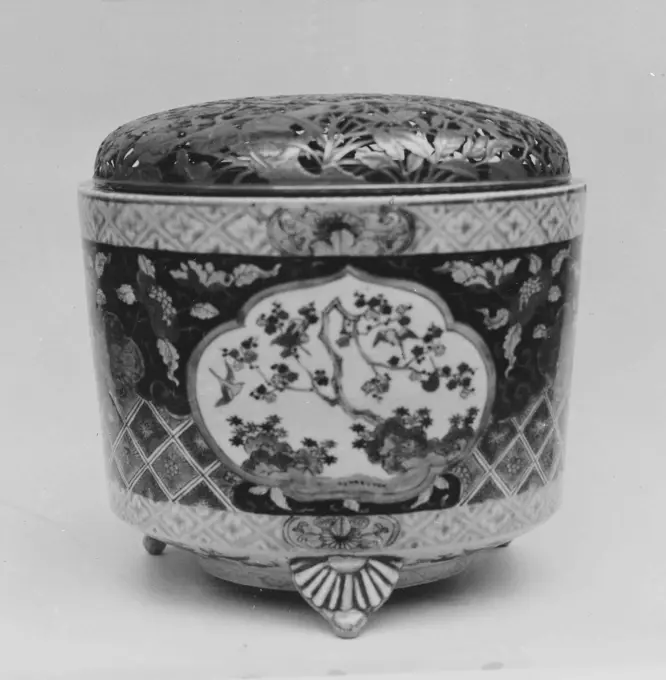
Censer with Silver Lid 1750 Japan. Censer with Silver Lid. Japan. 1750. Porcelain decorated with enamels (Arita ware, Imari type). Edo period (1615-1868). Ceramics
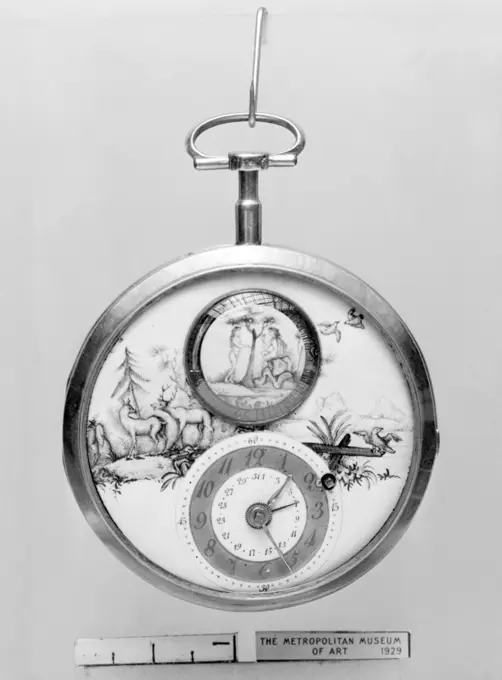
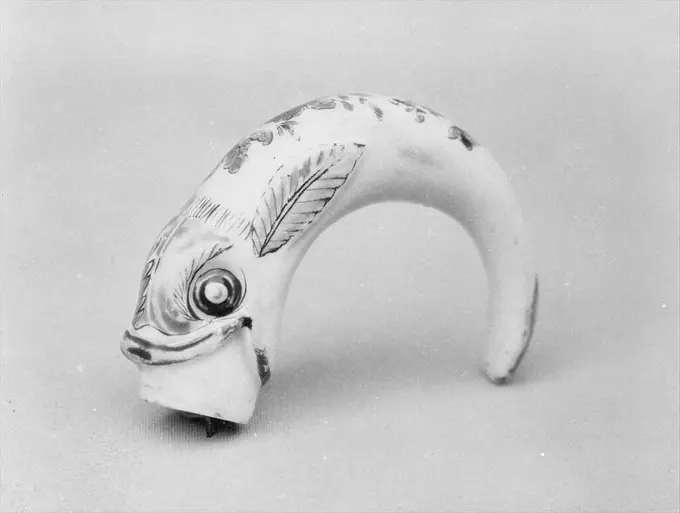
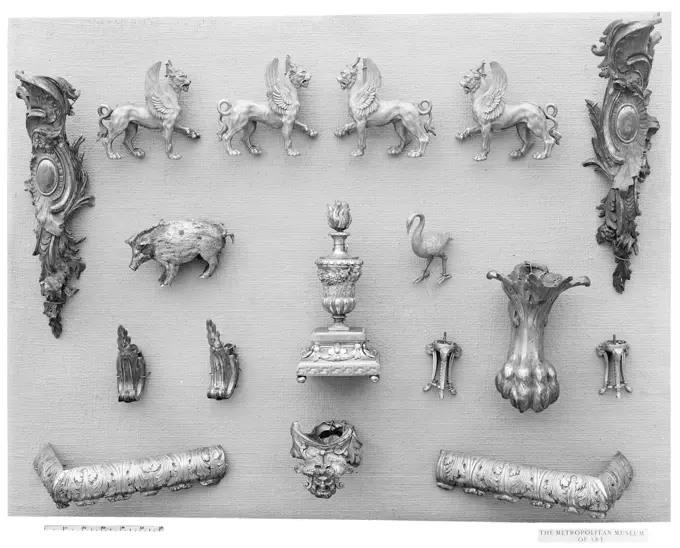
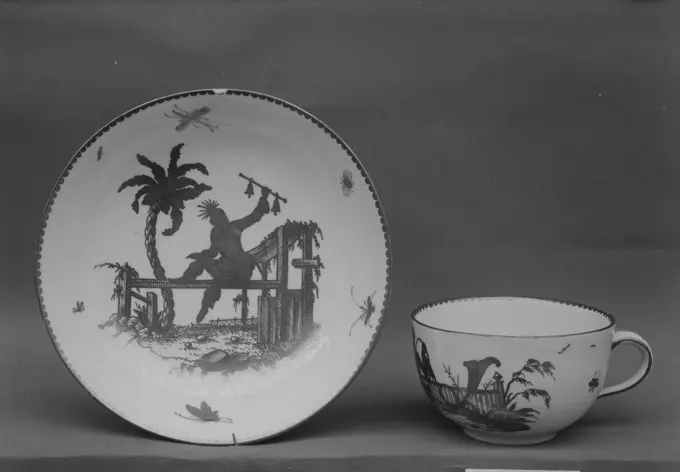
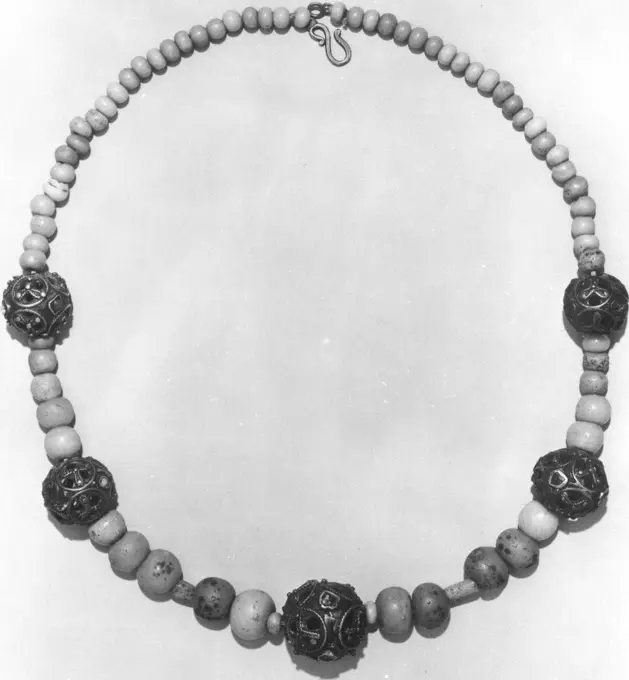
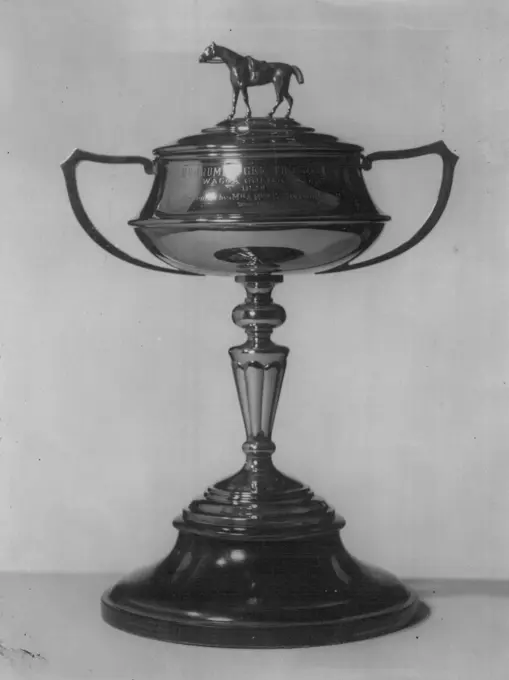
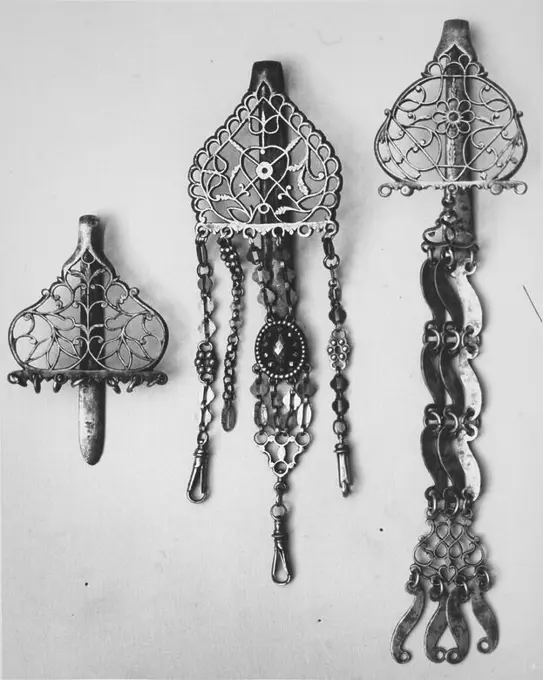
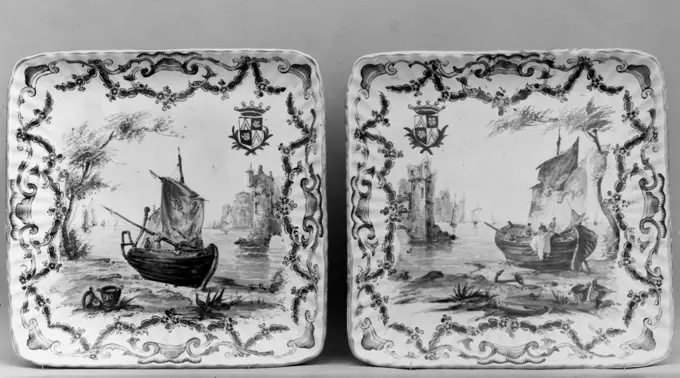
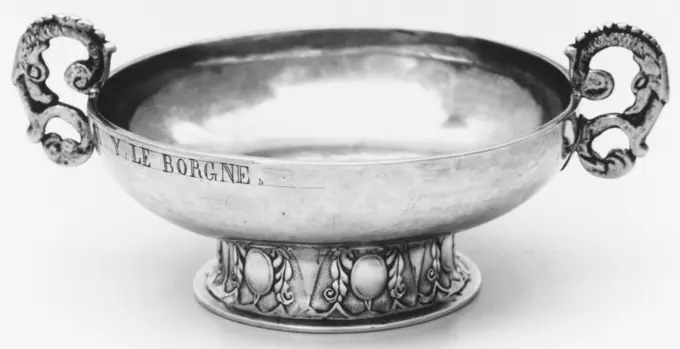
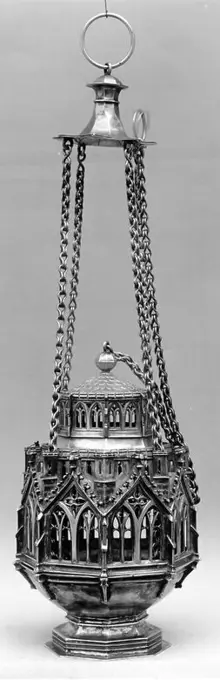
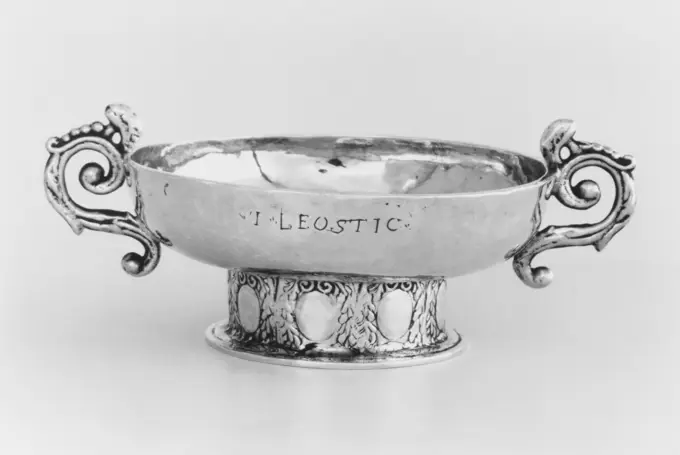
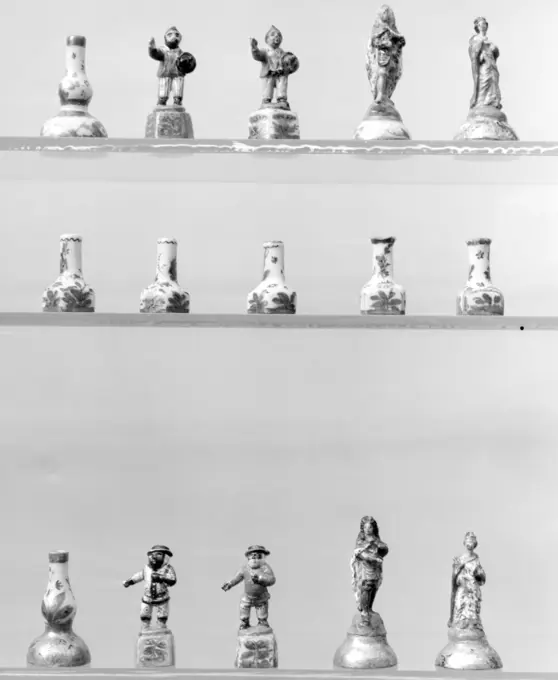
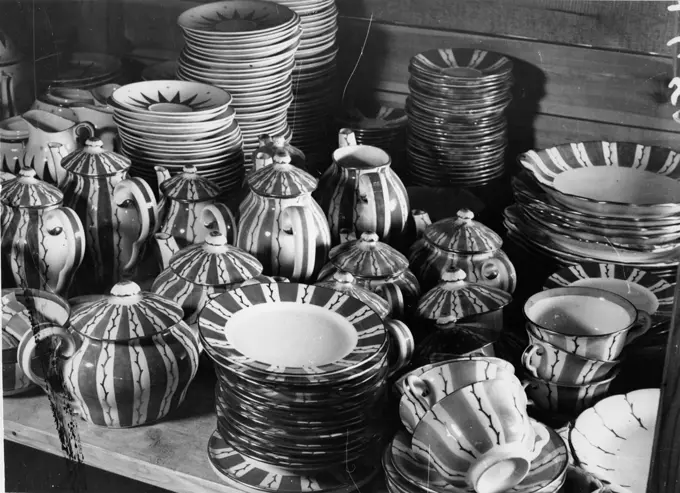
Mug 1791 Johann Joseph Mildner. Mug. Austrian, Gutenbrunn. 1791. Glass. GlassWatch late 18th century Swiss, La Chaux-de-Fonds. Watch 193372Snuff Bottle China. Snuff Bottle 41701Cane handle. Culture: French, Saint-Cloud. Dimensions: 3 × 3 in. (7.6 × 7.6 cm). Factory: Saint-Cloud factory (French, before 1698-1766). Date: ca. 1735-45. Museum: Metropolitan Museum of Art, New York, USA.Salt dish (part of a service) 1770-85 Chinese, probably for Swedish market. Salt dish (part of a service) 201177Snuff Bottle 18th century China. Snuff Bottle 41074Finial French 18th century View more. Finial. French. 18th century. Gilt bronze. Metalwork-Gilt BronzeUrns.Cup and saucer ca. 1771 Frankenthal Porcelain Manufactory. Cup and saucer. German, Frankenthal. ca. 1771. Hard-paste porcelain. Ceramics-PorcelainShowcase with on three floors of Clermont and Chainye, Guillaume Lambert & Cie and N.A. Bosch; Maastrichts ceramics. .Vase with landscape late 18th century China. Vase with landscape 48286Necklace 12th-13th century. Necklace 452412Wagga Gold Cup to be run on April 27. November 01, 1946.Chatelaine. Date: 17th-19th century. Museum: Metropolitan Museum of Art, New York, USA.Pair of trays 19th century French, Lille Faience, or tin-glazed and enameled earthenware, first emerged in France during the sixteenth century, reaching widespread usage among elite patrons during the seventeenth and early eighteenth centuries, prior to the establishment of soft-paste porcelain factories. Although characterized as more provincial in style than porcelain, French faience was used at the court of Louis XIV as part of elaborate meals and displays, with large-scale vessels incorporated into the Baroque garden designs of Versailles. Earlier examples of French faience attest to the strong influence of maiolica artists from Italy. Later works demonstrate the ways in which cities such as Nevers, Rouen, Lyon, Moustiers, and Marseille developed innovative vessel shapes and decorative motifs prized among collectors throughout Europe. While faience can be created from a wide mixture of clays, it is foremost distinguished by the milky opaque white color achieved by the addition of tMatchsafe. Culture: American. Dimensions: 1 7/8 x 1 7/8 x 2 1/4 in. (4.8 x 4.8 x 5.7 cm). Date: 1830-70. Museum: Metropolitan Museum of Art, New York, USA.Lazio Viterbo Viterbo Museo Civico98. Hutzel, Max 1960-1990 Views of paintings (Middle Ages through 18th c.), frescoes, a tabernacle, coffin, sculpture reliefs, portal fragments, busts, sculpture, tapestry found in the Pinacoteca, Second floor gallery and Second floor cloister sequences. Antiquities: Many views of Etruscan and Roman fragments, sculpture, sarcophagi, pottery, masks, jewelry and other objects found in the Storeroom sequence (inventory numbers on back of prints), and the Cloister, Second floor Cloister, Valle Giulia, Sala Romana and Sala Etrusca sequences. General Notes: There are eight separate numerical sequences for this location. The cloister as an architectural structure, rather than museum site, is documented in the record and file for S. Maria della Verita, Cloister, all views of which are stored in Medieval core collection. Five views from the Museo Civico Second floor cloister sequence are stored in Medieval. German-born photographer and scholar Max Hutzel (1911-Collection cup ca. 1742-44 Mathurin Hélies This type of bowl is known in France is known as a "coupe à quêter" (collection cup). At provincial weddings such cups are passed around among the wedding guests who drop coins into them as gifts for the young couple.. Collection cup 200175Snuffbox 1814-18 Meissen Manufactory German. Snuffbox 7564Covered Ewer late 17th-early 18th century China. Covered Ewer 42290Mug ca. 1700 Johann Ludwig Faber. Mug 200884F. Diorm, Jug and Cover, c. 1839, silver.Platter ca. 1814-ca. 1830 John & William Ridgway British. Platter 6527Moa bones wet collodion negatives, black-and-white negativesShowcase with ceramics, at the top are two cows; Courter extension courtyard. .Censer. Culture: Swiss or German. Dimensions: Overall: 31 7/8 x 5 3/4 in. (81 x 14.6 cm)Censer without chain: 9 11/16 x 5 3/4 in. (24.6 x 14.6 cm)Lid: 7 1/4 x 5 3/4 in. (18.4 x 14.6 cm)Base: 2 11/16 x 5 3/4 in. (6.8 x 14.6 cm)Chain: 25 1/2in. (64.8cm). Date: before 1842. Museum: Metropolitan Museum of Art, New York, USA.Eagle with Wings Outspread modeled probably ca. 1833-34, cast before ca. 1875 Antoine-Louis Barye French In 1838 Barye obtained a commercial patent for casting small bronzes, and by 1845 he had formed a partnership with the entrepreneur Emile Martin for the purpose of producing small bronzes in quantity for middle-class collectors. Barye soon began to market his bronzes with the aid of a series of catalogues that permitted the purchaser to order from a variety of models. The earliest catalogue was published in 1844. The catalogue of 1847 stated that each bronze would be numbered and punch marked, but the marking system was quickly abandoned, perhaps because of its very success. After Barye's death, the models were bought by a number of founders, some of whom continued to use them for many years.. Eagle with Wings Outspread. Antoine-Louis Barye (French, Paris 1795-1875 Paris). French. modeled probably ca. 1833-34, cast before ca. 1875. Bronze. Sculpture-BronzeCollection cup 1753-58 Anne Maillard This type of bowl is known in France is known as a "coupe à quêter" (collection cup). At provincial weddings such cups are passed around among the wedding guests who drop coins into them as gifts for the young couple.. Collection cup. French, Brest (Rennes Mint). 1753-58. Silver. Metalwork-SilverChessmen (32) early 19th century German, Franconia, possibly Bayreuth. Chessmen (32) 200005STRATY WOJENNE MNKDish 1750 Japan. Dish 47037Souvenir spoon with view of a principal building in Monaco European late 19th century View more. Souvenir spoon with view of a principal building in Monaco. European. late 19th century. Silver, parcel-gilt and enamel. Metalwork-SilverAttic Black-Figure Band Cup Fragment (joins to 85.AE.446). UnknownGustavsberg's porcelain factory. Porcelain layer, detail of genuine porcelain.Fan 18th century French. Fan 209806Beaker early 19th century Anton Kothgasser Austrian. Beaker. Austrian, Vienna. early 19th century. Glass. GlassMalta's Gift to Mr. Churchill -- On Wednesday 24th July, In his private room at the House of Commons Mr. Winston Churchill was presented with a silver trophy made in Malta by one of the Islands most famous silver smiths, The late Mr. Anthony Attard. The trophy was presented by Mr. Fehrand Seravola a Maltese business man, as a token of his admiration of Mr. Churchill's superb war leadership of the British nation. July 01, 1946. (Photo by British Official Photograph)Anefo photo collection. Finland. Potterij Arabia in Helsinki. July 5, 1967. Finland, Helsinki