Antique Ceramics and Vases

A variety of antique ceramic vessels from China and Japan, showcasing intricate designs and historical significance, including amphorae and bottles.
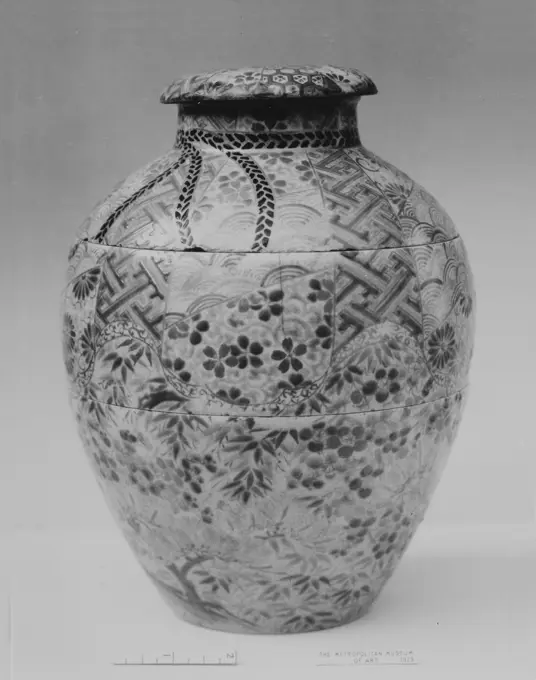
Cake box in tiers 1780 Japan. Cake box in tiers. Japan. 1780. Faience with light glaze, craquelé; decorations in enamels (Kyoto ware, Mizoro type). Edo period (1615-1868). Ceramics
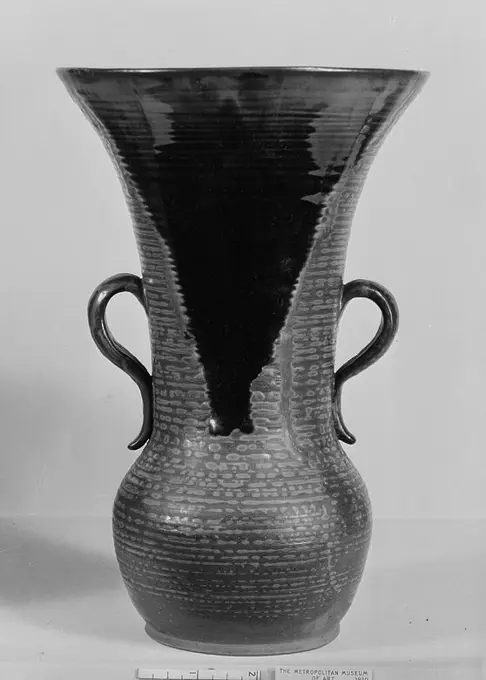
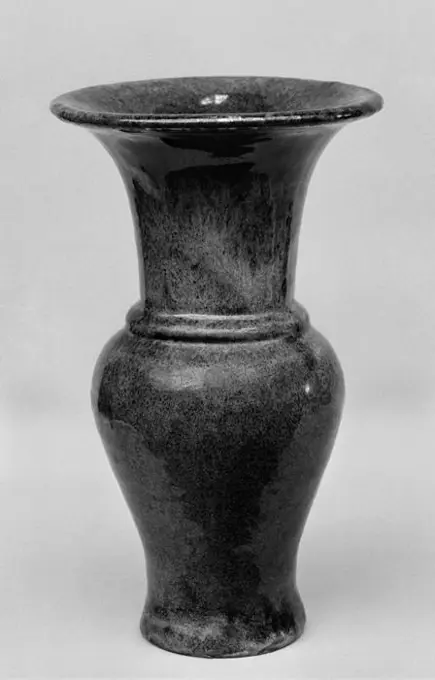
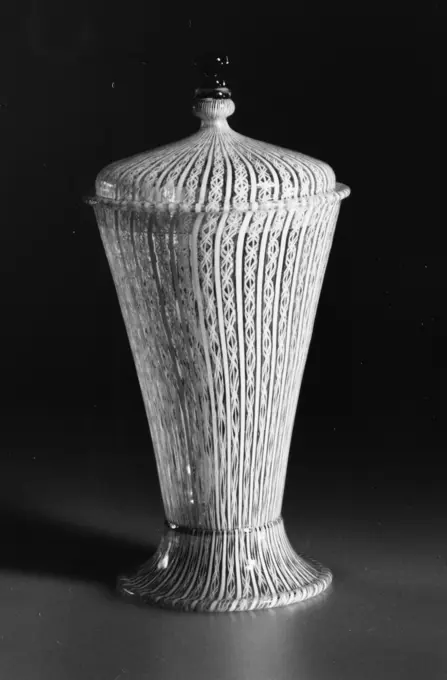
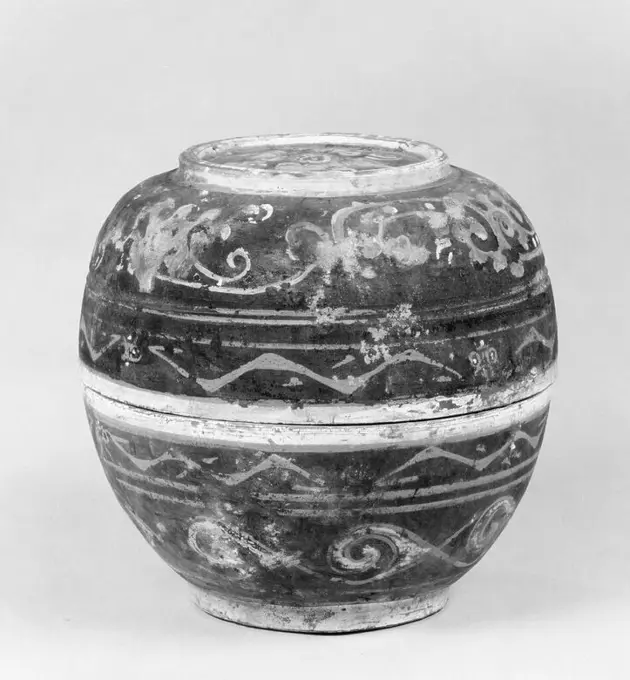
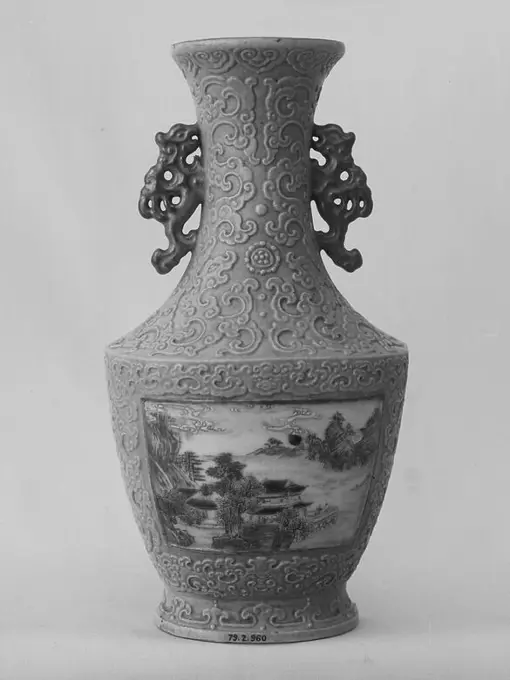
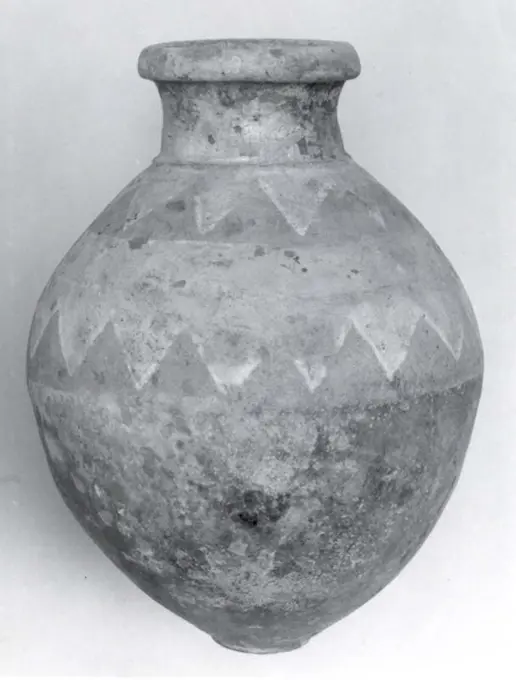
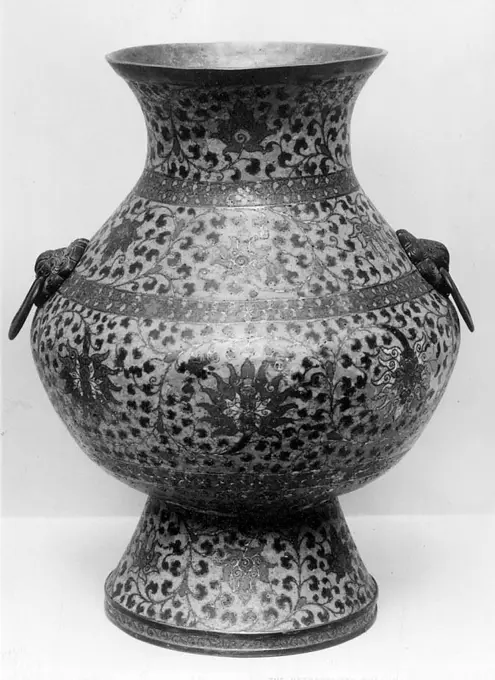
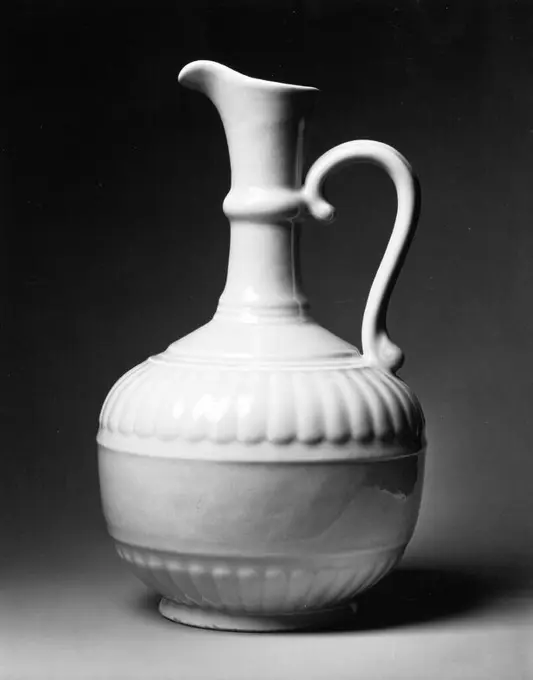
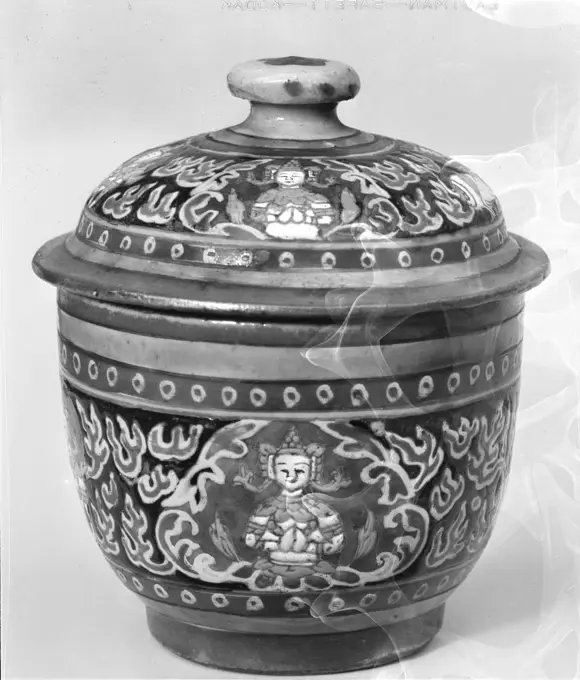
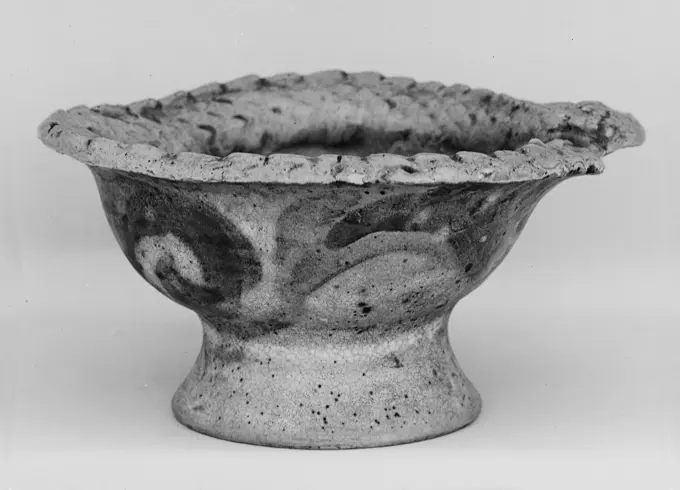
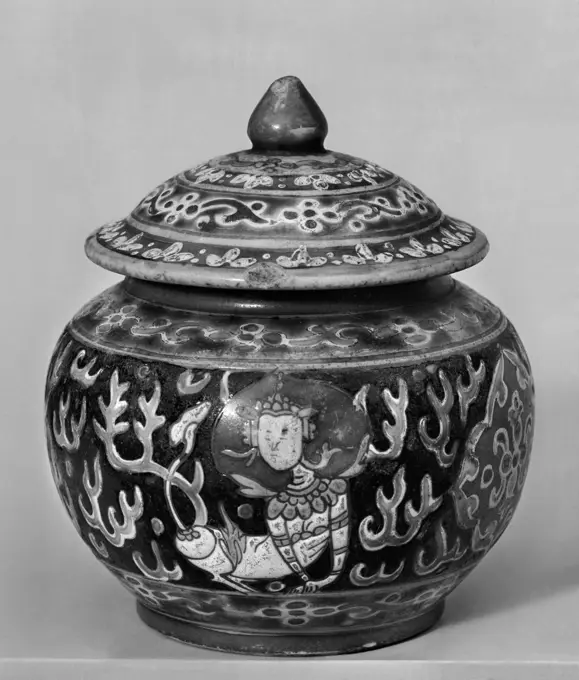
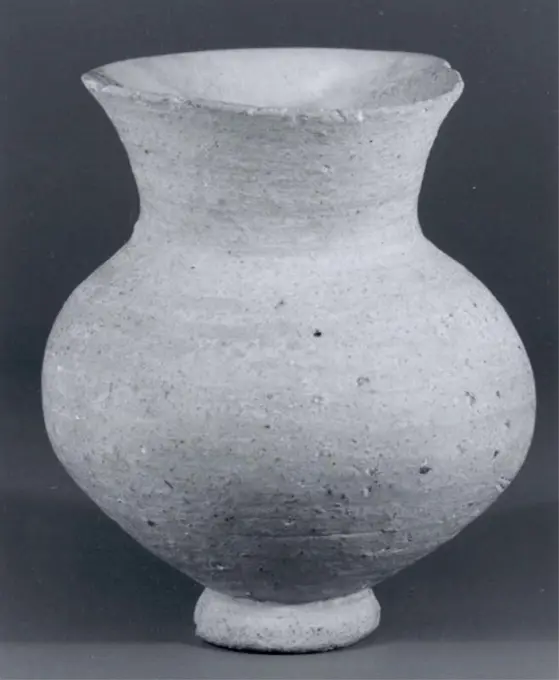
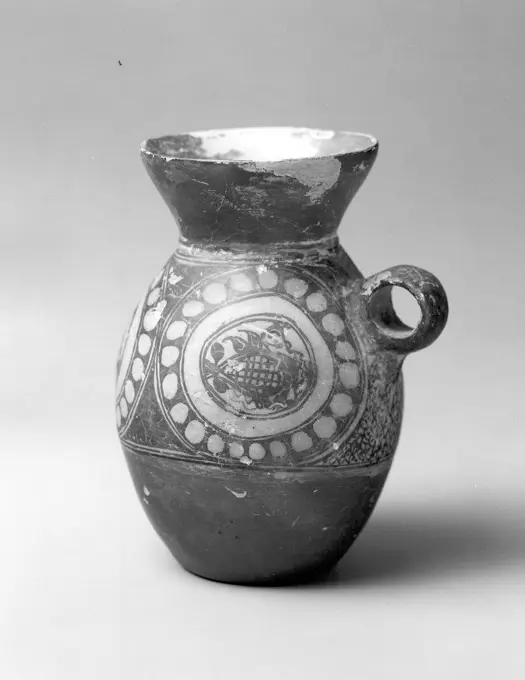
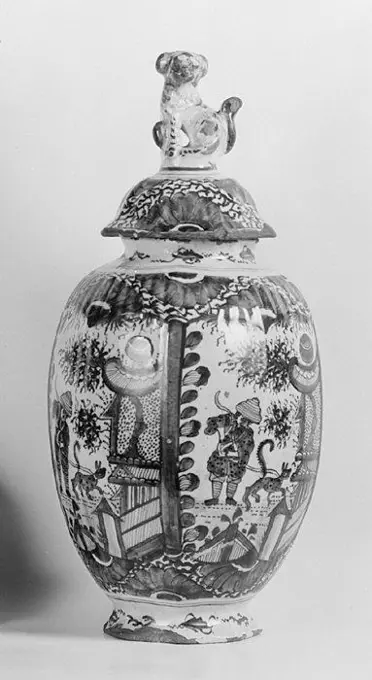
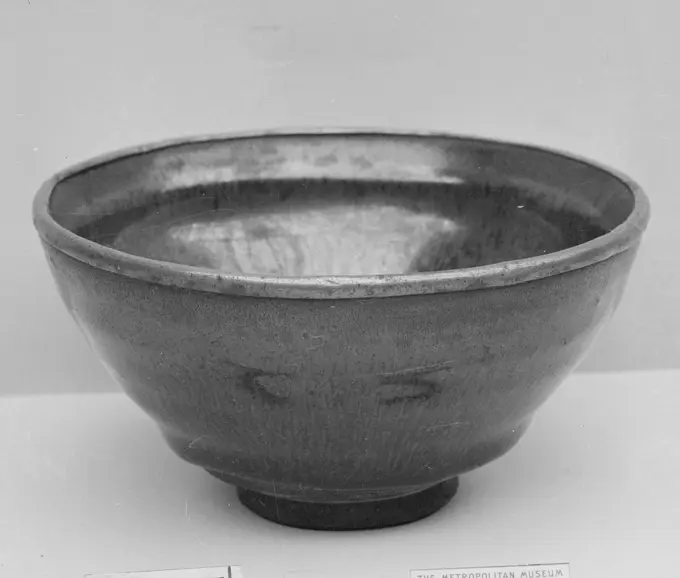
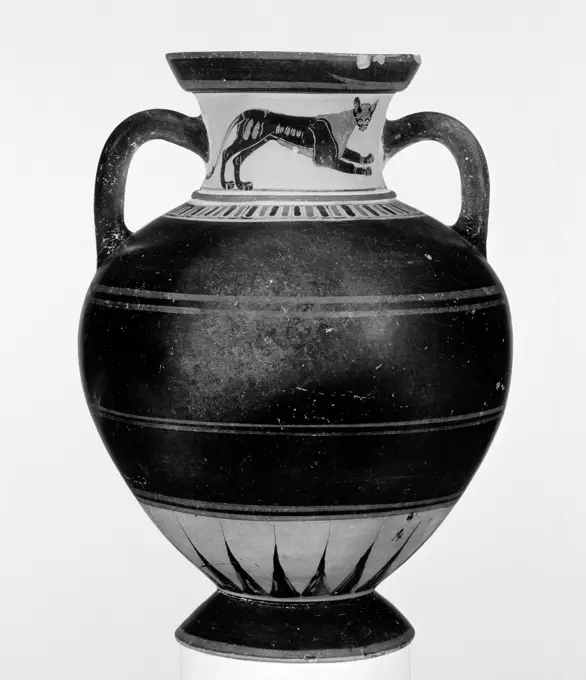
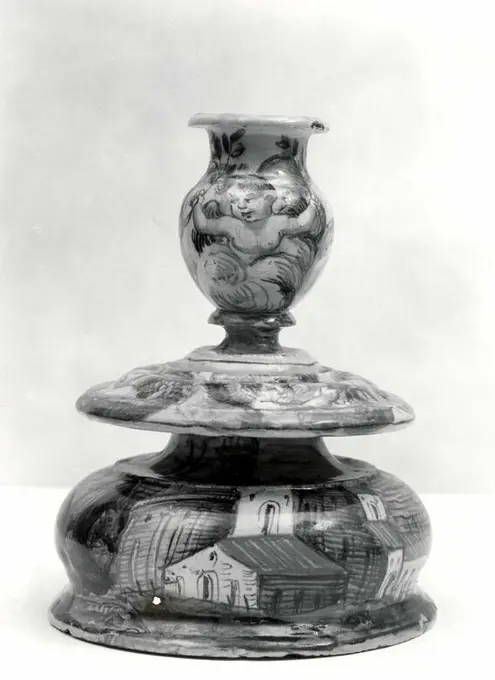
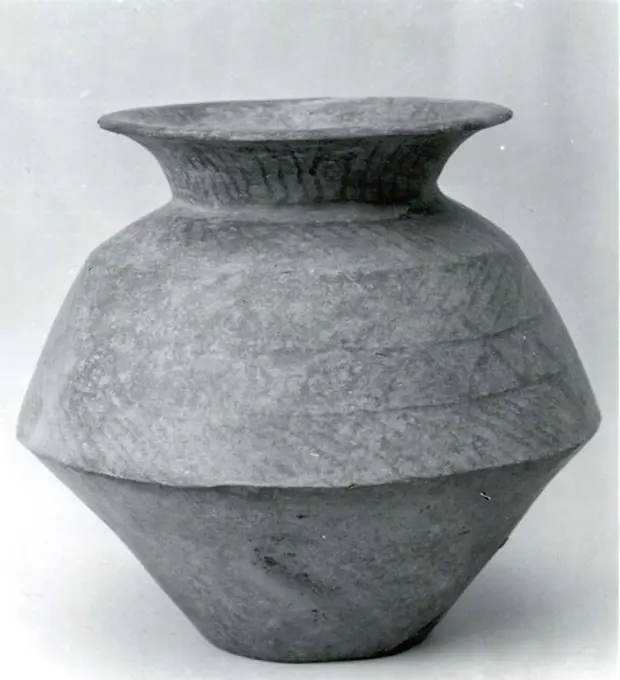
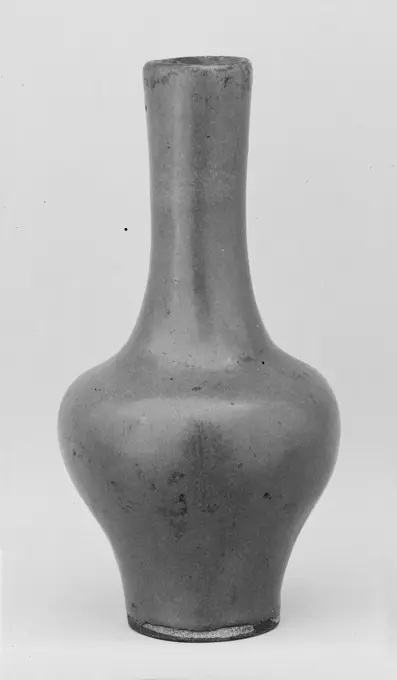
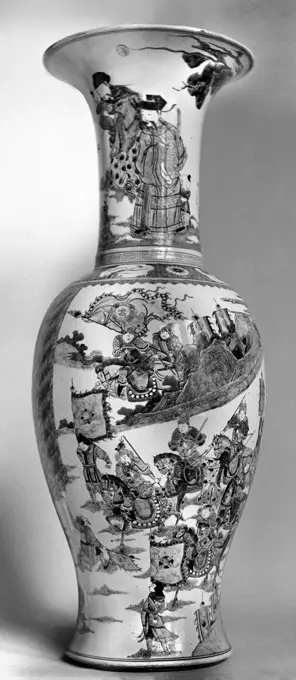
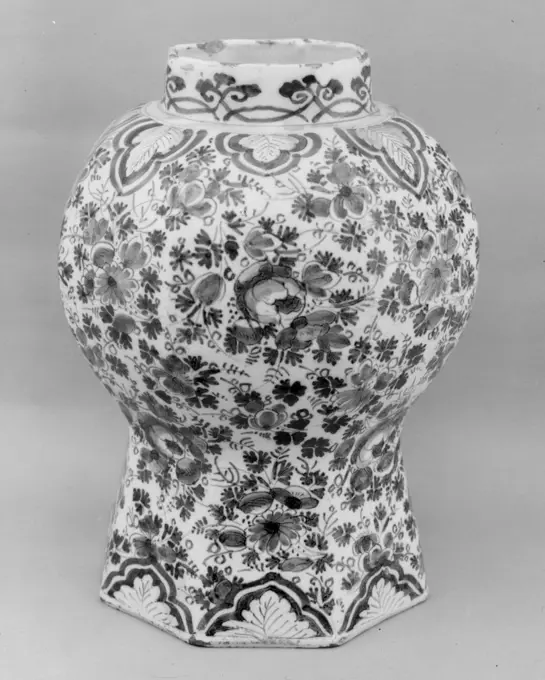
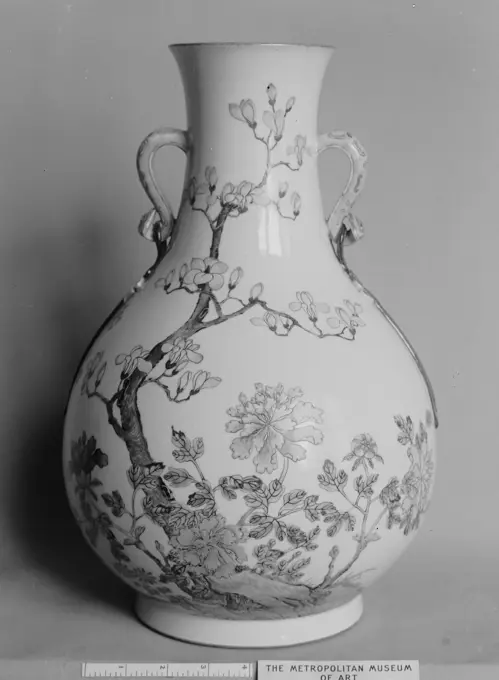
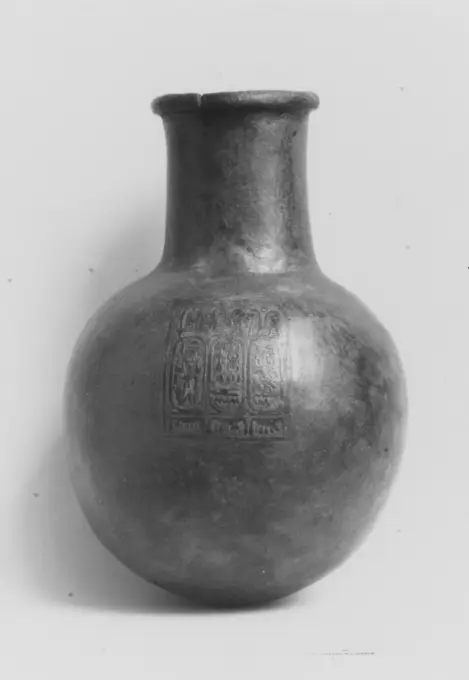
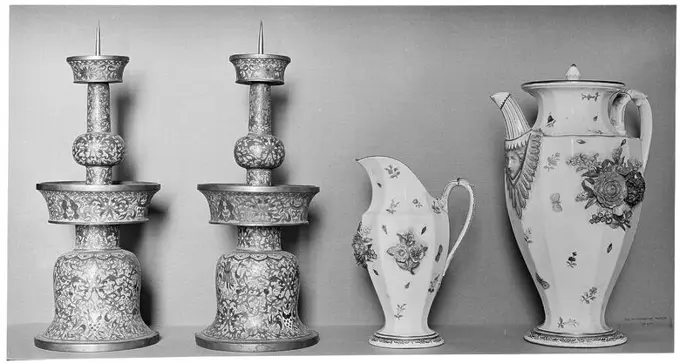
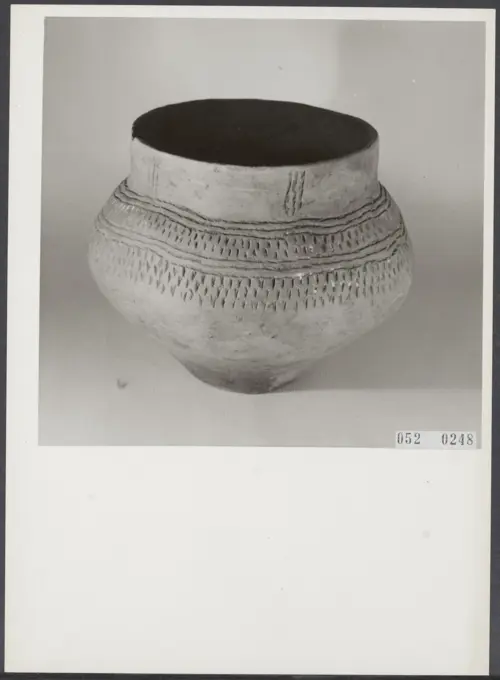
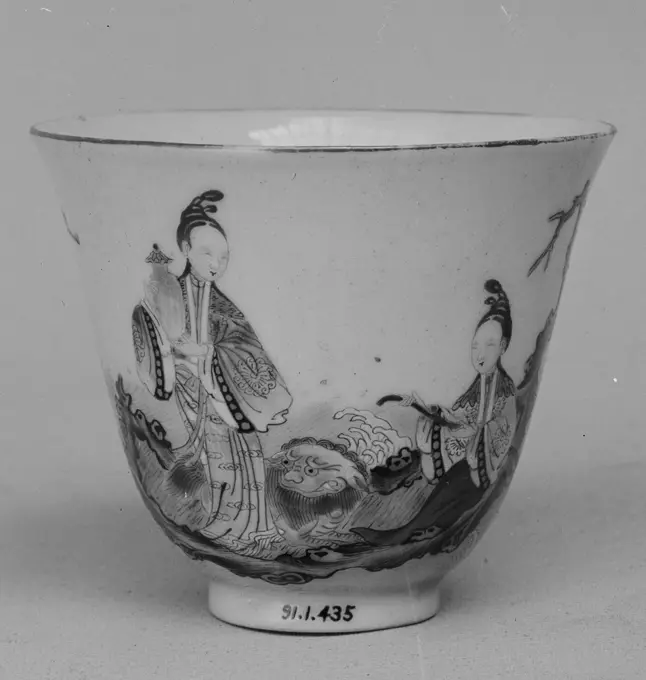
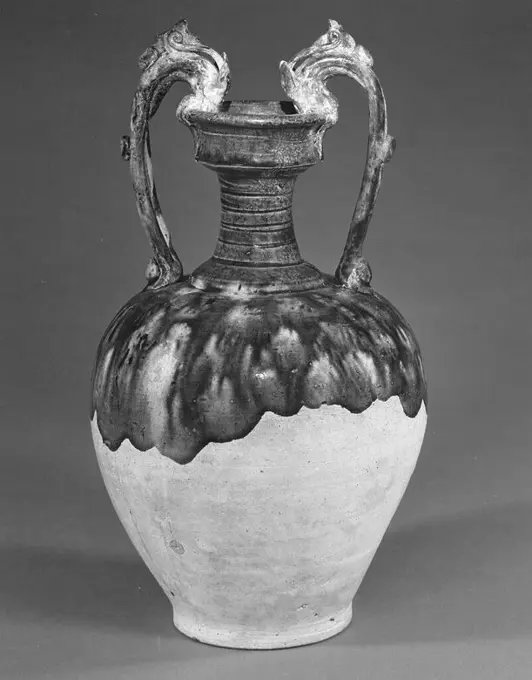
Amphora. Culture: China. Dimensions: H. 11 1/2 in. (29.2 cm). Date: ca. late 7th-first half of 8th century.Owing to their large oval bodies and narrow cylindrical necks, vessels of this type have traditionally been called "amphorae" and were said to be based on the ancient Greek jar with essentially the same contours. Recently, however, it has been suggested that the shape is derived from Roman glass and metalwork that came to China over the Silk Road. This Western shape has been modified here by the addition of two Chinese features, the high, arched dragon-headed handles and a cupped mouth. Museum: Metropolitan Museum of Art, New York, USA.Bottle ca. 1700 Japan. Bottle. Japan. ca. 1700. Clay, metallic underglaze with thick, flecked overglaze, strongly iridescent (Seto ware). Edo period (1615-1868). CeramicsCricket cage 18th-19th century China. Cricket cage 60720Mortuary Vase. Culture: China. Dimensions: H. 5 1/4 in. (13.3 cm); Diam. 4 1/2 in. (11.4 cm). Museum: Metropolitan Museum of Art, New York, USA.Vase. Culture: Japan. Dimensions: H. 12 in. (30.5 cm); Diam. 8 in. (20.3 cm). Date: 1825. Museum: Metropolitan Museum of Art, New York, USA.Vase. Culture: Japan. Dimensions: H. 9 7/8 in. (25.1 cm); Diam. 6 1/4 in. (15.9 cm). Date: ca. 1750. Museum: Metropolitan Museum of Art, New York, USA.Vase 18th century China. Vase. China. 18th century. Stoneware with Jun-type glaze (Shiwan ware). Qing dynasty (1644-1911). CeramicsCovered beaker 16th century Italian, Venice. Covered beaker 461504Covered Bowl (He). Culture: China. Dimensions: H. 6 7/8 in. (17.5 cm); Diam. 7 5/16 in. (18.5 cm).Instead of being glazed, some tomb pottery was decorated with pigments applied after firing to mimic the form and decor of vessels made of more precious materials such as lacquer or bronze. Museum: Metropolitan Museum of Art, New York, USA.Cake box in tiers 1780 Japan. Cake box in tiers. Japan. 1780. Faience with light glaze, craquelé; decorations in enamels (Kyoto ware, Mizoro type). Edo period (1615-1868). CeramicsSpittoon. Kwispoor van Geelkoper, inlaid with red copper heart-shaped leaves. Arabic or Indian.Jar ca. 1400 Japan. Jar 49271Vessel 1st millennium B.C. Iran. Vessel 325823Wall Vase. Culture: China. Dimensions: H. 6 3/4 in. (17.1 cm); W. 3 1/2 in. (8.9 cm). Date: late 18th-19th century. Museum: Metropolitan Museum of Art, New York, USA.Pilgrim bottle 18th century French, La Grésigne (Languedoc). Pilgrim bottle. French, La Grésigne (Languedoc). 18th century. Glass. GlassOinochoe 8th century B.C. Greek, Attic. Oinochoe. Greek, Attic. 8th century B.C.. Terracotta. Geometric. VasesJar with geometric decoration ca. 6th century B.C. Babylonian. Jar with geometric decoration 324625Vase China. Vase. China. Cloisonné enamel on copper. Ming dynasty (1368-1644). CloisonnéVase. Culture: China. Dimensions: H. 15 3/4 in. (40 cm). Date: 19th century. Museum: Metropolitan Museum of Art, New York, USA.Water Bottle. Culture: British (American market). Dimensions: H. 9 1/8 in. (23.2 cm). Date: 1720-50. Museum: Metropolitan Museum of Art, New York, USA.Sugar Bowl 1780-1820 American or British. Sugar Bowl 7933Bowl. Culture: China. Dimensions: H. 15 1/4 in. (38.7 cm). Date: late 18th-first half of the 19th century. Museum: Metropolitan Museum of Art, New York, USA.Miniature jar ca. 9th-7th century B.C. Assyrian. Miniature jar 324632Ewer. Culture: China. Dimensions: H. 12 1/4 in. (31.1 cm). Museum: Metropolitan Museum of Art, New York, USA.Two vases 1st-2nd century China. Two vases. China. 1st-2nd century. Earthenware with green glaze. Han dynasty (206 B.C.-A.D. 220). CeramicsCake dish. Culture: Japan. Dimensions: H. 4 1/2 in. (10.8 cm); Diam. 7 3/4 in. (19.7 cm). Date: 18th century. Museum: Metropolitan Museum of Art, New York, USA.Covered bowl with Thai mythical figures 19th century China. Covered bowl with Thai mythical figures. China. 19th century. Porcelain painted in overglaze polychrome enamels (Bencharong ware for Thai market). Qing dynasty (1644-1911). CeramicsVessel Handle. UnknownPūngī late 19th century Indian. Pūngī 500844Pocket Bottle ca. 1821-40 American. Pocket Bottle 6601Amphora with dragon-shaped handles ca. late 7th-first half of 8th century China. Amphora with dragon-shaped handles 49194Two-handled vase with cover second half 19th century Mounts probably after designs by Reinhold Vasters German. Two-handled vase with cover 198802Vase 20th century China. Vase. China. 20th century. Pottery. CeramicsDouble gourd bottle with flowers early 16th century China. Double gourd bottle with flowers 48624Bowl ca. 13th-14th century China. Bowl. China. ca. 13th-14th century. Stoneware with dark reserve designs on lighter variegated field; tortoiseshell glaze on reverse (Jizhou ware). Southern Song (1127-1279)-Yuan (1271-1368) dynasty. CeramicsDish 19th century Japan. Dish. Japan. 19th century. Clay covered with a green glaze (Kyoto ware). Edo (1615-1868) or Meiji period (1868-1912). CeramicsCricket cage 18th-19th century China. Cricket cage 60717Large Pear-Shaped Jar. Culture: Japan. Dimensions: H. 13 1/2 in. (34.3 cm); Diam. at mouth 7 1/2 in. (19.1 cm). Date: 18th-19th century. Museum: Metropolitan Museum of Art, New York, USA.Jar. Culture: Japan. Dimensions: H. 5 3/4 in. (14.6 cm). Date: 19th century. Museum: Metropolitan Museum of Art, New York, USA.Covered jar with Thai mythical figures 19th century China. Covered jar with Thai mythical figures. China. 19th century. Porcelain painted in overglaze polychrome enamels (Bencharong ware for Thai market). Qing dynasty (1644-1911). CeramicsCovered Bowl. Culture: China. Dimensions: H. 4 1/2 in. (11.4 cm); Diam. 3 7/8 in. (9.8 cm). Date: late 18th-19th century. Museum: Metropolitan Museum of Art, New York, USA.Jar ca. 17th-16th century B.C. Iran. Jar 325940Snuff Bottle China. Snuff Bottle 41703Vessel decorated with birds ca. 8th-9th century A.D. Western Central Asia. Vessel decorated with birds 327473Jar with cover (part of a garniture) 18th century Dutch, Delft. Jar with cover (part of a garniture) 187748 Dutch, Delft, Jar with cover (part of a garniture), 18th century, Tin-glazed earthenware, Overall (with cover): 14 1/4  6 1/2 in. (36.2  16.5 cm). The Metropolitan Museum of Art, New York. Gift of Henry G. Marquand, 1894 (94.4.118a, b)Lazio Viterbo Tarquinia Palazzo Vitelleschi29. Hutzel, Max 1960-1990 Exterior views of Palazzo and museum as well as interior courtyard views and interior views of vaulting. 15th cent. gothic architecture (1436-39, 1460-90). Inside palazzo is the Cappella gentilizia, 15th century, and the antecappella, with frescoes of the story of Lucrezia alternating with the cardinal virtues. Antiquities: Phoenician: faience. Etruscan: sarcophagi; pottery; bronze implements (weapons, vessels, mirrors, candelabra). Gold jewelry. Terracotta masks, statuettes and votive objects. Roman: marble statues, bronze vessels, pottery. Object Notes: Hutzel photo campaign dates: February 15, 1984 and November 9, 1985. It appears that there may have been another campaign for which there are no notes. Palazzo Vitelleschi houses the Museo Nazionale Tarquiniese, antiquities prints are located in antiquities section. Only a few of the antiquities prints are matched to negatives. However, the NNP numbers follow the higBottle 12th-9th century B.C. Tlatilco. Bottle. Tlatilco. 12th-9th century B.C.. Ceramic. Mexico, Mesoamerica. Ceramics-ContainersBottle vase 18th century China. Bottle vase 46947Cricket cage 18th-19th century China. Cricket cage 60753Covered Bowl. Culture: China. Dimensions: H. 4 3/8 in. (11.1 cm); Diam. 3 3/4 in. (9.5 cm). Date: late 18th-19th century. Museum: Metropolitan Museum of Art, New York, USA.Piggin 1700-1800. Piggin 5641Chalice ca. 1813-56 Israel Trask. Chalice. American. ca. 1813-56. Pewter. Made in Beverly, Massachusetts, United StatesWater Bottle ca. 1755 British (American market). Water Bottle. British (American market). ca. 1755. Stoneware. Made in Staffordshire, EnglandTureen with cover Factory Veuve Perrin Factory ca. 1750-70 Faience, or tin-glazed and enameled earthenware, first emerged in France during the sixteenth century, reaching widespread usage among elite patrons during the seventeenth and early eighteenth centuries, prior to the establishment of soft-paste porcelain factories. Although characterized as more provincial in style than porcelain, French faience was used at the court of Louis XIV as part of elaborate meals and displays, with large-scale vessels incorporated into the Baroque garden designs of Versailles. Earlier examples of French faience attest to the strong influence of maiolica artists from Italy. Later works demonstrate the ways in which cities such as Nevers, Rouen, Lyon, Moustiers, and Marseille developed innovative vessel shapes and decorative motifs prized among collectors throughout Europe. While faience can be created from a wide mixture of clays, it is foremost distinguished by the milky opaque white color achieved byBowl China. Bowl. China. Dark brown ware with thick black glaze streaked with brown; metal rim (Jian ware). Song dynasty (960-1279). CeramicsJar early 18th century China. Jar. China. early 18th century. Porcelain with yellow glaze (Jingdezhen ware), copper mounth rim. Qing dynasty (1644-1911), Kangxi period (1662-1722). CeramicsBowl. Culture: India. Dimensions: H. 3 1/16 in. (7.7 cm); W. 8 1/8 in. (20.6 cm). Date: 18th century. Museum: Metropolitan Museum of Art, New York, USA.Jug ca. 1725 Justus Alexander Ernst Glüer German. Jug 207990Gourd-shaped bottle 16th century China. Gourd-shaped bottle 47511Attic Black-Figure Neck Amphora (Ovoid). UnknownEmilia-Romagna Ferrara Ferrara Museo Civico di Schifanoia22. Hutzel, Max 1960-1990 General Notes: INCOMPLETE RECORD--NEGATIVES PROCESSED, PRINTS FILED German-born photographer and scholar Max Hutzel (1911-1988) photographed in Italy from the early 1960s until his death. The result of this project, referred to by Hutzel as Foto Arte Minore, is thorough documentation of art historical development in Italy up to the 18th century, including objects of the Etruscans and the Romans, as well as early Medieval, Romanesque, Gothic, Renaissance and Baroque monuments. Images are organized by geographic region in Italy, then by province, city, site complex and monument.Jar ca. 6000-5400 B.C. Hacilar. Jar 325697Vase 18th century Japan. Vase. Japan. 18th century. Clay covered with streaked glaze (Seto ware). Edo period (1615-1868). CeramicsTea Jar 18th century Japan. Tea Jar 62706Jug 16th century British. Jug 209457Maiolica: Candlestick (candeliere). Culture: Italian (probably Urbino). Dimensions: Height: 7 3/8 in. (18.7 cm). Date: ca. 1560-80. Museum: Metropolitan Museum of Art, New York, USA.Jar ca. 3rd-7th century A.D. Sasanian Plain unglazed ceramics, like this jar, are the most common type of pottery found during the Sasanian period. These plain vessels were part of the everyday household materials. Ceramics during this period were mostly wheel-made. The two handles on this jar have been broken, but would have extended from the rim to the shoulder of the jar. It was excavated from a house at the site of Maaridh II in the Ctesiphon area. The city of Ctesiphon was located on the east bank of the Tigris River, 20 miles (32 km) south of modern Baghdad in Iraq. It flourished for more than 800 years as the capital of the Parthians and the Sasanians, the last two dynasties to rule the ancient Near East before the Islamic conquest in the seventh century. Systematic excavations in the Ctesiphon area were undertaken by an expedition in 1928-29 sponsored by the German Oriental Society (Deutsche Orient-Gesellschaft). The Metropolitan Museum of Art and the Staatliche Museen, BerlinVessel ca. 3000-2250 BC Iran This biconical pottery vessel has a sharp edge around its middle where the two halves of the vessel were joined. It also has an abrupt shoulder and a wide, flaring rim. It is made of grey clay using a potters wheel, and decorated with several horizontal registers of hatching.This vessel was excavated at Tureng Tepe in what is today northeastern Iran, near the modern city of Gorgan. During the Bronze Age Tureng Tepe was a large settlement, possibly even with a mudbrick palace at the center of town. In this period the dead were buried under the floors of houses, indicating perhaps a belief that they continued to play an important role in family affairs. Pottery vessels such as this one were placed in these graves. The shape of this vessel provides no hint of what it was used for. Possibly it was a drinking vessel, to be used with a straw, but this is only a guess. It also unclear whether these vessels were used on a daily basis or specifically for funerary rLazio Viterbo Viterbo Museo Civico24. Hutzel, Max 1960-1990 Views of paintings (Middle Ages through 18th c.), frescoes, a tabernacle, coffin, sculpture reliefs, portal fragments, busts, sculpture, tapestry found in the Pinacoteca, Second floor gallery and Second floor cloister sequences. Antiquities: Many views of Etruscan and Roman fragments, sculpture, sarcophagi, pottery, masks, jewelry and other objects found in the Storeroom sequence (inventory numbers on back of prints), and the Cloister, Second floor Cloister, Valle Giulia, Sala Romana and Sala Etrusca sequences. General Notes: There are eight separate numerical sequences for this location. The cloister as an architectural structure, rather than museum site, is documented in the record and file for S. Maria della Verita, Cloister, all views of which are stored in Medieval core collection. Five views from the Museo Civico Second floor cloister sequence are stored in Medieval. German-born photographer and scholar Max Hutzel (1911-Whiskey Taster 1840-60. Whiskey Taster. 1840-60. Lacy pressed glassVase 18th century Japan. Vase. Japan. 18th century. Clay covered with glaze (Kyoto ware). Edo period (1615-1868). CeramicsVase 1830-70 American. Vase. American. 1830-70. Parian porcelain. Probably made in Bennington, Vermont, United StatesCampania Salerno Nocera Inferiore Museo dell'Agro Nocerino01. Hutzel, Max German-born photographer and scholar Max Hutzel (1911-1988) photographed in Italy from the early 1960s until his death. The result of this project, referred to by Hutzel as Foto Arte Minore, is thorough documentation of art historical development in Italy up to the 18th century, including objects of the Etruscans and the Romans, as well as early Medieval, Romanesque, Gothic, Renaissance and Baroque monuments. Images are organized by geographic region in Italy, then by province, city, site complex and monument.Wine Bottle 19th century Japan. Wine Bottle. Japan. 19th century. Clay with thin salt glaze (Bizen ware, Imbe style). Edo (1615-1868) or Meiji period (1868-1912). CeramicsVase with scene from Romance of the Three Kingdoms late 17th-early 18th century China. Vase with scene from Romance of the Three Kingdoms. China. late 17th-early 18th century. Porcelain painted in overglaze polychrome enamels (Jingdezhen ware). Qing dynasty (1644-1911), Kangxi period (1662-1722). CeramicsBottle vase 18th century China. Bottle vase. China. 18th century. Porcelain with turqoise blue glaze (Jingdezhen ware). Qing dynasty (1644-1911). CeramicsCup 15th-16th century Dutch. Cup 196579Campania Caserta Capua Museo Campano008. Hutzel, Max 1960-1990 Medieval: Byzantine architectural fragments; parchment fragments with miniatures (12th century) from Montecassino; painted wooden crucifix (13th century); Carolingian crucifixes; Bishop's miter (11th century) of gold and silver damask; fresco (13th century). Post-medieval: Architecture (15th century). Formerly the Palazzo Antignano. Unusual Catalan/Moorish-style portal; Paintings on panel and canvas (15th-18th centuries); marble intarsia (16th century); marble sculpture: busts of Christ and Mary (17th century); sculpture of saints in marble and in wood (15th century); painted and gilded sculpture in wood; marble grave sculpture (16th century); sarcophagus with allegorical carvings; gold reliquary "Rosa d'Oro"; crucifix made of elephant tusk Specific Location: Pianterreno Antiquities: Italic sculpture (seated women holding babies); inscription. Photo campaign #1: 533 photos. Roman relief and sculpture; cinerary urns; Greek aGrain Scoop China. Grain Scoop 52528Campania Caserta Capua Museo Campano032. Hutzel, Max 1960-1990 Medieval: Byzantine architectural fragments; parchment fragments with miniatures (12th century) from Montecassino; painted wooden crucifix (13th century); Carolingian crucifixes; Bishop's miter (11th century) of gold and silver damask; fresco (13th century). Post-medieval: Architecture (15th century). Formerly the Palazzo Antignano. Unusual Catalan/Moorish-style portal; Paintings on panel and canvas (15th-18th centuries); marble intarsia (16th century); marble sculpture: busts of Christ and Mary (17th century); sculpture of saints in marble and in wood (15th century); painted and gilded sculpture in wood; marble grave sculpture (16th century); sarcophagus with allegorical carvings; gold reliquary "Rosa d'Oro"; crucifix made of elephant tusk Specific Location: Pianterreno Antiquities: Italic sculpture (seated women holding babies); inscription. Photo campaign #1: 533 photos. Roman relief and sculpture; cinerary urns; Greek aVase. Culture: China. Dimensions: H. 7 1/2 in. (19.1 cm); W. 3 3/4 in. (9.5 cm); D. 1 1/2 in. (3.8 cm). Museum: Metropolitan Museum of Art, New York, USA.Pitcher 1852-58 United States Pottery Company. Pitcher. American. 1852-58. Parian porcelain. Made in Bennington, Vermont, United StatesTeabowl Japan 19th centuryVase late 17th-early 18th century Dutch, Delft It is a fairly safe assumption that vases of this type (see also 94.4.315) originally would have had high-domed, conforming lids.. Vase 187829 Dutch, Delft, Vase, late 17thearly 18th century, Tin-glazed earthenware, Height: 11 1/4 in. (28.6 cm). The Metropolitan Museum of Art, New York. Gift of Henry G. Marquand, 1894 (94.4.317)Cricket cage 18th-19th century China. Cricket cage 60709Vase 14th-15th century Korea. Vase 57441One-Handled Cup. UnknownVase with Plum, Magnolia, and Peony China. Vase with Plum, Magnolia, and Peony. China. Porcelain painted in overglaze famille-rose enamels. Qing dynasty (1644-1911), Qianlong period (1736-95). CeramicsVase China. Vase. China. Ceramic. CeramicsVase. Culture: China. Dimensions: H. 28 3/4 in. (73 cm). Museum: Metropolitan Museum of Art, New York, USA.Cup with cover ca. 1725 Vienna Derived from French ornament, Laub- und Bandelwerk was used by artists working in many different media. It is often found either molded or engraved in silver, such as on the French beaker 48.187.101, but porcelain enabled the introduction of brilliant color. On the porcelain beaker, the fluted form is highlighted by alternating pendant ornaments, a technique also found on the silver example.. Cup with cover 198652Beaker ca. 1725-30 Meissen Manufactory German. Beaker 203185Vase with lotus pond first half 19th century China. Vase with lotus pond. China. first half 19th century. Porcelain painted in underglaze cobalt blue and copper red (Jingdezhen ware). Qing dynasty (1644-1911). CeramicsBottle ca. 1353-1336 B.C. New Kingdom, Amarna Period This bottle is decorated with the inlaid cartouches of Akhenaten and Nefertiti. The forms of their names indicate that the bottle was made in the later years of the king's reign, when he resided at Amarna. Bottles of this type appear on stands in the banquet and palace storehouse scenes depicted in the tombs at Amarna. These vessels show the skill with which the faience workers of Amarna were able to produce large objects as well as smaller pieces, such as jewelry and inlays.. Bottle 548316Incense Burner 18th century Japan. Incense Burner 52463Coffeepot ca. 1824-ca. 1846 Enoch Wood & Sons British. Coffeepot 2145Flask 1700-1800 American. Flask. American. 1700-1800. Free-blown glass. Made in New Jersey, United StatesCandlestick. Culture: China. Dimensions: H. 12 in. (30.5 cm). Museum: Metropolitan Museum of Art, New York, USA.Elsevier photo collection. Series: Utensils prehistoric time Urn Iron time Someren (N.B.). undatedCup China. Cup. China. Porcelain painted in overglaze polychrome enamels. Qing dynasty (1644-1911), Jiaqing mark and period (1796-1820). Ceramics