Antique Ceramics and Vases

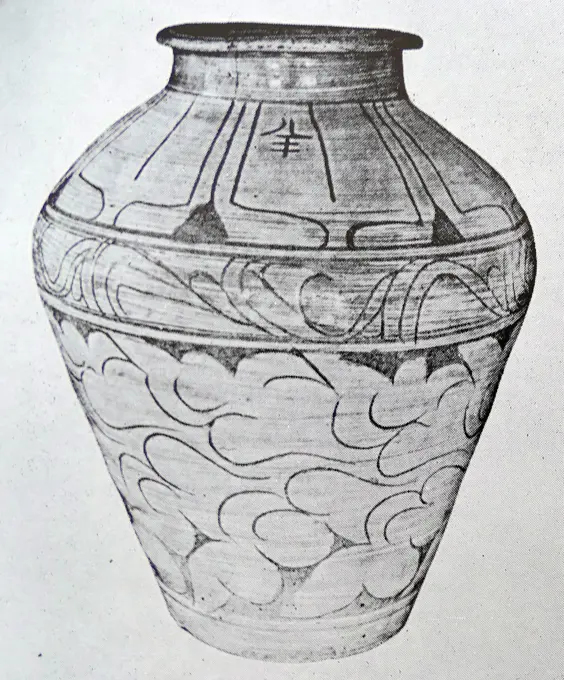
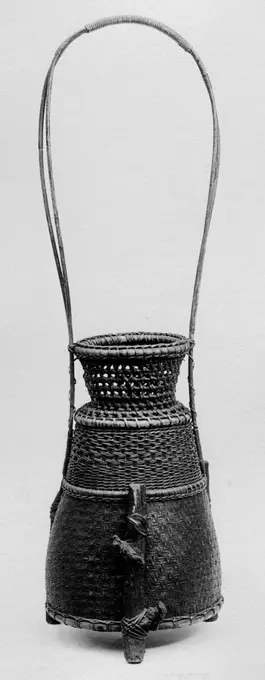
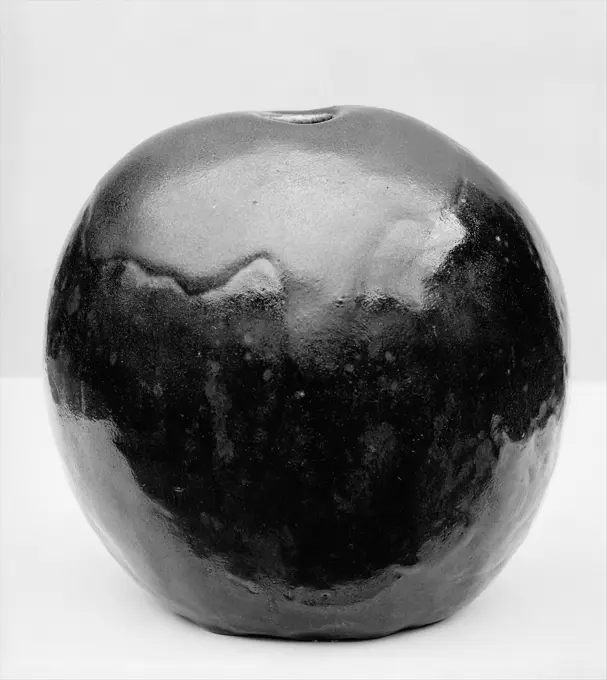
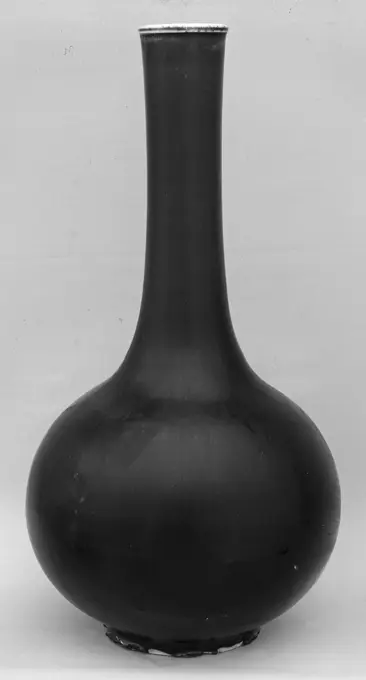
A variety of antique ceramic vessels from China and Japan, showcasing intricate designs and historical significance, including amphorae and bottles.
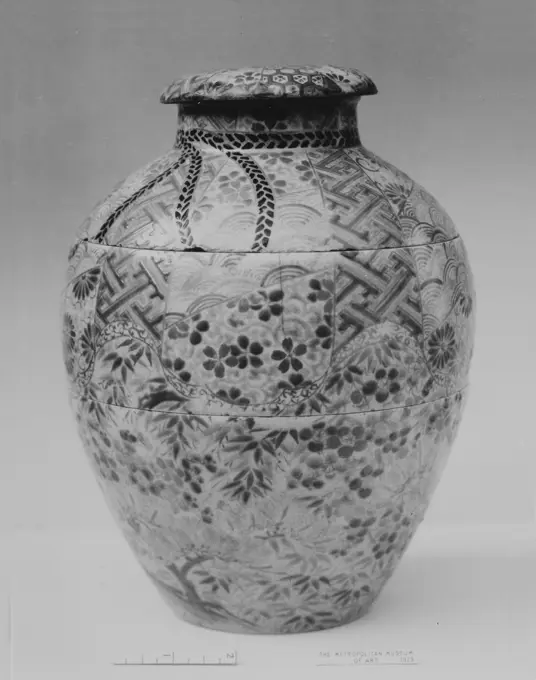
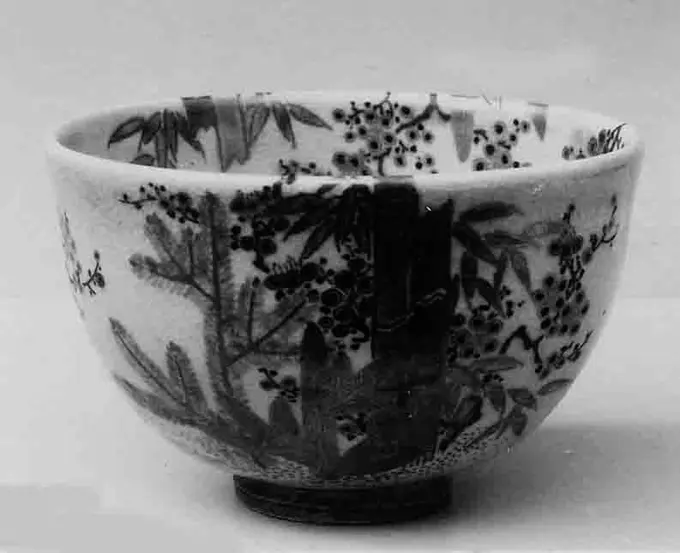
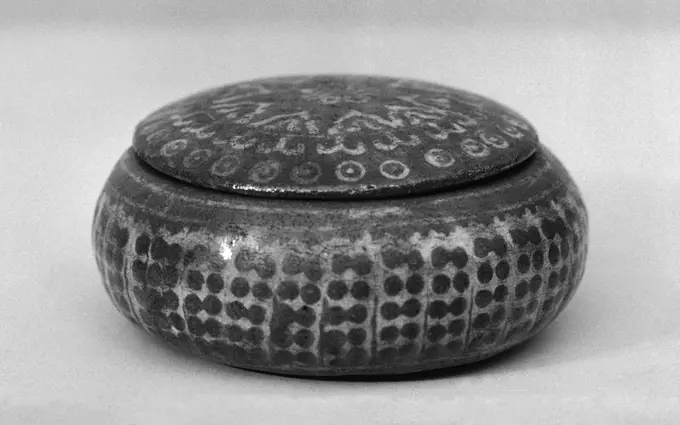
Cake box in tiers 1780 Japan. Cake box in tiers. Japan. 1780. Faience with light glaze, craquelé; decorations in enamels (Kyoto ware, Mizoro type). Edo period (1615-1868). Ceramics
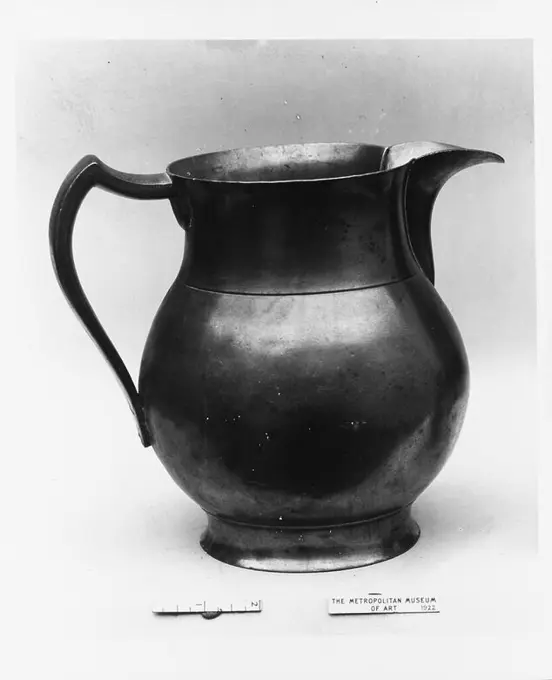
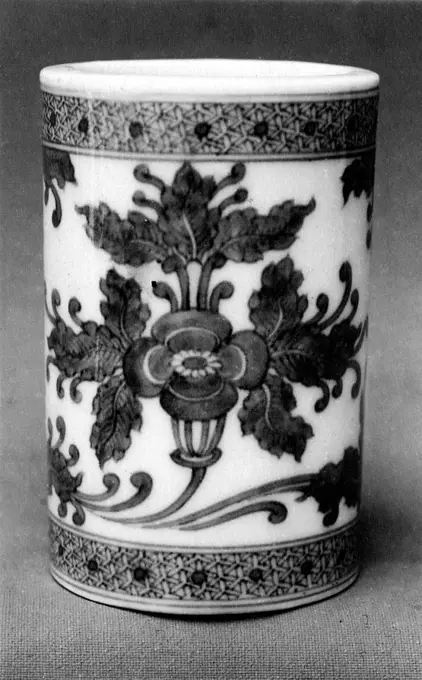
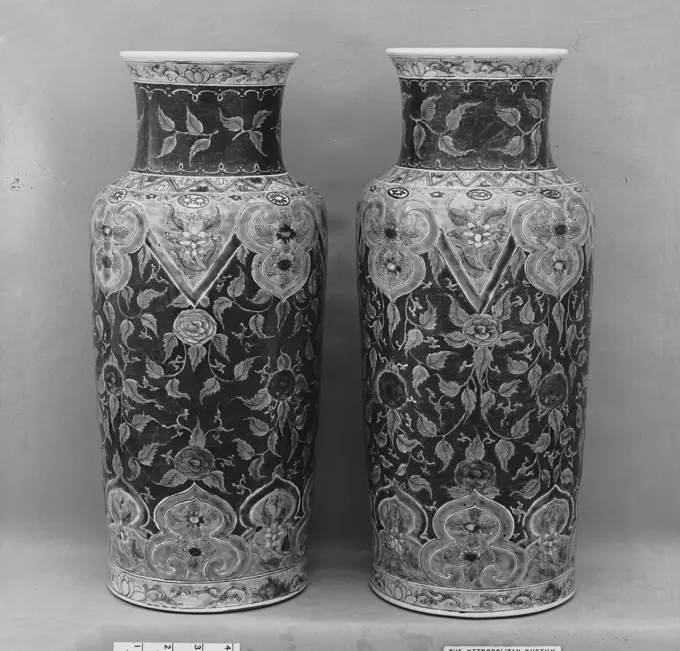
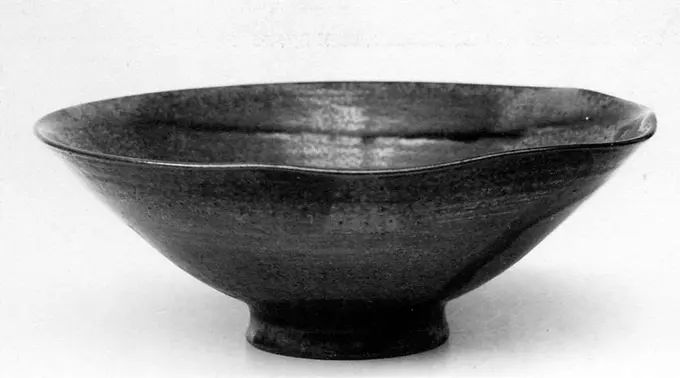
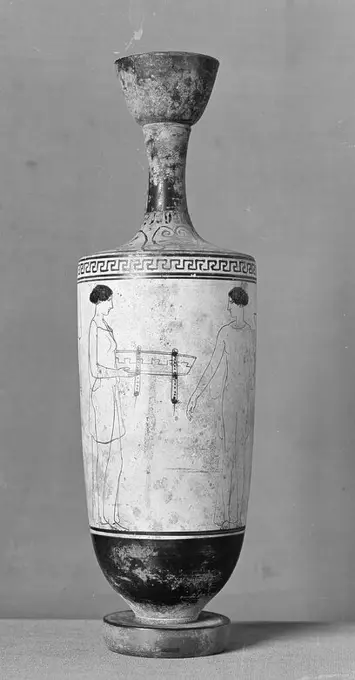
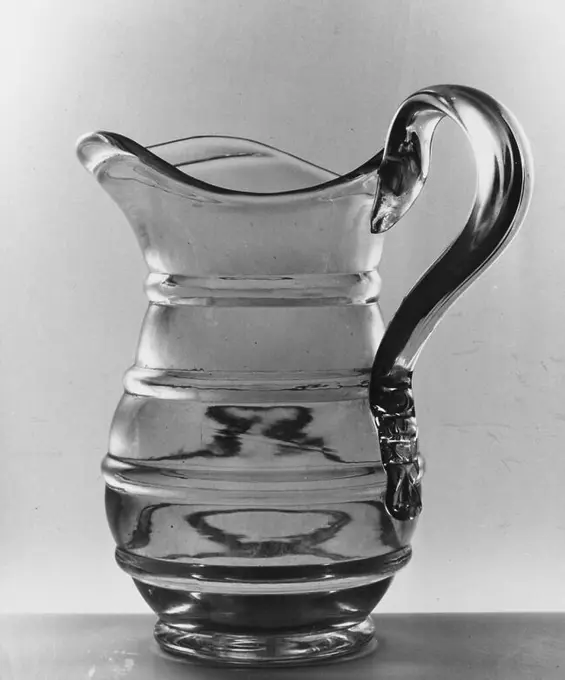
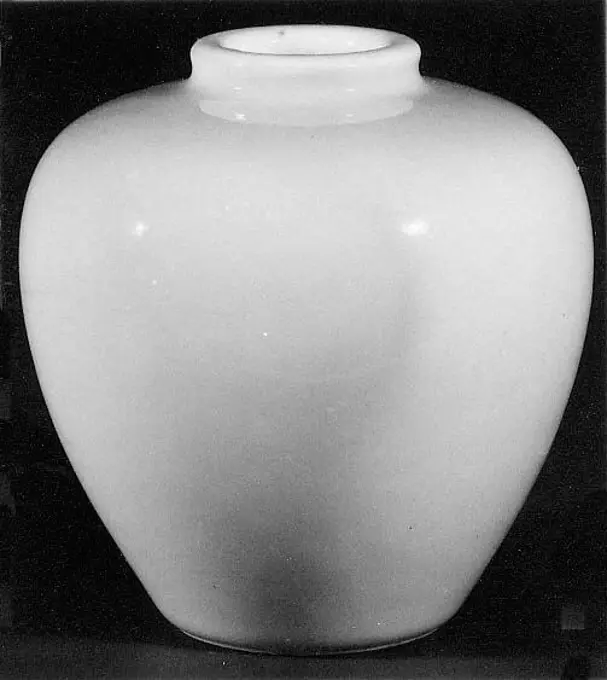
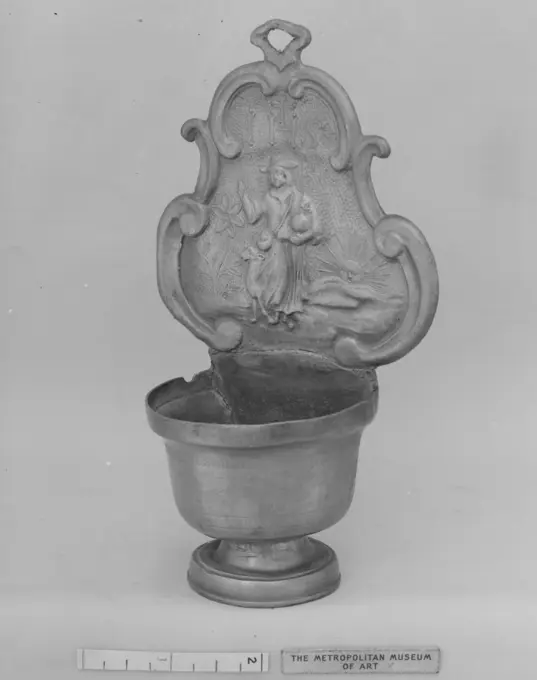
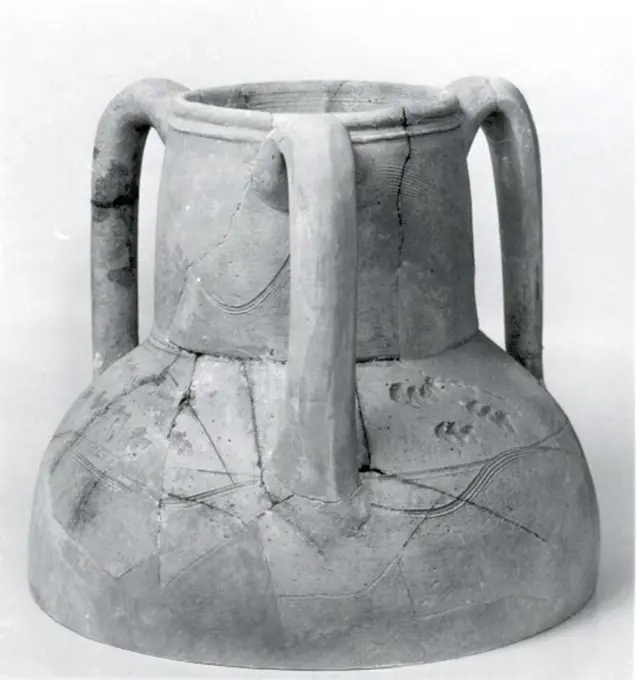
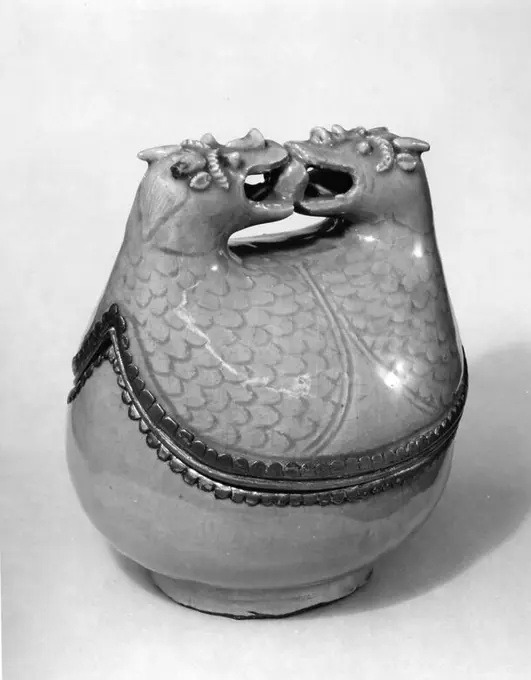
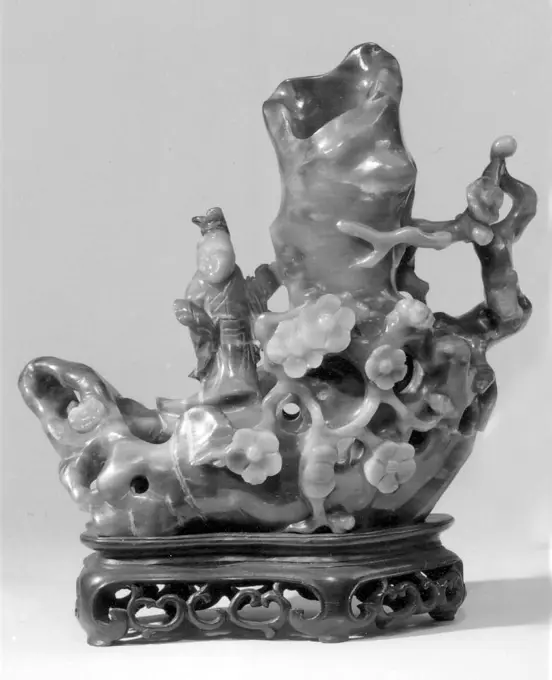
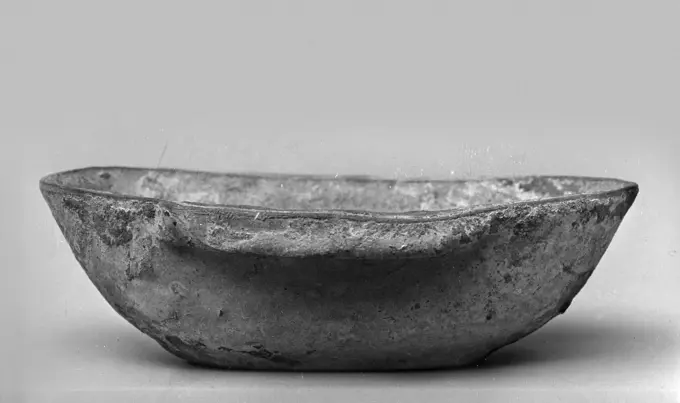
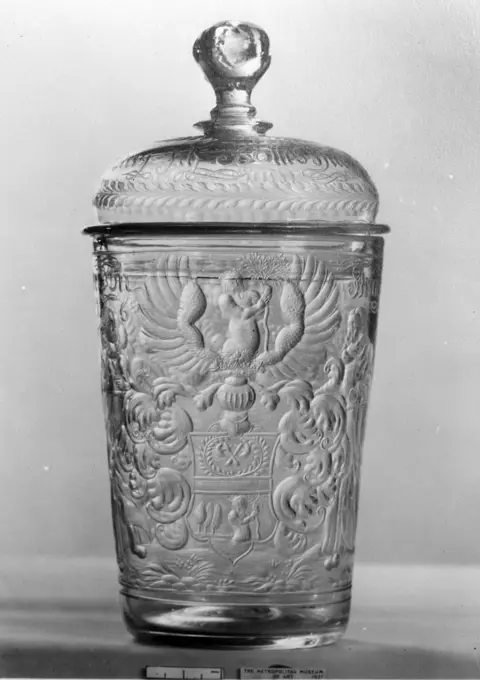
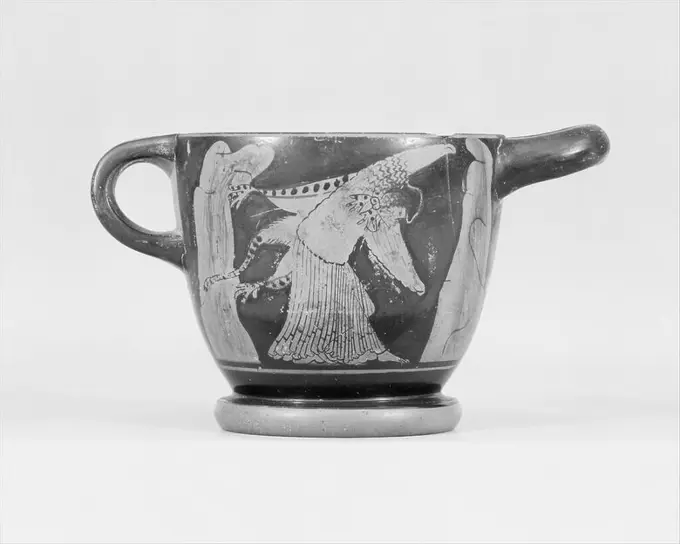
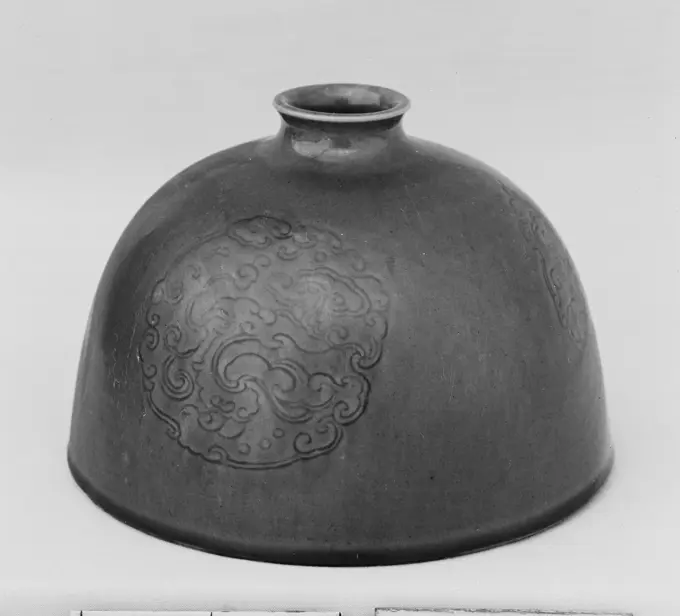
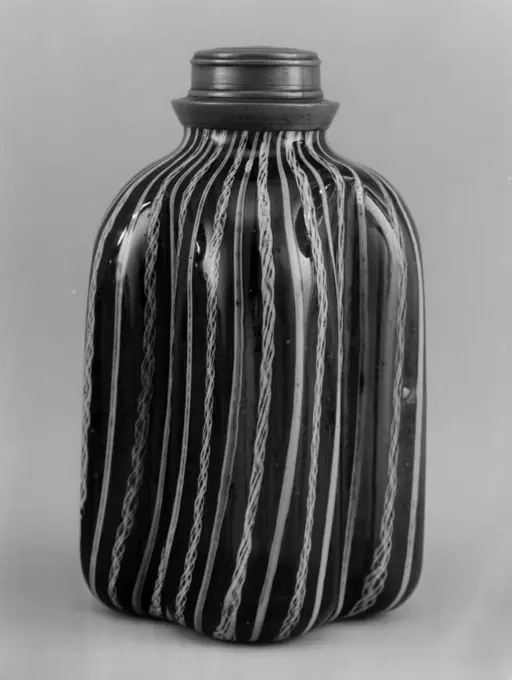
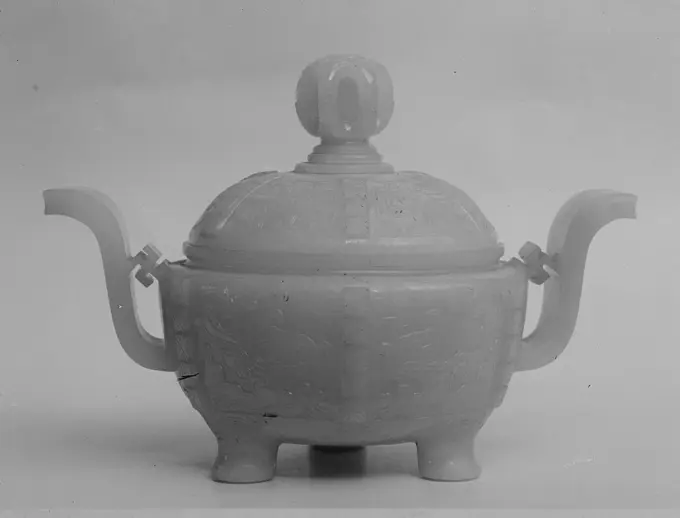
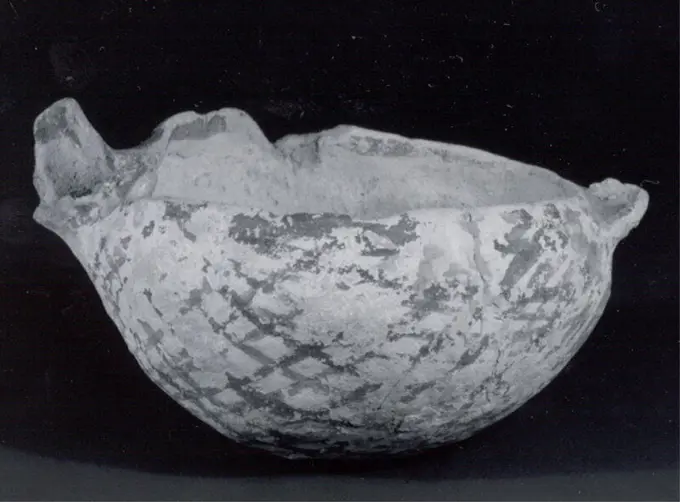
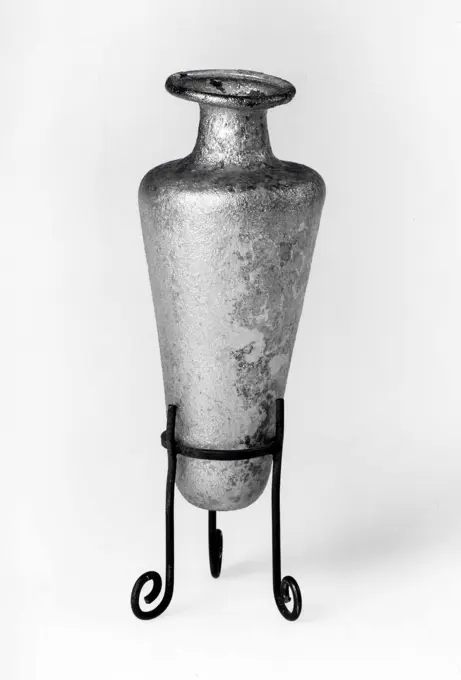
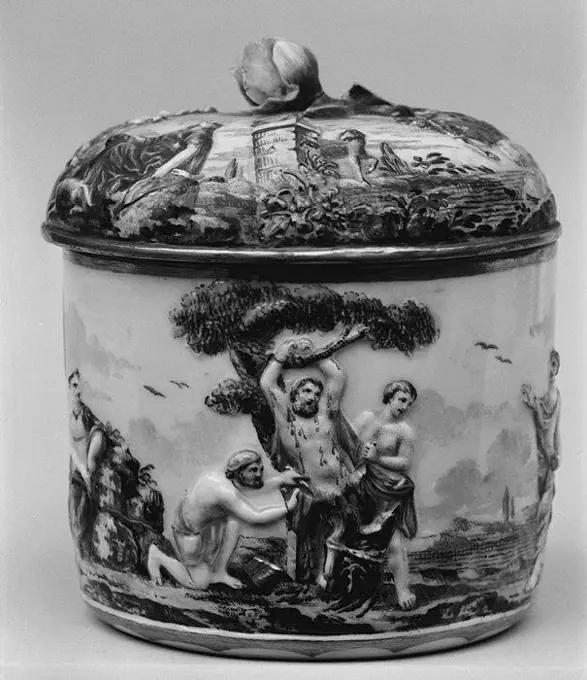
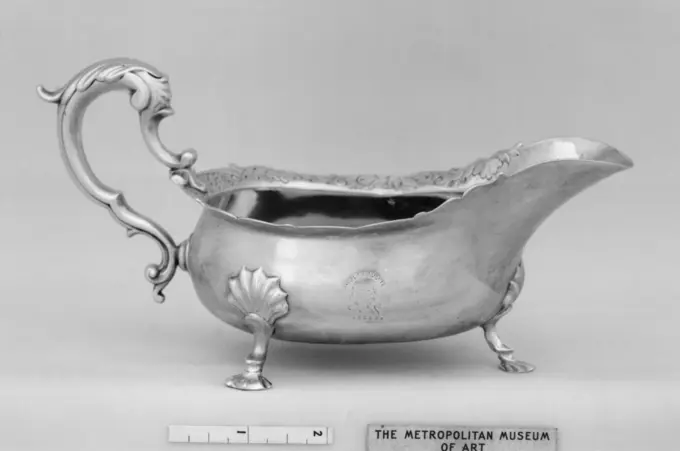
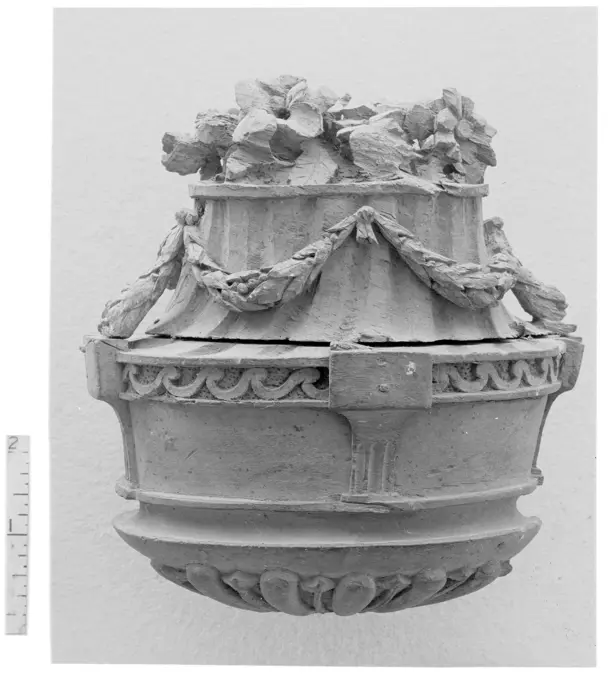
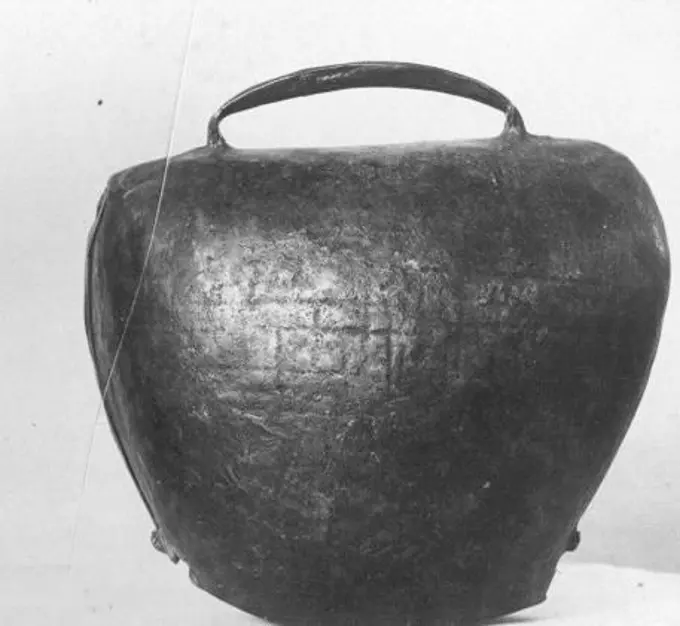
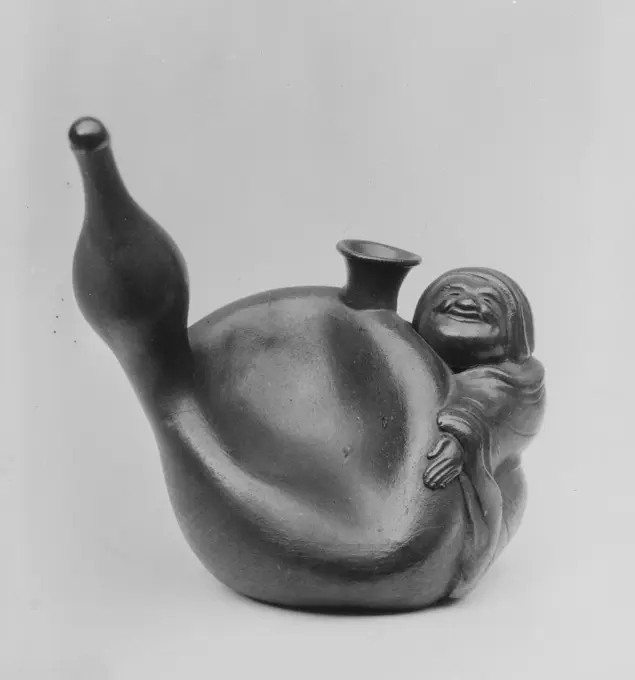
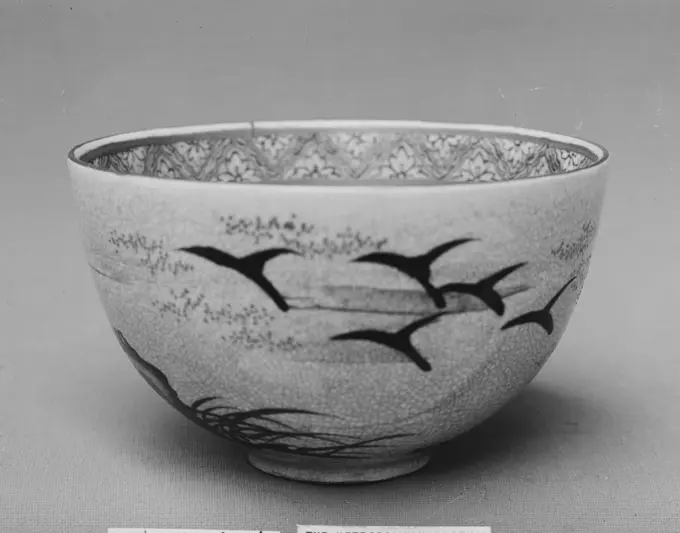
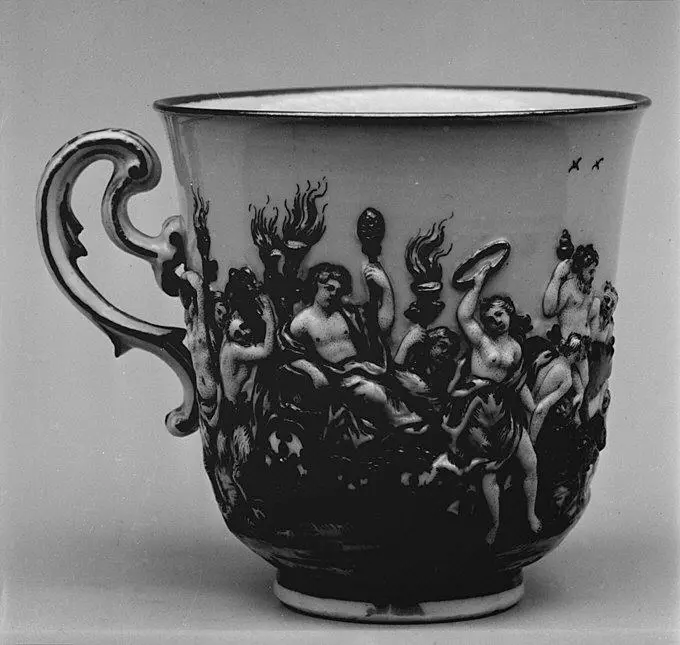
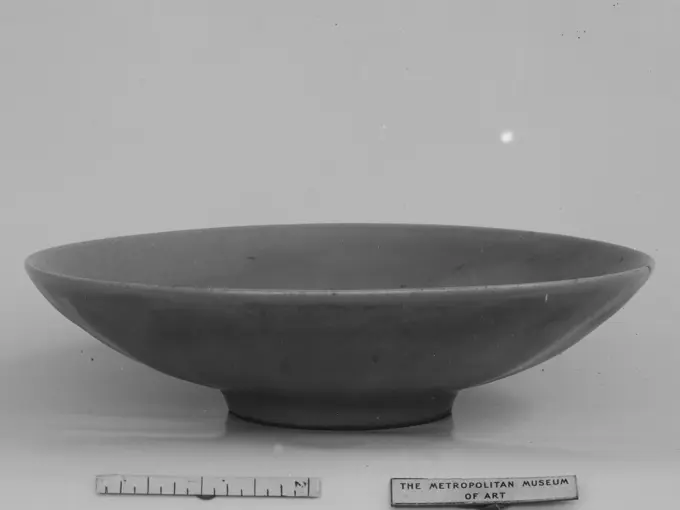
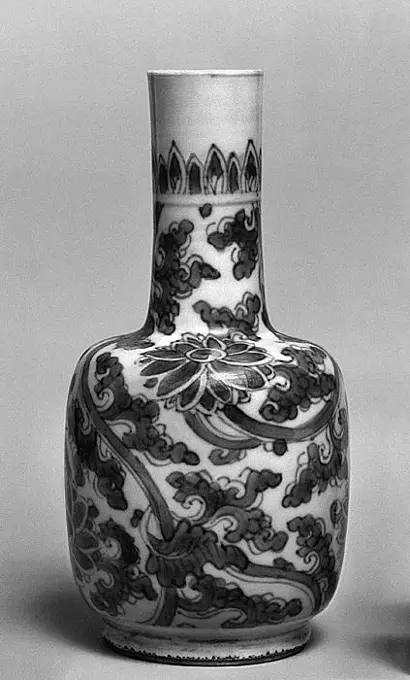
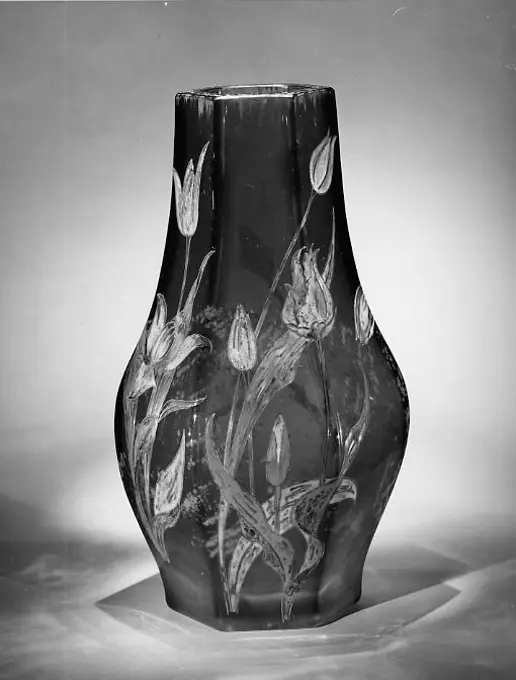
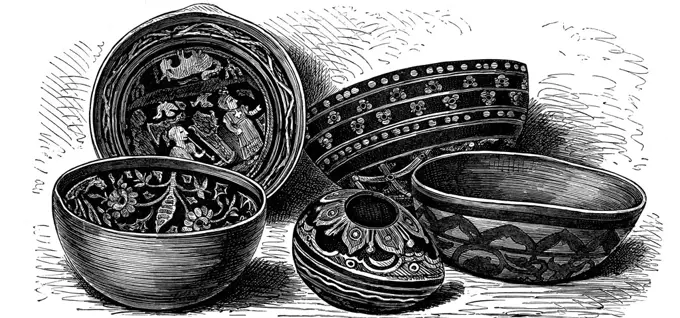
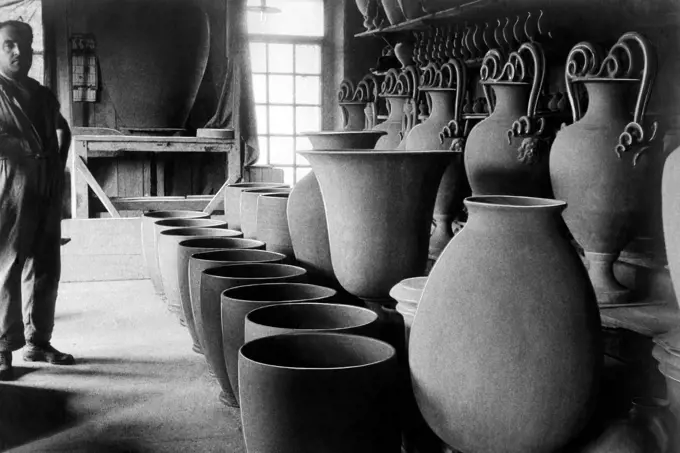
Hobnail Pitcher after 1886 Probably Hobbs, Brockunier and Company. Hobnail Pitcher. American. after 1886. Pressed cranberry, opaque white and colorless glass. Made in Wheeling, West Virginia, United StatesPitcher. Culture: American. Dimensions: H. 8 1/8 in. (20.6 cm). Maker: William McQuilkin (active 1839-53). Date: 1839-53. Museum: Metropolitan Museum of Art, New York, USA.Covered Jar. Culture: China. Dimensions: H. 2 1/4 in. (5.7 cm); Diam. 2 1/4 in. (5.7 cm). Date: late 18th-19th century. Museum: Metropolitan Museum of Art, New York, USA.Bottle vase 18th century China. Bottle vase. China. 18th century. Soft paste porcelain with white glaze (Jingdezhen ware). Qing dynasty (1644-1911). CeramicsBell (Rei) late 19th century Japanese. Bell (Rei) 500695Brush Holder 1820 Japan. Brush Holder. Japan. 1820. White porcelain decorated with blue under the glaze (Hirado ware). Edo period (1615-1868). CeramicsVase late 18th-early 19th century China. Vase. China. late 18th-early 19th century. Porcelain painted in overglazed rouge de fer enamels. Qing dynasty (1644-1911). CeramicsTeabowl ca. 1780 Japan. Teabowl 63161Terracotta lekythos (oil flask). Culture: Greek, Attic. Dimensions: H.: 12 13/16 in., 3.2 cm (32.5 x 3.2 cm). Date: ca. 450 B.C..Woman and servantThe sakkos (snood) hanging on the wall suggests that the scene takes place indoors. The woman at the left holds a large basket called a kanoun that was used for offerings; three fillets (bands) hang over the side. The other figure holds a plemochoe, a container for perfumed oil. The women are probably bringing their gifts to a tomb. The colors that were used to render the garments have disappeared. Museum: Metropolitan Museum of Art, New York, USA.Pitcher. Culture: American. Dimensions: H. 10 in. (25.4 cm); Diam. 6 in. (15.2 cm). Date: 1830-70. Museum: Metropolitan Museum of Art, New York, USA.Jar 18th century China. Jar 42417Lazio Latina Sezze Antiquarium Comunale77. Hutzel, Max 1960-1990 German-born photographer and scholar Max Hutzel (1911-1988) photographed in Italy from the early 1960s until his death. The result of this project, referred to by Hutzel as Foto Arte Minore, is thorough documentation of art historical development in Italy up to the 18th century, including objects of the Etruscans and the Romans, as well as early Medieval, Romanesque, Gothic, Renaissance and Baroque monuments. Images are organized by geographic region in Italy, then by province, city, site complex and monument.Headdress Box Thailand 18th centuryStanding or hanging bénitier 17th century Flemish. Standing or hanging bénitier. Flemish. 17th century. Pewter. Metalwork-PewterVase 18th century French. Vase. French. 18th century. Glass. GlassDouble vase early 19th century China. Double vase. China. early 19th century. Jade. JadeJar ca. 6th-8th century A.D. Sasanian or Islamic. Jar 323022Saucer ca. 9th century China. Saucer. China. ca. 9th century. Earthenware with pale green glaze. Tang dynasty (618-907). CeramicsJar with flowers mid-17th century China. Jar with flowers. China. mid-17th century. Porcelain painted with underglaze cobalt blue and overglaze polychrome enamels (Jingdezhen ware). Qing dynasty (1644-1911). CeramicsCampania Napoli Naples S. Lorenzo Maggiore46. Hutzel, Max 1960-1990 Medieval: Sculpture, architecture, architectural sculpture (including Roman spolia) 13-14th century Chapter house; sarcophagi, gravestones; wall painting. Fragment of mosaic; sculptural fragments in the Sala Capitolare. Post-medieval: Architecture, architectural sculpture, ceiling painting fresco cycle; prints depicting Venice c. 1845 (4), sculpture; life-size creche figures dressed in original Neapolitan costume Church restored in 1882, 1926, 1944; excavations under the transept undertaken between 1958-1962, and in the cloister in 1976, have revealed remains of a Roman macellum (market), street, and the paleochristian basilica of the 6th c. AD. Antiquities: Pottery: black-glazed, archaic banded, domestic wares, bucchero; architectural terracottas, statuettes, lamps, sculpture fragments Object Notes: 3 color negatives with no prints at the end. General Notes: Most objects/paintings/frescoes unidentified. Three batches Lazio Roma Subiaco Monastery of S. Scolastica Archaeological Museum7. Hutzel, Max 1960-1990 Antiquities: Views of antiquities in museum, including sarcophagi, plates, vases, coins. General Notes: Hutzel guide says we have negatives, but we cannot find them. German-born photographer and scholar Max Hutzel (1911-1988) photographed in Italy from the early 1960s until his death. The result of this project, referred to by Hutzel as Foto Arte Minore, is thorough documentation of art historical development in Italy up to the 18th century, including objects of the Etruscans and the Romans, as well as early Medieval, Romanesque, Gothic, Renaissance and Baroque monuments. Images are organized by geographic region in Italy, then by province, city, site complex and monument.Dropper flask. Culture: Roman. Dimensions: H. 9.6 cm; diam. of rim 5.2 cm; diam. of body 6.8 cm. Date: 3rd-4th century. Museum: Metropolitan Museum of Art, New York, USA.Vessel in the Form of a Double Dragon. Culture: Thailand. Dimensions: H. 7 3/8 in. (18.7 cm); W. 6 1/16 in. (15.4 cm); Diam. 5 3/4 in. (14.6 cm). Date: 14th-15th century. Museum: Metropolitan Museum of Art, New York, USA.Flower holder late 19th century China. Flower holder. China. late 19th century. Agate, wood. HardstonePitcher.  Manufacturer: William Ellis Tucker, American, 1800-1832 Manufacturer: Tucker and Hulme, American, active 1828-1829 Manufacturer: Tucker and Hemphill, American, active 1831-38 Manufacturer: Joseph Hemphill, American, 1770-1842Storage jar ca. 4th-3rd century B.C. Seleucid This large ceramic jar has a globular body, a flat base and a straight neck. It is made of a buff clay. It was excavated at Pasargadae in southwestern Iran, about 90 km northeast of Shiraz. Pasargadae was the first capital of the Achaemenid Persian Empire, founded by Cyrus the Great c. 546 B.C. The jar was found at the Tall-i Takht, a massive artificial platform presumably built as the site of a royal palace but converted into a fortified compound after Darius established a new capital at Persepolis around 520. However, the coin hoards and other finds from the Takht, including this jar, show that it continued to be occupied down into the second century B.C., long after the fall of the Achaemenid Empire. This jar was found in a room on the northern end of the Takht.. Storage jar 326386Beaker 17th-18th century Italian, Venice (Murano). Beaker. Italian, Venice (Murano). 17th-18th century. Glass. GlassJar 1830-70 American. Jar. American. 1830-70. Parian porcelain. Probably made in Bennington, Vermont, United StatesTree of life pitcher ca. 1865-85 Possibly Portland Glass Company. Tree of life pitcher 14288Bowl 1730 Japan. Bowl. Japan. 1730. Faience, glazed and crackled; covered with colored enamels (Kyoto ware). Edo period (1615-1868). CeramicsLazio Viterbo Viterbo Museo Civico28. Hutzel, Max 1960-1990 Views of paintings (Middle Ages through 18th c.), frescoes, a tabernacle, coffin, sculpture reliefs, portal fragments, busts, sculpture, tapestry found in the Pinacoteca, Second floor gallery and Second floor cloister sequences. Antiquities: Many views of Etruscan and Roman fragments, sculpture, sarcophagi, pottery, masks, jewelry and other objects found in the Storeroom sequence (inventory numbers on back of prints), and the Cloister, Second floor Cloister, Valle Giulia, Sala Romana and Sala Etrusca sequences. General Notes: There are eight separate numerical sequences for this location. The cloister as an architectural structure, rather than museum site, is documented in the record and file for S. Maria della Verita, Cloister, all views of which are stored in Medieval core collection. Five views from the Museo Civico Second floor cloister sequence are stored in Medieval. German-born photographer and scholar Max Hutzel (1911-Carved Conch with Lakshmi-Narayana. Culture: India (possibly West Bengal) or Bangladesh. Dimensions: H. 8 1/16 in. (20.5 cm); W. 3 3/4 in. (9.5 cm); D. 3 5/8 in. (9.2 cm). Date: 11th-12th century.The central medallion shows Narayana, a form of Vishnu, seated in a pavilion with his consort Lakshmi. Museum: Metropolitan Museum of Art, New York, USA.Bowl China. Bowl. China. Reddish clay covered with greenish glaze over white slip. Han dynasty (206 B.C.-A.D. 220). CeramicsPitcher. Culture: American. Dimensions: H. 6 1/8 in. (15.6 cm). Date: 1830-50. Museum: Metropolitan Museum of Art, New York, USA.Arms of the Klinkebiel von Grünewald family 1690 Attributed to the Master of the Koula Beaker The coat of arms with crest, helm, coronet are those of the aristocratic Klinkebiel von Grünewald family (granted 3 May 1661); the arms are supported by female allegories of Faith and Constancy bearing, respectively, a cross and chalice, and an anchor. On the reverse is an elaborate vase of flowers.. Arms of the Klinkebiel von Grünewald family. Bohemian, Riesengebirge (Krkonoše). 1690. Glass. GlassShard 15th century Korea. Shard. Korea. 15th century. Pottery. Joseon dynasty (1392-1910). CeramicsTerracotta skyphos (deep drinking cup). Culture: Greek, Attic. Dimensions: H. 3 3/4 in. (9.6 cm); diameter 4 1/4 in. (10.8 cm). Date: ca. 490-480 B.C..Maenads in rocky landscapeThe disparate handles increase the manipulability of the cup. The decoration shows two maenads (followers of Dionysos, the god of wine). The one on the obverse plays the flute as the lower border of her garment billows gently; her thyrsos, a fennel stalk crowned with ivy, has been set to one side. The maenad on the reverse bends and stretches vigorously, as indicated by her hair and the extremities of the feline pelt that stream out. Museum: Metropolitan Museum of Art, New York, USA.Musee National d'Athènes, 13729, vase Mycénien de Kakovatos (Pylos) , Vases, Antiquities. Nicholas Catsimpoolas CollectionWriter's Water Bottle China. Writer's Water Bottle. China. Porcelain. CeramicsBottle 1674 Pewter cap by Christoff Stolle. Bottle. probably German, Saxony (Freiberg). 1674. Glass, pewter. GlassCovered incense burner China. Covered incense burner. China. Nephrite. Qing dynasty (1644-1911), Qianlong period (1736-95). JadeCoffeepot ca. 1725 Meissen Manufactory German. Coffeepot 199227Spouted vessel 3rd millennium B.C.. Spouted vessel 325836Jar possibly 3rd century Roman. Jar. Roman. possibly 3rd century. Almost colorless glass with a green or brown tint. Blown, the rim finished at the furnace.. GlassVase 1800-1830 French. Vase. French. 1800-1830. Porcelain. Made in FranceFragment of a Sculpture: Pomegranate. UnknownLimestone cippus of Onesimos ca. 2nd-3rd century A.D. Roman, Cypriot The Greek inscription reads: "Good Onesimos, farewell!". Limestone cippus of Onesimos 241959Pair of bottle vases 19th century Samson and Company. Pair of bottle vases 187751Sugar bowl with cover (part of a service) ca. 1760 Doccia Porcelain Manufactory Italian. Sugar bowl with cover (part of a service) 196893Lazio Roma Rome SS. Giovanni e Paolo, Museum3. Hutzel, Max 1960-1990 Medieval: Ceramic fragments, sculptural fragments, fresco fragments, inscribed tomb markers. Houses one of the best collections of Malagan medieval ceramics for casting wall monuments, copies of which are housed in campanile. Specific Location: Museum Antiquities: Ceramic fragments, sculptural fragments, architectural fragments Object Notes: Basilica has separate record and is filed separately. German-born photographer and scholar Max Hutzel (1911-1988) photographed in Italy from the early 1960s until his death. The result of this project, referred to by Hutzel as Foto Arte Minore, is thorough documentation of art historical development in Italy up to the 18th century, including objects of the Etruscans and the Romans, as well as early Medieval, Romanesque, Gothic, Renaissance and Baroque monuments. Images are organized by geographic region in Italy, then by province, city, site complex and monument.Sauceboat 1753-54 Robert Lowe. Sauceboat 192161Chalcidian Amphora. UnknownVase China. Vase. China. Porcelain. Qing dynasty (1644-1911), Kangxi period (1662-1722). CeramicsVase detail 18th century French. Vase detail. French. 18th century. Walnut. WoodworkSugar Bowl. Culture: American. Dimensions: Overall: 8 13/16 x 8 1/4 in. (22.4 x 21 cm); 28 oz. 2 dwt. (874.8 g)Body: 6 11/16 x 6 in. (17 x 15.2 cm); 24 oz. 4 dwt. (753.2 g)Foot: Diam. 4 3/8 in. (11.1 cm)Cover: 2 1/4 x 4 3/16 in. (5.7 x 10.6 cm); 3 oz. 18 dwt. (121.6 g). Maker: John Crawford (active 1815-41). Date: ca. 1825. Museum: Metropolitan Museum of Art, New York, USA.Cattle Bell 19th century Swiss. Cattle Bell 502140Gobelins, glass, tapestry, 1898, Middle EastWine bottle 1800 Japan. Wine bottle. Japan. 1800. Stoneware covered with thin glaze (Bizen ware). Edo period (1615-1868). CeramicsBowl 1800 Japan. Bowl. Japan. 1800. Buff ware covered with a finely crackled glaze and decorated with enamels (Satsuma ware). Edo period (1615-1868). CeramicsCoffee cup (part of a service) ca. 1760 Doccia Porcelain Manufactory Italian. Coffee cup (part of a service) 196898Vase ca. 1750 British, Staffordshire. Vase 199470Miniature Vase Converted to Snuff Bottle 19th century China. Miniature Vase Converted to Snuff Bottle 41295Pot for Wine or Tea 19th century Japan. Pot for Wine or Tea 59822Milk Bowl 1800-1830. Milk Bowl. 1800-1830. Free-blown glassVase 1730-35, decoration ca. 1825 Meissen Manufactory German. Vase 205936Shallow Bowl Decorated with Lotus Petals China. Shallow Bowl Decorated with Lotus Petals. China. Porcelain with celadon glaze (Longquan ware). Southern Song dynasty (1127-1279). CeramicsSnuff Bottle 19th century China. Snuff Bottle 41287One-Handled Mug. UnknownVase with floral scrolls late 17th-early 18th century China. Vase with floral scrolls 47494Coffeepot ca. 1760-70 Nymphenburg Porcelain Manufactory. Coffeepot 199365Punchong ware; engraved. From the time of Joseon dynasty (1392 - 1910)Vase 1830-70 American. Vase. American. 1830-70. Parian porcelain. Probably made in Bennington, Vermont, United StatesBottleVase (one of a pair) ca. 1735 Meissen Manufactory German. Vase (one of a pair) 206028Basket 19th century Japan. Basket. Japan. 19th century. Bamboo. Edo (1615-1868) or Meiji period (1868-1912). BasketryBottlesVase. Culture: Japan. Dimensions: H. 25 in. (63.5 cm); Diam. 12 in. (30.5 cm). Date: 18th century. Museum: Metropolitan Museum of Art, New York, USA.Tumbler 1700-1800. Tumbler 8984Vase end of 19th century Pierre-Adrien Dalpayrat French. Vase 487563Bottle China. Bottle. China. Porcelain with ox-blood glaze. Qing dynasty (1644-1911), Kangxi period (1662-1722). CeramicsWater Pot 19th century Japan. Water Pot. Japan. 19th century. Clay decorated on a white glaze (Kyoto ware). CeramicsTea caddy 1740-70 Chinese, for European market. Tea caddy 201330Tea Caddy 1770-1830 Chinese. Tea Caddy 8259Large vase () At the Knossos palace, c. 1895 - c. 1915 photograph  unknown paper. cardboard   KnifeCovered Incense Box 13th-14th century Korea. Covered Incense Box. Korea. 13th-14th century. Clay. Goryeo dynasty (918-1392). CeramicsMiniature Vase 19th century China. Miniature Vase 41278Vase ca. 1890 Emile Gallé French. Vase 481003Vessels of japanned earthenware from Brazil. Engraving from Ratzel 'The History of Mankind' c1890Storage, potteries factory, deruta, umbria, italy, 1930. Wine jug 1633 Christopher Lehrl. Wine jug. Austrian, Salzburg. 1633. Pewter. Metalwork-PewterPresident Truman's Wedding Gift to Princess Elizabeth -- Entitled "The Merry-Go-Round", this super casket-shaped vase of engraved Steuben Glass. Designed by the American sculptor, Sydney Waugh, is the Wedding gift to Princess Elizabeth of U.S. President Harry S. Truman and Mrs. Truman. The Idea for the Vase Occurred to Mr. Waugh When he was Attended a Country Fair at Queens town, Maryland. The Country Fair there is the oldest and most unaffected of American festivals and The Merry-Go-Hound- Soul and Symbol of that institution, struck him as a Suitable form.  October 28, 1947. (Photo by Associated Press Photo).Covered Cup late 18th-first half of the 19th century China. Covered Cup 47188World Heritage City of Quedlinburg ChurchHandicrafts, ceramic pots, albisola, liguria, italy 1930. Flute; Huta Kryszta around 1720-1730 (1718-00-00-1729-00-00);Antique shop Veritas, Potulicki of the barn, coats of arms, purchaseSet of ancient vase hand drawn ink sketch. Engraved style vector illustration.Set of ancient vase hand drawn ink sketch. Engraved style vector illustrationSnuff bottle with stopper 18th-19th century China. Snuff bottle with stopper 41169Traditional pottery shop. Souk Medina of Fez, Fes el Bali, Morocco. North of Africa. Morocco by Edmondo de Amicis 1875.  Le Tour du Monde 1879Gift Cloth (Fukusa) 19th century Japan. Gift Cloth (Fukusa) 68418