Antique Ceramics and Vases

Beautifully crafted ceramics from different cultures, showcasing intricate designs and historical significance in their artistry.

Bottle vase with landscape, bird on branch and neck decoration in underglaze blue, anonymous, c. 1800 - c. 1899 Bottle -shaped vase (lump of lessons) of porcelain, painted in underly glaze blue and on the glaze blue, red, green, yellow, eggplant, black and gold. The body is covered with butterflies and flowering plants on a black speckled soil, with two rectangular cartouches saved with a bird on a magnoliat branch in flowering plants and two people in a river landscape with rocks, trees and a pavilion; the neck with a decoration in underlaze blue of a tire with servetwork interspersed with a cartouche with a flower in reserve, above it a band with French point with flower vines in reserve with a flower branch, on the neck flower branches with a band with hanging leaf motifs with hanging tops above it Flower vines in reserve. Famle Verte. China porcelain. glaze. cobalt (mineral). gold (metal) painting / gilding / vitrification Bottle -shaped vase (lump of lessons) of porcelain, painted
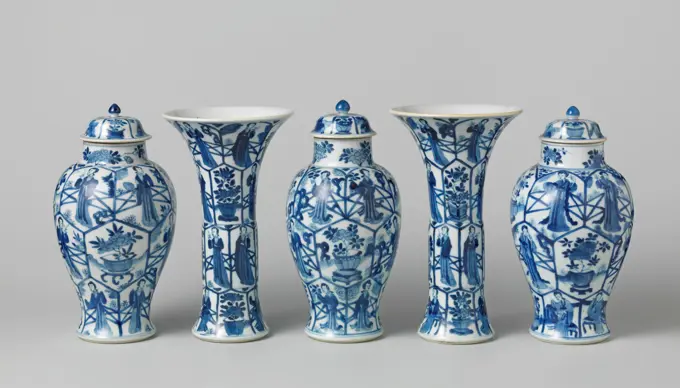
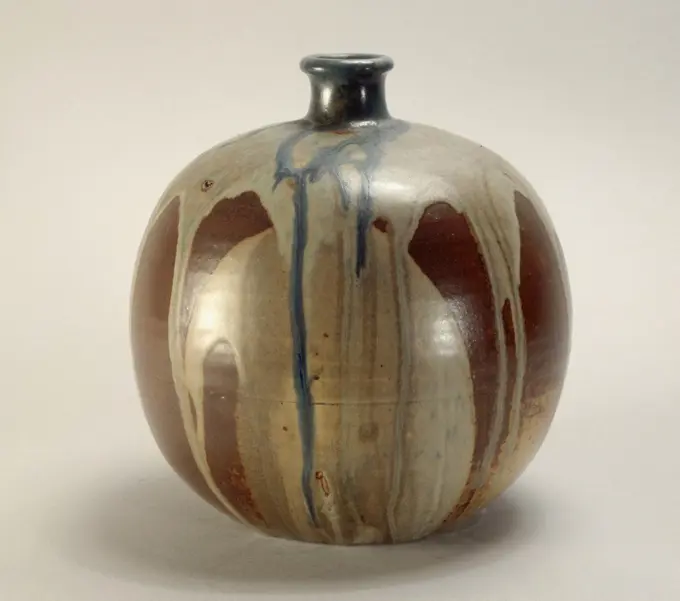
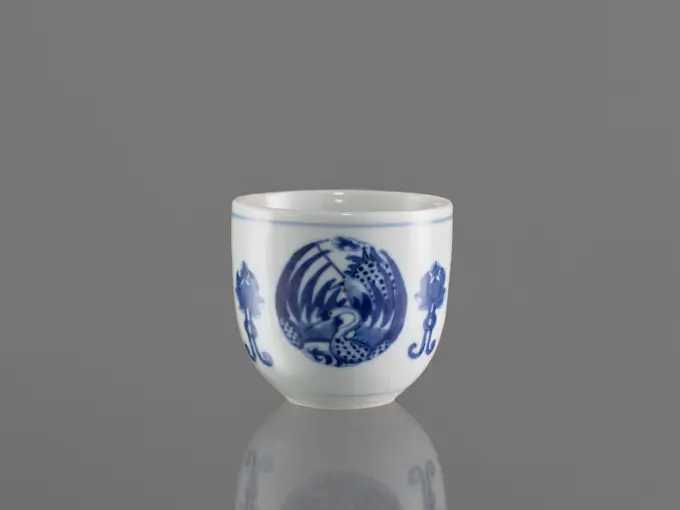
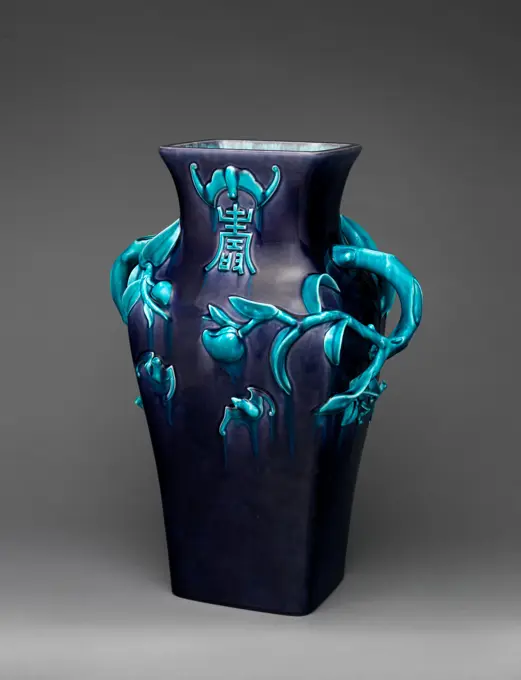
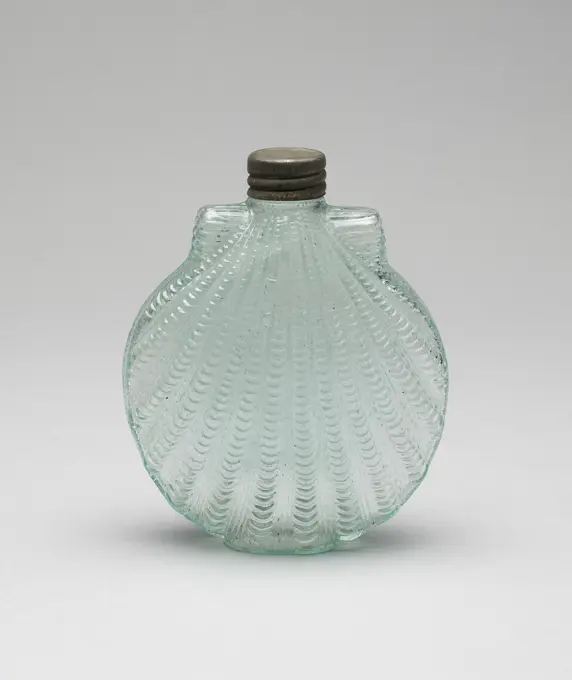
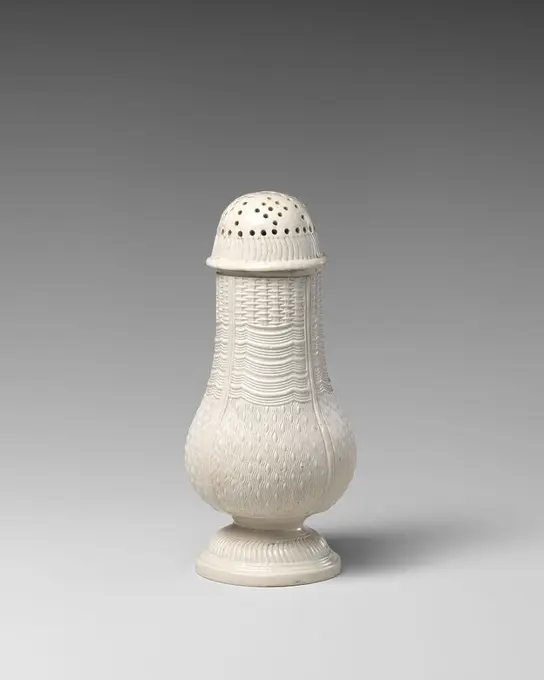
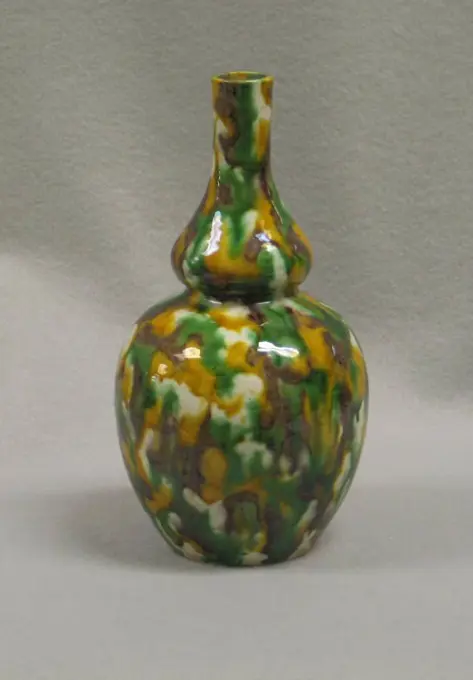
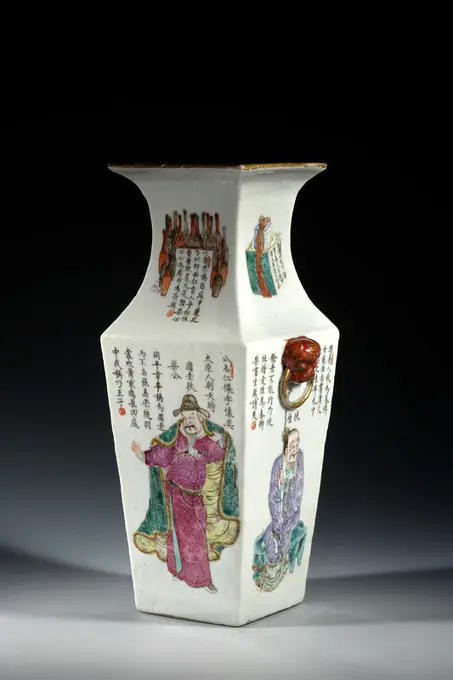
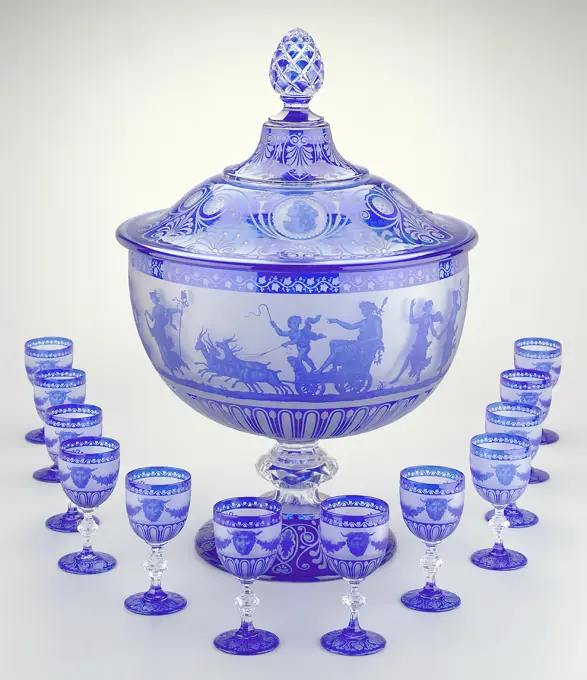
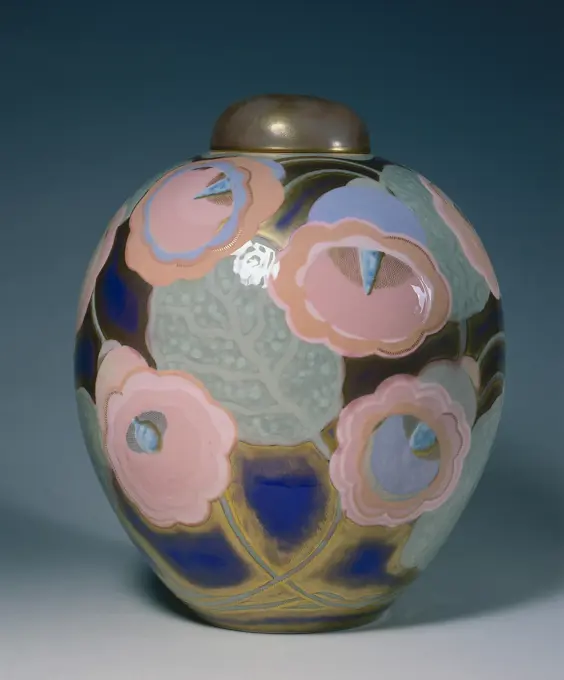
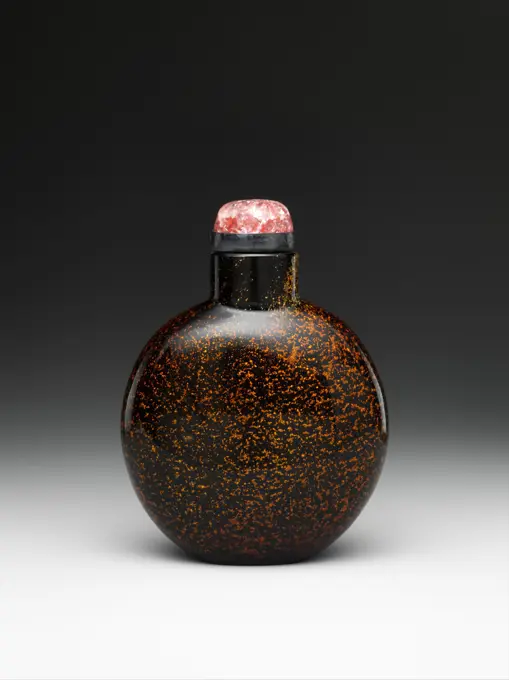
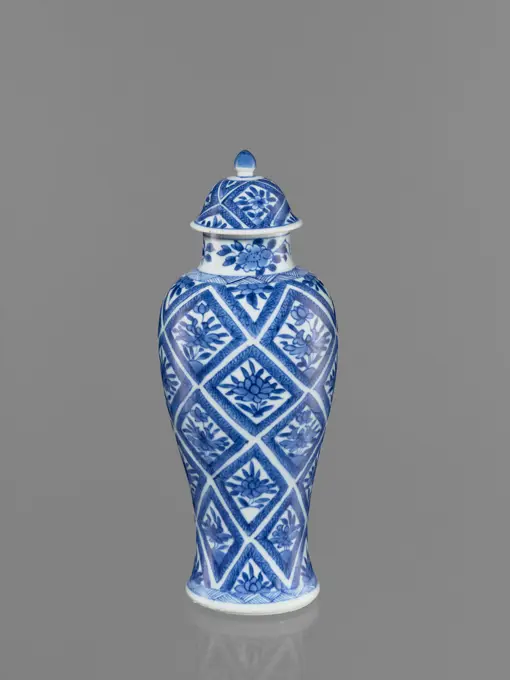
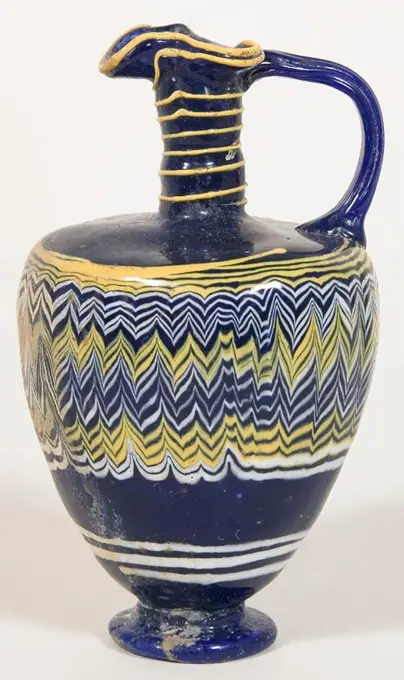
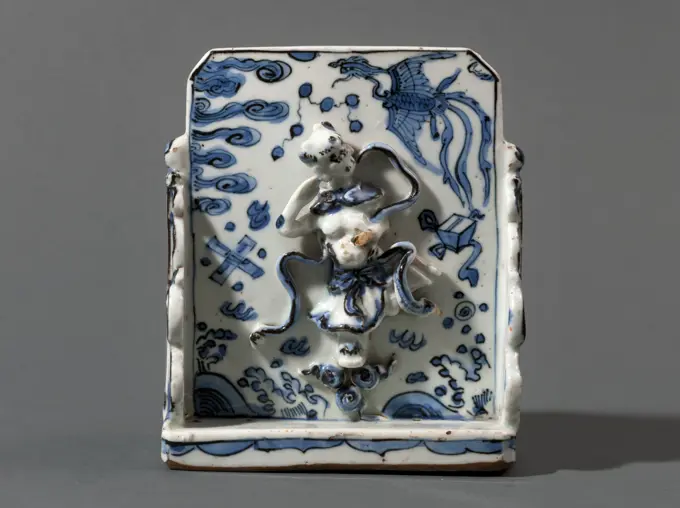
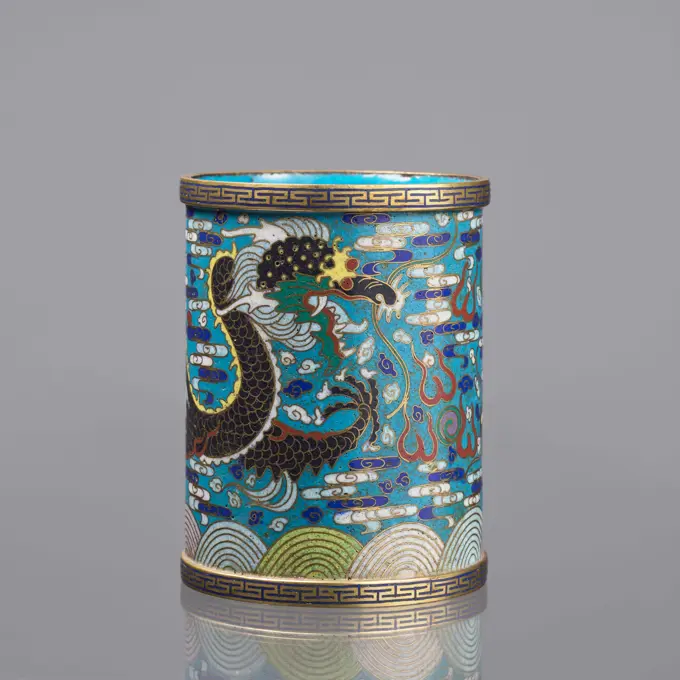
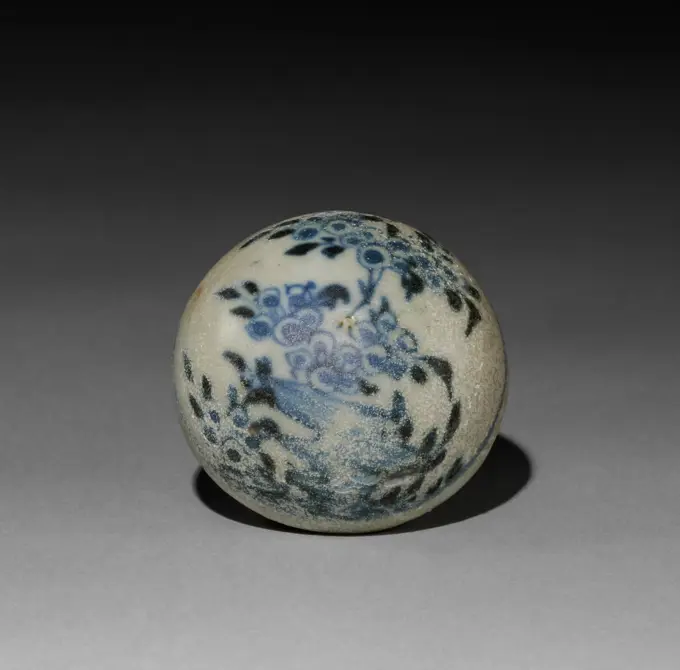
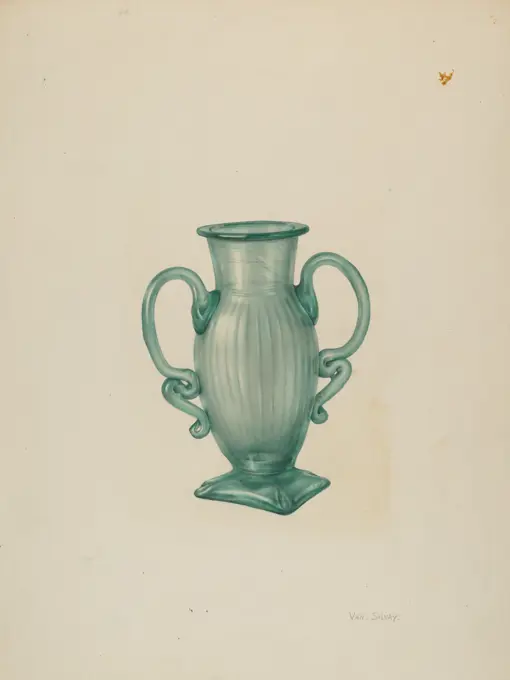
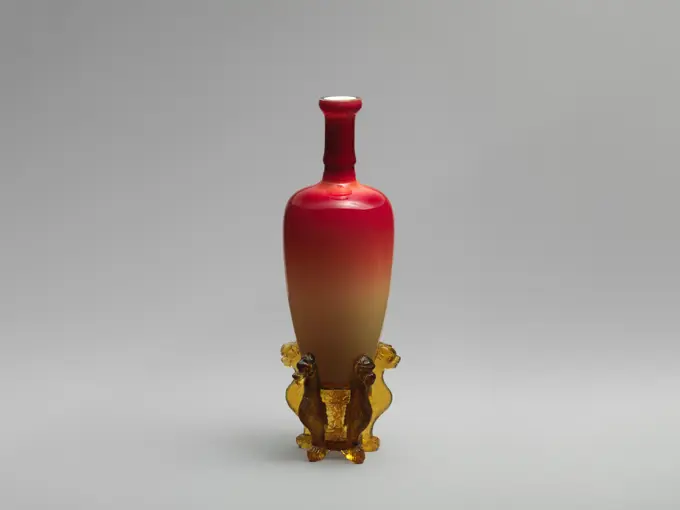
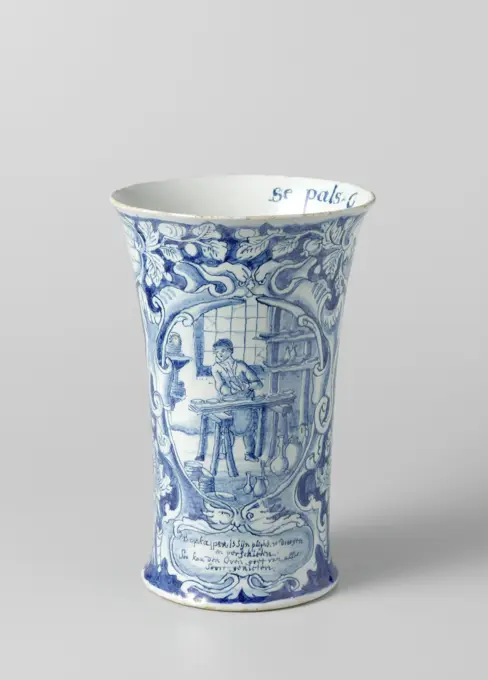
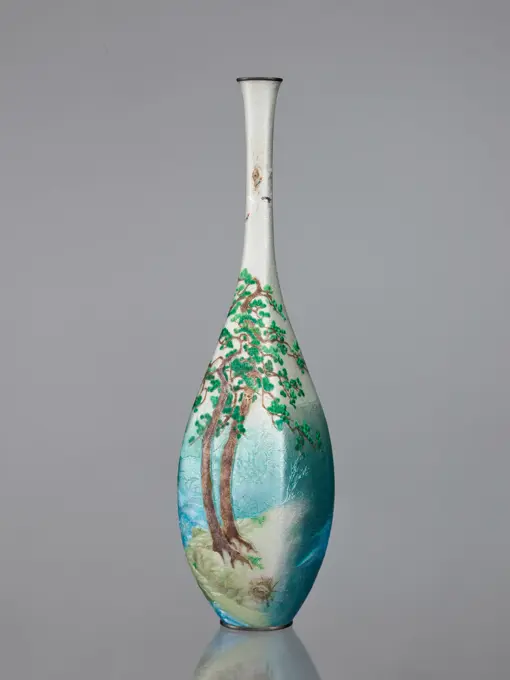
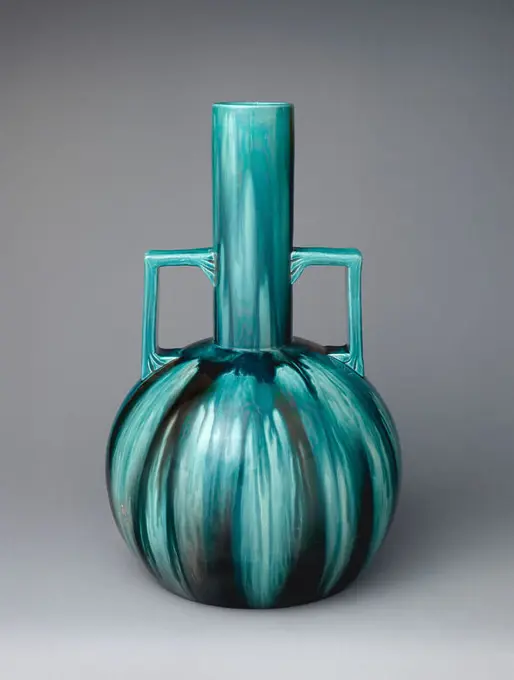
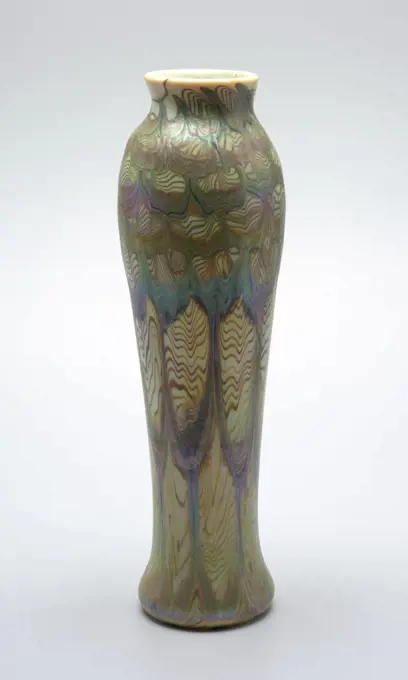
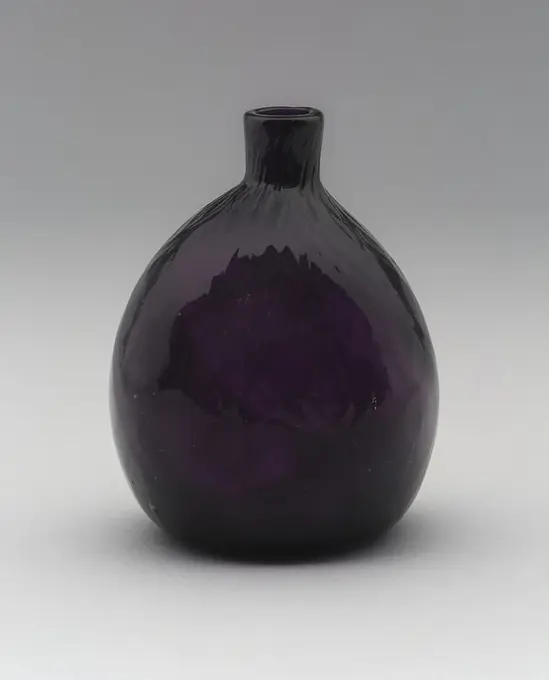
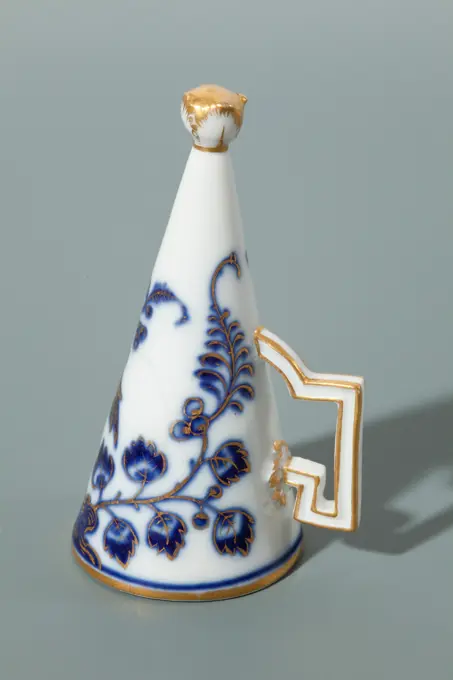
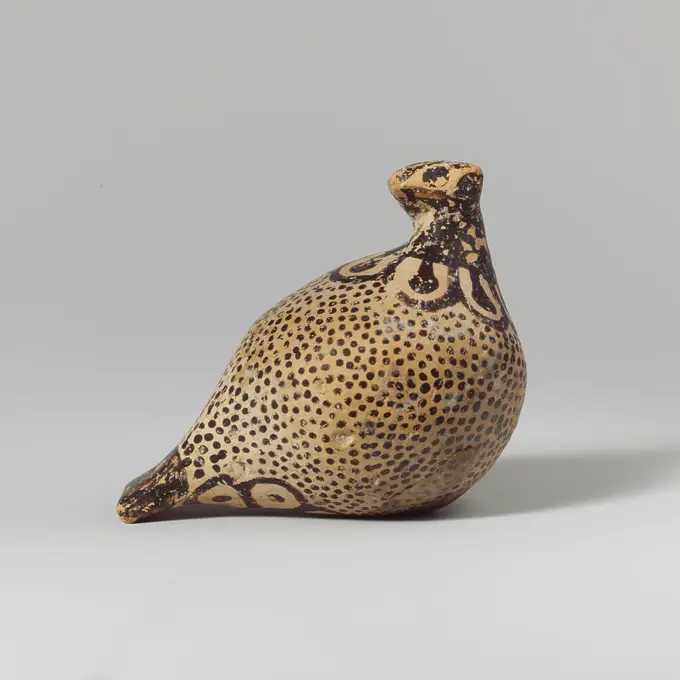
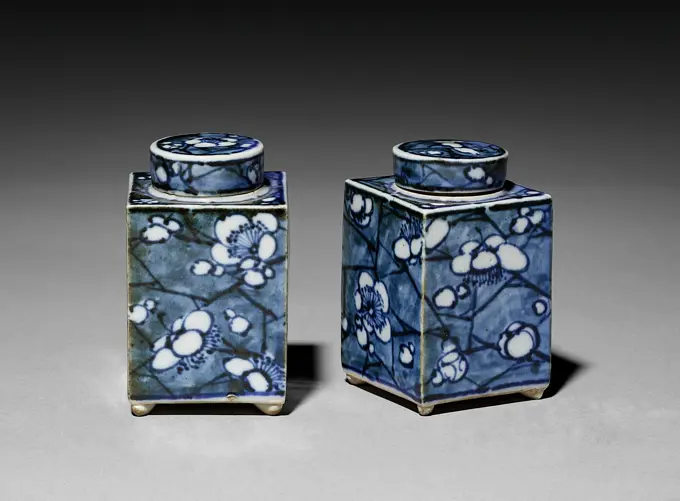
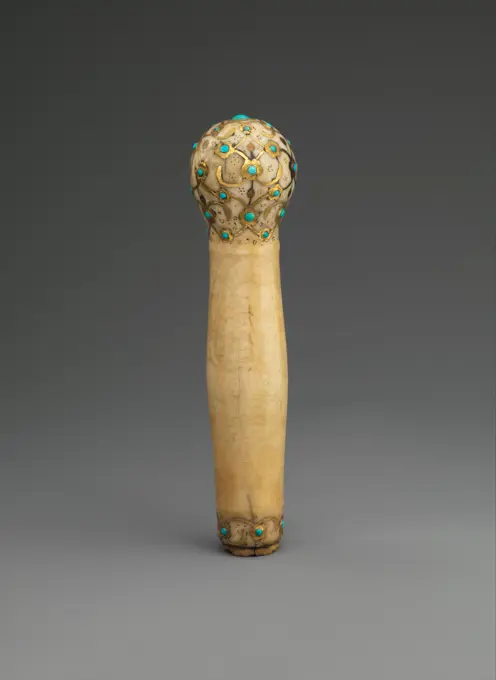
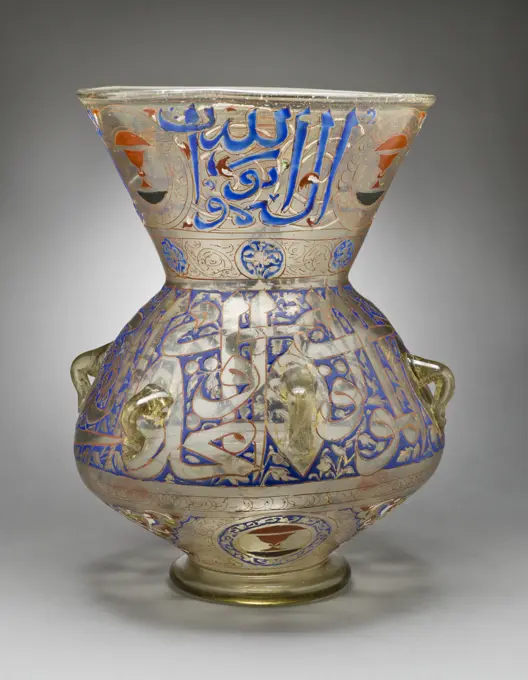
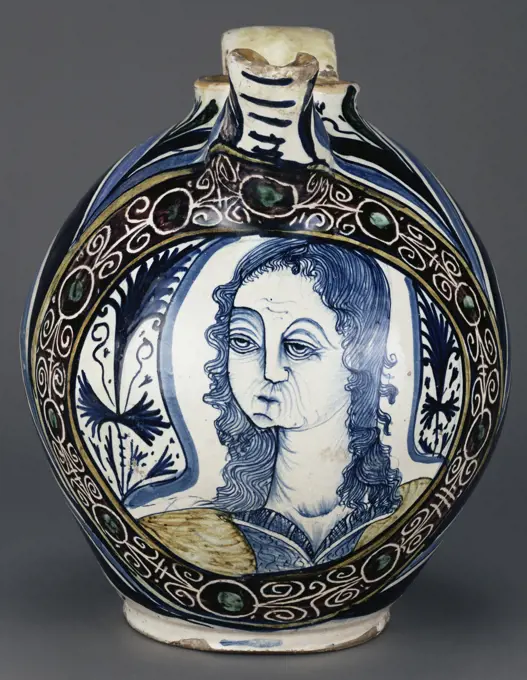
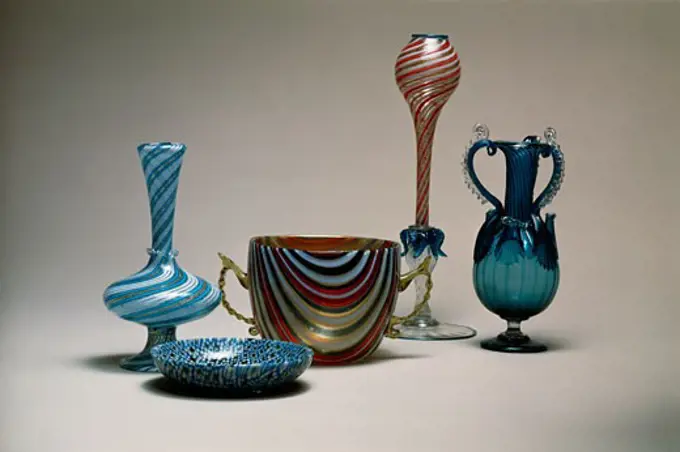
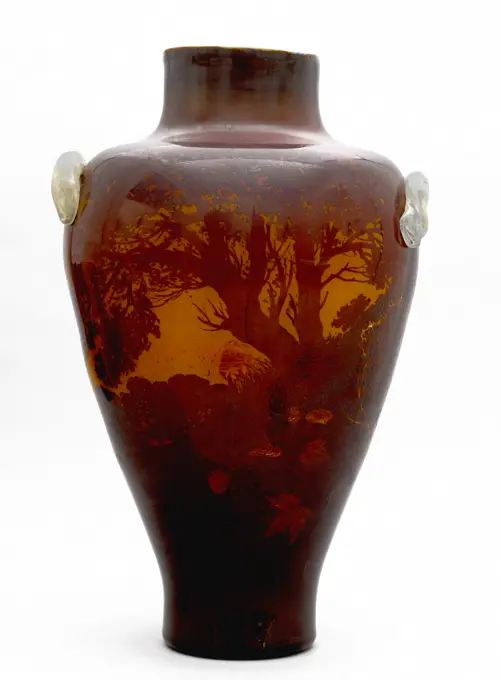
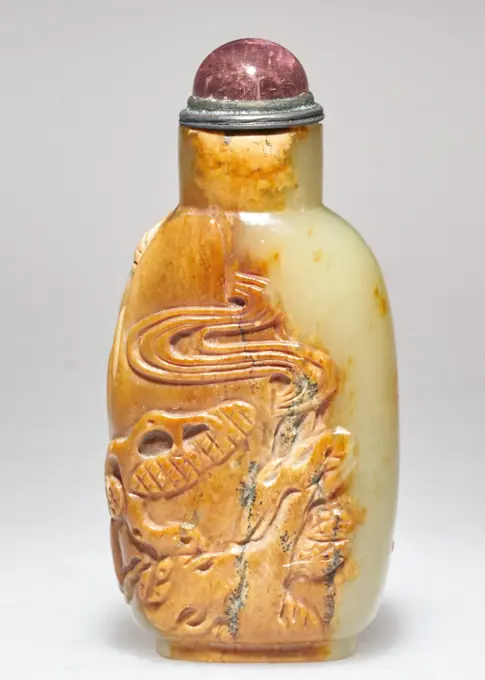
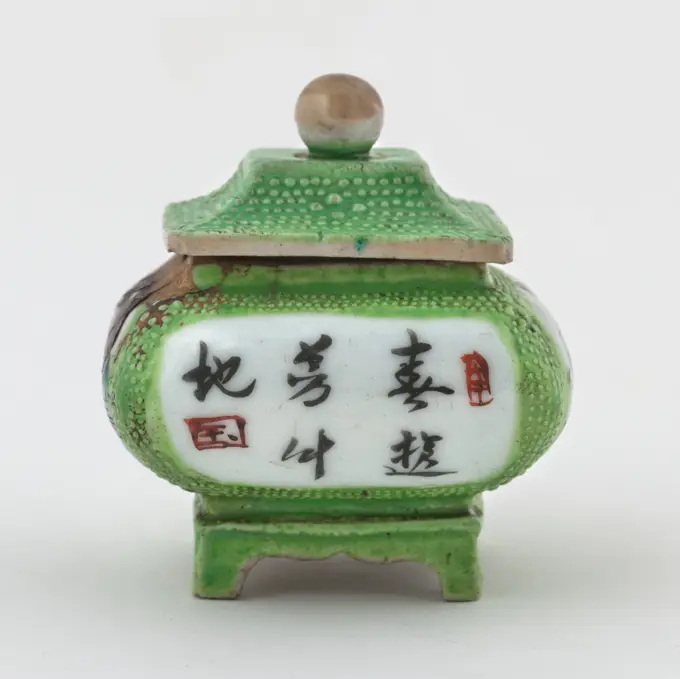
Four-sided vase from the black family. unknown, craftsmanEgg Cup (Coquetier). Chantilly Porcelain Manufactory, manufacturer (French, active about 1730 - 1805) 1735-1745 The stem of this small cup is molded in the form of a stylized gap-mouthed dolphin, the head resting on a crest of waves and the raised tail fin supporting the bowl of the cup. The latter has the shape of an inverted bell and is decorated with a dragon chasing butterflies. All are colored in blue, green, yellow, red, and black enamel. The form and ornament are based on East Asian prototypes - the dolphin shape copying examples in Chinese export porcelain, and the design of the dragon mimicking decoration seen on Japanese porcelain that, in turn, was an adaptation of an ancient Chinese motif. This cup is the only known polychrome example of its type from the Chantilly manufactory north of Paris. It was likely used to hold a soft-boiled egg to be consumed at the end of a dessert course.Vase Late 4th-3rd century B.C. Macedonian-Ptolemaic Period. Vase 552075Garniture with two beaker vases and three covered jars with vrouwen and flower pots in panels, anonymous, c. 1680 - c. 1720 Castle of porcelain consisting of two beaks and three lid pots, painted in underlaze blue. The wall is divided into three rows with hexagonal compartments with alternately a woman (long Lijs) in a fenced garden and a flower vase in a landscape. Two flower branches on the shoulder. The lids with the same decoration. Marked on the bottom with the character 'Yù', Jade, in a double circle. Blue White. China porcelain. glaze. cobalt (mineral) painting / vitrification Castle of porcelain consisting of two beaks and three lid pots, painted in underlaze blue. The wall is divided into three rows with hexagonal compartments with alternately a woman (long Lijs) in a fenced garden and a flower vase in a landscape. Two flower branches on the shoulder. The lids with the same decoration. Marked on the bottom with the character 'Yù', Jade, in a double circle. Blue White. China poJean Carriès (1855-1894). "Spherical pot". Enameled sandstone. Museum of Fine Arts of the City of Paris, Petit Palais. 24204-18 Ceramic, gres emaille, pot, sphericalCup. unknown, craftsmanMuller brothers. Hiboux pitcher. Glass. Museum of Fine Arts of the City of Paris, Petit Palais. 54218-10 Art Nouveau, Hibou, glass, glassware pitcherSnuff Bottle, 1750-1850, 2 3/4 x 1 5/8in. (7 x 4.1cm), Cinnabar lacquer, jadeite, ChinaVase ca. 1890 Joseph-Théodore Deck This spectacular vase was made by Théodore Deck, the most esteemed ceramic artist in France in the late nineteenth century. Deck was famous for the glazes that he developed, especially a rich turquoise blue that became known in French as "bleu de Deck." Deck used this particular glaze to highlight the applied branches, peaches, and bats that decorate this vase, as well as for the stylized Chinese character that symbolizes longevity. The peach is also regarded as a symbol of longevity in China, reinforcing the auspicious message of the character above. The significance of these motifs may not have been evident to a European buyer, but the form of the vase would have indicated its Chinese inspiration.. Vase. French. ca. 1890. Earthenware. Ceramics-PotteryPyxis (Container for Personal Objects) 1 CE-100 CE Roman Empire. Glass, mold-blown technique . Ancient RomanTing tripod shaped censer decorated with plant flagellum unknownBottle or Flask c 1890 New York. Glass . Artist unknownCaster. Culture: British, Staffordshire. Dimensions: Height: 5 5/8 in. (14.3 cm). Date: ca. 1760-80. Museum: Metropolitan Museum of Art, New York, USA.Vase with landscape scenes late 17th century China. Vase with landscape scenes 42354Vase in the shape of a gourd China. Vase in the shape of a gourd. China. Porcelain with colored glazes in the "egg-and-spinach" pattern. Qing dynasty (1644-1911). CeramicsVase. Culture: China. Dimensions: H. 17 in. (43.2 cm); W. 8 in. (20.3 cm). Museum: Metropolitan Museum of Art, New York, USA.Four-sided vase with two handles. unknown, craftsmanPunch goblet, 1867, Cristalleries de Baccarat, Baccarat, France, est. 1764, 4 3/4 x 2 7/16 in. (12.07 x 6.19 cm), Cased lead glass, France, 19th centuryVase, multi-colored painted with a kakiemon decor, meissener porzellan manufaktur, c. 1725 - c. 1730 Cylindrical vase of painted porcelain. The vase is decorated with a boy in green and blue on a checkered blue soil, a bouquet of flowers in blue and violet tied together with a blue ribbon and a green kylin. The bottom is unglazed. The vase is not marked. Float porcelain Cylindrical vase of painted porcelain. The vase is decorated with a boy in green and blue on a checkered blue soil, a bouquet of flowers in blue and violet tied together with a blue ribbon and a green kylin. The bottom is unglazed. The vase is not marked. Float porcelainClochettes (Bells) and Mauves Covered Jar, 1931. Henri Rapin (French, 1873-1939), Agnes Moreau-Jouin (French, active 1922-36), Sèvres Porcelain Factory (French, est. 1756). Porcelain; diameter: 37.8 cm (14 7/8 in.); overall: 45.1 cm (17 3/4 in.). In addition to a variety of useful wares for the table, the Sèvres factory continued to produce artistic works for its many wealthy clients using abstracted patterns and a colorful palette.Snuff Bottle 19th century China Aventurine glass, which was made by dissolving copper particles into the molten glass, was invented by the Venetian glass makers of Murano. It was introduced to China during the Kangxi reign (1662-1722) and immediately caught the imagination of the Qing court. These prized bottles were made by the Imperial Workshop and given as gifts or rewards.. Snuff Bottle 41517Small vase with lid. unknown, craftsmanTea bus. Tea bus from faience. Painted multi-colored.Brush Holder, 1628-44. China, Jiangxi province, Jingdezhen kilns, "Transitional period", Ming dynasty (1368-1644), Chongzhen reign (1628-1644). Porcelain; overall: 19.1 cm (7 1/2 in.). This porcelain brush holder is considered to have been made in the "Transitional period," a term used to define the period between about 1620 and 1683 when official kilns in Jingdezhen were no longer under imperial supervision due to the transition from the Ming to the Qing dynasties.Oinochoe (Pitcher). Eastern Mediterranean or Italian. Date: 450 BC-350 BC. Dimensions: 10.5 × 6 × 6 cm (4 1/8 × 2 3/8 × 2 3/8 in.). Glass, core-formed technique. Origin: Eastern Mediterranean Region. Museum: The Chicago Art Institute, Chicago, USA. Author: Ancient Eastern Mediterranean.Table screen. "Blue and white" porcelain, Ming. Provenance: China. Paris, Cernuschi museum. 78838-20 Asian art, Chinese art, fine ceramic, ming dynasty, table screen, porcelainVessel on the pace;  19th century (1801-00-00-1900-00-00);Paderewski, Ignacy Jan (1860-1941), Paderewski, Ignacy Jan (1860-1941)-collection, qing (style), Chinese (culture), Cloisonné, Dar (provenance), dishes, brushes, dragons (iconogr.), Art ChinesePill Box (lid), c. 1752. China, Qing dynasty (1644-1911). Porcelain with blue and white decoration; diameter: 3.6 cm (1 7/16 in.); overall: 3 cm (1 3/16 in.).Clutha vase. Culture: Scottish, Glasgow. Designer: Christopher Dresser (British, Glasgow, Scotland 1834-1904 Mulhouse). Dimensions: Height: 11 1/4 in. (28.6 cm). Manufacturer: James Couper and Sons, Glasgow (1850-1922). Purveyor: Liberty & Co. (British, founded London, 1875). Date: ca. 1890.Reacting against the fashion for cut glass, a style that denied the molten nature of the material, John Ruskin, Charles Locke Eastlake, William Morris, and Christopher Dresser called for reform in glass production. The reformers looked to ancient glass from Rome, Egypt, and the Islamic world, as well as Venetian glass from the fourteenth and fifteenth centuries as appropriate ideals for emulation. The movement toward ancient and early Venetian glass quickly gained popularity, since it also appealed to revivalists and antiquarian collectors.The green glass of this vase demonstrates Dresser's appreciation for glass as an artistic medium as well as its fluid qualities. The ornamental aspects of the vBottle. The form of this porcelain bottle is based on a European glass model. The square shape of such sturdy porcelain bottles was very practical on board VOC ships: it allowed them to be conveniently packed in chests called kelders’ (cellars).Resource pot - vase;  18th century (1701-00-00-1800-00-00);Vase. Culture: American. Dimensions: H. 4 1/2 in. (11.4 cm). Maker: William P. Jervis (American (born England), Stoke-on-Trent 1851-1925 Sparta, New Jersey); Rose Valley Pottery (1904-5). Date: 1904-5. Museum: Metropolitan Museum of Art, New York, USA.Pilgrim Flask, Kutahia, 18th cent. Topkapi palace, Turkey.Van Silvay, Vase, c 1940 VaseA pair of vases with a cap in flight and the sun behind the clouds unknownMorgan Vase” and stand 1886-91 Hobbs, Brockunier and Company The second half of the nineteenth century witnessed a proliferation of highly ornamental decorative arts in nearly every medium. Glassmakers during this period experimented with new techniques, introducing bold color effects and embracing exotic influences. Many new lines of art glass imitated other materials. This particular form was made in imitation of the Morgan Vase,” the famous eighteenth-century Chinese porcelain vase with a peachblow glaze from the collection of Mrs. Mary Morgan, which sold at auction in 1886 for the astonishing price of $18,000. Hobbs, Brockunier & Company was one of a number of glass firms to capitalize on this event and the company created a copy of the vase with their perfected Amberina glass, relating in shape and size to the Chinese porcelain example. The amber pressed glass base on which this vase sits imitates the carved wood base of the original.. Morgan Vase” and stand. American. 1886-91.Beaker Vase, anonymous, 1693 FaaMence cup, painted in blue with cartouches in which scenes from the faience company and a shoemaker. The caption at the first scene is: D 'Refrespeaker is sijn plight in drying // and fading. // soo can enjoy the oven with all // kind. The caption at the shoemaker Luit: drill leather with wood and rope full of art // on an attached // is ONSen Gangh serves on streets // house and road. Two flat heart -shaped cartouches between the two cartouches at the top. In the first cartouche two boys who pack porcelain under the supervision of a lady and a gentleman, with the caption: weed is packing // don't let it crack. In the damaged, second cartouche, only parts of the caption can be read: and ... Delfs Poor cellein // ... and color and earth // ... Rein // ... Versorght sijn by // ... Packing // ... all of the no // discicting. The spaces between the Carouches are filled with flower stones. The inside painted with: Anno 1693-12/11 ... se Pals-Graaf. Delft . FaPharmacist's spot, multi -colored painted., Anonymous, c. 1560 - c. 1625 Cylindrical pot of multicolored painted majolica, with torn base and neck. The pot is painted with horizontal lines and leaf ornaments in the middle. Netherlands earthenware. tin glaze. lead glaze majolica Cylindrical pot of multicolored painted majolica, with torn base and neck. The pot is painted with horizontal lines and leaf ornaments in the middle. Netherlands earthenware. tin glaze. lead glaze majolicaGreen Pitcher. Dated: c. 1937. Medium: watercolor, graphite, and gouache on paper. Museum: National Gallery of Art, Washington DC. Author: Robert Stewart.Maker Unknown, Cordial Bottle, c. 1775-1810, colorless glass, enamel, and pewter.Vase. Kawaguchi, Bunzaemon (fl. ca 1880-1920), enamellistVase. Culture: American. Designer: Designed by Louis Comfort Tiffany (American, New York 1848-1933 New York). Dimensions: H. 14 1/2 in. (36.8 cm). Maker: Tiffany Glass and Decorating Company (American, 1892-1902); (Stourbridge Glass Company). Date: 1898-1902. Museum: Metropolitan Museum of Art, New York, USA.Tall vase. Culture: British, Swadlincote, Derbyshire. Designer: Christopher Dresser (British, Glasgow, Scotland 1834-1904 Mulhouse). Dimensions: Overall (confirmed): 19 5/8 × 12 5/8 × 12 5/8 in. (49.8 × 32.1 × 32.1 cm). Factory: Ault Pottery (British, 1887-1922). Date: ca. 1892-94.This vase is one of the largest works that Christopher Dresser created for the Ault Pottery, the ceramic firm to which Dresser supplied designs at the end of his career. Before working with Ault, Dresser supplied designs to the Linthorpe Pottery, and Dresser's Linthorpe ceramics are the best known of his production in this medium. However, Dresser's best work for Ault rivals that made at Linthorpe.The vase is distinguished not only by its scale but also by the complexity of the glazing, which uses the varying degrees of saturation of the blue glaze for primary decorative effect. The Ault pottery has used the contours of the lower section of the vase to allow the glaze to drip unevenly, thus creating a layerFuridashi (sweets or tea container) with Design of Cherry Blossoms. Namikawa Yasuyuki (Japan, 1845-1927). Japan, circa 1900-1905. Furnishings; Accessories. Cloisonné with silver wire and silver mountsVase, Tiffany Glass and Decorating Company, American, 1892 - 1900, Mouth-blown favrile glass, Urn shaped vase, with abstract striated multi-colored iridescent glaze decoration. White background. Glaze is blue, purple, apricot, green and gold., New York, NY, USA, ca. 1895, glasswares, Decorative Arts, VasePocket bottle. American Flint Glass Manufactory; American, 1764-1774; Henry William Stiegel (b. Germany, 1729-1785); Manheim, Pennsylvania. Date: 1763-1774. Dimensions: 12.1 × 8.9 × 6.4 cm (4 3/4 × 3 1/2 × 2 1/2 in.). Pattern-molded blown glass. Origin: Manheim. Museum: The Chicago Art Institute, Chicago, USA.Candle for extinguishing a candle Mi Nia (Meissen)Vase;  19th century (1801-00-00-1900-00-00);Flute vase;  XVII century (1600-00-00-1700-00-00);Vase with decor of stylized palmets, tile and fayencfabriek Amphora, c. 1910 Vase, part of a pair, of earthenware, slim pear -shaped, painted in blue, brown and black with stylized palmets and other ornaments. Marked: Amphora Holland 210-1.c.j.vd.hoef; 210 also grabbed. Oegstgeest earthenware Vase, part of a pair, of earthenware, slim pear -shaped, painted in blue, brown and black with stylized palmets and other ornaments. Marked: Amphora Holland 210-1.c.j.vd.hoef; 210 also grabbed. Oegstgeest earthenwareTerracotta vase in the form of a bird. Culture: Greek, Corinthian. Dimensions: H. 2 3/16 in. (5.6 cm). Date: ca. 620-590 B.C..This is a characteristically Corinthian type of plastic vase that would probably have been used for scented oil. Museum: Metropolitan Museum of Art, New York, USA.Pair of Tea Containers with Plum Blossoms, early 1800s. Aoki Mokubei (Japanese, 1767-1833). Porcelain with underglaze blue; overall: 7.7 x 4.8 cm (3 1/16 x 1 7/8 in.). Aoki Mokubei, born into a family of restaurateurs, was a potter, calligrapher, painter, and scholar, and is considered one of the three masters of later Edo period Kyoto ceramics. He specialized in porcelains fashioned after Chinese prototypes, and created works for steeped tea (sencha) such as these matching tea caddies decorated in an underglaze blue called sometsukeliterally “with applied dye.” He signed them on their bottoms. They also have intricately patterned silk sleeves to both beautify and protect them. On the exterior of the lid of the outer wooden box that contains them, it is written that Mokubei inscribed and painted an image on the box. On the interior of the lid, the signature and seals of a former owner are written. Mokubei has signed the lid of the inner box, and a charming ink and light color composiSatsuma vase, Japan, 1882. Artist: Baron Raimund von StillfriedBottle. Roman or Byzantine, Syria. Date: 101 AD-600 AD. Dimensions: H. 5.1 cm (2 in.); diam. 3.2 cm (1 1/4 in.). Glass, blown technique. Origin: Syria. Museum: The Chicago Art Institute, Chicago, USA. Author: ANCIENT ROMAN.Vase China. Vase. China. Peking glass. Qing dynasty (1644-1911). GlassHandle 18th century. Handle 453403Bottle with Stylized Rosette 1713-22 China. Bottle with Stylized Rosette. China. 1713-22. Porcelain painted with cobalt blue under transparentglaze (Jingdezhen ware). Qing dynasty (1644-1911), Kangxi mark and period (1662-1722). CeramicsCovered Owl Jar 1880-90 Atterbury and Company. Covered Owl Jar 2405Lamp. Egypt or Syria, mid-14th century. Glass. Glass, free-blown and tooled, enameled and gildedCup with famille rose type decoration with an image of a man in armour unknownA Zaidenberg, Sugar Bowl with Cover, c 1936 Sugar Bowl with CoverJug with Medallion Bust (Brocca); Deruta or Montelupo, Italy; about 1460 - 1490; Tin-glazed earthenware; 34.6 x 33 x 9.8 cm (13 5,8 x 13 x 3 7,8 in.)Venice Glass 19th Century Antiques Hermitage Museum St. Petersburg, Russia Vase fragment with the names of Amenhotep III, Tiye, and Hennetaneb ca. 1390-1352 B.C. New Kingdom. Vase fragment with the names of Amenhotep III, Tiye, and Hennetaneb. ca. 1390-1352 B.C.. Faience. New Kingdom. From Egypt. Dynasty 18Marvered sprinkler, bottles and jar. From Eastern Mediterranean, 7th-14th century.Pottery vases isolated Pottery vases in many colors isolated over white background Copyright: xZoonar.com/IvonnexWierinkx 17698323Émile Gallé (1846-1904). Vase. Trees. Glass. Museum of Fine Arts of the City of Paris, Petit Palais. 55063-11 Anse, tree, art nouveau, serious decor, foliage, yellow red, trunk, vase, glass, glassware, VegetationPilgrim Bottle. Germany, Potsdam. Date: 1700-1710. Dimensions: H. 30.5 cm (12 in.). Ruby glass with silver-gilt mounts. Origin: Potsdam. Museum: The Chicago Art Institute, Chicago, USA.Snuff Bottle, 18th century, 2 3/4in. (7cm), Jade, tourmaline, silver, China, 18th centuryIncense burner. Porcelain decorated with "pink family" enamels. Paris, Cernuschi museum. 78838-2 Asian art, burn-brurge, old ceramic, covered, email, glacide, refinement, terracotta, terracotta emailleeFloral motif painted Easter egg over white background, vector illustration