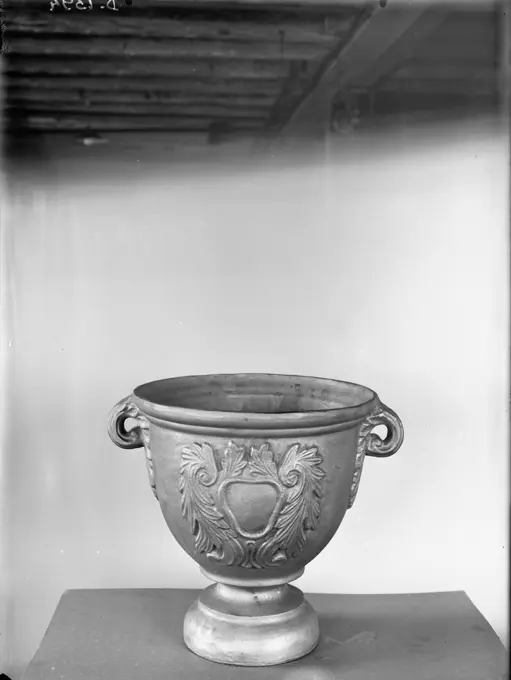
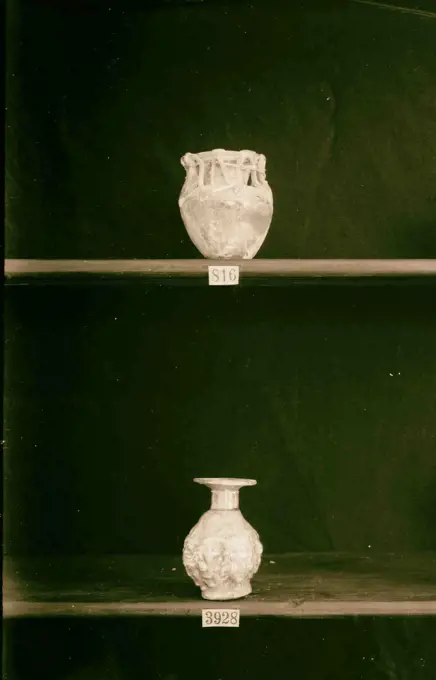
Antique Ceramics And Vessels

Images of historical ceramic pieces, including vases and jars from Japan and China, showcasing intricate designs and craftsmanship from different eras.

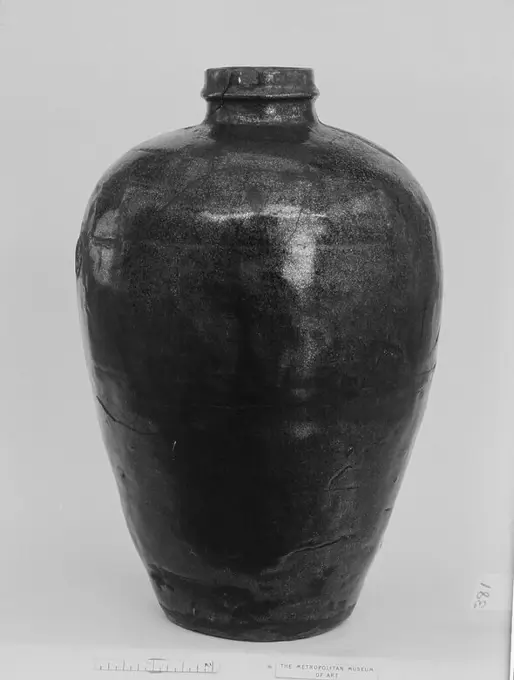
Vase ca. 1750 Japan. Vase. Japan. ca. 1750. Clay; dark brown underglaze; large splash of dark brown overglaze (Takatori ware). Edo period (1615-1868). Ceramics
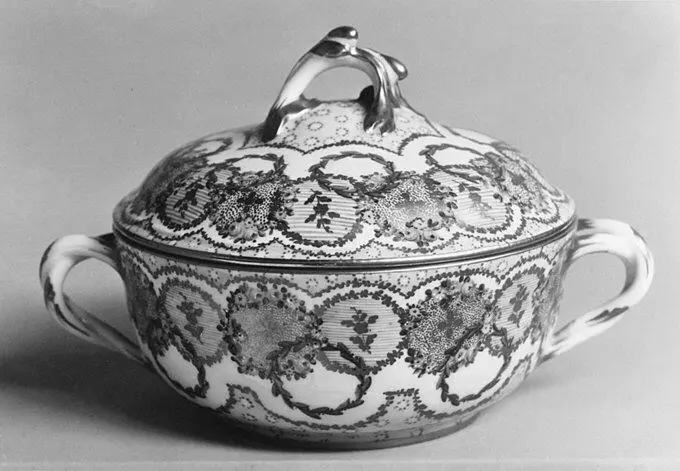
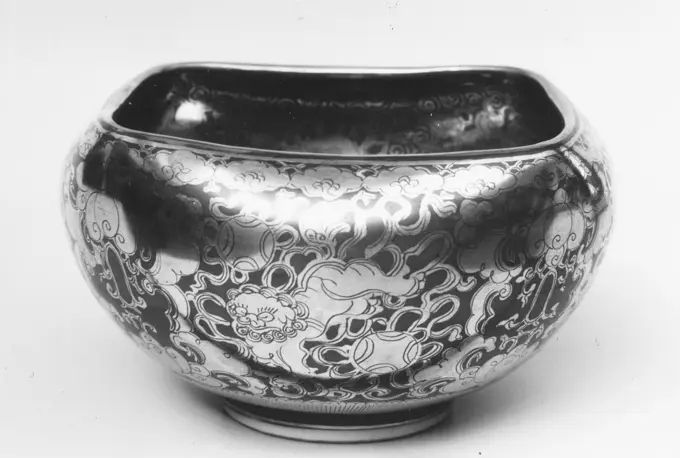
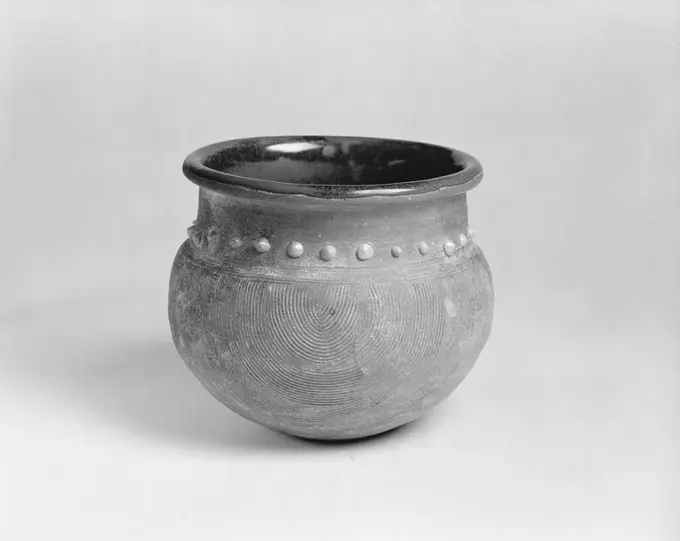
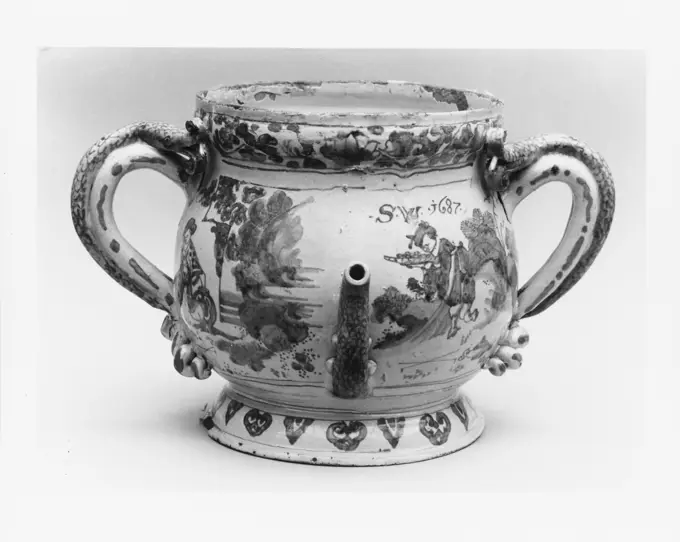
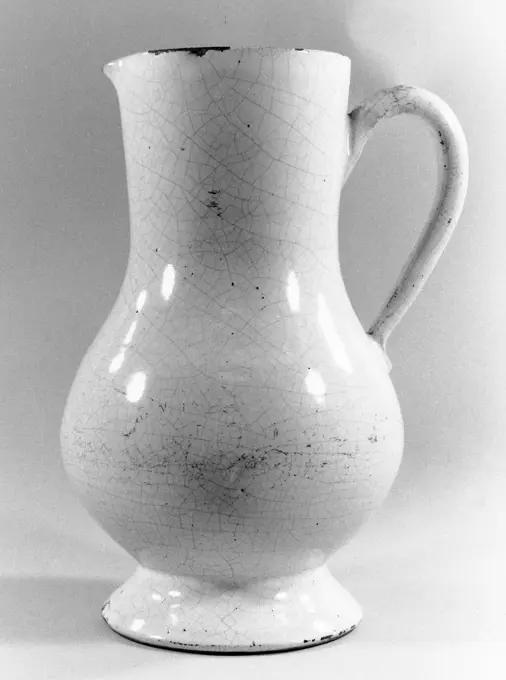
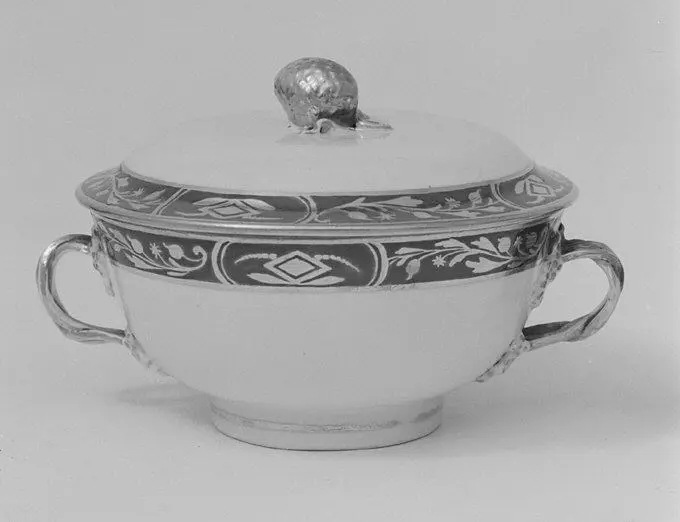
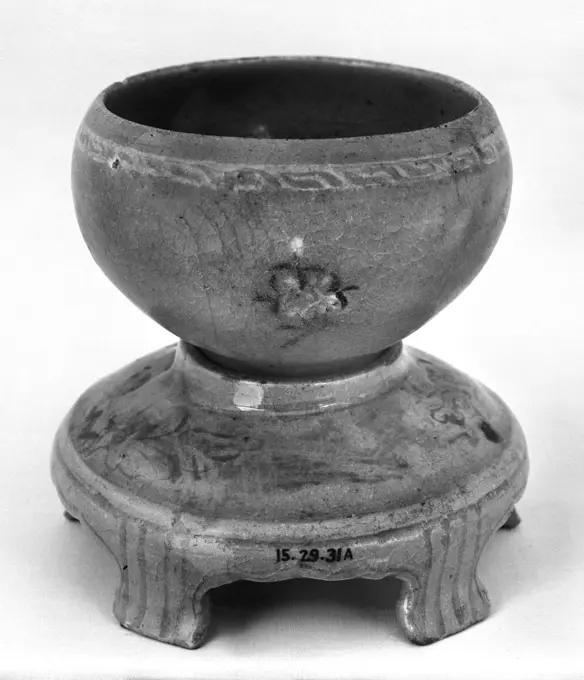
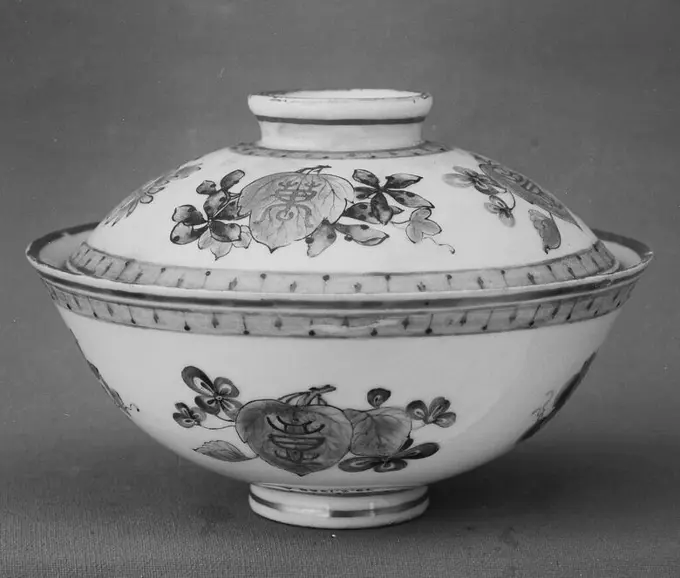
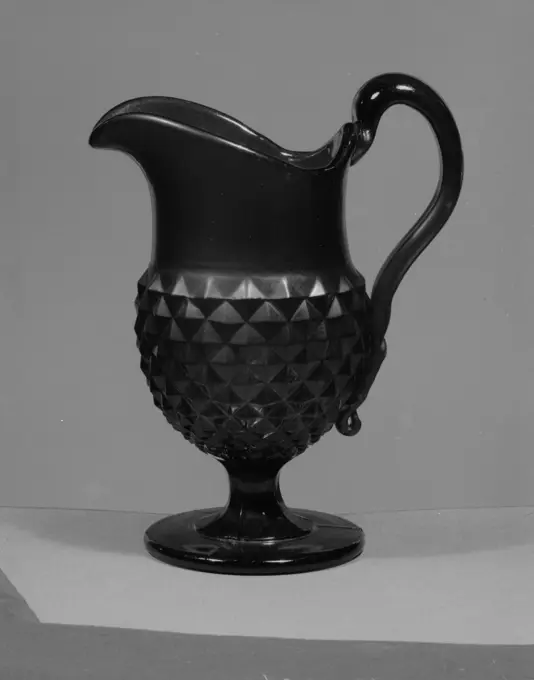
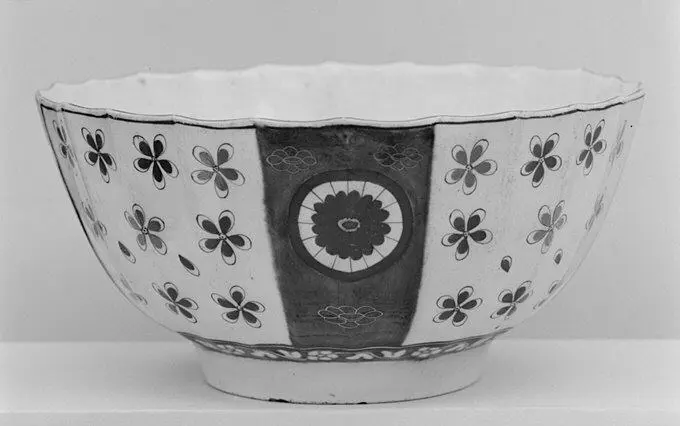
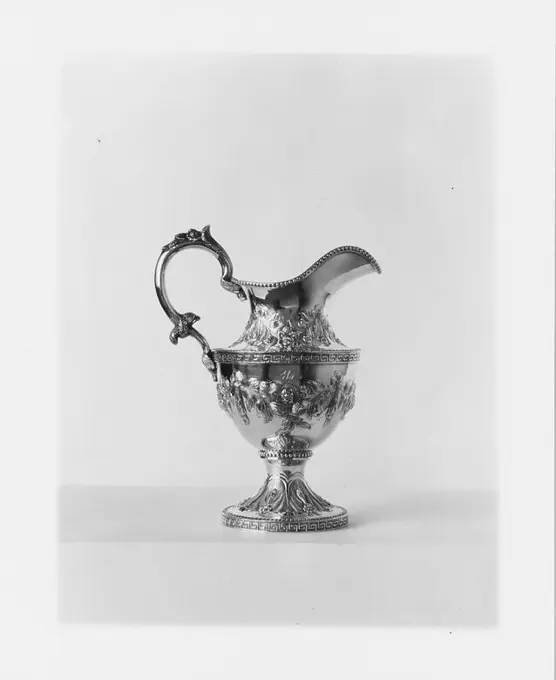
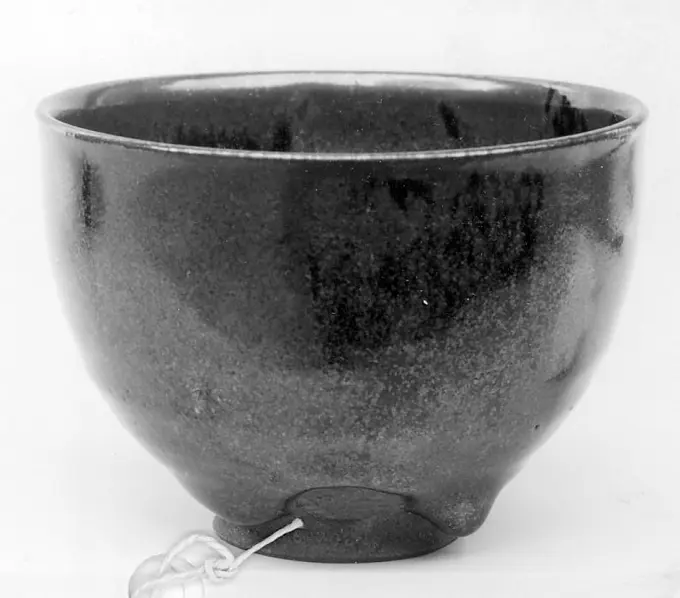
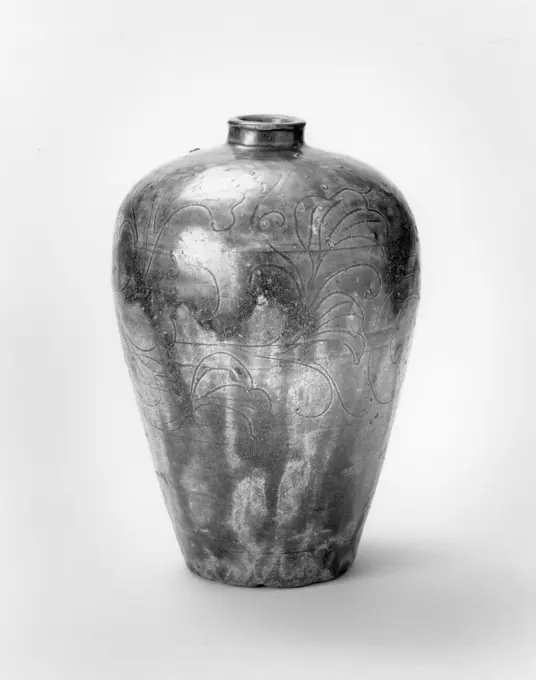
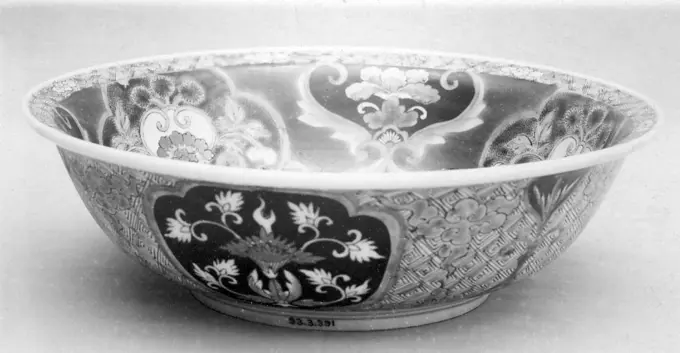
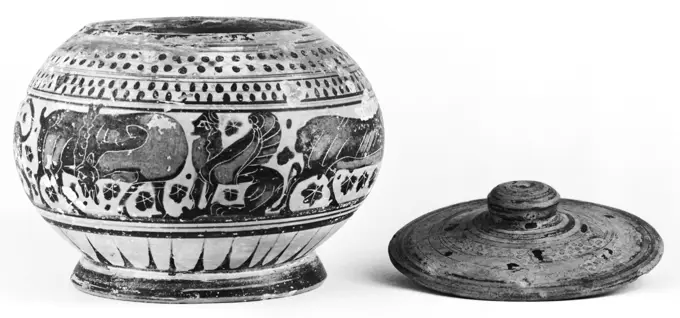
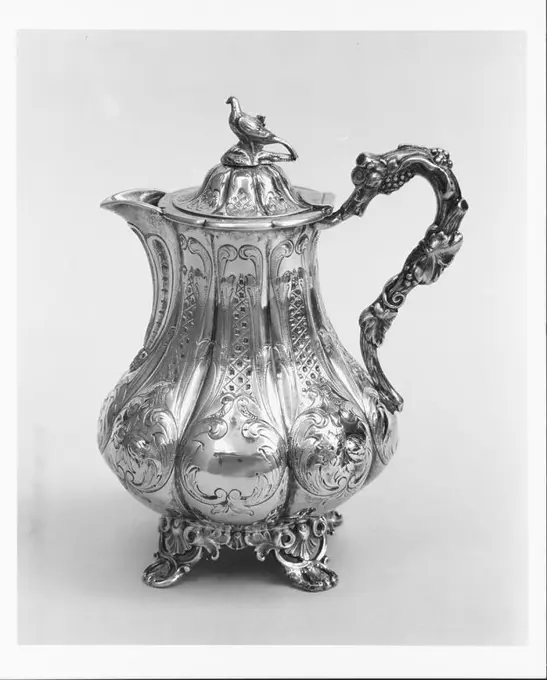
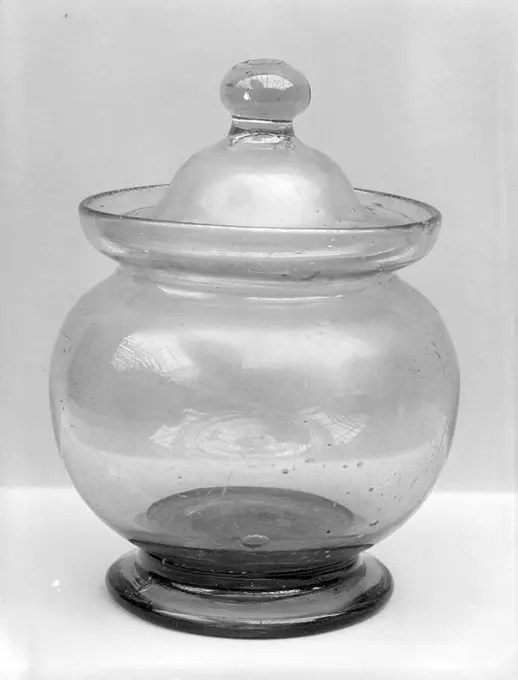
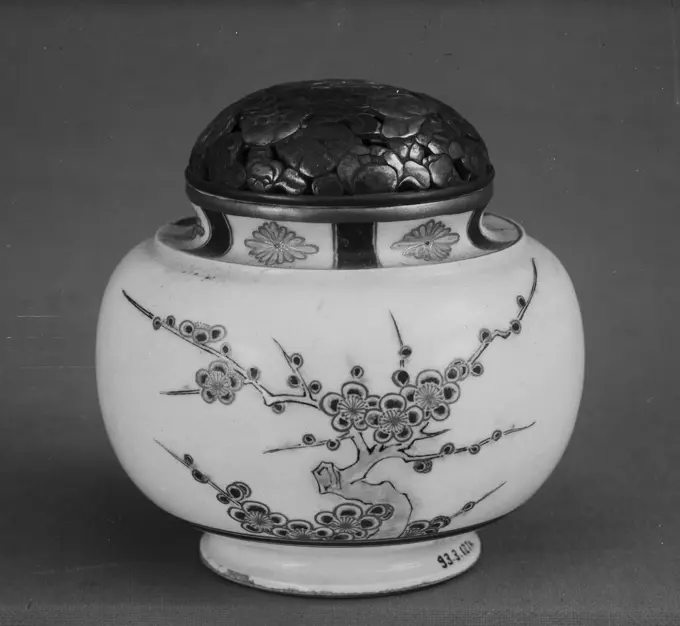
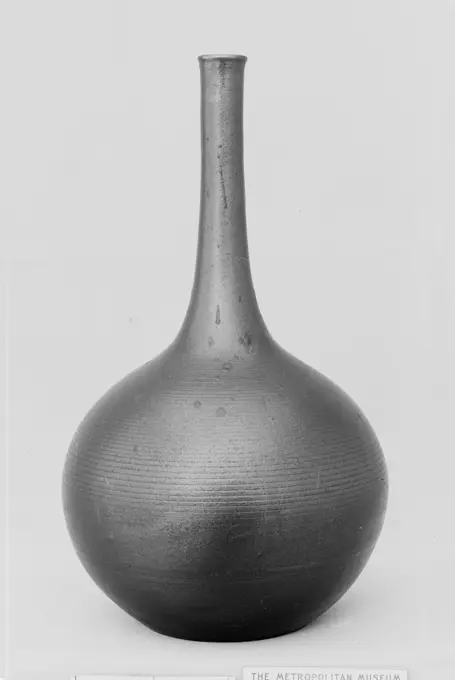
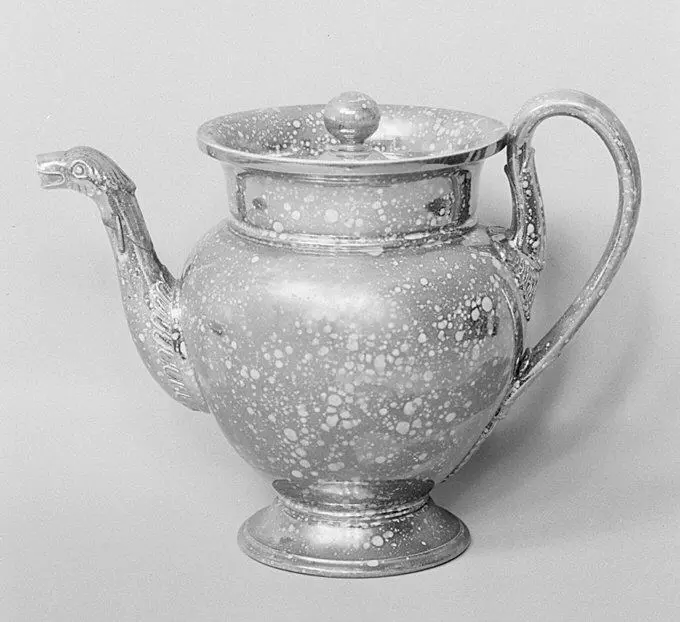
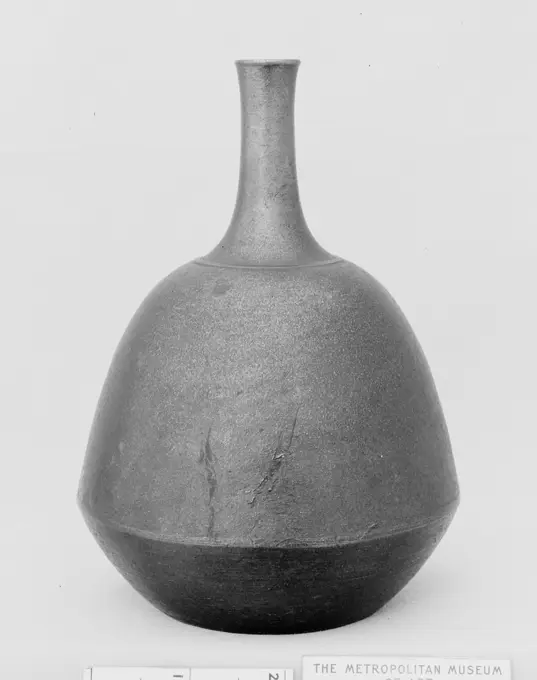
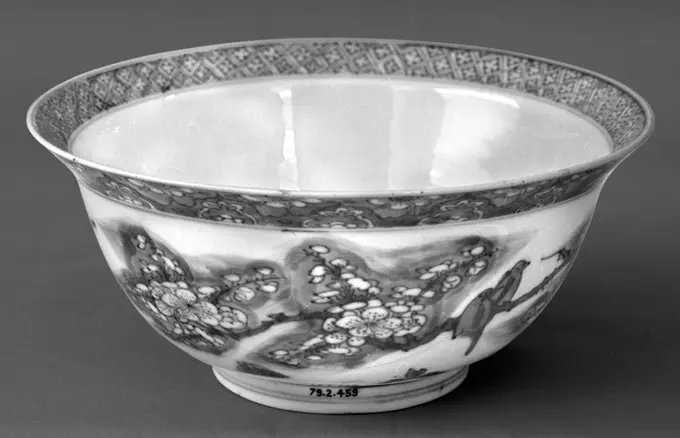
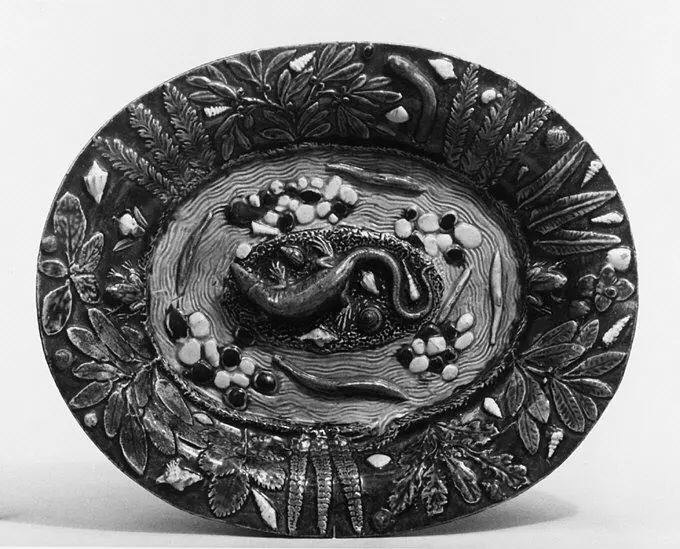
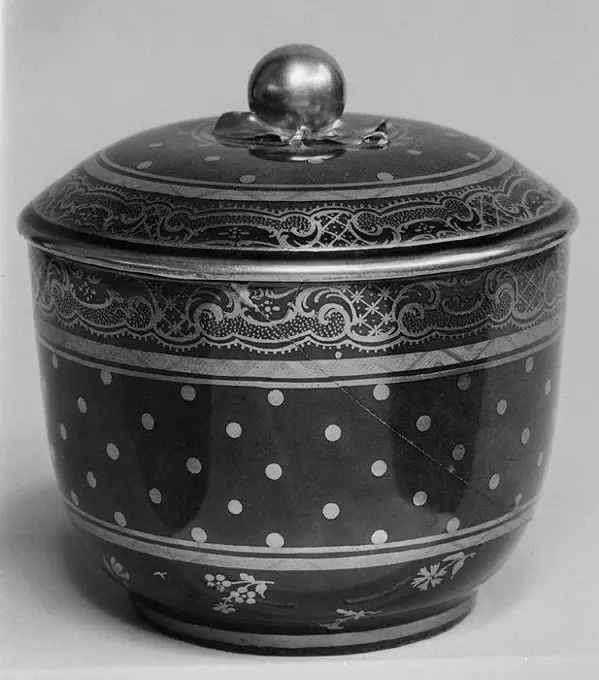
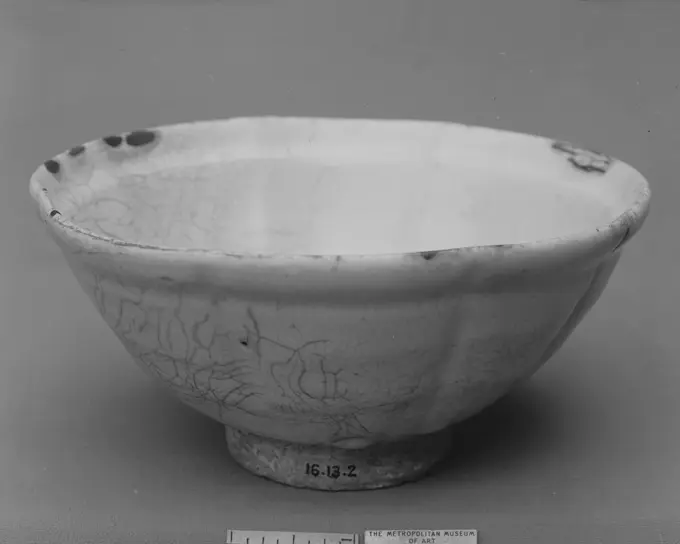
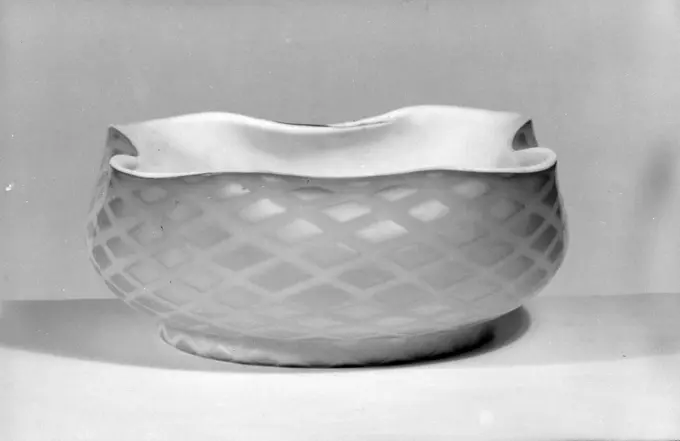
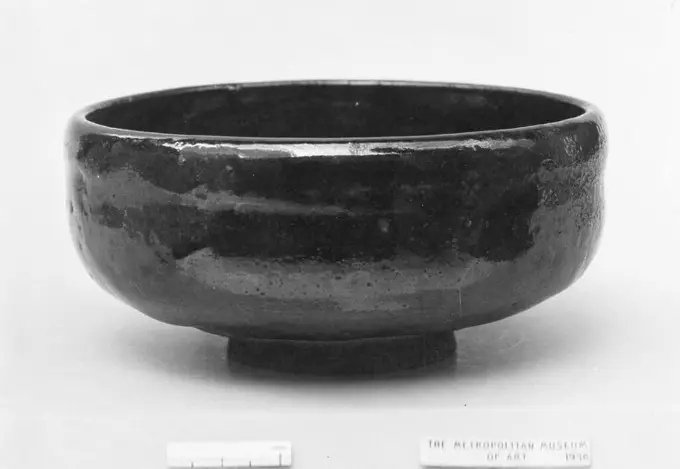
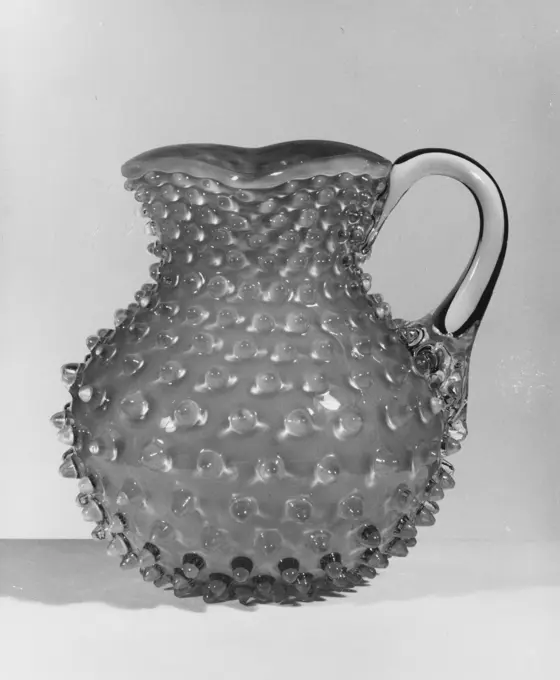
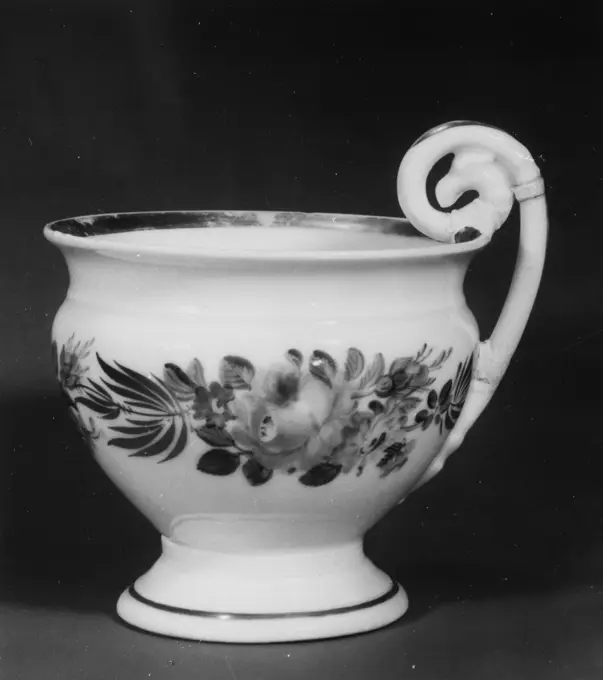
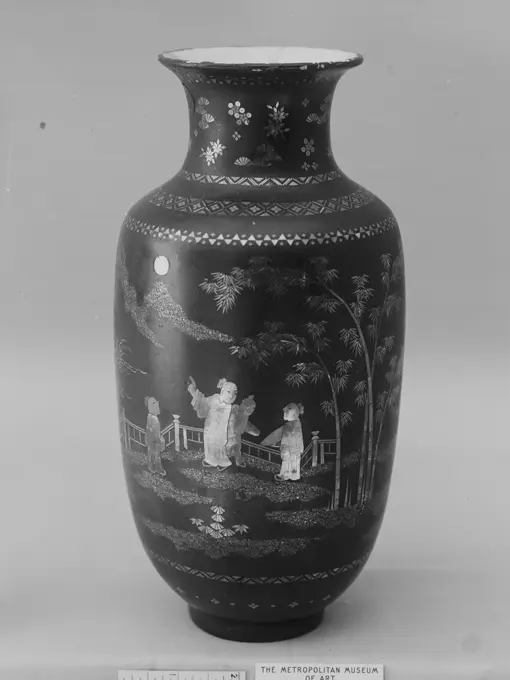
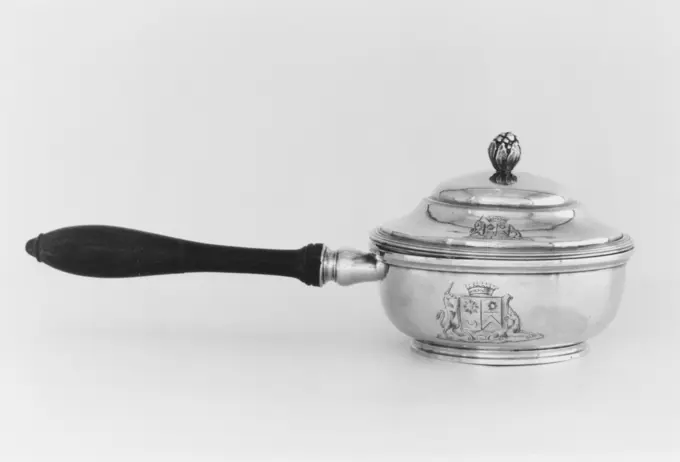
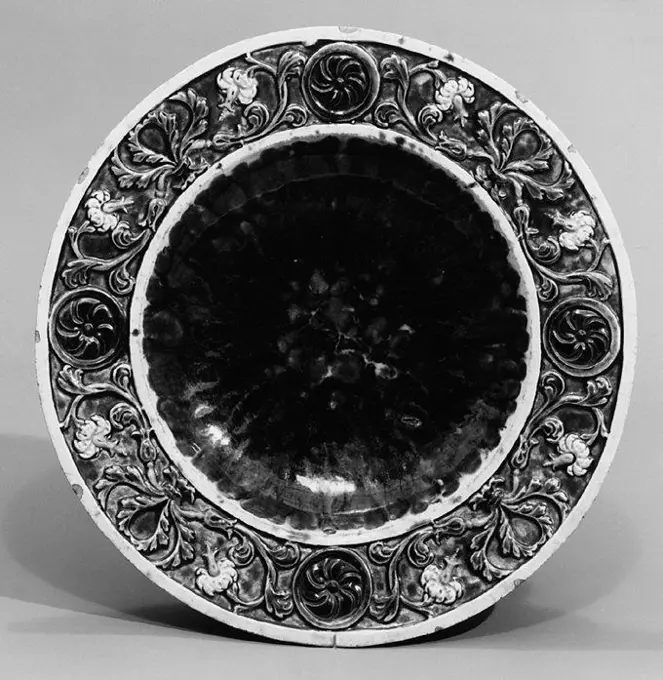
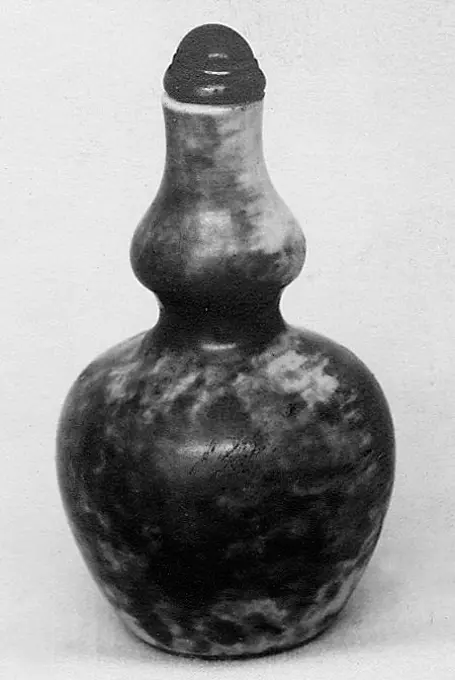
Vase 1820 Japan. Vase. Japan. 1820. Stoneware (Kairakuen ware). Edo period (1615-1868). CeramicsCovered Jar. Culture: China. Dimensions: H. 3 in. (7.6 cm); Diam. 3 in. (7.6 cm). Museum: Metropolitan Museum of Art, New York, USA.Bowl (écuelle) 1768 Sèvres Manufactory French. Bowl (écuelle) 188543 Factory: Svres Manufactory, French, 1740present, Decorator: Decoration possibly by Philippe Xhrouuet, French, active 175075, Decorator: Decoration possibly by Jacques-Franois Micaud, French, active 17571810, Bowl (cuelle), 1768, Soft-paste porcelain, H. 3 7/8 in. (9.8 cm.). The Metropolitan Museum of Art, New York. Gift of W. B. Osgood Field, 1902 (02.5.28a, b)Jar. Culture: Japan. Dimensions: H. 3 3/4 in. (9.5 cm); Diam. 5 3/4 in. (14.6 cm). Date: 1840. Museum: Metropolitan Museum of Art, New York, USA.Bowl 1800 Eiraku Hozen. Bowl 63025Vase ca. 1750 Japan. Vase. Japan. ca. 1750. Clay; dark brown underglaze; large splash of dark brown overglaze (Takatori ware). Edo period (1615-1868). CeramicsJar. Culture: China. Dimensions: H. 4 in. (10.2 cm). Date: 12th-14th century. Museum: Metropolitan Museum of Art, New York, USA.Cup. Culture: Japan. Dimensions: Diam. 3 in. (7.6 cm). Date: early 19th century. Museum: Metropolitan Museum of Art, New York, USA.Posset pot ca. 1687 Lambeth Factories Colonists used spouted drinking pots for the consumption of posset and other drinks. To make posset, various combinations of eggs, cream, sugar, bread, wine and ale were boiled, skimmed, and served hot. The low-lying spout was useful for liquids that had froth floating on top. This posset pot is decorated in a chinoiserie pattern that imitates Chinese porcelain designs.. Posset pot. British. ca. 1687. Tin-enameled earthenware. Made in London, EnglandBowl. Dimensions: H. 3 5/8 in. (9.2 cm); Diam. 5 3/4 in. (14.6 cm). Date: 1880-90. Museum: Metropolitan Museum of Art, New York, USA.Covered bowl 1750 Japan. Covered bowl. Japan. 1750. Porcelain decorated in enamels (Arita ware, Imari type). Edo period (1615-1868). CeramicsSmall Jar. Culture: China. Dimensions: H. 2 3/4 in. (7.cm). Date: 14th century. Museum: Metropolitan Museum of Art, New York, USA.Covered Bowl. Culture: American. Dimensions: H. 4 1/2 in. (11.4 cm); Diam. 6 1/2 in. (16.5 cm). Maker: Probably David Haring (1801-1871). Date: ca. 1835. Museum: Metropolitan Museum of Art, New York, USA.Shard of a cup 19th century China. Shard of a cup. China. 19th century. Porcelain painted in overglaze polychrome enamels (Jingdezhen ware). Qing dynasty (1644-1911). CeramicsCup on a Foot. Artist: Shuntai (Japanese, 1799-1878). Culture: Japan. Dimensions: H. 5 in. (12.7 cm). Date: 1825. Museum: Metropolitan Museum of Art, New York, USA.Vase with chi dragons mid-18th century China. Vase with chi dragons 48736PitcherSugar bowl with cover (part of a service) 1785-1800 Chinese, for British market. Sugar bowl with cover (part of a service) 201193Jar with floral pattern 19th century China. Jar with floral pattern 51245Octagonal Bowl ca. 1800 Aoki Mokubei Japanese. Octagonal Bowl 63021Lazio Viterbo Viterbo Museo Civico65. Hutzel, Max 1960-1990 Views of paintings (Middle Ages through 18th c.), frescoes, a tabernacle, coffin, sculpture reliefs, portal fragments, busts, sculpture, tapestry found in the Pinacoteca, Second floor gallery and Second floor cloister sequences. Antiquities: Many views of Etruscan and Roman fragments, sculpture, sarcophagi, pottery, masks, jewelry and other objects found in the Storeroom sequence (inventory numbers on back of prints), and the Cloister, Second floor Cloister, Valle Giulia, Sala Romana and Sala Etrusca sequences. General Notes: There are eight separate numerical sequences for this location. The cloister as an architectural structure, rather than museum site, is documented in the record and file for S. Maria della Verita, Cloister, all views of which are stored in Medieval core collection. Five views from the Museo Civico Second floor cloister sequence are stored in Medieval. German-born photographer and scholar Max Hutzel (1911-Vase with Stand first half of the 13th century Korea. Vase with Stand. Korea. first half of the 13th century. Stoneware with inlaid decoration under celadon glaze. Goryeo dynasty (918-1392). CeramicsCovered Bowl. Culture: China. Dimensions: H. 4 3/8 in. (11.1 cm); Diam. 4 1/4 in. (10.8 cm). Date: late 18th-19th century. Museum: Metropolitan Museum of Art, New York, USA.Sugar bowl andcover.   Maker: William B. North and Company, active ca. 1822 - 1829Sugar Bowl 1742-98 Attributed to William Will. Sugar Bowl. American. 1742-98. Pewter. Probably made in Philadelphia, Pennsylvania, United StatesCovered Bowl. Culture: China. Dimensions: H. 3 in. (7.6 cm); Diam. 4 1/2 in. (11.4 cm). Date: first half of the 19th century. Museum: Metropolitan Museum of Art, New York, USA.Bonbon Bottle 1750 Japan. Bonbon Bottle. Japan. 1750. White porcelain decorated with blue under the glaze (Arita ware, Imari type). Edo period (1615-1868). CeramicsCoffeepot ca. 1765 British. Coffeepot 199862Vase 1850-75 American. Vase. American. 1850-75. Free-blown aquamarine glass. Made in United StatesLarge pot.Vase late 18th-early 19th century China. Vase. China. late 18th-early 19th century. Porcelain with crackled yellow glaze (Jingdezhen ware). Qing dynasty (1644-1911). CeramicsJar. Culture: China. Dimensions: H. 12 in. (30.5 cm). Date: 1st century B.C.. Museum: Metropolitan Museum of Art, New York, USA.Creamer 1870-85 American. Creamer. American. 1870-85. Pressed blue glass. Made in Pittsburgh, Pennsylvania, United StatesSquare Cup 19th century China. Square Cup 40898Cup (one of a pair) 18th century () French, Strasbourg. Cup (one of a pair) 200227Bowl (part of a service) ca. 1765-75 Worcester factory Eighteenth- and nineteenth-century porcelain tea sets usually comprised a teapot and stand, milk jug, sugar bowl, tea caddy, spoon tray, slop basin, six or twelve tea bowls with or without handles, and six or twelve saucers, a coffee pot and six or twelve coffee cups and a dish for cake. The Worcester factory made tea bowls with a handle if the decoration was European and without a handle for Oriental designs.. Bowl (part of a service). British, Worcester. ca. 1765-75. Soft-paste porcelain. Worcester factory (British, 1751-2008). Ceramics-PorcelainWater Coupe China. Water Coupe. China. Porcelain with peachbloom glaze; neck cut off. Qing dynasty (1644-1911), Kangxi mark and period (1662-1722). CeramicsCreamer. Culture: American. Dimensions: Overall: 8 11/16 x 6 9/16 x 4 5/16 in. (22.1 x 16.7 x 11 cm); 16 oz. 6 dwt. (506.8 g)Foot: Diam. 3 5/8 in. (9.2 cm). Maker: Robert and William Wilson (active ca. 1825-ca.1846). Date: 1835-45. Museum: Metropolitan Museum of Art, New York, USA.Teabowl ca. 1850 Eiraku Wazen Japanese. Teabowl 63170Jar in Meiping Shape with Incised Floral Design 14th century Japan The fourteenth century was a prosperous period for the kilns in Seto. Many of the small jars produced there show a strong influence from Chinese ceramics. Carved, stamped, and combed patterns were used to decorate the surface of these Ko-Seto (Old Seto) jars. Iron glaze began to be used in this period, but its application was still uneven and transparent.. Jar in Meiping Shape with Incised Floral Design 49268Covered Jar late 11th-12th century Cambodia. Covered Jar 37442Teapot ca. 1850 Bizan Japanese. Teapot. Bizan (died 1838 ()). Japan. ca. 1850. Claycovered with a finely crackled, smooth glaze and decorated in enamels and gold (Kyoto ware). Edo period (1615-1868). CeramicsBowl 1780 Japan. Bowl. Japan. 1780. White porcelain decorated with blue under the glaze, polychrome enamels (Arita ware). Edo period (1615-1868). CeramicsVase late 18th-early 19th century China. Vase 46926Shallow Bowl 18th century Japan. Shallow Bowl. Japan. 18th century. Pottery covered with a crackled glaze, designs in blue (Kyoto ware). Edo period (1615-1868). CeramicsCorinthian Pyxis Lid. UnknownVase late 18th-19th century China. Vase. China. late 18th-19th century. Porcelain with copper red glaze and relief slip decoration (Jingdezhen ware). Qing dynasty (1644-1911). CeramicsMycenaean Stirrup Jar. UnknownOil Bottle. Artist: Hosho (). Culture: Japan. Dimensions: H. 5 7/8 in. (14.9 cm); Diam. 5 7/8 in. (14.9 cm). Date: 19th century. Museum: Metropolitan Museum of Art, New York, USA.Vase China. Vase. China. Porcelain. Qing dynasty (1644-1911), Qianlong period (1736-95). CeramicsBottle ca. 1630 Japan. Bottle. Japan. ca. 1630. Clay; brown metallic glaze and thick overglaze (Zeze ware). Edo period (1615-1868). CeramicsCovered Salt 1830-40 American. Covered Salt. American. 1830-40. Lacy pressed glass. Made in Massachusetts, United StatesCreamer. Culture: American. Dimensions: 7 3/16 x 5 11/16 x 4 1/2 in. (18.3 x 14.4 x 11.4 cm); 14 oz. 1 dwt. (437.3 g). Maker: Charters, Cann & Dunn (active 1848-1854). Retailer: Ball, Tompkins and Black (active 1839-51). Date: 1848-51. Museum: Metropolitan Museum of Art, New York, USA.Covered Bowl. Culture: American. Dimensions: H. 6 in. (15.2 cm); Diam. 3 3/4 in. (9.5 cm). Date: 1800-1850. Museum: Metropolitan Museum of Art, New York, USA.Bowl with Thai mythical figures 19th century China. Bowl with Thai mythical figures 46259Urn ca. 1825-35 French. Urn. French. ca. 1825-35. Porcelain. Made in FranceIncense Burner 1800 Japan. Incense Burner. Japan. 1800. Clay, very finely crackled glaze and decorated in enamels and gold (Satsuma ware). Edo period (1615-1868). CeramicsPorringer 17th century possibly Dutch. Porringer 193258Sugar box with cover ca. 1720, decorated ca. 1725-35 Meissen Manufactory German. Sugar box with cover 200934Bowl with cover ca. 1715-20 Chinese, for British market The coat of arms that appears both inside the bowl and inside the finial of the cover has been identified as that of the Craggs family. This bowl might have belonged either to James Craggs the Elder (1657-1721) or to his son, James Craggs the Younger (1686-1721) who was principal Secretary of State to George I.. Bowl with cover 202545Wine Bottle 18th century Japan. Wine Bottle. Japan. 18th century. Clay covered with salt glaze and spots of overglaze (Bizen ware, Imbe style). Edo period (1615-1868). CeramicsBowl. Culture: Japan. Dimensions: H. 9 3/4 in. (24.8 cm). Date: 18th century. Museum: Metropolitan Museum of Art, New York, USA.Teapot 1820-30 French, Sarreguemines. Teapot 238824Vase China. Vase. China. Porcelain. Qing dynasty (1644-1911), Kangxi period (1662-1722). CeramicsBottle 18th century Japan. Bottle. Japan. 18th century. Clay covered with a salt glaze (Bizen ware, Imbe style). Edo period (1615-1868). CeramicsBottle for Sweets 18th century Japan. Bottle for Sweets. Japan. 18th century. Clay covered with streaked glaze (Kiyomizu ware, Zhun type). Edo period (1615-1868). CeramicsBowl with birds and flowers late 17th century China. Bowl with birds and flowers. China. late 17th century. Porcelain painted in underglaze cobalt blue (Jingdezhen ware). Qing dynasty (1644-1911), Kangxi mark and period (1662-1722). CeramicsBottle 1800-1820 American. Bottle 593Water Coupe China. Water Coupe. China. Porcelain with incised decoration under peachbloom glaze. Qing dynasty (1644-1911), Kangxi mark and period (1662-1722). CeramicsDish 1800-1833 Manner of Bernard Palissy French The sixteenth century was marked by a scientific interest in natural phenomena. New worlds had been discovered, occupied by animals and human beings never before seen in Europe. Museums of curiosities abounded, and self-styled naturalists, such as Cosimo de' Medici, gilded armadillos from the Americas and placed them on pillars in their palaces. Native Indians of the Americas toured the courts of Europe, and the taste for the exotic flourished. It was in this atmosphere that the talented French potter Bernard Palissy began practicing his trade. An enthusiastic natural scientist, Palissy used local fish, plants and reptileshe made casts of actual specimens for use in his modelingfashioned in a range of colored glazes, to develop what he called "pastoral pottery." Although he is recorded as having produced his rustic ware in abundance, the only documented work by his hand was the grotto (now destroyed) in the garden of the Tuileries.. DisSugar bowl 18th century Sèvres Manufactory French. Sugar bowl 191143Covered jar with ladies and antiques late 17th-early 18th century China. Covered jar with ladies and antiques. China. late 17th-early 18th century. Porcelain painted in underglaze cobalt blue and powder-blue ground (Jingdezhen ware), wooden base. Qing dynasty (1644-1911), Kangxi period (1662-1722). CeramicsCup and saucer ca. 1760 Meissen Manufactory German. Cup and saucer 199245Compote 1876-85 Bryce Brothers. Compote. American. 1876-85. Pressed glass. Made in Pittsburgh, Pennsylvania, United StatesDrum. Culture: China. Dimensions: H. 13 1/2 in. (34.3 cm); Diam. of top 6 in. (15.2 cm); Diam. of base 6 in. (15.2 cm). Museum: Metropolitan Museum of Art, New York, USA.Bottle China. Bottle. China. Porcelain with peachbloom glaze. Qing dynasty (1644-1911), Kangxi period (1662-1722). CeramicsBowl China. Bowl 52070Bowl after 1885 American or British. Bowl. American or British. after 1885. Blown satin blue glass. Possibly made in England; Possibly made in New Bedford, Massachusetts, United StatesTeabowl. Artist: Kichizaemon. Culture: Japan. Dimensions: H. 2 1/2 in. (6.4 cm); Diam. 5 in. (12.7 cm). Date: ca. 1880. Museum: Metropolitan Museum of Art, New York, USA.Hobnail pitcher after 1886 Probably Hobbs, Brockunier and Company. Hobnail pitcher 5805JARRON DE LATON - FOTOGRAFIA EN BLANCO Y NEGRO - AÑOS 60. Location: PRIVATE COLLECTION.Cup and Saucer 1826-38 Tucker Factory. Cup and Saucer 2793Pot 18th century China. Pot. China. 18th century. Glass. Qing dynasty (1644-1911), Qianlong period (1736-95). GlassBottle 19th century Japan. Bottle 47106Hanging Light. Culture: American or British. Dimensions: H. 2 3/4 in. (7 cm); Diam. 2 3/8 in. (6 cm). Date: 1780-1825. Museum: Metropolitan Museum of Art, New York, USA.Water Pot 19th century Japan. Water Pot. Japan. 19th century. Clay covered with a white slip and a blue design under the glaze (Kiyomizu ware). Edo (1615-1868) or Meiji period (1868-1912). CeramicsVase China. Vase. China. Porcelain with underglaze blue decoration, coated with black lacquer inlaid with mother-of-pearl (lac burgauté). Qing dynasty (1644-1911), Qianlong period (1736-95). CeramicsSaucer. Culture: China. Dimensions: H. 1 1/2 in. (3.8 cm); Diam. 5 1/4 in. (13.3 cm). Date: ca. 9th century. Museum: Metropolitan Museum of Art, New York, USA.Plate 18th century Swiss. Plate 190807Antique glass 1898, Middle EastCasserole with cover 1787-88 Jean-François-Nicolas Carron. Casserole with cover 200218Vase 1860-80 American. Vase 9205Brush Pot China. Brush Pot. China. Porcelain. Qing dynasty (1644-1911), Kangxi period (1662-1722). CeramicsWine cup 1653-54 E. T., London. Wine cup 204991Ewer (part of a set) Belgian 19th century View more. Ewer (part of a set). Belgian. 19th century. Pewter. Metalwork-PewterPlate first half 17th century or later Manner of Bernard Palissy French. Plate 201607Snuff Bottle 19th century China. Snuff Bottle 41716Terracotta kylix: lip-cup (drinking cup) ca. 550-525 B.C. Attributed to the Centaur Painter Obverse, hunter pursuing doe, on reverse.. Terracotta kylix: lip-cup (drinking cup) 240948Beaker (one of a pair) 1728-29 Probably Jacques Filassier. Beaker (one of a pair) 200295Snuff Bottle China. Snuff Bottle 41270