Antique Ceramics And Vessels

Images of historical ceramic pieces, including vases and jars from Japan and China, showcasing intricate designs and craftsmanship from different eras.

Vase ca. 1750 Japan. Vase. Japan. ca. 1750. Clay; dark brown underglaze; large splash of dark brown overglaze (Takatori ware). Edo period (1615-1868). Ceramics
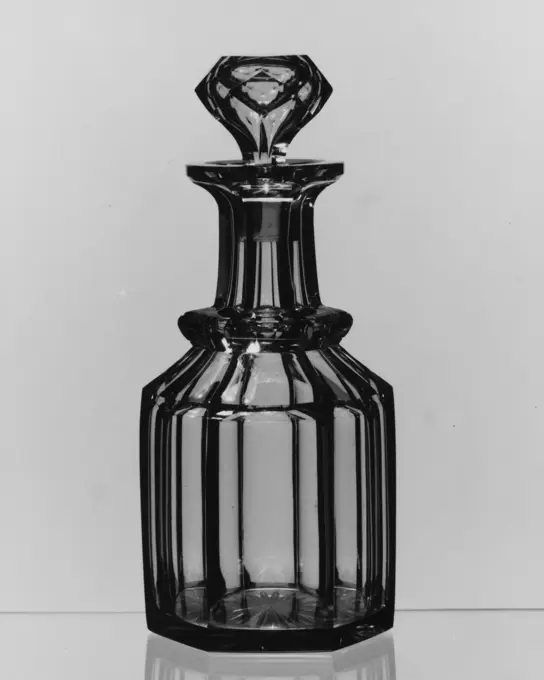
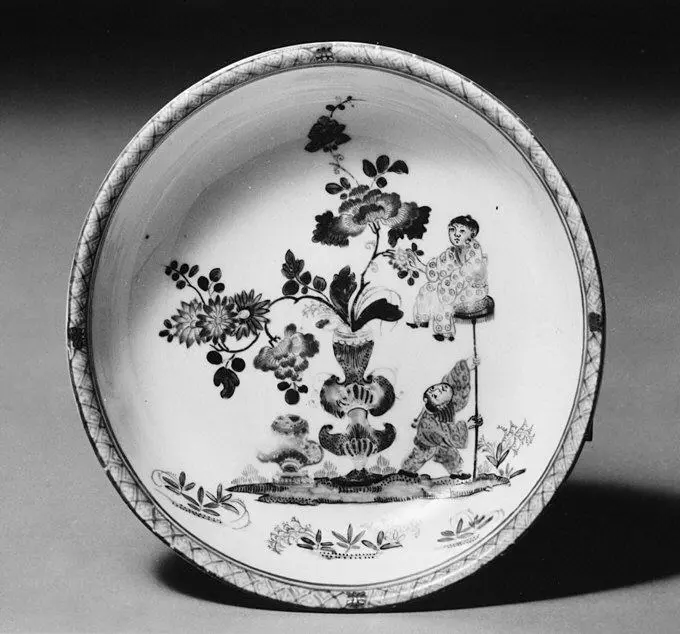
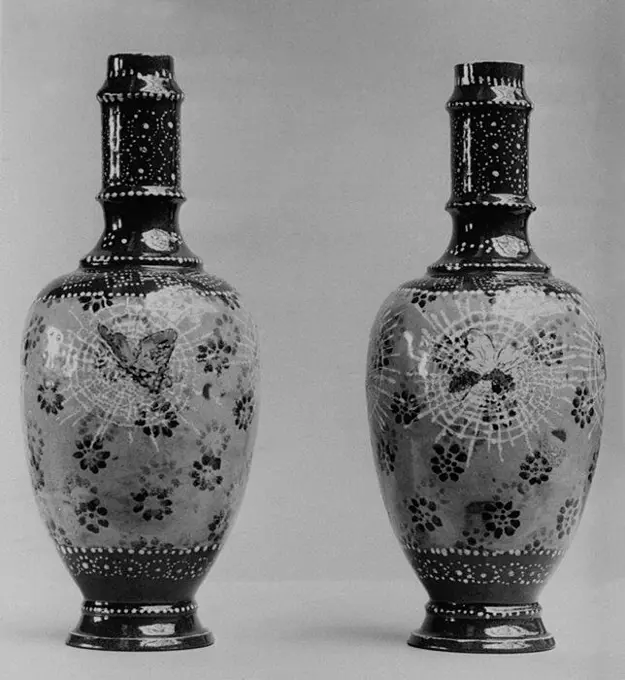
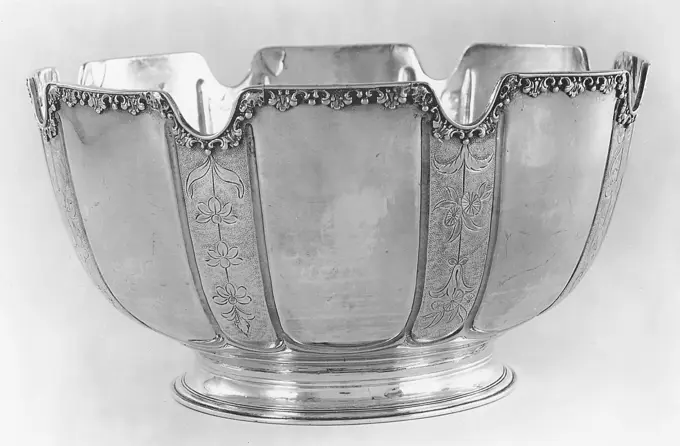
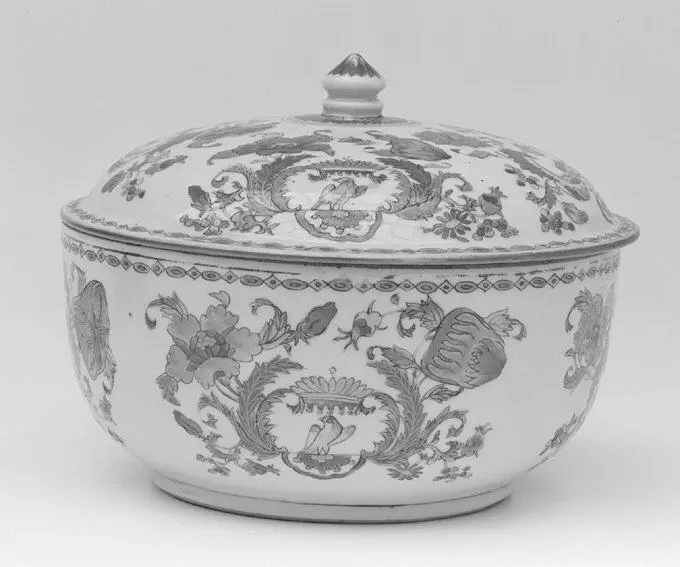
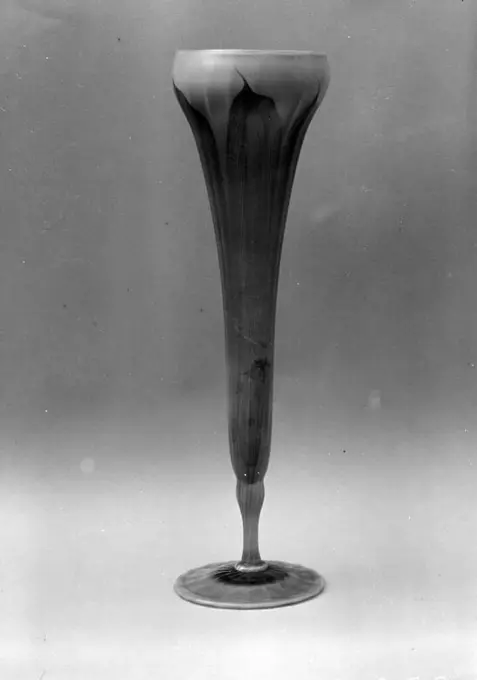
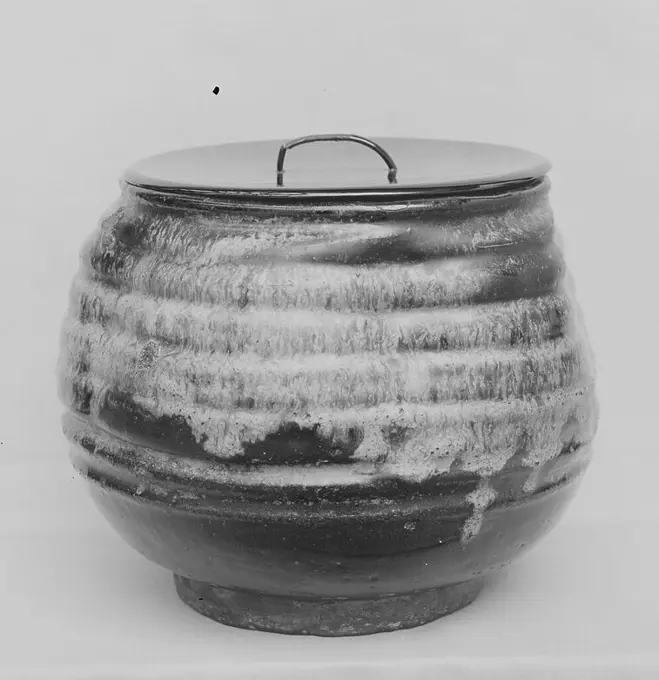
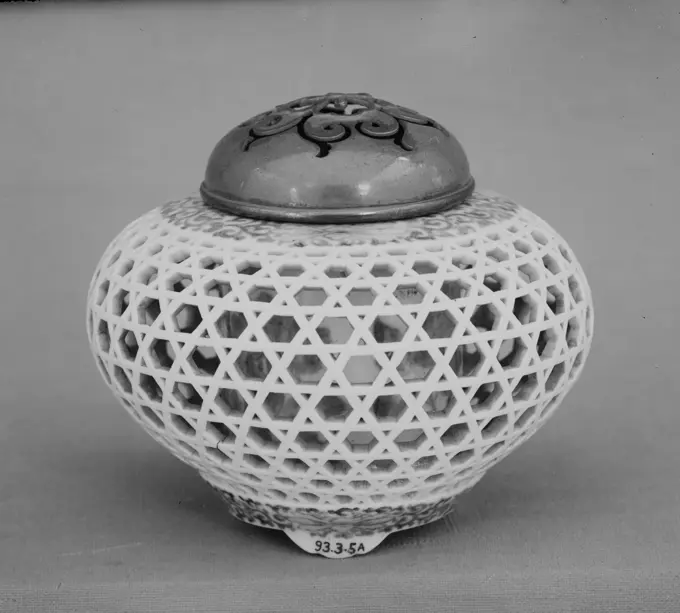
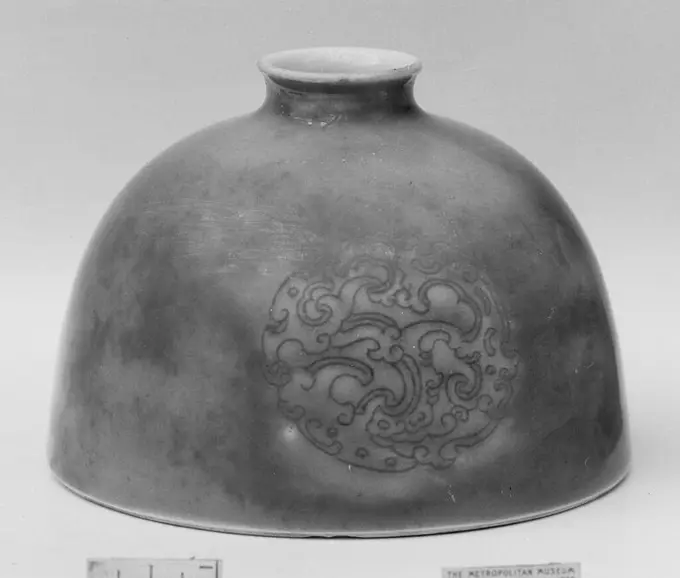
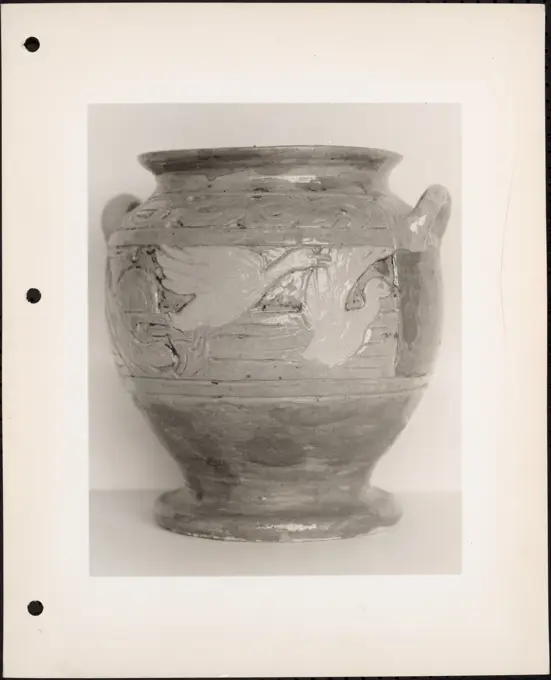
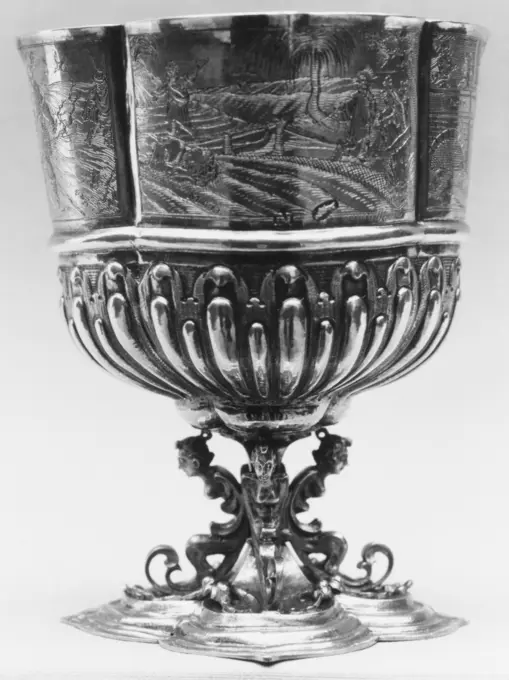
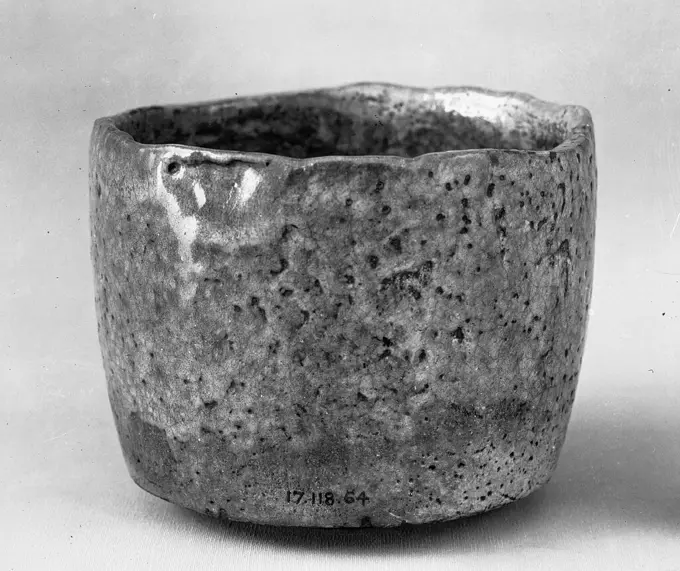
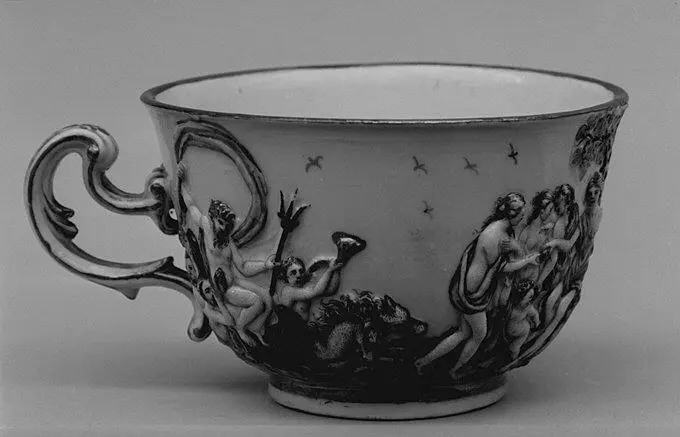
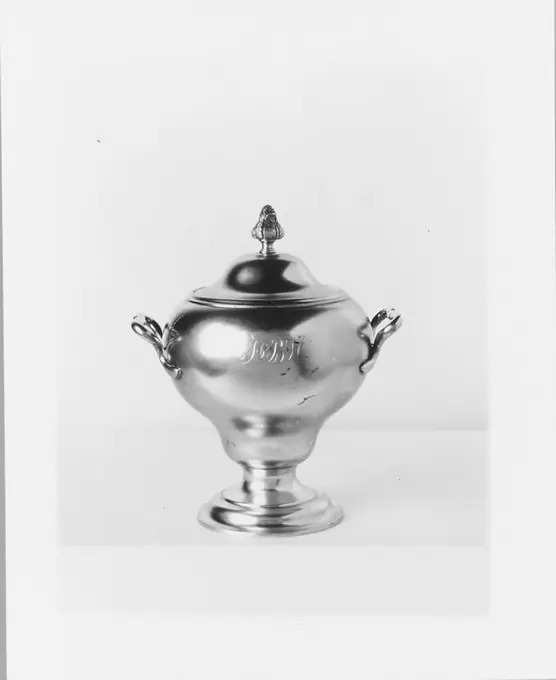
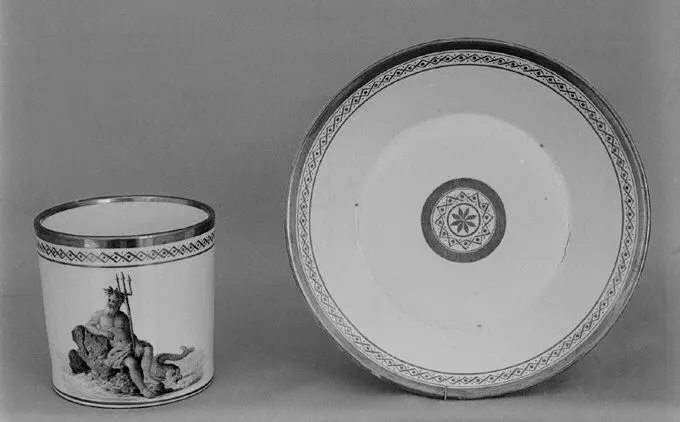
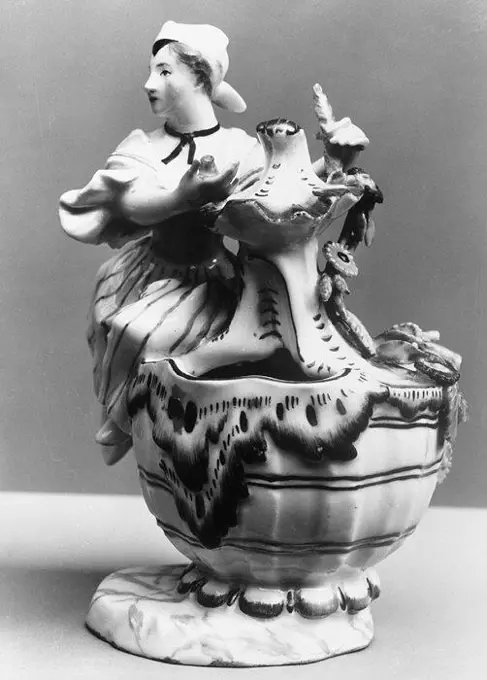
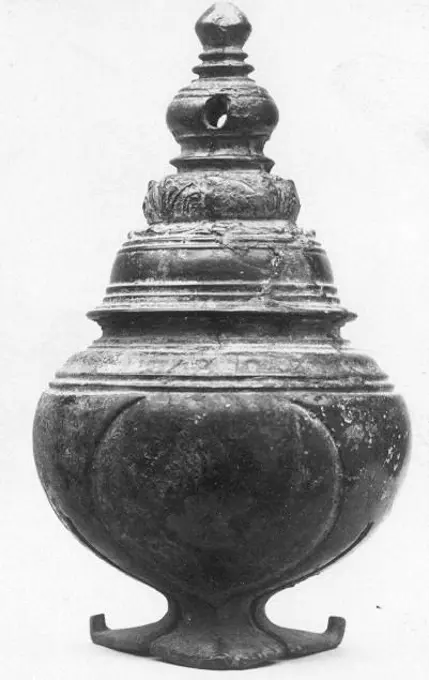
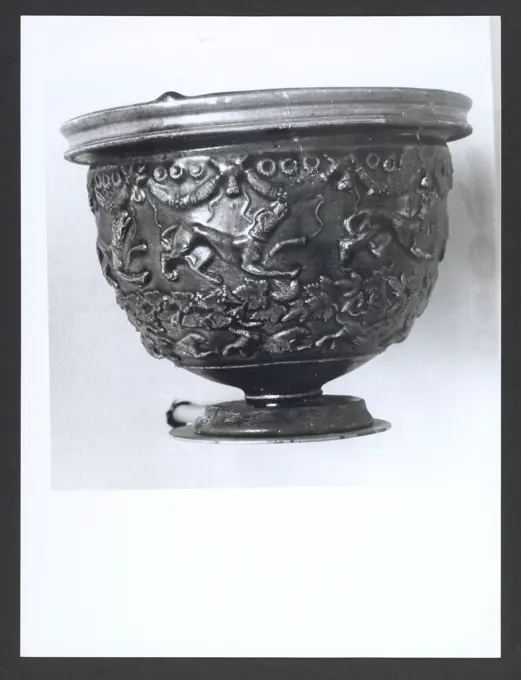
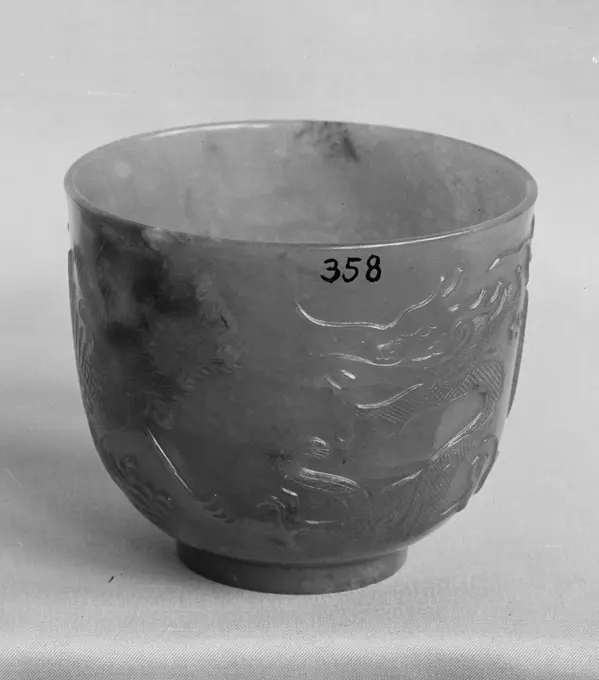
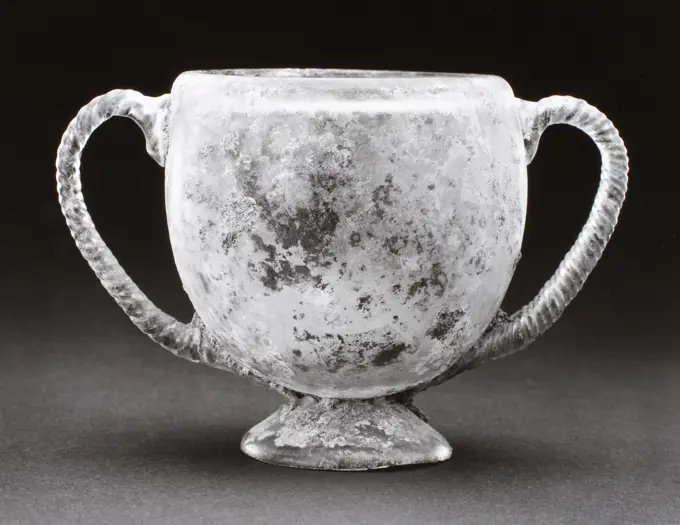
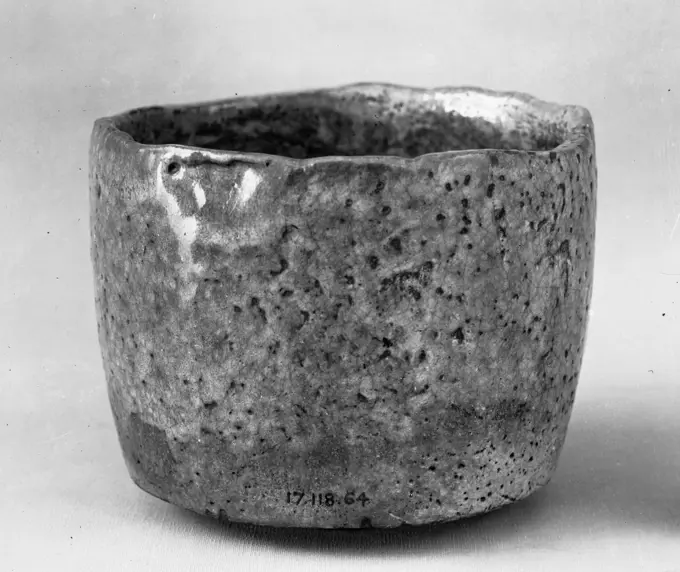
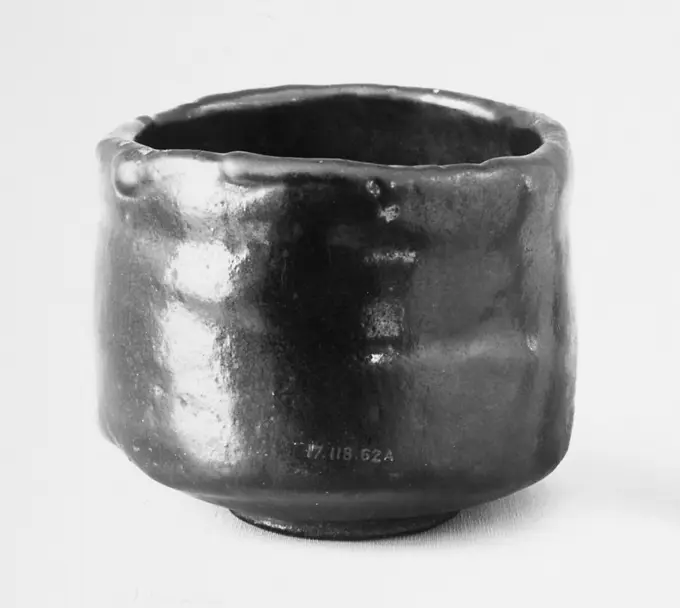
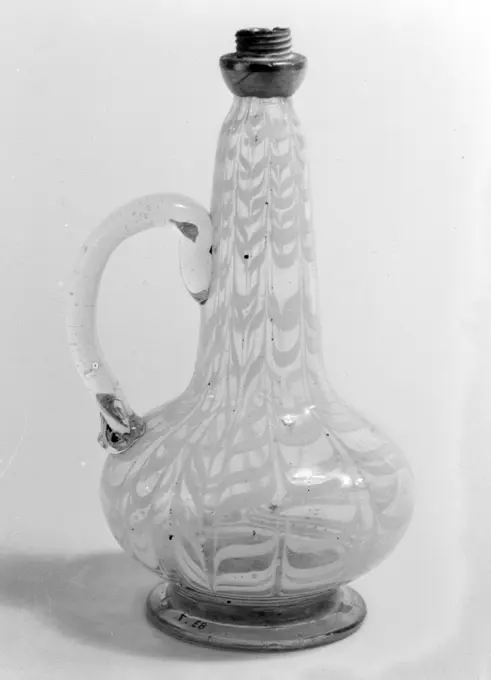
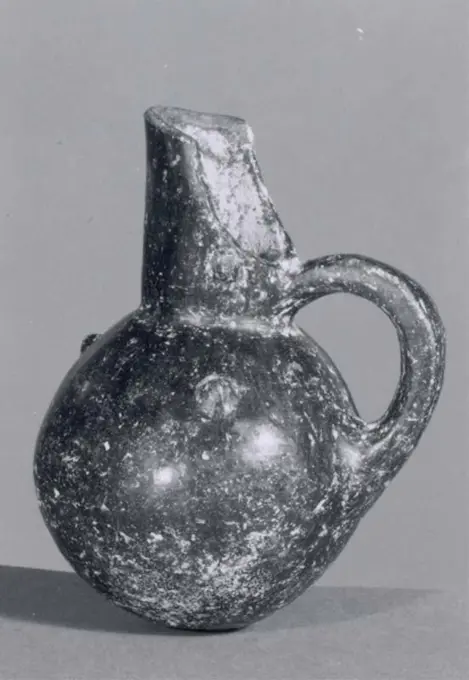
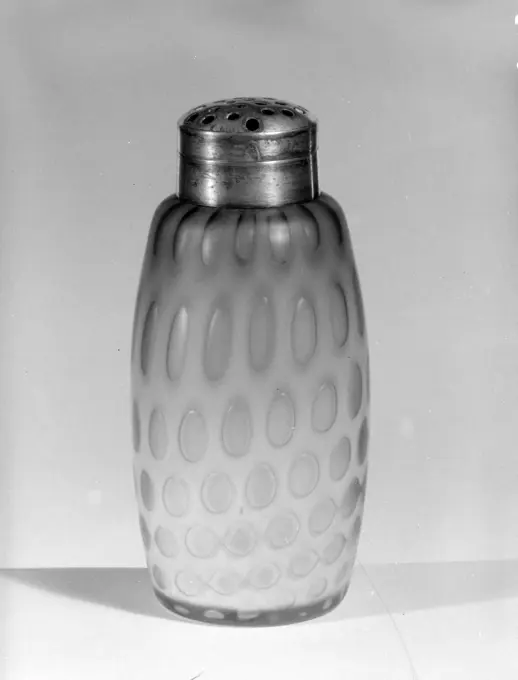
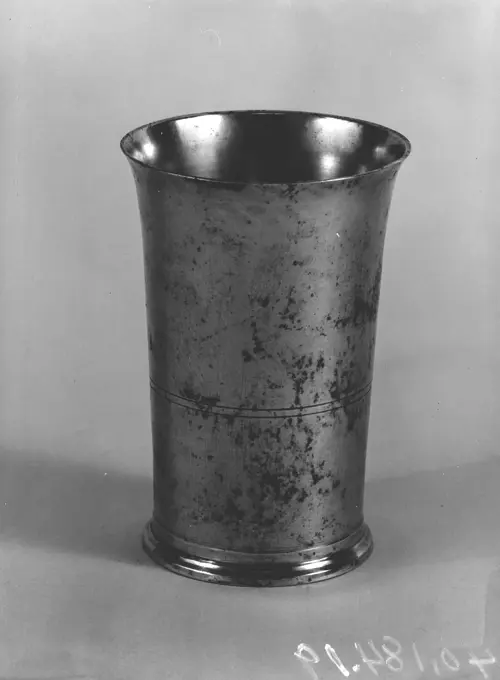
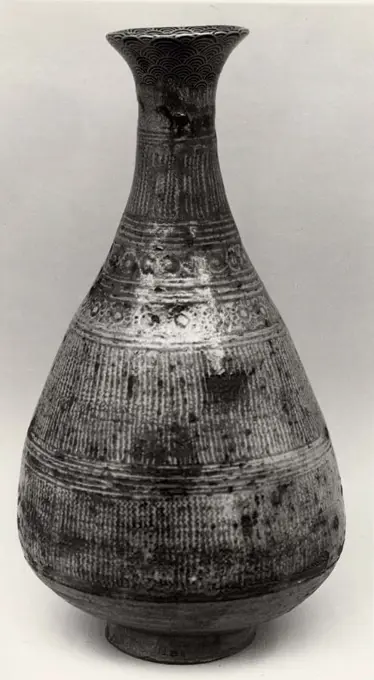
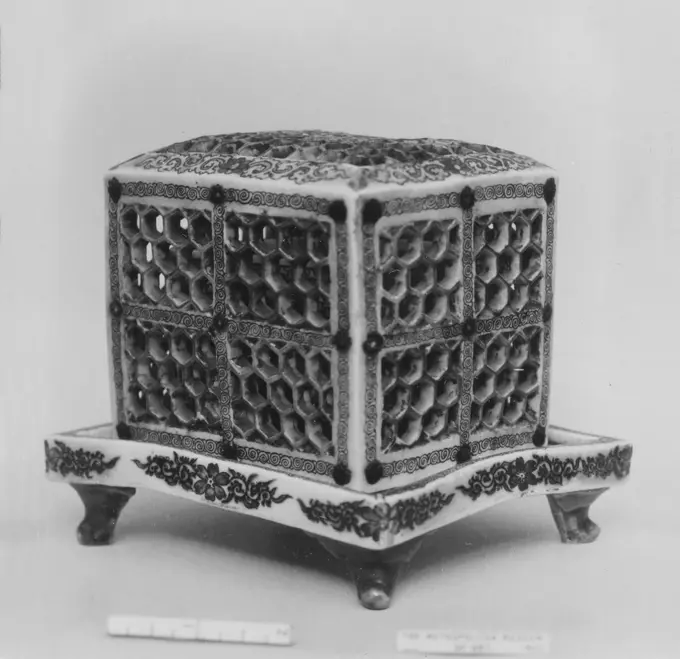
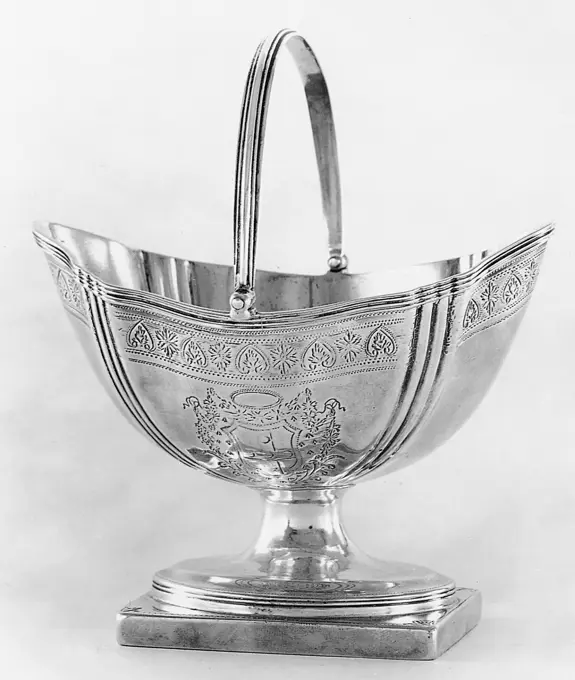
Covered Jar. Culture: China. Dimensions: H. 22 in. (55.9 cm). Museum: Metropolitan Museum of Art, New York, USA.Dish second half 17th century Dutch or Flemish. Dish 193326Vase. Culture: China. Dimensions: H. 5 3/4 in. (14.6 cm). Museum: Metropolitan Museum of Art, New York, USA.Wine Pot China. Wine Pot 52800Jar. Culture: China. Dimensions: H. 15 1/8 in. (38.4 cm). Museum: Metropolitan Museum of Art, New York, USA.Vase 19th century China. Vase 46680Decanter ca. 1824-40 Probably manufactured by Jersey Glass Company of George Dummer The Jersey Glass Company exhibited at the Franklin Institute in 1836 and was awarded a silver medal for its exceptional fluted decanters” of cut glass. The superior quality of the distinctive green glass and the precision of the panel and star cutting are evident in this service.. Decanter. American. ca. 1824-40. Blown and cut glass. Made in Jersey City, New Jersey, United StatesBottle vase 18th century China. Bottle vase. China. 18th century. Porcelain with yellow glaze (Jingdezhen ware). Qing dynasty (1644-1911). CeramicsGu 19th century Chinese. Gu. Chinese. 19th century. Wood, various materials. China. Membranophone-single-headed / barrel drumVase. Culture: China. Dimensions: H. 14 7/8 in. (37.8 cm). Museum: Metropolitan Museum of Art, New York, USA.Kettle 1780 Kinkozan Japanese. Kettle. Kinkozan. Japan. 1780. Faience with enamels; designs in low relief. Edo period (1615-1868). CeramicsSaucer ca. 1730-35 Vienna The gift of the Hans Syz Collection in 1995 endowed the Museum with nearly three hundred examples of European and Asian ceramics meticulously acquired by Swiss-born collector Dr. Syz (1894-1991) to chart the migration of models and patterns from East to West. Documenting a continuous process of influence and adaptation, these pieces provide a discriminating review of the nuances of stylistic change resulting from three centuries of trade.. Saucer 208461Pair of vases ca. 1870-86 French, Limoges. Pair of vases 194965Robert Cooper, Monteith, 1689/90, silver.Bowl with cover (part of a set) 1725-40 Chinese, for Continental European, probably French, market. Bowl with cover (part of a set) 201071Vase. Culture: American. Designer: Designed by Louis Comfort Tiffany (American, New York 1848-1933 New York). Dimensions: H. 17 5/8 in. (44.8 cm). Maker: Tiffany Glass and Decorating Company (American, 1892-1902). Date: ca. 1900. Museum: Metropolitan Museum of Art, New York, USA.Lazio Viterbo Viterbo Museo Civico50. Hutzel, Max 1960-1990 Views of paintings (Middle Ages through 18th c.), frescoes, a tabernacle, coffin, sculpture reliefs, portal fragments, busts, sculpture, tapestry found in the Pinacoteca, Second floor gallery and Second floor cloister sequences. Antiquities: Many views of Etruscan and Roman fragments, sculpture, sarcophagi, pottery, masks, jewelry and other objects found in the Storeroom sequence (inventory numbers on back of prints), and the Cloister, Second floor Cloister, Valle Giulia, Sala Romana and Sala Etrusca sequences. General Notes: There are eight separate numerical sequences for this location. The cloister as an architectural structure, rather than museum site, is documented in the record and file for S. Maria della Verita, Cloister, all views of which are stored in Medieval core collection. Five views from the Museo Civico Second floor cloister sequence are stored in Medieval. German-born photographer and scholar Max Hutzel (1911-Tube China. Tube 61958Miniature pot early 2nd millennium B.C. Iran. Miniature pot 324802Water Pot. Culture: Japan. Dimensions: H. 5 1/2 in. (14 cm); Diam. 6 1/2 in. (16.5 cm). Date: 18th century. Museum: Metropolitan Museum of Art, New York, USA.Bowl. Culture: China. Dimensions: H. 2 3/8 in. (6 cm); Diam. 5 1/2 in. (14 cm). Date: first half of the 19th century. Museum: Metropolitan Museum of Art, New York, USA.Incense Burner 1780 Japan. Incense Burner. Japan. 1780. White porcelain decorated with blue under the glaze (Hirado ware). Edo period (1615-1868). CeramicsBottle 1820-40 American. Bottle 591Water Coupe. Culture: China. Dimensions: H. 3 1/2 in. (8.9 cm); Diam. 5 in. (12.7 cm). Museum: Metropolitan Museum of Art, New York, USA.1 lge. vase, glazed pottery for the Boston Public Schools , Vases. The Massachusetts WPA Federal Art Project Photograph CollectionCup with scenes from the New Testament (one of a pair) early 17th century Franz Fischer. Cup with scenes from the New Testament (one of a pair) 193566Creamer ca. 1835 Belloni and Durandeau. Creamer 5766Covered Vase. Culture: China. Dimensions: H. 10 in. (25.4 cm); W. 5 3/4 in. (14.6 cm). Museum: Metropolitan Museum of Art, New York, USA.Teabowl. Artist: Hon'ami Koetsu (Japanese, 1558-1637). Culture: Japan. Dimensions: H. 3 7/8 in. (9.8 cm); Diam. 5 in. (12.7 cm). Date: early 17th century. Museum: Metropolitan Museum of Art, New York, USA.Bottle. Culture: Japan. Dimensions: H. 11 1/8 in. (28.3 cm). Date: 17th century. Museum: Metropolitan Museum of Art, New York, USA.Bowl in the Shape of a Ladle. Artist: In the style of Shunzan. Culture: Japan. Dimensions: H. 3 1/2 in. (8.9 cm); L. 10 3/4 in. (27.3 cm). Date: ca. 1770. Museum: Metropolitan Museum of Art, New York, USA.Dish. Culture: China. Dimensions: Diam. 6 1/8 in. (15.6 cm). Date: late 17th-early 18th century. Museum: Metropolitan Museum of Art, New York, USA.Tea cup (part of a service) ca. 1760 Doccia Porcelain Manufactory Italian. Tea cup (part of a service) 196902Vase with Garden Scene. Culture: China. Dimensions: H. 16 3/4 in. (42.5 cm); Diam. 8 3/4 in. (22.2 cm). Date: 18th century.In the eighteenth century, the kilns at Jingdezhen began to use a new material to produce porcelains. Called huashi, or "slippery stone," in Chinese, this expensive material is termed "soft paste" in Western writing. Its appearance in China may reflect an awareness of European experimentation with different materials to produce porcelain-like clay bodies. Museum: Metropolitan Museum of Art, New York, USA.Mug 1684-85 I. S., London. Mug 204995Sugar Bowl. Culture: American. Dimensions: Overall: 7 9/16 x 6 5/16 x 5 in. (19.2 x 16 x 12.7 cm); 16 oz. 9 dwt. (511.1 g)Foot: Diam. 3 5/8 in. (9.2 cm)Body: H. 5 1/2 in. (14 cm); 13 oz. 14 dwt. (426.3 g)Cover: 2 1/8 x 3 5/16 in. (5.4 x 8.4 cm); 2 oz. 15 dwt. (84.8 g). Maker: George B. Foster (1810-1881). Date: 1840-50. Museum: Metropolitan Museum of Art, New York, USA.Vase. Culture: China. Dimensions: H. 9 3/4 in. (24.8 cm). Museum: Metropolitan Museum of Art, New York, USA.Cup (part of a coffee service) early 19th century Nymphenburg Porcelain Manufactory. Cup (part of a coffee service) 186245Lamp ca. 1827-35 American. Lamp. American. ca. 1827-35. Lacy pressed glass, tin, cork. Made in New England, United StatesCream Pitcher 1740-50 British (American market). Cream Pitcher. British (American market). 1740-50. Stoneware. Made in Staffordshire, EnglandCondiment jar (one of a pair), with figure symbolizing Summer ca. 1750-55 Höchst Manufactory. Condiment jar (one of a pair), with figure symbolizing Summer 198673Bell 11th century Javanese This bell (with a loose pellet inside) was probably placed on an altar and designed to match other functional objects (such as an incense burner). The hole in the top would have been used for a rope or leather strap from which to swing the bell. These bells were produced in Java, Indonesia, during the eleventh century. Buddhism flourished in Indonesia at that time, before Islam became dominant in the thirteenth and fourteenth centuries.. Bell 504986Abruzzo Chieti Chieti Museo Nazionale di Antichita42. Hutzel, Max 1960-1990 Exterior views of part of the former Villa Frigeri, which along with a neighboring palazzo, houses the Museo Nazionale di Antichita. Views also of the gardens, fountain (17th century) and the restored interior. The so-called "Capestrano Warrior" (5th century B.C.) is found in the Antiquities core collection under Men, Youths, Warriors--Stone--Etruscan, Italic. Hutzel views include statues, funerary monuments, portrait busts and mosaics, many of which were excavated from Alba Fucens. Hutzel paid particular attention to the colossal statue of Hercules (late Hellenistic); the funerary temple reliefs of Lucius Storax; various nudes, torsos and heads, including the portrait bust of Agrippina Minore and the sepulchral portrait relief of Lucius Poditius (1st century A.D.); gravestones with inscriptions and bas-reliefs; Roman coins; bronze figurines (mainly warriors); and bronze vessels, utensils, helmets and ornamentsCup ca. 1750-52 Chelsea Porcelain Manufactory The gift of the Hans Syz Collection in 1995 endowed the Museum with nearly three hundred examples of European and Asian ceramics meticulously acquired by Swiss-born collector Dr. Syz (1894-1991) to chart the migration of models and patterns from East to West. Documenting a continuous process of influence and adaptation, these pieces provide a discriminating review of the nuances of stylistic change resulting from three centuries of trade.. Cup 208326One of pair of cups China. One of pair of cups 43756Handled Cup (Cantharos). Syria or Palestine, second half of 1st - early 2nd century. Furnishings; Serviceware. Pale aquamarine glassWhiskey Taster 1840-60. Whiskey Taster. 1840-60. Lacy pressed opalescent white opaque glassTankard.   Maker: Bartholomew Schaats, American, 1670-1758Teabowl early 17th century Hon'ami Kōetsu Japanese. Teabowl 53833William Shaw I, Sugar Bowl, 1727/28, silver.Umbria Terni Collescipoli S. Maria Maggiore9. Hutzel, Max 1960-1990 Post-medieval: Architecture, architectural sculpture (15th century); Baroque interior (c. 1688); frescoes (c. 1690). In sacristy treasury: metalwork (13-16th century) Object Notes: Hutzel photo campaign date: February 6, 1986. General Notes: Re material in treasury, Hutzel refers reader to Terni-Narni Catalogue Should treasury be noted in location field German-born photographer and scholar Max Hutzel (1911-1988) photographed in Italy from the early 1960s until his death. The result of this project, referred to by Hutzel as Foto Arte Minore, is thorough documentation of art historical development in Italy up to the 18th century, including objects of the Etruscans and the Romans, as well as early Medieval, Romanesque, Gothic, Renaissance and Baroque monuments. Images are organized by geographic region in Italy, then by province, city, site complex and monument.Teabowl Ryōnyu Japanese ca. 1790Teabowl early 17th century Japan. Teabowl. Japan. early 17th century. Clay covered with a dull black glaze. Name Seiran (Ko raku). CeramicsCruet 18th century German. Cruet. German. 18th century. Glass; pewter. GlassWedding presents from the Queen to the Princess of Wales: silver vase to accompany the centrepiece, 1864. An 'admirable piece of workmanship consisting of a silver centrepiece, of tazza form, richly chased and partially gilt...The side ornaments to accompany this piece are vases of Etruscan form, and bear on the foot of each a shield, on which are the Royal arms...and on the cover of the vase is a figure of a Welsh bard holding the harp of his country. The plate has been designed by A. J. Barrett, and executed...by Messrs. Hunt and Roskell'. From "Illustrated London News", 1864.Nécessaire 18th century probably German. Nécessaire. probably German. 18th century. Hard-paste porcelain, ivory, gold. Ceramics-PorcelainUnknown, Mustard Pot, 1809-19, silver.Dish ca. 1770-80 Worcester factory. Dish 188595 Factory: Worcester, Dish, ca. 177080, Soft-paste porcelain, Length: 7 1/2 in. (19.1 cm). The Metropolitan Museum of Art, New York. Gift of Alfred Duane Pell, 1902 (02.6.36)Snuff Bottle China. Snuff Bottle 41347Covered Jar China. Covered Jar 52034Teapot 18th century Flemish. Teapot 189100 Flemish, Teapot, 18th century, Pewter, 6 3/8  5 in. (16.2  12.7 cm). The Metropolitan Museum of Art, New York. Rogers Fund, 1906 (06.791)Jug ca. 2700-2400 B.C. Yortan. Jug 325376Covered Bowl ca. 1885-87 Probably Hobbs, Brockunier and Company. Covered Bowl. American. ca. 1885-87. Blown glass. Made in Wheeling, West Virginia, United StatesCoffeepot 1705-6 Francis Garthorne. Coffeepot 205026Porringer-Basin.   Maker: Samuel Danforth, American, 1774-1816Cup with cover early 17th century possibly German. Cup with cover. possibly German. early 17th century. Glass. GlassSugar Caster after 1885 American. Sugar Caster. American. after 1885. Blown satin blue glass. Made in United StatesJar 1820 Japan. Jar. Japan. 1820. White porcelain decorated with blue under the glaze. Edo period (1615-1868). CeramicsBeaker 1810-50 Thomas Danforth Boardman. Beaker. American. 1810-50. Pewter. Made in Hartford, Connecticut, United StatesJug ca. 1765 British, Staffordshire. Jug. British, Staffordshire. ca. 1765. Salt-glazed stoneware. Ceramics-PotteryCoffeepot 1840-70 American. Coffeepot. American. 1840-70. Tinned sheet iron. Made in Pennsylvania, United States12/31/1949. Manises, Hispanic Arab orza.Salt 1825-30 American. Salt. American. 1825-30. Lacy pressed glass. Made in New England, United StatesBottle. Culture: Japan. Dimensions: H. 4 1/2 in. (11.4 cm); Diam. 2 3/8 in. (6 cm); Diam. of rim 1 1/2 in. (3.8 cm); Diam. of base 2 1/8 in. (5.4 cm). Date: 18th century. Museum: Metropolitan Museum of Art, New York, USA.Dessert basket with cover ca. 1770 Worcester factory. Dessert basket with cover 198421Bottle vase with poems late 18th-early 19th century China. Bottle vase with poems. China. late 18th-early 19th century. Porcelain painted in underglaze cobalt blue, and with brown slip decoration (Jingdezhen ware). Qing dynasty (1644-1911). CeramicsBottle early 20th century Korea. Bottle. Korea. early 20th century. Stoneware with stamped design under buncheong glaze. CeramicsBobêche ca. 1830 Bohemian. Bobêche. Bohemian. ca. 1830. Glass. GlassSaucer 1769-70 Jacques-Pierre Marteau. Saucer 209213Cup. Culture: British (American market). Dimensions: H. 2 5/8 in. (6.7 cm); Diam. 2 in. (5.1 cm). Date: ca. 1804-ca. 1835. Museum: Metropolitan Museum of Art, New York, USA.Cup and saucer ca. 1750 Imperial Porcelain Manufactory. Cup and saucer 199123Square Bottle 18th century Japan. Square Bottle 52401Dressing Stand ca. 1800 American. Dressing Stand 3418FlowerPot.  Manufacturer: William Ellis Tucker, American, 1800-1832 Manufacturer: Tucker and Hulme, American, active 1828-1829 Manufacturer: Tucker and Hemphill, American, active 1831-38 Manufacturer: Joseph Hemphill, American, 1770-1842Beaker 1770-90 Jacob Jacobse Lansing. Beaker 424Double bottle 17th-18th century French. Double bottle. French. 17th-18th century. Glass. GlassCruet 17th century Italian (Venice). Cruet 460891Sweetmeat glass late 17th-early 18th century Southern German. Sweetmeat glass. Southern German. late 17th-early 18th century. Glass; silver, enamelled. GlassPerfume - should be chosen with the utmost care ... to suit your personality. March 18, 1954.Teapot William G. Forbes American 1800-1810 View more. Teapot. American. 1800-1810. Silver. Made in New York, New York, United StatesKylix;  4th century A.C. (301-00-00-400-00-00);Cup ca. 1804-ca. 1835 British (American market). Cup. British (American market). ca. 1804-ca. 1835. Porcelain, transfer-printed. Made in Staffordshire, EnglandPair of pomade jars with covers ca. 1750-60 Mennecy. Pair of pomade jars with covers. French, Mennecy. ca. 1750-60. Soft-paste porcelain. Mennecy. Ceramics-PorcelainSnuffbox 1767-68 French, Paris In eighteenth-century Europe, Paris led the production of high-quality luxury goods. Parisian goldsmiths made a wide range of small, personal articles such as snuffboxes; étuis to hold sealing wax, tweezers, or utensils for sewing; souvenirs, which contained thin ivory tablets for note taking; and shuttles for knotting lace. Gold snuffboxes and boxes decorated with portrait miniatures were prized and frequently given as royal gifts, often to ambassadors or members of the court in lieu of cash payments for their services. Coveted and admired, these boxes were produced from a variety of materials. The best were skillfully made of gold and embellished with diamonds, enameled decoration, lacquer, and other luxurious materials. By the middle of the century, the taking of snuff had become an entrenched social ritual, and the snuffbox, too, had become an important social prop. Snuffboxes were considered highly fashionable accessories, with some merchants advertiStanding cup with cover late 17th-early 18th century French. Standing cup with cover. French. late 17th-early 18th century. Glass. GlassSaucer (one of six) (part of a set) 1820-30 French. Saucer (one of six) (part of a set). French. 1820-30. Hard-paste porcelain. Ceramics-PorcelainTankard 1765-66 W. F., London. Tankard 197369Censer with Pierced Design 1820 Japan. Censer with Pierced Design. Japan. 1820. White porcelain decorated with enamels; cover pierced (Hizen ware, Kutani type). Edo period (1615-1868). CeramicsBeaker first half 19th century Bohemian. Beaker. Bohemian. first half 19th century. Glass. GlassHenry Chawner, Sugar Basket, 1791/92, silver.