Antique Ceramics And Vessels

Images of historical ceramic pieces, including vases and jars from Japan and China, showcasing intricate designs and craftsmanship from different eras.

Vase ca. 1750 Japan. Vase. Japan. ca. 1750. Clay; dark brown underglaze; large splash of dark brown overglaze (Takatori ware). Edo period (1615-1868). Ceramics
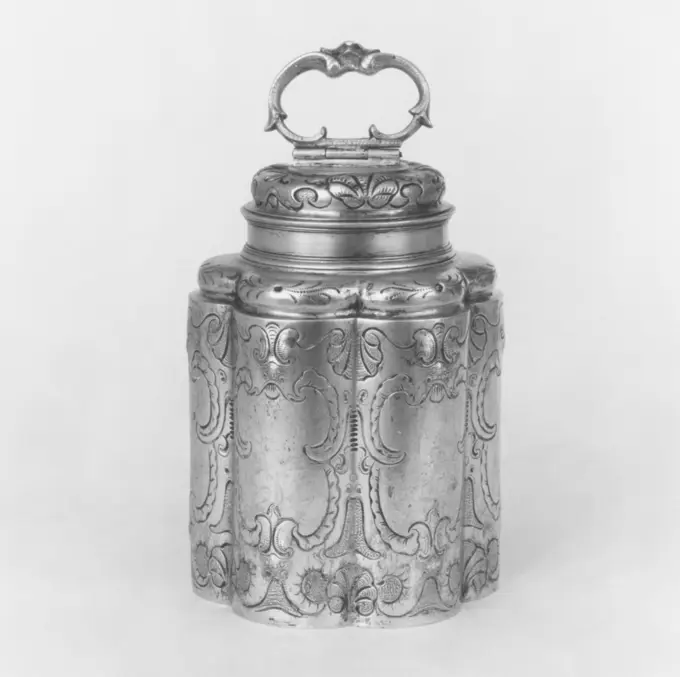
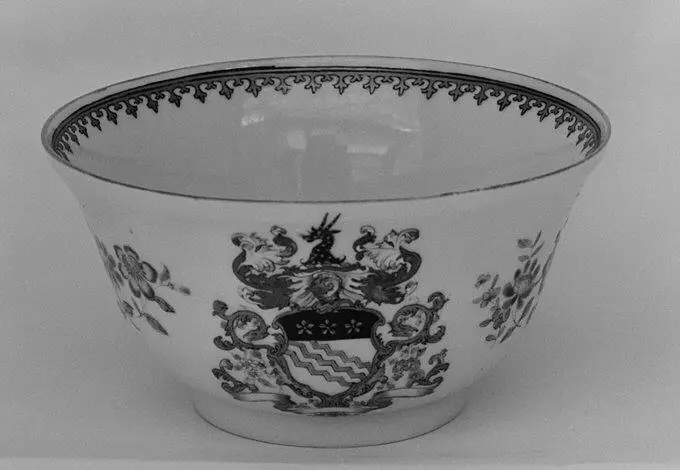
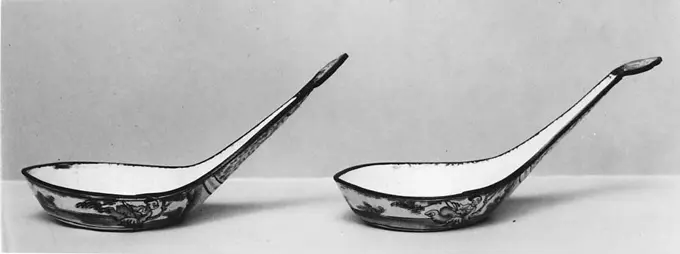
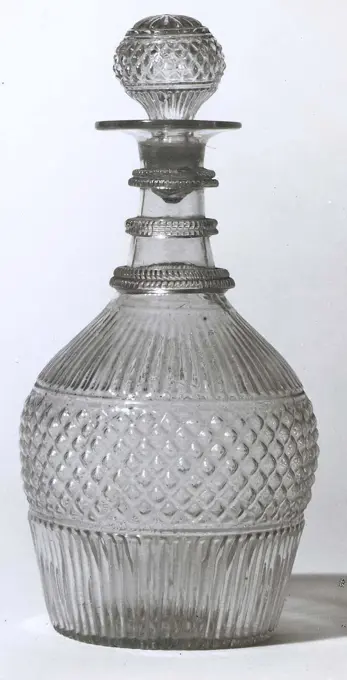
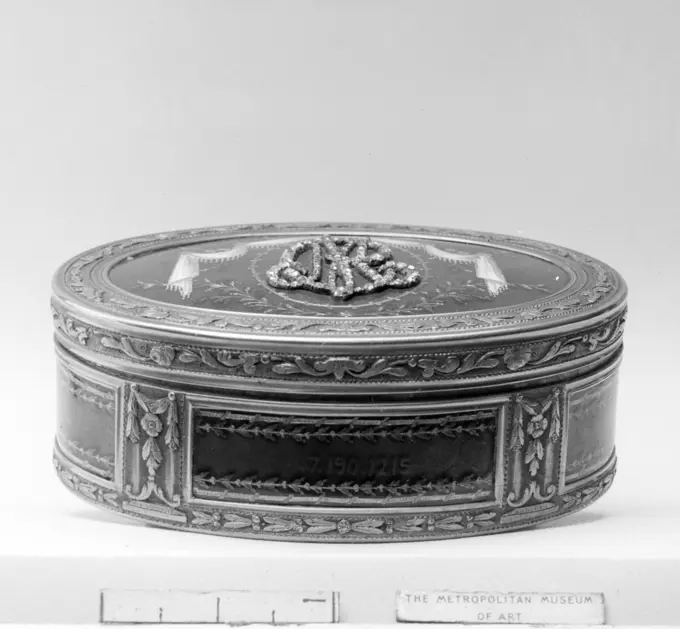
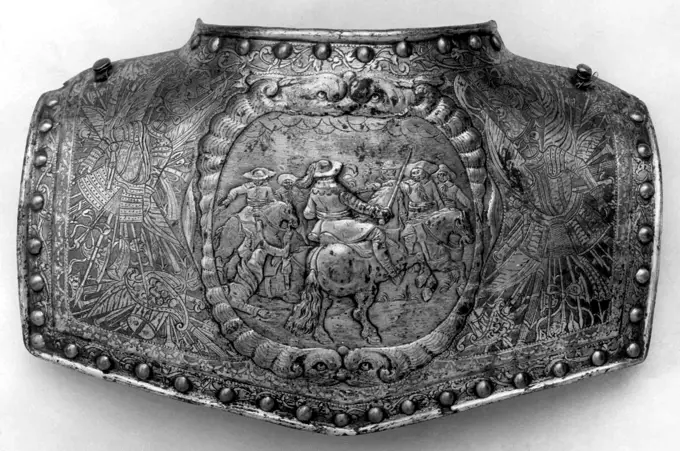
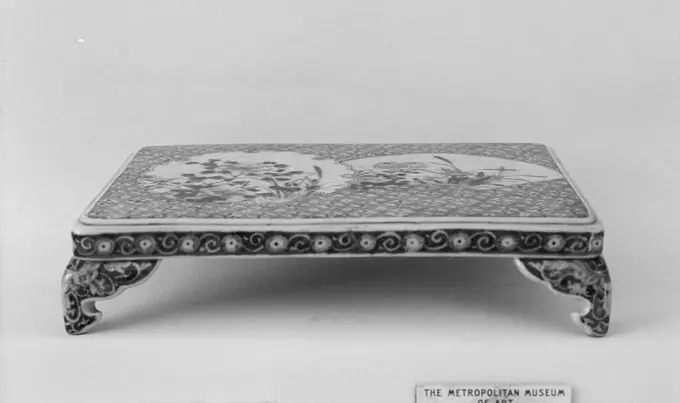
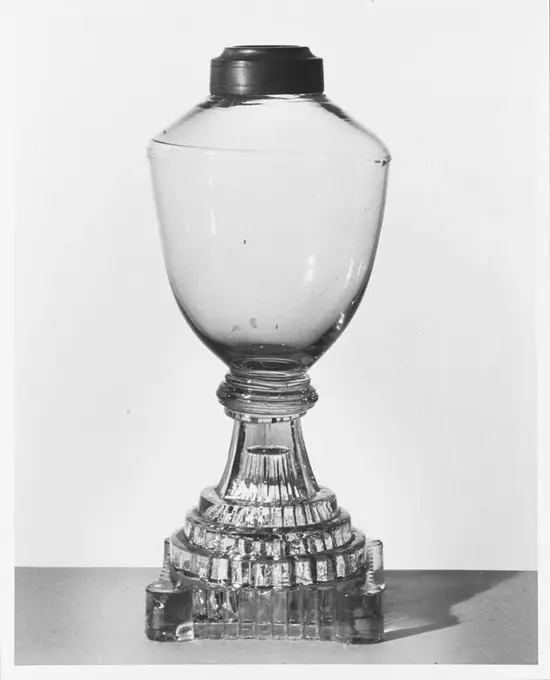
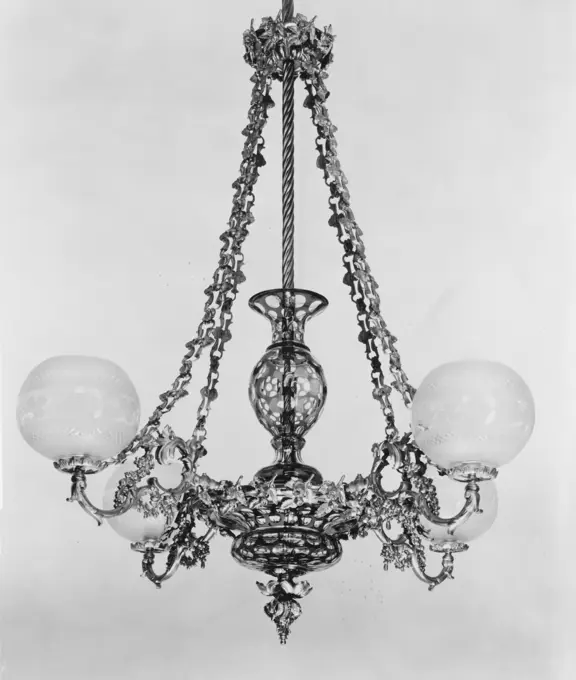
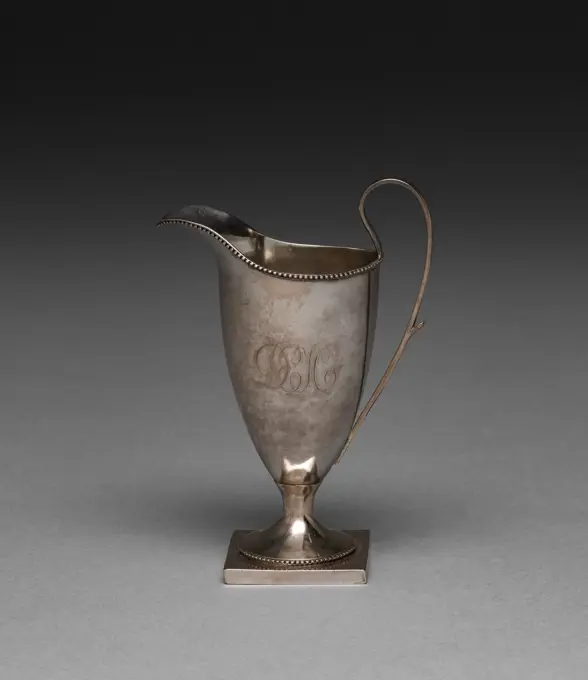
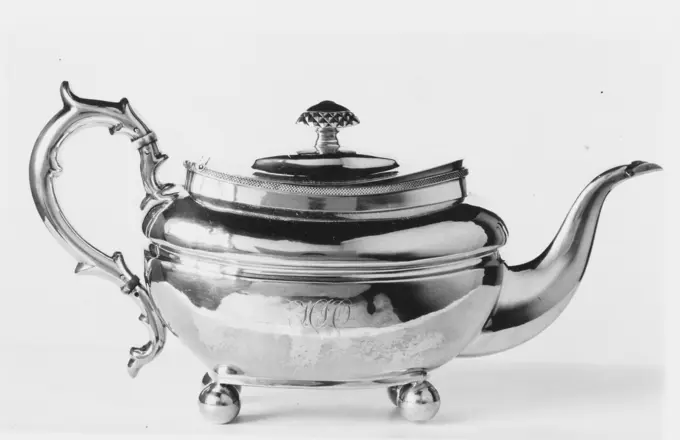
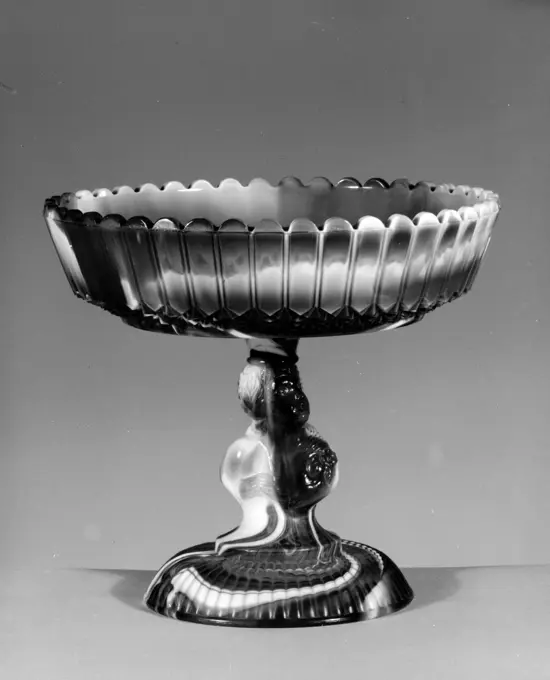
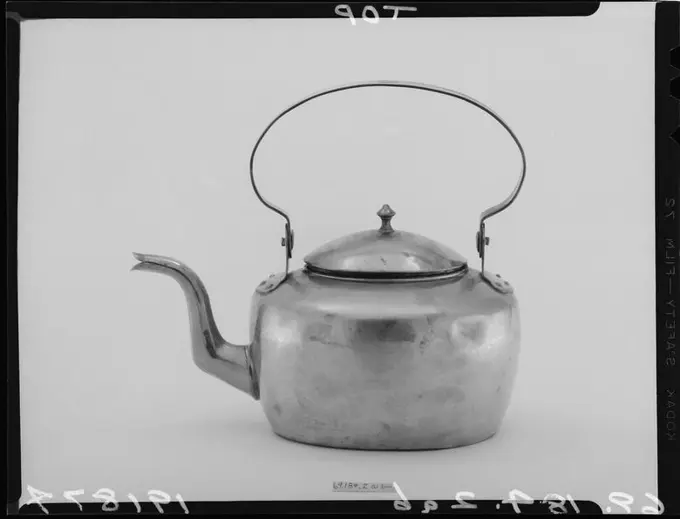
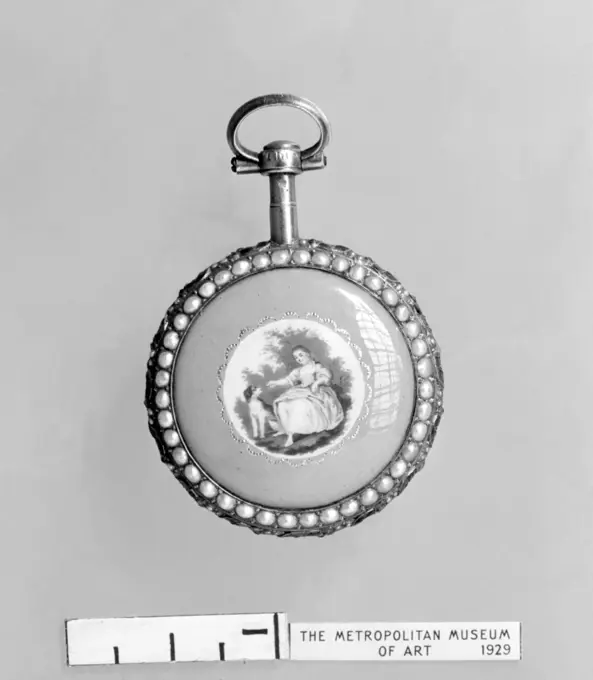
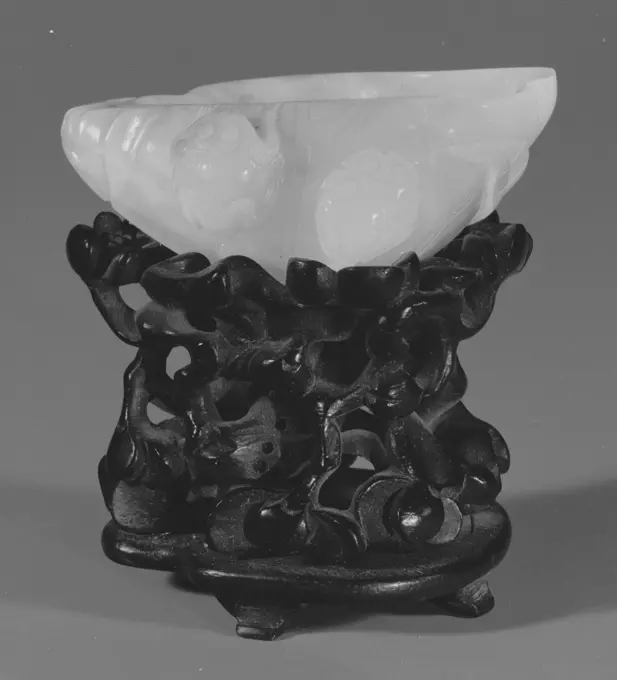
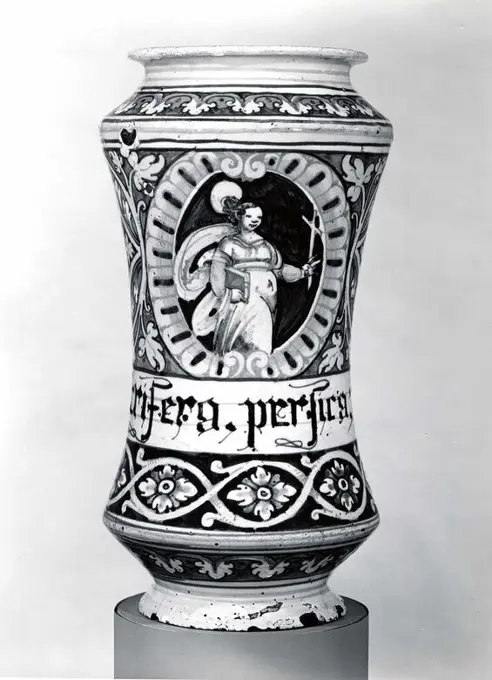
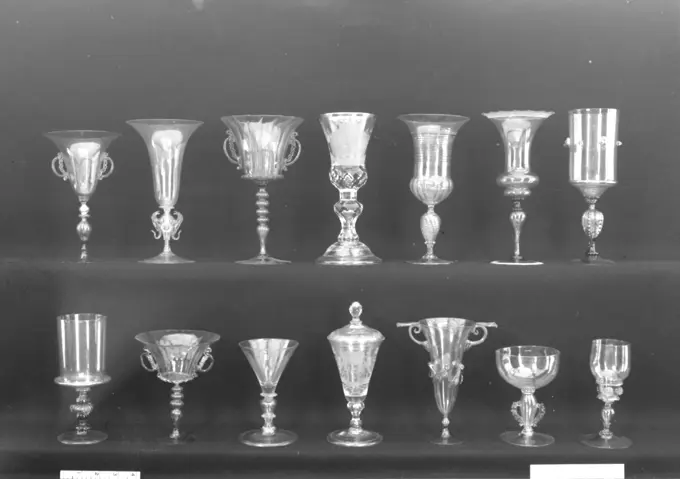
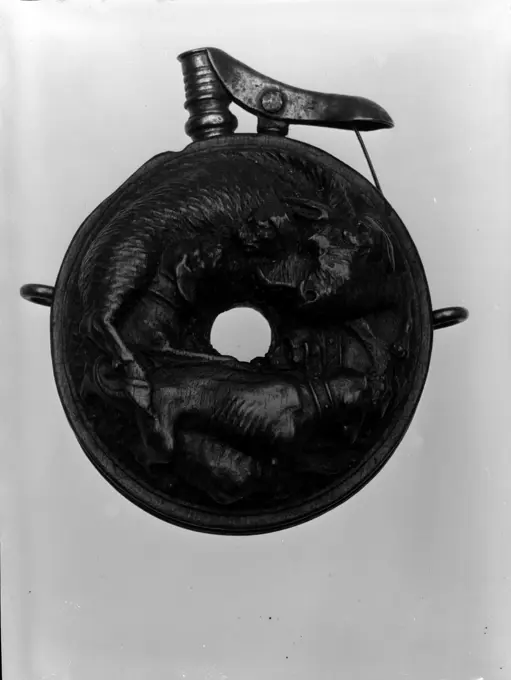
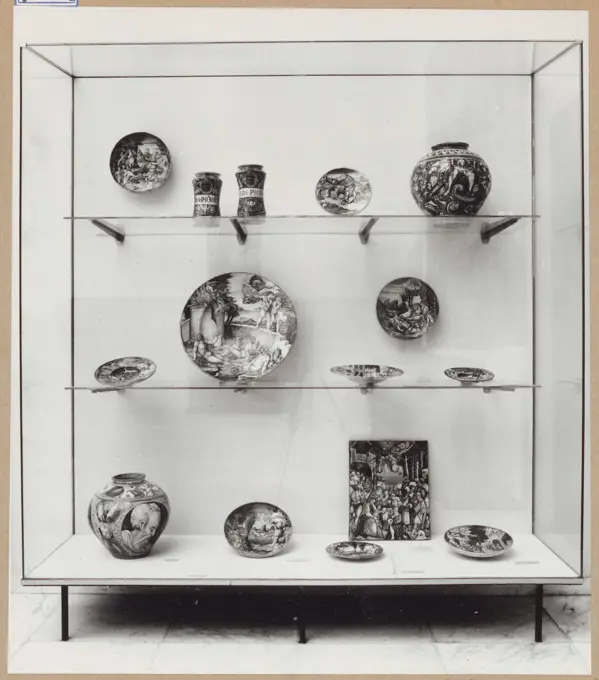
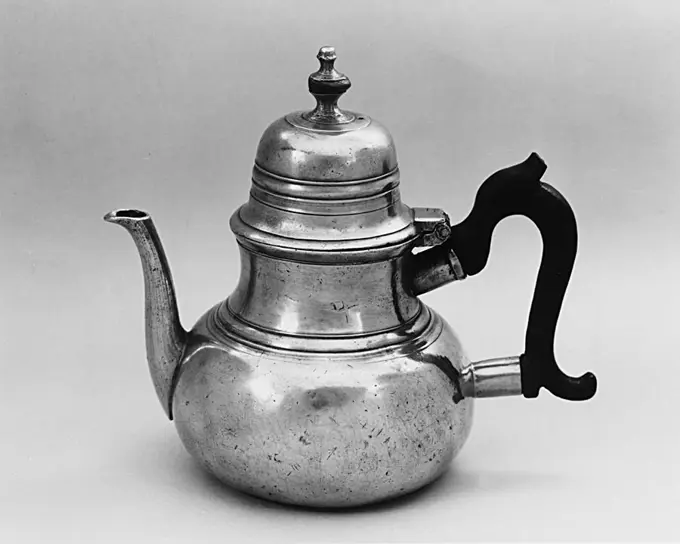
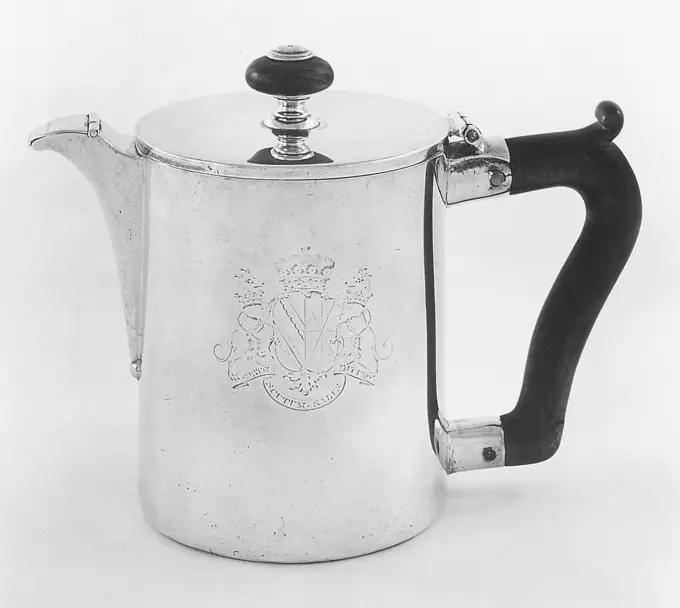
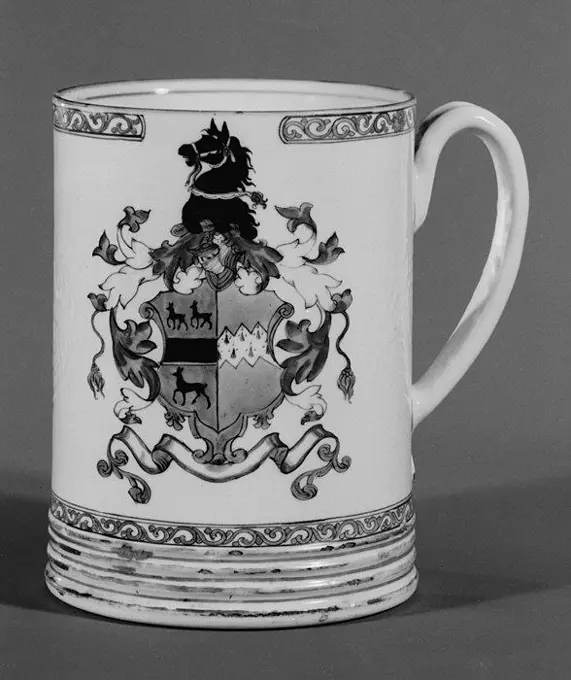
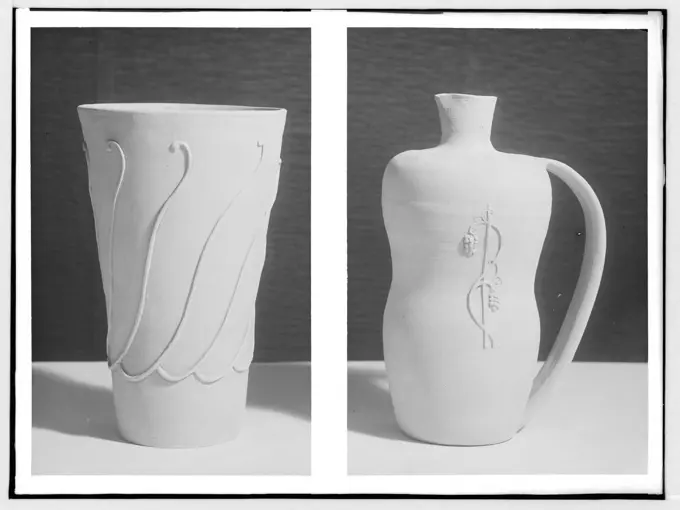
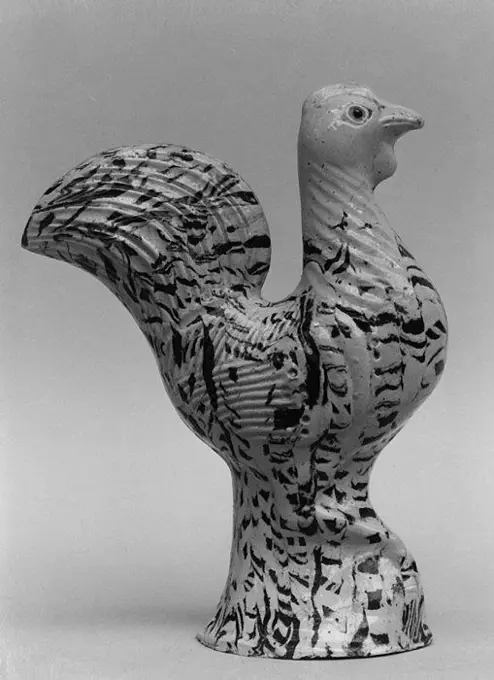
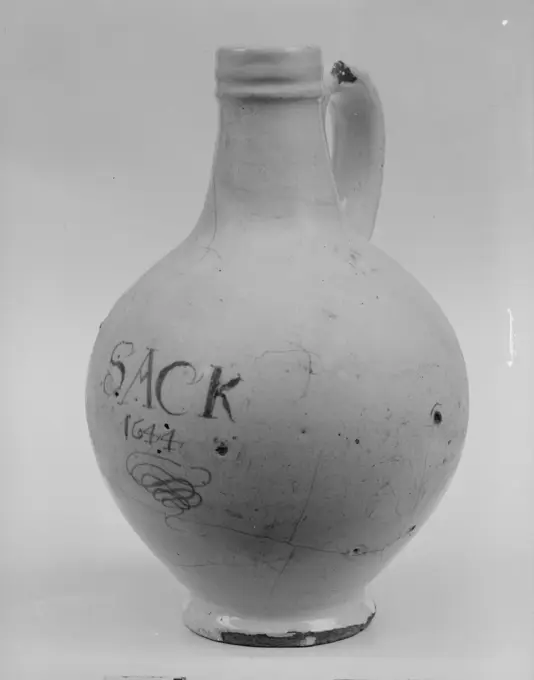
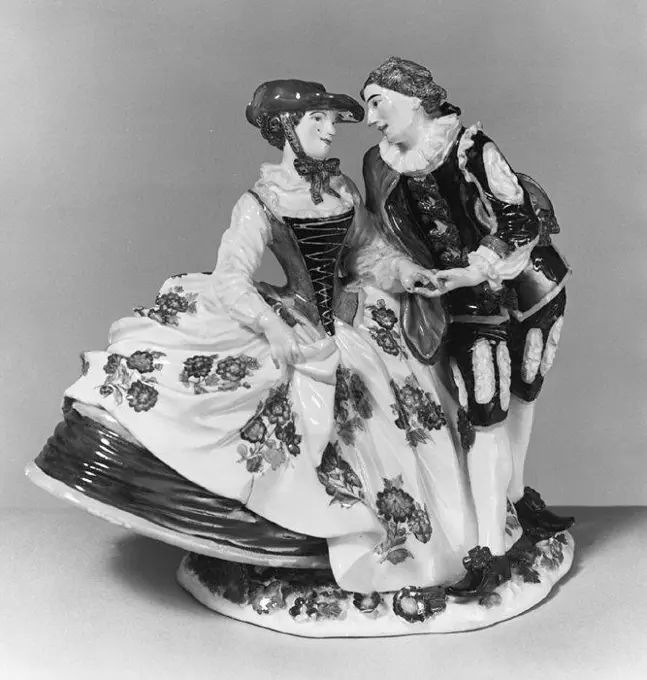
Bottle with stopper ca. 1830 Fontainebleau. Bottle with stopper 196361Canister Juergen Richels ca. 1670-80 A typical form of the later seventeenth century, originally used in pharmacies, but soon adopted for wine or water to be enjoyed on journeys or at the hunt. It is a splendid example of bold auricdular ornament enclosing panels decorated with lightly stippled birds and flowers.Beaker with cover 1695-99 Johann Christoph Pfeiffelmann. Beaker with cover 187164Lazio Roma Rome SS. Giovanni e Paolo, Museum29. Hutzel, Max 1960-1990 Medieval: Ceramic fragments, sculptural fragments, fresco fragments, inscribed tomb markers. Houses one of the best collections of Malagan medieval ceramics for casting wall monuments, copies of which are housed in campanile. Specific Location: Museum Antiquities: Ceramic fragments, sculptural fragments, architectural fragments Object Notes: Basilica has separate record and is filed separately. German-born photographer and scholar Max Hutzel (1911-1988) photographed in Italy from the early 1960s until his death. The result of this project, referred to by Hutzel as Foto Arte Minore, is thorough documentation of art historical development in Italy up to the 18th century, including objects of the Etruscans and the Romans, as well as early Medieval, Romanesque, Gothic, Renaissance and Baroque monuments. Images are organized by geographic region in Italy, then by province, city, site complex and monument.Childs cup.   Maker: William Thomson, American, 1777-1833Mug 1750-55 Piercy Brett. Mug 201278Large vase with the Nazi coat of arms of the city of ViennaJar 13th century Korea. Jar 57406Bowl. Dimensions: H. 2 in. (5.1 cm); Diam. 3 1/4 in. (8.3 cm). Date: 1775-1820. Museum: Metropolitan Museum of Art, New York, USA.Tankard 1752-74 John Will. Tankard 8239Bowl (part of a service) 1750-60 Chinese, for British market. Bowl (part of a service) 201037Spoon 19th century China. Spoon 40925Decanters,pairMug 1770-1800 Marked by V. B.. Mug 5372Snuff Bottle 19th century China. Snuff Bottle 41349Jar with painted decoration ca. 2000-1600 B.C.. Jar with painted decoration 322479Crystals engraved gift jug with handles in the form of dragons, from the Louvre, Charles Thurston Thompson, 1866 - 1890 photomechanical print  Louvre Museum paper  container of glass: bottle, jar, vase Louvre MuseumSnuff Bottle China. Snuff Bottle 41323Snuffbox 1798-1809 French, Paris In eighteenth-century Europe, Paris led the production of high-quality luxury goods. Parisian goldsmiths made a wide range of small, personal articles such as snuffboxes; étuis to hold sealing wax, tweezers, or utensils for sewing; souvenirs, which contained thin ivory tablets for note taking; and shuttles for knotting lace. Gold snuffboxes and boxes decorated with portrait miniatures were prized and frequently given as royal gifts, often to ambassadors or members of the court in lieu of cash payments for their services. Coveted and admired, these boxes were produced from a variety of materials. The best were skillfully made of gold and embellished with diamonds, enameled decoration, lacquer, and other luxurious materials. By the middle of the century, the taking of snuff had become an entrenched social ritual, and the snuffbox, too, had become an important social prop. Snuffboxes were considered highly fashionable accessories, with some merchants adverVase (one of four). Culture: China. Dimensions: H. 5 1/2 in. (14 cm); W. 1 3/4 in. (4.4 cm). Museum: Metropolitan Museum of Art, New York, USA.Two vases and a dish Anonymous. Furniture. Two vases and a dish. Negative to the silver iodo-bromide on glass plate. 1900-1930.Incense Burner 1750 Kinkozan Japanese. Incense Burner. Kinkozan. Japan. 1750. Clay covered with a crackled transparent glaze and decorated with colored enamels and gold (Kyoto ware). Edo period (1615-1868). CeramicsBottle 18th century China. Bottle 60625Back Plate of a Gorget ca. 1650-60 Dutch The central scene may depict the death of King Gustavus Adolphus of Sweden (1594-1632) at the Battle of Lutzen in the Thirty Years' War.. Back Plate of a Gorget. Dutch. ca. 1650-60. Steel, silver, gold. Armor Parts-ColletinsYapp and Woodward, Caddy Spoon, 1848/49, silver.Bliżej Kultury unknownTray Stand. Culture: Japan. Dimensions: H. 2 in. (5.1 cm); W. 5 7/8 in. (14.9 cm); L. 8 1/2 in. (21.6 cm). Date: 19th century. Museum: Metropolitan Museum of Art, New York, USA.Lamp. Culture: American. Dimensions: H. 7 3/4 in. (19.7 cm). Date: 1830-40. Museum: Metropolitan Museum of Art, New York, USA.Chandelier ca. 1850 Probably designed by Henry N. Hooper and Company. Chandelier 3877Measure 18th century Flemish. Measure 193291Cream Jug, late 1700s - early 1800s. Attributed to John D. Germon (American). Silver; with handle: 16.5 x 11.5 cm (6 1/2 x 4 1/2 in.).Teapot ca. 1810 Garret Forbes. Teapot. American. ca. 1810. Silver. Made in New York, New York, United StatesCandlestick (one of a pair) ca. 1760 Meissen Manufactory German. Candlestick (one of a pair) 192799Purple marble glass compote 1870-90 Challinor, Taylor and Company. Purple marble glass compote. American. 1870-90. Pressed purple marble glass. Made in Tarentum, Pennsylvania, United StatesIncense burner China. Incense burner. China. Nephrite. Qing dynasty (1644-1911), Qianlong period (1736-95). JadeJug ca. 1660-80 Japan. Jug. Japan. ca. 1660-80. Porcelain decorated with blue under the glaze; silver mount and lid of Eastern make; (Arita ware). Edo period (1615-1868). CeramicsTeakettle. Dimensions: 11 13/16 x 13 3/16 x 8 in. (30 x 33.5 x 20.3 cm). Maker: J. Dunn. Date: 1800-1830. Museum: Metropolitan Museum of Art, New York, USA.Saucer 1780 Japan. Saucer. Japan. 1780. White porcelain decorated with blue under the glaze (Hirado ware). Edo period (1615-1868). CeramicsCalendar with sundial 17th century German. Calendar with sundial. German. 17th century. Silver. HorologySalad bowl (Saladier) (one of six) (part of a service) 1771 Sèvres Manufactory French. Salad bowl (Saladier) (one of six) (part of a service). French, Sèvres. 1771. Soft-paste porcelain. Ceramics-PorcelainWine cup 18th century Japan. Wine cup. Japan. 18th century. Porcelain with underglaze blue (Arita ware). Edo period (1615-1868). CeramicsWatch late 18th century Watchmaker: Leger. Watch 193367Bottle American 1800-1900 View more. Bottle. American. 1800-1900. Free-blown glass. Made in United StatesDish ca. 1729 Probably I.B.. Dish. French, Bayonne. ca. 1729. Silver. Metalwork-SilverWater jar late 19th century China. Water jar. China. late 19th century. Jadeite. JadeDragon Vase. Culture: China. Dimensions: H. 2 5/8 in. (6.7 cm); W. 5 1/2 in. (14 cm). Museum: Metropolitan Museum of Art, New York, USA.Brush pot with Daoist paradise. Culture: China. Dimensions: H. 5 3/4 in. (14.6 cm); Diam. 6 in. (15.2 cm). Date: 18th century. Museum: Metropolitan Museum of Art, New York, USA.Cream Pitcher 1830-70 American. Cream Pitcher. American. 1830-70. Parian porcelain. Probably made in Bennington, Vermont, United StatesDish 1835-50 American. Dish. American. 1835-50. Lacy pressed glass. Made in Midwest, United StatesMugBlack -refyed cup;  4th century BC (-400-00-00--301-00-00);Snuff bottle with stopper 18th-19th century China. Snuff bottle with stopper 41144Richard Gosling, Dredger, 1734/35, silver.Apothecary jar (albarello). Culture: Italian, probably Faenza. Dimensions: Height: 12 1/2 in. (31.7 cm). Date: probably 1550-1600. Museum: Metropolitan Museum of Art, New York, USA.Rodman Nichols House, Salem: interior, china , Tableware. Samuel Chamberlain Photograph Negatives CollectionGoblet or reliquary jar probably 17th century Italian, Venice (Murano). Goblet or reliquary jar. Italian, Venice (Murano). probably 17th century. Glass. GlassCampania Salerno Nocera Inferiore Museo dell'Agro Nocerino07. Hutzel, Max German-born photographer and scholar Max Hutzel (1911-1988) photographed in Italy from the early 1960s until his death. The result of this project, referred to by Hutzel as Foto Arte Minore, is thorough documentation of art historical development in Italy up to the 18th century, including objects of the Etruscans and the Romans, as well as early Medieval, Romanesque, Gothic, Renaissance and Baroque monuments. Images are organized by geographic region in Italy, then by province, city, site complex and monument.Priming Flask 18th century Austrian. Priming Flask. Austrian. 18th century. Pearwood, brass. Firearms Accessories-Flasks & PrimersShowcase with ceramics; Halls of crafts in crafts March 1962. Vitrine is in Zaal 248 (Italian room).Marlbux, Tray, 1838-79, silver.Square Bowl 18th century Japan. Square Bowl. Japan. 18th century. Clay decorated with crackled glaze (Yatsushiro ware, Mishima style). Edo period (1615-1868). CeramicsBottle. Culture: German. Dimensions: Height: 6 1/4 in. (15.9 cm). Date: 18th century. Museum: Metropolitan Museum of Art, New York, USA.Teapot 1760-93 William Kirby. Teapot 8375Snuff bottle with stopper 18th-19th century China. Snuff bottle with stopper. China. 18th-19th century. Rock crystal, lapis lazuli, agate. Qing dynasty (1644-1911). Snuff BottlesDaniel Piers, Jug and Cover, 1756/57, silver.Mug (one of a pair) ca. 1720 Chinese, for British market. Mug (one of a pair) 205232View of the shed of Avandero (transport company) At the Rotterdam Noord goods station.March 1917. The "Spain Cup".Henkel jug and ceramic vaseCock ca. 1745 British, Staffordshire. Cock 199473Snuff bottle with stopper 18th-19th century China. Snuff bottle with stopper. China. 18th-19th century. Rock crystal, jadeite (real and simulated). Qing dynasty (1644-1911). Snuff BottlesSack bottle ca. 1644 Lambeth Factories Pear-shaped delftware bottles were produced in the potteries of Southwark and Lambeth, England, throughout the seventeenth century. Many of these simple bottles were inscribed with just the name of the spirit and the date in blue underglaze. This example once contained sack, a dry, sweet wine from Spain or Portugal.. Sack bottle. British. ca. 1644. Tin-enameled earthenware. Made in EnglandCup and Saucer ca. 1836-ca. 1841 Ralph Hall & Son. Cup and Saucer. British (American market). ca. 1836-ca. 1841. Earthenware, transfer-printed. Made in Staffordshire, Stoke-on-Trent, EnglandBeltrame and Columbine ca. 1741 Meissen Manufactory German. Beltrame and Columbine 203074