Antique Chairs Variety

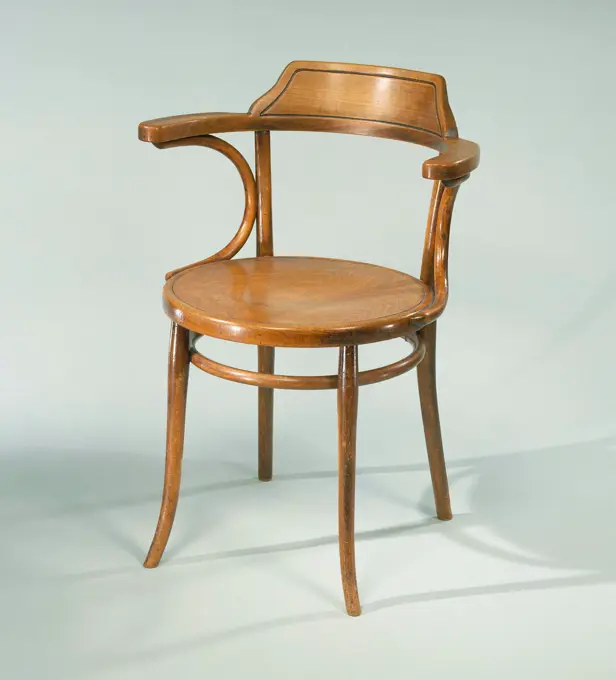
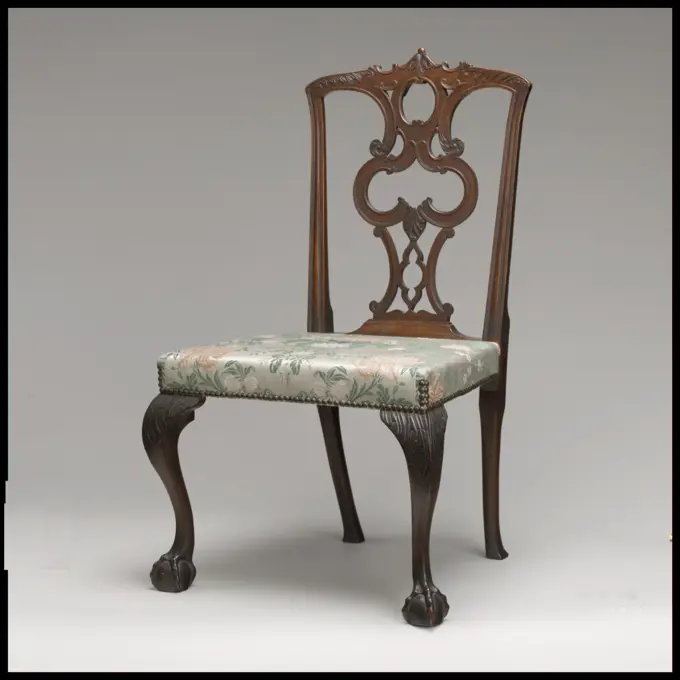
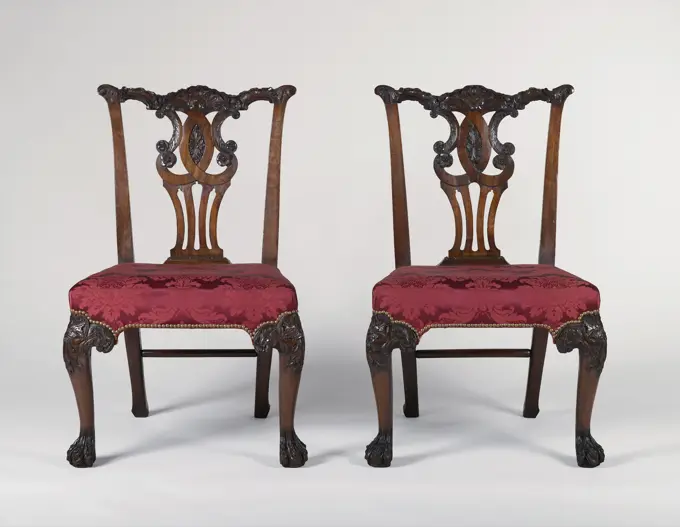
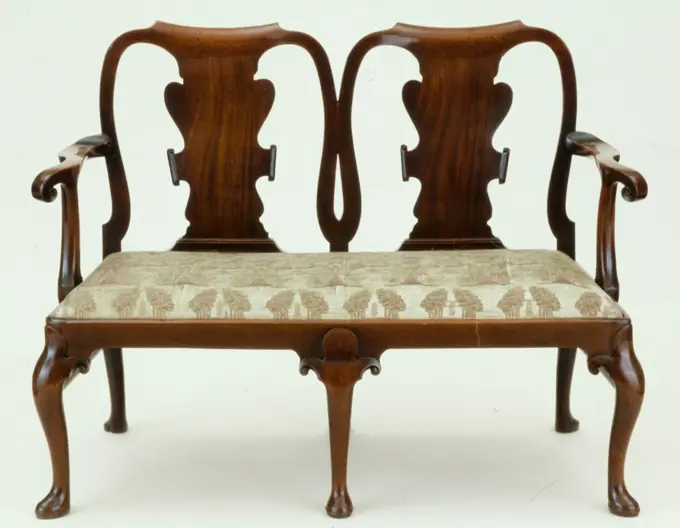
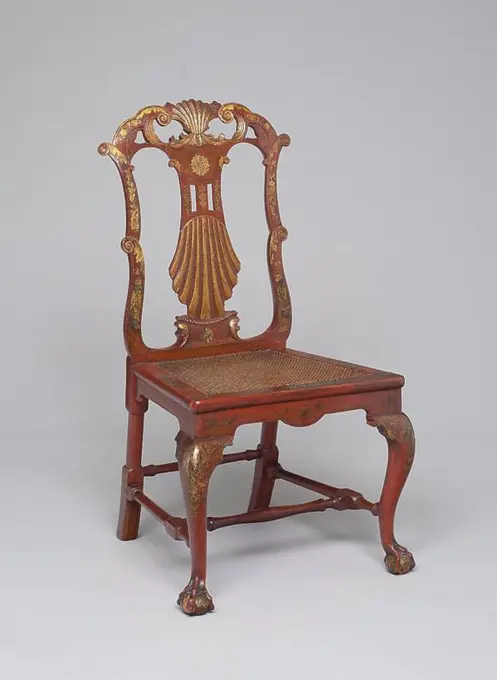
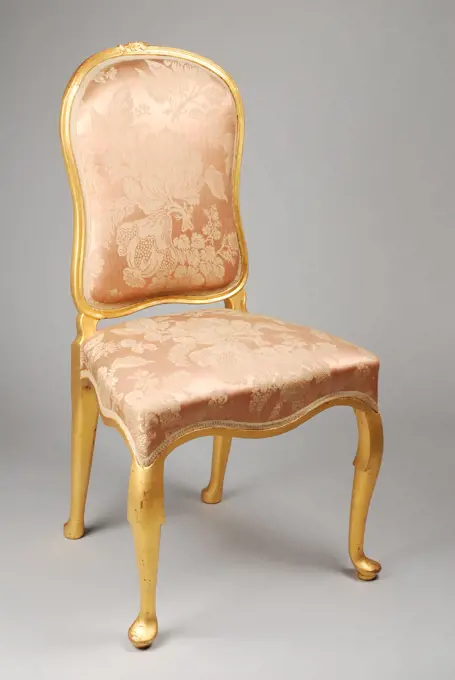
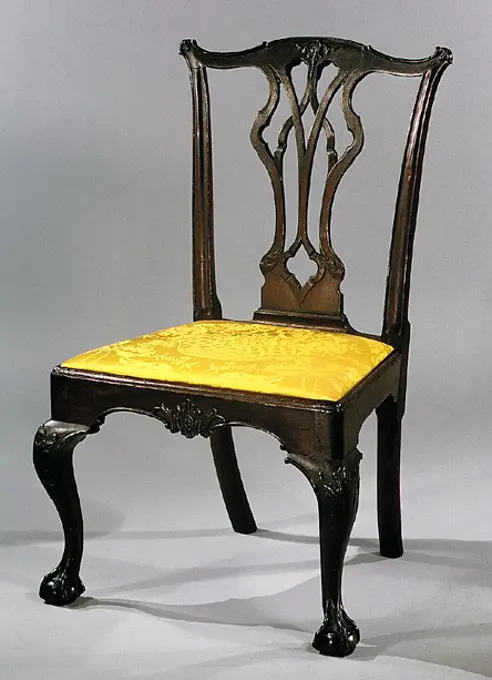
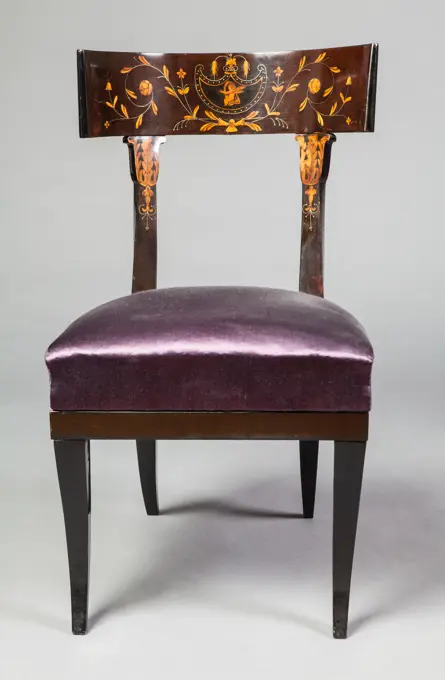
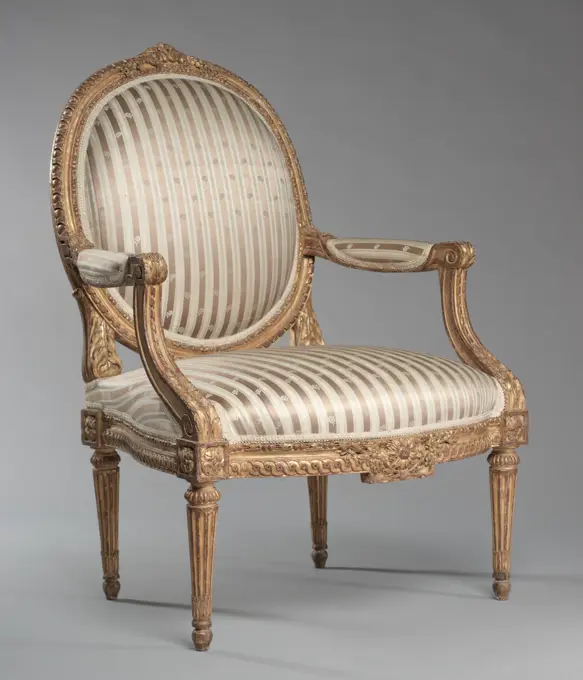
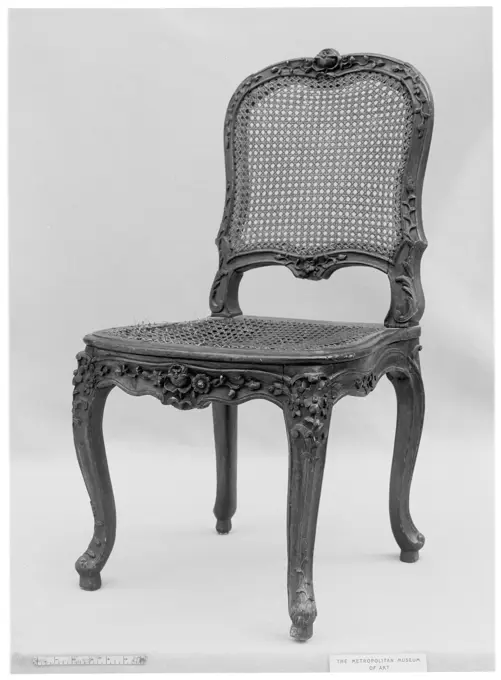
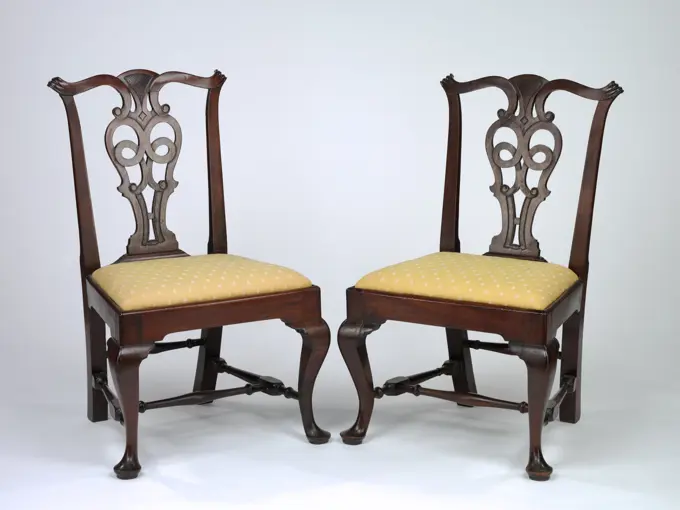
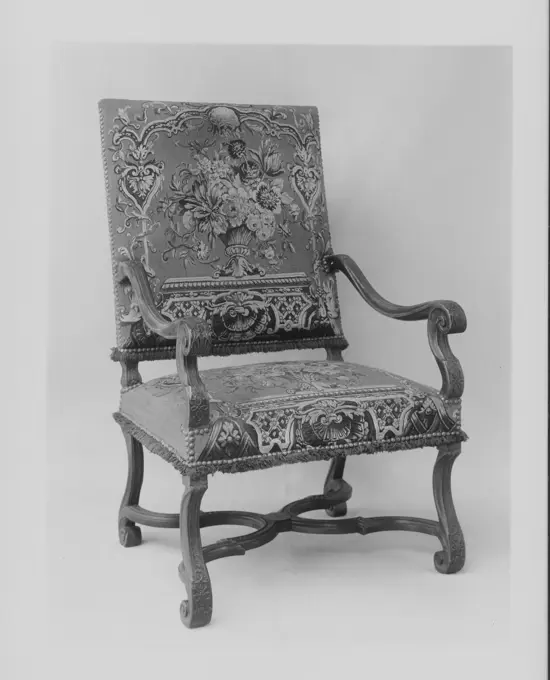
Elegant wooden chairs featuring intricate carvings and upholstery, showcasing antique designs from various historical periods.
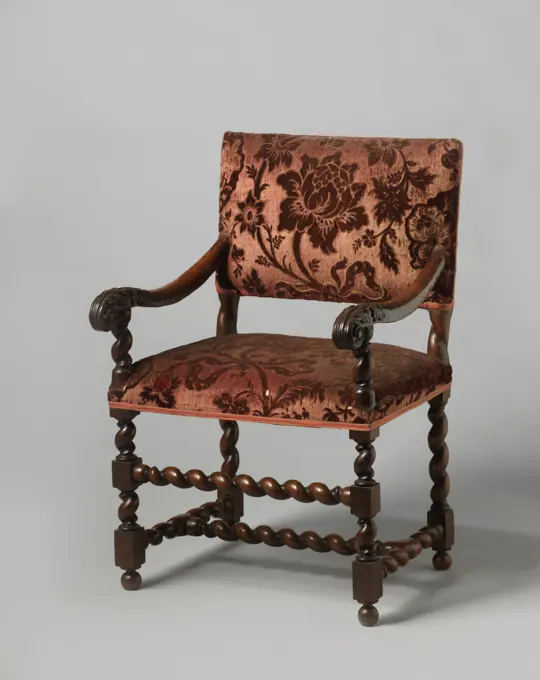
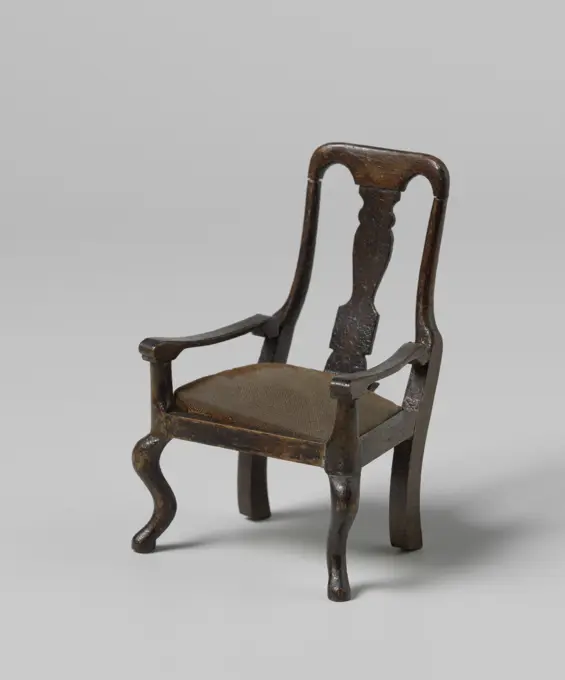
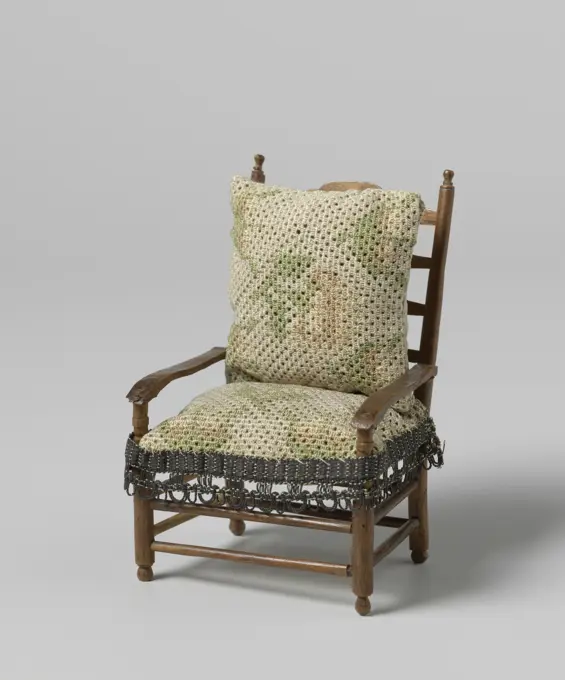
Arm chair of nuthout, anonymous, c. 1700 - c. 1800 The furniture is covered and rested on flared legs, also connected by a h-shaped cross and a middle front sport. The armrests are completely and end up in a volute with acanthus leaf decorated. The armrest stars have been hurled. The low rectangular back is on struts with a sham pendulum. The upholstery of Fraiserood Velours d'Uools shows sunflower motifs. Northern Netherlands wood (plant material). walnut (hardwood). velvet (fabric weave) The furniture is covered and rested on flared legs, also connected by a h-shaped cross and a middle front sport. The armrests are completely and end up in a volute with acanthus leaf decorated. The armrest stars have been hurled. The low rectangular back is on struts with a sham pendulum. The upholstery of Fraiserood Velours d'Uools shows sunflower motifs. Northern Netherlands wood (plant material). walnut (hardwood). velvet (fabric weave)
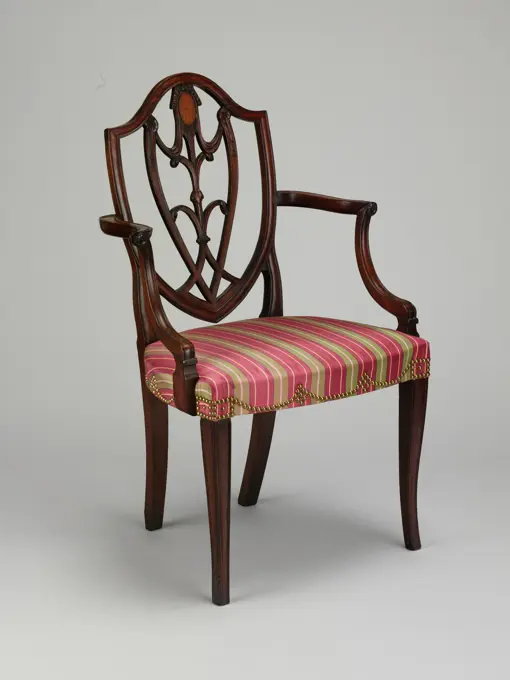
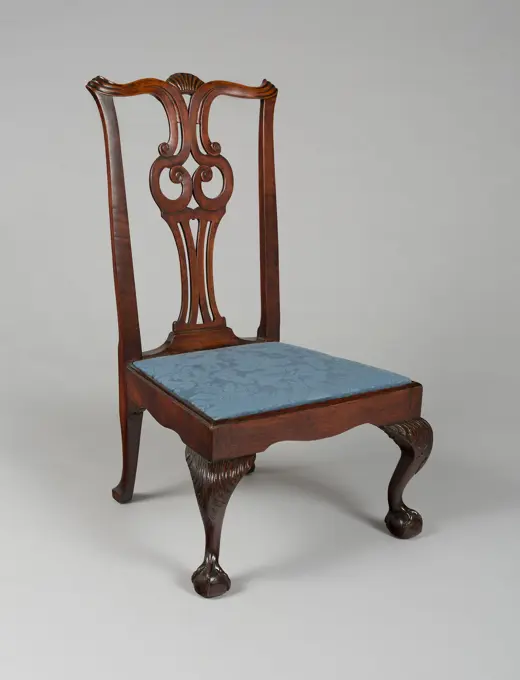
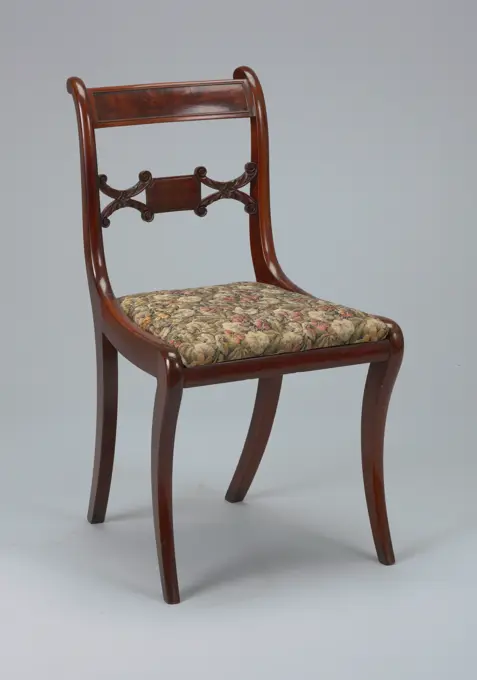
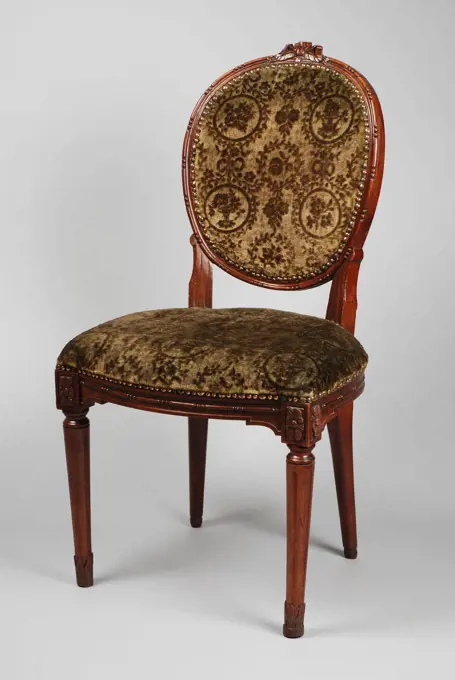
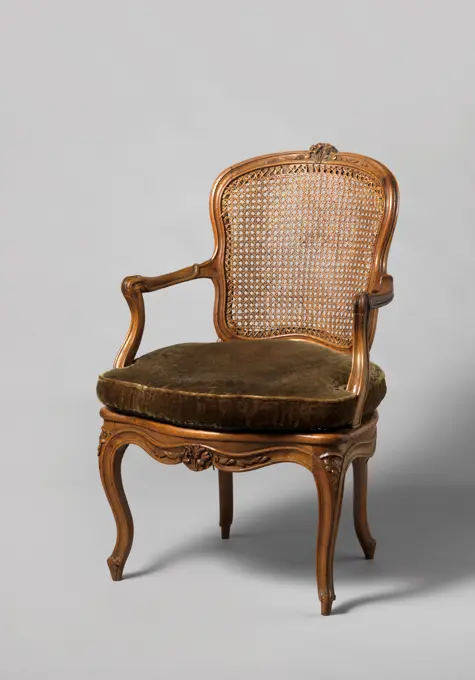
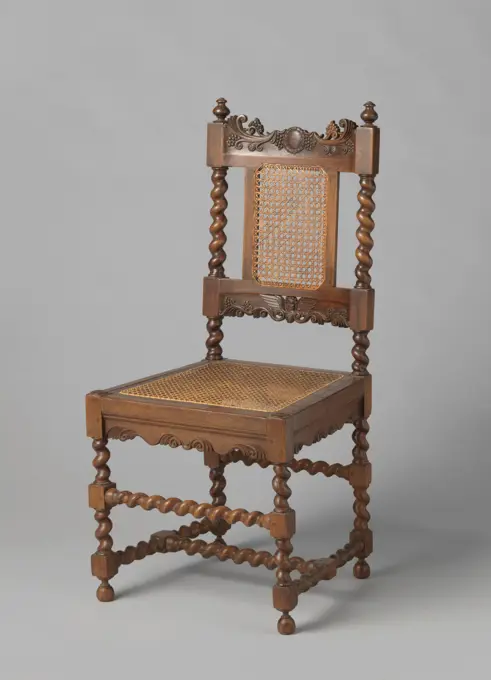
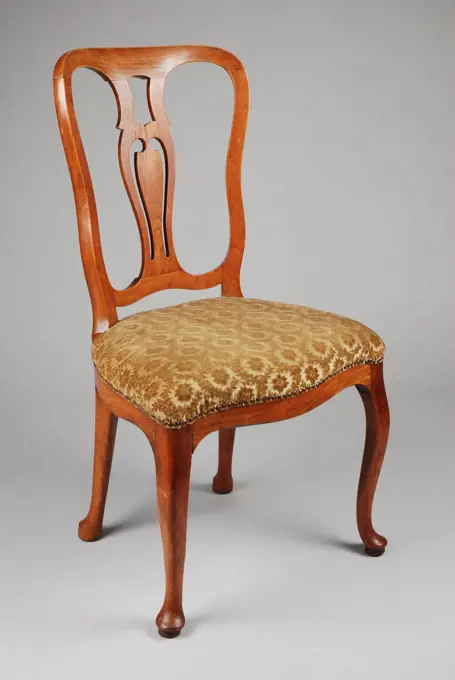
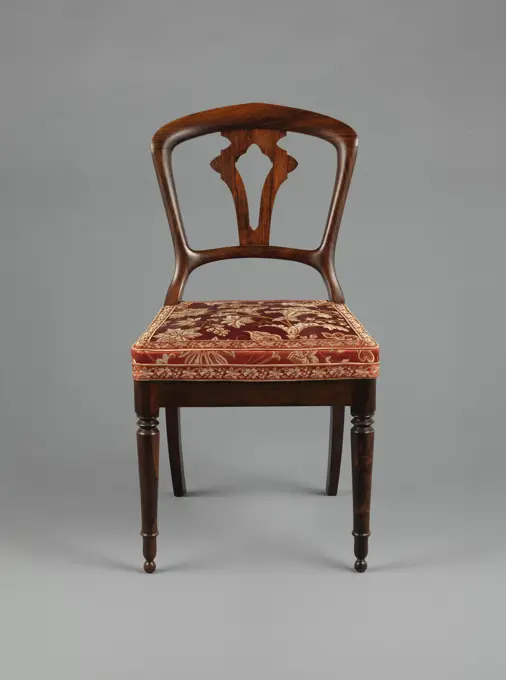
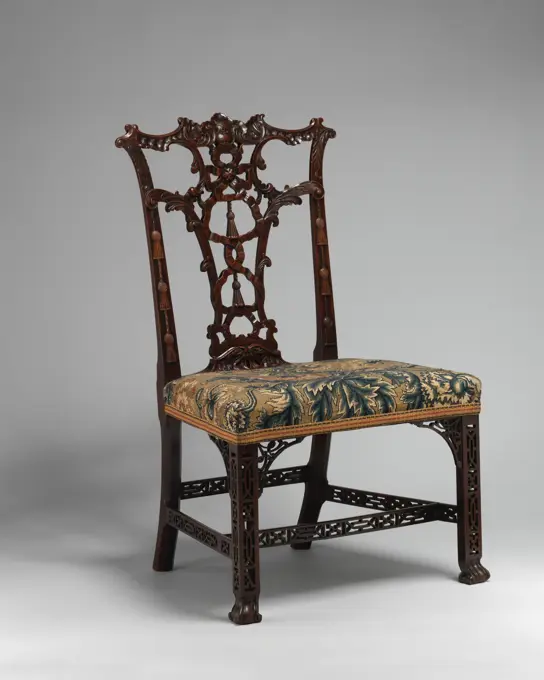
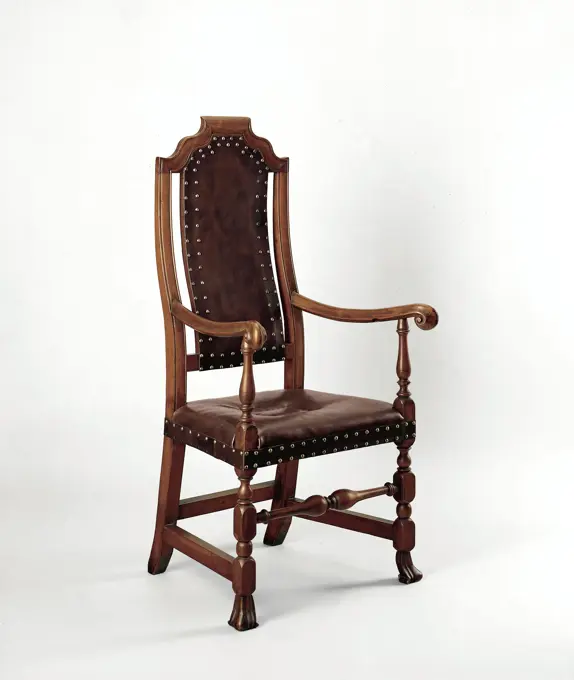
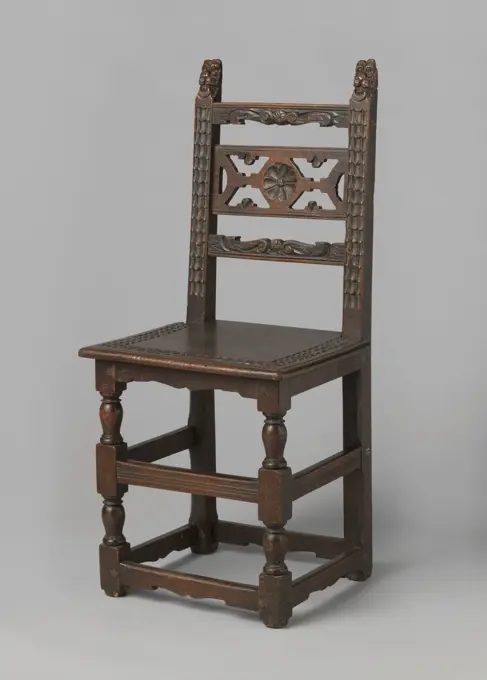
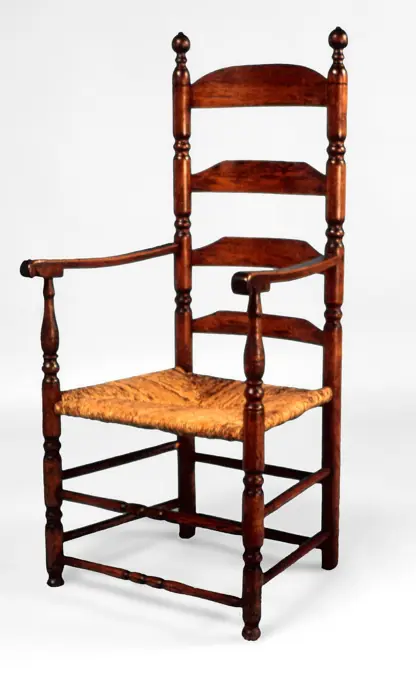
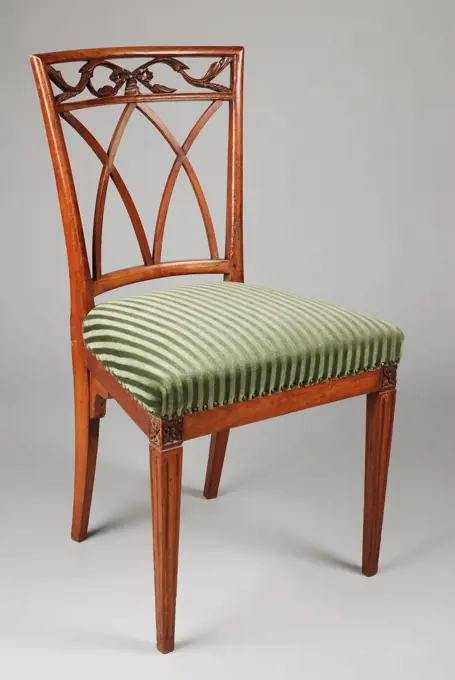
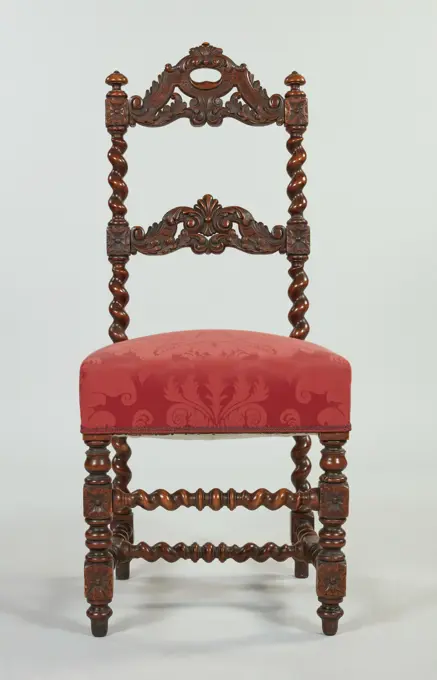
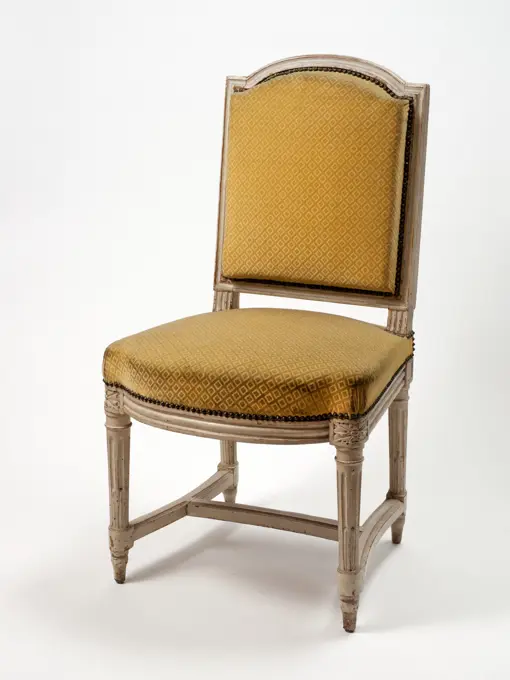
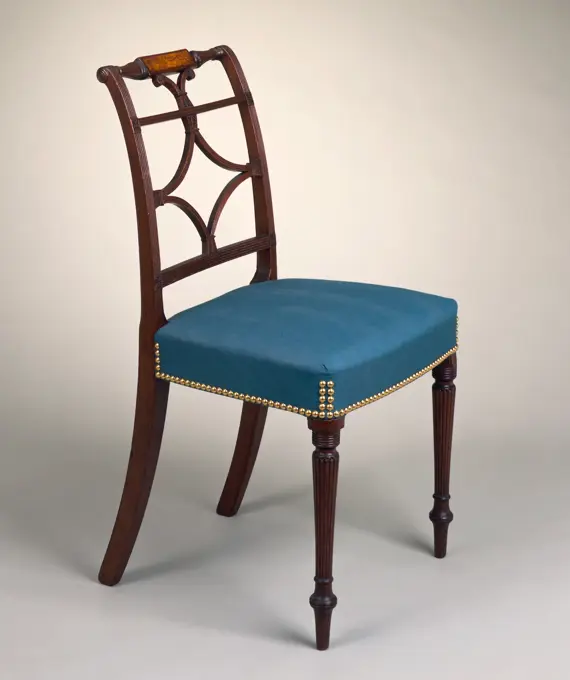
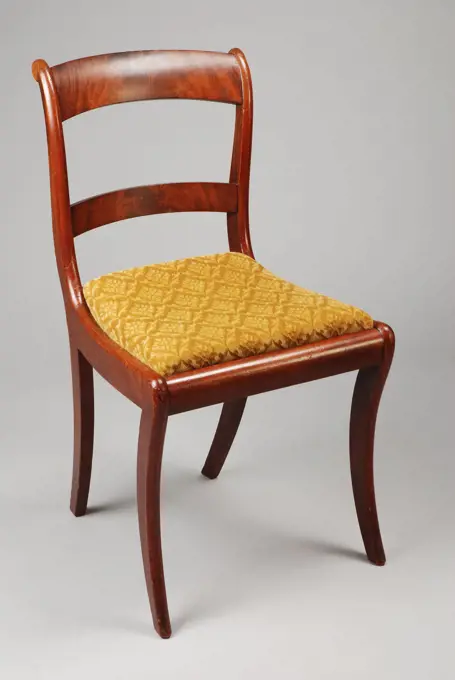
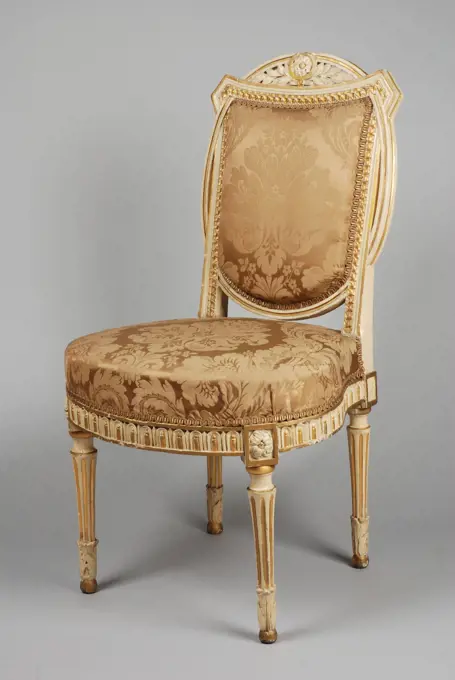
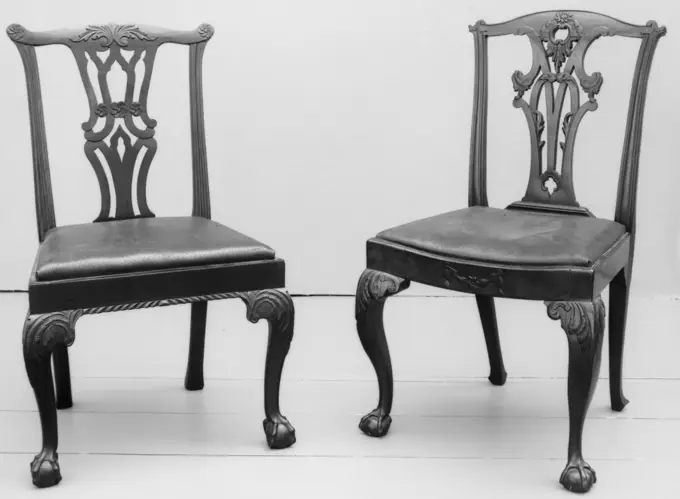
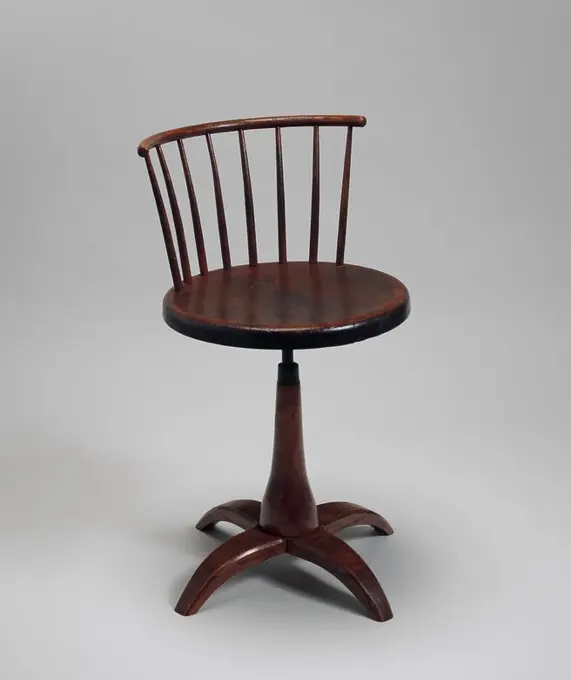
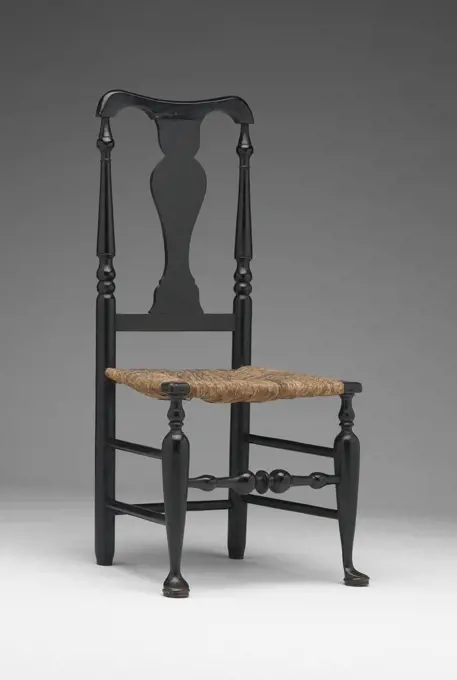
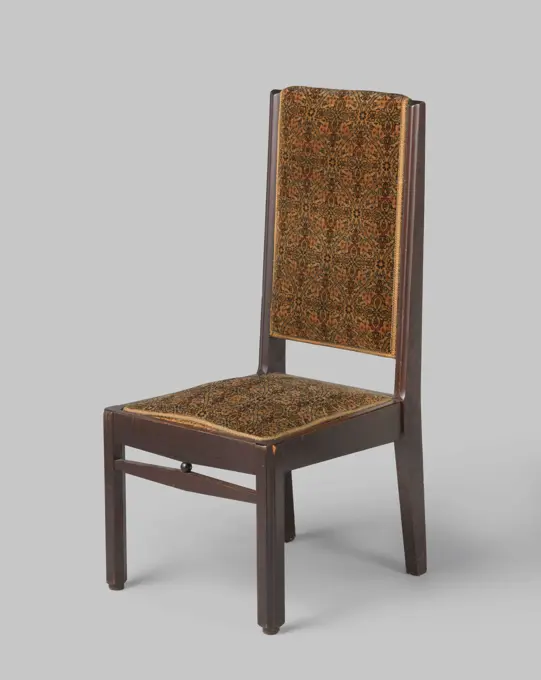
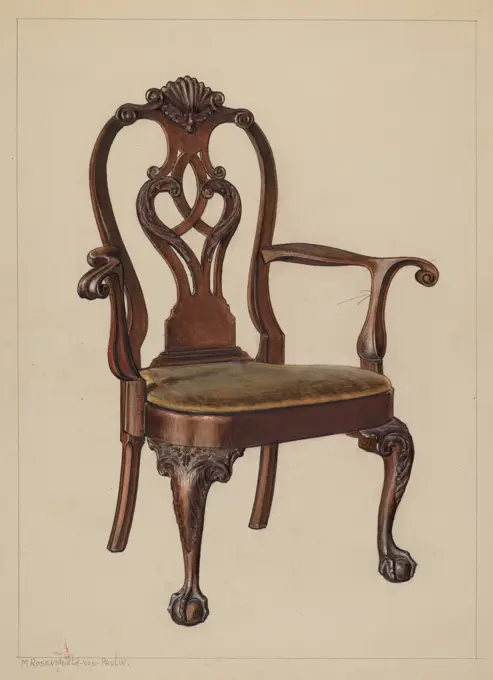
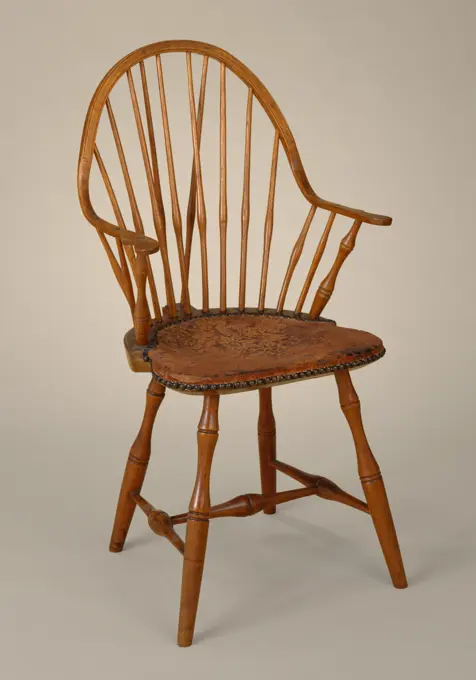
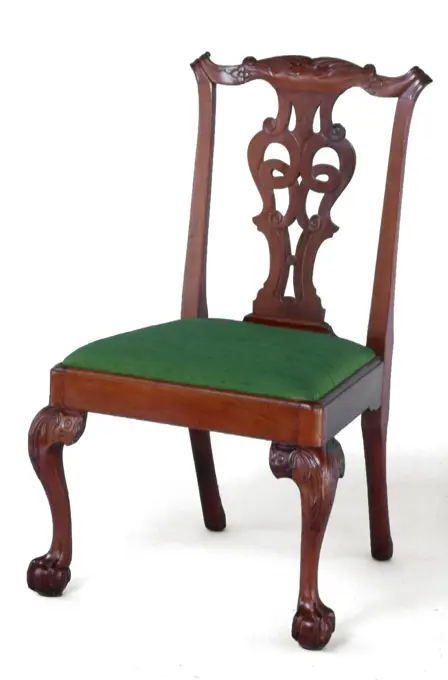
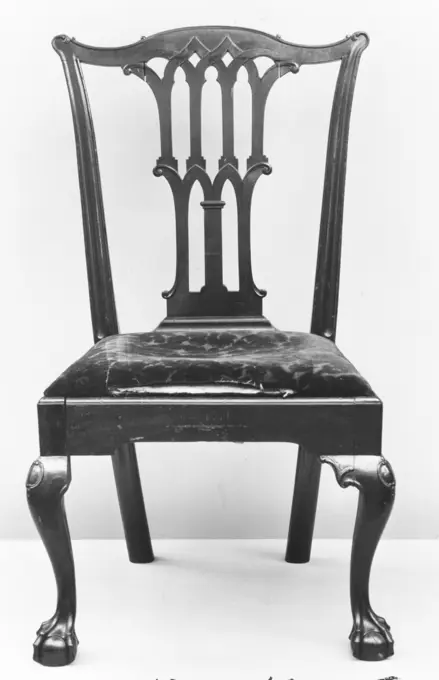
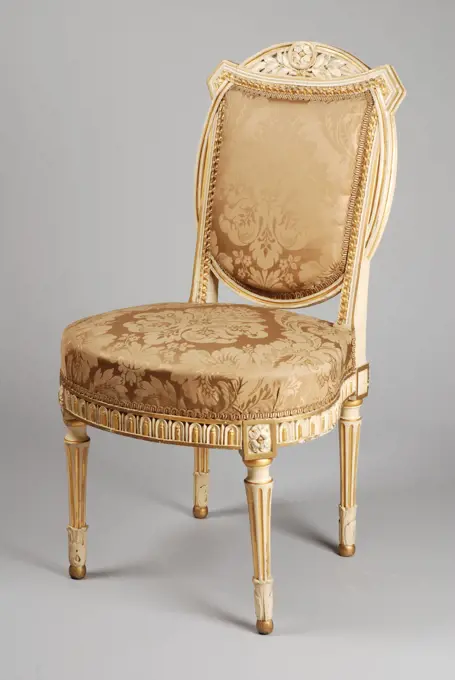
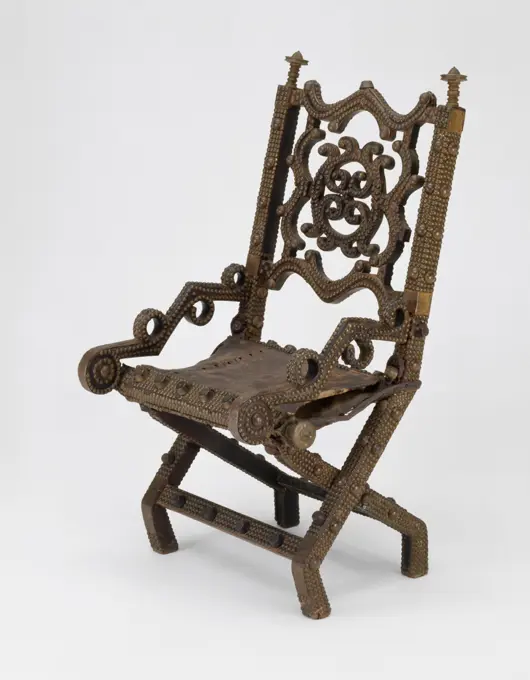
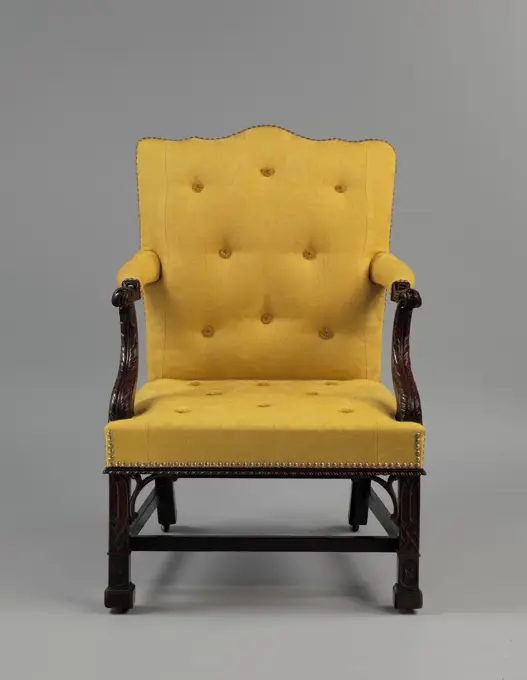
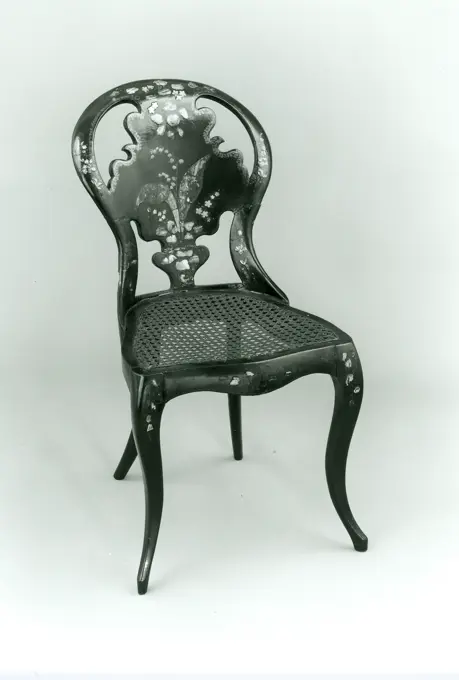
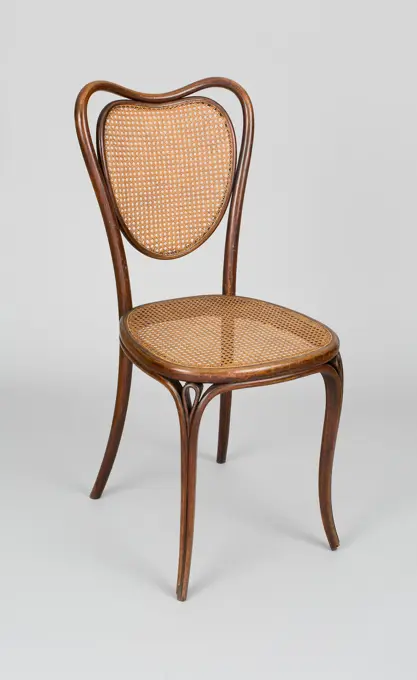
ArmchairSide Chair (USA); carved laminated and steamed rosewood veneer, oak (frame), silk upholstery (not original)Armchair 1795-1805 American. Armchair 257Side Chair c 1755-1790 Massachusetts, northeastern. Mahogany and white pineSide Chair (USA); Attributed to John Hewitt (American, 1777-1857); wood (mahogany, poplar), horse-hair upholsteryArm chair of nuthout, anonymous, c. 1700 - c. 1800 The furniture is covered and rested on flared legs, also connected by a h-shaped cross and a middle front sport. The armrests are completely and end up in a volute with acanthus leaf decorated. The armrest stars have been hurled. The low rectangular back is on struts with a sham pendulum. The upholstery of Fraiserood Velours d'Uools shows sunflower motifs. Northern Netherlands wood (plant material). walnut (hardwood). velvet (fabric weave) The furniture is covered and rested on flared legs, also connected by a h-shaped cross and a middle front sport. The armrests are completely and end up in a volute with acanthus leaf decorated. The armrest stars have been hurled. The low rectangular back is on struts with a sham pendulum. The upholstery of Fraiserood Velours d'Uools shows sunflower motifs. Northern Netherlands wood (plant material). walnut (hardwood). velvet (fabric weave)Chair with low arm and side trails and with armrests ending in a groteskop. Chair with low arm and side trails and with armrests ending in a groteskop. Covered with red tripe.Chair of iron wood and seated with rattan seat (series of 4 chairs). Chair (series of four Identical Chairs BK-1994-a, B, C, D) of iron wood with sitting with rattan. Stuffed back legs and overhoeks placed S-shaped front legs that end in lioners and are decorated at the top of shellpy motifs. The cross has scalloped residues and a scaled cross sport. The hind legs are connected under the session by a second cross sport. The bottom edge of the front and sides in front and sides is made up of two s vultuts with a shell pattern in the middle. The high back has scalloped styles and a wide baluster-shaped middle sheet that is crowned by a shell whose leaf bells depend on leaf volutes, and that is decorated from below with a standing sheet bell on a pedestal. Where the styles hit the center leaf, they end up volutes decorated with leaf motifs.Chair;  around 1700 (1690-00-00-1710-00-00);Szwarc, Szymon (1884-197.) - collection, gift (provenance), Camaldolese (Order), Camaldolese monastery (Warsaw), Korona (motif), shells (ornament), plant decorationArmchair (USA); Manufactured by Kimbel & Cabus (United States); ash, leather, brassArm chair, the back with vase -shaped center leaf, the seat with bordeauxrode velvet, anonymous, c. 1800 - c. 1899 Arm chair of mahogany. The back is open with a vase -shaped center leaf. The chair has a trapezium-shaped open sitting window with a loose seat with burgundy velvet. Amsterdam (possibly) mahogany (wood). velvet (fabric weave) Arm chair of mahogany. The back is open with a vase -shaped center leaf. The chair has a trapezium-shaped open sitting window with a loose seat with burgundy velvet. Amsterdam (possibly) mahogany (wood). velvet (fabric weave)Mahogany Louis Seize medallion chair, medallion chair seat furniture furniture interior design wood mahogany velvet metal, With bow as crest and dark green ropes with medallions round rejuvenated legs with cannelures Louis XVI Louis XVI Louis SeizeArm chair of walnut with S-shaped overhoeks placed legs with cutting of flowers and leaves. Back and seat of braided reeds. With loose pillow., Anonymous, 1750 - 1775 Arm chair of nuthout (ameblement) with back and seat of braided reeds. The stretched S-shaped overhoeks placed legs with profiling pass into the sidelines without undisturbed and are decorated with stabbed flowers. Scalloped by line with flower and leaf work. Placed backwards army stars S-shaped; Holded armrests ending in Voluten. Top line window with stabbed volutes. With loose pillow. See also BK-16851-A to H. France wood (plant material). walnut (hardwood). Arm chair of nuthout (ameblement) with back and seat of braided reeds. The stretched S-shaped overhoeks placed legs with profiling pass into the sidelines without undisturbed and are decorated with stabbed flowers. Scalloped by line with flower and leaf work. Placed backwards army stars S-shaped; Holded armrests ending in Voluten. Top line window with stabbed voluteChair with seat and back of rattan. Snacking line decorated with sliced winged angelic figure, Anonymous, 1650 - 1700 Ebony chair with a cut decoration of a winged angel on the bottom line. Seat and back of reeds. Batavia padouk (wood). Ebony chair with a cut decoration of a winged angel on the bottom line. Seat and back of reeds. Batavia padouk (wood).Armchair from mahogany, covered with tripe with a continuous pattern from tuning ovals hanging on the tires in which a flower on striped soil. Armchair from mahogany, covered with tripe with a continuous pattern of beans hanging onto ovals in which a flower on a striped ground. The square legs are channeled. The front seat is decorated in the middle with a laurel wreath and a pendulum. The back window is parallelogrammed and rolled. The upper shell is decorated with a straight vase and laurel garland. The coating is attached with gold-plated heads. The chair belongs to an amele (inv.no. BK-16145-A to -G).koloniale armstoel, anonymous, c. 1700 - c. 1800 Arm chair with h between legs. Seat with dust covered, back with rattan. One from a set of 6 Indonesia velvet (fabric weave). rattan Arm chair with h between legs. Seat with dust covered, back with rattan. One from a set of 6 Indonesia velvet (fabric weave). rattanElmwood rococo chair, chair furniture furniture interior design wood elm wood velor, Openwork backrest with rocailles in the back leaf modern green velvet covering rococoSide chair 1841 D. Phyfe & Son This side chair and its pair (see 2013.22.1) were originally part of a large suite of rosewood furniture made for the double parlor at Millford, a magnificent Greek Revival mansion built for John Laurence Manning (1816-1889) and Susan Hampton (1816-1845) on their Clarendon (now Sumter) County, South Carolina plantation in 1839-41. The Egyptian lotus piercing in the back splat, slender proportions and seamless shaping of the arched crest and lower back rails illustrates the blending of Classical- and Gothic Revival designs of the period. Manning likely ordered the furniture from D. Phyfe & Son during an 1840 visit to New York. According to invoices and shipping records, between 1841 and 1842, D. Phyfe & Son supplied an astonishing quantity of rosewood, mahogany, and walnut furnishings for the parlors, dining room, entrance hall, and bedchambers of his new residence. The Museum has a related window seat from Millfords parlors (see 2006.400) in its collectiSide Chair. American; Baltimore, Maryland. Date: 1790-1800. Dimensions: 95.9 × 53.3 × 44.5 cm (37 3/4 × 21 × 17 1/2 in.). Mahogany, walnut and ash. Origin: Baltimore. Museum: The Chicago Art Institute, Chicago, USA.. Armchair from mahogany. The furniture is covered and rest on conical legs with cannelures. The seating window is rounded off at the front. The front seat is decorated in the middle with a bow. The square canceled armrest tricks carry c-shaped armrests with cushions, ending in a volute. The oval, healed back window is decorated with pearl necklace and in the middle at the top with a bow.Side chair (one of a pair) ca. 1755-60 British The unknown maker of this chair has playfully combined different design ideas by Thomas Chippendale. The back is derived from Chippendales so-called "ribband back chairs" while the fretwork legs are based on his plates for "Chinese chairs." These designs were published in Chippendales The Gentleman and Cabinet-makers Director which appeared in three editions between 1754 and 1762.. Side chair (one of a pair). British. ca. 1755-60. Mahogany; tent stitch embroidery on canvas. Woodwork-FurnitureArmchair with swans. Armchair from a set of ten seats and four armchairs of partially solid and partly glued mahogany on moors wood core. Loose coated seats. The square hind legs deviate backwards. Nine chairs and an armchair have square, slightly rounded, front legs; The rest has round turned front legs like this. The stretched S-shaped backs have a sculpted intermediate rule with a palmet flanked by two degrees, with the biods of doubling swans. The flat filler-shaped armrests run high in the back.Leather armchair 1725-45 American Armchairs with serpentine backs, boldly carved hand terminals, and turned front posts were made in both Boston and Philadelphia during the second quarter of the eighteenth century. This armchair has a history of ownership in New York, where leather chairs of this crooked-back design were not produced. It was probably imported from Boston, which, unlike Philadelphia, had a large export trade in leather chairs.. Leather armchair. American. 1725-45. Maple, birch. Probably made in Philadelphia, Pennsylvania; Made in Boston, Massachusetts, United StatesChair, Anonymous, 1600 - 1699 Beech wood chair with oak seat and handrail. The front legs with house and section and the hind legs are connected by four accolade-shaped under- and three outputs. The accolade shaped seating rules wear the seat, decorated with an edge of triple scaly stitch. The similarly decorated backstyles end in lion heads. There are three flat sports between the backstyles, below and up with rosette and acanthus volutes; The middle one with open -sawn chain ornament. East Friesland wood (plant material). beech (wood). oak (wood) Beech wood chair with oak seat and handrail. The front legs with house and section and the hind legs are connected by four accolade-shaped under- and three outputs. The accolade shaped seating rules wear the seat, decorated with an edge of triple scaly stitch. The similarly decorated backstyles end in lion heads. There are three flat sports between the backstyles, below and up with rosette and acanthus volutes; The middle one with open -sawnChair of Mahoniehout, covered with Trijp with a continuous pattern of ovals hanging on ties in which flower on stripe pattern, anonymous, 1775 - 1800 Chair of Mahoniehout, covered with Trijp with a continuous pattern of ovals hanging on bows in which a flower on a striped soil. The square legs are scanned. The chair rule is decorated in the middle with a bayer wreath and a pendulum. The back window is parallelographer and walled. The upper sill is decorated with a stabbed vase and bay garland. The upholstery is attached with nails with gilded heads. The chair belongs to an ameublement (inv.no. BK-16145-A to-G). Northern Netherlands wood (plant material). mahogany (wood). Chair of Mahoniehout, covered with Trijp with a continuous pattern of ovals hanging on bows in which a flower on a striped soil. The square legs are scanned. The chair rule is decorated in the middle with a bayer wreath and a pendulum. The back window is parallelographer and walled. The upper sill is decorated with a sEikhout chair with a seat and back of leather, anonymous, 1675 - 1700 Eight oak seats with leather seat and back. The legs show house and suffered and are connected by an H-shaped cross. At the front is, between two houses, a wide forecution. The hind legs turn back. The back rests high on the struts and is bent from above. Northern Netherlands wood (plant material). oak (wood). elm (wood). leather Eight oak seats with leather seat and back. The legs show house and suffered and are connected by an H-shaped cross. At the front is, between two houses, a wide forecution. The hind legs turn back. The back rests high on the struts and is bent from above. Northern Netherlands wood (plant material). oak (wood). elm (wood). leatherArmchairArmchair 1790-1800 France. Mahogany, modern reproduction upholstery . Georges JacobSideChair.  Designer Herter Brothers, American, 1864-1906Side chair (Chaise à la reine) (part of a set). Culture: French, Paris. Dimensions: H. 36-1/2 x W. 22 1/2 x D. 19 3/4 in. (92.7 x 57.2 x 50.2 cm). Maker: Gilded by Louis-François Chatard (ca. 1749-1819); Jean Baptiste Boulard (ca. 1725-1789); Carved by Nicolas François Vallois (1738-1788); or Lambert Charny (active 1756-86); under the direction of Jean Hauré (born 1739, active 1774-after 1796); or Julliac; or Guintrange. Date: 1786-87.Various games of cards and chance, such as lansquenet, faro, quadrille, piquet, and cavagnole, had long been popular entertainment at the French court, where the stakes were high and entire fortunes could be won or lost at the gaming table. Reporting to Empress Maria Theresa on March 18, 1777, the Austrian diplomat Florimond-Claude de Mercy-Argenteau declared: "The gambling of the Queen grows more and more unrestrained. The public know that the identical games, strictly prohibited to them by the laws of Paris, are played nightly and to excess by the QueenSidechairSideChair.   Maker: Walter Corey, American, active ca. 1836-75Side Chair, 39 1/2 x 20 x 21 in. (100.33 x 50.8 x 53.34 cm), Rosewood, upholstery, United StatesEgg-wood Louis Seize chair, chair furniture furniture interior design wood elmwood velvet, Egreen Louis Seize chair with curved bars in the back of the hood intersecting spike with spikes as ends green striped (new) velor upholstery on the front legs corner rosettes Louis XVI Louis XVI Louis SeizeAnonymous, carved wooden chair and red silk. Boie and silk. House of Victor Hugo - Hauteville House.Jean-Baptiste Boulard (1725-1889). Queen's chair. Sculpted and painted beech, garnish: yellow velvet. 1789. Paris, Carnavalet museum. Chair, Queen's chair, fabric garnish, stuck in sculpt, marker, furniture, yellow velvet, 18th 18th 18th 18th 18th 18th century, wood, furnitureChair;  around 1750 (1740-00-00-1760-00-00);Armchair Maskowski, Karol (1860 1936), Wo Ny, JanArmchair of walnut, lined and resting on square legs. Armchair of walnut, lined and resting on square legs. The wide middle sport at the front and back is cut out and shows two lying winches, decorated with stainless steel. The narrow collateral of the sides is scaled out and decorated with volutes. The front legs, armrest tricks and back styles are largely decorated with leaf decoration; The hind legs are partly stabbed, partly painted. The back stamps are awarded by masks and are in the middle of the back through a sill.Office chair from Dr. W. Drees. Drees has probably purchased this office chair shortly after 1910. He used him his life. The seat was renewed once. The chair can be seen at various pictures of Drees on his desk. It was a progressive purchase: Thonet stood for modern furniture.ArmchairSidechair. Maker, possibly by: Thomas Affleck, American, 1740-1795Side Chair 1765-90 American These chairs are among the finest of all Boston seating furniture in the Rococo style. The design of their back is taken verbatim from plate 9 of Robert Manwaring's modest pattern book The Cabinet and Chair-Maker's Real Friend and Companion, which was published in London in 1765, and available in Boston by January 1767. But whereas Manwaring's chair design had plain straight legs and was considered of modest scale and importance, the Boston maker considered his handiwork top of the line and added elegantly carved cabriole legs and claw-and-ball feet.. Side Chair. American. 1765-90. Mahogany, maple, white pine. Made in Boston, Massachusetts, United StatesSide Chair Chair; England; red walnut, silk damask (modern); 2006-5-2Settee, 18th century, 37 x 40 1/2 x 20in. (94 x 102.9 x 50.8cm), Walnut, England, 18th centuryChair, round, on six S-shaped legs on claws, with stabbed leaf work and rocaille motifs. Back with four styles between which three fields with openwork leaf work., Anonymous, 1750 Chair of tropical wood. The six S-shaped legs on claws are decorated above the swellings with stabbed leaf work and are connected at the bottom by a ray-placed cross. The Voor-Midden Sports show a palm with rocaille-voluten. The scalloped rule of the round, with reeds stretched sitting window is decorated with rocaillem motifs. The back consists of four styles with house and section and two scallops, between which three fields filled with openwork leaf work. Indonesia wood (plant material). Chair of tropical wood. The six S-shaped legs on claws are decorated above the swellings with stabbed leaf work and are connected at the bottom by a ray-placed cross. The Voor-Midden Sports show a palm with rocaille-voluten. The scalloped rule of the round, with reeds stretched sitting window is decorated with rocaillem moChair;  around 1790 (1785-00-00-1795-00-00);Armchair. unknown, creatorArmchair; Unknown; Italy, Europe; about 1620 - 1630; Mahogany with inlaid oak, spindle tree, and lignum vitae; Object: H:  100 x W:  62 x D:  51.7 cm (H:  39 3/8 x W:  24 7/16 x D:  20 3/8 in.)Chair. Attributed to Giles Grendey (English, 1693-1780); England. Date: 1730-1740. Dimensions: 105.3 × 58.4 × 55.2 cm (41 1/2 × 23 × 21 3/4 in.). Wood with red and gold lacquer decoration and caned seat. Origin: . Museum: The Chicago Art Institute, Chicago, USA.Armstoel, anonymous, 1700 Arm chair made of walnut, covered with modern red -pressed velvet with floral motifs. The furniture rests on legs with house and section, connected by an H-shaped cross. A sport with a large acanthus leaf is installed at the front. The also articulated armrest stars support the slightly hold, at the front to suburbs, ending in leaf motifs stabbed. Italy wood (plant material). walnut (hardwood). velvet (fabric weave) Arm chair made of walnut, covered with modern red -pressed velvet with floral motifs. The furniture rests on legs with house and section, connected by an H-shaped cross. A sport with a large acanthus leaf is installed at the front. The also articulated armrest stars support the slightly hold, at the front to suburbs, ending in leaf motifs stabbed. Italy wood (plant material). walnut (hardwood). velvet (fabric weave)Gold plated straight rococo chair, upright chair seat furniture furniture interior design wood gold paint silk, With pink silk damask upholstered sober model only on small cut flower rococoSide chair 1760-90 American A synthesis of motifs appearing in Thomas Chippendales "The Gentleman and Cabinet-Makers Director" (1762 ed.), the design of this chairs back splat appears to have originated in Philadelphia.. Side chair. American. 1760-90. Mahogany. Made in Philadelphia, Pennsylvania, United StatesSide chair (one of a pair). Culture: British. Dimensions: Overall: 40 × 20 3/4 × 20 in. (101.6 × 52.7 × 50.8 cm). Date: ca. 1730. Museum: Metropolitan Museum of Art, New York, USA.Side chair 1740-60 American. Side chair 20587ChairOak chair with sitting and back of leather. Eight oak chairs with leather sitting and back. The legs show home and suffered and are connected by an H-shaped cross. There is a wide advance at the front, between two houses. The hind legs neighborhood. The back rests high on the struts and is bent from above.Side Chair ca. 1820 American. Side Chair. American. ca. 1820. Mahogany, birch. Made in Boston, Massachusetts, United StatesChair with swans. Chair from a set of ten seats and four armchairs from partially solid and partly glued mahogany on moors wood core. Loose coated seats. The square hind legs deviate backwards. Nine chairs and an armchair have square, slightly rounded, front legs; The rest has rounded front legs. The stretched S-shaped backs have a sculpted intermediate rule with a palmet flanked by two degrees, with the biods of doubling swans. The flat filler-shaped armrests run high in the back.Armchair (Fauteuil) (2 of 2), c. 1765. Jean-Baptiste II Tilliard (French, 1797). Carved and gilded wood; overall: 102.5 x 73.7 x 62.3 cm (40 3/8 x 29 x 24 1/2 in.).Corner chair ca. 1740 Attributed to Joseph Armitt In the 1740s Philadelphia chair makers, desperate to compete with the low-cost "Boston chairs" being shipped from New England, introduced an elegant local interpretation of the fashionable Queen Anne style, wherein virtually all structural memberscrest rails, arm supports, and front and side seat railswere gracefully curved. This example, a roundabout or corner chair, is notable for its muscular stance and the wrought-iron-like twisting of the arm supportsfeatures associated with the work of local cabinetmaker Joseph Armitt.. Corner chair 6906Side chair ca. 1750 Jacques-Marin Courtois. Side chair. French, Paris. ca. 1750. Carved beechwood (); caning. Woodwork-FurniturePair of Side Chairs, c. 1775-90. John Townsend (American, 1732-1809). Mahogany; overall: 39 x 24 x 18 cm (15 3/8 x 9 7/16 x 7 1/16 in.).Chair Van Notenhout, Anonymous, 1845 Chair of walnut with a upholstery that shows flower and leaf motifs in cross stab on a light green stock. The angular hind legs backwards turn into the bent back window; The curved front legs, at the bottom with spherical shapes, wear s-shaped profiles and at the top of cartouches with leaf motifs. The curved side rules of the seat show profiles that end in small volutes in the corners. The curved pre-line bears a rocaillem motif in the midst of s-shaped volutes. Legs on castors. The original upholstery was donated to the museum in 1972, while the chair remained in the possession of the owner; The chair was still legated in 1977, after which the upholstery was arranged in 1978, after restoration. See: BK-1972-183-A/B. Northern NetherlandsNetherlands wood (plant material). walnut (hardwood). wool. silk embroidering Chair of walnut with a upholstery that shows flower and leaf motifs in cross stab on a light green stock. The angular hind legs backwardsSpindle-back armchair. Culture: American. Dimensions: 46 1/4 x 24 7/8 x 17 5/8 in. (117.5 x 63.2 x 44.8 cm). Date: 1660-1700.The finials on this chair fall within a broad category that features a prominent spherical form at the top above one or two reels, a ring, or ball in many configurations. Such finials are found on seventeenth-century turned chairs from southern New England, in southeastern Massachusetts (10.125.236) and the Connecticut shore (10.125.208) that appear to date toward the end of the 1600s, and in the eighteenth century they become ubiquitous. Museum: Metropolitan Museum of Art, New York, USA.Armchair second half 17th century French. Armchair 192755ChairArmchair 1850-60 Attributed to John Henry Belter. Armchair. American. 1850-60. Rosewood, ash. Made in New York, New York, United StatesScroll-back Side Chair with Inlaid Rail and Reeded Legs. John Seymour (attributed to). United States, Massachusetts, Boston, 1800-1815. Furnishings; Furniture. Mahogany, birch and replaced upholsteryMahogany Biedermeier chair, chair seating furniture furniture interior design wood mahogany velvet, Veneered hood and lining saber legs and ocher yellow velor upholstery on the seat backstyles ending in volutes BiedermeierWhite painted, partly gilded Louis Seize chair, straight-seat chair furniture furniture interior design wood beech lacquer gold leaf silk damask, Oval backrest rimmed by rectangular frame brown silk damask trim with passement on seat and back crest with laurel branches and rosette Louis XVI Louis XVI Louis Seize Kralingen-Crooswijk Rubroek Rotterdam Van Rijckevorsel From the estate Rubroec (Rubroek) of the Van Rijckevorsel family.Side chair ca. 1750-60 possibly German. Side chair. possibly German. ca. 1750-60. Mahogany. Woodwork-FurnitureStadtholders chair and footstool. As stadtholder, William IV was also commander of the army and navy of the Dutch Republic. This ceremonial chair was commissioned for him by the Amsterdam Admiralty - the administration of the fleet. The seat may have been designed by Xaverys brother-in-law, Nicolaas Bruynestein of The Hague, but it is equally possible that he simply carried out the gilding.Revolving Chair. Culture: American, Shaker. Dimensions: 28 x 16 3/4 x 15 in. (71.1 x 42.5 x 38.1 cm). Date: 1840-70.Revolving chairs, also known as stools or swivel chairs, were produced by Shakers in many styles and sizes. The earliest examples stood on long legs and often were used in the brethren's shops. Low revolving chairs, such as this example, with Windsor-like comb backs were rarely made before 1840. Museum: Metropolitan Museum of Art, New York, USA.SideChair, Soft maple, yellow-poplar, hickory, birch, 39 15/16 × 15 1/16 × 14 5/8 in. (101.4 × 38.3 × 37.1 cm), With their spindle-turned legs and back posts and vase-shaped splats, chairs of this type were probably introduced at about the same time as the compass-seated walnut chairs of about 1730, but were a cheaper alternative. They were more economical to produce because they were turned on a lathe, made of maple, either stained or painted, and bottomed with rush. Shops in New Jersey, New York, Connecticut, and Rhode Island made chairs with the distinctive bat-shaped legs found on thisexample. , Made in Hudson Valley, Long Island Basin, New York, American, 18th-19thcentury, FurnitureArmchair. unknown, creatorPillow, covered with green-white-pink embroidery ,, 1750-1800 Pink's back cushion, filled with down, exaggerated with green-white-pink embroidery (belongs in 50A). Netherlands cotton (textile). silk Pink's back cushion, filled with down, exaggerated with green-white-pink embroidery (belongs in 50A). Netherlands cotton (textile). silkChair with original upholstery of Trijp, Piet L. Kramer, c. 1920 Chair, simple, with original upholstery of tripe decorated with geometric motifs, presumably design Nieuwenhuis. Netherlands elm (wood). plywood. wool Chair, simple, with original upholstery of tripe decorated with geometric motifs, presumably design Nieuwenhuis. Netherlands elm (wood). plywood. woolEtruscan-style armchair, one of a pair, c. 1805, Jean-Joseph Chapuis, Belgian (Brussels), Belgian, 1765-1864, 35 1/2 x 22 x 21 1/2 in. (90.17 x 55.88 x 54.61 cm), Bent and laminated mahogany with painted decoration, brass fittings, and cane seats, Belgium, 19th century, The sinuous silhouette and painted decoration of these two armchairs were inspired by images of classical furniture found on Greek black and red figure vases being uncovered in Etruscan tombs in Italy during the 18th and early-19th centuries. As a result, objects inpired by Greek vases, like these chairs, were referred to as in the Etruscan style.Armchair from a pair of armchairs, 1835, Filippo Pelagio Palagi; Maker: Gabrielle Capello ('Monclavo'); Maker: Carlo Chiavasse, Italian, 1775-1860, 42 5/8 x 26 1/2 x 22in. (108.3 x 67.3 x 55.9cm), Maple, mahogany (modern upholstery), Italy, 19th century, These regal armchairs were designed by Italian painter, sculptor, interior designer, and collector Filippo Pelagio Palagi for the Castello Racconigi, located south of Turin in northern Italy.M Rosenshield von Paulin, Armchair, 1937 ArmchairChair (Switzerland); wood; 85 x 34.5 x 48.5 cm (33 7/16 x 13 9/16 x 19 1/8 in. )Windsor Arm Chair. Ebenezer Tracy (United States, 1744-1803). United States, 1790-1820. Furnishings; Furniture. Hickory, oak, maple, chestnut, leatherSidechairVoltaire Armstoel Met Zwarte Boulle Macqueterie, Anonymous, 1874  Voltaire armchair with black boule model. On the chair a brand: 1849 May 12, 1874. The upholstery of the chair is missing. Netherlands ebony (wood). brass (alloy). beech (wood). linden. fruitwood gildingSide Chair ca. 1700 American. Side Chair 1589Side chair 1760-90 American This chair is an unusual rendition of the Gothic taste in Philadelphia. The posts splay outward, forming an uncommonly broad crest rail, and the ornament is remarkably small in scale. The chair is coded number IV” in a set of side chairs that were produced en suite with an armchair and a dressing table, all with identical legs.. Side chair 1606Armchair Witkiewicz, Stanis AW (1851 1915), Jan Józef ZabWhite painted, partly gilded Louis Seize chair, straight-seat chair seat furniture interior design wood beechwood lacquer gold leaf silk damask, Oval backrest rimmed by rectangular frame brown silk damask cover with passement on seat and back crest with laurel branches and rosette Louis XVI Louis XVI Louis Seize Kralingen-Crooswijk Rubroek Rotterdam Van Rijckevorsel From the estate Rubroec (Rubroek) of the Van Rijckevorsel family.Pair of chairs early 18th century French. Pair of chairs. French. early 18th century. Carved beechwood. Woodwork-FurnitureRoyal Chair (Akonkromfi) 1850-1875 Ghana. At the height of Asante power in the 18th and 19th centuries, a wide variety of decorative seats, ranging from stools to chairs and palanquins, were developed as symbols of rulership. The wooden frame of this akonkromfi chair is covered with brass knobs, tacks, and decorative repoussÈd sheeting. Akonkromfi means ìpraying mantis,î a reference to the chairís crossed legs, which are derived from a European folding-chair prototype. Akonkromfi are mainly reserved for festive occasions, when they may be carried alongside a chief in procession or used to support the stool that is the ultimate symbol of his divinely sanctioned power.. Wood, brass, and leather . AsanteArmchair ca. 1766 Attributed to Thomas Affleck Imagine the great comfort this chair provided with its wide seat, reclined back, and plush padding on the arm rests and seat. The sturdy, straight mahogany legs carved with stylized Gothic arches and Chinese fretwork speak to the influence of Rococo designs published in 1762 by Thomas Chippendalemost closely to plate 19 for a "French chair." This armchair relates to a suite commissioned by John Penn (1729-1795), grandson of the founder of Pennsylvania, William Penn, and the last governor of the colony before the American Revolution.. Armchair 19525Chair with mats seat and scanned backstyles crowned with buttons, anonymous, 1785 - 1800 Seat of Essenhout, seat of matt straw. The hind legs are smooth, the front legs with twisted houses with sections; Connected by four sports below and above. The upper front sport is flat with stabbed braid tire; The undervorsport has played sections. The open, hired back window with canalized styles, crowned with buttons, has a straight upper sill with reassured corners and a battery -shaped sill, trimmed with pearl edges. In the middle, a Lier decorated with pearl edge and rosette. Normandy (possibly) wood (plant material). ash (wood). Seat of Essenhout, seat of matt straw. The hind legs are smooth, the front legs with twisted houses with sections; Connected by four sports below and above. The upper front sport is flat with stabbed braid tire; The undervorsport has played sections. The open, hired back window with canalized styles, crowned with buttons, has a straight upper sill with reassured corPapier-mché side chair ca. 1830-60 British (). Papier-mché side chair 460936Armchair (one of a pair) ca. 1740 British. Armchair (one of a pair). British. ca. 1740. Mahogany; upholstered with modern damask. Woodwork-FurnitureArm chair of tropical wood with loose sitting window with reeds tensioned, the chair has, among other things, flagging colonets and is decorated with stabbed lotus vines and cable edges, anonymous, c. 1650 - c. 1699 Arm chair of tropical wood with loose, with reeds stretched sitting window. The furniture rests on flinged legs, connected by sports that are made up of a flat part, a cable border and a halved rule. The houses show leaf motifs in the drivers; The legs rest on buttons. The back has an lower and wide upper sill, connected by flagging colonets. The curved armrests rest on flinged struts. The sills, sports, seating rules, square backstyles and armrests are decorated with stabbed lotus vines and with cable edges. Dutch East Indies, second half of the 17th century. Indonesia wood (plant material). rattan Arm chair of tropical wood with loose, with reeds stretched sitting window. The furniture rests on flinged legs, connected by sports that are made up of a flat part, a cable borJoan Busquets i Jané / Silla, 1908. Colección privada.WestportChair. Manufacturer: Harry C. Bunnell, American Designer Thomas H LeeSide Chair Designed 1846-1856 Austria. Beech, cane . Michael Thonet (Designer)Pair of Side Chairs, 1705-1715. Netherlands, 18th century. Tulipwood; overall: 102.3 x 54.6 x 51.5 cm (40 1/4 x 21 1/2 x 20 1/4 in.).