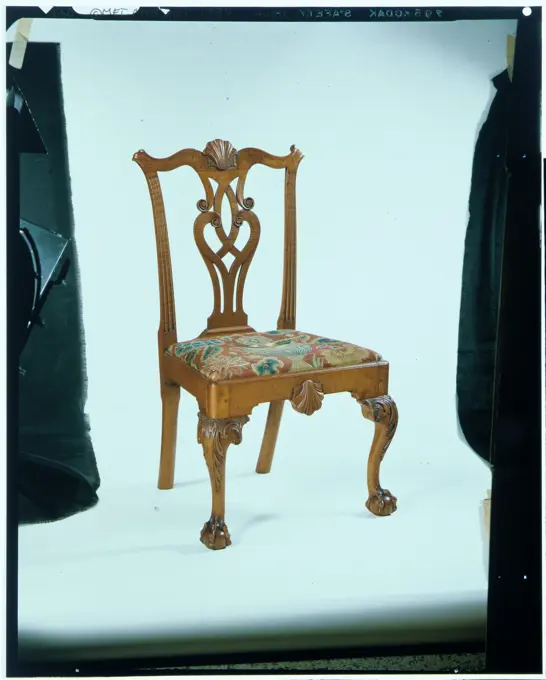
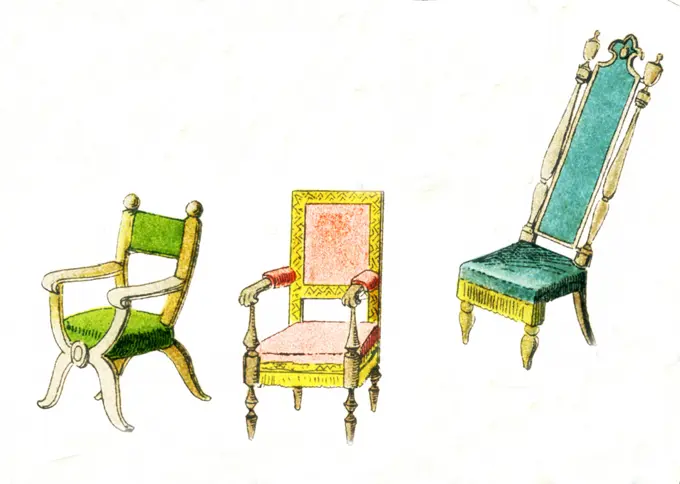
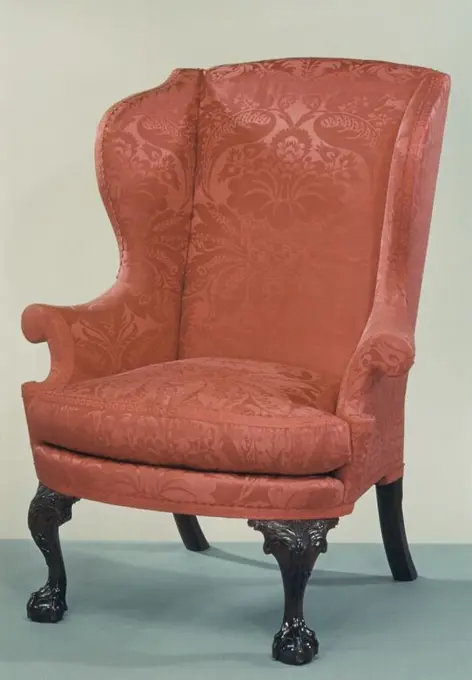
Antique Chairs Variety

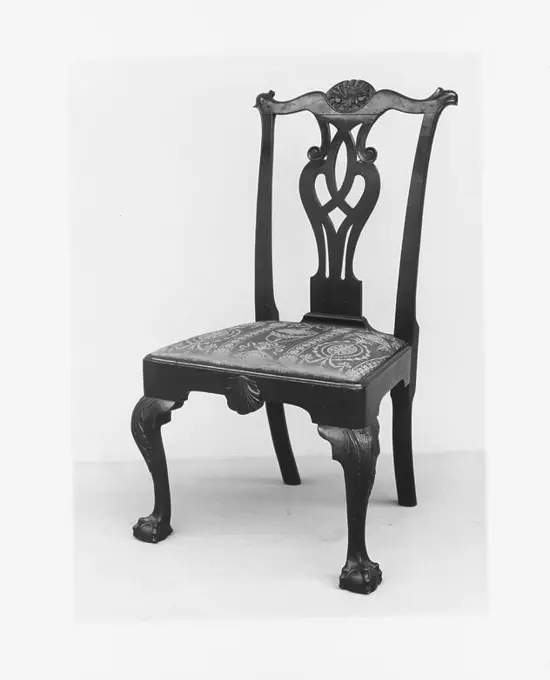
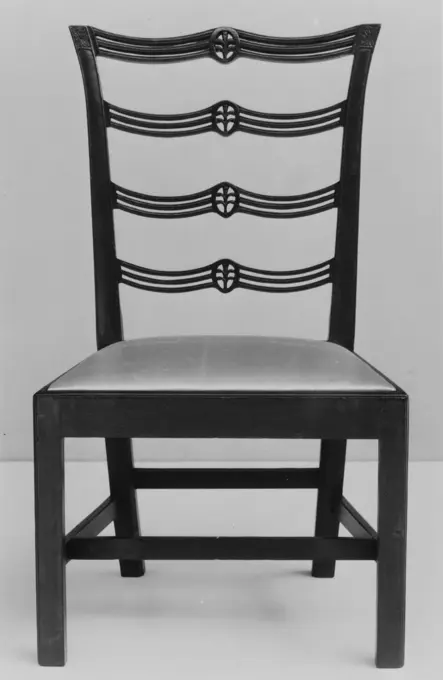
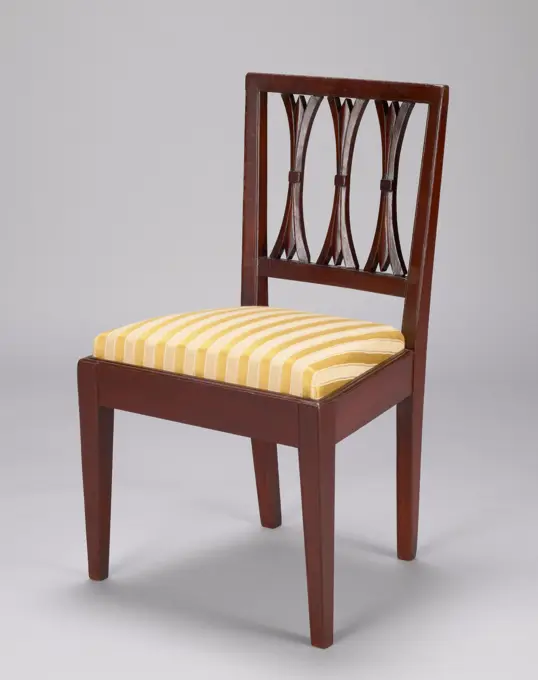
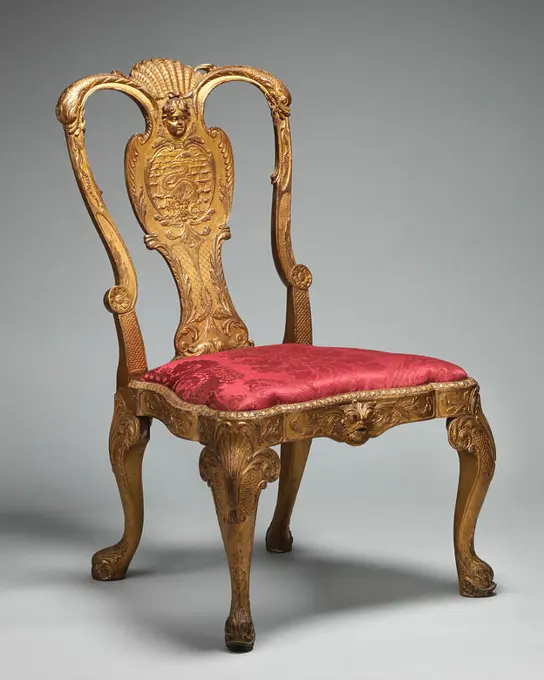
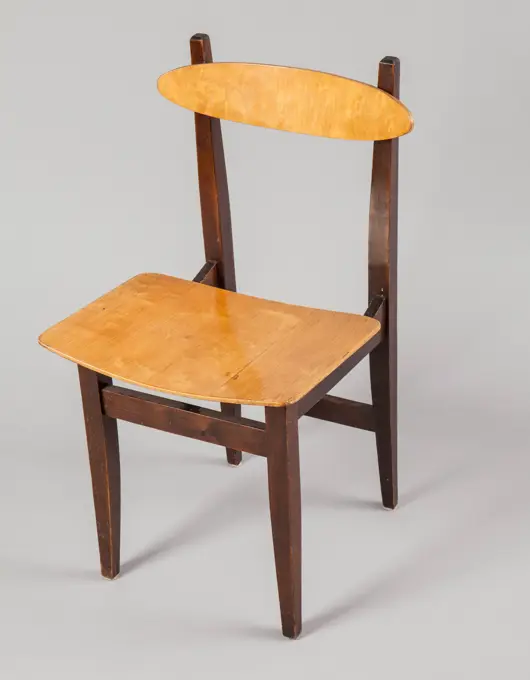
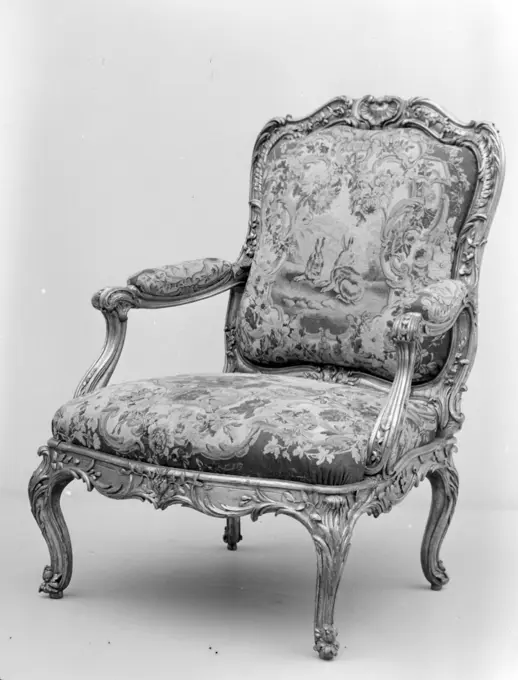
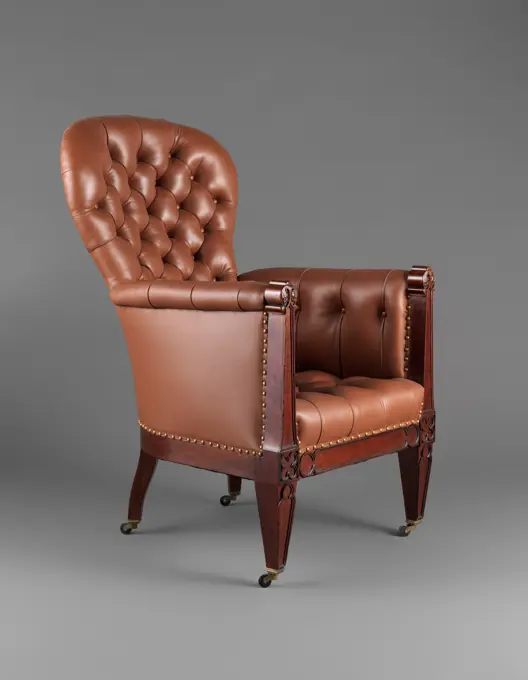
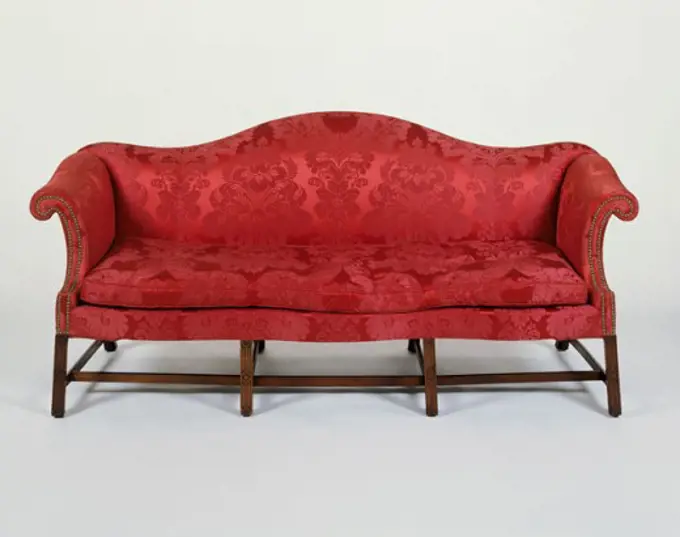
Elegant wooden chairs featuring intricate carvings and upholstery, showcasing antique designs from various historical periods.
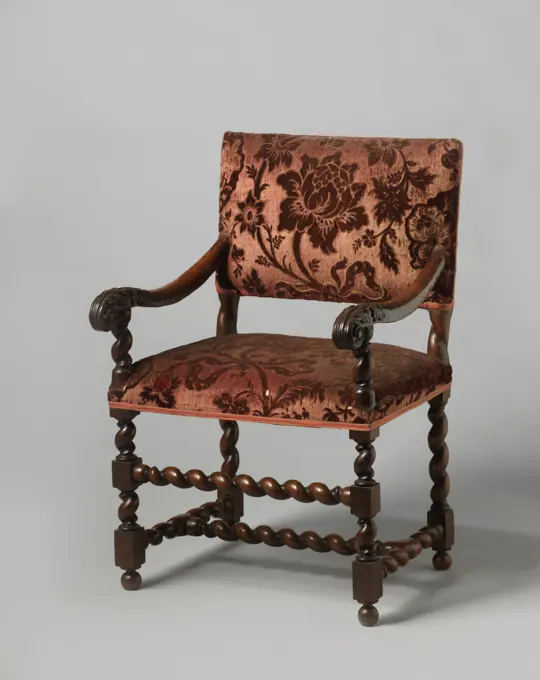
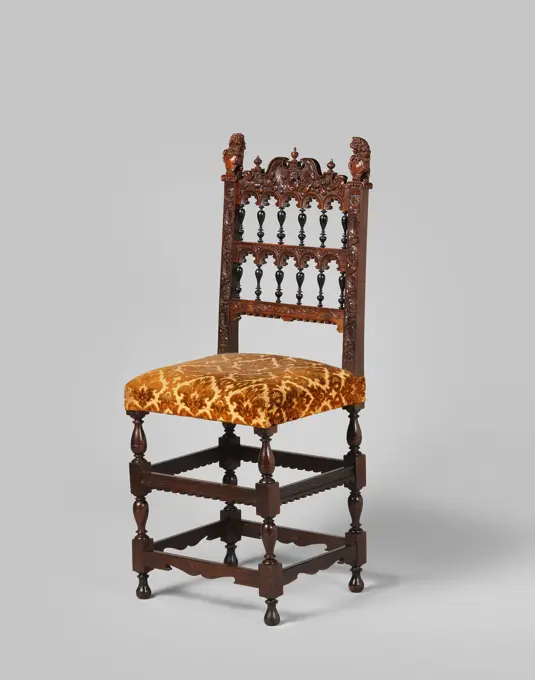
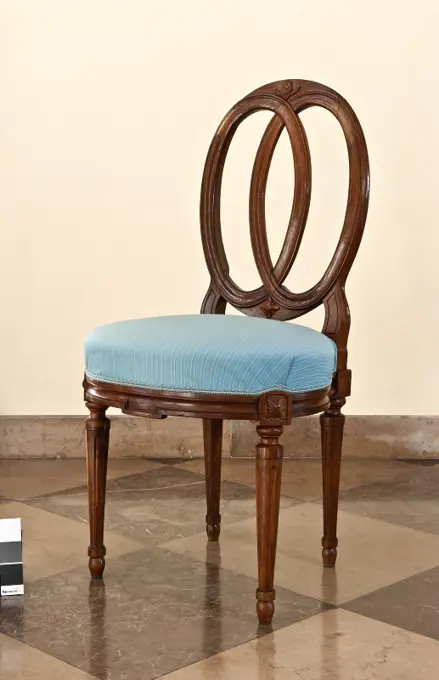
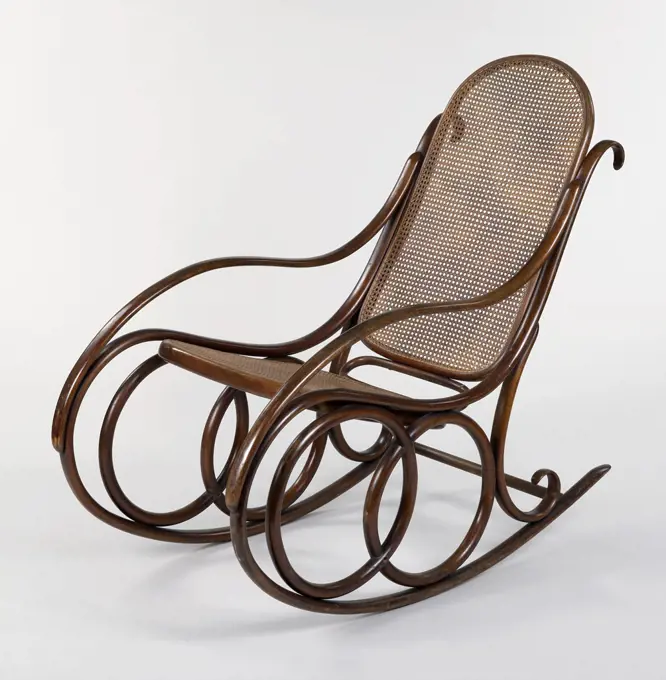
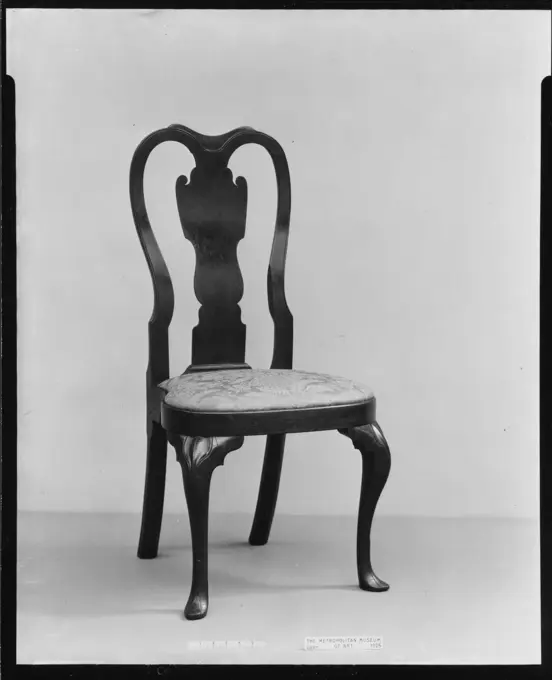
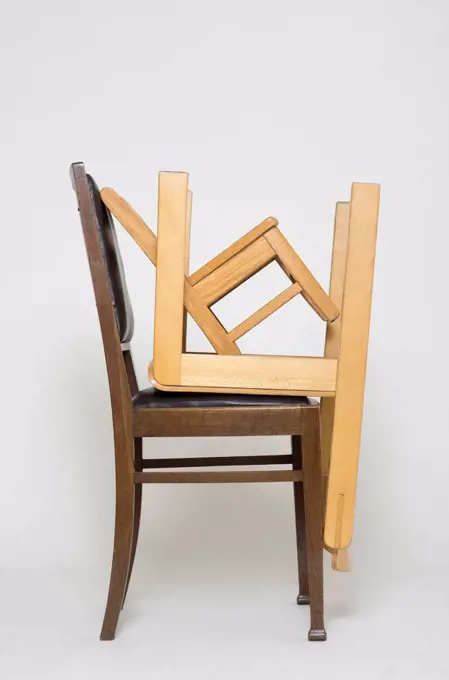
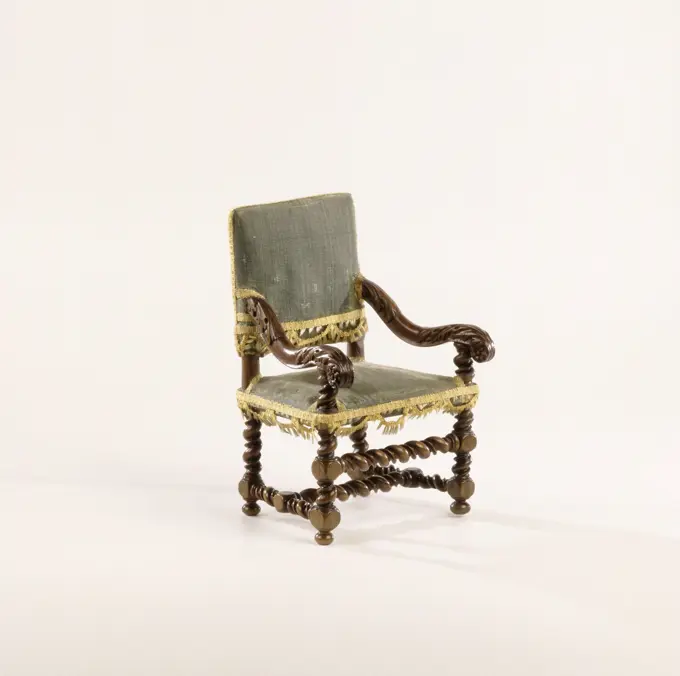
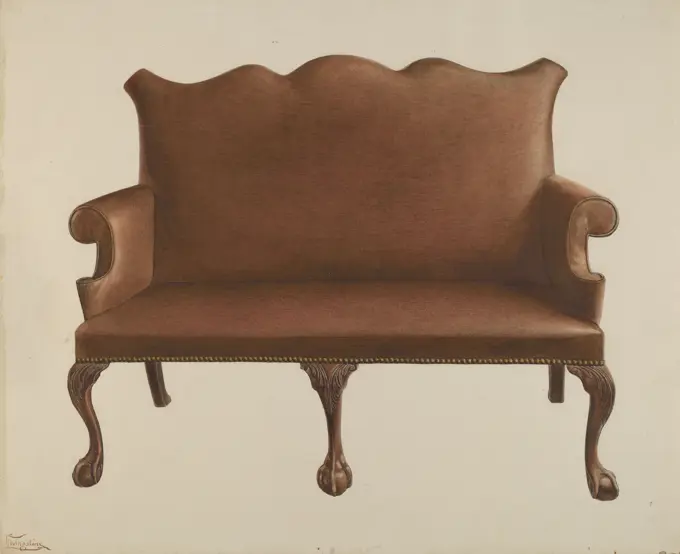
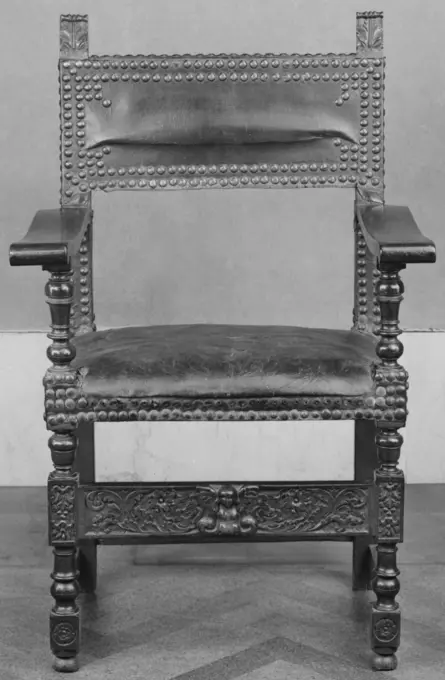
Arm chair of nuthout, anonymous, c. 1700 - c. 1800 The furniture is covered and rested on flared legs, also connected by a h-shaped cross and a middle front sport. The armrests are completely and end up in a volute with acanthus leaf decorated. The armrest stars have been hurled. The low rectangular back is on struts with a sham pendulum. The upholstery of Fraiserood Velours d'Uools shows sunflower motifs. Northern Netherlands wood (plant material). walnut (hardwood). velvet (fabric weave) The furniture is covered and rested on flared legs, also connected by a h-shaped cross and a middle front sport. The armrests are completely and end up in a volute with acanthus leaf decorated. The armrest stars have been hurled. The low rectangular back is on struts with a sham pendulum. The upholstery of Fraiserood Velours d'Uools shows sunflower motifs. Northern Netherlands wood (plant material). walnut (hardwood). velvet (fabric weave)
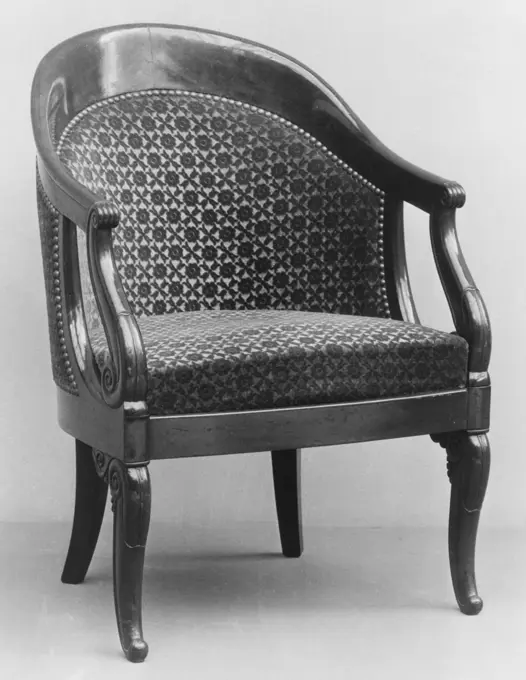
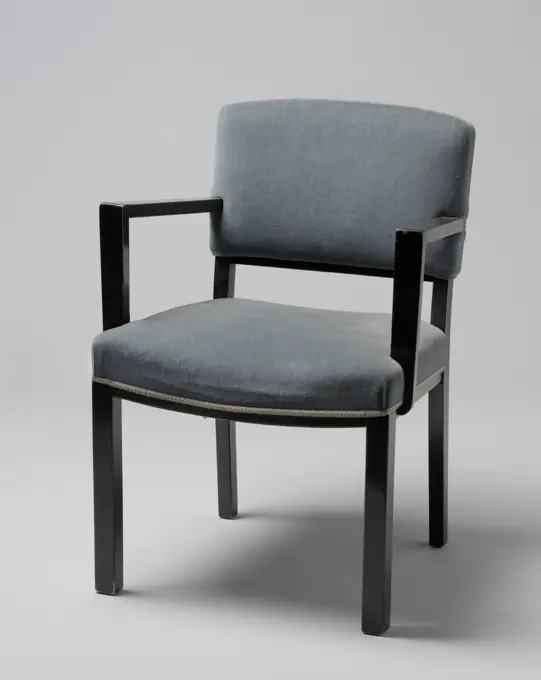
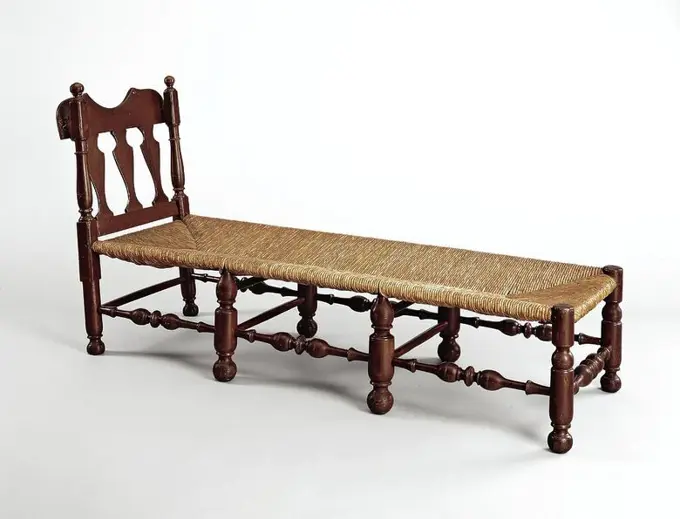
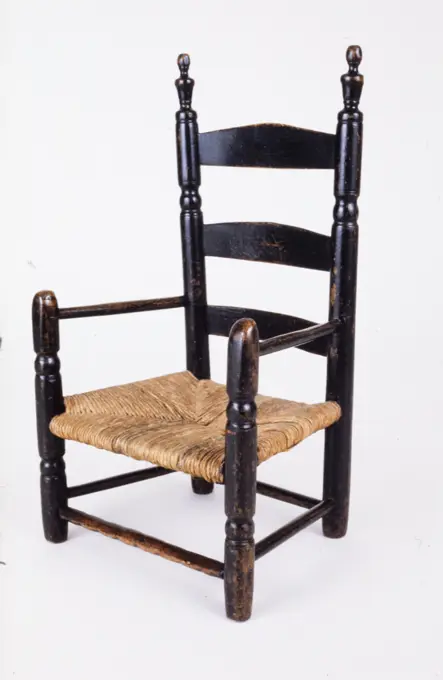
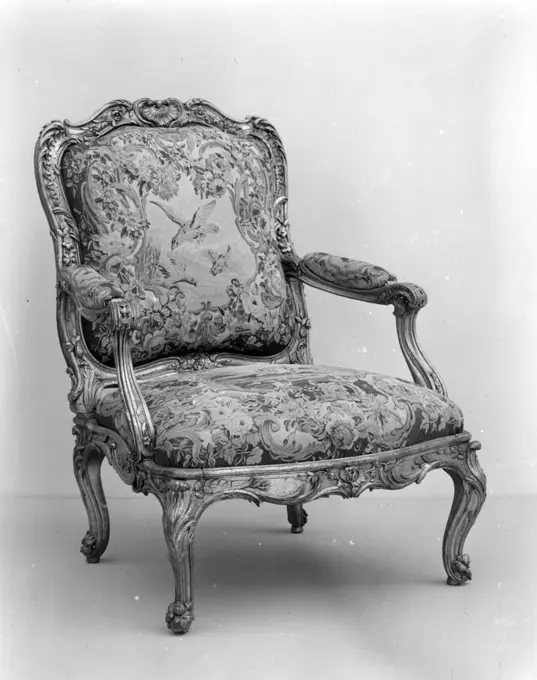
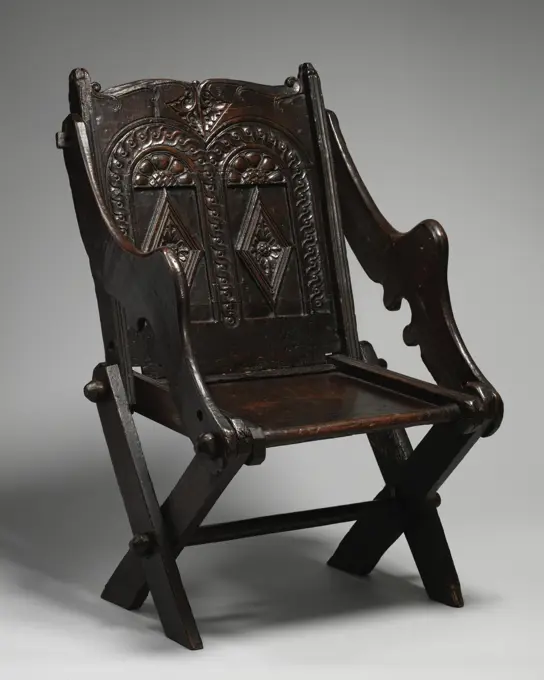
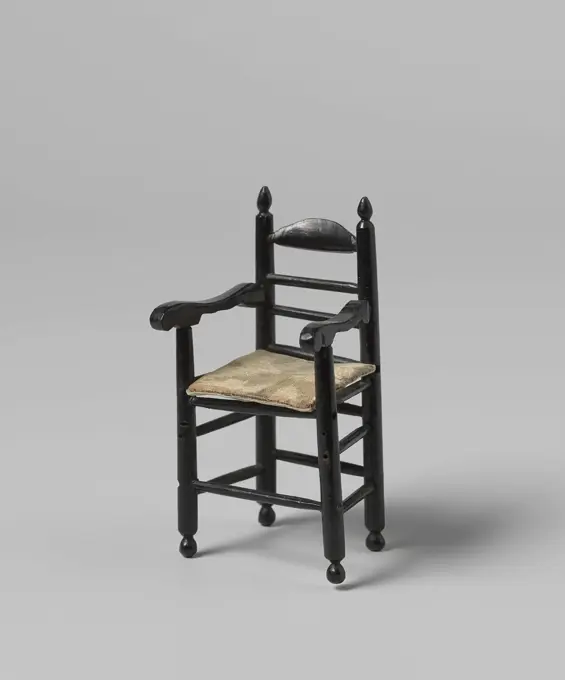
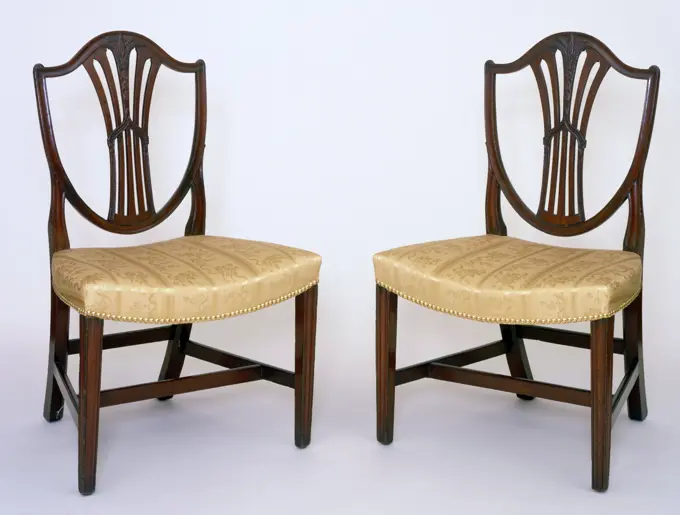
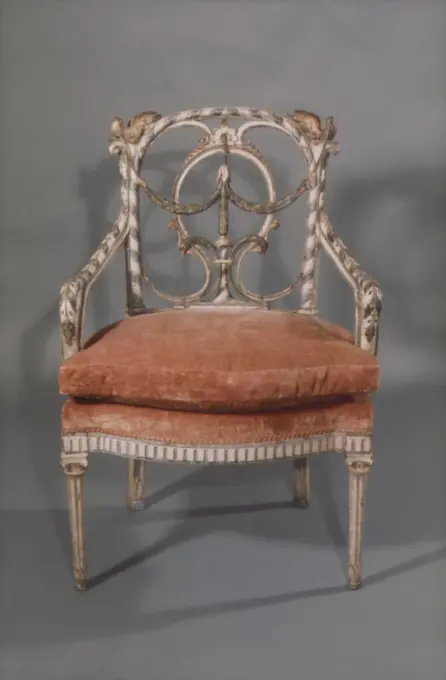
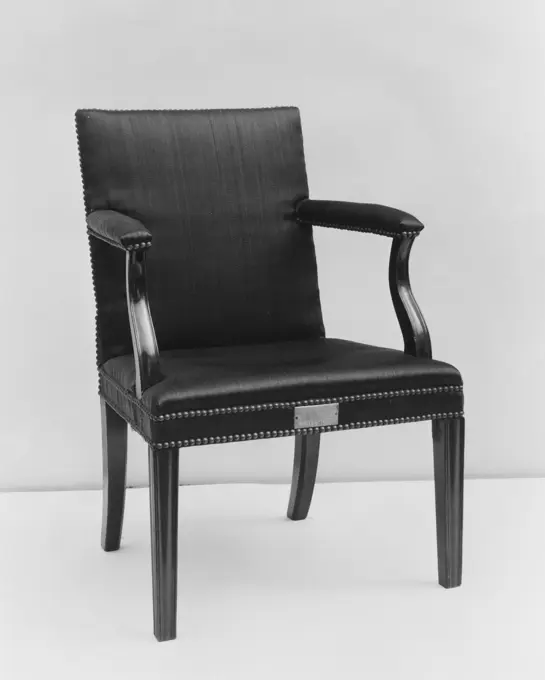
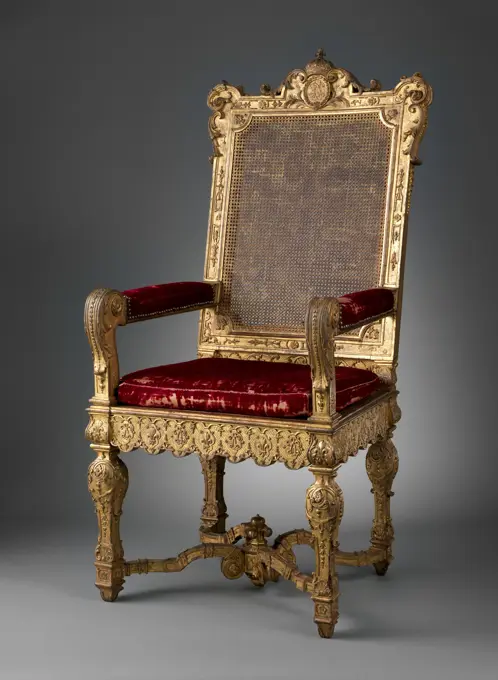
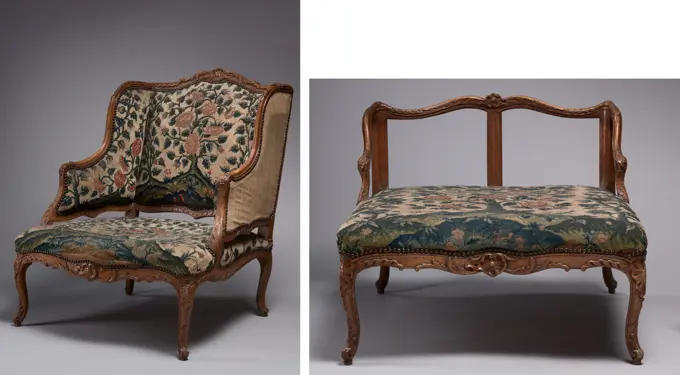
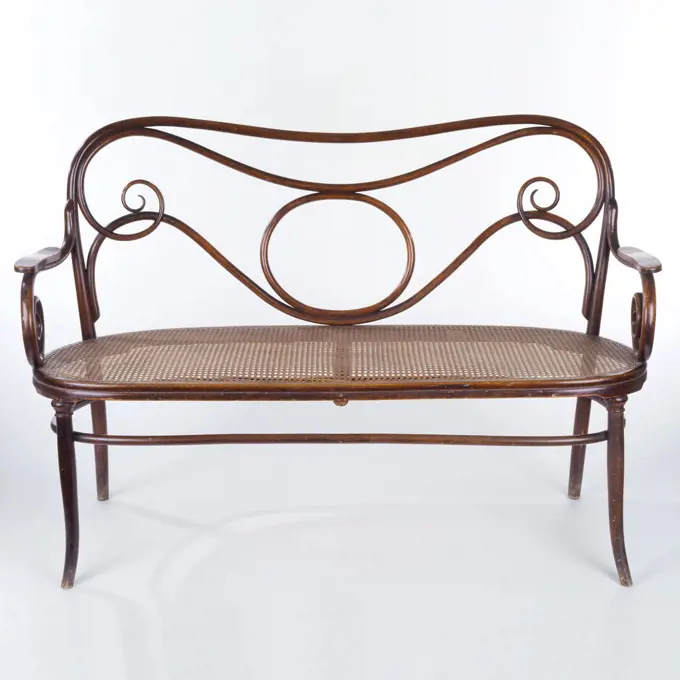
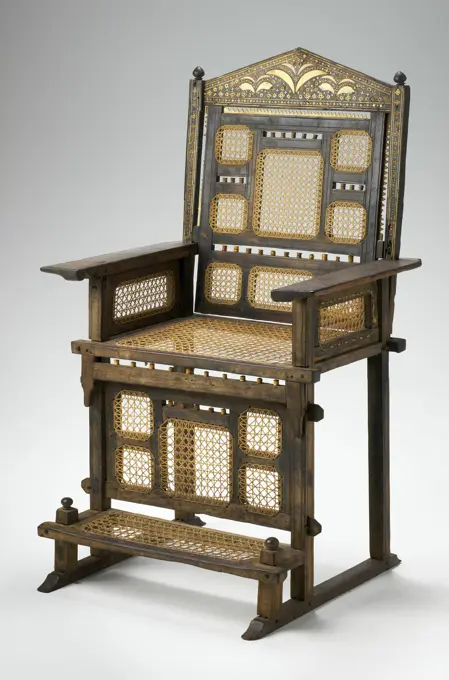
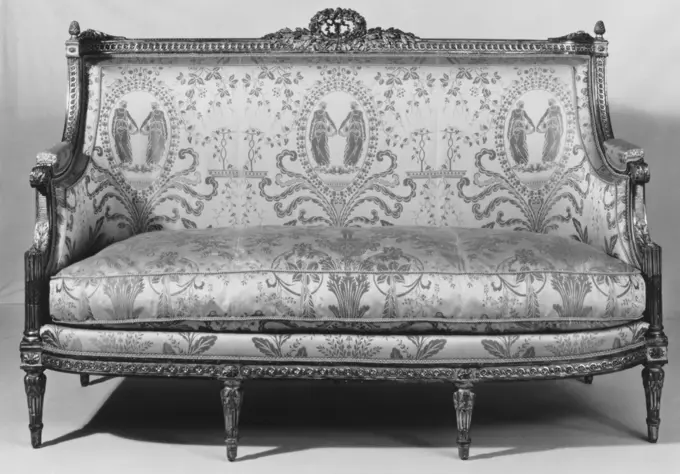
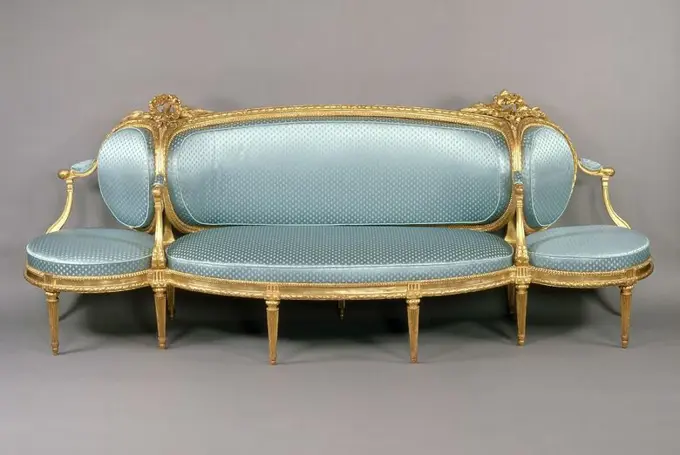
Pair of armchairs, Georges Jacob, c. 1787 Arm chair, gilded and covered. The conical legs consist of arrows bundled by rings. Ornamental edges on the sills and on three sides of the sitting window. The scanned vase -shaped armrest stars rest on houses, visible on one side. The armrests walk with Acanthus leaf in the back window; On the ends a Hondekop, among other things. The scanned backstyles are decorated. The upper sill shows between the upper parts of a flamb construction with flame, flame, an openwork arch, wreath and ribbon. See: BK-16656-A/C. Paris mahogany (wood). gilding (material). textile materials. silk gilding Arm chair, gilded and covered. The conical legs consist of arrows bundled by rings. Ornamental edges on the sills and on three sides of the sitting window. The scanned vase -shaped armrest stars rest on houses, visible on one side. The armrests walk with Acanthus leaf in the back window; On the ends a Hondekop, among other things. The scanned backstyles are decorateChair of mahogany, with square legs. Partially inserted and partially opened. Covered with red velvet .. mahogany armchair resting on square legs, lined with red silk velor, along the seat rules deposited with passing element. The low residents are from below brace-shaped and the high back sport is narrowed from below in the middle; The high front sport is partly inserted, partly open. Armmarks with home and articulation. The back stamps are beveled at the top, channeled and rolled up. The upholstery, struts and parts of the front legs wear oval, elongated grooved copper nails.Chair. Culture: British. Designer: Attributed to Christopher Dresser (British, Glasgow, Scotland 1834-1904 Mulhouse); Roundels designed by John Moyr Smith (British, 1839-1912). Dimensions: Overall (confirmed): 52 3/4 × 20 1/4 × 19 1/2 in. (134 × 51.4 × 49.5 cm);Height (seat): 18 in. (45.7 cm). Manufacturer: Coalbrookdale Company (British, established Shropshire, 1709). Date: 1870.The versatile artist Christopher Dresser is often celebrated as the first industrial designer. Philosophically, he was aligned with his contemporary William Morris on the virtues of good design but unlike Morris, he did not distain industrial production methods. Rather than affiliating himself with a single company or starting a workshop of his own, Dresser worked as an independent designer for manufacturers in many media, including ceramics, metalwork, glass, furniture and textiles. This cast iron chair is emblematic of the marriage of design reform to industrial production. Museum: Metropolitan Museum of AChair with trapezoidal open space in the backrest. Oak chair resting on four legs. The front legs are beveled and rested on black-finished discs with convex sides. The hind legs run through in the back stamps and widen from below, after which they narrow up at the height of the center. The backrest is composed of three panels. These are formed in such a way that a trapezoidal shape is created on the top a trapezoidal shape on the underside. The two outer panels are connected to the black-stained central panel by means of five beads on each side. The seat is covered with striped dust in beige, red and purple.Side Chair. Culture: American. Dimensions: 41 1/4 x 21 3/4 x 21 1/4 in. (104.8 x 55.2 x 54 cm). Date: 1760-90. Museum: Metropolitan Museum of Art, New York, USA.Pair of armchairs, Georges Jacob, c. 1787 Arm chair, gilded and covered. The conical legs consist of arrows bundled by rings. Ornamental edges on the sills and on three sides of the sitting window. The scanned vase -shaped armrest stars rest on houses, which are visible on one side. The armrests walk with Acanthus leaf in the back window; On the ends a Hondekop, among other things. The scanned backstyles are decorated. The upper sill shows between the upper parts of a flamb construction with flame, an openwork arch, wreath and ribbon. BK-16656-B/C. Paris mahogany (wood). gilding (material). textile materials. silk. walnut (hardwood) gilding Arm chair, gilded and covered. The conical legs consist of arrows bundled by rings. Ornamental edges on the sills and on three sides of the sitting window. The scanned vase -shaped armrest stars rest on houses, which are visible on one side. The armrests walk with Acanthus leaf in the back window; On the ends a Hondekop, among other things. The scanSideChair.   Maker: Wallace Nutting, American, 1861-1941Chair Thonet, brothersArmchair, wood (beech), painted and gilded, Curved and sloping armrests; top and lower seat rails include an oval caned medallion with a central oval panel painted en grisaille with a woman and child. Curved arms are received by stumps extended vertically to straight, tapered, turned front legs. Seat caned, burgundy colored caning. Gilded and toned decoration of conventionalized flowers and leaves, and bandings, on black ground., England, ca. 1805, furniture, Decorative Arts, ArmchairEasy Chair 1790-1810 American. Easy Chair 3490Side Chair 1785-95 American. Side Chair 1722Chair;  around 1800 (1780-00-00-1810-00-00);Mokicz, Leonard (1912-1980) - collections, purchase (provenance)Yokeback Armchair, 16th-17th century, 43 3/8 x 23 3/4 x 19 in. (110.17 x 60.33 x 48.26 cm), Huang-hua-li hardwood and rattan, China, 16th-17th centurySettee ca. 1720 British. Settee. British. ca. 1720. Walnut and burr walnut veneer. Woodwork-FurnitureSide chair. Culture: British. Dimensions: Overall: 42 1/2 × 24 × 26 1/2 in. (108 × 61 × 67.3 cm). Date: ca. 1725-35. Museum: Metropolitan Museum of Art, New York, USA.Side chair (one of a pair) early 18th century Dutch. Side chair (one of a pair) 208573Buffet, marbled, anonymous, c. 1700 Buffet of oak, marbled. Amsterdam (possibly) oak (wood) Buffet of oak, marbled. Amsterdam (possibly) oak (wood)Chair with round, open backrests with middle style, the seat with flower and leaf motifs. Sterehout chair, brown varnished, round open backrests with middle style; round rule, back plane legs and overhoeks placed S-shaped front legs; Seat covered with silk with flower and leaf motifs: coloring cream with green, yellow, pink or red flowers or leaves; Staff about hard filling stretched with many wires on the bottom visible under thick layer of varnish.Armchair (bergère en gondole) ca. 1820-30 French. Armchair (bergère en gondole) 195488Anonymous. "Small secretary of a lady to slaughter". Built in oak, various wood marquetry on a background of rosewood, with purple wood frame, boxwood nets, golden bronzes, leather, wheeled hooves. Around 1760. Paris, Cognacq-Jay museum. 123782-1Arm chair with angular armrests and covered with blue Trijp, Jacobus Fernandus Adolphus Semey, 1933 Arm chair of black lacquered wood resting on four square legs. The front legs are straight and the hind legs are slightly bent and continue in the backstyles. The session is set in four lines whose two side rules are right and the front and back rule bent. The benchmark of the backrest is also bent. From the center of the backrest, flat angular armrests walk off who are on the front, not in line with the front legs, on flat struts that are partly attached to the seat and partly. Both the handrail and the seat are covered with blue Trijp. The covering of the seat is trimmed with a beige trim. The Hague wood (plant material). paint (coating). wool Arm chair of black lacquered wood resting on four square legs. The front legs are straight and the hind legs are slightly bent and continue in the backstyles. The session is set in four lines whose two side rules are right and the front and back Daybed. Culture: American. Dimensions: 36 x 67 3/4 x 23 1/4 in. (91.4 x 172.1 x 59.1 cm). Date: 1725-50. Museum: Metropolitan Museum of Art, New York, USA.Side Chair 1685-1705 London. Black lacquer and gilded beechwood .Side chair (set of four) ca. 1750-60 Southern German. Side chair (set of four) 237995Miniature arm chair, anonymous, c. 1660 - c. 1685 Arm chair of rosewood, with flared legs and sports. The armrest stars are baluster -shaped; The armrests themselves are rolled and smooth. Renewed silk covering with frills. Northern Netherlands wood (plant material). rosewood (wood). silk Arm chair of rosewood, with flared legs and sports. The armrest stars are baluster -shaped; The armrests themselves are rolled and smooth. Renewed silk covering with frills. Northern Netherlands wood (plant material). rosewood (wood). silkChild's chair, late 18th century, 24 1/2 x 12 1/2 x 10 1/4in. (62.2 x 31.8 x 26cm), Wood, reed, United States, 18th centuryChair 02Askowska, MariaArmchair of walnut on S-shaped legs, connected by H-shaped corrugated cross. Covered with Petit-Point .. Darling armchair resting on S-shaped legs, connected by an H-shaped corrugated cross. The rectangular backward sloping back, the straight armrests, the armrest struts and the seat are all covered with nailed petit point.Arm chair with angular armrests and covered with blue Trijp, Jacobus Fernandus Adolphus Semey, 1933 Arm chair of black lacquered wood resting on four square legs. The front legs are straight and the hind legs are slightly bent and continue in the backstyles. The session is set in four lines whose two side rules are right and the front and back rule bent. The benchmark of the backrest is also bent. From the center of the backrest, flat angular armrests walk off who are on the front, not in line with the front legs, on flat struts that are partly attached to the seat and partly. Both the handrail and the seat are covered with blue Trijp. The covering of the seat is trimmed with a beige trim. The Hague wood (plant material). wool. textile materials Arm chair of black lacquered wood resting on four square legs. The front legs are straight and the hind legs are slightly bent and continue in the backstyles. The session is set in four lines whose two side rules are right and the front and bacSettee--Sheraton Style. Dated: c. 1939. Dimensions: overall: 35.5 x 49.6 cm (14 x 19 1/2 in.). Medium: watercolor and graphite on paperboard. Museum: National Gallery of Art, Washington DC. Author: Charles Henning.Tabort with coated seat, resting on legs connected by H-shaped cross. Rule with open-worked Palmet, Volutes and Acanthus sheet. Taboeret Van Notenhout. He is covered and rest on legs, which, as well as the H-shaped cross and the back sports, show home and articulation. The flat for-medium sport has an openwork palm with broken S volutes with acanthus leaf flanked.Folding chair of walnut with leather seat and back, anonymous, 1500 - 1600 Folding chair of walnut with a leather seat and back. The donkey -back -shaped legs are connected to the donkey -shaped styles by means of a hinge. The legs are right, ending connected at the underside in lion claws; On the inside they have a sawn button on three -quarters height. The armresters that turn into the backstyles end in volutes with rosettes. At the bottom of the meandered leather back cover silk fringe; Learning seat with copper caps. Italy wood (plant material). walnut (hardwood). leather. copper (metal). silk Folding chair of walnut with a leather seat and back. The donkey -back -shaped legs are connected to the donkey -shaped styles by means of a hinge. The legs are right, ending connected at the underside in lion claws; On the inside they have a sawn button on three -quarters height. The armresters that turn into the backstyles end in volutes with rosettes. At the bottom of the meandered leatherArmchair (bergère) ca. 1760 French. Armchair (bergère). French. ca. 1760. Carved oak. Woodwork-FurnitureArmchair (bergère). Culture: French. Dimensions: Overall (confirmed): 38 1/2 × 33 × 28 in. (97.8 × 83.8 × 71.1 cm). Date: ca. 1760. Museum: Metropolitan Museum of Art, New York, USA.Armchair (One of a Pair) ca. 1700 China. Armchair (One of a Pair). China. ca. 1700. Hardwood (huali). Qing dynasty (1644-1911). FurnitureSofaEmpire chair, one of a pair, c. 1830, 35 x 19 1/4 x 19 in. (48.9 cm), Mahogany with modern upholstery, United States, 19th centuryArmchair ca. 1830 Italian. Armchair 190613 Italian, Armchair, ca. 1830, Mahogany veneer on walnut, 30 1/4  22 3/4 in. (76.8  57.8 cm). The Metropolitan Museum of Art, New York. Rogers Fund, 1908 (08.51.18)Two chairsFour Side Chairs (chaises à la reine). 71.DA.93.1: on inside of seat rails, incised thrice: "III" 71.DA.93.2: on inside of seat rail, incised: "X"Armchair (part of a set) ca. 1754-56 Frame by Nicolas-Quinibert Foliot The Danish statesman of German origin Baron Johann Hartwig Ernst Bernstorff (1712-1772) remarked about King Frederick V of Denmark (1723-1766) that he "loved France with a passion."¹ The same could be said of Bernstorff, who was a true Francophile and was credited with speaking the language better than many French people.² During his tenure as Danish ambassador at the court of Versailles, from 1744 until 1751, Bernstorff developed a marked preference for the arts of France and lived in a beautifully furnished hôtel in the rue Bourbon in Paris.³ In 1752, not long after he was recalled to Copenhagen to assume the post of minister of foreign affairs, Bernstorff began building a grand town house in a new part of the city named Frederiksstaden, after the king. Although the exterior of the house, designed by Johann Gottfried Rosenberg (ca. 1709-1776), betrays German influence, the interior decoration was according to the Throne seat of rosewood covered with red velvet, Carel Breytspraak, c. 1850  Throne seat of rosewood with walnut and covered with red velvet. On the upholstery a passion of gold thread. Netherlands rosewood (wood). walnut (hardwood). velvet (fabric weave).Easy Chair ca. 1852 American. Easy Chair. American. ca. 1852. Walnut, ash. Probably made in United StatesChippendale Camel-Back Mahogany Frame Sofa Antiques Stool (Austria); Manufactured by Gebrüder (Brothers) Thonet (Austria); bent wood; 2013-50-30Armrest 1754-56 Beauvais This tapestry panel is part of a set of twelve armchairs and two settees ordered in Paris in 1753 by Baron Johann Ernst Bernstorff, Danish ambassador to the court of Versailles between 1744 and 1751. After returning to Denmark, Bernstorff commissioned this seat furniture for the tapestry room of his new residence in Copenhagen that was hung with four wall tapestries of the Amours des Dieux series woven at the Beauvais Manufactory. The tapestry covers are woven with animal and bird subjects after designs by the painter Jean-Baptiste Oudry (1686-1755). For a fuller description of the entire set, see, e.g., MMA 35.145.1.. Armrest. French, Beauvais. 1754-56. Wool and silk. Textiles-TapestriesFolding chair ca. 1600 British This type of chair is called Glastonbury, after Glastonbury Abbey, Somersetshire.. Folding chair. British. ca. 1600. Oak. Woodwork-FurnitureHigh chair, black lacquered, with 'piping' seat. High children's button chair from black lacquered wood with smooth turned styles and cross rules. The upper backrest is cut and the armrests have been glued. The footrest is missing. The loose seat of cardboard is struck with silk thread as imitation of a piping matting.Pair of side chairs (chaises à la reine). Culture: French. Dimensions: Each, 36 1/4 x 24 1/2 x 26 in. (92.1 x 62.2 x 66cm). Maker: Michel Gourdin (French, master 1752, died after 1777). Date: ca. 1752-60.The top rail of the back and front rail of the seat are carved with three flowers flanked by branches of flowers and leaves. Both Michel and Jean-Baptiste Gourdin used the motif of a flower at each front corner above a split stem running down the fore edge of the front leg with an acanthus leaf on the foot. Other chairs by Michel Gourdin are in the Louvre, the Bouvier Collection in the Musée Carnavalet, Paris; the Wallace Collection, London; Windsor Castle; and the collection of Mr. and Mrs. Charles Wrightsman, New York.Bill Rieder, 1984. Museum: Metropolitan Museum of Art, New York, USA.Hepplewhite side chair, one of a pair, c. 1795, Stephen Badlam, American (Massachusetts), American, 1751-1815, 37 1/2 x 23 x 19in. (95.2 x 58.4 x 48.3cm), Mahogany, ash, United States, 18th-19th century, Stephen Badlam was a leading American furniture maker during the Federal period. He set up his shop in Dorchester Lower Mills, Massachusetts, and was one of a number of furniture makers to mark his furniture with a stamp. Badlam and many of his peers drew inspiration from British design source books such as George Hepplewhite's Cabinet-Maker and Upholsterer's Guide (1788). This chair is one of a pair; the other is currently on view nearby in the MacFarlane Room.Pair of armchairs (part of a set) ca. 1780 Italian, Naples This chair is from a large set comprising at least two settees and twelve armchairs (one settee and three armchairs are in the Metropolitan Museum). The conceit of birds upholding the swags on the back contributes to the light and playful qualities of the design.. Pair of armchairs (part of a set) 211371Three chairssofa furniture weave bamboo chairArmchair 1794 Probably Thomas Affleck. Armchair. American. 1794. Mahogany. Made in Philadelphia, Pennsylvania, United StatesArmchair ca. 1700-1710 French This stately armchair displays symbols of the French monarchy that suggest it is of royal origin. Interlaced Ls alternating with fleur-de-lis motifs are carved on the seat rails, while a medallion with the double L monogram surmounted by a crown decorates the crest rail. During public audiences with foreign diplomats (held in the royal bedchamber or the Council Chamber), the king sat in an armchair, and this formal example may have been used in that way at Versailles.. Armchair. French. ca. 1700-1710. Carved and gilded walnut, caning; velvet. Woodwork-FurnitureDaybed (Duchesse brisée), c. 1890-1940. France, style of Louis XV, 20th century. Carved wood frame upholstered in needlework; part 1: 102.6 x 83.8 x 78.8 cm (40 3/8 x 33 x 31 in.).No. 8, Gebrüder Thonet, Bent beech wood, caning, Settee with curved bent beachwood elements: the back composed of a wide frame enclosing two horizontal scrolling elements with an oval element in the lower center; single scrolled arm at either side with narrow, flat armrest at top; the wide caned seat on four tapering legs, the two front legs slightly out-turned; oval stretcher joined to all four legs slightly below seat., Austria, mid-19th century, furniture, Decorative Arts, Bench, BenchChair (Kiti Cha Enzi) 1801-1900 Kenya. This style of high-backed seat with bone and ivory inlay, known as a ìchair of powerî or ìgrandeeís chairî (kiti cha enzi), is a graphic reminder of the complex history of international trade and conquest in the region known as the Swahili Coast. As early as the first century, the regionís natural harbors invited exchange with partners in the Persian Gulf and Western India. Later the Portuguese, Omani, and British imposed their authority on its inhabitants. With each conquering state, newly imported goods and practices took root as symbols of authority and power among the Swahili elite. The upright form of the kiti cha enzichair bears strong resemblance to sixteenth- and seventeenth-century chairs imported from Portugal and Spain, as well as to Portuguese- and Spanish-influenced examples made in India. Comparisons have also been made with chairs from the Mamluk period (1250ñ1517) in Egypt. In any case, the Swahili version is clearly the result of Sofa (part of a set) ca. 1785 Jean-Baptiste-Bernard Demay. Sofa (part of a set). French. ca. 1785. Carved and gilded walnut, modern silk lampas. Woodwork-FurnitureFurniture. Seat of Palisanderhout. Clad seat. The legs with home and articulation are connected by eight sports; Four are bracelet-shaped scallops and four with a hold tooth list. The back styles wear braid band with a loop pattern with palm with rosette. The upper two back sports at the bottom have five bows on balusters, further decorated with rosettes, tooth list and acanthus sheet. The scalloped upper sport has cock heads on the corners with drapery in the mouth and further a cherub, fruits and on top of three vases.Chair. unknown, authorSide Chair. John and Joseph W. Meeks Company; American, active 1836-59; New York, New York. Date: 1856-1865. Dimensions: 107.3 × 47 × 46 cm (42 1/4 × 18 1/2 × 18 1/8 in.). Rosewood. Origin: New York City. Museum: The Chicago Art Institute, Chicago, USA.No. 4, Bent beechwood, woven caning, Frame of curving linear bent beechwood elements; the arms flow into two long parallel runners; caned, oval back joined to elongated oval bent wood element, in turn joined to caned seat supported on the runners by four intertwined circular bentwood form; two curving bentwood supports join lower back to runners., Vienna, Austria, ca. 1860, furniture, Decorative Arts, Rocking chair, Rocking chairSide Chair 1740-60 American. Side Chair 1586Stacks of chairs on white background, close upReading chair. Culture: British. Dimensions: 36 3/4 × 28 1/2 × 24 in. (93.3 × 72.4 × 61 cm). Date: ca. 1750. Museum: Metropolitan Museum of Art, New York, USA.Armchair (one of a pair) last quarter 17th century French. Armchair (one of a pair) 237965Scandinavia. Carved wooden chair. Wood. Blakar, Lom, Oppland, Norway. 13th century. Historical Museum. Oslo. Norway.Arm chair with upholstery of silk fluble, anonymous, c. 1690 - c. 1710 One of eleven seats, of which four arm chairs (13-a to d) and seven armchairs (13th to k), made of walnut; styles, pre-line and H-shaped cross decorated with narrow and wide tors; Curved armrests ending in Volute with rosette and acanthus leaf cutting work. Seat and back attached to a brown painted paper under layer, raised with soft filling and linen; Covered with a gray-green silk velvet, trimmed with a passement; Along the contours of the back and seat a wider yellow band; A piping with brushes of cream -colored silk is applied around the seat and back, as well as a thin yellow strap with open fringes hanging in scales. Amsterdam wood (plant material). walnut (hardwood). silk. vulling: linen (material) One of eleven seats, of which four arm chairs (13-a to d) and seven armchairs (13th to k), made of walnut; styles, pre-line and H-shaped cross decorated with narrow and wide tors; Curved armrests ending in Volute wRetro style armchair isolated on whiteRolland Livingstone, Settee, 1941 SetteePair of armchairs (part of a set) late 16th century Italian, Genoa. Pair of armchairs (part of a set). Italian, Genoa. late 16th century. Carved walnut, leather. Woodwork-FurnitureChair with piping seat and elongated panel at the rear, Cor Alons, c. 1925 Eikhout chair resting on four rectangular legs. The legs are interconnected by means of an H-shaped cross supplemented with a line between the hind legs. The hind legs continue in the backstyles. An elongated black painted panel has been placed from the bottom line that reaches up to the top sill. A narrow space has been released between the panel and the back styles and hind legs. The chair has a trapezoidal piping seat. Netherlands oak (wood). painting Eikhout chair resting on four rectangular legs. The legs are interconnected by means of an H-shaped cross supplemented with a line between the hind legs. The hind legs continue in the backstyles. An elongated black painted panel has been placed from the bottom line that reaches up to the top sill. A narrow space has been released between the panel and the back styles and hind legs. The chair has a trapezoidal piping seat. Netherlands oak (wood). paintingSide Chair ca. 1825 American. Side Chair. American. ca. 1825. Maple. Made in Rhode Island, United StatesGarden Chair, one of a pair, c. 1880, 34 1/2 x 25 1/2 x 22in. (87.6 x 64.8 x 55.9cm), Cast iron, United States, 19th century. Standard for the Rembrandt portfolio consisting of a diaphragm to the rear of Corolandelwood framework. The framework rests on two curved legs attached to the rear at the level of the middle sill. At the bottom, the framework and legs are interconnected with intermediate rules. These intermediate rules are connected by a panel. The framework consists of two sections, separated by a middle seating. The lower part has a bene dilder and is divided into two surfaces by a middle style. These are filled with four panels with a sliced stylized winch inlaid with walnut. The upper part is divided into the middle by a wide panel on which a sliced stylized winch whose springs are partly inlaid with copper. The panel is connected to the framework by means of openwork panels caught in two intermediate rules at the top and bottom.Sofa (canapé à confidents). Culture: French. Dimensions: 34 × 90 × 24 1/2 in. (86.4 × 228.6 × 62.2 cm). Maker: Claude I Sené (French, 1724-1792). Date: ca. 1775-80.A sofa of this type, with a wide central section and a single outward-facing seat at each end, was called a canapé à confidents, although a design less likely to encourage exchange of confidences would be hard to imagine. Examples were made primarily in the Louis XV and Louis XVI periods, and only a small number survive. However impractical, the form was highly decorative, and it appears in designs for neoclassical wall elevations where the shape and carving are conceived in harmony with the wall paneling.1 On the present piece, the carving on the wreaths of roses and olive branches tied by a ribbon at the top of each end is particularly skillful. This canapé has been described by both the comte de Salverte and Guillaume Janneau as Sené's finest known piece of furniture in the Louis XVI style.Bill Rieder, 1984FootnoteSide Chair 1755-90 American. Side Chair 1740Shown here are three European chairs from approximately the year 1500. The illustration dates to 1882.Camp stool of emperor Charles V (1500-1558). Engraving, 1875. The Spanish and American Illustration. Spanish edition.Furniture by Michel Dufet 1888-1985. French architect and designer. He is most known for designing furniture and decorating luxury yachts and cruise shipsSpecimens of Furniture in the Elizabethan & Louis Quatorze Styles. Adapted for Modern Imitation. Designer: Thomas King (British, active 1820-50). Dimensions: 14 3/16 x 9 13/16 x 11/16 in. (36 x 25 x 1.7 cm). Publisher: John Weale (London). Date: 19th century. Museum: Metropolitan Museum of Art, New York, USA.Chair. unknown, authorDaybed (lit de repos). Culture: French. Dimensions: Overall: 26 × 67 3/4 × 30 1/2 in. (66 × 172.1 × 77.5 cm). Date: ca. 1750-75. Museum: Metropolitan Museum of Art, New York, USA.Easy Chair. Culture: American. Dimensions: 46 x 37 x 28 1/4 in. (116.8 x 94 x 71.8 cm). Date: 1760-90.In the eighteenth century, easy chairs (often called "wing chairs" today) were usually found in bedrooms for the use of the aged or infirm. Thick padding and soft down cushions provided comfort, and the wings gave protection from drafts. This example, with its curved front seat rail and flared arms terminating in C-scrolls, exhibits the classic Philadelphia form. Museum: Metropolitan Museum of Art, New York, USA.Side chair, c. 1866, John Henry Belter Factory, American, New York City, 1844-1860, 39 x 19 x 20 in. (99.06 x 48.26 x 50.8 cm), Rosewood, United States, VictorianRed lacquered framed folding throne, with gold lacquered cloud, dragon and waves design. Early to mid Qing dynasty. Forbidden City Museum. circa 1725Pair of chairs (part of a set) 17th century Portuguese. Pair of chairs (part of a set). Portuguese. 17th century. Walnut. Woodwork-FurnitureHip-joint armchair (Dantesca type, associated with 1975.1.1970 a,b). Culture: Italian. Dimensions: H. 91.5 cm, W. 74.5 cm, D. 49 cm.Back: 35 x 76 cm.; Seat 45 x 52 cm.. Date: 15th or 16th century (textiles); 16th century (chair). Museum: Metropolitan Museum of Art, New York, USA.Furniture setting from the estate of Maximilian Joseph Graf von Montgelas, Munich around 1805, Bavarian National Museum, Munich, Bavaria, Germany, Europe