Antique Containers

A variety of antique containers including tobacco boxes, miniature drums, and ointment jars, showcasing diverse materials and historical craftsmanship.
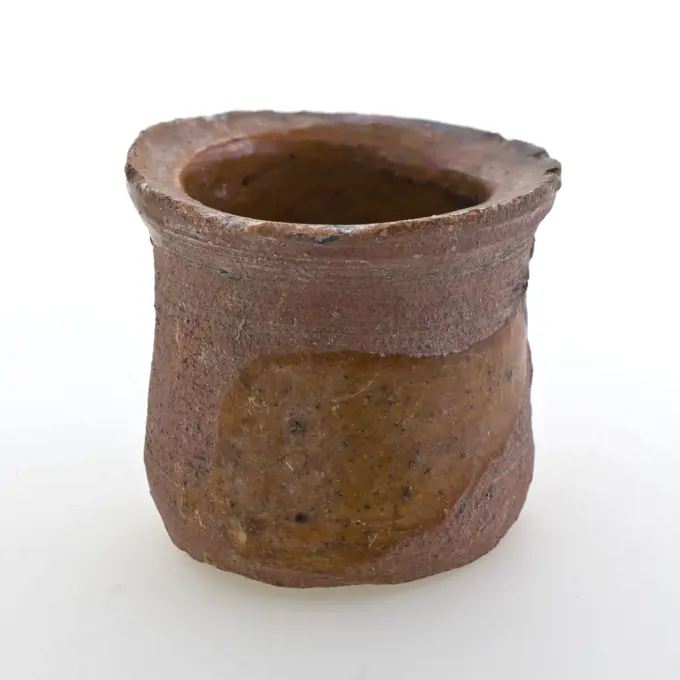
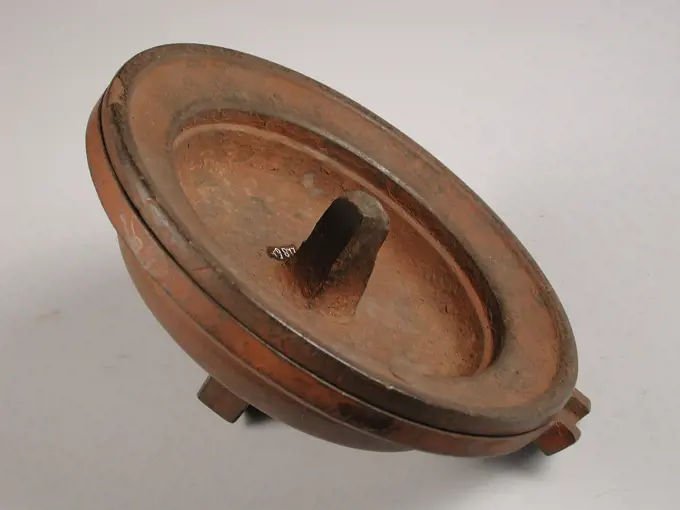
Pottery ointment jar, conical model, red shard, internally glazed, ointment jar pot holder soil find ceramic earthenware glaze lead glaze, hand-turned glazed baked Pottery ointment jar conical model red shard internal glazed Slanted inward-facing top edge Stand surface. Conical flat over the foot small narrowing of the kettle Spindles on the inside Thick-walled archeology healthcare indigenous pottery pharmacy store sell craft
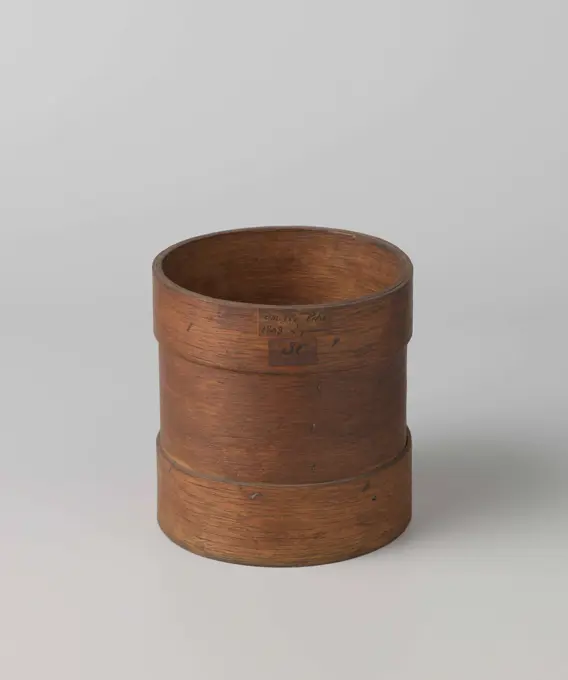
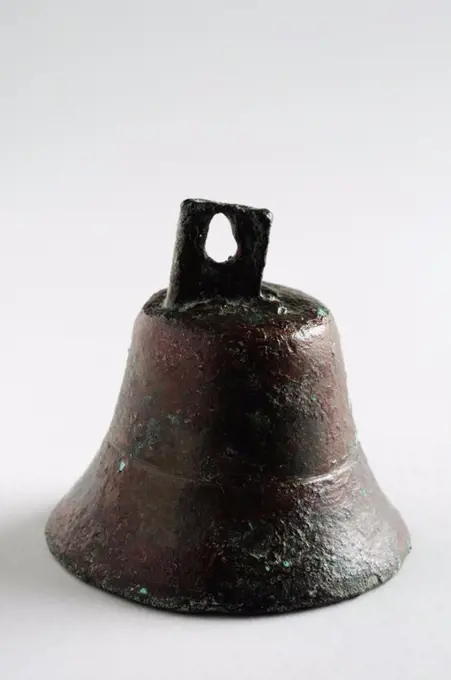
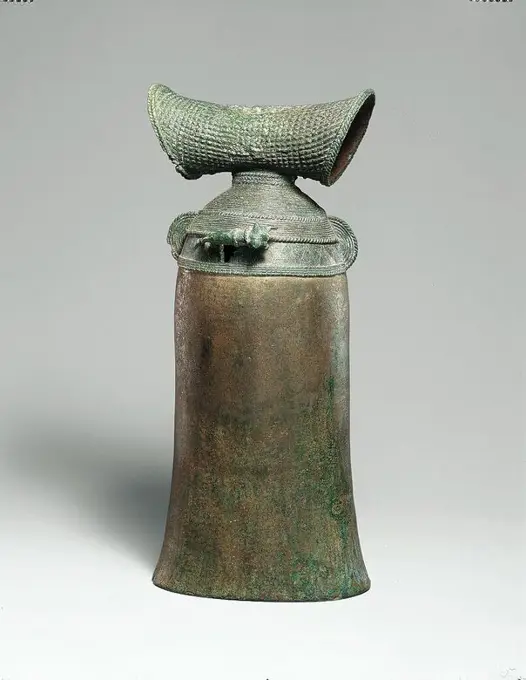
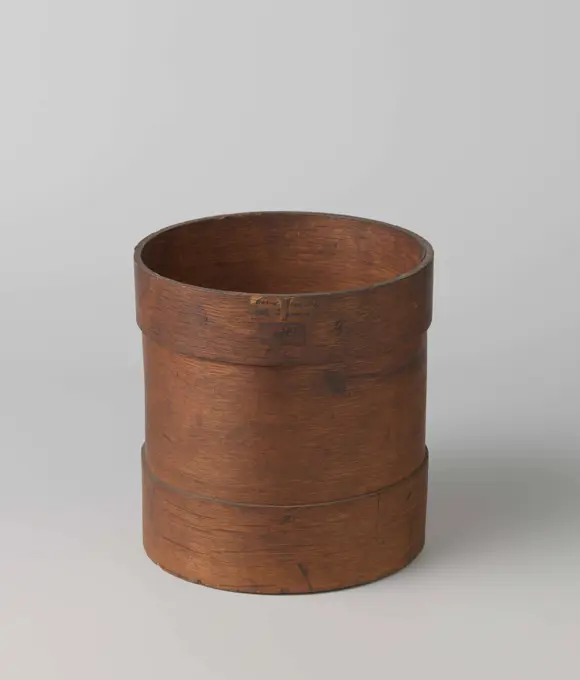
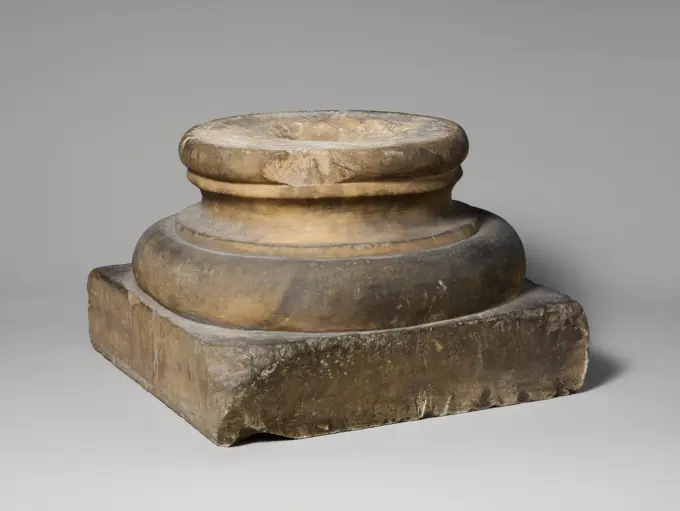
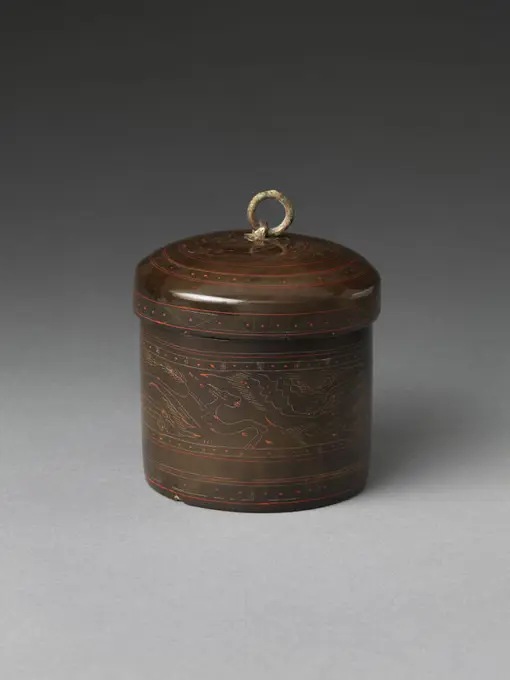
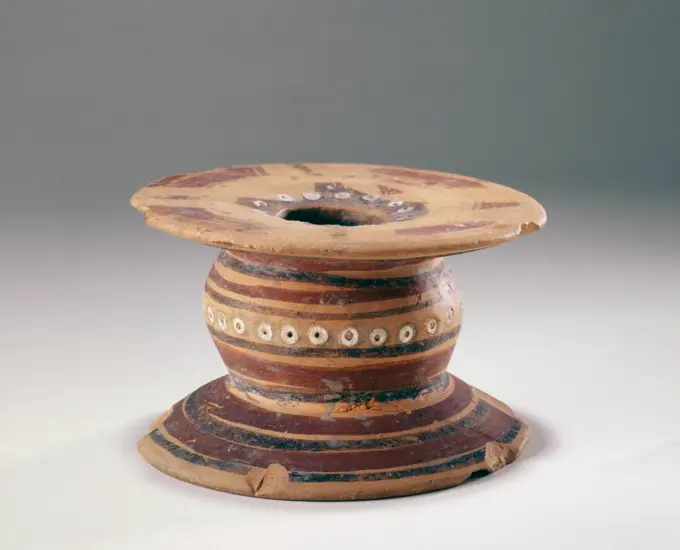
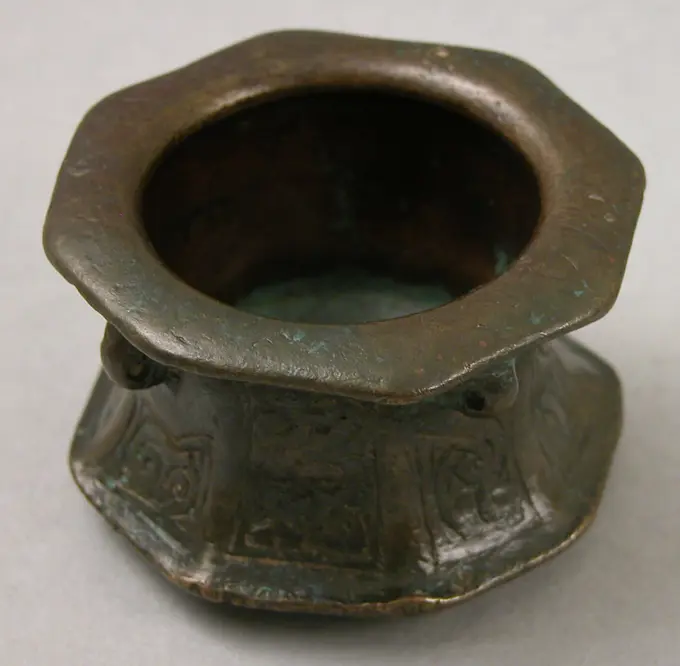
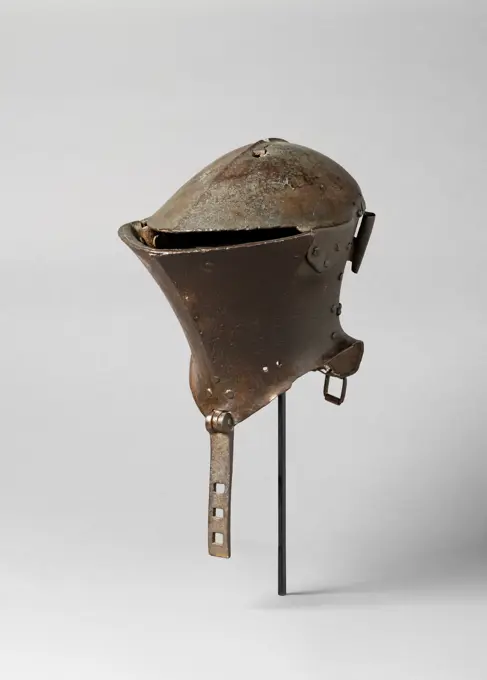
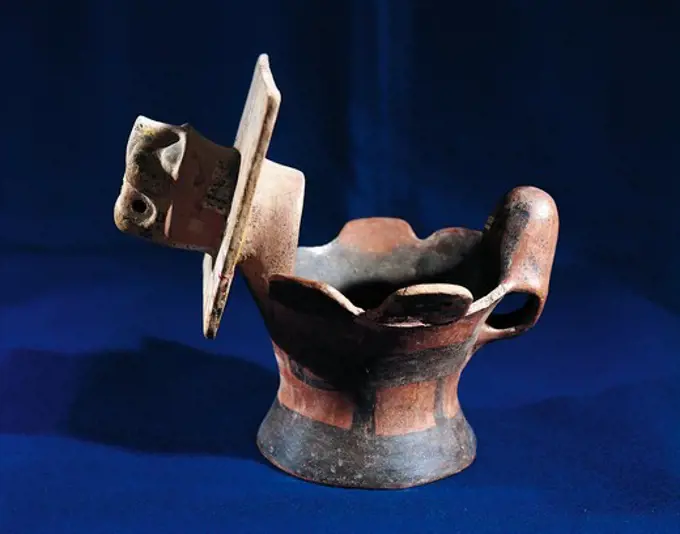
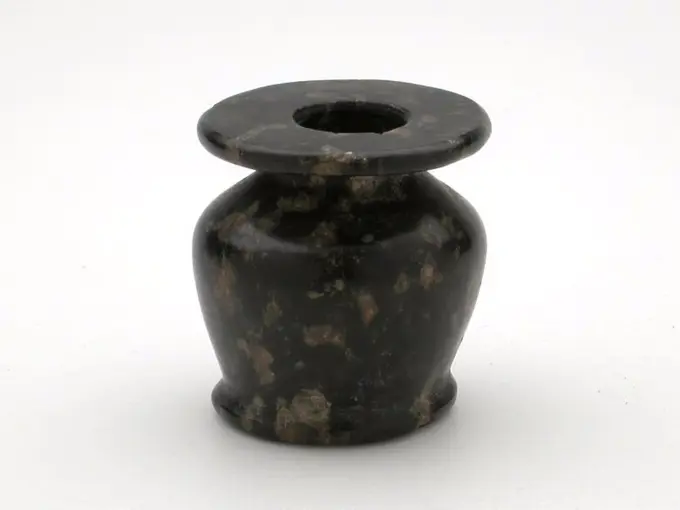
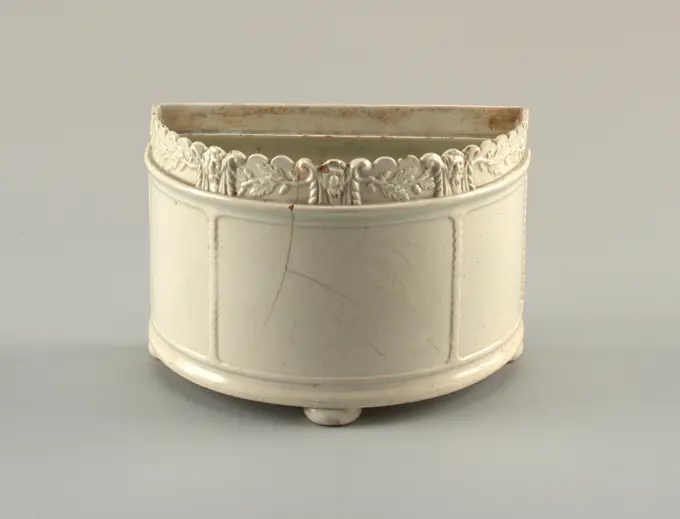
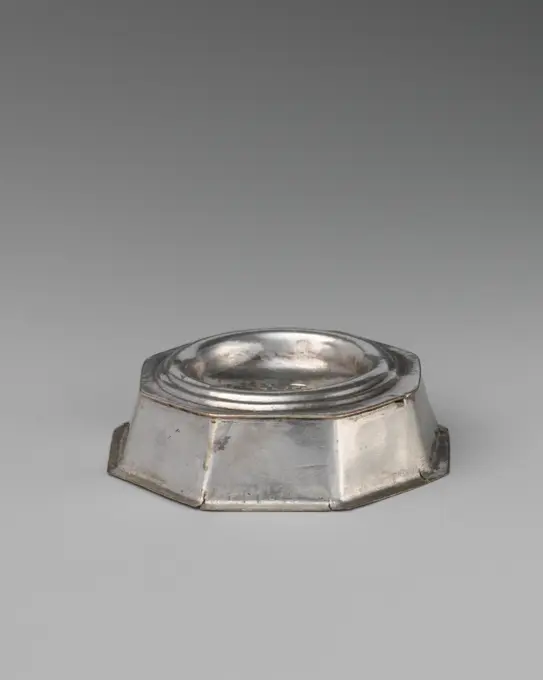
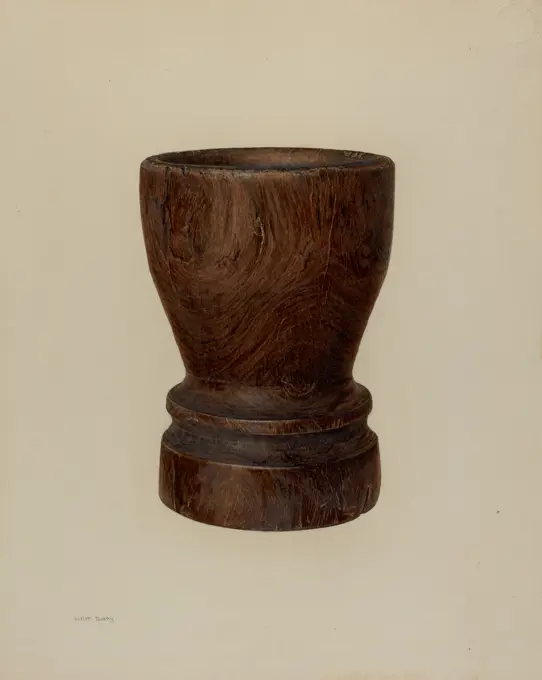
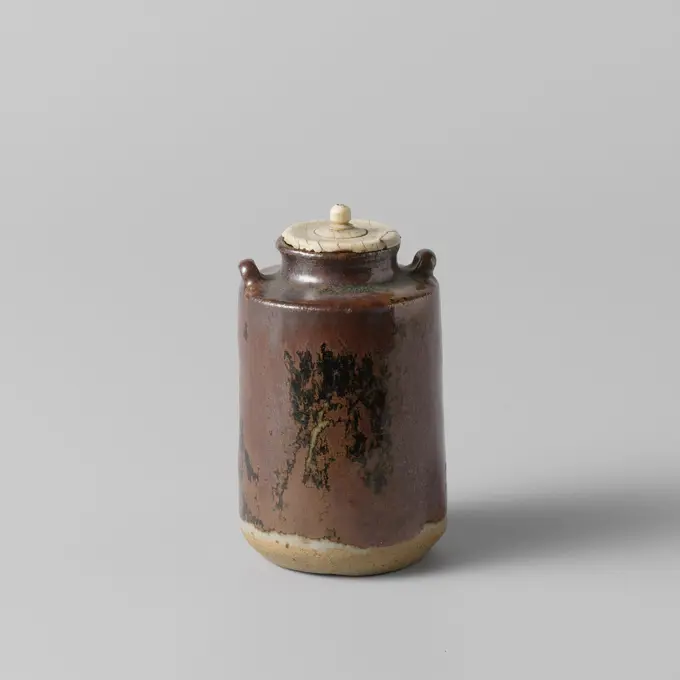
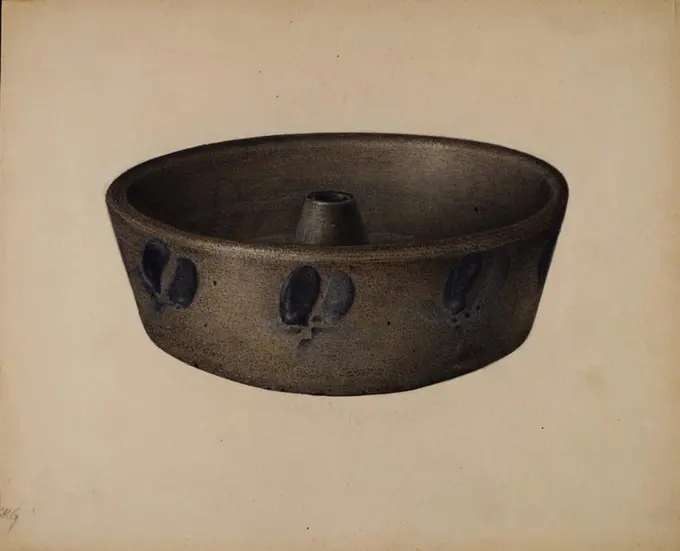
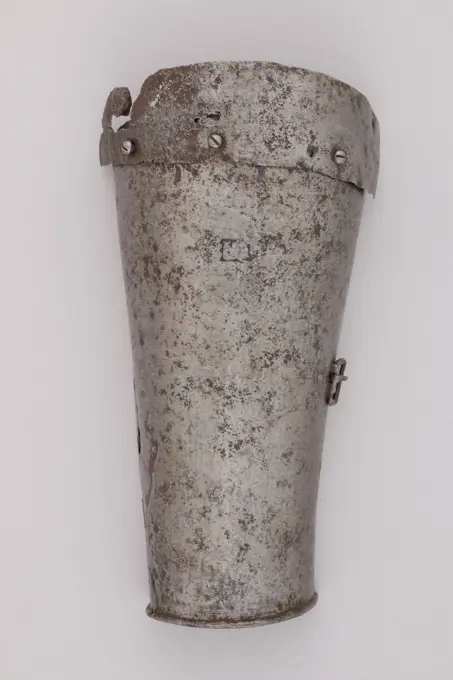
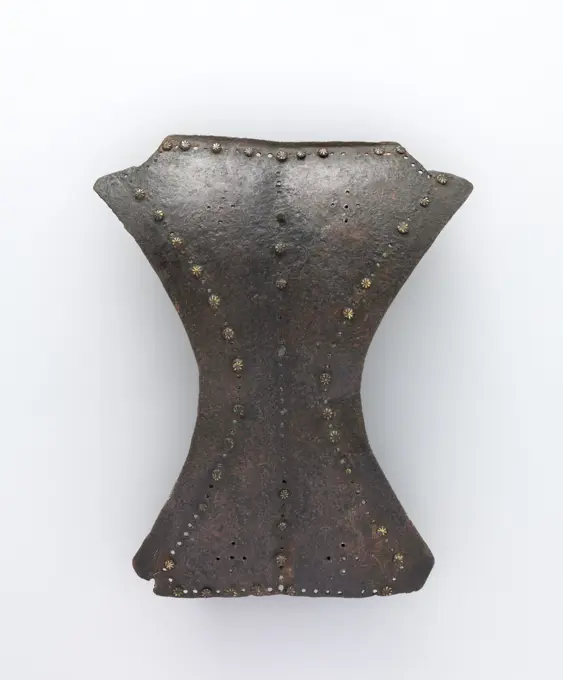
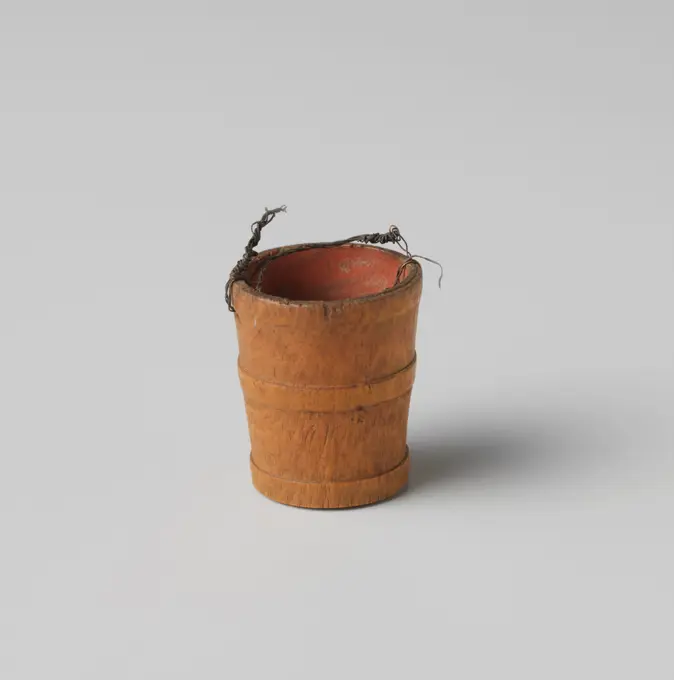
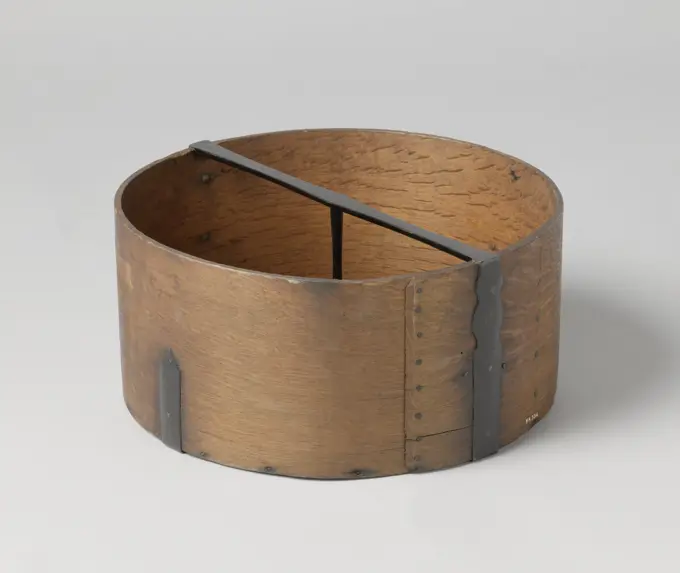
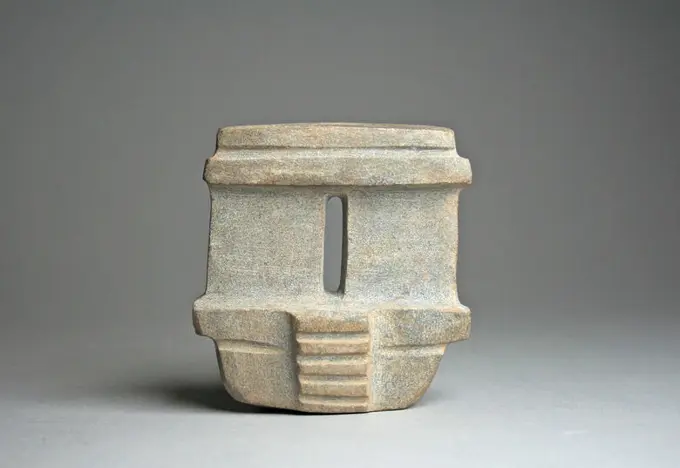
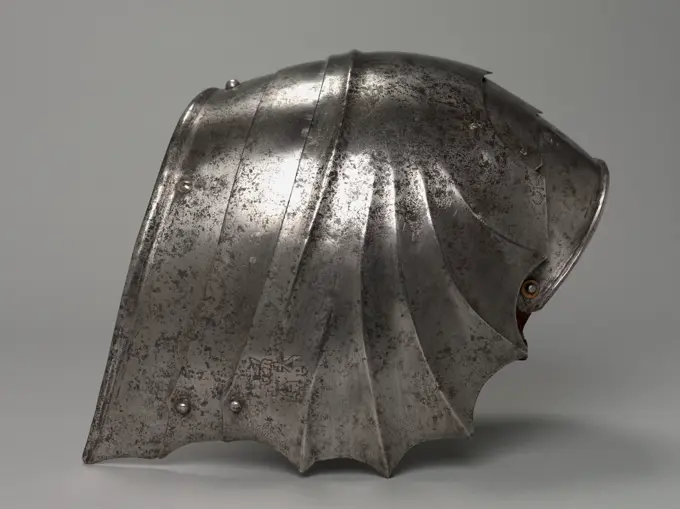
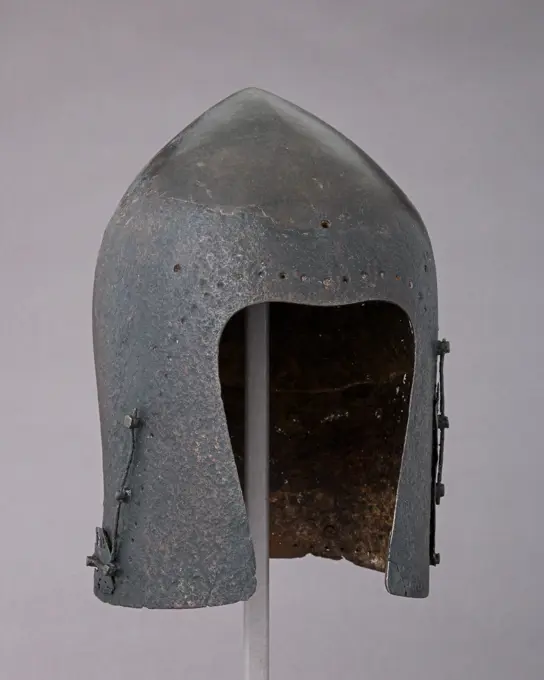
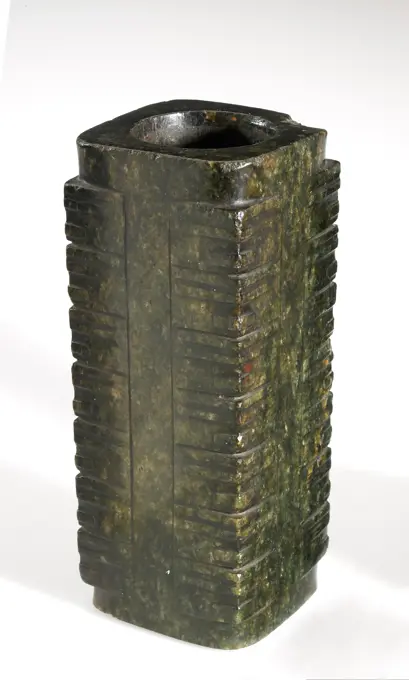
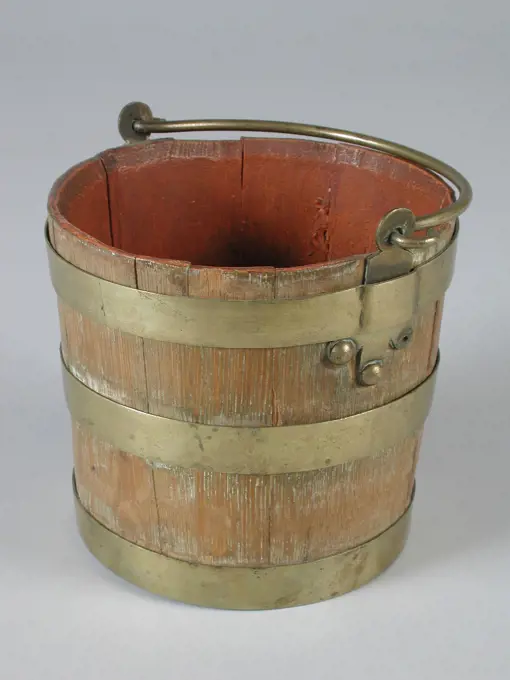
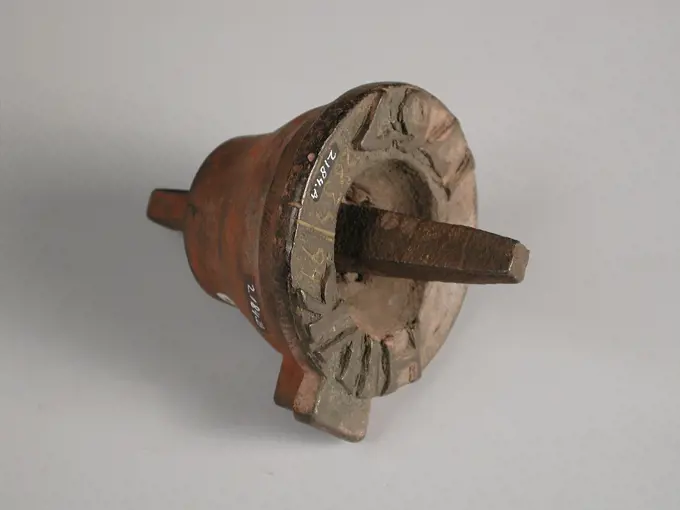
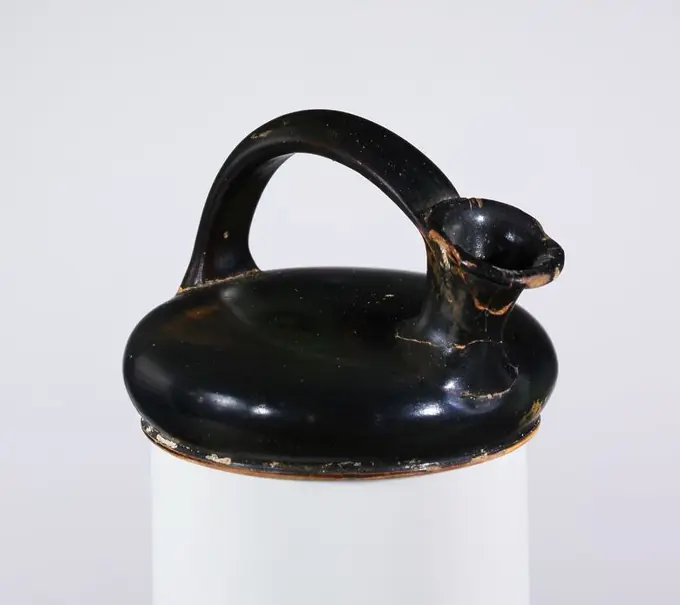
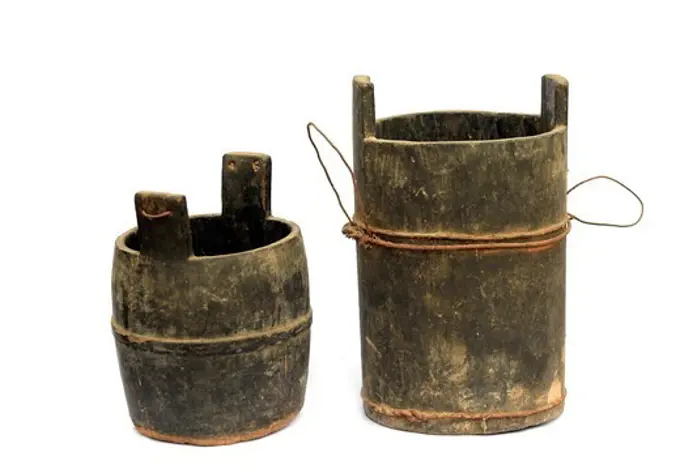
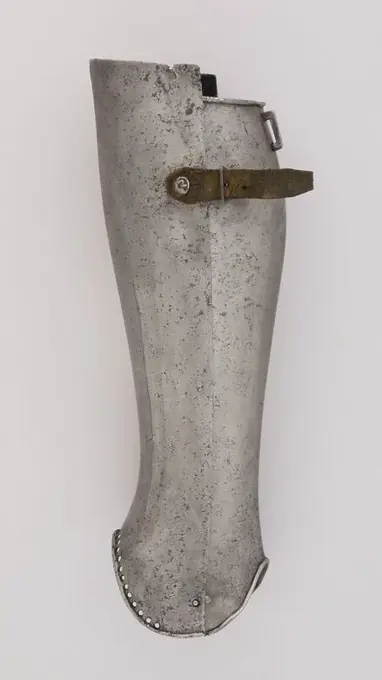
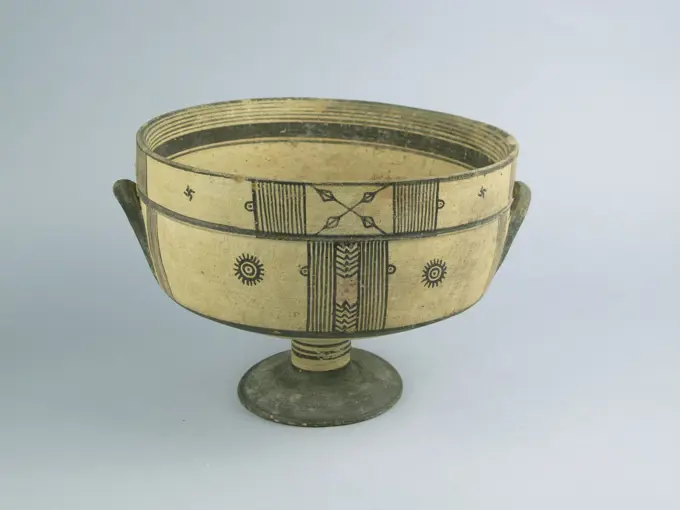
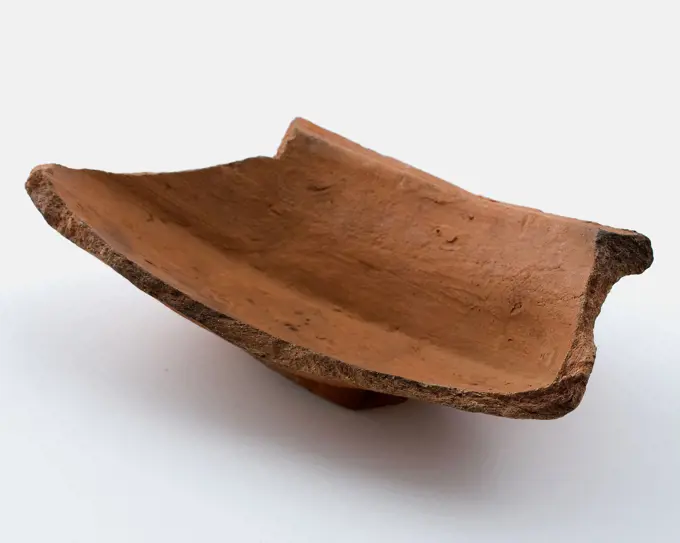
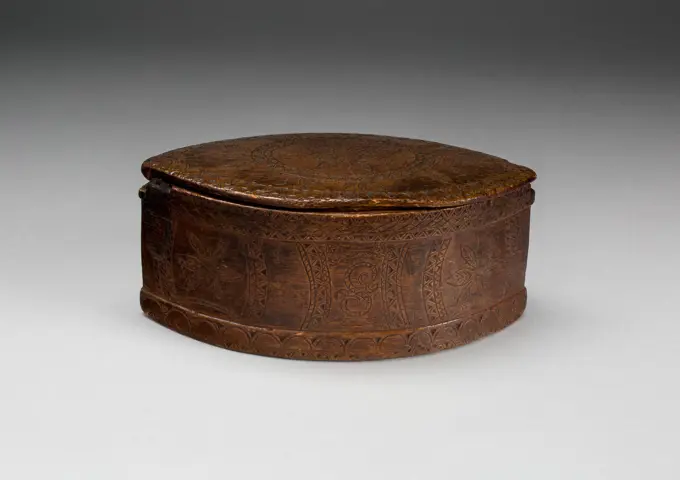
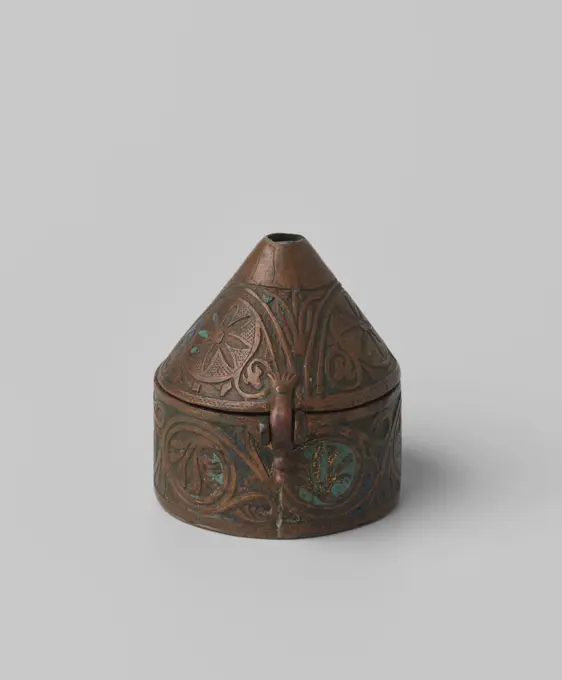
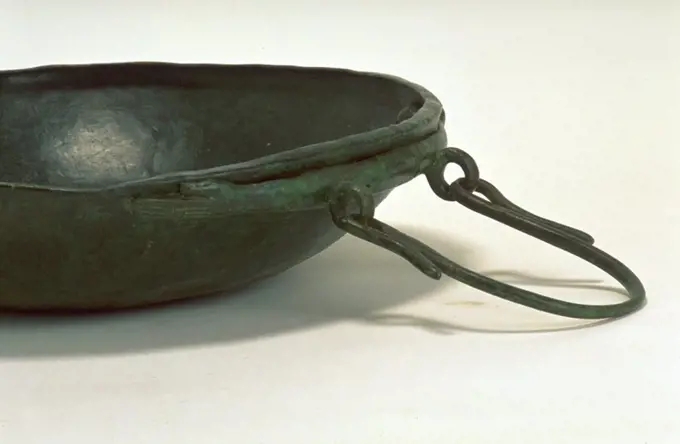
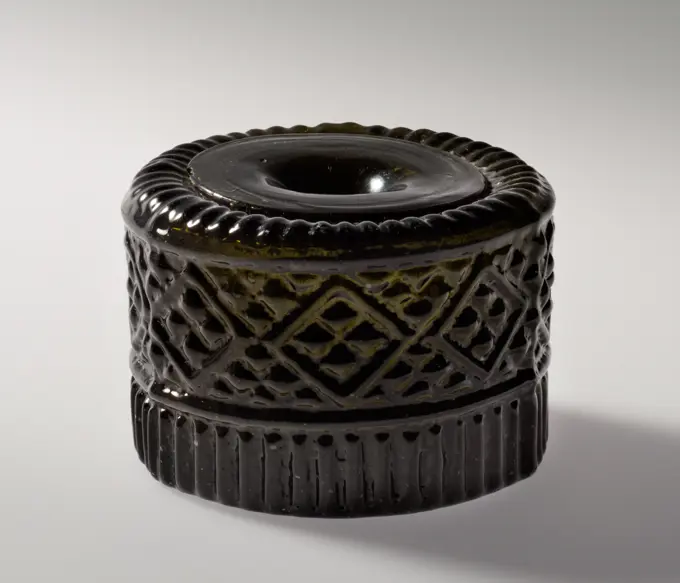
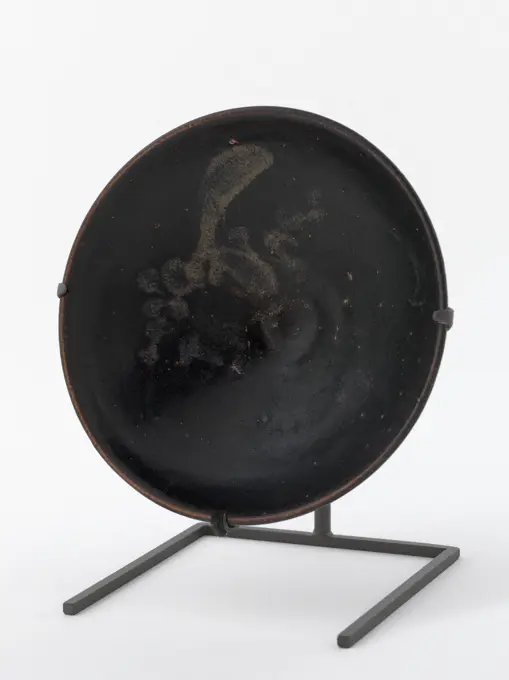
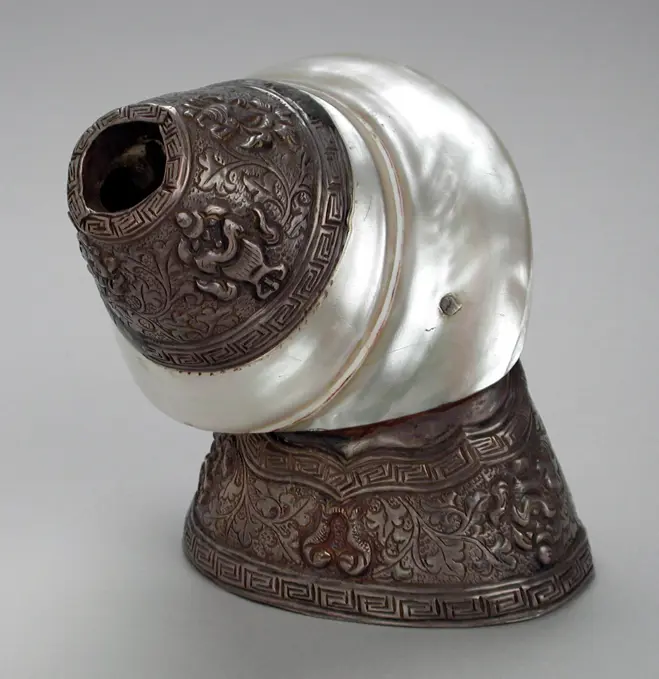
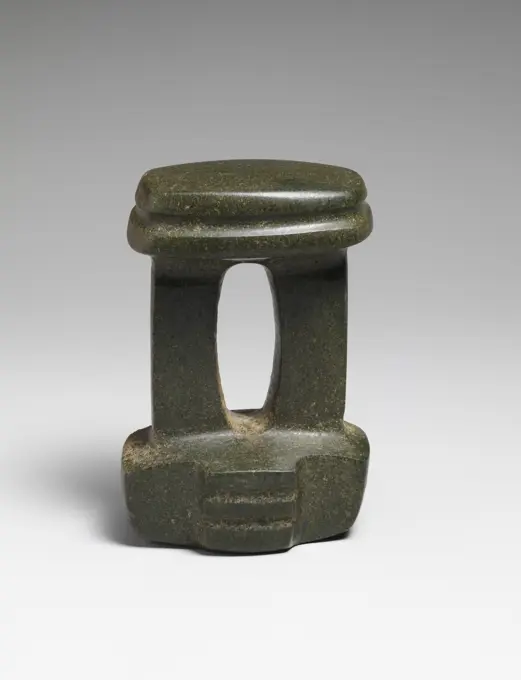
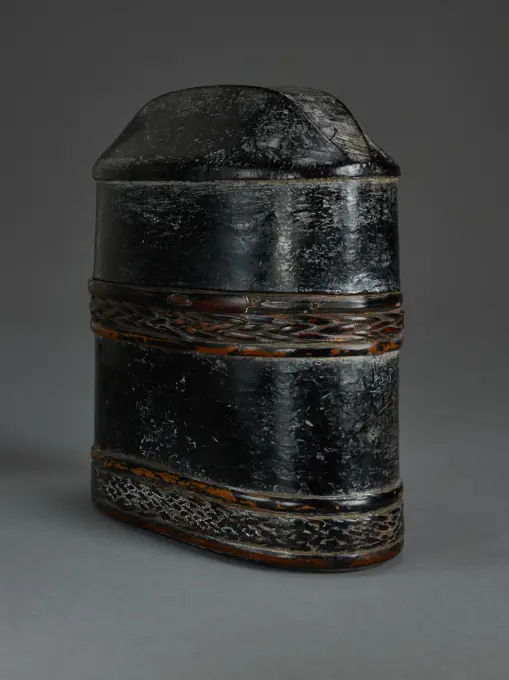
Tobacco Box withLidMiniature drum. Bronze. Paris, Cernuschi museum. 60581-13 Bronze, miniature drumCONTENTS OF 2 LITER. Span tanage of 2 liters. To the inside v.z.. 1 block.Miniature Cauldron 500 B.C.-A.D. 300 Vietnam (North). Miniature Cauldron 51932Pottery ointment jar, conical model, red shard, internally glazed, ointment jar pot holder soil find ceramic earthenware glaze lead glaze, hand-turned glazed baked Pottery ointment jar conical model red shard internal glazed Slanted inward-facing top edge Stand surface. Conical flat over the foot small narrowing of the kettle Spindles on the inside Thick-walled archeology healthcare indigenous pottery pharmacy store sell craftPurse with inscription: Praise Gods from Al Ao 1622. The molded round mortar widens upwards, has a high-knit edge, a flared profiled foot and two dolphin ears. On the edge in Latin Majuskels, the inscription Praise Godt of Al Ao 1622 with interpunctions consisting of a horizontal window (five times). The upper fries consists of a tanker in the form of two symmetrically placed adjacent S-volutes (almost five times). The lower fries consists of a symmetrical constructed ornament with O.A. a sheet placed on roller. It is closed down by a wound pearl and string edge.Box of copper with portrait of Gustaaf II Adolf from Sweden. Octagonal box of copper. The lower half goes up conically through an octagonal surface in a sharp line, after which the upper half with a sharp bend permeated. The top is closed with an octagonal lid with the portrait Gustaaf II Adolf from Sweden in an oval medallion. On the underside a standing lion is depicted in an oval medallion with shield and sword. On the sides a text is installed amid some flowers.Bronze bell with conical body shape and hook at the top. Height 42 mm Width 35 mm Thickness 2 mm Weight 39, 7 gr (1 St - 2 nd CE )- Roman period, from the archaeological site of Complutum in Alcalá de Henares ( Madrid ). SPAIN.Elephant Bell with Miniature Elephant. Culture: Thailand (Ban Chiang). Dimensions: H. 9 1/16 in. (23 cm). Date: ca. 300 B.C.-A.D. 200.Its' shape and the animal standing on one side towards the top indicate that this exquisitely cast bell once adorned an elephant. Indian elephants, also native to mainland Southeast Asia, were used for transportation and treasured for their ivory. Museum: Metropolitan Museum of Art, New York, USA.CONTENTS OF 1/2 DECALITER. Teams content of 1/2 decaliter.Column Base 12th century Northeast Italian. Column Base. Northeast Italian. 12th century. Marble (Parian ). Made in Dalmatia , Italy. Sculpture-StoneRitual wine barrel, anonymous, c. -1700 - c. -800 Ritual wine barrel with lid with handle. Decorative frame around neck body with stylized myth animals; On this list two monster heads as well as on the lid. China lead (metal). antimony Ritual wine barrel with lid with handle. Decorative frame around neck body with stylized myth animals; On this list two monster heads as well as on the lid. China lead (metal). antimonyCandlestick (Sham'dan) with Scenes of Monthly Labors 1201-1300 Turkey. Brass inlaid with silver, with engraved decoration . IslamicContainer(Perminaken). Stoneware incense burner with a metal lid, partially covered with a green glaze. The burner has a printed band in the body and a flat edge. On the wall twice an ingrangle, wavy band. The openwork lid has an ingrangled flower branch. Orie.Torch Holder 15th-16th century European. Torch Holder. European. 15th-16th century. Iron. Made in Austria. Metalwork-IronSlider of wood, square of shape with a square hole. Square slide or cross from wood with a square hole and slanted walls in the center. Part of a degree, but not belonging to NG-NM-7749-1.Circular Box with Geometric Design. Culture: China. Dimensions: H. 4 in. (10.2 cm); Diam. 3 5/8 in. (9.2 cm). Date: 25-200. Museum: Metropolitan Museum of Art, New York, USA.Anonymous. "Double dish (rhombos)". Ceramics, dull yellow clay, shaped around. 6th century BC .. Museum of Fine Arts of the City of Paris, Petit Palais. 99939-6 Antiquity, clay, ceramic, VIEM LIFE VI 6th 6th 6 CENTURY BEFORE AV. JC, ancientMortar 11th-13th century. Mortar 453185Jousting Helm ca. 1475-1500 Italian Very little Italian tournament armor survives from the fifteenth century, making this helm very rare. It was designed for use in the joust, a contest between two mounted combatants armed with blunted lances. The helm is stamped with an unidentified armorer's mark: PA beneath a crown.. Jousting Helm. Italian. ca. 1475-1500. Steel. HelmetsHelmet. Culture: Central Asian or Russian, Blue Horde. Dimensions: H. 8 in. (20.3 cm); Wt. 2 lb. 4 oz. (1031 g). Date: probably ca. 1342-57.Found in Tibet and rare for both its form and its inscription, this helmet was probably made in central or western Asia and represents an important link between the Islamic cultures of central Asia and the Middle East. The brow of the helmet is encircled by an Arabic inscription damascened in silver that reads in part: "Made at the order of his Excellency, the noble, the exalted, the holy warrior, Sultan Mahmud Jani Beg Khan." Based on comparisons with the inscriptions on fourteenth century Mongol coinage, this appears to refer to Jambek ibn Ozbek, also known as Jalal al-Din Jani Beg ibn Ozbeg, ruler of the Blue Horde and Golden Horde of the Mongols from 1342 to 1357. If this attribution is correct, this helmet would be the only one in existence that bears the name of a contemporary Mongol ruler. Museum: Metropolitan Museum of Art, New York, USA.Bolivia, Tiwanaku, Pre-Inca civilization, painted ceramic incense burners, decorated with cat's headKohl Jar. Egyptian. Date: 1550 BC-1069 BC. Dimensions: 5.1 × 4.8 × 4.8 cm (2 × 1 7/8 × 1 7/8 in.). Stone. Origin: Egypt. Museum: The Chicago Art Institute, Chicago, USA. Author: Ancient Egyptian.Ring collar, 1499 - 1699  Ring collar, iron, white, made of four parts that are on both sides of the opening together with round opening in the middle. The edges are flanging up and are tilted. At the front a slightly raised edge with iron rivets in between. Opening for the head has a fluent edge that is tilted, consists of two parts that are sounding together on both sides from the inside. The inside is painted black. Europe whole: Iron (metal) engravingStijgbeugel, Yoshikuni, 1700 - 1800 One of a few (cf.Mak 131a); Iron with a floralistic decor and an inscription inlaid with silver. Japan iron (metal). silver (metal) forging / inlay (process) One of a few (cf.Mak 131a); Iron with a floralistic decor and an inscription inlaid with silver. Japan iron (metal). silver (metal) forging / inlay (process)Jardiniere; lead-glazed earthenware ("cream ware")Set of Two Boxes with Cover 18th century Japan. Set of Two Boxes with Cover 58243Lid of wooden box, anonymous, c. 1590 - c. 1596 lid Wooden circular lid belonging to a box.  wood (plant material)   Nova Zembla. Saving HuysChamberstick (Germany); pewterLampka oliwna. warsztat attycki, workshopMiniature saltcellar 1687-88 Probably by George Manjoy British. Miniature saltcellar. British, London. 1687-88. Silver. Metalwork-Silver-MiniatureStoneware lid fragment with button, lid closure pot holder soil find ceramic stoneware icing salt glaze, hand-turned glazed baked lid fragment stoneware gray glazed round knob with ribbed light rings archaeology Valckensteyn Poortugaal Albrandswaard indigenous pottery import close store close tableware kitchenware tableware Soil discovery: castle Valckensteyn in Poortugaal now Albrandswaard.Hester Duany, Mortar, c 1940 MortarLamp. Culture: Roman. Dimensions: H. 15/16 in. (2.4 cm); length 3 5/8 in. (9.2 cm). Date: 1st century B.C.-1st century A.D.. Museum: Metropolitan Museum of Art, New York, USA.Magic lantern, black -laughed, anonymous Magic lantern, black out  metal Magic lantern, black out  metalA Boisseau from Enkhuizen, Anonymous, 1800  Spans contents measure with block for dry wares of 1 boisseau with bridge and style, v.z.v. Brand, label and labels. Enkhuizen wood (plant material). iron (metal)   EnkhuizenTea caddy with a brown black glaze and two handles, anonymous, anonymous, c. 1775 - c. 1824 Dust bar or chair of stoneware with two ears on the shoulder and an ivory lid, partially covered with a brown glaze with black spots. The lower part of the bus is unglazed. SETO. Japan stoneware. glaze. deksel: ivory vitrification Dust bar or chair of stoneware with two ears on the shoulder and an ivory lid, partially covered with a brown glaze with black spots. The lower part of the bus is unglazed. SETO. Japan stoneware. glaze. deksel: ivory vitrificationShigaraki Ware Mizusashi (Tea Ceremony Fresh Water Jar) Shigaraki Ware Mizusashi (Tea Ceremony Fresh Water Jar), ca. 1620. Buff stoneware with ash glaze, lacquer lid; Shigaraki ware, 6 x 6 1/2 in. (15.2 x 16.5 cm).  Whereas most potters take care to filter rocks out of their clay, the potters of the Shigaraki region understand that the texture created by rocky bits of quartz and feldspar adds tactile and visual interest to their wares. The artisans add only minimal glaze, letting the surface retain its graininess. Shigaraki, east of Kyōto, has been a kiln site for centuries, originally making utilitarian pieces such as storage jars and mortars. When the tea ceremony gained popularity in the sixteenth century, Shigaraki ceramicists were quick to adapt to the tea masters demands for rustic but engaging vessels, such as this deceptively simple water jar. Asian Art ca. 1620Baking Dish. Dated: 1940. Dimensions: overall: 25 x 30.8 cm (9 13/16 x 12 1/8 in.) Original IAD Object: 3" High 9 1/4" Dia.(top) 7 1/4" Dia.(base). Medium: watercolor, colored pencil and graphite on paperboard. Museum: National Gallery of Art, Washington DC. Author: Isadore Goldberg.Small cylindrical pot with wide flared collar ". Terracotta, lip enhanced with golden lacquer. Vietnam-Xe-Xive s. Paris, Cernuschi museum. 72185-43 Col Evase, Doree lacquer, Lip, Vietnamese object, small, cylindrical pot, raised, terracotta, widePart of a Left Forearm Defense (Vambrace) ca. 1450-70 Italian This is part of a large find of medieval armor discovered in 1840 in the ruins of the fortress of Chalcis, on the Greek island of Euboea (then a Venetian colony called Negroponte). The fortress had been captured and destroyed by the Turks in 1470. Now divided largely between the Ethnological Museum, Athens, and The Metropolitan Museum of Art, the Chalcis hoard contains many rare and unusual elements of fourteenth- and fifteenth-century armor. Of particular importance are the variety of headpieces and the many fragments of brigandines (armor for the torso constructed of small plates riveted to layers of fabric), some of which retain portions of their original velvet covering. The Chalcis armor provides a unique picture of the armament used in the Aegean, one of the easternmost military outposts of the Venetian empire.. Part of a Left Forearm Defense (Vambrace) 23118Model or Two Iron Hanging Knees. Model of part of the ship's skin with weathering and two deck beams of a bottom. Composite metal knees support the beams; They consist of two parts that climb the cover beam in between. The knees are each other's mirror image.Backplate from a Brigandine ca. 1400-1450 Italian This is part of a large find of medieval armor discovered in 1840 in the ruins of the fortress of Chalcis, on the Greek island of Euboea (then a Venetian colony called Negroponte). The fortress had been captured and destroyed by the Turks in 1470. Now divided largely between the Ethnological Museum, Athens, and The Metropolitan Museum of Art, the Chalcis hoard contains many rare and unusual elements of fourteenth- and fifteenth-century armor. Of particular importance are the variety of headpieces and the many fragments of brigandines (armor for the torso constructed of small plates riveted to layers of fabric), some of which retain portions of their original velvet covering. The Chalcis armor provides a unique picture of the armament used in the Aegean, one of the easternmost military outposts of the Venetian empire.. Backplate from a Brigandine. Italian. ca. 1400-1450. Steel, copper alloy. Armor PartsSand Caster And Cover; chased brass inlaid with silverCoal Scuttle And Cover; enameled tôle, metal; Overall: 62 x 50.5 x 35.5 cm (24 7/16 x 19 7/8 x 14 in.); 1978-178-1-a,bBucket with three profiles, the inside red -reversed, anonymous, c. 1800 - c. 1899 A bucket of twisted maple wood with three profiles. The handle of (later added) iron wire; Red -rejected on the inside. Amsterdam (possibly) maple (wood). A bucket of twisted maple wood with three profiles. The handle of (later added) iron wire; Red -rejected on the inside. Amsterdam (possibly) maple (wood).1 Schepel from Alkmaar, Anonymous, 1800  Spans and iron content measurement for dry wares with bridge and style of 1 scoop, v.z.v. Brand and labels. Alkmaar wood (plant material). iron (metal)   AlkmaarKiseto IncenseBurnerFragment of octagonal pipe glass decorated with glass bands, blue, drinking glass drinking utensils tableware holder soil find glass, ring 9.2 free blown and shaped glass application Fragment of foot bottom and part wall of pipe glass in clear blue glass. Folded double folded foot with convex edge Pontil mark under high upset Cylindrical horizontal ascending wall runs at 2.5 cm to octagonal shape by inserting mold into warm glass shape. Wall decoration of all-round glass wire with nine high wavy ascents. In case of transition from cylindrical to octagonal wall an all-round serrated glass thread archeology indigenous glassware import drink wine serve serve tableJar 9th-10th century. Jar. 9th-10th century. Stone; carved and incised. Found/excavated Iran, Nishapur. StoneStone Temple Model. Culture: Mezcala. Dimensions: Height 3-9/16 in.. Date: 1st-8th century. Museum: Metropolitan Museum of Art, New York, USA.Bierpul van tin, anonymous, c. 1550 - c. 1575 Tin beer mug. The barrel -shaped pul is closed with a vaulted lid. Above the ear a double hinge with crossbar as a thumb rest. The handle runs almost straight to the top. Netherlands tin (metal) Tin beer mug. The barrel -shaped pul is closed with a vaulted lid. Above the ear a double hinge with crossbar as a thumb rest. The handle runs almost straight to the top. Netherlands tin (metal)Gothic Fan-Shaped Pauldron (right), c. 1485-1500. Antonio Missaglia (Italian, 1416/17-1495/96). Steel; overall: 21.5 x 25.2 x 14.8 cm (8 7/16 x 9 15/16 x 5 13/16 in.).Content measure of 1/2 hectoliter. Teams content partner of 1/2 hectoliter.Cricket Sleeping Container, H.4-1/2 x Dia.5-1/8 in. (overall), Pottery, ChinaFragment of part of shoulders, neck and mouth of stock bottle with tin screw closure, storage bottle bottle holder soil find glass tin, neck. wide (3.2 cm) tin closure has been fitted with mounted (dm 2.0 cm) external thread archeology Rotterdam City Center Stadsdriehoek Oudehaven archaeological find in the soil Oude Haven 1979 - 1980.Snuff Container, 1800s-1900s. Africa, Southern Africa, Lesotho, South Sotho maker. Horn and wood; overall: 10.8 cm (4 1/4 in.).Bell before 1889 Mexican. Bell. Mexican. before 1889. Clay, reed. Oaxaca, Mexico. Idiophone-Struck-bell-clapperBascinet ca. 1350-1400, with later restorations Italian The pierced studs around the cheeks and lower edge are for the attachment of an aventail (a defense of mail covering the lower face, neck, and shoulders).. Bascinet 23238Two-piece round bronze mold for Porringer, mold casting tool tools metal material bronze, cast twisted Two-piece round bronze shape for papbordje with profiled edge Rotterdam tingieterij food crockery tin tin Meeuws Druy craft Forms come from the originally 18th century Rotterdam tinnegieter J Druy. The large molds that were not signed or dated were the property of the tinker guild and were rented to the small tin caster.Glass situla (bucket) with silver handles. Culture: Greek. Dimensions: 10 1/2 x 8 x 6 3/4in. (26.7 x 20.3 x 17.1cm). Date: late 4th-early 3rd century B.C..Translucent greenish.Everted, angular rim, with thick vertical outer edge; slightly convex side tapering downwards; slightly domed bottom; two handle attachments, each pierced by two horizontal holes, project outward and upward from the edge of the rim on opposite sides of the bucket; two silver handles, each cut from a flat sheet into a semicircular arched strip, end in U-shaped round rods with decorative finials that are turned upward through the holes in the handle attachments.The handle attachments are carved into rounded rectilinear blocks with a central upward finial with a raised outer surface, resembling a stylized palmette. On exterior, painted decoration extends from underside of rim to the bottom, comprising four main elements: at top, under rim, a continuous dog-tooth band in purplish red, with a thin line of light (EgCong, 1122-722 BCE, 6 7/8 x 7/8 x 2 3/4 in. (17.46 x 2.22 x 6.99 cm), Mottled dark green jade, China, 12th-8th century BCEBell of Saint Patrick early 20th century (original dated ca. 406) Irish. Bell of Saint Patrick 463044Te Poel, Wooden bucket with copper handle and straps, from children's kitchen, bucket crockery holder kitchenware dolls miniature model toy relaxing agent wood oak brass paint, Taps under smallest diameter. Chipped: staves on the outside blank. Inside red Three brass bands brass handle Arranged with brass tacks: 1853 1868 Sibilla van Embden cleaning play kitchenCylinder seal ca. 2345-2181 B.C. or later Old Kingdom. Cylinder seal. ca. 2345-2181 B.C. or later. basalt. Old Kingdom. From Egypt. Dynasty 6 or laterNail Head 15th-16th century European. Nail Head. European. 15th-16th century. Iron. Metalwork-IronBeaker 12th-15th century Chimú. Beaker 310636Hendrik Jacobus van Kleef I, Two-piece bronze mold for the bottom of jug with HIVK and 1767, mold casting tool tools base metal bronze, cast turned Two-piece bronze mold for casting bottom of jug with initials of Hendrik Jacobus van Kleef I. Signed HIVK year 1767 Rotterdam tin foundry tin stainer Meeuws Druy craft Forms come from the originally 18th century Rotterdam tinnegieter J Druy. The large molds that were not signed or dated were the property of the tinker guild and were rented to the small tin caster.Sundial. An iron sundial crowned by a lead dragon (BK-16973-1). The stone base is missing.Copper molded thimble without groove at the top, thimble sewing kit soil find copper metal, cast Copper cast thimble with circular wells in spiral with blank round at the top and without groove changing into the shaft with wheel punch and with blank board with two grooves archeology Rotterdam railway tunnel seamstress tailor sewing textile processing clothing needle and thread repair Soil discovery: rail tunnel Rotterdam.Terracotta askos (flask with a spout and handle over the top). Culture: Greek, Attic. Dimensions: Overall: 2 5/8 x 4 1/4in. (6.6 x 10.8cm). Date: mid-5th century B.C..Flask with a spout and handle over the top and no decoration. Museum: Metropolitan Museum of Art, New York, USA.Old objects barrelStone Temple Model 1st-8th century Mezcala. Stone Temple Model 317127Copper bell of rattle, musical instrument or horse harness, bell sound medium soil find copper brass metal, soldered Small copper bell of rattle musical instrument or horse harness Adorned with grooves over the bulging. Eye consists of loop of narrow strip of copper archeology Rotterdam rail tunnel communication sound child play rattle infant rattle music rigging horse Soil discovery: rail tunnel Rotterdam.Ring, conical in shape, with a punctured relief with ring -shaped limits, anonymous, c. 1596  Ring, conical in shape, with a smooth inside and a punctured relief with ring -shaped limits on the outside. Sailor tool () Thumb ring () Netherlands copper (metal). brass (alloy) forging  Nova Zembla. Saving HuysPair of Greaves (Lower Leg Defenses). Culture: Italian. Dimensions: Greave (a): H. 14 3/4 in. (37.5 cm); W. 4 3/4 in. (12.1 cm); D. 5 1/2 in. (14 cm); Wt. 1 lb. 9.7 oz. (728.6 g); greave (b): H. 14 1/4 in. (36.2 cm); W. 5 in. (12.7 cm); D. 5 3/8 in. (13.7 cm); Wt. 1 lb. 12.7 oz. (813.6 g). Date: second half 16th century. Museum: Metropolitan Museum of Art, New York, USA.Kylix 750-600 B.C. Cypriot Two zones of geometric ornament.. Kylix. Cypriot. 750-600 B.C.. Terracotta. Cypro-Archaic I. VasesVase. Vase in the shape of a cup, external edge of the non -coated base, Caramel tesson. Paris, Cernuschi museum. 78846-17 Asian art, container, vaseFragments of a cart or chariot, rectangular sockets ca. 500-480 B.C. Etruscan Large collection of bronze and iron attachments once belonging to a chariot.. Fragments of a cart or chariot, rectangular sockets 253011 Etruscan, Chariot fragments, rectangular sockets, ca. 500480 B.C., Bronze, 1: 2 7/8  2 7/8 in. (7.3  7.3 cm) 2: 3 1/4  5 9/16 in. (8.3  14.1 cm). The Metropolitan Museum of Art, New York. Fletcher Fund, 1929 (29.131.3e1e2)Fragment of red earthenware bowl on stand fins, bin holder soil find ceramic pottery, hand-turned frying Fragment of red earthenware bowl Unglazed Stand lobe Slightly outward-facing top edge constricted side wall Slightly convex bottom. Probably used as test in archeology Rotterdam City Triangle underground pit Blaak Groenendaal indigenous pottery heating lighting food preparation nutrition Soil discovery metro works from Groenendaal to Blaak Rotterdam Finds from the dirty clay.Box c 1780-1850 United States. Wood . Artist unknownRound hat box of cardboard, covered with dark blue paper with white piping, anonymous, c. 1925 - c. 1950 Round hat box made of cardboard, covered with dark blue paper with white piping. West-Europa Cardboard. upholstery: paper. Lint: Linen (Material). rope sewing Round hat box made of cardboard, covered with dark blue paper with white piping. West-Europa Cardboard. upholstery: paper. Lint: Linen (Material). rope sewingTwo tea caddies and a mixing caddy, Willem van den Goorberg, 1787 Rectangular tea bus with a raised oval lid. The edge of the lid is decorated with a stabbed cable edge. The Teabus is marked: Mt. = Willem van den Goorberg and a small Keur van Leiden for 1787. The tea bus is part of the inventory nos. BK-NM-11177-27 and BK-NM-11177-29. Leiden silver (metal) Rectangular tea bus with a raised oval lid. The edge of the lid is decorated with a stabbed cable edge. The Teabus is marked: Mt. = Willem van den Goorberg and a small Keur van Leiden for 1787. The tea bus is part of the inventory nos. BK-NM-11177-27 and BK-NM-11177-29. Leiden silver (metal)A pair of stirrupsPixis of copper, decorated with email, anonymous, c. 1250 - c. 1275 Pixis of gilded copper and email champlevé. The body is cylindrical. The cone -shaped lid has a circular opening at the top. The lid is connected to the body with a hinge and has a closure on the opposite side, with two eyes on the body in which a pen can be closed. The lid is decorated rank ornament that ends in three flowers. Spiral -shaped leaf ornament on the body. There are only a few remnants of light and dark blue enamel and gilding. Limoges copper (metal). gilding Pixis of gilded copper and email champlevé. The body is cylindrical. The cone -shaped lid has a circular opening at the top. The lid is connected to the body with a hinge and has a closure on the opposite side, with two eyes on the body in which a pen can be closed. The lid is decorated rank ornament that ends in three flowers. Spiral -shaped leaf ornament on the body. There are only a few remnants of light and dark blue enamel and gilding. Limoges coDETALLE DE BRASERO DE BRONCE. TARTESICO. (DEPOSITO: MUSEO ARQUEOLOGICO NACIONAL).Bowl ca. 3500-3300 B.C.. Bowl. ca. 3500-3300 B.C.. Stone. Early Bronze Age IA. Levant, Bab edh-Dhra'Waza to glasses; Zielenkiewicz, Antoni (fl. Ante 1785-Ca 1790); 1789 (1789-00-00-1789-00-00);Probably Keene (Marlboro Street) Glass Works, Inkstand, c. 1815-41, olive green glass.Powder Chest. Square copper crunch box with two handles and a round lid. The lid is provided with a swirl closure consisting of a brass rod that revolves around a bolt in the center of the lid and clamps under two cams on the outer edge of the opening; He is then tightened with the bolt.Breastplate 1535-1545 Brunswick. Steel .Prehistory, Italy, Iron Age. Bracelet with geometric decorations. From the Buco del Diavolo, Triora, province of Imperia.Tea bowl. Terracotta with brown covered. China, Song Dynasty. Paris, Cernuschi museum. 72687-19 Asian art, Bol A The, Ancient Ceramic, Covered, Song Dynasty, Email, glacide, Chinese object, Chinese pottery, Terracotta, Xeme X 10th 10th 10th century, Xieme Xie 11th 11th 11th 11th century XII 12th 12th 12 CENTURYRitual Conch. Eastern Tibet, 17th century. Sculpture. Silver and mother-of-pearlPattern bag with bandelier worn by C.J.H. Count of Limburg Stirum, Colonel Adjutant of Z.K.H. The Prince of Orange, Anonymous, c. 1800 - c. 1830 cartridge pouch Pattern bag with bandelier worn by C.J.H. Count of Limburg Stirum, Colonel Adjutant of Z.K.H. the Prince of Orange. A pattern bag made of steel with leather, decorated with two crossed guns, covered by a gravy crown (everything gilded). The bandelier (carrying strap) is made of black lacquered leather with buttons. Netherlands copper (metal). iron (metal). leatherWater jar. Culture: Japan. Dimensions: H. 5 3/4 in. (14.6 cm); Diam. 6 in. (15.2 cm). Date: probably 17th century. Museum: Metropolitan Museum of Art, New York, USA.Temple 1st-8th century Mezcala. Temple 317516Tobacco Pouch 1850-80 Japan. Tobacco Pouch 58497Fragment of casing or bobbin of lock, anonymous, c. 1590 - c. 1596 fragment Fragment of a casing or bobbin of NM-7683 slot.  oak (wood) cutting  Nova Zembla. Saving Huys