Antique Containers

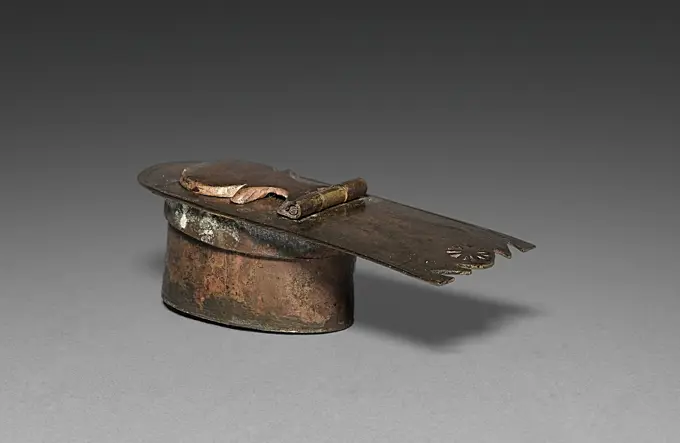
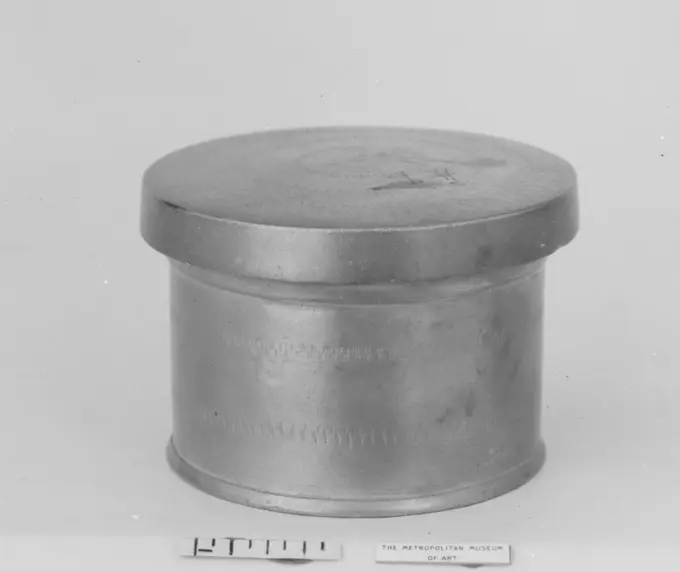
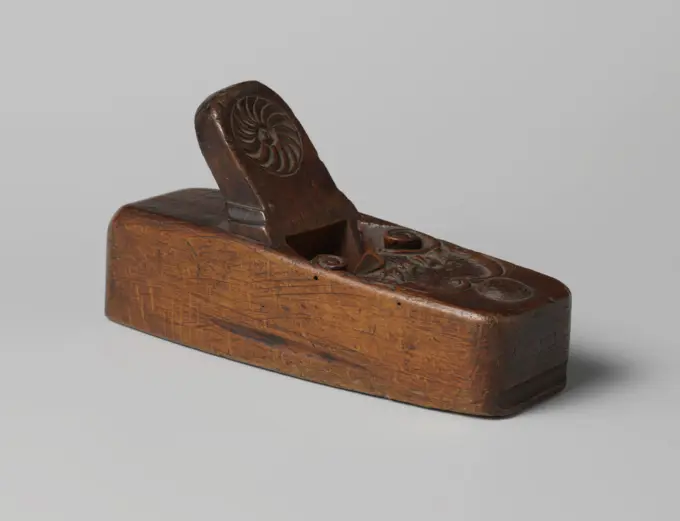
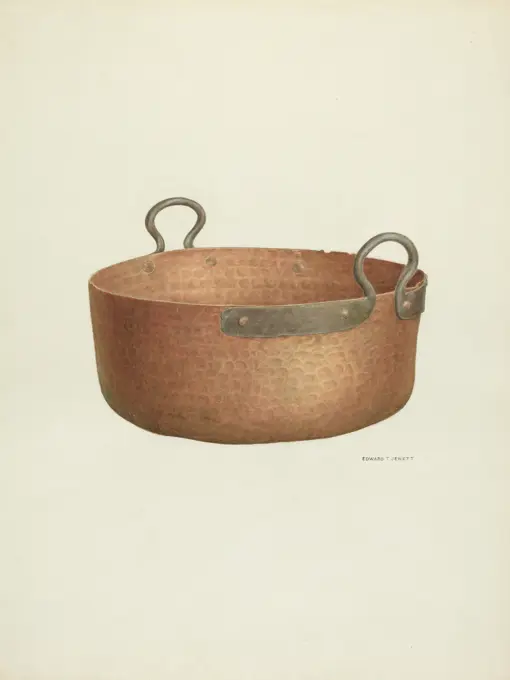
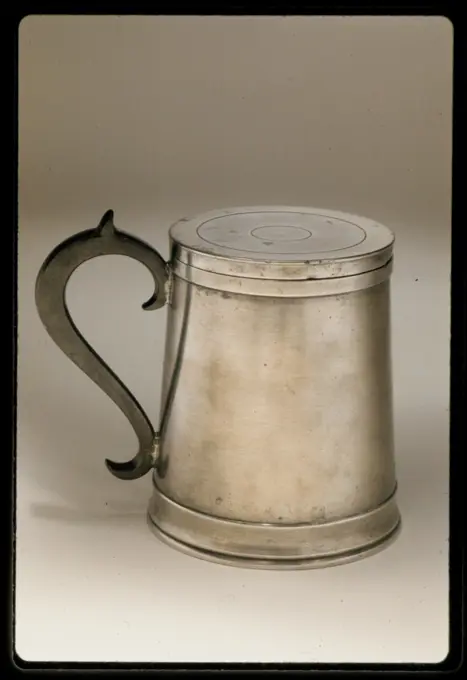
A variety of antique containers including tobacco boxes, miniature drums, and ointment jars, showcasing diverse materials and historical craftsmanship.
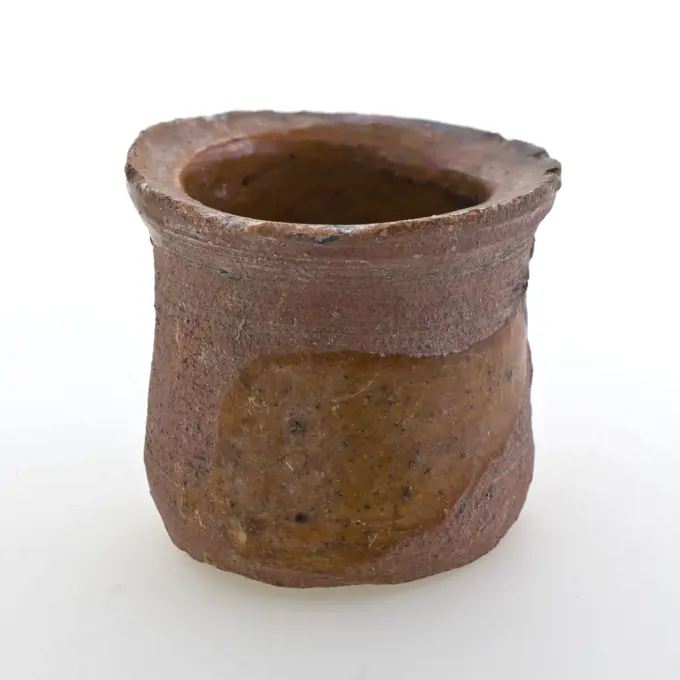
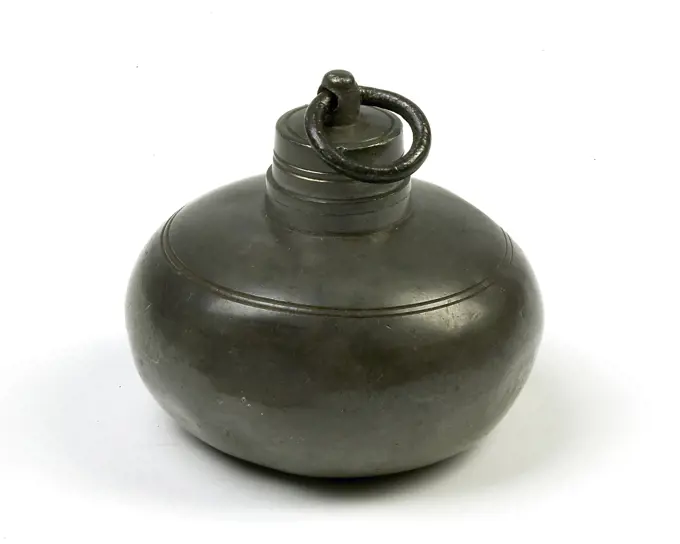
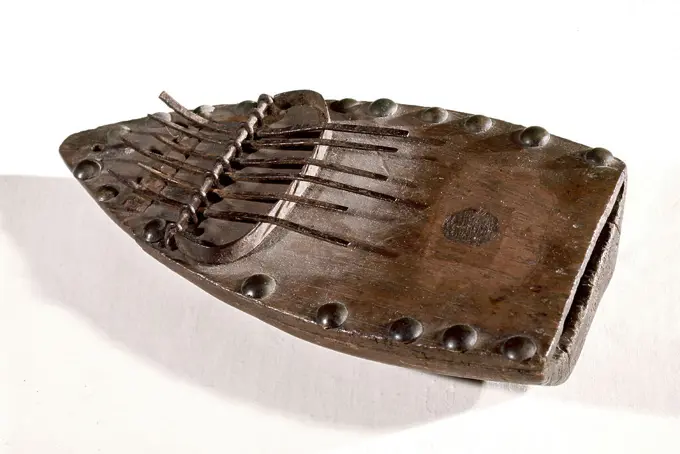
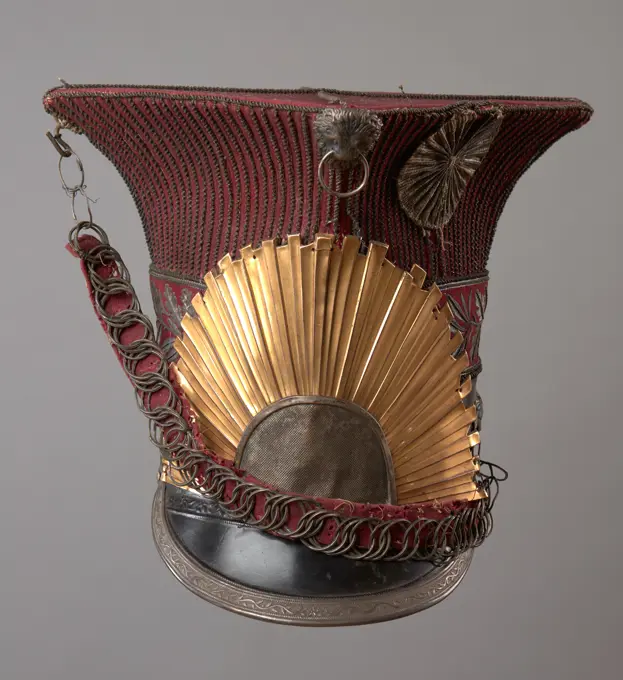
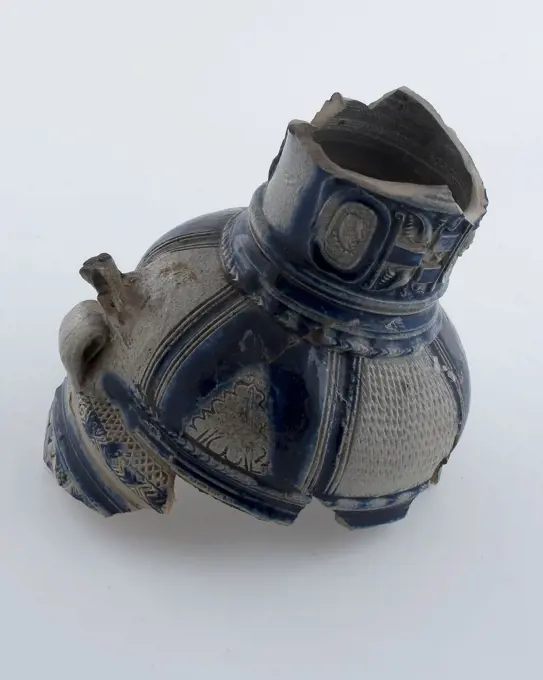
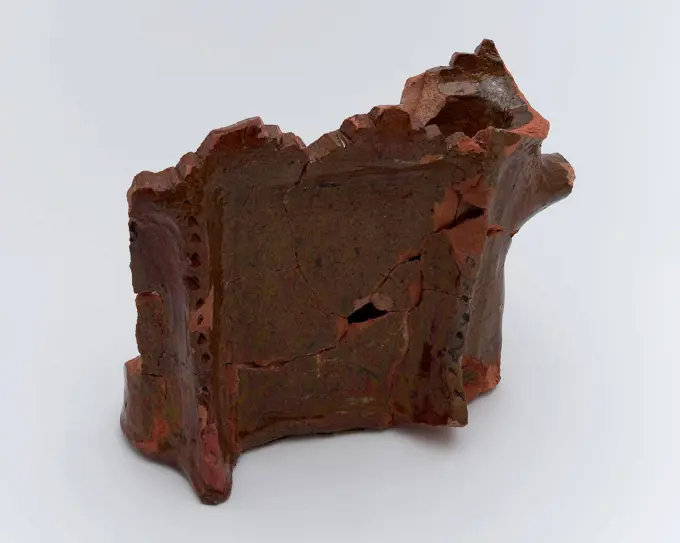
Pottery ointment jar, conical model, red shard, internally glazed, ointment jar pot holder soil find ceramic earthenware glaze lead glaze, hand-turned glazed baked Pottery ointment jar conical model red shard internal glazed Slanted inward-facing top edge Stand surface. Conical flat over the foot small narrowing of the kettle Spindles on the inside Thick-walled archeology healthcare indigenous pottery pharmacy store sell craft
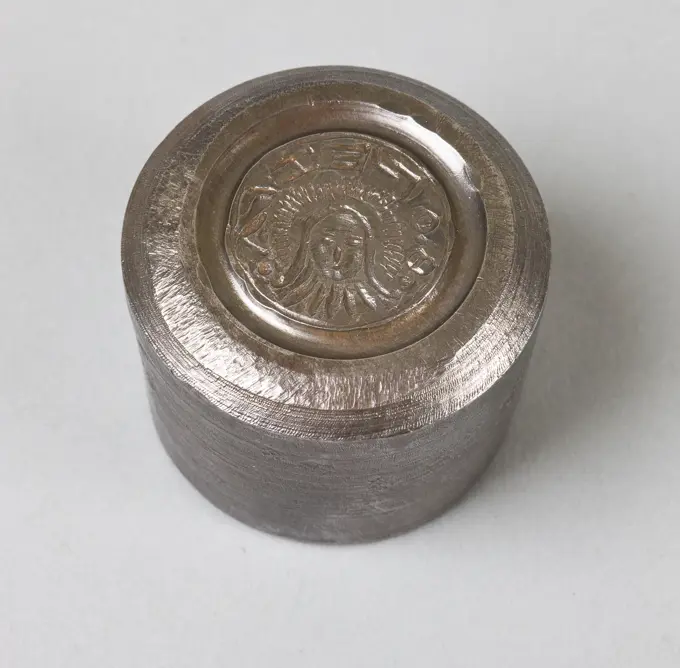
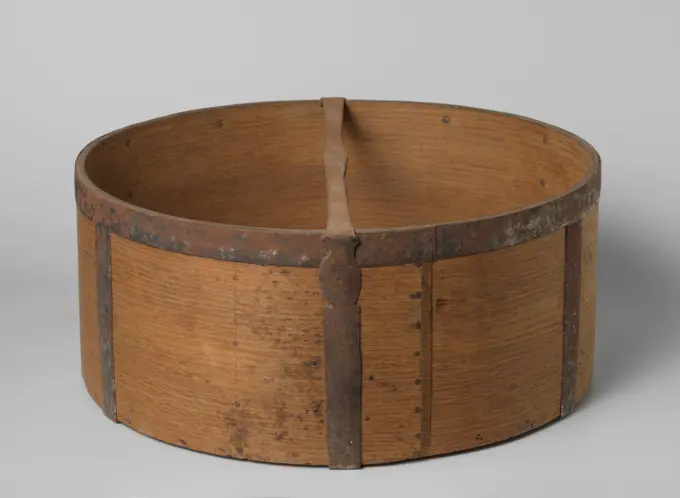
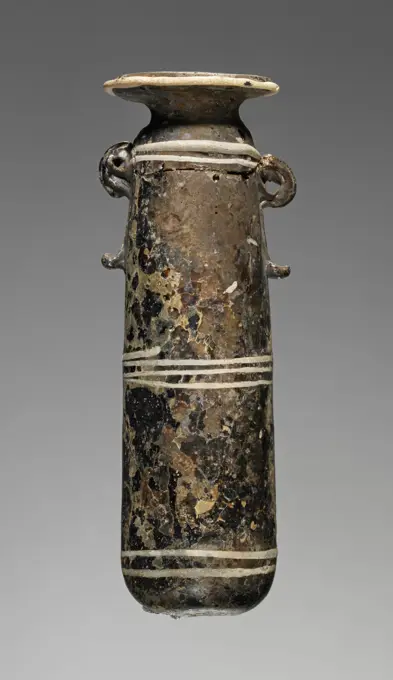
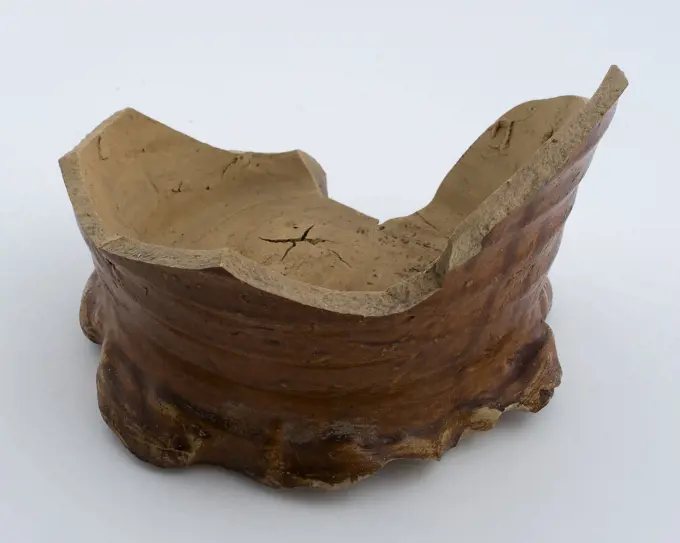
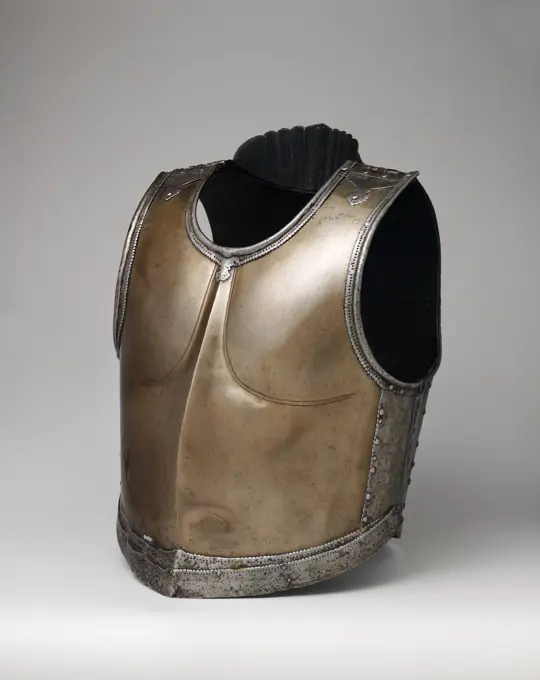
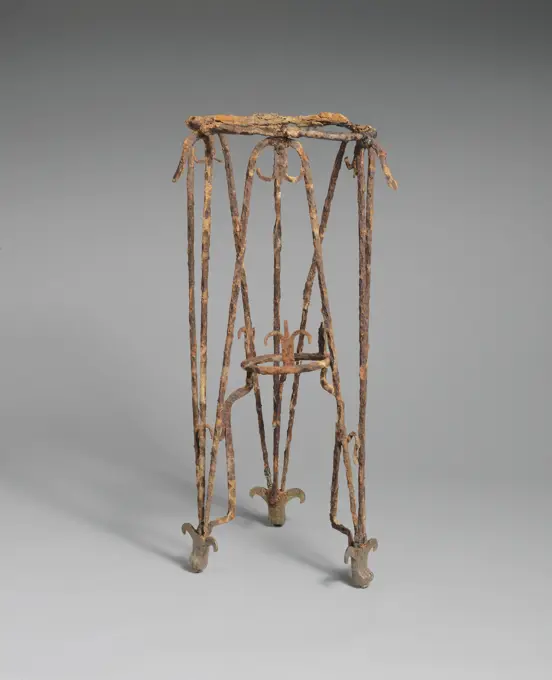
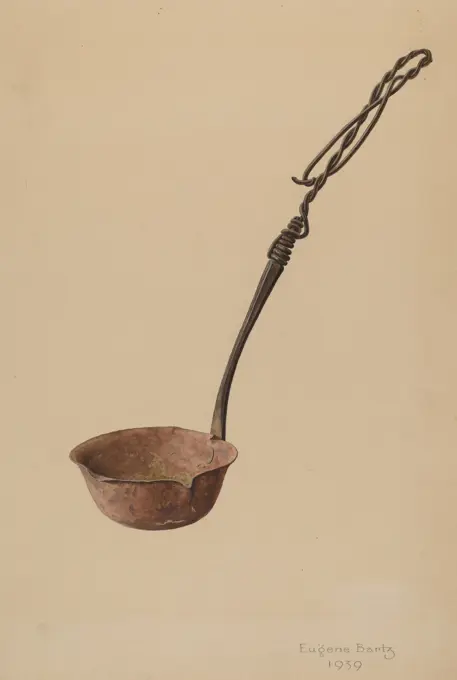
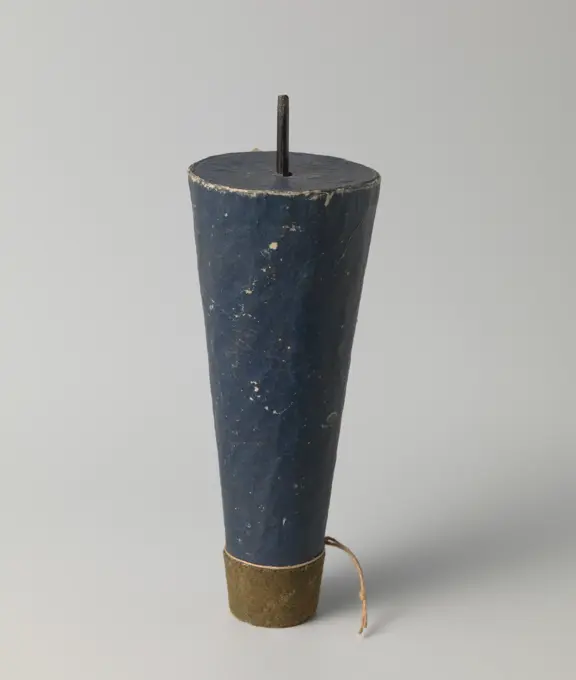
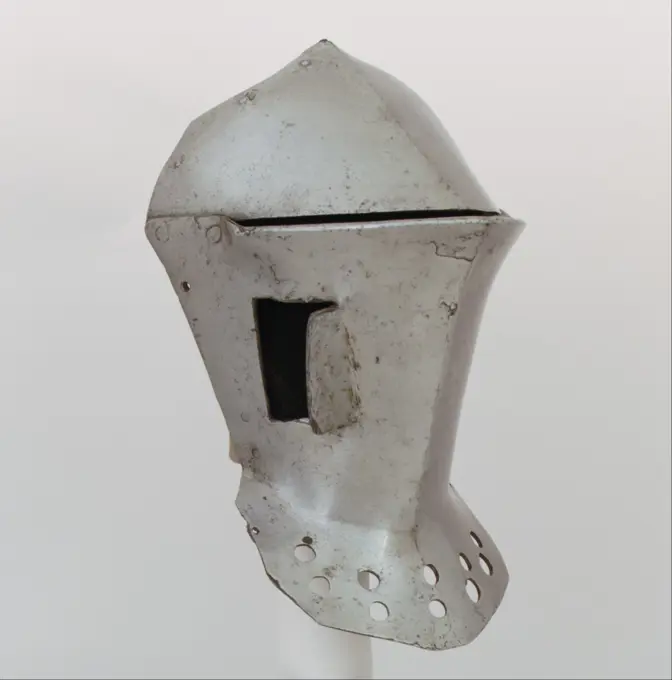
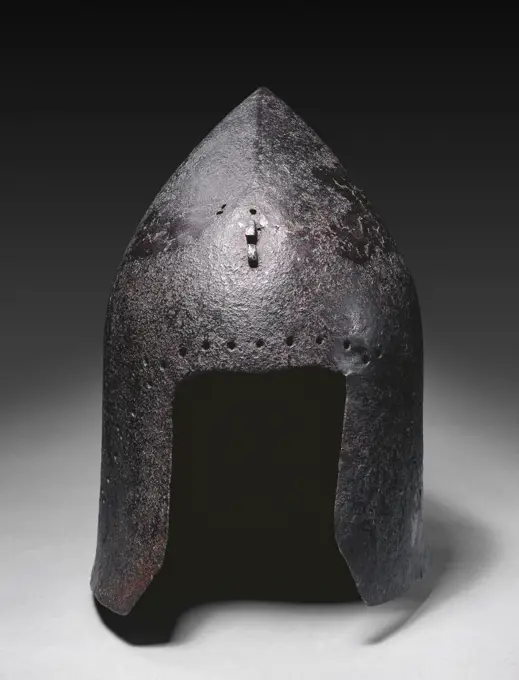
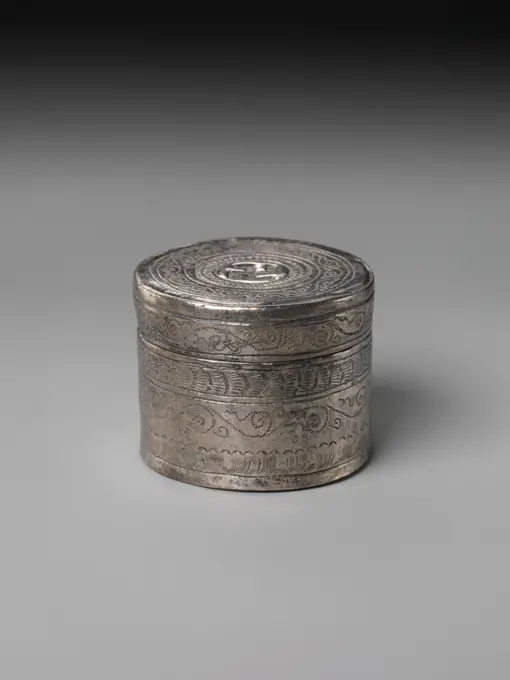
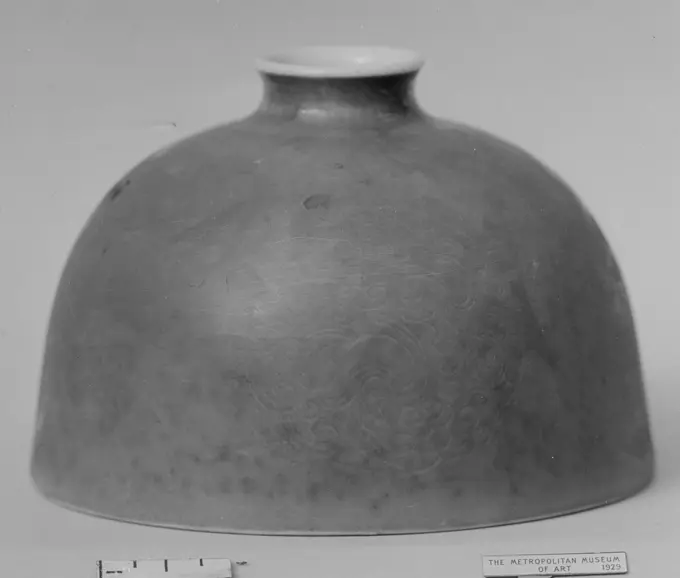
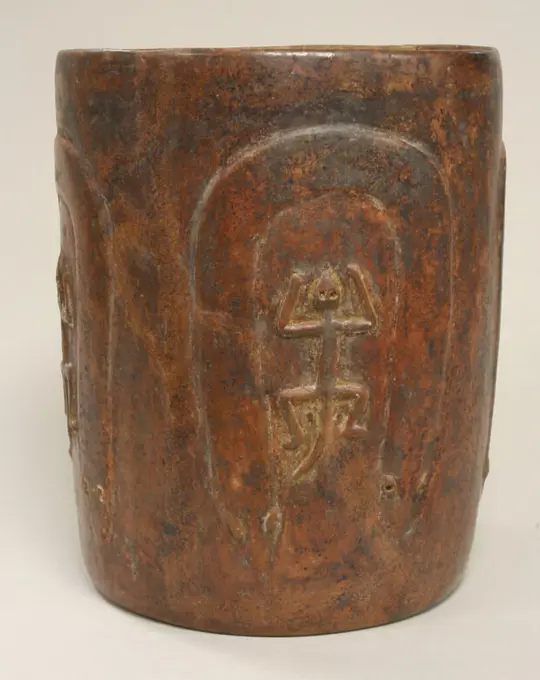
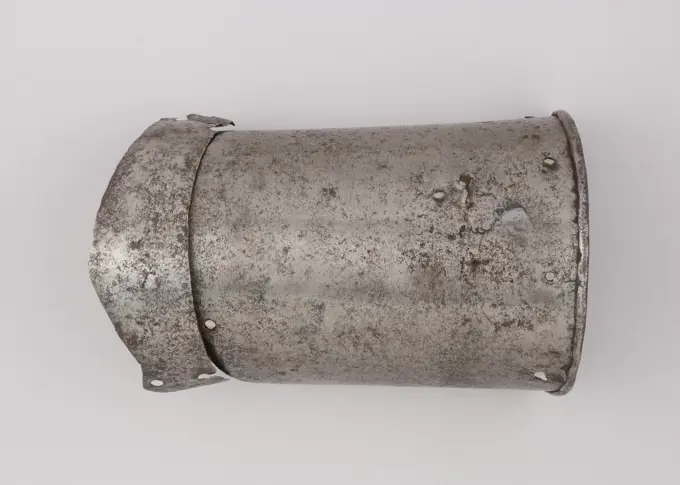
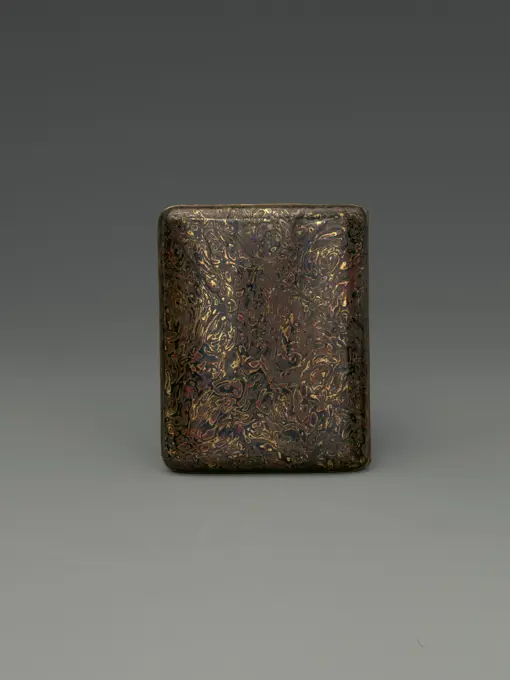
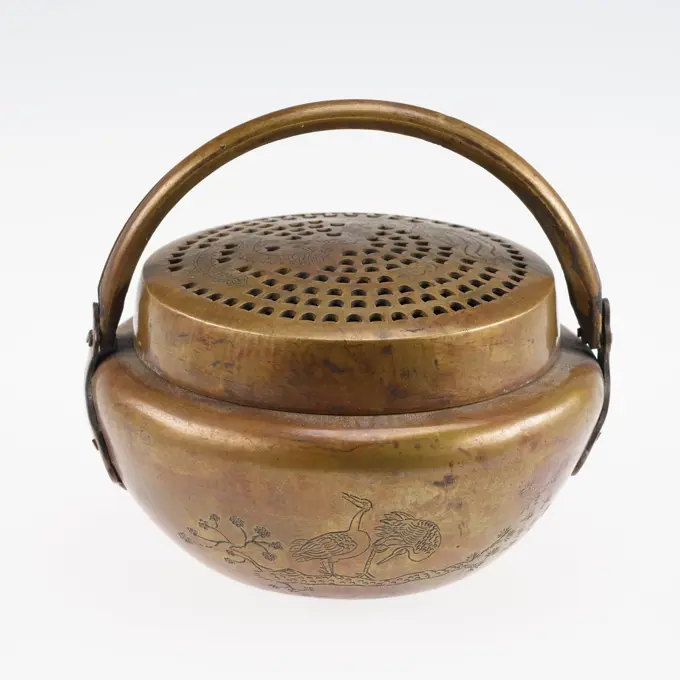
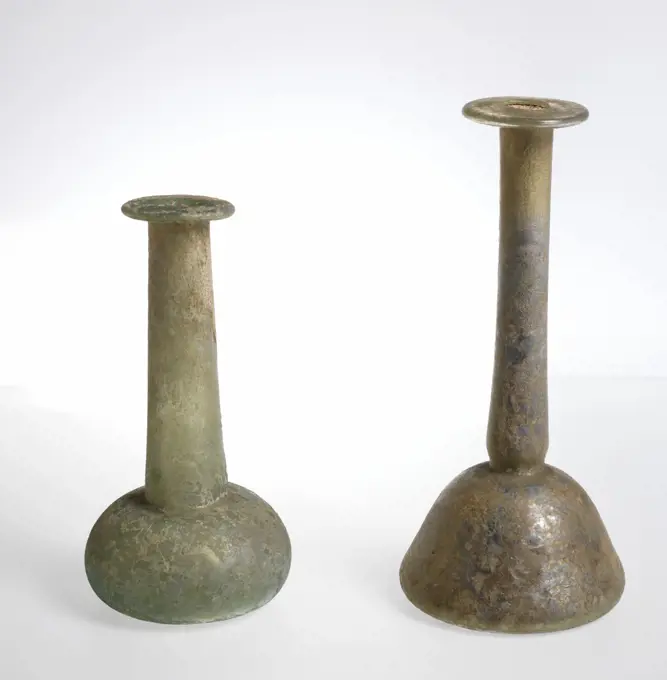
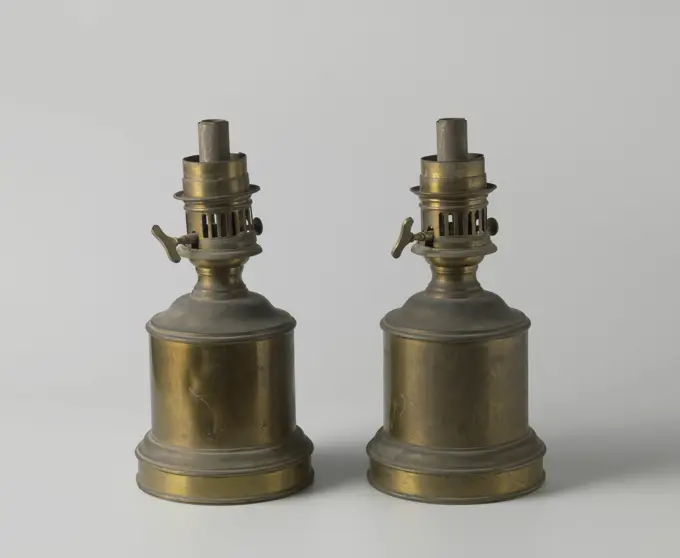
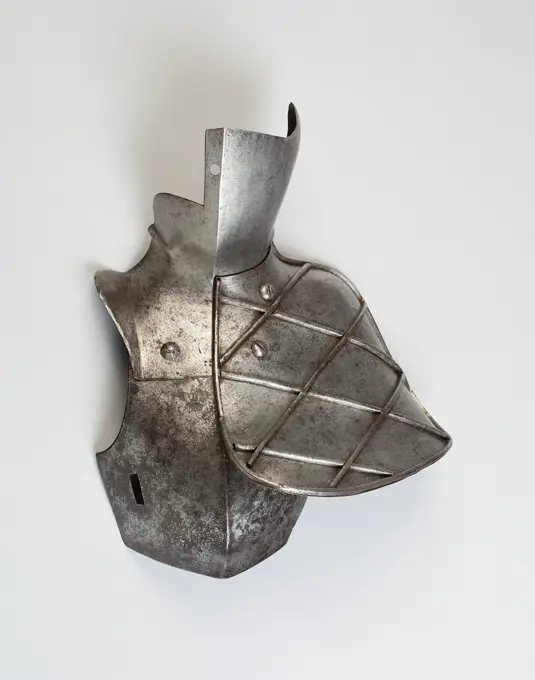
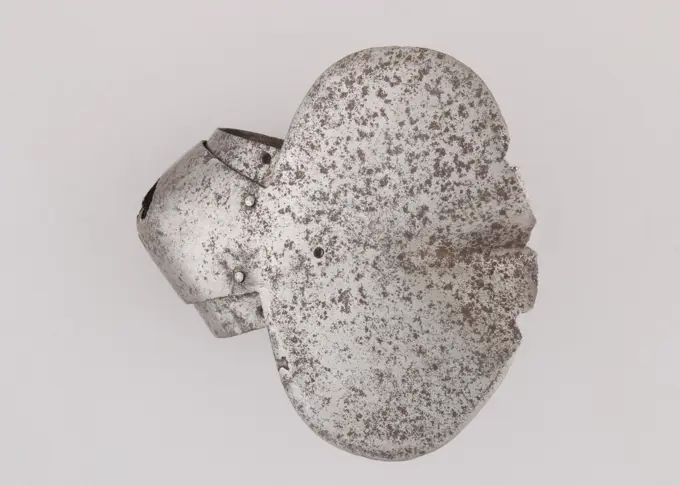
Elbow Defense (Couter) ca. 1430-40 Italian This is part of a large find of medieval armor discovered in 1840 in the ruins of the fortress of Chalcis, on the Greek island of Euboea (then a Venetian colony called Negroponte). The fortress had been captured and destroyed by the Turks in 1470. Now divided largely between the Ethnological Museum, Athens, and The Metropolitan Museum of Art, the Chalcis hoard contains many rare and unusual elements of fourteenth- and fifteenth-century armor. Of particular importance are the variety of headpieces and the many fragments of brigandines (armor for the torso constructed of small plates riveted to layers of fabric), some of which retain portions of their original velvet covering. The Chalcis armor provides a unique picture of the armament used in the Aegean, one of the easternmost military outposts of the Venetian empire.. Elbow Defense (Couter). Italian. ca. 1430-40. Steel. Armor Parts-Elbow PlatesFragment (console of the altar cabinet); (possibly) belonging to the retable of Soest, c. 1475 - c. 1499   wood (plant material)   wood (plant material)Die for counterfeit bracteate of Boleslaus, Warsaw; mid 19th century Majnert, Józef (1813 1879)Vambrace, c. 1560. Germany, Augsburg, 16th century. Steel, etched and lightly embossed with strapwork bands; overall: 17.2 x 10.8 cm (6 3/4 x 4 1/4 in.).Cover of pottery. A ribbed, vaulted lid with a button in the form of a grieving woman.Jug -Stew of forged iron. An elongated stew of forged iron. The Ajour worked lid as a medallion in the middle and human bust with a child. The edges are worked up with fruits and relief etc. The handle is attached to the container by two sea horses.Wooden grain size., Anonymous, 1650 - 1823  Wooden round object with flat bottom. The object has a metal top edge. From under this metal top edge, 4 vertical metal strips run over the outside of the object to below the bottom. A metal strip runs centrally across the top of the object, over the outside, through to the bottom. The metal strip over the top has a round pin in the bottom centrally in the object. All strips are mounted with metal nails. In the object, under the metal strip and against the outer wall, there is a wooden block with the brand (standing lion) stamped on it. This same brand is stamped on the inside, on the bottom. Netherlands wood (plant material). metal   NetherlandsAlabastron. UnknownNutmeg or spice box with arms of Mary Lady Hervey of Ickworth 1743-68 British. Nutmeg or spice box with arms of Mary Lady Hervey of Ickworth. British. 1743-68. Silver. Metalwork-SilverBottom of brown, stoneware water jug on pinched foot, water jug jar holder soil find ceramic stoneware clay engobe glaze salt glaze, hand turned glazed fried Fragment of stoneware jug. Pinched foot Strong twisted lenses Externally fully luwicated with ferrous engobe. Gray shard brown tears over the outer wall archeology Rotterdam City center Stadsdriehoek underground pit Blaak indigenous pottery import donate water wash Ground discovery metro works Blaak Rotterdam.Heaven of a canopy, anonymous, c. 1400 - c. 1950 Oak heaven from a canopy. Possible church furniture. Northern Netherlands (possibly)Netherlands (possibly) wood (plant material). oak (wood) Oak heaven from a canopy. Possible church furniture. Northern Netherlands (possibly)Netherlands (possibly) wood (plant material). oak (wood)Tinsmith: Andreas van Duyveland, Mixture jug, mugs jug jug holder tin, (with lid) molded Round body narrowing neck with screw thread and lid and eyelet Electred lines city arms AVD (stamped bottom) metalworker heating mofkuld heraldicCuirass dated A.H. 1192/ A.D. 1778-79 Indian, Hyderabad The cuirass, from the royal armory of Hyderabad, bears the name of a later ruler, the nizam Alī Khān (reigned 1762-1803), who led the state of Hyderabad through a period of economic growth during which it became the most important Muslim cultural center in India. The unusual one-piece construction of the breastplate and the backplate, which resembles a stylized human torso, possibly reflects European incfluence. Both plates are forged from crucible steel, which also is referred to as watered steel because of the subtle rippling pattern visible in the structure of the metal. Watered steel was used often for sword and dagger blades, but only seldom for armor, and then only for examples of superior quality.. Cuirass 22848Iron tripod ca. 575-550 B.C. Etruscan Iron tripod with a large horizontal ring that would support a bowl.. Iron tripod. Etruscan. ca. 575-550 B.C.. Iron. Archaic. Miscellaneous-IronBandolier's lower part unknown labelBead 9th-10th century The dot-in-circle motif recalls designs presumed to be of magical significance, most likely an abstract eye to ward off the evil-eye, which serve an apotropaic function. Easily reproduced with a tool and visible in many cultures and times, this symbol may have lost its meaning, and become simply a decorative pattern, or may have one that we have not yet discovered.. Bead 449268Eugene Bartz, Melting Ladle, 1939 Melting LadlePlane, 1600s. Germany or Italy, 17th century. overall: 13.1 x 83.5 cm (5 3/16 x 32 7/8 in.).Damper for trombone. Damper for a horn made of cardboard, blue paper, green felted fabric, rope and metalFront Half of a Tournament Helm ca. 1510-20 Anglo-Flemish Constructed of two sturdy plates of steel capable of withstanding the blow of an opponent's blunted lance, this front half of a helm for the joust was originally secured by pivots to the rear half (now missing) of lighter metal. The helm was bolted to the jouster's cuirass, thus rendering the head and torso rigid. The large ventilation opening on the right side is protected by a thick flange. Similar helms are recorded in English churches; this one is reputed to have come from Battle Abbey, Sussex. Traces of an armorer's mark, apparently an M surmounted by a crescent, which is thought to be that of Guillem Margot (active in Brussels, recorded 1505-20), are evident on the left side (only the tips of the crescent are discernible). The same mark appears on other armor parts in the Metropolitan Museum's collection, acc. nos. 14.25.572, 29.158.1h, 29.158.38, and 29.158.52.. Front Half of a Tournament Helm. Anglo-Flemish. ca. 1510-20.Barbute (from the Venetian Garrison at Chalcis), c. 1350-1420. North Italy, 14th-15th century. Iron; overall: 29 x 21 x 25 cm (11 7/16 x 8 1/4 x 9 13/16 in.); sleeves: 43.2 cm (17 in.). This is a rare example of a type of helmet used from about 1350 to 1480. Its conical shape deflected glancing blows to the head. Italian chronicles refer to professional men-at-arms as barbuti. The word derives from the Italian barba, or beard, a reference to the hood of mail often attached to these early helmets. The row of small holes along the face opening and neck were for the attachment of the hood and lining.Covered box 918-1392 Korea The swastika incised in the center of this box is an ancient Indian symbol of auspiciousness that was introduced to Korea with Buddhism.. Covered box 57461Bowl, m-1932. Metal, 1941-1944. General Leclerc Museum of Hauteclocque and the Liberation of Paris, Jean Moulin Museum.Graanmaat van 1 Deciliter, Anonymous, 1803  Chips grain size from 1 deciliter, v.z.v. labels Netherlands wood (plant material). iron (metal)   Netherlands1/4 Boisseau from Enkhuizen, Anonymous, 1800  Spans content measurement Dry goods of 1/4 boisseau with block on the inside, v.z.v. Brand and labels. Enkhuizen wood (plant material)   EnkhuizenBird cage. Terracotta with celadon covered. China, Song Dynasty. Paris, Cernuschi museum. 72687-12 Asian art, bird cage, ancient ceramic, covered, song dynasty, email, glacure, Chinese object, Chinese pottery, terracotta emaillee, xeme x 10th 10th 10th century, 11th 11th 11th 11th 11th 11th century XII 12th 12th 12 CENTURYPot van Inktstel, Theodorus Gerardus Bentvelt, 1824 Ton -shaped pot of colorless glass, decorated with a sharpened diamond pattern. A smooth, silver ring is mounted on the neck, on which a silver lid fits. This has a straight wall with a profile edge at the bottom and a cable edge at the top, and a slightly vaulted top. Intended for ink. The three holders are secured by means of a long pin under the bottom of the leaf. Amsterdam glass. silver (metal) Ton -shaped pot of colorless glass, decorated with a sharpened diamond pattern. A smooth, silver ring is mounted on the neck, on which a silver lid fits. This has a straight wall with a profile edge at the bottom and a cable edge at the top, and a slightly vaulted top. Intended for ink. The three holders are secured by means of a long pin under the bottom of the leaf. Amsterdam glass. silver (metal)Trilotic mouth bottle collar. Glass. 3rd-thifth century. Paris, Carnavalet museum. 51537-6 Col de bottle, Trilobee mouth, Gallo-Roman, Gallo-Roman time, glassBond type ". Dry lacquer. Western Han Dynasty. Provenance: China. Paris, Cernuschi museum. Paris, Cernuschi museum. 144391-5 Asian art, Chinese art, Extreme-East art, box, han dynasty, dry lacquerOval Box c 1850 Canterbury. Pine, maple, and copper . ShakerNadziak. nieznany warsztat bliskowschodni, workshopPen and Ink Box (inkwell), 1697-98. Iran, Safavid period (1501-1722). Brass; overall: 3.6 x 22.3 x 4.2 cm (1 7/16 x 8 3/4 x 1 5/8 in.).CLOKE Koryo ". Bronze. 1291. Provenaison: Paris, Museum Museum. Paris, Museum and Crerencies. 144391-17 Asian art, Coreen art, art of extreme-oral, bronze, bellReinforce for the Left Pauldron 1550-1600 Germany. Steel .Two cups together form a ton. The object consists of two as cups to use halves, which pushed together to have the shape of a ton. The situates are indicated in the granulated surface with the help of engraved vertical lines. Half of each half are plated: the inside, the edge and the ribbed reinforcement tires. A rectangular piece is shaded on the edge of each cup. On the bottom they are provided with the inscriptions: Zùm Kùpfer Wie // Ein Waaß Verkhe // Ret Kùgel Rùndt. AE: and Mich Firen // Power Naß, Das // Wasser Herrngrundt, W:.Tin ink set with inkwell and sandpot. Tin ink set. There is a rectangular plate with a raised edge at four caps. In the bin in the left rear corner a high pen cooker. In addition, almost against the rear wall to two circular layer, raised edges for the inkwell and the sand spreader. The inkwell in the middle has a cylindrical body. The inner box is narrower and the vaulted upper side falls over the outer pot. In the middle of the curvature a clock-shaped lid that can be opened with a two-headed hinge. In addition, the sand spreader with cylindrical body. The top is opened with small circles that form a star.Water Coupe China. Water Coupe. China. Porcelain with incised decoration under peachbloom glaze. Qing dynasty (1644-1911), Kangxi period (1662-1722). CeramicsTiered Box with Scholar-Official in a Landscape. Culture: China. Dimensions: H. 5 1/8 in. (13 cm); Diam. 4 7/8 in. (12.4 cm). Date: late 14th century.This unusual box is difficult to date precisely. The use of gold in the background is uncommon and suggests that the box was particularly valuable. The shallow carving of the scholar on the top and the dragons amid clouds on the sides suggests a thirteenth-century date. However, the official is wearing a rank badge on his back, a practice that did not begin until the late fourteenth century. He stands before an incense burner and may be praying to the heavens, a traditional Chinese practice. Museum: Metropolitan Museum of Art, New York, USA.Tea Jar 1680 Japan. Tea Jar 62754Cylindrical Vessel. Culture: Colima. Dimensions: Height: 11in. (27.9cm)Diameter: 8 3/4in. (22.2cm). Date: 2nd century B.C.-A.D. 3rd century. Museum: Metropolitan Museum of Art, New York, USA.Handlantaarn, anonymous, c. 1700 - c. 1800 The square object placed on legs, in which a candle can be placed, has a square dome -shaped openwork crown. On three raised sides is an oval green glass with a nop in the middle, which serves to strengthen the light. The back with the handle has a passionate ornament with, among other things, shells and a grapes. Nuremberg brass (alloy). glass casting The square object placed on legs, in which a candle can be placed, has a square dome -shaped openwork crown. On three raised sides is an oval green glass with a nop in the middle, which serves to strengthen the light. The back with the handle has a passionate ornament with, among other things, shells and a grapes. Nuremberg brass (alloy). glass castingAxe 12th-11th century B.C. China. Axe. China. 12th-11th century B.C.. Bronze. Shang dynasty (ca. 1600-1046 B.C.). MetalworkRitual Wine Vessel from the Zhou Dynasty (1046-256 BC)Fingered Gauntlet for the Left Hand Made 1610-1630 Nuremberg. Steel .Upper Arm Defense (Rerebrace) ca. 1430-40 Italian This is part of a large find of medieval armor discovered in 1840 in the ruins of the fortress of Chalcis, on the Greek island of Euboea (then a Venetian colony called Negroponte). The fortress had been captured and destroyed by the Turks in 1470. Now divided largely between the Ethnological Museum, Athens, and The Metropolitan Museum of Art, the Chalcis hoard contains many rare and unusual elements of fourteenth- and fifteenth-century armor. Of particular importance are the variety of headpieces and the many fragments of brigandines (armor for the torso constructed of small plates riveted to layers of fabric), some of which retain portions of their original velvet covering. The Chalcis armor provides a unique picture of the armament used in the Aegean, one of the easternmost military outposts of the Venetian empire.. Upper Arm Defense (Rerebrace) 23124Pot for Wine or Tea 19th century Japan. Pot for Wine or Tea. Japan. 19th century. Bronze. Edo (1615-1868) or Meiji period (1868-1912). MetalworkContent measure of 1/2 liter. Chains of 1/2 deciliters (Demi litre) with wooden bottom edge. At the bottom of v.z.v. Orange wax seal with inscription. V.Z.V. brands and stamps.A 2 handled Bronze ribbed bucket, or situla. Etruscan, circa 550 BC.Pair of Princess” Candlesticks. Designer Karl E. Kipp, American, 1882-1954 Maker: The Tookay Shop, American, 1911-1915Cigarette Case 1890-1900 Tiffany & Co. This cigarette case and a related match case (41.140.3) are rare surviving examples of Tiffany & Co.s laminated metalwork, also called "mixed metal" in company records and known to the Japanese as mokume. In mokume (meaning "wood grain" or, literally, "wood eye"), thin sheets of differently colored metals and alloys are laminated, folded to increase the number of layers, cut through or bent, and, finally, hammered to produce marbleized patterns.. Cigarette Case. American. 1890-1900. Gold, silver, brass, patinated copper, gold-copper alloy, silver-copper alloy, and patinated copper-platinum-iron alloy. Made in New York, New York, United StatesHand warmer, 19th century, 3 1/8 × 5 1/8 × 4 15/16 in. (7.94 × 13.02 × 12.54 cm), Brass, China, 19th centuryVase, Glass, Oblate body, high tubular neck gently tapering toward brood rim. Thick and iridescent green glass., probably Syria (Roman Period), 1st-4th century AD, glasswares, Decorative Arts, VaseWeightAfghanistan' mechanical bank, c. 1885, Attributed to Kyser & Rex Company OR;; Manufacturer: Mechanical Novelty Works, Philadelphia, c. 1879-1898, 3 1/2 x 3 7/16 x 3 1/8 in. (8.89 x 8.73 x 7.94 cm), Iron, pigment, 19th centuryTwo Lamps, anonymous, c. 1850 - c. 1870 lamp. oil lamp Two identical specimens of an oil lamp or moderator lamp, incomplete. Netherlands (possibly) copper (metal). brass (alloy)Pair of Stirrups. Culture: Moroccan. Dimensions: Stirrup (a); H. 8 1/8 in. (20.6 cm); W. 5 1/4 in. (13.3 cm); D. 7 1/2 in. (19.1 cm); Wt. 1 lb. 13.5 oz. (836.3 g); stirrup (b); H. 8 1/4 in. (21 cm); W. 5 1/2 in. (14 cm); D. 7 1/2 in. (19.1 cm); Wt. 1 lb. 12.8 oz. (816.5 g). Date: 19th-early 20th century.This shape of stirrups, with their square footplates and their wide flaring sides, is found in most of the Islamic world. This pair is decorated with plated silver, incised with vegetal scrolls and intricate geometrical interlaced bands, typical of Moroccan art.Traditionally, Moroccan riders take great pride in their horses and still frequently adorn them with shiny and colorful tack for parades and festivals. Wealthy riders would increase their prestige by covering their mount with luxurious material and equipping themselves with as luxurious matching accessories. Museum: Metropolitan Museum of Art, New York, USA.Box 18th century Dutch. Box. Dutch. 18th century. Pewter. Metalwork-PewterWine measure, 18th century, 3 7/8 x 2 5/8 x 1 7/8 in. (9.84 x 6.67 x 4.76 cm), Pewter, France, 18th centuryRound hat box, from black lacquered canvas; The lid and handle have red piping, anonymous, c. 1900 - c. 1925 Round hat box, from black lacquered tarpaulin. The lid and the handle have red piping. The box closes with three press studs. The handle also closes with a press stud. The lining consists of mustard yellow linen. Netherlands upholstery: Sailcloth. Lining: Linen (Material). press stud: Metal lacquering Round hat box, from black lacquered tarpaulin. The lid and the handle have red piping. The box closes with three press studs. The handle also closes with a press stud. The lining consists of mustard yellow linen. Netherlands upholstery: Sailcloth. Lining: Linen (Material). press stud: Metal lacqueringModel of A Section of An Armoured Turret, Rijkswerf Vlissingen, 1862 demonstration model Model of a part of a semi -full -shaped gait, on a ground board. The outer shell consists of three of the twenty -six segments in total, the interior shell is made of horizontal plates. A shooting hole has been installed at three -quarters and the interior shell is thickened on site. The outdoor segments do not connect above, but release a circular opening. Scale 1: 5 (derived). Flushing wood (plant material). brass (alloy)Oil can on whiteA wooden plan from 1764, with some cutting work., Anonymous, 1764 The Schaaf is marked: T.N.B. Northern Netherlands (possibly)Netherlands (possibly) wood (plant material). beech (wood). mahogany (wood). iron (metal) The Schaaf is marked: T.N.B. Northern Netherlands (possibly)Netherlands (possibly) wood (plant material). beech (wood). mahogany (wood). iron (metal)Edward Jewett, Copper Vat, c 1940 Copper VatRichterhammer a brown judge hammer against white background copyright: xzoonar.com/simonevoigtx 3463828INSTRUMENTO MUSICAL.A hat of a higher officer of the 1st Light Regiment of the Polish Guard of Emperor Napoleon I unknown labelMeat wreath with eight hooks. A round meat wreath with eight hooks. Decorated with forged flowers.Oil lamp, 85mm Chance Brothers & Co. La Mola lighthouse museum, Formentera, Pitiusas Islands, Balearic Community, Spain, EuropeDrum, 1855 musical instrument. percussion instrument. drum Trom of the militia. The brass kettle is equipped with a veal sheet on both sides, held by a hoop and tense by means of a tension with tractors and screws. Both hoops are decorated with a motif of triangles in the colors red, white and blue. With engraved numbers: 1855-33. Netherlands Kettle: Brass (Alloy). Hoop: Wood (Plant Material). Team resorts: RopeThree Wine Cups Made with Booty from the Silver Fleet, Roelant Gerobulus, 1629  One of three almost identical silver Kroezen, slightly giving to the flat bottom. The upper edge and with engraved inscription: "T'Welck was before Glass nv Silver is and Gold / that gave God Hein Diet Silver first Wan Stovt / Ex Gaza Captiva". On the bottom of the weapon, on one side of the helmet 16, on the other 29, under the shield inscription: " * each * are * tyt *". Marked; edge: steering wheel (R. Gebrobulus); Utrecht. Dated; Rand: 1629 and annual letter I (1629 or 1602). See NG-525-A, C and D. Utrecht silver (metal). gilding (material) forging / engraving / striking (metalworking) / gildingPestle ca. 1981-1640 B.C. Middle Kingdom. Pestle. ca. 1981-1640 B.C.. Diorite. Middle Kingdom. From Egypt, Memphite Region, Lisht North, Cemetery, MMA excavations, 1920-22. Dynasty 12-13Grahal-Manzara. Carnavalet 2013-2016 collection sites. Numismatics.Two fragments of stoneware jug with segments and cartouches, jug crockery holder soil find ceramics pottery glaze salt glaze ), hand turned stamped glazed glazed baked Two stoneware fragments from Westerwald jug. Shoulder and neck fragment Around the neck decorated with four oval cartouches in which portraits between ornamented beams and curls. Profile rings around the neck. On the shoulder alternating blue and gray segments thick profile ring around the belly with chevron decoration Curled attachment of ribbon ear still present archeology underground pit Rotterdam City Triangle Groenendaal indigenous pottery import drink wine beer serving pouring table Soil discovery underground pit Groenendaal (canal dredger) 1976-09-26.Molino de grano de piedra volcánica, siglo XIV. Castellvell, Llinars del Vallès.Tankard 1821-71 Roswell Gleason. Tankard 8201Vessel. Culture: Coptic. Dimensions: Overall: 5 7/8 x 4 15/16 in. (15 x 12.6 cm). Date: 4th-7th century. Museum: Metropolitan Museum of Art, New York, USA.Fragment earthenware candle holder, simply decorated, on stand, candlestick holder bottomfound ceramics earthenware glaze leadgg, hand-formed glazed fried Small bowl with two supports on each side of the outside for firmness. Short side remainder of handle Top edge provided with tilting. Red earthenware exterior whole and interior partly glazed archeology Rotterdam railway tunnel indigenous earthenware candle lighting room kitchen Soil discovery: rail tunnel Rotterdam.. High box with oscenips corners, consisting of two shutting trays and a slightly convex lid. In the box a suitable leaf. From outdoor covered with black lacquer with trees, mountains and cranes in gold Makie. From within Nashiji.Oval palette with an opening for fingersLidded Jar (USA); Manufactured by Tiffany and Co. (United States); Design Director: Louis Comfort Tiffany (American, 1848-1933); glassCymbal Case with Set of Cymbals late 17th century Chinese (Tibetan) In Tibetan processions and dance, drums and cymbals set up basic rhythmic patterns for wind instruments, and in temple settings are used with bells to accompany chant.. Cymbal Case with Set of Cymbals 503713Italian 16th Century, Lock Strap, 16th century Lock StrapReinforcing Breastplate Bevor, and Grandguard for the Joust 1555-1565 Augsburg. By the sixteenth century, armorers devised this steel reinforcement as replacement for wooden shields or targes used in the joust. The section covering the shoulder, known as a grandguard, was bolted down firmly over the left side together with a reinforcing (second) breastplate. The grandguard served as a target and was often fitted with a trellis pattern to grapple the lance head after impact. The helmet was bolted to the upper section (bevor) for added thickness and protection, replacing the heavy jousting helm of the past.. Steel .Shoes mid-19th century American. Shoes 104081Copper pressed Thimble, thimble sewing kit soil found brass metal, pressed Copper pressed Thimble with wells on shaft and board archeology Rotterdam railway tunnel seamstress tailor sewing textile processing clothing needle and thread repair Soil discovery: trajectory rail tunnel Rotterdam.Sheath, 1800s. Africa, 19th century. Leather or rawhide; blade: 23.5 cm (9 1/4 in.); scabbard: 10.2 cm (4 in.); knife including handle: 40.7 cm (16 in.).Canned mushrooms in glass jar and landscape , double exposure effect. The double exposure effect: glass jar with mushrooms and the landscape. Presented on a white background. Copyright: xZoonar.com/GalinaxTolochkox 11708042Votive boot ca. 900 B.C. Iran. Votive boot 325544Ancient Egyptian slate tablet and bowl for scribe, Predynastic Period, 3100-2613 B.C.Ancient pot on the primus stove isolated on white backgroundCork Screw (France); Made by Gavet Coutelier (France); steel, wood, steel; L x W: 6.9 x 0.9 cm (2 11/16 x 3/8 in.); The Robert L. Metzenberg Collection, gift of Eleanor L. Metzenberg; 1985-103-281-gContainer Cap (France); Made by Gavet Coutelier (France); horn, ivory; L x W: 3.7 x 2.4 cm (1 7/16 x 15/16 in.); The Robert L. Metzenberg Collection, gift of Eleanor L. Metzenberg; 1985-103-281-hAnvil 1700-1800 Europe. Iron .Bottle And Cover (England); Made by Asprey & Son Co. (United Kingdom); glass, silverKisanji (Cisaji). Culture: Bateke. Dimensions: 17 × 3 1/2 in. (43.2 × 8.9 cm). Date: late 19th century.This Kisanji (Cisaji), decorated with a carved bird's head is a Lamellaphone.Lamellaphone is a term to designate instruments consisting of thin tongues of metal or split cane, mounted on a resonating board or box. Depressing the free ends of the tongues with the thumbs produces a gentle ringing sound, sometimes augmented by jingling objects attached to the board, and amplified by holding the instrument in a hollow gourd. Tuning is accomplished by sliding the tongues in or out in order to change their vibrating length. Lamellaphones are distributed across sub-Sahara Africa and were brought by slaves to Latin America. They are known by many names that may also be shared with xylophones. Most names have word stems which include: -mbila; -mira; -limba; or -rima. Westerners, not recognizing differences in construction, have simplified the name to two regional terms calling them either mbPitcher and pot for atole, Purepecha culture, Mexico, collected in 1994, clay, natural pigments and varnish, Anthropology National Museum, Madrid, Spain.Decorative Door Boss And Nail; wrought iron; a) H x diam.: 2.2 × 6.9 cm (7/8 × 2 11/16 in.) b) H x diam.: 4.2 × 1.9 cm (1 5/8 × 3/4 in.)Sjako officer Infantry, M.1854, J.F. Segers & Zn, 1854  Head cover of blue sheet, black patent leather bottom, edge, valve around golden galon, three vertical golden piping. Interior: Red leather sweat tape, on soil leather ware loop in text in gold on cut: J.F. Seegers - Great Market 32, Breda. Breda cloth. leather. gold leaf   NetherlandsModel of a Ship's Bow in Frames, B. Koster, c. 1780 - c. 1798 instruction model Technical model of a fore ship over the length of five trusses of establishment. Two apostles. Three hitchhikes on either side, thickening at the height of the lower deck; The tside plates on starboard have been compiled; That at port consists of a piece. Bent Steven. Two decks with deck beams. Nine -part trusses. Amsterdam wood (plant material). brass (alloy)