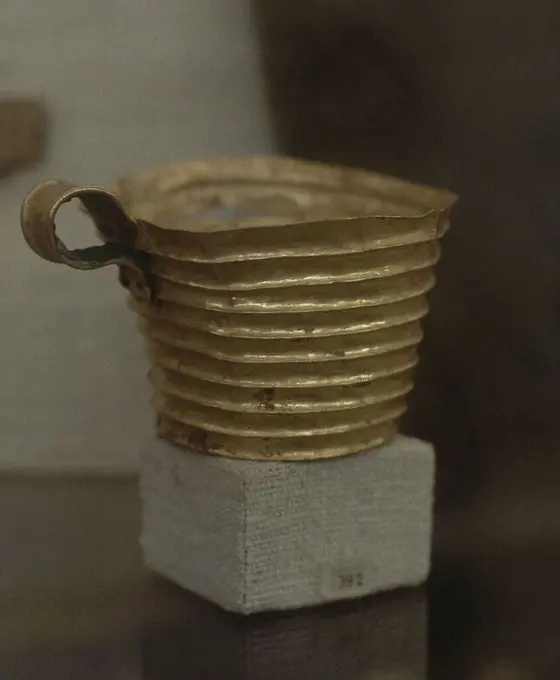
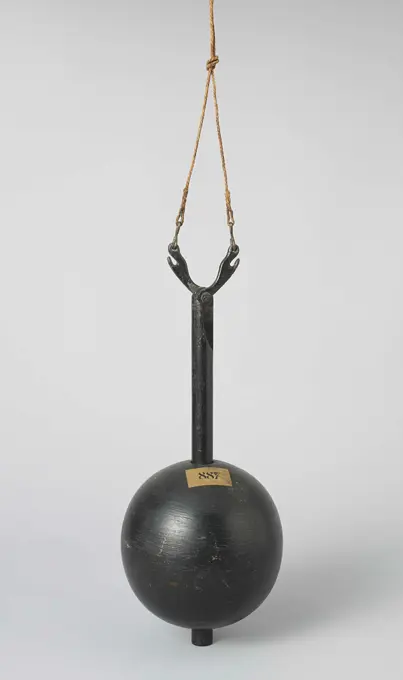
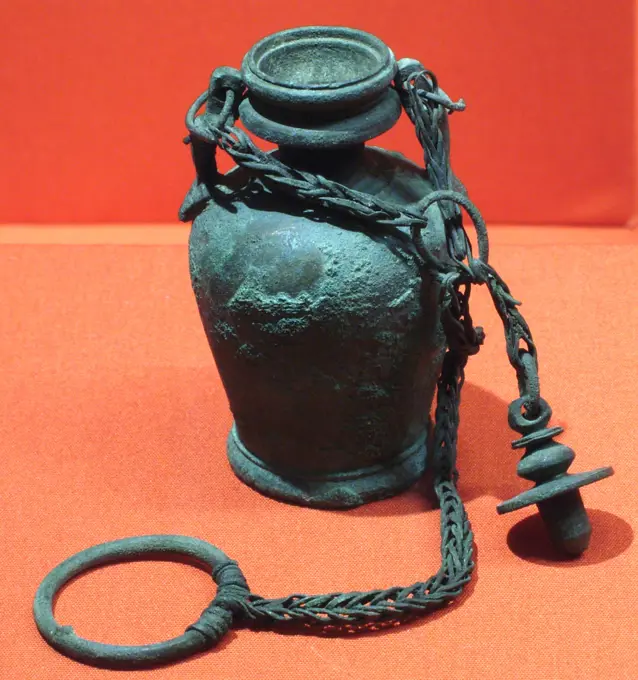
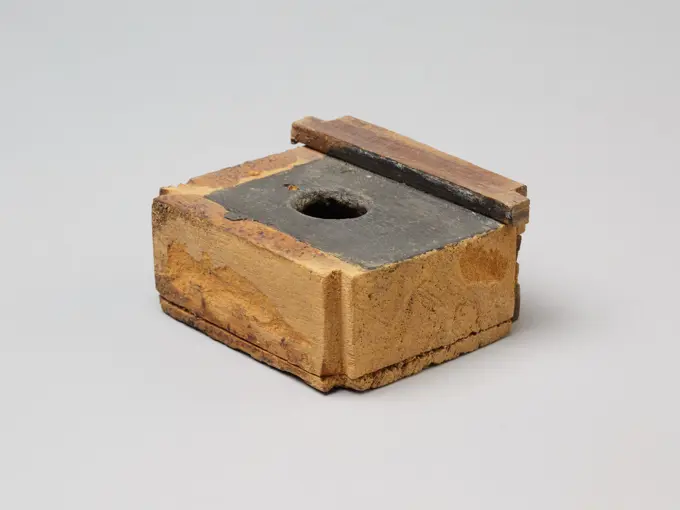
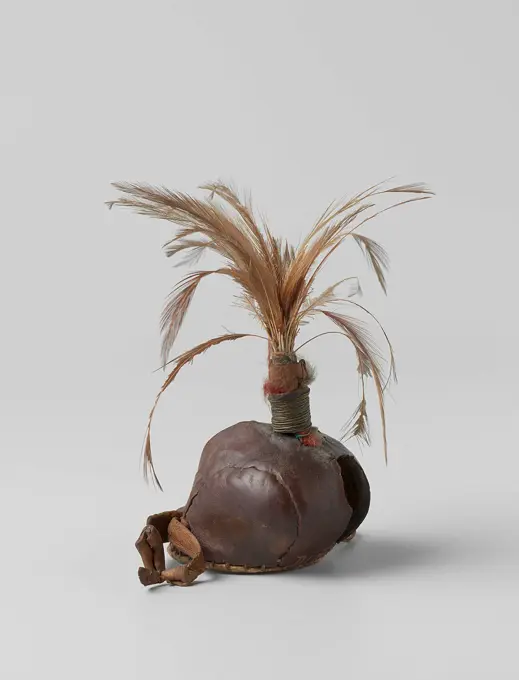
Antique Containers

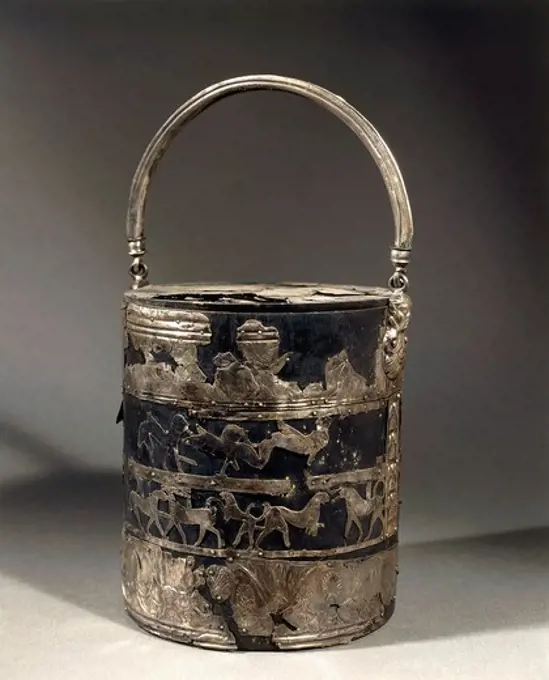
An array of vintage containers and liturgical cups, showcasing detailed designs in tin and bone, reflecting historical craftsmanship and decorative elements.
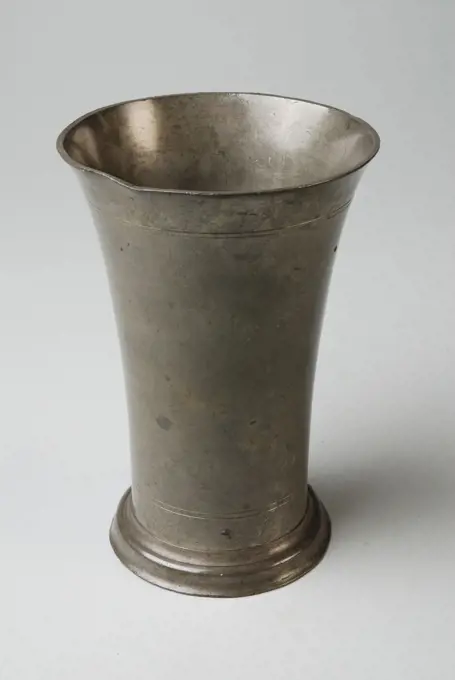
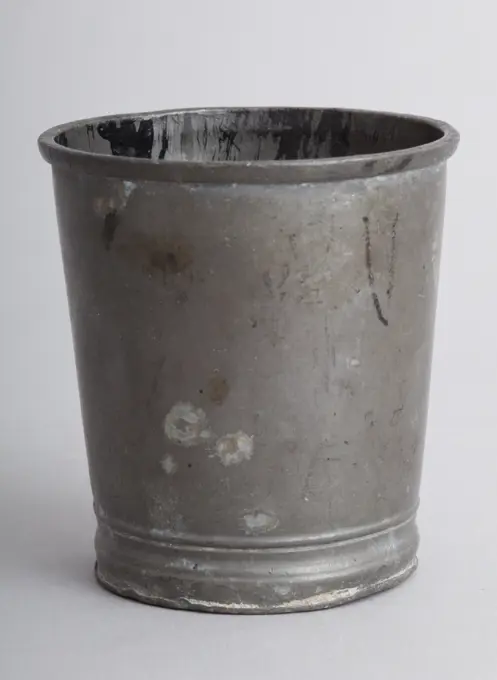
Tinsmith: Johannes Daniël Druy, Funnel-shaped sacrament cup, liturgical cup liturgical container holder tin, molded Two identical cups (1-2) with hollow arched foot cup-shaped body with outstanding top edge. Two concentric circles below and above on body mark under foot: angel with palm branch in oval above banderol in which Druy metal castor religion church supper Protestantism drink church eucharist religious ceremony ceremony Hillegersberg Rotterdam
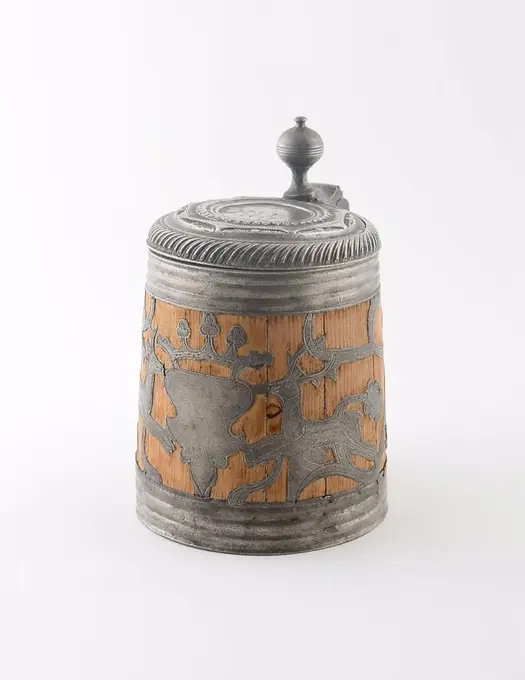
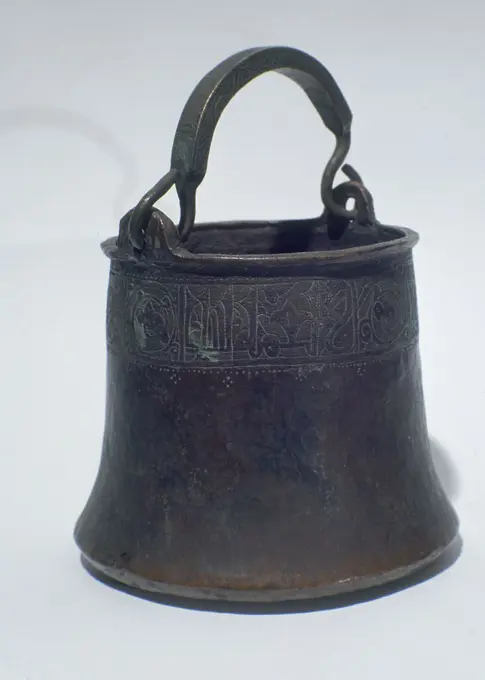
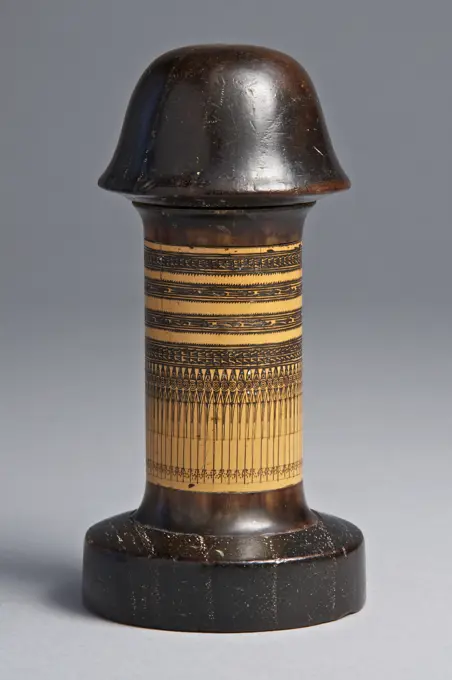
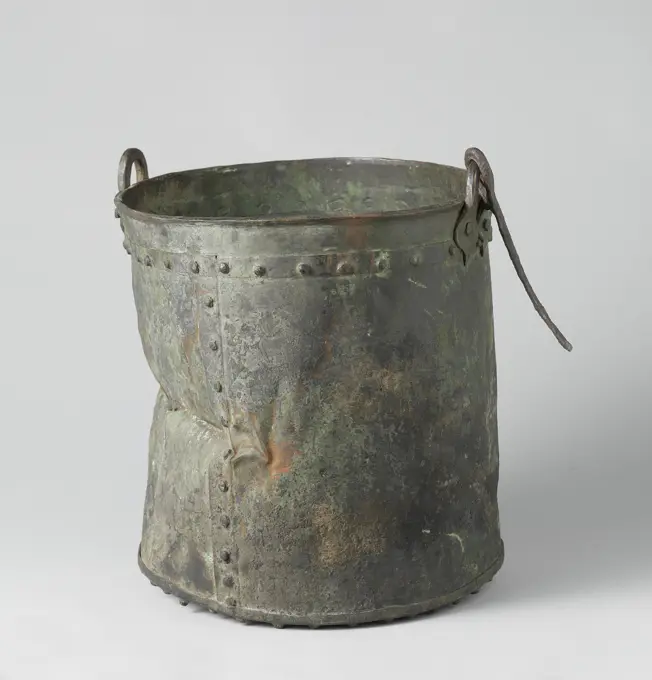
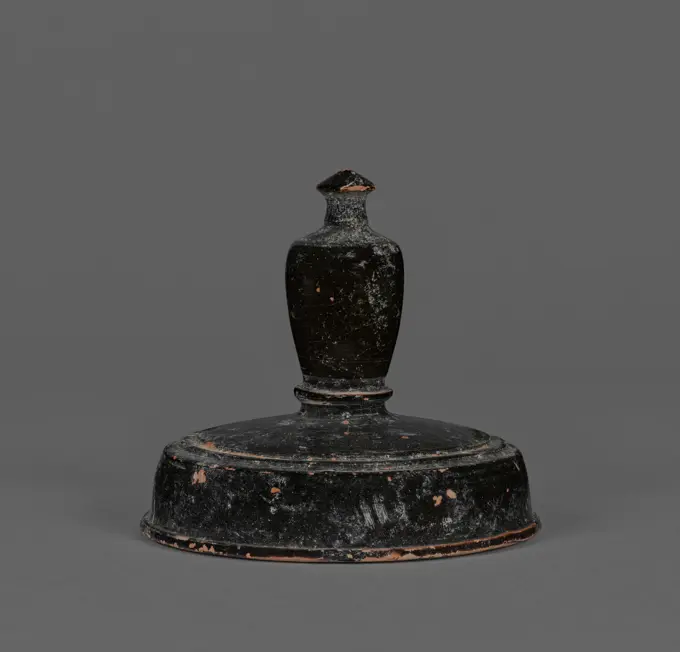
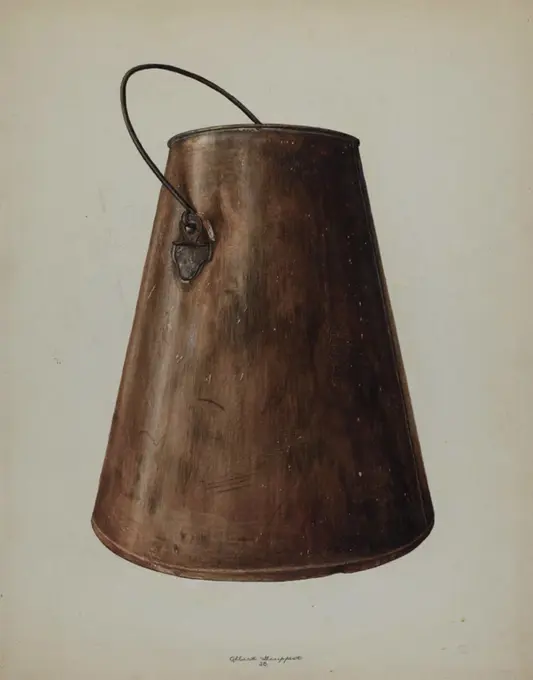
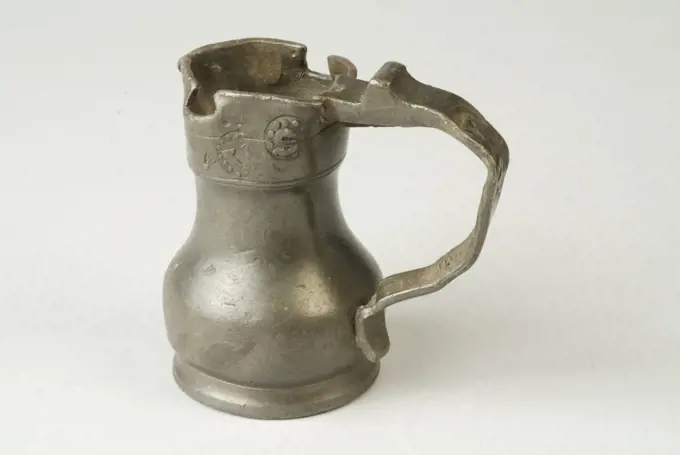
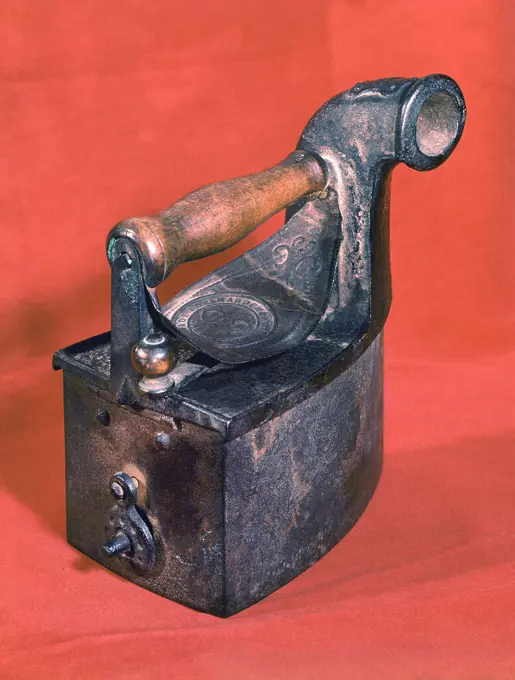
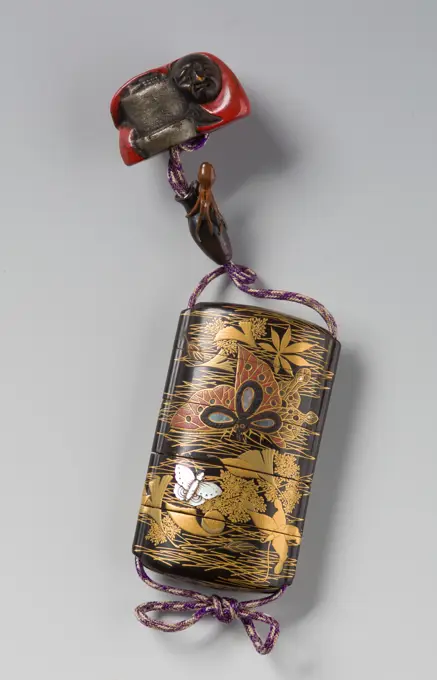
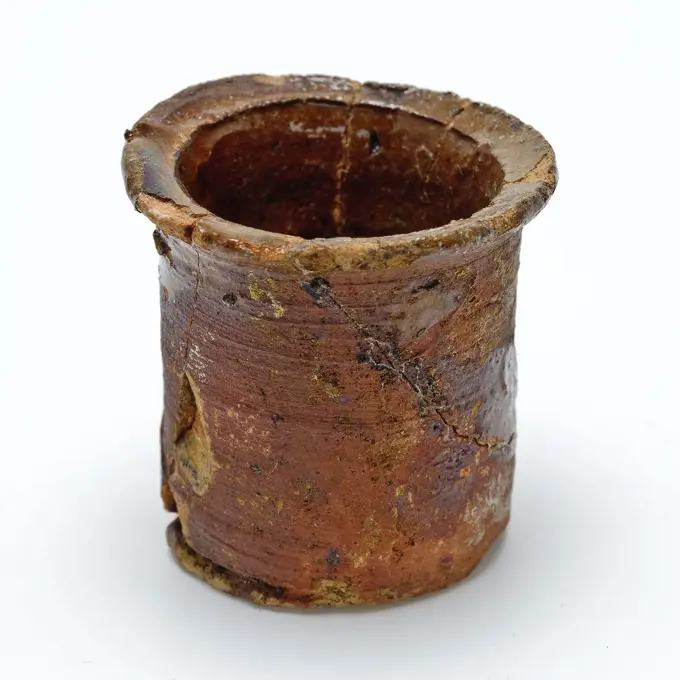
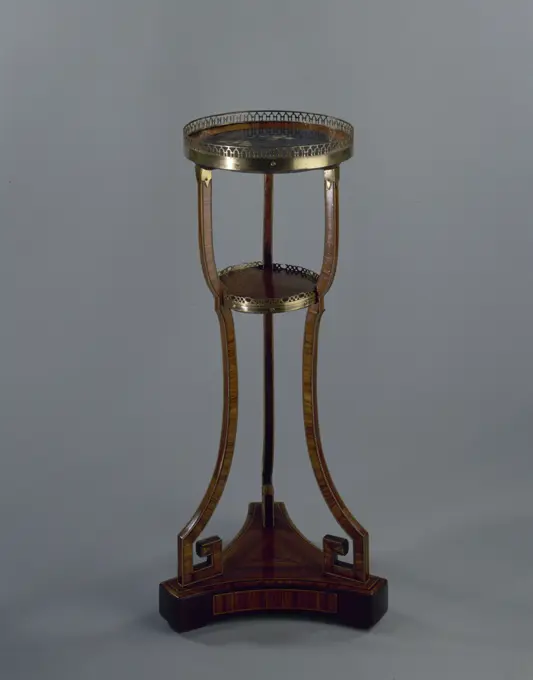
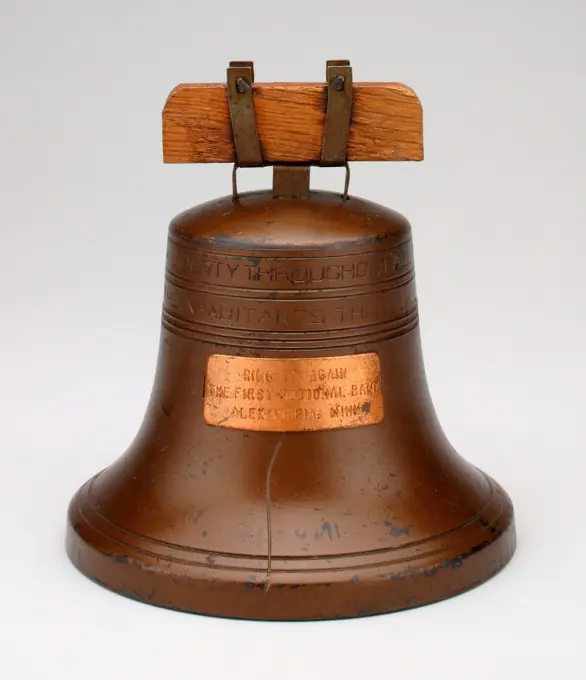
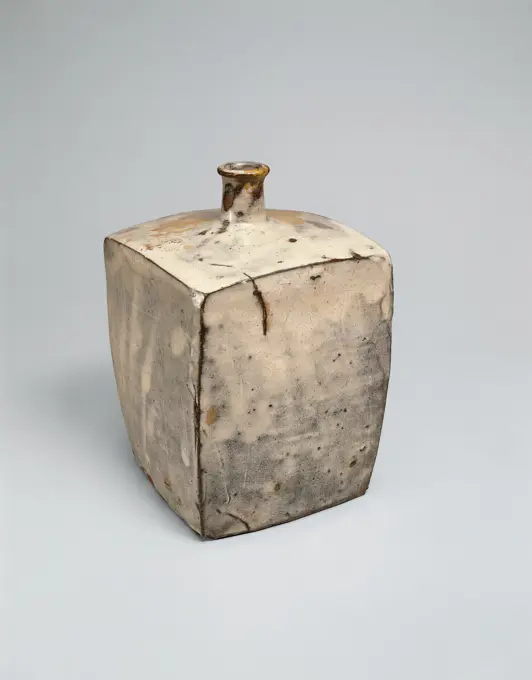
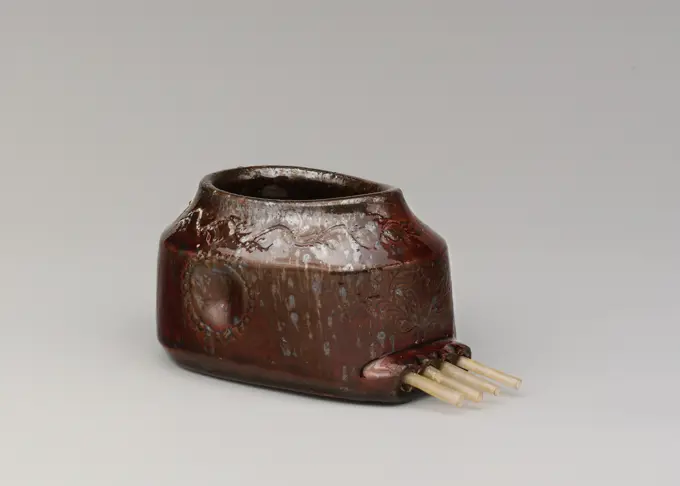
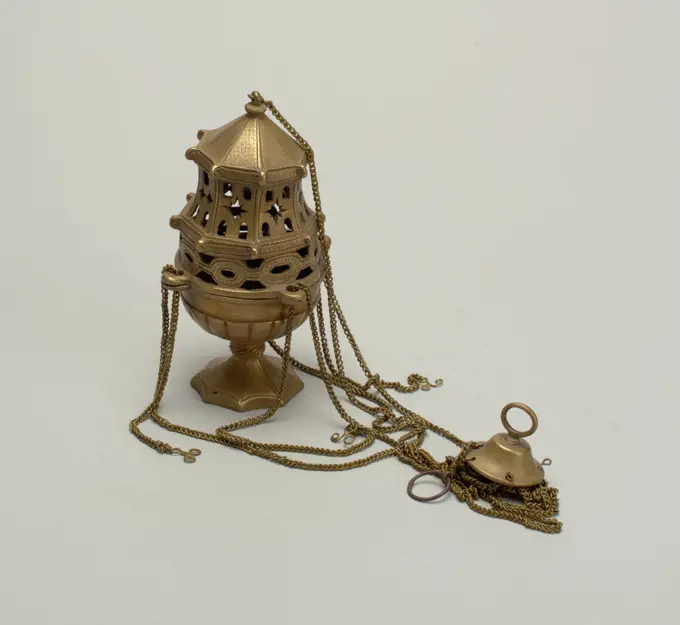
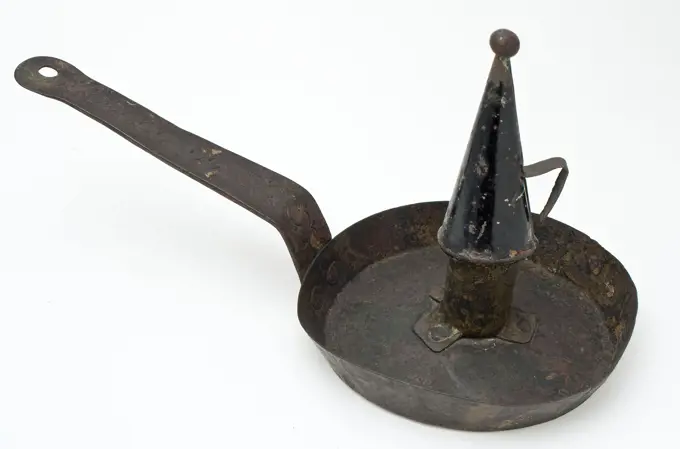
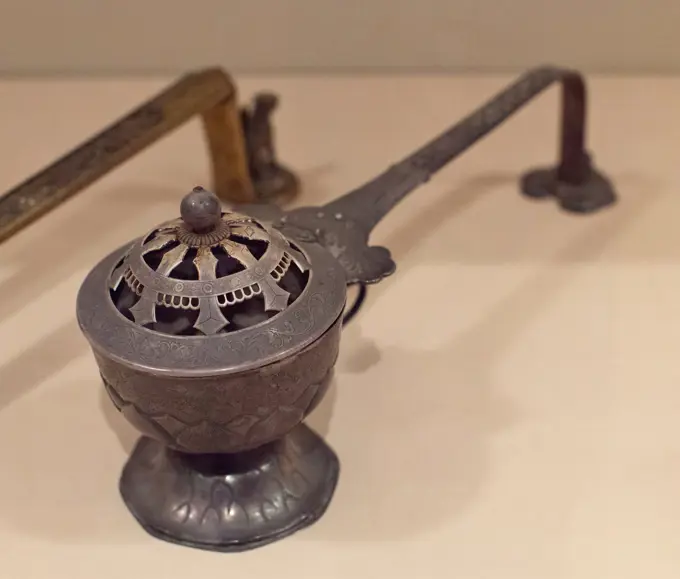
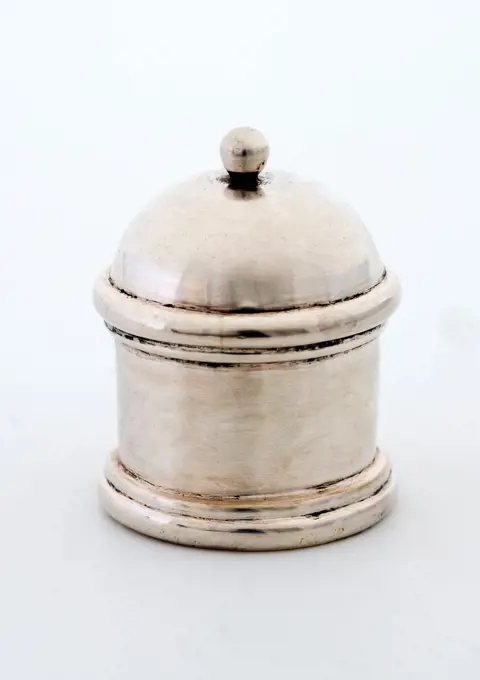
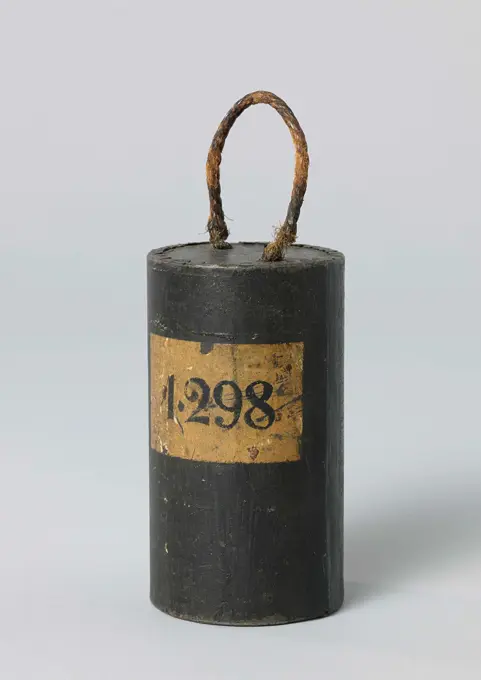
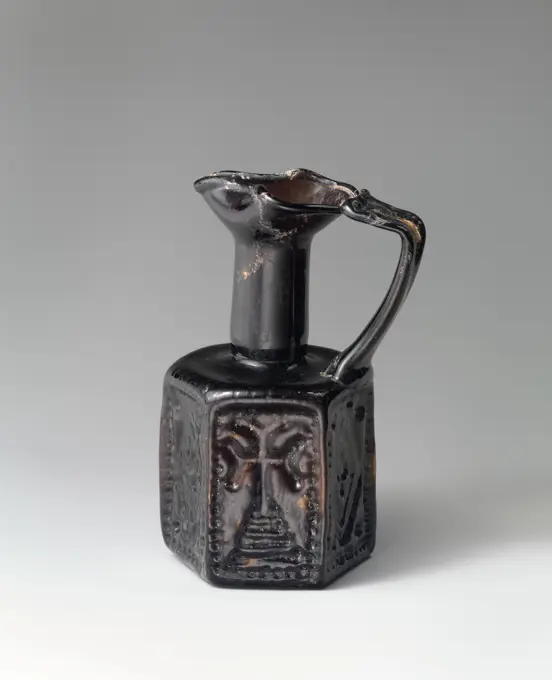
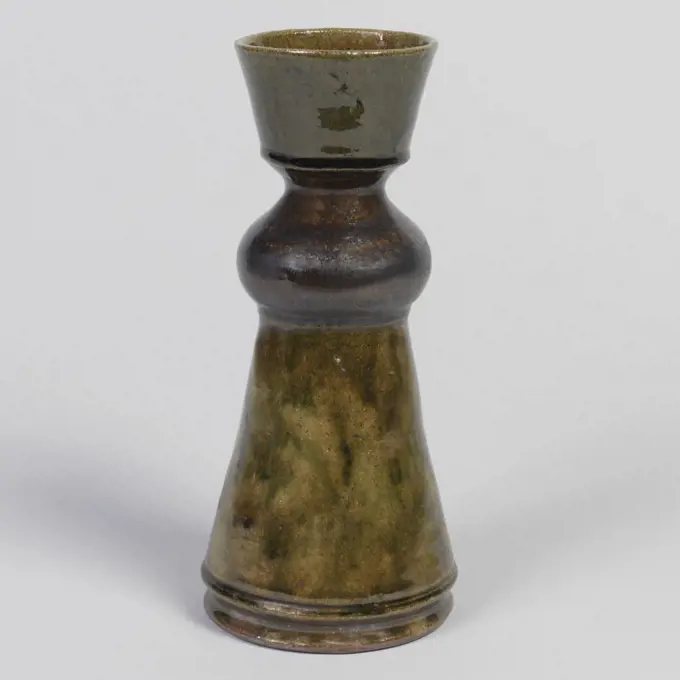
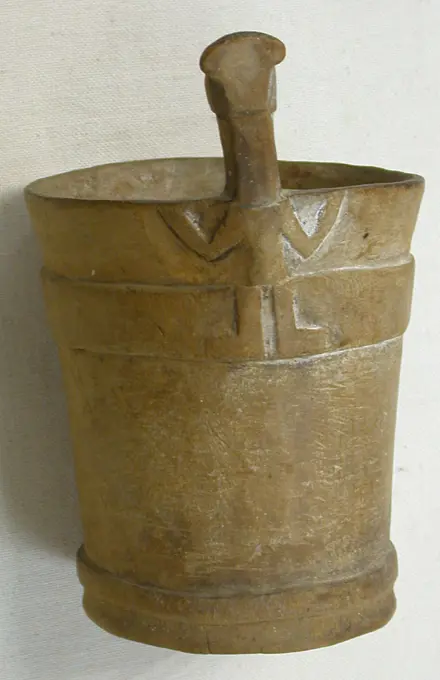
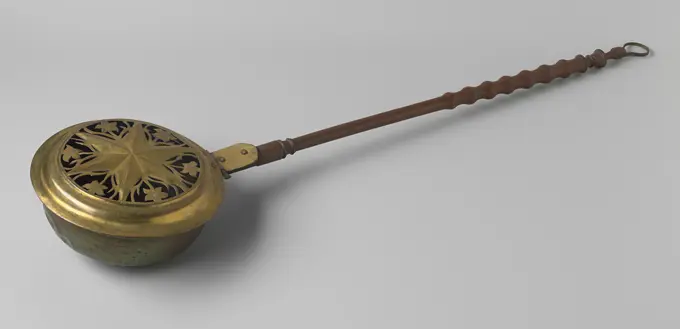
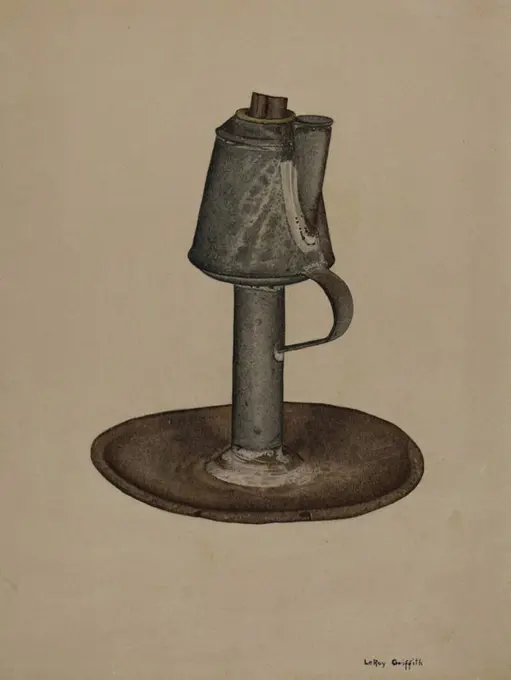
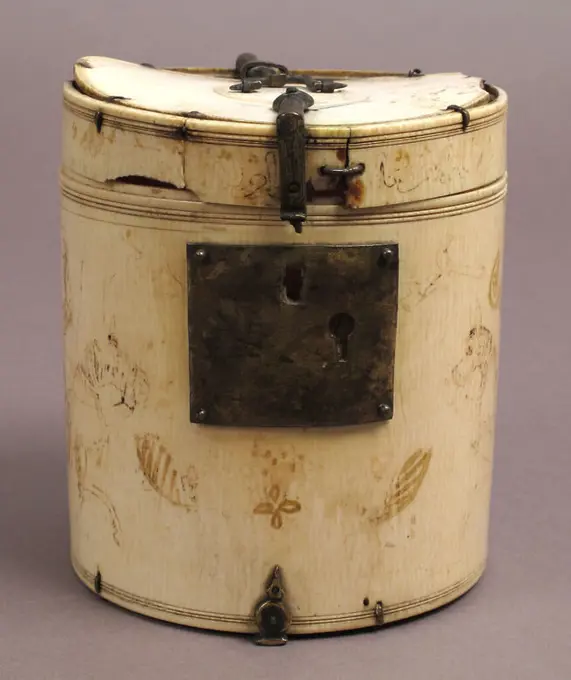
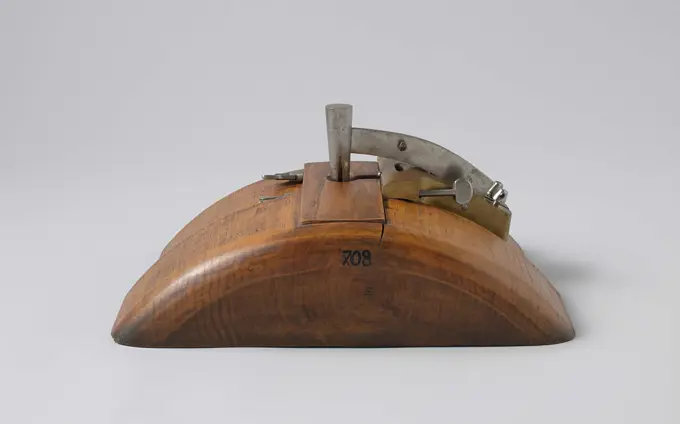
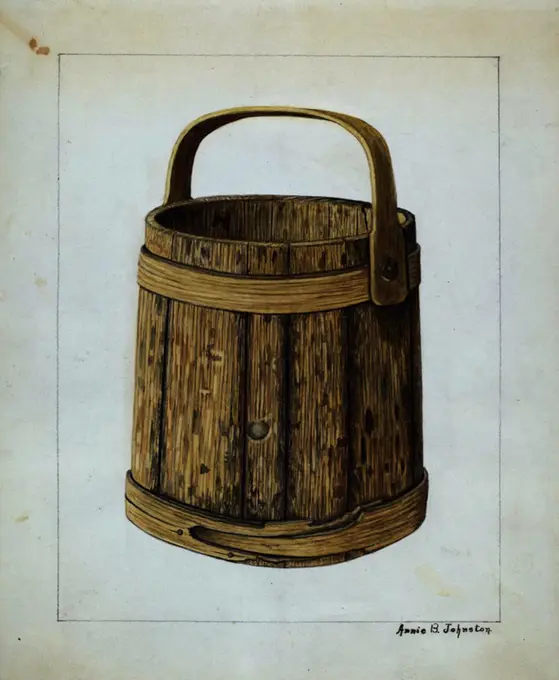
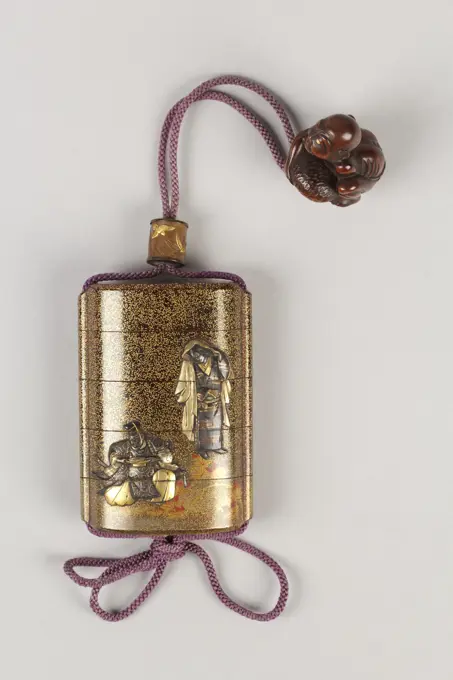
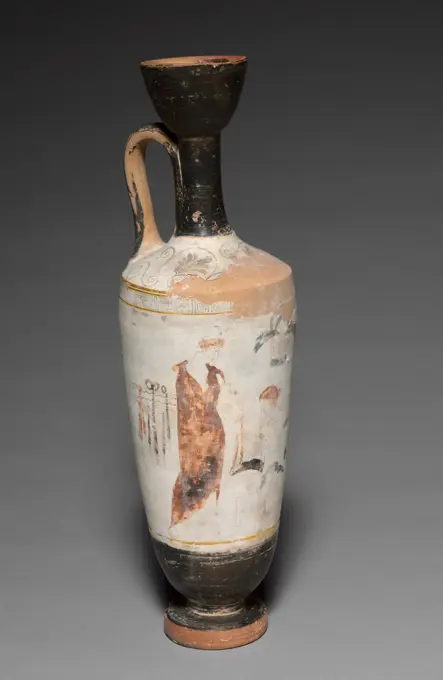
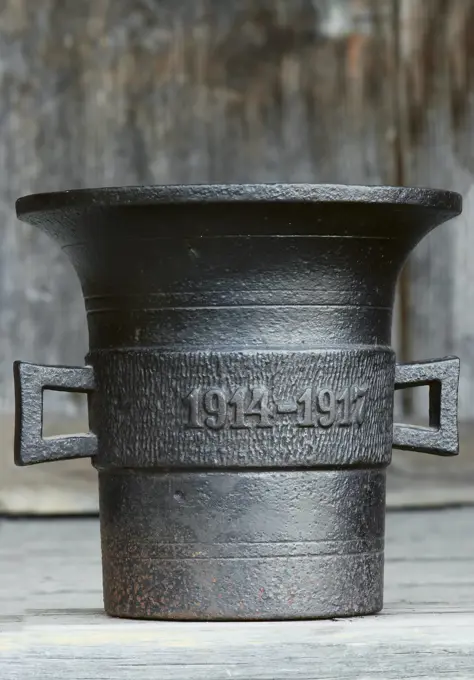
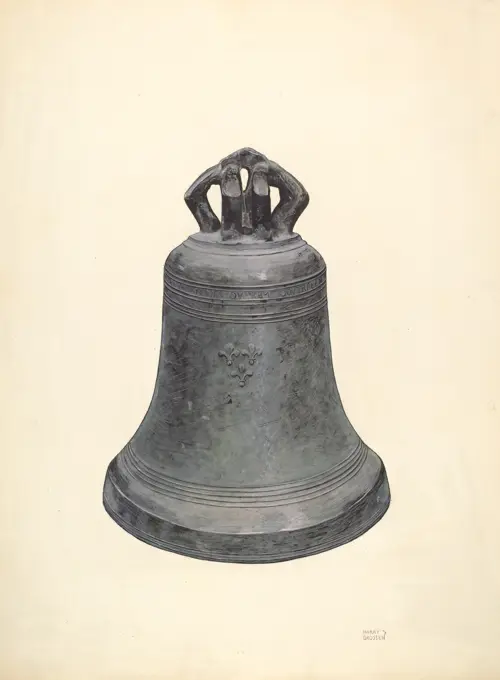
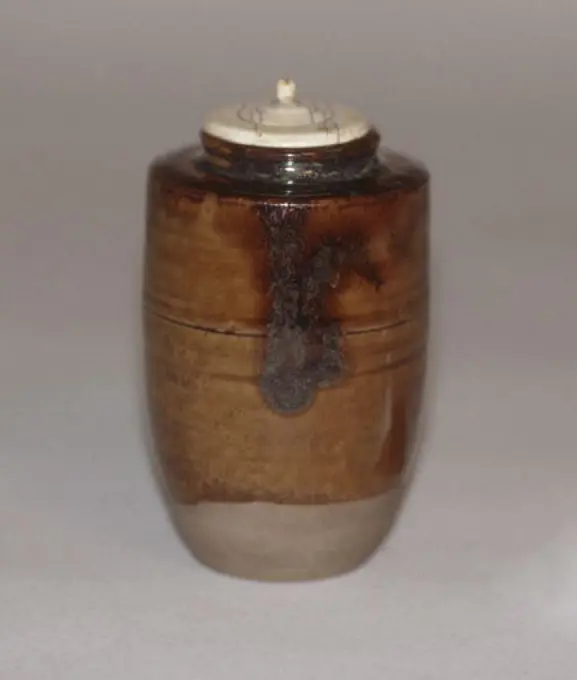
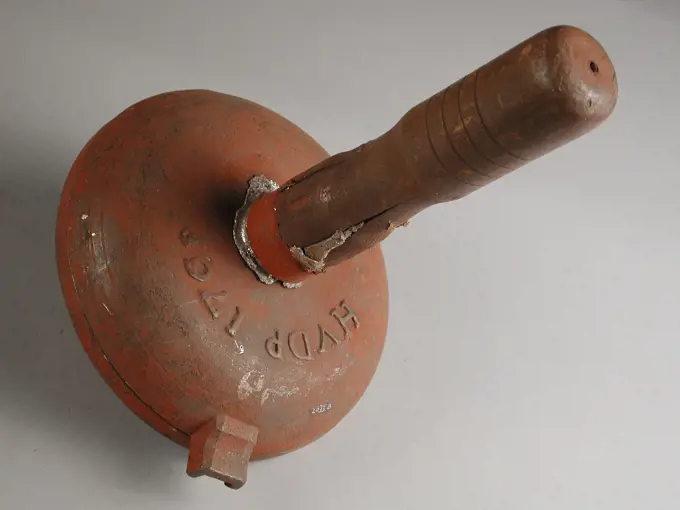
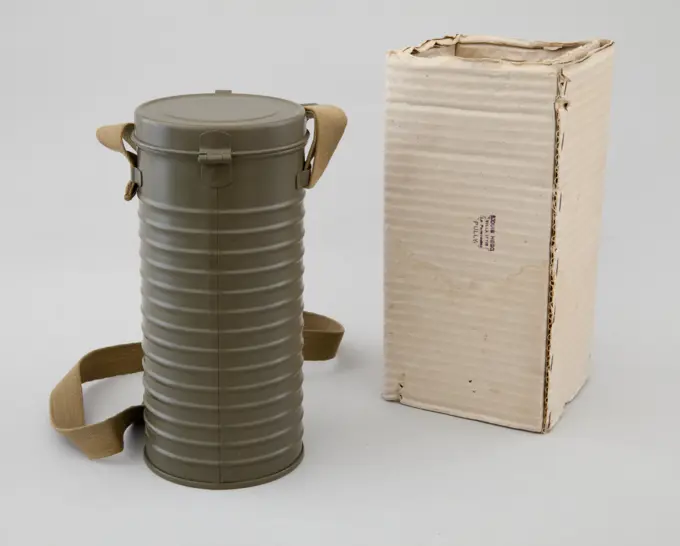
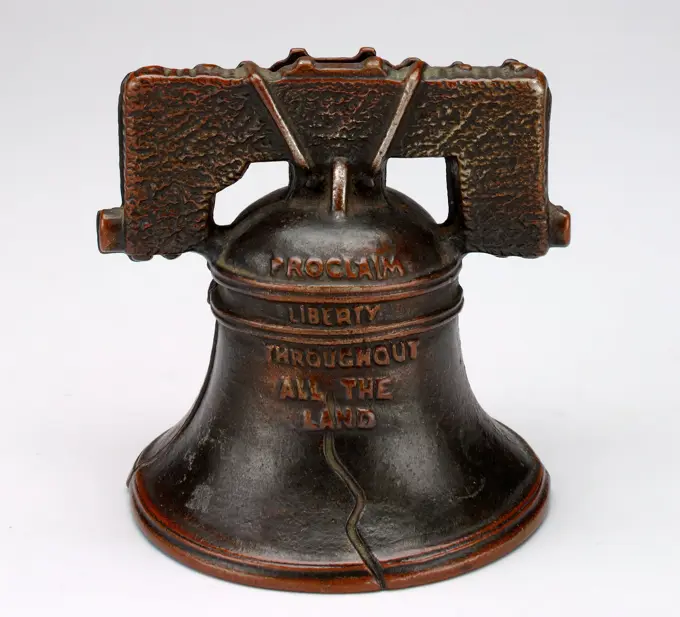
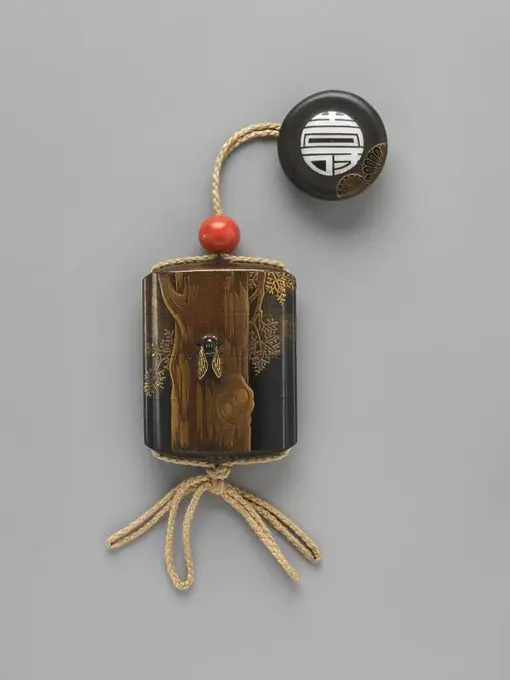
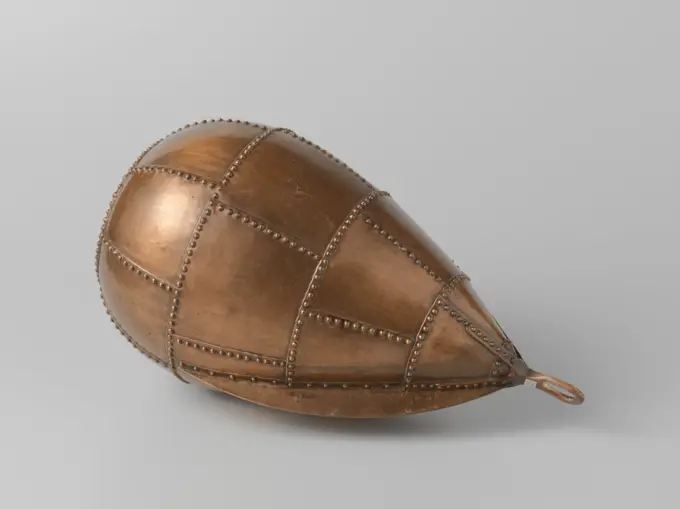
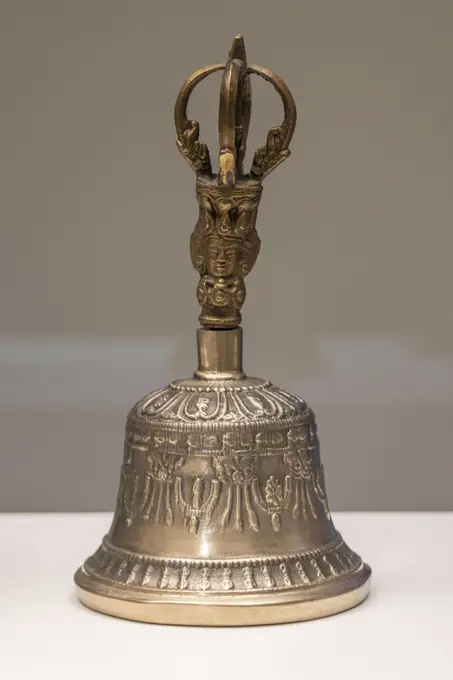
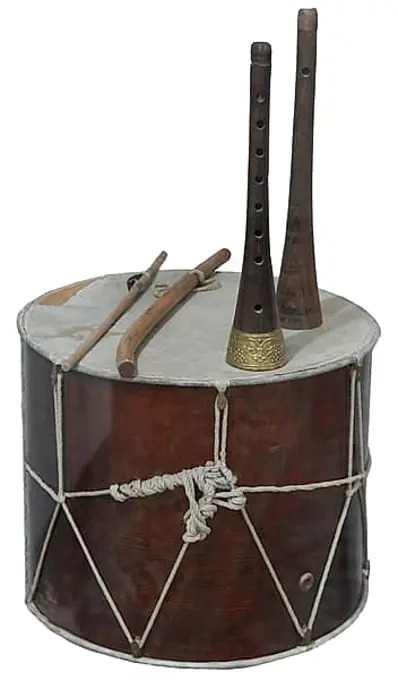
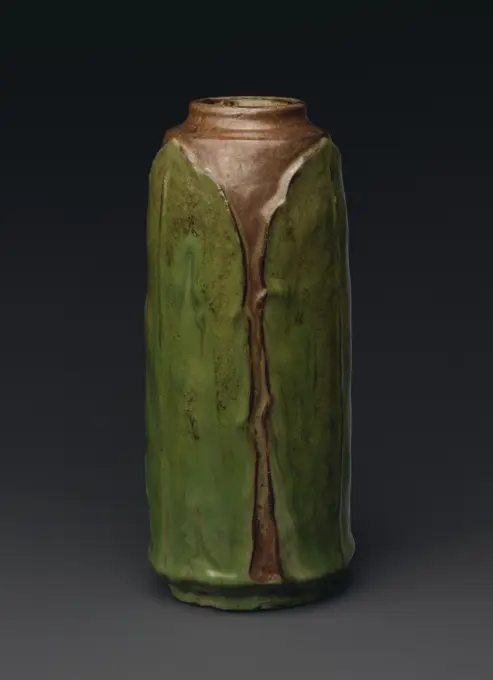
Salt barrel of tin with a pilgrimsgne on the bottom. Tin salt barrel. The cylindrical body is on a stand ring and is decorated with some profiled lines. The top is closed with a flat lid. The thumbs of thumbs is formed by two fucks and goes over in a single-haired hinge. The soil is closed with a pilgrimage personnel, on which a castle is centrally visible and surrounded by the names of the three kings.Tinsmith: Johannes Daniël Druy, Funnel-shaped sacrament cup, liturgical cup liturgical container holder tin, molded Two identical cups (1-2) with hollow arched foot cup-shaped body with outstanding top edge. Two concentric circles below and above on body mark under foot: angel with palm branch in oval above banderol in which Druy metal castor religion church supper Protestantism drink church eucharist religious ceremony ceremony Hillegersberg RotterdamStave Tankard. Germany. Date: 1746. Dimensions: 17.8 x 11.4 x 16.5 cm (7 x 4 1/2 x 6 1/2 in.). Pewter and wood. Origin: Germany. Museum: The Chicago Art Institute, Chicago, USA.Bone pyxis with lid 1st half of 1st century A.D. Roman This finely carved bone pyxis probably formed part of a lady's cosmetic or trinket set. It may have been found in Rome, together with the rock crystal and silver spoon, 2000.1.. Bone pyxis with lid 257435ACETRE EN COBRE Y AZOFAR-ALMORAVIDE S XII. Location: INSTITUTO VALENCIA DE DON JUAN-COLECCION. MADRID. SPAIN.Closing weight of 50 kg, anonymous, c. 1825  Sealing weight of 50 kg with weights of white iron in cylindrian wooden travel pouch with iron batter. 20 Ned Pond 10 Ned Pound 10 Ned Pound 5 Ned Pound 2 Ned Pound 2 Ned Pound 1 Ned Pound Netherlands Weight: Iron (Metal). Endui: Wood (Plant Material)   NetherlandsLime Container(Tagan)Bucket for Holy Water (Situla). Culture: German. Dimensions: Overall (with handle up): 11 5/16 x 8 7/8 x 6 11/16 in. (28.7 x 22.6 x 17 cm)Overall (with handle down): 7 5/8 x 8 7/8 x 7 3/16 in. (19.3 x 22.6 x 18.3 cm)bucket only: 7 5/8 x 8 7/8 x 6 11/16 in. (19.3 x 22.6 x 17 cm). Date: ca. 1200. Museum: Metropolitan Museum of Art, New York, USA.Emmer used to insert songbooks, the so -called Pug Solum, Anonymous, 1770 - 1830  Wooden bucket with ribbons handle and tires and copper buttons. Wooden hinged lid with a button in diamond -shaped relief decoration. Netherlands wood (plant material). copper (metal). baleenVessel in the Form of Two Figures Seated Inside a Structure. Chimú; North coast, Peru. Date: 1200-1450. Dimensions: 23 × 12.1 cm (9 3/16 × 4 3/4 in.). Ceramic. Origin: North Coast. Museum: The Chicago Art Institute, Chicago, USA.Andiron with cooking pots and a pair of fire tongs, anonymous, c. 1590 - c. 1596  Cooking boiler, cylinder -shaped with flat bottom, iron handle, copper sheet metal and copper nails. The boiler consists of two plates of copper (2/3 and 1/3 of circumference boiler), a bottom and an upper edge and has raised ears for the handle. The cooking kettle was hung on a hook above the fire. The boiler was found by Carlsen on Cooking Apparatus NM-7651. Broken handle of which 1/3 remains, the side of the boiler is pushed together.  copper (metal) striking (metalworking)  Nova Zembla. Saving Huys. Fabric tea bus or chair of stoneware with two ears on the shoulder and ivory lid, partly covered with a brown glaze with black spots. The lower part of the bus is unglazed. Seto.Lámpara de bronce romana. Can Serra Museu de Mataró.Tall Plain Cup 5th-2nd century B.C. Paracas. Tall Plain Cup 308636Attic Red-Figure Lebes Gamikos Lid. Unknown about 400 B.C.Two-piece mold for bottom of pot or jug, cast molding tool tools base metal bronze, poured turned Two-piece bronze mold for bottom of pot top: Rotterdam tin foundry tin stain tin Meeuws Druy craft Forms originate from the 18th century Rotterdam tinnegieter J Druy. The large molds that were not signed or dated were the property of the tinker guild and were rented to the small tin caster.Milk Pail. Dated: 1938. Dimensions: overall: 35.3 x 28 cm (13 7/8 x 11 in.) Original IAD Object: 18" high; 13 1/2" in diameter. Medium: watercolor and graphite on paperboard. Museum: National Gallery of Art, Washington DC. Author: Albert Geuppert.Pewter measuring jug, measuring jug measuring instrument tin, molded Flat bottom horizontal soldered skirting board with spherical body widening board with pouring spout and two measuring holes in top edge question marked ear with thumb rest Three concentric rings on board mark under bottom, measure Rotterdam's incomplete crowned city coat of arms with RD and K (keurtin) metal foundryBox; painted tôleCylindrical Vase ca. 1550-1458 B.C. New Kingdom. Cylindrical Vase 550258Antigue rusty old oil can view on white backgroundPLANCHA DE CARBON ANTIGUA.Kerosene lamp covered with cobwebs. Isolated on white backgroundVASIJA PARA AGUA DE ABLUCIONES RITUALES-PLATA S XVIII. Location: EXTERIOR. Nación. India.Abruzzo L'Aquila Trasacco SS. Rufino e Cesidio88. Hutzel, Max 1960-1990 The original monument was destroyed in 936, rebuilt, modified throughout the 16th century (with an addition to the nave in 1618), and restored in 1969. Exterior views include the bell tower and general building facades. Most views focus on the architectural sculpture of the Portale delle Donne and the Portale degli Uomini. Interior views in the Medieval core collection focus on a statue of St. Catherine in an aedicule (15th century); an ambo lecturn (pluteus) decorated with the four symbols of the Evangelists (c. 1267); a statue of the Virgin and Child under a sculpted baldachin on the entrance wall of the oratory (14th century) and the main altar composed of sarcophagus fragments of lions and peacocks in low-relief (8th-10th centuries). A baptismal font and possibly bas-reliefs (immured spolia) in the Oratory. Interior views in the Hutzel collection include: the altar statue of S. Cesidio, frescoes of the Annuncia. Handle of mirror. Flat with openacted elongated ornamental pattern in the longitudinal direction.CDK MORIYUKIDholaka late 19th century Indian (north) The dholaka (or dholak) is a barrel-shaped drum with two heads. It is played with the hand and a stick. This nineteenth-century example is rope-tensioned with brass rings that allow the player to adjust the tension on the heads.. Dholaka 500711Ornament Base () 11th-late 15th century Chimú or Chancay. Ornament Base (). Chimú or Chancay. 11th-late 15th century. Silver, gilt. Peru. Metal-OrnamentsPottery ointment jar, cylindrical with slightly curved edge, ointment jar pot holder soil find ceramic earthenware glaze lead glaze, hand turned glazed baked Pottery ointment jar. Cylindrical in shape with slightly curved upper edge. Stand surface Internal glazed Pot is rather coarse shaped archeology inn The Heart Geervliet Bernisse health care indigenous pottery ointment care medicine drug store package craft pharmacy Soil discovery: Geervliet Dorpsplein 1 demolition Trouw put 5 stadsherberg 't Hart 1985.Censer 16th century South Netherlandish (). Censer. South Netherlandish (). 16th century. Brass. Metalwork-BrassClaude Charles Saunier. Guéridon in the shape of an oak athenian, shelf of crotch and triangular base, black lacquer tray with floral decor, golden bronzes (overview on a clear background), around 1775-1780. Paris, Cognacq-Jay museum. Athenienne, bronze dore, oak, floral decor, crotch, flower, shape, gueridon, black lacquer, furniture, tray, triangular base, Louis XVI style, tablet, 18th century, wood, furnitureRound size from Tiel, Anonymous, 1800  Round chips contents measure with metal tires for dry wares with bridge and style, marked and v.z.v. Labels. Thus Wood (plant material). Tires: Metal   ThusNew Year's Vessel (Pilgrim Bottle) 664 BCE-525 BCE Egypt. Faience . Ancient EgyptianTin unknown labelCauldron second half 14th century. Cauldron 452829Antique bronze mortar and pestle isolated on whiteCook pot with two decorative rings over the wall, anonymous, c. 1600 - c. 1650 The object cast in its entirety has a casting seam in the middle between the ears on the outside. The wide round at the bottom almost flat hull has two decorative rings (ribs). The straight sloping outside -facing neck makes a blunt angle with the abdominal wall on the outside. The upwards that are thickened upper part of the neck takes the place of the lip edge. The pot is on three stylized claw legs, one of which is placed under one ear. The more or less round ears in diameter, which form a blunt angle, are applied to each other on the abdomen and applied to the upper part of the neck. The stern of wrought iron has been refused towards the opposite turns and has widened slightly in the middle. To the right next to one of the ears a watercolor brand in the form of an A. Northwest Germany bronze (metal). brass (alloy). iron (metal) casting / forging The object cast in its entirety has a casting seam in the mTAZA DE ORO. Location: MUSEO ARQUEOLOGICO-ORFEBRERIA. ATHENS. GREECE.Censer ca. 9th century India. Censer 37402A buttermace with a button, anonymous, c. 1800  A butter gate with a button. Described and v.z.v. label. Netherlands wood (plant material)   NetherlandsLiberty Bell, First National Bank' still bank, c. 1919, 3 3/4 x 3 3/4 x 3 3/4 in. (9.53 x 9.53 x 9.53 cm), Zinc alloy, wood, United States, 20th centurySquare bottle, 17th century, Unknown Japanese, 10 3/8 × 7 × 7 in. (26.35 × 17.78 × 17.78 cm), Shōdai ware; stoneware with white glaze, Japan, 17th century, Tradition holds that Shōdai wares were first made under the direction of the warrior Katō Kiyomasa (1562-1611), who is said to have invited Korean potters to his domain in far western Japan and opened a kiln at the base of Mount Shōtai. Although the veracity of this particular story is undetermined, it is a fact that Korean potters were active in Kyūshū by the end of the sixteenth century, and Shōdai works such as this bottle (probably used as a sake container) do suggest the influence of the Korean ceramic tradition.Cup.   Maker: Benjamin Hiller, American, 1688-1745Stamper, Jan Baduur, 1749 Stamper with thickened ends and a thickening in the middle. Lines are engraved in the pestle. De Stamper is in a mortar (BK-NM-11177-109-A). The pestle is marked: twice an unreadable brand and a boar head. Amsterdam silver (metal) Stamper with thickened ends and a thickening in the middle. Lines are engraved in the pestle. De Stamper is in a mortar (BK-NM-11177-109-A). The pestle is marked: twice an unreadable brand and a boar head. Amsterdam silver (metal)Slip cup 1827 Judah R. Teaney This highly ornamented cup is a potters decorating tool. It accommodates four quills through which slip, or liquid clay, could flow. With it, the potter could draw four parallel lines at once.. Slip cup 7548Censer, Bronze, A panelled octagonal foot resolves into a twisted knop to a round gadrooned bowl, the upper rim of which bears four pierced lugs to receive chains. The lugs are matched on the base of the pierced top which is in the general form of an octagonal tower with voluted beam ends and an imbricated faceted roof., Italy, probably 18th century, metalwork, Decorative Arts, CenserLidded Square Ritual Wine Bucket (Fangyou) with Horizontal Ribs. China, Early Western Zhou dynasty, about 1050-950 B.C.. Furnishings; Serviceware. Cast bronzeTankard late 17th-early 18th century Probably by Johann II Beckert. Tankard 191878Copper candlestick or sconce and loose dover, candlestick candle holder dover ground find copper iron metal, whipped riveted stamped Candlestick has the appearance of saucepan with candle holder in the decorating edges stamped all over the candlestick Loose guy or dover of varnished tin. Small angular ear archeology candle illuminate evening nightLong-handled Censer, 18th-19th century, Unknown Japanese, 5 5/16 x 13 3/16 x 3 11/16 in. (13.49 x 33.5 x 9.37 cm), Silver with traces of gilding, Japan, 18th-19th century, The long-handled censor is an important symbol of authority, held by high-ranking priests as they lead other monks through the temple to the main worship hall. In Buddhist ritual, the burning of incense before a holy image is one of six devotions considered to be effective in accruing religious merit. The diffusion of fragrant smoke symbolizes the permeation of Buddhism throughout the universe.Silver round cap, cap closure part silver, hammered Profile button packingGrain jar, anonymous, c. -206 - c. 220 Pot in the form of a grain shed; Three legs in the form of bears. China terracotta (clay material). lead glaze Pot in the form of a grain shed; Three legs in the form of bears. China terracotta (clay material). lead glaze5-cm Canister Shot. A grenade card sets of 5 cm. The grenade has a simple cylindrical body with a loop from rope at the top.Yolande Delasser, Inhaler, c 1939 InhalerHexagonal Jug 6th-mid-7th century Byzantine The stepped cross on these vessels may represent the large cross erected in 420 by the emperor Theodosius II at Golgotha, where Christ was crucified.These vessels were made for Jews and Christians, possibly as tokens for pilgrims visiting the holy sites in Jerusalem or for use in burial rites. They appear to have been mass-produced in a single workshop, since the vessels for the two religions closely resemble each other in shape and style and differ only in the symbols decorating them. The Jewish vessels depict the menorah (candelabrum), shofar (rams horn), incense shovel, and lulav (palm branch). The Christian vessels are decorated with several types of crosses. The relief designs were produced by blowing molten glass into a mold.. Hexagonal Jug 469066Box mid-14th century. Box 453676Vase, Glazed earthenware, Thrown thin-walled body. Flat base, with recessed section above base; lower section conical, with globular middle section and truncated conical neck flaring out. Glazed mottled green upper and lower sections, brown mottled glaze on globular midsection. Interior glazed brown., Biloxi, Mississippi, USA, 1895-1900, ceramics, Decorative Arts, VaseKero 16th-18th century Colonial. Kero 317646Bedboard with wooden stalk. The object consists of six parts: the bin, the lid, the hinge, the starter for the stem, the stem and the hanging ring. The stem is made of colored beech wood, the other parts of copper plate. The bin has a round bumped edge without reinforcing iron wire. The attachment has rinded to the bucket. On the attachment, the hinge hold together by a removable pin is riveted. In the convex lid, the center point of which has been visible, and that is turned at the bottom to reduce a redhead reinforcement with vertical edge, a six-lasting star is punched from a stamp shape with a cut-off and granulated decor in the intermediate fields in the form of a Narcissus. The handle is profiled at the top of Ribbed and has a button in the form of a vase at the end.Camphene Lamp. Dated: c. 1939. Dimensions: overall: 28 x 23.4 cm (11 x 9 3/16 in.) Original IAD Object: 6 1/2" high; 5 1/2" in diameter. Medium: watercolor and graphite on paperboard. Museum: National Gallery of Art, Washington DC. Author: LeRoy Griffith.An old lamp on a wooden tableold coffee maker isolated on a white backgroundBlack leather case for keeping camera lens on white backgroundBox with Equestrian Falconers. Culture: Italian. Dimensions: Overall (with mounts): 5 5/16 x 4 5/8 x 5 1/16 in. (13.5 x 11.7 x 12.9 cm). Date: 13th century.Hunting scenes decorate a number of surviving cylindrical boxes made in Sicily. This box, depicting a falcon hunt, shows richly attired men on horseback. The sport was favored by Holy Roman emperor Frederick II Hohenstaufen (r. 1215-50), who wrote a definitive guide on the care and use of falcons in the hunt. Museum: Metropolitan Museum of Art, New York, USA.Gunlock (Percussion) on a Dummy Breech of a 30-Pounder Cannon.Percussion lock on wooden kulas of a canon of 30 pounds. The lock plate is mounted on the right-hand side against the lock hardening with two bolts across, and two screws in the kulas. The hammer is running in a right angle to the loop. The head of the hammer has a slot for the flame from the Zundgat when fired. In the shaft a hole for the retraction rope is applied, in the lock plate a disc through which the rope is led to the rear. The wooden kulas is that of a short iron cannon of 30 pounds, Dutch model.Wooden Sugar Bucket. Dated: c. 1938. Dimensions: overall: 28 x 23 cm (11 x 9 1/16 in.) Original IAD Object: 9 3/4" high; 9 1/2" wide. Medium: watercolor and graphite on paper. Museum: National Gallery of Art, Washington DC. Author: Annie B. Johnston.Look clock with inscription: Ian Crans Me FECIT AO 1711. The molded object consists of the actual clock and the six-armed crown, one arm of which has been broken down, an iron clapper to an eye and a fastening piece on the crown. These last three parts are made of iron. At the top of the inscription placed between two ornamental rings: Ian Crans Me Fecit Ao 1711.Size of 1/16 Boisseeau from Delft.Chases of 1/16 Booteau, With Label and Number.Vaatje van Vrouw Schoonderwoert, in 1830 market tent star at the South Holland Schutterij, Anonymous, c. 1800 - c. 1830  Wooden keg of brown painted stalls held together by 4 copper tires. The sides are painted red, on the one 'Woman Schoonderwoerd' in white letters (also white border) and also a copper plate and hole in which accompanying copper tap with chain and head belongs. On the other side it is also in white: "South Hollandsche Schutterij 1830." A plate is attached to the belly of the keg with a copper pipe vertically. Marketentstersvat. South-Holland copper (metal). wood (plant material). paint (coating)   South-HollandCase (Inr) with Design of Seated Courtier Drinking Sake and a Young Woman with Maple Leaves late 18th-19th century Kajikawa Katsuhira Japanese. Case (Inr) with Design of Seated Courtier Drinking Sake and a Young Woman with Maple Leaves. Kajikawa Katsuhira. Japan. late 18th-19th century. Nashiji (pear-skin) lacquer decorated with togidashi sprinkled and polished lacquer and metal inlay; Ojime: metal drum inlaid with gold; Netsuke: carved wood figure. Edo period (1615-1868). InrWhite-Ground Lekythos (Oil Vessel): Mourners at Tomb, c. 400s BC, with modern painting. Greece, Attic. Ceramic; overall: 39.4 cm (15 1/2 in.).old metal old mortar, aged 1914-1917 old metal old mortar on wooden background, aged 1914-1917 Copyright: xZoonar.com/Lakhesisx 1992826Registry to the lock;  XVII century (1601-00-00-1700-00-00);Harry Grossen, Bell, c 1937 BellTea Jar 18th century Japan. Tea Jar. Japan. 18th century. Paste covered with a transparent streaked glaze; right-handed itogiri (Takatori ware). Edo period (1615-1868). CeramicsHendrik van der Pol, Two-piece bronze mold for dish of sconce, with initials HVDP and 1765, mold casting tool tools equipment base metal bronze wood iron, cast turned Two-piece bronze mold for pouring sconce dish. signed, and 1765 (Hendrik van der Pol) Rotterdam tin foundry tin stainer Meeuws Druy craft Shapes are from the originally 18th century Rotterdam tinnegieter J Druy. The large molds that were not signed or dated were the property of the tinker guild and were rented to the small tin caster.Taperstick 1798-99 Nathaniel Smith and Company. Taperstick 232285Pi Yoshiaki (Fl. CA 1800-1860); 19th century (1801-00-00-1868-00-00);A tin container with a civilian anti civilian mask (type C) COWARDLYPair of candlesticks (part of a set) late 17th-early 18th century Nicolas François Foulon French. Pair of candlesticks (part of a set) 202723Source bed, with sky and fall of green velvet. Four styles, made from twigs and carton, wound and covered with multicolor printed paper. In the sky there is a glass diamond, around the sky a curtain and a fall of green velvet, coarsely finished.Liberty Bell' still bank, 20th century, 3 1/2 x 3 1/4 x 3 1/4 in. (8.89 x 8.26 x 8.26 cm), Iron, pigment, 20th centurycopper singing bowl and wooden clapper on a white table. Musical instrument for meditation, relaxation, various medical practices related to biorhythms, normalization of mental healthCase (Inro) with Design of Cicada on Tree Trunk. Culture: Japan. Dimensions: H. 2 5/8 in. (6.6 cm); W. 2 1/16 in. (5.3 cm); D. 3/4 in. (1.9 cm). Date: 18th century. Museum: Metropolitan Museum of Art, New York, USA.Celtic bronze vessel, 6th century BC. Artist: UnknownCapitalModel of A Buoy, Petrus van der Loo, 1842 test model Copper model of an iron buoy or sole, made of tuggled plates. It has a conical body with sharp ends and a spherical top. A vertical keel is applied to one side. The eye on the bottom end has been broken down. Scale 1:10 (archives). model maker: The Hague (possibly)after design by: Netherlands copper (metal)Trom from copper with a driven weapon. De Meuron drum of the Swiss rental regiment.Model of a Sounding Lead.Model of a low lead, painted black, incomplete. It consists of a ball attached to a round bar. This rod hangs with two arms on a double line that must be attached to the perpendicular; The poor fall as soon as the weight of the lead is lifted when it touches the ground. The arms have hooks that let go of something as soon as they fall; According to Obreen's description, the ball was divested as soon as the bottom was achieved. At the bottom of the rod is a hole made for taking soil samples. Probably the ball that formed the weight.Bottle with stopper and suspension ring, possibly intended for unguent 30 B.C.-A.D. 330 Roman Period Many artworks of the Roman Period in Egypt represent the taste of wealthy urban merchant and rich farming classes of Roman Egypt. Wide trade of luxury works is evident, and Greco-Roman style dominates. Since Egyptian pharaohs had first authorized Greek trading colonies and employed Greek mercenaries in the seventh century BC., there was a considerable Greek presence in Egypt. With Alexander's conquest, Macedonian Greek Ptolemies ruled as successors to the pharaohs, and Ptolemaic Greek and eastern Mediterranean soldiery was heavily settled in parts of Egypt. Although the Ptolemaic kings maintained traditional Egyptian religious and political forms, elite society, of mixed Greek and Egyptian descent, aspired to Greek culture in many respects. With the replacement of a Ptolemaic pharaoh in Memphis and Alexandria by a Roman emperor in Rome, the status of Greek culture and art, if anything, Inkwell ca. 2051-1981 B.C. Middle Kingdom. Inkwell 556693Falcon cap. Leather falconry. The different pieces are set to each other with rope. At the front is an opening for the beak; There are two straps at the back for attracting the cap. A feather plume is applied to the top. The base is wounded with copper wire and pieces of bay.Ghanta-Glocke Ghanta bell, Tibet, 19th century, bronze, MuEC, Barcelona, Catalonia, Spain LicenseRF Copyright: xZoonar.com/Tolox 23171433Old drum and pipes, isolateMarie Famularo, Canister, 1935 1942 CanisterVase ca. 1898-1918 William J. Walley William J. Walley was one of Gruebys many followers in the Northeast. Working in his small pottery in West Sterling, Massachusetts, and inspired by Gruebys leaf-based designs, Walley turned from historicizing shapes to vessels with richly modeled plant forms that are variations on Gruebys inventions. Whereas the Boston pottery relied on decorators to apply thin ropes of clay to delineate the leaves, in many instances Walley created designs where the leaves are modeled with greater relief.. Vase. American. ca. 1898-1918. Earthenware. Made in West Sterling, Massachusetts, United StatesTobacco Container(Partimbahoan)Piet Hein or the Sweers family. One of three almost identical silver crucifiers, slightly to the flat bottom. The upper edge gilt and with engraved inscription: "T'welck was in front of glass NV Silver and gold / that gave God by Pier Hein Diet Silver first Wan Stovt / Ex Gaza Captiva". On the bottom Language weapon, on one side of the helmet 16, on the other 29, under the shield inscription: "* Every * ZYN * TYT *". Marked; edge b.: Steering wheel (R. gerobulus); Utrecht. Note: See NG-525-B and D. Dated: 1629 and yearl. I (1629 or 1602).Reconstruction of a wood and silver cista (casket for holding jewels), from the Tomb Castellani at Palestrina (Latium region, Italy)