Antique Containers

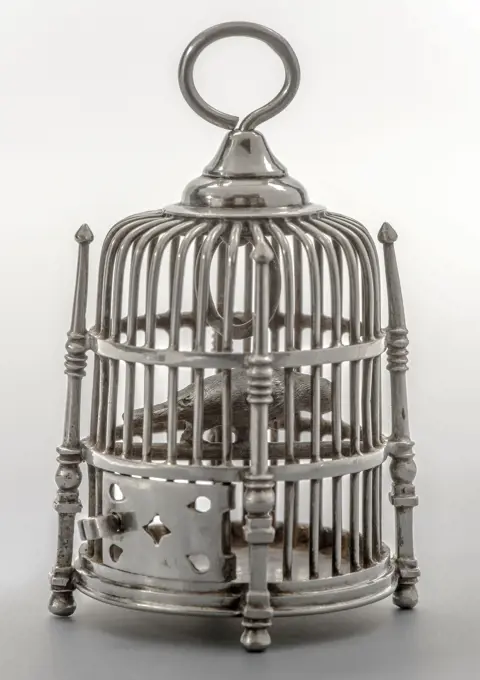
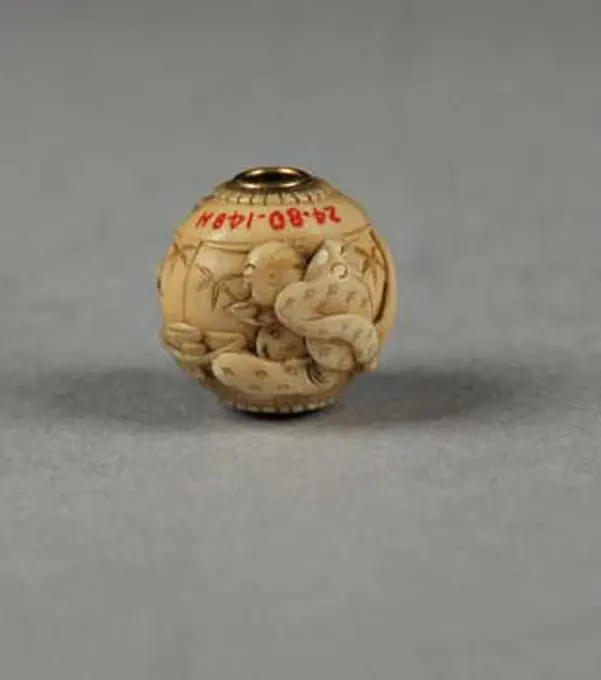
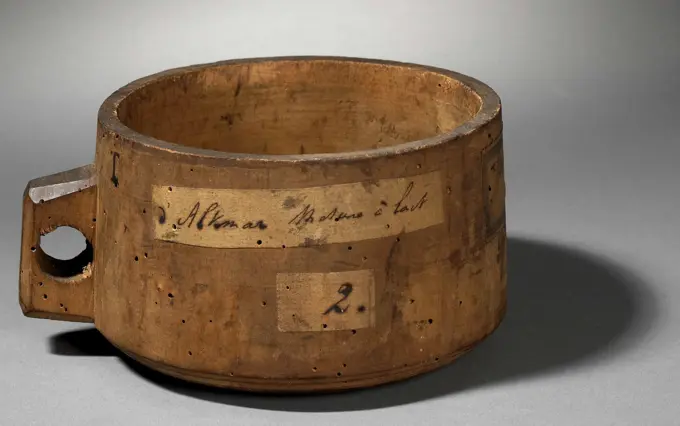
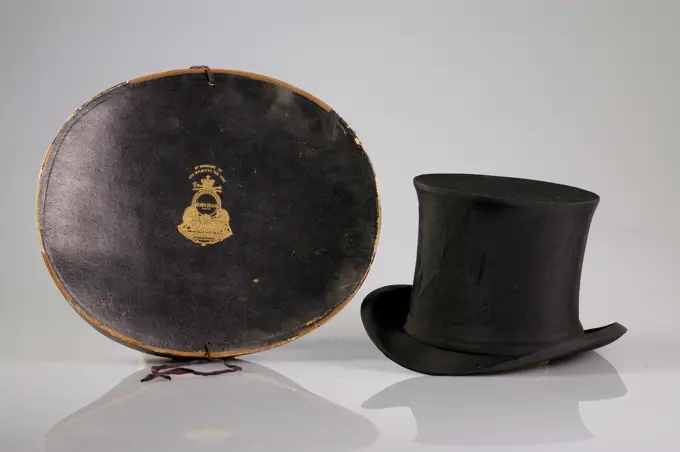
An array of vintage containers and liturgical cups, showcasing detailed designs in tin and bone, reflecting historical craftsmanship and decorative elements.
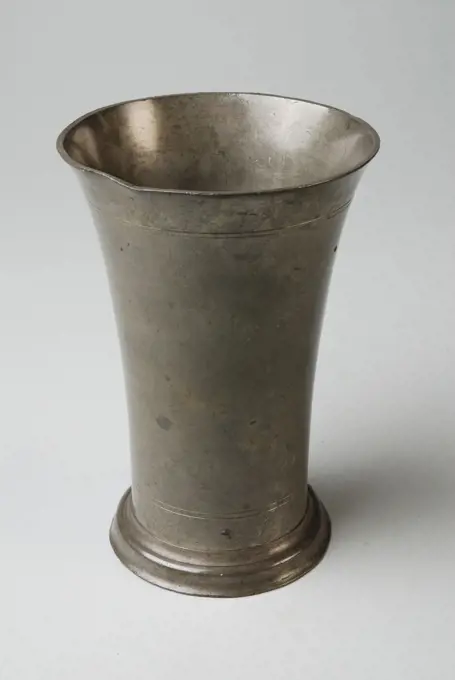
Tinsmith: Johannes Daniël Druy, Funnel-shaped sacrament cup, liturgical cup liturgical container holder tin, molded Two identical cups (1-2) with hollow arched foot cup-shaped body with outstanding top edge. Two concentric circles below and above on body mark under foot: angel with palm branch in oval above banderol in which Druy metal castor religion church supper Protestantism drink church eucharist religious ceremony ceremony Hillegersberg Rotterdam
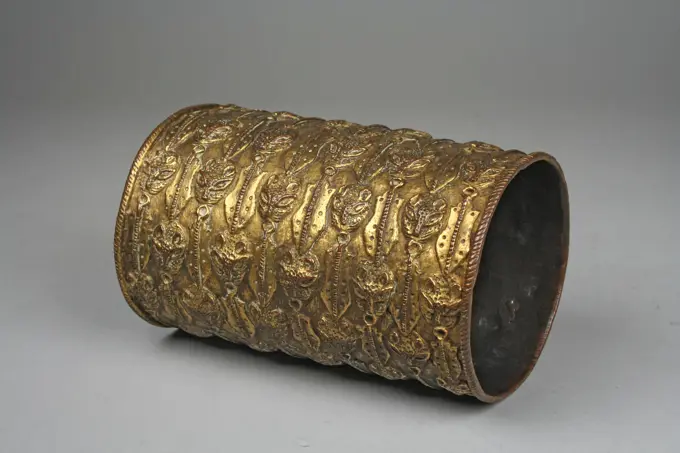
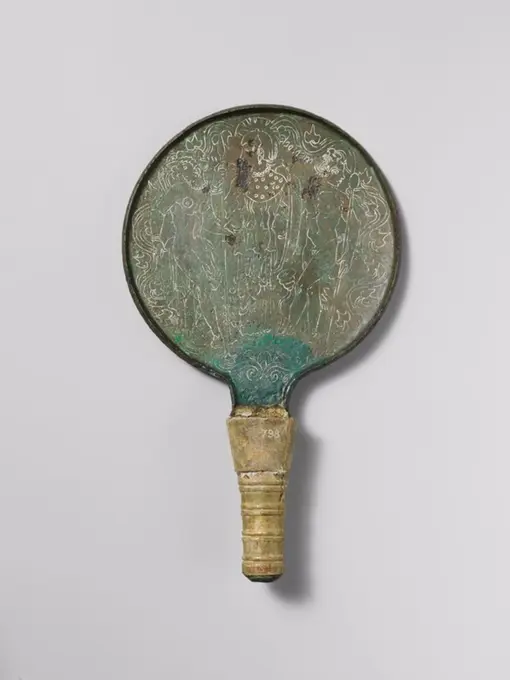
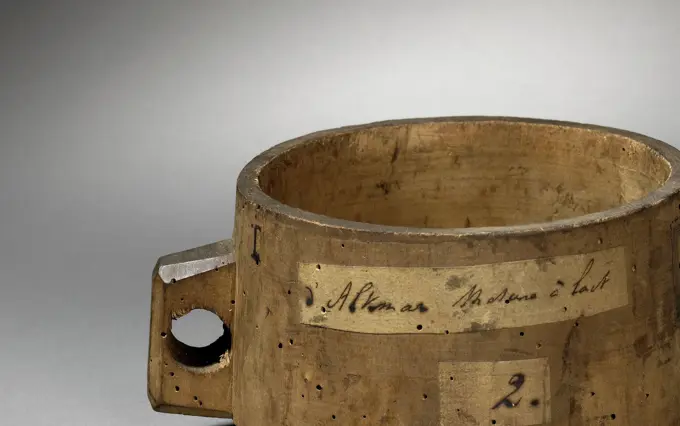
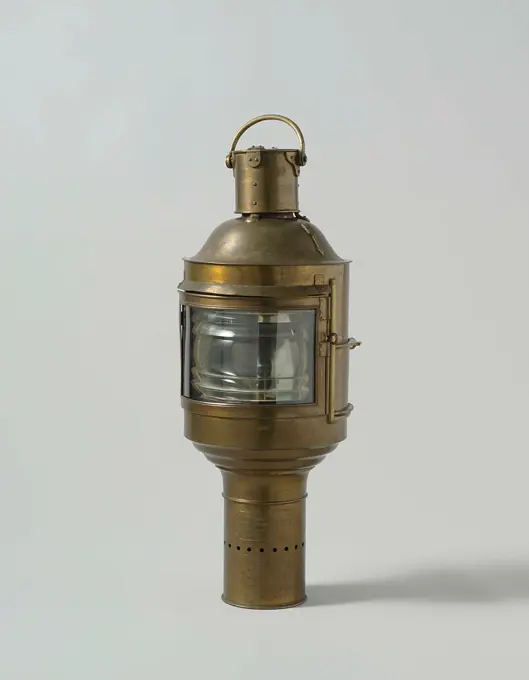
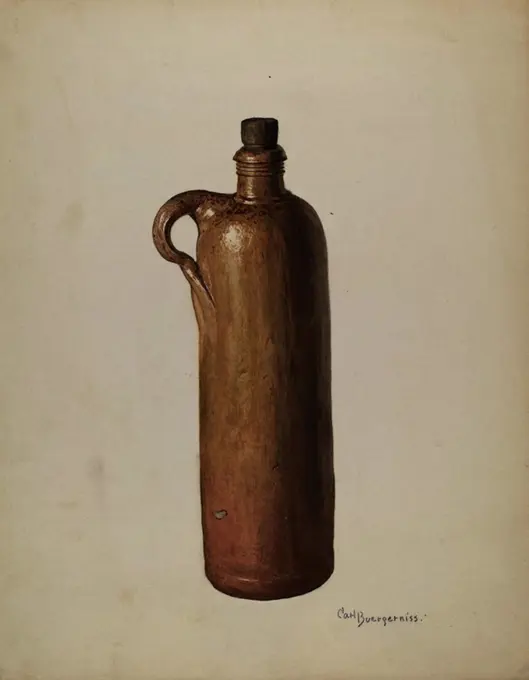
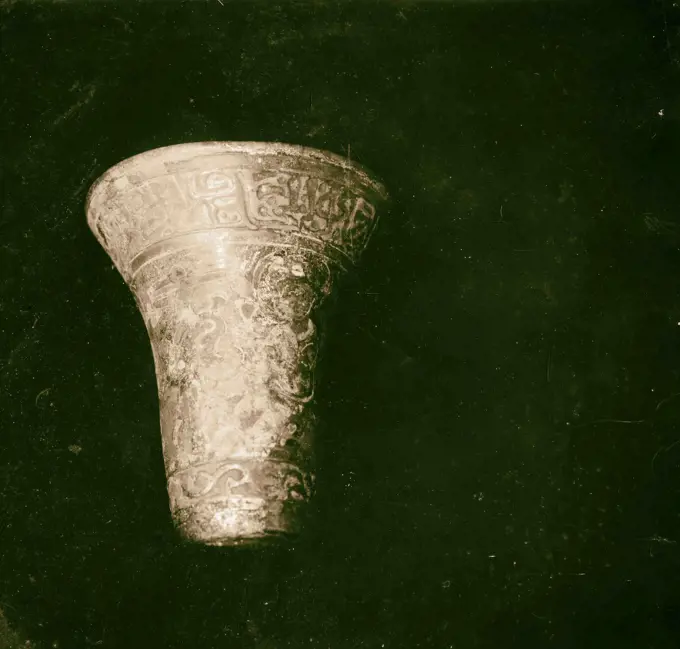
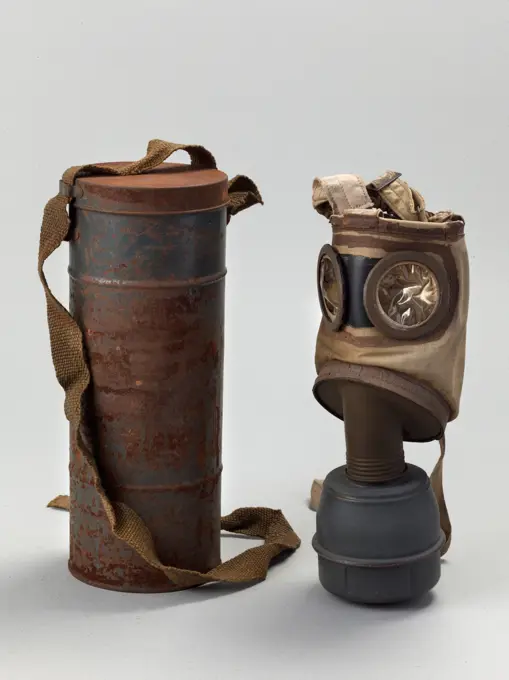
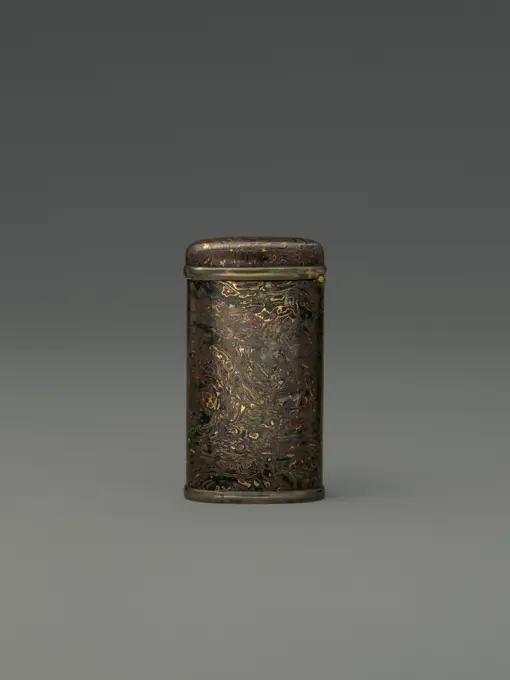
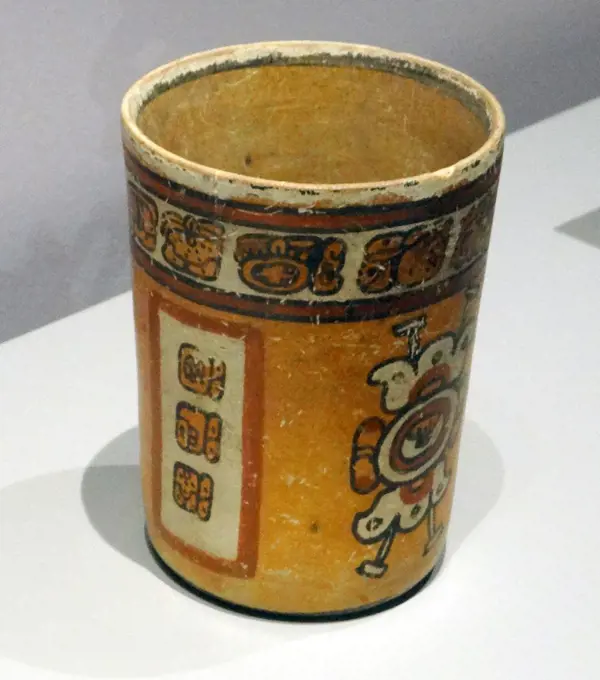
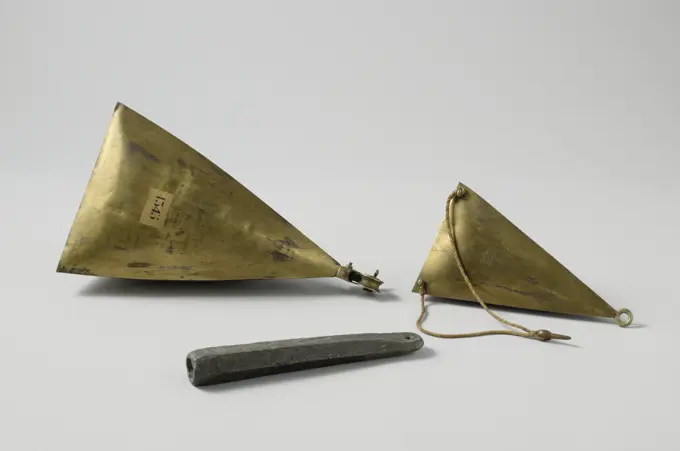
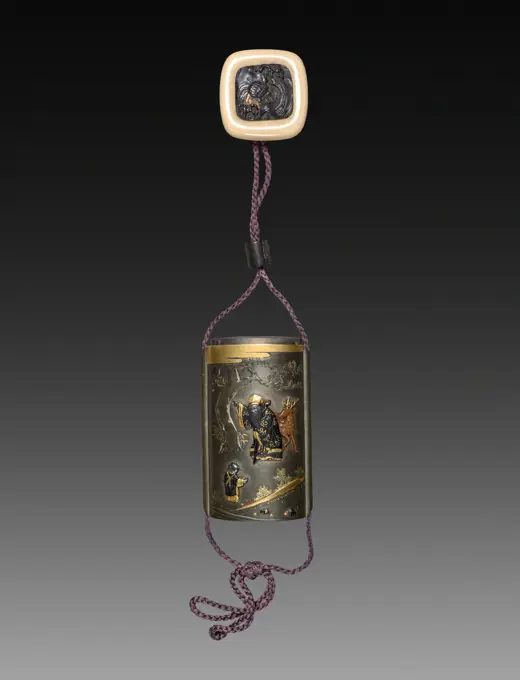
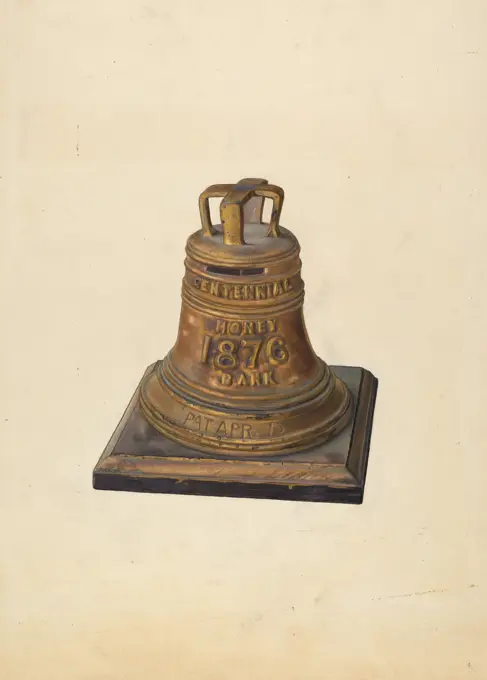
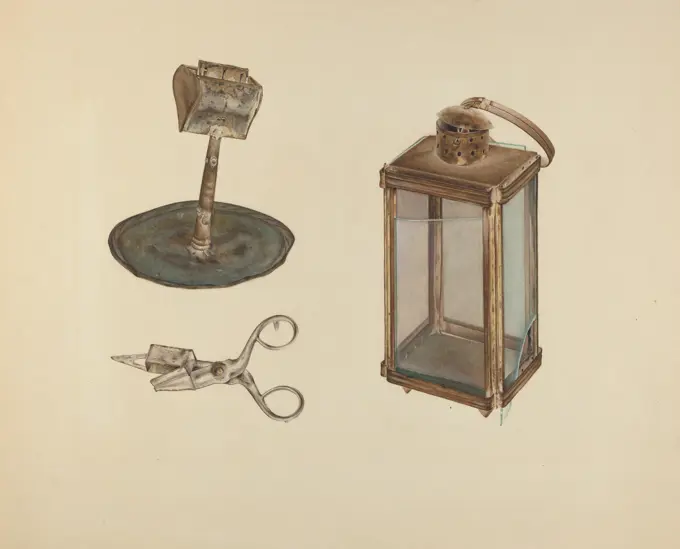
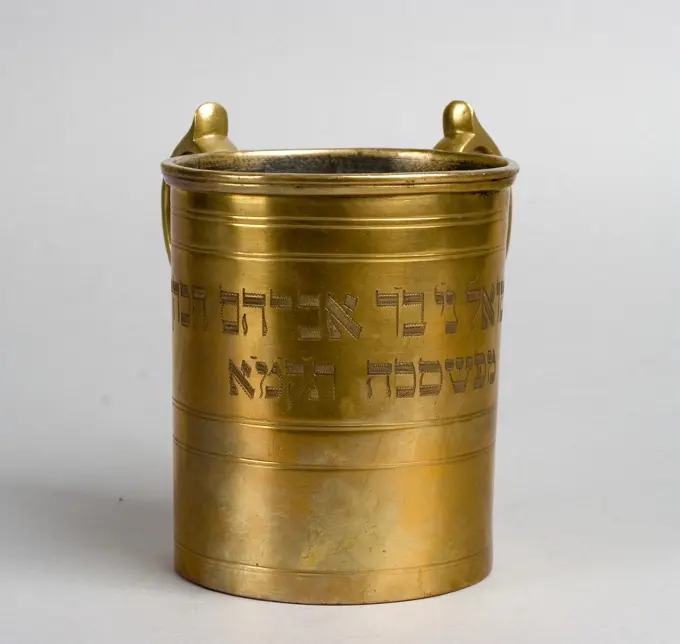
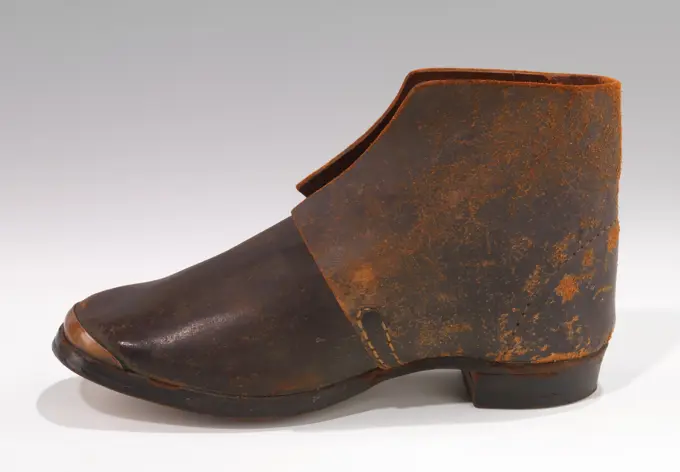
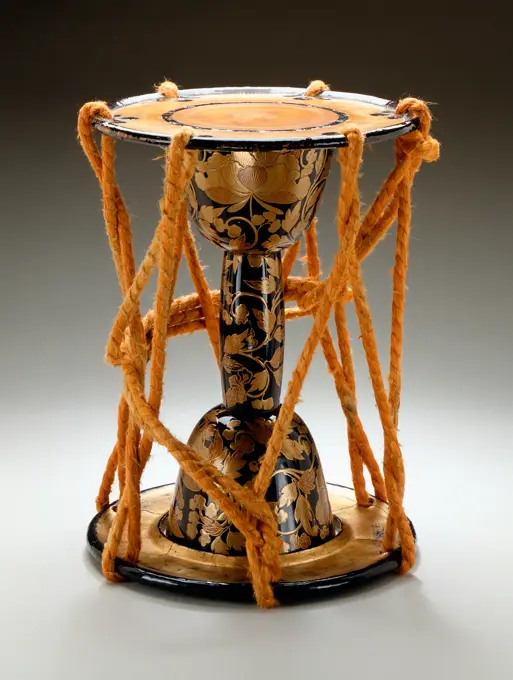
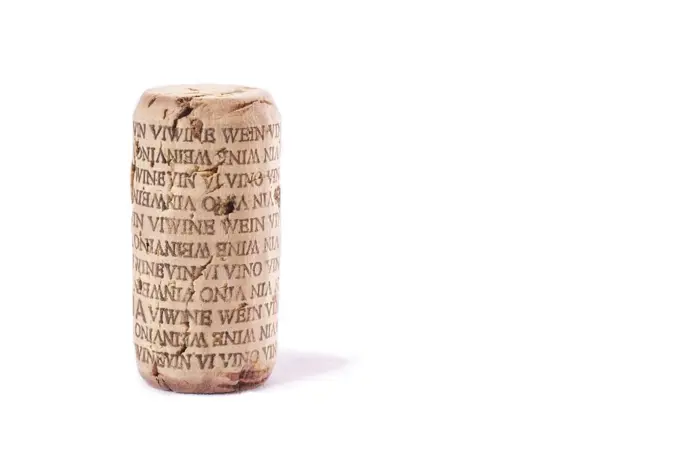
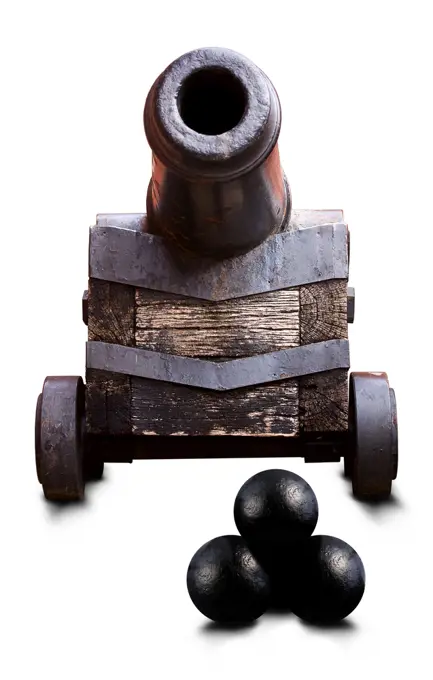
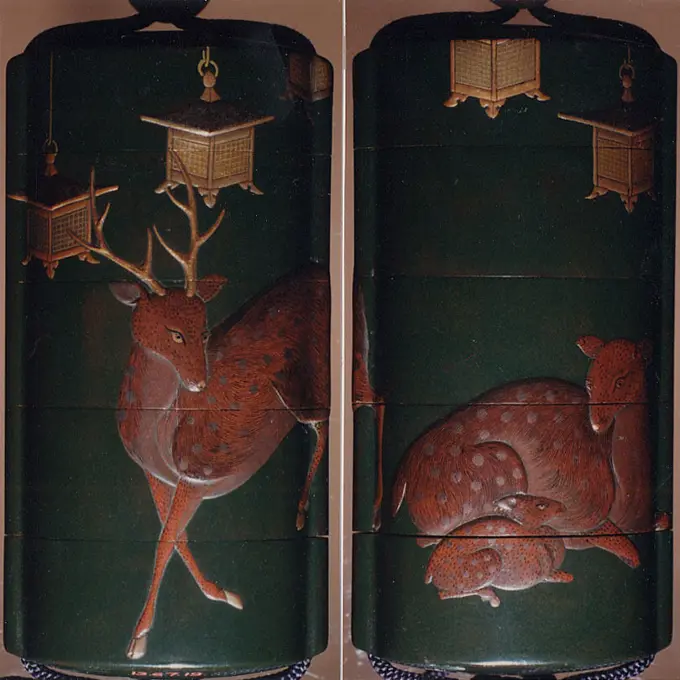
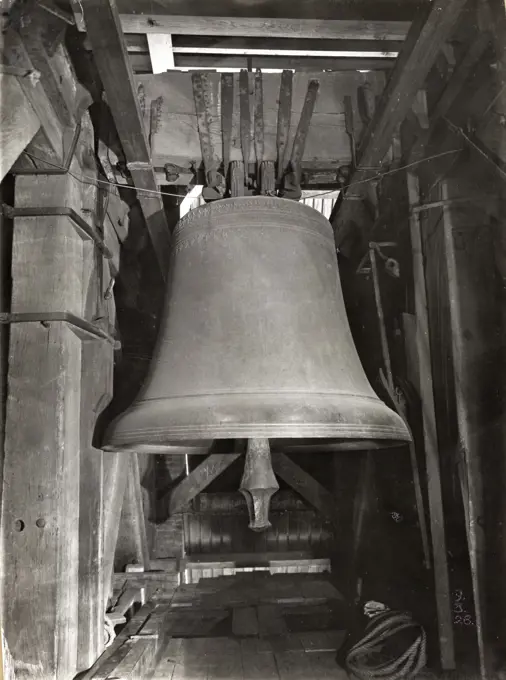
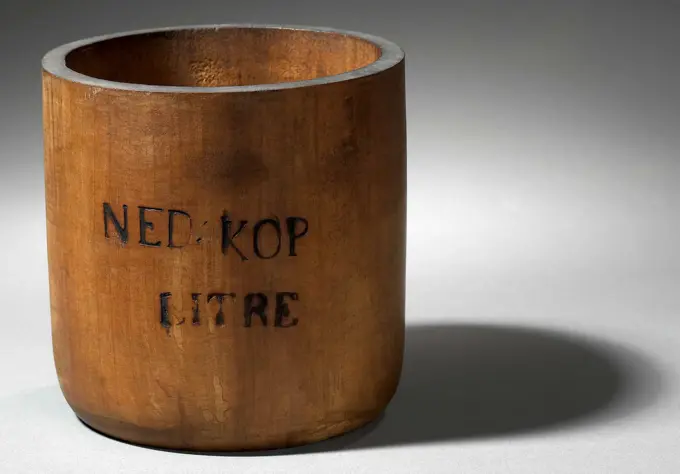
Studio shot of old-fashioned itemBracelet: Leopard Heads and Ceremonial Swords 17th-19th century Edo peoples At its origins, the centralized city-state of Benin was founded by Edo-speaking peoples. The accounts by official court historians and descriptions provided by visitors evoke a vibrant cultural center continually redefined by its leadership through shifting internal and external power dynamics. According to oral tradition, circa 1300, Edo chiefs are reputed to have reached out to the leader of neighboring Ife, Oranmiyan, to establish a new divinely sanctioned royal dynasty. Since then, the investiture of Benins rulers to the title of obas has conferred upon them at once a role of chief priest officiating in important religious ceremonies and presiding over an elaborate structure of palace officials. During the fifteenth century reign of Oba Ewuare, Benins armies were formed and the fortification of its capital with a massive wall undertaken. In parallel, delegations of Portuguese traders assiduously sought toBronze mirror with ivory handle. Culture: Etruscan. Dimensions: length 11 9/16 in. (29.4 cm); diameter 6 13/16 in. (17.3 cm). Date: late 4th century B.C..Minerva (Etruscan: Menrva) flanked by Thalna (a nymph) and Sime (a satyr). Museum: Metropolitan Museum of Art, New York, USA.A milk size from Alkmaar, Anonymous, 1800  A milk size from Almaar with ear. Marked, dated and v.z.v. label. Alkmaar wood (plant material)   AlkmaarSounding Log. An elongated four-plane buoy and an end of the invention of A. Pécoul. This little buoy, furnished as a log, has an eye on the long point, and two eyes on one of the surfaces at the base, to which a loop is attached with a wooden track. A wooden cylinder is tied to the end to the end, in which the wooden pal fits. Associated with other buoy, lead and brochure (MC-1345-A, C and D).Signalling Lantern.Wudhu Machine. This machine releases a fixed amount of water at regular intervals for washing. Water flows from the top tank through the valve into the middle tank. Once the water level in the middle tank rises above the bend in the siphon, the water is siphoned into the lower tank.ESTUCHE DE MARFIL PARA UN JUEGO BOLAS - SIGLO X - PROCEDENTE DE MEDINA AZAHARA. Author: CULTURA DE HALAF. Location: MUSEO DE BURGOS. BURGOS. SPAIN.Masonic money-box of the Northern Torch lodge, Minsk. unknown, authorBell 1494 Austrian. Bell. Austrian. 1494. bronze, green patina. Metalwork-BronzeStone Bottle. Dated: c. 1940. Dimensions: overall: 36.7 x 29 cm (14 7/16 x 11 7/16 in.) Original IAD Object: 9 1/4" High 2 5/8" Dia.. Medium: watercolor, colored pencil,and graphite on paperboard. Museum: National Gallery of Art, Washington DC. Author: Carl Buergerniss.Emmer, part of a toilet garnish, Villeroy & Boch Ceramic Werke K.G., 1874 Bucket with insert and wicker handle, part of a toilet garnish of earthenware. Decorated with red piping and the weapon of the Duke of Arenberg with crown in red and yellow. Wallerfangen earthenware. Bucket with insert and wicker handle, part of a toilet garnish of earthenware. Decorated with red piping and the weapon of the Duke of Arenberg with crown in red and yellow. Wallerfangen earthenware.Ojime 19th century Japan. Ojime. Japan. 19th century. Edo period (1615-1868). OjimeGobelins, glass, tapestry, 1898, Middle EastWilbur M Rice, Circular Tin Bath Tub, c 1938 Circular Tin Bath TubMiner's Ore Bucket. Dated: 1939. Dimensions: overall: 40.7 x 30.3 cm (16 x 11 15/16 in.) Original IAD Object: 13" deep; top: 18" in diameter; bottom: 14" in diameter. Medium: watercolor and graphite on paperboard. Museum: National Gallery of Art, Washington DC. Author: Max Fernekes.Water carrier at La Fontaine Anonymous. "Water carrier at the fountain". Bronze. 1820-1840.Turkish tea pot made in a traditional stylePassive defense protection mask. Metal, rubber, canvas, ink, paper, 1939-1945. General Leclerc Museum of Hauteclocque and the Liberation of Paris, Jean Moulin Museum. Rubber, passive defense, gas, war 1939-1945, war 39-45, mask, protective mask, metal, second world warMatch Case 1890-1900 Tiffany & Co. This match case and a cigarette case (41.140.2) are rare surviving examples of Tiffany & Co.s laminated metalwork, also called "mixed metal" in company records and known to the Japanese as mokume. In mokume (meaning "wood grain" or, literally, "wood eye"), thin sheets of differently colored metals and alloys are laminated, folded to increase the number of layers, cut through or bent, and, finally, hammered to produce marbleized patterns.. Match Case. American. 1890-1900. Gold, silver, brass, patinated copper, gold-copper alloy, silver-copper alloy, and patinated copper-platinum-iron alloy. Made in New York, New York, United StatesPhotograph of the Liberty Bell, an iconic symbol of American independence, located in Philadelphia, Pennsylvania. Dated 2000Polychrome vase decorated with flowers. The white flowers that adorn the vase are related to the supernatural world. The container belonged to a noble lineage and was originally intended to be used for drinking cocoa - something that the band of glyphs around it testifies to. 600-900 A.D.Okimono in the shape of a taiko drum. unknown, craftsman, Nogawa, workshopESCRIBANIA DE LATON - SIGLO XVIII. Location: MUSEO DE AMERICA-COLECCION. MADRID. SPANIEN.Silversmith: J. Lang & C. Koops, Silver children's cup on foot v U old 1 year, cup holder silver, Cup shaped on round constricted foot with ascending profile edges top edge outside (smashed; all brands worn) drinking girl boy childDrum, before c. 1840 musical instrument. percussion instrument. drum Trom of the militia. The brass kettle is equipped with a veal sheet on both sides, held by a hoop and tense by means of a tension with tractors and screws. Both hoops are decorated with a motif of triangles in the colors red, white and blue. With engraved numbers: 1840-38. Netherlands Kettle: Brass (Alloy). Hoop: Wood (Plant Material). Team resort: RopeSounding Lead, Adolphe Pécoul, 1855 sounding lead An elongated quadruing, after the invention of A. Pécoul. This large buoy, decorated as a low -pure, has a wheel and recovery spring on the long point, which prevents the rope from walking back. The rope must be provided with a lead, and as soon as the weight of the rope is because the lead touches the bottom, the recovery spring clamps the rope. Marseille brass (alloy). lead (metal). wood (plant material). rope   ParisInro, early 1800s. Japan, Edo period (1615-1868). Lacquer; overall: 5.8 x 8 cm (2 5/16 x 3 1/8 in.).The Mary Rose Museum, Portsmouth, United Kingdom. Architect: Wilkinson Eyre Architects, 2013. Authentic artefacts in display cases.Case (Inrō) with Design of Court Lady in a Boat (obverse); Willow Tree (Asazuma) (reverse) late 18th-19th century Japan. Case (Inrō) with Design of Court Lady in a Boat (obverse); Willow Tree (Asazuma) (reverse) 45579Church bell 1597 Italian, Abruzzo. Church bell 207340Alf Bruseth, Centennial Bank  1876, c 1938 Centennial Bank - 1876Orville Cline, Zoar Candlestick, Snuffer and Lantern, c 1938 Zoar Candlestick, Snuffer and LanternCreative abstract 3D render illustration of the old vintage crumpled beggar cylinder hat upset down isolated on white backgroundCup for ritual washing (quart)Brogans third quarter 19th century Little & Co. The brogan is a heavy ankle-high work shoe with a pegged or nailed sole which was worn in rural areas and by laborers and slaves. Brogans of this type were mass produced in New England factories for wear by men, women, and children with no differentiation in style. Being utilitarian items for the working classes, brogans were usually worn out and discarded. This shoe, in a size suitable for a child or small woman, was kept as sample and never worn, and consequently is preserved in relatively good condition. The brass tip is a less common feature, incorporated to extend the wear of the shoe. It is also surprising to see a shoe of this quality stamped by the manufacturer. While this example and another from the same donation lack the usual lace holes, another brogan in the collection is furnished with a riveted buckle and strap, suggesting that the finishing of the closure was a distinct process after manufacture, allowing a jobber, distribKotsuzumi (Small Hourglass Drum) with Peonies. Japan, Edo period, 17th century. Lacquer. Lacquer on wood with gold powder (takamakie, e-nashiji, hiramakie), horsehide, gold paper, and silk cordsempty vintage wooden brown board and black gauze napkin, top viewBOTAFUMEIRO DE LATON PLATEADO - 1554. Author: JOSE LOSADA (1817-1887). Location: CATEDRAL-INTERIOR. SANTIAGO DE COMPOSTELA. A CORUÑA. SPAIN.Case, Leather, gilding, cotton cord, Small case for six implements, stamped leather with scrolled decoration in gold. Case consists of two parts, body and lid, held together with a cord., Northern Italy, early 17th century, cutlery, Decorative Arts, CaseUchiwa Daiko 19th century Japanese. Uchiwa Daiko 500703old closed jar tin in vintage style on isolated backgroundSchiesshaus Humpen. Germany, possibly Franconia or Thuringia, circa 1700. Furnishings; Serviceware. Glass, enamelRobert WR Taylor, Bell, 1935 1942 BellOil lamp old objectsSpinning wheel, upright model on tripod. A spinning wheel, upright model of rotated and with various decoration, legs on three-legged with staircase connected to metal garland from the wheel that is in the middle between three turned styles; Upstairs, attached to these styles the coil or spindle with wing and the spin skirts.Wine cork with word wine in several languages. IsolatedSilversmith: Arnoldus van Geffen, Silver miniature bird cage with bird, birdcage holder dolls toys recreation miniature model silver, cast Round bird cage with parrot on stick door with working clasp swing ring on ceiling supporting ring at top city mark: three crosses under crown Inn Olivier van Noort animal bird playingCUERNO PARA AGUA. Location: MUSEO DE AMERICA-COLECCION. MADRID. SPANIEN.Canteen with twelve bottles, six glasses and one dish British late 18th century View more. Canteen with twelve bottles, six glasses and one dish. British. late 18th century. Glass, mahogany, brass. GlassCarved Bead 19th century Japan. Carved Bead. Japan. 19th century. Ivory. OjimeA milk size from Alkmaar.A Milk Size From Ermaar with Ear. Marked, Dated and V.Z.V. label.Evening hat ca. 1890 Henry Heath Limited British. Evening hat 169284An ancient sea cannon on a wooden lafite stands with a barrel directed towards the viewerSpice box - ALLSPICE Patent Package Co. Patent Package Co.Drum 19th century Sudanese. Drum. Sudanese. 19th century. Wood, hide, metal. Sudan. Membranophone-double-headed / cylindrical drumIron Breast Plate. Dated: 1935/1942. Dimensions: overall: 29 x 24.5 cm (11 7/16 x 9 5/8 in.) Original IAD Object: 19" high; 11 1/2" wide. Medium: watercolor and graphite on paper. Museum: National Gallery of Art, Washington DC. Author: American 20th Century.Metal singing bowls in the grass of the own garden, zenSpice container, 20th century, Unknown Dutch, 7 1/2 x 3 1/16 x 3in. (19 x 7.8 x 7.6cm), Silver, 20th centuryEagle. Artist: William Rush (1756-1833). Culture: American. Dimensions: 36 x 68 x 61 in. (91.4 x 172.7 x 154.9 cm). Date: 1809-11.This monumental eagle, of fluid and energetic form, was commissioned in 1809 by Saint John's Evangelical Lutheran Church in Philadelphia for its new building. The bird's open beak contains a red-painted iron tongue, from which a long chain was suspended to support the sounding board above the pulpit. In 1847 the sculpture was removed from Saint John's and installed in the Assembly Room of Independence Hall, where it remained until 1914. In that location, near the Liberty Bell and Rush's 1815 carved wood statue of George Washington, its symbolism changed; once an attribute of the church's patron saint, it metamorphosed into an icon of American patriotism. Museum: Metropolitan Museum of Art, New York, USA.Case (Inrō) with Design of Deer and Lanterns at Kasuga Shrine ca. 1800 Yamada School. Case (Inrō) with Design of Deer and Lanterns at Kasuga Shrine 58566Resin Ointment from Ship's Medicine Chest, From An Aberdeen Trawler Wrecked On Hoy,  early 20th centuryImage of the St.-Salvator clock in the clock chair of the Dom tower (Domplein) in Utrecht.Content of 1 Ned Kop.gedraaid wooden content of 1 liter.Concept, Indian currency ten rupees on relax stainless steel chair India Copyright: xNirmalaxMishra/DinodiaxPhotoxA red colored Midland oiling can