Antique Containers

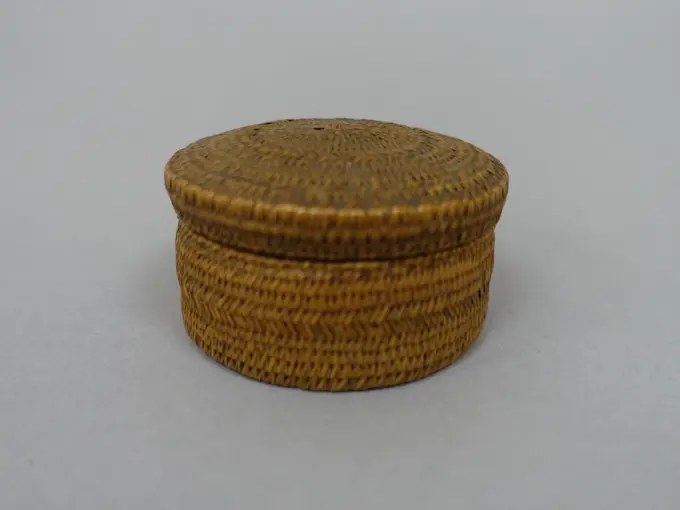
A variety of antique containers including tobacco boxes, miniature drums, and ointment jars, showcasing diverse materials and historical craftsmanship.
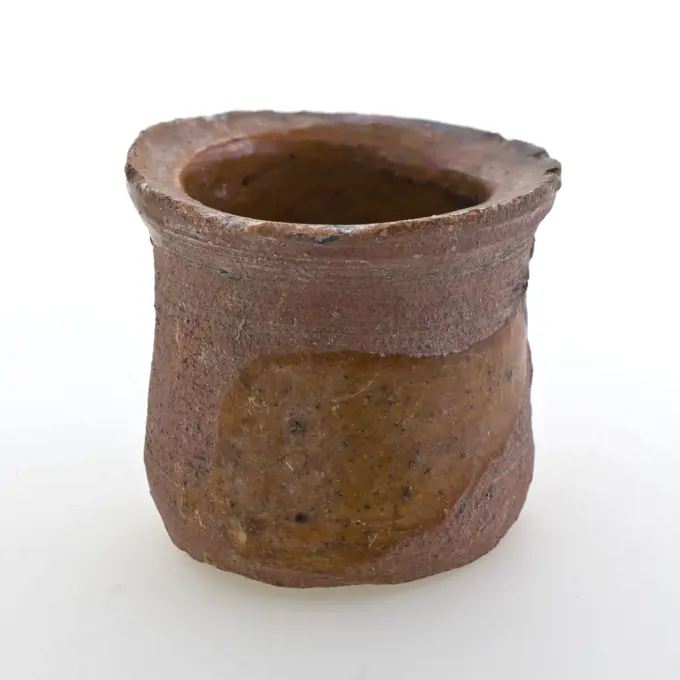
Pottery ointment jar, conical model, red shard, internally glazed, ointment jar pot holder soil find ceramic earthenware glaze lead glaze, hand-turned glazed baked Pottery ointment jar conical model red shard internal glazed Slanted inward-facing top edge Stand surface. Conical flat over the foot small narrowing of the kettle Spindles on the inside Thick-walled archeology healthcare indigenous pottery pharmacy store sell craft
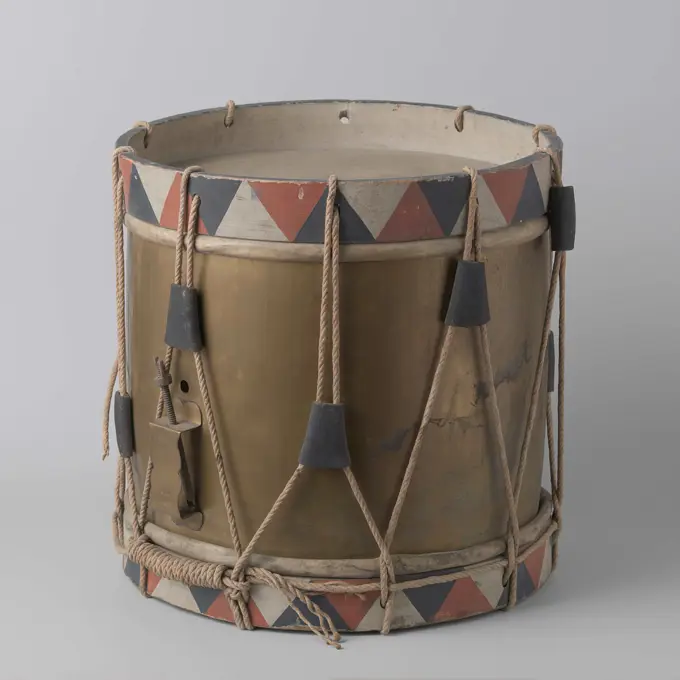
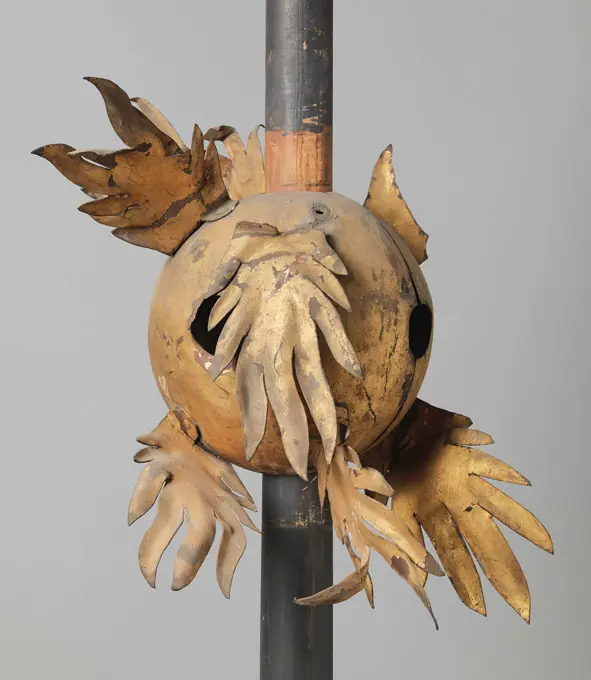
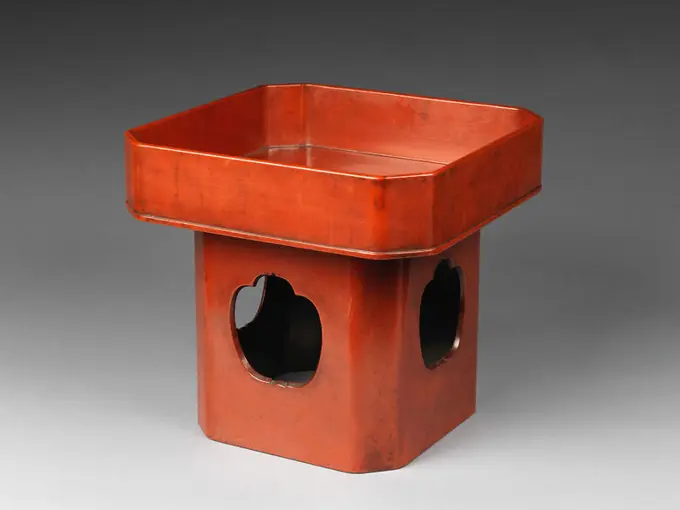
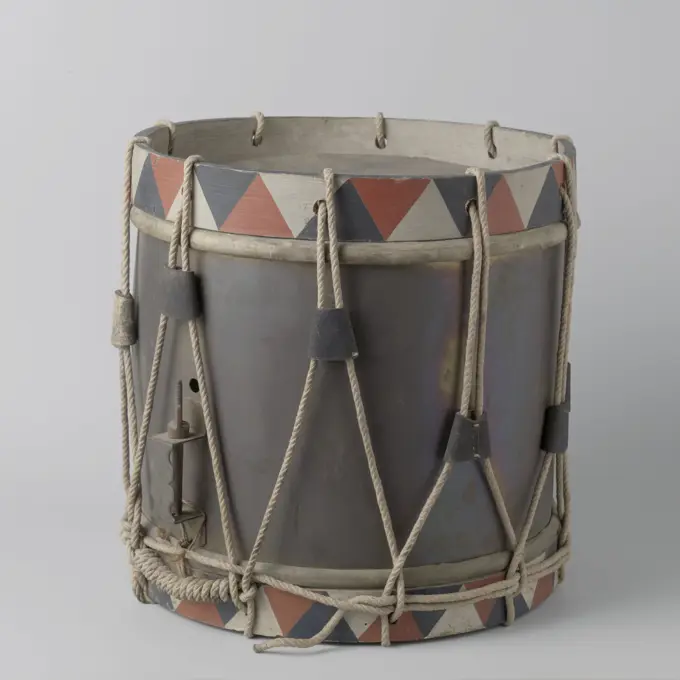
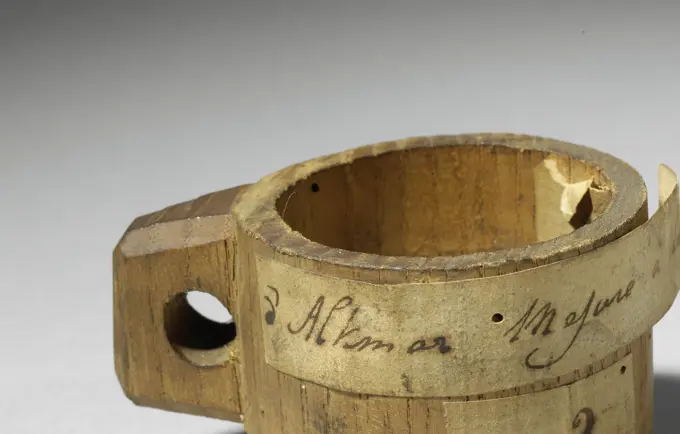
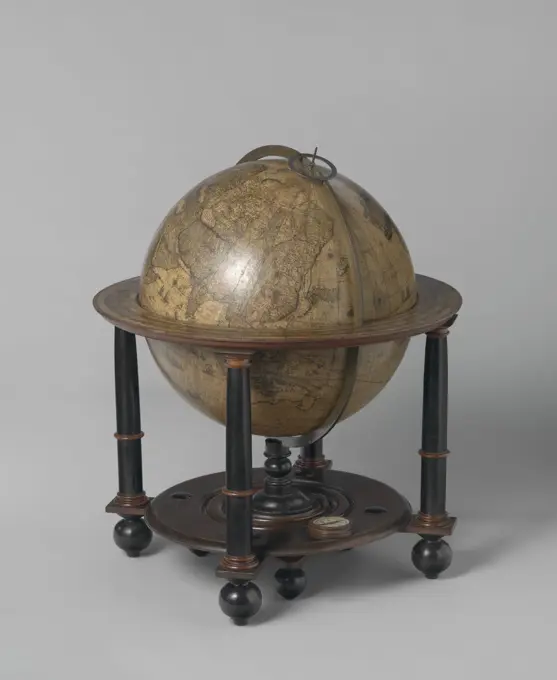
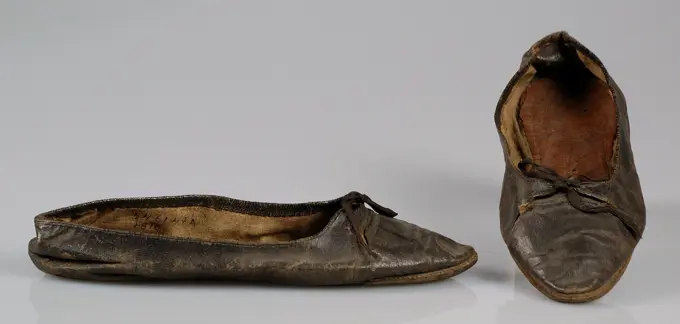
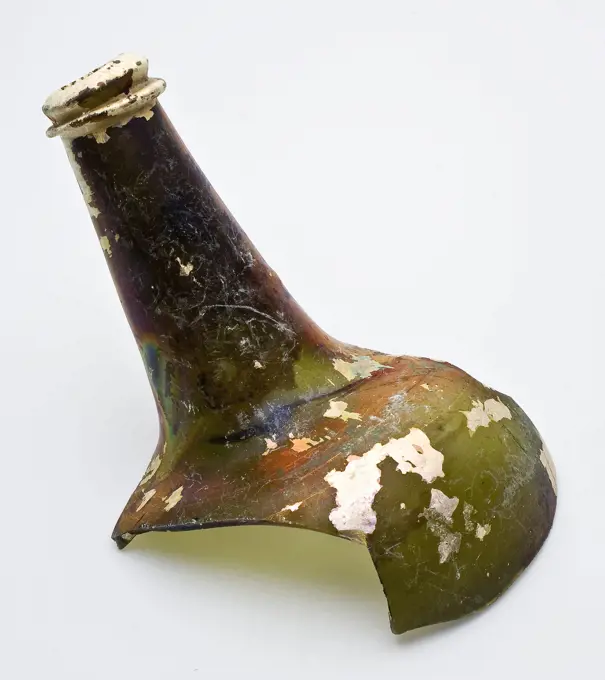
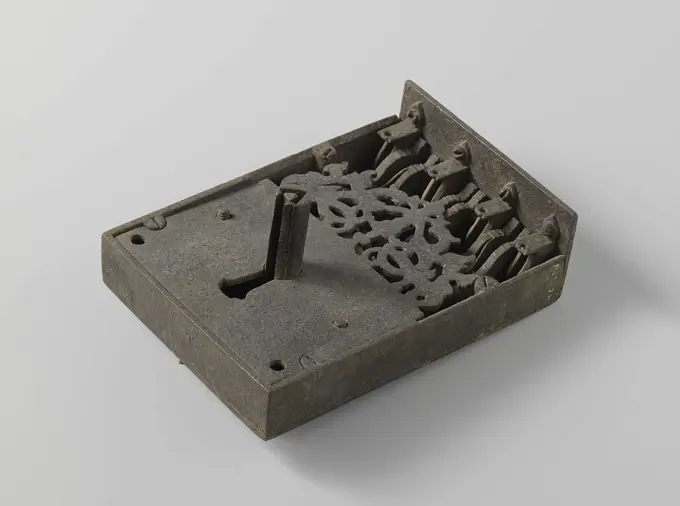
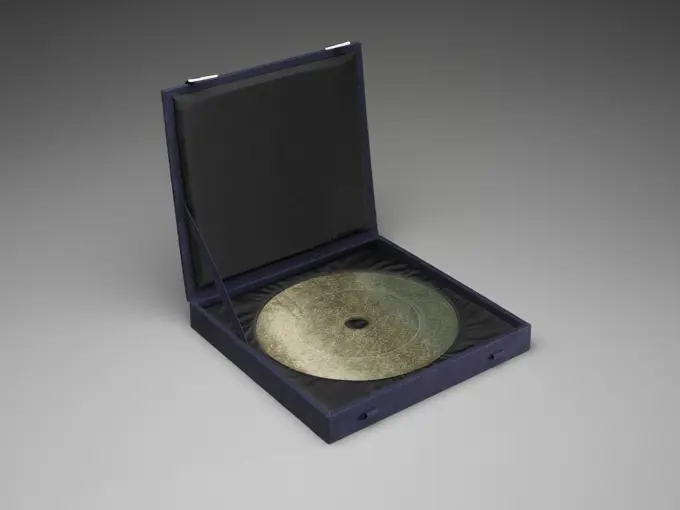
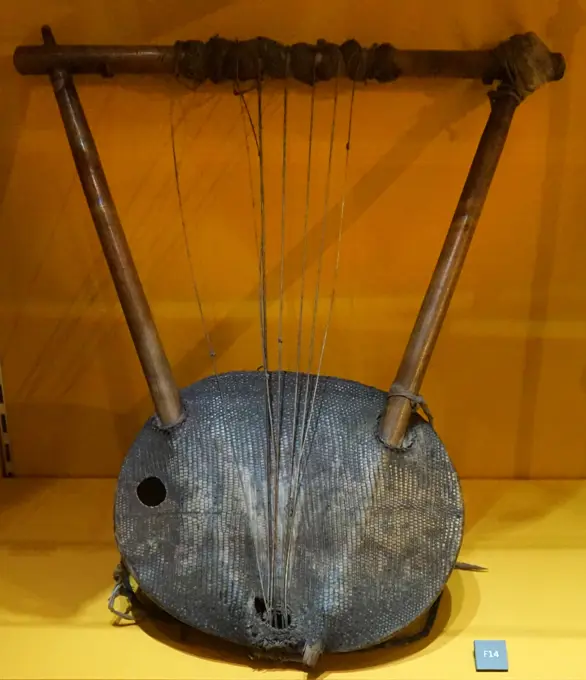
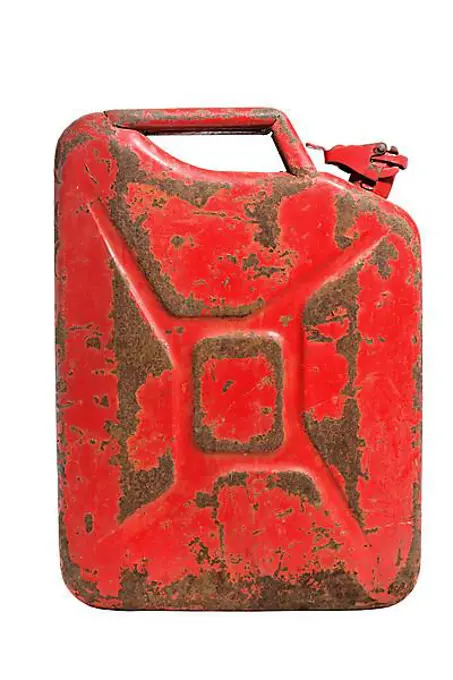
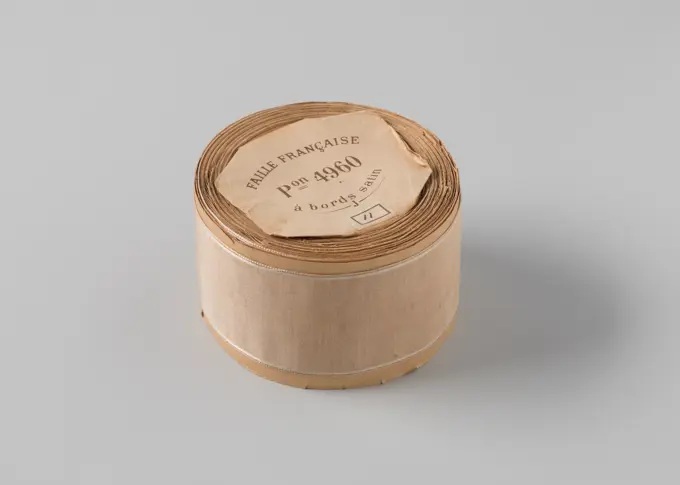
Roll with cream silk satin ribbon, c. 1925 Roll with cream silk satin ribbon. Nijmegenmaker: France silk. cardboard Roll with cream silk satin ribbon. Nijmegenmaker: France silk. cardboardDrom, old model of the arches. Groom of the militia. The brass boiler is provided with a veal sheet on both sides, held by a hoop and tense by means of a tensioner with tractors and screws. Both hoops are decorated with a motif of triangles in the colors red, white and blue. With engraved numbers: 1861-52-1839.IDOLO CILINDRICO OCULADO EN CALIZA MARMOREA PROCEDE DEL CERRO DE LAS VACAS- III MILENIO AC. Location: ARCHAEOLOGICAL MUSEUM, JEREZ DE LA FRONTERA, CADIZ, SPAIN.Gold plated sphere with eight flames (one loose, in two). .Nuragic civilization, 9th-8th century b.C. Jewelry box. From Oschiri, province of Olbia-Tempio.Table Tray. Culture: Japan. Dimensions: H. 14 1/2 in. (36.8 cm); W. 15 in. (38.1 cm); L. 15 in. (38.1 cm). Date: early 17th century.In the medieval period, Negoro utensils and vessels were primarily used by monks residing in Buddhist temples and Shinto shrines, as well as by aristocrats and high-ranking warriors. Negoro ware, associated with the Negoro Temple in Wakayama Prefecture, is characterized by its strong wooden core, highly functional form, and lacquering techniques, especially the layered application of black and red lacquer. Over the years of use, the uppermost red lacquer layer is rubbed off and the underlying black becomes visible. Table trays (tsuigasane) are used in Shinto shrines as part of the "rice-throwing" ceremony to hold the rice that is to be tossed to drive away evil. Museum: Metropolitan Museum of Art, New York, USA.Fabric Armor and Helmet with Buddhist and Taoist symbols. Culture: Korean. Dimensions: H. as mounted with helmet 47 3/4 in. (121.3 cm); W. as mounted with helmet 22 in. (55.9 cm); H. of armor as mounted 33 1/16 in. (84 cm); W. of armor as mounted 22 1/16 in. (56 cm); D. of armor as mounted 13 in. (33 cm); Wt. 18 lb. 14 oz. (8575 g); H. of helmet 16 1/2 in. (42 cm); W. of helmet 11 13/16 in. (30 cm); D. of helmet 13 in. (33 cm); Wt. of helmet 4 lb. 2 oz. (1869 g); Wt. of torso 13 ob. 11 oz. (6207 g); Wt. of belt 1 lb. 1 oz. (499 g). Date: possibly 18th century.Various types of textiles have long been used as the basis for armor in many different cultures. By far the most typical method for utilizing cloth for armor involved forms of quilting. Quilted armor generally consists of an envelope of fabric that is stuffed with a shock-absorbing padding, which is stitched in place. Far more unusual is armor made up of layered fabric. The defensive quality is achieved by placing many sheets of Sample of Armour Plate Covered with Copper, anonymous, c. 1870 sample Armored plate sample on both sides with three layers: a layer of unidentified material, a layer of lead, a layer of copper. The layers are sounded together on the armored plate. France iron (metal). lead (metal). copper (metal). unknownCenser 16th century () South Netherlandish. Censer. South Netherlandish. 16th century (). Brass. Metalwork-BrassCovered Box 19th century Japan. Covered Box 62211Lamp, c. 1700 A twelve -sided iron lamp. With alternating wide and short sides. Under the center of the flat bottom that is composed of long triangles, a gilded rosette. The sloping roof consists of two parts that are separated by a wounded band, which hangs from nerved long gilded leaves. The tip of the roof turns into a rosette. Coming from the collection of Dr. F. Mannheimer.  iron (metal). glass gilding A twelve -sided iron lamp. With alternating wide and short sides. Under the center of the flat bottom that is composed of long triangles, a gilded rosette. The sloping roof consists of two parts that are separated by a wounded band, which hangs from nerved long gilded leaves. The tip of the roof turns into a rosette. Coming from the collection of Dr. F. Mannheimer.  iron (metal). glass gildingStirrup. Culture: Peruvian. Dimensions: H. 4 5/8 in. (11.7 cm); W. 4 5/8 in. (11.7 cm); D. 8 1/2 in. (21.6 cm); Wt. 3 lb. 7.6 oz. (1576.2 g). Date: probably 19th century.This slipper stirrup, cast in bronze, mimics in metal the shape and decoration of a traditional leather boot. The rope design on the edge copies the sewing of the inside leather lining found on some other examples. The high quality of the metal casting is a direct inheritance of the metalworking skills displayed by Peruvian native populations before the conquest. Introduced to South America by the Spaniards in the 16th century, horses soon became an important element in the lives of many local populations, of both colonial and native origin. As a horse would be highly valued by its owner, the latter would likely cover it with beautiful and elaborated tack, especially during festivals or other celebrations. Closed stirrups, or regular stirrups covered with a leather hood called a <i>tapadero<i>, are still regularly usDrum, 1800 - before 1865 musical instrument. percussion instrument. drum Trom of the militia. The brass kettle is equipped with a veal sheet on both sides, held by a hoop and tense by means of a tension with tractors and screws. Both hoops are decorated with a motif of triangles in the colors red, white and blue. With engraved numbers: 1856-51. Netherlands Kettle: Brass (Alloy). Hoop: Wood (Plant Material). Team resort: RopeA milk size from Alkmaar, Anonymous, 1798  A milk size from Almaar with ear. Marked and v.z.v. label. Alkmaar wood (plant material)   AlkmaarOjime 19th century Japan. Ojime. Japan. 19th century. Edo period (1615-1868). OjimePot hat (cloche) from yellow straws that green and gray openwork viscose, with two velvet straps and green rip ribbon. Pot hat (cloche) from yellow straws that green and gray openwork viscose, with two velvet straps and green rip ribbon.Copper padlock. .Terrestrial globe, 1645 - 1648  HOEGLOBE COMPOSED FROM 38 Hand -colored engraved paper strips that are stuck on a plaster ball, each with copper pins and a copper ring with a degree bowl placed in a wooden chair; Around a wooden ring, covered with engraved and colored paper on which scales, a calendar, etc. Amsterdam wood (plant material). paper. gypsum. wood (plant material). copper (metal) engravingShoes 1805-15 possibly British. Shoes. possibly British. 1805-15. LeatherSpool of braid, Medium: silk, wooden spool Technique: braided, Narrow tan, white and black silk braid wound onto a wooden spool. Paper label on one end: 'Fil du Centenaire. H.C.C.', France, 1850-1900, trimmings, Spool of braidPule tai fe'e (octopus fishing lure) luresFragment of body, shoulders, neck and mouth of abdominal bottle, bottle bottle wine bottle stock bottle bottle holder soil find glass, free blown and shaped Fragment of part body part shoulders neck and mouth of belly bottle in clear light green glass Body is going upwards to drooping shoulders and rejuvenated (6 , 0 - 3.9 cm) neck with sharp glass wire at about 0.5 cm under mouth archeology Gerdesiaweg underground pit Rotterdam Kralingen-Crooswijk Rubroek Soil discovery Metro construction Gerdesiaweg 1975 - 1977.. Slot of iron. Associated with key BK-NM-9042.Ritual Disk(Bi)Musical instrument called a Lyre from Uganda, East Africa, collected by Gertrude Benham. circa 1900Drum Melanesian (Papua New Guinean) late 19th centuryRusty Gas Can isolated on whiteBasket, 19th-20th century, 4 3/8 x 4 1/4 x 4 1/4in. (11.1 x 10.8 x 10.8cm), Natural plant fibers, United States, 19th-20th centuryin the rock desert of jordan an antique old fashioned lamp isolatedEtruscan bronze hut-shaped urn, from Vulci, Viterbo Province, Italy, 8th Century B.C.Cavalry Spider Helmet, 1600s. France, 17th century. Iron with black paint; overall: 30.2 x 21.3 x 17.7 cm (11 7/8 x 8 3/8 x 6 15/16 in.). The "spider-like" legs of this helmet protected the mounted soldier's face and head from slashing sword blows. The legs could be raised and locked up out of the way when not required.Jug -