Antique Decorative Artifacts

A collection of ornate decorative artifacts, including vintage earrings, watches, and brackets, showcasing intricate designs and historical craftsmanship.

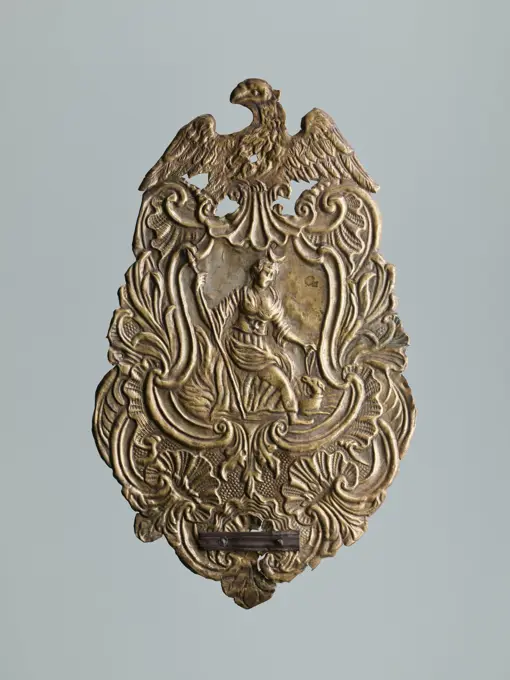
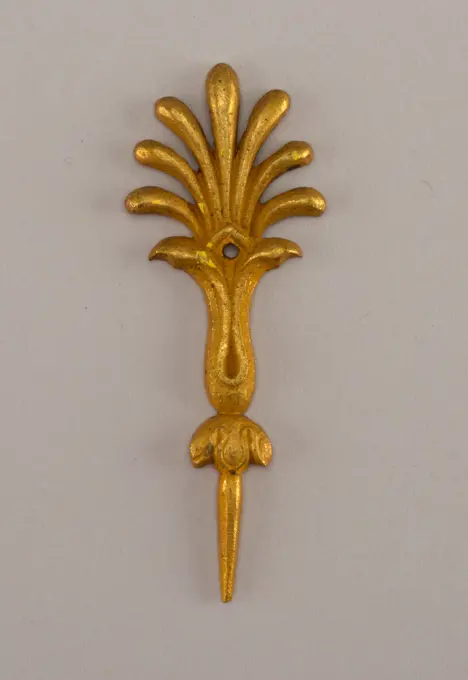
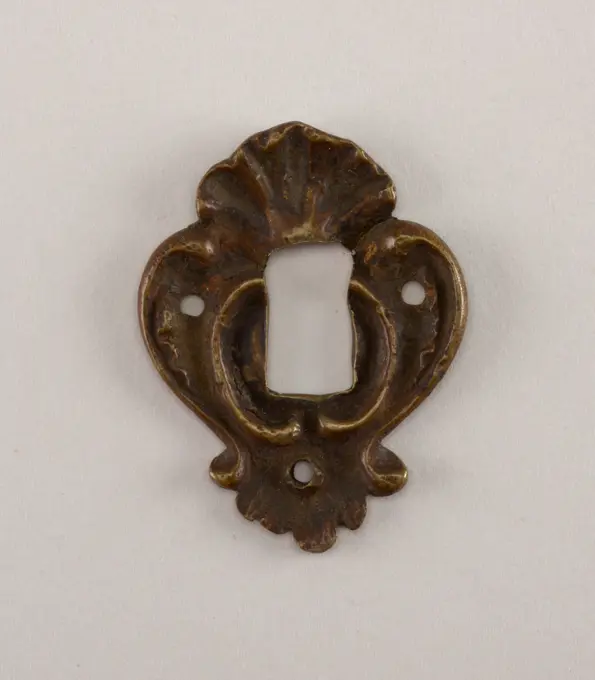
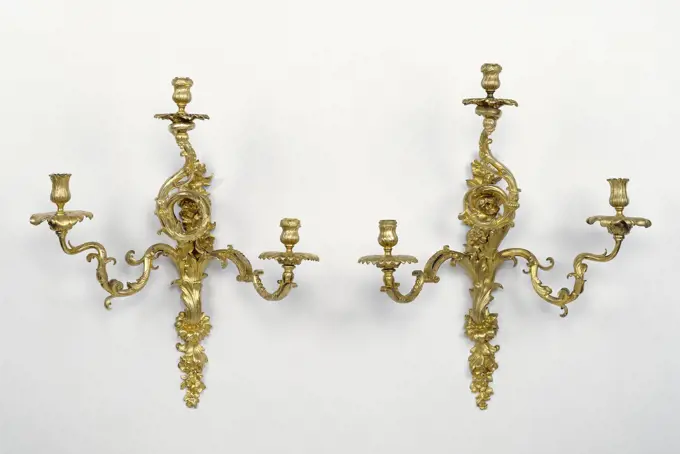
Bracket, Gilt bronze, Scroll with crowned sphinx, France, ca. 1800-10, metalwork, Decorative Arts, Bracket
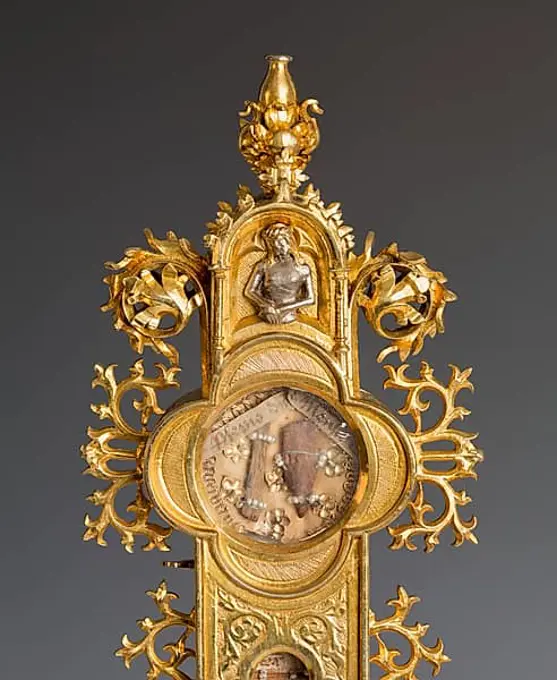
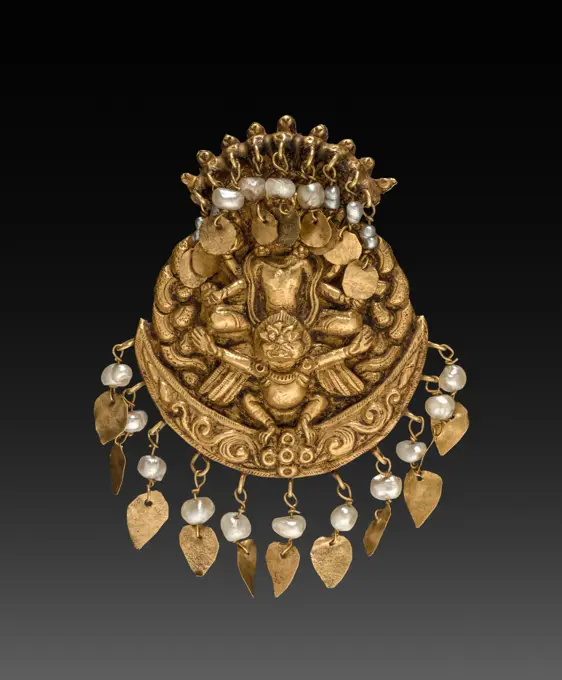
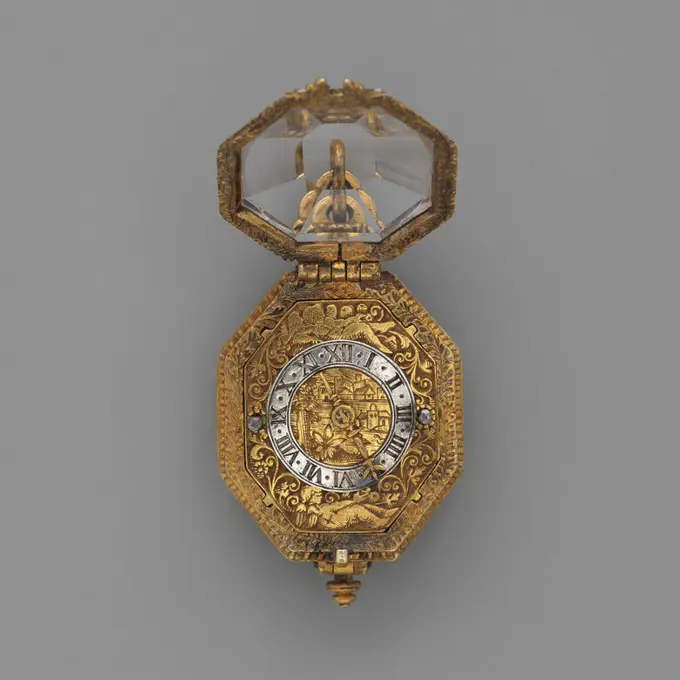
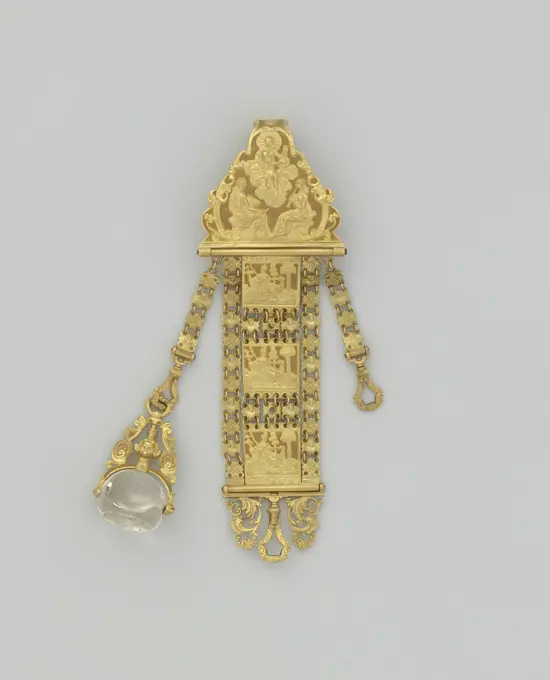
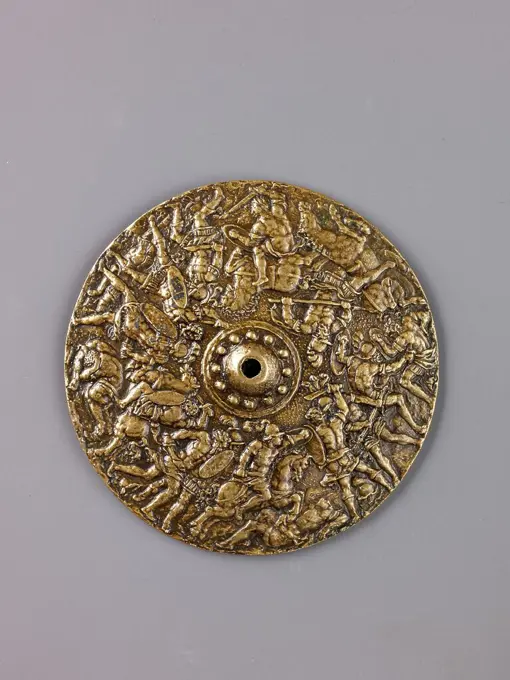
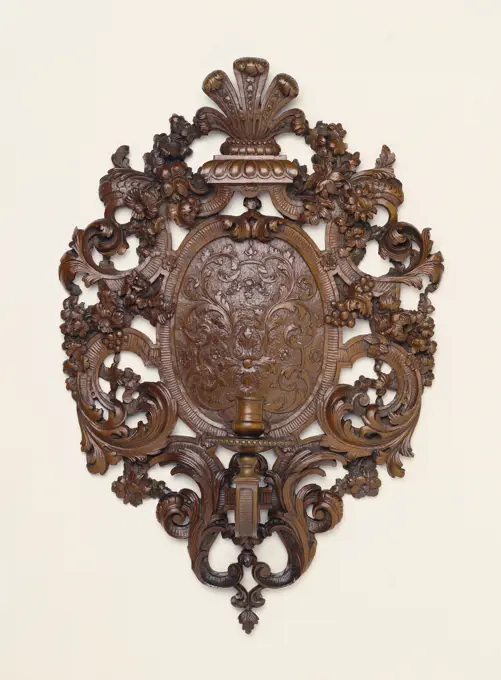
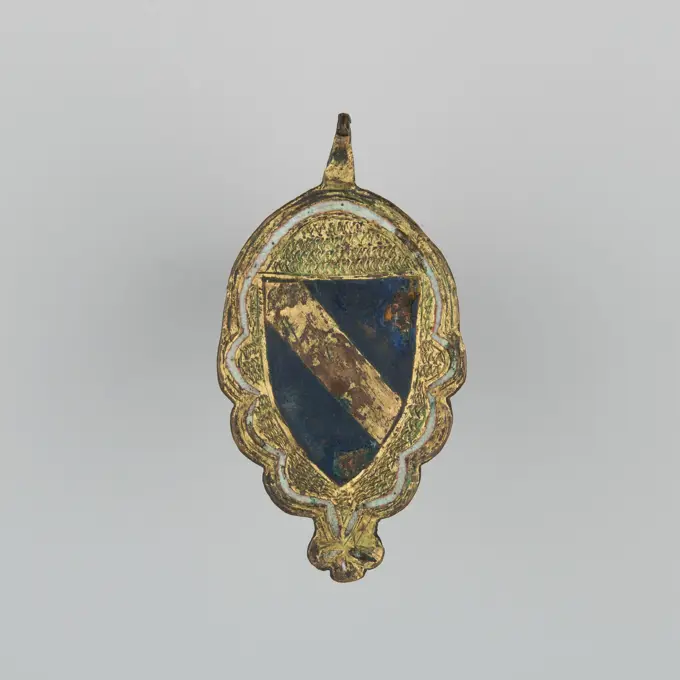
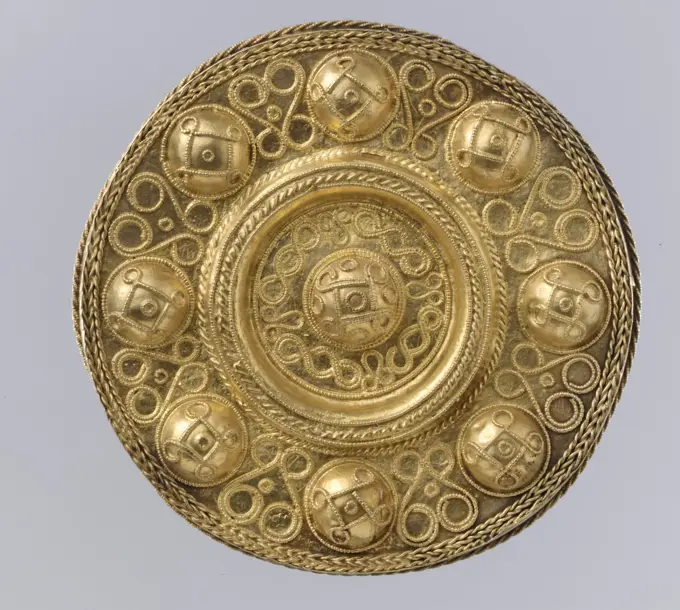
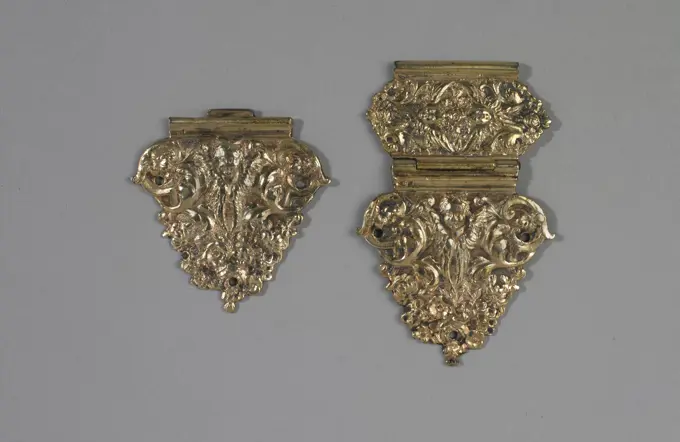
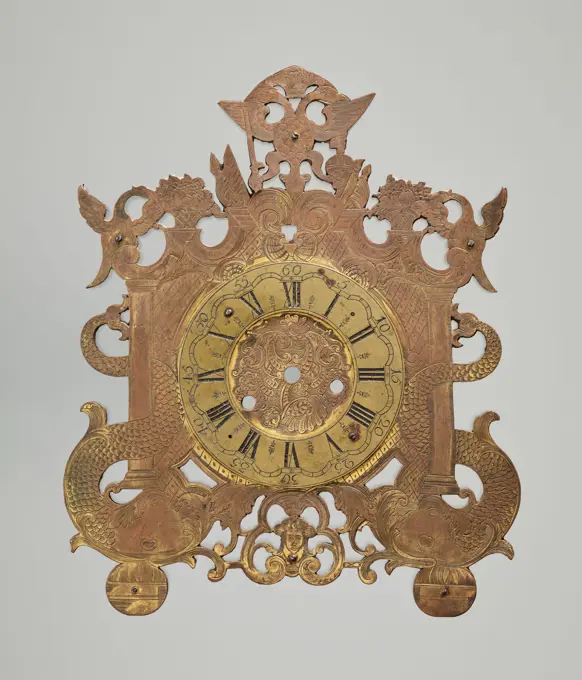
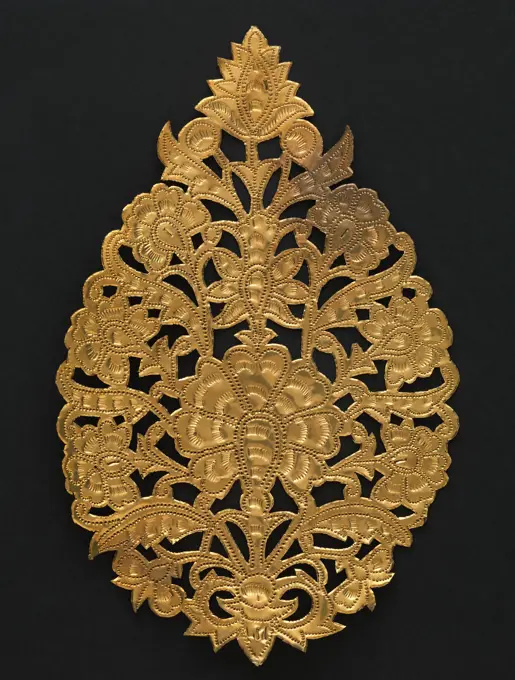
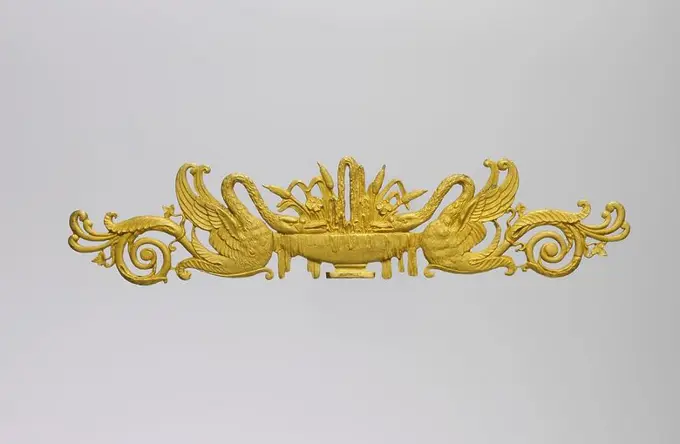
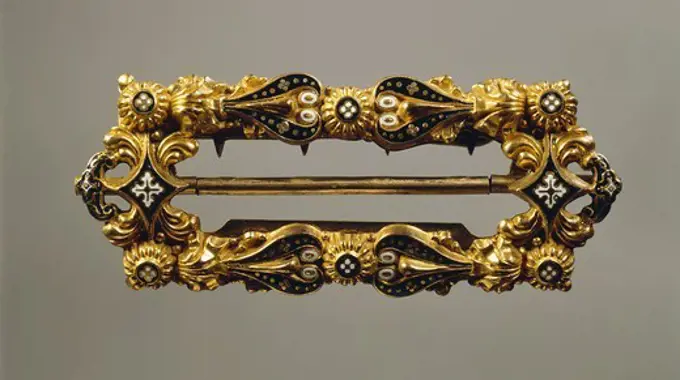
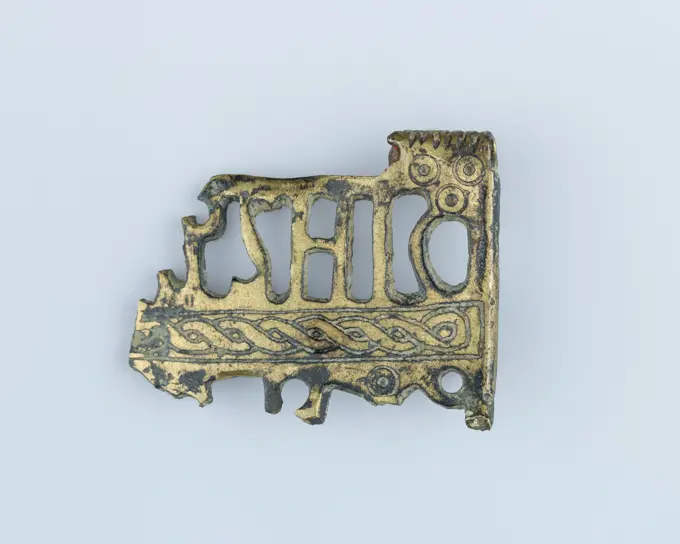
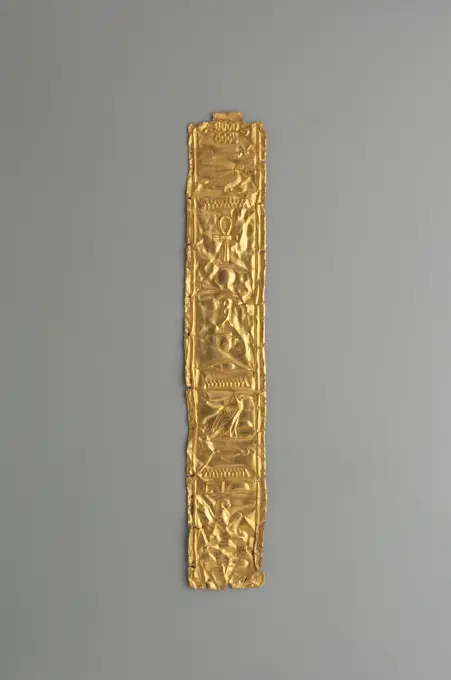
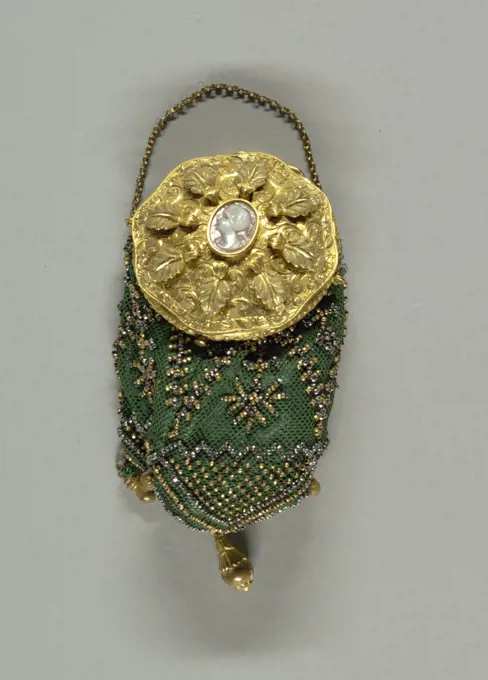
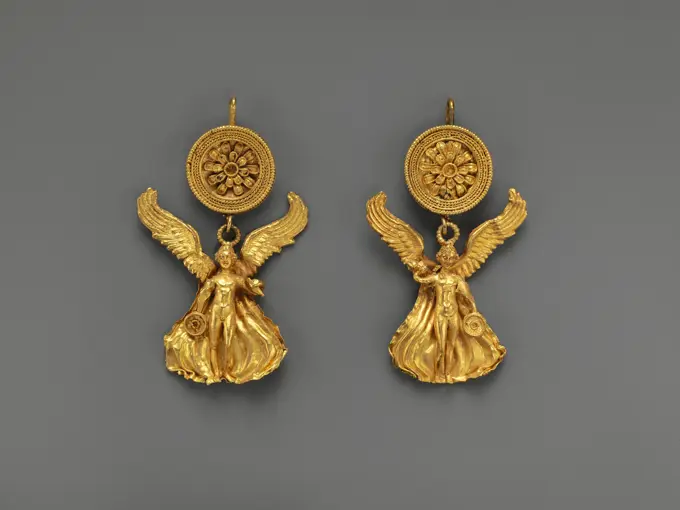
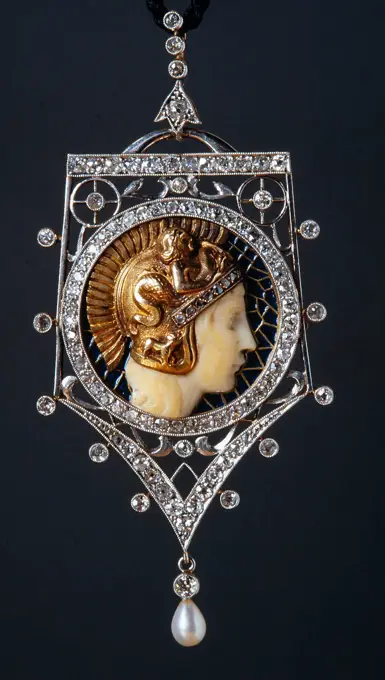
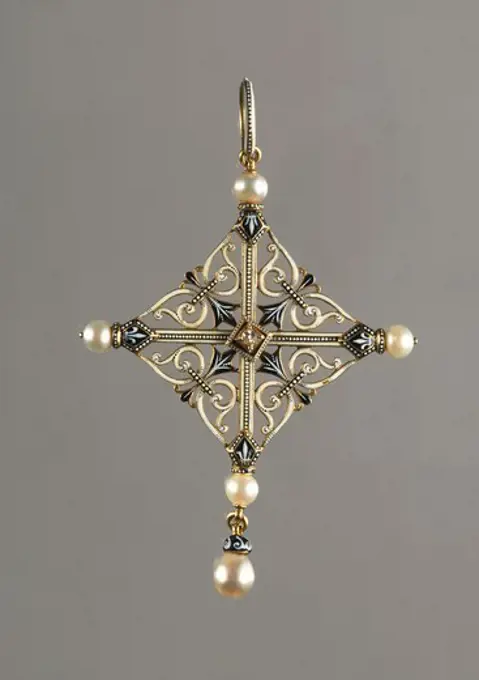
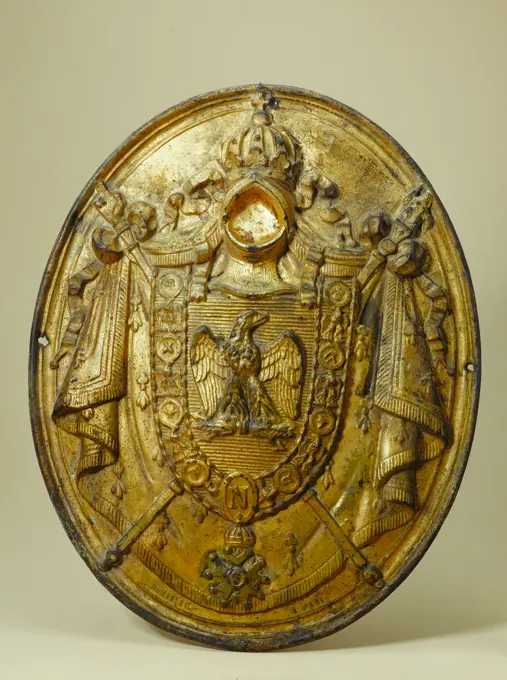
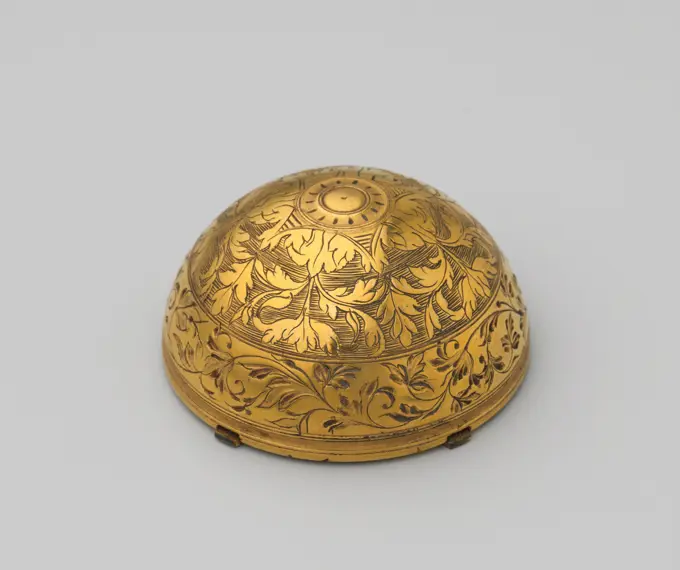
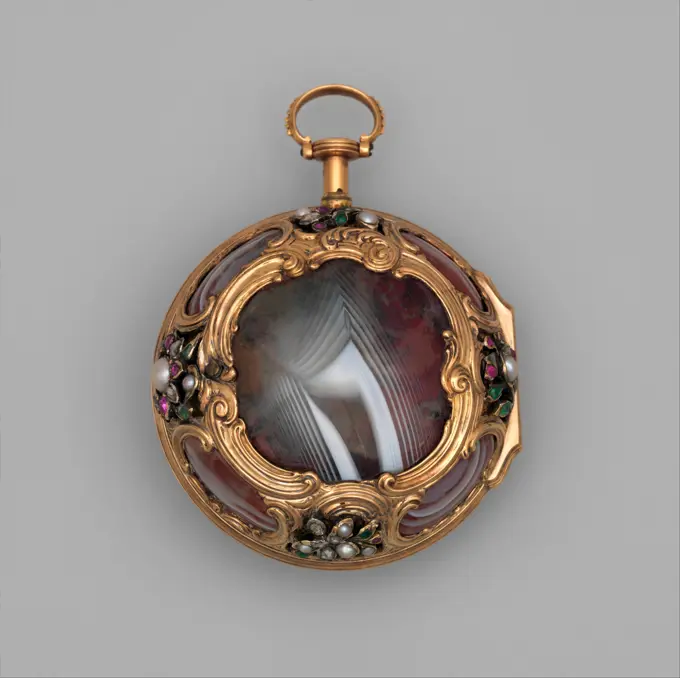
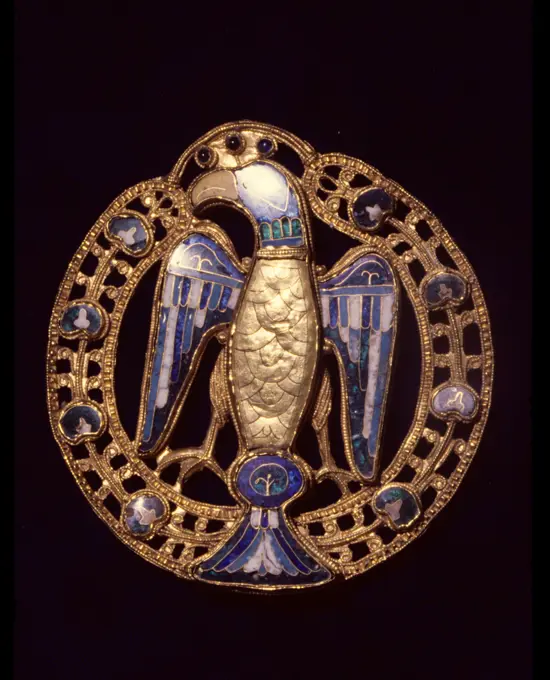
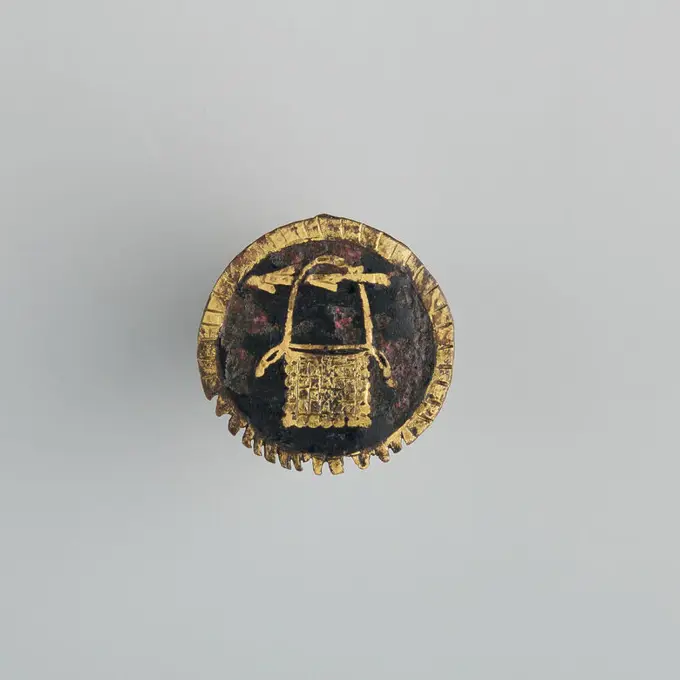
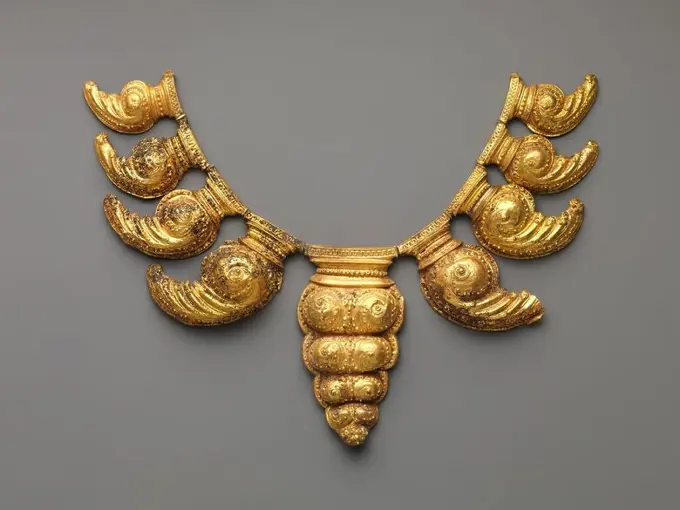
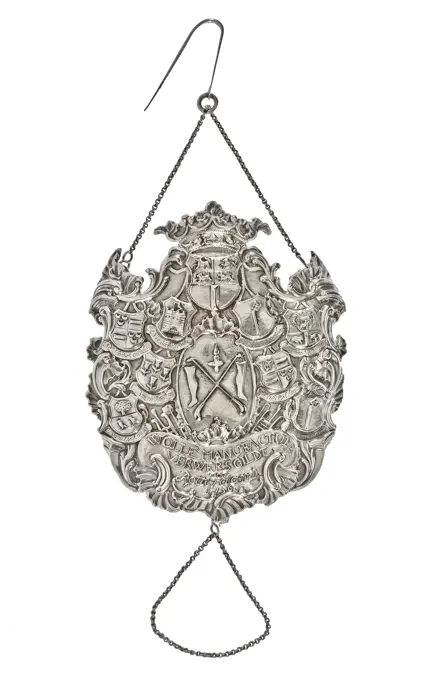
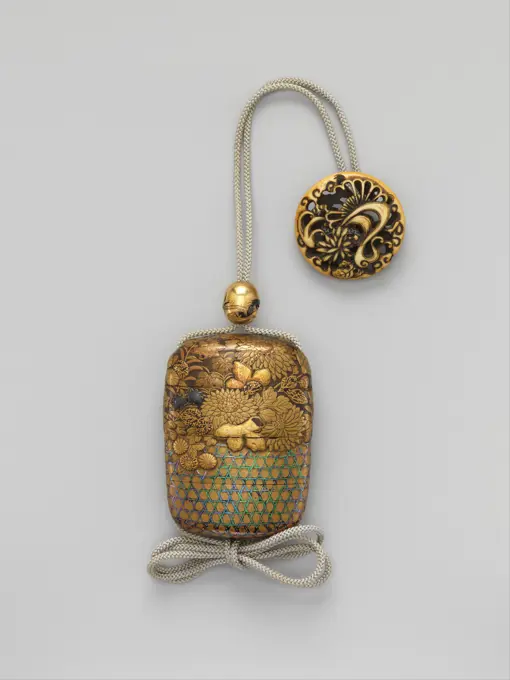
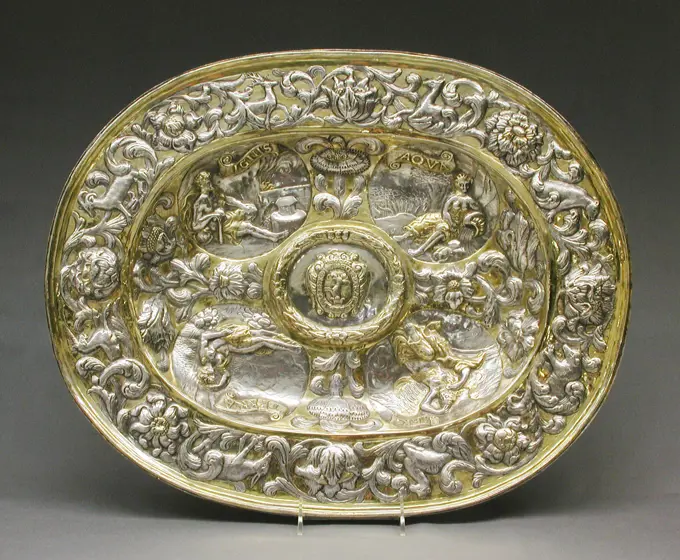
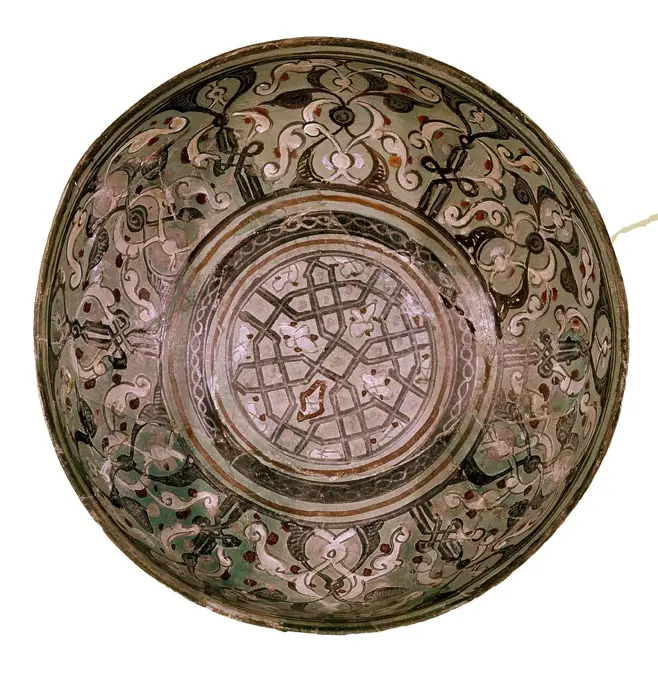
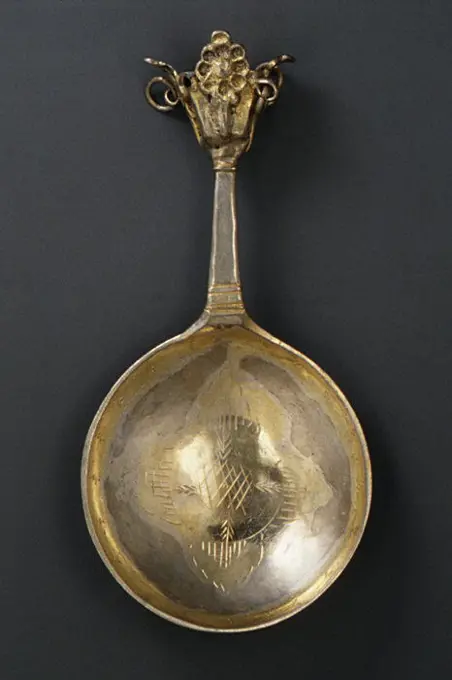
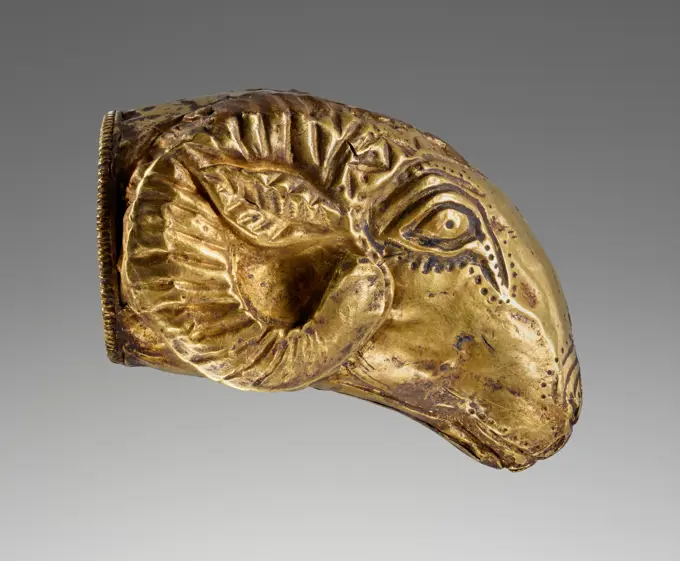
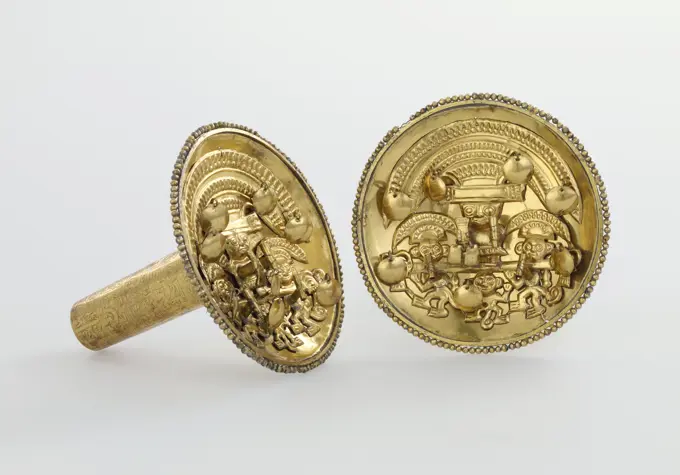
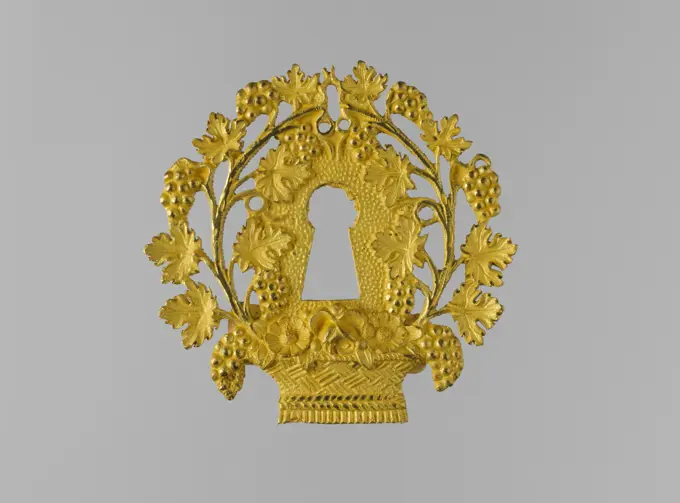
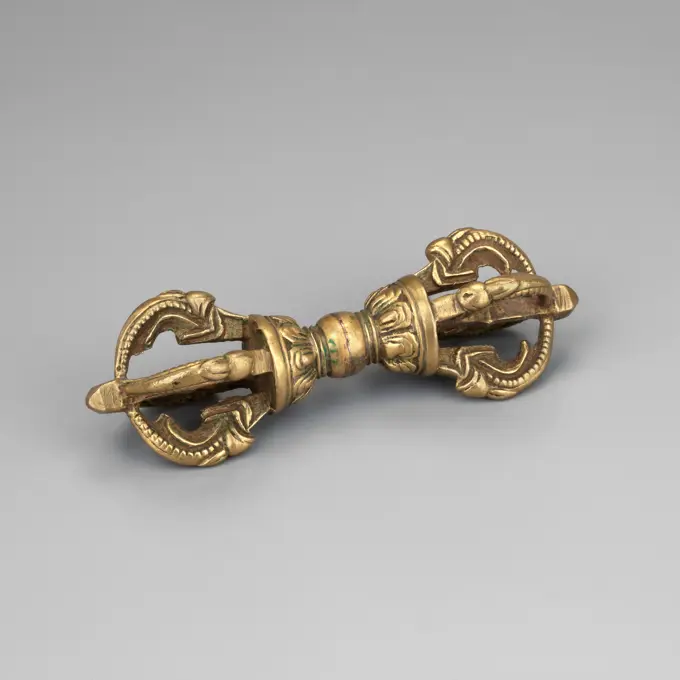
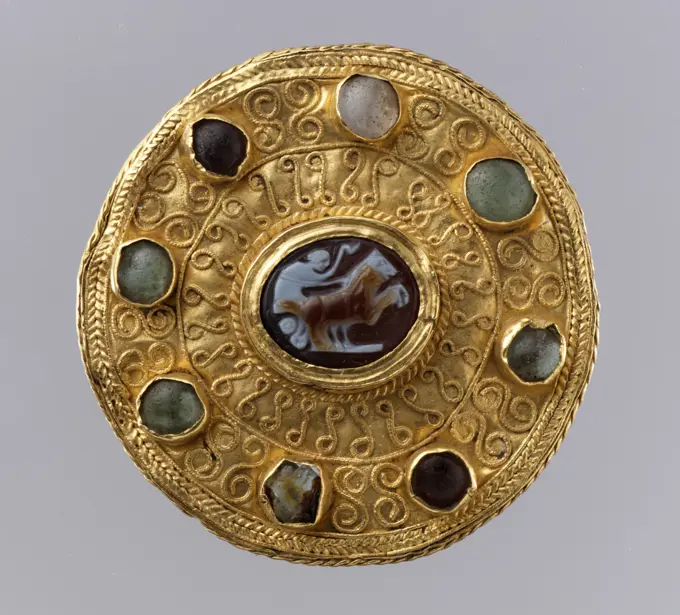
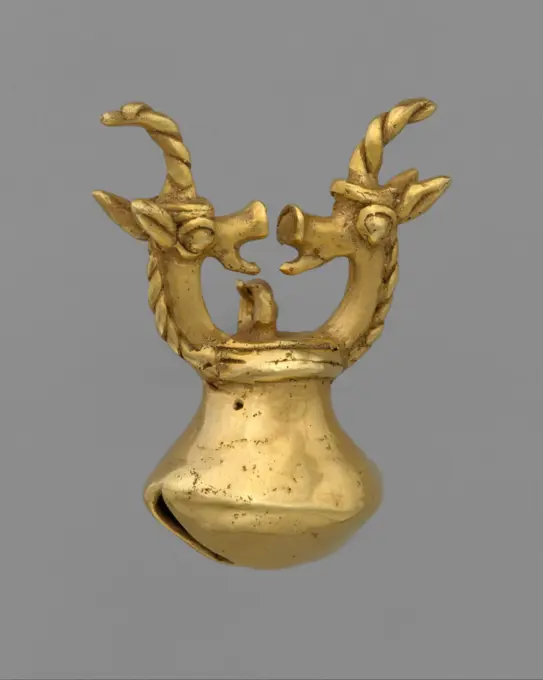
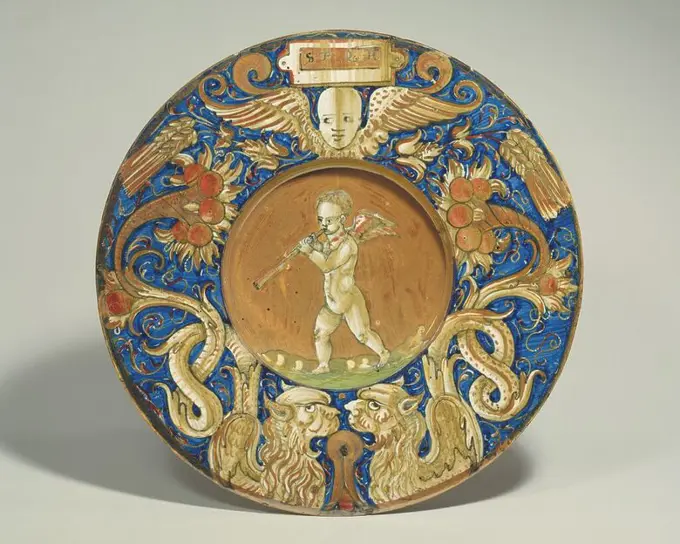
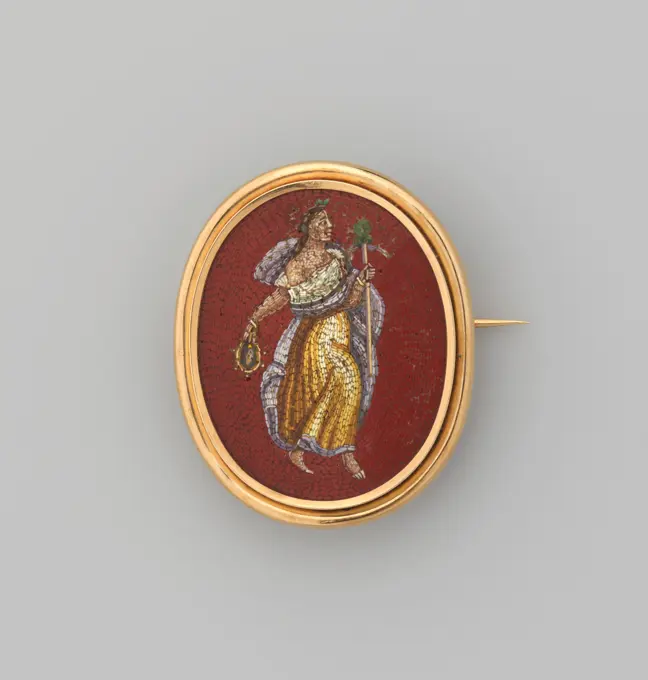
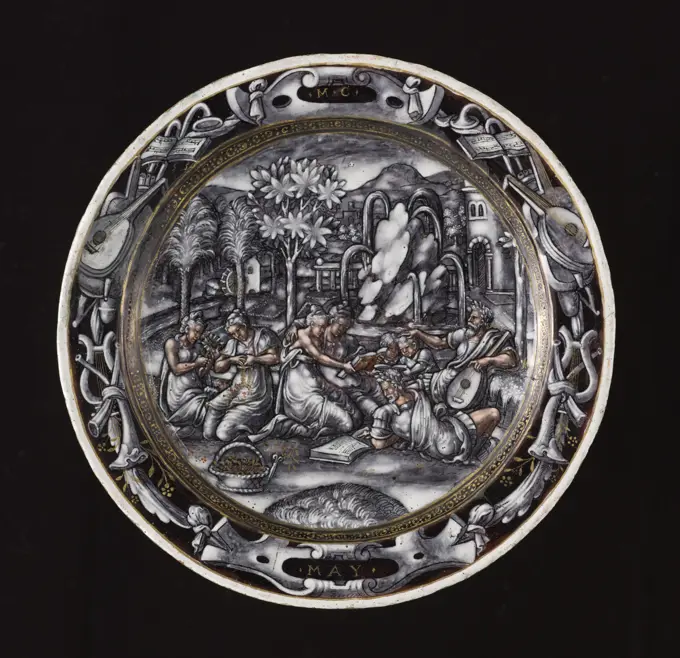
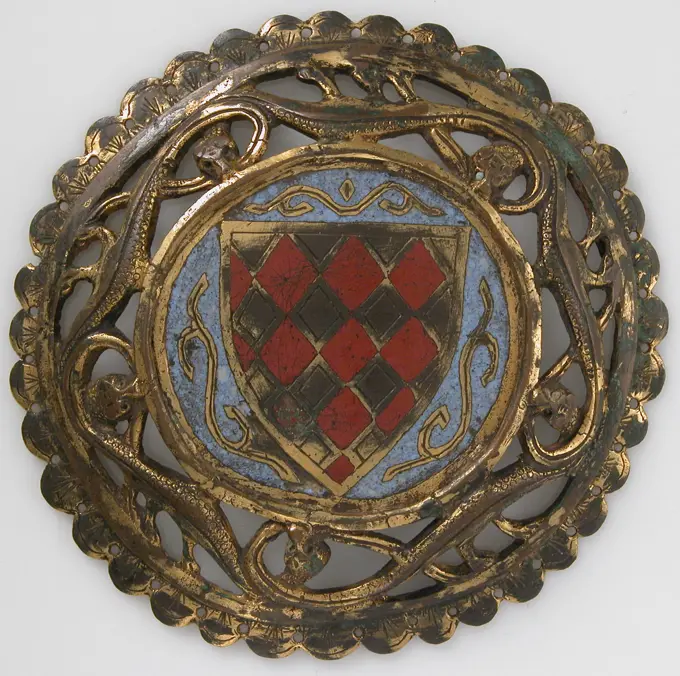
Headlight for the candlestick;  half. XVIII W (1745-00-00-1754-00-00);Earring with Four-Armed Vishnu Riding Garuda with Nagas (serpent divinities), 1600s or 1700s. Nepal, Kathmandu Valley. Repousse gold with pearls; overall: 3.6 cm (1 7/16 in.). In Nepal, sculptures of deities were adorned with jewelry larger than pieces made for human beings. This pair of earrings features the Hindu god Vishnu seated cross-legged riding his mount the man-eagle Garuda. Garuda's arms are outstretched, grabbing the tails of serpents whose braided bodies snake up both sides of each earring. His wings drape like a cape behind him, and his talons clutch his crescent moon perch. Serpent hoods rise up behind Vishnu like a canopy.Watch. Culture: German, Strasbourg. Dimensions: Overall: 1 11/16 × 15/16 × 13/16 in. (4.3 × 2.4 × 2.1 cm). Maker: Watchmaker: Richard Ledertz (German, recorded 1600-30). Date: ca. 1620-30. Museum: Metropolitan Museum of Art, New York, USA.Bracket, Gilt bronze, Scroll with crowned sphinx, France, ca. 1800-10, metalwork, Decorative Arts, BracketMountOrnament; wood, gildedChatelaine with a Watch Key and a Cachet (Seal), 1735 - 1736  Chatelaine of driven gold with cachet. London gold (metal).Handle; L x W x D: 16.5 x 5.1 cm (6 1/2 x 2 in.)Battle Scene. Culture: South German or North Italian. Dimensions: Diam. 9.1 cm, wt. 94.54 g.. Date: model third quarter 16th century (cast late 16th or 17th century).This piece is the central decoration of a shield or the foot of a tazza, in the shape of a circular shield decorated with a continuous all'antica battle scene. Such imagery was particularly popular in sixteenth-century Southern Germany, as demonstrated by the prints of Hans Sebald Beham, Barthel Beham, and Jost Amman. The high quality of this composition, with a remarkable variety of poses, suggests that the modeler was inspired by a detailed design (drawing or print) or by a larger model, possibly a shield. These scenes were often used to decorate dagger sheaths, helmets, gorgets, shields, and other forms of arms and armor. The Lehman object is an old aftercast, possibly dating from the late sixteenth or seventeenth century. Museum: Metropolitan Museum of Art, New York, USA.Ornamental Bolt, c. 1800. France, early 19th century, Empire Style. Gilt bronze; overall: 8.6 x 12.1 cm (3 3/8 x 4 3/4 in.).Badge or Harness Pendant 14th century Spanish Heraldry, or coat-of-arms, were vitally important in Europe throughout the Middle Ages and the Renaissance. Heraldic emblems were used to identify noble families, cities, regions, and even countries. In addition to being displayed on shields and flags, heraldry was incorporated into architectural decoration on the interior and the exterior of buildings, on furniture, works of art, clothing, and horse equipment. Harness pendants, like this example, would have been attached to a headstall, bridle, or other straps making up the tack of a horse ridden by a nobleman or noblewoman, or a member of their household. Many harness pendants also have decoration that is simply ornamental, or have symbols that are not specifically heraldic in nature.. Badge or Harness Pendant. Spanish. 14th century. Copper, gold, enamel. Miscellaneous-BadgesPendant. Iran, about 150 B.C.-A.D. 225. Jewelry and Adornments; pendants. Bronze, castMountWall Light; Nancy, Lorraine, France; about 1700; Carved fruitwood (perhaps bois de Sainte-Lucie); 43.2 x 29.5 x 12.7 cm (17 x 11 5,8 x 5 in.)Badge or Harness Pendant 14th century Spanish Heraldry, or coat-of-arms, were vitally important in Europe throughout the Middle Ages and the Renaissance. Heraldic emblems were used to identify noble families, cities, regions, and even countries. In addition to being displayed on shields and flags, heraldry was incorporated into architectural decoration on the interior and the exterior of buildings, on furniture, works of art, clothing, and horse equipment. Harness pendants, like this example, would have been attached to a headstall, bridle, or other straps making up the tack of a horse ridden by a nobleman or noblewoman, or a member of their household. Many harness pendants also have decoration that is simply ornamental, or have symbols that are not specifically heraldic in nature.. Badge or Harness Pendant. Spanish. 14th century. Copper, gold, enamel. Miscellaneous-BadgesDisk Brooch ca. 600 Langobardic. Disk Brooch 468388Gold disk earring with a female head and cone pendants ca. 350-300 B.C. Greek. Gold disk earring with a female head and cone pendants 243026Book Clasp (probably Italy); gilt silver; L x W x D (a,b: overall): 10.5 x 4 x 0.2 cm (4 1/8 x 1 9/16 x 1/16 in.)Clock face;  Ok. PO. XVIII W (1701-00-00-1800-00-00);MountSifting spoon, J. M. van Kempen and Sons, founded 1835, Stamped bright-cut sheet silver, Bell-form shovel-like bowl twice stamped with scrolls divided by pierced central panel of scrolling foliate arabesques. Bowl with shaped, engraved flange border. Short, slightly curved handle engraved with foliate scrolls., Netherlands, 1853, cutlery, Decorative Arts, Sifting spoonCopper belt tongue belonging to belt hanger or belt buckle, belt clothing accessory clothing soil find copper metal, In the disk badly cast representation of probably saint with his attributes archeologyBrooch made of openwork gold with a red -purple stone of glass, c. 1915 Flat brooch made of openwork gold with curl eaters with cannon closure. Central a round, cabochon sharpened, red -purple stone of glass. Netherlands gold (metal). glass engraving Flat brooch made of openwork gold with curl eaters with cannon closure. Central a round, cabochon sharpened, red -purple stone of glass. Netherlands gold (metal). glass engravingCutout ca. 1892 Lockwood de Forest American A key figure in the Aesthetic movement, New York-born artist Lockwood de Forest (1850-1932) was very inspired by Indian arts and crafts, and created the Ahmedabad Woodcarving Company in Gujarat, which exported many items to the United States. These cut and chased brass cutouts, designed by de Forest, were based on examples found in wood, plaster, and stone in Indian architecture. In his designs, they would have been used as ornament on architecture or furniture.. Cutout. ca. 1892. Brass; chased. Attributed to India, Ahmedabad. MetalMountSwans and Fountain Appliqué. Dimensions: 9 3/4 x 2 1/8 in. (24.8 x 5.4 cm). Retailer: Henry Kellam Hancock (1816-1851). Date: ca. 1810-30. Museum: Metropolitan Museum of Art, New York, USA.Bow Fibula, 500-550. Frankish, 6th century. Silver gilt and niello; overall: 7.7 x 4.5 x 1.1 cm (3 1/16 x 1 3/4 x 7/16 in.).MountMountGoldsmith's art, 18th century. Enamelled gold buckle.Buckle Shank late 6th-7th century Visigothic. Buckle Shank. Visigothic. late 6th-7th century. Copper alloy (bronze), gold, iron. Miscellaneous-Buckles & OrnamentHarness Fitting with Zoomorphic Motif 3rd century B.C. North China. Harness Fitting with Zoomorphic Motif. North China. 3rd century B.C.. Gilded bronze. MetalworkOrnament with Eagle, 1st-2nd Century. Italy, Roman, Imperial Roman period. Gold; overall: 7.7 x 5.1 cm (3 1/16 x 2 in.).. Dish of porcelain, painted on the glaze in red, black and gold. On the flat a scalloped cartouche with a Chinese man, a high-quality leather, with three ladies in an interior; Flower and leaf raft on the wall; On the edge two decorative tires, between which a tire with flower drinks interspersed with leaf-shaped cartouches with a bird on a flower or fruit branch. Old label on the bottom with 'H. 158 / F '. Encre the chine.Badge or Harness Pendant ca. 1400 Spanish Heraldry, or coat-of-arms, were vitally important in Europe throughout the Middle Ages and the Renaissance. Heraldic emblems were used to identify noble families, cities, regions, and even countries. In addition to being displayed on shields and flags, heraldry was incorporated into architectural decoration on the interior and the exterior of buildings, on furniture, works of art, clothing, and horse equipment. Harness pendants, like this example, would have been attached to a headstall, bridle, or other straps making up the tack of a horse ridden by a nobleman or noblewoman, or a member of their household. Many harness pendants also have decoration that is simply ornamental, or have symbols that are not specifically heraldic in nature.. Badge or Harness Pendant. Spanish. ca. 1400. Copper, gold, enamel. Miscellaneous-BadgesPax (Kußtafel or Monile) ca. 1515-20 South German This ornate pax was used during the celebration of Mass for the kiss of peace. The engraved letters IHS in the rock crystal are a monogram of the Greek name for Jesus. The Virgin and Child flanked by St. James the Greater and a female saint (perhaps Dorothy) are engraved on the back of the pax. On the inside of the back plate is an inscription indicating that Jacob Ostrofski presented the pax to the church of Blonie (near Warsaw) in 1529.. Pax (Kußtafel or Monile) 469943Mount; 1904-21-20MummybandDish, part of a tête-à-tête, painted with Lelies, N.V. Haagsche Plateel Factory Rozenburg, 1900 Dish, part of a porcelain tête-à-tête. Painted in yellow, reddish -brown and different shades of green with an ornamental decor, in which lilies. On all parts the monogram MVV (= Michiels van Verduynen) and the weapon of this family, in which the color blue also occurs. Marked Rozenburg. The Hague porcelain Dish, part of a porcelain tête-à-tête. Painted in yellow, reddish -brown and different shades of green with an ornamental decor, in which lilies. On all parts the monogram MVV (= Michiels van Verduynen) and the weapon of this family, in which the color blue also occurs. Marked Rozenburg. The Hague porcelainFragment, Frame; wood, gilded; 1908-13-21Earring with Openwork, 600-800. Byzantium, early Byzantine period, 7th-9th Century. Gold with a rock crystal bead; overall: 4.2 cm (1 5/8 in.).Bliżej Kultury Lesser, Teodor, Grudziński, Antoni (1897 1981), Wyka, FranciszekPair of Wall Lights; Attributed to André-Charles Boulle (French, 1642 - 1732, master before 1666); Paris, France; about 1715 - 1720; Gilt bronze;Purse, Medium: silk, metal Technique: crocheted, Dark green silk net miser's purse with gilt cut steel beads, mounted on a gold ring with a lid ornamented with a leaf design in relief, and at center, a small cameo of a woman's head in profile. Five gilt drops at bottom., France, early 19th century, costume & accessories, PurseHarness Pendant 13th-early 15th century possibly Spanish Heraldry, or coat-of-arms, were vitally important in Europe throughout the Middle Ages and the Renaissance. Heraldic emblems were used to identify noble families, cities, regions, and even countries. In addition to being displayed on shields and flags, heraldry was incorporated into architectural decoration on the interior and the exterior of buildings, on furniture, works of art, clothing, and horse equipment. Harness pendants, like this example, would have been attached to a headstall, bridle, or other straps making up the tack of a horse ridden by a nobleman or noblewoman, or a member of their household. Many harness pendants also have decoration that is simply ornamental, or have symbols that are not specifically heraldic in nature.. Harness Pendant. possibly Spanish. 13th-early 15th century. Copper, gold, enamel. Miscellaneous-BadgesCommemorative badge of members of the National Red Cross AssociationPlanets-manager. Cornalet Collection Sites 2013-2016. Numismatic.Pipe bowlPair of gold earrings with a disk and Eros ca. 300 B.C. Greek Earrings with Erotes.. Pair of gold earrings with a disk and Eros 253134 Greek, Pair of gold earrings with a disk and Eros, ca. 300 B.C., Gold, H. 3 3/4 in. (9.5 cm). The Metropolitan Museum of Art, New York. Gift of Mrs. Albert M. Lythgoe, in memory of Arthur Sherburne Hardy, 1930 (30.116.1, .2)Earring 3rd century Pontic. Earring 465398 Pontic, Earring, 3rd century, Gold, garnet, glass paste, Overall: 1 1/8 x 1/2 x 1/4 in. (2.9 x 1.3 x 0.6 cm). The Metropolitan Museum of Art, New York. Gift of J. Pierpont Morgan, 1917 (17.192.94)Roundel with griffin heads ca. 1st-2nd century Sarmatian. Roundel with griffin heads 327424Lluís Masriera / Colgante con diamantes y marfil, 1915. Colección privada. Author: LLUÍS MASRIERA I ROSÉS.Goldsmith's art, 19th century. Enamelled gold pendant set with pearls and diamonds.Panonceau d'offier ministerial (vi) A ministerial officer sign. Teaches. Golden and pushed iron, late eighteenth century.Travel Zonnewijzer, Anonymous, 1700 - 1800 Sunner in the form of a half -sphere that is engraved on the outside with a rosette of leaves and edge of leaf vines. The circular plate, which closes half the sphere has 2 edges with engraved numbers and in the middle the inscription: EQVA: Horar: LVN E in Horar: Eqvalium. Solis. There is 2 openings in the rotating part of the plate, which indicates the date and position of the moon. In De Halve Bol, a movable needle and engraved figures and the signs of the zodiac, including Septenttrio, Oriens, Meridies, Occidens. Netherlands copper (metal) cutting / forging / gilding / engraving Sunner in the form of a half -sphere that is engraved on the outside with a rosette of leaves and edge of leaf vines. The circular plate, which closes half the sphere has 2 edges with engraved numbers and in the middle the inscription: EQVA: Horar: LVN E in Horar: Eqvalium. Solis. There is 2 openings in the rotating part of the plate, which indicates the date and pBliżej Kultury Filipski, TeodorPair-case repeating watch ca. 1770-72 Watchmaker: John Champion The hours and minutes are in Chinese characters on this British watch made for export to China. The painting of the characters suggests the hand of a European craftsman not entirely comfortable with Chinese calligraphy. They correspond to the twice - twelve division of the day customary in the West and do not relate to traditional Chinese methods of dividing the day, which are too complex to fit on a simple watch dial. Listen to experts illuminate this artwork's story Listen Play or pause #413. Retail Value. High and Low Supported by Bloomberg Philanthropies We're sorry, the transcript for this audio track is not available at this time. We are working to make it available as soon as possible.. Pair-case repeating watch 194033Pelvis with Adam and Eve and the year 1611. In the flat of the dish, which has the center point in the udden, is a representation of Adam and Eva in Paradise (Genesis 3, 1-8) and a Piece of edge with the text Art Al Zeit Gelouek on shaded background, which is repeated four times. A punched ornament is applied to the letter edge with a wider bin as the motif. Rosettes are punched on the board, the private label and the year are engraved and a hole is drilled.Eagle fibula from Gisela Coronation Ornaments of Empress, 11th c. AD, Germany.Vajra with Angry Heads and Makara Prongs China. Vajra with Angry Heads and Makara Prongs 44344Badge (Probably from Horse Harness). Culture: Spanish. Dimensions: Diam. 1 5/8 in. (4.1 cm); Wt. 0.5 oz. (14.2 g). Date: ca. 1400. Museum: Metropolitan Museum of Art, New York, USA.Bracket; woodNecklace Comprising Nine Leaf-Shaped Pendants. Culture: Indonesia (Java). Dimensions: H. 1 1/8 in. (2.9 cm); W. 5 in. (12.7 cm); L. 15 1/4 in. (38.7 cm). Date: second half of the 9th-first quarter of the 10th century. Museum: Metropolitan Museum of Art, New York, USA.Star-shaped tile with hares among floral scrolls, anonymous, c. 1250 - c. 1324 Ster-shaped tile of quartz fritry, painted in blue and luster with an edge of palmets within which two hares in a land of luster between flower vines. is the earthenware. glaze. cobalt (mineral). luster (textile) painting / vitrification Ster-shaped tile of quartz fritry, painted in blue and luster with an edge of palmets within which two hares in a land of luster between flower vines. is the earthenware. glaze. cobalt (mineral). luster (textile) painting / vitrificationHenu barque amulet 664-380 B.C. Late Period. Henu barque amulet 561569Silversmith:, Silver shield with weapons and WOLLE MANUFACTUER VERWERSGILDE, until Rotterdam 1756, coat of arms information form silver, driven chased Shield hanging on chain with hook chain on bottom backside (debossed) Rotterdam heraldry gilded guild H. Vreburgh . Hordijk C. Brem C. van Eijck . Tavenraat P. van de Velde 1756 funeral death ceremonydragger set, india Copyright: xPxMistry/DinodiaxPhotoxROOKSET, IKKO Hasegawa, C. 1800 --c. 1850 A smoke set, consisting of a Netsuke in the form of a European with a hat and a dog in the arms, with articulated limbs and an oval tobacco box with decoration of a tiger, clouds and a dragon. Japan wood (plant material). bamboo. ivory. bone (material) A smoke set, consisting of a Netsuke in the form of a European with a hat and a dog in the arms, with articulated limbs and an oval tobacco box with decoration of a tiger, clouds and a dragon. Japan wood (plant material). bamboo. ivory. bone (material)Case (Inr) with Chrysanthemum Decoration 18th-19th century Japan. Case (Inr) with Chrysanthemum Decoration. Japan. 18th-19th century. Gold and silver maki-e with inlay of mother-of-pearl on lacquered ground. Edo period (1615-1868). InrCharger 1694 Hungarian, Transylvania Allegorical figures of the Four Elements, labeled within ribbons as IGNIS (fire), AQUA (water), AER (air), and TERRA (earth), occupy the oval cartouches. Cycles of the Four Elements, the Four Seasons, the Four Times of the Day, and the Four Ages of Man were important and commonly depicted subjects in Baroque art. Numerous animals, including a mythological unicorn (symbol of purity), an exotic camel, a bear (warning of gluttony), and a wild boar (symbol of endurance and strength), among others, are dispersed throughout the frieze ornament and interlacing floral decoration. The tulip motif is derived from the plants first cultivated in the Balkan region and the Ottoman Empire.A charger like this one would have been displayed on a festive buffet. It is unclear if it was intended as a stand for a matching ewer, in which case it would have served as part of a lavabo set used for washing hands during meals. The name of its owner, Gyerofi Borbara, and the Loop .Ferrule;  XVIIIw. (1701-00-00-1800-00-00);Sconce (one of a pair). Culture: British, London. Dimensions: Height: 12 in. (30.5 cm). Maker: Joseph Ward (active 1689-1734). Date: 1700-1701. Museum: Metropolitan Museum of Art, New York, USA.CERAMICA IRANI-CUENCO DE BARRO BLANCO S XIII. Location: MUSEO ARQUEOLOGICO NACIONAL-COLECCION. MADRID. SPAIN.Rattle spoon 1720 Hans Johansson Stadius. Rattle spoon 192286Badge or Harness Pendant ca. 1400 Spanish Heraldry, or coat-of-arms, were vitally important in Europe throughout the Middle Ages and the Renaissance. Heraldic emblems were used to identify noble families, cities, regions, and even countries. In addition to being displayed on shields and flags, heraldry was incorporated into architectural decoration on the interior and the exterior of buildings, on furniture, works of art, clothing, and horse equipment. Harness pendants, like this example, would have been attached to a headstall, bridle, or other straps making up the tack of a horse ridden by a nobleman or noblewoman, or a member of their household. Many harness pendants also have decoration that is simply ornamental, or have symbols that are not specifically heraldic in nature.. Badge or Harness Pendant. Spanish. ca. 1400. Copper, gold, enamel. Miscellaneous-BadgesCup 19th century, after 17th century original British, after Russian original This electrotype is after a seventeenth-century original a treasure of the Patriarch, Moscow, at the time of reproduction.. Cup 186634Ram's Head Finial. UnknownEar Spool, c. 1150-1450, 5 3/8 x 5 in. (13.65 x 12.7 cm), Gold alloy, Peru, 12th-15th century, Chimu authorities broadcast their power and status by sporting luxurious attire like feather work, ornate headdresses, and precious jewelry. Only the most elite authority would have worn these gold ear spools. While gold was not valued as currency, its symbolic connection to the sun gave it powerful spiritual currencyespecially when fashioned into intricate jewelry. Many ancient Andean societies, including the Chimu, believed their ruler was a living representative of the gods.Kin-chaku (purse) With Netsuke And Ojime On Chord ; leather (purse); ivory and shibuichi (netsuke), enamel on copper, silk (cord)Escutcheon ca. 1810-30 Henry Kellam Hancock. Escutcheon 3547Defects;  End of the 18th century () (1791-00-00-1800-00-00);Purchase (provenance)Flask with screw top ca. 1710 British. Flask with screw top 205077Plaque for a carriage with a four -track coat of arms of Radziw  before 1871 (1846-00-00-1871-00-00);Watch. Culture: Swiss, Geneva. Dimensions: Diameter: 1 11/16 in. (4.3 cm). Maker: Watchmaker: Firm of Bautte et Moynier (Swiss, partnership 1826-31); Partnership of Jean-François Bautte (French, 1772-1837); and Jean-Gabriel Moynier (1772-1840). Date: ca. 1826-31.This pocket watch belongs to a category of upscale souvenir watches. It features Egyptian zodiac symbols taken from a Ptolemaic sandstone bas-relief that was brought to France in 1821 from the Temple of Hathor in Dendera, Egypt. Museum: Metropolitan Museum of Art, New York, USA.Fibula, boat-shaped type. Fibula, boat-shaped type. Gold. Gold and SilverDisk Brooch with Cameo ca. 600 (mount); 100-300 (cameo) Langobardic (mount); Roman (cameo) The Langobards often embellished their own jewelry with gems carved centuries earlier by Roman or Etruscan craftsmen. These gems, valued for their antiquity, linked their Langobardic wearers to the illustrious peoples who preceded them on the Italian peninsula.. Disk Brooch with Cameo 468993Deer-Head Bell 11th-16th century Chiriqui. Deer-Head Bell 316662Badge or Harness Pendant early 14th or 15th century Spanish or British Heraldry, or coat-of-arms, were vitally important in Europe throughout the Middle Ages and the Renaissance. Heraldic emblems were used to identify noble families, cities, regions, and even countries. In addition to being displayed on shields and flags, heraldry was incorporated into architectural decoration on the interior and the exterior of buildings, on furniture, works of art, clothing, and horse equipment. Harness pendants, like this example, would have been attached to a headstall, bridle, or other straps making up the tack of a horse ridden by a nobleman or noblewoman, or a member of their household. Many harness pendants also have decoration that is simply ornamental, or have symbols that are not specifically heraldic in nature.. Badge or Harness Pendant. Spanish or British. early 14th or 15th century. Copper. Miscellaneous-BadgesPlate (tondino). Culture: Italian, Gubbio. Dimensions: Diameter: 10 3/8 in. (26.4 cm). Date: ca. 1530-35. Museum: Metropolitan Museum of Art, New York, USA.Broche "Melpomene", anonymous, c. 1860 - c. 1870 Oval brooch made of gold and glass with micromosaic with melpeamene on a red background, with a hook closure. The back is made of mother -of -pearl. The micromosaic is Italian and it is put in the Netherlands. jeweler: Netherlandsmaker: Italy gold (metal). mozaïek: glass. mother of pearl mosaic Oval brooch made of gold and glass with micromosaic with melpeamene on a red background, with a hook closure. The back is made of mother -of -pearl. The micromosaic is Italian and it is put in the Netherlands. jeweler: Netherlandsmaker: Italy gold (metal). mozaïek: glass. mother of pearl mosaicPendant Brooch with Cameo of Enthroned Virgin and Child and Christ Pantokrator late 1000s-1100s (cameo); 1100s-1300s (mount) Byzantine The elaborately carved cameo depicts the enthroned Virgin and Christ Child flanked by archangels, a subject often depicted in the apse of Orthodox churches. On the reverse of the gold case is an image of Christ Pantokrator, which would have been found in the dome of a church. The frame is typical of the Rus, peoples of the north who had been converted by the Orthodox Christian clergy of Constantinople and who thus prized Byzantine works.. Pendant Brooch with Cameo of Enthroned Virgin and Child and Christ Pantokrator 477247Purse (France); horsehair, silk and metal-wrapped silk-core yarn; H: 11 cm (4 5/16 in.); Bequest of Richard Cranch Greenleaf in memory of his mother, Adeline Emma Greenleaf; 1962-58-28Calendar Plate for May (Making Music). Martial Courteys (France, Limoges, circa 1544-1592). France, Limoges, circa 1565-1575. Furnishings; Serviceware. Grisaille enamel, flesh tones, touches of color, and gold on copperBliżej Kultury unknownRoundel 14th century French. Roundel 467624Pendant Depicting a Male Figure with Saurian Heads Emerging from Body 1000-1550 Panama. Gold . VeraguasOvale Broche of Gold Wire with Flower with Heart of Blood Coral, c. 1940 - c. 1950 Oval brooch of gold thread in two colors with flour with heart (bouton) of blood coral, with a hook closure and a Sureté. the Bosch red coral (material) Oval brooch of gold thread in two colors with flour with heart (bouton) of blood coral, with a hook closure and a Sureté. the Bosch red coral (material)Reliquary cross in the German Blade Museum, detail with relicsGold Belt Buckle and Strap End ca. 600 Langobardic This group of objects was found in the grave of a Langobardic horseman, who was buried in his warrior dress, with weapons, shield, helmet, and the fittings for his horse. What remains are the many gold pieces that would have ornamented his clothing and equipment, and they attest to the great wealth of the Langobardic aristocracy within a generation of settling in Italy.. Gold Belt Buckle and Strap End 470278