Antique Decorative Artifacts

A collection of ornate decorative artifacts, including vintage earrings, watches, and brackets, showcasing intricate designs and historical craftsmanship.

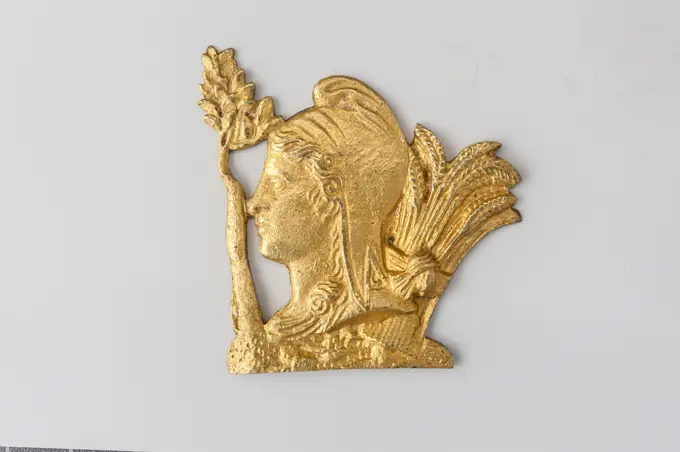
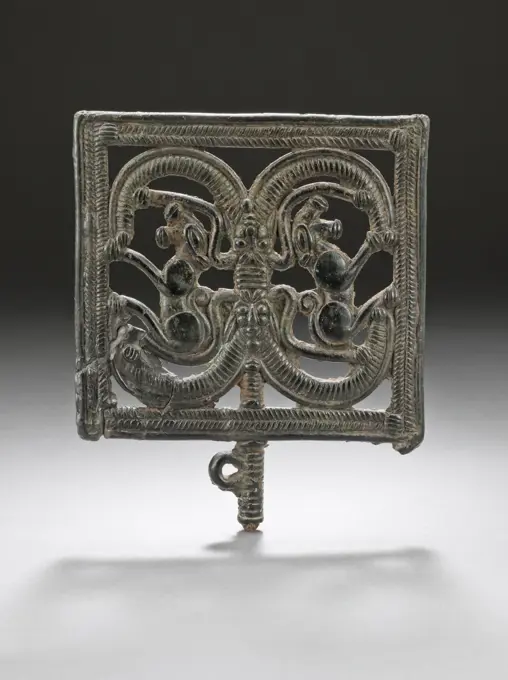
Bracket, Gilt bronze, Scroll with crowned sphinx, France, ca. 1800-10, metalwork, Decorative Arts, Bracket
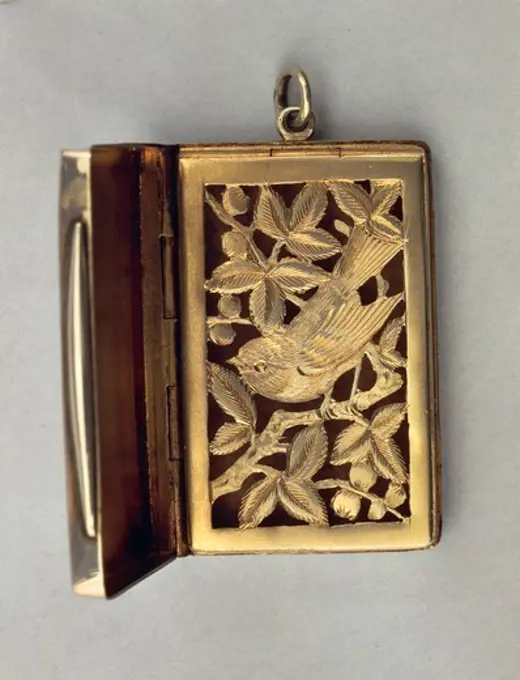
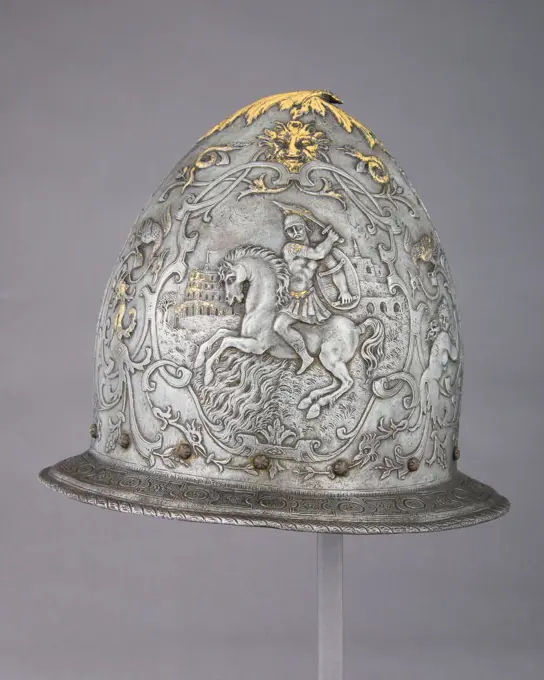
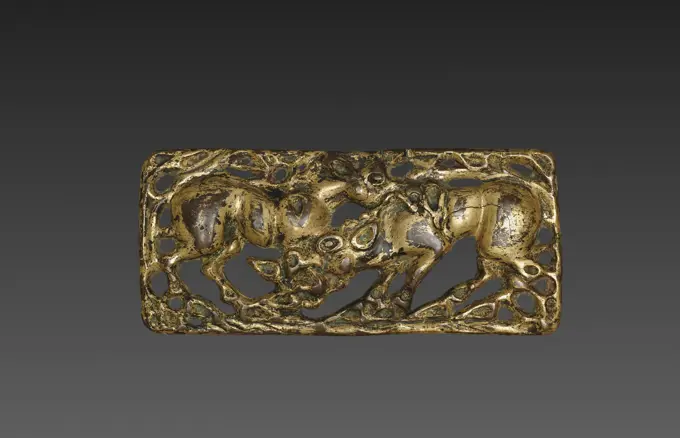
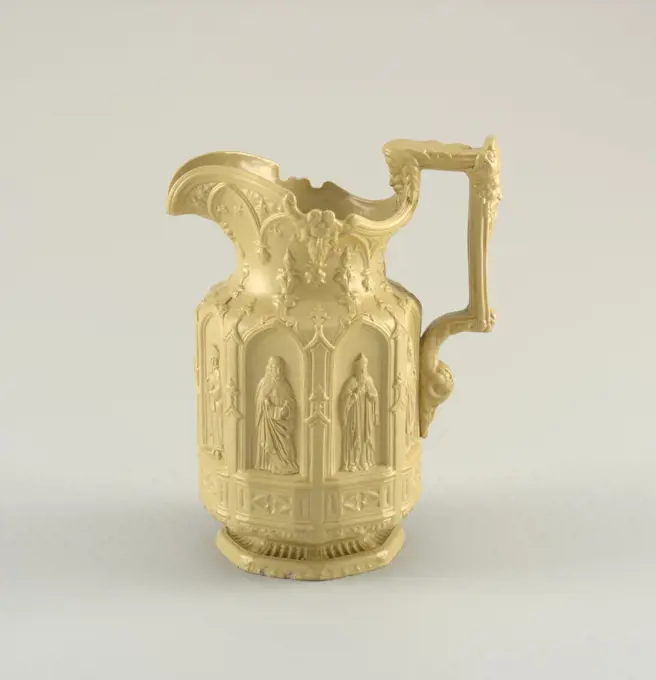
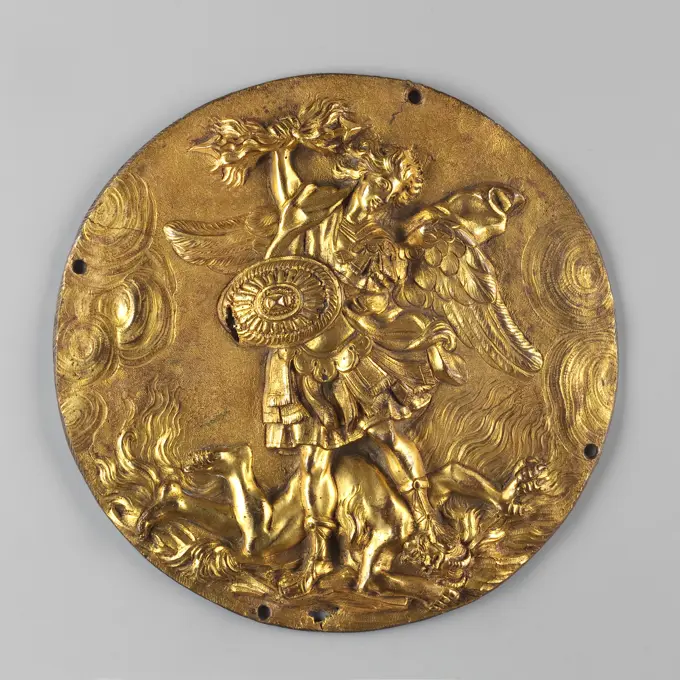
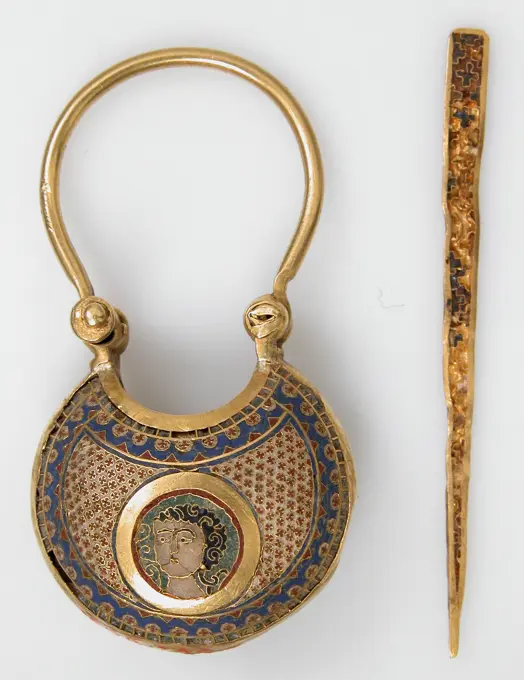
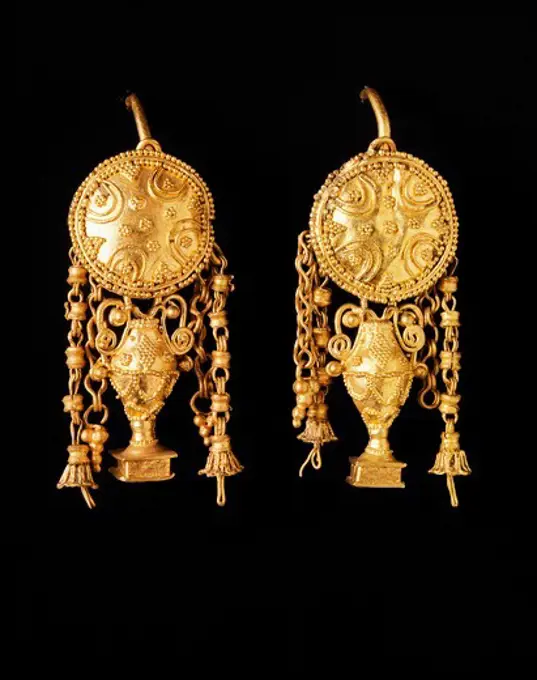
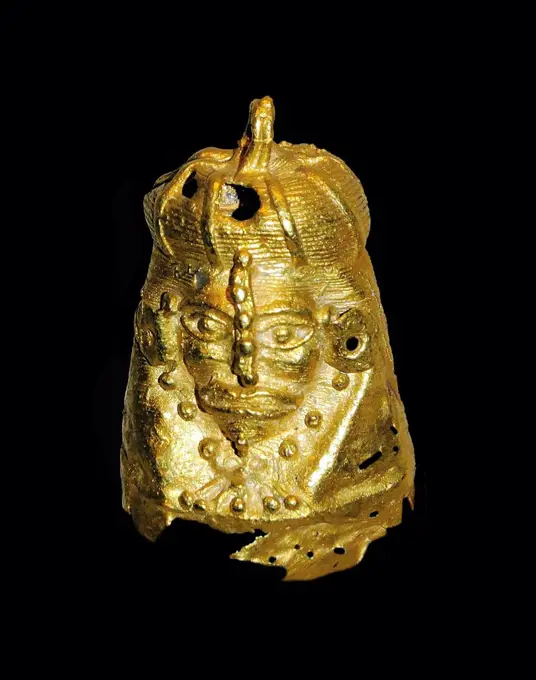
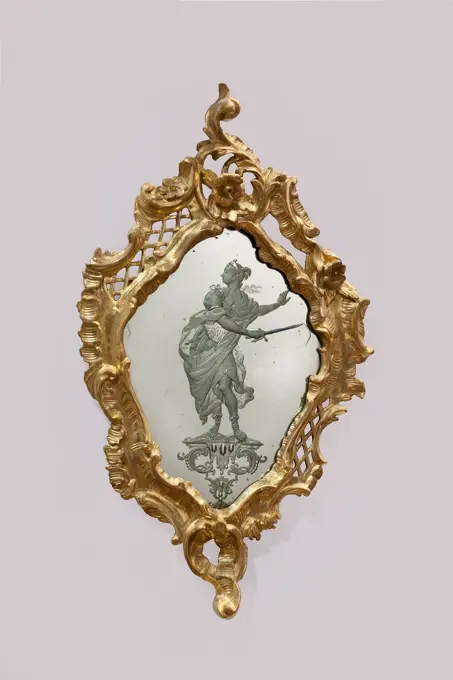
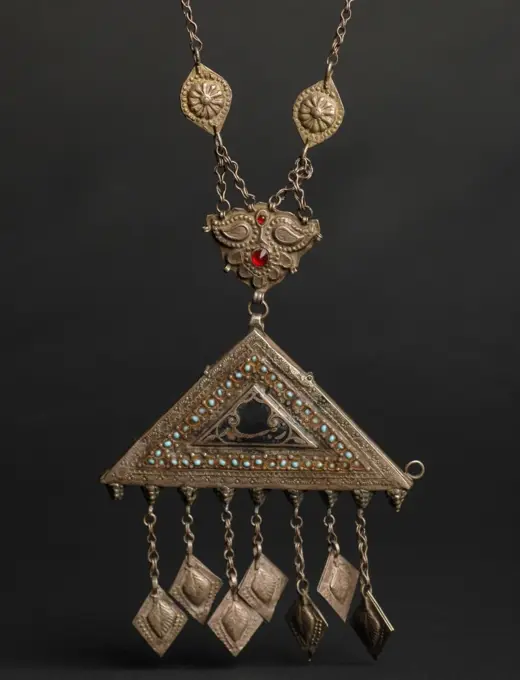
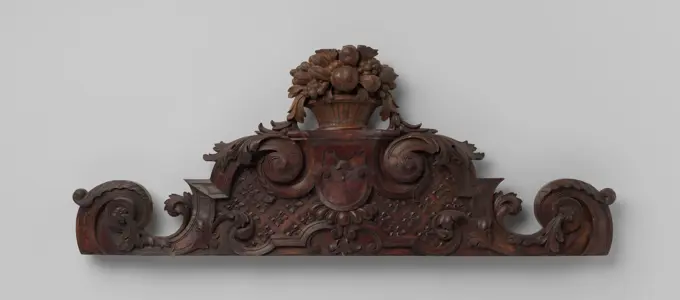
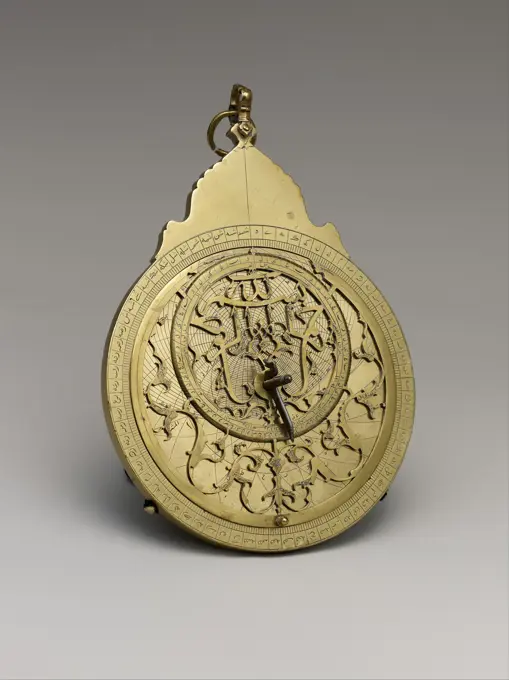
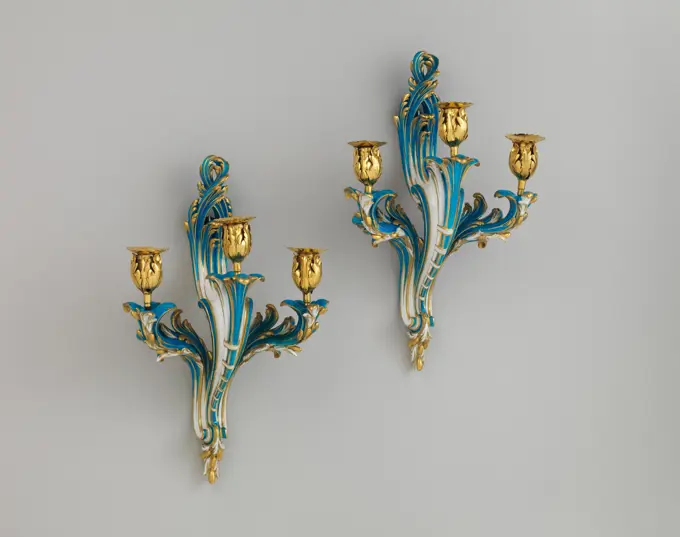
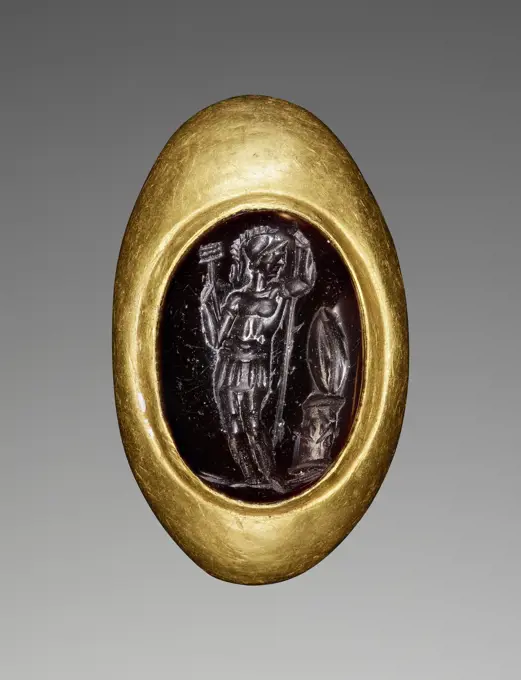
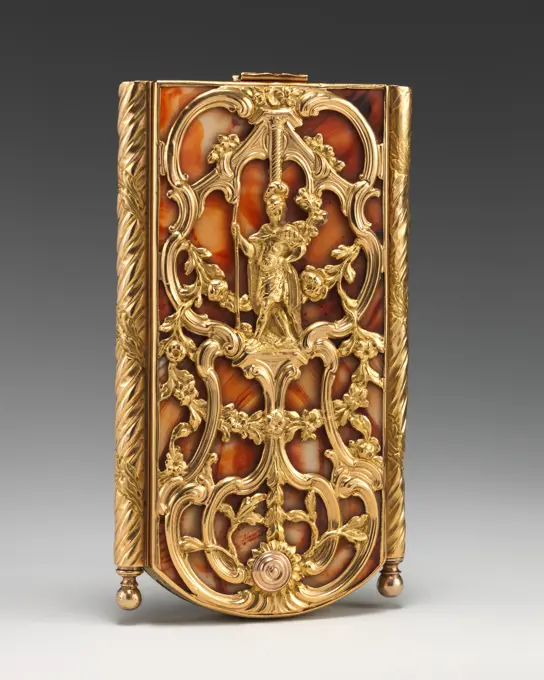
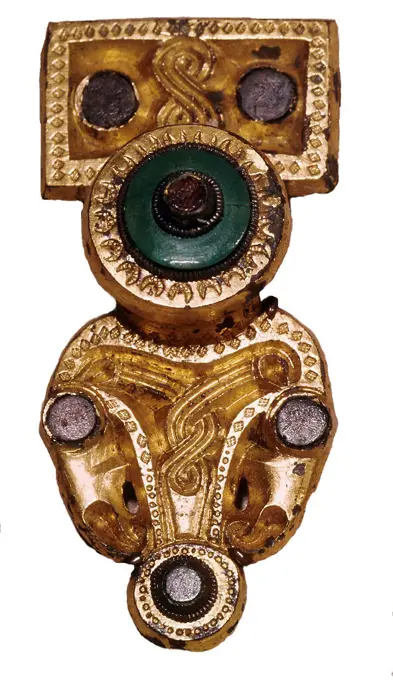
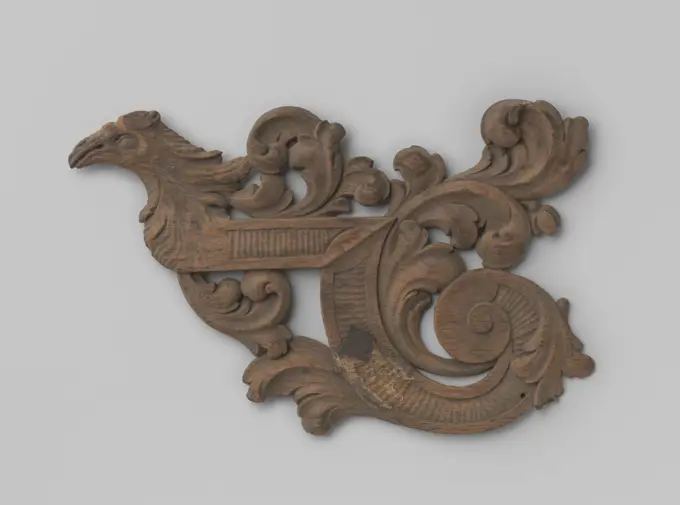
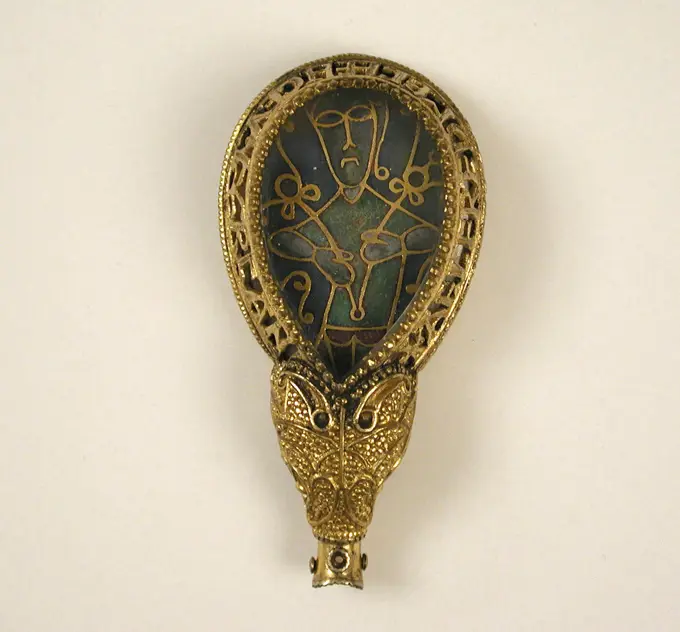
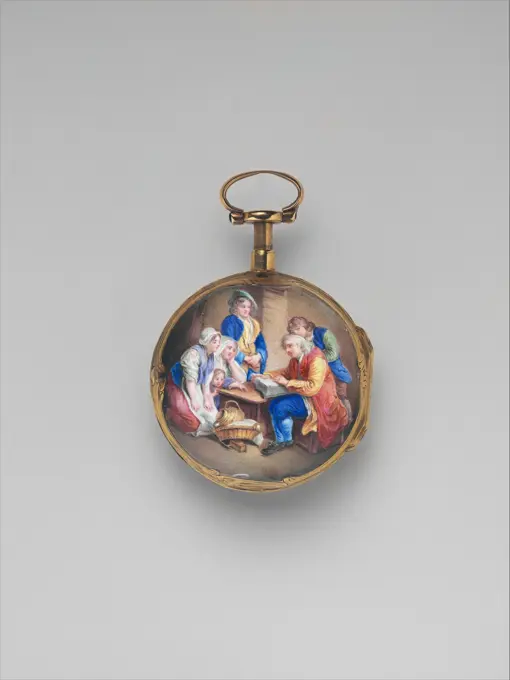
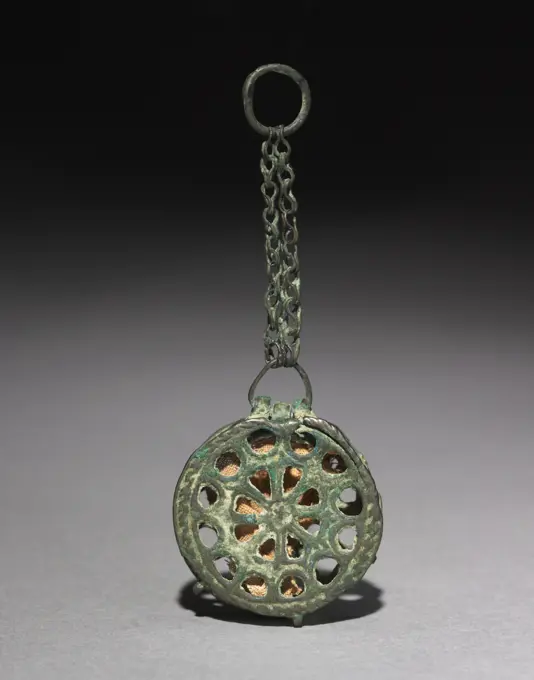
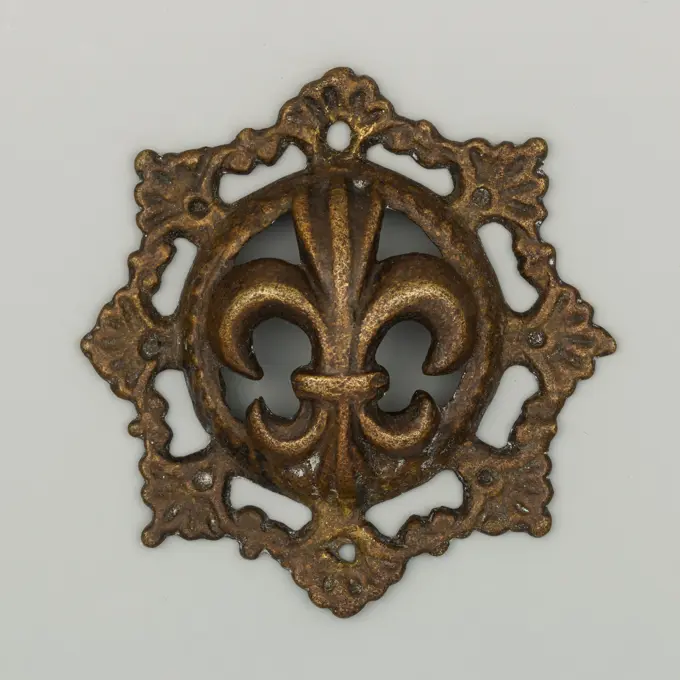
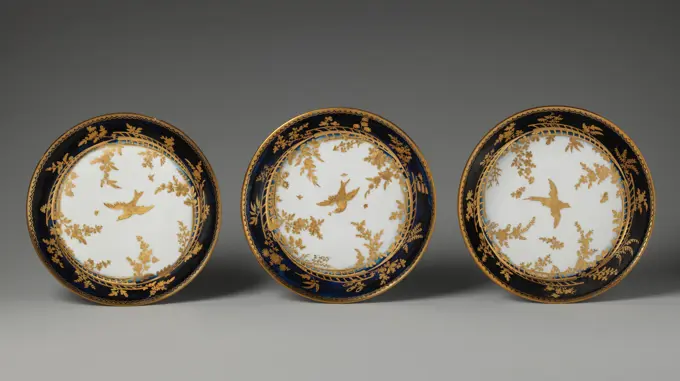
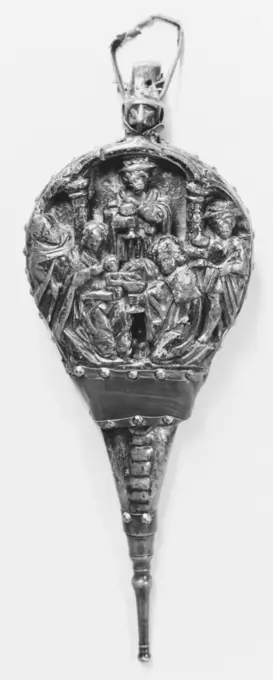
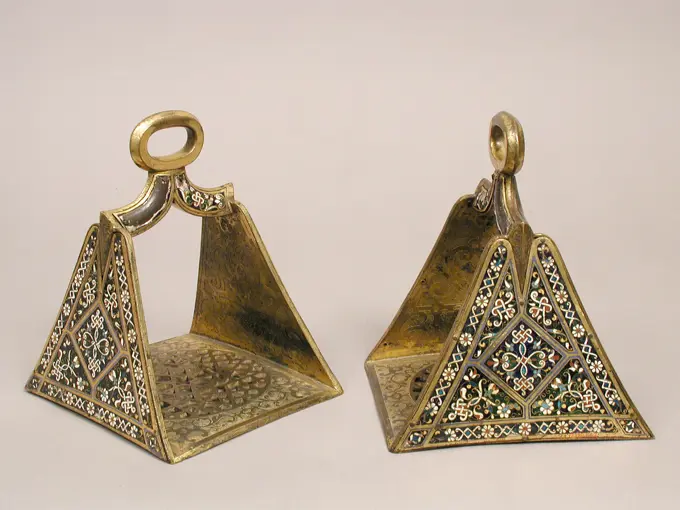
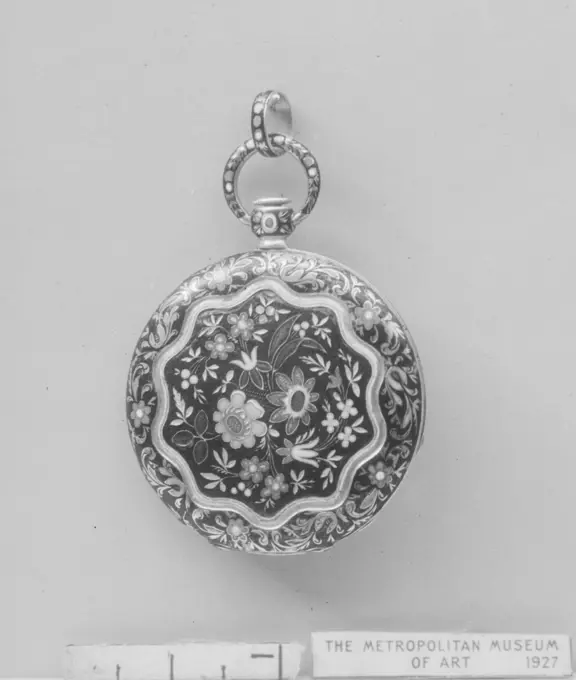
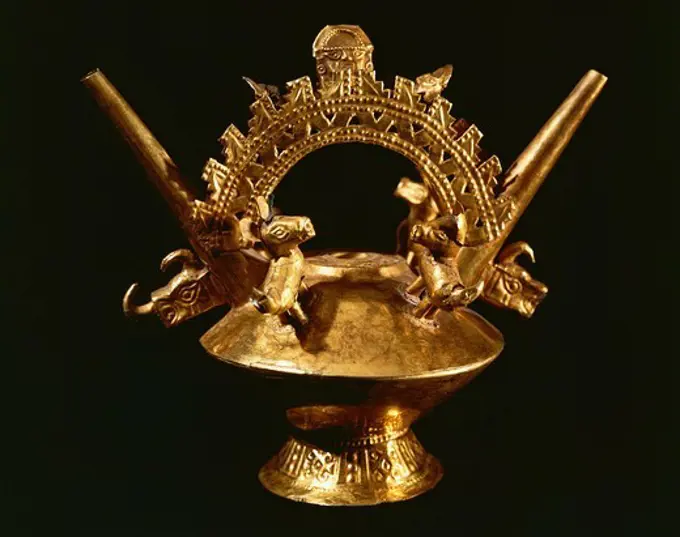
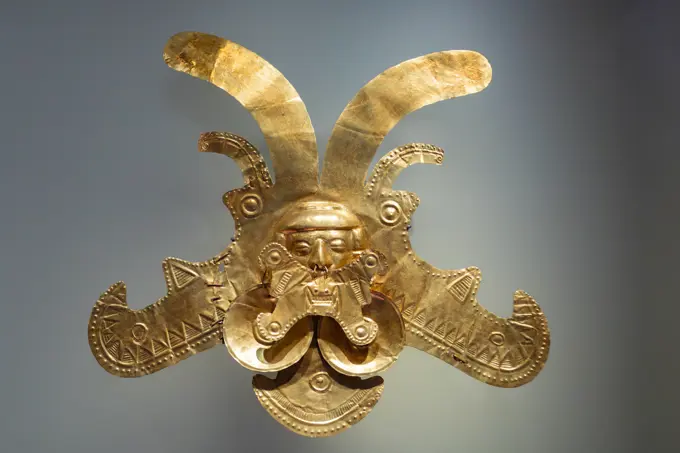
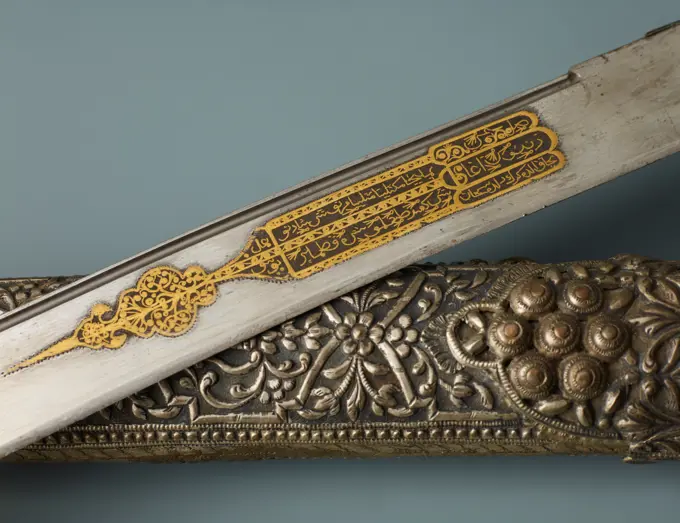
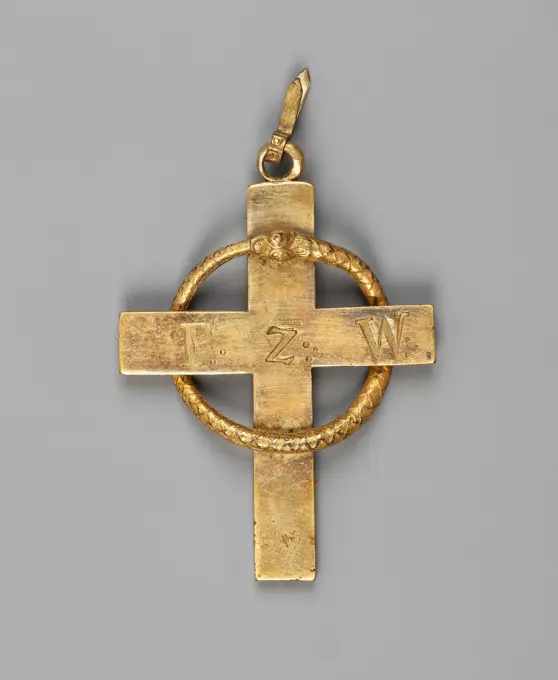
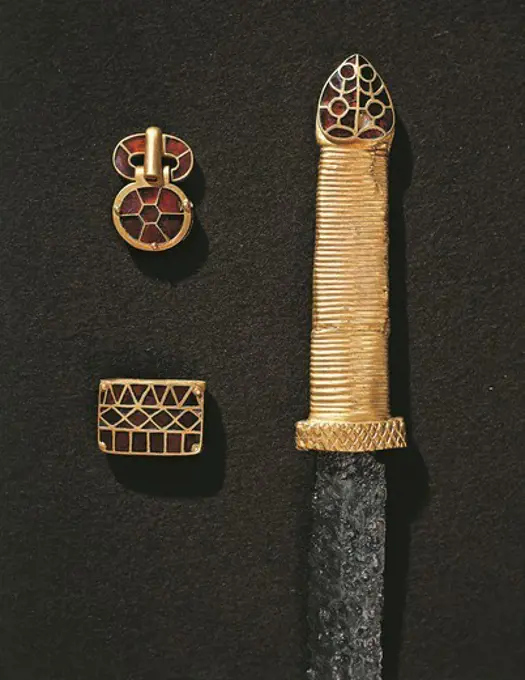
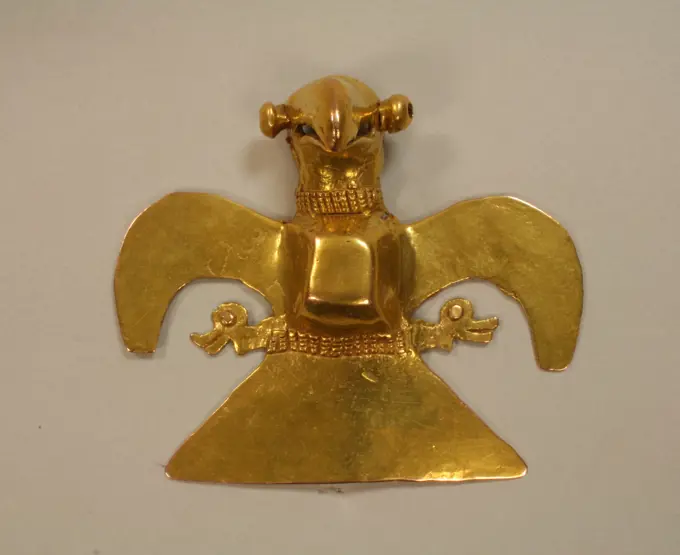
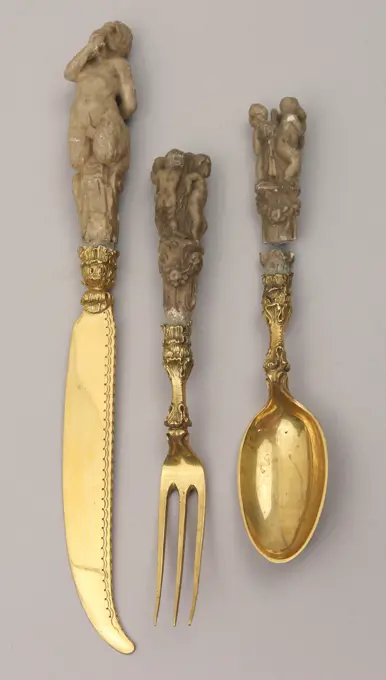
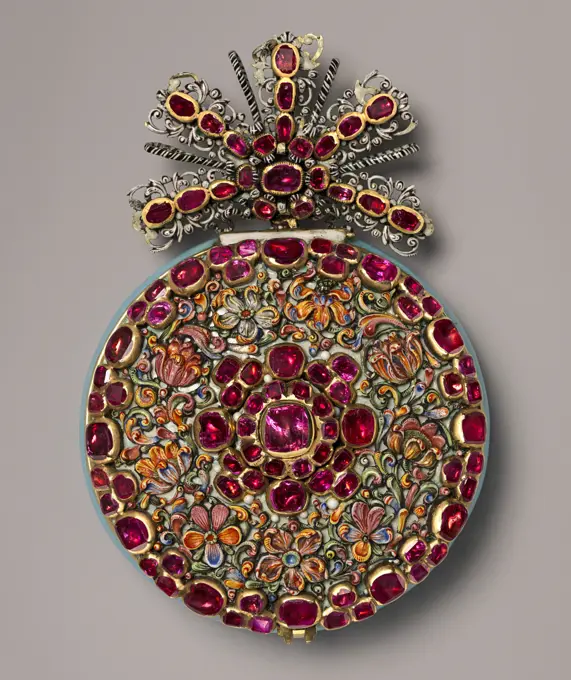
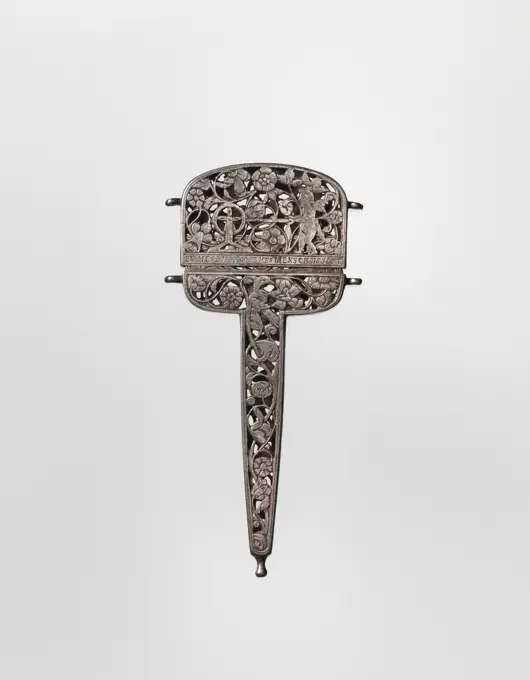
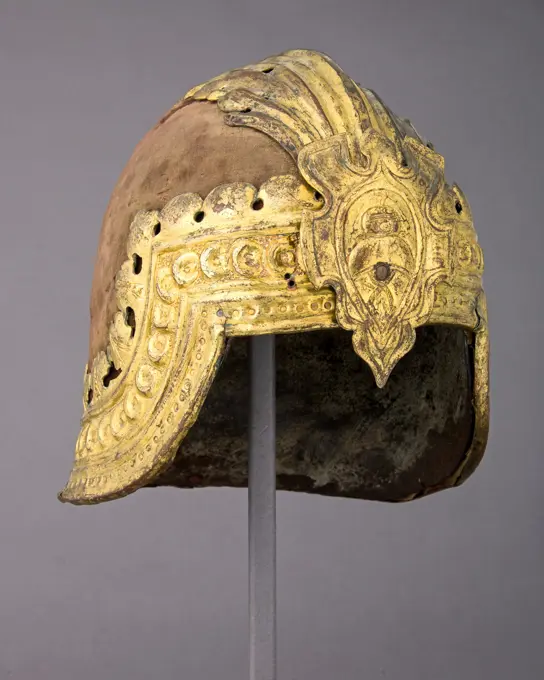
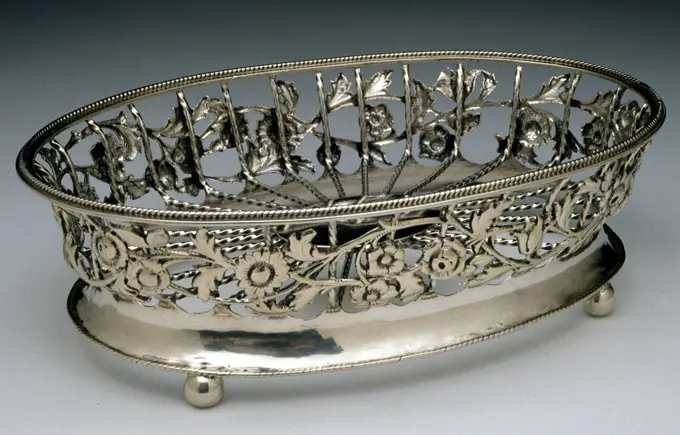
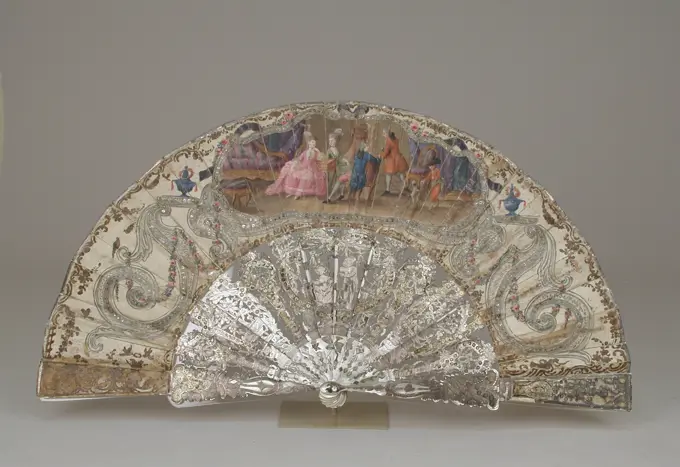
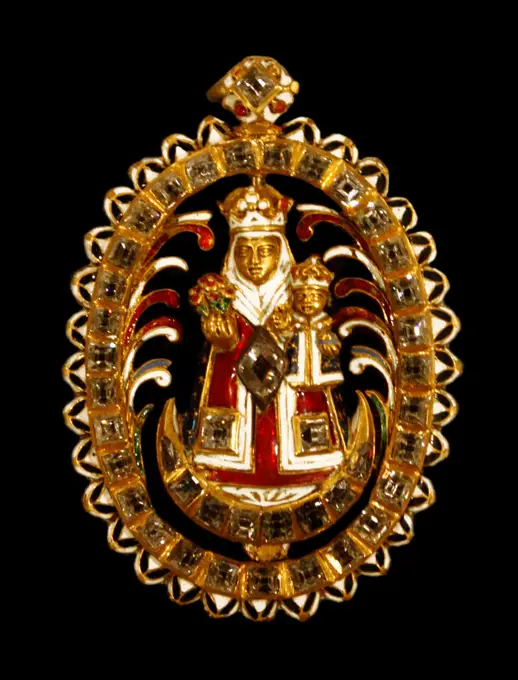
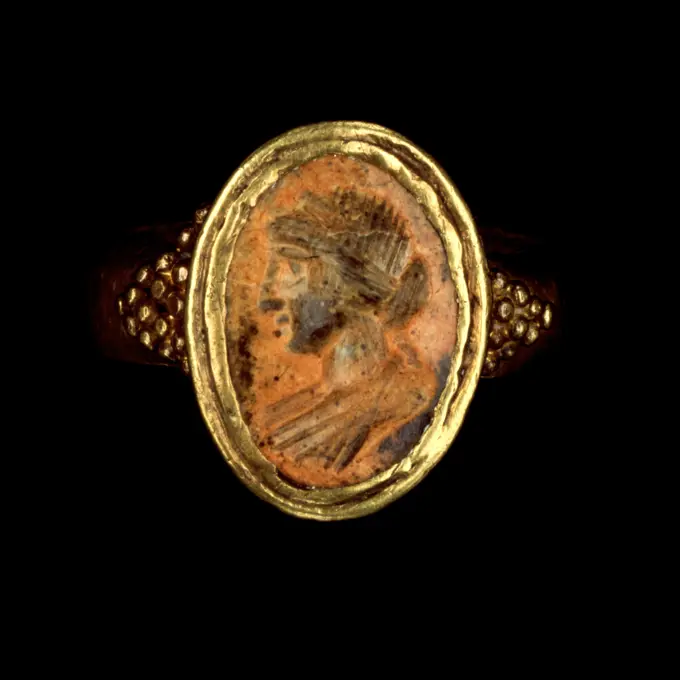
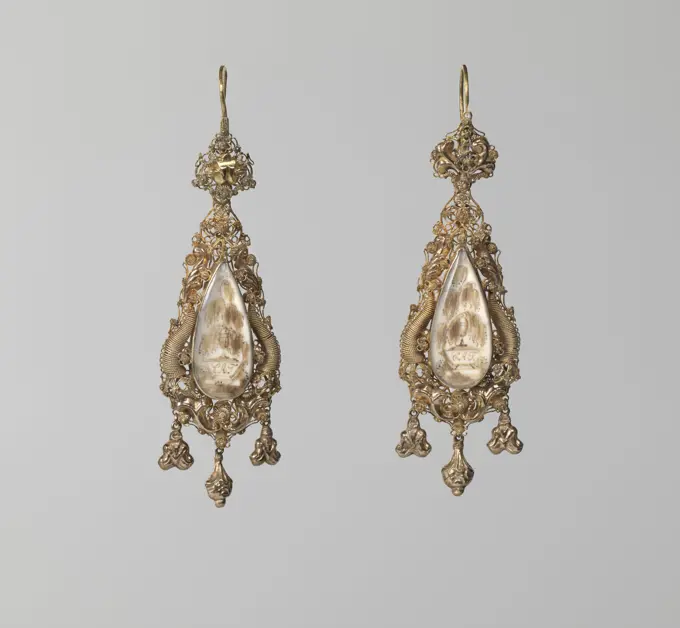
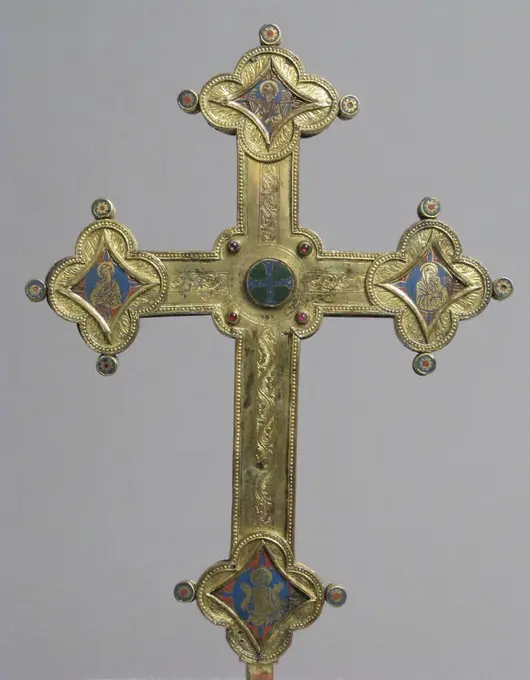
Mount; gilt bronze; 1907-18-3-bBrooch, ca. 1830; seed pearls, mother-of-pearl, gold, fiberSilversmith's Art, Great Britain 19th century. Vinaigrette, silver fragrance tin with vegetable and zoomorphic decoration.Cabasset in Late 16th Century French Style ca. 1870 French. Cabasset in Late 16th Century French Style 26540Badge or Harness Pendant ca. 1400 probably Spanish Heraldry, or coat-of-arms, were vitally important in Europe throughout the Middle Ages and the Renaissance. Heraldic emblems were used to identify noble families, cities, regions, and even countries. In addition to being displayed on shields and flags, heraldry was incorporated into architectural decoration on the interior and the exterior of buildings, on furniture, works of art, clothing, and horse equipment. Harness pendants, like this example, would have been attached to a headstall, bridle, or other straps making up the tack of a horse ridden by a nobleman or noblewoman, or a member of their household. Many harness pendants also have decoration that is simply ornamental, or have symbols that are not specifically heraldic in nature.. Badge or Harness Pendant. probably Spanish. ca. 1400. Copper, gold, enamel. Miscellaneous-BadgesBelt Buckle with Animals, 202 BC- AD 9. China, Ordos region, Western Han dynasty (202 BC-AD 9). Gilt bronze; overall: 6.1 x 11.8 cm (2 3/8 x 4 5/8 in.).Jug, Glazed stoneware, A highly decorative cream jug with detail on the body, spout and handle. The center has panels depicting figures in an outdoor scene., England, 1842, ceramics, Decorative Arts, JugWatch 19th century Watchmaker: Edward Prior. Watch. British, London. 19th century. Silver, tortoiseshell, coral, enamel. HorologyManipel with embroidery of gold and silver wire, blood corals, grenades and pearls ,, c. 1675 - c. 1700 Manipel with embroidery of gold and silver wire, blood corals, grenades and pearls. The manipel has gaffel -shaped ends. The embroidery has an ongoing tivher pattern ending in golden flowers with silver blades. The flower hearts are filled with corals, grenades, pearls and a single stras diamond. The manipel belongs to six ecclesiastical embroidery with invnrs. BK-1966-54-A to BK-1966-54-F. Italy silver thread. red coral (material). garnet (mineral). pearl. paste (glass) embroidering Manipel with embroidery of gold and silver wire, blood corals, grenades and pearls. The manipel has gaffel -shaped ends. The embroidery has an ongoing tivher pattern ending in golden flowers with silver blades. The flower hearts are filled with corals, grenades, pearls and a single stras diamond. The manipel belongs to six ecclesiastical embroidery with invnrs. BK-1966-54-A to BK-1966-54-F. Italy silver Hand guard, anonymous, 1600 - 1900 Tsuba in the form of a turtle; The skin structure is shown by means of a special processing of the surface (ISHIME). Japan brass (alloy) Tsuba in the form of a turtle; The skin structure is shown by means of a special processing of the surface (ISHIME). Japan brass (alloy)Plaque with a performance of the archangel Micha A;  1 PO. XVII W (1600-00-00-1649-00-00);Archangel Michael (Bible), Satan, purchase (provenance)Temple Pendant and Stick ca. 1080-1150 Byzantine On the surface of this exquisitely worked pendant are intricate patterns of florets, palmettes, and variegated borders, and a medallion with the head of a young, beardless man on the front. Crosses embellish the accompanying stick. Temple pendants are thought to have hung near the temple or cheek, suspended from the wearers hair or headdress. The pendants hollow interior probably held a piece of perfumed cloth; the small stick would have been used to guide the cloth in and out of the pendant.. Temple Pendant and Stick 466180Gold earring with head of a bull ca. 1400-1050 B.C. Cypriot Most of the raw materials for Cypriot jewelry came from the East. Gold became plentiful in the Late Bronze Age, when Syria and Egypt were the primary sources. This earring is a Cypriot creation, an ornament in the form of a bull's head.. Gold earring with head of a bull 242565Mount; 1904-21-23-bLion shaped door handle in Buddhist temple. Kaza Monastery, Kaza, Spiti Valley, Himachal Pradesh, India. Lion shaped door handle in Buddhist templeOval Applique with wall arm of multicolored painted faïence, anonymous, c. 1755 - c. 1770 Oval wall arm of multicolored painted faïence. A flower drink is painted in the middle with a scalloped edge with flowers in relief. A candle holder is attached at the bottom of the wall arm. The wall arm belongs to an identical one. Germany earthenware. tin glaze. Oval wall arm of multicolored painted faïence. A flower drink is painted in the middle with a scalloped edge with flowers in relief. A candle holder is attached at the bottom of the wall arm. The wall arm belongs to an identical one. Germany earthenware. tin glaze.Goldsmithery, Gold earrings with amphora shaped pendant, from Vulci, Tuscany Region, ItalyMayan gold statuette portrait of a noble AD 400-800Mirror. Wenecja (ośrodek szklarski ; ca 1000- ), creatorancient antique pendant with stones on black background. Middle-Asian vintage jewelry. old Oriental ornamentsGoldsmith's art, 16th century. Picture frameCalendar watch. Culture: British, London. Dimensions: Diam. 1-3/4 in. (4.4 cm). Maker: Watchmaker: Thomas Alcock (recorded working 1630, Clockmakers' Company 1632, died before 1688). Date: ca. 1650.The concentric chapter rings of this unusual dial indicate the time of tides (presumably at London Bridge), mean solar time (I.XII), the age of the moon in its monthly cycle (1.291.2), and the day of the month (1.31). The moonfs phases can be read though the circular aperture in the center disk. The February 1661 issue of Kingdoms Intelligencer, a newspaper published by the English parliament in opposition to the king, reported the loss of a comparable watch by Alcock. Museum: Metropolitan Museum of Art, New York, USA.Commemorative badge of interned legionnaires chives unknownCrown or skylight of pine, anonymous, 1700 - 1715 transom window Crowning of pine, consisting of broken volutes, which frame a jeu-de-fond with lambrequin, crowned by a basket with fruits, from which Acanthusguirlanden arise. Various parts are supplemented with wax; A piece seems to be missing for the basket. Northern NetherlandsNetherlands wood (plant material). pine (wood)Carnavalet museum, medal collectionTriratna Pendant, 185-72 BC. India, Uttar or Madhya Pradesh, Sunga Period (185-72 BC). Gold; overall: 5.7 cm (2 1/4 in.).Watch early 19th century Watchmaker: Thury. Watch 193385Coat of arms with a red flower, anonymous, 1881 in the weapon  Oval wooden weapon board with a weapon with a white and blue field. In white a red flower with green leaves. In the blue two white flying pigeons, two golden stars and two golden corners.  panel  armorial bearing, heraldryAntiquity gold -plated wall clock decorated with calendar, decoratively antique gilded wall clock decorated with calendar, decorative copyright: xzoonar.com/gallóxgusztávx 22639173Planispheric Astrolabe dated A.H. 1065/ A.D. 1654-55 Muhammad Zaman al-Munajjim al-Asturlabi Astrolabes of this size were not precise enough for astronomical observations, but served well for telling time, and astrologers could use them to determine the position of a planet relative to the different astrological houses. The intricate calligraphic faceplate of this example is typical of Safavidperiod astrolabes; it reads: "In the name of God, the Merciful, the Compassionate" (bismallah alRahman alRahim). Listen to experts illuminate this artwork's story Listen Play or pause #1162. Kids: Planisperic Astrolabe Supported by Bloomberg Philanthropies We're sorry, the transcript for this audio track is not available at this time. We are working to make it available as soon as possible.. Planispheric Astrolabe. dated A.H. 1065/ A.D. 1654-55. Brass and steel; cast and hammered, pierced and engraved. Attributed to Iran, Mashhad. MetalTwo wall sconces (Bras de cheminée) ca. 1761 Model attributed to Jean-Claude Duplessis Shortly after the first porcelain plaques were made at Sèvres for the purpose of embellishing furniture, the factory further expanded the role of porcelain in the realm of furnishings by producing wall sconces that served a functional purpose in addition to a decorative one. The factory archives indicate that Jean-Claude Duplessis (Italian, ca. 1695-1774), who was responsible for new models at Sèvres, provided a design for a wall sconce in 1760.1 Duplessis’s training as a goldsmith and bronze founder is evident in the highly sculptural and boldly scrolling forms of the design, which clearly derives from the gilt-bronze wall-sconce designs from the years 1750-60.2 The attenuated scrolling vegetal forms punctuated with berries that compose the porcelain model reflect a direct borrowing of the standard elements also used for rococo gilt-bronze wall sconces,3 although the porcelain version does notEngraved Gem with Mars inset into a Hollow Ring; 2nd-1st century B.C; Gem: red garnet; ring: gold; 1.8 × 1.3 × 6.5 cm (11,16 × 1,2 × 2 9,16 in.)Reflection arm. An iron suspension arm, formed from two above each other, top-folded C-voltages that end up in a curl and at the top of a large, to a side-oriented flower. The volute is decorated with leaves and three tendrils. Part of the flower is made of wood, completely plated. From the collection of Dr. F. Mannheimer.Pendant 1850-75 European. Pendant 80567Souvenir mid-18th century British or French In eighteenth-century Europe, Paris led the production of high-quality luxury goods. Parisian goldsmiths made a wide range of small, personal articles such as snuffboxes; étuis to hold sealing wax, tweezers, or utensils for sewing; souvenirs, which contained thin ivory tablets for note taking; and shuttles for knotting lace. Gold snuffboxes, boxes, and objets de luxe were skillfully made of gold and embellished with diamonds, enameled decoration, lacquer, and other luxurious materials.This souvenir contains a mirror, four ivory leaves, gold-mounted pencil, and six narrow, velvet-lined compartments for implements.. Souvenir. British or French. mid-18th century. Gold, agate. Metalwork-Gold and PlatinumBowl 19th century. Bowl. 19th century. Plated base metal. ReproductionsFIBULA EN BRONCE CON INCRUSTACIONES DE PIEDRAS PRECIOSAS. Location: MUSEO. Gotland.Cut of oak wood with ornaments and bird head, anonymous, 1600 - 1800 Cut work of oak wood with ornaments and bird head. Netherlands oak (wood) Cut work of oak wood with ornaments and bird head. Netherlands oak (wood). Subdamer painted porcelain. The dish is decorated with Höroltt-chinoiseries. The dish has been marked.Pendant Jewel with Alfred the Great 19th century (; original dated 9th century) Saxon. Pendant Jewel with Alfred the Great. Saxon. 19th century (; original dated 9th century). Gold, enamel, rock crystal. Reproductions-EnamelsOpenwork Pinhead. Iran, Luristan, Iron Age II-III (circa 1000-650 B.C.). Jewelry and Adornments; pins. Bronze, castTIARA O MITRA. Location: Monasterio de sobrado de los Monjes. SOBRADO. A CORUÑA. SPAIN.Button; ivory; 1931-59-120-cPendant, Stylized Figure. Culture: Tolima. Dimensions: H. 8 1/2 x W. 4 3/4 x D. 5/8 in. (21.6 x 12.1 x 1.6 cm). Date: 5th-10th century. Museum: Metropolitan Museum of Art, New York, USA.Handscreen, Engraved paper leaf, turned wood handle, Handscreen with engraved design on paper board. Obverse: a scrolling cartouche with shepherdess doffing a tricorn hat. Reverse: scrolling cartouche with a pile of clothing and possessions in a landscape. Turned wood handle., France, mid- 18th century, costume & accessories, HandscreenRepeater watch ca. 1755 Watchmaker: Pierre Michaud The scene on the back of the watchcase is copied in miniature from a genre painting by Jean-Baptiste Greuze (1725-1805) titled The Father Reading the Bible to His Children, which was exhibited to great acclaim in the 1755 Paris Salon. The watchmaker, originally from Orléans, became a master in Geneva in 1771. He seems to have had an earlier career in Paris, as this watch would indicate, but there are no traces of him in the records of the time. He is likely to have been a Protestant, as the choice of the scene on the enameled case would suggest, and his religion would have prevented his becoming a master watchmaker in Paris.. Repeater watch 194180Fragment (Italy); silk, linen, metalPendant, 19th Century. India. Partabgarh, in South Rajputana. Gold, enamel, emeralds and pearls; overall: 11.8 x 5.8 cm (4 5/8 x 2 5/16 in.).Phylactery (Reliquary Penant), c. 500-700. Byzantium, Egypt or Syria, early Byzantine period, 6th-8th centuries. Copper alloy; diameter: 3.2 cm (1 1/4 in.); overall: 7.8 cm (3 1/16 in.).Bit Boss first half 17th century probably Netherlandish Bit bosses were ornamental elements decorating both sides of a horse bit. The center of this boss is adorned with an openwork fleur-de-lis circled by a wreath, while the rim displays a frieze of palmettes.This object belongs to a large group of bosses using a series of rims and centers combined in different ways. The exact center of production of these bosses is still unclear. If the motifs used are Italian, the scale of the production and the process of combining a series of rims and center recalls contemporary German practices. Some of them, however, are identical or very similar to bosses seen in several early 17th-century Netherlandish paintings, a likely origin for the manufacture of these objects.. Bit Boss. probably Netherlandish. first half 17th century. Copper alloy, gold. Equestrian Equipment-BitsPair of picture frames mid-18th century Austrian. Pair of picture frames 205140Empty list of four -part, 1880 - 1900 frame   wood (plant material). glass. metalMirror. England. Date: 1720-1730. Dimensions: 97.8 × 74.9 cm (38 1/2 × 29 1/2 in.). Carved and gilt wood with pewter mounts. Origin: England. Museum: The Chicago Art Institute, Chicago, USA.Saucer (one of 12) (part of a service) ca. 1758-69 Chelsea Porcelain Manufactory The gilding on these pieces (see 54.163.7a, b-.34) is of a very high order, with tooled work on a thick application of honey gilding selectively matte and burnished for a lively design of pheasants, peacocks, and swallows in a landscape. The deep bowl was for little cakes.. Saucer (one of 12) (part of a service). British, Chelsea. ca. 1758-69. Soft-paste porcelain. Chelsea Porcelain Manufactory (British, 1745-1784, Gold Anchor Period, 1759-69). Ceramics-PorcelainBadge or Harness Pendant 14th century possibly Spanish Heraldry, or coat-of-arms, were vitally important in Europe throughout the Middle Ages and the Renaissance. Heraldic emblems were used to identify noble families, cities, regions, and even countries. In addition to being displayed on shields and flags, heraldry was incorporated into architectural decoration on the interior and the exterior of buildings, on furniture, works of art, clothing, and horse equipment. Harness pendants, like this example, would have been attached to a headstall, bridle, or other straps making up the tack of a horse ridden by a nobleman or noblewoman, or a member of their household. Many harness pendants also have decoration that is simply ornamental, or have symbols that are not specifically heraldic in nature.. Badge or Harness Pendant. possibly Spanish. 14th century. Copper, gold, silver, enamel. Miscellaneous-BadgesMount; bronze, giltPair of Gauntlets from a Garniture of Armor of Philip II of Spain (reigned 1554-58). Armorer: Desiderius Helmschmid (German, Augsburg, 1513-1579). Culture: German, Augsburg. Dimensions: Gauntlet (a); H. 10 in. (25.5 cm); W. 4 3/4 in. (12 cm); D. 5 in. (12.7 cm); Wt. 1 lb. 1 oz. (475 g); gauntlet (b); H. 10 in. (25.5 cm); W. 4 3/4 in. (12 cm); D. 5 in. (12.7 cm); Wt. 16 oz. (439 g). Etcher: Ulrich Holzmann (German, Augsburg, recorded 1535-62). Date: 1546.The armor garniture to which these gauntlets belong is now divided between the Real Armería in Madrid and the former imperial armory in Vienna. Museum: Metropolitan Museum of Art, New York, USA.Watch ca. 1820-40 Watchmaker: Firm of Frères Wiss et Menu. Watch. Swiss, Geneva. ca. 1820-40. Gold, enamel, silver. HorologyBellows first quarter 16th century German. Bellows 203895Stirrup ca. 1492-1530 Spanish. Stirrup 464513 Spanish, Stirrup, 15th century, Cloisonn enamel, copper-gilt, Overall: 6 13/16 x 5 11/16 x 5 in. (17.3 x 14.5 x 12.7 cm). The Metropolitan Museum of Art, New York. Gift of J. Pierpont Morgan, 1917 (17.190.642)Watch ca. 1820-40 Watchmaker: Firm of Moynier & Fils. Watch. Swiss, Geneva. ca. 1820-40. Gold, enameled; silver, steel. HorologyAtemberaubendes Gold-Barock-Ornament: Exquisites Vintage-Design für luxuriöse Dekoration Atemberaubendes Gold-Barock-Ornament: Exquisites Vintage-Design für luxuriöse Dekoration Copyright: xZoonar.com/GallóxGusztávx 22872548Embossed gold double spout and bridge vessel decorated with zoomorphic and Naymlap figures, Pre-Inca civilization, Peru, Chimu-Lambayeque cultureFrame possibly British 19th century View more. Frame. possibly British. 19th century. Gilt brass. Metalwork-BrassCabassetPre-Columbian gold artifact in the Museo del Oro. Famous Gold Museum, Bogota, Colombia. Pre-Columbian gold statuette in the Museo del Oro. Golden indigenous ornament from South American natives civilization. Famous Gold Museum, Bogota, Colombia. Copyright: xZoonar.com/www.artushfoto.eux 21638069Model for a crochet plate of a chatelaine, anonymous, c. 1750 - c. 1775 The triangular model driven out of plate for a mold is equipped with a medallion surrounded by rococo ornament with a putto and a solar () Flower. On the ends left and right two eyes to attach links. Amsterdam copper (metal) The triangular model driven out of plate for a mold is equipped with a medallion surrounded by rococo ornament with a putto and a solar () Flower. On the ends left and right two eyes to attach links. Amsterdam copper (metal)Jatagan with the vaginaPeter Zur Wahrheit" badge, St. Petersburg;  1810 (1900-00-00-1900-00-00);Crosses, Freemasonry, Freemasonry, Freemasonry, Snake (iconography)Badge of the Order of Saint Catherine late 18th-early 19th century Russian The Order of Saint Catherine was founded by Peter the Great in 1714 to commemorate the courage shown by his wife, Catherine I, during the Russian-Turkish campaign of 1711.. Badge of the Order of Saint Catherine 199477Pendant in the form of a siren. Culture: European. Dimensions: Height: 4 3/16 in. (10.6 cm). Date: probably ca. 1860. Museum: Metropolitan Museum of Art, New York, USA.Barbarian civilizations, France, 5th century. Goldsmith's art. Treasure of Pouan, princely burial of a Germanic warrior. Cloisonne' enamel and gold dagger handle and clasps.Cast Gold Eagle Pendant 11th-16th century Chiriqui. Cast Gold Eagle Pendant. Chiriqui. 11th-16th century. Gold (cast). Costa Rica, Herrera province, Rio Parita. Metalwork-GoldSpinkaKnife, fork, and spoon 19th century, after 17th century original Elkington & Co. British This electrotype is after a seventeenth-century original, at the time of reproduction in the R. Napier collection.. Knife, fork, and spoon. British, Birmingham, after French original. 19th century, after 17th century original. Silver on base metal. Metalwork-ElectrotypeBadge in the shape of an eagle stylized as an eagle PiastowskiSet of jewelry. Culture: Greek. Date: ca. 330-300 B.C..Pediment-shaped gold diadem (06.1217.1)Pair of gold earrings with disk and boat-shaped pendant (06.1217.11-.12)Gold strap necklace with seedlike pendants (06.1217.13)Gold necklace of beads and tubes (06.1217.3)Gold snake ring (06.1217.2)Seven gold rosettes (06.1217.4-.10)This group of jewelry is said to be from Madytos on the European side of the Hellespont. The gold diadem is richly worked in repoussé with an elaborate floral pattern. Dionysos, the god of wine, and his wife Ariadne sit in the center; muses playing musical instruments perch among vines along the sides. The tiny figure of a muse playing a lyre also appears just above the crescent form on each of the boat-shaped earrings. The seedlike pendants of the earrings are identical to those on the elaborate necklace. Museum: Metropolitan Museum of Art, New York, USA.Block from the Hospital, no 1, Rouen, vintage engraved illustration. Magasin Pittoresque 1846.Bouquet holder 1854 American or European. Bouquet holder. American or European. 1854. no medium availableWatch ca. 1670 Watchmaker: Nicolaus Rugendas the Younger Rugendas was a member of a prominent family of clock and sundial makers in Augsburg. This watch has long been known as the Great Ruby Watch for its eighty-five clear rubies. Its cover is a fine example of the florid style of Augsburg goldsmiths work that was in vogue from about 1660 to 1680. The enamel of the inside cover and the dial are equally fine examples of Augsburg work.. Watch. German, Augsburg. ca. 1670. Case and dial: painted and raised enamel on gold, set with gemstones (rubies), with a single hand; Movement: gilded brass and partly blued steel. HorologyTassel (Spain); silk, wooden coreScissors case 17th century French The rather sophisticated ornamental piercing on this case represents a transitional moment: the language is ultimately drawn from late Mannerist motifs (the scrolling foliage inhabited by frolicking putti), but it also looks forward to the Baroque in its more naturalistic treatment of the flowers. Scissors cases had the practical function of protecting scissor points, but also had meaning within marriage rites. Scissors cases, often embellished with phrases in prose or verse lauding the virtues of fidelity and love, were traditional wedding or engagement gifts. Indeed this object is engraved with a witty pun on this topic via sewing and the growth of links,” reinforced by the imagery of a putto with a bobbin winder.[Ellenor M. Alcorn, 2014. Scissors case. French. 17th century. Steel. Metalwork-SteelKhew Burmese late 19th century View more. Khew. Burmese. late 19th century. Metal. Myanmar (formerly Burma). IdiophoneSallet alla Veneziana ca. 1470; gilt mounts, probably added early 16th century Italian Italian paintings of the fifteenth century provide ample evidence that color played an important role in the appearance of the armored knight. The metal plates themselves were often colored by heat to a blue or black finish, and the edges were sometimes enriched with gilt metal borders; rich brocades and velvets frequently covered the armor, and huge crests composed of gilt metal, leather, parchment, and feathers surmounted the helmet. Helmets decorated in this way appear to have had great popularity in venice, so much so that helmets covered with velvet are generally referred to as alla Veneziana (in the Venetian manner). Decoration of this sort is ephemeral, however, and seldom survives in its original condition, though the present example preserves some hints of the brilliant effect such armor must have made.The helmet belongs to a type known as a sallet (from the Italian celata), an open-faced heHandscreen; Subject: Louis XV (King of France, 1715 - 1774); engraved, hand-colored and painted paper leaf, turned wood handle; 1927-17-20Purportedly Thomas Daniell, Dish with glass liner (spurious), 1777/78, silver.Hand mirror in gold and silver stamped by Etienne Delaune, famous French goldsmith and engraver of the 16th century. The Arts of the Middle Ages and at the Period of the Renaissance by Paul Lacroix, 1874Pendant Shaped as a Ship 1600-1799 Mediterranean Region, eastern. Gold, enamels, pearls, and emerald .Hanukkah Lamp, Pieter Jansz van Hoven (attributed to), 1696 The Hanukkalamp has an arc-shaped back plate with corrugated edge, decorated with a flower bouquet and a cartouche with the alliance weapon Keyser-Norden with a helmet sign, under a crown with flowers. In the middle of the crown there is an opening, caught in a frame of soft tissue. A smooth drip tray is attached to the underside of the back plate. Above is a plate in which eight oval trays are driven with spouts. A single container is installed under the weapon. Lekbak and back plate are connected by means of volute -shaped side pieces. Amsterdam silver (metal) The Hanukkalamp has an arc-shaped back plate with corrugated edge, decorated with a flower bouquet and a cartouche with the alliance weapon Keyser-Norden with a helmet sign, under a crown with flowers. In the middle of the crown there is an opening, caught in a frame of soft tissue. A smooth drip tray is attached to the underside of the back plate. Above is a plate in Folding fan ca. 1775 French. Folding fan. French. ca. 1775. Silk, paper, mother-of-pearl, spangles, glass. FansNécessaire. South Staffordshire, England. Date: 1765-1775. Dimensions: L. 10.8 cm (4 1/4 in.). Polychrome enamel and gilding on copper with gilt metal mounts. Origin: England. Museum: The Chicago Art Institute, Chicago, USA.Pin. Culture: American. Dimensions: 2 1/2 x 2 3/4 in. (6.4 x 7 cm). Maker: Florence Koehler (1861-1944). Date: ca. 1905.Embodying the ideals of the Aesthetic and Arts and Crafts movements, Florence Koehler worked in a variety of decorative media, including domestic interiors, china decorating, jewelry, and painting. In jewelry, as in pottery and painting, Koehler exhibited a scholar's sense of the past and a modernist's eye for the contemporary. Favoring pearls, gems, unpolished gold, and muted enamel, she derived inspiration from Renaissance designs during her extended stays in England, France, and Italy.This suite of a brooch (or pendant), necklace, and comb was made around 1905 for Emily Crane Chadbourne, daughter of the Chicago industrialist Richard T. Crane. The four-strand necklace has a gold clasp formed of green enameled leaves and a cluster of pearls. The necklace could be worn alone or with the accompanying emerald, sapphire, and pearl pendant attached to the clasp. With its Mask Ornament, 1-550. Peru, Moche or Recuay, 1st-6th Century. Cut and hammered gold; overall: 27.4 x 38.8 cm (10 13/16 x 15 1/4 in.).Icon: deesis and Unknown Russian workshop (1700-1970); XVIII-XIX century (1700-00-00-1900-00-00);Sleeping hat, knitted, with the text 'Live well and peace, no harm conscious', anonymous, c. 1850 Sleeping cap with brush, executed in knitwear. In the edge, the text 'lives and peace, no harm consciously' is processed. Netherlands wool knitting Sleeping cap with brush, executed in knitwear. In the edge, the text 'lives and peace, no harm consciously' is processed. Netherlands wool knittingPendant with Virgin and Child. Enameled gold set with diamonds and a ruby. Spanish, probably first half of 17th century.Ring. UnknownEar pendant with Haarwerk, F. Muhlenschmidt, 1841 Ear pendant with filigrein and hairwork. The stretched drop -shaped center piece is surrounded by filig train work with, among other things, horns and flowers from Zeeland buttons. Under, hanging, three mashed gold ornaments. The hook is connected by an eye at the top of the earring and is decorated with a mashed ornament and Zeeland buttons. The decoration of the hooks is different, one has a French lily as a middle part, the other a flower with volutes. The drop -shaped centerpiece shows hairwork on ivory under glass. The show is that of a box with the letters Cat, on which an urn and a mourning willow next to it. Brands on the hook with flour: Leeukop desired left; mt. MS with kind of hammer between the letters in = F. Muhlenschmidt and W. Schammer. Amsterdam gold (metal). ivory. glass. filigree Ear pendant with filigrein and hairwork. The stretched drop -shaped center piece is surrounded by filig train work with, among other things,Cross. Culture: Italian. Dimensions: Overall: 14 13/16 x 8 13/16 x 7/8 in. (37.7 x 22.4 x 2.2 cm). Date: 14th-15th century. Museum: Metropolitan Museum of Art, New York, USA.Necklace 19th century. Necklace 444662