Antique Decorative Artifacts

A collection of ornate decorative artifacts, including vintage earrings, watches, and brackets, showcasing intricate designs and historical craftsmanship.

Bracket, Gilt bronze, Scroll with crowned sphinx, France, ca. 1800-10, metalwork, Decorative Arts, Bracket
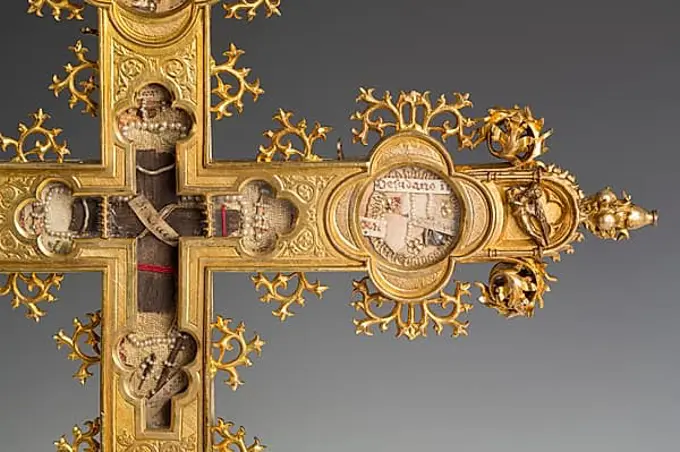
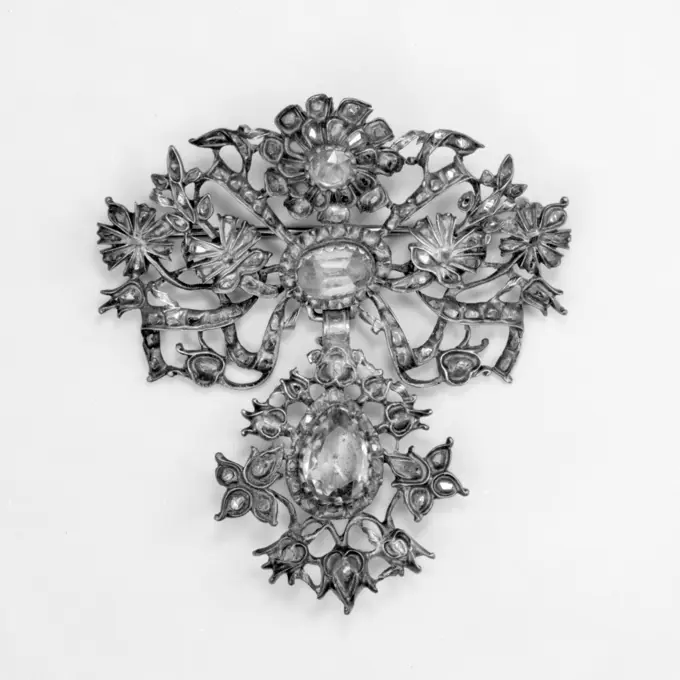
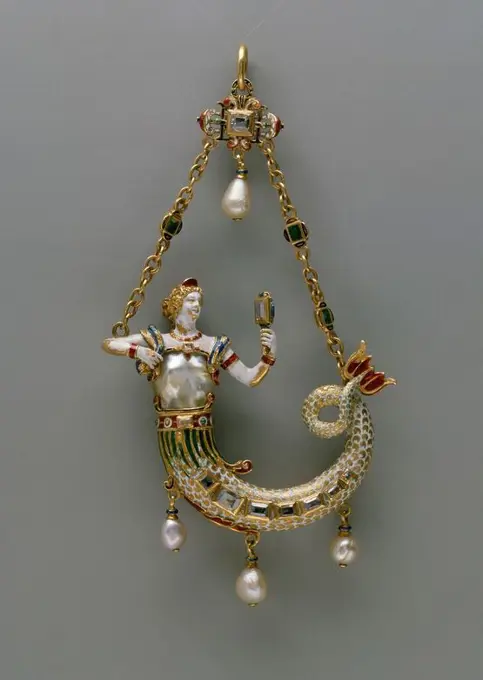
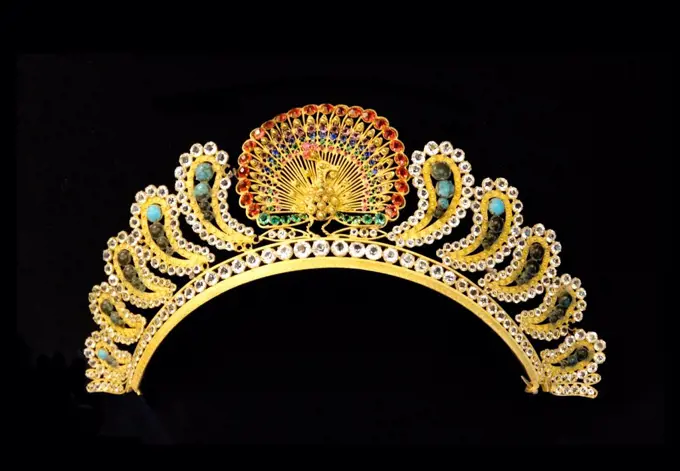
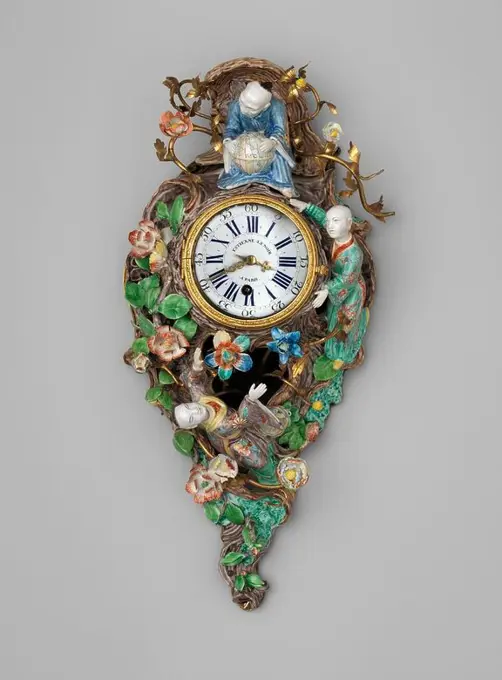
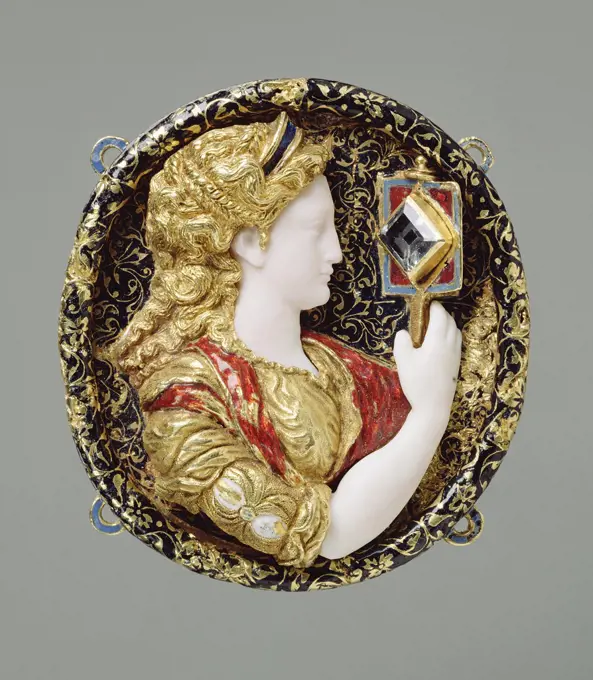
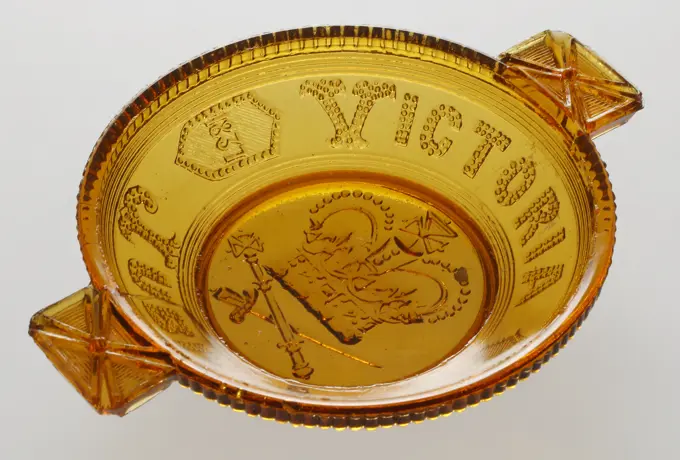
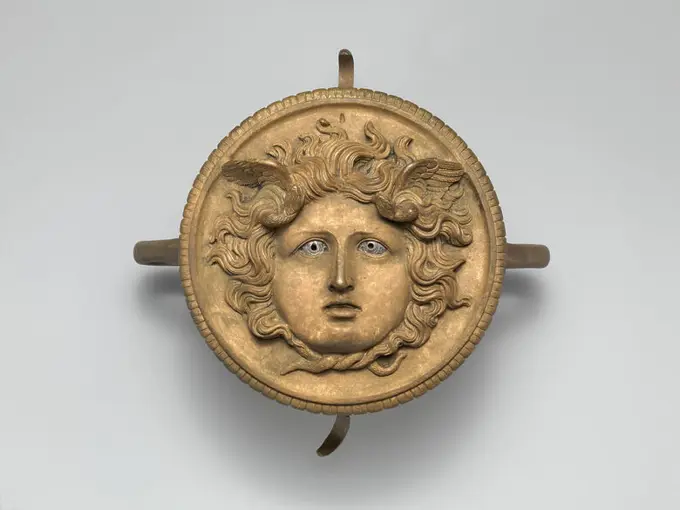
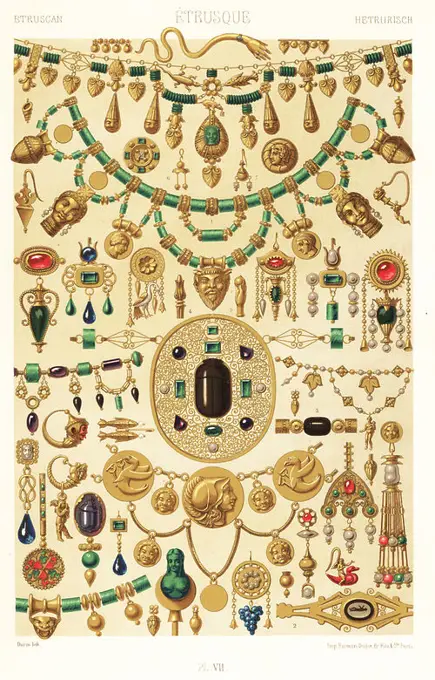
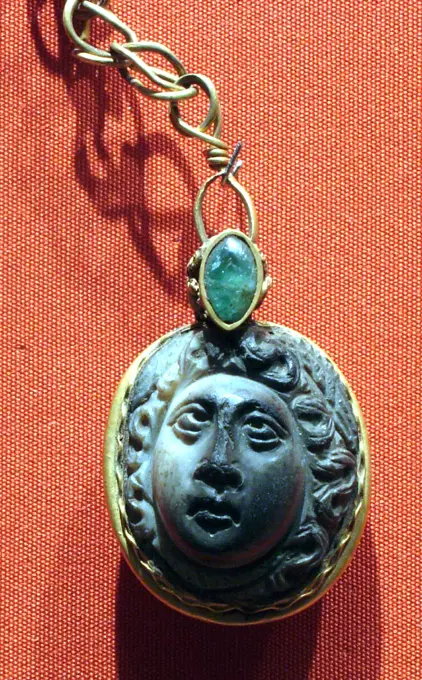
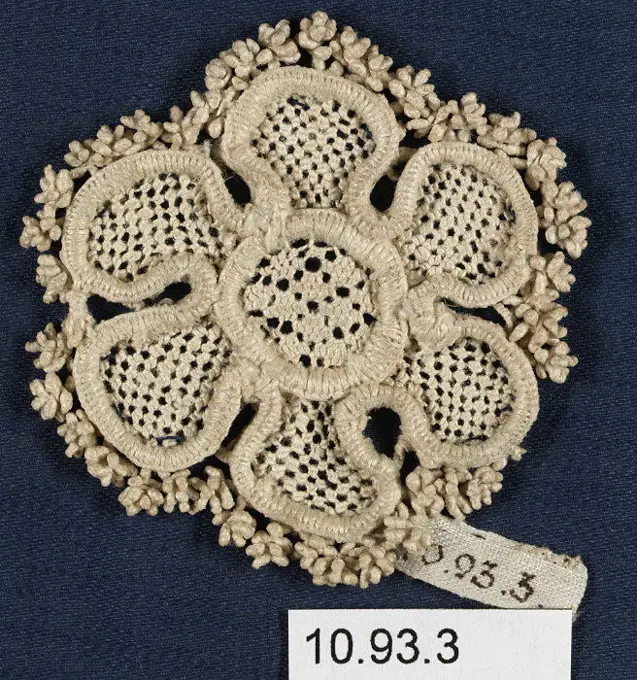
Rosace (one of five) 18th century Italian. Rosace (one of five). Italian. 18th century. Needle lace. Textiles-LacesArqueta de Limoges, siglo XIII, 20 x 21 x 7,7 cm. Museu d'Història de Catalunya.Reliquary cross in the German Blade Museum, detail with relicsBrooch van Gold, c. 1860 Brooch of gold. The reversed drop -shaped brooch has a raised central part with an ornament of Filigrein on a smooth surface. The wide edge consists entirely of open -up filigin. At the bottom a fringe of 7 chains. Marked: oak leaf. Netherlands gold (metal) filigree Brooch of gold. The reversed drop -shaped brooch has a raised central part with an ornament of Filigrein on a smooth surface. The wide edge consists entirely of open -up filigin. At the bottom a fringe of 7 chains. Marked: oak leaf. Netherlands gold (metal) filigreePlay table with octagonal leaf, lined with embroidery in Gros and Petit Point. Flashing-table of walnut with octagonal leaf of oak, lined with embroidery in gros and petit point of multicolored wool and silk. The leg is baluster-shaped, has a hexagonal shaft and three volute feet. The tapestry of the leaf exhibits Paris judgment, framed by Louis XIV ornament.Brooch 18th century Continental. Brooch 206847Bliżej KulturyPendant in the form of a mermaid. Culture: German or French. Designer: Probably based on a design by Reinhold Vasters (German, Erkelenz 1827-1909 Aachen). Dimensions: Height: 4 7/8 in. (12.4 cm). Date: ca. 1870-95.A number of details of the design of this jewel--including the long, attenuated fish tail, the wispy, featherlike skirt, the stole draped from the shoulders, and the hair styled in a low chignon worn with a tiara--are present in two unpublished designs for a mermaid jewel by the Aachen goldsmith Reinhold Vasters that are now in the Victoria and Albert Museum, London. The techniques employed in finishing the enameled gold tail indicate that the goldsmith who executed the jewel misunderstood certain Renaissance practices in preparing gold to receive enamel and in smoothing and polishing the surface once the enamel has been fired, misunderstandings that may have arisen, at least in part, from looking at worn or damaged sixteenth-century jewels. Museum: Metropolitan Museum of ArGold metal comb from Italy. Dated 19th CenturyValentine - Mechanical nosegay (tussy mussy) ca. 1875 Anonymous, British, 19th century. Valentine - Mechanical nosegay (tussy mussy). Anonymous, British, 19th century. ca. 1875. Heavy die-cut card stock, gilt chromolithography, die-cut chromolithographed scrapsState coat of arms, coat of arms from 1890, Russia, digitally restored reproduction of an original template from the 19th century, exact original date not known, EuropeNaga Spout from a Holy-Water Vessel ca. 13th century Indonesia (Java). Naga Spout from a Holy-Water Vessel. Indonesia (Java). ca. 13th century. Bronze. Eastern Javanese period. MetalworkEagle for the cap of the Horse Falcon troopsSeedWatch ca. 1815-30 Watchmaker: C. Moricand. Watch 195634Wall clock (cartel). Culture: French, Paris with French, Chantilly case. Dimensions: Overall: 19 1/2 × 9 1/2 × 4 3/4 in. (49.5 × 24.1 × 12.1 cm);Diameter (back plate): 3 3/8 in. (8.6 cm). Maker: Clockmaker: Étienne LeNoir (French, 1675-1739). Manufactory: Case by Chantilly (French). Date: ca. 1735-40.Étienne Le Noir was the patriarch of a dynasty of French clockmakers who specialized in movements for clocks with lavishly decorated cases for royal and aristocratic patrons. This clock is unique in having its case made of porcelain rather than more typical gilded bronze, and there are only two other surviving examples of wall clocks with Chantilly porcelain cases. The figures imitate Japanese porcelain, as was quite usual at the Chantilly porcelain factory. Museum: Metropolitan Museum of Art, New York, USA.Hat Badge Representing Prudence; Unknown; France, Europe; 1550 - 1560; Gold, enamel (white, blue, red and black), chalcedony, and glass in the form of a table-cut diamond; Object: H:  5.7 cm (H:  2 1/4 in.)Commemorative nappy - Queen Victoria Jubilee patternDoor knocker in the form of an eagles head, anonymous, c. 1500 - c. 1600 Eagle's head of bronze with remains of gilding. The head with feders of the neck is spread like a flat collar and attached to a horizontal plane. There was probably a ring in the mouth. Italy bronze (metal) gilding Eagle's head of bronze with remains of gilding. The head with feders of the neck is spread like a flat collar and attached to a horizontal plane. There was probably a ring in the mouth. Italy bronze (metal) gildingBronze ornament from a chariot pole. Culture: Roman. Dimensions: 7 3/16 × 7 1/16 × 4 3/16 in., 4.5 lb. (18.3 × 17.9 × 10.7 cm, 2 kg). Date: 1st-2nd century A.D..This heavy metal ornament, decorated with the head of Medusa and inlays of silver and copper, probably comes from a currus triumphalis (ceremonial chariot) used in processions rather than a lightweight racing chariot. Museum: Metropolitan Museum of Art, New York, USA.Triumphal chariot of Liberty. During the 17th century, decorated chariots representing abstract themes made their way through the streets on special occasions. This one represents Liberty, with her hat and lance. In ancient Rome such attributes emphasized the new status of freed slaves. As full citizens, they were permitted to wear a hat on their shaved head and to defend themselves with weapons.The diadem of Charlemagne, 8th century. Crown belonging to the Frankish king and emperor Charlemagne. Imperial Treasury in Vienna, Austria. The Arts of the Middle Ages and at the Period of the Renaissance by Paul Lacroix, 1874Ancient Etruscan or Etrurian art and jewelry. Necklace with heads and charms 1, rings 2,3, hair-pins 4,5, and earrings 6,7. From the Campana Collection in the Louvre. Hand-finished chromolithograph by Durin from Albert-Charles-Auguste Racinets LOrnement Polychrome, (Polychromatic Ornament), Firmin-Didot, Paris, 1869-73.People's badge issued by the Central Office of Publishers N.K.N.Imperial Crown from the regalia of the Holy Roman Empire. Dated 11th CenturyChain with two pendants A.D. 2nd century Roman Period This open chain has two pendants. A Medusa-head cameo with an oval green stone in an adjoining setting at one end, and a medallion with three standing women at the other. Possibly the three women represent demigods like the Muses.. Chain with two pendants 547923Vintage rustic cutlery in an old Bazaar place