Antique Decorative Buttons

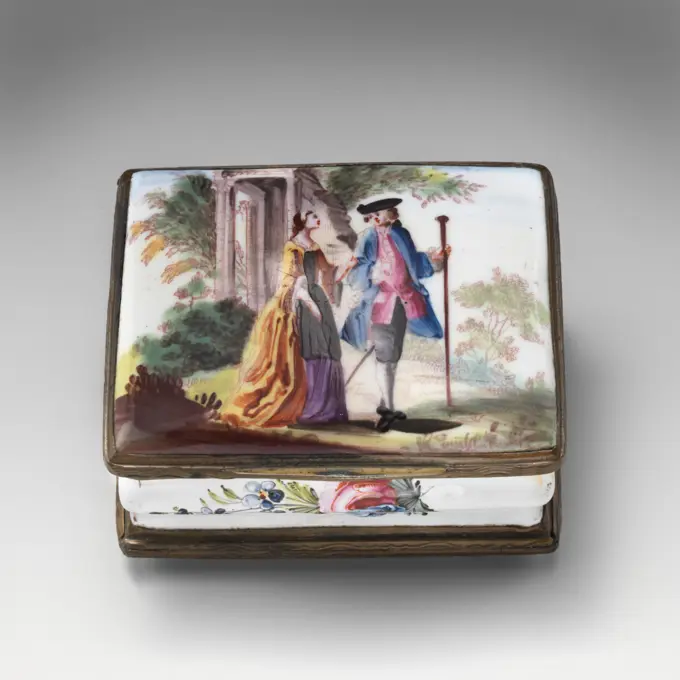
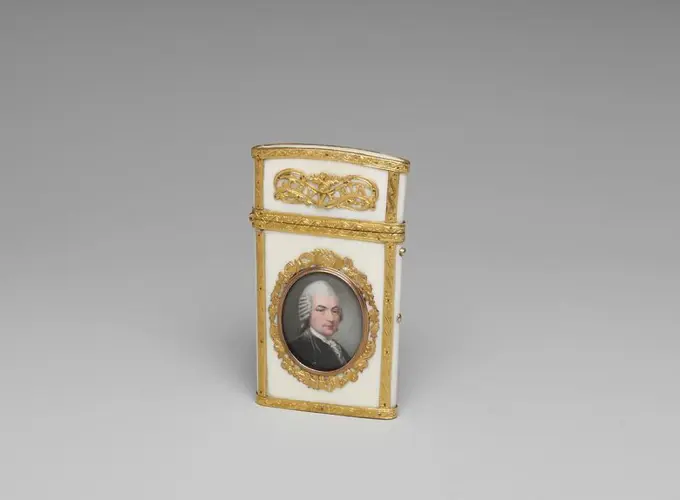
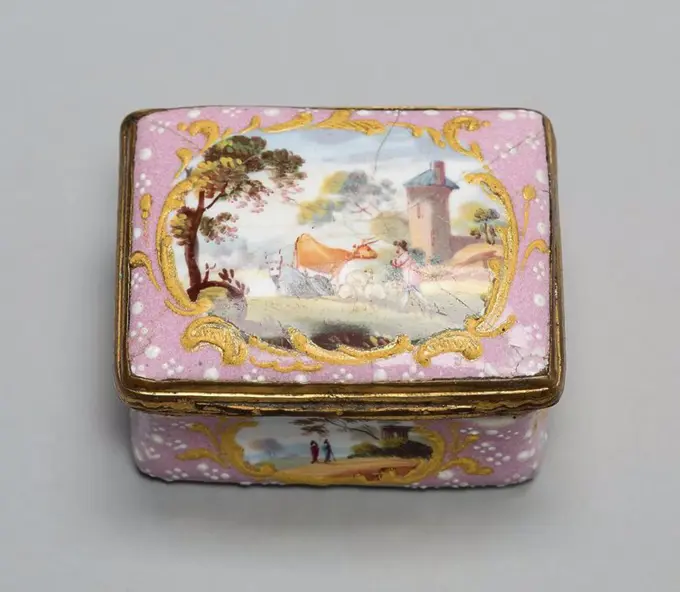
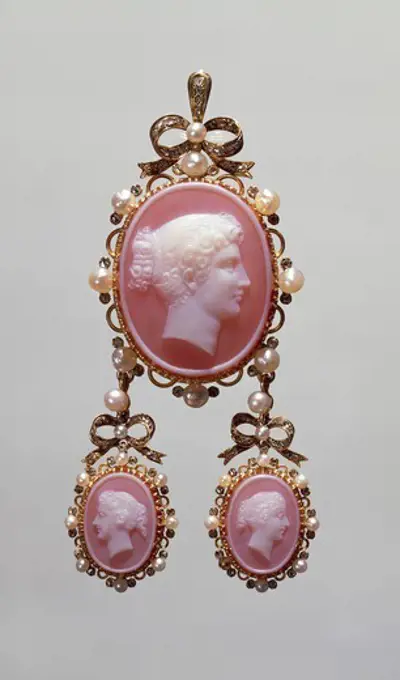
Intricate antique buttons and small boxes with fine craftsmanship, featuring detailed designs and materials like gilt copper and watercolor.
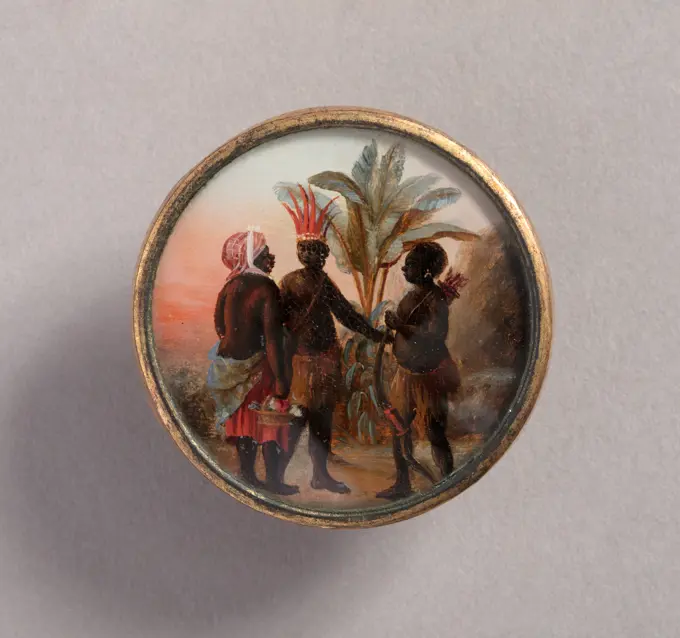
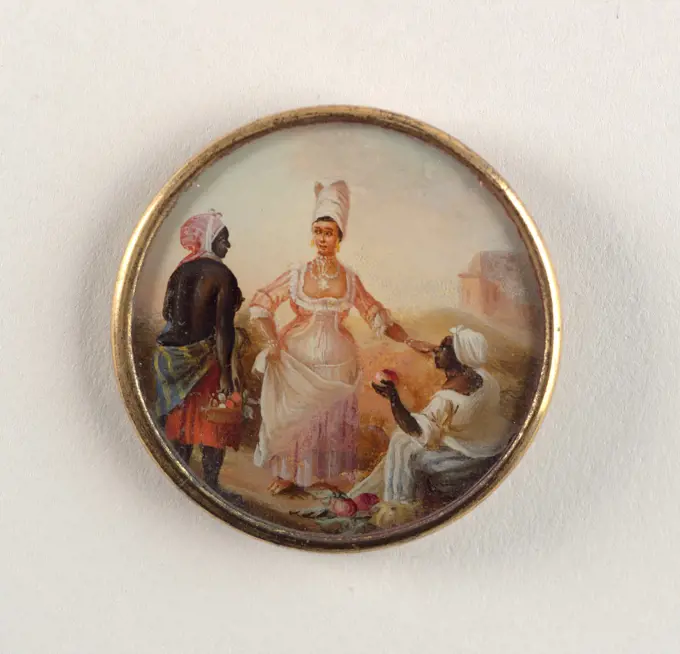
Button (Haiti); Attributed to Agostino Brunias (Italian, ca. 1730-1796); Made for Toussaint L'Ouverture; gouache paint on tin verre fixé, ivory (backing), glass, gilt metal
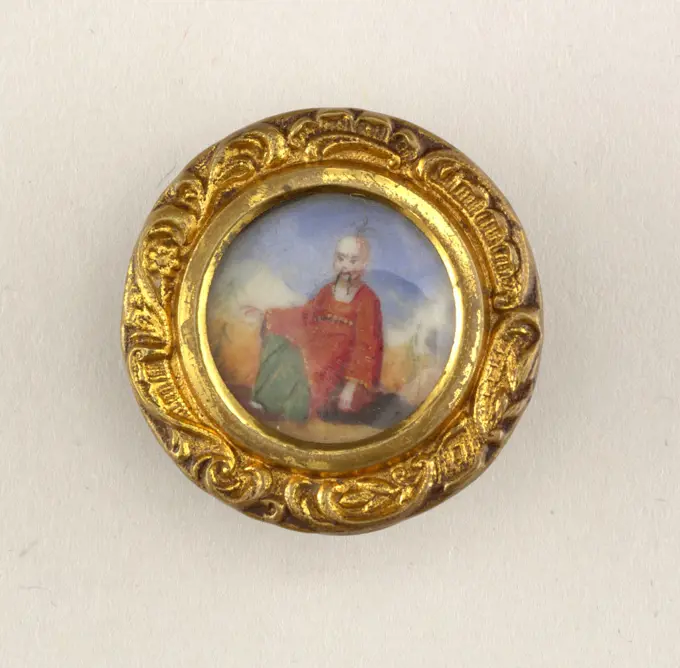
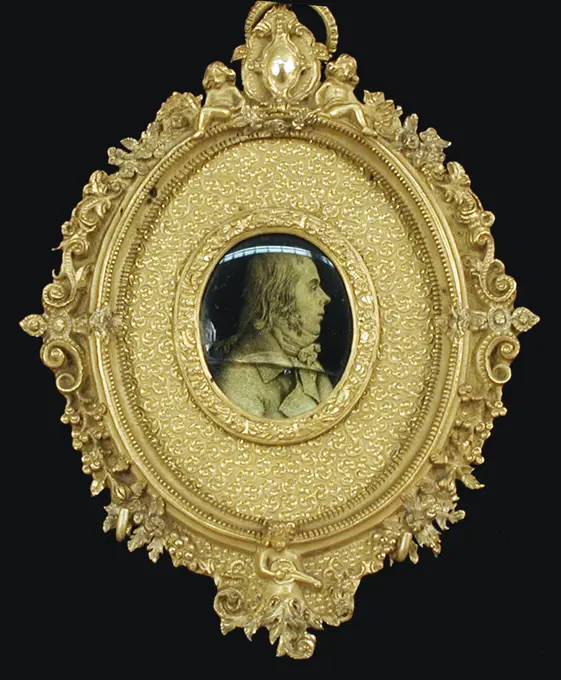
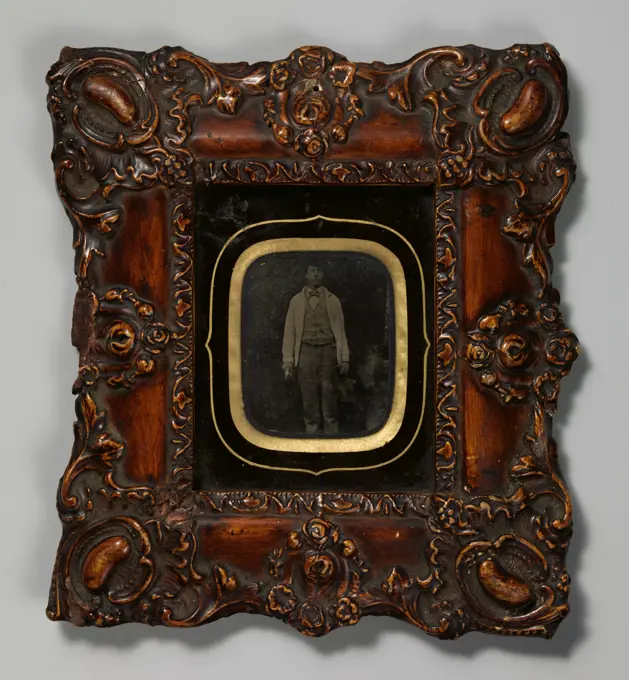
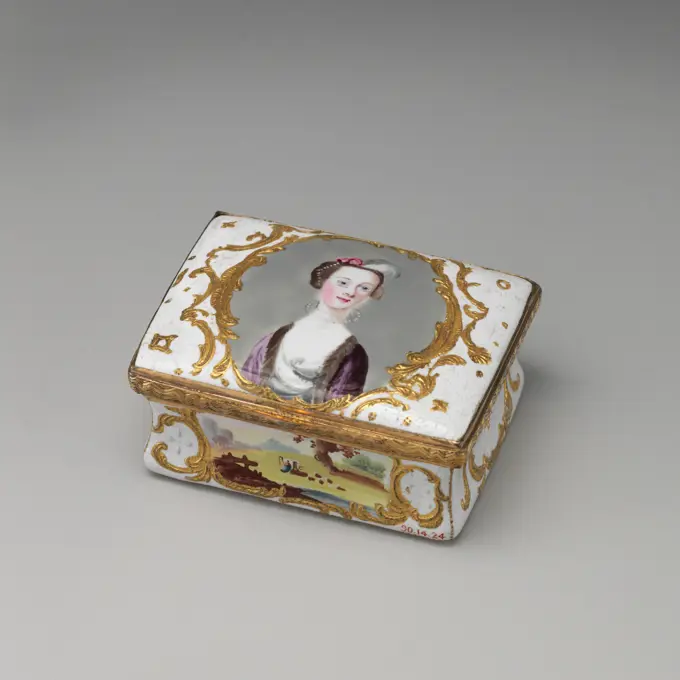
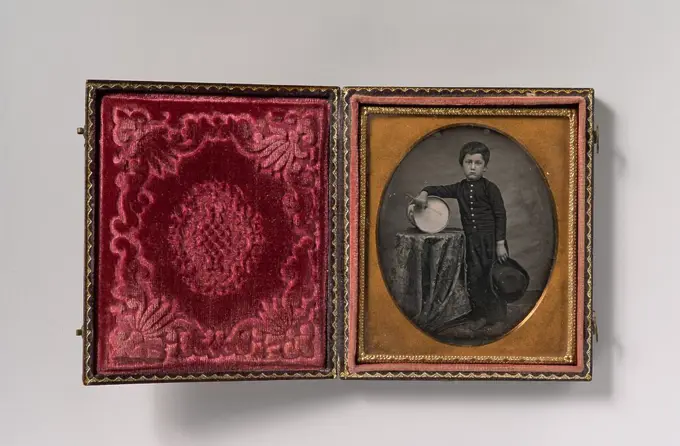
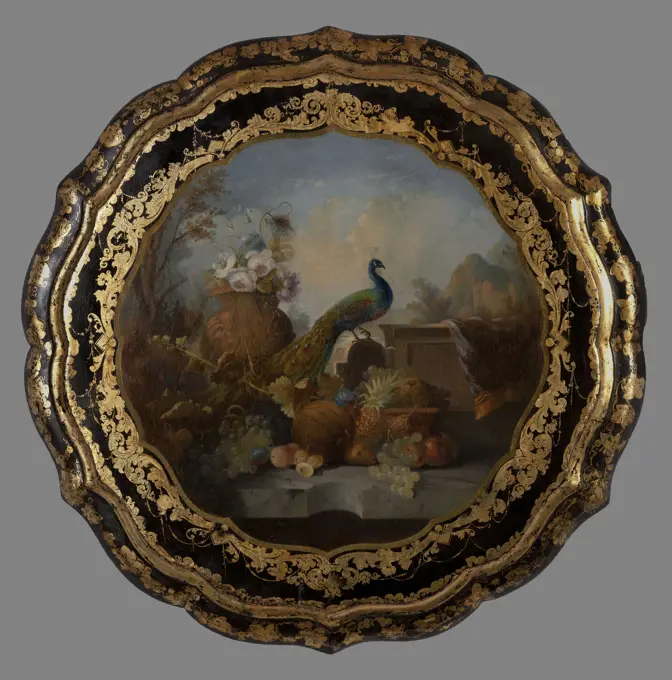
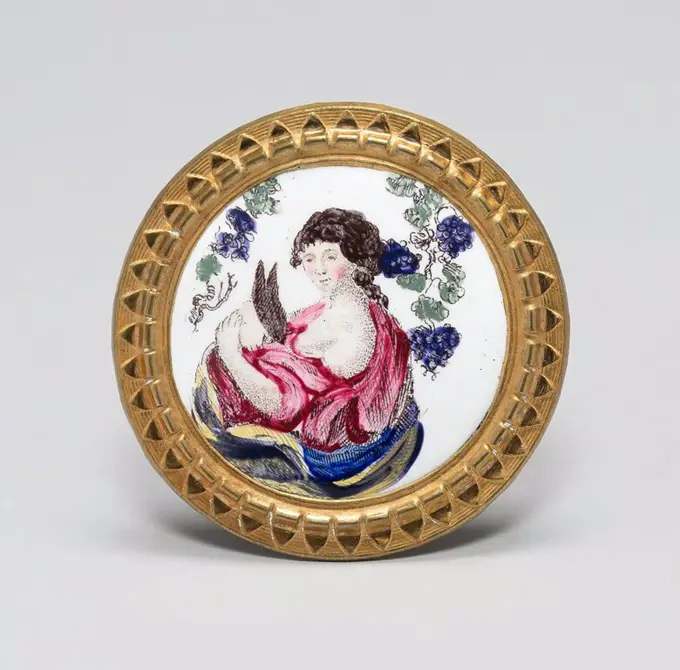
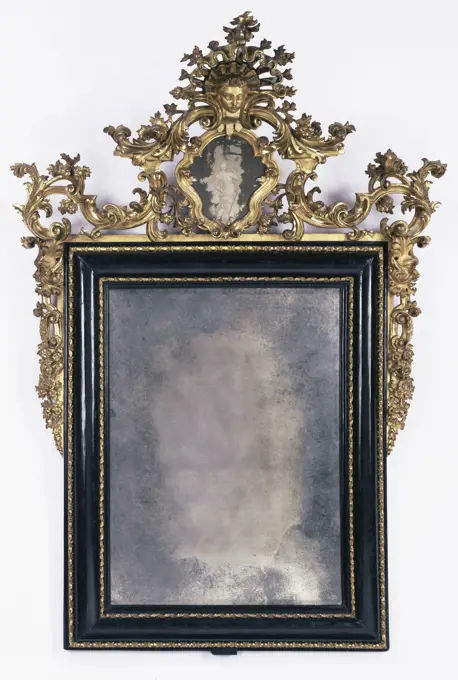
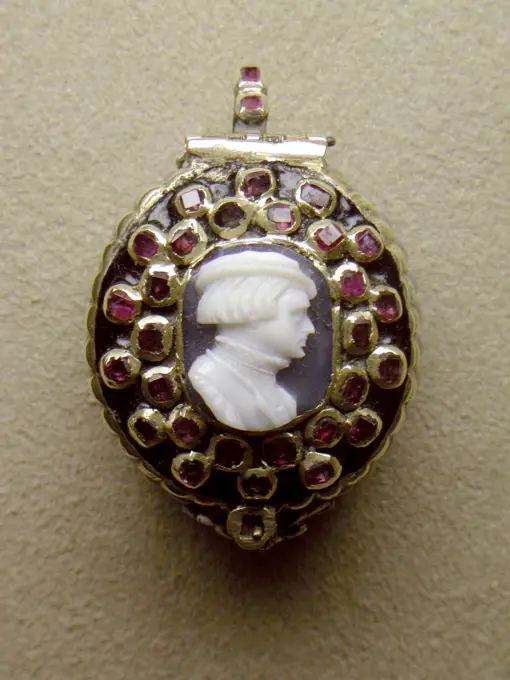
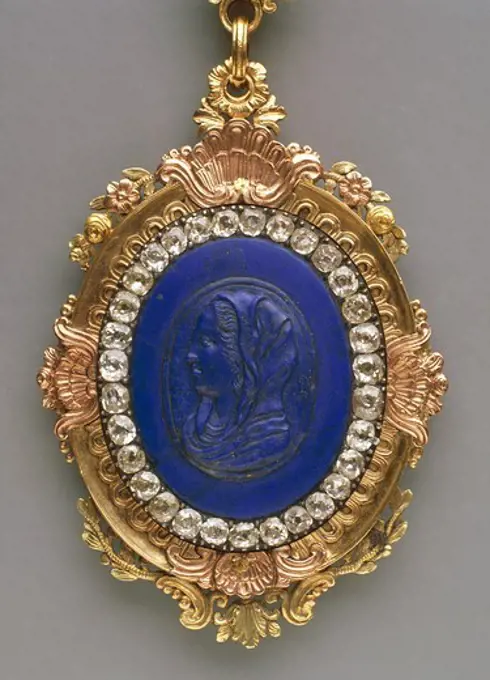
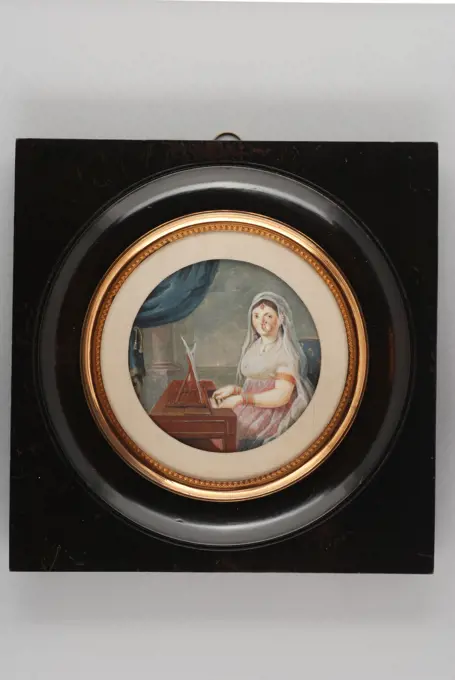
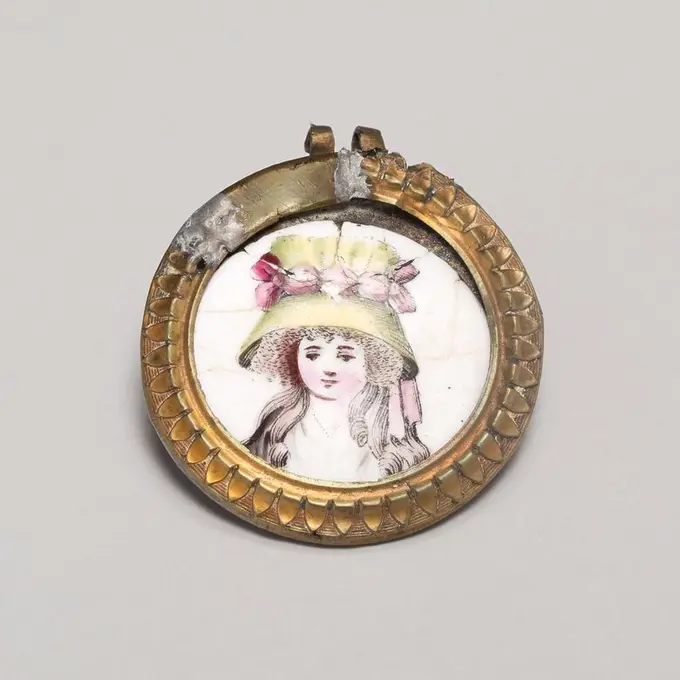
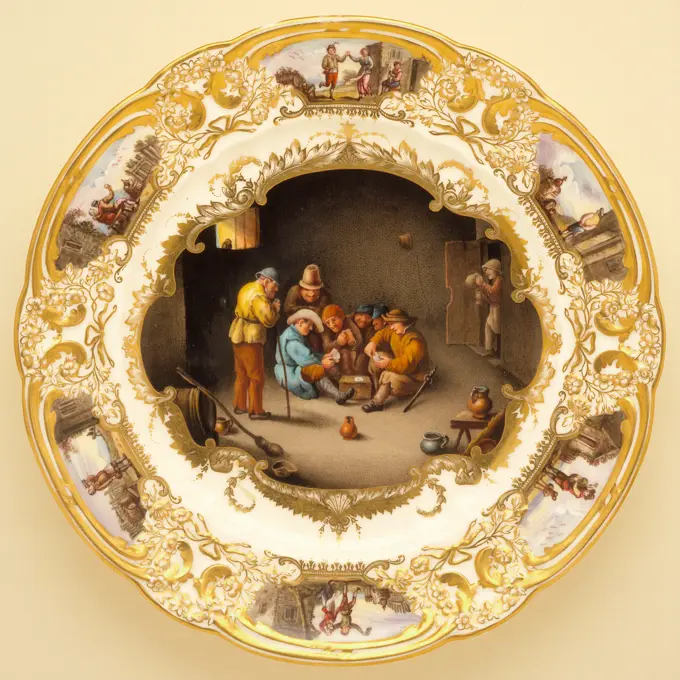
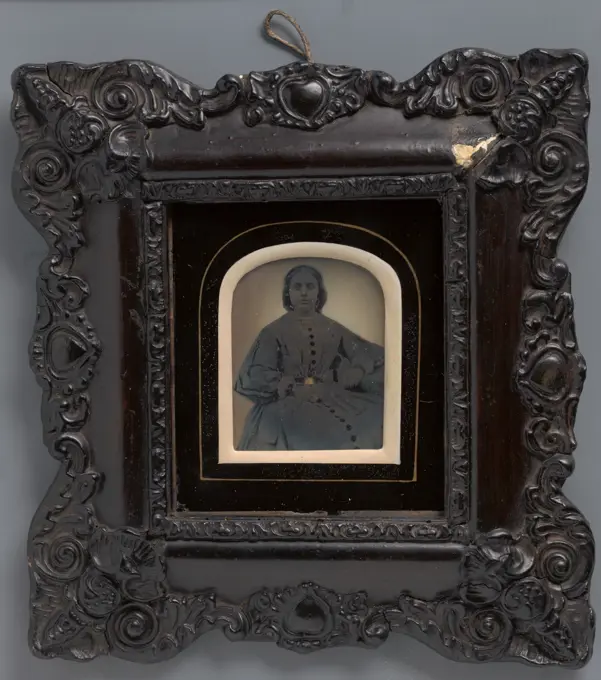
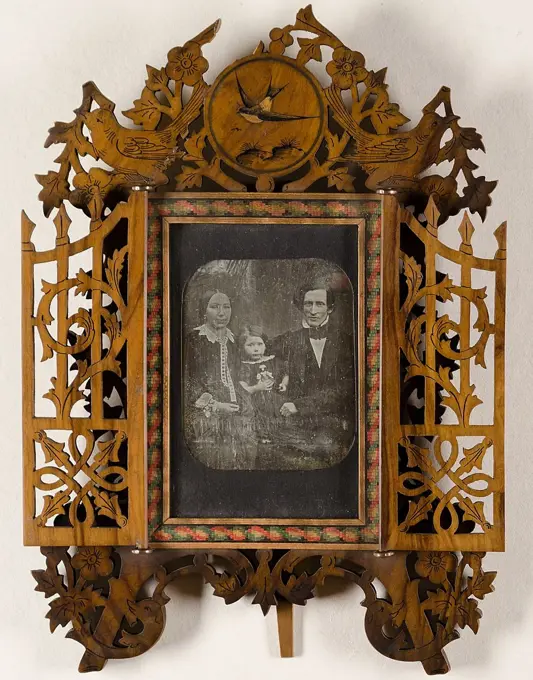
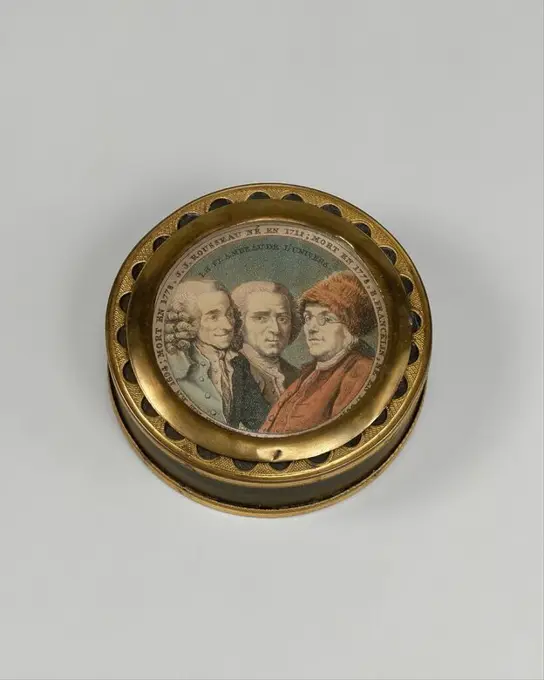
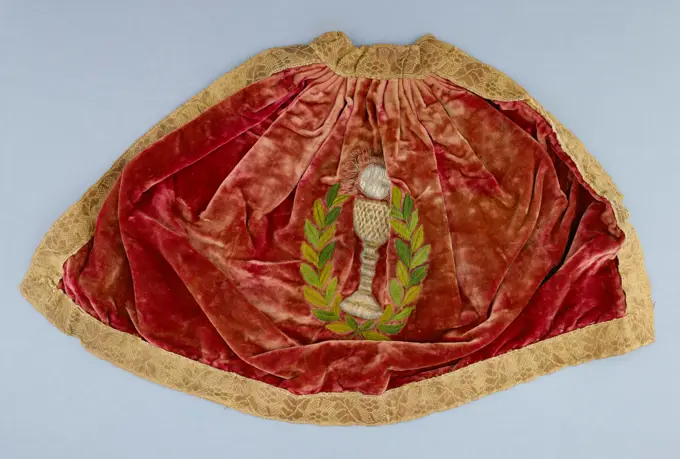
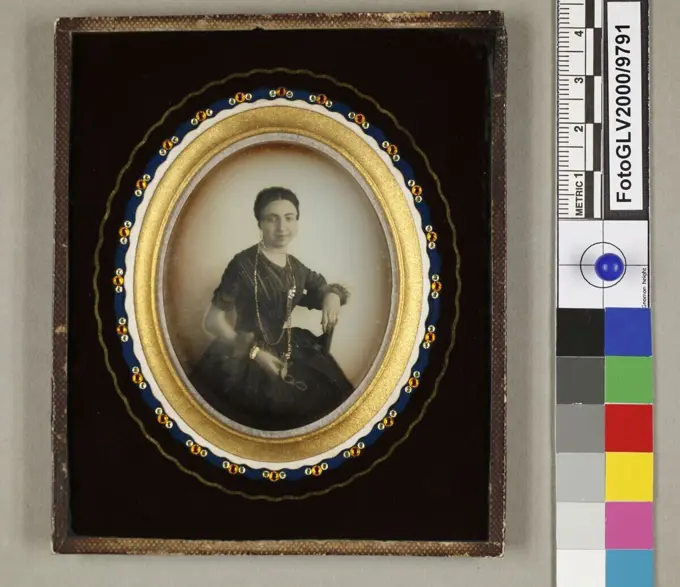
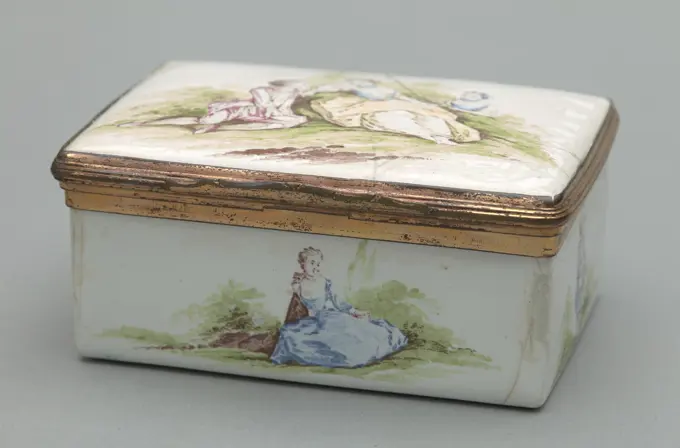
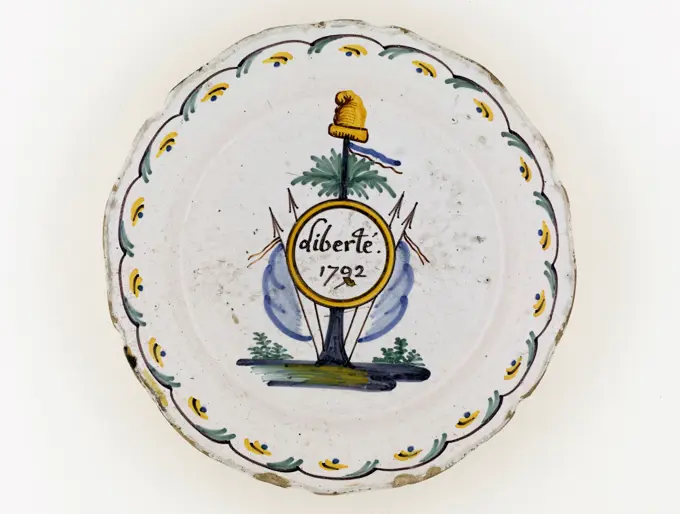
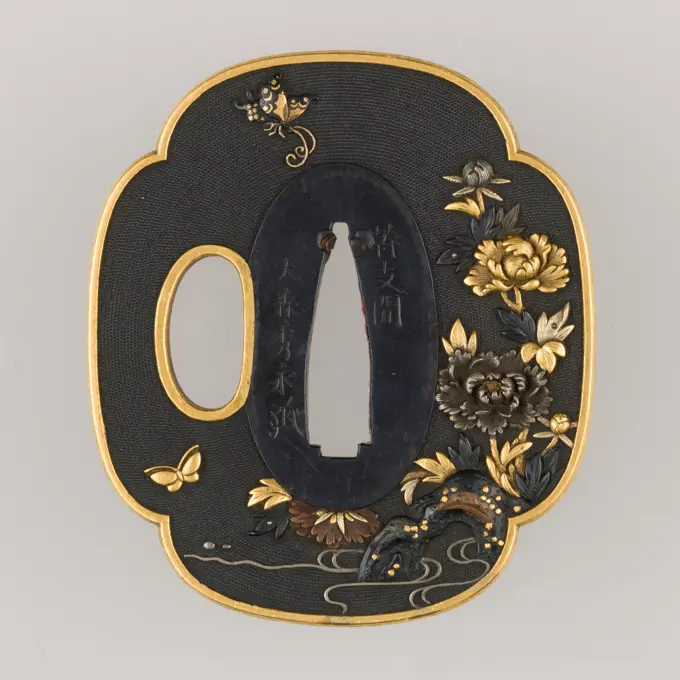
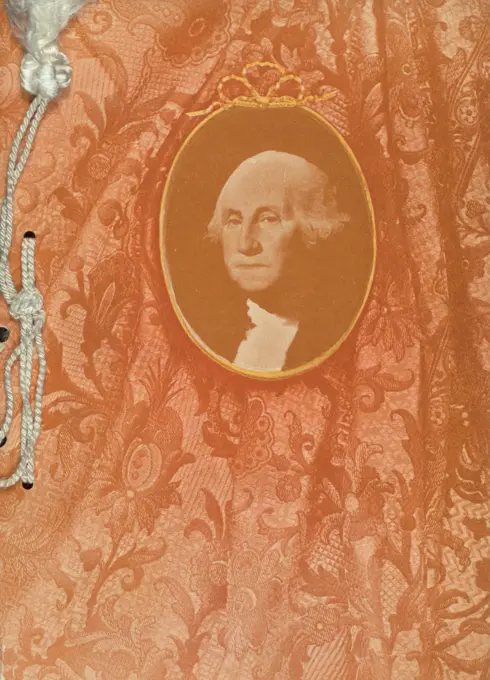
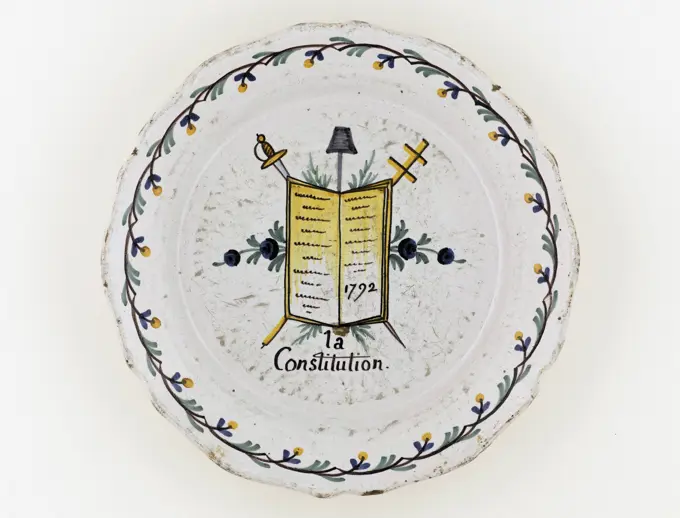
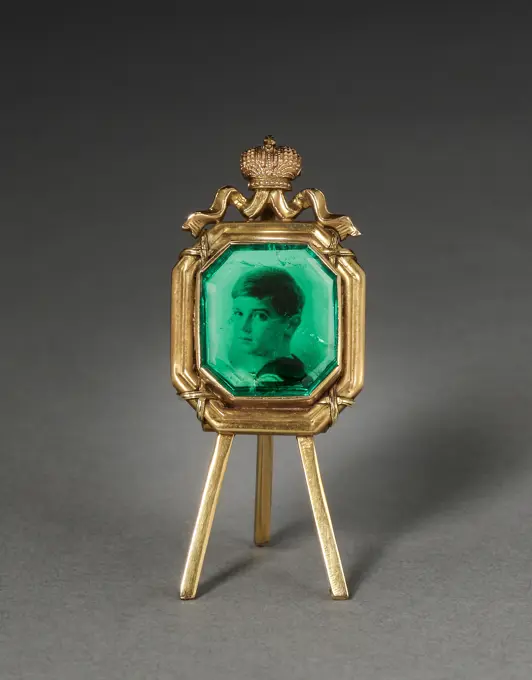
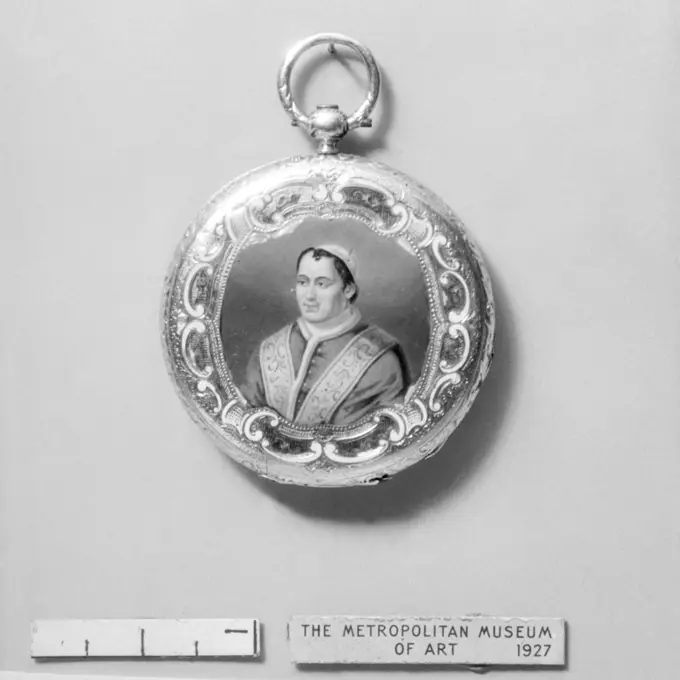
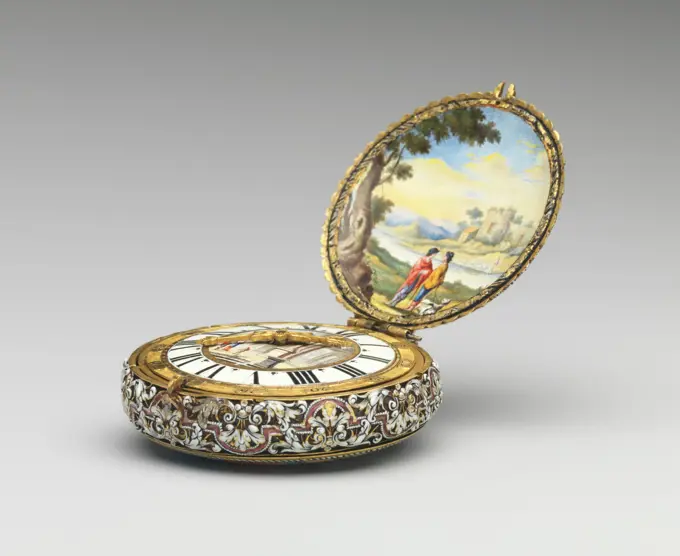
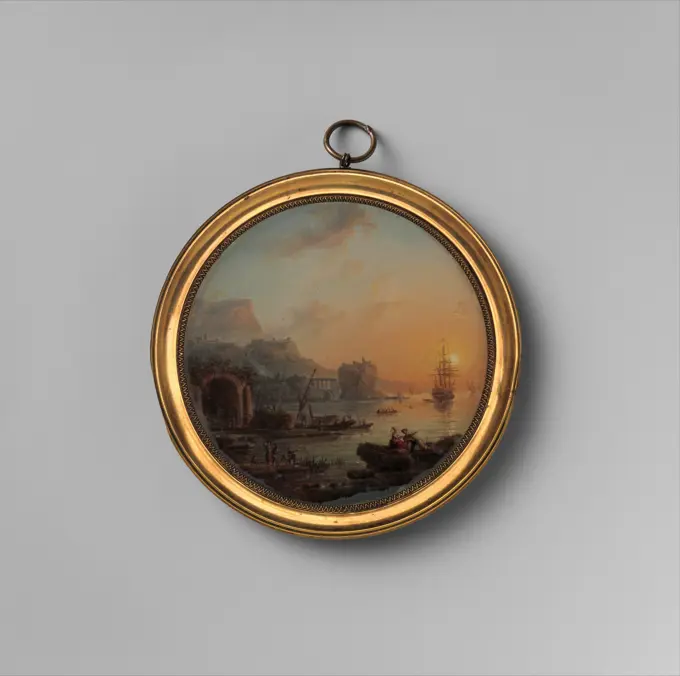
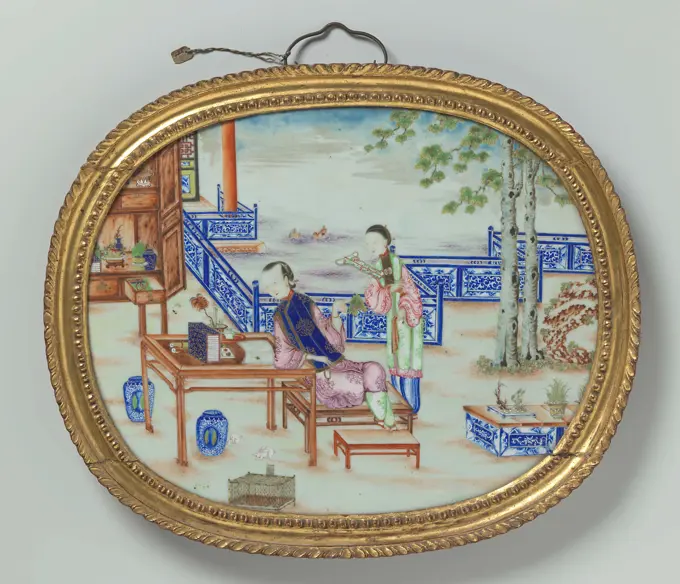
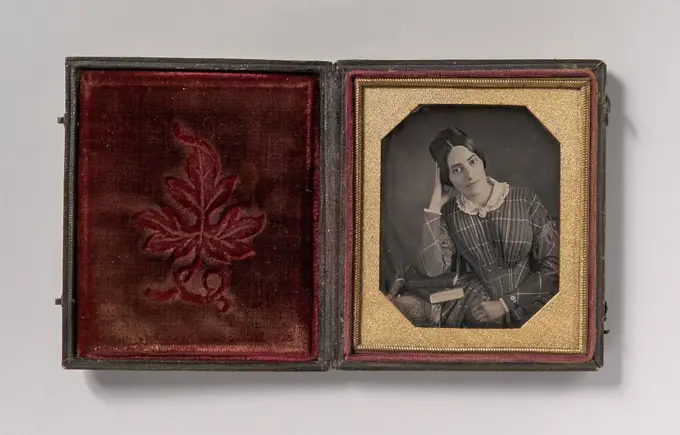
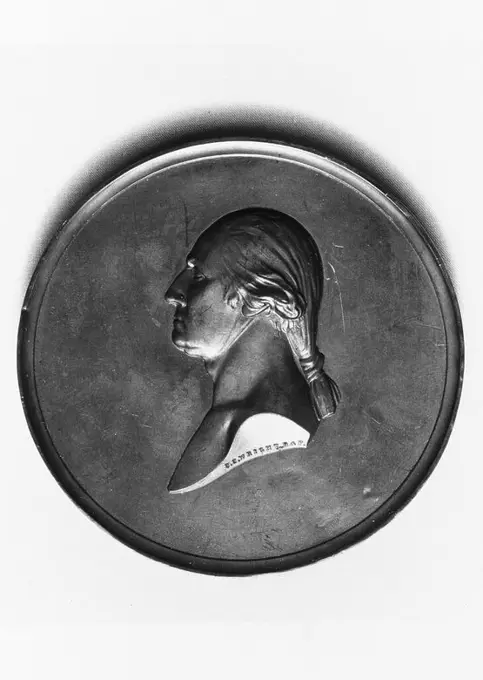
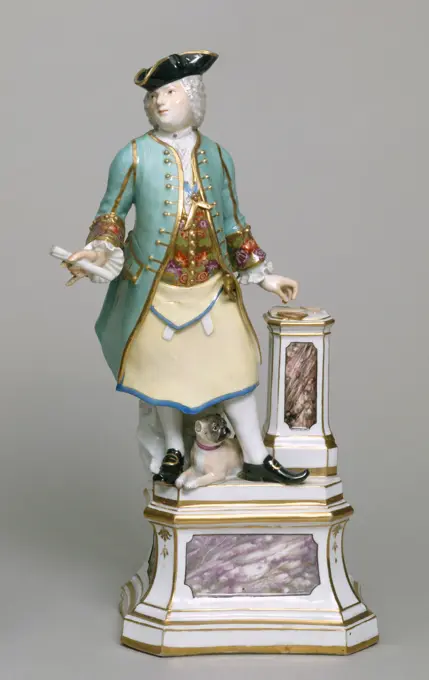
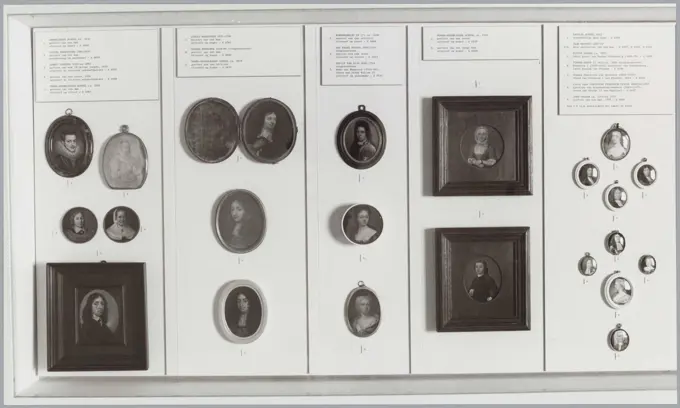
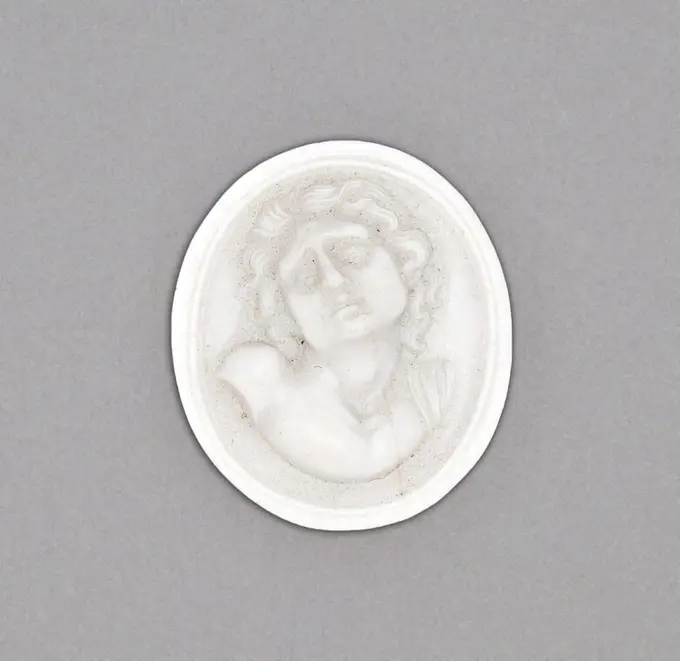
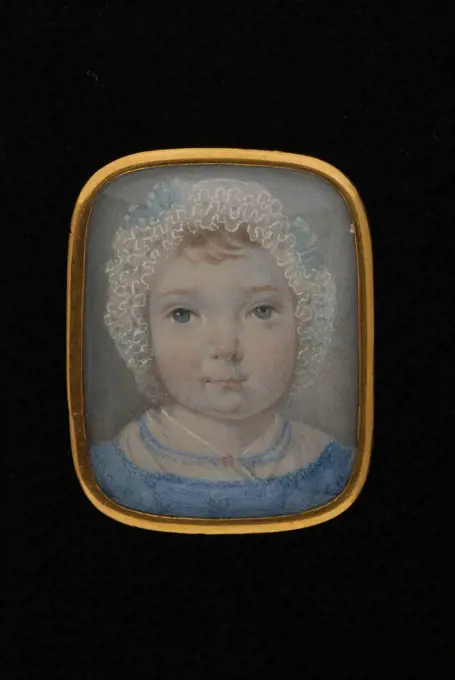
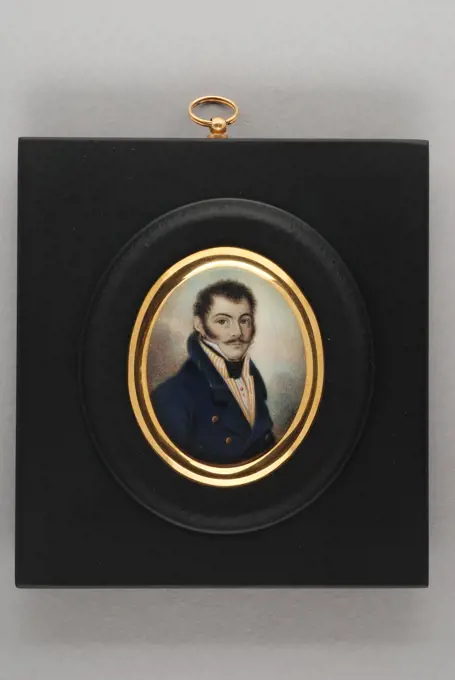
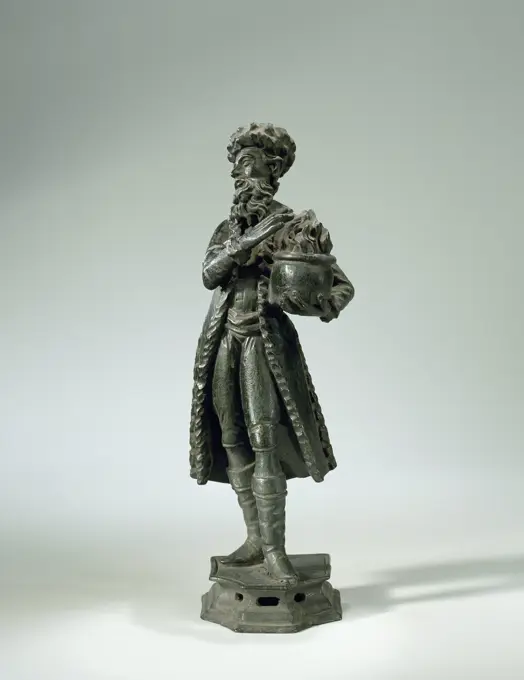
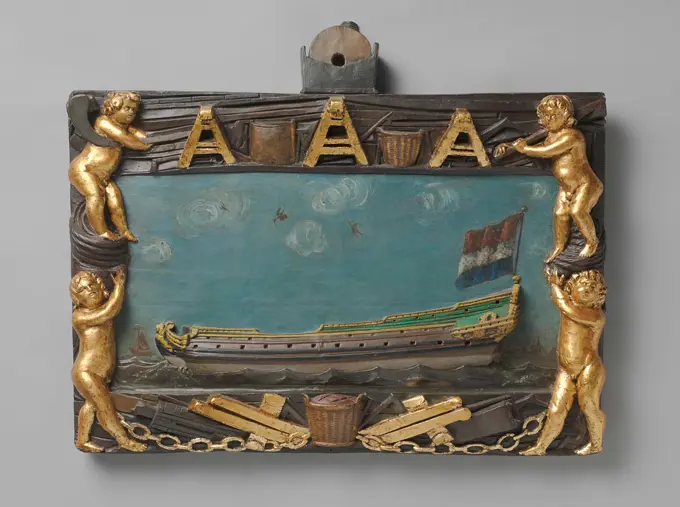
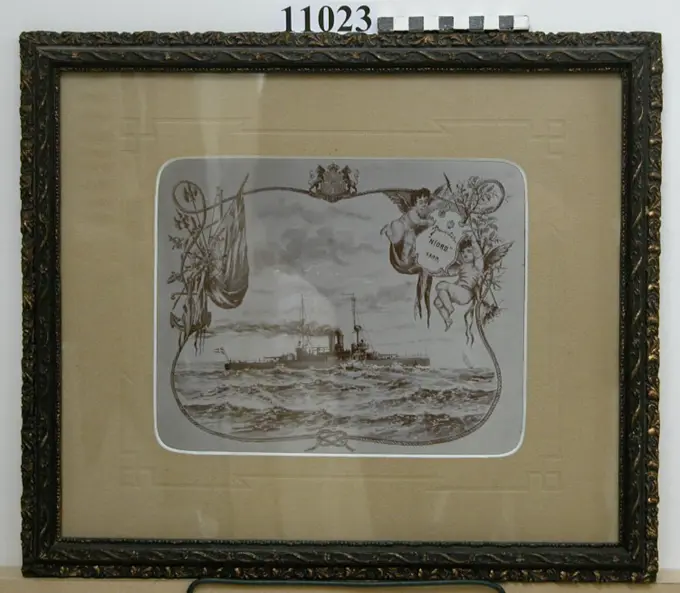
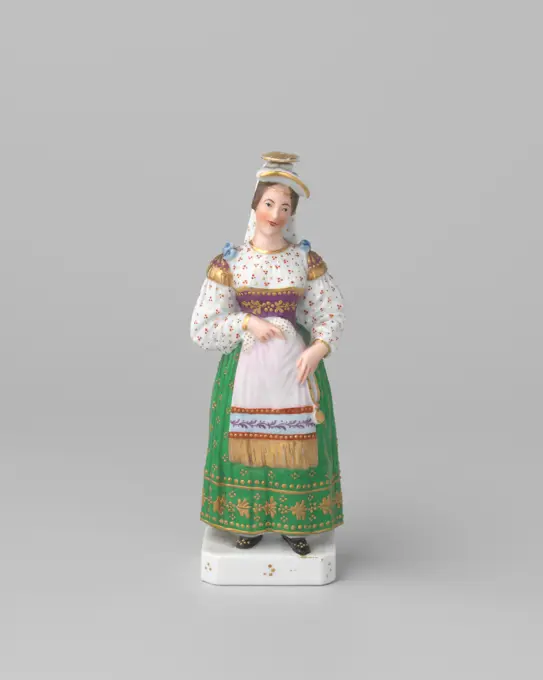
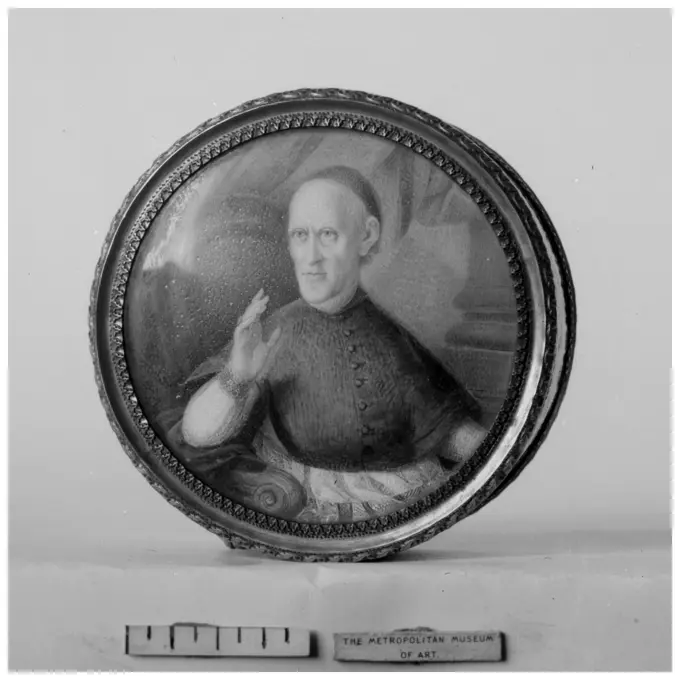
Box And Cover; lacquer and tortoiseshellButton (France); gilt copper, watercolor on ivory; Diameter: 2.9 cm (1 1/8 in.); Bequest of Julia Hutchins Wolcott; 1959-66-242Button, Gilt copper, watercolor on ivory, Circular metal form with inset miniature painting of a chinaman., On card 43, France, ca. 1760, costume & accessories, Decorative Arts, ButtonNotebook in brown skin binding. unknown, authorPhoto Frames. .Medallion late 18th century French. Medallion. French. late 18th century. Glass. Glass-PaintedMirror; engraved and silvered glass; carved, gessoed, and gilt woodSnuffbox with portrait of Christian VII (1749-1808) ca. 1780-1800 After Georg Christian Seiptius. Snuffbox with portrait of Christian VII (1749-1808). After Georg Christian Seiptius (Danish, Dresden 1744-1795 Copenhagen). British. ca. 1780-1800. Gold, enamelButton (Haiti); Attributed to Agostino Brunias (Italian, ca. 1730-1796); Made for Toussaint L'Ouverture; gouache paint on tin verre fixé, ivory (backing), glass, gilt metalButton, Gouache paint on tin verre fixé, ivory (backing), glass, gilt metal, Button depicting scene of three women in a landscape, with large house in background. A standing bare-breasted dark-skinned woman holding a basket of items and another seated woman wearing striped pants, selling fruit, flank an elegantly-dressed light-skinned woman wearing a corseted gown with peach sleeves and large gold earrings., late 18th century, costume & accessories, Decorative Arts, ButtonMan with Bucket and Paint Brush late 1850s-60s Peter Ralston British, Scottish. Man with Bucket and Paint Brush. Peter Ralston (British, born Scotland). late 1850s-60s. Ambrotype. PhotographsModel of a monument to honor of Van der Werff, Anonymous, c. 1400 - c. 1950 Model of the monument in honor of Van der Werff, in the St. Pancras or Hogeland church in Leiden. In a glass cupboard.  gypsum. wood (plant material). glass Model of the monument in honor of Van der Werff, in the St. Pancras or Hogeland church in Leiden. In a glass cupboard.  gypsum. wood (plant material). glassSnuffbox ca. 1750-80 British, Staffordshire. Snuffbox. British, Staffordshire. ca. 1750-80. Copper, enamel. Enamels-PaintedPortrait medallion of gold. Portrait medallion of gold, oval, with edge of gold, set with rhinestone. A photographic portrait at the front; At the back a medallion in which a hair clock behind glass surrounded by a border of blue glass on guiloded soil.Barefoot Boy Holding Hat and Drum Stick, Leaning Forearm on Child-sized Drum on Table. Artist: Unknown (American). Dimensions: Image: 7 x 5.6 cm (2 3/4 x 2 3/16 in.)Plate: 8.3 x 7 cm (3 1/4 x 2 3/4 in.)Case: 1.6 x 9.4 x 7.9 cm (5/8 x 3 11/16 x 3 1/8 in.). Date: 1850s.The daguerreotype, the first photographic process, was invented by Louis-Jacques-Mandé Daguerre (French, 1787-1851) and spread rapidly around the world after its presentation to the public in Paris in 1839. Exposed in a camera obscura and developed in mercury vapors, each highly polished silvered copper plate is a unique photograph that, when viewed in proper light, exhibits extraordinary detail and three-dimensionality. The daguerreotype soon became extremely popular in the United States, where in the 1840s and 1850s thousands of daguerreotypists vied for clients from Boston and New York to San Francisco. The new medium's success here was built upon the patronage of the average citizen who desired a simple likeness to keeMemorial locket for Mrs. Lucy Carew Tillinghast(1783-1800).  Artist, attributed to: Lucretia Carew, American, 1778-1862Watch. Culture: British, London. Dimensions: 2 1/4 × 1 1/8 in. (5.7 × 2.9 cm). Maker: Watchmaker: Isaac Symms (British, active 1615-28). Date: ca. 1620-25. Museum: Metropolitan Museum of Art, New York, USA.Lodewijk Johannes Nooijen, Tabletop with painted representation of peacock, flowers and fruits, tabletop table furniture interior decoration part papier_maché lacquer, Rounded outside edge Papier mache lacquered in colors and gold on black. In the middle of the rear metal fastening with snap closure with which it could be fixed as foldable table top on foot (not present) signed: L.J. Nooijen Rotterdam lacquerware NooyenPortrait of an unknown girl, Anonymous, 1900 - 1930 locket. photograph   baryta paper. metal. celluloid (cellulosic) gilding / gelatin silver print historical personsCloak Pin (Knob or Tieback). England. Date: 1810-1830. Dimensions: Diam. 4.8 cm (1 7/8 in.). Copper, transfer printed and polychrome enamel, gilt bronze, and iron. Origin: England. Museum: The Chicago Art Institute, Chicago, USA.Revenge, Lacquered boxwood and paper, A: Circular box, lacquered black; B: cover, lacquered black, with engraving pasted on top, entitled 'Revenge' and showing interior of a modest house, with dressed female lion sitting on edge of bed, while a male lion is about to cut off the tail of a monkey escaping through a window., France, England, late 18th century, containers, Decorative Arts, Patch box and cover, Patch box and coverButton with Sacrifice to Hygieia 1775-1799 Burslem. Stoneware (jasperware) . Wedgwood Manufactory (Manufacturer)Portrait of Hugo de Groot in table. Oval portrait in black ink on white ivory of Hugo de Groot, bust slightly to the right, black shirt and large white collar. In black painted profiled oval wooden frame with black-dyed cardboard passe-partout in copper ring; On the outer edge of the list of a black-dyed copper hollow pearl edge. Lijzende Lijzst baked with blue paper on which signature at the bottom right, copper degrappoof middle up. The ivory plaque has been clamped with red-copper tabs.Mirror and Frame; Rome, Lazio, Italy; about 1750 - 1775; Gilt and ebonized pearwood; 206 x 125 cm (81 1,8 x 49 3,16 in.)Crowded and enamelled gold box, blue-of-the-kill, on a guilloche background and decorated with a painted enamel. Paris, Cognacq-Jay museum. This box has a high -quality chopped decor. It is adorned with half-chopped white enamel lines and undulating garlands of tiny green leaves with flowers with sometimes red petals, sometimes turquoise blue. These patterns also adorn the base. The miniature appearing on the lid represents a port scene of port or river reminiscent of those imagined by Claude-Joseph Vernet and its emules. Blue-of-king, oval box, painted email, emaille, guilloche background, gold chisel, ornneeWatch watch ca. 1650, cameo 16th-17th century Watchmaker: Wilhelm Peffenhauser German, Augsburg Peffenhauser, or Pepfenhauser, appears in the records of the Stadtarchiv Augsburg as a casemaker as well as a watchmaker. The case may, therefore, have been made at least in part by the clockmaker, perhaps incorporating an earlier cameo.. Watch 194110Goldsmith's art, Italy, 18th century. Yellow, white and red gold rosary with diamonds and lapis lazuli, around 1775. Detail.Portrait miniature by Margaretha Elisabeth Bartlo, portrait miniature painting footage gold wood ivory paint watercolor paper parchment ivory backing, Dark brown wooden square frame. In this, rounded woman's portrait is lying on gilded background; within copper-colored around ornamental frame. Flat glass slide. On the reverse side of hanging eye Reverse side written with ink on paper: Madame de Hogendorp née Bartlo Rotterdam Margaretha Elisabeth Bartlo Dirk van Hogendorp Van Hogendorp Bengal Dutch East Indies Java Cassim Bazar Batavia musicCloak Pin (Knob or Tieback). England. Date: 1810-1830. Dimensions: Diam. 4.8 cm (1 7/8 in.). Copper, transfer printed and polychrome enamel, gilt bronze, and iron. Origin: England. Museum: The Chicago Art Institute, Chicago, USA.SmileBox, c. 1815. Russia, possibly Korobov Factory, early 19th century. Lacquered wood with painted miniature under glass; overall: 2.9 x 8.9 x 6.3 cm (1 1/8 x 3 1/2 x 2 1/2 in.).Japan and Holland. Quadrangular planter (is part of the pair of quadrangular planters). Porcelain, gilded bronze, 1720-1735. Paris, Cognacq-Jay museum. 79169-8 Japanese art, gold bronze, quadrangular garden, flower motif, bird, tray, porcelain, pot, vase, 18th 18th 18th 18th 18th 18th century, tableDouble box ca. 1760 probably British, Birmingham, Warwickshire. Double box. probably British, Birmingham, Warwickshire. ca. 1760. Enamel on copper. Enamels-PaintedNapoleon Bonaparte Premier Consul of the French Republic Napoleon Bonaparte Premier Consul of the French Republic. Money. Between 1800 and 1804.Platter. Dated: c. 1936. Dimensions: overall: 20.3 x 25.4 cm (8 x 10 in.) Original IAD Object: 16 3/8" long; 13 1/2" wide. Medium: black and white photograph. Museum: National Gallery of Art, Washington DC. Author: Helmut Hiatt.Plate c 1790 England. Creamware .Plate. Round plate of multicolored painted porcelain. On the flat is a portrait of a woman (Queen Hortense) painted. The edge has a blue stock on which a repeating decor in gold has been painted from a sphinx flanked by eike leaves and interspersed by an eagle on which a crowned n. is marked and signed: j.quentin.Fili Anka from miniatures; Baranówka (Porcelain Manufaktura; 1804-2012); early XIX (1801-00-00-1810-00-00);Souvenir with portrait of a man. Artist: Miniature by Nicolas André Courtois (French, 1734-1806). Culture: French, Paris. Dimensions: 3 3/8 × 2 1/8 in. (8.6 × 5.4 cm);miniature, oval: 1 1/4 × 1 1/8 in. (3.2 × 2.9 cm). Maker: Possibly by Thomas-François Merlin (master 1773, active 1793). Date: 1775-76.In eighteenth-century Europe, Paris led the production of high-quality luxury goods. Parisian goldsmiths made a wide range of small, personal articles such as snuffboxes; étuis to hold sealing wax, tweezers, or utensils for sewing; souvenirs, which contained thin ivory tablets for note taking; and shuttles for knotting lace. Gold snuffboxes and boxes decorated with portrait miniatures were prized and frequently given as royal gifts, often to ambassadors or members of the court in lieu of cash payments for their services. Coveted and admired, these boxes were produced from a variety of materials. The best were skillfully made of gold and embellished with diamonds, enameled decoration, lacPlate. circa 1817-1820. Furnishings; Serviceware. PorcelainPortrait of an unknown child, 1880 - 1900 Photograph. visit card. frame   wood (plant material). glass. paper. cardboard. metal. leather albumen print child. anonymous historical person portrayedPortrait of a girl with a hat, Joseph Marinkelle, 1778, Portrait miniaturePortrait of an unknown sitting young man, Anonymous, c. 1855 - c. 1870 photograph   glass. metal. velvet (fabric weave). textile materials. silk. ambrotype historical persons. sitting figureTile (Spain); earthenware, glazed and high fire decoratedPortrait of an unknown young woman, Anonymous, 1855 - 1870 photograph. frame   glass. wood (plant material). metal. rope ambrotype historical persons. adolescent, young woman, maidenUnknown family. .Round Box 1775-1800 Italy. Tortoiseshell, watercolor, glass, and metalBox with Medallion Top. Dimensions: 1 x 3 1/16 in. (2.5 x 7.8 cm). Date: 1770-1800. Museum: Metropolitan Museum of Art, New York, USA.Pyx veil, embroidered  chaIIce with the Host unknownDaguerreotype portrait by Ferencz Abrahamovits of a woman, three-quarter figure, seated on a chair in a short-sleeved black dress, holding a Lorgnette, with painted gold jewelry, around 1850.Pendant, formed by oval medal with portrait Anna, consort of Emperor Matthias, Jan de Vos (ca. 1578-), 1614 Silver pendant, formed from a mounted oval medal with the portrait of Anna, the consort of Emperor Matthias. Southern Germany silver (metal) Silver pendant, formed from a mounted oval medal with the portrait of Anna, the consort of Emperor Matthias. Southern Germany silver (metal)Pleated Fan (France); gilded paper leaf with chromolithograph, carved and pierced ivory sticks, partially silveredTabakierka Chodowiecki, Daniel Nikolaus (1726 1801)Half model of an Inspection Craft. Polychromed block model of a one-mast flat bottom. The deck is closed and detailed with a decomposition, a servant, a slightly exalted Campaniak and a landing. Against the boois, fittings are arranged for a sword, and two putting irons for and a rear. Round stern decorated with a coat of arms, wide stir with large carved stirring head and tiller over the deck. The seam runs to both ends, a barque and a reehout. Inscription in decorated cartouche above the ship. Two supports are cut under the keel, in imitation of a full model on standard. Scale approx. 1:33 (estimation).Anonymous. Plate. Earthenware. 1792. Paris, Carnavalet museum. 71683-28 Tree, Phrygian cap, decoration, earthenware, freedom, revolutionary period, French revolution, plateTea Service for Two People (Tête-à-Tête), 1775-1778 Dessert for two people (Tête-à-tête) of porcelain in a leather travel suitcase, painted on the glaze with pink, black and gold. The crockery consists of a leaf, two cups with dishes, two jugs and a sugar bowl. Decorated with a pink medallion containing a bouquet in gray. The medallion is surrounded by loose flower branches with bouquets and a band with gray with golden leaf vines saved in pink. The walls of the sugar dish and the leaf are open. Marked on the underside with the shield. Vienna porcelain. glaze. gold (metal). koffer: leather. koffer: wood (plant material) painting / gilding Dessert for two people (Tête-à-tête) of porcelain in a leather travel suitcase, painted on the glaze with pink, black and gold. The crockery consists of a leaf, two cups with dishes, two jugs and a sugar bowl. Decorated with a pink medallion containing a bouquet in gray. The medallion is surrounded by loose flower branches with bouquets and a band witColored daguerreotype of a 57-year-old woman, three-quarter figure, seated in a striped dress with a hood, dated 1848.Portrait of a woman, c. 1855 - c. 1860 photograph Colored portrait in blacklist with decorated passe-partout. Netherlands  ambrotype historical persons - BB - womanSword Guard (Tsuba) 18th century Omori Hidenaga Japanese This tsuba features a design of peony and butterflies.. Sword Guard (Tsuba). Japanese. 18th century. Copper-gold alloy (shakud), gold, copper, silver. Sword Furniture-TsubaDINNER held by ALCAZAR HOTEL at 'ST. AUGUSTINE, FLA', 1900., 1900., BOOKLET; ILLUS; COL; 5X7Anonymous. Plate to the Constitution of 1791. Faïence. Paris, Carnavalet museum. 71680-58 Constitution, decoration, faience, revolutionary period, French revolution, text, plateGold Easel and Photograph, before 1896. Russia, St. Petersburg, 20th century. Gold, enamel, sapphire, gold easel and stand, photograph covered with faceted green glass; In the Russian Orthodox religious tradition, eggs are offered as Easter gifts to symbolize rebirth, renewal, and the resurrection of Christ. This jeweled Russian egg is engraved with XB symbolizing the phrase, Christ is risen,” and would have been given to a lady in a wealthy household, perhaps someone of high rank within the imperial court, given the richness of materials.Painted creme white velvet, with golden bracket. Purgically painted cream-white velvet, with golden bracket. Long and smooth bag with rounded bottom, to which a gold cord brush. The bracket is wide U-shaped, on which three different relief ornaments: point-shaped leaves, double volutes and, on top, a straight stem with leaves and stars in running pattern. On a side a painting of a vase on foot filled with five violins around a red rose. On the other side a tuft of red roses, a tea box and two violins (viola tricolor). Lined with ivory silk.Brisé fan first quarter 19th century European. Brisé fan 170565Box. Bilston, England. Date: 1760-1780. Dimensions: 2.9 × 4.8 × 3.8 cm (1 1/8 × 1 7/8 × 1 1/2 in.). Polychrome enamel and gilding on copper with gilt metal mounts. Origin: England. Museum: The Chicago Art Institute, Chicago, USA.Goldsmith's art, 19th century. Cameo pendant set with pearls and diamonds.Portrait of Cardinal Jules Mazaria (1602-1661) from France. Dated 17th CenturyPortrait miniature of an unknown woman, portrait miniature medallion painting sculptures gold ivory paint watercolor glass ivory medium, Medallion: round gold colored case with springslot hanging eye on hinge globe glass plate behind woman's portrait Front right in background: monogram DW or DV 1804.Watch with enamel portrait of Pope Pius VII (1742-1823) ca. 1830-40 Watchmaker: Vaucher neveu. Watch with enamel portrait of Pope Pius VII (1742-1823) 195617Watch ca. 1676-80 Watchmaker: Johannes van Ceulen There was great demand for enamel watches among wealthy Dutch patrons; however, in the seventeenth century, nearly all enamelers who worked on watchcases were French or Swiss. Enameled cases were therefore imported empty to be fitted with Dutch movements, like this early balance spring watch. The scene on the cover, the Old Testament story of Elijah and Rebecca at the well, is almost certainly French in origin.. Watch 194011Mirror, c. 1700, 83 x 64 1/2 in. (210.82 x 163.83 cm), Ebonized and gilded wood, Italy, 17th-18th centuryView of a Harbor French Painter French. View of a Harbor 436352Kenau Simonsdr. Hassselaer (1526-1588). Bust embossed from Kenau Simonsdr. Hassselaer, wife of Nanning Gerbrandsz. Chest. She has been used to three quarters, placed against an ovele background and dressed in pseudo-renaissance costume. She is wearing a tilt, the lobes of which can be seen above the forehead, and a veil, above which one back to the rear dependent cloth, which is attached to it with a brooch. Furthermore, a pleated shirt on a robe-decorated robe, the split of which is top of the top and a mantle with large flat fur collar, including a chain is equally visible. Above her left shoulder Monogram dvr. In an acho-sided ebony list.James Gardiner Collection: Victorian photograph album.Button, Ceramic, silver, glass, On card 5, England, late 19th-early 20th century, costume & accessories, Decorative Arts, ButtonPatch Box (lid), c. 1809-1819. France, 19th century. Enamel on gold; diameter: 4.8 cm (1 7/8 in.).Oval Panel With A Chinese Lady And Her Servant On A Fenced Terrace. Porcelain oval plaque, painted on the glaze in blue, red, pink, green, yellow, purple, brown, black and gold. The show shows a Chinese lady at a desk with objects of a scholar with a clerk next to her with a range. In the foreground a cage from which two rabbits have come. In the background a cupboard with valuables (vase with coral, finger lemon, tripod). On the terrace flowering plants, trees and a rock. To the terrace a pond with two Peking utilities. Original gold plated list. Porcelain with email colors.Baby in bedding unknownYoung Woman with Elbow Resting on Small Pile of Books and Head on Hand. Artist: Unknown (American). Dimensions: Image: 6.6 x 5.3 cm (2 5/8 x 2 1/16 in.)Plate: 8.3 x 7 cm (3 1/4 x 2 3/4 in.)Case: 1.6 x 9.2 x 7.9 cm (5/8 x 3 5/8 x 3 1/8 in.). Date: 1840s.The daguerreotype, the first photographic process, was invented by Louis-Jacques-Mandé Daguerre (French, 1787-1851) and spread rapidly around the world after its presentation to the public in Paris in 1839. Exposed in a camera obscura and developed in mercury vapors, each highly polished silvered copper plate is a unique photograph that, when viewed in proper light, exhibits extraordinary detail and three-dimensionality. The daguerreotype soon became extremely popular in the United States, where in the 1840s and 1850s thousands of daguerreotypists vied for clients from Boston and New York to San Francisco. The new medium's success here was built upon the patronage of the average citizen who desired a simple likeness to keep or, perhaps, Medal. Dimensions: Diam. 3 1/2 in. (8.9 cm). Maker: Charles Cushing Wright (1796-1854). Date: 1818-54. Museum: Metropolitan Museum of Art, New York, USA.Photo Frames, 1880 - 1900 photograph. frame   bone (material). wood (plant material). metal. glass. baryta paper inlay (process) / gelatin silver print parents with their childrenKraków sign of dog fees No. 684Bonnet 1799-1815 American or European. Bonnet 116507According to Johann-Joachim Kaendler. "Freemason, with a bulldog and various Masonic attributes, German manufacture of Meissen", around 1740. Hard porcelain, polychrome enamels, round-bump. Museum of Fine Arts of the City of Paris, Petit-Palais. 35895-12 Maconnical attribute, bulldog, various, polychrome email, freelash, freelash, German manufacturer Meissen, hard paste, porcelain, round-bump, dogPortrait miniatures, right small oval portraits in medallions; Part of showcase with thumbnails in room 139, decorated in 1988 ..Willem II (1792-1849), King of the Netherlands, Louis Henri de Fontenay (attributed to), c. 1840 miniature (painting) Portrait of Willem II (1792-1849), King of the Netherlands. Bust to the left, prospective, in uniform. Part of the portrait miniatures collection. Holland ivory. metal. textile materials. leather. glass  historical persons. kingCameo. James Tassie; Scottish, 1735-1799. Date: 1775-1799. Dimensions: H. 2.9 cm (1 1/8 in.). Stoneware (jasperware). Origin: Scotland. Museum: The Chicago Art Institute, Chicago, USA.Portrait miniature of little girl, portrait miniature painting visual material ivory paint watercolor ivory backing, Standing rounded rectangular smooth and gold colored frame inside children's portrait behind glass sphere. Reverse side with paper covered remains of wax seal Anna Josina Burger Hoffman G.W. Burger Rotterdam Gerardus Willem Burger (Rotterdam 1856 - Doorn 1916), among others, municipal councilor in Rotterdam from 1903 to 1916.Hendrik van Overklift, Portrait miniature of man, portrait miniature painting visual material ivory paint watercolor ivory medium (standard size), Standing rectangular black frame with hanging eye and ring. In it, an oval male portrait recessed in standing copper-colored oval ornamental frame. Bulb glass slide front right in the background:: HvO. Property Royal Antiquity Society (KOG).Ring with an Engraved Gem; 1st century B.C; Gem: ruby red carnelian: ring: gold; 2.2 × 1.3 × 0.3 cm (7,8 × 1,2 × 1,8 in.)Figure, representing the winter, anonymous, c. 1700 - c. 1800 Figure, man with fire pot (winter). On an open -up layer pedestal. Oberammergau wood (plant material) Figure, man with fire pot (winter). On an open -up layer pedestal. Oberammergau wood (plant material)Sign of a Shipyard. Signboard on which an image of a ship's hull. The signboard is likely to be a shipyard or from the Scheepsmemergilde. The sliced ship's hull is surrounded by four cupids and various professional attributes. The whole hangs on a grinding stone.Ambrotype - Portrait of an unidentified man, 1857-1866  coffret fabriqu par coffret fabriqu par  $eognl:#state.prefix  Littlefield, Parsons & Company, 1857-1866 (1853-1924)Photography.Photography in glass and frame of wood, black, with ornamentation in yellow and black.Displays the armored boat Niord at sea under way after watercolor of unknown artist in 1899.neg.nr 4931. E watercolor of unknown artist.1899 - 1899.Ensemble ca. 1872 American. Ensemble 107870Hunting Scene Matchsafe; Manufactured by George Heath & Co.; England; silver, enamel; 3.8 x 6.1 x 1.2 cm (1 1/2 x 2 3/8 x 1/2 in. )Pink silk garter with rosette snaps, silver threads. Garter from pink silk with rosette snaps, silver threads torsades.Bottle in the form of a women's figure in national costume. Bottle of porcelain in the form of a woman figure in national costume. Signature in blue: J.P.The Infant Academy ca. 1785-95 Josiah Wedgwood British. The Infant Academy. After a design by Sir Joshua Reynolds (British, Plympton 1723-1792 London). British, Etruria, Staffordshire. ca. 1785-95. Jasperware. Ceramics-PotteryBox 19th century () possibly Italian. Box. possibly Italian. 19th century (). Tortoiseshell, gold. Metalwork-Gold and Platinum