Antique Decorative Buttons

Intricate antique buttons and small boxes with fine craftsmanship, featuring detailed designs and materials like gilt copper and watercolor.
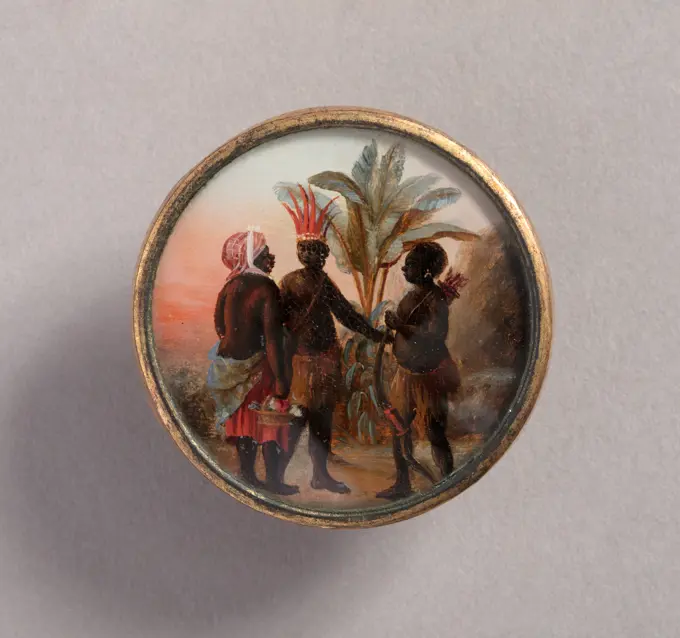
Button (Haiti); Attributed to Agostino Brunias (Italian, ca. 1730-1796); Made for Toussaint L'Ouverture; gouache paint on tin verre fixé, ivory (backing), glass, gilt metal
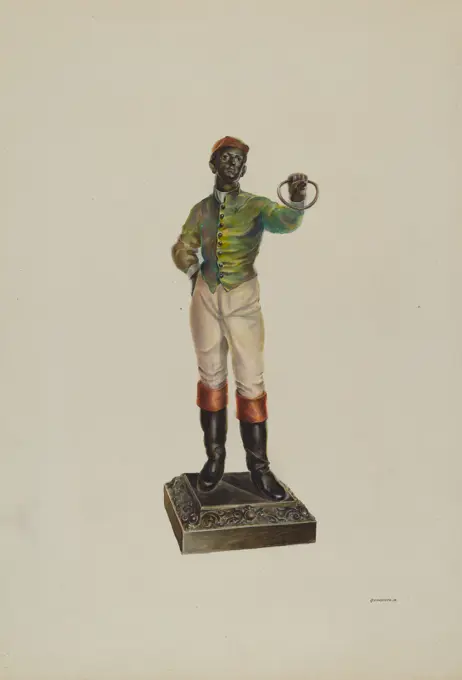
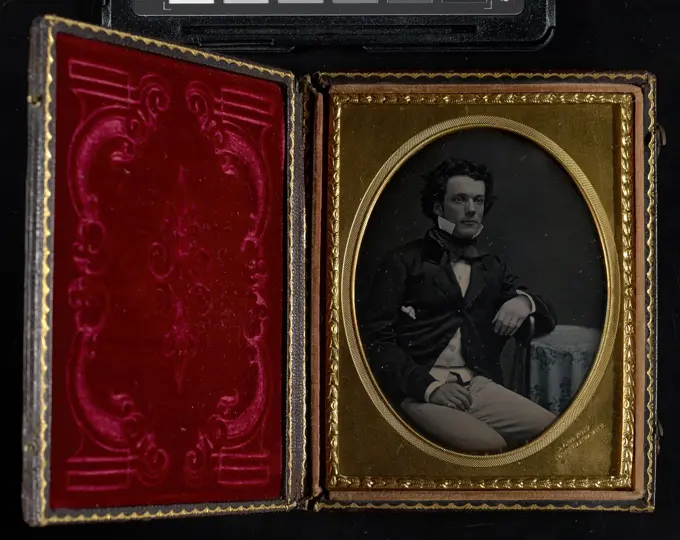
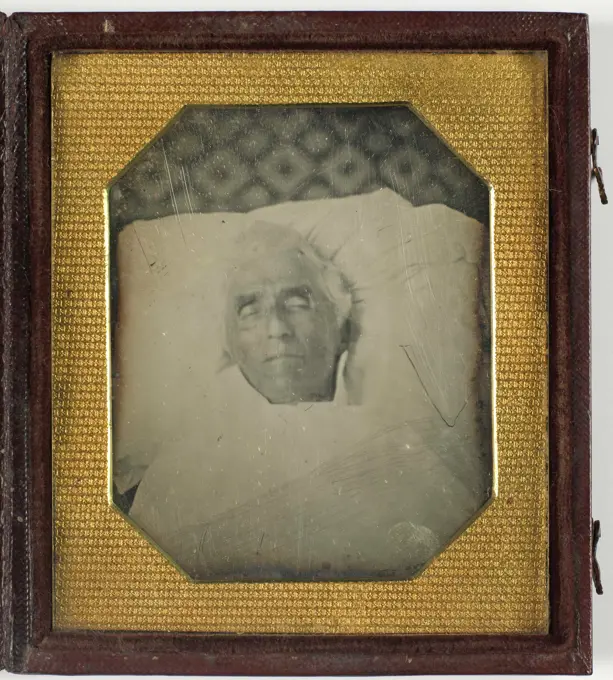
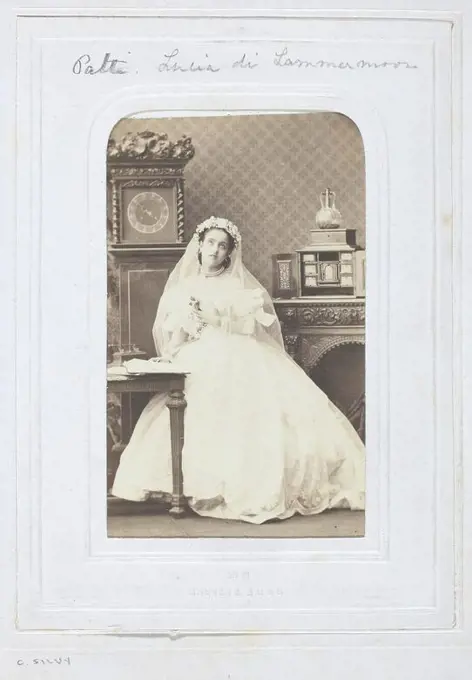
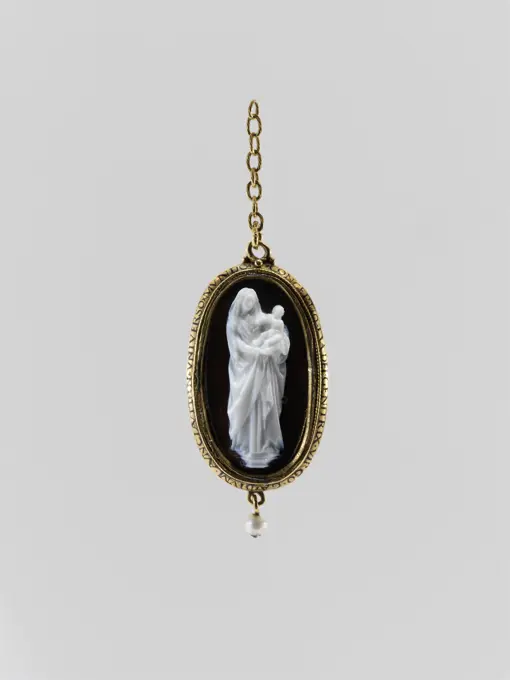
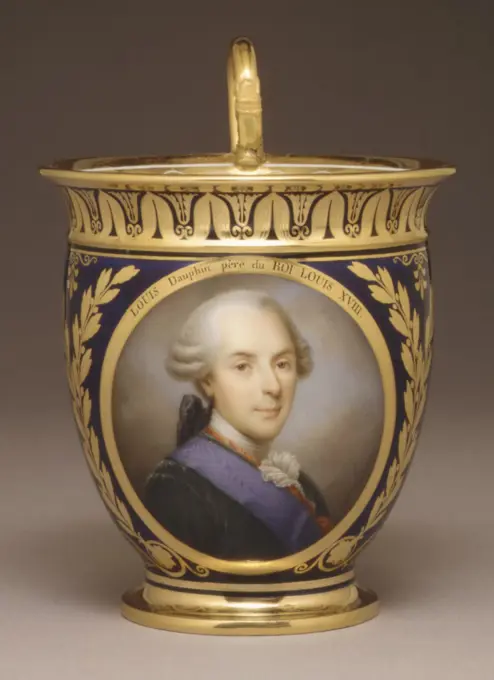
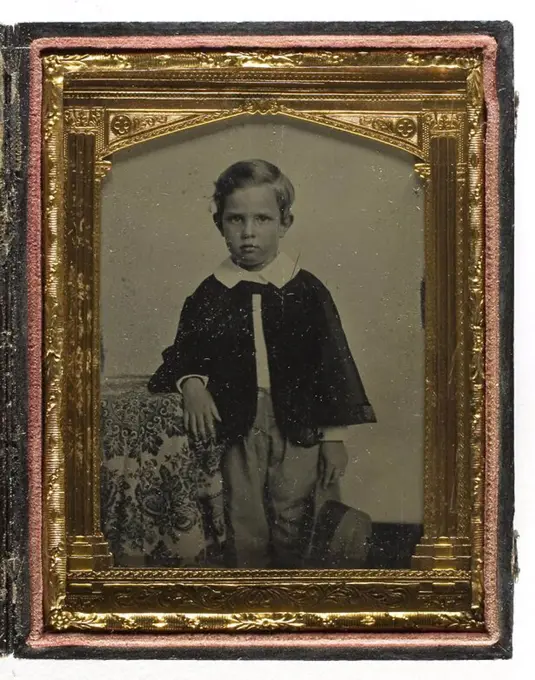
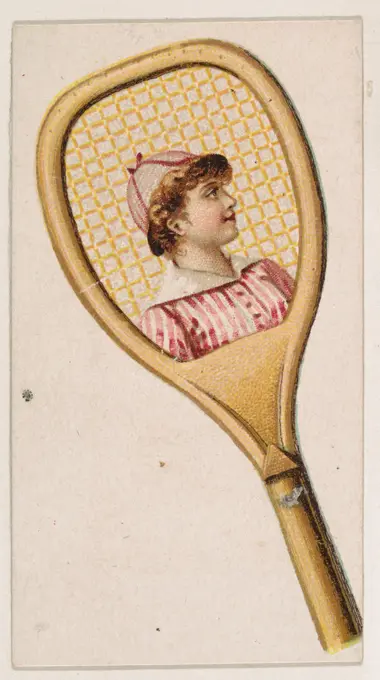
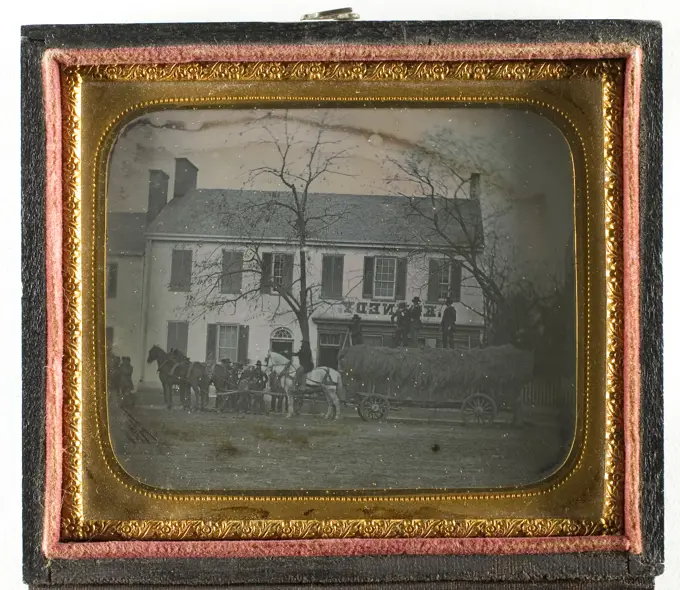
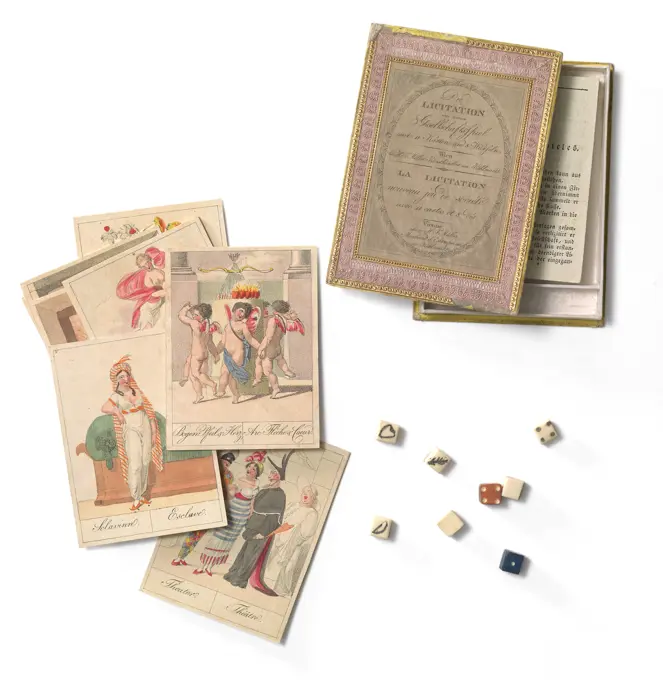
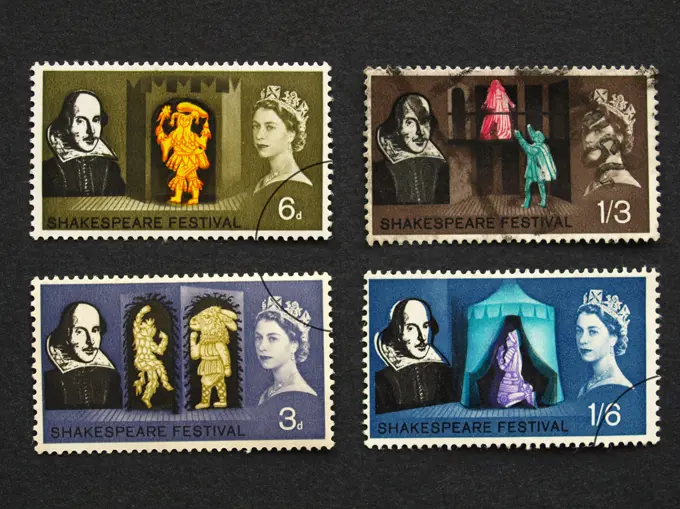
Kraków  Sukiennice  Exhibition of Muhammads, Asian and European ceramics; February April 1934 Światowida Photo AgencyJames Gardiner Collection: Victorian photograph album.Robert WR Taylor, Hitching Post, c 1937 Hitching PostYoung Woman Wearing Lace Gloves Holding a Daguerreotype Case 1860s Unknown. Young Woman Wearing Lace Gloves Holding a Daguerreotype Case. Unknown (American). 1860s. Daguerreotype with applied color. PhotographsPair of Mugs. Derby Porcelain Works (England, 1756-1848)John Brewer (England, active 19th century). England, circa 1810. Furnishings; Serviceware. Porcelain, gildingPortrait of woman, from the Novelties series (N228, Type 1) issued by Kinney Bros. 1889 Issued by Kinney Brothers Tobacco Company Trade cards from the "Novelties" series (N228), issued in 1889 to promote Kinney Tobacco Company. There are five types of card within the series. Type 1 cards are round. Type 2 cards are round with colored borders. Type 3 cards are die cut to the shape of a novelty item. Type 4 are also die cut with embossing. Type 5 depict novelties on a rectangular card. Finally, Type 6 are die cut in the shape of an egg.. Portrait of woman, from the Novelties series (N228, Type 1) issued by Kinney Bros.. 1889. Commercial color lithograph. Issued by Kinney Brothers Tobacco CompanyFive images of magic sides, Anonymous, c. 1700 - c. 1790 Five glasses with images of a magician who pulls out tricks, in a wooden stress. On all images except the right -most right, the magician has a red staff and shoulder bag and a blue jacket; On the rightest image, the coloring of jacket and shoulder bag is reversed. The glass on the left: the magician is behind a table and lifts one of three inverted cups on a table, including a ball. The glass to the right: the magician has all three of the cups standing in reverse on the table. The middle glass: the magician and another man have both squeeze glasses. The glass to the right: the magician has an instrument against his head where a red beam, probably representing blood, seems to come out. The glass on the right: the magician pierces himself with a sword. Netherlands oak (wood). glass Five glasses with images of a magician who pulls out tricks, in a wooden stress. On all images except the right -most right, the magician has a red stportrait of a seated gentleman, c. 1844-1852, Jeremiah Gurney, American, 1812 - 1895, 4 1/4 x 3 1/4 in. (10.8 x 8.26 cm) (image)4 3/4 x 3 3/4 x 3/4 in. (12.07 x 9.53 x 1.91 cm) (mount), Daguerreotype (1/4 plate), United States, 19th centuryPost-mortem.Adelina Patti Traviata. Camille-Léon-Louis Silvy; French, 1834-1910. Date: 1860-1869. Dimensions: 8.5 x 5.7 cm (image/paper); 9.4 x 6.4 cm (mount). Albumen print. Origin: France. Museum: The Chicago Art Institute, Chicago, USA.Paternoster Pendant with the Virgin and Child (obverse) and the Meeting of Joachim and Anna at the Golden Gate (reverse) ca. 1440-50; 19th or 20th century Flemish or Burgundian, and Western European Pendants of this type were designed to hang from a paternoster or rosary (a string of prayer beads), a devotional object that became popular in the fifteenth century, particularly in the Netherlands. They functioned as a visible sign of the wearer's piety, as well as a fashion accessory. Despite their diminutive size, the Virgin and Child on the cameo obverse exhibit a monumentality reminiscent of fifteenth-century Burgundian sculpture. Employing a different medium in an unusual combination of techniques, the reverse is executed in basse-taille, whereby the design is worked into a bed of silver coated with a layer of translucent enamel. The rich glowing colors achieved through this technique recall those of stained glass.Few of these pendants of Franco-Burgundian origin survive, and this exCup (tasse à chocolat AB) 1822-23 Sèvres Manufactory French The portrait is of Louis, Dauphin of France (1729-65), father of Louis XVI, Louis XVIII, and Charles X, and is based on a painting of 1767 by Alexandre Roslin (1718-1793).. Cup (tasse à chocolat AB) 208141Ambrotype - Portrait of an unidentified man, 1850-1870Untitled. B & G Moses; American, active 1850s-1860s. Date: 1857-1860. Dimensions: 10.8 x 8.3 cm (plate); 11.8 x 9.2 x 1.5 cm (case). Ambrotype. Origin: United States. Museum: The Chicago Art Institute, Chicago, USA.Tennis Racket, from the Novelties series (N228, Type 5) issued by Kinney Bros. 1889 Issued by Kinney Brothers Tobacco Company Trade cards from the "Novelties" series (N228), issued in 1889 to promote Kinney Tobacco Company. There are five types of card within the series. Type 1 cards are round. Type 2 cards are round with colored borders. Type 3 cards are die cut to the shape of a novelty item. Type 4 are also die cut with embossing. Type 5 depict novelties on a rectangular card. Finally, Type 6 are die cut in the shape of an egg.. Tennis Racket, from the Novelties series (N228, Type 5) issued by Kinney Bros.. 1889. Commercial color lithograph. Issued by Kinney Brothers Tobacco CompanyUntitled (Kennedy's Store) Made 1839-1899 Unknown Place. Daguerreotype . UnknownThe Licitation , a new , board game , with  cards and  dice , la Licitation , Nouveau Jeu de Société , Avec  cartes et  dés , playing card heart, Matthäus Loder -, Artist, Heinrich Friedrich Müller , publisherElsa , Chalices. Louis Prang & Company CollectionShakespeare Festival Stamp UK 1964 - Shakespeare Festival Stamp, United Kingdom, 1964 Copyright: xZoonar.com/ClaudioxDiviziax 2894737