Antique Decorative Chairs

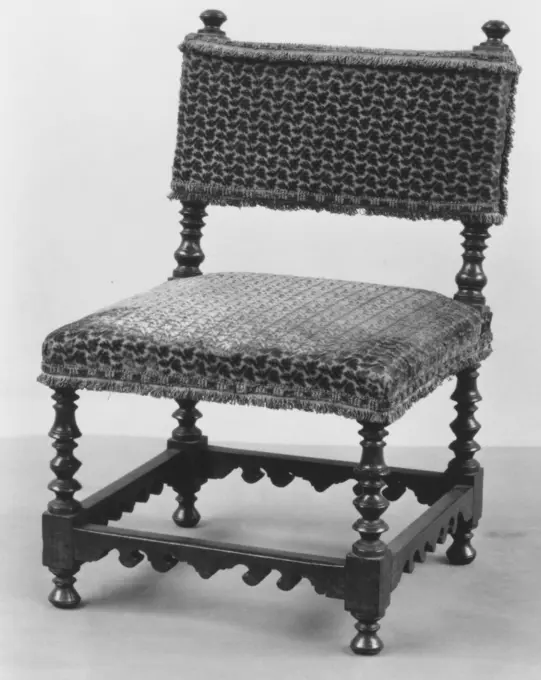
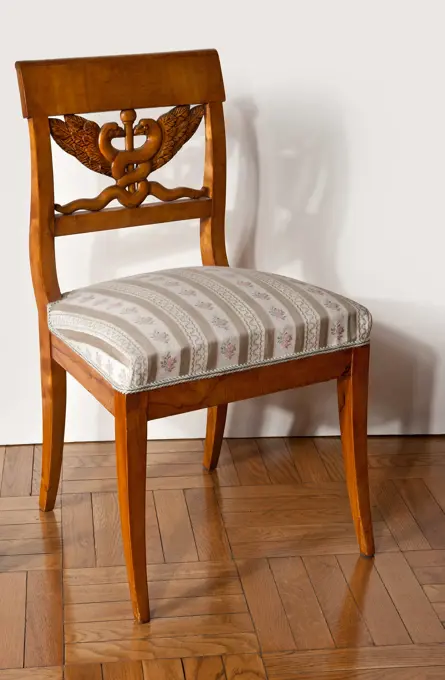
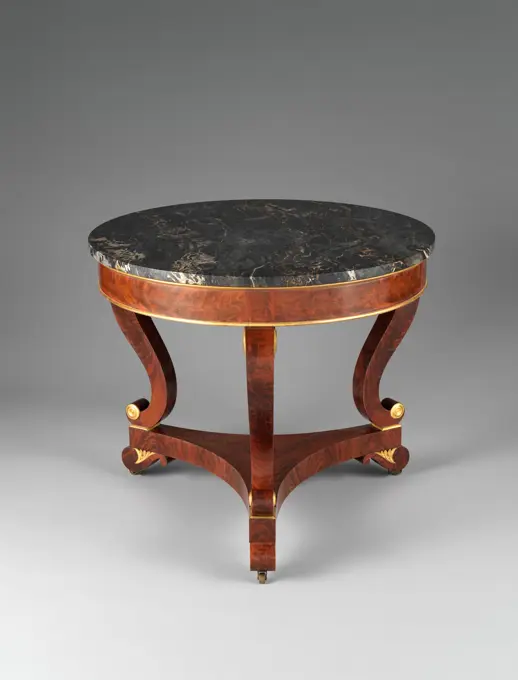
A collection of ornate antique chairs featuring intricate woodwork and varied upholstery. Styles include armchairs and miniature versions, showcasing rich fabrics and detailed craftsmanship.

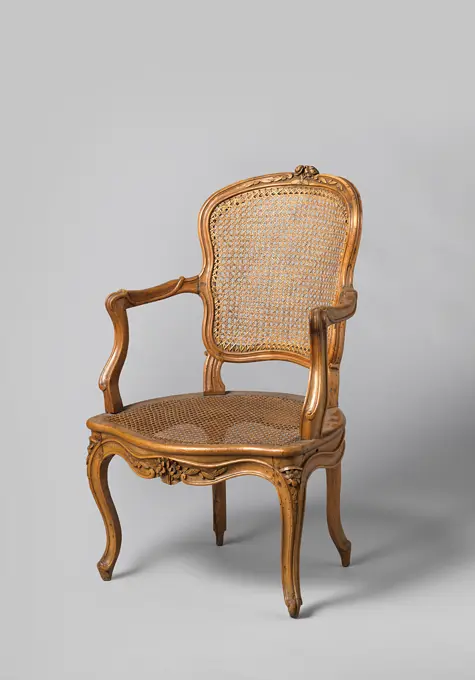
Arm chair of nut and beech wood with s-shaped overhoeks placed legs; X-shaped cross with rosette; Cut flower and leaf work, Reed back and seat, with loose pillow, anonymous, 1750 Arm chair of nut and beech wood (ameblement) with s-shaped overhoeks placed legs, connected by a flung X-shaped cross with rosette. Rules and sills and legs are decorated with cut flower and leaf motifs. Back and seat of braided reeds. Loose pillow of green Shaved Triijp (Modern). See also: BK-16852-A, C, D. France wood (plant material). walnut (hardwood). beech (wood). Arm chair of nut and beech wood (ameblement) with s-shaped overhoeks placed legs, connected by a flung X-shaped cross with rosette. Rules and sills and legs are decorated with cut flower and leaf motifs. Back and seat of braided reeds. Loose pillow of green Shaved Triijp (Modern). See also: BK-16852-A, C, D. France wood (plant material). walnut (hardwood). beech (wood).
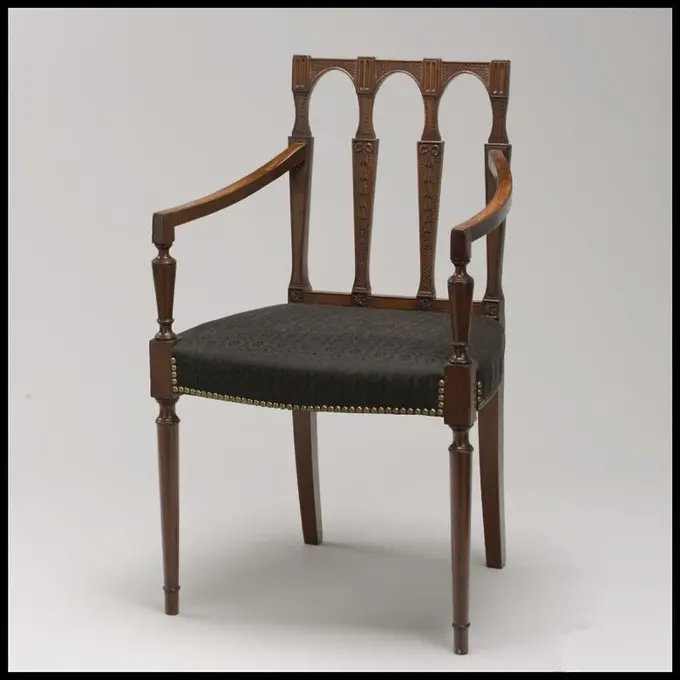
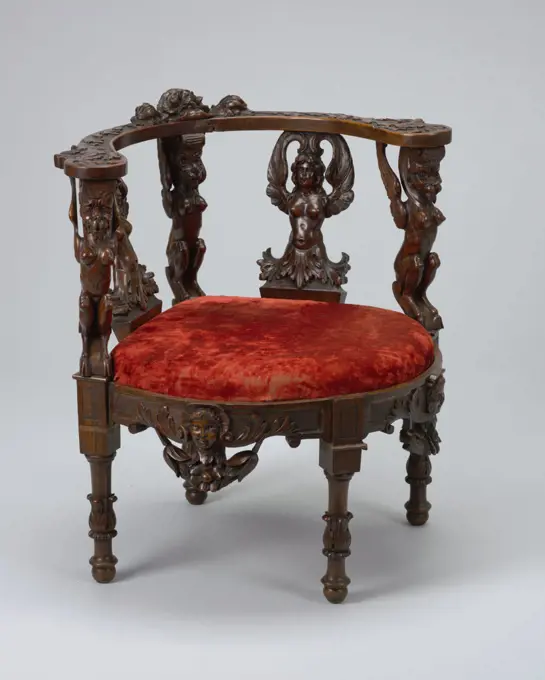
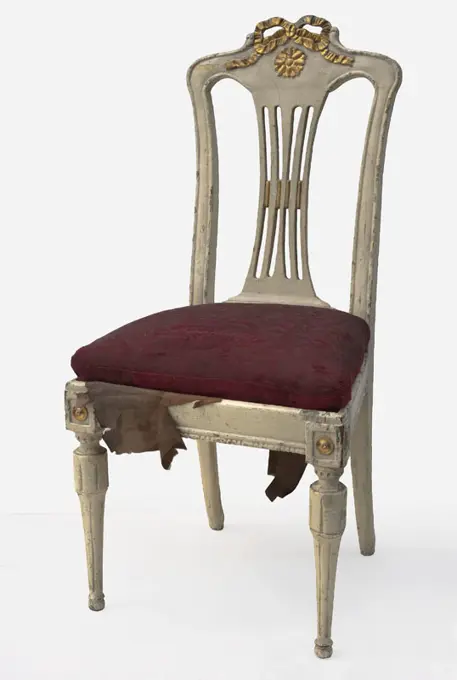
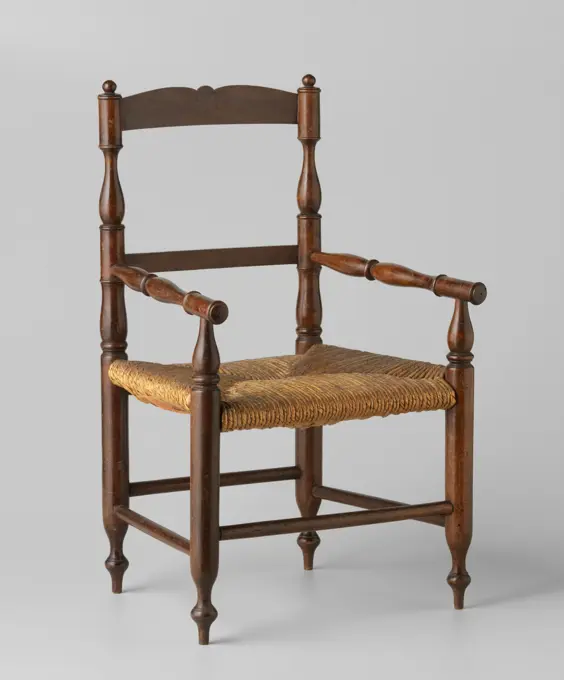
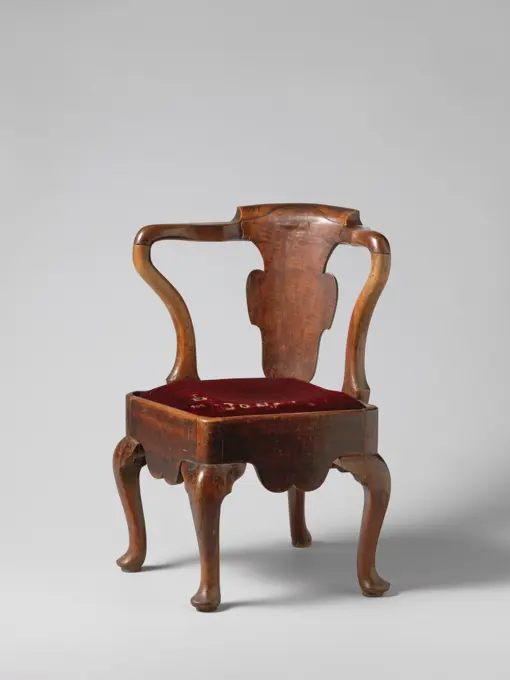
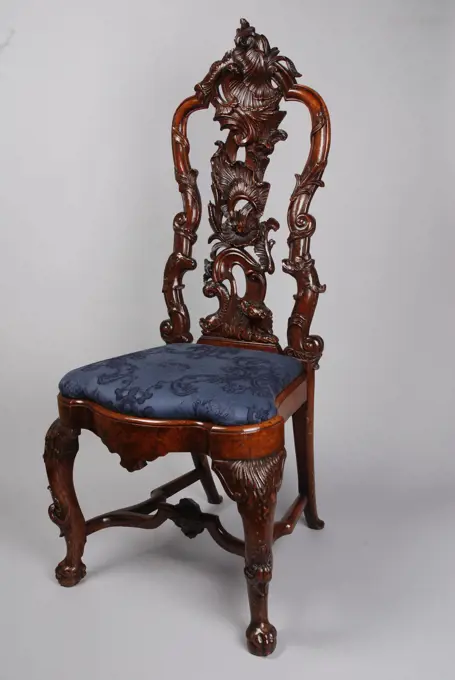
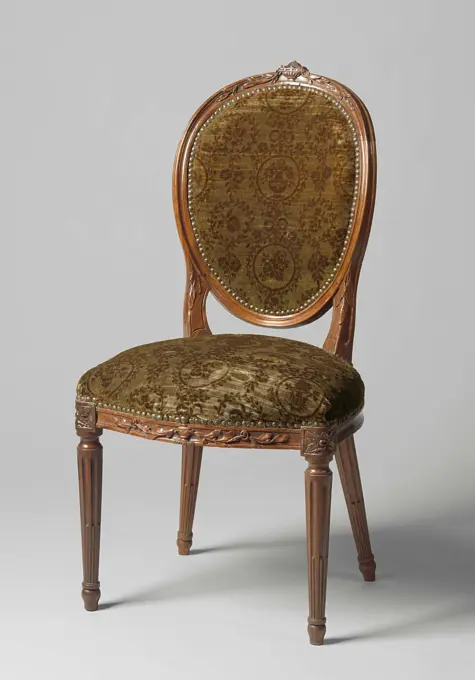
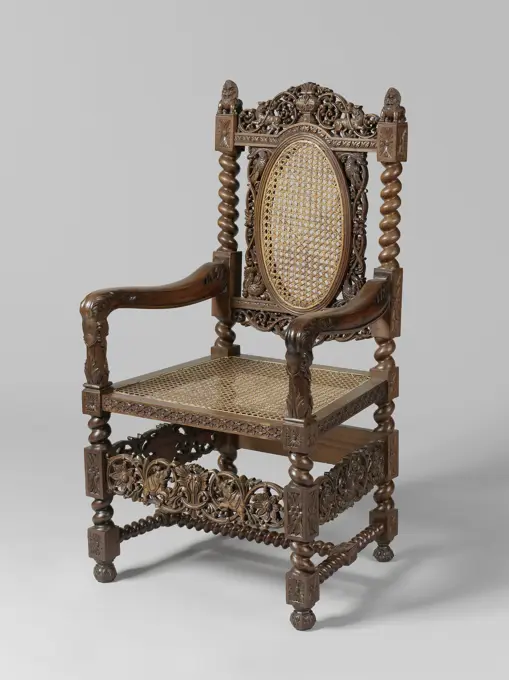
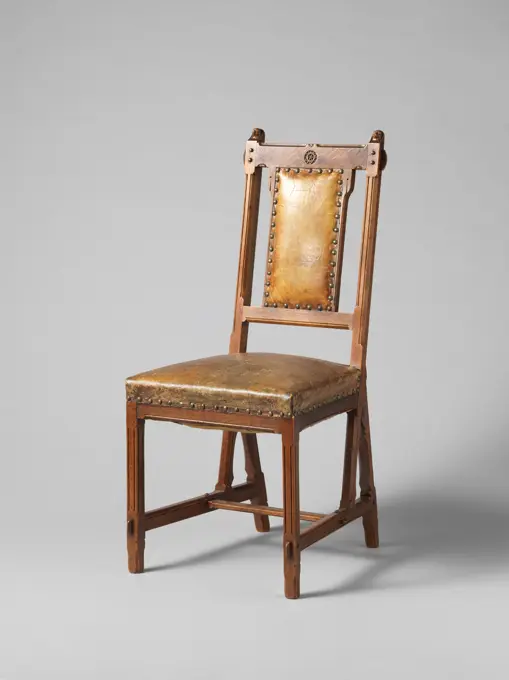
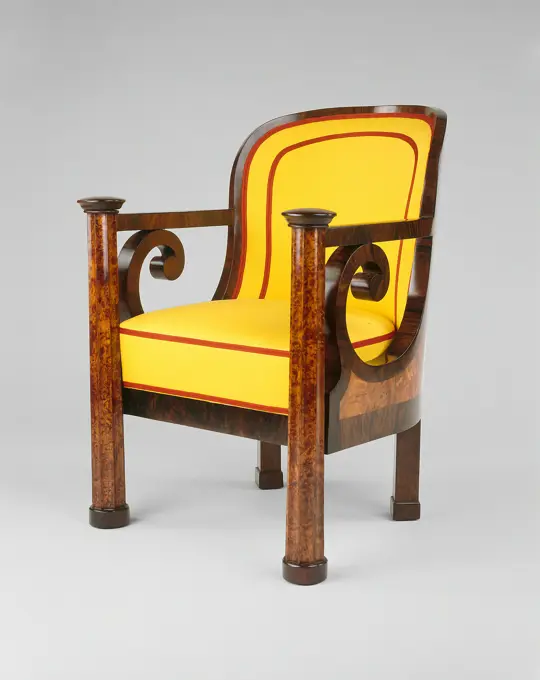
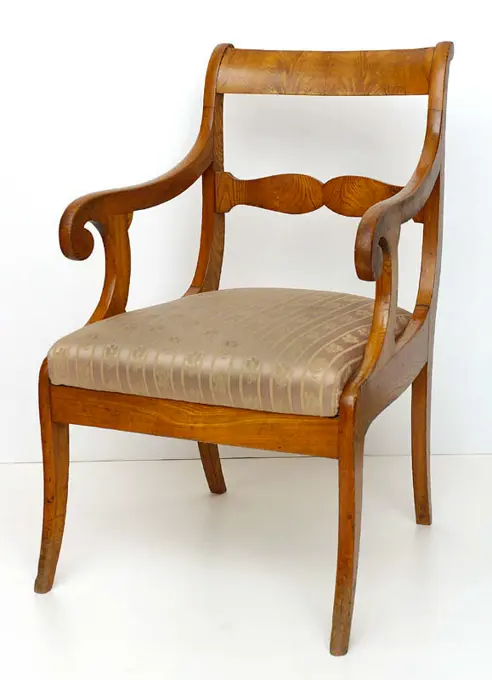
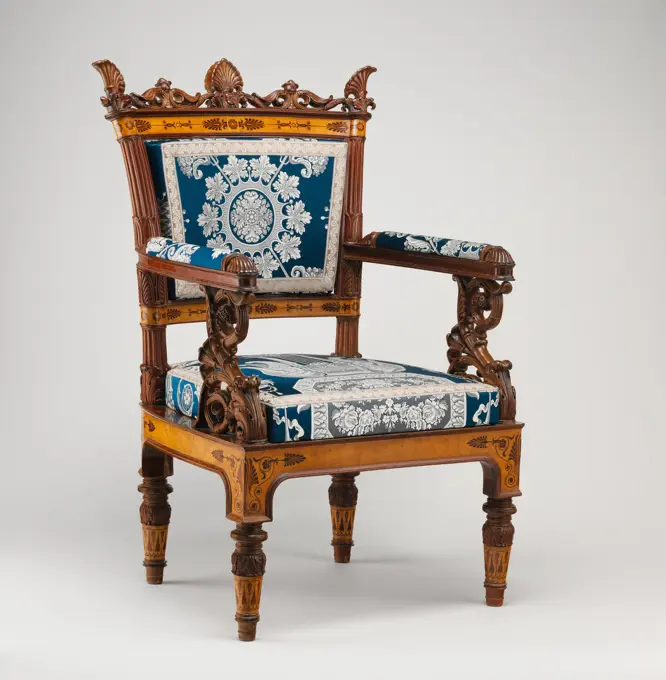
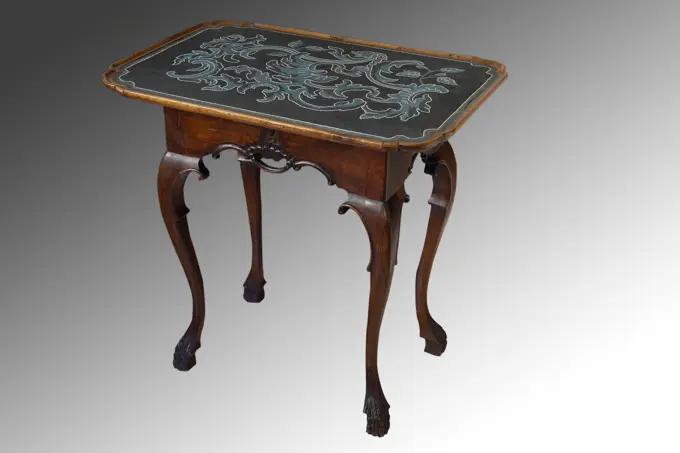
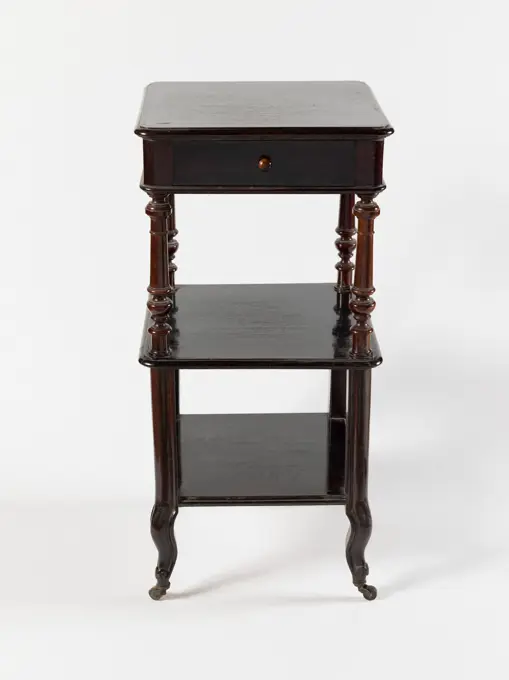
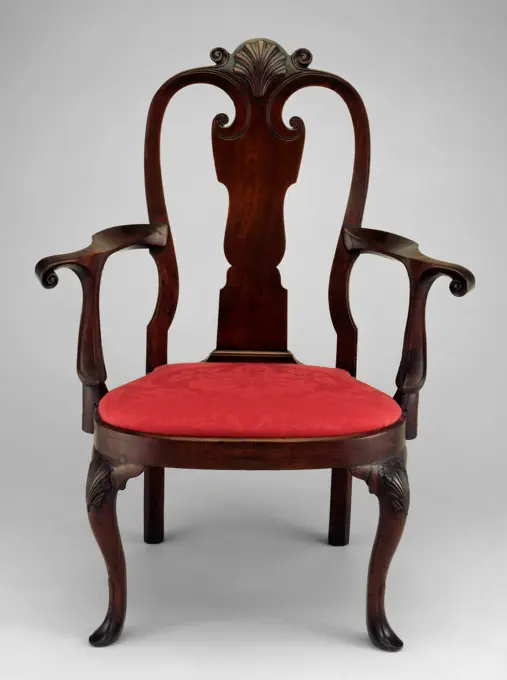
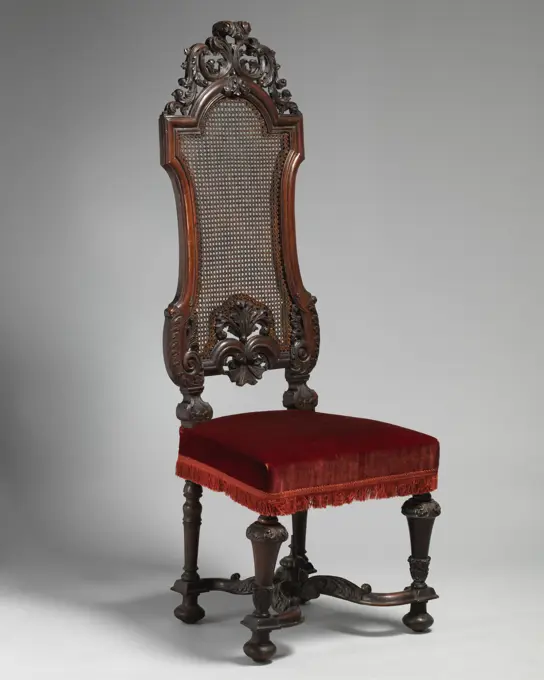
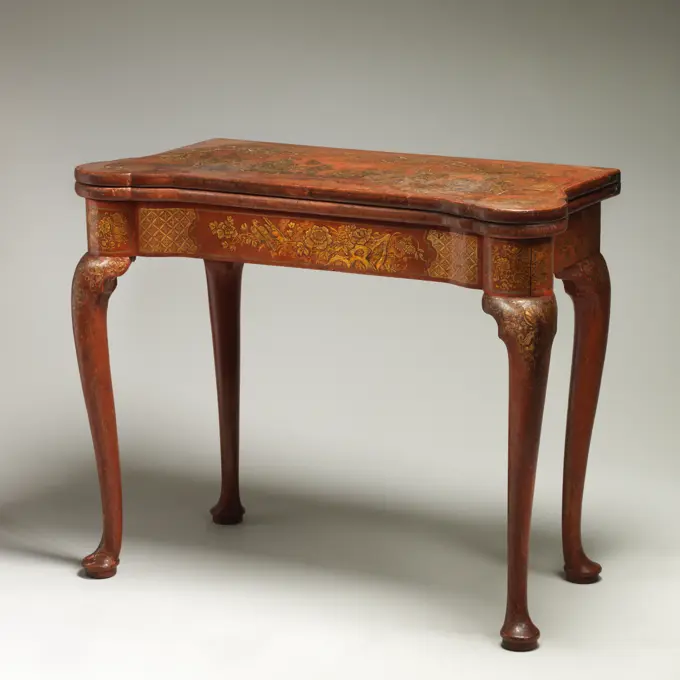
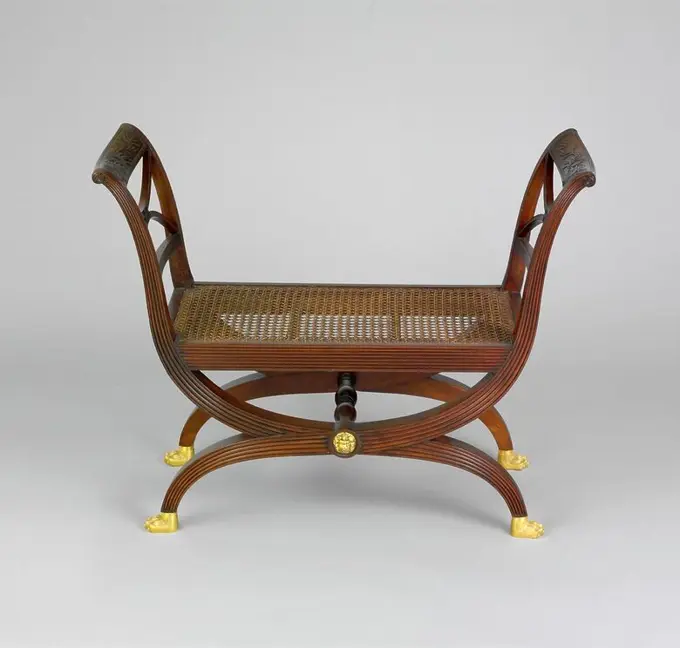
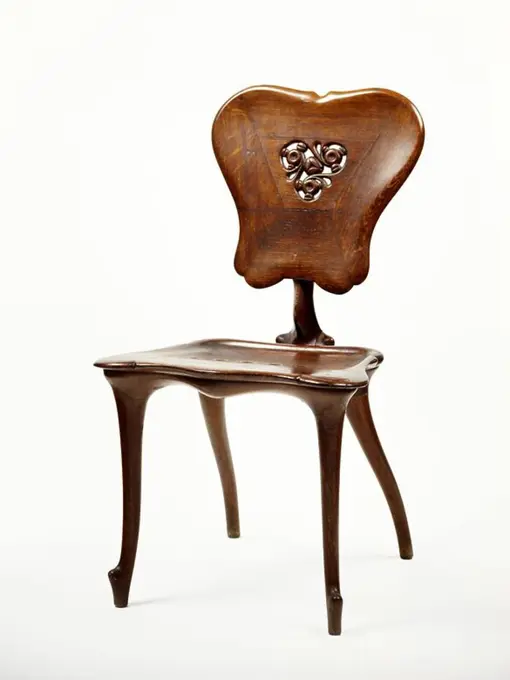
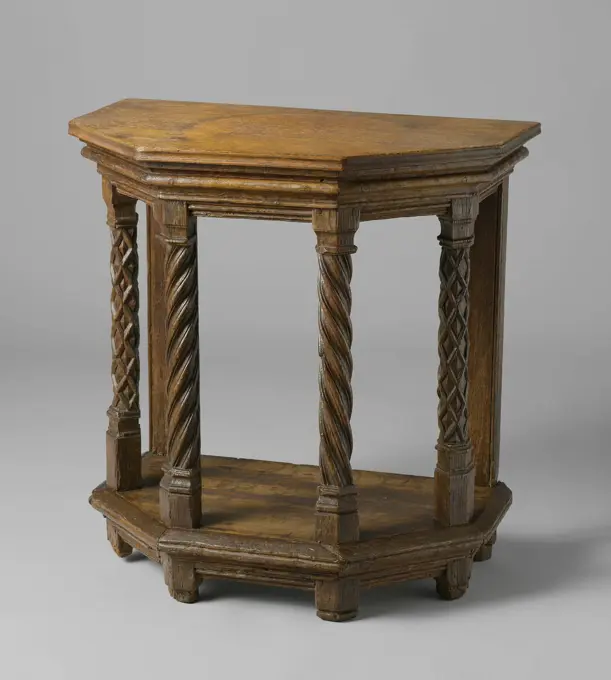
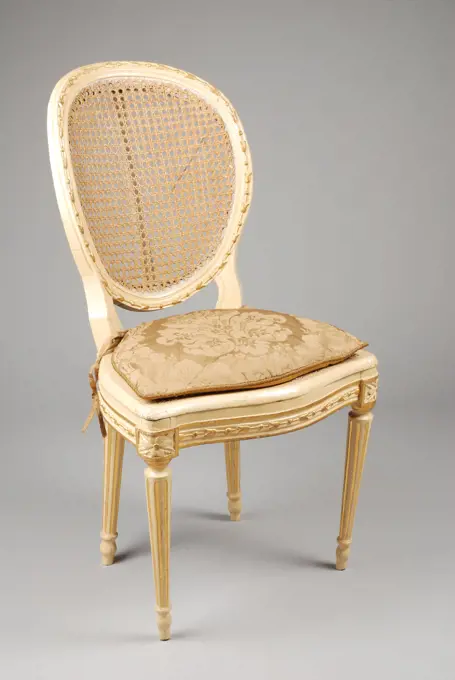
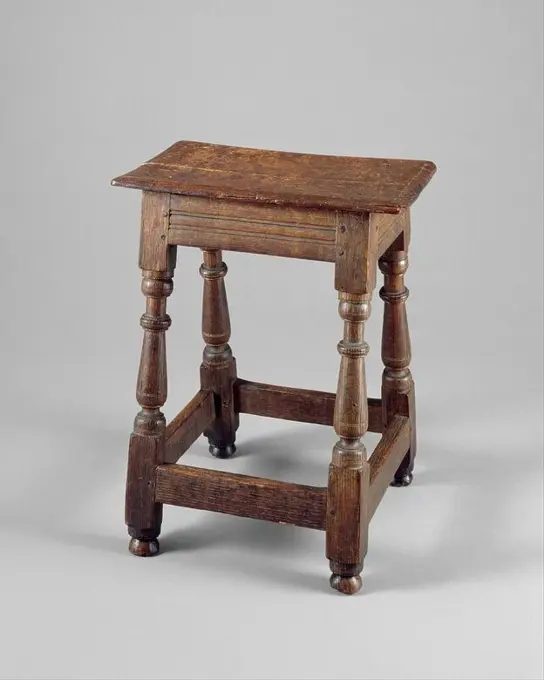
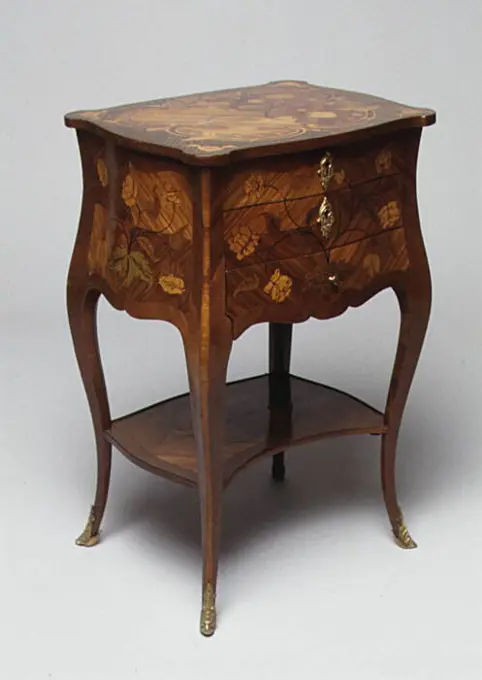
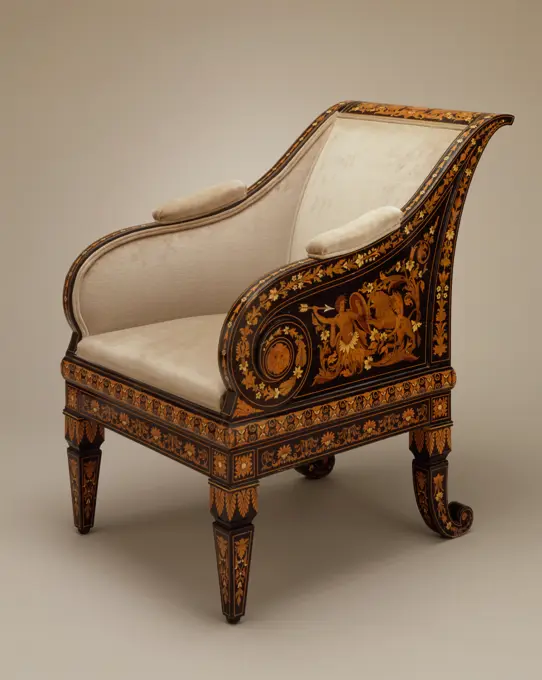
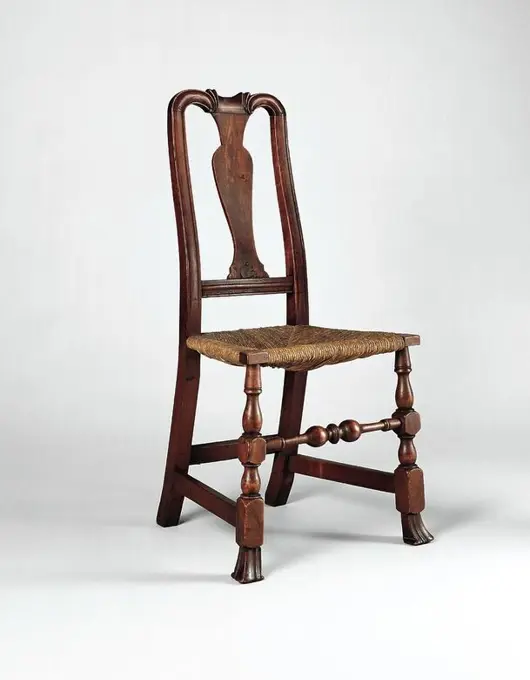
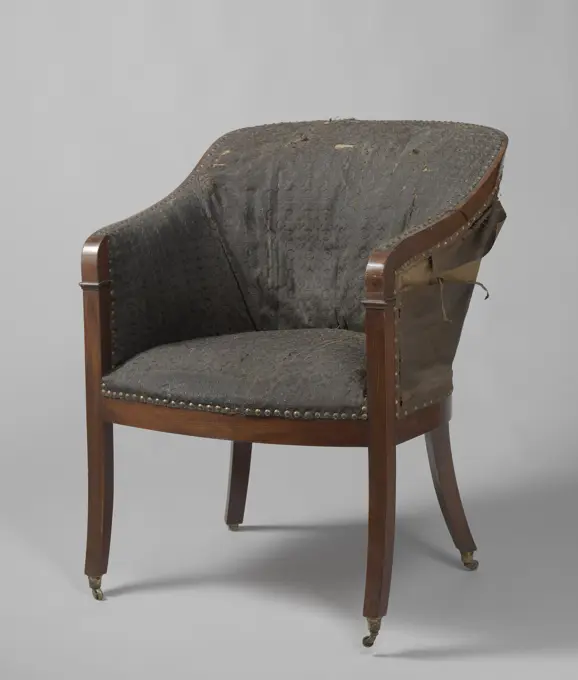
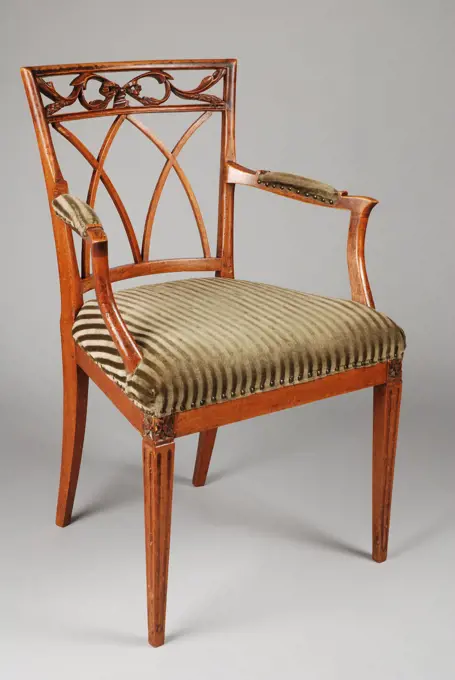
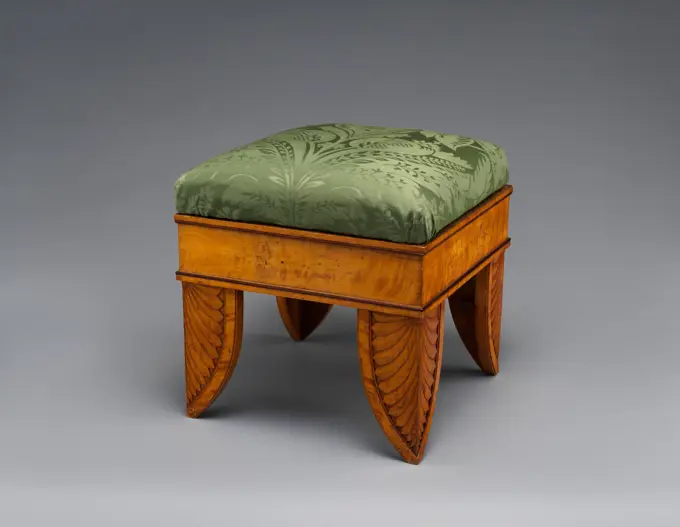
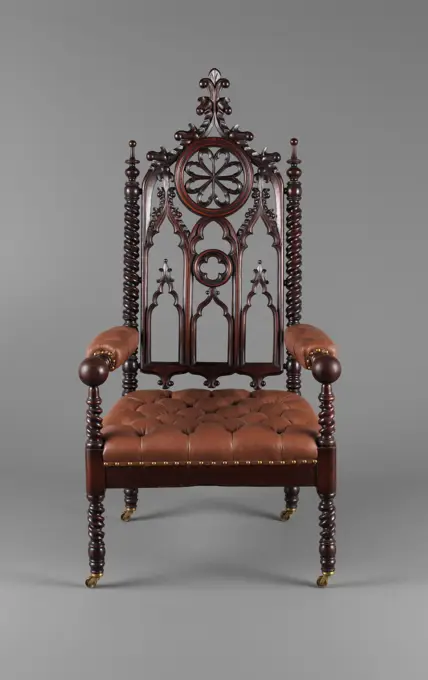
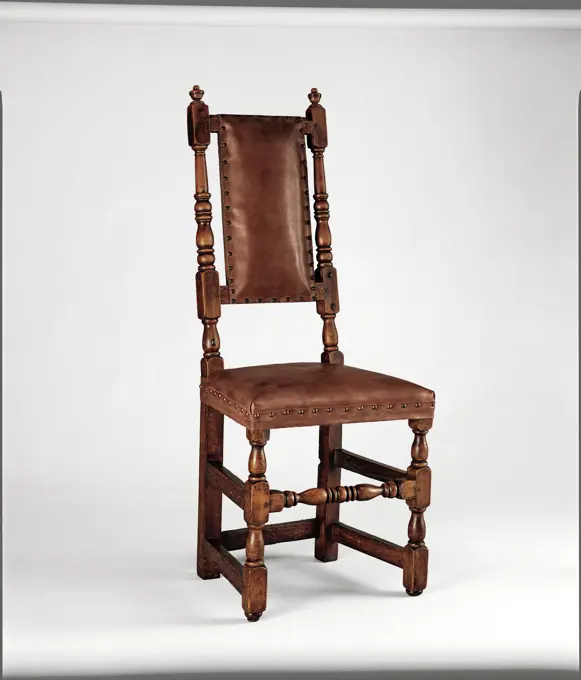
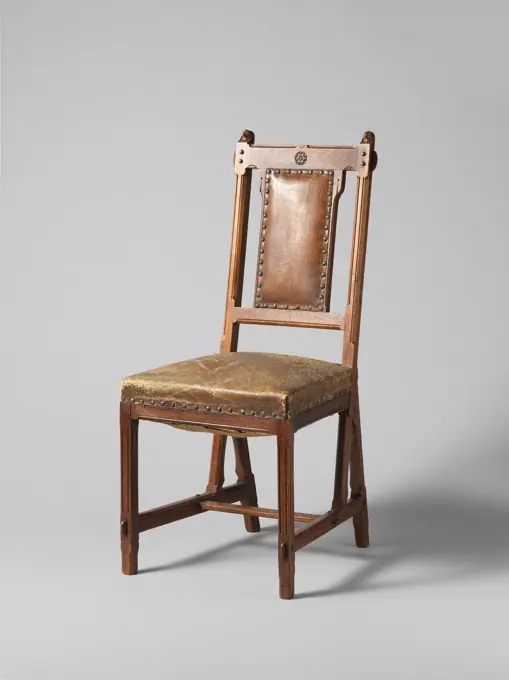
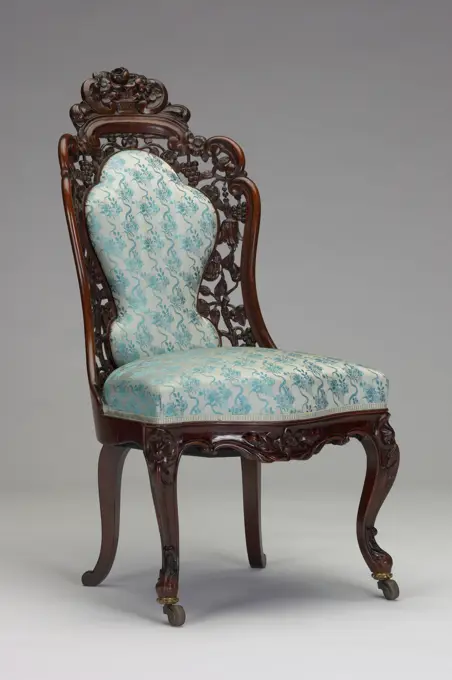
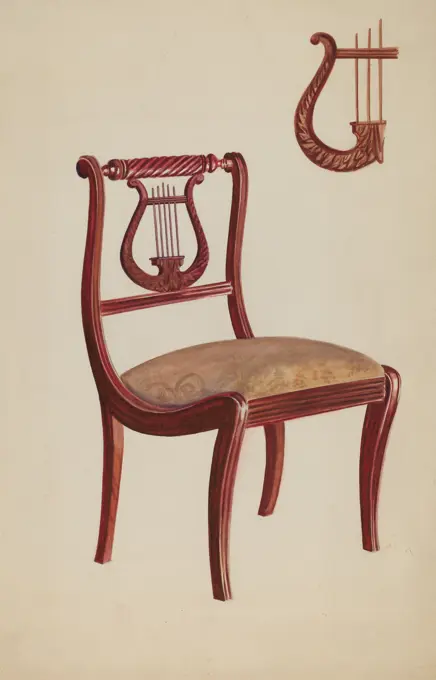
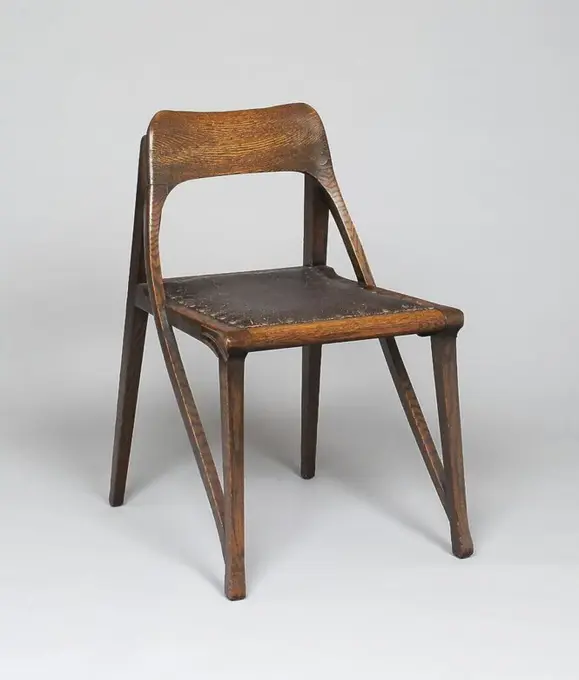
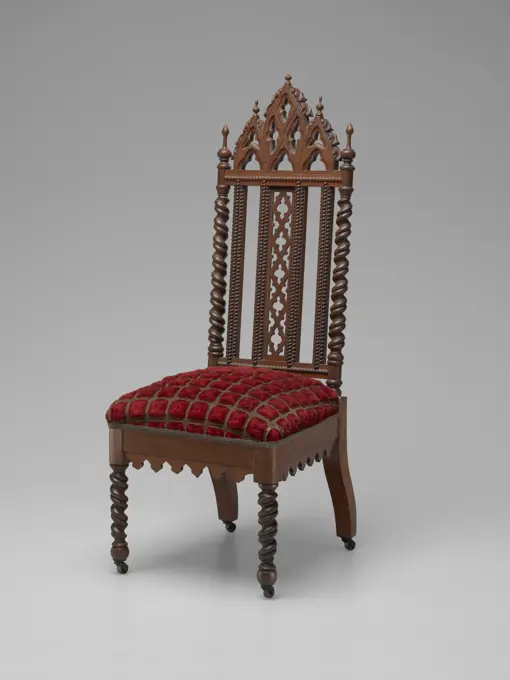
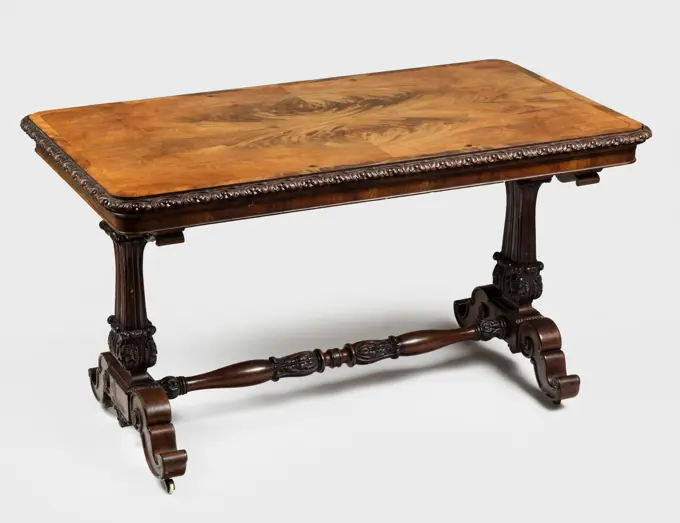
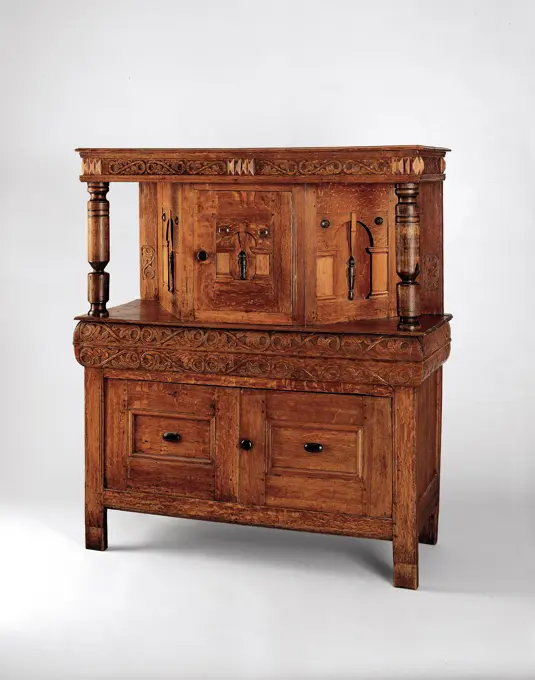
ChairFour chairs, anonymous, c. 1780 - c. 1790 Chair of elm wood (series of six pieces: A to F). With the exception of the back completely decorated with marquetery work in satin, palm and ebony. Upholstery modern. Netherlands elm (wood). satinwood (wood). boxwood. ebony (wood). maple (wood). purpleheart (wood). rosewood (wood). textile materials Chair of elm wood (series of six pieces: A to F). With the exception of the back completely decorated with marquetery work in satin, palm and ebony. Upholstery modern. Netherlands elm (wood). satinwood (wood). boxwood. ebony (wood). maple (wood). purpleheart (wood). rosewood (wood). textile materialsChair. unknown, authorArm chair of nut and beech wood with s-shaped overhoeks placed legs; X-shaped cross with rosette; Cut flower and leaf work, Reed back and seat, with loose pillow, anonymous, 1750 Arm chair of nut and beech wood (ameblement) with s-shaped overhoeks placed legs, connected by a flung X-shaped cross with rosette. Rules and sills and legs are decorated with cut flower and leaf motifs. Back and seat of braided reeds. Loose pillow of green Shaved Triijp (Modern). See also: BK-16852-A, C, D. France wood (plant material). walnut (hardwood). beech (wood). Arm chair of nut and beech wood (ameblement) with s-shaped overhoeks placed legs, connected by a flung X-shaped cross with rosette. Rules and sills and legs are decorated with cut flower and leaf motifs. Back and seat of braided reeds. Loose pillow of green Shaved Triijp (Modern). See also: BK-16852-A, C, D. France wood (plant material). walnut (hardwood). beech (wood).Miniature armchair. Miniature chair from mahogany with challenge sports and legs. The connections between the load-bearing elements are decorated with a sliced floral pattern. The arms are supplied with accantus sheets, ending in a rosette. The red velvet upholstery is original.Side chair and slip seat, mahogany,poplar,horse hair, USA, ca. 1820, furniture, Decorative Arts, Side chair and slip seatArmchair. Culture: American. Dimensions: 32 1/2 x 21 x 18 in. (82.6 x 53.3 x 45.7 cm). Maker: Attributed to Samuel McIntire (1757-1811). Date: 1801.This square-back armchair is one of a set of twelve chairs made for the parlor of the Peirce-Nichols house on Federal Street in Salem, Massachusetts. In 1801, the architect Samuel McIntire was commissioned by Jerathamael Peirce, Salem merchant and shipowner, to remodel the parlor. While McIntire, who was charged with the complete decorative program of the house including the interior, relied on Sheraton's published patterns for the design of this armchair; it is possible, being a carver, that he executed the carved bowknots, bellflowers, and punched-snowflake background, one of his favorite details. The design of the chair is derived from plate 33 of Thomas Sheraton's "Cabinet-Maker and Upholsterer's Drawing-Book" (London, 1793). Museum: Metropolitan Museum of Art, New York, USA.Burgermeister corner chair Armchairs; Italy; carved wood (walnut), upholsteryArmchair from the prison cell of Johan van Oldenbarnevelt, anonymous, c. 1600 - c. 1650 Armchair of walnut. The furniture is covered. It rests on column legs with an H-shaped cross and a for resource sport. The legs at the front have a short column and high houses. The armrest stars are baluster -shaped; The armrests, in the form of columns, end up at the head in houses with beveled corners and a button. The continuous back styles are octagonal between seat and back window. The upholstery has been renewed. Northern Netherlands wood (plant material). walnut (hardwood). Armchair of walnut. The furniture is covered. It rests on column legs with an H-shaped cross and a for resource sport. The legs at the front have a short column and high houses. The armrest stars are baluster -shaped; The armrests, in the form of columns, end up at the head in houses with beveled corners and a button. The continuous back styles are octagonal between seat and back window. The upholstery has been renewed. NChair;  1850-1860 (1850-00-00-1860-00-00);Armchair. unknown, creatorChair;  1850-1860 (1850-00-00-1860-00-00);Burgermeister, carved wood (walnut), upholstery, Chair has four turned and carved legs, arranged with one to front. Legs support a seat rail enriched with masks, scrolls, and floral swags from which three grotesques and two winged female half-figures that support the semi-circular arm of the chair. Chair's back cresting is carved with floral scrolls and a knot of flowers., Italy, ca. 1870, furniture, Decorative Arts, Armchairs, ArmchairsSide Chair 1730-50 American. Side Chair 1607Arm chair, covered with green boring. Among other things decorated with tooth lists. Forsport accolade -shaped sculpted., Anonymous, 1600 - 1650 Arm chair of walnut, covered with green boring. The front legs have houses and stocks. The upper front and rear sport and the right side sport show huddened tooth lists at the bottom; The fors sport at the bottom is accolade -shaped. The other three sports are flat. The armrests are slightly walked and end in a volute with rosettes on the side. The armrest stars have a double section. The upholstery is nailed. Corning with the same armchair (inv.no. BK-KOG-602). Northern NetherlandsNetherlands wood (plant material). walnut (hardwood). cherry (wood). elm (wood). beech (wood) Arm chair of walnut, covered with green boring. The front legs have houses and stocks. The upper front and rear sport and the right side sport show huddened tooth lists at the bottom; The fors sport at the bottom is accolade -shaped. The other three sports are flat. The armChair. unknown, authorArmchair of poplar wood. Armchair from poplar wood, with mats seat. The armrests are round and have twisted sections. The sports are thin and faint swelling. The two back sports are flat, the upper is scalloped.Armchair, lined with green boring. Among other things decorated with tooth lists. Process brace-shaped scalloped .. Armchair of walnut, lined with green boring. The front legs have houses and squinted sections. The upper front and back sport and the right side sport exhibit healed teeth at the bottom; Process at the bottom is bracelet-shaped scalloped. The other three sports are flat. The armrests have been slightly rolled and end up in a voluntarily with rosettes on the side. The armrest tricks have a double reason. The upholstery is nailed. Horse with the same armchair (inv.no. BK-KOG-602).Chair of nut and beech wood with S-shaped overhoeks placed legs; X-shaped cross with rosette; Cut flower and leaf work, Reed back and seat, with loose pillow, anonymous, 1750 Chair of Note and Beukehout (ameblement) with s-shaped overhoeks placed legs, connected by a flung X-shaped cross with rosette. Rules and sills and legs are decorated with cut flower and leaf motifs. Back and seat of braided reeds. Loose pillow of green Shaved Trijp (Modern). See also: BK-16852-E T/M P. France wood (plant material). walnut (hardwood). beech (wood). Chair of Note and Beukehout (ameblement) with s-shaped overhoeks placed legs, connected by a flung X-shaped cross with rosette. Rules and sills and legs are decorated with cut flower and leaf motifs. Back and seat of braided reeds. Loose pillow of green Shaved Trijp (Modern). See also: BK-16852-E T/M P. France wood (plant material). walnut (hardwood). beech (wood).Chair, Anonymous, 1750 Chair of walnut with a separate seat of worn red velvet. The furniture rests on four overhoeks placed stretched S-shaped legs. The broad rules are deeply scumed between the legs. The army stars placed far back are stretched S-shaped; They turn into the flattened armrests, who also turn into the lightly hold symmetrical -sawn back panel without interruption. The back covers two sides, so that a corner of the sitting window is placed in the middle. Great Britain (possibly) wood (plant material). walnut (hardwood). velvet (fabric weave) Chair of walnut with a separate seat of worn red velvet. The furniture rests on four overhoeks placed stretched S-shaped legs. The broad rules are deeply scumed between the legs. The army stars placed far back are stretched S-shaped; They turn into the flattened armrests, who also turn into the lightly hold symmetrical -sawn back panel without interruption. The back covers two sides, so that a corner of the sitting window is placed iSide chair 1760-90 American This is an example of the trefoil-pierced-splat chair, which was especially popular in Philadelphia. Except for the scroll-like central part of the crest rail, the design of the entire back was taken line for line from plate 10 of the first edition of Thomas Chippendales "Gentleman and Cabinet-Makers Director" (1754).. Side chair 1591joiner, Rococo chair with sheep and wolf in the back, chair furniture furniture interior design wood walnut elmwood burr walnut silk, cut stabbed veneered Above the seat in the backrest fish possibly carp right an otter or sea monster. Pendant of 80484 stamped number under the seat: IIII home interior rococo shippingChair of mahogany, covered with green tripe. Chair of mahogany, covered with green tripe, belonging to an amele. The hind legs deviate from the conical, fluted legs. The sitting window is round; The oval healed back window rests on C-shaped struts with acanthus leaf. The rule and the upper spray are decorated with a vase, in the middle of branches with leaves, hung on rings. See also: BK-18323-a / g and I / n.Bronze Chair. Scott Burton; American, 1939-1989. Date: 1972. Dimensions: 121.9 x 45.7 x 50.8 cm (48 x 18 x 20 in.). Bronze. Origin: United States. Museum: The Chicago Art Institute, Chicago, USA.Stool ca. 1600 British. Stool. British. ca. 1600. Oak. Woodwork-FurnitureTable. Culture: American. Dimensions: 23 1/2 x 31 1/2 x 32 1/4 in. (59.7 x 80 x 81.9 cm). Date: 1700-1730. Museum: Metropolitan Museum of Art, New York, USA.Arm chair with rattan seat, decorated with rosettes and striked parts, on arched top line an open work crown, armrests end in ofFant -like heads, anonymous, 1700 - 1725 Arm chair of iron wood with rattan seat. The legs and backstyles show houses with rosettes and tendered parts. The H-shaped cross consists of twisted rules. Between the legs on the front and sides openwork rules. Seat rules with rosettes. The back has stretched an oval field with reeds, contained between openwork styles and lines with leaf work; On the arc -shaped top line an openwork crown. The curved armrests end in elephant -like heads; Struts with leaf work. See: BK-1970-107-B Indonesia (possibly) wood (plant material). ironwood. rattan Arm chair of iron wood with rattan seat. The legs and backstyles show houses with rosettes and tendered parts. The H-shaped cross consists of twisted rules. Between the legs on the front and sides openwork rules. Seat rules with rosettes. The back has stretched an oval field with reeChair with a brown leather upholstery. Oak chair. The front and hind legs are interconnected by means of an H-shaped cross with pin and hole compounds, the pins of which are stitching through the legs. The sloping slinked back styles end up in bird cups and rest on the cross. The handrail rests on props at the session and these also serve as hind legs. The backrest is both above and under connected by an intermediate rule. The upper rule contains a sliced star shape in the middle. Between the rules there is a panel that is coated with leather and secured with copper nails. The seat is also covered with leather and secured with copper nails.Armchair 1820-1825 Vienna. Walnut, walnut veneers, and poplar; modern upholstery .Chair. Chair of walnut with loose seat of worn red velvet. The furniture rests on four overhoeks placed s-shaped legs. The wide rules are deeply outlined between the legs. The arm layer struts placed far backwards are stretched S-shaped; They are about in the flattened armrests, which also proceeded without interruption in the slightly healed symmetrically fzed back panel. The back covers two sides, leaving a corner of the sitting window in the middle.Chair, lined with blue damask. S-shaped curved legs, scalloped front seat with flower work .. mahogany () Armchair, covered with 18th century blue damask, from a dress. The overhoeks placed stretched S-shaped legs run over in the seating and show, as well as the scalloped front seat, flower work. The backwards placed stretched S-shaped struts support the armrests with cushions, ending in a volute. These are about in the healed back pain with S-shaped styles. A small raise on the upper sprin is decorated with an eagle with ear of corn and trident, surrounded by leafwork.. Armchair from rosewood, with the original upholstery of red sheet with a pressed pattern, trimmed with a woven silk tire in red and yellow. The legs with column-shaped sections are on pear-shaped balls. The rear styles end in lion heads with rings. The edge is accolade shaped.Armstoel van notenhout met overhoeks geplaatste S-vormige poten en met rug en zitting van riet. Snijwerk van bloemen en bladeren. Met los kussen. Serie van acht stuks..Armchair (part of Ameublement) van Nuthout with back and seat of reeds. The stretched S-shaped, overhoeks places places set with profiling will go into the sitting window without interruption and are decorated with stabbed flowers. The scalloped front seat has stabbed flowers and leaves under a profile edge. The backward arm bearings are S-shaped and support the malted armrests, ending in Volutes. Upper rule stabbed decoration. With loose cushion. See also: BK-16851-B to H.Chair. unknown, authorArmchair, empire model, with back and seat of reed, painted red and gold plated and heed .. Two armchairs (a and b) of a tropical type of wood (Djati), Red painted, parts gold plated and with gold, the back and the loose sitting room with cane. Empire model with straight, slightly backwards vaulted back, widening seat with curved sides, baluster-shaped front legs and arm struts, bent, bubbles ending arms and dense cheeks with deepened fields, repeated under the sitting rule in mirror image and in smaller format. Sculpted with acanthus and palm-mounted motifs that are golden. Mutual differences in proportions and detailing. On both label: "This chair has once been in the Batavia castle. Later he has been used to the Dissolight Hof of Dutch East Indies Wagener. "Armstoel, anonymous, 1585 - 1600 Armchair of walnut. The legs are rectangular in diameter; The hind legs are placed backwards. The front legs are connected by a flat sport, which shows two lions with stretched bodies in relief; The lions wear a cartouche within which a coat of arms. The armrest stars show vase -shaped sections; The armrests are flat. The backstyles of the rectangular back window are crowned by Guirls. The back and seat are covered with green floral damask. See: BK-16845-B. Spain (possibly) wood (plant material). walnut (hardwood). gilding (material) gilding / damask Armchair of walnut. The legs are rectangular in diameter; The hind legs are placed backwards. The front legs are connected by a flat sport, which shows two lions with stretched bodies in relief; The lions wear a cartouche within which a coat of arms. The armrest stars show vase -shaped sections; The armrests are flat. The backstyles of the rectangular back window are crowned by Guirls. The back and seat areArmchair. unknown, creatorPair of armchairs (part of a set) ca. 1835 Designed by Filippo Pelagio Palagi Italian These two armchairs and a sofa (1987.62.1) are from a set of furniture that also included a daybed, six side chairs, and two additional armchairs. The set was designed by the Bolognese architect Filippo Pelagio Palagi, who in 1832 was commissioned by Carlo Alberto, king of Sardinia, to redecorate his royal palaces. One of these palaces was at Racconigi, and Palagi designed this set of furniture for the principal drawing room next to the royal bedroom.The armchairs and sofa are distinguished by the sculptural treatment of the crest rails and by the quality and refinement of the veneering. The set of furniture was executed by Gabrielle Cappello, whose workshop produced many of Pelagi's designs for Racconigi. The silk upholstery fabric on the armchairs and sofa is a reproduction of the original covering; it was woven by the textile firm that originally produced the fabric in the 1830s.. Pair of armchairsChair with cane, S-shaped front and hind legs with dolphins. Upper sump with openwork crown above a fish, between dolphin heads and volutes. Process with weapon between voluten. Chair of walnut with braided reed stress and resting on S-shaped front legs with dolphins and hind legs, which also show like the H-shaped cross and the back home and articulation. The detached baluster-shaped corner styles carry vases. The upper sprin shows an open-worked crown above a fish, between dolphin heads and volutes. Three styles divide the midfield of the back into two with cane straps; The styles with volutes decorated. Front dotting exhibits a weapon between volutes.Table-taca; Selow, Johann Michael Van (Fl. 1756-1772); around 1760 (1755-00-00-1765-00-00);Mokicz, Leonard (1912-1980), Mokicz, Leonard (1912-1980)-collections, rococo (style), plant (ornament), purchase (provenance)Arm chair with wicker seat and back and with a loose pillow. OVERHOUT S-shaped legs and scalloped bottom line., Anonymous, 1740 Arm chair of walnut with a thatched seat and back. Decorations have been applied to the swellings of the S-shaped legs and on the scalloped bottom line at the front. The S-shaped armrest fabrics make outwards and support the stretched S-shaped armrests. The styles and sills of the back window are sculpted; The upper sill carries an ornament in the middle. France wood (plant material). walnut (hardwood). Arm chair of walnut with a thatched seat and back. Decorations have been applied to the swellings of the S-shaped legs and on the scalloped bottom line at the front. The S-shaped armrest fabrics make outwards and support the stretched S-shaped armrests. The styles and sills of the back window are sculpted; The upper sill carries an ornament in the middle. France wood (plant material). walnut (hardwood).Anonymous. "Marcel Proust table". Mahogany. 1880. Paris, Carnavalet museum. 100082-7 FURNITUREArmchair c 1740 Philadelphia. This chair was made by an English or Irish cabinetmaker who had emigrated to Philadelphia. The style of the chair successfully blends the Philadelphia Quakersí preference for elegant simplicity and functionality with decorative flourishes that were stylish in English work of the period. Some of the decorative elements that embellish the chair are also found on a small group of early Philadelphia-Baroque, ìfiddleback-splatî chairs, so named for the curve on the side of the back splat reminiscent of the shape of a violin.. Walnut . Artist unknownChair. Culture: Edo peoples. Dimensions: Overall: 36 1/2 x 19 x 21in. (92.7 x 48.3 x 53.3cm)Other: 19 x 21in. (48.3 x 53.3cm). Date: 19th century. Museum: Metropolitan Museum of Art, New York, USA.Chair (one of a set of six) ca. 1695 British. Chair (one of a set of six). British. ca. 1695. Walnut, caning; velvet not original to frame. Woodwork-FurnitureArmchair;  4. W. 19th century (1876-00-00-1900-00-00);Side Chair c 1722-1744 Newport. The reindeer hide that conservators used to reupholster this side chair in a period manner was salvaged from the Danish brigantine Frau Metta Catharina. Filled with hemp and leather from St. Petersburg, the ship sank off the coast of England in December 1786, and the cargo remained preserved in the mud of Plymouth Sound for nearly 200 years. Russian leather was readily available in the American colonies in the early 18th century and was favored for its flexible, rot- and insect-resistant surface. Here, stitches were threaded from the underside of the chair up through the leather. This technique, called double-stuff stitching, prevented the grass stuffing from shifting and formed a small well in the seat so that the cushions would stay in place. The felt tabs under the linen thread kept the stitching from tearing through the leather at its weakest points, the corners.. Maple and leather . Artist unknownConsole table. unknown, creatorChair -Card table. Culture: British. Dimensions: Overall: 28 1/2 × 34 1/2 × 16 3/4 in. (72.4 × 87.6 × 42.5 cm). Date: ca. 1735. Museum: Metropolitan Museum of Art, New York, USA.Card table (from a large set) ca. 1735-40 Giles Grendey These are from a set of about eighty pieces of furniture, including armchairs, mirrors, candlestands, daybeds, and secretaries with japanned chinoiserie decoration, supplied by Grendey to the Duke of Infantado's castle at Lazcano in northern Spain. Listen to experts illuminate this artwork's story Listen Play or pause #2149. Table, Card, Part 1 Play or pause #2149. Table, Card, Part 2 Supported by Bloomberg Philanthropies We're sorry, the transcript for this audio track is not available at this time. We are working to make it available as soon as possible.. Card table (from a large set). Giles Grendey (1693-1780). British, Clerkenwell, London. ca. 1735-40. Lacquered and gilded beech; lined with felt. Woodwork-FurnitureChair. unknown, creatorSide chair 1770-90 American. Side chair 1808Window Stool. Culture: American. Dimensions: 30 1/2 x 37 1/4 x 15 in. (77.5 x 94.6 x 38.1 cm). Date: 1810-20. Museum: Metropolitan Museum of Art, New York, USA.SideChairRoundaboutchairPair of side chairs. Culture: British. Dimensions: Overall: 41 × 23 × 22 in. (104.1 × 58.4 × 55.9 cm). Maker: Attributed to Thomas How (British, active 1710-33). Date: ca. 1724-36.The set included twelve side chairs, two settees, and two pedestals supplied to Nicholas, fourth Earl of Scarsdale (d. 1736) for Sutton Scarsdale, Derbyshire. Museum: Metropolitan Museum of Art, New York, USA.Antoni Gaudi i Cornet. Silla de roble con talla. 94x52x49 cm. Barcelona, hacia 1904.Chair. unknown, authorDrawer. Wall table from oak on a ground plan of half a octagon. The leaf rests on profiled lists on six styles, connected down by a leaf with also profiled lists. The rear styles are flat with simple profiling, the four other have been treated as columns with capitals and base members by the Henganing Pedestals underlay. The shafts of the two front steering have inserted around, checkered braid. The top is modern, the underlay is arranged later.Cream-white Louis Seize medallion chair, medallion chair straight_chair seat furniture furniture interior design wood elm wood paint gold paint rattan silk dam 95,5, golden details rattan seat and back in lines and back carving edge with chalice motif loose silk damask cushion Louis XVI Louis XVI Louis Seize Kralingen-Crooswijk Rubroek Rotterdam Van Rijckevorsel From the estate Rubroec (Rubroek) of the Van Rijckevorsel family.Joint stool. Culture: American. Dimensions: 21 x 18 x 11 in. (53.3 x 45.7 x 27.9 cm). Date: 1650-90.Joint stools provided basic everyday seating in seventeenth-century households. Although common in their day, they were subjected to hard use, and few have survived. This oak stool, with its solid columnar turnings, is typical of the seventeenth-century style. Museum: Metropolitan Museum of Art, New York, USA.Stool;  beginning of the 20th century (1901-00-00-1915-00-00);Small table (table en chiffonière) ca. 1755 Jean-Charles Saunier. Small table (table en chiffonière) 207879Library Armchair. United States, New York, circa 1875. Furnishings; Furniture. Ebony, inlays, mother-of-pearl, ivory, cottonwood, northern cedar, upholstery (replaced)Side Chair. John Henry Belter & Co.; American, 1854-1867. Date: 1851-1867. Dimensions: 94.6 × 47.6 × 42.6 cm (37 1/4 × 18 3/4 × 16 3/4 in.). Rosewood. Origin: New York City. Museum: The Chicago Art Institute, Chicago, USA.Side Chair. Culture: American. Dimensions: 39 3/4 x 19 3/4 x 14 in. (101 x 50.2 x 35.6 cm). Date: 1710-20. Museum: Metropolitan Museum of Art, New York, USA.Cabinet. unknown, creatorArm chair, from General Baron Chassé, Anonymous, 1800 - 1815  Arm chair of mahogany covered with dust that shows a pattern of wreaths and windows. The legs are saber -shaped and are profiled at the top before they turn into the handrail. The back is connected to the armrests in a sloping movement (the so-called Gondole model) and covered all around. The upholstery is deposited with nails. The legs rest, later applied, wheels. Coming from General Baron Chassé. Low Countries (possibly) wood (plant material). mahogany (wood). metal. horsehair. textile materialsSide chair. Artist: Giles Grendey (1693-1780). Culture: British, Clerkenwell, London. Dimensions: Overall: 41 1/2 × 21 1/2 × 19 3/4 in. (105.4 × 54.6 × 50.2 cm). Date: ca. 1735-40.The increase in trade between England and the Far East engendered a fascination for things Chinese in the seventeenth and eighteenth centuries. This chair, though made in England, is decorated in imitation of Chinese lacquer, and the central splat bears an image of a mandarin with an umbrella. According to the original label still affixed to the chair, it was made by Giles Grendey of London, who "makes and sells all sorts of cabinet goods, tables, glasses, etc." The chair is one of some eighty such miscellaneous pieces that Grendey supplied on order to the duke of Infantado for his castle of Lazcano in Spain. Museum: Metropolitan Museum of Art, New York, USA.Set of Six SideChairsEggshade Louis Seize armchair, armchair seat furniture furniture interior design wood elm wood velvet, d. upholstery on the front legs corner rosettes Louis XVI Louis XVI Louis SeizeChair;  beginning of the 19th century (1800-00-00-1810-00-00);Writing Table andBookcaseStool (tabouret) ca. 1805-10 After a design by Friedrich Gilly German The classicizing form is based on ancient pediment designs of Attic grave Stelai. By turning the crowning pediment structure of the Stelai upside down, the corner-shaped acroteria were elongated and adapted as the four feet of the stool, creating an extravagant contrast to its restrained rails. The overall design is indebted to English influences, examples of which can be found in Thomas Hopes Household Furniture (1807) and George Smiths A Collection of Designs for Household Furniture and Interior Decoration (1808). The curtailed yet dramatic outline and the omission of protruding décor reflect the distinguished style of Friedrich Gillys ornamental inventions. By merging individual design details drawn from ancient classical architecture and decoration with the unusual choice of the yellowish birch wood that was highly fashionable during this period in Eastern Europe and especially Russia, an object of commanding Armchair ca. 1850 John and Joseph W. Meeks Gothic Revival furniture is characterized by the reinterpretation and novel application of elements of Gothic building design to furniture and decorative objects. This boldly ornamented chair features an architecturally inspired pointed arch and a tracery back with a central rose-window design. The rose-window back is particularly striking: an architectural element executed in glass during the Gothic period (12th-15th century) is here recreated in intricately carved wood. The spiral turned legs and posts are based on Elizabethan motifs, then experiencing a revival as well.. Armchair. American. ca. 1850. Mahogany. Made in New York, New York, United StatesLeather chair 1695-1715 American This tall, flat-top, leather-upholstered chair marks the stylistic transition between the low seventeenth-century back stool and the Baroque-inspired, William and Mary style leather chair. Boston was home to colonial Americas earliest chairmaking industry. The later evolution of the Boston leather chair can be seen on an ornately carved William and Mary style crest rail (52.77.58) and the other with "Spanish" feet and an S-curved or "crooked back", precursor to the Queen Anne style (10.125.698).. Leather chair 1588Banco modernista procedente de la casa Calvet de Barcelona, siglo XX. Author: ANTONI GAUDI.Chair 1760-80 American. Chair 1659Chair with a brown leather upholstery. Oak chair. The front and hind legs are interconnected by means of an H-shaped cross with pin and hole compounds, the pins of which are stitching through the legs. The sloping slinked back styles end up in bird cups and rest on the cross. The handrail rests on props at the session and these also serve as hind legs. The backrest is both above and under connected by an intermediate rule. The upper rule contains a sliced star shape in the middle. Between the rules there is a panel that is coated with brown leather and secured with copper nails. The seat is also covered with brown leather and secured with copper nails.SideChairElla Josephine Sterling, Chair, c 1936 ChairFurniture. Eight oak chairs with leather sitting and back. The legs show home and suffered and are connected by an H-shaped cross. There is a wide advance at the front, between two houses. The hind legs neighborhood. The back rests high on the struts and is bent from above.Vintage wooden stool decorated with brown leather isolated on white background. 3D illustration Vintage wooden stool decorated with brown leather isolated on white background. 3D illustration. Copyright: xZoonar.com/CigdemxSimsekx 21751118Side Chair. Designed by Richard Riemerschmid; German, 1868-1957; Made by Vereinigte Werkstätten für Kunst und Handwerk; Munich. Date: 1898-1899. Dimensions: 80.7 × 55.3 cm (31 3/4 × 21 3/4 in.). Bog oak and leather. Origin: Munich. Museum: The Chicago Art Institute, Chicago, USA.SideChairLeaf of Red Raaded Marble, Anonymous, 1700 - 1725 Red -based tabletop with a marble with a profiled edge at the front and the sides. France marble (rock) Red -based tabletop with a marble with a profiled edge at the front and the sides. France marble (rock)Side Chair ca. 1735-60 American. Side Chair 1829Chair, neo-boulle with Dutch weapon on the hood. Ebbening chair, in Neo-Boulle with Dutch weapon on the hood.Table. Mohr, Jan (fl. ca 1825-1850), joinerCabinetCupboard 1670-1700 American Early colonial cupboards were ordinarily built in two parts, with one or both units enclosed. The trapezoidal upper section of this cupboard has one central door, while the rectangular lower portion has two doors that open onto a single compartment with a shelf. The large, boldly carved midmolding on the shelf between the upper and lower sections conceals a hidden drawer.. Cupboard 2970Chair of ebony. Ebony chair coated with, later applied, green silk with flower baskets. The curved front legs on bobbins are decorated on the corners with staincase; The hind legs neighborhood. The front seat bears a heart-shaped ornament in the middle by a curly leaf. The back is conceived as a kind of cartouche inside a frame decorated with symmetrical leaf motif, which comes out in the middle at an awawning motif. The back pain struts are carried out in leaf form.Armchair. unknown, creatorChair. unknown, creatorChild's side chair first half 17th century Italian. Child's side chair 198970Chair. Schinkel, Karl Friedrich (1781-1841), designer, unknown, authorTable c 1880 Philadelphia. Lightweight and portable, this table could be moved from room to room as needed to hold and display household goods. Yet it could also stand alone as an object to be admired, attesting to the celebration of functional items as art objects that ourished during the Aesthetic Movement of the late 19th century. Its luxurious materials, including rosewood, ebony, and mother-of-pearl, enhance the dynamic hexagonal design with its asymmetrical inlay of iridescent insects crawling across the surface.. Rosewood, rosewood veneer, and walnut paint-grained rosewood (secondary woods ash, bird's eye maple, and walnut), with brass, copper, shell, ebony, and mother-of-pearl inlay, and gilt-brass feet . A. & H. LejambreCenter Table 1830-40. Center Table. 1830-40. Mahogany