Antique Decorative Items

Various historical decorative objects like candlesticks and bottles showcasing intricate metalwork and designs from different cultures and eras.
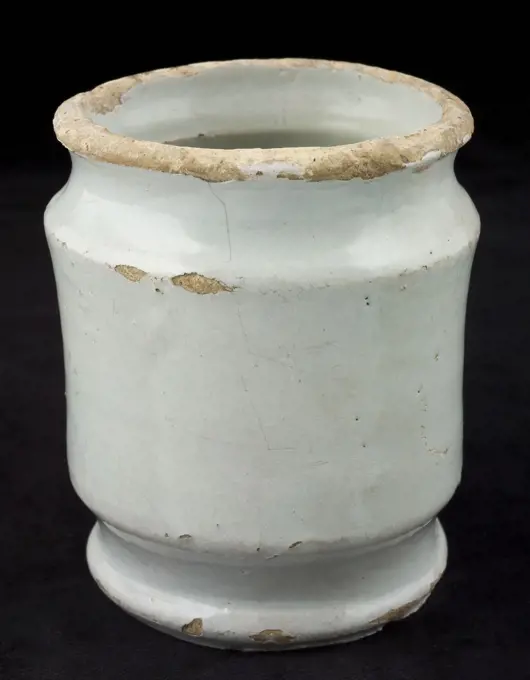
Pottery ointment jar, cylindrical, two constrictions, white glazed, ointment jar pot holder soil find ceramic earthenware glaze tin glaze, hand turned baked glazed baked Pottery ointment jar cylindrical in shape with two necking. Diameters of neck and bottom are smaller than those of the sidewall White glazed with blue tint Coarse craquelé in enamel Stand with soul Swirls on the inside. Delftware archeology health care indigenous pottery packing pharmacy store sell medicine drug craft
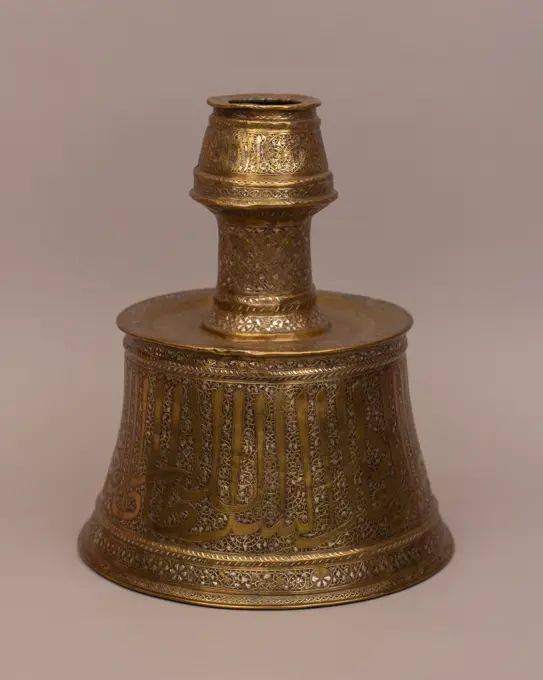
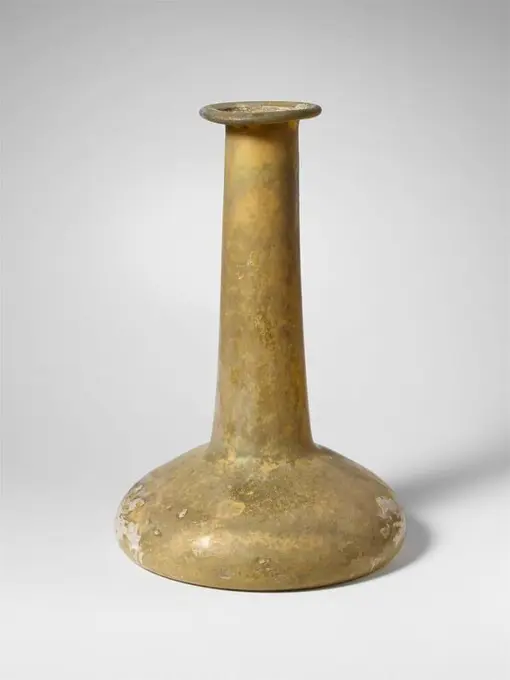
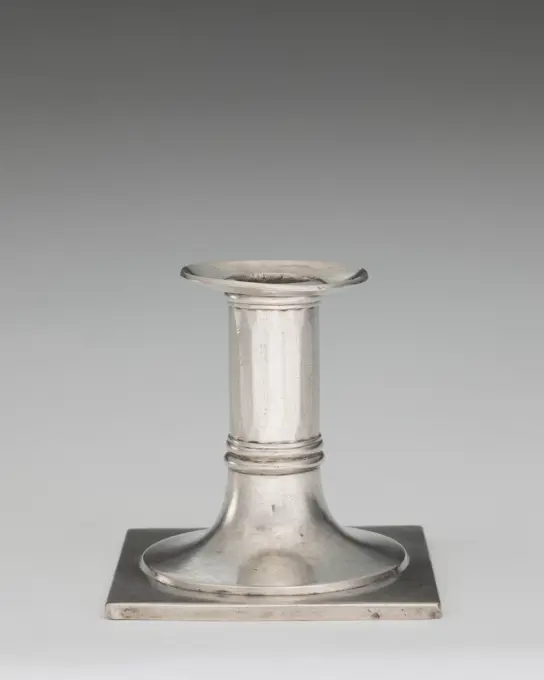
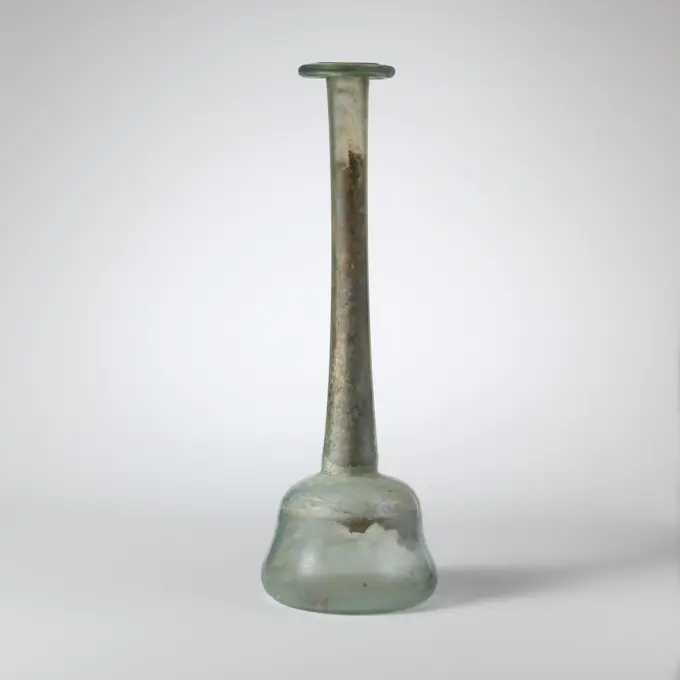
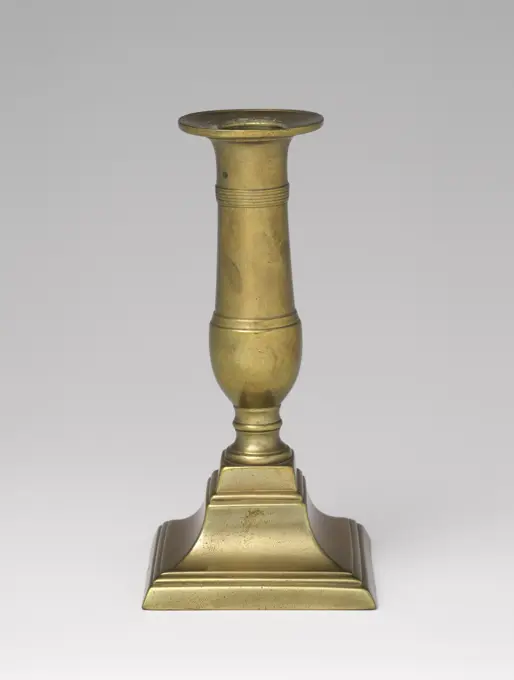
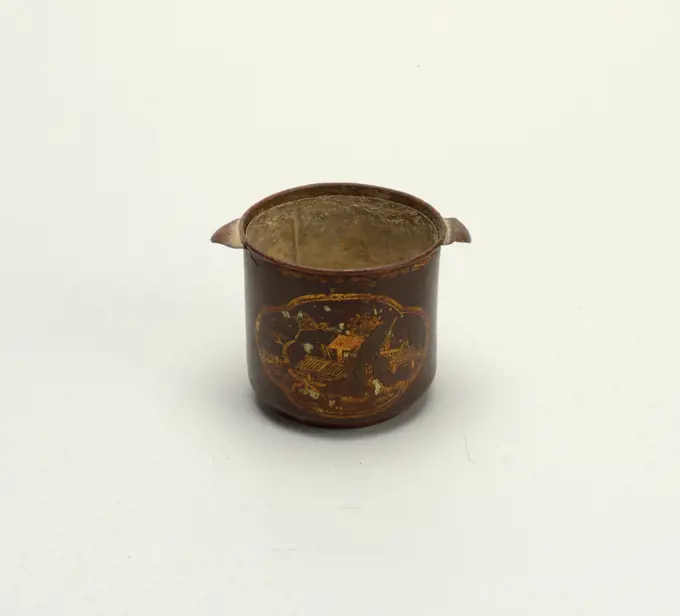
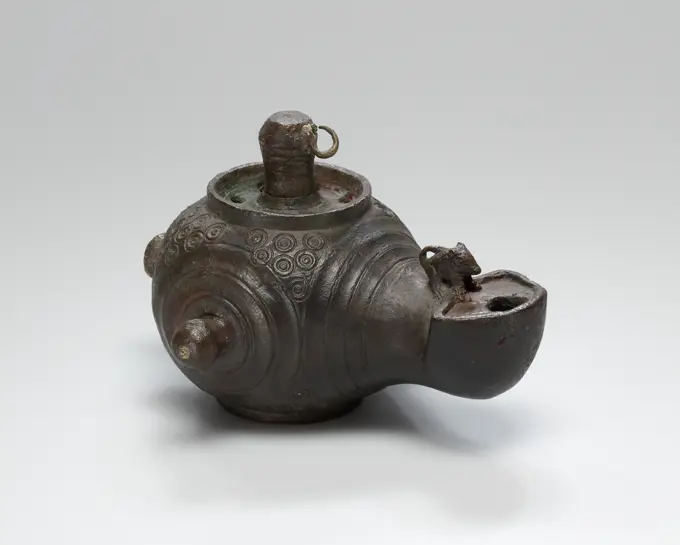
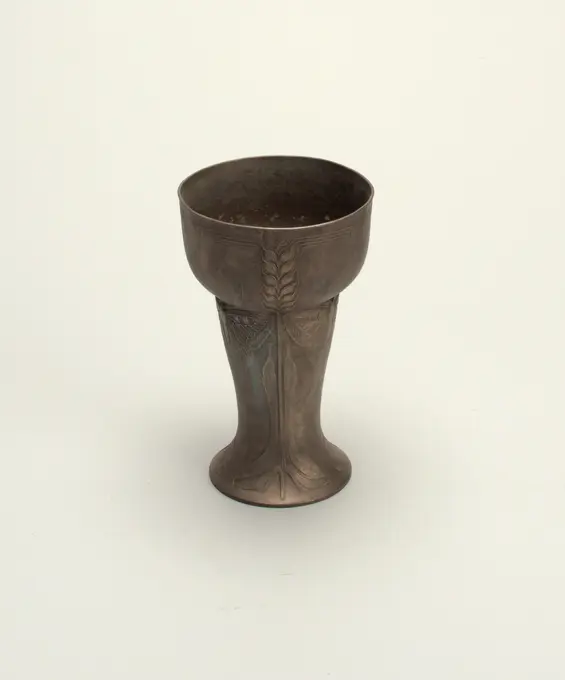
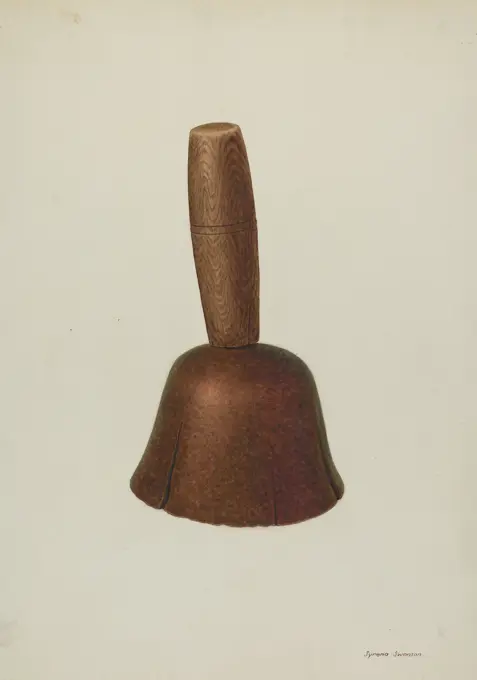
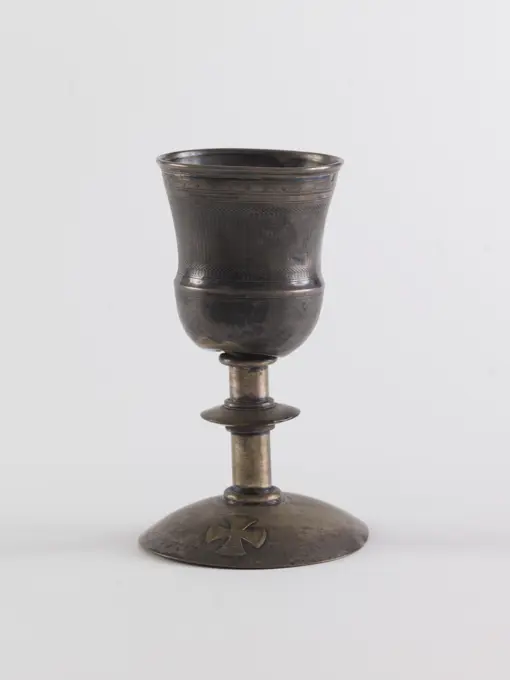
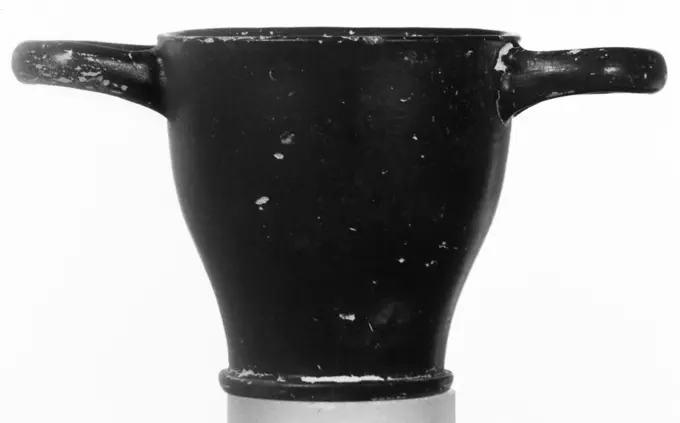
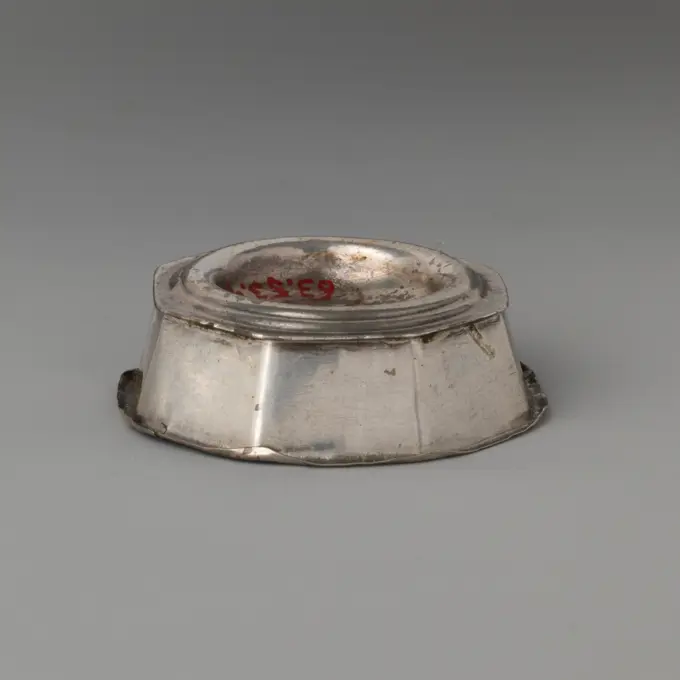
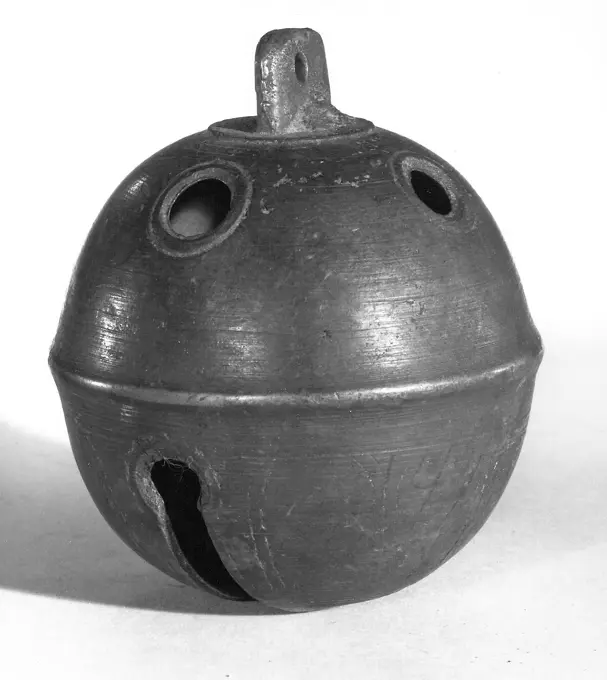
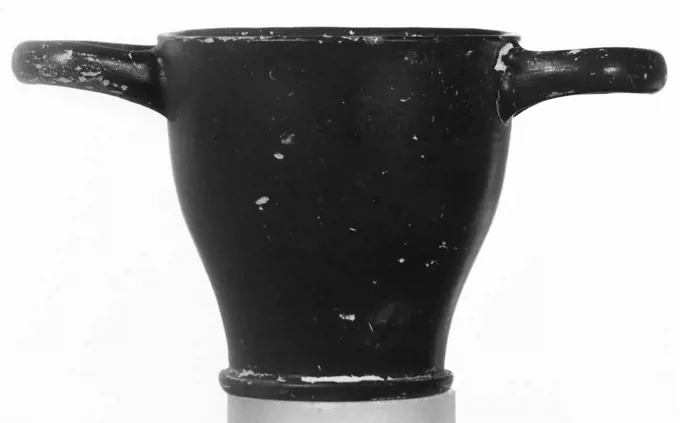
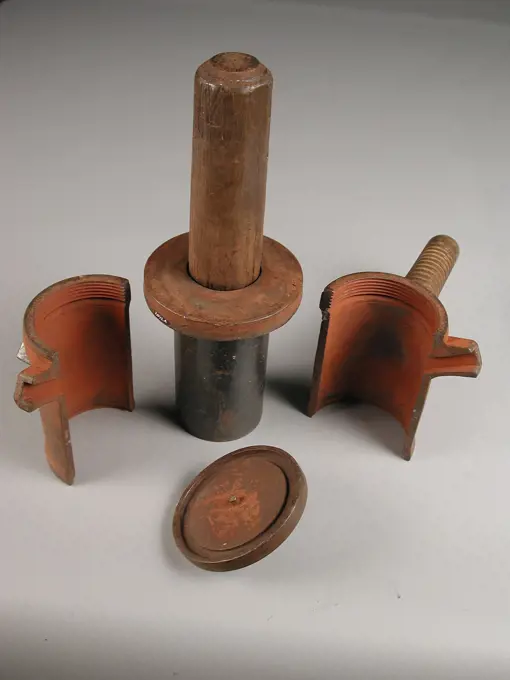
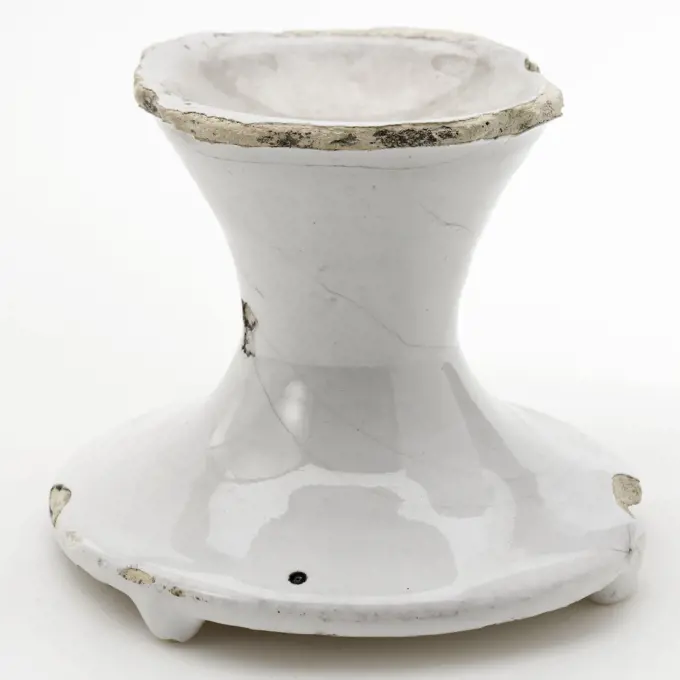
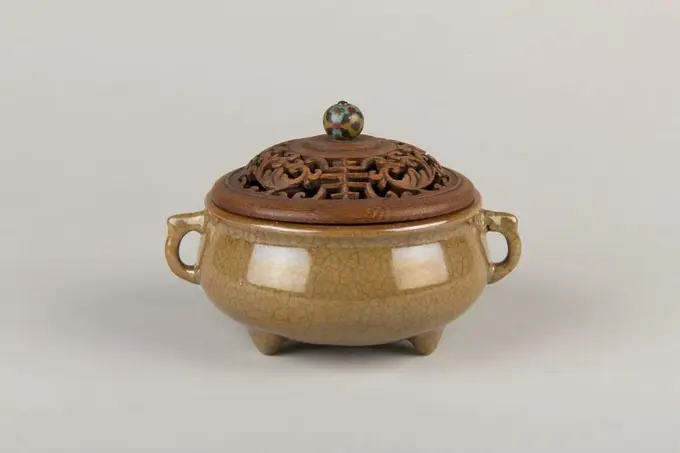
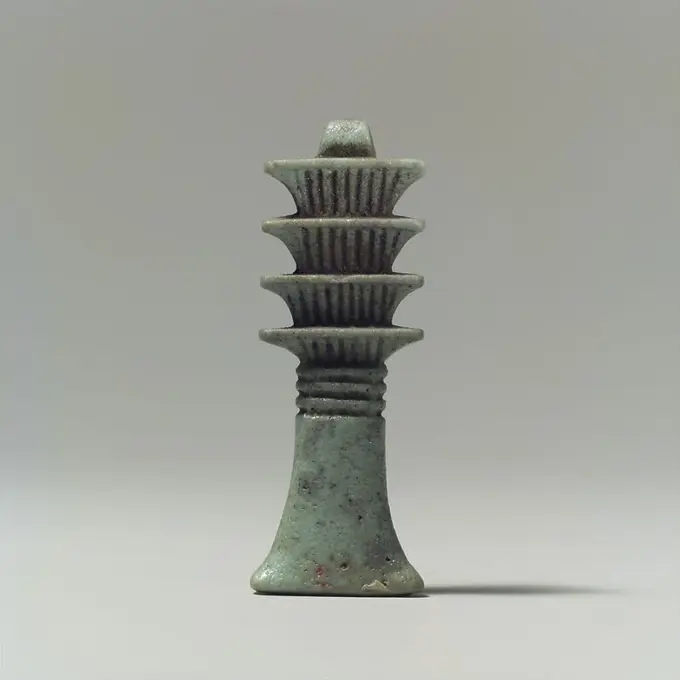
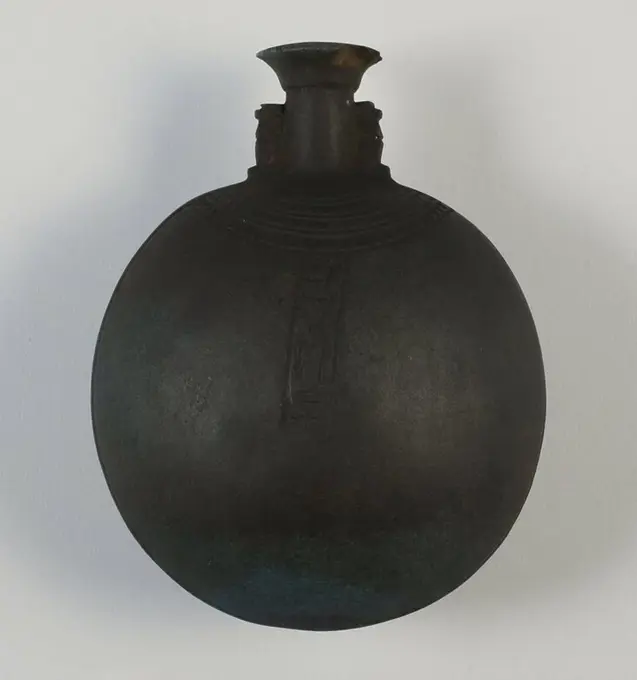
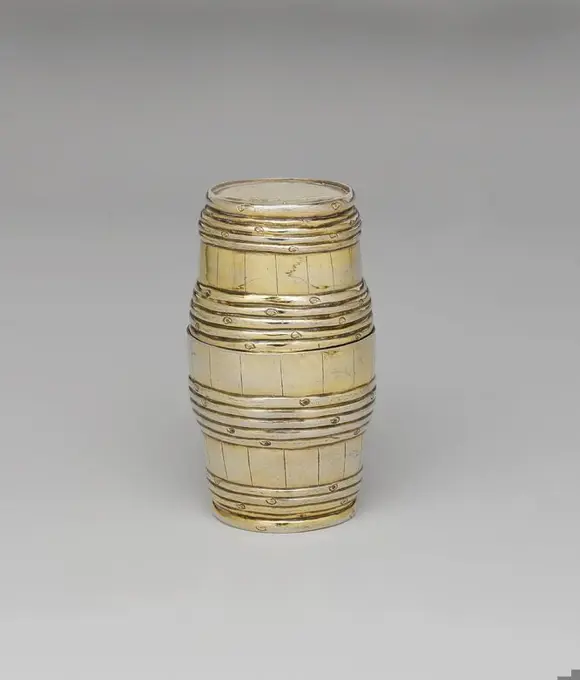
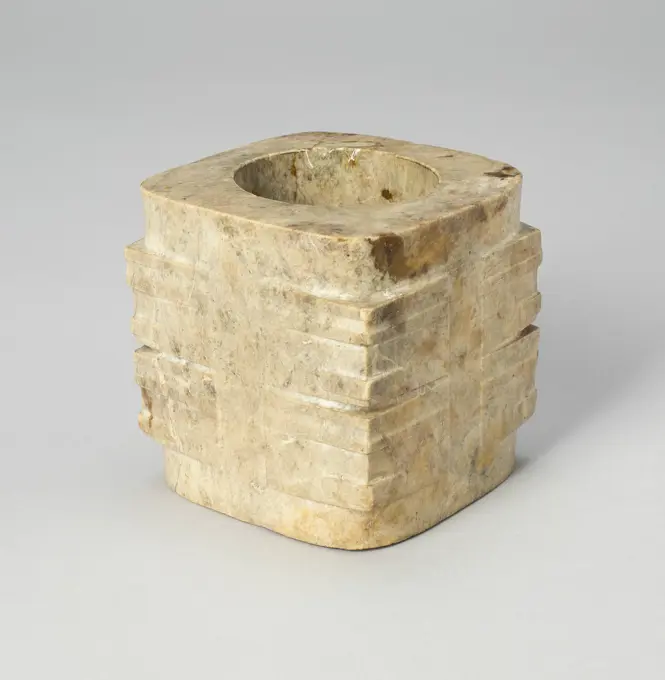
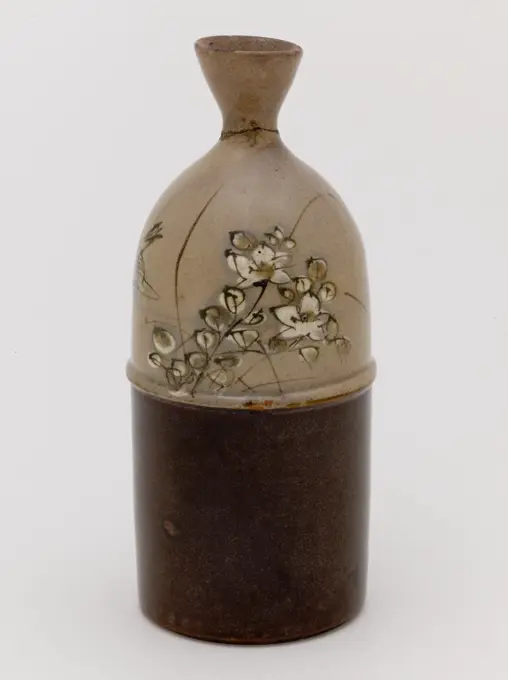
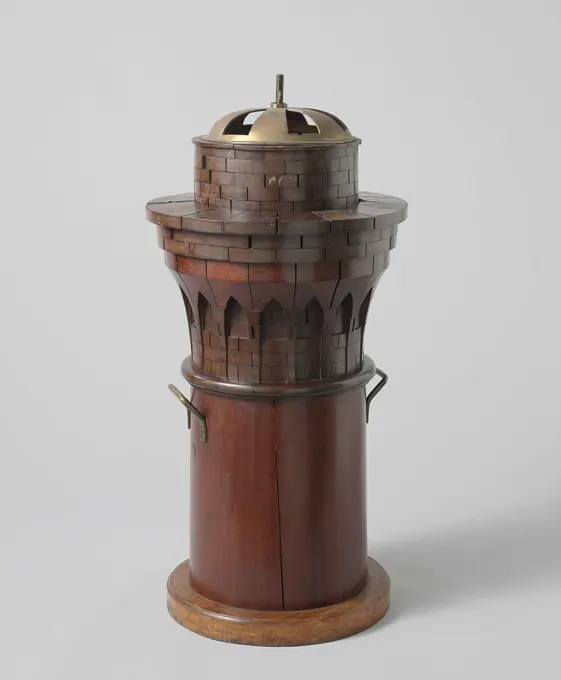
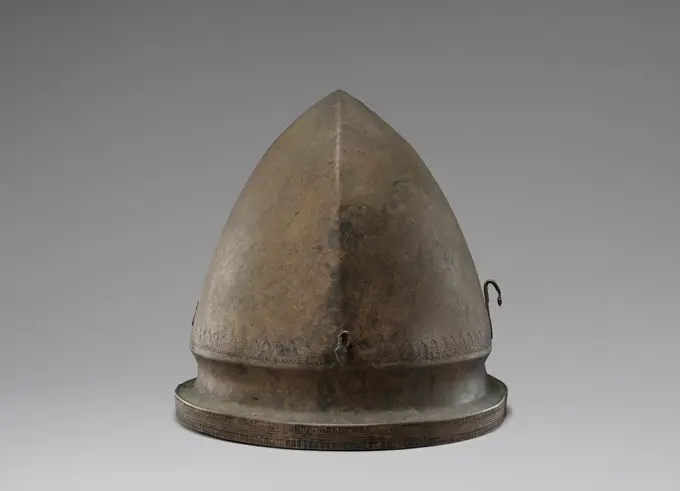
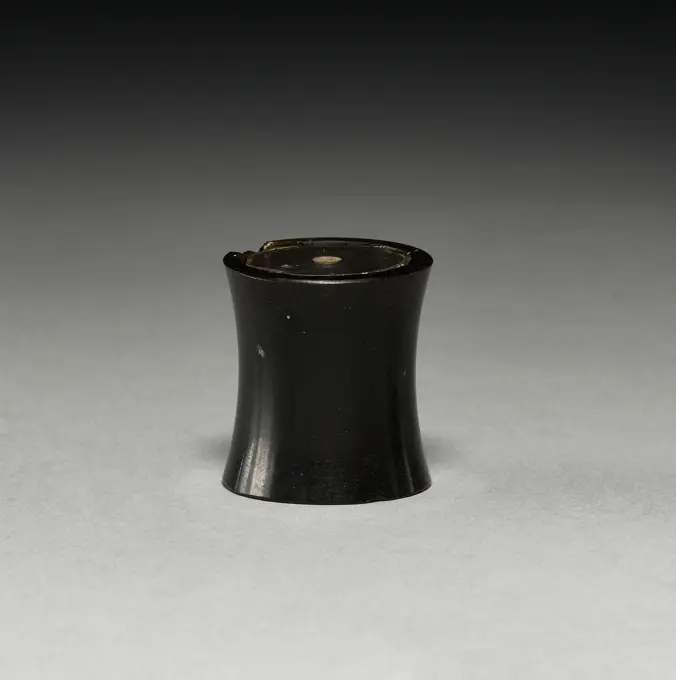
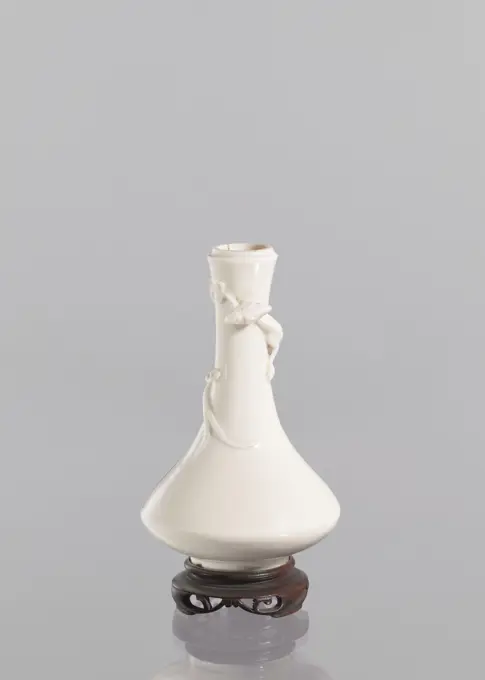
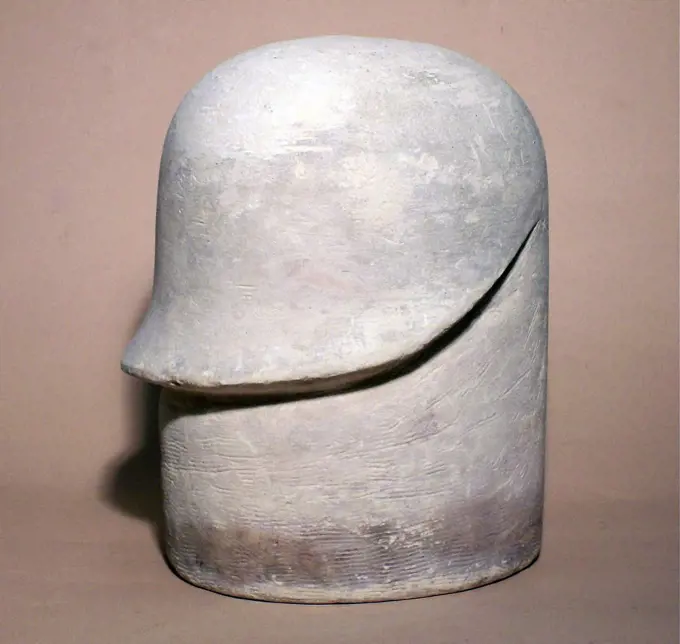
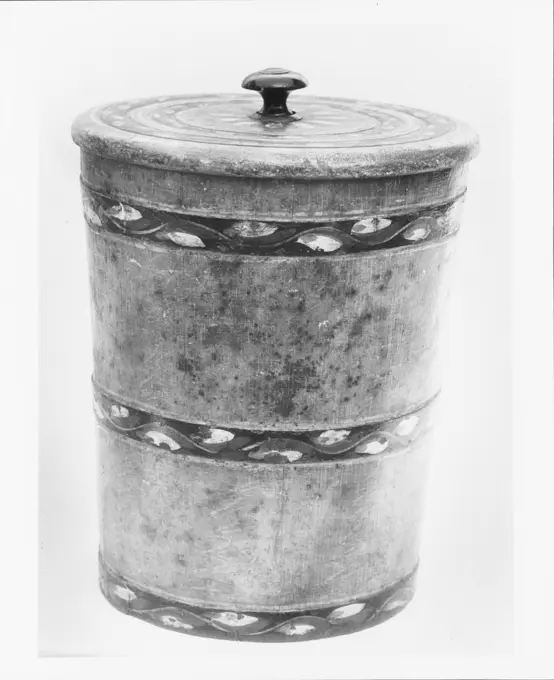
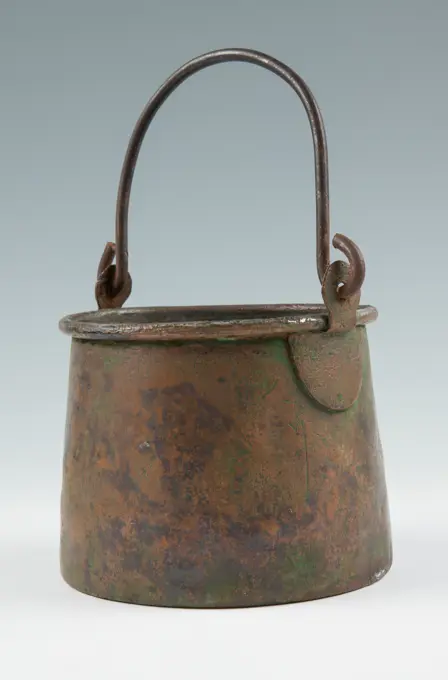
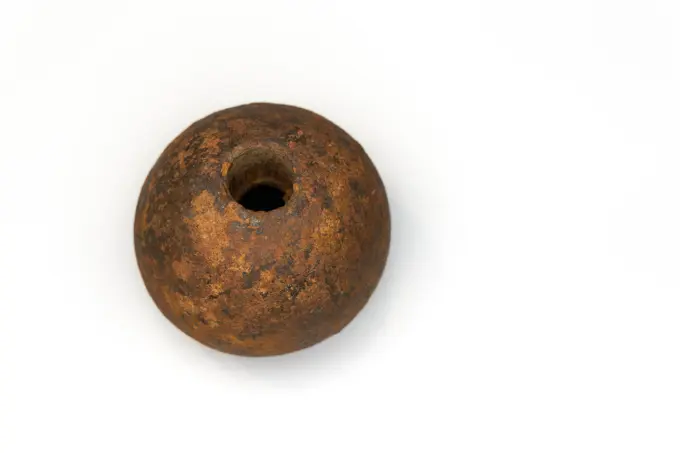
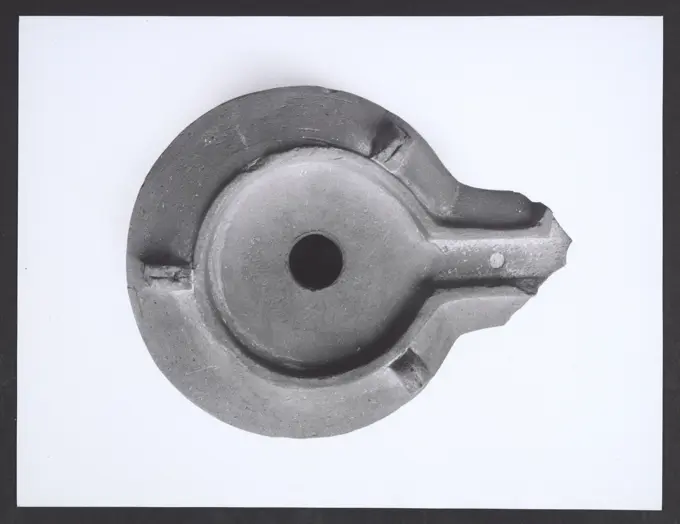
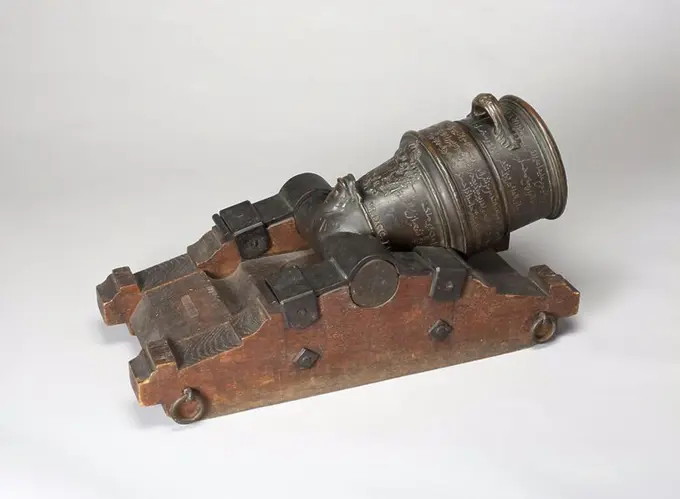
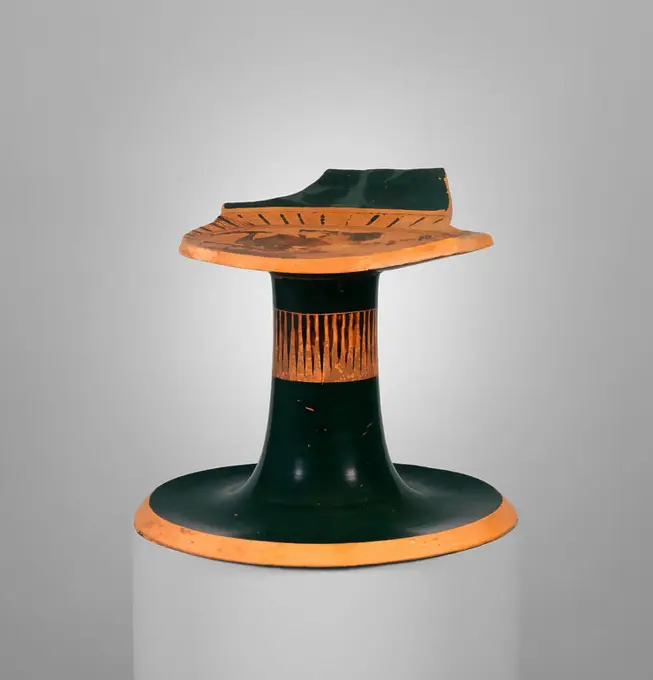
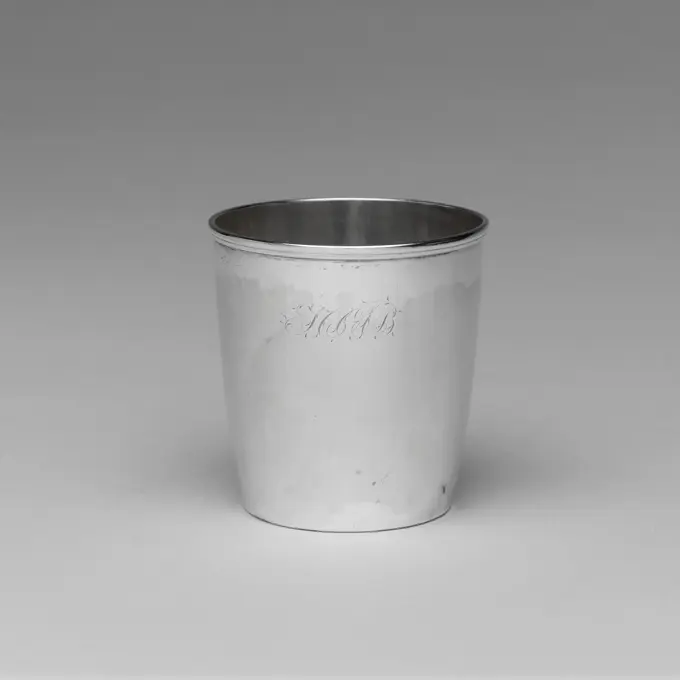
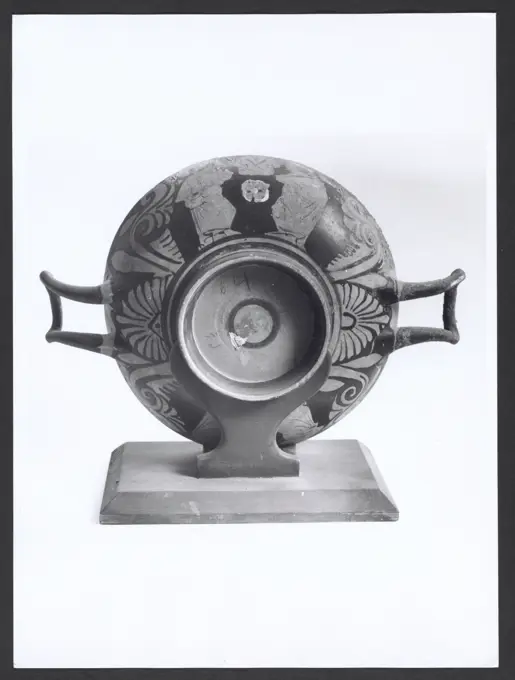
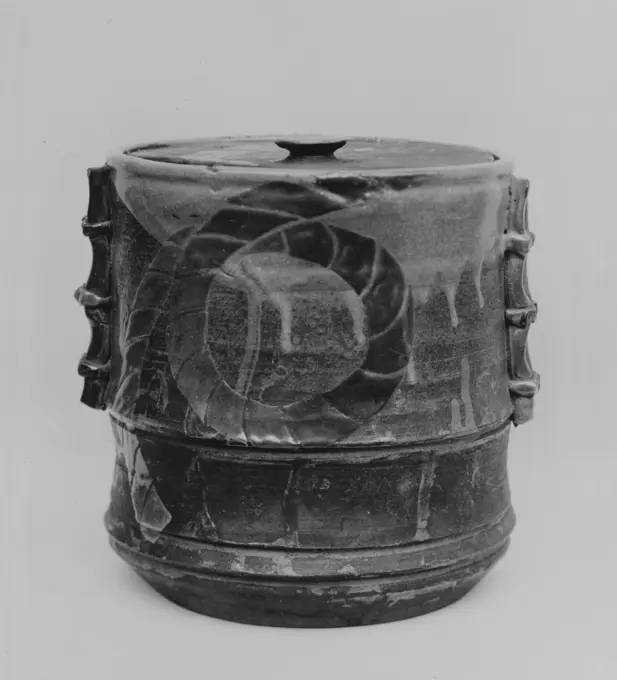
Nursing Bottle 1795-1805 England. Pewter .Candlestick first half 14th century Candlesticks in the shape of a truncated cone surmounted by a cylindrical shaft and a socket to accomodate a candle often flanked the mihrab in religious buildings. The same type was also used as house furnishing. The elegant inscription around the body is dedicated to a unnamed Mamluk sultan.. Candlestick. first half 14th century. Brass; inlaid with silver. Attributed to Egypt or Syria. MetalGlass perfume bottle. Culture: Roman. Dimensions: H.: 6 3/4 in. (17.1 cm). Date: 2nd-3rd century A.D..Uncertain (colorless with yellow green tinge).Rim folded out, down, round, and pressed into mouth; tall cylindrical neck, expanding downwards; broad, bell-shaped body; concave bottom.Intact; some bubbles; dulling, surfaces covered with weathering and iridescence. Museum: Metropolitan Museum of Art, New York, USA.Dish ca. 550-500 B.C. Etruscan Basket-shaped dish with two handles terminating in claws.. Dish. Etruscan. ca. 550-500 B.C.. Terracotta; bucchero pesante. Archaic. VasesCandlestick; Michaelis, Johann C. (Fl. Ca 1800-Ca 1830); 1920s (0-00-00-0-00-00);Glass perfume bottle 2nd-3rd century A.D. Roman Translucent blue green.Broad tubular rim, folded out, down, over and in, with flattened upper surface; tall cylindrical neck, slightly concave in profile, with tooled line around base; bell-shaped body with concave side and rounded lower edge; concave bottom.Intact; some bubbles and blowing striations; slight dulling and iridescence on exterior, with soil encrustation and whitish weathering on underside of rim, soil encrustation, brown weathering, and iridescence on interior, especially on neck.With long neck.. Glass perfume bottle. Roman. 2nd-3rd century A.D.. Glass; blown. Mid Imperial. GlassCandlestick 1700-1800. Candlestick. 1700-1800. BrassPottery ointment jar, cylindrical, two constrictions, white glazed, ointment jar pot holder soil find ceramic earthenware glaze tin glaze, hand turned baked glazed baked Pottery ointment jar cylindrical in shape with two necking. Diameters of neck and bottom are smaller than those of the sidewall White glazed with blue tint Coarse craquelé in enamel Stand with soul Swirls on the inside. Delftware archeology health care indigenous pottery packing pharmacy store sell medicine drug craftCricket cage 18th-19th century China. Cricket cage. China. 18th-19th century. Gourd, wood. Qing dynasty (1644-1911). Cricket cagesContent measurement of 1/2 decaliter, anonymous, c. 1825 - c. 1826  SPANS CONTENT MATTER OF 1/2 DECALIST. Netherlands wood (plant material)   NetherlandsPlejerko with a cover;  18th century (1701-00-00-1800-00-00);Cup/istikhan 2nd millennium B.C. Iran. Cup/istikhan. Iran. 2nd millennium B.C.. Bronze. Iron Age. Iran, probably from LuristanVase ". Gres. Vietnam-XE-XEN s. Paris, museum berried. 72361-2 GRES, Vietnamese object, vaseSingle-Spout Bottle 12th-9th century B.C. Tlatilco. Single-Spout Bottle 314627Pair of cachepots and liners, Painted tôle, wire, Cylindrical container curving inward to a low foot. Wire handle at each side. Gold ground with chinoiserie decoration., France, Ca. 1765, metalwork, Decorative Arts, Pair of cachepots and linersLamp. UnknownCONTENTS OF 1/2 DECALITER. Teams content of 1/2 decaliter.Caster, c. 1770. John Andrew (American, 1747-1791). Silver; diameter: 4.7 cm (1 7/8 in.); overall: 13.9 cm (5 1/2 in.).Vintage brass benzine dispenserVase Vase; Manufactured by J. P. Kayser & Sohn (Germany); pewterSyrena Swanson, Sanctus Bell, 1937 Sanctus BellAnonymous, Calice of Father Fougerousse, chaplain at the 13th Engineering Battalion of the 2nd DB (common name), 1930, Silver copper, Paris Liberation Museum - General Leclerc Museum - Jean Moulin Museum.Old hot water bottleCampanian Black Skyphos. UnknownMiniature salt trencher 1686-87 Possibly by George Middleton British. Miniature salt trencher. British, London. 1686-87. Silver. Metalwork-Silver-MiniaturePellet Bell 19th century American. Pellet Bell 501985Two tea caddies and a mixing caddy. During the 18th century tea caddy sets consisted of three elements: two caddies for different kinds of tea and one for the owners personal blend. The Leiden silversmith who created this miniature set specialized in large silver items. He constructed the miniature caddies, using rectangular pieces of silver plate, in the same way he did those of larger format.Terracotta lamp 5th century B.C. Greek, Attic In antiquity, most interior lighting was provided by oil lamps set on stands or suspended by chains or cords. Drinking parties, which were always held at night after dinner, would have been brightly lit by flickering flames. This simple type of lamp has a narrow handle that could be used to hang the lamp from a peg when it was not in use.. Terracotta lamp. Greek, Attic. 5th century B.C.. Terracotta; black-glaze. Classical. VasesCampanian Black Skyphos; Campania, South Italy; 323 - 31 B.C; Terracotta; 8 × 14.6 × 78 cm (3 1,8 × 5 3,4 × 30 11,16 in.)CapitalFour-piece bronze mold for barley pot, cast molding tool tools base metal bronze wood iron, cast turned Four-piece bronze mold for casting pot with screw thread Rotterdam tin foundry tin stainer tin Meeuws Druy craft Shapes are from the from origin 18th century Rotterdam tinnegieter J Druy. The large molds that were not signed or dated were the property of the tinker guild and were rented to the small tin caster.Salt container, salt bowl on high base, fully glazed white, salt barrel crockery holder soil find ceramics earthenware glaze tin glaze, hand-turned baked 2x majolica Salt barrel salt dish on high stand with three position knobs Completely white glazed Stand base with flat underside flowing into column forming the upper shallow shell wear. Flat top arch archeology Rotterdam Heliport terrain indigenous earthenware food salt condiment serving serve table room Soil discovery: Heliport site Rotterdam June 1978.Incense Burner. Culture: China. Dimensions: Diam. 5 in. (12.7 cm). Date: late 18th-first half of the 19th century. Museum: Metropolitan Museum of Art, New York, USA.Candlestick with long trunk and candle holder, anonymous, c. 1400 - c. 1450 The object is composed of two parts: the foot and the trunk with candle holder. They were cast and then turned. The foot, which also serves as a fat catcher, has a spherical elevation in the middle, on which the strain provided with one knot is sounded. This was then turned at the bottom. The almost cylindrical candle holder has two rectangular openings in the wall, which are extended in each other. Foot and trunk are decorated with profiles. The object, which is damaged at the foot, is a soil find. Northern Netherlands (possibly) brass (alloy) casting The object is composed of two parts: the foot and the trunk with candle holder. They were cast and then turned. The foot, which also serves as a fat catcher, has a spherical elevation in the middle, on which the strain provided with one knot is sounded. This was then turned at the bottom. The almost cylindrical candle holder has two rectangular openings in the waDjed Pillar Amulet. Dimensions: H. 4.5 cm (1 3/4 in); w. 1.7 cm (11/16 in); th. 0.9 cm (3/8 in). Date: 1086-30 B.C..The djed-pillar is a stylized representation of an early fetish that probably consisted of plant material. From the beginning of ancient Egyptian history, it was used as a symbol signifying permanence. Later it was associated with the god Osiris and identified as his backbone. The djed-pillar here was probably used as a funerary amulet to ensure permanence and to closely connect the deceased to Osiris, who was revived after death. Museum: Metropolitan Museum of Art, New York, USA.Small Drum 500 B.C.-A.D. 300 Vietnam or Thailand (). Small Drum. Vietnam or Thailand (). 500 B.C.-A.D. 300. Bronze. MetalworkJean Carriès (1855-1894). "Cabossé pot". Enameled sandstone. Museum of Fine Arts of the City of Paris, Petit Palais. 24205-6 Cabosse, ceramic, gres emaille, potLunch Box. Syria, second half of 15th century. Metal. Bronze, engraved and tinnedBottle;  IX-XI century (801-00-00-1100-00-00);Semerau-Siemianowski, Władysław (1849-1938), Semerau-Siemianowski, Władysław (1849-1938)-collection, gift (provenance), Islam (culture), art of IslamCup, 1700-1725. Benjamin Wynkoop (American, 1675-1728). Silver; with handle: 8.6 x 12.3 cm (3 3/8 x 4 13/16 in.).Crank weight of 500 ducators Sonder Sack. Brass Kruitweight of 500 ducates Sonder Sack. Masses 1750 grams. Entitled and noticed. On the trunk v.zv. Annual letters whose first The Q of 1702 and the last the L of 1819.Wine bottle with wine from the wreck of the East Indians' t Vliegend Hart ,, 1700 - 1735 wine Uivid wine bottle of green glass filled with red (port) wine and closed with cork and wire. Netherlands glassCeramic Vessel 3rd century B.C.-A.D. 4th century Chupicuaro. Ceramic Vessel. Chupicuaro. 3rd century B.C.-A.D. 4th century. Ceramic. Mexico, Mesoamerica, Michoacan. Ceramics-ContainersLazio Viterbo Viterbo Museo Civico2. Hutzel, Max 1960-1990 Views of paintings (Middle Ages through 18th c.), frescoes, a tabernacle, coffin, sculpture reliefs, portal fragments, busts, sculpture, tapestry found in the Pinacoteca, Second floor gallery and Second floor cloister sequences. Antiquities: Many views of Etruscan and Roman fragments, sculpture, sarcophagi, pottery, masks, jewelry and other objects found in the Storeroom sequence (inventory numbers on back of prints), and the Cloister, Second floor Cloister, Valle Giulia, Sala Romana and Sala Etrusca sequences. General Notes: There are eight separate numerical sequences for this location. The cloister as an architectural structure, rather than museum site, is documented in the record and file for S. Maria della Verita, Cloister, all views of which are stored in Medieval core collection. Five views from the Museo Civico Second floor cloister sequence are stored in Medieval. German-born photographer and scholar Max Hutzel (1911-1Old metal stamp isolatedSpittoon -New Year's Vessel (Pilgrim Bottle). Egyptian. Date: 664 BC-525 BC. Dimensions: 15 × 11.43 × 7.62 cm (5 7/8 × 4 1/2 × 3 in.). Faience. Origin: Egypt. Museum: The Chicago Art Institute, Chicago, USA. Author: Ancient Egyptian.Double beaker. Culture: German, Nuremberg. Dimensions: Overall (confirmed): 4 7/16 × 2 9/16 × 2 9/16 in., 6.243oz. (11.3 × 6.5 × 6.5 cm, 177.006g). Maker: Nicholaus I Emmerling (active 1587-1606). Date: 1603-9.The barrel-shaped beaker was in use since sixteenth century, at a time when precious silver vessels of various shapes imitating everyday objects of utilitarian nature were very fashionable-especially in German-speaking cultural centers. They detach in the middle to be used as separate vessels. Museum: Metropolitan Museum of Art, New York, USA.Bottle 18th century Japan. Bottle. Japan. 18th century. Clay covered with an iridescent glaze; the base glazed dark brown (Kyoto ware). Edo period (1615-1868). CeramicsMarket bin; Carrier. Oval, widespread market bucket at a foot. The bucket has a solid handcel and he has engraved lines along the edges.Veebel. Livestock bubble, with cylindrical ring for fixing chain. Inexpensive.Table bubble with fillet edges. The round, bell-shaped bubble is made up of a concave and a convex portion and is at the bottom and the separation between the two portions articulated by fillet edges. The stalk-shaped handle is slightly nominated at the bottom, then it widthes to rejuvenate to the end. It is arranged on top and bottom and a third of the height by fillet edges. It is crowned by a spherical button.Oil lamp of copper, Anonymous, 1700 - 1710 The object made from plate consists of a hexagonal high reservoir, on which a convex seal is brased, with an on top with an eye in which an iron hook. A open connecting piece is applied on one raised side, to which the broken tube part connects. A rounded hole in the bottom in the middle, so that the object can be placed on a rod. Netherlands Copper (Metal). hook: Iron (metal) striking (metalworking) The object made from plate consists of a hexagonal high reservoir, on which a convex seal is brased, with an on top with an eye in which an iron hook. A open connecting piece is applied on one raised side, to which the broken tube part connects. A rounded hole in the bottom in the middle, so that the object can be placed on a rod. Netherlands Copper (Metal). hook: Iron (metal) striking (metalworking)Cong 3000 BCE-2000 BCE China. Jade .Bottle (tokkuri). Sandstone, decor painted in blue and brown under the cover. Around 1870. Paris, Cernuschi museum. Chinese art, blue, bottle, brown, Chinese ceramic, painted decor, gres, tokkuriMitten Gauntlet for the Left Hand Made 1514-1535 Augsburg. Steel, leather, and brass . Kolman HelmschmidHammer of the master of the Palemon lodge in Raseiniai (Samogitia). unknown, contractorCarved Bone, 1-200. Parthian, 1st-2nd Century. Carved bone; diameter: 2.2 cm (7/8 in.).Dish ca. 570-500 B.C. Etruscan Shallow dish on high foot, rim decorated with four human masks.. Dish. Etruscan. ca. 570-500 B.C.. Terracotta; bucchero pesante. Archaic. VasesSquare vase late 18th-19th century China. Square vase. China. late 18th-19th century. Porcelain with green glaze (Jingdezhen ware). Qing dynasty (1644-1911). CeramicsContainer for Tobacco, Betel orLimeModel of the Capital of a Lighthouse. Model of the Van Speijk lighthouse capital for the island fireplace, on a round wooden base. The capital is made up of 294 pieces. At the bottom, the sixteen point bows, two of which are open to the window. The wide piece above is a round circulation without balustrade, with a door on one side. Inside the model is detailed with a floor and spiral staircase. The model is kept with a brass cap that is attached to the base with a long screw with wing nut. Scale 1:20 (according to Obeenen).Uniform hat early 19th century Italian. Uniform hat 98413Helmet. UnknownVase with handles in the shape of dragons. Bronze. Cernuschi Museum, Asia Museum of Asia in the city of Paris.Ear Ornament (1 of 2), c. 1200-1519. Mexico, Guerrero, Ichcatiopan, Mixtec or Aztec. Obsidian, crystal; overall: 2.5 x 2.2 cm (1 x 7/8 in.). This set of ear ornaments was reputedly found together with the gold and jade pectoral ornament shown nearby. They may have accompanied a noble burial, or perhaps constituted an offering deposit.Jar and cover, Bronze, inlaid metal, Footed jar (a) cast in two parts with encircling banding covering the joint. Wide, short, straight neck. Stepped lid (b) overhangs the neck, rises through curves to tall finial with two knobs topped by a ball. The whole decorated with concentric bandings of inlaid white and brass-colored triangles, elipses, dots, S-curves, etc., Philippines, possibly 19th century, metalwork, Decorative Arts, Jar and coverSmall bottle-shaped vase on a stand. unknown, craftsmanSignal trumpet for a military vehicle unknownCloche-hat-stretcher. Carved limestone from Malta.Biedermeier mahogany tea stew, tea stew stew furniture interior design wood mahogany copper, Round basket with curved bars and brass box on twisted base on truss BiedermeierSugar Barrel 1825-50 Joseph Long Lehn. Sugar Barrel 7930Soldier cauldronVijzel with the inscription Engbet Telinc and Ianneken Syn house -Vrov M CCCCC XI, Anonymous, 1511 The cast round mortar extends upwards and has a high -protruding profiled edge and a profiled foot. On the edge in Latin Majuskels: Engbet Telinc and Ianneken Syn house Vrov M CCCCC XI, with punctuations in the form of five -leaf flowers and at the beginning a cross shape, the arms of which end in French lilies. Three profiled lines of the center of the wall, around which two rectangular ears are applied. Northern Netherlands bronze (metal) casting The cast round mortar extends upwards and has a high -protruding profiled edge and a profiled foot. On the edge in Latin Majuskels: Engbet Telinc and Ianneken Syn house Vrov M CCCCC XI, with punctuations in the form of five -leaf flowers and at the beginning a cross shape, the arms of which end in French lilies. Three profiled lines of the center of the wall, around which two rectangular ears are applied. Northern Netherlands bronze (metal) cascopper pot on white background  isolated with clipping pathJug -Lidded Spool-Shaped Box with Incised Lines; Cyclades, Greece; 2700-2200 B.C; Marble; 4.9 × 8.6 cm (1 15,16 × 3 3,8 in.)Rusted cannon ball with a white background rusted cannon ball from a historic battlefield in Germany with a white backgroundEmilia-Romagna Ferrara Ferrara Museo Civico di Schifanoia14. Hutzel, Max 1960-1990 General Notes: INCOMPLETE RECORD--NEGATIVES PROCESSED, PRINTS FILED German-born photographer and scholar Max Hutzel (1911-1988) photographed in Italy from the early 1960s until his death. The result of this project, referred to by Hutzel as Foto Arte Minore, is thorough documentation of art historical development in Italy up to the 18th century, including objects of the Etruscans and the Romans, as well as early Medieval, Romanesque, Gothic, Renaissance and Baroque monuments. Images are organized by geographic region in Italy, then by province, city, site complex and monument.Screw Top for a Bottle (Schraubflasche), c. 1660-80. Germany, Bavaria, Kreussen. Pewter; overall: 34.3 cm (13 1/2 in.). Bottles or jars (kruken) of this type of six-sided form are most often associated with the ceramic tradition found in Kreussen (now Creussen) in the Bavarian region of Germany during the mid to late 1600s. With a threaded neck fitted with a pewter screw top and ring, they were ideal vessels for medicinal liquids as they could be easily connected to a belt for transport to the patient. Applied decoration depicting the twelve apostles, as on this example, allude to the spiritual nature of healing.Lazio Viterbo Viterbo Museo Civico49. Hutzel, Max 1960-1990 Views of paintings (Middle Ages through 18th c.), frescoes, a tabernacle, coffin, sculpture reliefs, portal fragments, busts, sculpture, tapestry found in the Pinacoteca, Second floor gallery and Second floor cloister sequences. Antiquities: Many views of Etruscan and Roman fragments, sculpture, sarcophagi, pottery, masks, jewelry and other objects found in the Storeroom sequence (inventory numbers on back of prints), and the Cloister, Second floor Cloister, Valle Giulia, Sala Romana and Sala Etrusca sequences. General Notes: There are eight separate numerical sequences for this location. The cloister as an architectural structure, rather than museum site, is documented in the record and file for S. Maria della Verita, Cloister, all views of which are stored in Medieval core collection. Five views from the Museo Civico Second floor cloister sequence are stored in Medieval. German-born photographer and scholar Max Hutzel (1911-Mortar on Carriage. German, Nuremberg. Date: 1753. Dimensions: Length overall of mortar: 17 3/4 in. (45.2 cm)Muzzle bore: 6 13/16 in. (34.5 cm)Width of carriage at base: 13 9/16 in. (34.5 cm)Overall length of mounted mortar on base: 33 1/4 in. (84.5 cm). Bronze, iron, and wood. Origin: Nuremberg. Museum: The Chicago Art Institute, Chicago, USA.Terracotta kylix:band-cup (drinking cup). Culture: Greek, Attic. Dimensions: 6 1/4 in. (15.9 cm). Date: 3rd quarter of the sixth century B.C..Athenian drinking cups of the sixth and fifth century B.C. were often suspended by one handle when not in use. The viewer enjoyed the decoration on the outside of the shape and, occasionally, on the underside of the foot. In this example, the foreparts of lions and griffins have been deployed to produce a dynamic pinwheel effect. Museum: Metropolitan Museum of Art, New York, USA.Mug. Maker, formerly attributed to: Hiram Yale and Company, American, ca. 1825-1831Beaker 1810-28 William B. Heyer. Beaker 16302Goblet 1830-70 American. Goblet 4078Pitcher and MatchingBowl.   Maker: Porcelaine d’ Angouleme, FrenchLid, black, decorated with corrugated edges. Lid of black stone. The lid has flattened button with air hole.Campania Caserta Capua Museo Campano072. Hutzel, Max 1960-1990 Medieval: Byzantine architectural fragments; parchment fragments with miniatures (12th century) from Montecassino; painted wooden crucifix (13th century); Carolingian crucifixes; Bishop's miter (11th century) of gold and silver damask; fresco (13th century). Post-medieval: Architecture (15th century). Formerly the Palazzo Antignano. Unusual Catalan/Moorish-style portal; Paintings on panel and canvas (15th-18th centuries); marble intarsia (16th century); marble sculpture: busts of Christ and Mary (17th century); sculpture of saints in marble and in wood (15th century); painted and gilded sculpture in wood; marble grave sculpture (16th century); sarcophagus with allegorical carvings; gold reliquary "Rosa d'Oro"; crucifix made of elephant tusk Specific Location: Pianterreno Antiquities: Italic sculpture (seated women holding babies); inscription. Photo campaign #1: 533 photos. Roman relief and sculpture; cinerary urns; Greek aContent measurement of 1 deciliter, anonymous, 1824  Spans contents size of 1 deciliter with wooden bottom edge. On the bottom of Orange paint stamp with inscription. V.z.v. brands and stamps Netherlands wood (plant material)   NetherlandsTea caddy 18th century Japan. Tea caddy 63064Tomb piece. Culture: China. Dimensions: H. 5 in. (12.7 cm); W. 2 3/4 in. (7 cm). Date: ca. 4000 B.C.. Museum: Metropolitan Museum of Art, New York, USA.Jar with cover 1820 Japan. Jar with cover. Japan. 1820. Faience with white craquelé glaze, and decoration in colored enamels (Kyoto ware). Edo period (1615-1868). CeramicsBeverly Chichester, Covered Compote, c 1940 Covered CompoteRound size from Tiel. Round chain table with metal tires for dry goods with bridge and style, marked and v.z.v. Labels.Lazio Viterbo Viterbo Museo Civico70. Hutzel, Max 1960-1990 Views of paintings (Middle Ages through 18th c.), frescoes, a tabernacle, coffin, sculpture reliefs, portal fragments, busts, sculpture, tapestry found in the Pinacoteca, Second floor gallery and Second floor cloister sequences. Antiquities: Many views of Etruscan and Roman fragments, sculpture, sarcophagi, pottery, masks, jewelry and other objects found in the Storeroom sequence (inventory numbers on back of prints), and the Cloister, Second floor Cloister, Valle Giulia, Sala Romana and Sala Etrusca sequences. General Notes: There are eight separate numerical sequences for this location. The cloister as an architectural structure, rather than museum site, is documented in the record and file for S. Maria della Verita, Cloister, all views of which are stored in Medieval core collection. Five views from the Museo Civico Second floor cloister sequence are stored in Medieval. German-born photographer and scholar Max Hutzel (1911-Chamber candlestick 1714-15 Joseph Bird. Chamber candlestick 232275Preserve Jar. Dated: c. 1939. Dimensions: overall: 25.2 x 16.3 cm (9 15/16 x 6 7/16 in.) Original IAD Object: 7" High (approx). Medium: watercolor, gouache, graphite, and colored pencil on paper. Museum: National Gallery of Art, Washington DC. Author: Alfred Parys.. Fabric tea bus or chair of stoneware with an ivory lid and two ears on the shoulder, partially covered with a brown glaze. The lower part of the bus is unglazed. Seto.