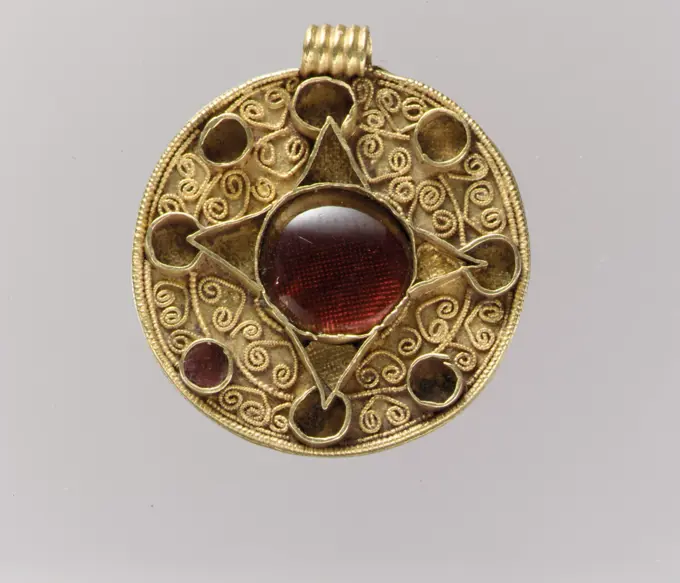
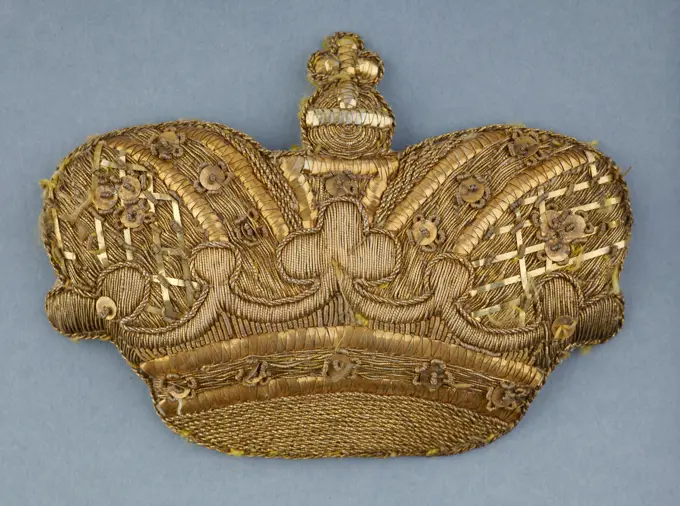
Antique Decorative Metalwork

A collection of ornate brass objects, including a chatelaine, wall light, decorative mounts, and jewelry parts, showcasing intricate designs from historical periods.
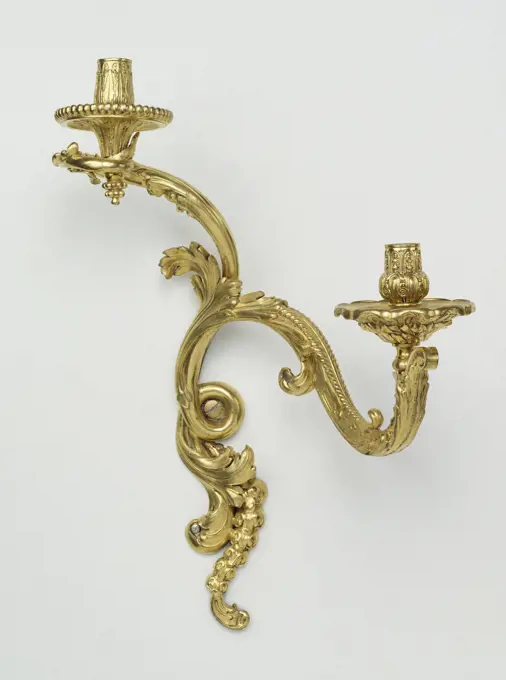
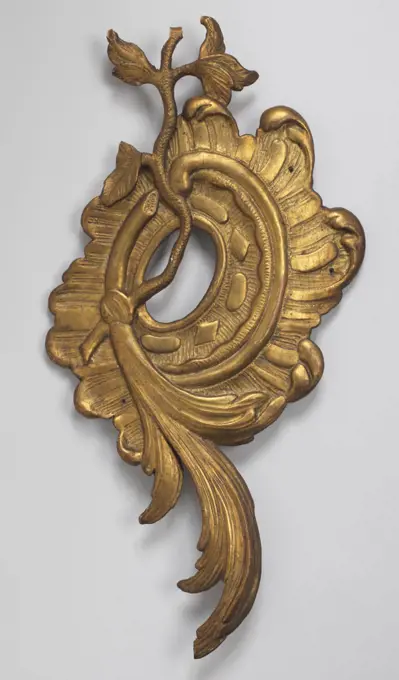
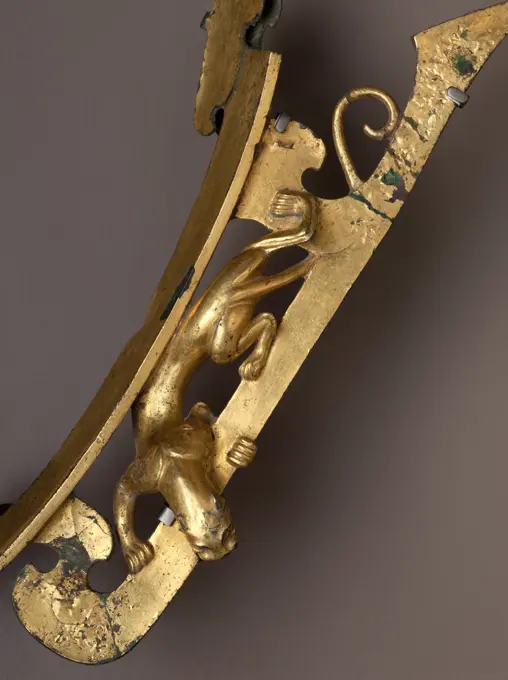
Wall Light (Bras de lumière); André-Charles Boulle (French, 1642 - 1732, master before 1666); Paris, France; about 1700 - 1715; Gilt bronze; 55.2 x 37.5 x 17 cm (21 3,4 x 14 3,4 x 6 11,16 in.)
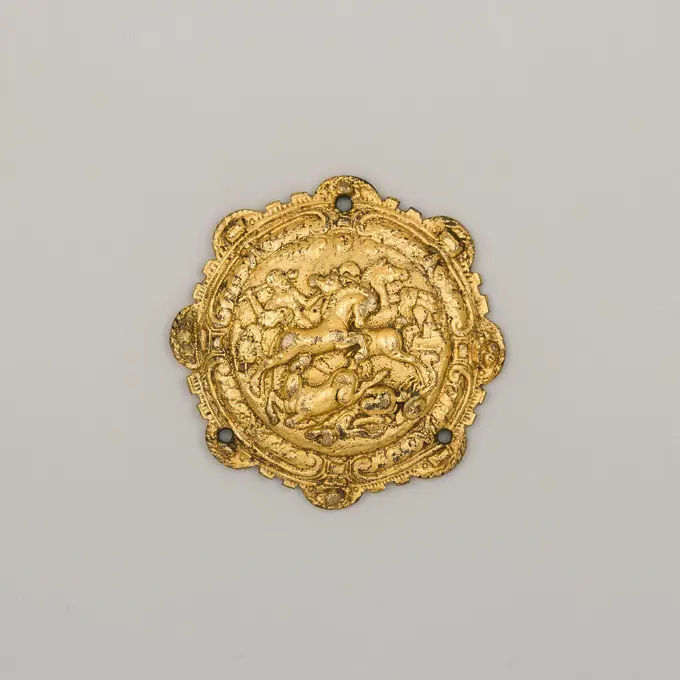
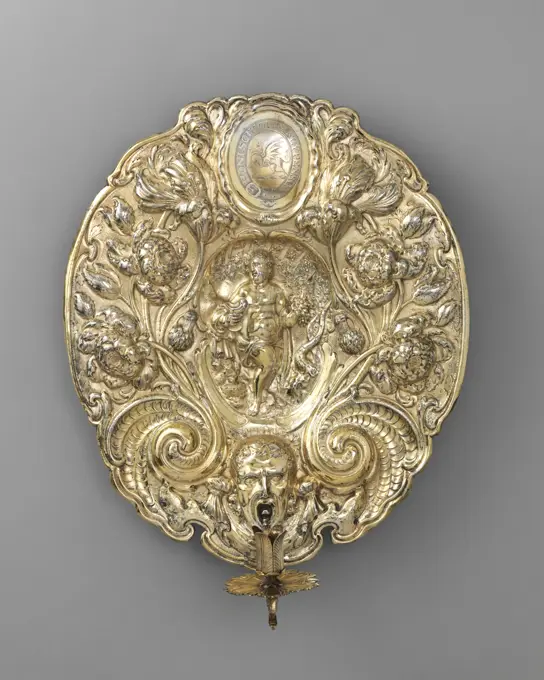
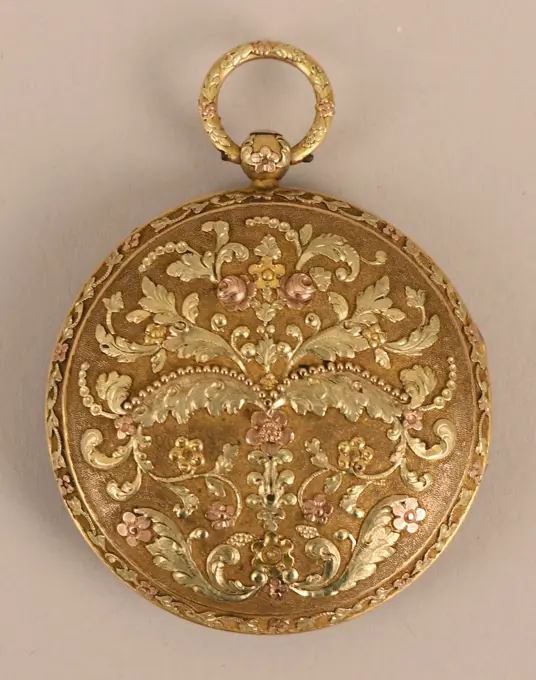
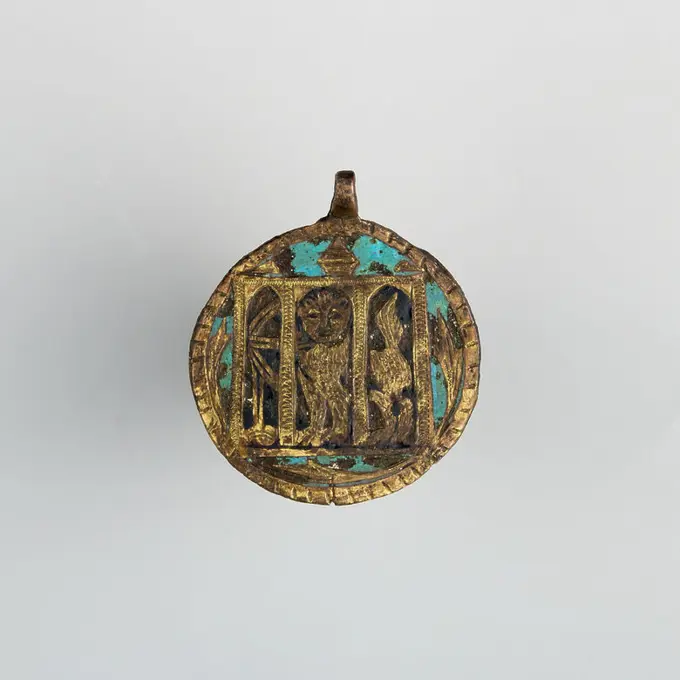
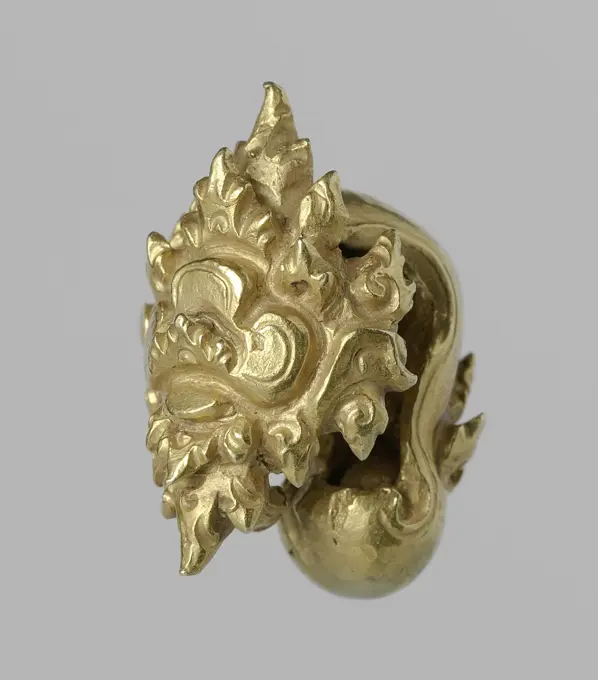
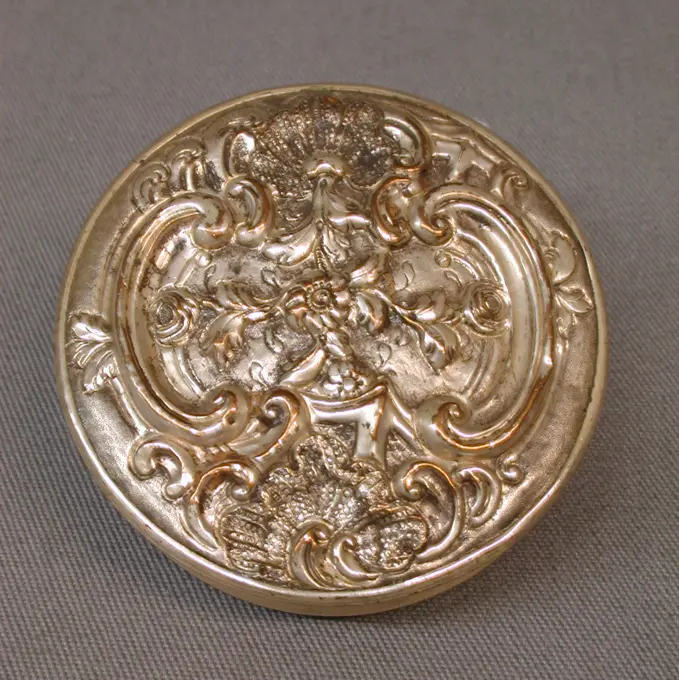
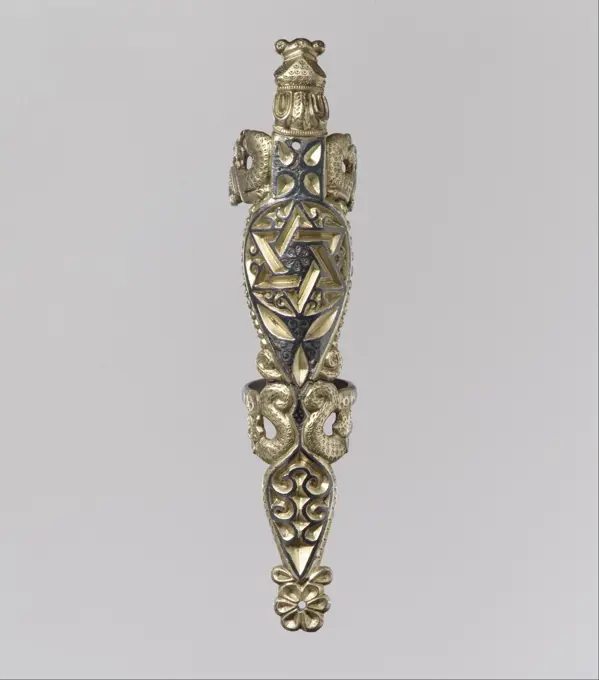
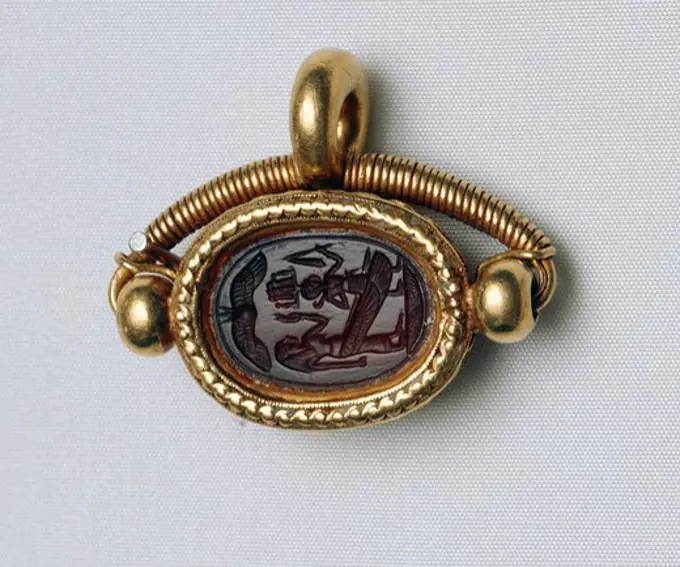
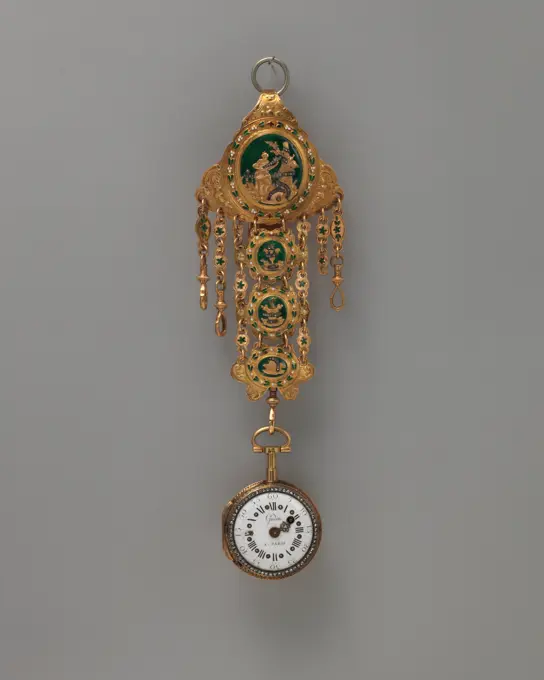
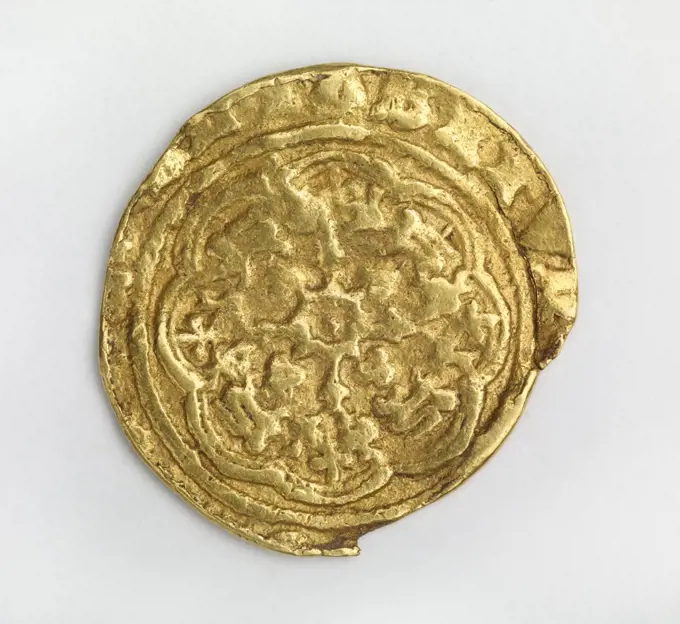
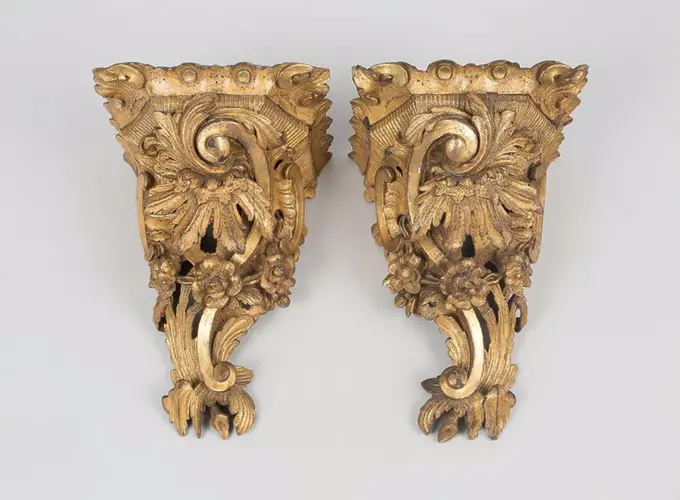
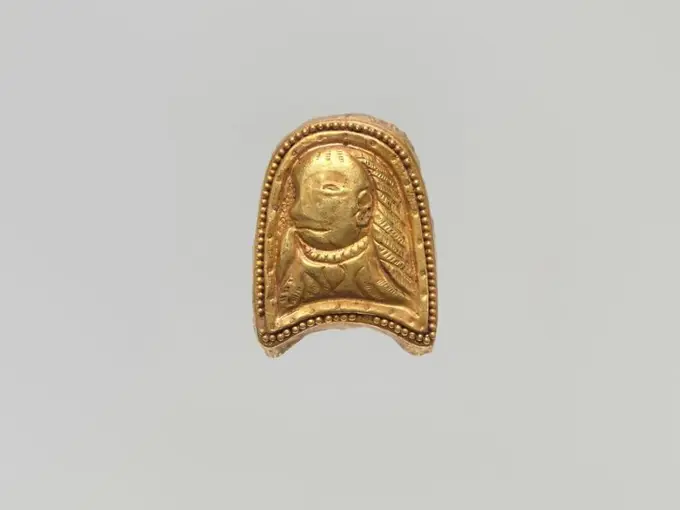
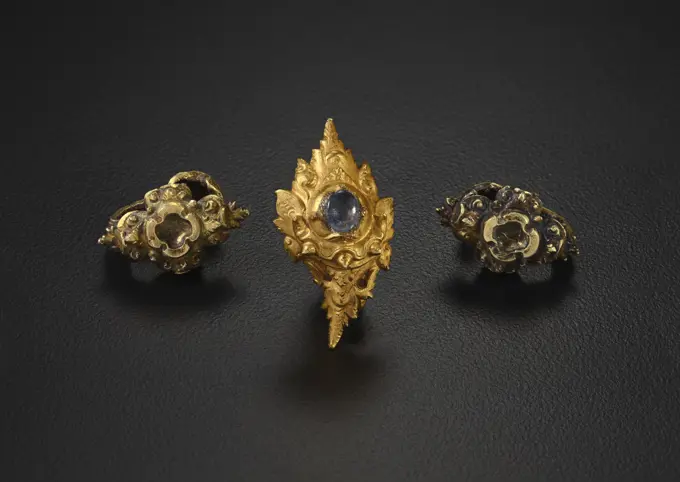
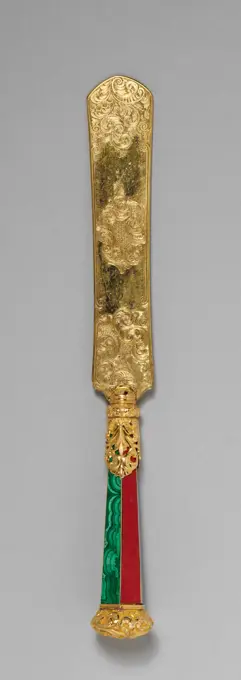
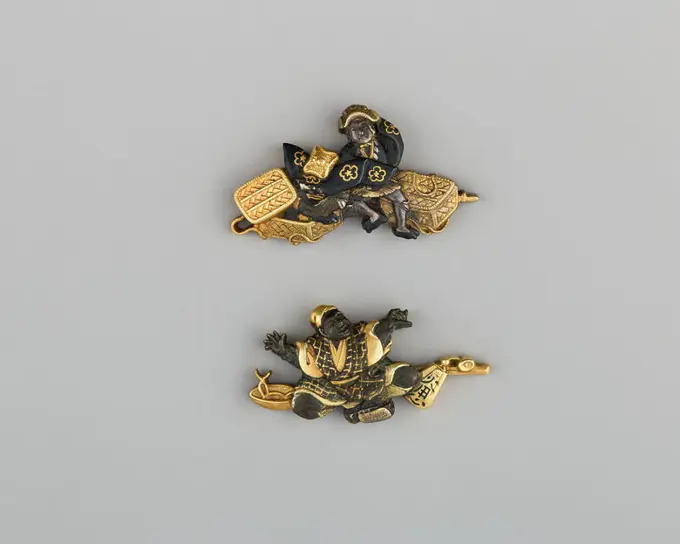
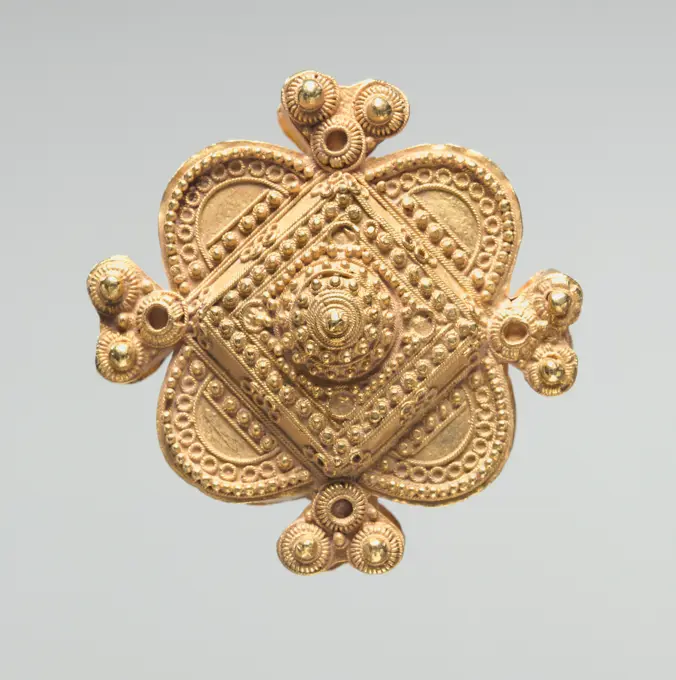
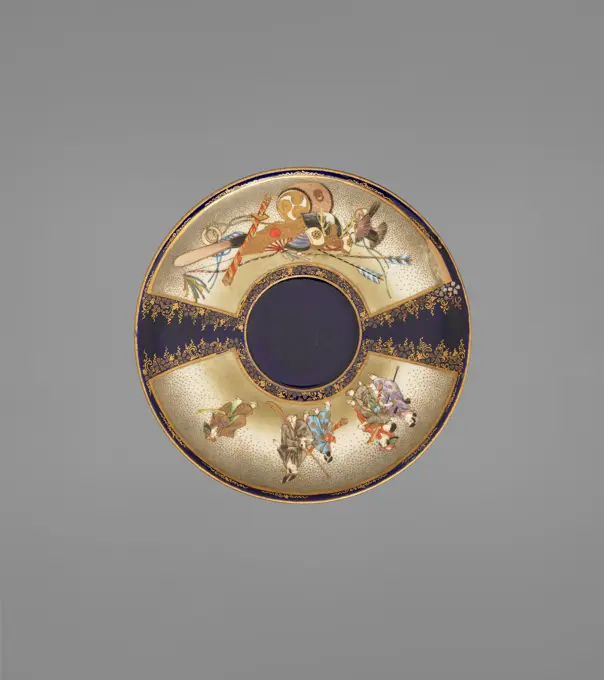
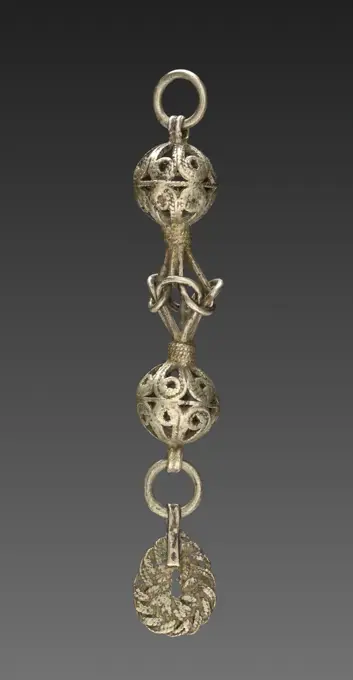
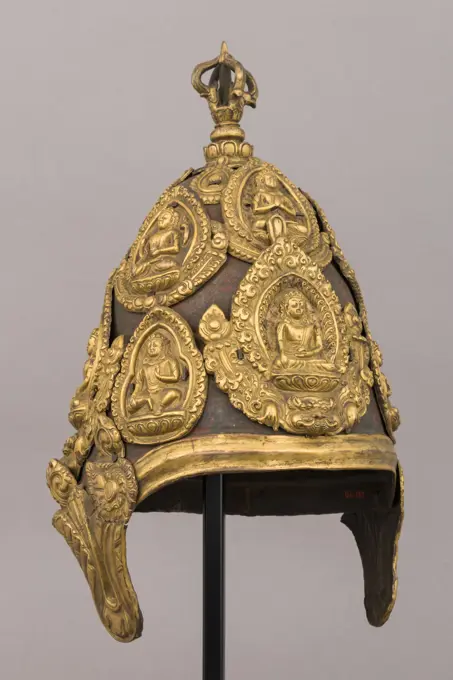
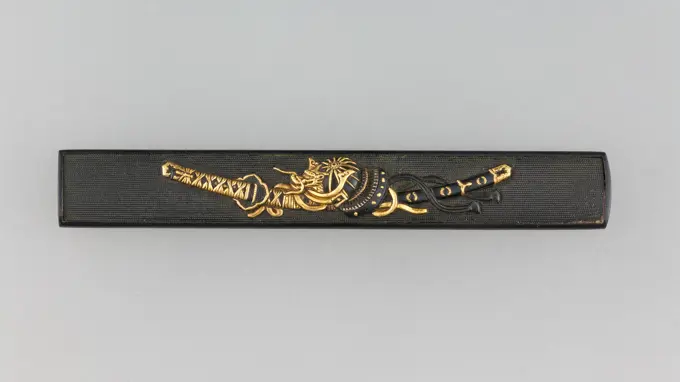
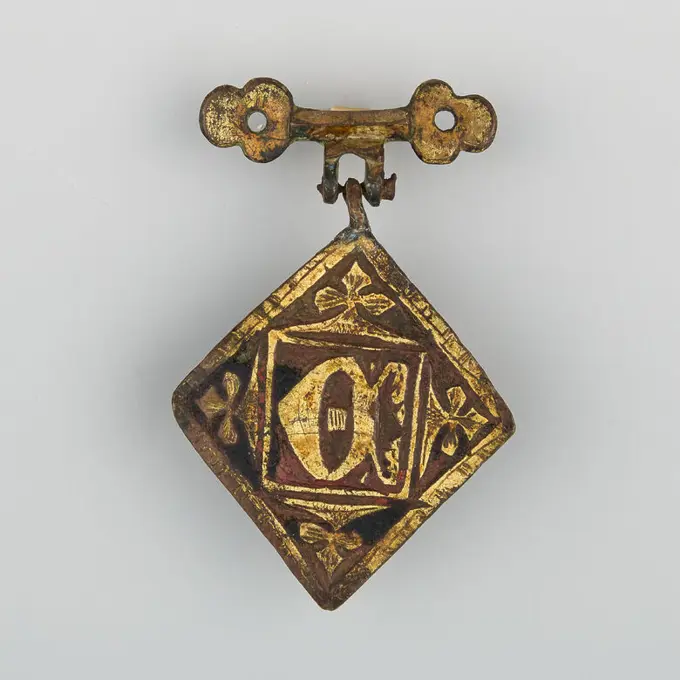
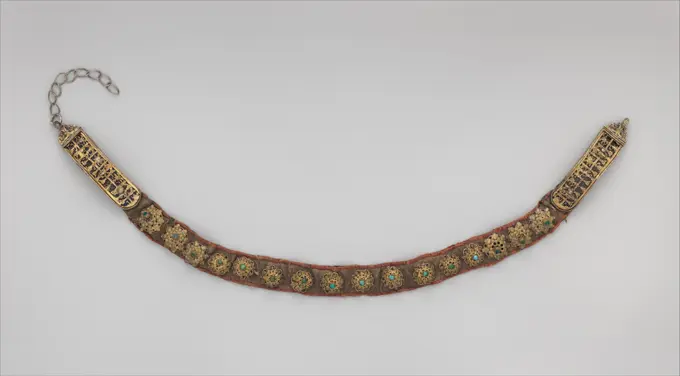
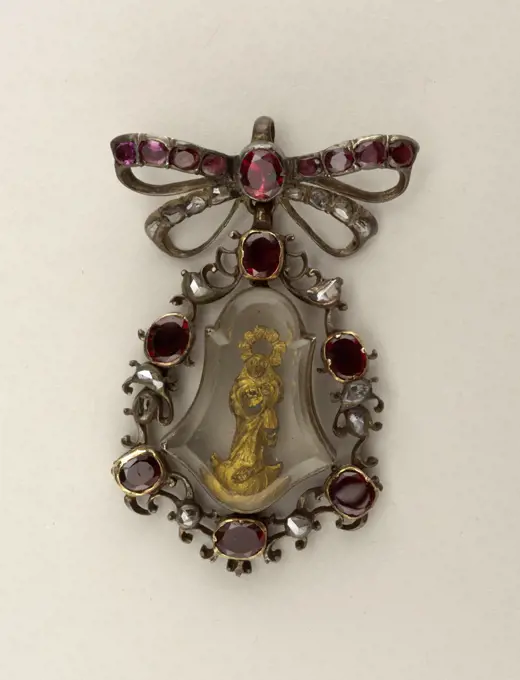
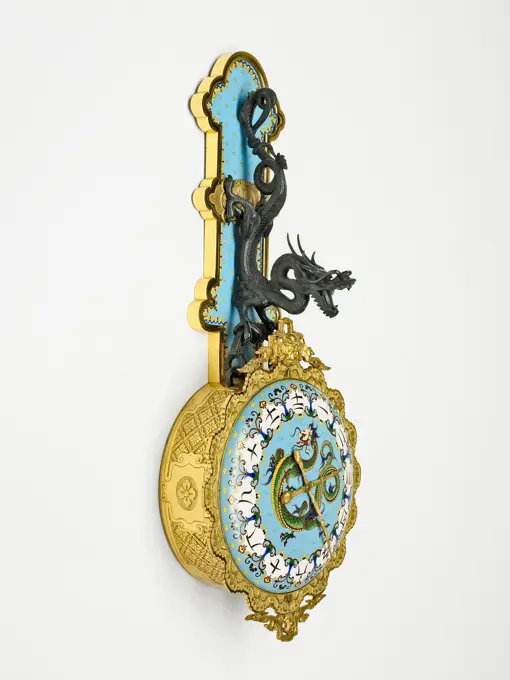
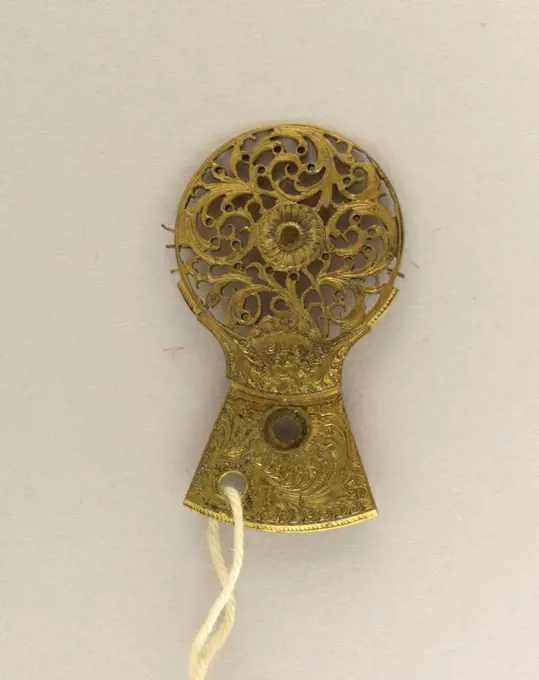
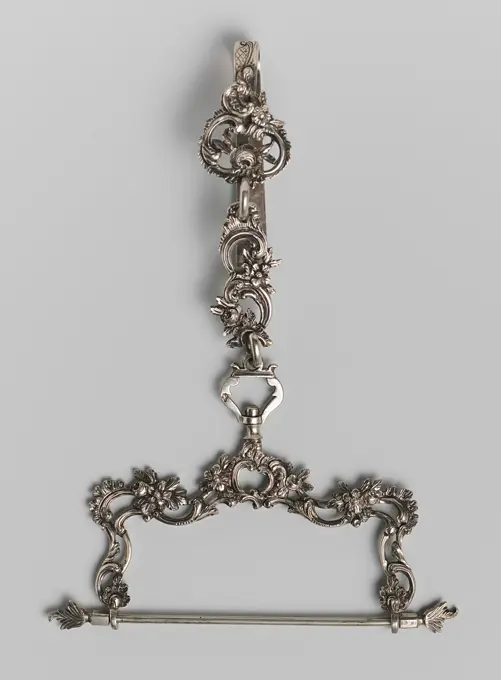
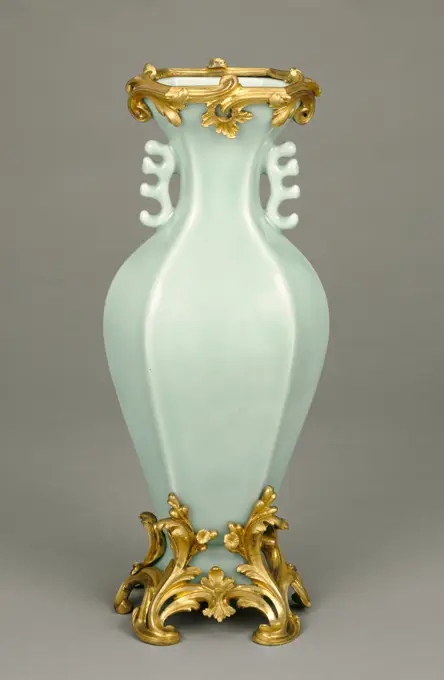
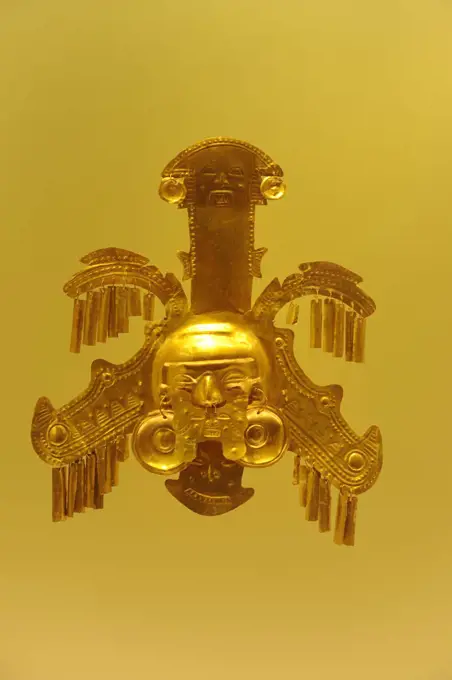
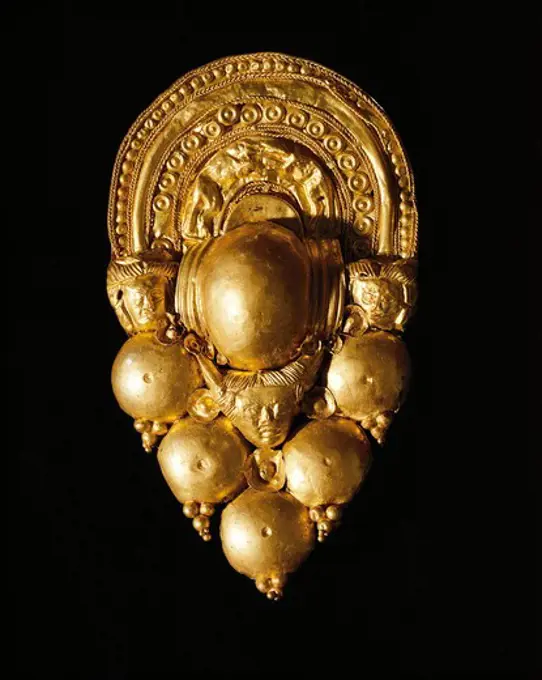
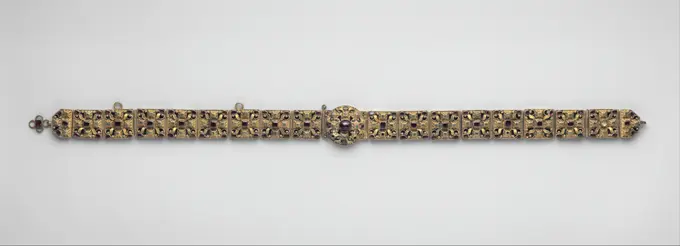
Chatelaine consisting of a hook with four chains, on which a sphere and a watch key, anonymous, c. 1775 - c. 1800 The object is composed of the following mostly cast parts: the hook, four chains, to which a ball or watch key is attached to the outer two, the connection part, which consists of three pieces in the form of three links each, the element with the Eye to confirm the watch. The ornament consists of eight -shaped ribbon motifs. Netherlands brass (alloy) casting The object is composed of the following mostly cast parts: the hook, four chains, to which a ball or watch key is attached to the outer two, the connection part, which consists of three pieces in the form of three links each, the element with the Eye to confirm the watch. The ornament consists of eight -shaped ribbon motifs. Netherlands brass (alloy) castingWall Light (Bras de lumière); André-Charles Boulle (French, 1642 - 1732, master before 1666); Paris, France; about 1700 - 1715; Gilt bronze; 55.2 x 37.5 x 17 cm (21 3,4 x 14 3,4 x 6 11,16 in.)MountEar 1400 - c. 1950 jewellery Earseyers of the Niassers. See also NG-NM-7106-2.  gold (metal)   IndonesiaMountCarving, wood (gilt), gold, France, ca. 1770, Decorative Arts, CarvingBit Boss with Hercules and Diomedes. Culture: German, probably Augsburg. Dimensions: Diam. 2 3/4 in. (7 cm); Wt. 2.5 oz. (70 g). Date: late 16th century.The central part of this bit boss depicts Hercules with the carnivorous mares of Diomedes in a landscape suggested by trees and a castle on the right. This scene is copied from an original composition found on a circular plaquette by Moderno (Galeazzo Mondella) dated 1508 showing the Death of Hippolytus, son of Theseus. Hercules and a fifth horse were added to Moderno's scene, which shows four horses and Hippolytus at the bottom falling from his chariot, to transform it into Hercules and Diomedes (Hippolytus being reinterpreted as Diomedes killed by his own horses).German bronze founders would regularly use Italian medals or plaquettes as models for their works, including bosses, like this one, which decorated the sides of horse bits. They also produced similar decorative elements for powder flasks, staff weapons or even pistols. This Knife with carved handle of nude female with crescent in hair standing in a half shell holding a swag 17th century Italian. Knife with carved handle of nude female with crescent in hair standing in a half shell holding a swag. Italian. 17th century. Steel gilt, ivory. Metalwork-SteelKeyhole Escutcheon; brass; L x W: 6.7 × 5.3 cm (2 5/8 × 2 1/16 in.)Charles II Wall Light with the Arms of the Earls of Lonsdale ca. 1670 Robert Smythier This silver-gilt wall light, supplied to Charles II around 1670, belongs to a royal dinner service given to the court goldsmiths Rundell, Bridge, & Rundell in 1808 to cover the costs of the new court silver produced to furnish Kensington Palace for the ill-fated Caroline, Princess of Wales. Rather than melting down the silver, the Rundells sold the most important pieces to their regular customers. The wall lights were apparently acquired by William Lowther, 1st Earl of Lonsdale (1757-1844), whose crest is engraved on the upper section of the piece, including the band of the Most Noble Order of the Garter, which he was awarded in 1807. Recent research has attributed the crowned S mark, which was formerly ascribed to Charles Shelley, to Robert Smythier, whose mark can also be found on other items of court silver dated from 1664 to 1686.. Charles II Wall Light with the Arms of the Earls of Lonsdale. BritMountMountWatch ca. 1815-30 Watchmaker: Henri Maillardet. Watch. probably Swiss. ca. 1815-30. Gold, steel, garnets. HorologyBadge (probably from Horse Harness). Culture: Spanish. Dimensions: H. 2 1/4 in. (5.7 cm); W. 2 in. (5.1 cm); Wt. 0.5 oz. (14.2 g). Date: ca. 1400. Museum: Metropolitan Museum of Art, New York, USA.Plaque with Dragon. Culture: China (Xinjiang Autonomous Region, Central Asia). Dimensions: L. 2 1/4 in. (5.7 cm). Date: 7th-9th century.The nomadic communities of Central Asia used such plaques to embellish clothing and horse trappings. As these nomadic cultures herded animals and were constantly moving, their artistic production was expressed in portable objects that marked the wearer's status and wealth. The outstanding preservation of these fragile ornaments suggests they were used in conjunction with burials, where the body was aggrandized with valuable textiles and augmented with gold. Although it is difficult to date and place these objects geographically, their presence in Central Asia and has a long, established history. Museum: Metropolitan Museum of Art, New York, USA.Kamerheersleutel, c. 1800 - c. 1900 Chamber controller whose handle on one side is unprocessed, consists of an eagle with royal crown with a shield on the chest. The eagle is surrounded by coordinated cords and some flowers. There is a hole in the shield where a weapon must have been before.  copper (metal) gilding Chamber controller whose handle on one side is unprocessed, consists of an eagle with royal crown with a shield on the chest. The eagle is surrounded by coordinated cords and some flowers. There is a hole in the shield where a weapon must have been before.  copper (metal) gildingMount (France); bronze (gilt), goldEarring, anonymous, 1300 - 1400 Oorrring in the form of a stylized Kalakop. Indonesia gold (metal) Oorrring in the form of a stylized Kalakop. Indonesia gold (metal)Snuffbox ca. 1750-60 British. Snuffbox. British. ca. 1750-60. Sheffield plate. Metalwork-SilverplateMount for Spear Shaft ca. 400 Late Roman This object comes from the Vermand Treasure, the most richly appointed barbarian-warrior grave ever found. The grave was likely that of an auxiliary soldier stationed in the Roman province of Gaul. It also contained a shield, parts of which of which are on view in the Arms and Armor Galleries. The six-pointed interlaced star, so prominent on this mount, was not at this time a Jewish symbol; it appears as a decorative motif in both Roman and Germanic art.. Mount for Spear Shaft 465203Bit Boss. Culture: possibly Italian. Dimensions: Diam. 2 15/16 in. (7.5 cm); Wt. 1.7 oz. (48 g). Date: first half 17th century.Bit bosses were ornamental elements decorating both sides of a horse bit. The central part of this boss is adorned with symmetrical scrolling vines with leaves and flowers inspired by Renaissance and oriental designs. Museum: Metropolitan Museum of Art, New York, USA.Pijpsleutel.Pipe key whose handle with a hinge is connected to the shaft. The handle is formed by two dolphins docked towards each other, a knob in the mouth holding and with the tails cross each other. Handle and hinge of copper, key chest, shaft and beard of iron.MountRosetteBead ornamented with coarse granules 6th-5th century B.C.. Bead ornamented with coarse granules. 6th-5th century B.C.. Gold. Gold and SilverBuckle ca. 50 B.C.-ca. 50 A.D. Roman, Pompeii. Buckle. Roman, Pompeii. ca. 50 B.C.-ca. 50 A.D.. Bronze. Napoli. Miscellaneous-Buckles & OrnamentCarnelian scarab with Isis and Horus as child, set in goldBelt buckle of PrzeworskWatch and chatelaine ca. 1770-90 Watchmaker: Jacques Jérôme Gudin Chatelaines, which hung from the waist, were designed to hold sewing, writing, or toilet implements.. Watch and chatelaine. French, Paris. ca. 1770-90. Gold, enamel, diamonds. HorologyKey BowNineteen Ornamental Fittings from a Horse Harness and an Ornamental Saddle Steel saddle plate, 17th-18th century; harness fittings, 15th-17th century saddle plate, Chinese or Tibetan; harness fittings, Tibetan. Nineteen Ornamental Fittings from a Horse Harness and an Ornamental Saddle Steel. saddle plate, Chinese or Tibetan; harness fittings, Tibetan. saddle plate, 17th-18th century; harness fittings, 15th-17th century. Iron, gold, silver, copper, leather. Equestrian EquipmentWall plate with Leeuwenkop for a wall airer, anonymous, c. 1685 - c. 1700 The cast and accompanying plate has the shape of a lion's head with a open mouth, in which a square hole. Around it a spell tape shared in four with the name and the inscription .sterck.alsden.leev. / VoorSictich.voort. / .Tslanghen.vier. /. Jean.Gavtier. Around it a roll work ornament, which ends at the bottom in an inverted French lily. Various decorations have been punched on the framing, including four -leaf roses. Two holes have been installed at the top and bottom. Marseille brass (alloy) casting The cast and accompanying plate has the shape of a lion's head with a open mouth, in which a square hole. Around it a spell tape shared in four with the name and the inscription .sterck.alsden.leev. / VoorSictich.voort. / .Tslanghen.vier. /. Jean.Gavtier. Around it a roll work ornament, which ends at the bottom in an inverted French lily. Various decorations have been punched on the framing, including four -leaf roSilver gilt harness plaque in the shape of a rosette with eight petals. Jewellery. Mongolian Civilization, 10th-13th Century.Anonymous. Quadrilobed fibula. Gold (upper part) and bronze (flat support). 7th century -. Paris, Carnavalet museum. Bronze, quadrilobee fibula, gold, archeological vestigeDisk Brooch 7th century Anglo-Saxon. Disk Brooch. Anglo-Saxon. 7th century. Copper alloy, silvered, gold, glass paste. Metalwork-BronzeSecurity Service BadgeMountMountDecorative fire spray with hose and fire, batter finished metal iron copper, cast Metal fittings Shield shows large water-spitting hose and fire Three fixing holes fire brigade decorating industry fire spraying factoryFeline -shaped handle. Golden bronze. Paris, Cernuschi museum. 51555-13 Bronze gilded, fellin, gripBadge or Harness Pendant 14th century Spanish Heraldry, or coat-of-arms, were vitally important in Europe throughout the Middle Ages and the Renaissance. Heraldic emblems were used to identify noble families, cities, regions, and even countries. In addition to being displayed on shields and flags, heraldry was incorporated into architectural decoration on the interior and the exterior of buildings, on furniture, works of art, clothing, and horse equipment. Harness pendants, like this example, would have been attached to a headstall, bridle, or other straps making up the tack of a horse ridden by a nobleman or noblewoman, or a member of their household. Many harness pendants also have decoration that is simply ornamental, or have symbols that are not specifically heraldic in nature.. Badge or Harness Pendant. Spanish. 14th century. Copper, gold, enamel. Miscellaneous-BadgesDoor Pull (Hikite), early to mid-1800s. Japan, Edo period (1615-1868). Gilt bronze (); overall: 0.6 x 9.2 cm (1/4 x 3 5/8 in.).Gallon;  18th century (1701-00-00-1800-00-00);Ornamental Detail, 1775-1799. France, 18th century, Period of Louis XVI. Gilt bronze; diameter: 7.3 cm (2 7/8 in.).Mediaeval Quarter Noble of Richard III, 1377-1399 Made by: Tower Mint, Ancient and Mediaeval Coins, NumismaticsPair of Brackets. England. Date: 1740-1750. Dimensions: 38.7 × 27.9 × 22.9 cm (15 1/4 × 11 × 9 in.). Pine, carved and gilded. Origin: England. Museum: The Chicago Art Institute, Chicago, USA.Disk Ear Stud. UnknownPlaque with Head. Culture: China (Xinjiang Autonomous Region, Central Asia). Dimensions: H. 1 5/8 in. (4.1 cm); W. 1 in. (2.5 cm). Date: 7th-9th century.The nomadic communities of Central Asia used such plaques to embellish clothing and horse trappings. As these nomadic cultures herded animals and were constantly moving, their artistic production was expressed in portable objects that marked the wearer's status and wealth. The outstanding preservation of these fragile ornaments suggests they were used in conjunction with burials, where the body was aggrandized with valuable textiles and augmented with gold. Although it is difficult to date and place these objects geographically, their presence in Central Asia and has a long, established history. Museum: Metropolitan Museum of Art, New York, USA.Knot of ribbon 18th century French. Knot of ribbon 189588 French, Knot of ribbon, 18th century, Wood, gilt, Overall: 10 1/4  4 in. (26  10.2 cm). The Metropolitan Museum of Art, New York. Gift of J. Pierpont Morgan, 1906 (07.225.336)Pendant 17th-19th century. Pendant. 17th-19th century. Gold. Attributed to India, probably Rajasthan. JewelryLozenge-shaped EarOrnamentPaper Knife from a Writing Set, c. 1830. John Hamilton Mortimer (British, 1740-1779), and Paul Storr (British, 1771-1844). Hardstones including lapis lazuli, malachite, carnelian, agate, gold; original fitted velvet-lined case; overall: 20.3 x 2.5 x 2.3 cm (8 x 1 x 7/8 in.).Goldsmith's art, 19th century. Enamelled gold bracelet set with precious stones.Nose Ornament. Culture: Colombia. Dimensions: H. 1/2 x W. 1/2 x D. 3 in. (1.3 x 1.3 x 7.6 cm). Date: 5th-10th century. Museum: Metropolitan Museum of Art, New York, USA.MountPair of Sword-Grip Ornaments (Menuki). Culture: Japanese. Dimensions: Menuki (a); L. 1 5/16 in. (3.3 cm); Wt. 0.5 oz. (14.2 g); menuki (b); L. 1 1/4 in. (3.2 cm); Wt. 0.4 oz. (11.3 g). Date: 18th century. Museum: Metropolitan Museum of Art, New York, USA.Pendant with Granulation, 900s. Byzantium, 10th century. Gold; overall: 3.7 x 3.5 cm (1 7/16 x 1 3/8 in.).Saucer. Kinkôzan, Sôbei VII (1867-1927), ceramistMordant dated 1540 German. Mordant. German. dated 1540. Brass. Miscellaneous-Buckles & OrnamentLever Watch 1825-1875 England. Gold .Embroidered Fan for Wedding Ceremony, 1850-1950. Korea, Joseon dynasty (1392-1910). Circular fan; copper alloy, silk, metal thread, and paper; diameter: 29.9 cm (11 3/4 in.).Badge or Harness Pendant ca. 1400 Spanish Heraldry, or coat-of-arms, were vitally important in Europe throughout the Middle Ages and the Renaissance. Heraldic emblems were used to identify noble families, cities, regions, and even countries. In addition to being displayed on shields and flags, heraldry was incorporated into architectural decoration on the interior and the exterior of buildings, on furniture, works of art, clothing, and horse equipment. Harness pendants, like this example, would have been attached to a headstall, bridle, or other straps making up the tack of a horse ridden by a nobleman or noblewoman, or a member of their household. Many harness pendants also have decoration that is simply ornamental, or have symbols that are not specifically heraldic in nature.. Badge or Harness Pendant. Spanish. ca. 1400. Copper, gold, enamel. Miscellaneous-BadgesClacier - a woman's figurine;  19th century (1801-00-00-1900-00-00);Amulet, sheet gold, bracelet 664-380 B.C. Late Period. Amulet, sheet gold, bracelet 561521Loop. Row of small faceted pearls inside, openwork decor of flowery garlands, 2 crescent patterns at the top and bottom.Memorial for Abigail Rogers(1753-1791). Artist: Unknown Honorand: Abigail Bromfield Rogers, American, 1753-1791Honorand: Mary Ann Martin Lovering, American, died 1841Earring, trumpet-shaped 5th-3rd century B.C. Etruscan. Earring, trumpet-shaped 245877Button, 1800s. Balkans, 19th century. Silver; average: 8.3 cm (3 1/4 in.).Vajracarya Priest's Crown 19th century Nepalese. Vajracarya Priest's Crown 25591Knife Handle (Kozuka) second half 17th century Japanese A kozuka is a handle of a by-knife that is part of a sword mounting. It is kept in a slot on the reverse of a katana scabbard, often with a matching kōgai (hairdressing tool).. Knife Handle (Kozuka) 29910RodPectoral Disc Ornament 19th century. Pectoral Disc Ornament. 19th century. Silver, chased, with applied and punched decoration, decorative wire, openwork, and table-cut carnelians. Attributed to Central Asia or Iran. JewelryBelt Buckle with Dragon and Fantastic Creature 1st century B.C.-A.D. 1st century China. Belt Buckle with Dragon and Fantastic Creature. China. 1st century B.C.-A.D. 1st century. Gold inlaid with quartz. MetalworkBadge (probably from Horse Harness). Culture: Spanish. Dimensions: H. 3 3/4 in. (9.5 cm); W. 2 7/16 in. (6.2 cm); Wt. 1.5 oz. (42.5 g). Date: ca. 1400. Museum: Metropolitan Museum of Art, New York, USA.Belt early 17th century, with later additions Simon Henek Belts were showpieces, and though not worn every day, they might suffer over time due to the fragility of the textiles and delicate goldsmith work on them. Thus six of the rosettes in this example are nineteenth-century replacements. It is not clear if the silk velvet fabric with its gold-wrapped threads is original. When new, the ground of the buckles was covered with blue enamel to set off the pierced architectural arcade motifs with incorporated figural reliefs.LiteratureTihamér Gyárfás. A brassai ötvösség története. Brassó, 1912, p. 101, no. 136.Gold Boxes, Objects of Vertu and European Silver. Sale cat., Sothebys, London, July 6, 1981, p. 42, no. 162.Judit H. Kolba. Hungarian Silver: The Nicolas M. Salgo Collection. London, 1996, p. 37, no. 13.ReferencesElemér Kőszeghy. Magyarországi ötvösjegyek a középkortól 1867-ig / Merkzeichen der Goldschmiede Ungarns vom Mittelalter bis 1867. Budapest, 1936, no. 186 [makers mark.[WoPendant with Madonna, Silver, gold, diamonds, garnets, glass, Bell-shaped pendant, surrounded by wreath of garnets and small rose diamonds, attached to bow-tie pin, again studded with garnets and diamonds. Pendant of thick glass contains an image in gold of Madonna and Child., probably Italy, 19th century, jewelry, Decorative Arts, Pendant, PendantWall Clock 1875-1885 France. This bronze and enamel clock originally came to New York in about 1880 shortly after it had been made in Paris by the firm LíEscalier de Cristal (The Crystal Staircase). It had been acquired for the richest man in America, the railroad magnate William H. Vanderbilt, whose wealth was then estimated at $200 million (about $40 billion in todayís money), and whose lavish mansion was then under construction at 640 Fifth Avenue. Most of the furnishings for the Vanderbilt home were made by Herter Brothers, Americaís leading interior decorators, but selected works of art, including this clock, were imported from abroad. Vanderbilt only got to enjoy his opulent home for three years before his death in 1885.The clock was a central adornment for the Japanese Parlor, one of the most elaborate and exotic interiors made by Herter Brothers. The room deliberately contrasted with the rest of the interiors, which were firmly rooted in European historical styles. Although dub. These two wall-lights feature a Chinaman and a Chinese, or Japanese, woman. They may have been intended to decorate an interior fashioned in the Chinese style.Pair of Sword-Grip Ornaments (Menuki) 18th century Japanese Menuki are a pair of ornamental sword fittings attached to either side of a sword hilt.. Pair of Sword-Grip Ornaments (Menuki). Japanese. 18th century. Copper-gold alloy (shakud), gold. Sword Furniture-MenukiBalance cock / coque de montre, Gilt brass, Keyhole-shaped. Circular upper portion containing pierced ornament of foliated scrolls, centered with an engraved rosette. Lower portion with engraved mask, rosettes and scrolls., probably France, 18th century, Decorative Arts, Balance cock / coque de montre39 keys from the collection of Emmanuel Vita Israël, anonymous, c. 1700 - c. 1725 Chamber control wrench with the monogram p.v.d. In the handle. This is formed by two Acanthus leaf formed C-Voluten the monogram for a single; He is closed above by a royal crown. The beard is an open square.  copper (metal) gilding Chamber control wrench with the monogram p.v.d. In the handle. This is formed by two Acanthus leaf formed C-Voluten the monogram for a single; He is closed above by a royal crown. The beard is an open square.  copper (metal) gildingBroad collar amulet 664-380 B.C. Late Period. Broad collar amulet 561572List fragment: Gilded list of pâte ornaments, left style., C. 1700 - c. 1899 frame Gilded list of oak leaves with acorns. List part, left style. Written on the back: 'Left Side, no. 4'.  wood (plant material). gold leaf gildingMountBurial Crown China. Burial Crown. China. Gold, rubies, pearls, cat's-eyes, iron. Song dynasty (960-1279) or later. JewelryCrying holder, made up of C-Volutes decorated with leaves, foam and seedill motifs and flowers. The tough holder consists of a bracket with two eyeless on the underside, which fits a pin that ends in two leaf-shaped asymmetrical wings, one of which is screwed. At the top of the bracket, a rotatable connector is attached with an eye in which the eye of a large link fits. The hook is again confirmed with a large view to this link. The hook wise to the rounded end and has an imposed decorative piece on the front. The bracket, the link and the ornamental piece on the hook, all open and asymmetrical, are made up of C-volutes decorated with leaves, foam and seediller teeth and flowers including roses. The open connector between bracket and switch consists of two scalloped volutes connected by a profiled bar. The hook is engraved above the decorative piece with C-Volutes with leaves and railing.MountBird-Shaped Brooch second half 6th century Frankish The dress of Frankish women generally consisted of a tunic, cinched by a belt from which hung an array of pendants. A wrap or cloak went over the tunic. Shoes and hosiery, fastened with buckles, covered the legs. Earrings, necklaces, and hairpins completed the ensemble.Aspects of this dress changed from the 300s to the 600s, and brooches in particular convey changes in taste. From the 300s to the 500s, pairs of small brooches, in an array of inventive shapes, held the wrap in place. By the 600s, a single large disc brooch, usually elaborately decorated, served the same function. No other piece of jewelry is more characteristic of Frankish dress than the brooch, and no other better demonstrates the virtuosity of Frankish metalworkers.. Bird-Shaped Brooch 465237Vase. UnknownOrnate Golden Jewellry At The Gold Museum In La Candelaria, The Old Town Of Bogota, ColombiaGold cluster earring from Spina, Ferrara ProvinceBelt ca. 1700 Hungarian, Transylvania This belt consists of eighteen hinged segments and a larger rectangular section with a round plaque in the center. Additional jewelry or silk tassel ornaments were once suspended from the three attached loops. The various colors of the semiprecious stones and the traces of enamel are reminiscent of sumptuous and exotic Ottoman-inspired designs. At the same time, several details evoke early Medieval- Romanesque- goldsmith work, such as reliquaries from northern Europe that survived at least until the early sixteenth century.LiteratureSilhouettes, Portrait Miniatures, Objects of Vertu, Gold Boxes, and European Silver. Sale cat., Sothebys, London, March 7, 1983, p. 56, no. 171.Judit H. Kolba. Hungarian Silver: The Nicolas M. Salgo Collection. London, 1996, p. 96, no. 74.ReferencesImportant English, Continental and American Silver and Gold. Sale cat., Christies, New York, May 17, 2011, nos. 117-118.[Wolfram Koeppe 2015. Belt 237034Clothpin in Drenthe style of gold-plated silver filigrein. Clothpin in Drenthe style of gold-plated silver filigrein with spiders and a hook closure. The pin has the shape of a four-pass.Pair of Earrings 1000-1500 Colombia. Gold . TaironaThree gilded terracotta appliqués ca. 350-300 B.C. Greek, South Italian, Tarentine Such appliqués in the form of rosettes are known to have been used as decoration on wooden sarcophagi in Tarantum.. Three gilded terracotta appliqués 255986Fragment 14th-15th century. Fragment 445529Pendant early 600s Anglo-Saxon The region of Kent, in southeastern England, was an important center of Anglo-Saxon jewelry production of the type represented by this delicate, brightly colored piece. The interlace patterns created by gold filigree and the polished garnets reflect the high quality of goods worn by individuals in life and later buried with them.. Pendant 466159 Anglo-Saxon, Pendant, early 600s, Gold, garnets with patterned foil backings, Overall: 1 1/8 x 1/16 x 1/16 in. (2.8 x 0.2 x 0.2 cm) With Attachment: 1 1/8 x 1 3/16 in. (2.8 x 3 cm). The Metropolitan Museum of Art, New York. Purchase, Joseph Pulitzer Bequest, 1987 (1987.90.3)Fragment of embroidery  royal crown unknownSilver loop between 1758 and 1771.Bliżej Kultury unknown