Antique Decorative Metalwork

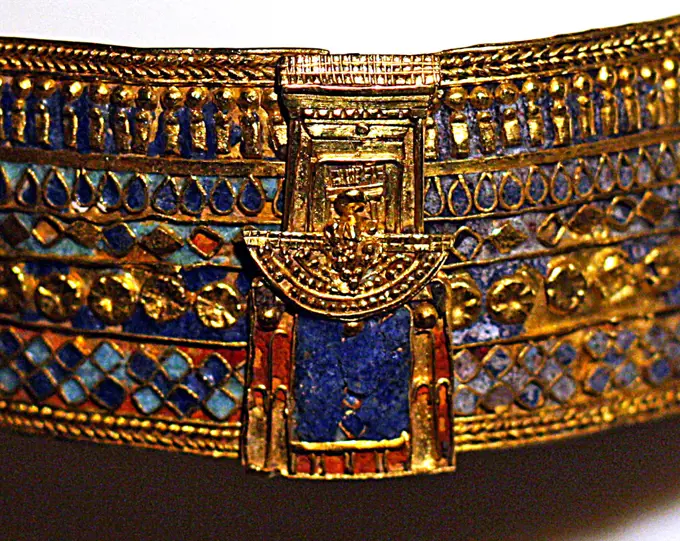
A collection of ornate brass objects, including a chatelaine, wall light, decorative mounts, and jewelry parts, showcasing intricate designs from historical periods.
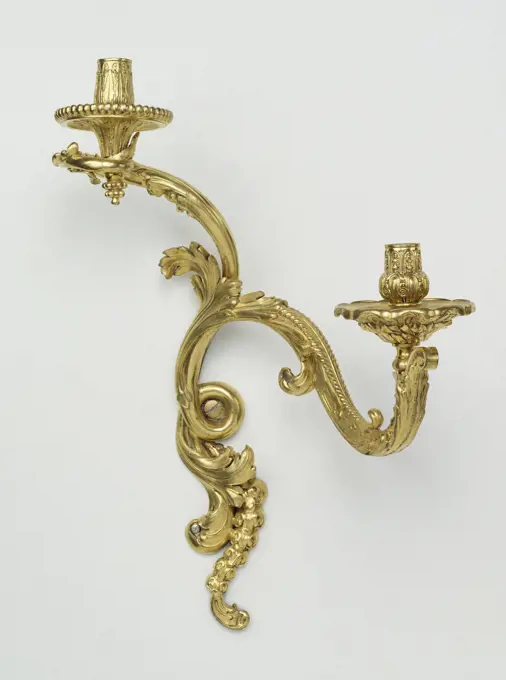
Wall Light (Bras de lumière); André-Charles Boulle (French, 1642 - 1732, master before 1666); Paris, France; about 1700 - 1715; Gilt bronze; 55.2 x 37.5 x 17 cm (21 3,4 x 14 3,4 x 6 11,16 in.)
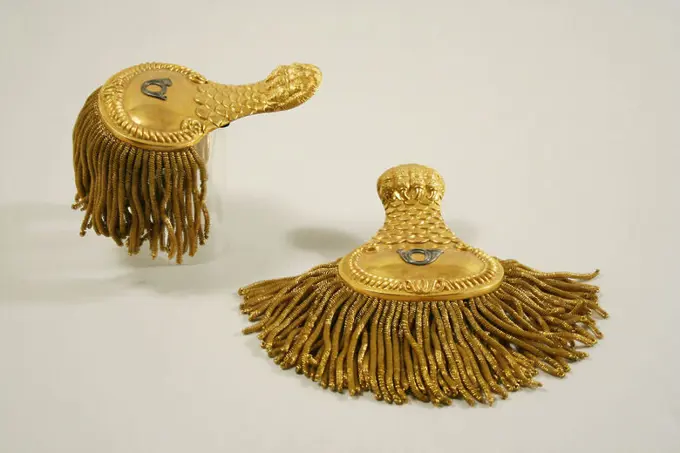
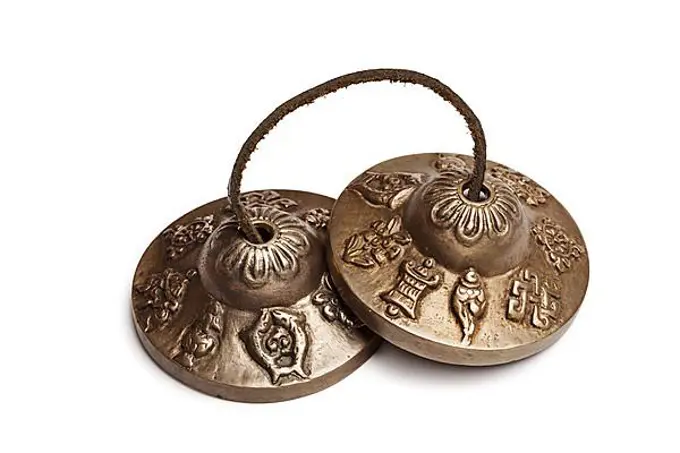
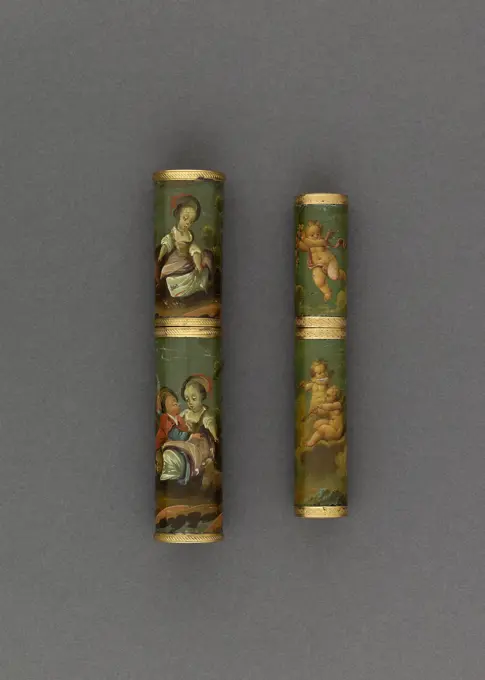
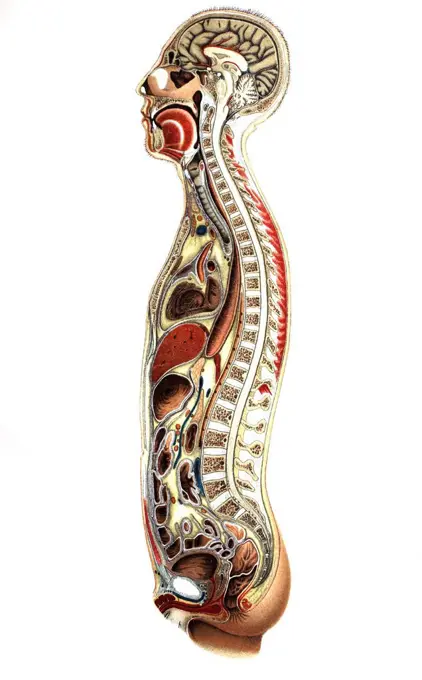
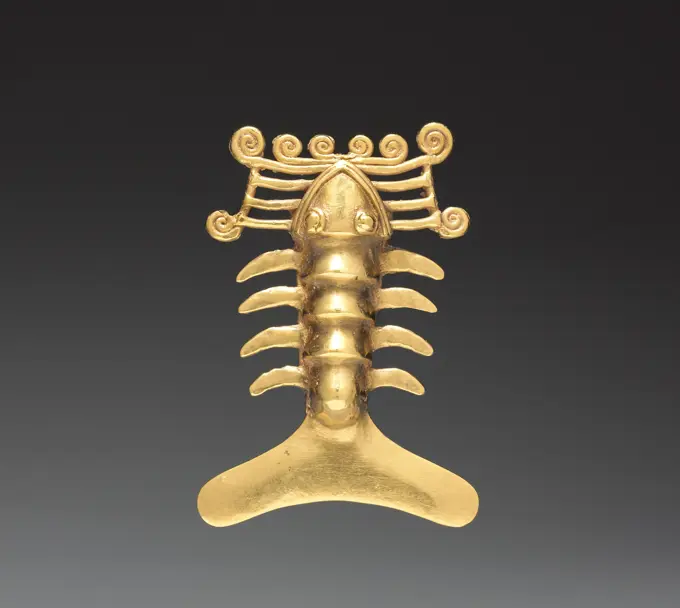
Wedding headdress American 1840sIntaglio with portrait of King Willem III. Oval intaglio, sliced in layer agate, ca. 1880, caught in an 18 carat golden edge with crown and crossed laurel branches.Tomb treasure Rings: King Amun-Zeus Ammon with ram's head. GoldEpaulets. Culture: Italian. Date: early 19th century. Museum: Metropolitan Museum of Art, New York, USA.Fragment (Italy); linenTibetan Buddhist tingsha cymbals isolated on whiteTraditional Gazelle Horns cookies in a festive tagine isolated on white backgroundAnonymous French. ETUI in Martin varnish, 2nd half of the 18th century. Paris, Cognacq-Jay museum. 56696-1 Accessory, Etui, Martin varnishMaria crown. Half crown of a Maria image, from gold and email, occupied with pearls and precious stones.Viele der inneren Organe des menschlichen Körpers nach dem Stand des Wissens 1895, digital restaurierte Reproduktion einer Originalvorlage aus dem 19....Bracelet, Aluminum, gold, brass, Cuff-type bracelet of five hinged, aluminum sections embellished with brass and gold; the large central section showing two winged cherubs amidst ribbons, garlands and scrollwork, floating above an oval cartouche containing an open-work gold panel with the scrolling, intertwined initials 'MJ' or 'MJC'; the central section flanked by smaller sections of strapwork and scrolls, the section on the left showing a bird and snake, the one on the right with a lizard and snake; the two outer sections of strapwork and scrolls, with attached catch and housing; the hinges, catch and housing of gold., France, ca. 1860, jewelry, Decorative Arts, BraceletStandard. Dimensions: H. 19 1/4 in. (48.9 cm)W. 9 in. (22.9 cm)D. 1 9/16 in. (4 cm)Wt. 24.4 oz. (691.8 g). Date: early 18th century.Under the Ottomans, Safavids, and Mughals, steel or silver standards were used in military, royal, and religious ceremonies. The talismanic power of this standard ('alam) is understood through the choice of the inscriptions. On one side, in the centermost circle, the Shi'i prayer venerates the Prophet Muhammad's family through his cousin and son-in-law 'Ali, his wife Fatima, and their sons Hasan and Husain, supported by the protective Throne verse (2:255). The other side honors the twelve imams, with the name of the twelfth imam enclosed in the central circle. As for the fingers, they are incomplete and display a combination of Qur'anic verses and popular Shi'i invocations. The power of the names of these religious figures, the Qur'anic verses, and the Shi'i prayers endow this standard with its amuletic properties. Museum: Metropolitan Museum of Art, NGlass mosaic dish rim fragment. Culture: Roman. Dimensions: 1 5/16 × 1 3/16 × 1/8 in. (3.3 × 3 × 0.3 cm); estimated diameter: 4 5/16 in. (11 cm). Date: late 1st century B.C.-early 1st century A.D..Rim fragment of a short-strip mosaic lens-shaped dish.Translucent cobalt blue, honey yellow, opaque white, yellow, red, and dull greyish blue-green, and colorless.Upright rim with rounded edge; shallow, convex-curving side.Short rectangular lengths of three composite canes, set randomly to each other: one comprising a central red strip, outlined in white and flanked by blue; a second comprising alternating strip of opaque white and colorless, streaked with blue; and the third containing yellow and blue strips; all interspersed with circular sections of one cane, comprising a central white rod outlined in red within concentric circles in blue-green and yellow, all within a circle in blue with a ring of small white rods. A yellow network cane would spirally with a single blue thread is attaPoll photo collection. Product photos; silverware. Spoons with women in traditional fa. Gerritsen & Van Kempen in Zeist. January 1, 1930. Utrecht (province), ZeistPair of enamel clocksMixtec civilization, Postclassic period, 14th-15th century. Gold breastplate decorated with reliefs depicting the game of pelota and the solar calendar from Monte Alban, treasure of tomb 7Arched EarOrnamentCRUZ PROCESIONAL DE PLATA REPUJADA S XVI. Location: MUSEE D'ARTS DECORATIFS. MADRID. SPANIEN.Bransoleta z kameami. unknown, authorLobster Pendant, c. 1000-1500. Costa Rica, Diquís region, 11th-16th century. Cast gold; overall: 8.3 x 5.8 cm (3 1/4 x 2 5/16 in.). Among the pendants shown here are a crustacean (1943.290), an animal-headed figure (1948.18), and two pendants featuring birds (1951.442 and 1946.223). The latter were dubbed aguilas (eagles) by Christopher Columbus, who saw natives wearing them as necklace ornaments. Modern researchers are not as sure of the species shown, but some believe that they are birds of prey because talons and beaks are prominent and often clutch something, in one example here a small, disembodied head that holds a clapper. In both examples, two tufts in the form of crocodiles in profile flank the birds heads.Die Kaiserkrone des Heiligen Römischen Reiches, die Krone ist heute in der Hofburg in Wien ausgestellt, digitale verbesserte Reproduktion eines Origin...Pendant probably 17th-18th century European. Pendant 197147Easter Egg decorated with beads, folklore, traditional Hungarian