Antique Decorative Objects

A collection of exquisite antique items including a miniature toilet box, ceramic bottles, and flower-adorned jars, showcasing intricate craftsmanship from various cultures.

Bottle ca. 1800 Japan. Bottle. Japan. ca. 1800. Clay, finely crackled white glaze; band of motifs (Kyoto ware). Edo period (1615-1868). Ceramics
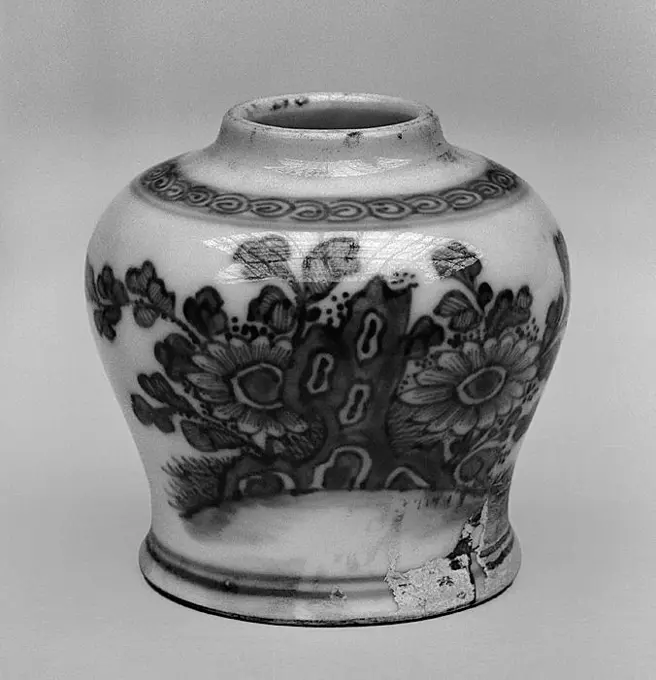
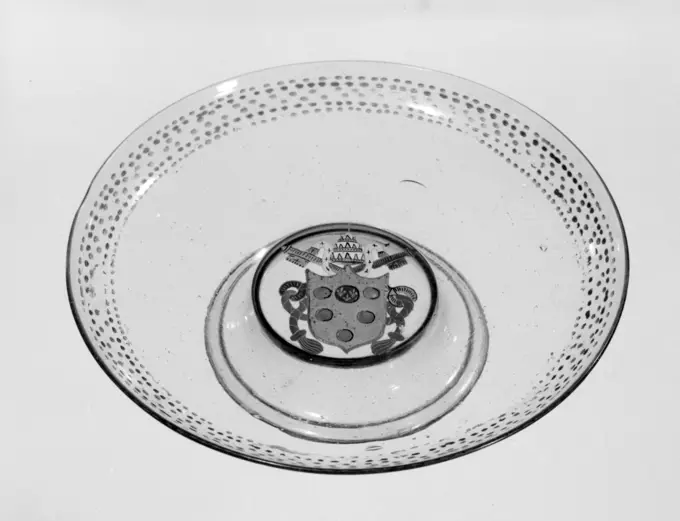
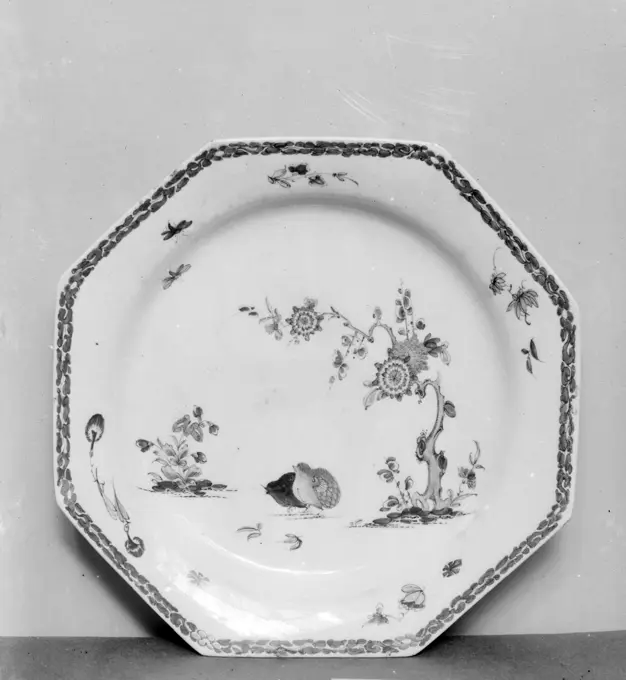
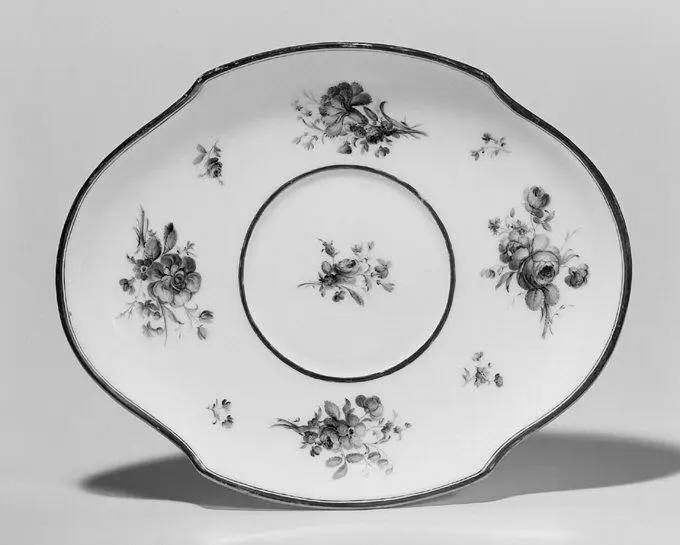
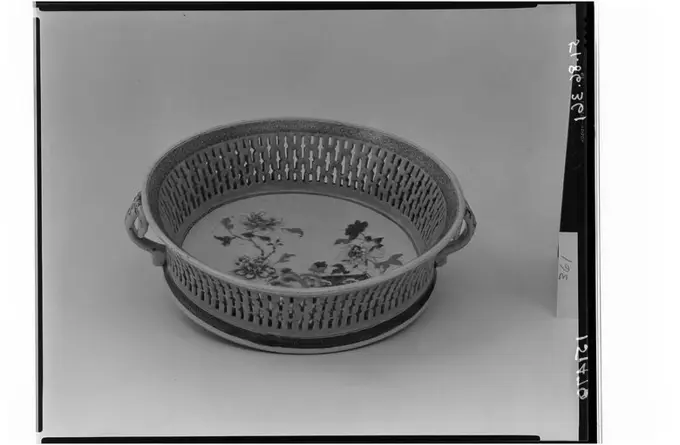
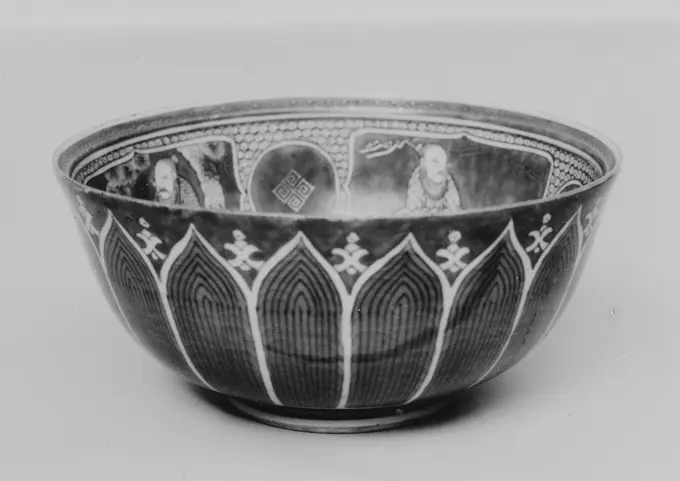
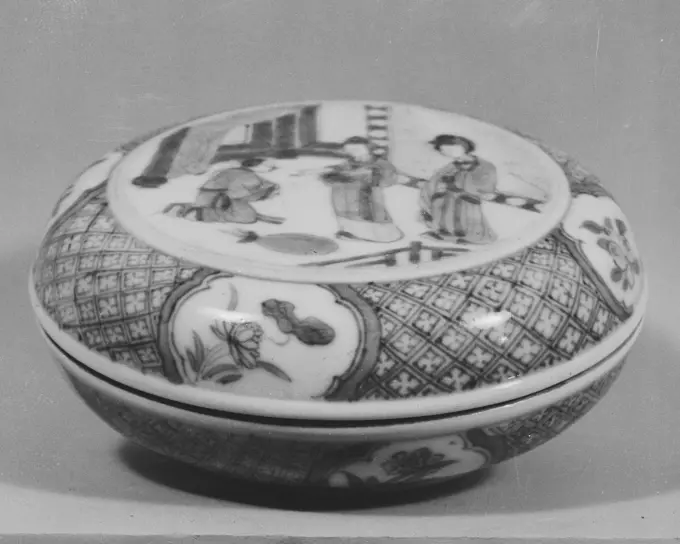
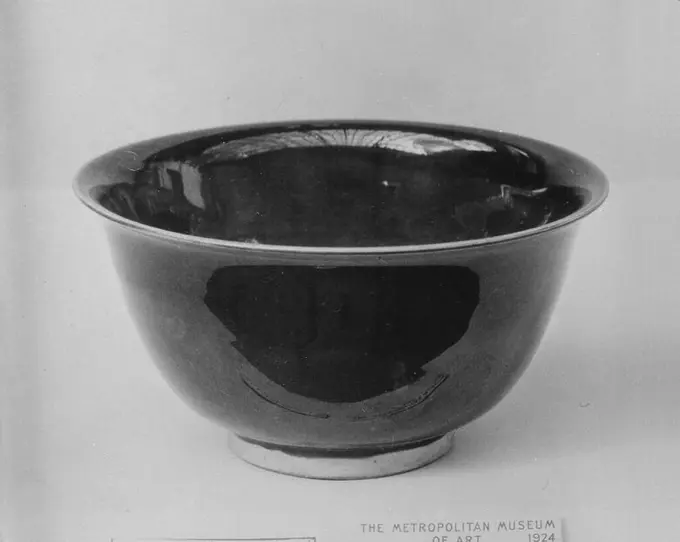
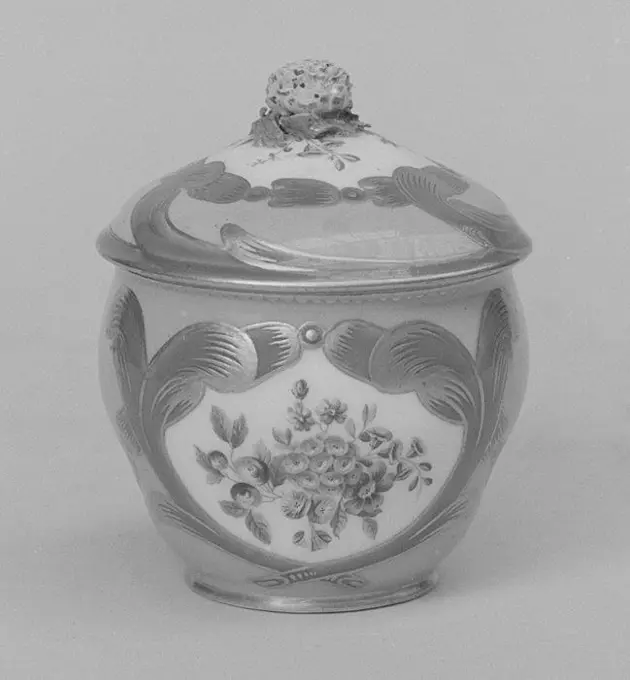
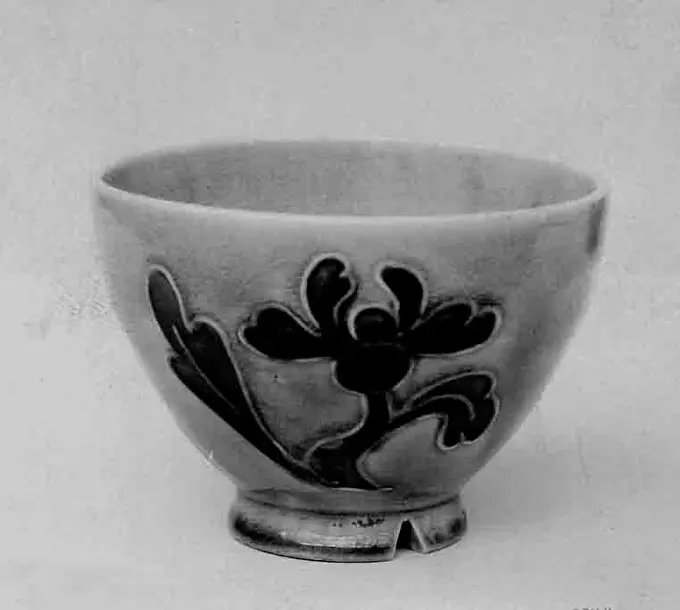
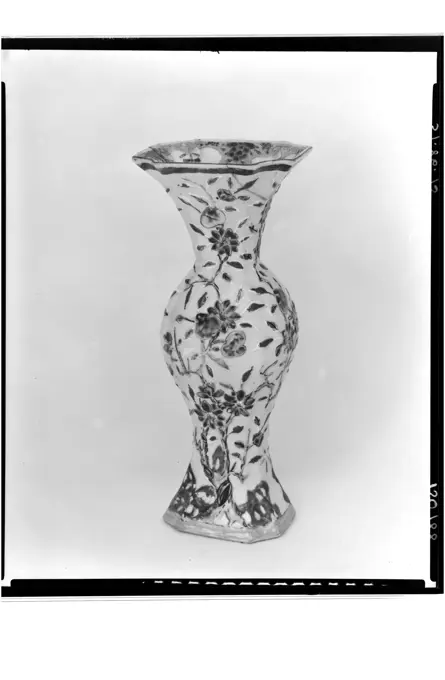
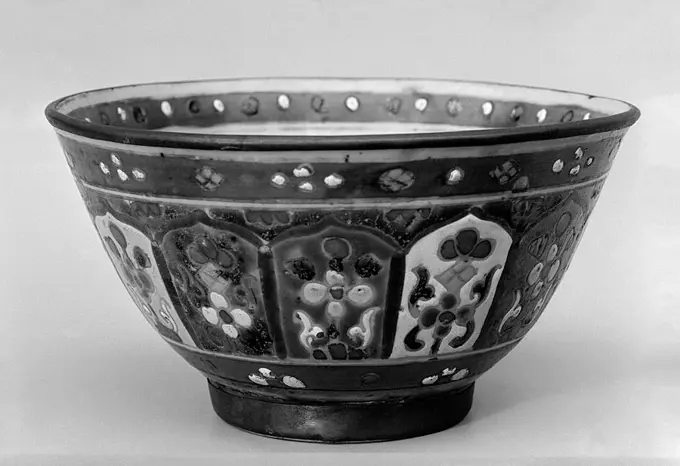
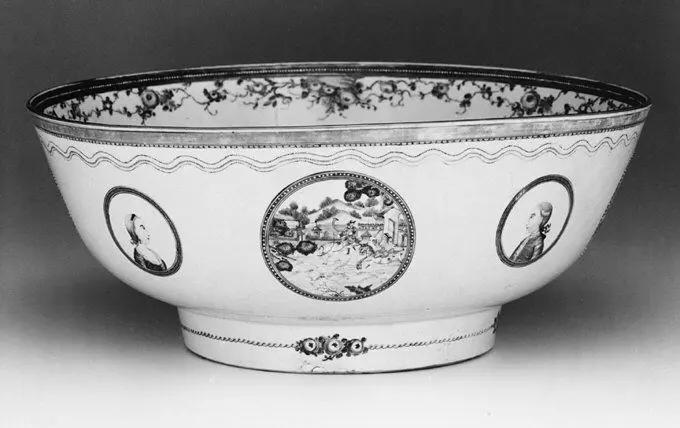
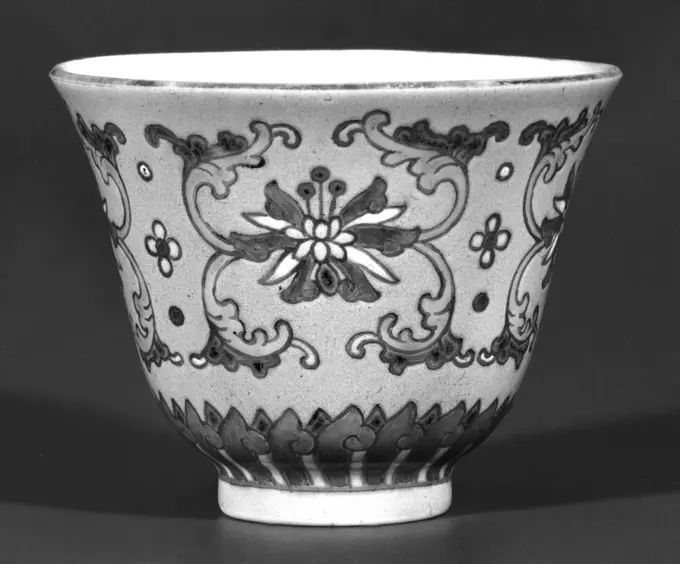
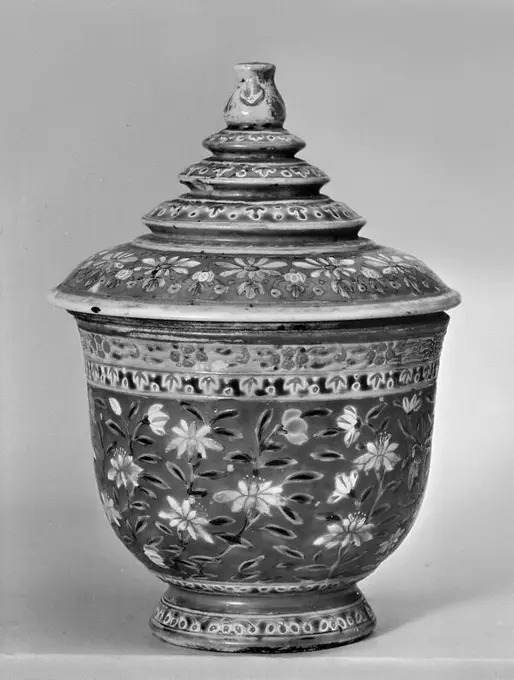
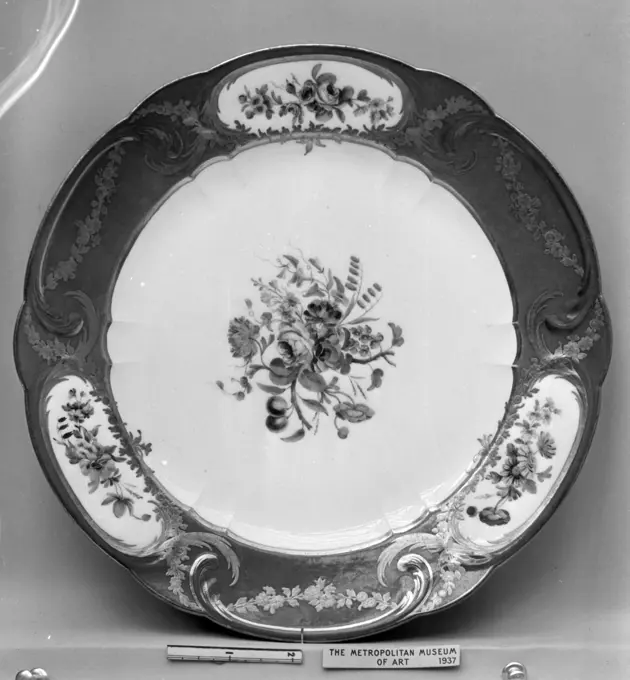
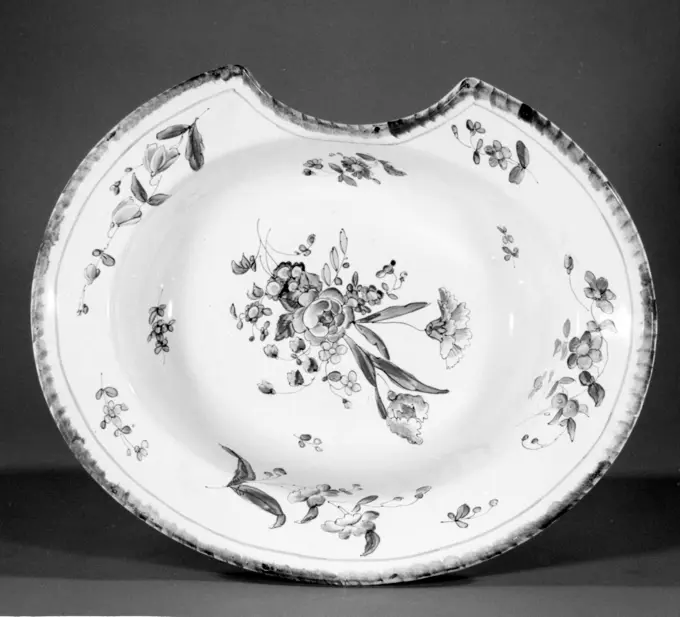
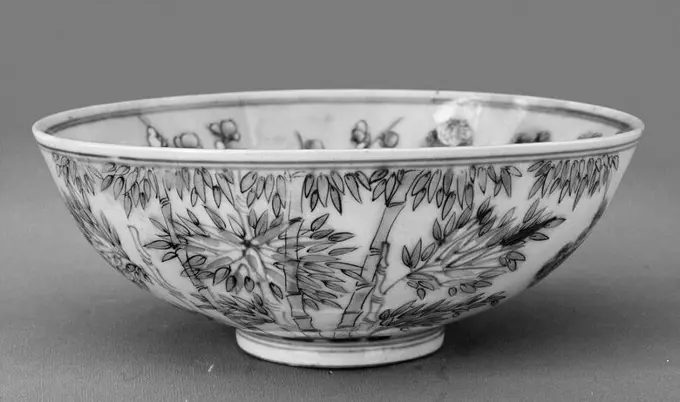
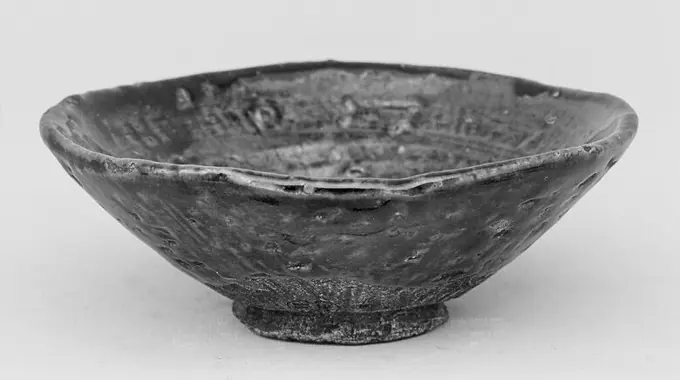
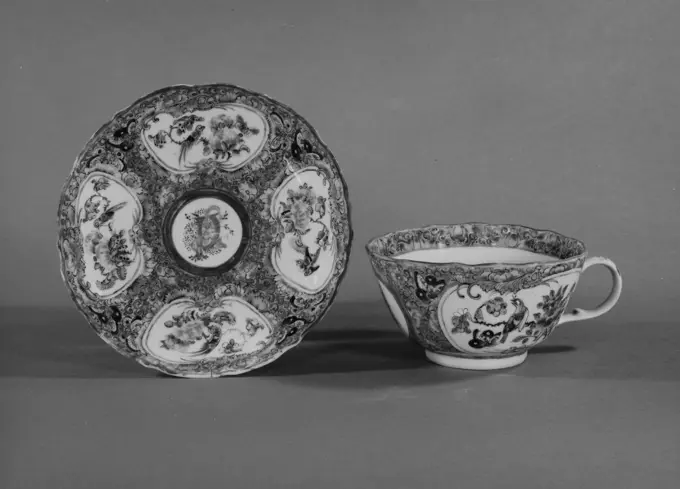
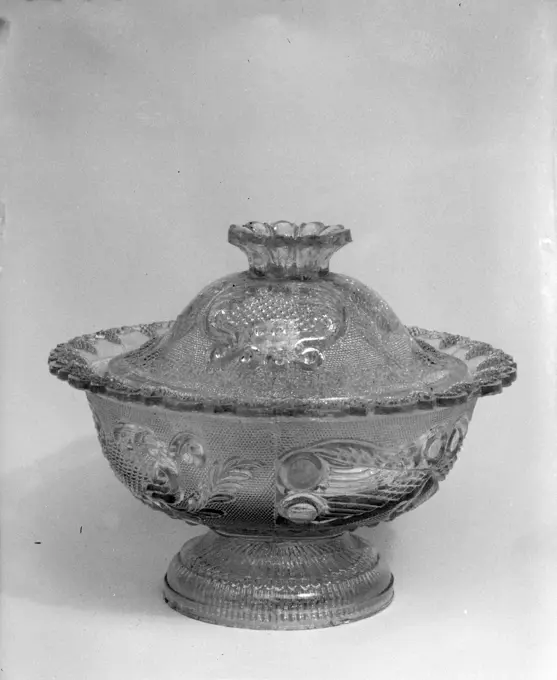
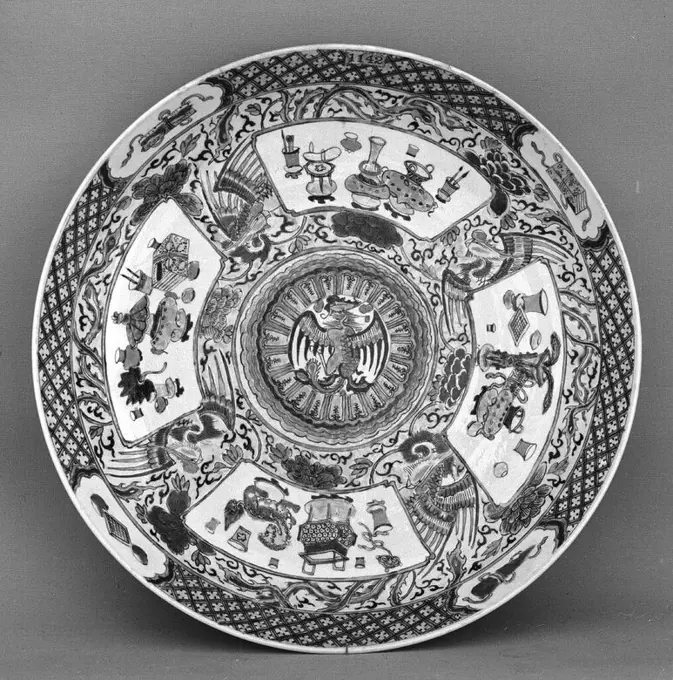
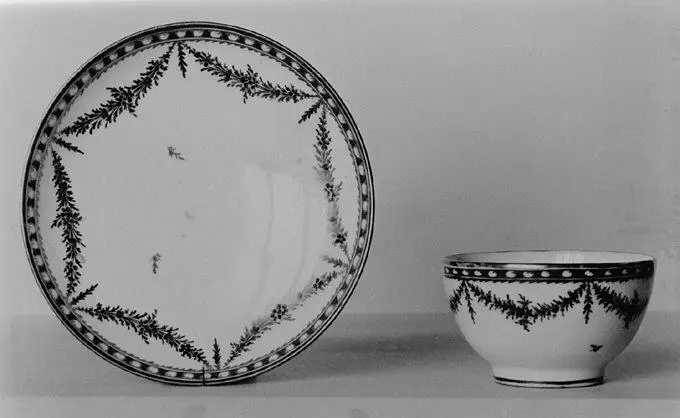
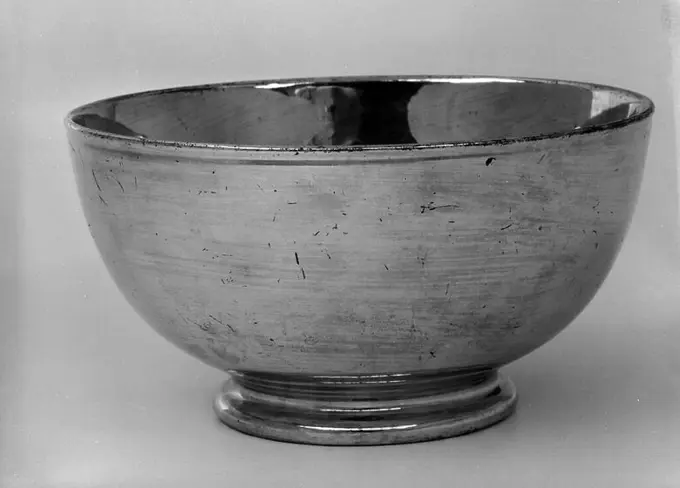
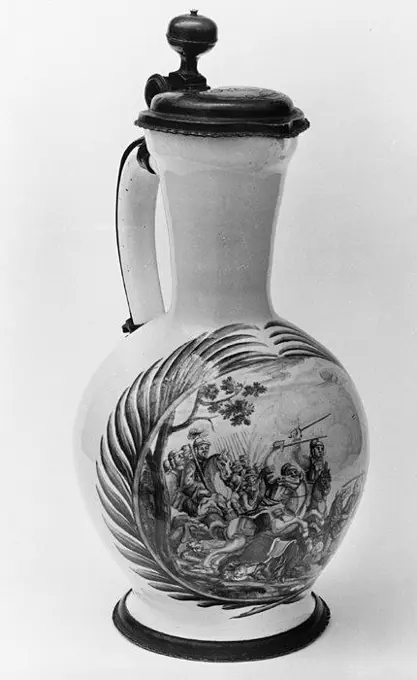
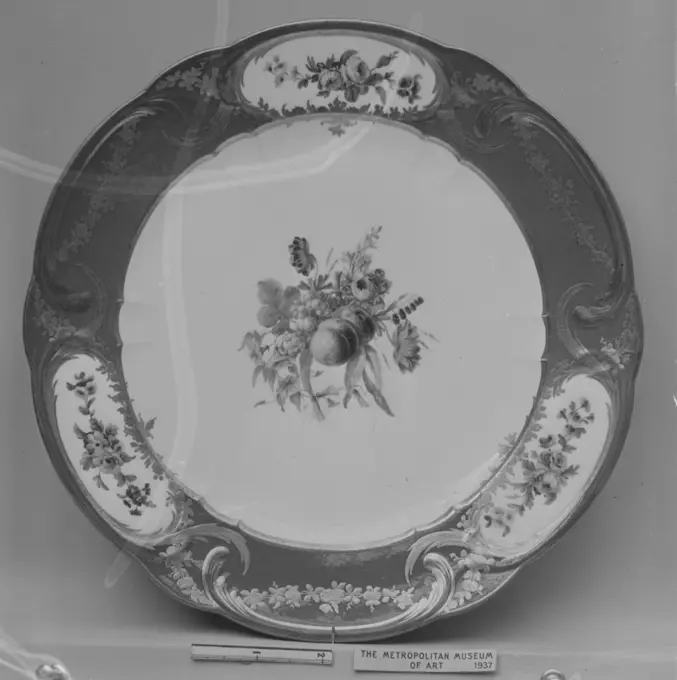
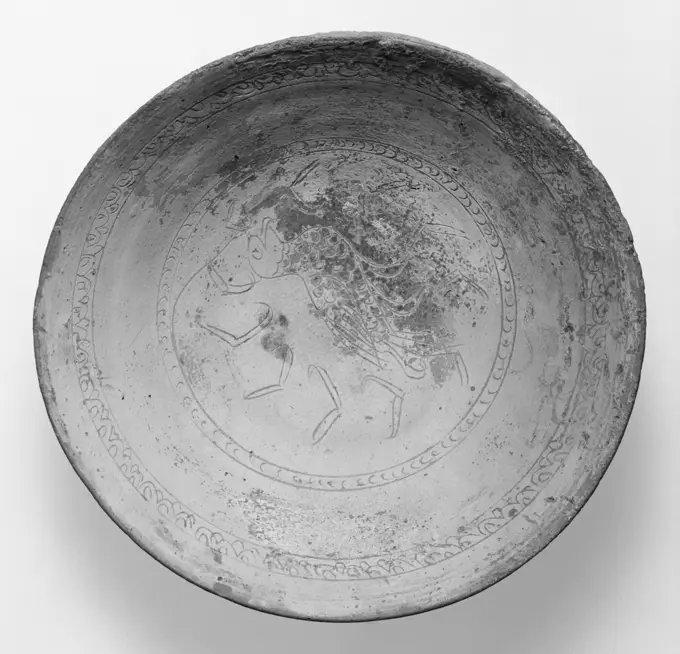
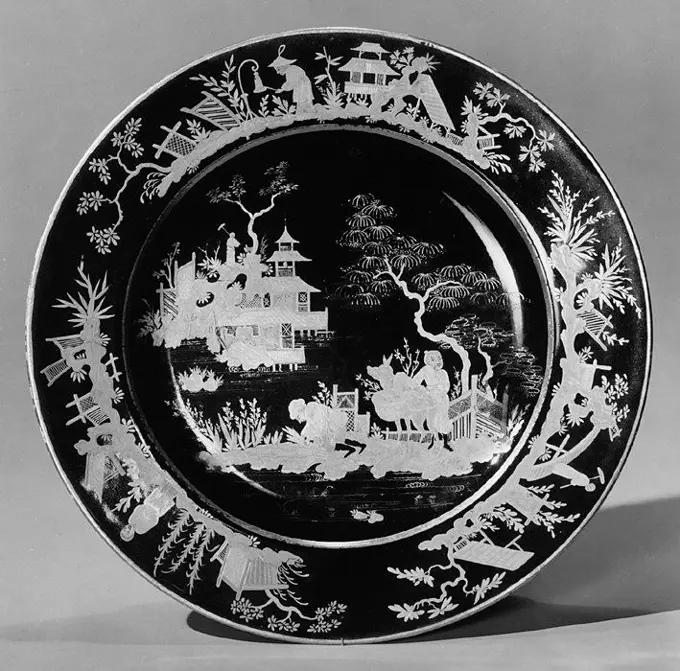
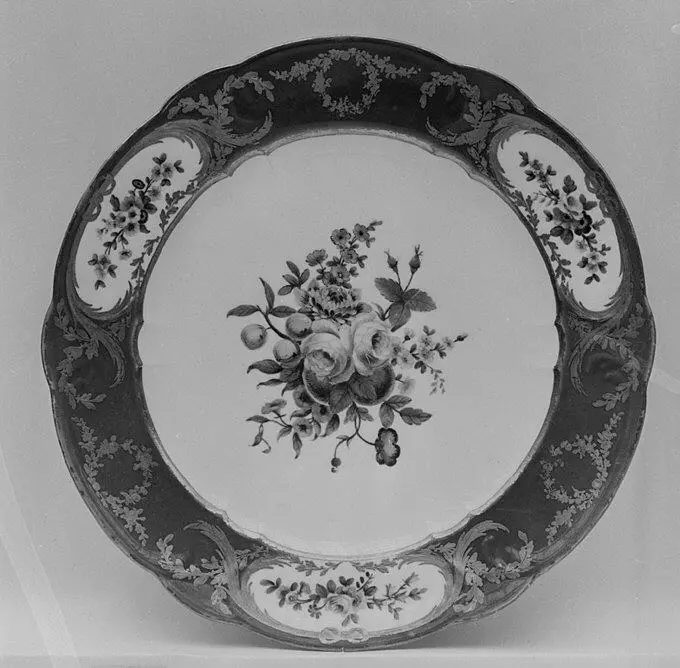
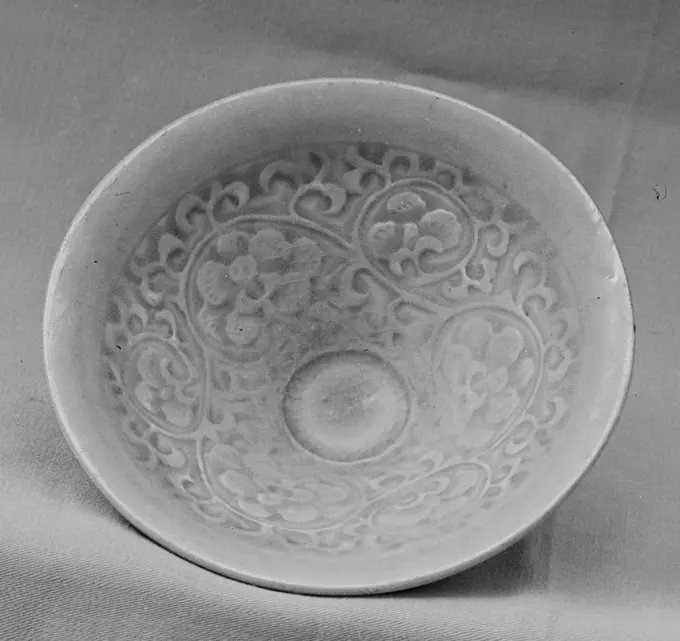
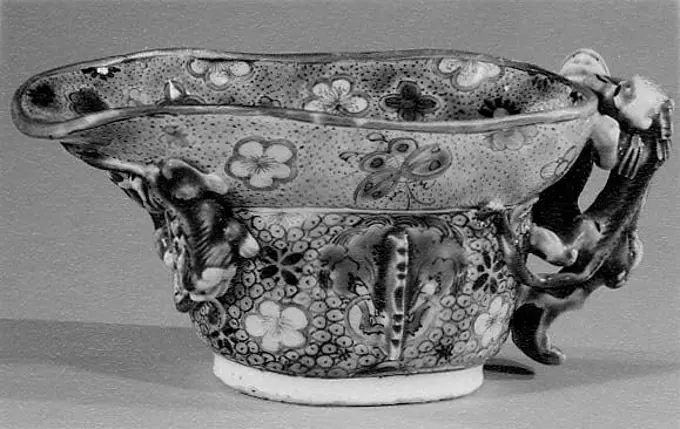
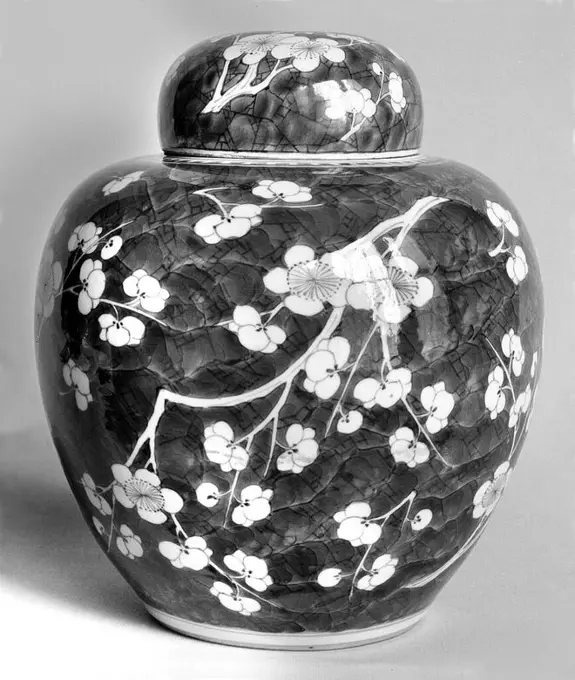
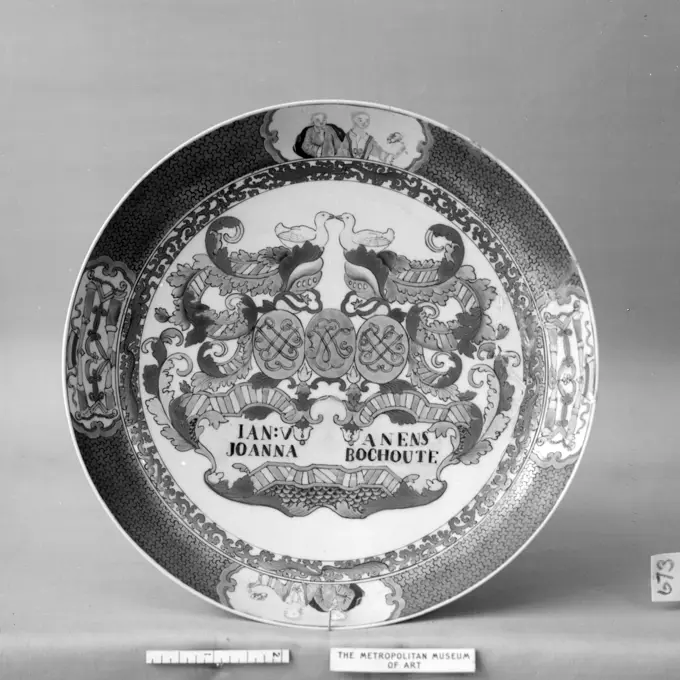
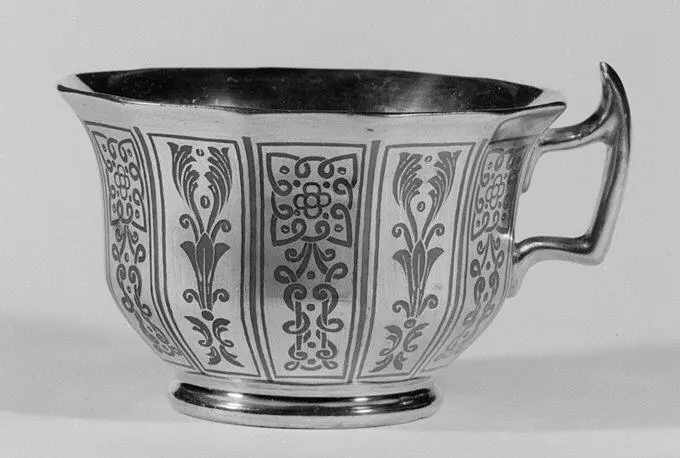
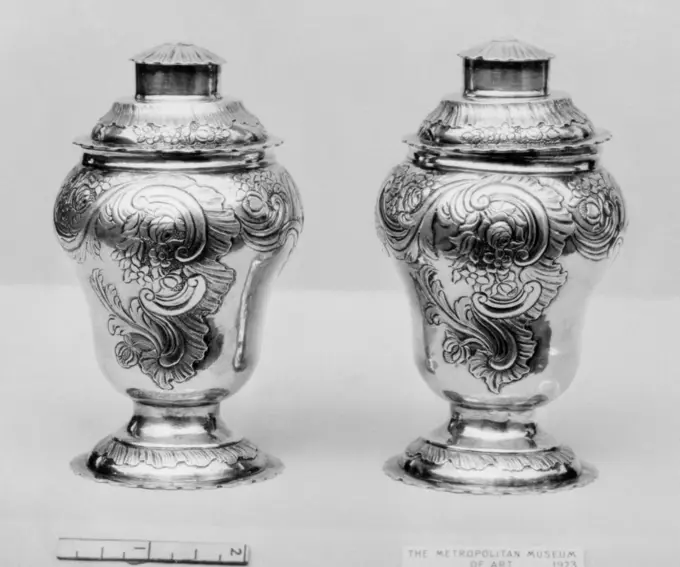
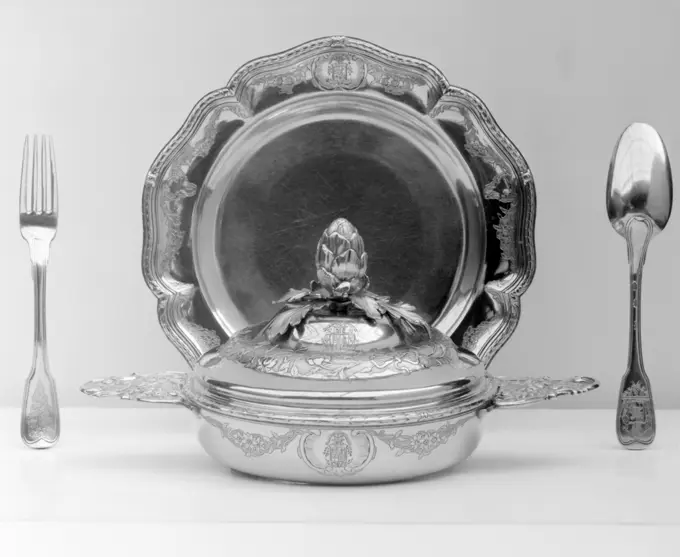
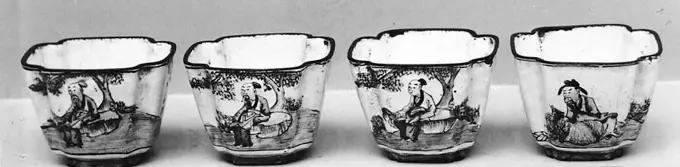
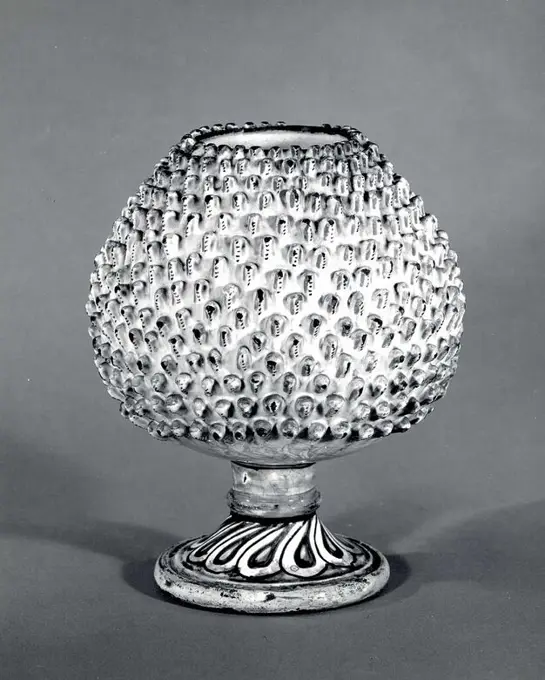
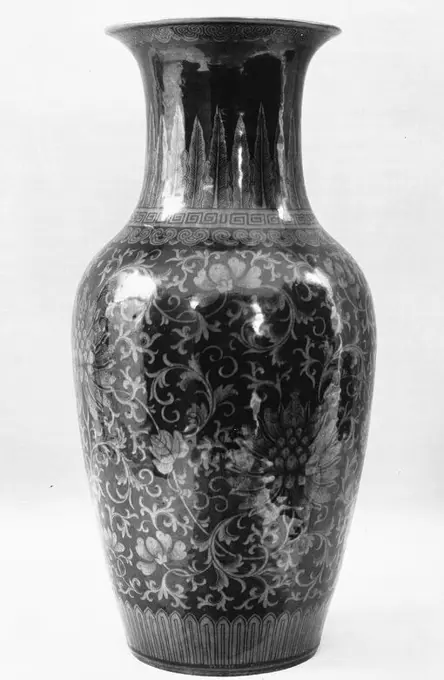
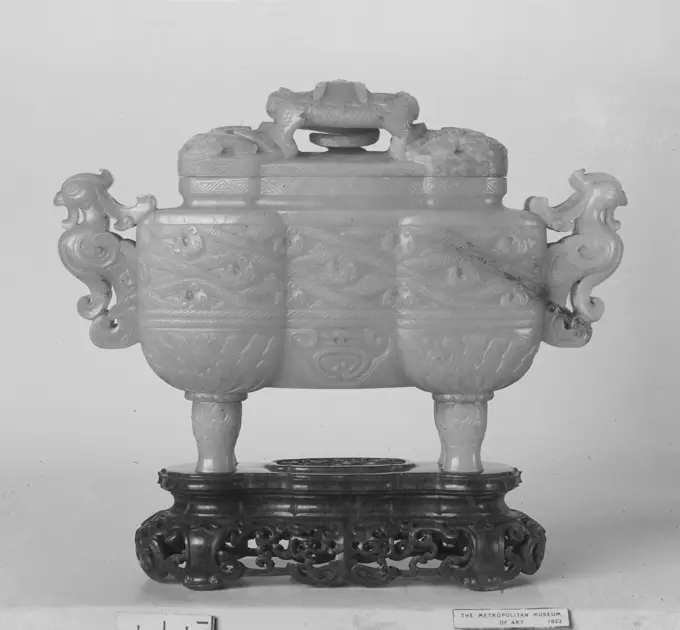
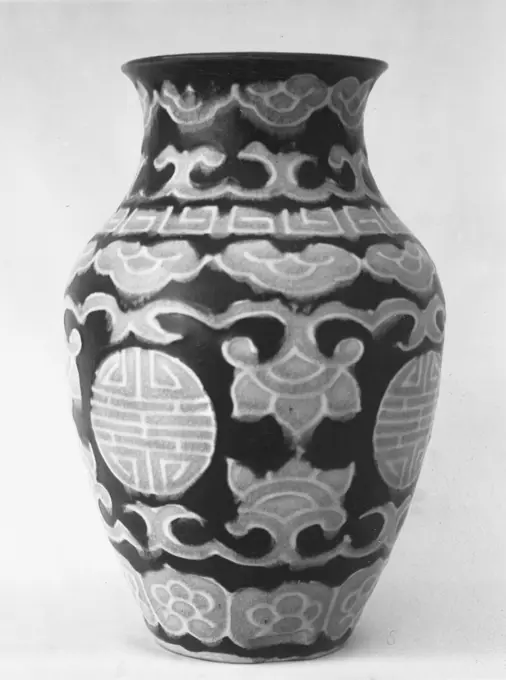
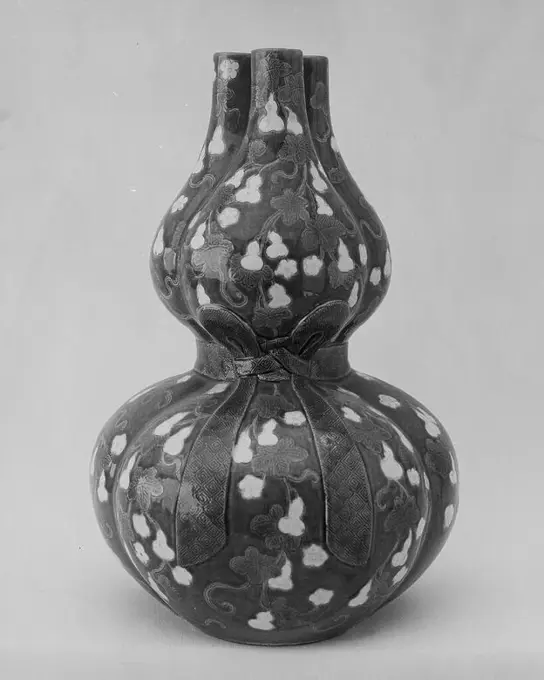
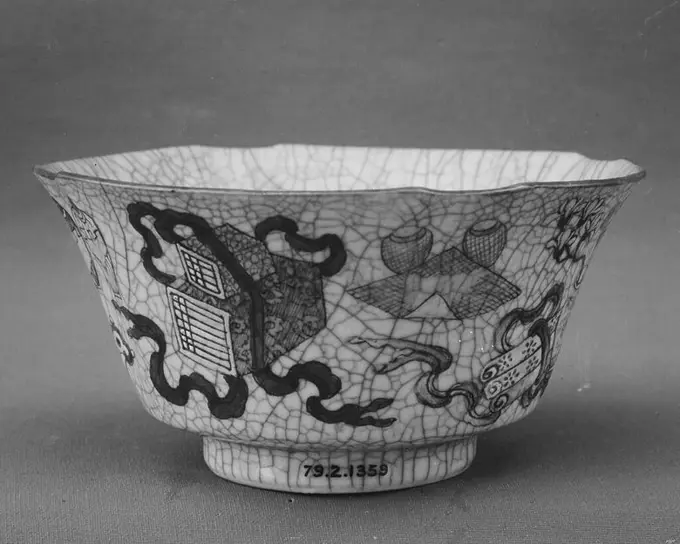
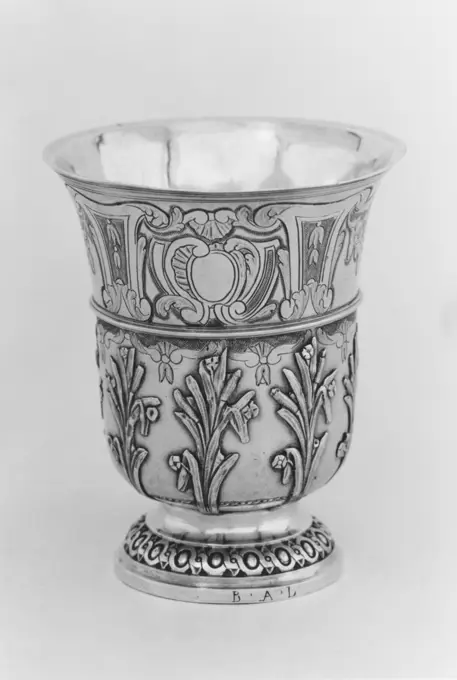
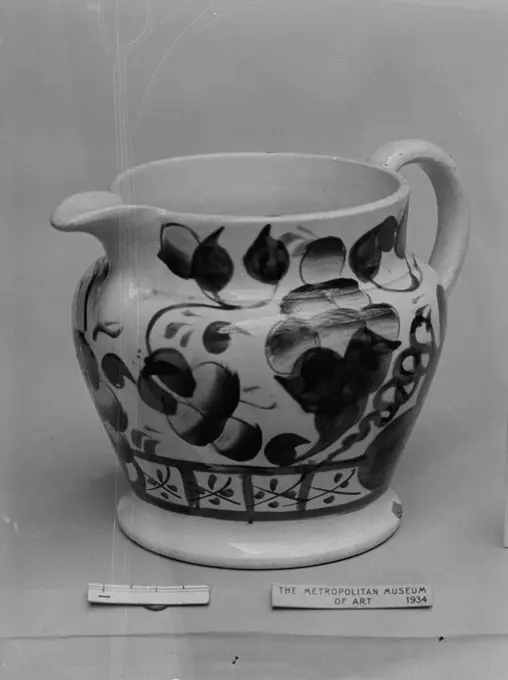
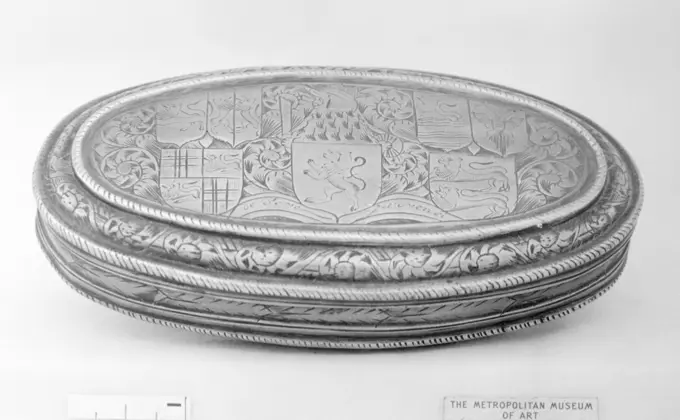
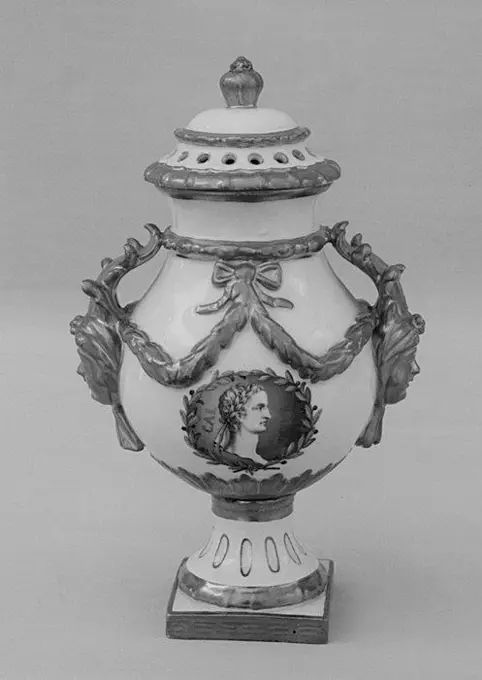
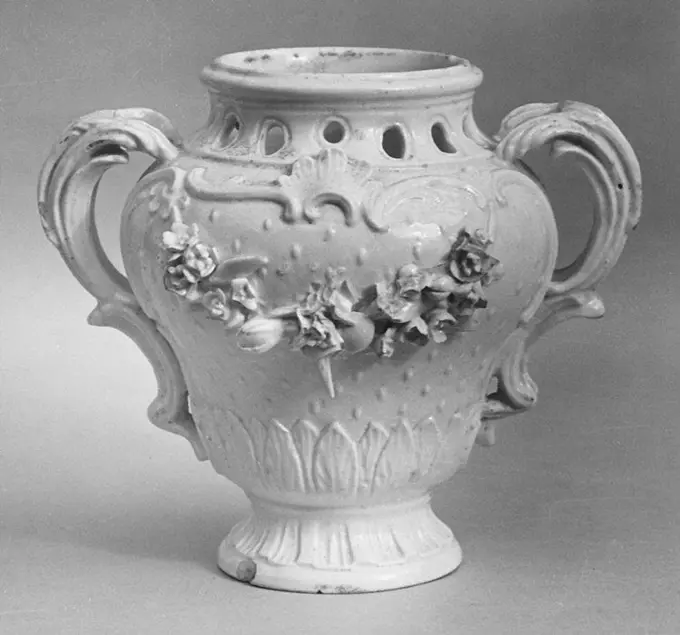
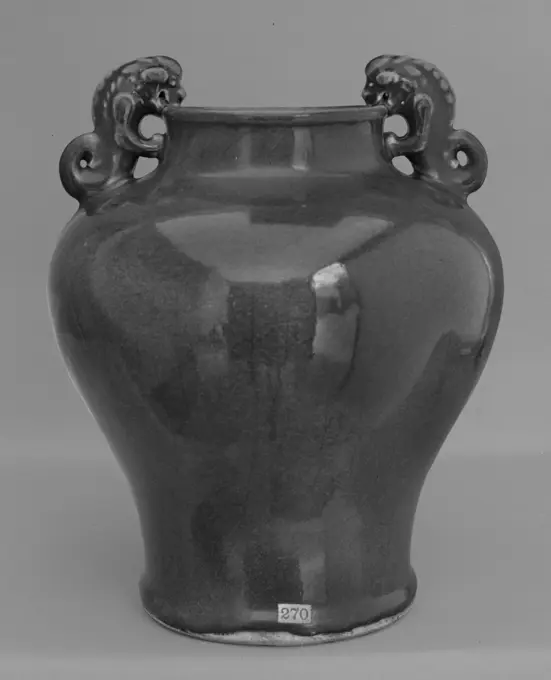
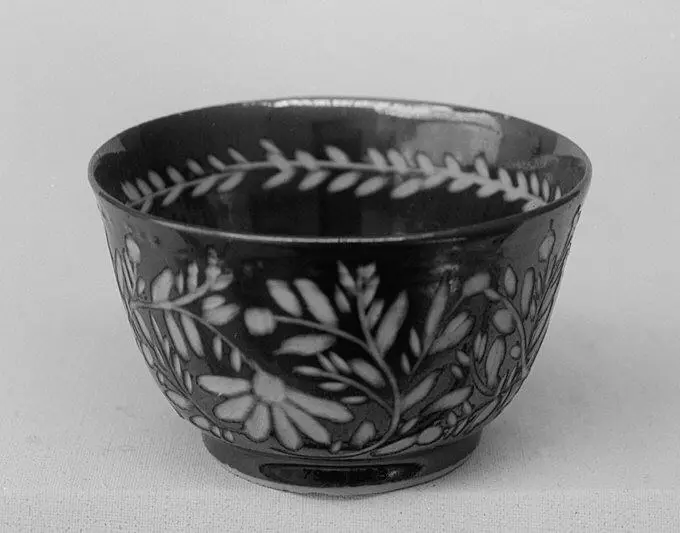
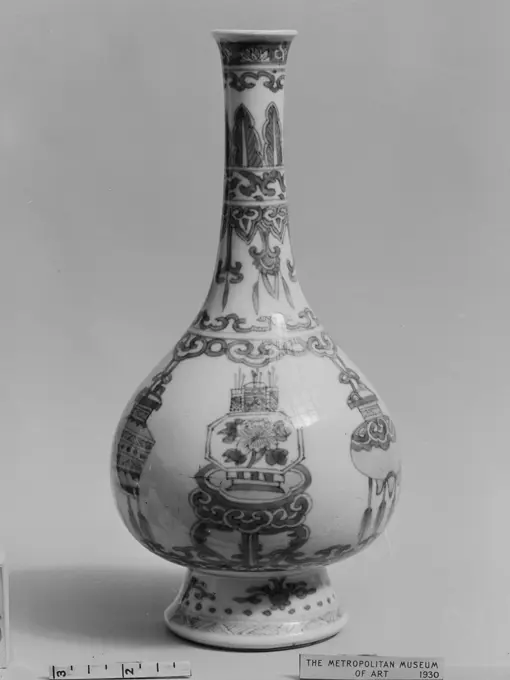
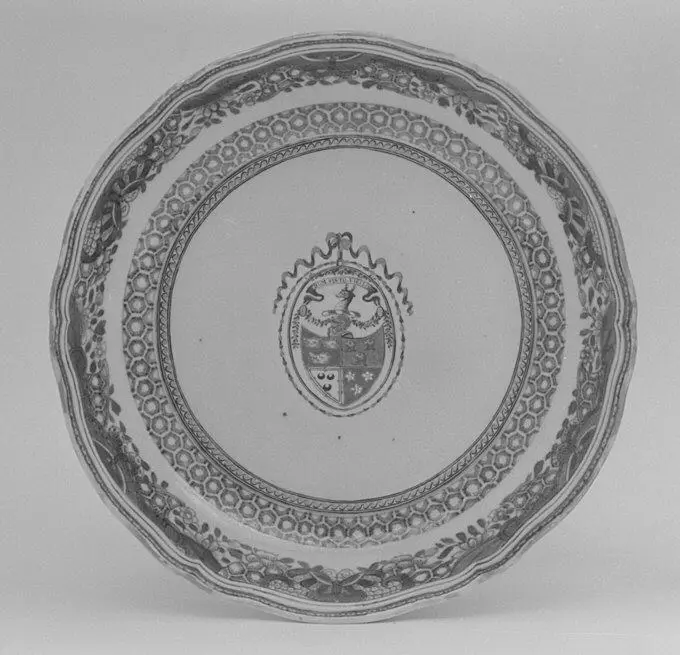
Miniature toilet box (one of a pair) 1772-74 Pierre François Rigal. Miniature toilet box (one of a pair) 200146Bottle ca. 1800 Japan. Bottle. Japan. ca. 1800. Clay, finely crackled white glaze; band of motifs (Kyoto ware). Edo period (1615-1868). CeramicsMinature jar with flowers 18th century China. Minature jar with flowers 47841Watch holder with cover 1750-70 Chinese, for Continental European market. Watch holder with cover 201245Cup (part of a service) ca. 1740 After a design by Cornelis Pronk Dutch. Cup (part of a service). After a design by Cornelis Pronk (Dutch, Amsterdam 1691-1759 Amsterdam). Chinese, possibly for Dutch market. ca. 1740. Hard-paste porcelain. Ceramics-Porcelain-ExportBowl 1780 Japan. Bowl. Japan. 1780. Porcelain decorated with enamels (Arita ware, Imari type). Edo period (1615-1868). CeramicsBowl 17th century China. Bowl 60954Tazza 1513-34 Italian, Venice (Murano). Tazza. Italian, Venice (Murano). 1513-34. Glass. GlassDessert Plate 1750-75 Possibly Bow Porcelain Factory British. Dessert Plate. British. 1750-75. Porcelain. Possibly made in London, EnglandTray ca. 1790 Dihl et Guérhard French. Tray 188639 Factory: Dihl et Gurhard, French, 1781ca. 1824 (Manufacture de Monsieur Le Duc dAngoulme, until 1789), Tray, ca. 1790, Hard-paste porcelain, Length: 9 1/2 in. (24.1 cm). The Metropolitan Museum of Art, New York. Gift of Alfred Duane Pell, 1902 (02.6.82)Basket. Culture: Chinese, for European market. Dimensions: Diam. of rim: 11 5/8 in. (29.5 cm). Date: 1775-1800. Museum: Metropolitan Museum of Art, New York, USA.Saucer (one of nine) (part of a service) 1786 Sèvres Manufactory French. Saucer (one of nine) (part of a service) 197850Miniature toilet box (one of a pair) 1772-74 Pierre François Rigal. Miniature toilet box (one of a pair) 200145Bowl 1850 Japan. Bowl. Japan. 1850. White porcelain decorated with blue under the glaze and enamels (Hizen ware, Kutani type). Edo period (1615-1868). CeramicsPitcher 1820-40 American. Pitcher. American. 1820-40. Blown molded lead glass. Possibly made in Massachusetts, United StatesBox with Cover China. Box with Cover. China. Porcelain decorated in underglaze blue. Qing dynasty (1644-1911), Kangxi period (1662-1722). CeramicsPair of tea caddies 1751-52 Samuel Taylor. Pair of tea caddies 192155Bowl. Artist: Eiraku Hozen (1795-1854). Culture: Japan. Dimensions: H. 3 1/16 in. (7.8 cm); Diam. 5 3/4 in. (14.6 cm). Date: 1830. Museum: Metropolitan Museum of Art, New York, USA.Bowl 1800 Japan. Bowl. Japan. 1800. Pottery covered with thin glaze and enameled designs in colors and gold (Kyoto ware). Edo period (1615-1868). CeramicsSauce Dish ca. 1880 Adams and Company. Sauce Dish. American. ca. 1880. Pressed blue glass. Made in Pittsburgh, Pennsylvania, United StatesLarge Bowl ca. 1790 Japan. Large Bowl. Japan. ca. 1790. Pottery decorated in five colors (Meppotani ware). Edo period (1615-1868). CeramicsSugar bowl with cover (pot à sucre Hébert) (part of a service) 1759 Sèvres Manufactory French. Sugar bowl with cover (pot à sucre Hébert) (part of a service). French, Sèvres. 1759. Soft-paste porcelain. Ceramics-PorcelainBowl 1830 Japan. Bowl. Japan. 1830. Stoneware covered with glaze (Kairakuen ware). Edo period (1615-1868). CeramicsVase (one of two) mid-18th century Chinese, for European market. Vase (one of two). Chinese, for European market. mid-18th century. Hard-paste porcelain. Ceramics-Porcelain-ExportBowl with floral pattern 19th century China. Bowl with floral pattern. China. 19th century. Porcelain painted in overglaze polychrome enamels (Bencharong ware for Thai market). Qing dynasty (1644-1911). CeramicsPlate 18th century Flemish. Plate 193288Tray mid-18th century Chinese, for German market. Tray 201355Punch bowl 1775-1880 Chinese, probably for British market. Punch bowl 206810Cup with floral scrolls in imitation of cloisonné mid-18th century China. Cup with floral scrolls in imitation of cloisonné. China. mid-18th century. Porcelain painted in overglaze polychrome enamels and gilt (Jingdezhen ware). Qing dynasty (1644-1911), Qianlong period (1736-95). CeramicsDish ca. 1845-ca. 1853 Joseph Heath. Dish 6134Covered Urn. Culture: China. Dimensions: H. 6 1/8 in. (15.6 cm); Diam. 4 in. (10.2 cm). Date: late 18th-19th century. Museum: Metropolitan Museum of Art, New York, USA.Plate (Assiette à palmes) (1 of 102) (part of a service) 1780 Sèvres Manufactory French. Plate (Assiette à palmes) (1 of 102) (part of a service). French, Sèvres. 1780. Soft-paste porcelain. Ceramics-PorcelainBarber's basin late 18th century Veuve Perrin Factory Faience, or tin-glazed and enameled earthenware, first emerged in France during the sixteenth century, reaching widespread usage among elite patrons during the seventeenth and early eighteenth centuries, prior to the establishment of soft-paste porcelain factories. Although characterized as more provincial in style than porcelain, French faience was used at the court of Louis XIV as part of elaborate meals and displays, with large-scale vessels incorporated into the Baroque garden designs of Versailles. Earlier examples of French faience attest to the strong influence of maiolica artists from Italy. Later works demonstrate the ways in which cities such as Nevers, Rouen, Lyon, Moustiers, and Marseille developed innovative vessel shapes and decorative motifs prized among collectors throughout Europe. While faience can be created from a wide mixture of clays, it is foremost distinguished by the milky opaque white color achieved by the Bowl China. Bowl. China. Porcelain painted in underglaze blue and overglaze enamels, with engraved decoration. Qing dynasty (1644-1911), Daoguang mark and period (1821-50). CeramicsSèvres Porcelain Manufactory, Table Sugar Bowl and Cover with Attached Stand, porcelain marked 1757 (may be later); decoration: later, soft-paste porcelain.Cup 1800 Japan. Cup 52447Bowl. Culture: China. Dimensions: H. 2 3/4 in. (7 cm); Diam. 7 in. (17.8 cm). Date: first half of the 19th century. Museum: Metropolitan Museum of Art, New York, USA.Teabowl. Artist: Seisuke (Japanese). Culture: Japan. Dimensions: H. 2 in. (5.1 cm); Diam. 5 3/4 in. (14.6 cm). Date: 17th century. Museum: Metropolitan Museum of Art, New York, USA.Bowl 19th century Japan. Bowl. Japan. 19th century. Pottery covered with glaze and having a raised design (Awaji ware). Edo (1615-1868) or Meiji period (1868-1912). CeramicsTeacup and Saucer ca. 1860-66 Chinese, for American market. Teacup and Saucer. Chinese, for American market. ca. 1860-66. Porcelain. Made in ChinaCovered Bowl 1840-75 American. Covered Bowl. American. 1840-75. Lacy pressed glass. Made in Midwest, United StatesDish. Culture: China. Dimensions: Diam. 10 5/8 in. (27 cm). Date: late 17th-early 18th century. Museum: Metropolitan Museum of Art, New York, USA.Teabowl ca. 1785-1800 Nyon. Teabowl. Swiss, Nyon. ca. 1785-1800. Hard-paste porcelain. Nyon. Ceramics-PorcelainBowl. Culture: British (American market). Dimensions: H. 3 1/4 in. (8.3 cm); Diam. 6 1/8 in. (15.6 cm). Date: 1800-1830. Museum: Metropolitan Museum of Art, New York, USA.Jug ca. 1700 Decorated by Abraham Helmhack. Jug 201752Plate (Assiette à palmes) (1 of 102) (part of a service) 1780 Sèvres Manufactory French. Plate (Assiette à palmes) (1 of 102) (part of a service). French, Sèvres. 1780. Soft-paste porcelain. Ceramics-PorcelainFooted Dish. Culture: China. Dimensions: H. 4 in. (10.2 cm); Diam. 8 5/8 in. (21.9 cm). Date: late 18th-19th century. Museum: Metropolitan Museum of Art, New York, USA.Dish third quarter 18th century Gallus David Apeller the Younger. Dish 189137 Maker: Gallus David Apeller the Younger, Dish, third quarter 18th century, Pewter, 17 x 12 1/4 x 1 7/8 in. (43.2 x 31.1 x 4.8 cm). The Metropolitan Museum of Art, New York. Rogers Fund, 1906 (06.869)Bowl. UnknownCup Plate ca. 1830-ca. 1864 William Adams & Sons British. Cup Plate 6026Plate ca. 1791 Sèvres Manufactory French Porcelain decorated with a black ground in imitation of Asian lacquer was produced at Sèvres for about a fifteen-year period beginning in 1790. Furniture decorated with imported black lacquer panels saw a resurgence of popularity in the last two decades of the eighteenth century, and the Sèvres factory's efforts to simulate black lacquer on porcelain were probably stimulated by this renewed general interest in lacquer decoration. Black-ground Sèvres porcelain was decorated with chinoiserie scenes executed in gold, which was often applied in subtle tones of yellow, green, and red. Small decorative highlights were often executed in platinum, and the ability to apply platinumfirst mastered by the factory in 1790may have been an impetus to produce these lacquer-inspired pieces.[Jeffrey H. Munger, 2015. Plate 202648Jar. Culture: China. Dimensions: H. 12 1/2 in. (31.8 cm); Diam. 13 in. (33 cm). Date: mid-14th century. Museum: Metropolitan Museum of Art, New York, USA.Plate (part of a service) 1784 Sèvres Manufactory French. Plate (part of a service) 197930Plate. Culture: China. Dimensions: Diam. 14 3/4 in. (37.5 cm). Date: late 17th-early 18th century. Museum: Metropolitan Museum of Art, New York, USA.Covered Box China. Covered Box 61119Bowl 11th-12th century China. Bowl. China. 11th-12th century. Stoneware with mold-impressed design under celadon glaze (Northern celadon ware). Northern Song dynasty (960-1127). CeramicsLibation Cup late 17th-early 18th century China. Libation Cup 50784Deep Bowl late 16th-early 17th century China. Deep Bowl. China. late 16th-early 17th century. Porcelain painted in underglaze blue (Kraakporselein). late Ming dynasty (1368-1644). CeramicsSaucers (set of six) (part of a set) second quarter 18th century German, Bayreuth. Saucers (set of six) (part of a set) 236328Jar with Cover. Culture: China. Dimensions: H. 10 in. (25.4 cm). Museum: Metropolitan Museum of Art, New York, USA.Plate ca. 1730 Chinese, for Dutch market. Plate. Chinese, for Dutch market. ca. 1730. Hard-paste porcelain. Ceramics-Porcelain-ExportCups (12) (part of a coffee and tea service) 1834 Imperial Porcelain Manufactory, St. Petersburg Russian This group is part of a tea and coffee service of twenty-nine pieces (69.162.1-.29). The design of the service reflects the widespread fascination of the nineteenth century with a variety of pseudo-styles and their indigenous interpretation by the Imperial Porcelain Manufactory.. Cups (12) (part of a coffee and tea service) 205129Tea caddy (one of a pair) 1758 Probably by Christopher Jonsen. Tea caddy (one of a pair) 194988Bowl 1830-45 American. Bowl. American. 1830-45. Lacy pressed glass. Made in New England, United StatesFork and spoon (part of a traveling set) 1768 French, Strasbourg. Fork and spoon (part of a traveling set) 198728Chalice 18th century Spanish. Chalice. Spanish. 18th century. Silver, parcel gilt. Metalwork-SilverSquare Cup China. Square Cup 40908Bowl 1820 Japan Originally created to imitate Chinese ceramics to compete for the Dutch market, Kameyama ware soon took on a special quality of its own, blending auspicious shapes like the peach and the gourd with intricate painted designs.. Bowl. Japan. 1820. White porcelain decorated with blue under the glaze (Kameyama ware). Edo period (1615-1868). CeramicsVase (vaso). Culture: Italian, Deruta. Dimensions: Height: 8 1/16 in. (20.4cm). Date: ca. 1520. Museum: Metropolitan Museum of Art, New York, USA.Incense burner 18th century China. Incense burner. China. 18th century. Jade. Qing dynasty (1644-1911), Qianlong period (1736-95). JadeWine Ewer with Lid 13th century Korea. Wine Ewer with Lid. Korea. 13th century. Stoneware painted in iron-brown under celadon glaze. Goryeo dynasty (918-1392). CeramicsVase. Culture: China. Dimensions: H. 17 3/4 in. (45.1 cm). Date: first half of the 19th century. Museum: Metropolitan Museum of Art, New York, USA.Incense Burner on Stand late 18th-early 19th century China. Incense Burner on Stand. China. late 18th-early 19th century. Jade (nephrite). Qing dynasty (1644-1911). JadeCompote 1850-60 American With the development of new formulas and techniques, glass-pressing technology had improved markedly by the late 1840s. By this time, pressed tablewares were being produced in large matching sets and innumerable forms. During the mid-1850s, colorless glass and simple geometric patterns dominated. Catering to the demand for moderately-priced dining wares, the glass industry in the United States expanded widely, and numerous factories supplied less expensive pressed glassware to the growing market. At the Exhibition of the Industry of All Nations at New Yorks Crystal Palace in 1853, for example, the New England Glass Company exhibited 130 pieces of one design, "consisting of bowls, tumblers, champagnes, wines, and jelly glasses." This object belongs to one such service. Although the glass manufactory is not known, the glassware is very typical of the large services that were very popular with Americas middle class in the nineteenth century.. Compote. American. Vase 19th century Eiraku Hozen. Vase 47053Vase. Culture: China. Dimensions: H. 10 1/4 in. (26 cm); Diam. 6 1/4 in. (15.9 cm); Diam. of rim (each opening) 7/8 in. (2.2 cm); Diam. of base 3 5/8 in. (9.2 cm). Museum: Metropolitan Museum of Art, New York, USA.Bowl. Culture: China. Dimensions: H. 2 3/8 in. (6 cm); Diam. 4 3/4 in. (12.1 cm). Museum: Metropolitan Museum of Art, New York, USA.Beaker 1763-64 Antoine Bailly In 1545 François I founded the Hôpital de la Trinité to shelter abandoned children. Among the trades taught there was silversmithing, taught by a worker who had been favorably passed on by the wardens of the guild. In recompense for his instruction, the teacher-worker could become a master at the end of eight years. Antoine Bailly registered his first mark in 1748 in this way. In 1756, as a Paris maker, he turned in the mark gained through his work at the Hôpital and registered the mark which is found on this piece.. Beaker 209188Cream Pitcher. Culture: British (American market). Dimensions: H. 3 3/4 in. (9.5 cm). Date: ca. 1825. Museum: Metropolitan Museum of Art, New York, USA.Tobacco box late 17th-early 18th century Dutch An oval box. Its lid is similar to that of Number III, I. The coats of arms in the top row are, from left to right, those of the following provinces: Overijssel, Gelderland, Zeeland, Groningen en Ommelanden. The coats of arms of Utrecht, Holland, and Friesland make up the bottom row. A lion with sword bears the shield of Holland. Inscribed in a banderole below is: De seve/provensi (The seven/provinces). The underside contains three roundels. The central one shows a standing lion with sword and a bundle of arrows, the symbol of the United Provinces. The accompanying roundels each display reversible portraits. On the left a cardinal reverses to a jester; on the right the pope's portrait reverses to that of the devil. See the discussion in the text, above. With lined and corded rims as well as molded edges. The borders have leaf-scroll ornament and the sides chevron decoration. A similar box was sold at Sotheby's in London on April 25, 1985, Jelly mold ca. 1750 British, Staffordshire. Jelly mold 197648Vase (part of a garniture) ca. 1780-90 Fürstenberg Porcelain Manufactory. Vase (part of a garniture). German, Fürstenberg. ca. 1780-90. Hard-paste porcelain. Ceramics-PorcelainPotpourri vase (one of a pair) 1760-65 Royal Porcelain Manufactory Danish. Potpourri vase (one of a pair). Danish, Copenhagen. 1760-65. Soft-paste porcelain. Royal Porcelain Manufactory (Danish, 1775-present). Ceramics-PorcelainJar first half of the 19th century China. Jar. China. first half of the 19th century. Porcelain with red glaze. Qing dynasty (1644-1911). CeramicsTeabowl ca. 1740, engraved decoration first quarter 18th century Chinese, probably with German, Dresden engraving. Teabowl 208943Sugar bowl (part of a tea set) ca. 1805 French, Paris. Sugar bowl (part of a tea set). French, Paris. ca. 1805. Hard-paste porcelain. Ceramics-PorcelainBottle with Theme of the "Hundred Antiques" China. Bottle with Theme of the "Hundred Antiques". China. Porcelain decorated in underglaze blue. Qing dynasty (1644-1911), Kangxi period (1662-1722). CeramicsDeep dish (part of a service) 1770-85 Chinese, for British market. Deep dish (part of a service) 201131Plate ca. 1774 Chinese with Dutch decoration, for Dutch market. Plate 185919Kylix late 6th century B.C. Greek, Attic Riders and man on foot.. Kylix 254393Water Coupe. Culture: China. Dimensions: H. 4 3/8 in. (11.1 cm); Diam. 3 1/2 in. (8.9 cm). Museum: Metropolitan Museum of Art, New York, USA.Platter early 18th century Jacques Hustin Faience, or tin-glazed and enameled earthenware, first emerged in France during the sixteenth century, reaching widespread usage among elite patrons during the seventeenth and early eighteenth centuries, prior to the establishment of soft-paste porcelain factories. Although characterized as more provincial in style than porcelain, French faience was used at the court of Louis XIV as part of elaborate meals and displays, with large-scale vessels incorporated into the Baroque garden designs of Versailles. Earlier examples of French faience attest to the strong influence of maiolica artists from Italy. Later works demonstrate the ways in which cities such as Nevers, Rouen, Lyon, Moustiers, and Marseille developed innovative vessel shapes and decorative motifs prized among collectors throughout Europe. While faience can be created from a wide mixture of clays, it is foremost distinguished by the milky opaque white color achieved by the addition of Ice cream cup (Tasse à glace) (part of a service) 1780 Sèvres Manufactory French. Ice cream cup (Tasse à glace) (part of a service). French, Sèvres. 1780. Soft-paste porcelain. Ceramics-PorcelainTeapot 1750 British (American market). Teapot. British (American market). 1750. Stoneware. Made in Staffordshire, EnglandSèvres Porcelain Manufactory, Sugar Bowl and Cover, c. 1765, soft-paste porcelain.Cup (one of six) (part of a set) 1820-30 French. Cup (one of six) (part of a set) 187823 French, Cup (one of six) (part of a set), 182030, Hard-paste porcelain, Height: 3 1/2 in. (8.9 cm). The Metropolitan Museum of Art, New York. Gift of Henry G. Marquand, 1894 (94.4.310)Jar. Culture: China. Dimensions: H. 5 1/2 in. (14 cm). Museum: Metropolitan Museum of Art, New York, USA.Alms bowl for a Buddhist monk China. Alms bowl for a Buddhist monk. China. Jade (nephrite). Qing dynasty (1644-1911), Qianlong period (1736-95). JadeBox 18th century Japan. Box 47007Pair of urns 1775-85 Chinese, for Swedish market. Pair of urns 201027