Antique Decorative Objects

A collection of exquisite antique items including a miniature toilet box, ceramic bottles, and flower-adorned jars, showcasing intricate craftsmanship from various cultures.

Bottle ca. 1800 Japan. Bottle. Japan. ca. 1800. Clay, finely crackled white glaze; band of motifs (Kyoto ware). Edo period (1615-1868). Ceramics
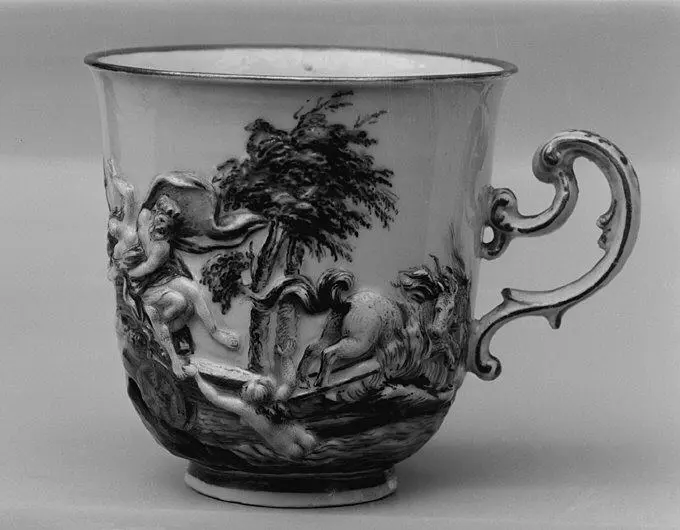
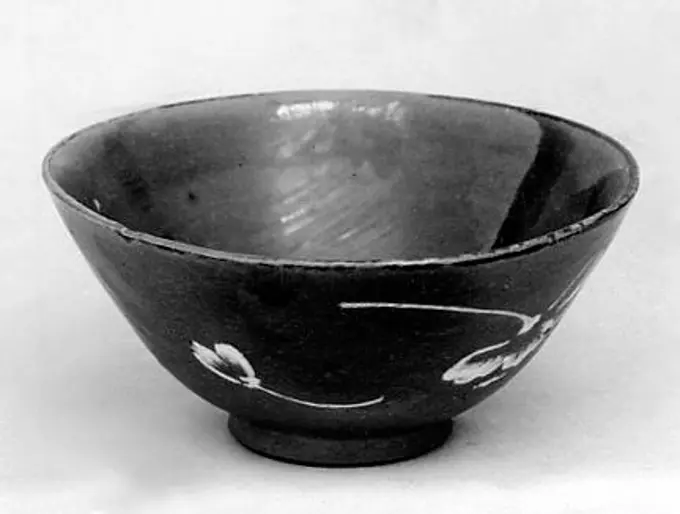
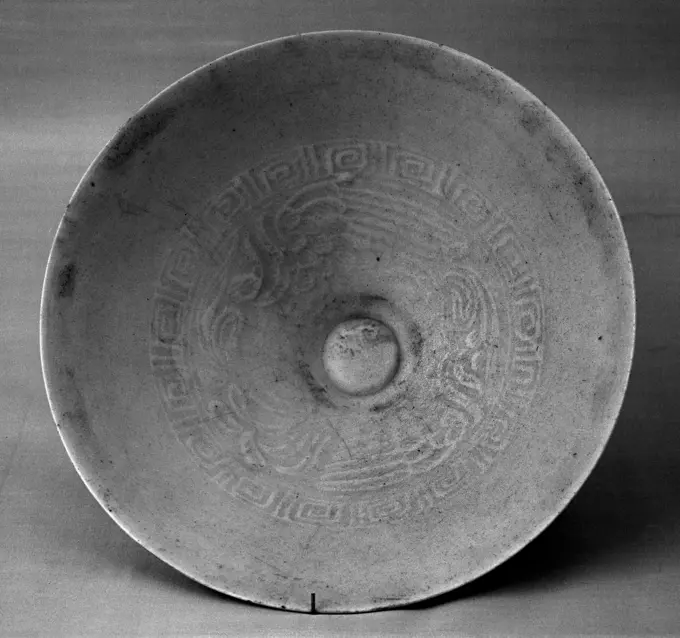
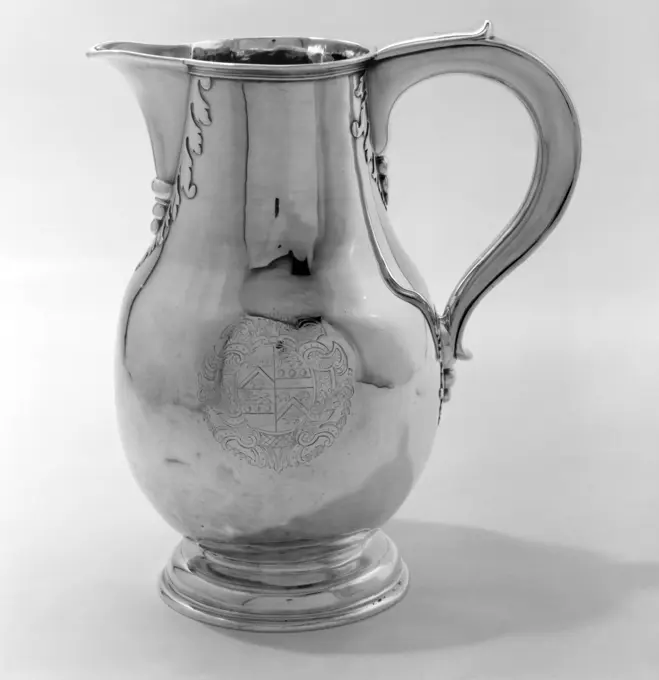
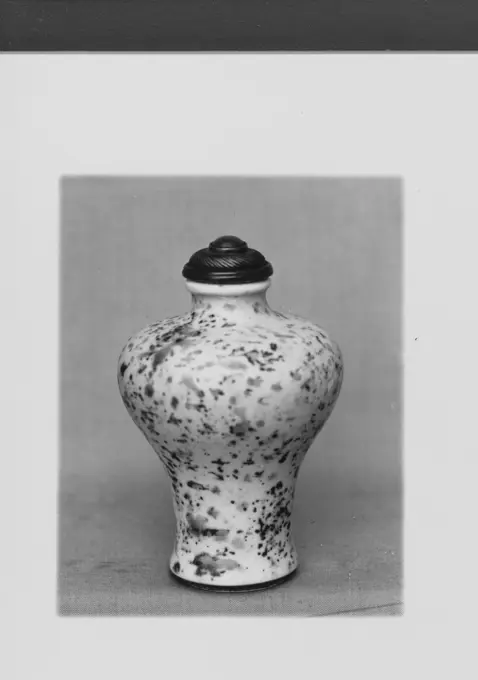
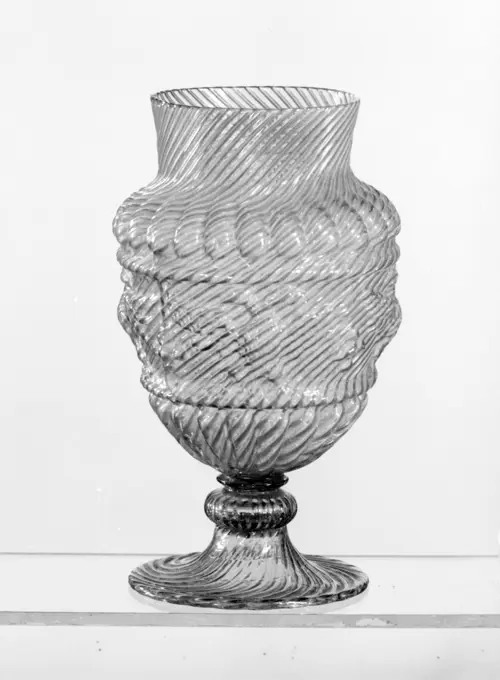
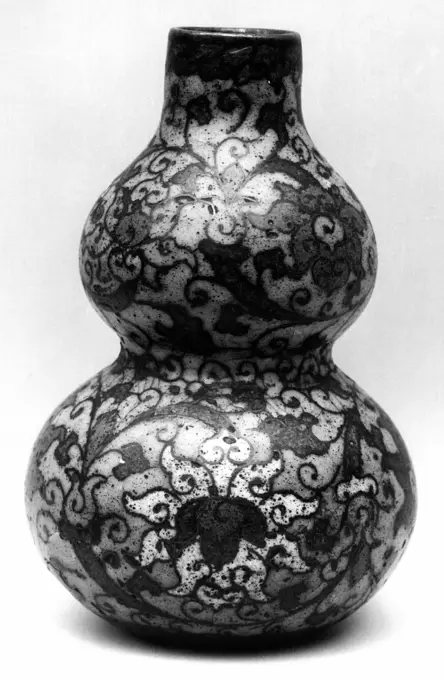
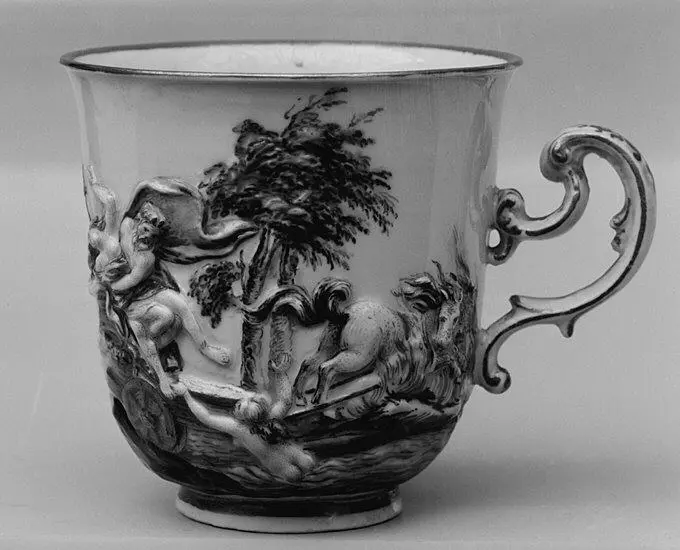
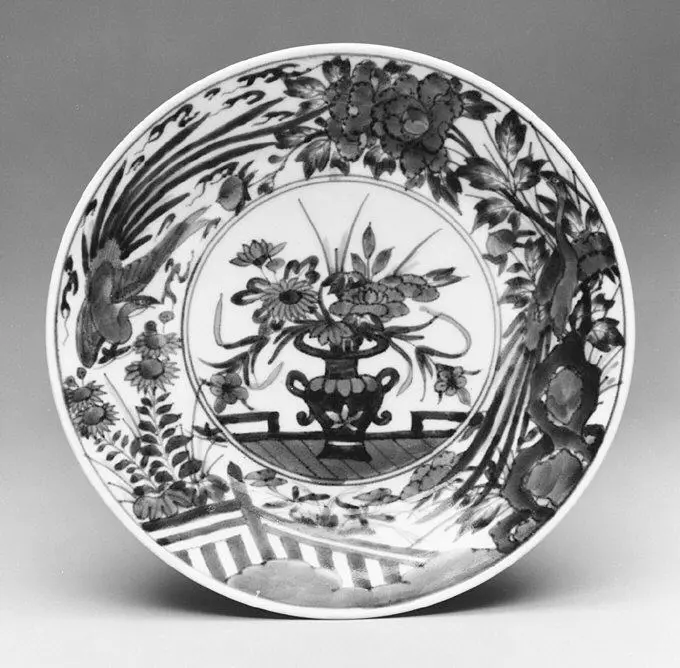
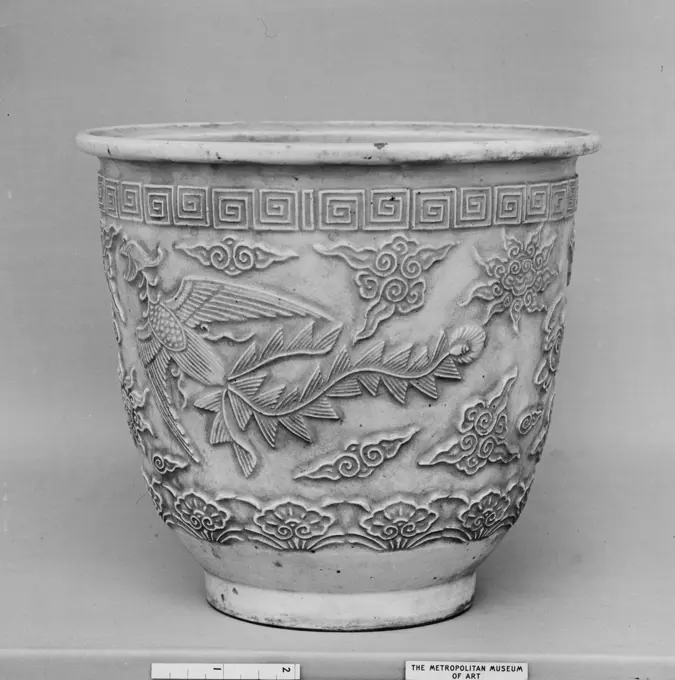
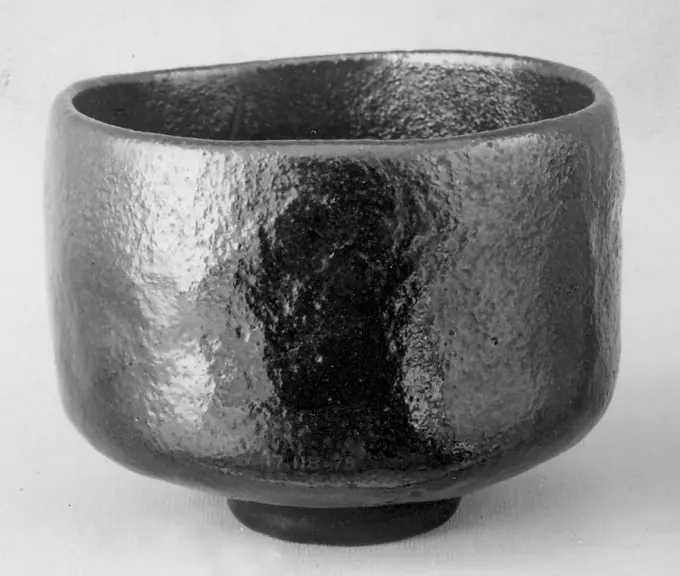
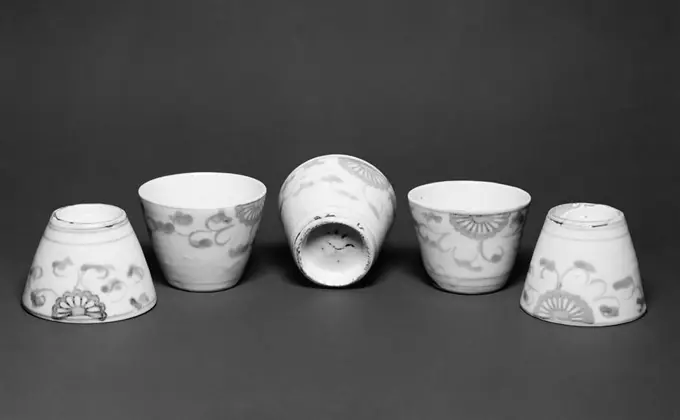
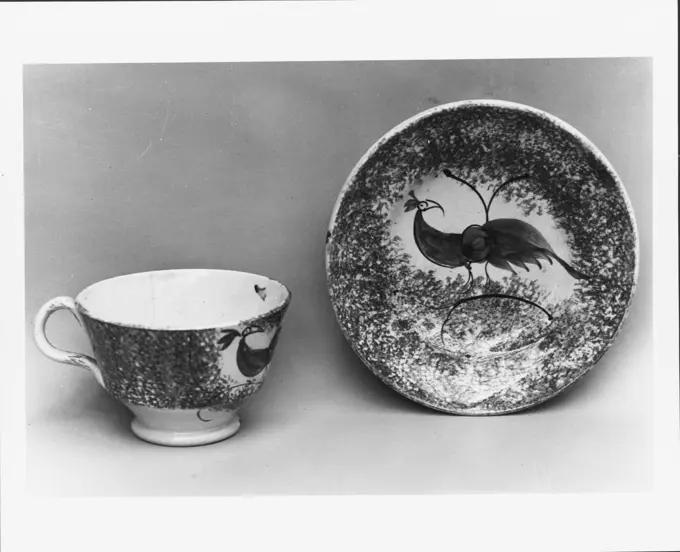
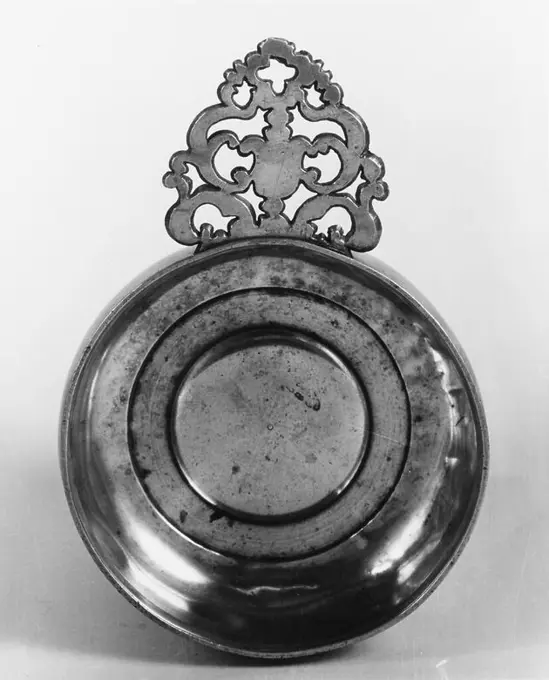
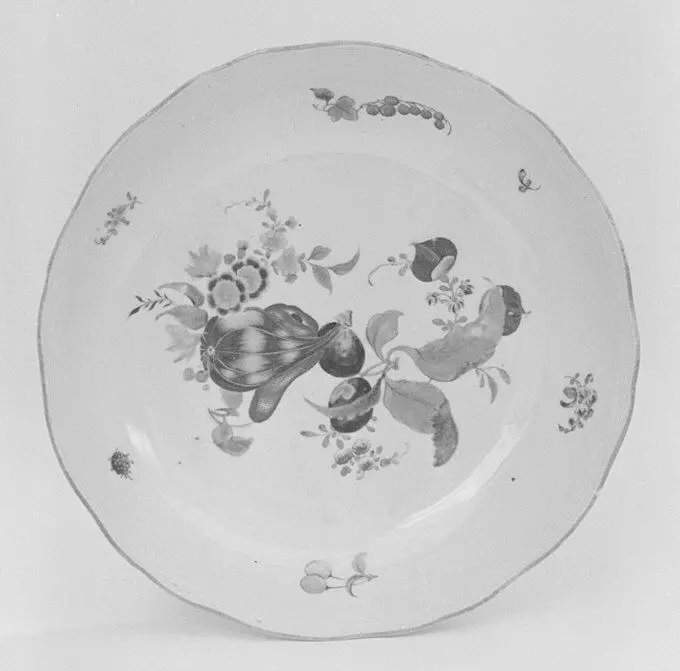
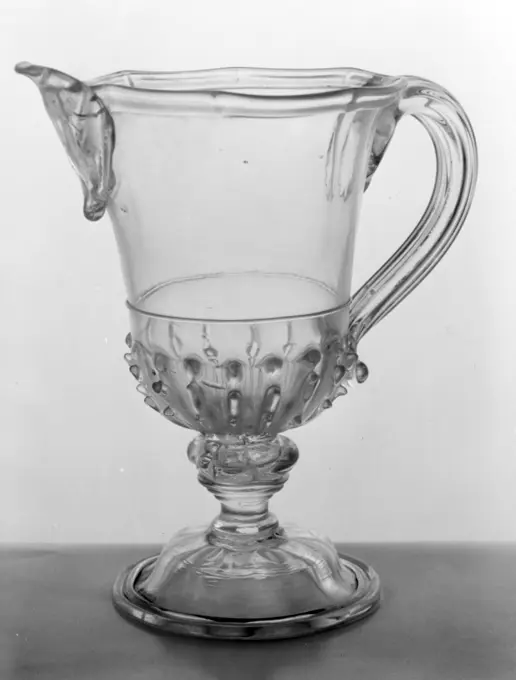
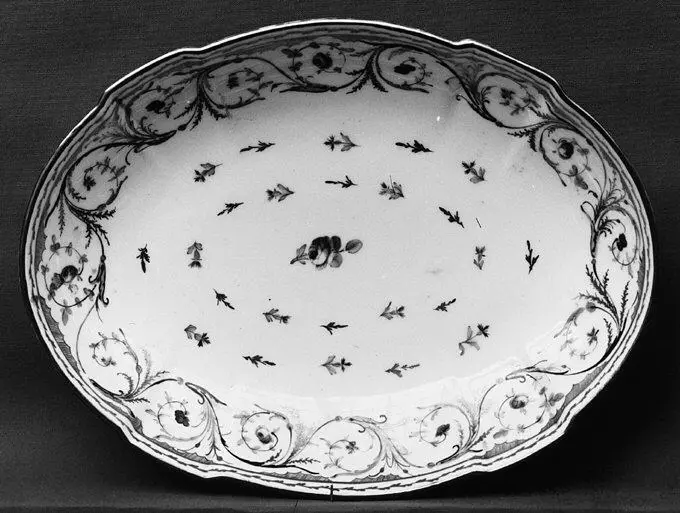
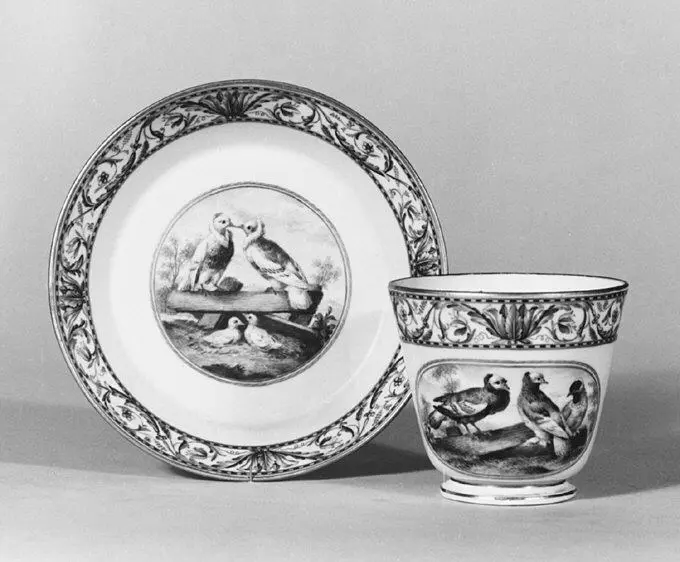
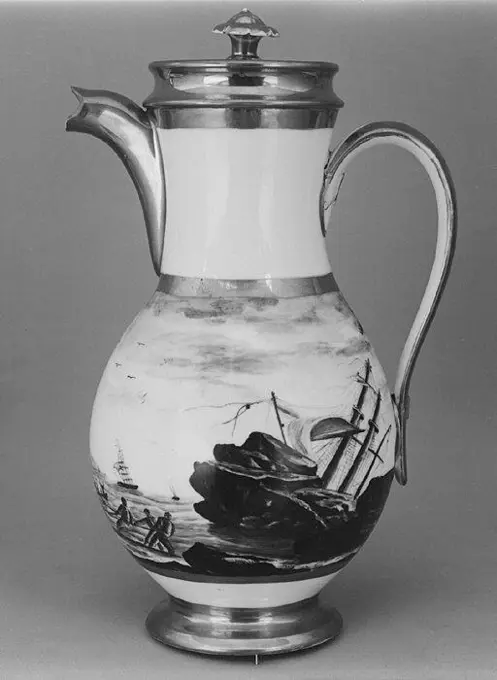
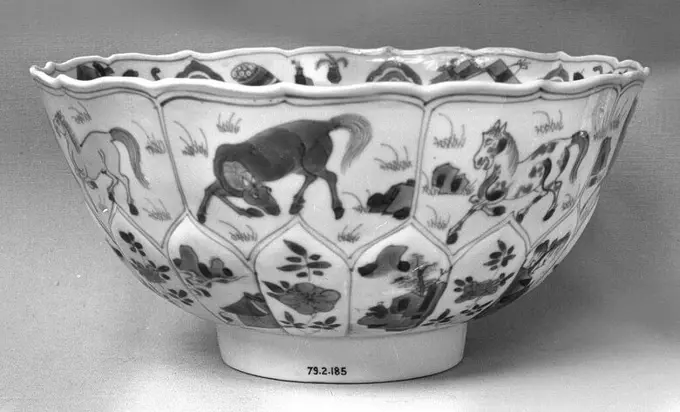
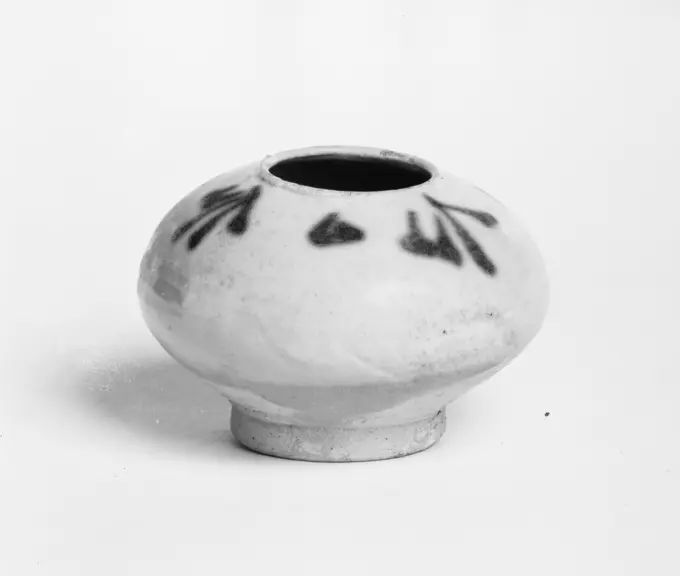
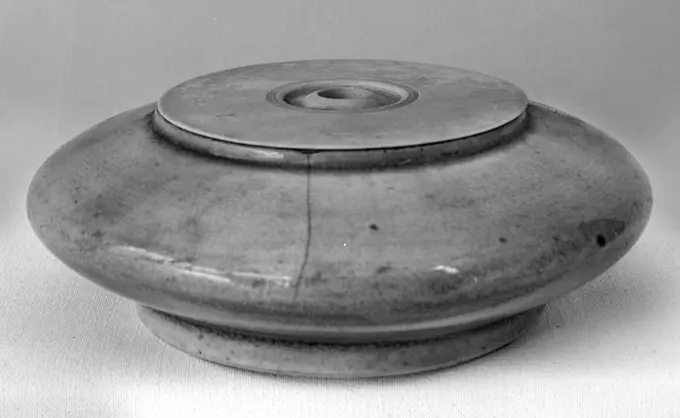
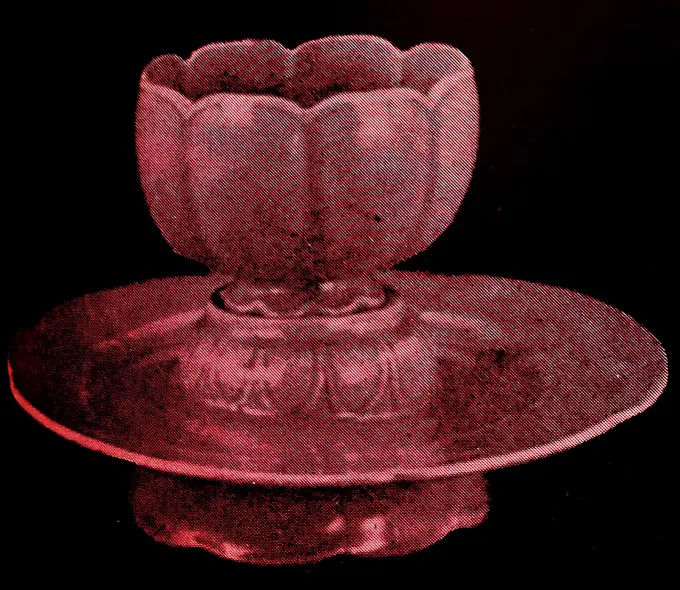
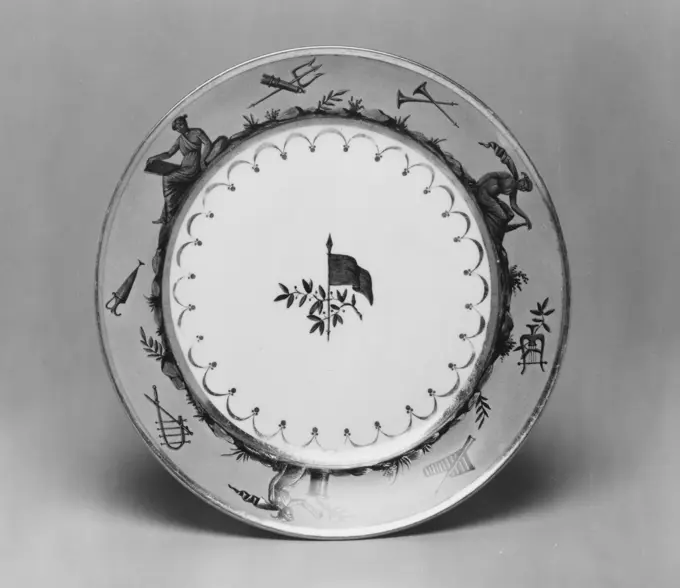
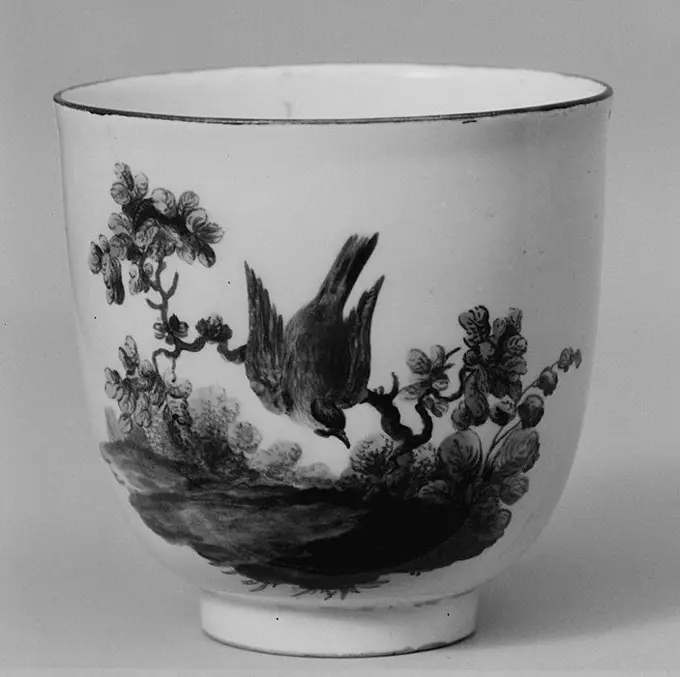
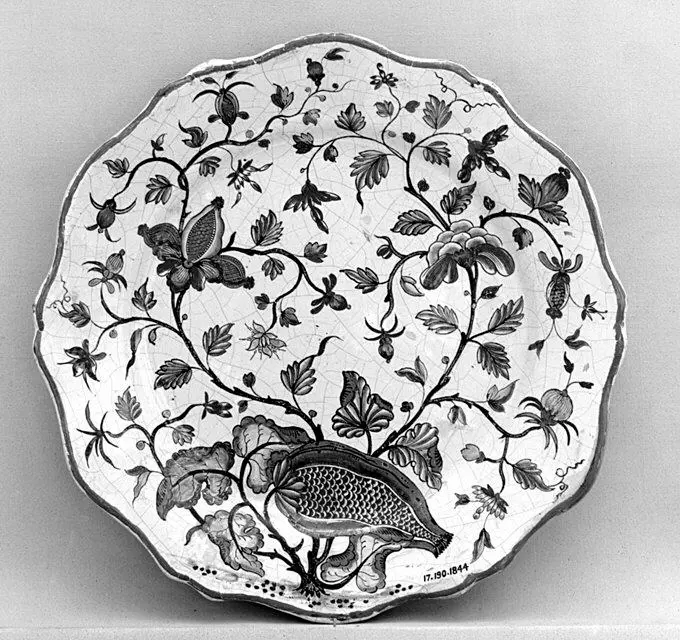
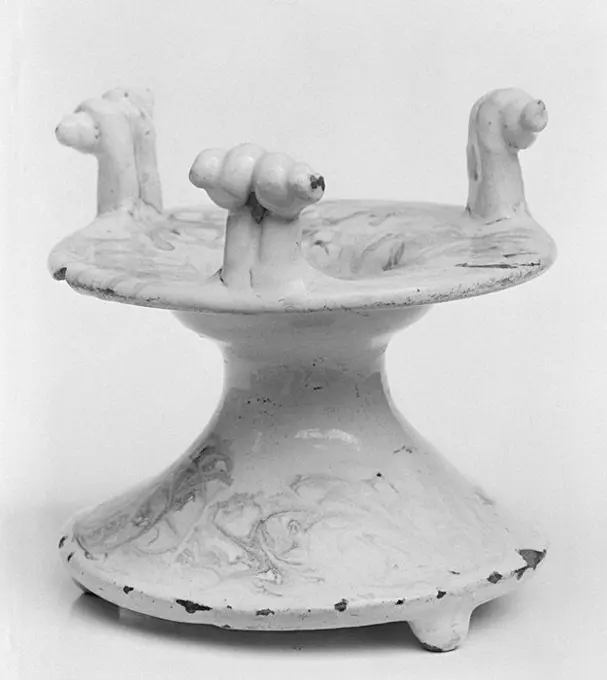
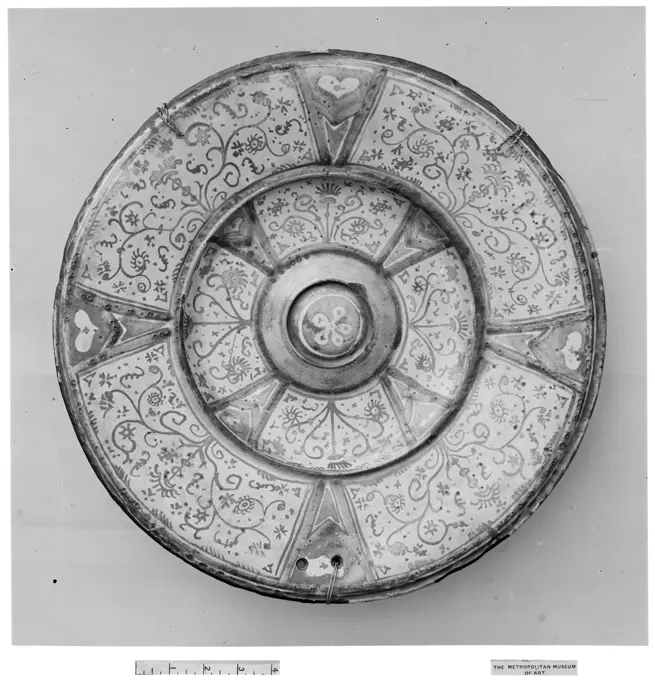
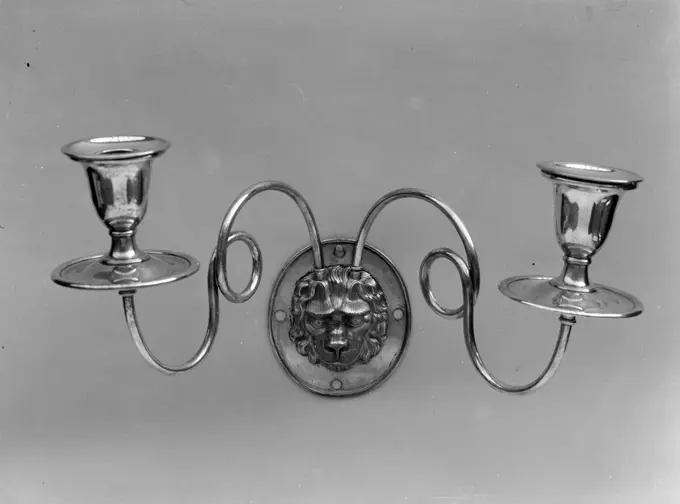
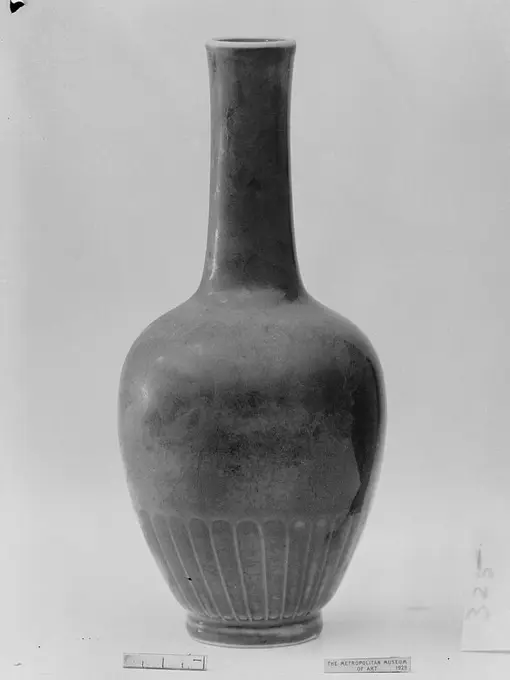
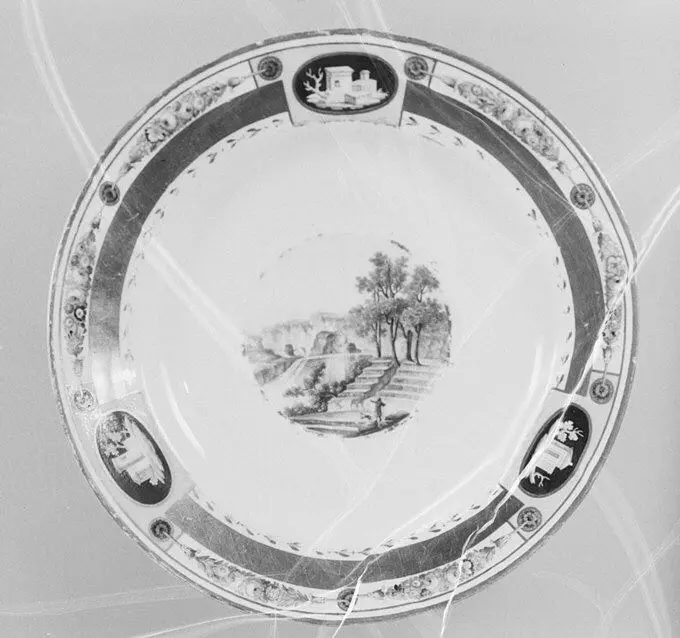
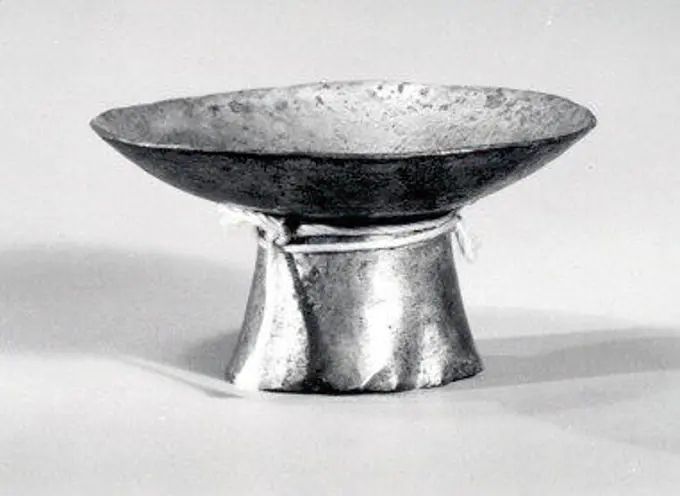
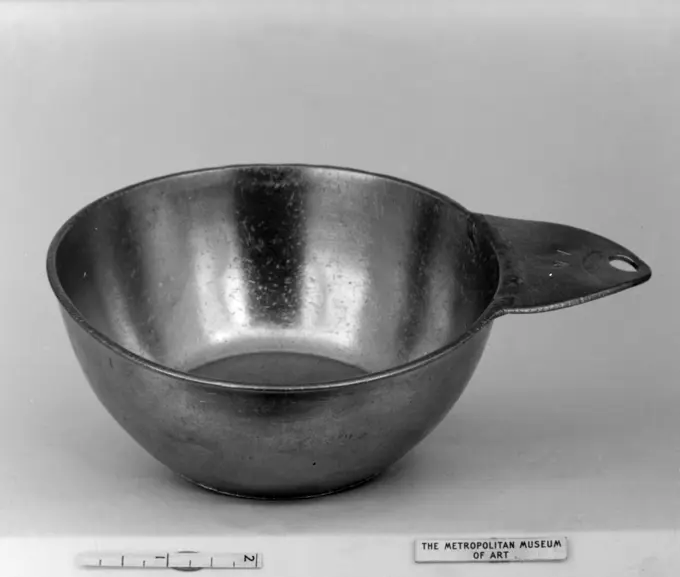
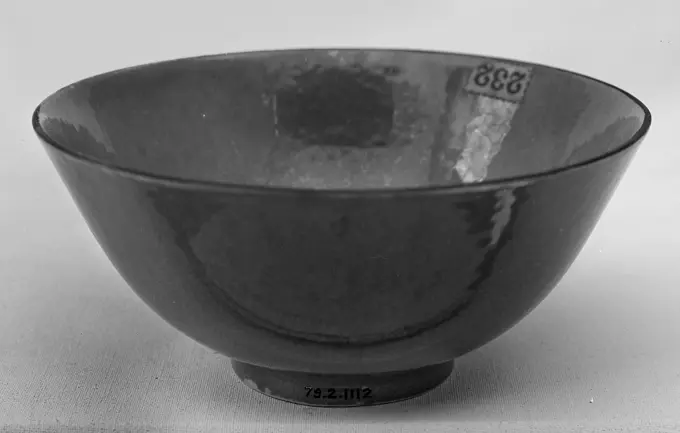
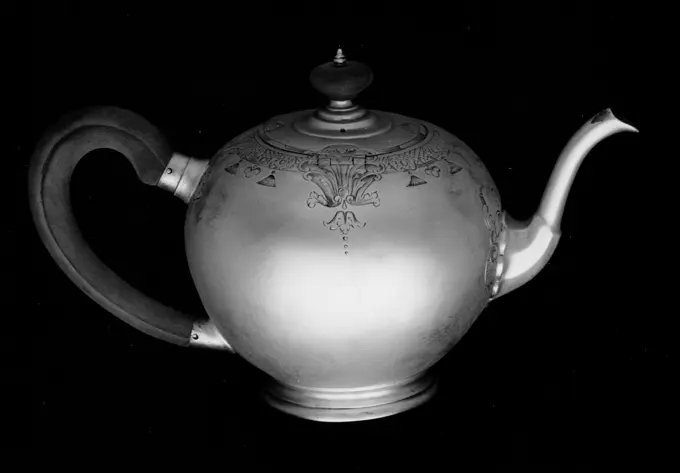
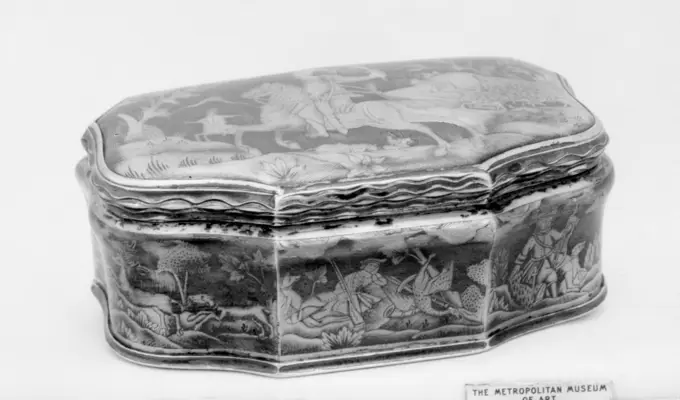
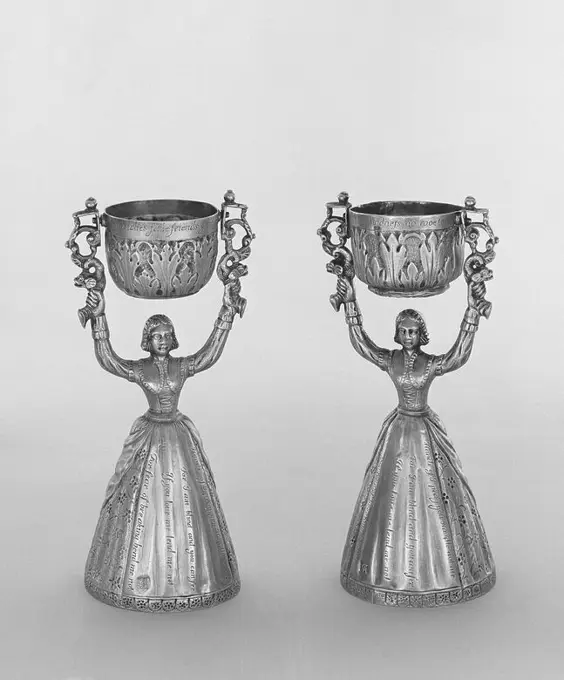
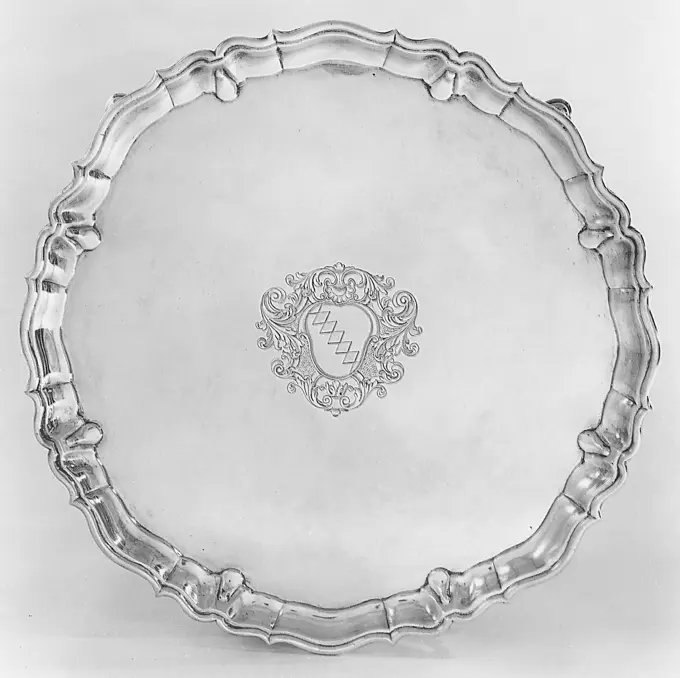
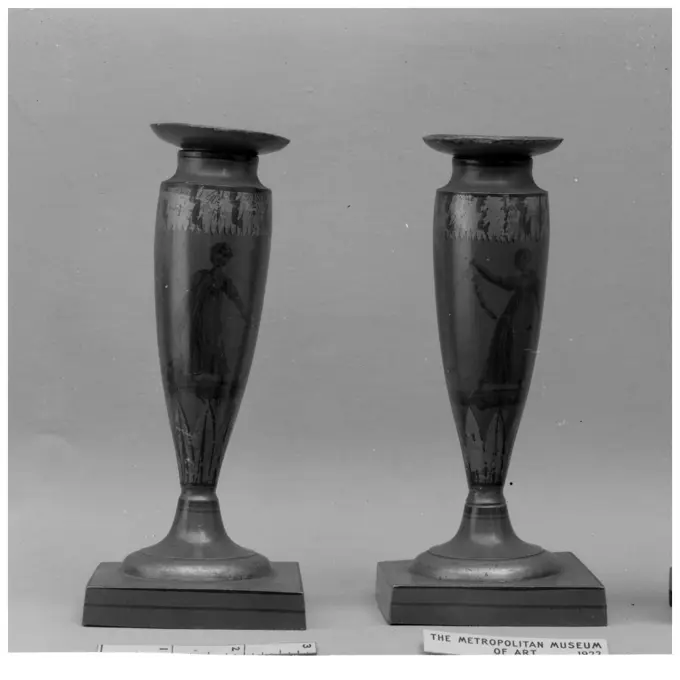
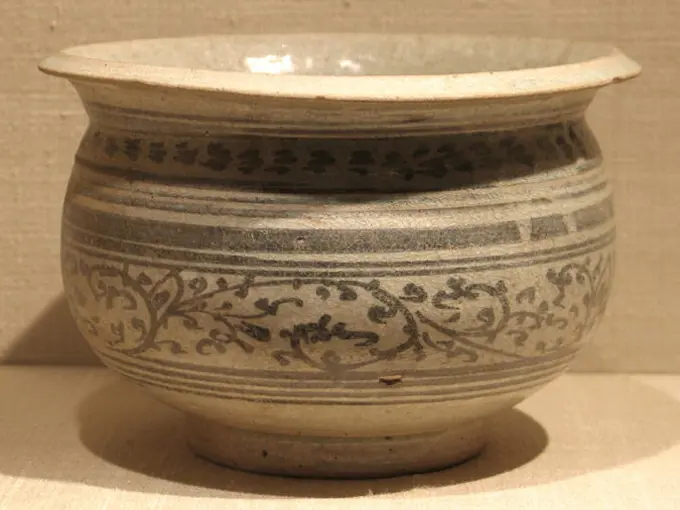
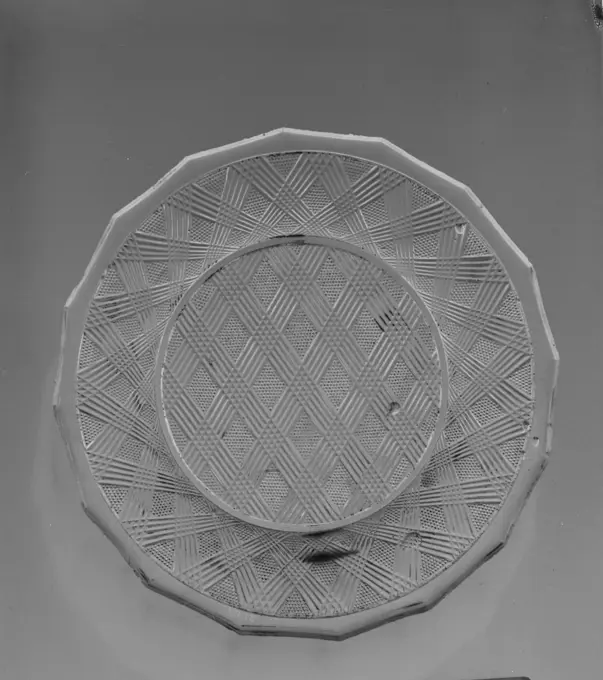
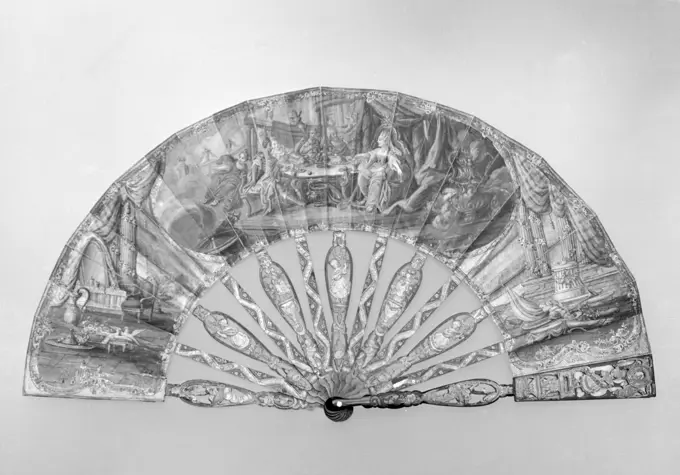
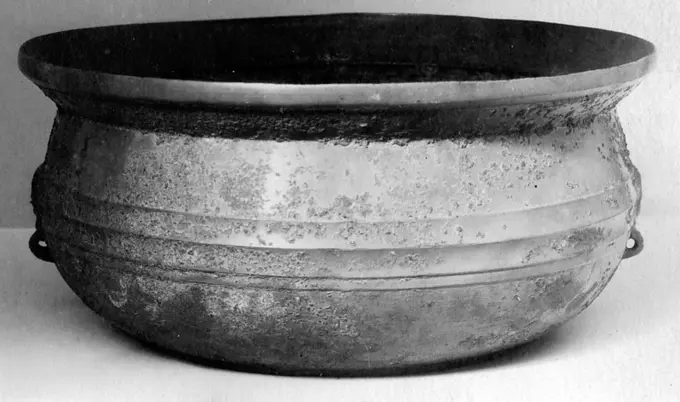
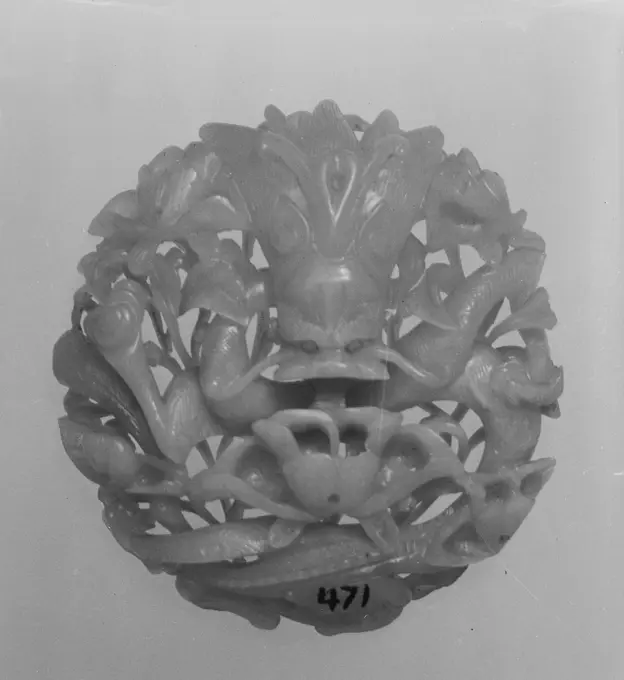
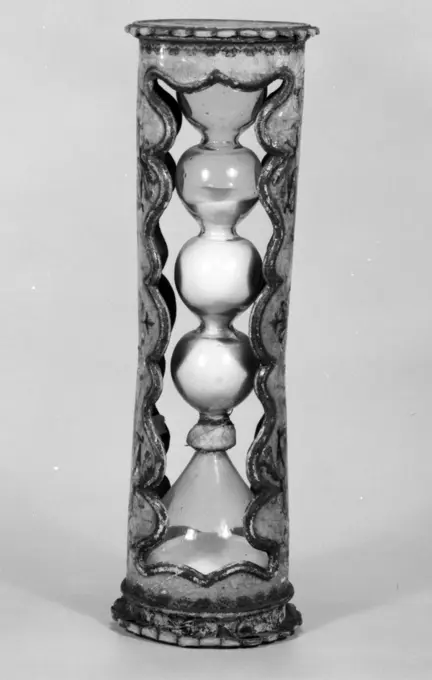
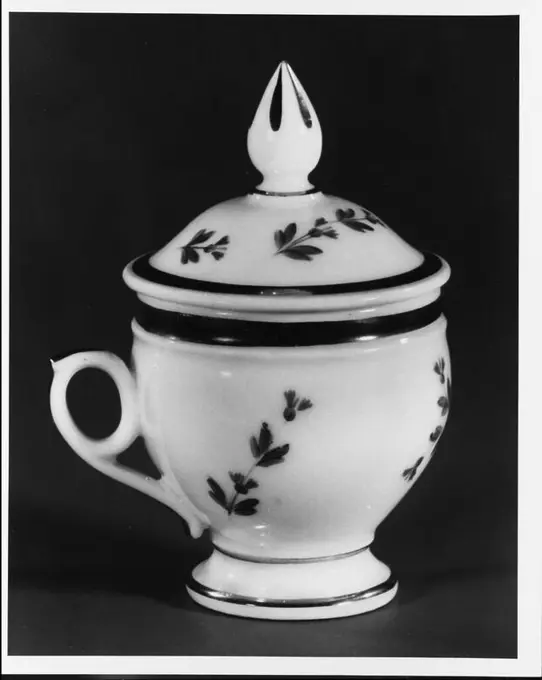
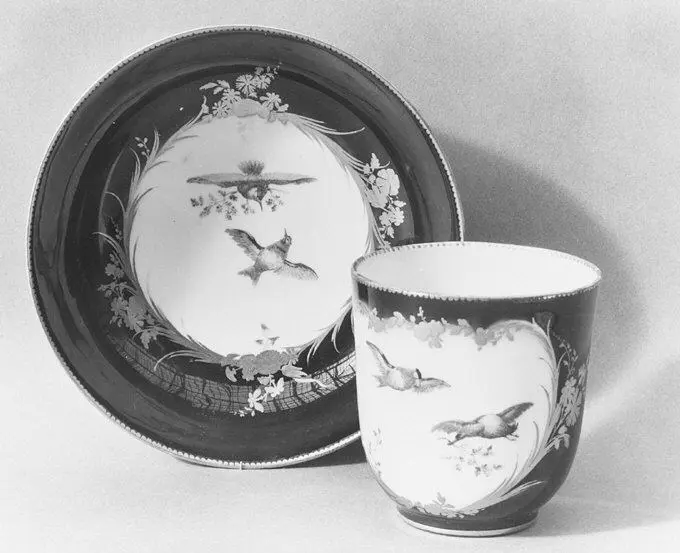
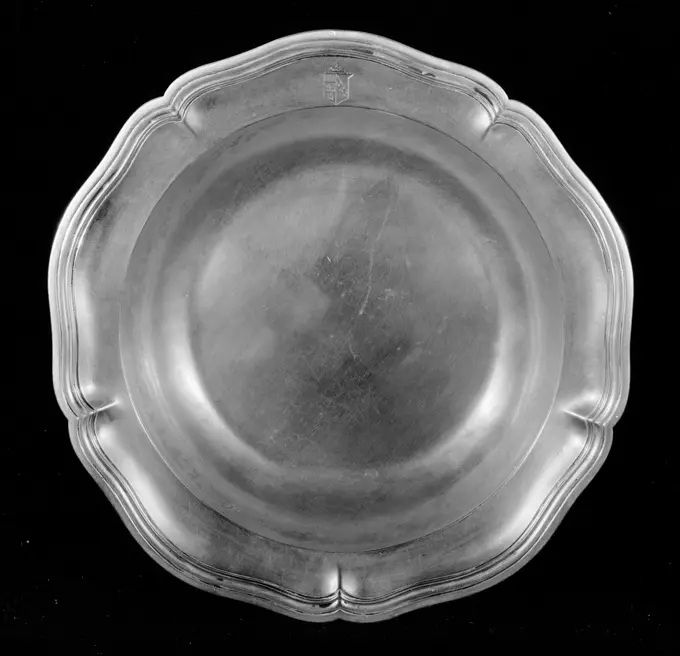
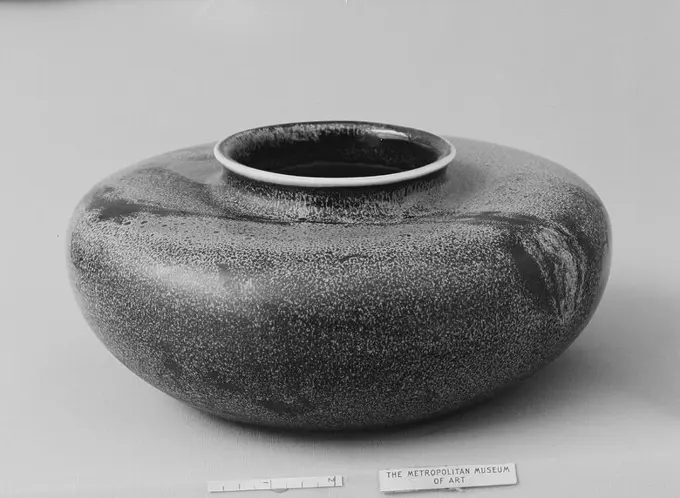
Tray 19th century China. Tray. China. 19th century. Painted enamel. Qing dynasty (1644-1911). EnamelsWater Carafe ca. 1850 American. Water Carafe 9754Coffee cup (part of a service) ca. 1760 Doccia Porcelain Manufactory Italian. Coffee cup (part of a service) 196897Bowl 19th century Japan. Bowl. Japan. 19th century. Clay inlaid with design in white slip covered with a transparent crackled glaze. Edo (1615-1868) or Meiji period (1868-1912). CeramicsBowl Korea. Bowl. Korea. Porcelain. Goryeo dynasty (918-1392). CeramicsTeapot 1790 Kentei Japanese. Teapot. Kentei (Japanese, 16th-17th century). Japan. 1790. Clay, fine and thin, decorated in polychrome enamels (Kyoto ware). Edo period (1615-1868). CeramicsHood bowl, Martin Gerlach jun, Photographer, Josef Hoffmann -, artistDish ca. 1735 Meissen Manufactory German. Dish 199199Water jug 1709-10 Seth Lofthouse. Water jug 200586Snuff Bottle late 19th century China. Snuff Bottle 41322Dish 1835-50 American or French. Dish. American or French. 1835-50. Lacy pressed glass. Possibly made in France; Possibly made in United StatesKantaros czarnofirnisowany. unknown, authorBowl 9th-10th century. Bowl 451712Pair of vases early 18th century French. Pair of vases. French. early 18th century. Carved and gilded wood. WoodworkPlate 1800-1830 Chinese. Plate. Chinese. 1800-1830. Porcelain. Made in ChinaGoblet vase 16th-17th century Italian, Venice or Façon de Venise. Goblet vase. Italian, Venice or Façon de Venise. 16th-17th century. Glass. GlassDish 1650-1700 Japan. Dish 52296Gourd-Shaped Vase 16th century China. Gourd-Shaped Vase 40689Saltcellar ca. 1680 Japan. Saltcellar 49334Aryballos. UnknownCoffee cup (part of a service) ca. 1760 Doccia Porcelain Manufactory Italian. Coffee cup (part of a service) 196896Dish 18th century () Japanese, for European market The gift of the Hans Syz Collection in 1995 endowed the Museum with nearly three hundred examples of European and Asian ceramics meticulously acquired by Swiss-born collector Dr. Syz (1894-1991) to chart the migration of models and patterns from East to West. Documenting a continuous process of influence and adaptation, these pieces provide a discriminating review of the nuances of stylistic change resulting from three centuries of trade.. Dish 208226Butter dish with cover and stand ca. 1750 Dutch, Delft. Butter dish with cover and stand 203281Flower Pot 19th century Eiraku Hozen. Flower Pot. Eiraku Hozen (Japanese, 1795-1854). Japan. 19th century. Paste covered with a transparent crackled glaze (Kyoto ware). Edo (1615-1868) or Meiji period (1868-1912). CeramicsCreamer 1875-80. Creamer 2630Teabowl ca. 1675 Ichinyu. Teabowl. Ichinyu (Japanese, died 1682). Japan. ca. 1675. Clay covered with a dull black glaze (Raku ware). Edo period (1615-1868). CeramicsSoba cup 19th century Japan. Soba cup 45346Joseph Willmore, Caddy Spoon, 1811/12, silver.Cup 1800-1830 British. Cup. British. 1800-1830. Earthenware, spatterware. Possibly made in Staffordshire, EnglandPorringer. Culture: American. Dimensions: 2 x 8 1/8 x 5 1/2 in. (5.1 x 20.6 x 14 cm). Maker: David Melville (1755-1793). Date: 1788. Museum: Metropolitan Museum of Art, New York, USA.Bowl ca. 1840 American. Bowl. American. ca. 1840. Lacy pressed glass. Made in New England, United StatesCummings' Columbian Art Tresures Exhibit. Photographs of Marshall Plan Programs, Exhibits, and PersonnelDeep dish (part of a service) 1760-70 Chinese, for Continental European market. Deep dish (part of a service) 201108Box 1830-70 American. Box. American. 1830-70. Parian porcelain. Probably made in Bennington, Vermont, United StatesEwer late 17th-early 18th century French. Ewer. French. late 17th-early 18th century. Glass. GlassTobacco can. Ćmielów (fabryka fajansu i porcelany ; 1804-), factoryWine taster 1794-97 Possibly Louis-Joseph Thomas. Wine taster. French, Paris. 1794-97. Silver. Metalwork-SilverTray 1781-87 Bordeaux French. Tray 188714 Factory: Bordeaux, French, Maker: Verneuilh, Tray, 178187, Hard-paste porcelain, 9 7/8  7 3/8 in. (25.1  18.7 cm). The Metropolitan Museum of Art, New York. Gift of Alfred Duane Pell, 1902 (02.6.210)Saucer. Culture: China. Dimensions: 2 5/8 in. (6.7 cm). Date: late 17th-early 18th century. Museum: Metropolitan Museum of Art, New York, USA.Coffee cup (part of a service) ca. 1780-85 Meissen Manufactory German. Coffee cup (part of a service). German, Meissen. ca. 1780-85. Hard-paste porcelain. Ceramics-PorcelainPlate. Culture: American. Dimensions: Diam. 11 1/2 in. (29.2 cm). Date: ca. 1780-1825. Museum: Metropolitan Museum of Art, New York, USA.Coffeepot ca. 1805 French, Paris. Coffeepot 188704 French, Paris, Coffeepot, ca. 1805, Hard-paste porcelain, Height: 10 15/16 in. (27.8 cm). The Metropolitan Museum of Art, New York. Gift of Alfred Duane Pell, 1902 (02.6.192a, b)Dish ca. 1760 British, Staffordshire. Dish 194492Probably William Schofield, Caddy Spoon, 1828/29, silver.Plate 16th-19th century China. Plate 47551Cup 17th century Japan. Cup 52372Dish ca. 1745-55 Chinese, probably for British market. Dish 193086Bowl. Culture: China. Dimensions: H. 3 7/8 in. (9.8 cm); Diam. 7 3/4 in. (19.7 cm). Date: late 17th-early 18th century. Museum: Metropolitan Museum of Art, New York, USA.Water pot 9th century China. Water pot 42398Water pot 19th century China. Water pot. China. 19th century. Porcelain with turqoise glaze (Jingdezhen ware), ivory lid. Qing dynasty (1644-1911). CeramicsBucket 1840 Japan. Bucket. Japan. 1840. Porcelain decorated in blue (Koto ware). Edo period (1615-1868). CeramicsWine Cup and Stand, Koryo (Goreyo) (Goreyo) . Celadon glaze; incised decoration, Koryo (Goreyo) (Goreyo) Dynasty (11th-12th century)Sugar box with cover ca. 1720-25 Vienna. Sugar box with cover 205280Plate. Dated: c. 1936. Dimensions: overall: 20.3 x 25.4 cm (8 x 10 in.) Original IAD Object: 4 1/2" in diameter. Medium: black and white photograph. Museum: National Gallery of Art, Washington DC. Author: Helmut Hiatt.Dinner Plate ca. 1800-1815 French. Dinner Plate. French. ca. 1800-1815. Porcelain. Made in Paris, FranceWatch ca. 1840-50 Watchmaker: Enar. Watch 195593Covered jar with ring handles 18th-19th century China. Covered jar with ring handles. China. 18th-19th century. Jade (nephrite). Qing dynasty (1644-1911). JadeLazio Roma Velletri Museo Capitolare1. Hutzel, Max 1960-1990 Medieval: Breviaries (two, 14-15th century); "The Passion" on vellum (French school, late 13th century); reliquaries. Post-medieval: Paintings, frescoes, vestments, sculpture, metalwork, panel painting Object Notes: Bibliographic material housed in Center library. Hutzel photo campaign dates: one undated, another November 9, 1985. It is likely that notes for the Pinacoteca Cattedrale (no separate Hutzel entry) describe items under this heading. TCI seems to indicate that the Museo Capitolare is adjacent to the cathedral. As well, some prints are missing; the initial Hutzel entry indicates that there are 422 prints. At this count, I can find 142. German-born photographer and scholar Max Hutzel (1911-1988) photographed in Italy from the early 1960s until his death. The result of this project, referred to by Hutzel as Foto Arte Minore, is thorough documentation of art historical development in Italy up to the 18th century, incluCup (part of a service) ca. 1770 Frankenthal Porcelain Manufactory. Cup (part of a service) 196941Plate ca. 1710-20 French, Rouen Faience, or tin-glazed and enameled earthenware, first emerged in France during the sixteenth century, reaching widespread usage among elite patrons during the seventeenth and early eighteenth centuries, prior to the establishment of soft-paste porcelain factories. Although characterized as more provincial in style than porcelain, French faience was used at the court of Louis XIV as part of elaborate meals and displays, with large-scale vessels incorporated into the Baroque garden designs of Versailles. Earlier examples of French faience attest to the strong influence of maiolica artists from Italy. Later works demonstrate the ways in which cities such as Nevers, Rouen, Lyon, Moustiers, and Marseille developed innovative vessel shapes and decorative motifs prized among collectors throughout Europe. While faience can be created from a wide mixture of clays, it is foremost distinguished by the milky opaque white color achieved by the addition of tin oxide Salt 17th century British, Lambeth. Salt 198112Dish ca. 1725 Meissen Manufactory German. Dish 206026Covered bowl with floral pattern 19th century China. Covered bowl with floral pattern 46232Milk jug ca. 1755-65 Fürstenberg Porcelain Manufactory. Milk jug. German, Fürstenberg. ca. 1755-65. Hard-paste porcelain. Ceramics-PorcelainDish 18th century Spanish Tin-glazed earthenware, of which lusterware is one type, was developed in the Middle East in the ninth and tenth centuries to imitate the porcelains produced in China. The opaque white glaze concealed the clay body, which could range from pale buff to brick red, allowing for brilliant effects created by painting the white surface with metal oxides that fired to a range of colors. This technique, as well as the use of metallic lusteran iridescent, coppery painted glazespread throughout the Muslim world, arriving among the potters of Valencia in the thirteenth century. The so-called Hispano-Moresque lusterware, with its fusion of Islamic and Gothic styles and motifs, often in shaped imitating those of metal vessels, was treasured by the elite in Spain during the fifteenth century and exported to the courts of Europe. The Valencian industry declined in the late sixteenth century, as colorful Italian Renaissance maiolica gained in popularity among the fashionablLazio Latina Sezze Antiquarium Comunale31. Hutzel, Max 1960-1990 German-born photographer and scholar Max Hutzel (1911-1988) photographed in Italy from the early 1960s until his death. The result of this project, referred to by Hutzel as Foto Arte Minore, is thorough documentation of art historical development in Italy up to the 18th century, including objects of the Etruscans and the Romans, as well as early Medieval, Romanesque, Gothic, Renaissance and Baroque monuments. Images are organized by geographic region in Italy, then by province, city, site complex and monument.Sconce 1795-1815. Sconce. 1795-1815. Silver plate on copper. Possibly made in South Yorkshire, Sheffield, EnglandDish. Culture: China. Dimensions: Diam. 10 1/2 in. (26.7 cm). Date: late 18th-19th century. Museum: Metropolitan Museum of Art, New York, USA.Bottle. Culture: China. Dimensions: H. 7 3/4 in. (19.7 cm); Diam. 3 1/2 in. (8.9 cm). Museum: Metropolitan Museum of Art, New York, USA.Plate 1801-4 Imperial Porcelain Manufactory, St. Petersburg Russian. Plate 188577 Factory: Imperial Porcelain Manufactory, St. Petersburg, Russian, 1744present, Plate, 18014, Hard-paste porcelain, Diameter: 9 1/2 in. (24.1 cm). The Metropolitan Museum of Art, New York. Gift of Alfred Duane Pell, 1902 (02.6.21)Silver Miniature Pedestal Bowl 11th-12th century Chancay. Silver Miniature Pedestal Bowl 308739Cup and saucer German, Klosterle 19th century The gift of the Hans Syz Collection in 1995 endowed the Museum with nearly three hundred examples of European and Asian ceramics meticulously acquired by Swiss-born collector Dr. Syz (1894-1991) to chart the migration of models and patterns from East to West. Documenting a continuous process of influence and adaptation, these pieces provide a discriminating review of the nuances of stylistic change resulting from three centuries of trade.Box 17th century probably German. Box 196715ThreeTumblersMedallion China Qing dynasty (1644-1911), Kangxi period (1662-1722) View more. Medallion. China. Nephrite. Qing dynasty (1644-1911), Kangxi period (1662-1722). JadePlate 1751-83 Worcester factory. Plate. British, Worcester. 1751-83. Soft-paste porcelain. Worcester factory (British, 1751-2008). Ceramics-PorcelainTea jar. Culture: Japan. Dimensions: H. (with cover) 3 in. (7.6 cm). Date: 1800. Museum: Metropolitan Museum of Art, New York, USA.Broth bowl 17th century Flemish or French. Broth bowl 193329Bowl first half of the 19th century China. Bowl 48025Maker's mark CQ in oval shield, Teapot, 1748, silver.Box mid-18th century German. Box 192867Lo 19th century Chinese. Lo 500582Wager cup (one of a pair). Culture: British, London. Dimensions: Height: 6 1/8 in. (15.6 cm). Maker: J. A. or I. A., London (early 19th century). Date: probably early 19th century. Museum: Metropolitan Museum of Art, New York, USA.Robert Abercromby, Salver, 1737/38, silver.Plate. Culture: Japan. Dimensions: Diam. 12 1/2 in. (31.8 cm). Date: ca. 1850. Museum: Metropolitan Museum of Art, New York, USA.Pair of candlesticks late 18th-early 19th century French. Pair of candlesticks. French. late 18th-early 19th century. Pewter, painted. Metalwork-PewterCushion Cover for Imperial Arm Pillow China. Cushion Cover for Imperial Arm Pillow 69911Pot with Foliate Design 14th-ca. mid-16th century Thailand (Si Satchanalai). Pot with Foliate Design 37462Plate 1825-30 American. Plate 6055Fan third quarter 18th century Italian or French. Fan 209708Bowl China. Bowl. China. Bronze. Han dynasty (206 B.C.-A.D. 220). MetalworkMedallion China. Medallion. China. Nephrite. Qing dynasty (1644-1911), Kangxi period (1662-1722). JadeUnknown, Salver, modern, silver plated.Hourglass 18th century Italian. Hourglass. Italian. 18th century. Glass, lacquer. GlassCustard Cup. Culture: French. Dimensions: 4 1/4 x 3 1/4 x 2 1/2 in. (10.8 x 8.3 x 6.4 cm). Date: 1815-30. Museum: Metropolitan Museum of Art, New York, USA.Set of four dishes 1745-46 Paul de Lamerie British. Set of four dishes 202068Cup (gobelet Calabre) and saucer cup 1756, saucer 1754 Vincennes Manufactory French. Cup (gobelet Calabre) and saucer 200864Jean-Baptiste Saurin, Dish, 1785, silver.Vase. Culture: Japan. Dimensions: H. (with cover)14 1/4 in. (36.2 cm). Date: 1830. Museum: Metropolitan Museum of Art, New York, USA.Vase. Artist: Takemoto (Japanese, 1845-1892). Culture: Japan. Dimensions: H. 4 1/4 in. (10.8 cm); Diam. 9 5/8 in. (24.4 cm). Date: 19th century. Museum: Metropolitan Museum of Art, New York, USA.