Antique Decorative Objects

A collection of exquisite antique items including a miniature toilet box, ceramic bottles, and flower-adorned jars, showcasing intricate craftsmanship from various cultures.

Bottle ca. 1800 Japan. Bottle. Japan. ca. 1800. Clay, finely crackled white glaze; band of motifs (Kyoto ware). Edo period (1615-1868). Ceramics
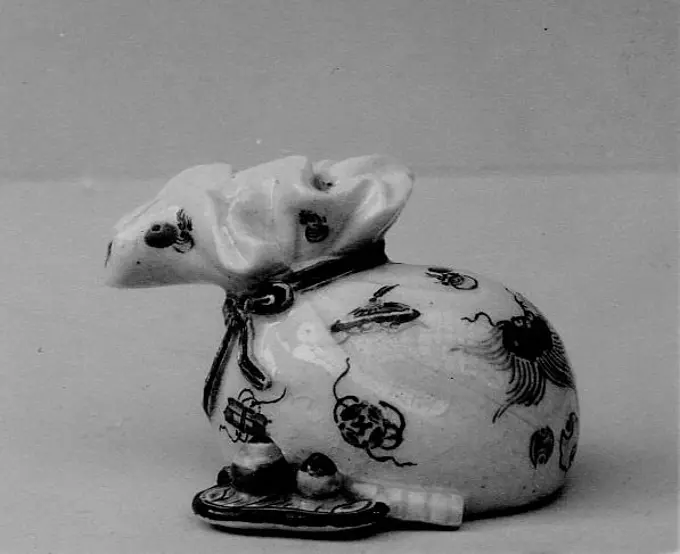
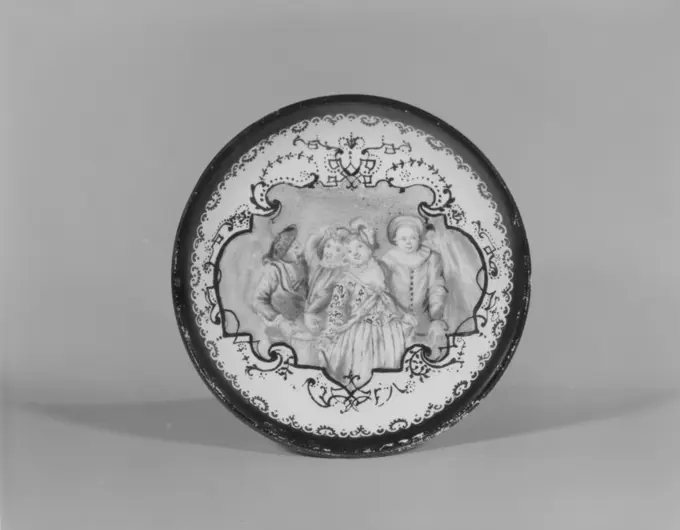
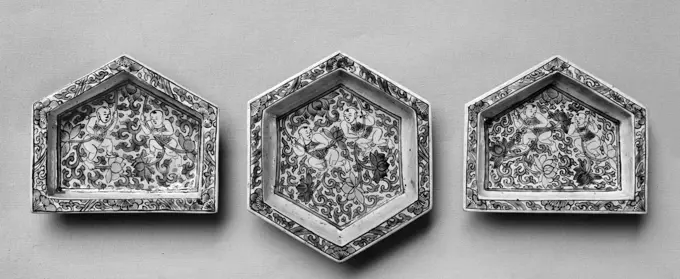
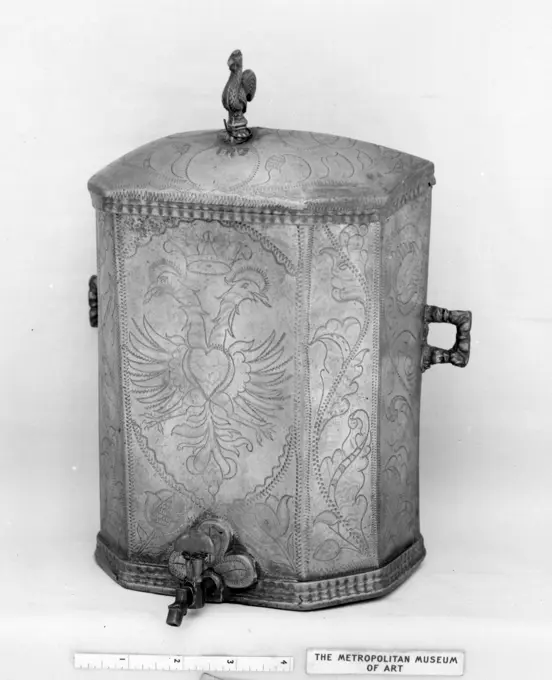
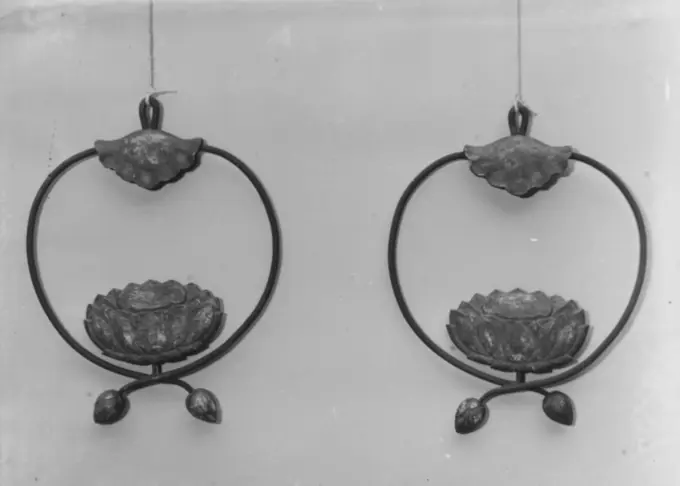
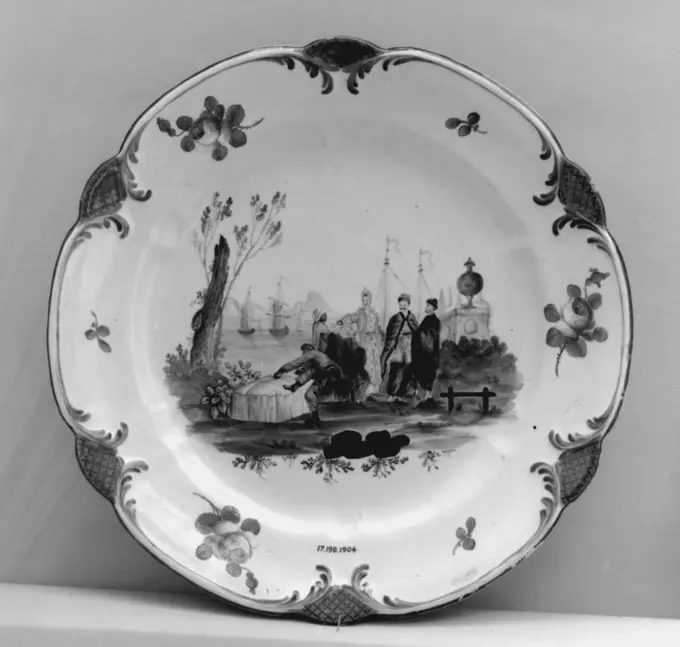
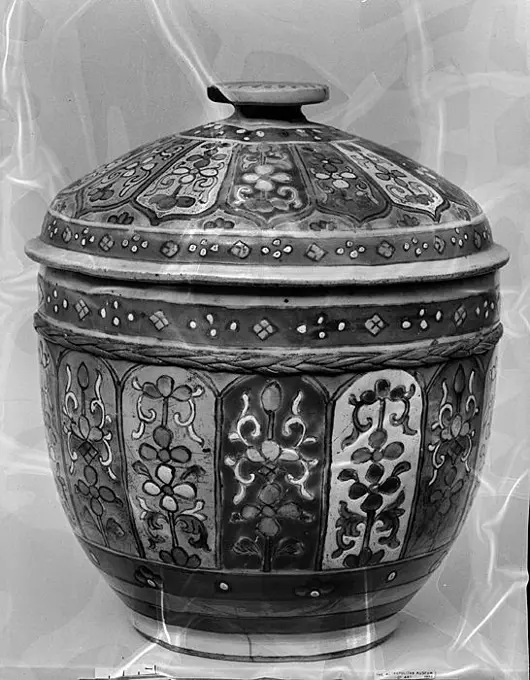
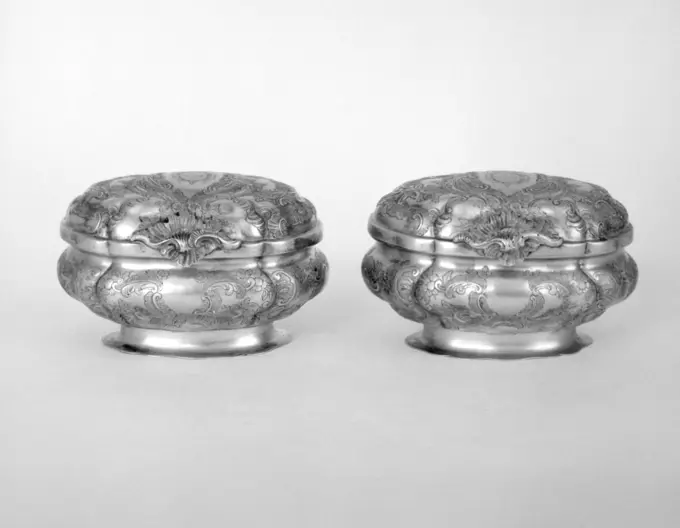
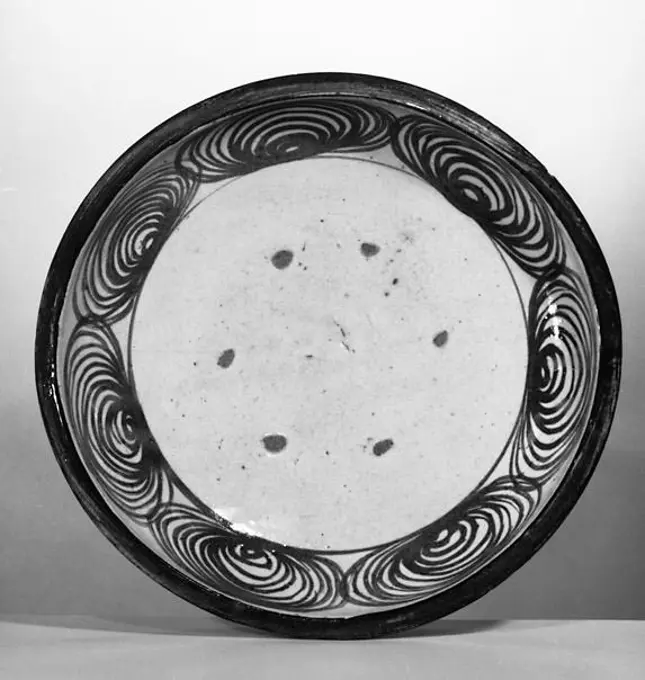
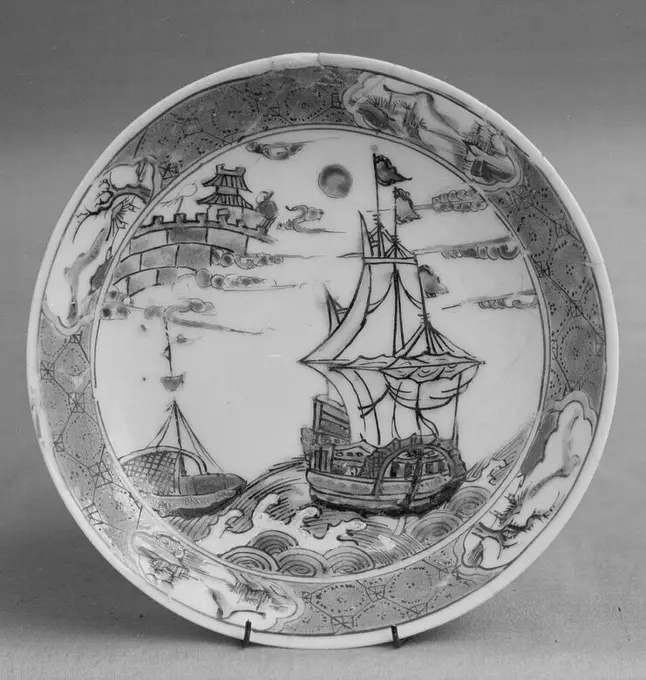
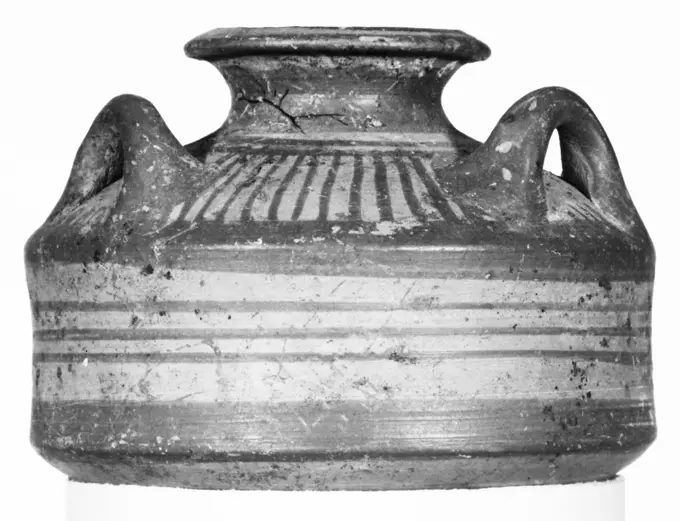
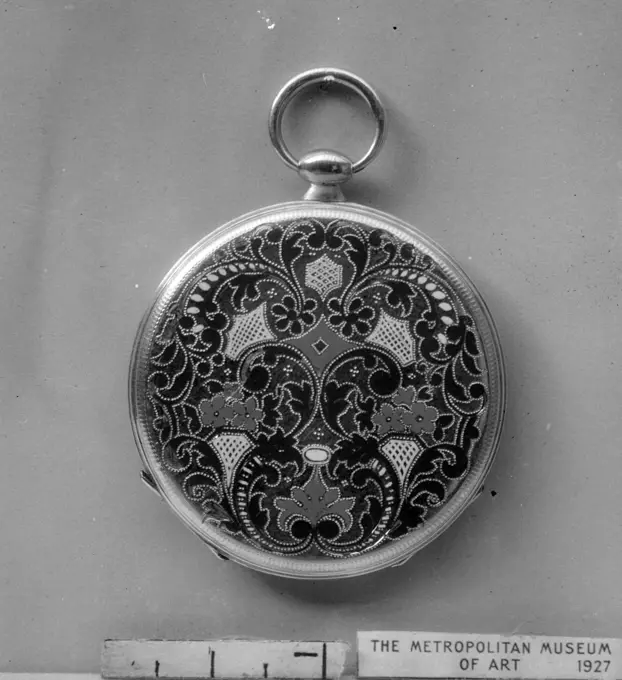
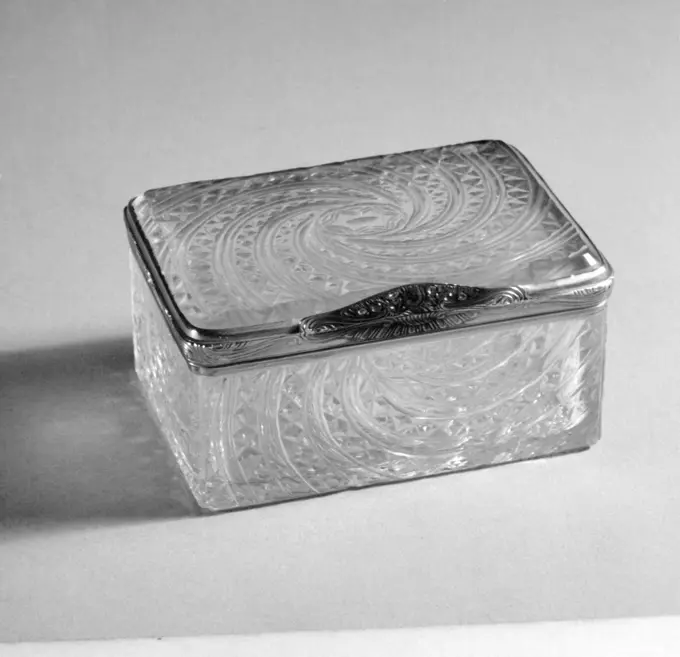
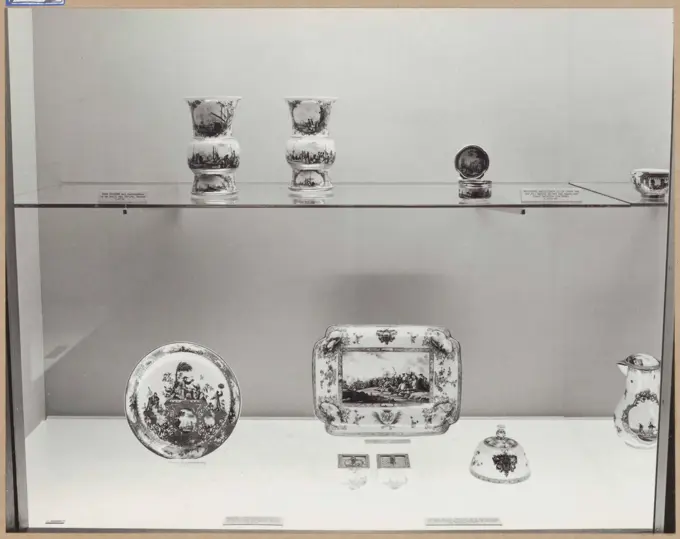
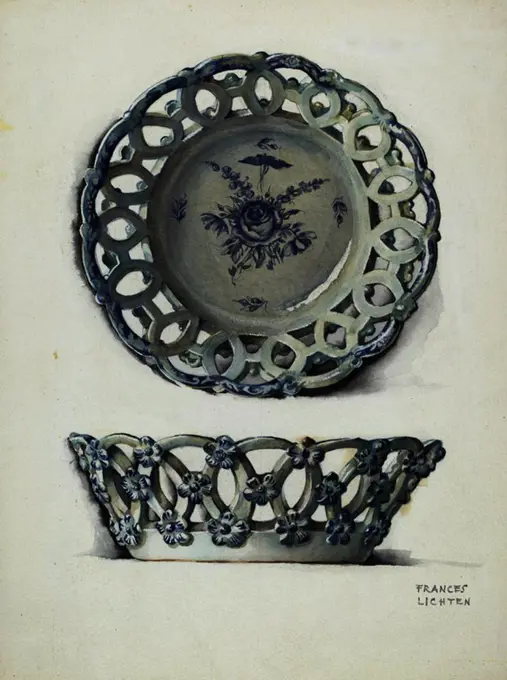
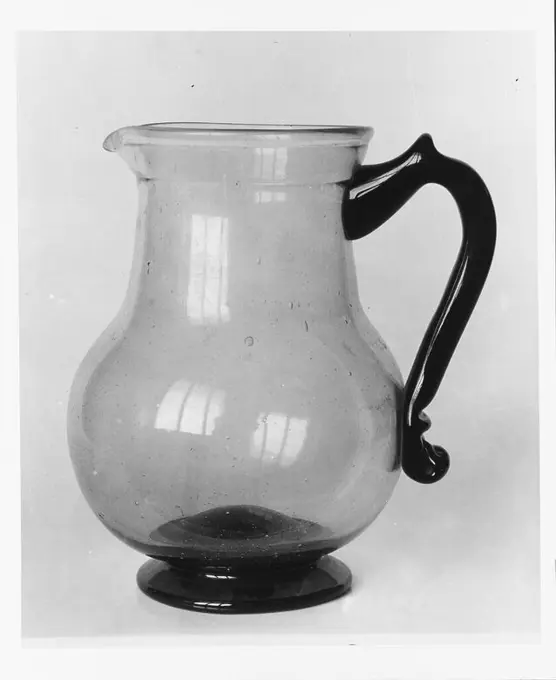
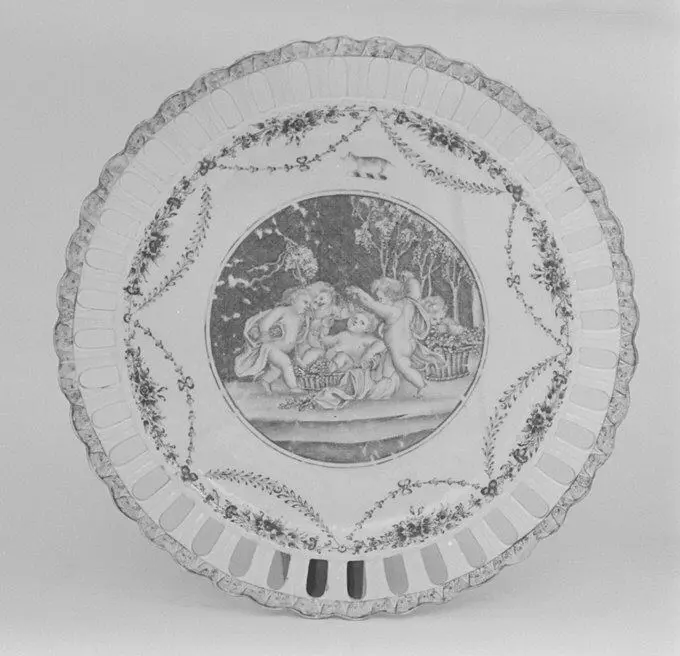
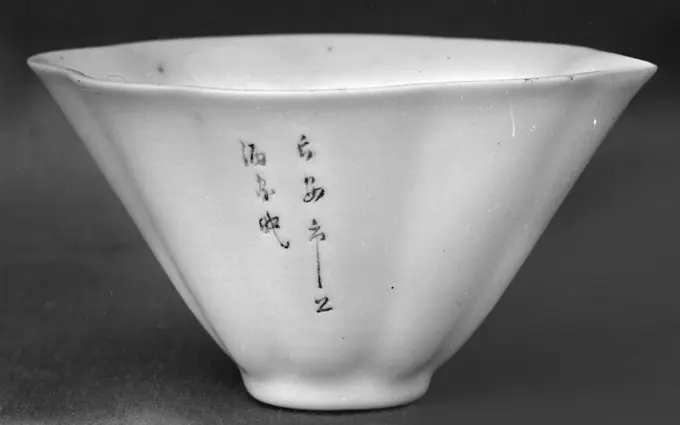
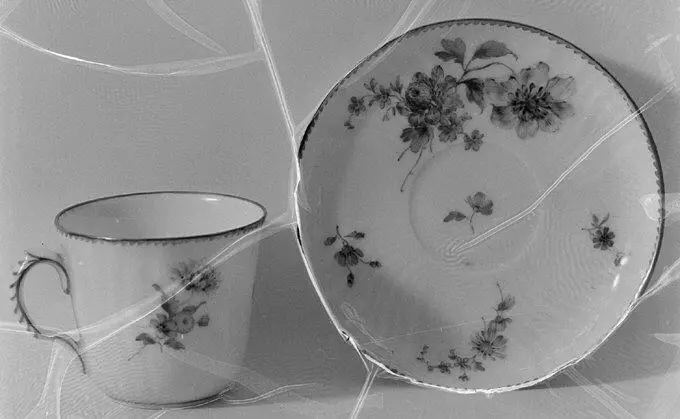
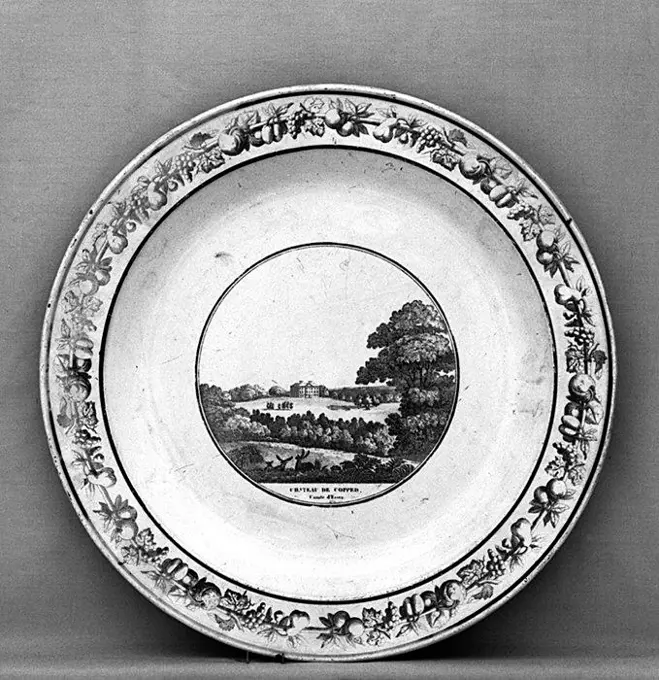
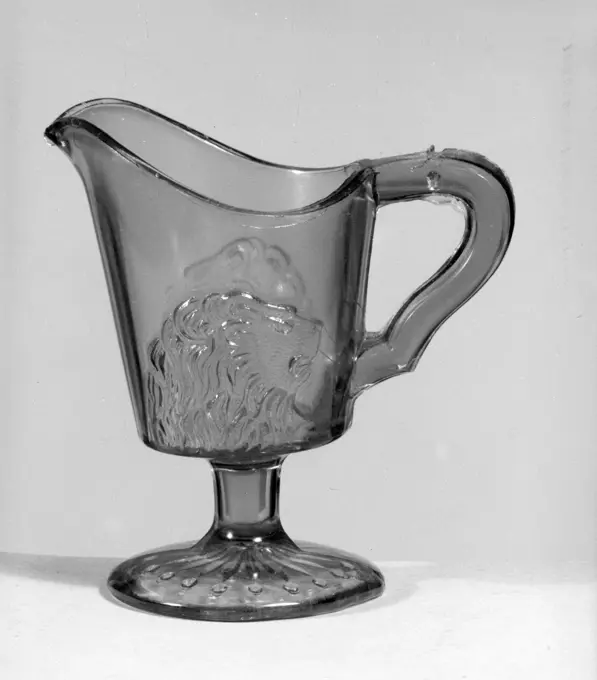
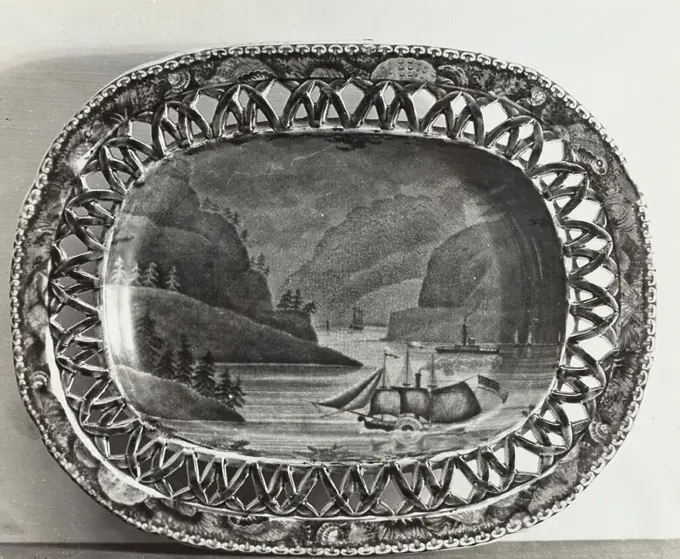
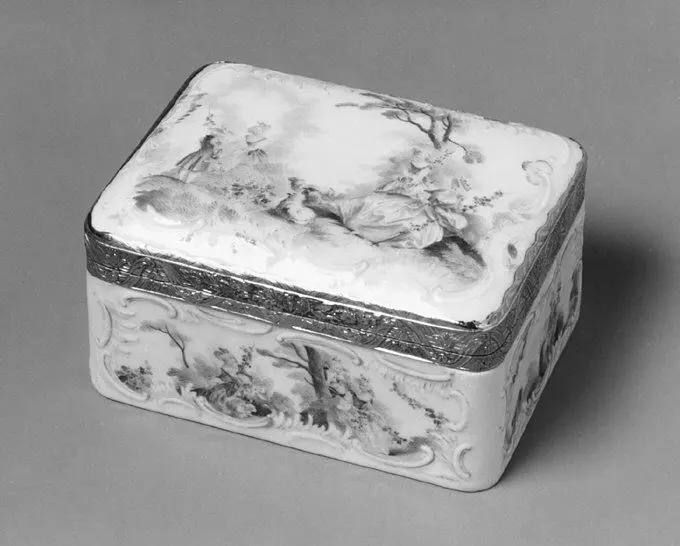
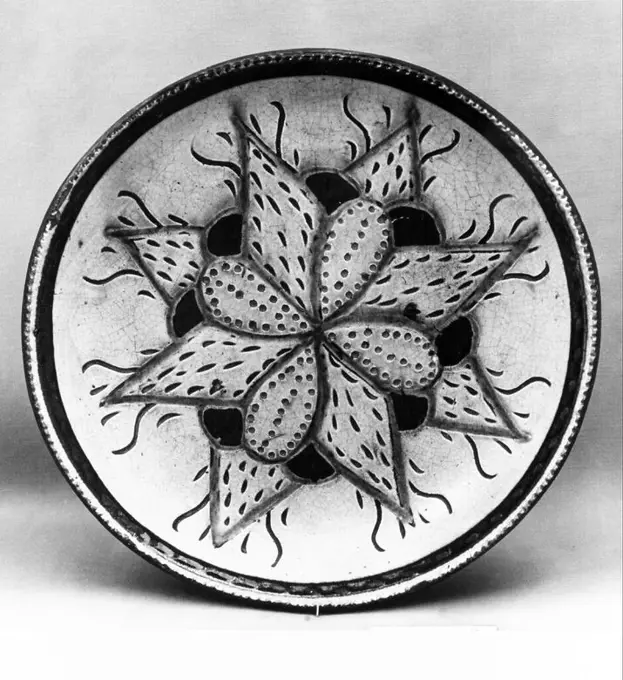
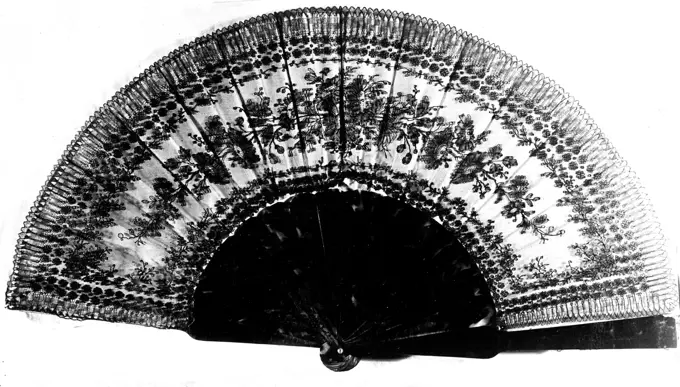
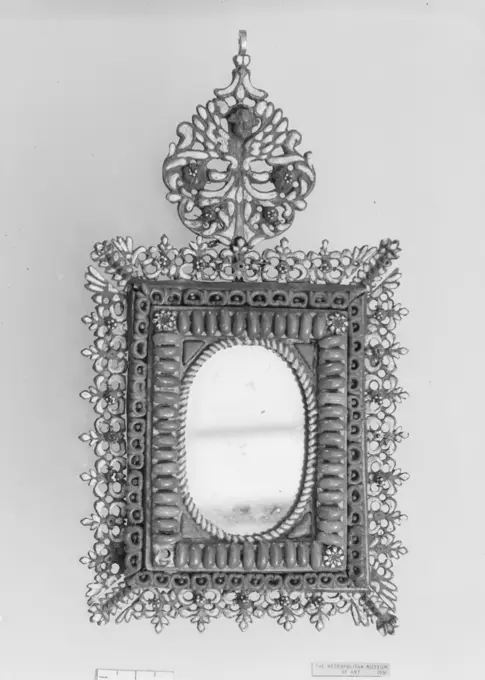
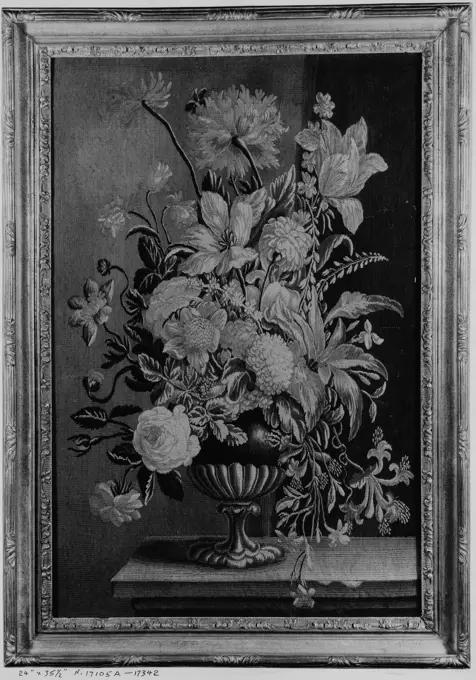
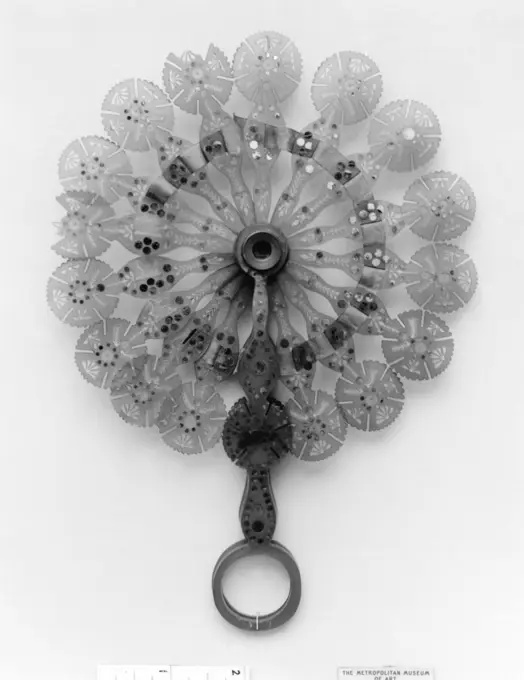
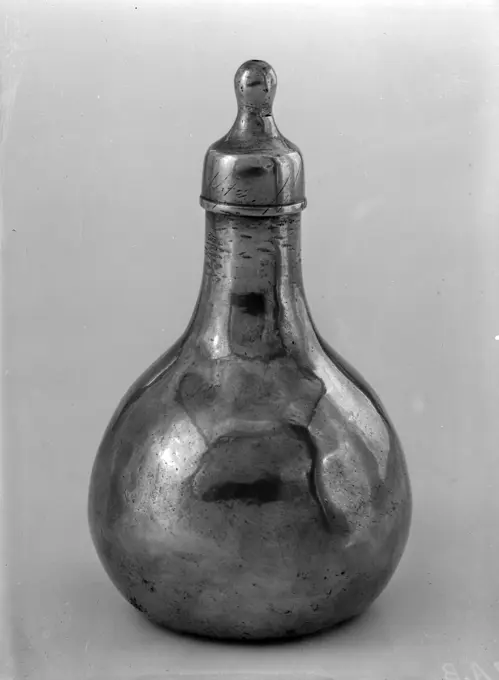
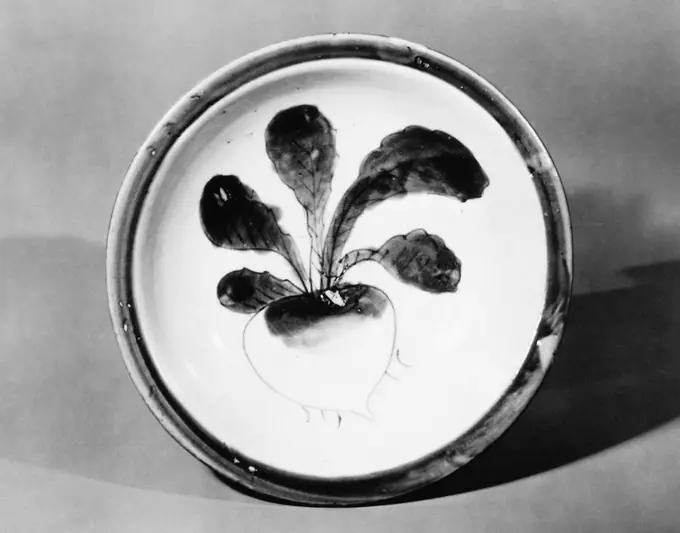
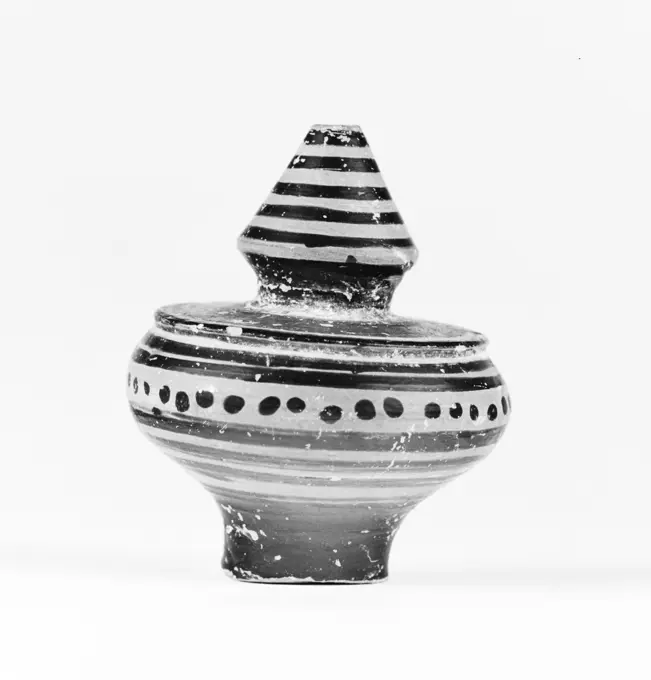
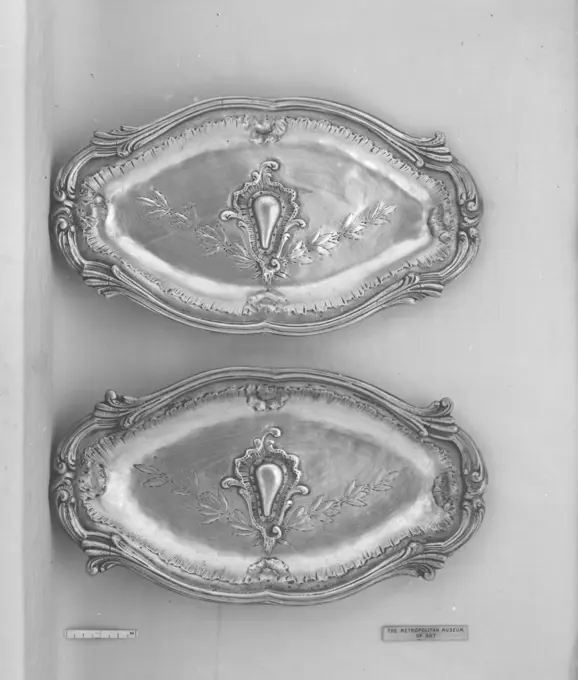
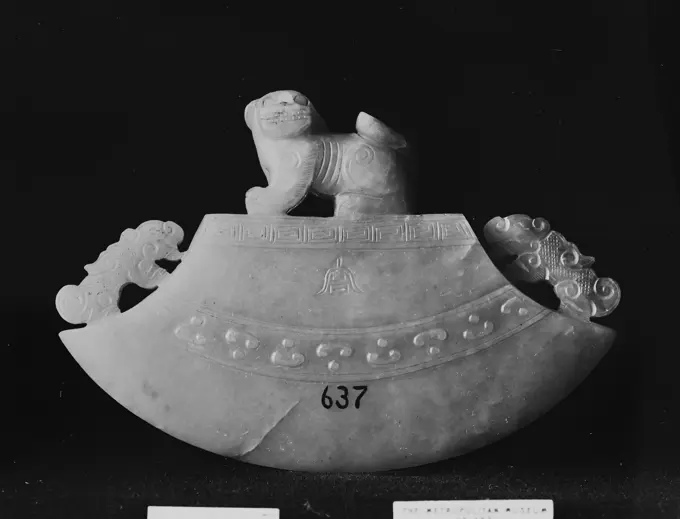
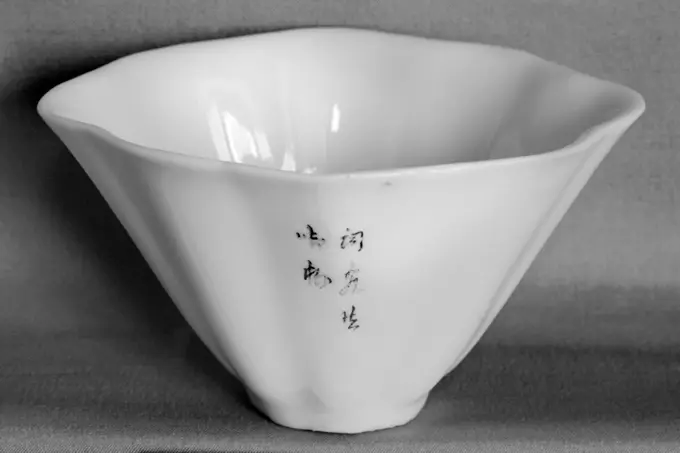
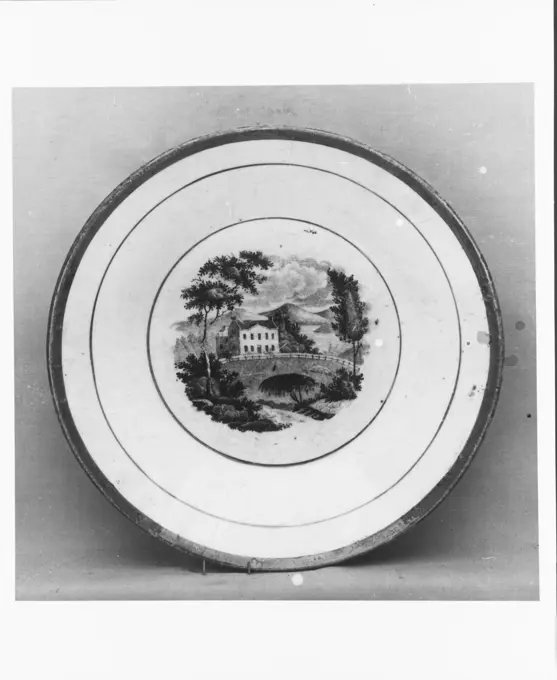
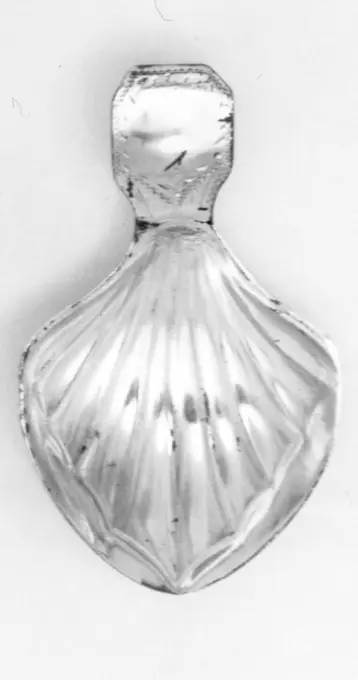
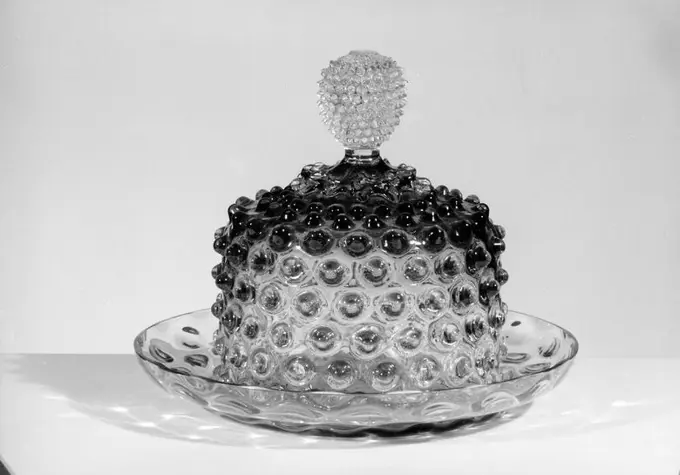
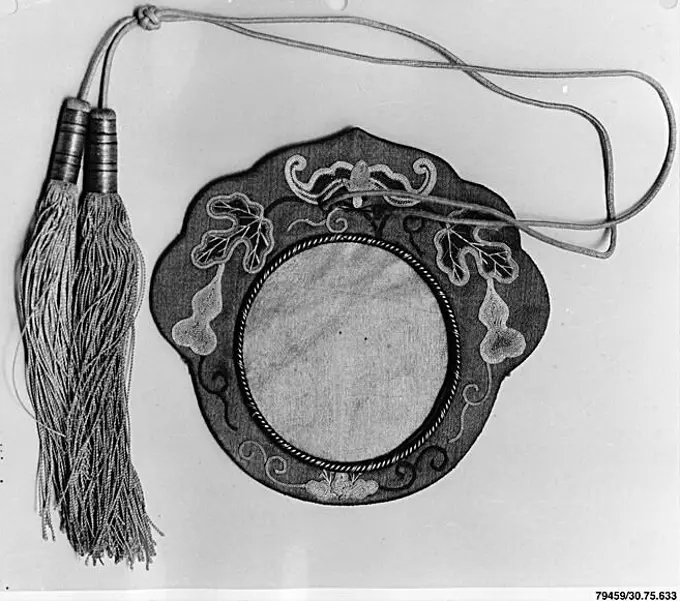
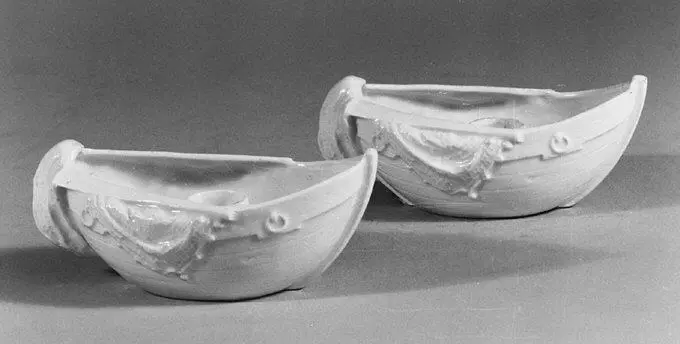
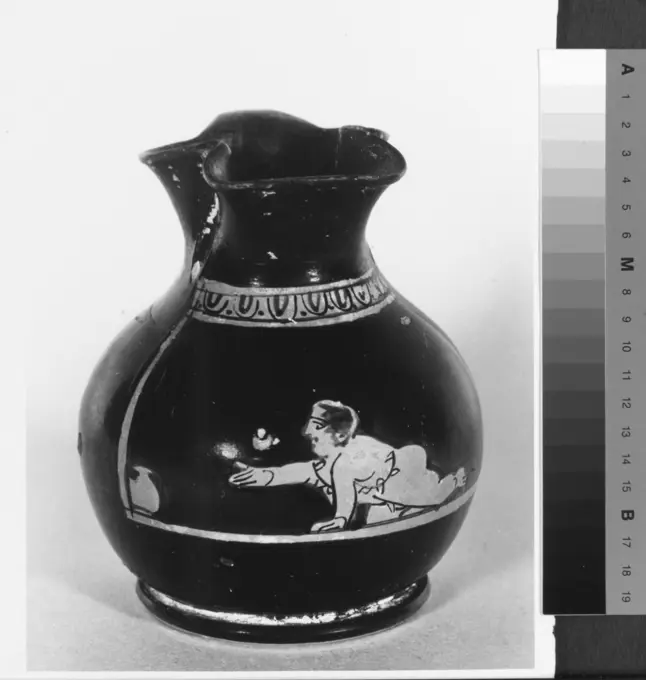
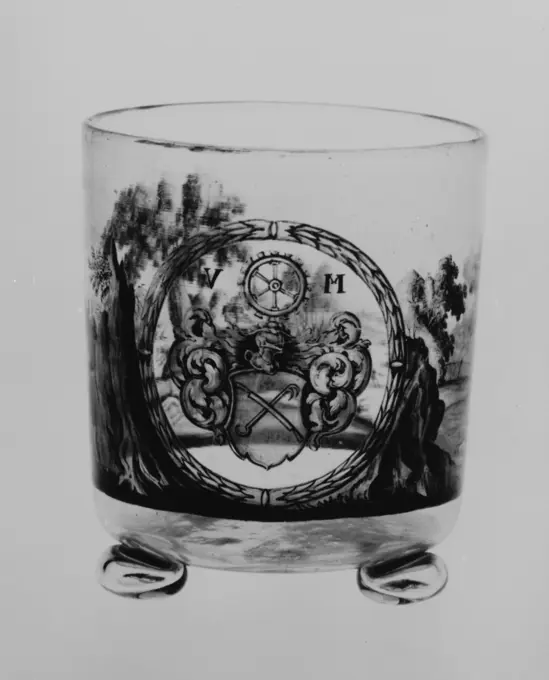
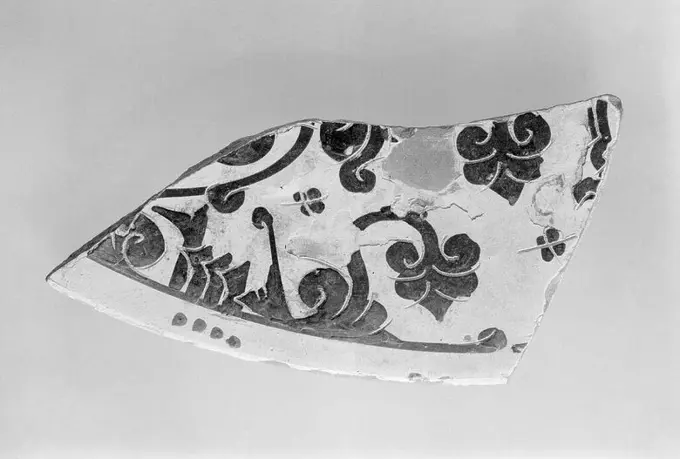
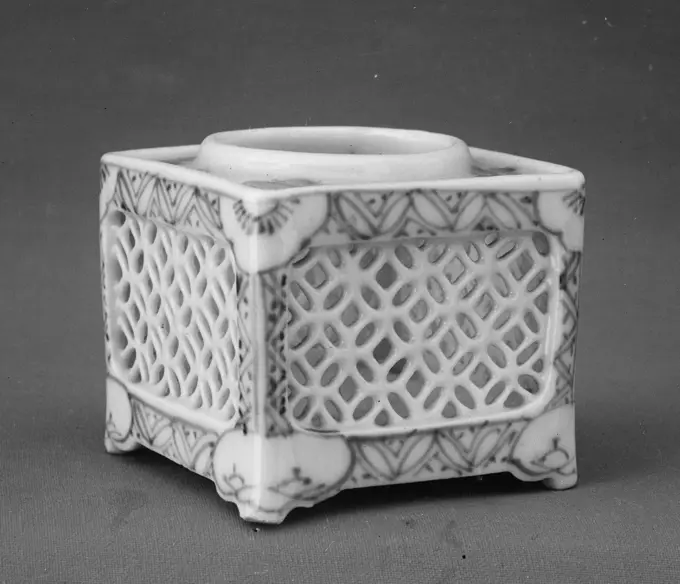
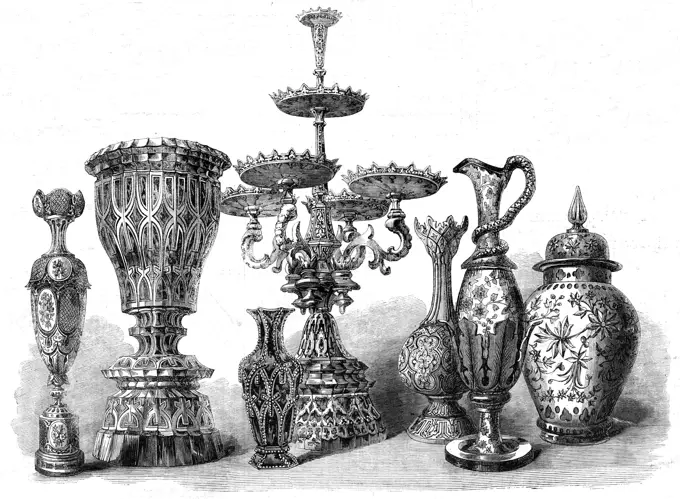
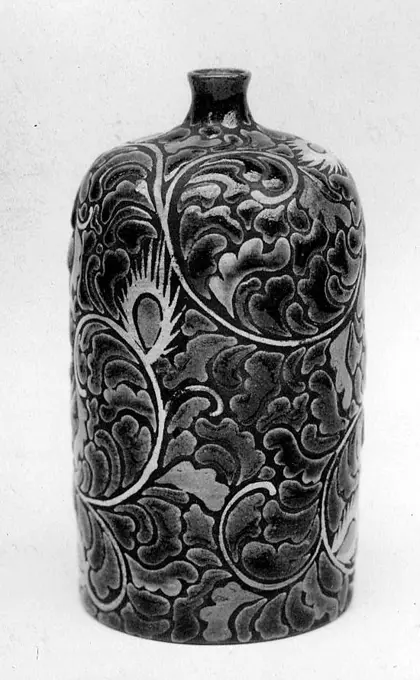
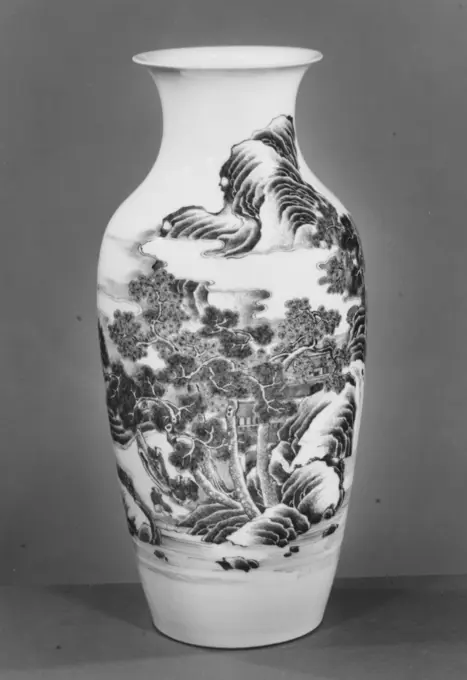
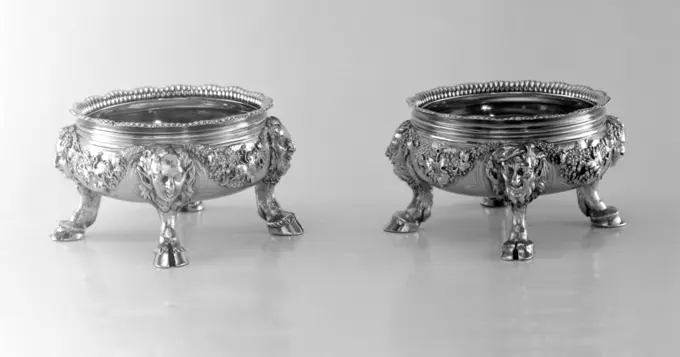
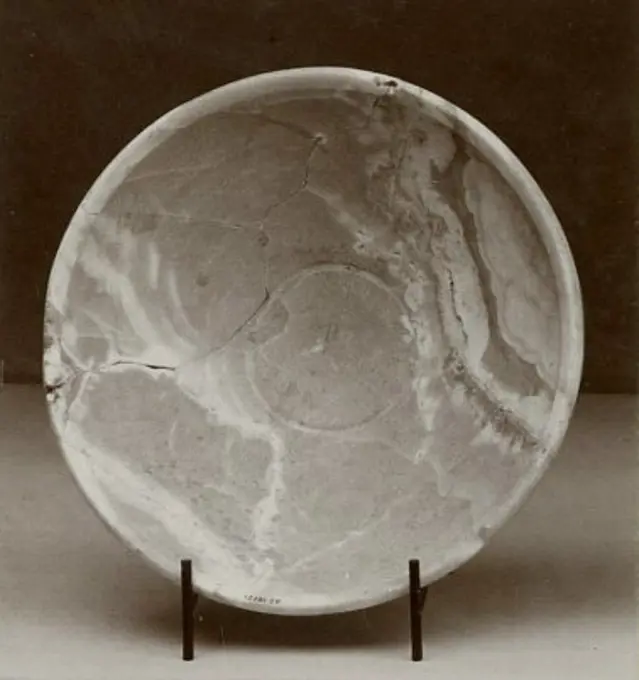
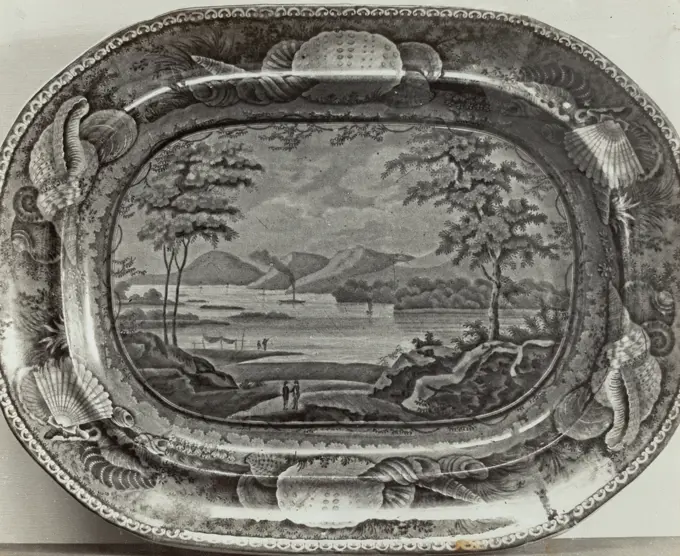
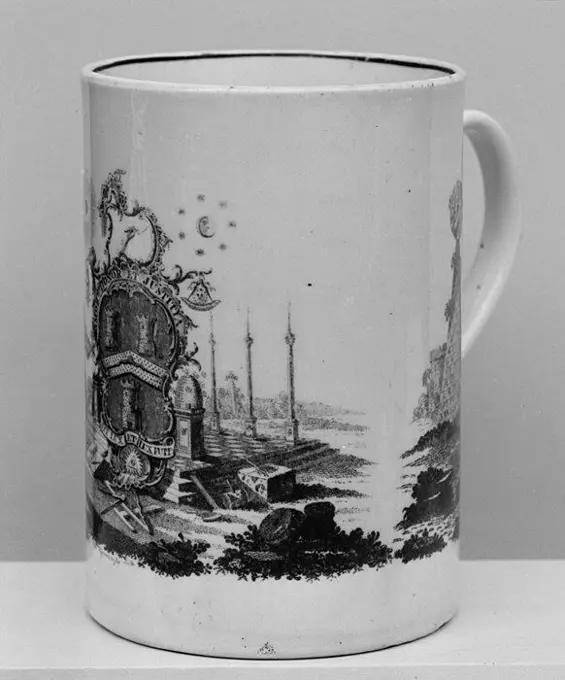
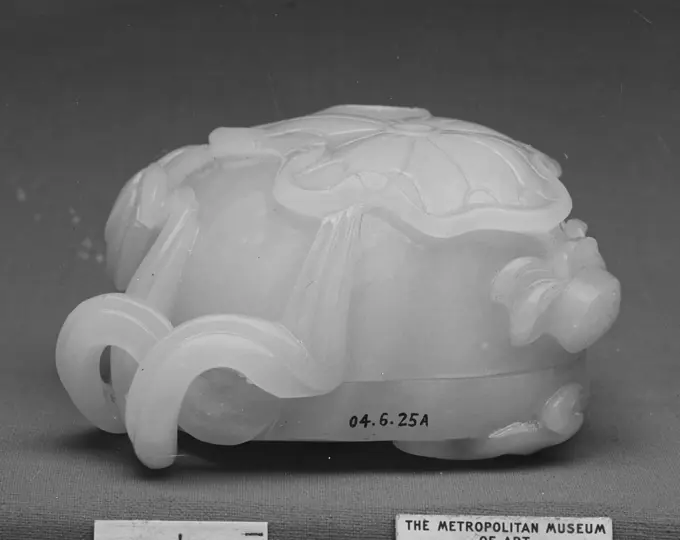
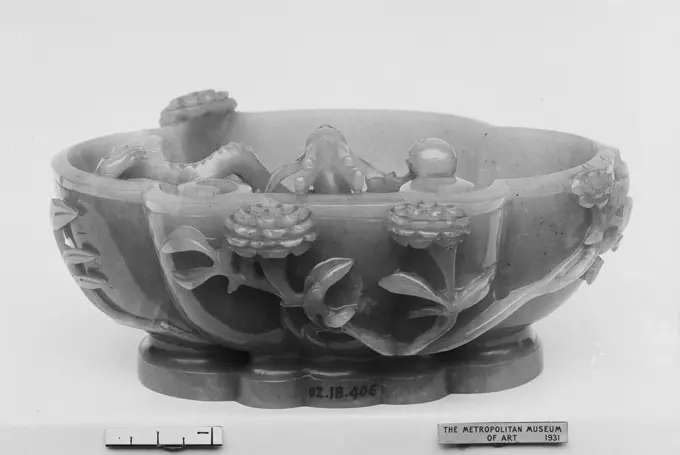
Water receptacle China. Water receptacle. China. Nephrite. Ming dynasty (1368-1644). JadeWater Bottle in form of Hotei's Bag, Fan and Jewels 1820 Japan. Water Bottle in form of Hotei's Bag, Fan and Jewels. Japan. 1820. Faience decorated in colored enamels and gold (Satsuma ware). Edo period (1615-1868). CeramicsSaucer (part of a service) ca. 1725, decorated ca. 1740 Meissen Manufactory German. Saucer (part of a service). German, Meissen with German, Augsburg decoration. ca. 1725, decorated ca. 1740. Hard-paste porcelain. Ceramics-PorcelainThree sweetmeat dishes with boys at play late 17th-early 18th century China. Three sweetmeat dishes with boys at play. China. late 17th-early 18th century. Porcelain painted with polychrome enamels on biscuit (Jingdezhen ware). Qing dynasty (1644-1911), Kangxi period (1662-1722). CeramicsLavatory or portable cistern 17th century probably German. Lavatory or portable cistern. probably German. 17th century. Pewter. Metalwork-PewterKeman (Flower Garland” Temple Decoration) early 20th-century copy of 8th-century original Niiro Chōnosuke Japanese Keman (Sanskrit: kusumamala) literally means garland of flowers,” and refers to pendant decorative disks, usually made of bronze in the shape of a round fan (uchiwa), that are suspended from beams of inner sanctuary of a temple, above a Buddhist statue. They are thought to have their origin in the garlands of fresh flowers that were offered to nobles in ancient India. This pair of keman (with 25.229.2) are copies of 8th-century examples preserved at Horyūji Temple near Nara.. Keman (Flower Garland” Temple Decoration) 60026Plate ca. 1788 Levavasseur Faience, or tin-glazed and enameled earthenware, first emerged in France during the sixteenth century, reaching widespread usage among elite patrons during the seventeenth and early eighteenth centuries, prior to the establishment of soft-paste porcelain factories. Although characterized as more provincial in style than porcelain, French faience was used at the court of Louis XIV as part of elaborate meals and displays, with large-scale vessels incorporated into the Baroque garden designs of Versailles. Earlier examples of French faience attest to the strong influence of maiolica artists from Italy. Later works demonstrate the ways in which cities such as Nevers, Rouen, Lyon, Moustiers, and Marseille developed innovative vessel shapes and decorative motifs prized among collectors throughout Europe. While faience can be created from a wide mixture of clays, it is foremost distinguished by the milky opaque white color achieved by the addition of tin oxide to thVetrat, Tea Set, c. 1860, silver.Covered bowl with floral pattern 19th century China. Covered bowl with floral pattern 46253Lazio Viterbo Viterbo Museo Civico97. Hutzel, Max 1960-1990 Views of paintings (Middle Ages through 18th c.), frescoes, a tabernacle, coffin, sculpture reliefs, portal fragments, busts, sculpture, tapestry found in the Pinacoteca, Second floor gallery and Second floor cloister sequences. Antiquities: Many views of Etruscan and Roman fragments, sculpture, sarcophagi, pottery, masks, jewelry and other objects found in the Storeroom sequence (inventory numbers on back of prints), and the Cloister, Second floor Cloister, Valle Giulia, Sala Romana and Sala Etrusca sequences. General Notes: There are eight separate numerical sequences for this location. The cloister as an architectural structure, rather than museum site, is documented in the record and file for S. Maria della Verita, Cloister, all views of which are stored in Medieval core collection. Five views from the Museo Civico Second floor cloister sequence are stored in Medieval. German-born photographer and scholar Max Hutzel (1911-Small oval box with cover (one of a pair) 1755-57 Johann Martin Satzger I. Small oval box with cover (one of a pair). German, Augsburg. 1755-57. Silver gilt. Metalwork-SilverIshizara Plate with Spiral Design late 18th-early 19th century Japan. Ishizara Plate with Spiral Design. Japan. late 18th-early 19th century. Stoneware (Seto ware). Edo period (1615-1868). CeramicsSaucer. Culture: China. Dimensions: Diam. 4 in. (10.2 cm). Museum: Metropolitan Museum of Art, New York, USA.Square-sided Alabastron. UnknownWatch mid-19th century probably Swiss. Watch. probably Swiss. mid-19th century. Gold, enamel. HorologyDish ca. 1830-ca. 1840 William Adams & Sons British. Dish 3315Snuffbox Continental European 19th centuryShowcase with objects of ceramics, including a snuff box by Meissen porcelain; Halls of crafts July 1962..Fruit Basket. Dated: c. 1936. Dimensions: overall: 29.7 x 22.1 cm (11 11/16 x 8 11/16 in.). Medium: watercolor and graphite on paperboard. Museum: National Gallery of Art, Washington DC. Author: Frances Lichten.Pitcher. Culture: American. Dimensions: H. 7 3/4 in. (19.7 cm). Date: 1700-1800. Museum: Metropolitan Museum of Art, New York, USA.Basket tray (part of a set) ca. 1785 Chinese, for British market. Basket tray (part of a set) 201069Cup with poem late 17th-early 18th century China. Cup with poem. China. late 17th-early 18th century. White porcelain (Dehua ware). Qing dynasty (1644-1911). CeramicsCup and saucer 19th century Royal Porcelain Manufactory Danish. Cup and saucer 187700Plate early 19th century Stone, Coquerel et LeGros Faience, or tin-glazed and enameled earthenware, first emerged in France during the sixteenth century, reaching widespread usage among elite patrons during the seventeenth and early eighteenth centuries, prior to the establishment of soft-paste porcelain factories. Although characterized as more provincial in style than porcelain, French faience was used at the court of Louis XIV as part of elaborate meals and displays, with large-scale vessels incorporated into the Baroque garden designs of Versailles. Earlier examples of French faience attest to the strong influence of maiolica artists from Italy. Later works demonstrate the ways in which cities such as Nevers, Rouen, Lyon, Moustiers, and Marseille developed innovative vessel shapes and decorative motifs prized among collectors throughout Europe. While faience can be created from a wide mixture of clays, it is foremost distinguished by the milky opaque white color achieved by the addCreamer ca. 1870 Possibly James Gillinder and Sons American. Creamer. American. ca. 1870. Pressed blue glass. Made in Philadelphia, Pennsylvania, United StatesAnefo photo collection. Museum Foundation for the Form in Rotterdam Antique Delfs ceramics. November 20, 1958. Rotterdam, South HollandPlatter - "Hudson River". Dated: c. 1936. Dimensions: overall: 20.3 x 25.4 cm (8 x 10 in.) Original IAD Object: 10 3/16" long; 8 1/8" wide. Medium: black and white photograph. Museum: National Gallery of Art, Washington DC. Author: Helmut Hiatt.Mirror Case 19th century China. Mirror Case 68554Snuffbox ca. 1760 Meissen Manufactory German. Snuffbox 207233VasePlate. Culture: American. Dimensions: Diam. 9 1/2 in. (24.1 cm). Maker: Attributed to Solomon Grimm (1787-1847). Date: 1815-25. Museum: Metropolitan Museum of Art, New York, USA.Ishizara Plate with Design of Horse and Spirals early 19th century Japan. Ishizara Plate with Design of Horse and Spirals 63651Sauceboat 1759-60 Alexander Johnston. Sauceboat 192098Fan Made 1860-1890 France. Silk, bobbin straight lace; backed and lined with silk, plain weave; tortoise shell sticks and guards, gilt-metal rivet with Rhinestone inset in black .Vase. A dark-colored vase with angular handles. The vase rests on a narrow foot that widens at the base. The bowl is decorated with several putti in relief.. (Recto, mount) upper right, printed in black ink: "PLATE CLXI." Lower center, printed in black ink: "WEDGWOOD. / 311. VASE, IN BLACK BASALT. CUPIDS IN RELIEF. / South Kensington Museum. italicized"Mirror (one of a pair) 17th century Spanish. Mirror (one of a pair). Spanish. 17th century. Champlevé enamel on brass, partly gilt; copper, partly gilt; coral; glass. EnamelsFirescreen. unknown c. 1750 Tapestry Dimensions: H 35.5" x W 24" Tapestry Materials/Techniques: unknown Culture: English Weaving Center: London Ownership History: French & Co. purchased from Conde Naste, invoiced 10/9/1931. Bouquet of flowers in vase on table Tapestry is framed. French & Co. stock sheet in archive, 17342-a Related Works: Iconographically similar tapestry, GCPA 0181836Box China. Box. China. Silver. Tang dynasty (618-907). MetalworkLorgnette fan early 19th century French. Lorgnette fan 209964Baby's Bottle 1810-50 Thomas Danforth Boardman. Baby's Bottle. American. 1810-50. Pewter. Made in Hartford, Connecticut, United StatesDish Japan. Dish 52256Knob of a Geometric Pyxis. UnknownCupPlate 18th-19th century British. Plate 188393Brocal en marmol con hojas de acanto y decoración floral.Pair of fruit dishes second half 18th century French. Pair of fruit dishes. French. second half 18th century. Pewter. Metalwork-PewterVase. Culture: China. Dimensions: H. 6 1/2 in. (16.5 cm). Museum: Metropolitan Museum of Art, New York, USA.Ceremonial Axe China. Ceremonial Axe. China. Nephrite, light sage green touched with russet pear leaf. Qing dynasty (1644-1911), Qianlong period (1736-95). JadeCup with poem late 17th-early 18th century China. Cup with poem. China. late 17th-early 18th century. White porcelain (Dehua ware). Qing dynasty (1644-1911). CeramicsPlate late 18th century British, Leeds, Yorkshire. Plate 193069Cup and saucer ca. 1735-40 Meissen Manufactory German. Cup and saucer 199188Elizabeth Morley, Caddy Spoon, 1803/4, silver.Hobnail Cheese Dish. Culture: American. Dimensions: H. 7 1/4 in. (18.4 cm); Diam. 9 3/16 in. (23.3 cm). Maker: Probably Hobbs, Brockunier and Company (1863-1891). Date: after 1886. Museum: Metropolitan Museum of Art, New York, USA.Mirror Case 18th-19th century China. Mirror Case 68772Pair of boat-shaped candlesticks German 19th centuryOinochoe, miniature late 5th century B.C. Greek, Attic Little boy crawling toward an oinochoe.. Oinochoe, miniature 254242Beaker ca. 1600-1670 Possibly enameled by Johann Ludwig Faber. Beaker. German, Nuremberg. ca. 1600-1670. Glass, enameled. GlassFragment of a Plate. Dimensions: 5 1/2 x 2 3/8 in. (14 x 6 cm) Approximately. Date: 10th century. Museum: Metropolitan Museum of Art, New York, USA.Hand Bell 19th century () European. Hand Bell 502082No maker's mark, Caddy Spoon, 1799/1800, silver.Cup Stand 19th century Japan. Cup Stand 47094Deep Dish with Egret (from a set of ten) 1639 Japan. Deep Dish with Egret (from a set of ten) 52229Butler 3, circa 1920, Wellington, by Berry & Co.The International Exhibition: Bohemian glass, by Harrach of Bohemia, and Hofmann of Prague, in the Austrian Court, 1862. 'The central object...has its dishes and central column wrought of red glass cut into flat facets enriched with burnished gold...Both the large urn, or cup-shaped vessel, and the small vase in front of the dessert-dish, are in imitation malachite, the opaque striae and convolutions resulting from white glass being mingled with the dark green material of which they are formed...The elongated vase mounted on a pedestal...is formed of transparent green glass, which has been covWine bottle 1780 Japan. Wine bottle. Japan. 1780. Faience with enamels; designs in low relief (Kyoto ware). Edo period (1615-1868). CeramicsPorringer 1788-1816 Attributed to Richard Lee. Porringer. American. 1788-1816. Pewter. Possibly made in Springfield, Vermont, United States; Possibly made in Lanesborough, Massachusetts, United StatesVase with landscape late 18th century China. Vase with landscape 46125Brush back first half 18th century Dutch. Brush back 196736A Set of Cameos -- Like the Collection of miniatures, it is mounted and framed, and makes an original wall decoration in the study of Lady Albemarle at Beacon Hill. February 01, 1951. (Photo by Tom Blau, Camera Press).Set of four saltcellars 1737-38 Paul de Lamerie British. Set of four saltcellars 200582Shallow bowl ca. 3100-2649 B.C. Early Dynastic Period. Shallow bowl. ca. 3100-2649 B.C.. Travertine (Egyptian alabaster). Early Dynastic Period. From Egypt, Memphite Region, Saqqara, Tomb 2322, Egyptian Antiquities Service/Quibell excavations, 1910-11. Dynasty 2Helmut Hiatt, Platter  Lake George, c 1936 Platter - Lake GeorgeFlask ca. 1847-48 Dyottville Glass Works. Flask. American. ca. 1847-48. Free-blown molded aquamarine glass. Made in Philadelphia, Pennsylvania, United StatesMug ca. 1765 Worcester factory. Mug 198434Covered Box 18th century China. Covered Box. China. 18th century. Jade. Qing dynasty (1644-1911), Qianlong period (1736-95). JadeFinds from the Migration Period, 1881, digitally restored reproduction of a 19th century original, exact date not availableCylindrical vase and handle jugBliżej Kultury unknownVarious subjects of archaeological interest Jerusalem faience ware. A revived art. 1920, IsraelBook clasp 18th century possibly French. Book clasp 192389Helmut Hiatt, Plate, c 1936 PlateStrainer spoon 18th century British. Strainer spoon 192247'Rose-Water Ewer and Basin', 1938. Creator: Unknown.