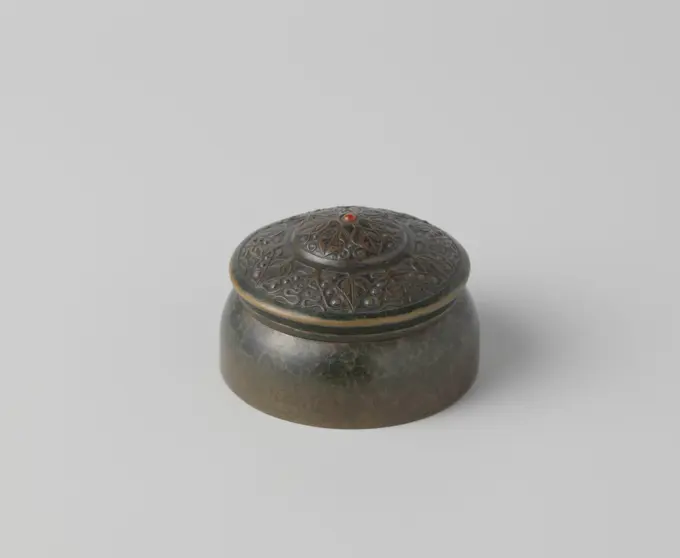
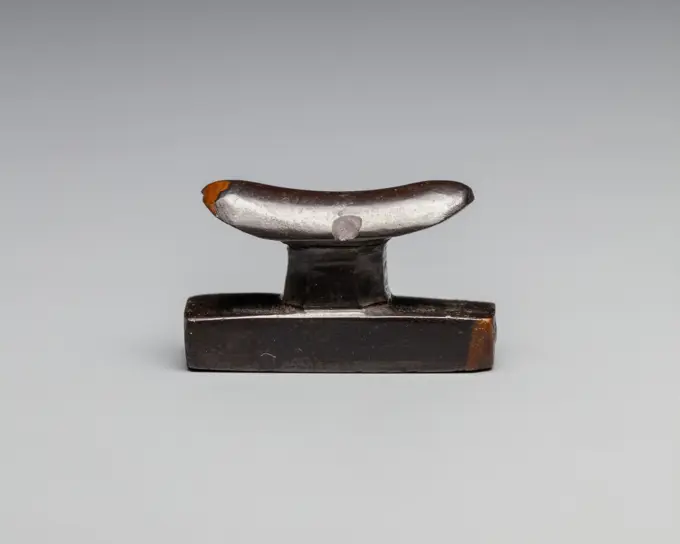
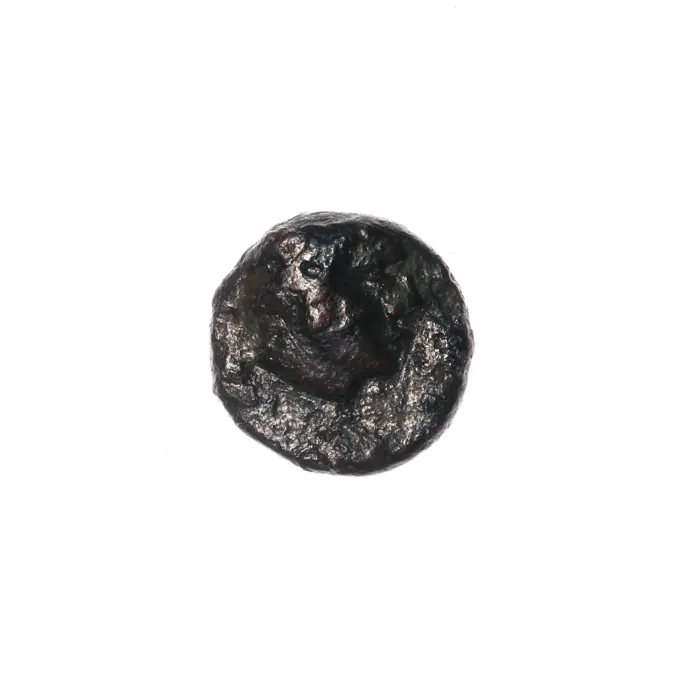
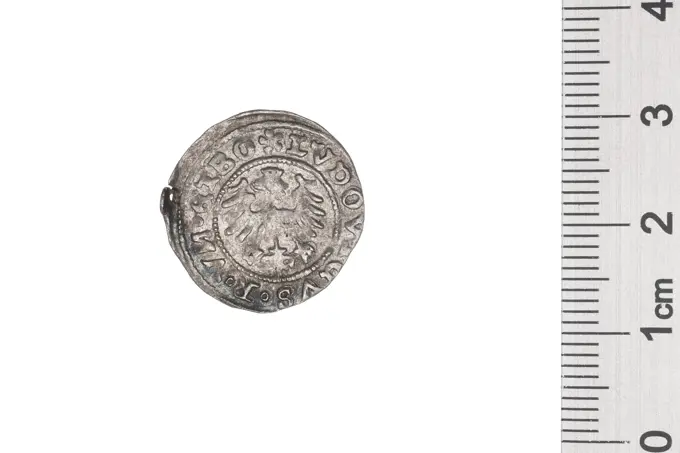
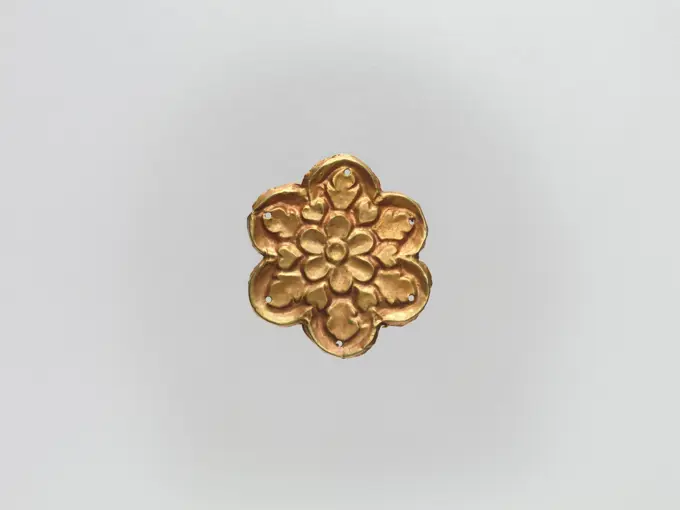
Antique Decorative Objects

A collection of unique antique items featuring a decorative mount, silver box, octopus netsuke, and ancient gold spiral. Each piece reflects historical craftsmanship.

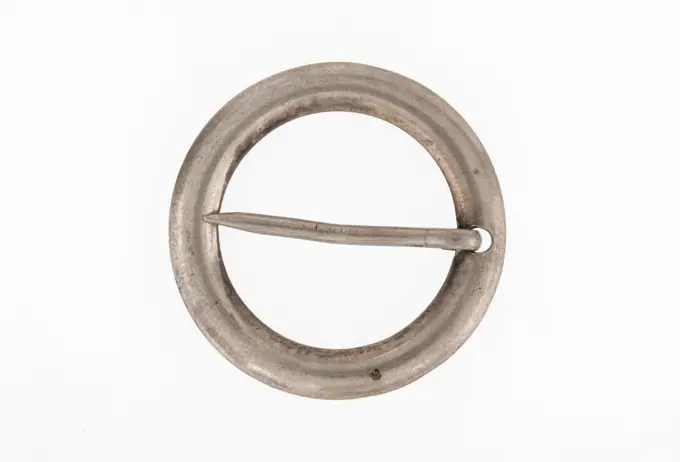
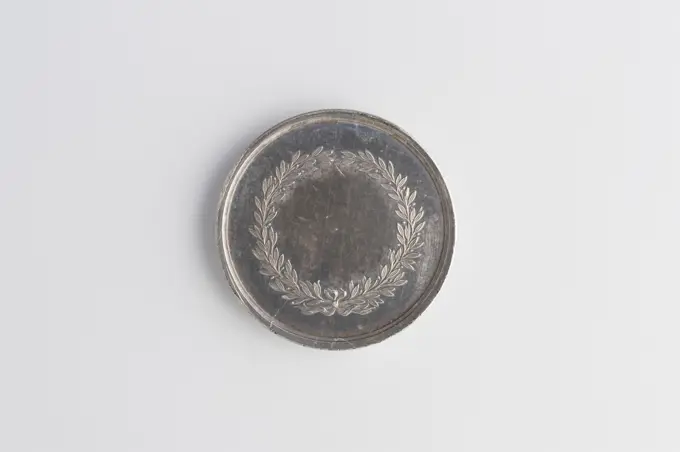
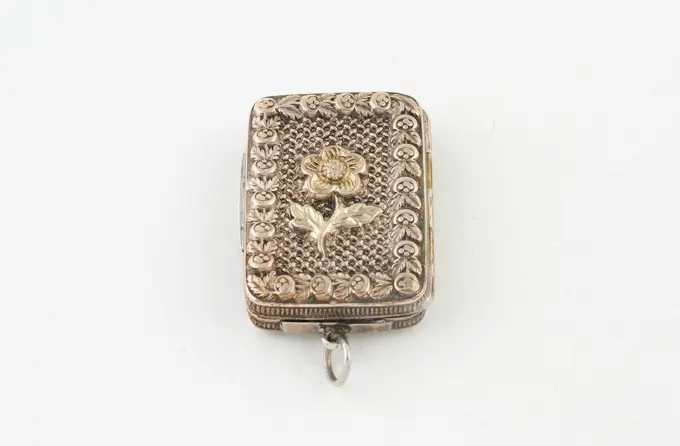
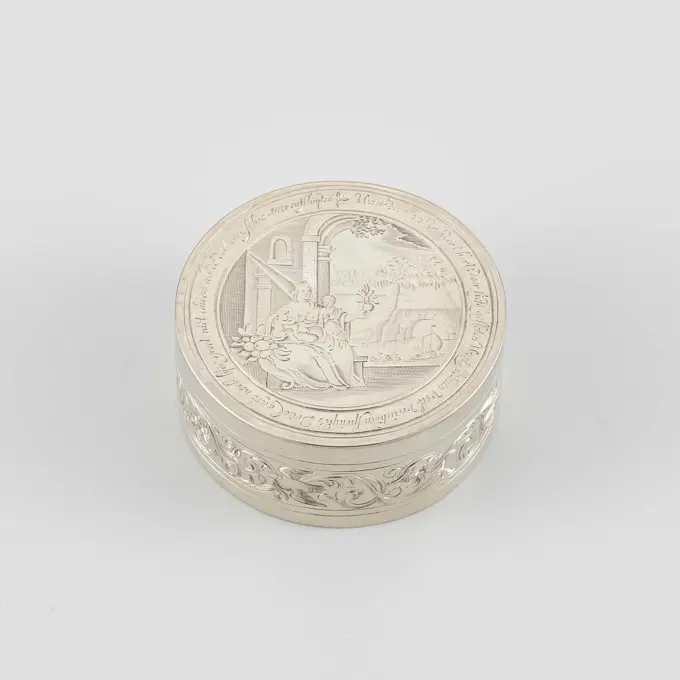
Loddereindoos, anonymous, c. 1800 - c. 1900 Oval loddereindoos of silver in Louis XV style. Decorated with flowers and rocailles under and top. Gilded inside. Netherlands silver (metal). gilding (material) gilding Oval loddereindoos of silver in Louis XV style. Decorated with flowers and rocailles under and top. Gilded inside. Netherlands silver (metal). gilding (material) gilding
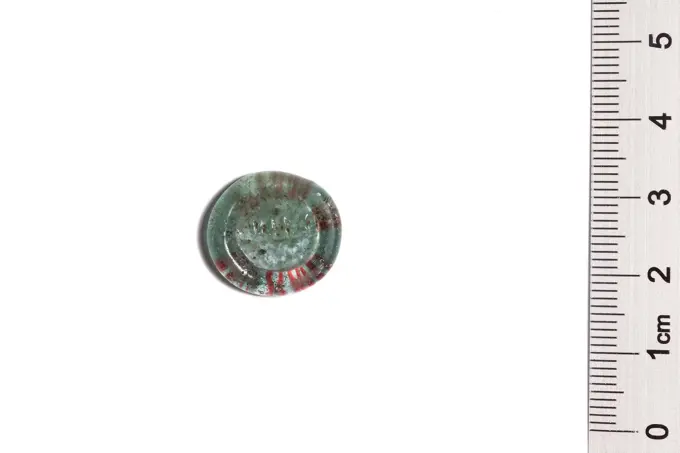
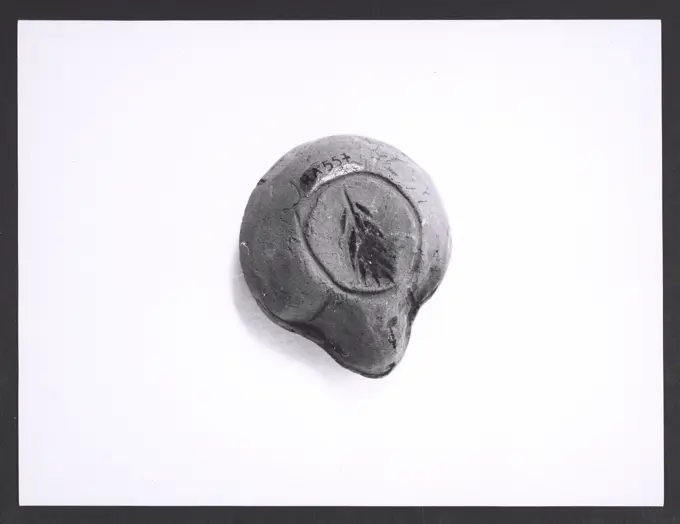
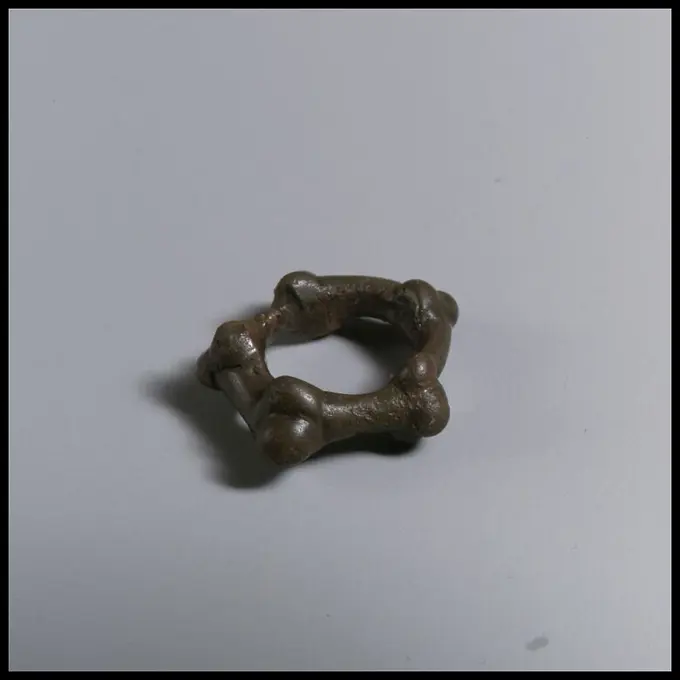
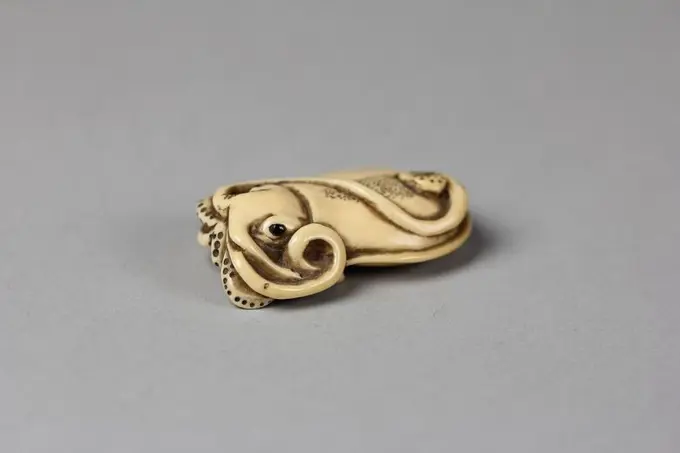
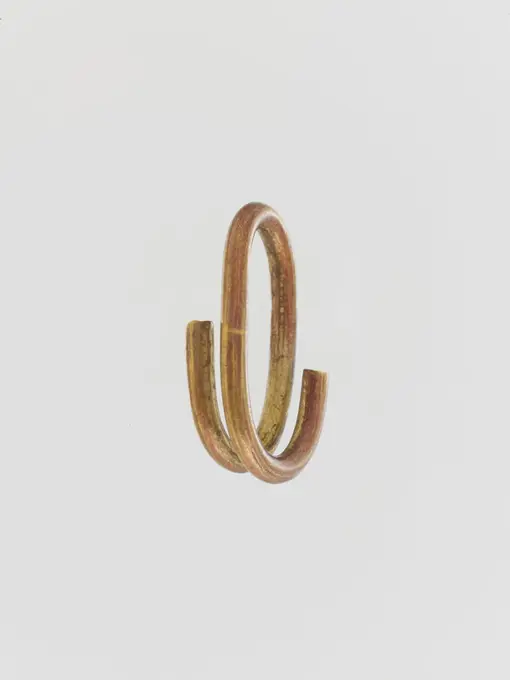
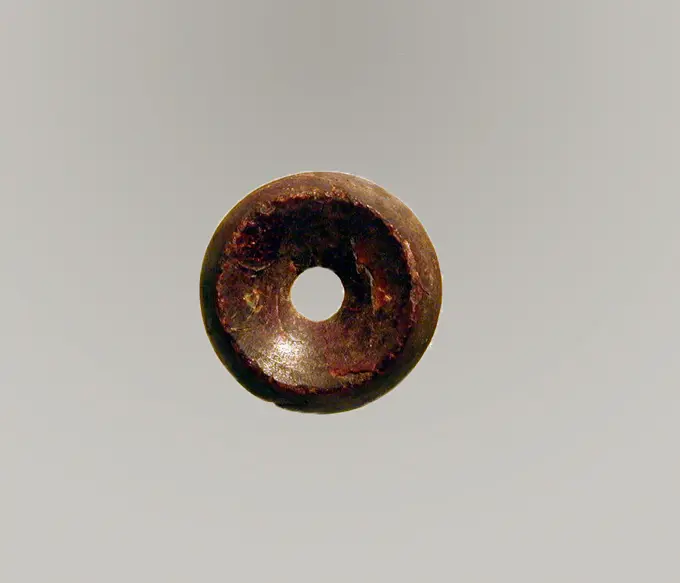
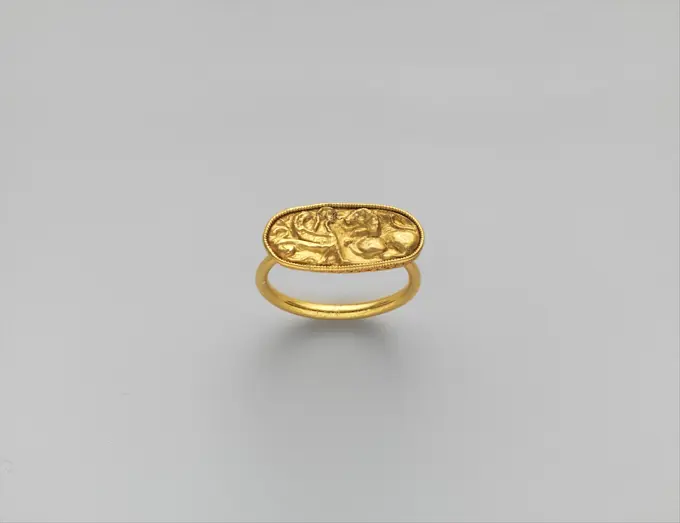
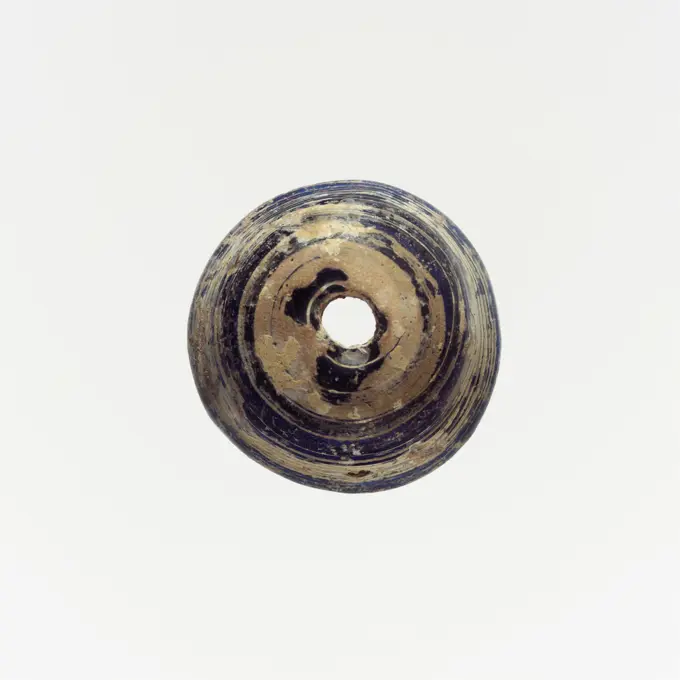
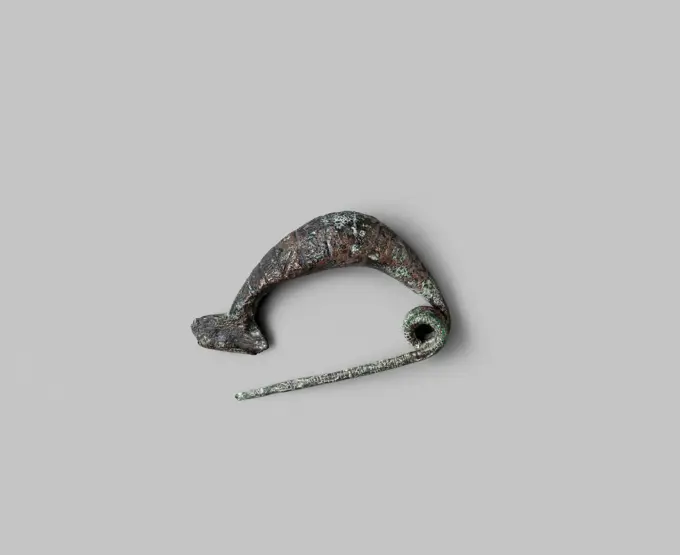
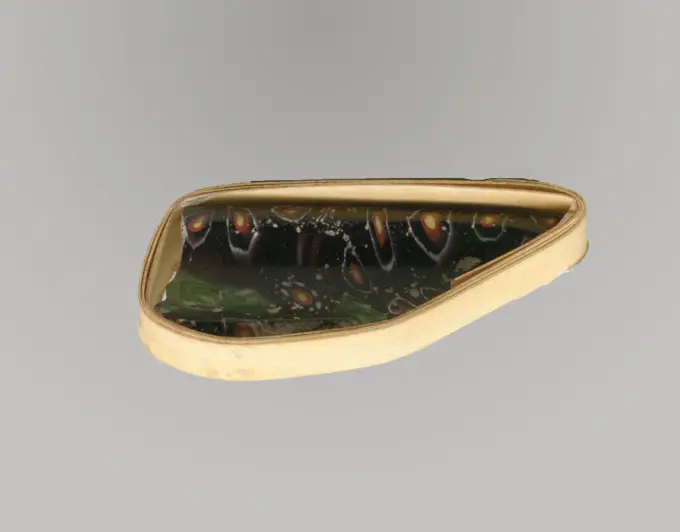
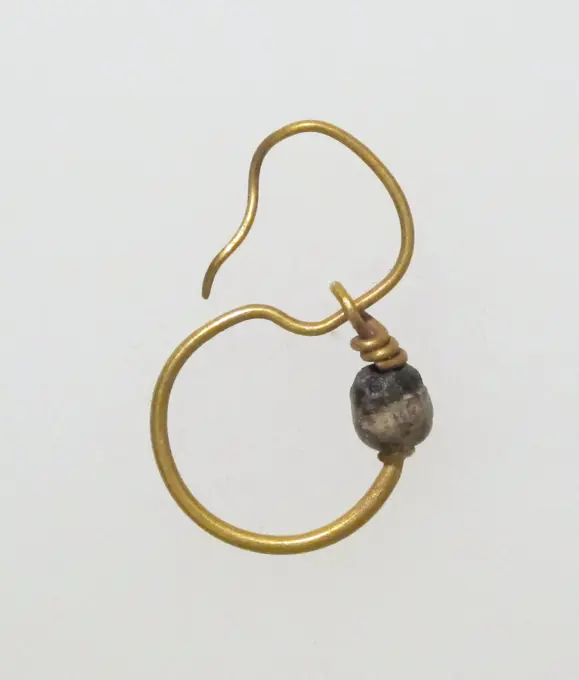
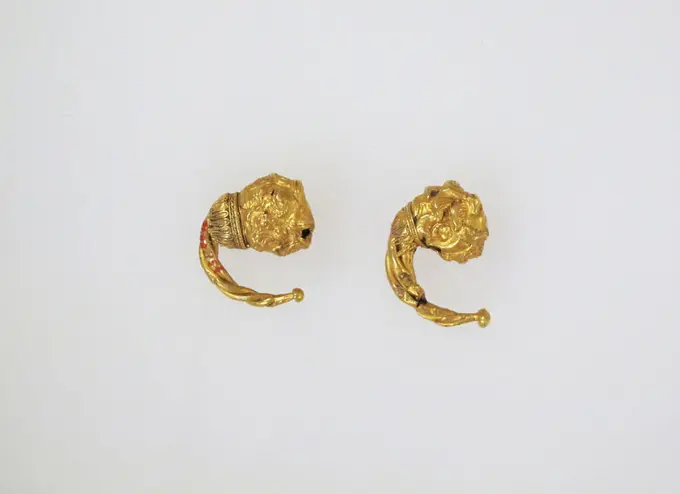
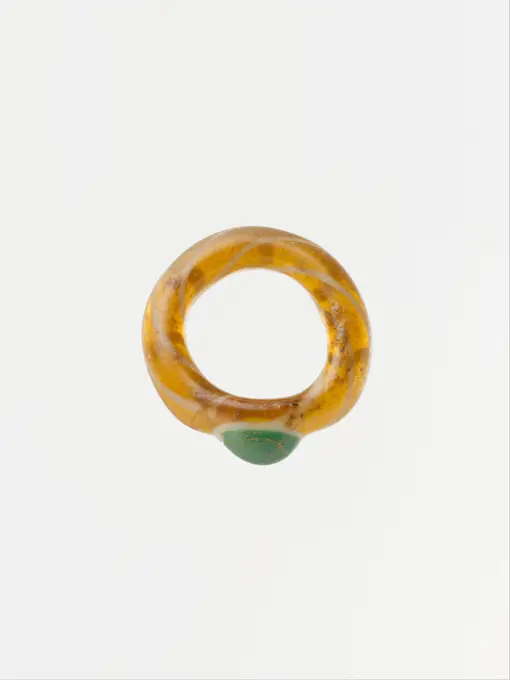
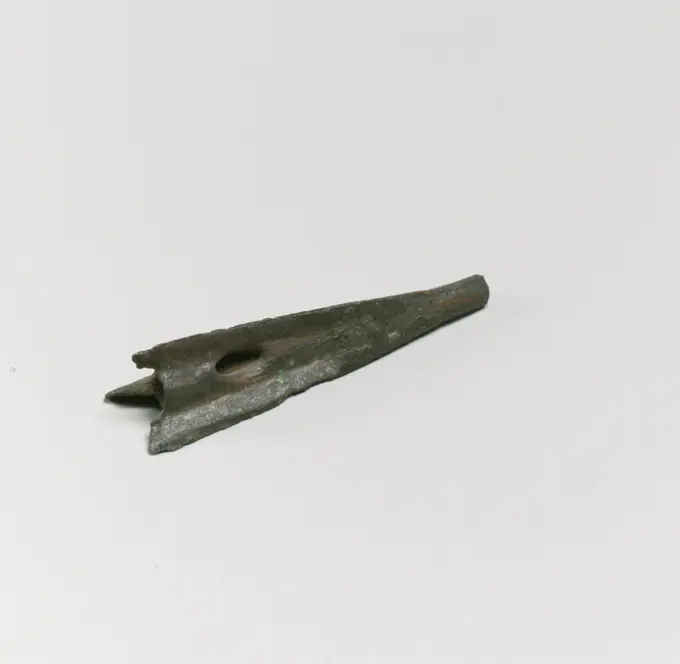
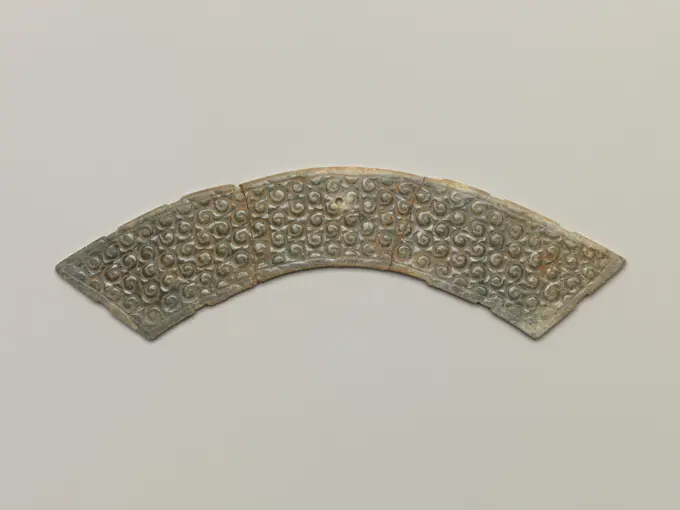
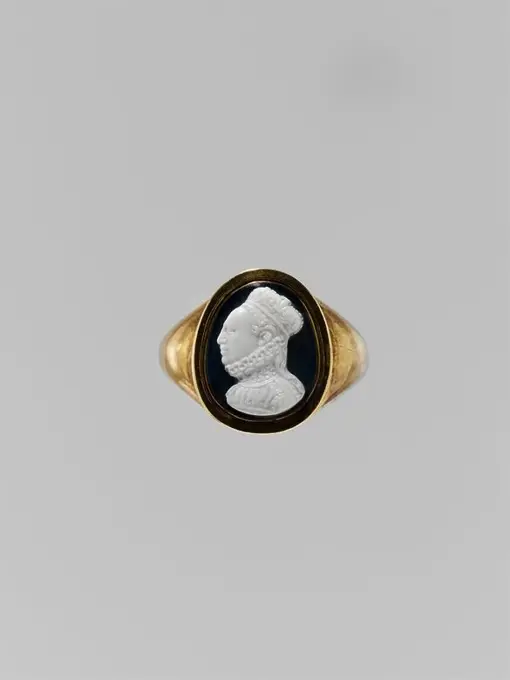
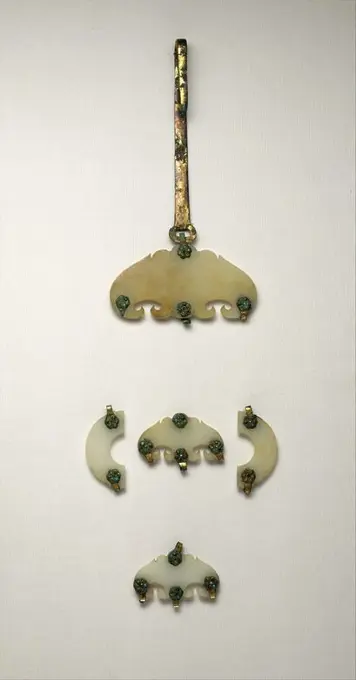
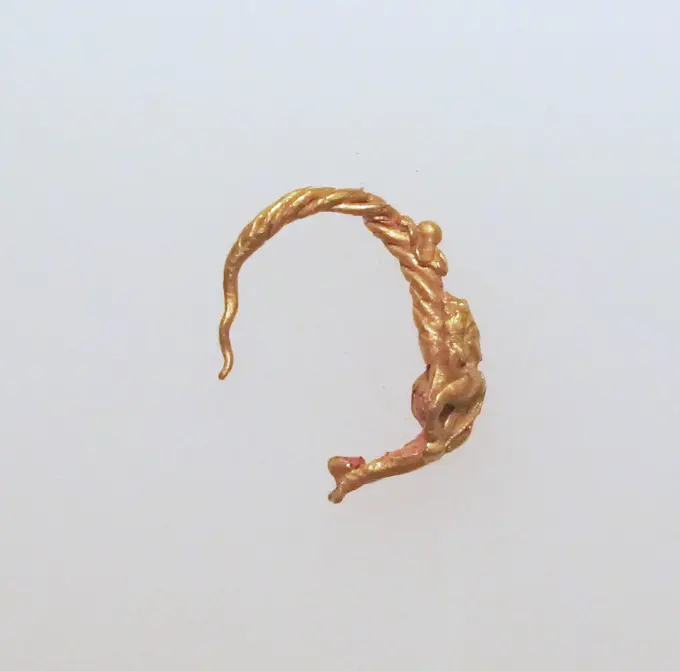
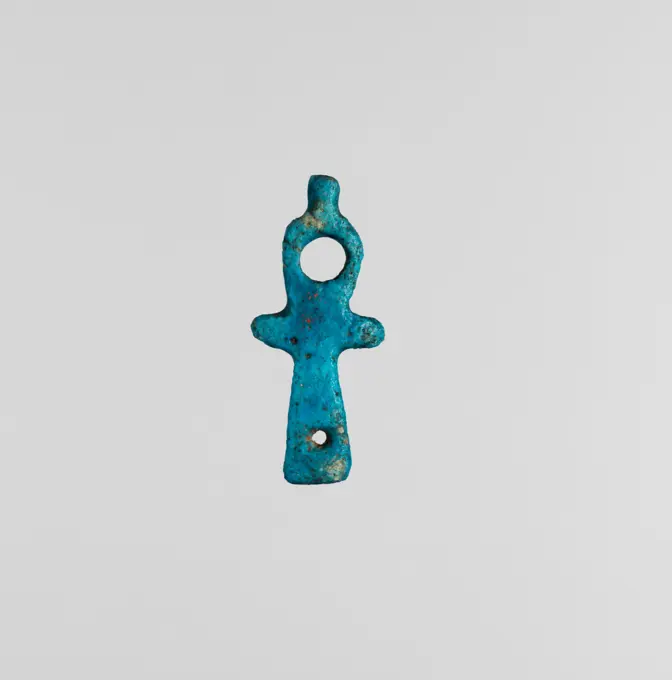
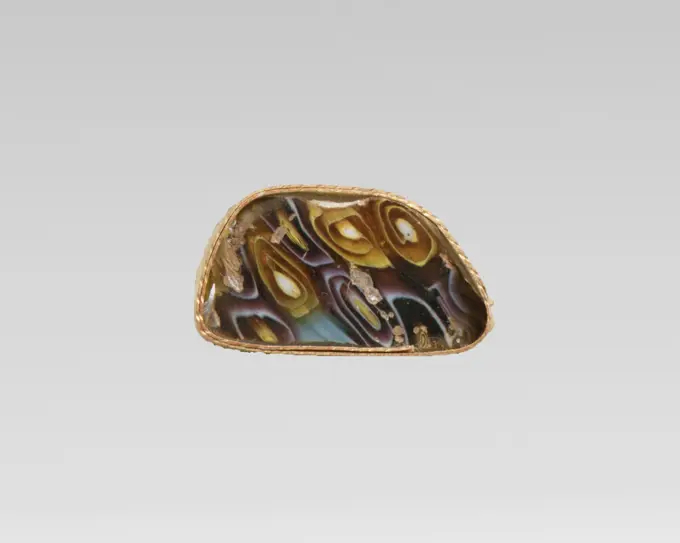
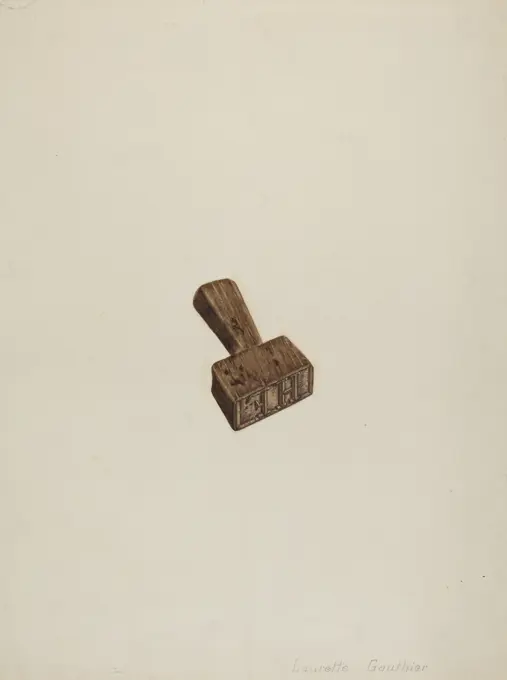
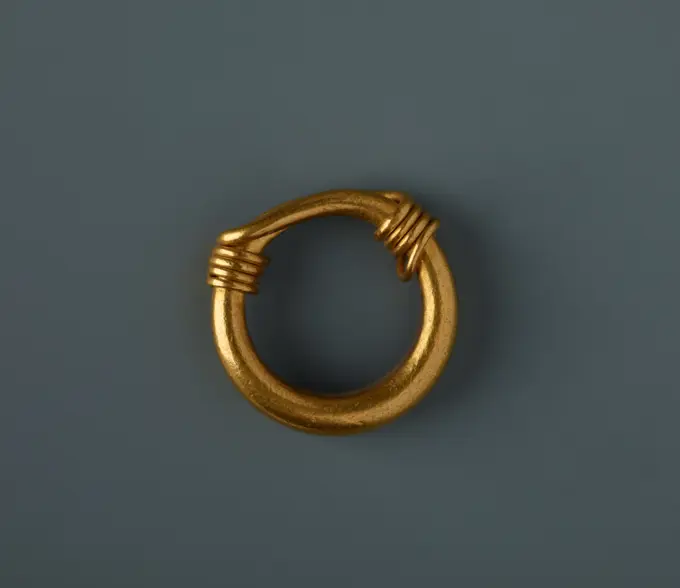
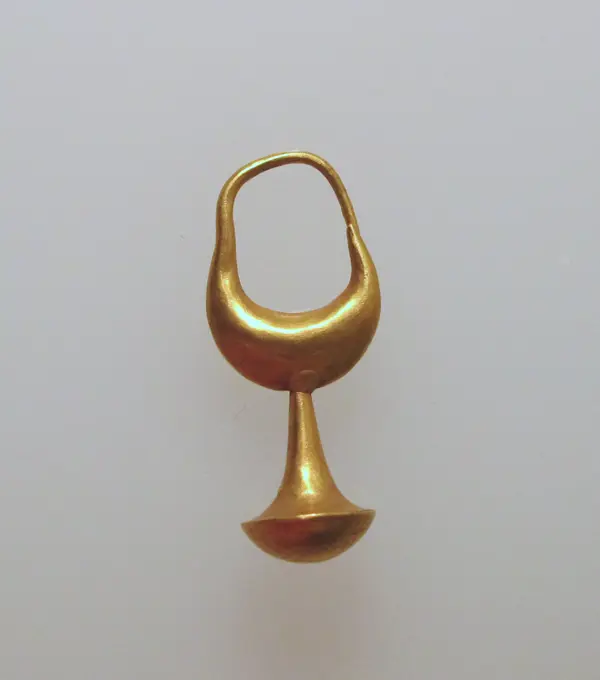
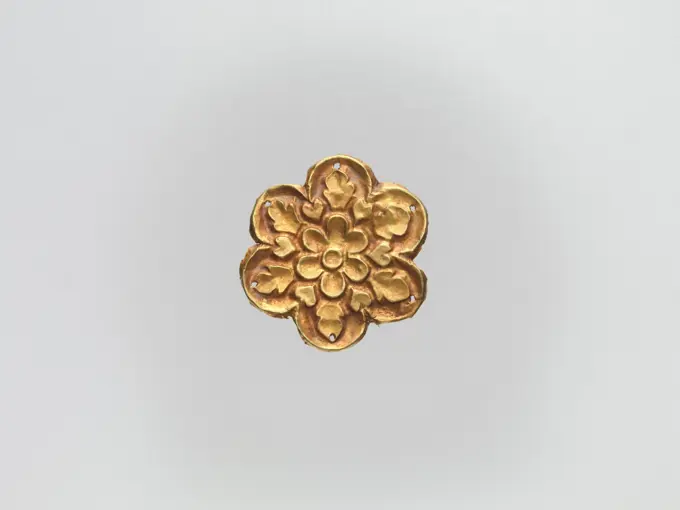
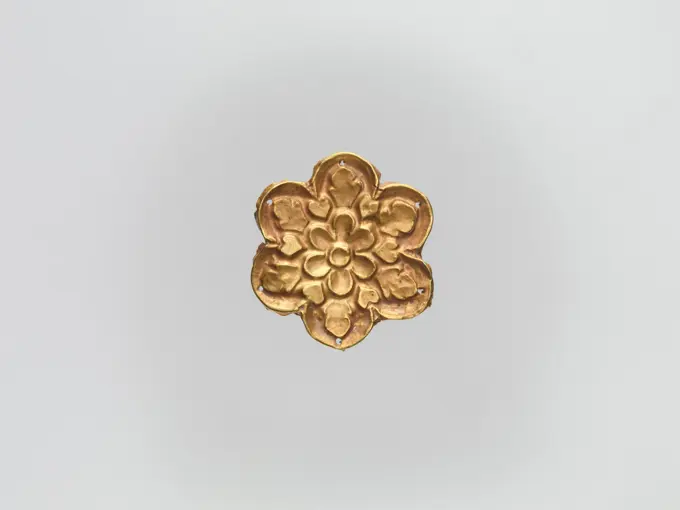
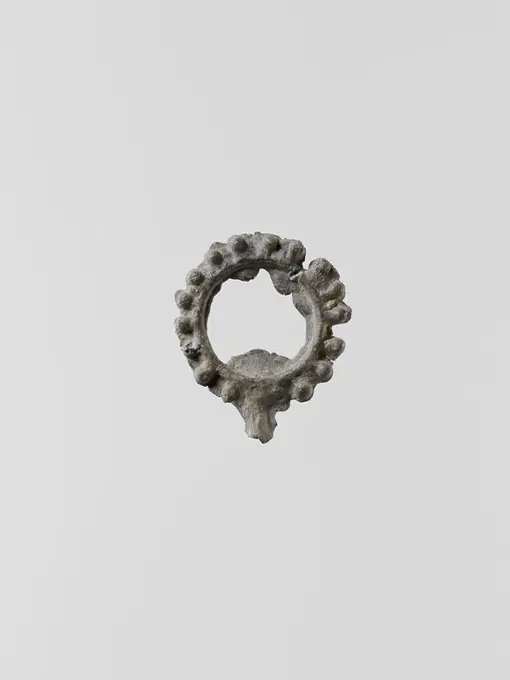
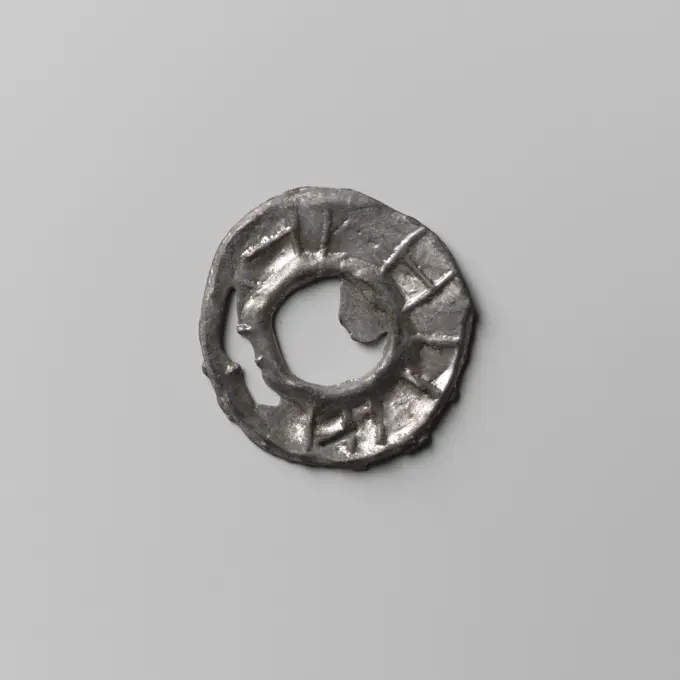
MountNetsuke of Octopus. Culture: Japan. Dimensions: H. 2 in. (5.1 cm); W. 1 1/8 in. (2.9 cm). Date: 19th century. Museum: Metropolitan Museum of Art, New York, USA.Loddereindoos, anonymous, c. 1800 - c. 1900 Oval loddereindoos of silver in Louis XV style. Decorated with flowers and rocailles under and top. Gilded inside. Netherlands silver (metal). gilding (material) gilding Oval loddereindoos of silver in Louis XV style. Decorated with flowers and rocailles under and top. Gilded inside. Netherlands silver (metal). gilding (material) gildingGold spiral. Culture: Cypriot. Dimensions: Length: 1 in. (2.5 cm). Date: ca. 1600-1100 B.C..Of plain wire with one turn. Museum: Metropolitan Museum of Art, New York, USA.Pierced disk, perhaps from an earring or fibula (safety pin) 7th century B.C. Etruscan or Italic Whorl.. Pierced disk, perhaps from an earring or fibula (safety pin). Etruscan or Italic. 7th century B.C.. Amber. Late Geometric. Miscellaneous-AmberGold ring, with stone missing from bezel early 5th century B.C. Etruscan Ring with plain hoop and filigree bezel from a tomb group allegedly from Vulci, one of the richest and most impressive sets of Etruscan jewelry ever found.. Gold ring, with stone missing from bezel 253605 Etruscan, Gold ring, with stone missing from bezel, early 5th century B.C., Gold, Diam.: 1 in. (2.5 cm). The Metropolitan Museum of Art, New York. Harris Brisbane Dick Fund, 1940 (40.11.17)Bracelet Cypriot. Bracelet 244355Buckle 15th-17th century European. Buckle. European. 15th-17th century. Brass. Miscellaneous-Buckles & OrnamentGlass pendant shaped like a jar 3rd-4th century A.D. Roman Uncertain color, appearing opaque black; loop and base in same color; trail in opaque pale yellow.Squat globular body; flat pad base; thick circular suspension loop applied at top.Zigzag trail wound once round body.Intact, but chipped on pad base; dulling, pitting, and faint weathering.Brown opaque pendant with handle and yellow zigzag on side.. Glass pendant shaped like a jar. Roman. 3rd-4th century A.D.. Glass; rod-formed and trailed. Late Imperial. GlassClasp.  Maker: Johannes Nys, American, 1671-1734Kruimelblik. Kruimelblik with flat, round handle. The edges of the can have been edited (accolade form) and engraved. Flowers are engraved in the middle of the can. At the can hear a table swivel with Invnr. BK-NM-11177-108-b. The Blik has been marked: a sword and a brand of Beversen & Rodenberg.Eiffel Tower Matchsafe; Made by Saillart Ainé; France; plated metal; 6.9 x 3 x 1.5 cm (2 11/16 x 1 3/16 x 9/16 in. )Brooch -Snuffbox;  The twenties of the 18th century (1720-00-00-1739-00-00);Amor (mitol.), Mars (Mitol.), Venus (Mitol.), Putta, mythological scenesRing Case; shagreenBuckle dated 1540 German. Buckle. German. dated 1540. Brass. Miscellaneous-Buckles & OrnamentFibula 9th-6th century B.C. Italic Of Fiddle-bow type.. Fibula 246315Silver hairpin box, c. 1400 - c. 1950 Silver hairpin box.  silver (metal) Silver hairpin box.  silver (metal)Weight. unknown, craftsmanSaucer with a crowned monogram and foliate scrolls. Shard of dish of porcelain, painted on the glaze in red, black and gold.Glass spindle whorl ca. 1st-2nd century A.D. Roman Translucent cobalt blue.Tall, domed body, with slight flaring lip at base; flat bottom but with circular groove; vertical hole larger on bottom.Intact; some pitting, dulling, and creamy iridescent weathering.Made by winding trail in a spiral around rod.. Glass spindle whorl 239921Stove and cover, Tin-glazed earthenware, Vase=shaped stove on a hexagonal base. Lion-head antefixes. Relief molded decorated of guilloche below rim and vertical leaves above base. Pierced holes. Domed lid with finial., France, 18th century, ceramics, Decorative Arts, Stove and coverPendant Composed of Granulate Motifs Second half of the 8th-second half of the 10th century Indonesia (Java). Pendant Composed of Granulate Motifs 50108Carnavalet museum, medal collection Right to the left of Louis-Napoléon Bonaparte; Reverse registration on four lines.Gold spiral ca. 1600-1100 B.C. Cypriot Of plain wire with one turn.. Gold spiral. Cypriot. ca. 1600-1100 B.C.. Gold. Late Bronze Age. Gold and SilverPitji of Keteng Van Djokjakarta, Java,, 1700 - 1800 coin Pewter mint. Front: Dischanging in rudimentary characters. Reverse: smooth. In the middle around hole. Soerakarta tin (metal) castingFibula pijawkowata z krótką nóżką. unknown, authorVinaigrette 1886-1887 Birmingham. Silver and silver gilt .Glass mosaic carinated dish fragment late 1st century B.C.-early 1st century A.D. Roman Rim fragment.Translucent deep purple, light blue partially mixed with opaque yellow and appearing green, opaque white, yellow and brick red.Outsplayed, almost horizontal rim with rounded edge; carinated side, with two convex curves, the upper being deeply curved but narrow.Composite mosaic pattern formed from polygonal sections of three canes: one in a purple ground with an outer white circle and a red circle surrounding a central yellow rod; the second similar but with an outer circle of white dots, and the third in blue with a yellow spiral.Polished interior; pitting of surface bubbles on interior; thick iridescent weathering on exterior, rim, and jagged edges.. Glass mosaic carinated dish fragment. Roman. late 1st century B.C.-early 1st century A.D.. Glass; cast. Early Imperial. Glassbracteate heller. Świdnica, issuerWeight. unknown, craftsmanGold spiral ca. 1600-1100 B.C. Cypriot Of plain wire with one turn.. Gold spiral. Cypriot. ca. 1600-1100 B.C.. Gold. Late Bronze Age. Gold and SilverCarnavalet museum, tokens collectionPlanets-manager. Cornalet Collection Sites 2013-2016. Numismatic.Plaque with Coiled Dragon 1000 BCE-800 BCE China. Jade .napkin ring, wood, Scotland, ca. 1880, tableware designs, Decorative Arts, napkin ringAlly Sloper Matchsafe; England; plated brass; 5.8 x 4 x 1.5 cm (2 5/16 x 1 9/16 x 9/16 in. )Weight. unknown, craftsman. Saucepan with spout and a starter for a stem. The wooden handle is missing. The saucepan is marked: STK. = Amsterdam, jrl. = E (1739), mt. = Frederik from STRANT II.Grahal-Manzara. Carnavalet 2013-2016 collection sites. Numismatics.Fragment of a buckle, anonymous, c. 1400 - c. 1950 Fragment of a copper buckle.  copper (metal) Fragment of a copper buckle.  copper (metal)Pilgrim's Badge 14th-16th century French. Pilgrim's Badge. French. 14th-16th century. Lead. Metalwork-LeadEarring, delta-shaped. Earring, delta-shaped 243358Round box with lid, G.H. Lantman, 1910 The object beaten from Tombak consists of a container and a lid with soldered edges of red copper. It is covered with blue velvet on the inside. The container has a flat bottom and a straight wall that narrows towards the edge. The lid, which has been raised to the middle, has a driven and punched decor, consisting of a border with an ornament of two stylized pod and leaf motifs, which have been repeated six times. In the middle a coral is included in a rosette, which is each formed from three leaves. Amsterdam tombac (alloy). copper (metal). velvet (fabric weave) casting / soldering The object beaten from Tombak consists of a container and a lid with soldered edges of red copper. It is covered with blue velvet on the inside. The container has a flat bottom and a straight wall that narrows towards the edge. The lid, which has been raised to the middle, has a driven and punched decor, consisting of a border with an ornament of two stylized pod and Rower Matchsafe; possibly France; silver; 4.7 x 3.6 x .9 cm (1 7/8 x 1 7/16 x 3/8 in. )Headrest amulet 664-332 B.C. Late Period Full-size headrests supported the neck of a sleeping person and were often decorated with protective symbols; examples were also placed in the tomb. Headrest amulets were exclusively used as funerary amulets. In addition to their protective function, further meaning derived from the formal resemblance between the round head on the curved headrest and the sun rising between two hills, a powerful symbol of resurrection and rebirth for the ancient Egyptians. Headrest amulets were meant to protect the head of the deceased and reinsure his or her rebirth.. Headrest amulet. 664-332 B.C.. Hematite. Late Period. From EgyptScarab Inscribed with the Name Amtenhotep ca. 1525-1504 B.C. New Kingdom. Scarab Inscribed with the Name Amtenhotep. ca. 1525-1504 B.C.. Steatite, glazed. New Kingdom. From Egypt. Dynasty 18Five Stages of Life Matchsafe; USA; plated brass; 6 x 3.9 x 1.2 cm (2 3/8 x 1 9/16 x 1/2 in. )Brown coin; Pantikapaion; 1. PO. II-PO. II century BC (-200-00-00--146-00-00);Apollo (Mitol.), Chynowski, Józef (1833 -Ca 1915), Chynowski, Józef (1833 -Ca 1915) - collections, Nadczarzyorze, Society of Zachęta Piękne Arts (Warsaw - 1860-1940) - collection, weapon (iconogr.), Goritos (army), head of Apollo (iconogr.), Sajdak (weapons), armament (iconogr.), Arch in Sajdak (iconogr.), Łuki (army)Papom, Frederik van Strant (II), 1740 Papkom with horizontal, shell -shaped handles. In the bowl, a six -pointed star is engraved in a circle. The bowl has a stand ring. The brandy bowl is marked: stk. = Amsterdam, Jrl. = F (1740), Mt. = Frederik van Strant II, the letter U (Rekeur Middelburg) and an ax. Amsterdam silver (metal) Papkom with horizontal, shell -shaped handles. In the bowl, a six -pointed star is engraved in a circle. The bowl has a stand ring. The brandy bowl is marked: stk. = Amsterdam, Jrl. = F (1740), Mt. = Frederik van Strant II, the letter U (Rekeur Middelburg) and an ax. Amsterdam silver (metal)1 groschen. Witte, Heinrich von (fl. 1525-1527), mint manager, Ludwik Jagiellończyk (król czeski i węgierski ; 1516-1526), ruler, Świdnica, issuer, Sauerman von der Göltsch, Konrad (fl. 1523-1554), moneyerToad Matchsafe; Manufactured by Gorham Manufacturing Company (United States); USA; silver; 5.2 x 3.4 x 1.5 cm (2 1/16 x 1 5/16 x 9/16 in. )Earring with head of lion, pair. Culture: Greek . Dimensions: Other (.154): 7/16 × 7/8 × 15/16 in. (1.1 × 2.2 × 2.3 cm)Other (.155): 3/8 × 3/4 × 1 in. (1 × 1.9 × 2.5 cm). Date: 4th-3rd century B.C.. Museum: Metropolitan Museum of Art, New York, USA.Incense box (kôgô) with a cover;  End of the 19th century (1891-00-00-1900-00-00);Glass bead Roman. Glass bead. Roman. Glass. GlassRectangular cufflink from Niello silver with block pattern. Rectangular cufflink from Niello silver with block pattern.Glass finger ring 1st century A.D. Roman Translucent honey yellow, with opaque white trails and opaque green blob.Circular hoop and cross section made from a straight rod and bent into ring so that ends meet at bezel.Top of bezel shaped into an oval projecting blob in green, encircled by white, imitating a gem; spirally twisted trails in hoop.Intact; some pinprick bubbles; dulling, slight pitting and weathering.Many rings of this type have been found at sites throughout the Roman Empire.. Glass finger ring. Roman. 1st century A.D.. Glass; drawn, tooled, and trailed. Early Imperial. GlassArrowhead. Arrowhead 246796Paperweight 1841-1860 United States. Glass .Bake  STEMPLOWA with a performance of the main bull; Unknown Cypriot workshop; XIV - 13th century BC ; the period of the seed Brown (-1400-00-00--1201-00-00);Cyprus, Czartoryska, Maria Ludwika (1883-1958), Czartoryska, Maria Ludwika (1883-1958)-collection, Działyńska, Izabela (1830-1899), Działyńska, Izabela Elżbieta née Czartoryski (1830-1899)-collection, Cyprian glipty, bull heads (iconogr.), Stemps seals, transmission (provenance)Arc-shaped pendant (Huang) 5th century B.C. China. Arc-shaped pendant (Huang). China. 5th century B.C.. Jade (nephrite). Eastern Zhou dynasty (770-256 B.C.). JadeVinaigrette 1817-1828 Birmingham. Silver and silver gilt .Ring. Dimensions: diameter 3.51 cm.. Museum: Metropolitan Museum of Art, New York, USA.Worn Shoe Sole, Silver, glass, In the shape of an old shoe, with leather collapsed and folded, featuring a sole and heel with red glass beads along perimeter to simulate raised nail heads, parts of sole and heal also appear worn away. Sole flips open to reveal match compartment. Striker set inside shoe, beneath laces on reverse side., late 19th century, containers, Decorative Arts, Matchsafe, MatchsafeElizabeth I of England (1533-1603). Culture: probably Italian. Dimensions: Overall: 5/8 x 1/2in. (1.6 x 1.3cm); visible cameo: 16 x 13 mm. Date: ca. 1570-1600.The Virgin Queen hired English, French, and Italian engravers to create a huge and resplendent glyptic iconography. This relatively meager specimen, well worn, reflects coins minted late in her reign. Museum: Metropolitan Museum of Art, New York, USA.Set of Five Plaques. Culture: China. Dimensions: (a, b arc-shaped pendants): W. 5/8 in. (1.6 cm); Diam. 2 3/16 in. (5.5 cm)(c,d cloud-shaped pendants): W. 1 3/8 in. (3.5 cm); Diam. 2 3/8 in. (6 cm)(e large cloud-shaped pendant): 2 in. (5.1 cm); Diam. 4 in. (10.2 cm). Date: early 8th century.This reconstruction of a composite jade pendant represents a type originally suspended from a woman's belt, as confirmed by depictions in Tang murals and stone engravings. Museum: Metropolitan Museum of Art, New York, USA.Planets-manager. Cornalet Collection Sites 2013-2016. Numismatic.Metal base from rotting. A metal base of rotting belonging to NG-2004-57-1.Fragment of a pipe head from the wreck of the East India Flying Heart. A cup without stem from an earthen golden pipe, blue and white yellowish color. Heel brand WS. Lightly damaged. Fragments or bowls and votes.Buckle 15th-17th century European. Buckle. European. 15th-17th century. Bronze. Miscellaneous-Buckles & OrnamentLive nobility of silver with weapon of birchhout. Live nobility of silver with weapon of birchhout. Bolle front in which the weapon has been beaten. The weapon of Berkhout (1815): in gold seven red kepers, a standing silver crane in a blue Vrijkwartier. Equipped with a copper eye at the back.Fragment pipe head. Fragment blowjob with a men's head shown. Of the excavations at the Hofstede Arentsburg 1827-1831 under the supervision of professor Reuvens.Ornament, flower-shaped mount for stone baseDenar - Brakteat; 2 after. XIII century (1233-00-00-1299-00-00);Earring. Earring 257592Gold earring with figure 3rd2nd century B.C. Greek. Gold earring with figure 242947Brakedate Halter; 15th century (1401-00-00-1500-00-00);Dzik's head (iconogr.), Unilateral coins, city coinsAmulet - znak życia anch. unknown, authorGlass mosaic carinated bowl fragment late 1st century B.C.-early 1st century A.D. Roman Body fragment.Translucent honey brown, purple, and light blue, opaque white and yellow.Part of bottom and side curving unevenly upward; one straight edge running across bottom and up side.Composite mosaic pattern formed from polygonal sections of three canes: one in a brown ground with a white spiral and central white rod; a second in a purple ground with a white circle around a tiny central yellow spiral, and the third in a purple ground with a white spiral around a tiny central yellow spiral; trace of a fourth cane in a blue ground with a white spiral.Polished exterior; pitting and weathering of surface bubbles on exterior; dulling and iridescent weathering on interior and edges.. Glass mosaic carinated bowl fragment. Roman. late 1st century B.C.-early 1st century A.D.. Glass; cast. Early Imperial. GlassLaurette Gauthier, Wooden Seal, c 1941 Wooden SealEarringSharf of a sign from the wreck of the East Indians Hollandia, Anonymous, 1700 - in Or Before 1743 plate (dishes) Porcelain, plate, type 3; fragm of base, sim. NG 1980-27H3202c. Netherlands porcelain   SecondEarring with nail head pendant, 12 Cypriot. Earring with nail head pendant, 12 2426533 hellers. Jerzy Rudolf (książę legnicko-brzeski ; 1595-1653), ruler, Legnica, issuer, Cantor, Christoph (fl. 1611-1622), moneyer, Heinecke, Georg (fl. 1622-1623), engraverFlower-Shaped Clothing Plaque 7th-9th century China (Xinjiang Autonomous Region, Central Asia) The nomadic communities of Central Asia used such plaques to embellish clothing and horse trappings. As these nomadic cultures herded animals and were constantly moving, their artistic production was expressed in portable objects that marked the wearers status and wealth. The outstanding preservation of these fragile ornaments suggests they were used in conjunction with burials, where the body was aggrandized with valuable textiles and augmented with gold. Although it is difficult to date and place these objects geographically, their presence in Central Asia and has a long, established history.. Flower-Shaped Clothing Plaque 65201Earring Etruscan Ring form with ball attached near one end.. Earring. Etruscan. Gold. Gold and SilverFlower-Shaped Clothing Plaque 7th-9th century China (Xinjiang Autonomous Region, Central Asia) The nomadic communities of Central Asia used such plaques to embellish clothing and horse trappings. As these nomadic cultures herded animals and were constantly moving, their artistic production was expressed in portable objects that marked the wearers status and wealth. The outstanding preservation of these fragile ornaments suggests they were used in conjunction with burials, where the body was aggrandized with valuable textiles and augmented with gold. Although it is difficult to date and place these objects geographically, their presence in Central Asia and has a long, established history.. Flower-Shaped Clothing Plaque 65204Glass mosaic bead 3rd-4th century A.D. Roman, Egyptian. Glass mosaic bead. Roman, Egyptian. 3rd-4th century A.D.. Glass. Late Imperial. GlassFlower-Shaped Clothing Plaque 7th-9th century China (Xinjiang Autonomous Region, Central Asia) The nomadic communities of Central Asia used such plaques to embellish clothing and horse trappings. As these nomadic cultures herded animals and were constantly moving, their artistic production was expressed in portable objects that marked the wearers status and wealth. The outstanding preservation of these fragile ornaments suggests they were used in conjunction with burials, where the body was aggrandized with valuable textiles and augmented with gold. Although it is difficult to date and place these objects geographically, their presence in Central Asia and has a long, established history.. Flower-Shaped Clothing Plaque 65222Excerpt from the wreck of the East Indies Hollandia, 1700 - in or before 1743 fragment Parts of artefacts; eroded fragments: materials; copper. Netherlands copper (metal)   SecondWreaths, 6. Culture: Greek, Laconian. Dimensions: 15/16 × 3/4 in. (2.3 × 1.9 cm). Museum: Metropolitan Museum of Art, New York, USA.Earring-hook type with sard setting. Earring-hook type with sard setting 243375Pitji Van Djambi, Sumatra,, 1700 - 1850 coin Pewter mint. Front: Dischanging in Javanese () Loads. Reverse: smooth. In the middle of the bulge after hole. Djambi tin (metal) castingPair of Sword-Grip Ornaments (Menuki) 18th century Japanese Menuki are a pair of ornamental sword fittings attached to either side of a sword hilt.. Pair of Sword-Grip Ornaments (Menuki). Japanese. 18th century. Gold. Sword Furniture-MenukiCrab Pendant 11th-16th century Costa Rica. Crab Pendant. Costa Rica. 11th-16th century. Gold (cast). Costa Rica. Metal-OrnamentsWedding box of Arent Volckersz Akersloot and Meijnutie Cornelis Ossenhooft. The custom of presenting a medallion to commemorate a wedding was widespread in the 17th century. Such medallions were sometimes kept in a specially made box. The lid of this box is embellished with marriage symbolism. Simple engraving, as found here, was probably not done by a specialist, but by the silversmith himself.Ring in the form of a crab, Lucien Gaillard, 1903 - 1906 Golden ring in the shape of a crab with a round, natural gem between his scissors. Paris gold (metal). pearl casting Golden ring in the shape of a crab with a round, natural gem between his scissors. Paris gold (metal). pearl castingEmilia-Romagna Ferrara Ferrara Museo Civico di Schifanoia73. Hutzel, Max 1960-1990 General Notes: INCOMPLETE RECORD--NEGATIVES PROCESSED, PRINTS FILED German-born photographer and scholar Max Hutzel (1911-1988) photographed in Italy from the early 1960s until his death. The result of this project, referred to by Hutzel as Foto Arte Minore, is thorough documentation of art historical development in Italy up to the 18th century, including objects of the Etruscans and the Romans, as well as early Medieval, Romanesque, Gothic, Renaissance and Baroque monuments. Images are organized by geographic region in Italy, then by province, city, site complex and monument.Bronze ring. Dimensions: diameter 7/8in. (2.2cm).Decorated with five sets of bosses. Museum: Metropolitan Museum of Art, New York, USA.Grahal-Manzara. Carnavalet 2013-2016 collection sites. Numismatics. Right bust of a stranger with the cross of the order of the Holy Spirit, on the left.